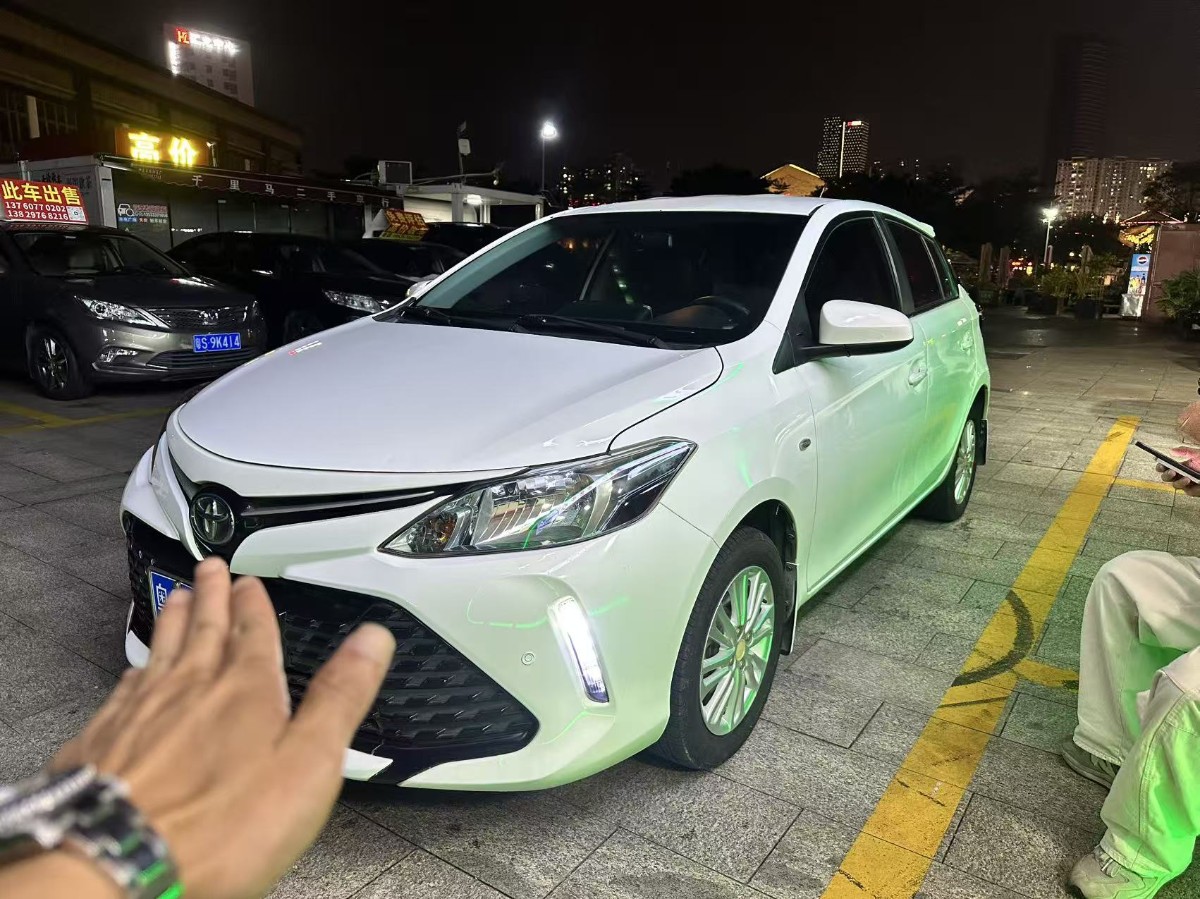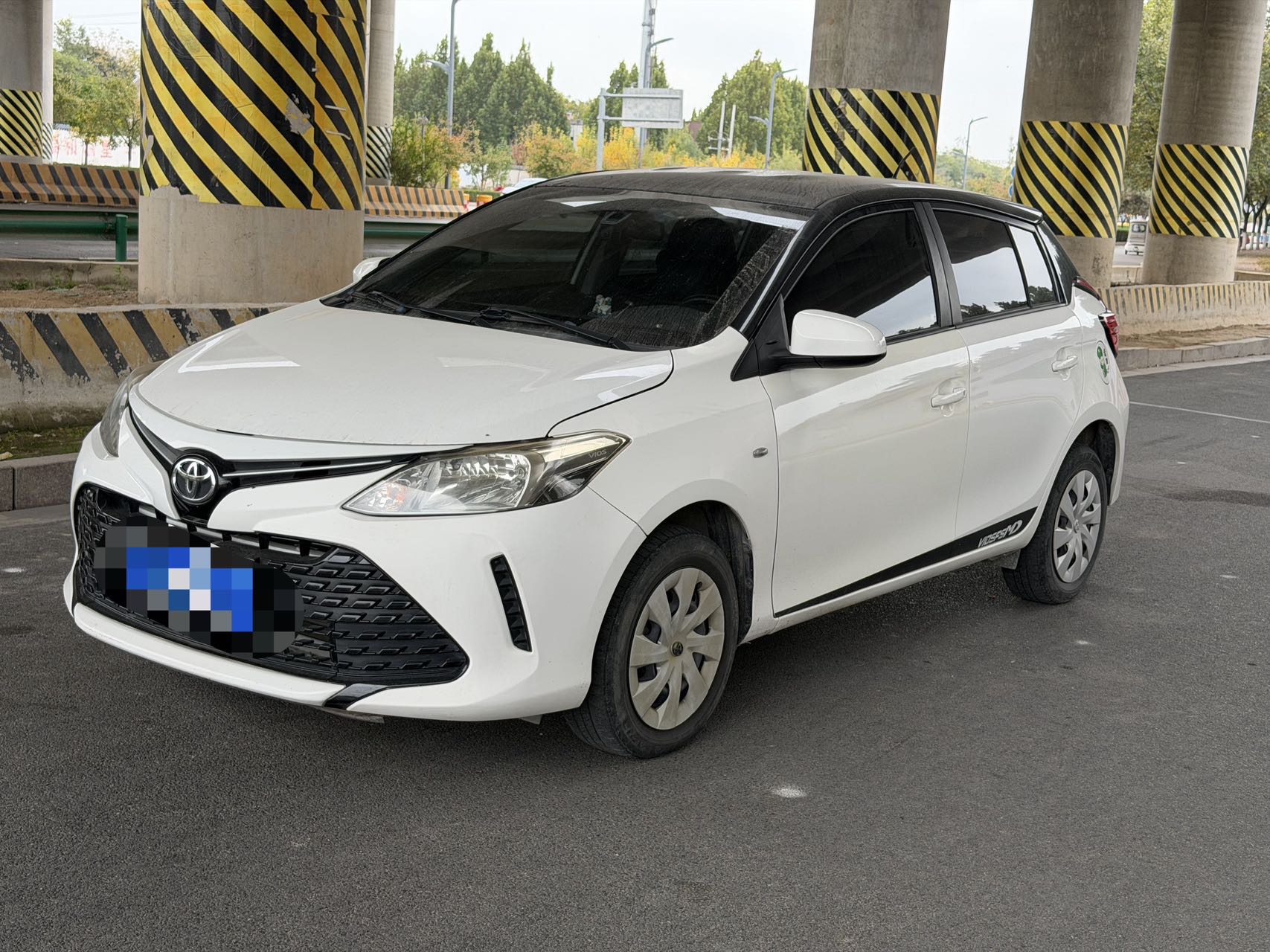
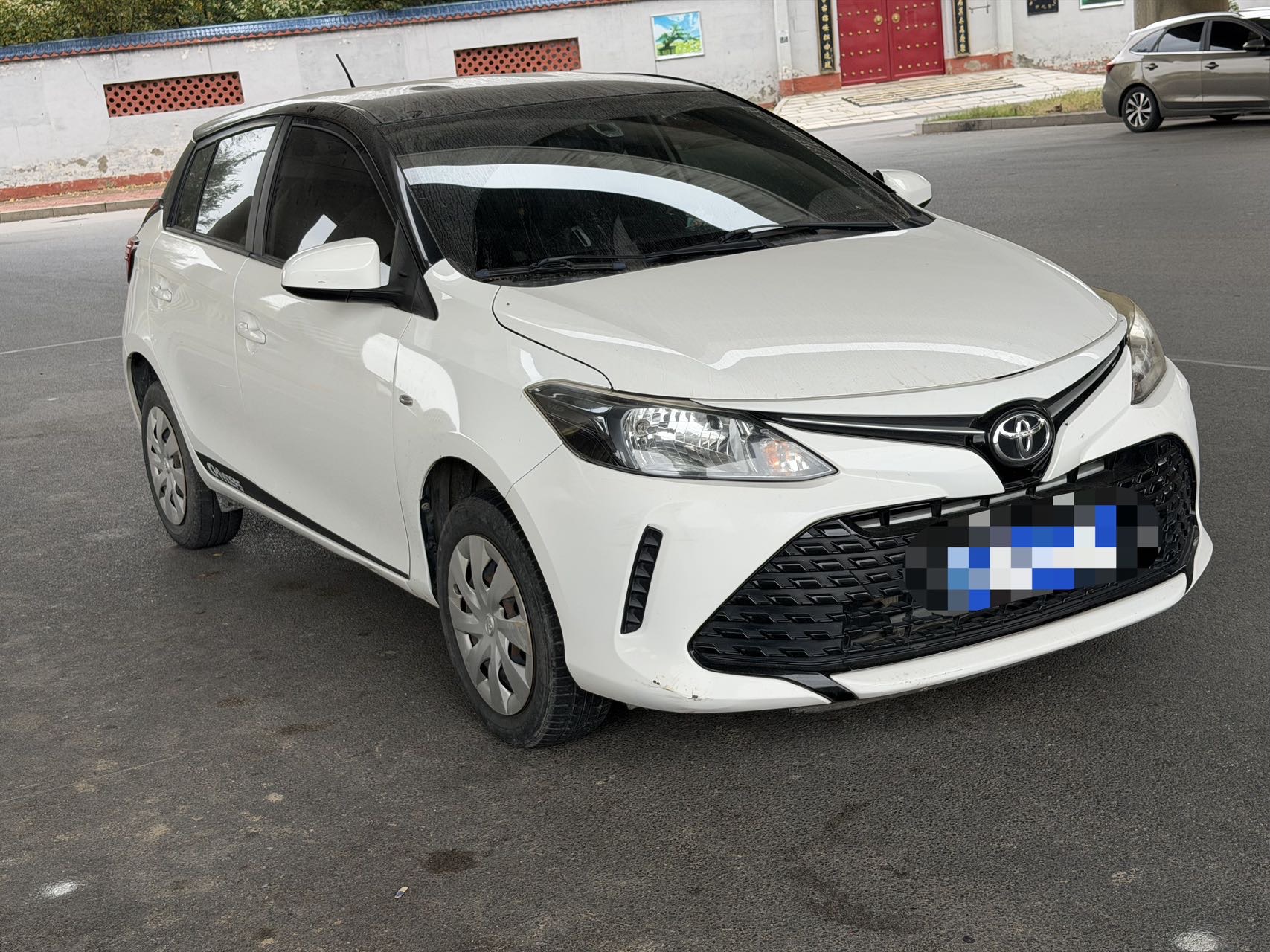



Basic Information

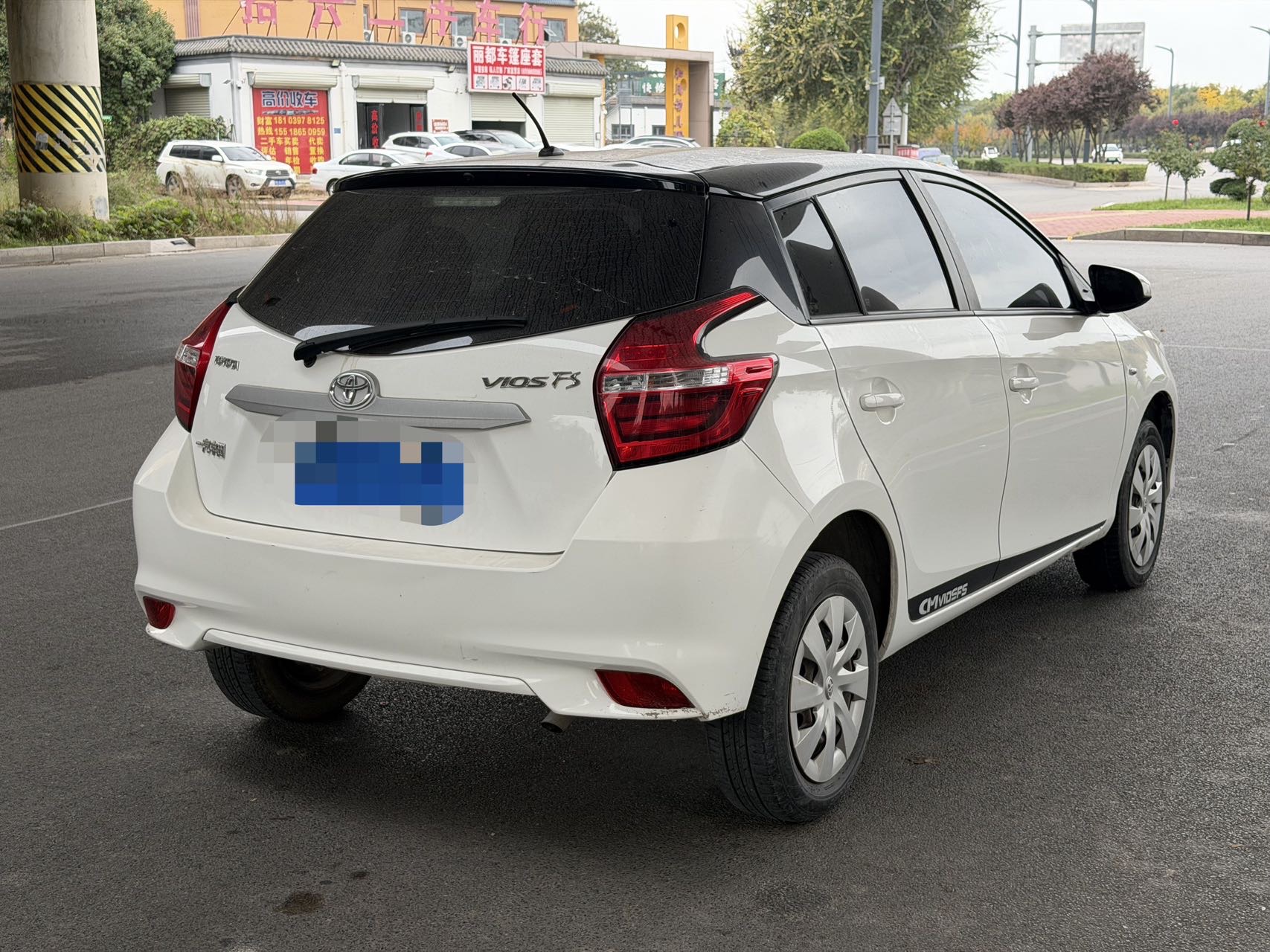
BrandToyota
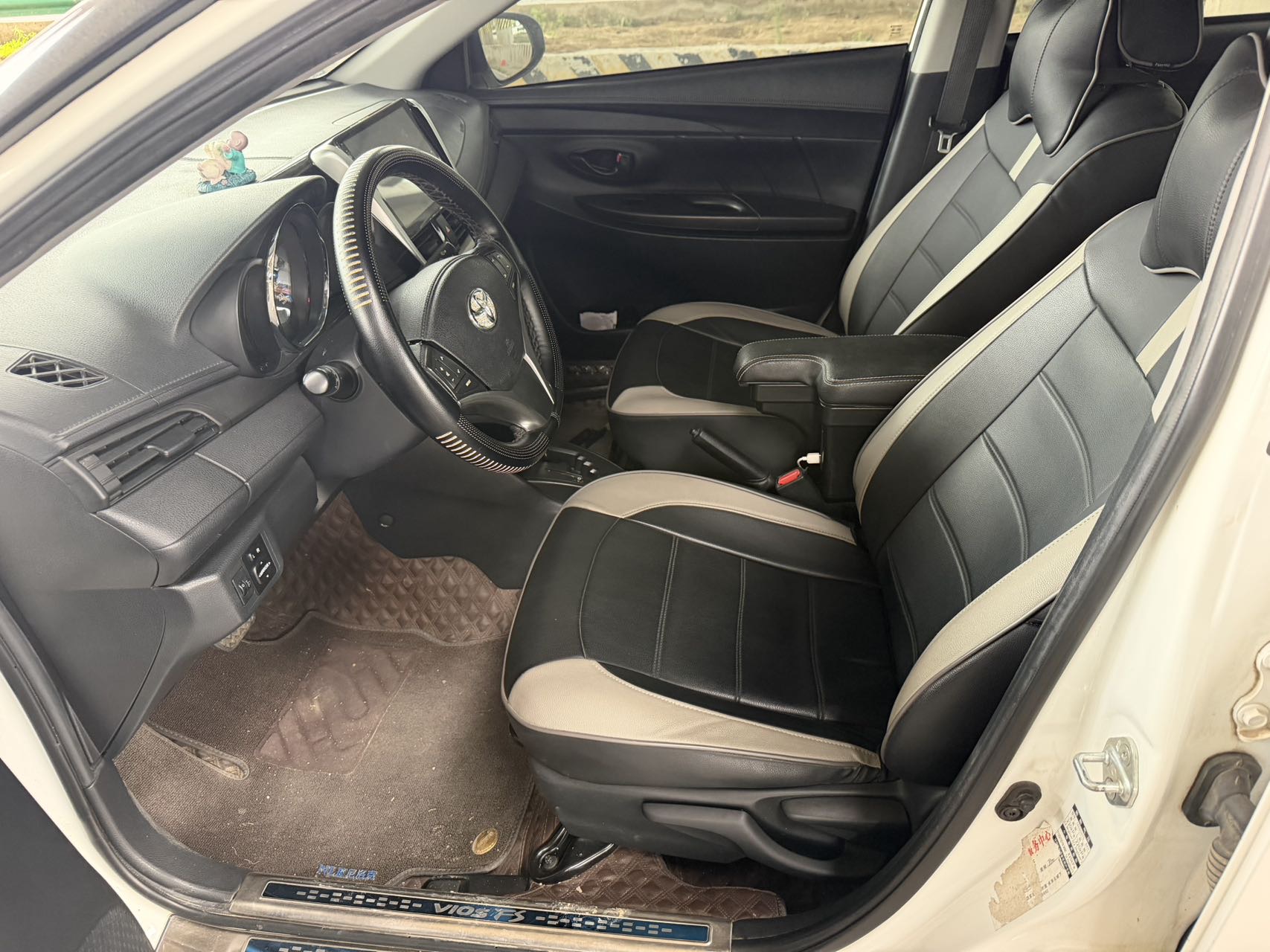
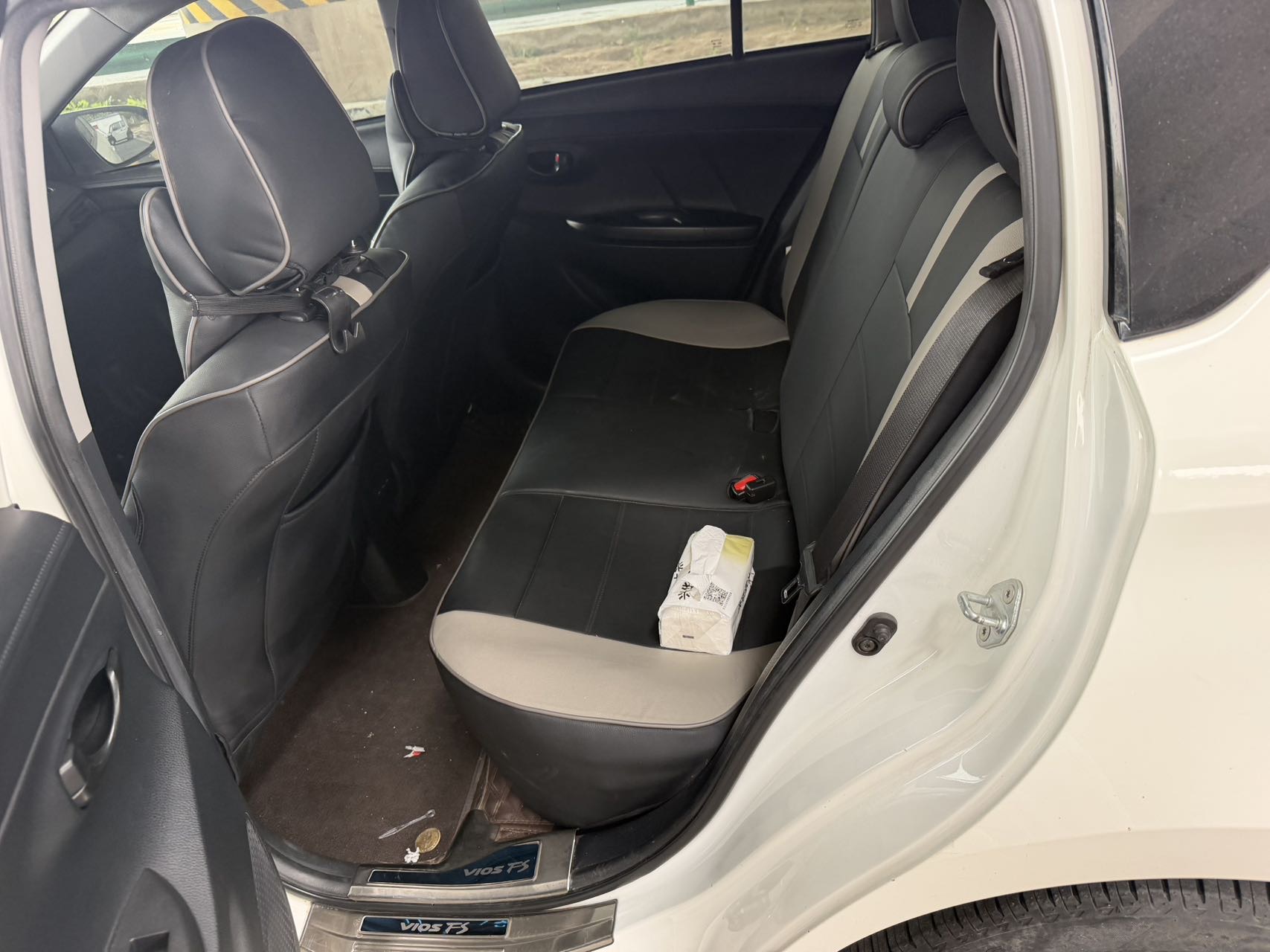
SeriesVios FS
Year2018
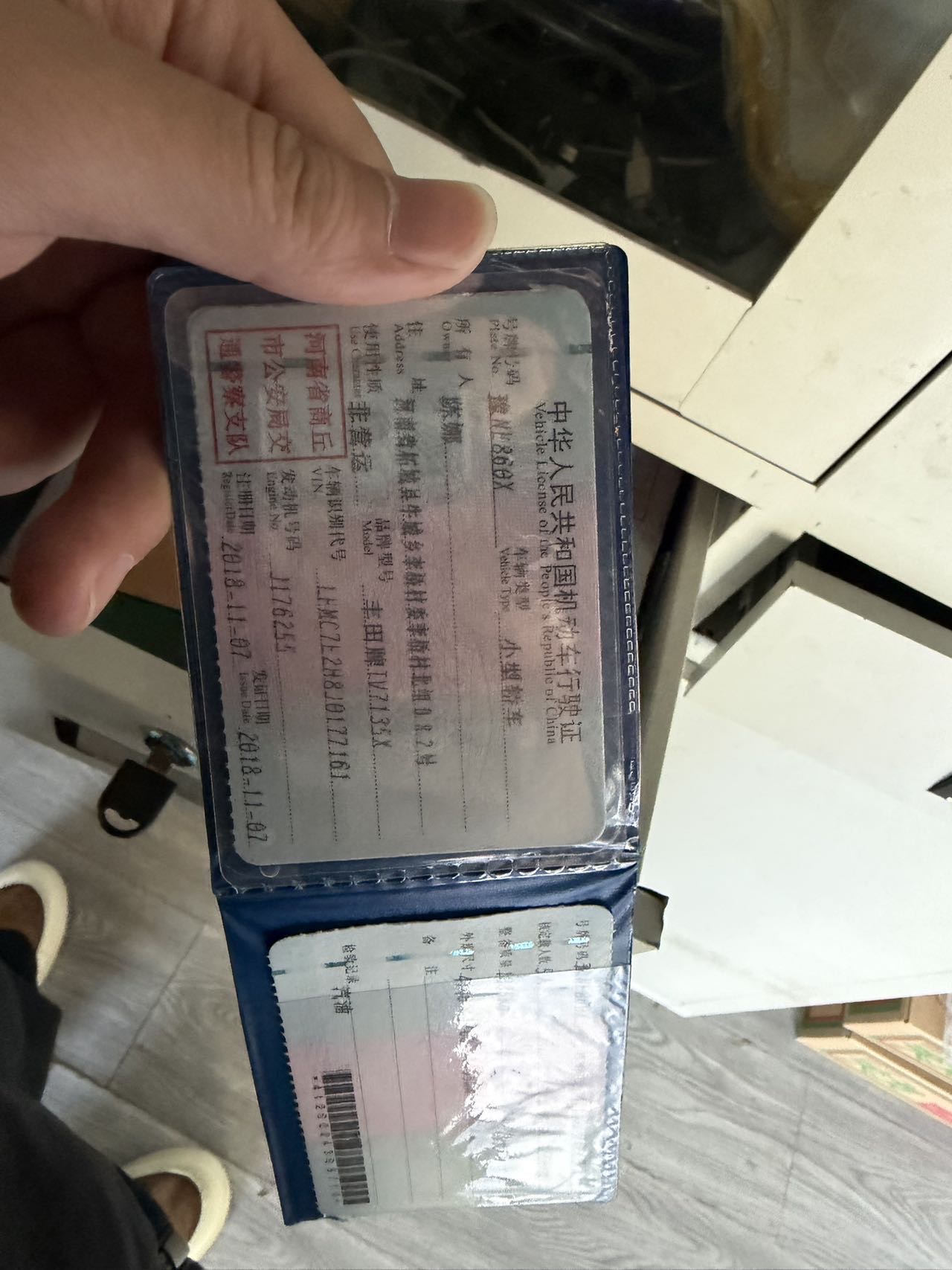
First Registration2018/11
Mileage40,000km
Transfer Count1times
FuelGasoline
TransmissionCVT
Engine1.3L 99 L4
ColorWhite
Seats5seats

Condition Description

Left front fender repainted, left front door repainted, left side rocker panel repainted, right front fender replaced. Actual odometer reading. One owner. Insurance valid until next year.

燃油车
轿车
自动
维保开放
事故开放
查验开放

Configuration Highlights

✓品牌: 丰田
✓车系: 威驰FS
✓车型: 2017款 1.3L CVT锋锐版
✓车身类型: 轿车
✓座位数: 5
✓排量: 1.3L
✓变速箱: 自动
✓能源类型: 燃油车
✓VIN: LFMC7E2H8J0177161
✓搜索关键词: 丰田威驰FS 2017款威驰FS1.3LCVT锋锐版

Document Information

Inspection Expiry Date2027/11
Warranty Expiry Date-
Insurance Expiry Date2027/11

Q&A

More

What insurance should I arrange when shipping a used car from China, and what do Incoterms like FOB and CIF mean for me?

Two separate protections matter: cargo insurance and contractual risk transfer. Cargo insurance: for container or RoRo shipments, buy marine cargo insurance covering total loss and damage, typically 110% of the CIF value (average cost 0.3%–0.8%). Check exclusions — many policies exclude pre-existing damage, so a pre-shipment inspection report is essential to prove the car's condition at loading. Incoterms define who bears risk and cost at each stage: 1. FOB (Free On Board): exporter pays until the car is loaded on the vessel; risk passes to you at that point. You pay ocean freight and insurance. Common and usually cheapest if you have your own freight forwarder. 2. CIF (Cost, Insurance and Freight): exporter pays freight and minimum insurance to your port. Convenient but the insurance coverage is basic — consider topping it up. 3. EXW (Ex Works): you handle everything from the exporter's yard; only choose this if you have a trusted agent in China. Put the agreed Incoterm and port clearly in the contract, and never release final payment before the Bill of Lading is issued.


Should I choose RoRo or container shipping when importing a used car from China, and what does marine insurance actually cover?

RoRo (roll-on/roll-off) is cheaper and faster for a single car—you drive it onto the vessel and it is secured on the car deck. Container shipping costs more but offers better protection from weather, salt air, and handling damage, and allows you to load spare parts inside the car. Marine insurance is essential either way. Standard cover protects total loss and major damage, but read the exclusions: many policies do not cover pre-existing mechanical faults, cosmetic scratches below a deductible, or damage caused by improper securing (lashings). Ask for ICC(A) or All Risks coverage rather than basic total-loss-only policies. Practical tips: 1. Photograph and video the car thoroughly at loading, with the VIN visible 2. Note existing scratches on the bill of lading 3. Inspect immediately at destination—claims windows are often 3-7 days 4. For EVs, declare the battery; some insurers charge a supplement or exclude battery damage altogether

Is there a specialized aging testing instrument for the insulation test of the vehicle's high-voltage wiring harness?

We will use a megohmmeter (insulation resistance tester) to measure the insulation resistance of the high-voltage bus. If the resistance value is below the national safety standard, it indicates a risk of leakage, and the vehicle will be deemed unqualified.