Sold

Basic Information

BrandToyota
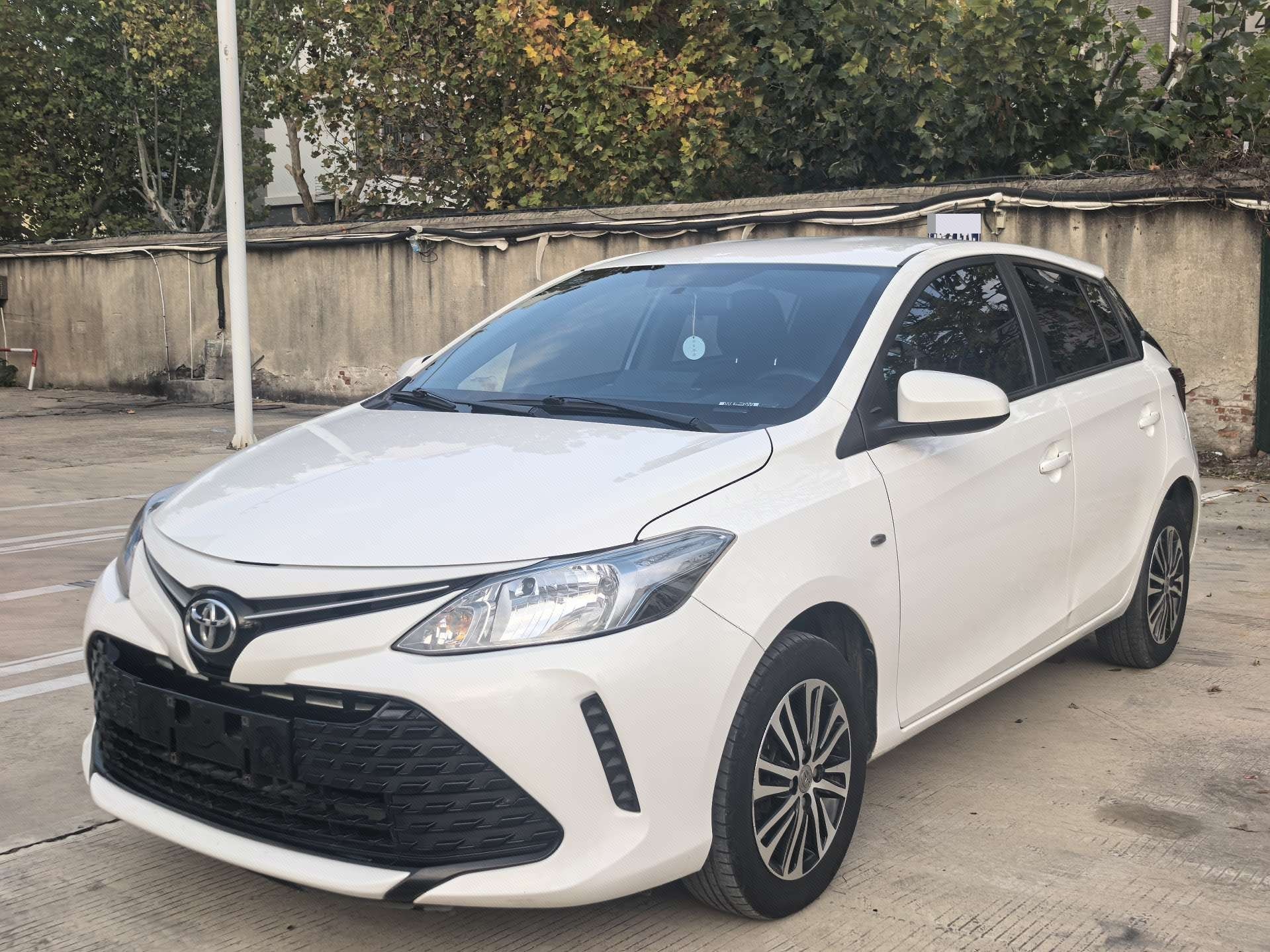
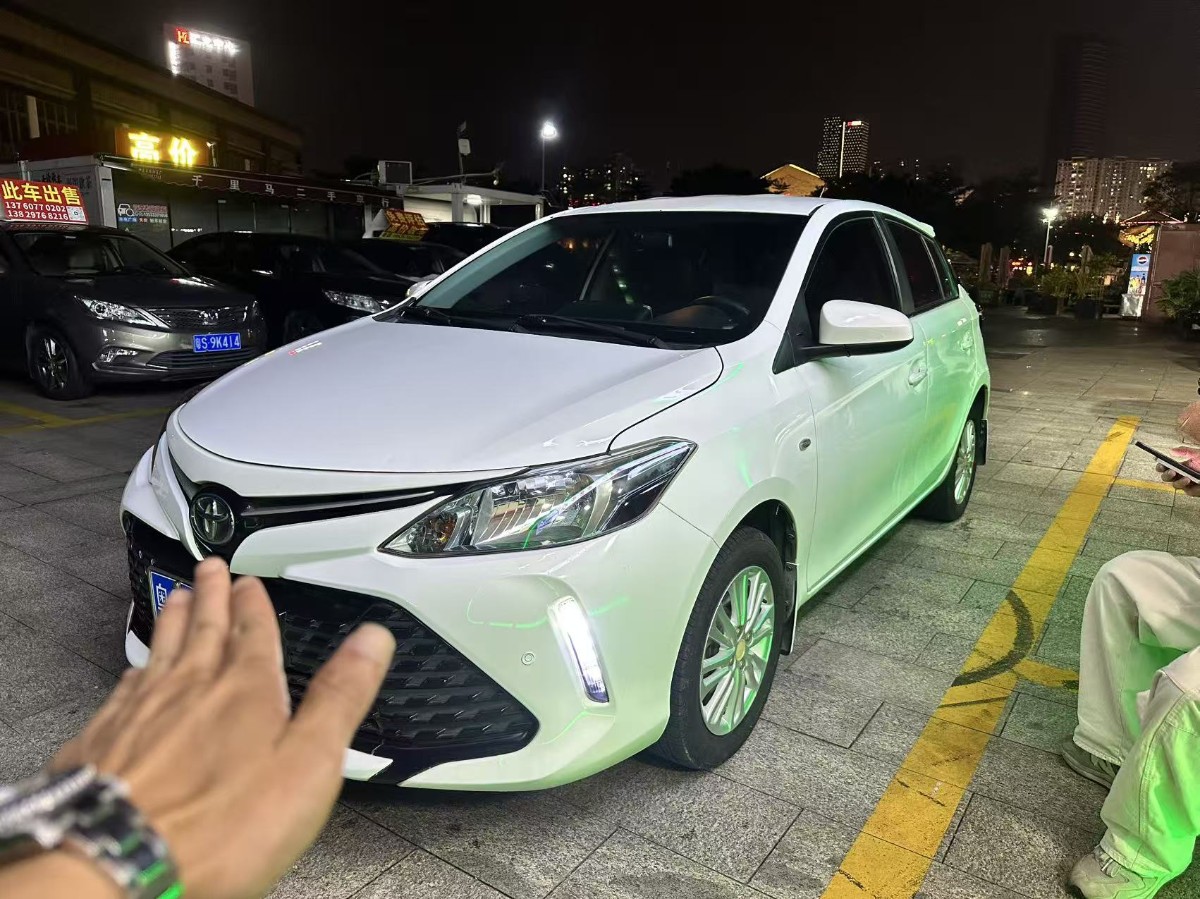
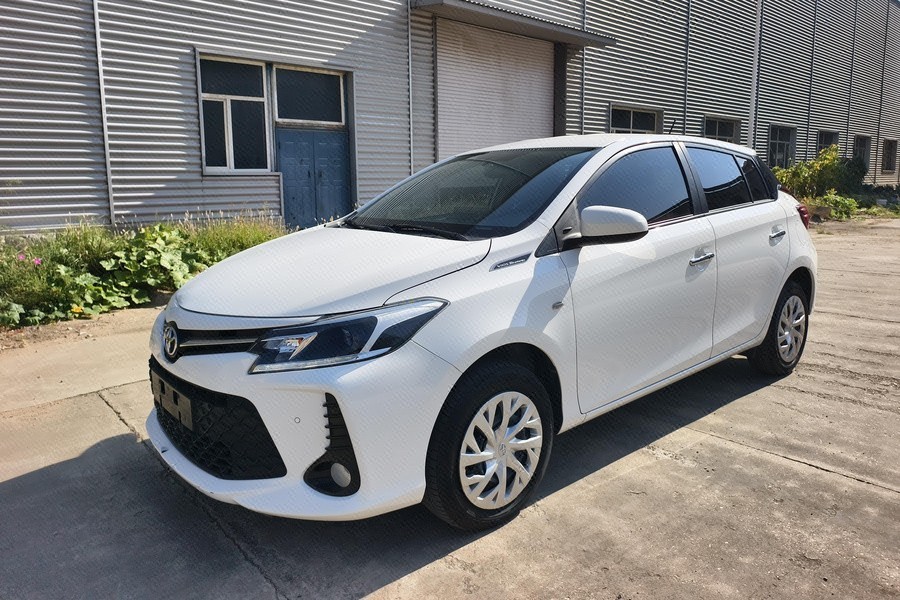
SeriesVios FS
Year2019
First Registration2019/10
Mileage90,000km
Transfer Count0times
FuelGasoline
TransmissionCVT
Engine1.5L 107 L4
ColorWhite
Seats5seats

Condition Description

Original body panels throughout, rear lid repainted, other panels original paint, rear tail panel deformed and unrepaired, actual odometer 135,000 km, displayed 90,000 km, no accidents, new insurance, inspection passed.

Document Information

Inspection Expiry Date-
Warranty Expiry Date-
Insurance Expiry Date2027/10

Q&A

More

Is there a mechanical emergency switch if the hidden door handle cannot pop out due to extreme cold?

Almost all compliant models with hidden door handles have a mechanical emergency pull cable designed inside the car or under the vehicle. If the target country's climate is extreme, we will record a practical emergency door opening tutorial video for you before shipping.

If the shipping company's basic freight rate (GRI) suddenly increases during the period after I place the order and before paying the final amount, who covers the difference?

Our freight rate quotes have a clear validity period. If the buyer delays the deposit payment and misses the scheduled price lock, the GRI (General Rate Increase) charged by the shipping company must be fully covered by the buyer before booking and loading can be arranged.

Can I combine several cars into one container to save on freight when importing from China, and how does consolidation work?

Yes, consolidation is common and can cut freight cost per car significantly, especially for shared purchases or small-volume importers. How it works: 1. A 40ft high-cube container typically fits 2-4 cars depending on size and loading method (standard loading vs. specialized racking that allows 4+ cars). Confirm the loading plan with your forwarder in writing. 2. Cars are secured with wheel chocks, straps, and padded braces. Professional loading with photos before the doors close is essential — request a photo report for insurance purposes. 3. One container means one bill of lading and one customs entry, but each car still needs its own invoice, export documents, and destination customs declaration. Things to watch: - Liability: if one car shifts and damages another in transit, insurance claims get complicated. Take out proper cargo insurance covering both vehicles. - Timing: all cars in the container must be ready at the same port at the same time, or you pay storage fees. - For EVs, check the shipping line's battery and state-of-charge rules — they may limit how many EVs go in one box. For a single car, RoRo or a 20ft container is usually simpler; consolidation mainly pays off from 2+ cars.