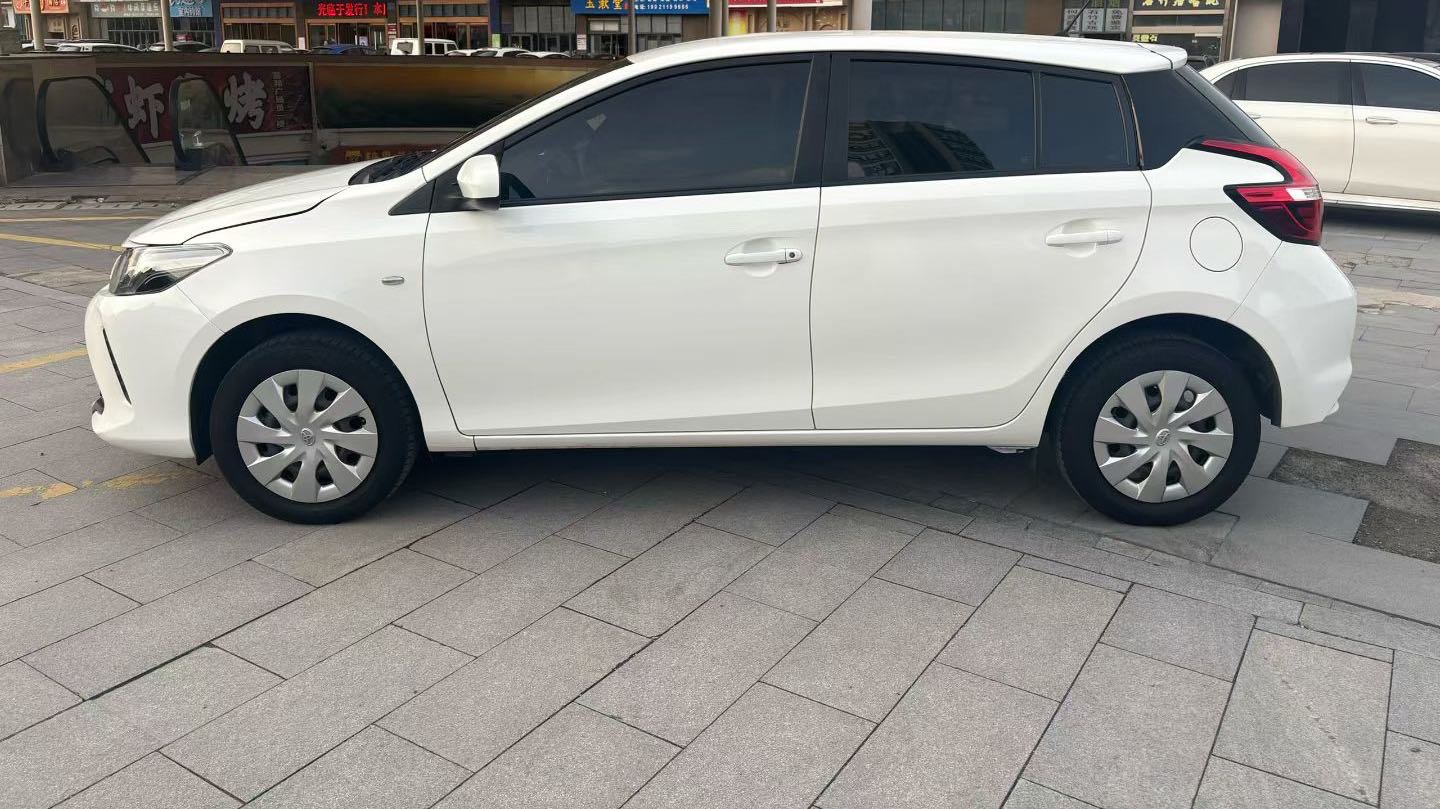
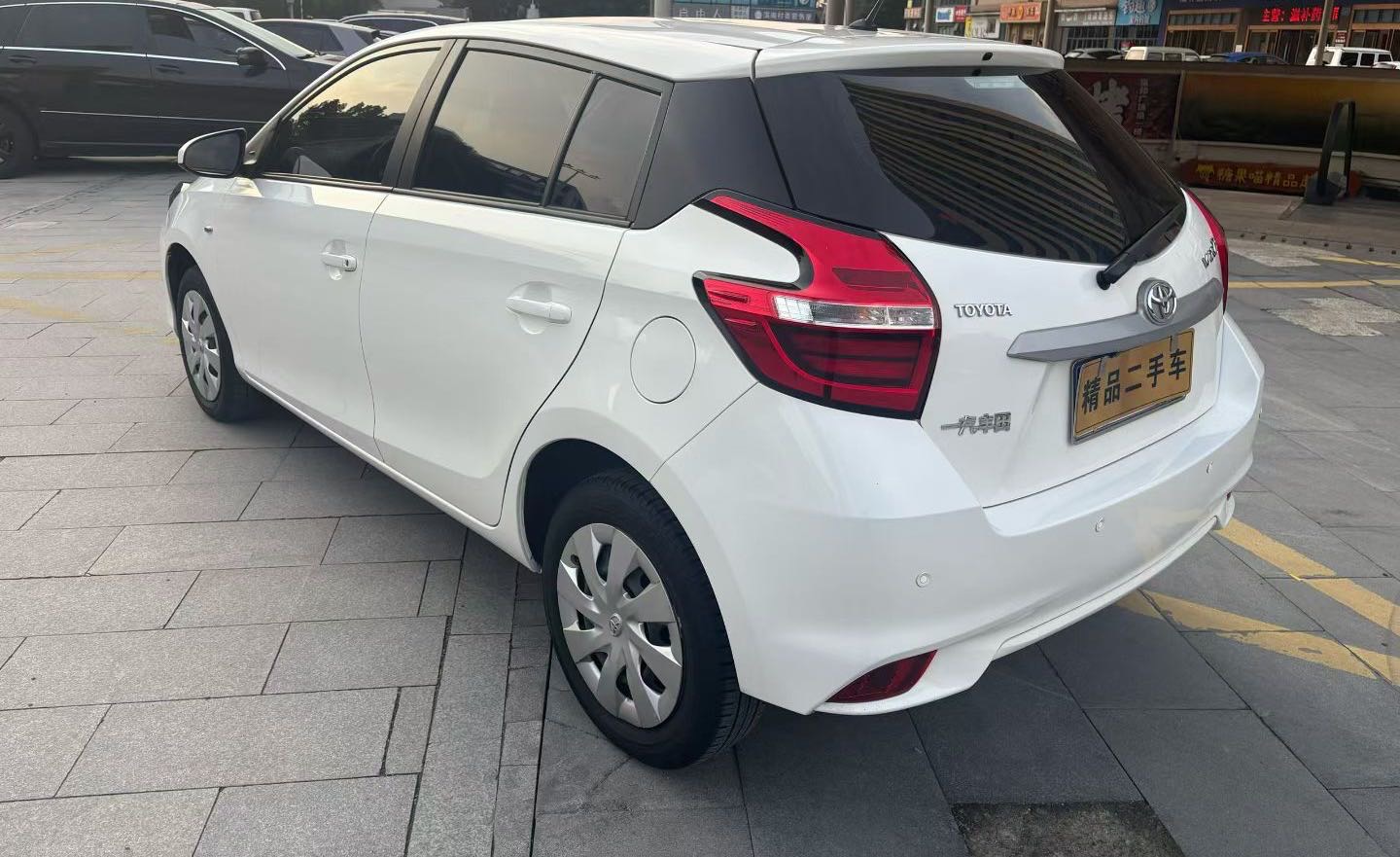
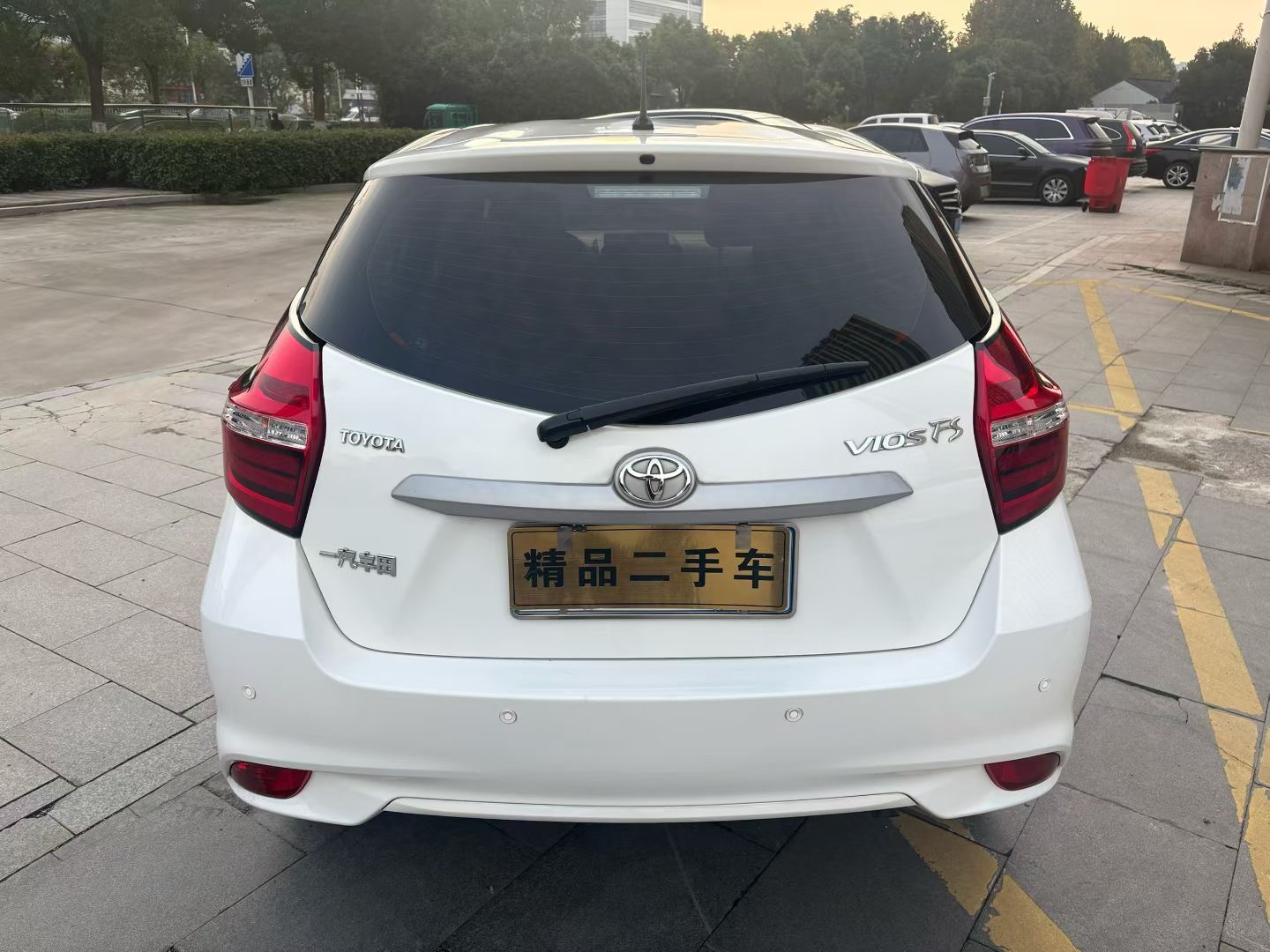
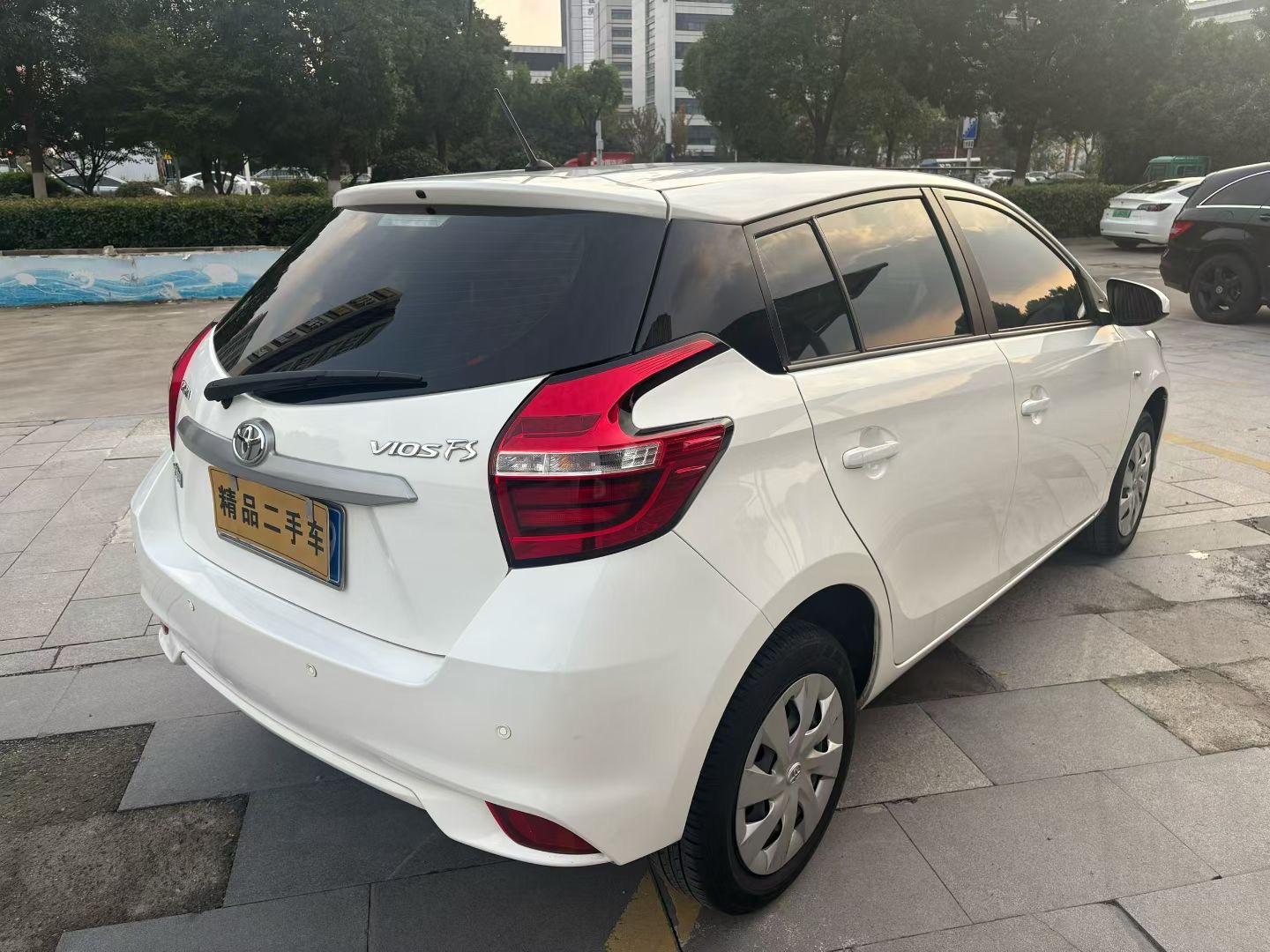
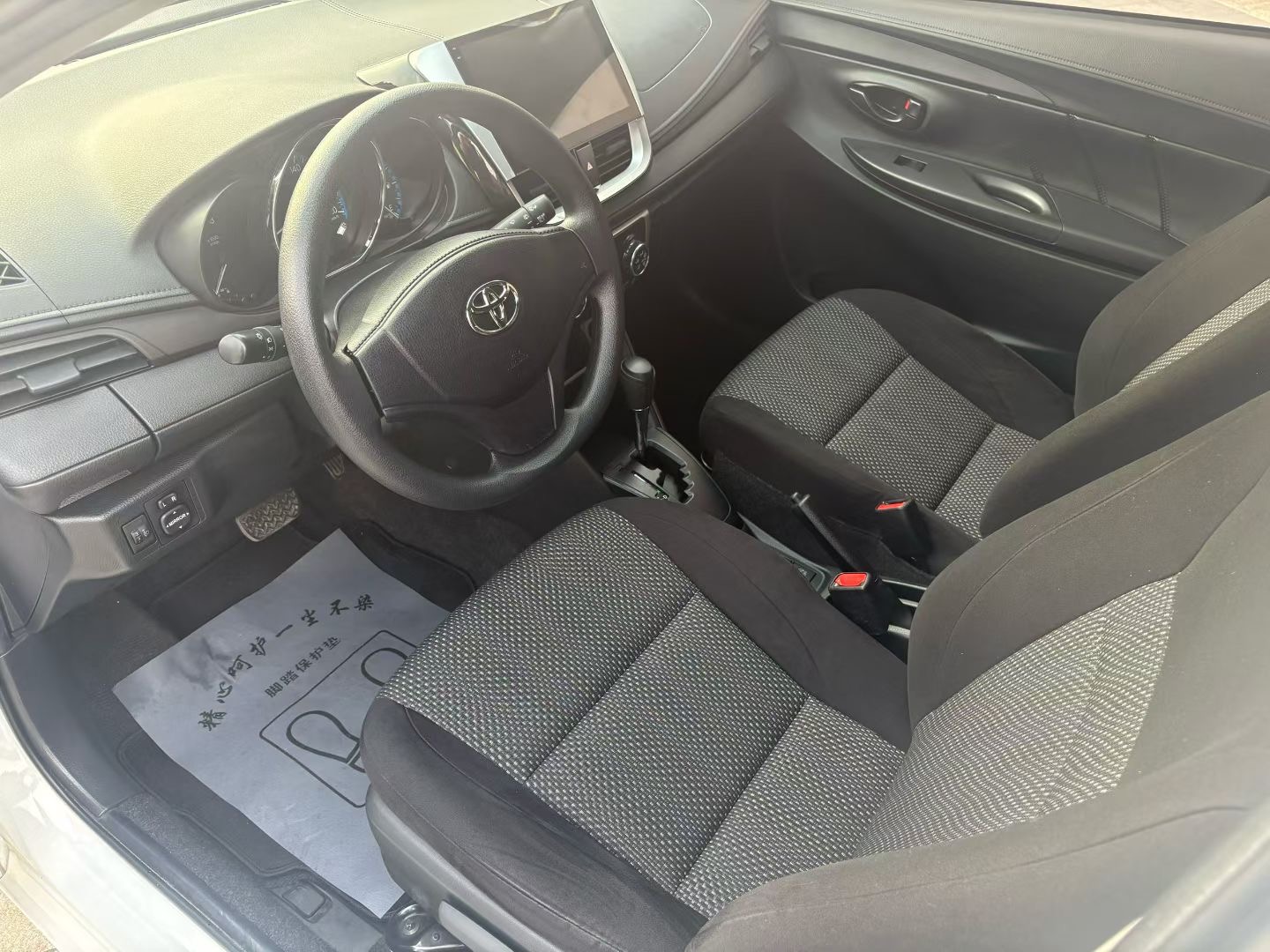
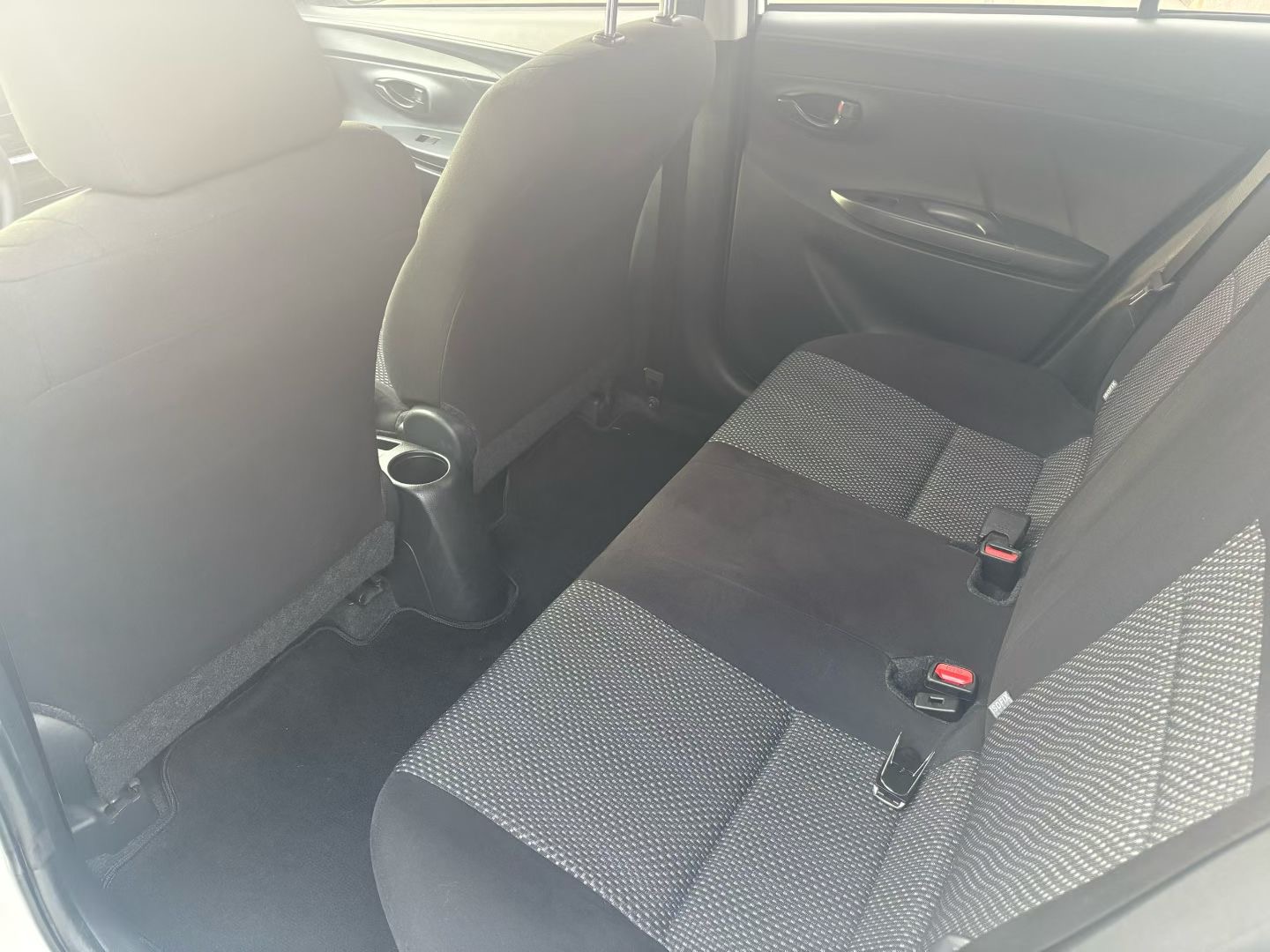
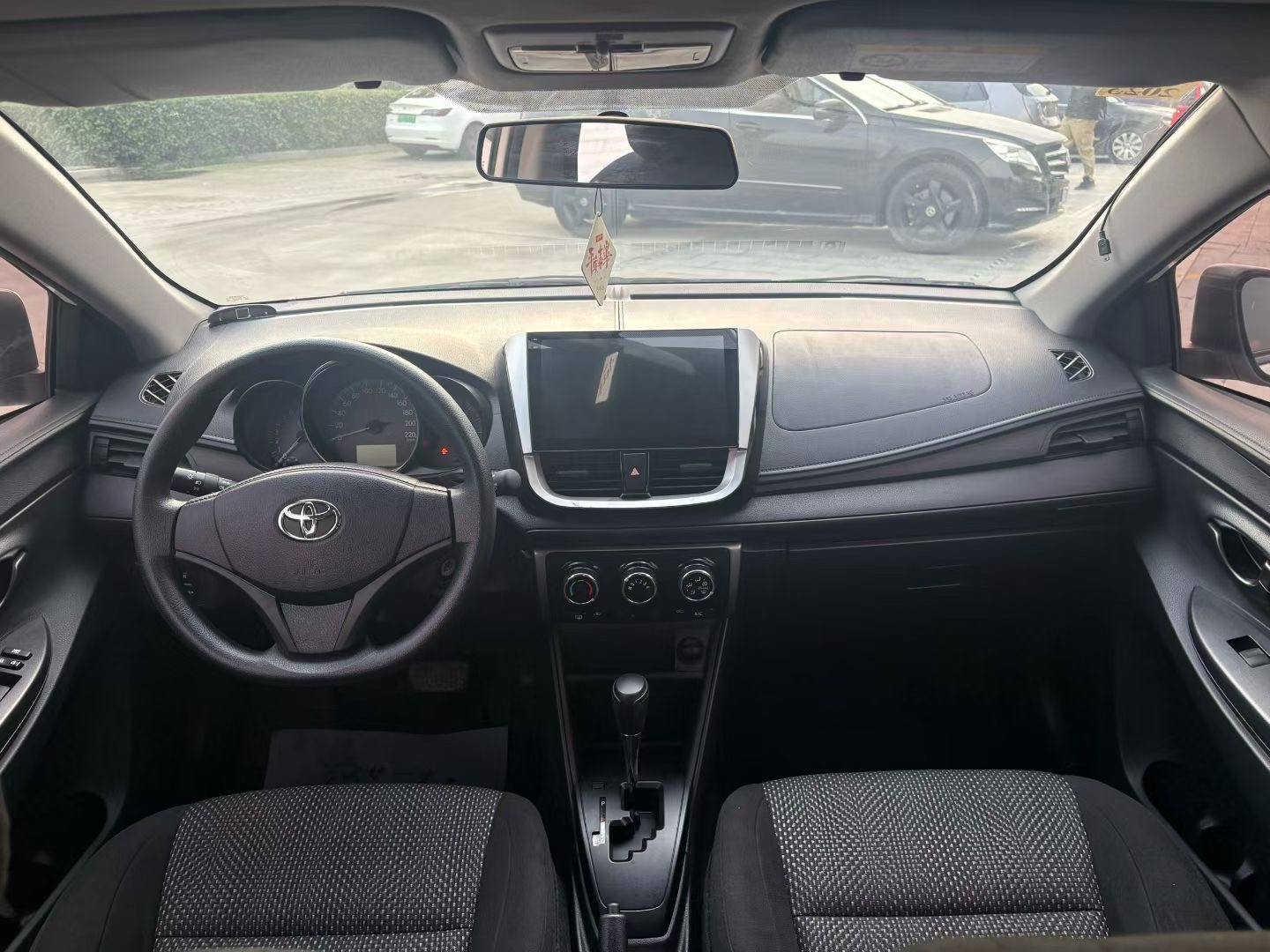
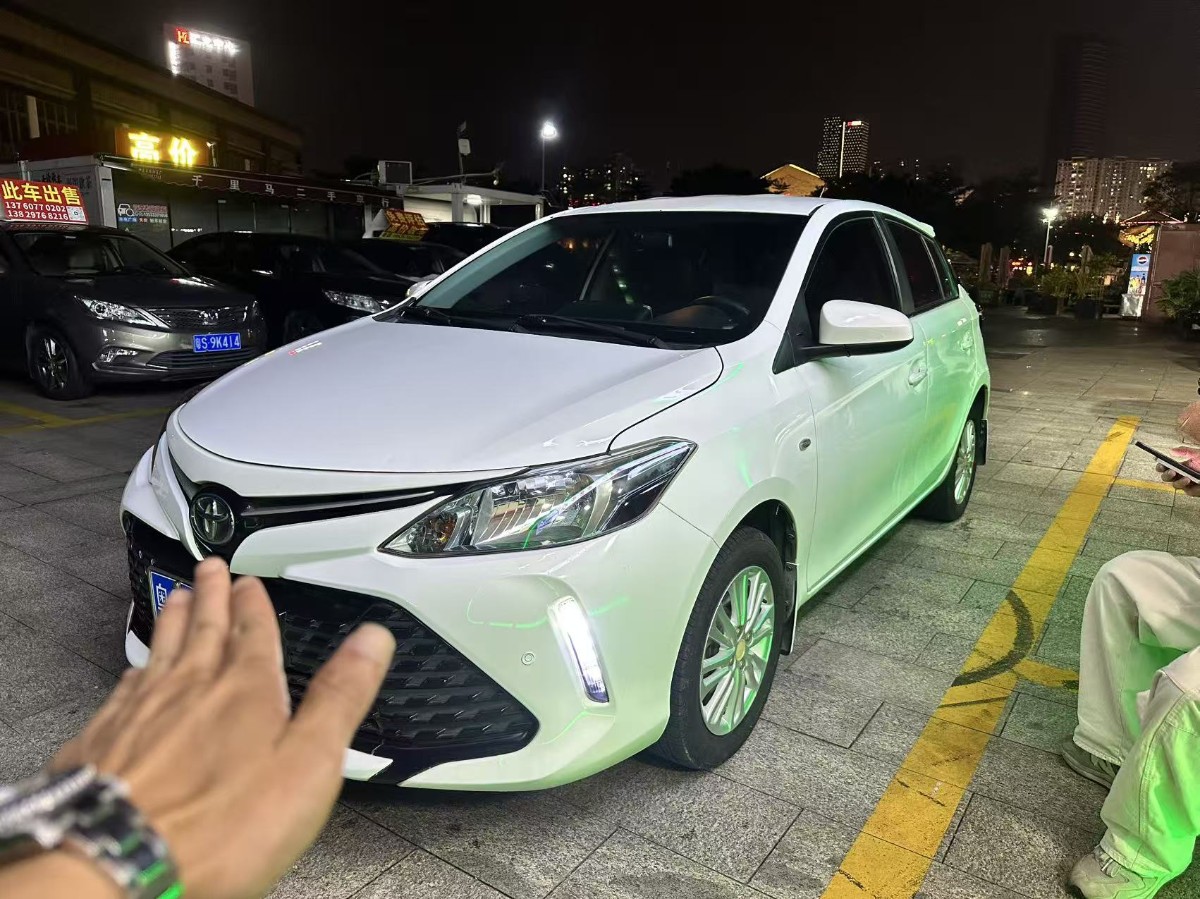
Basic Information

BrandToyota
SeriesVios FS
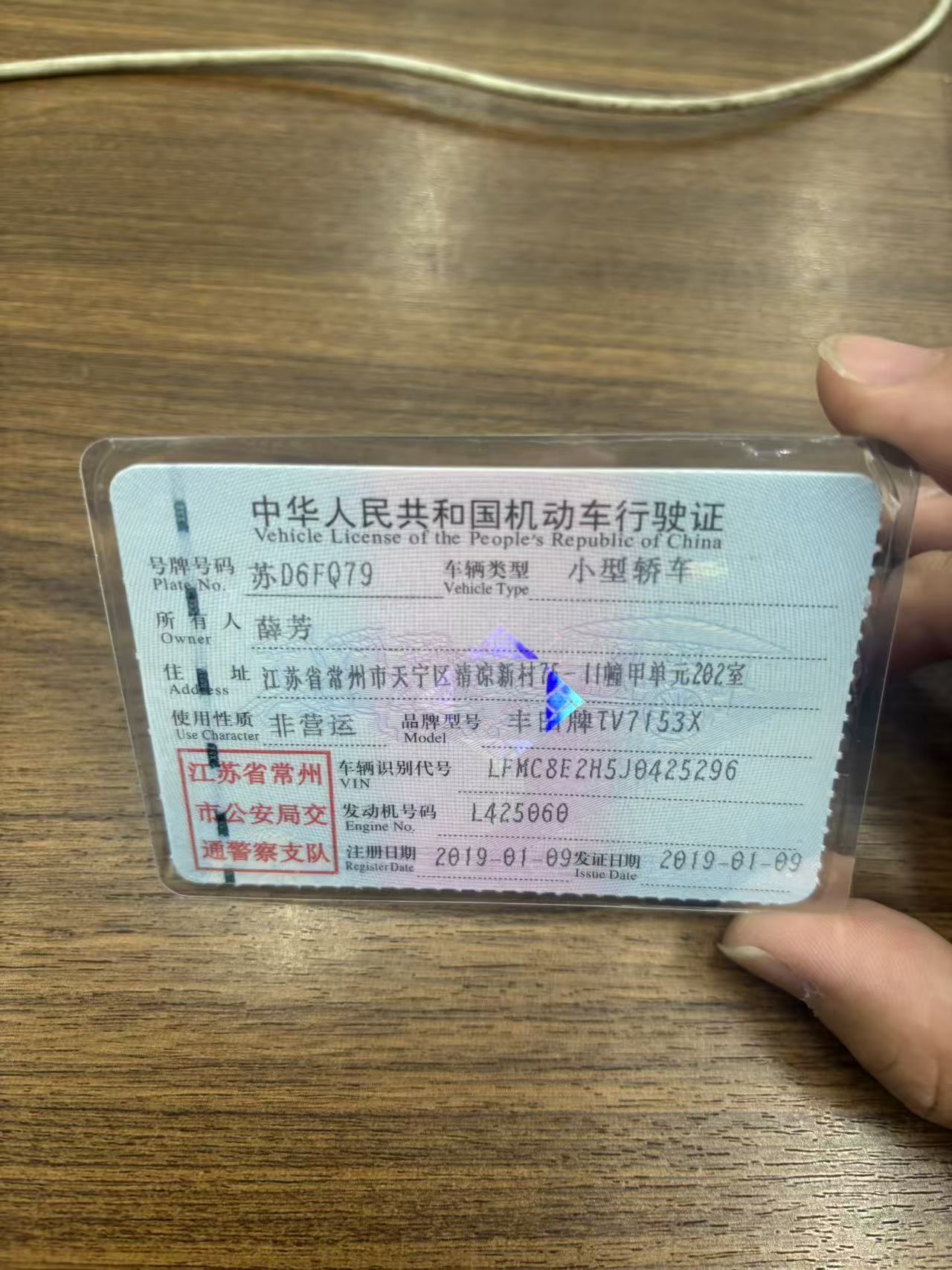
Year2019
First Registration2019/01
Mileage30,000km
Transfer Count1times
FuelGasoline
TransmissionCVT
Engine1.5L 107 L4
ColorWhite
Seats5seats

Condition Description

3万公里

燃油车
轿车
自动
维保开放
事故开放
查验开放

Configuration Highlights

✓品牌: 丰田
✓车系: 威驰FS
✓车型: 2017款 1.5L CVT锋驰版
✓车身类型: 轿车
✓座位数: 5
✓排量: 1.5L
✓变速箱: 自动
✓能源类型: 燃油车
✓VIN: LFMC8E2H5J0425296
✓搜索关键词: 丰田威驰FS 2017款威驰FS1.5LCVT锋驰版

Document Information

Inspection Expiry Date2027/01
Warranty Expiry Date-
Insurance Expiry Date2027/01

Q&A

More

Do you provide English versions of official repair manuals or circuit diagrams for used cars from Chinese brands?

Mainstream Chinese automakers rarely publish official English versions of their underlying circuit diagrams. We can provide some models' original Chinese technical documents (PDF) for B2B clients, which you will need to translate for your local mechanics using translation software.

When buying remotely, how do I assess the engine, transmission, brakes, and tires of a used car from China over a live video call?

A structured live video inspection can catch most mechanical problems. Ask the seller to do the following in order: Cold start: film the engine bay before starting — check for leaks, cracked hoses, and corrosion. Then start from cold and listen for rattling or knocking during the first minute; abnormal noises on cold start often mean worn internals. Fluids: pull the oil dipstick — milky or foamy oil suggests head gasket issues. Check coolant color and level. Transmission: with the car warmed up, film each gear shift, forward and reverse. Hesitation, harsh jerks, or slipping RPM are red flags. Brakes: test at low speed in a safe area — the pedal should feel firm, not spongy, and the car must not pull to one side. Tires: walk around and film each tire's sidewall and tread. Uneven wear suggests alignment or suspension problems. Combine this with an independent pre-shipment inspection for a professional report — the video call is your first filter, not the final verdict.
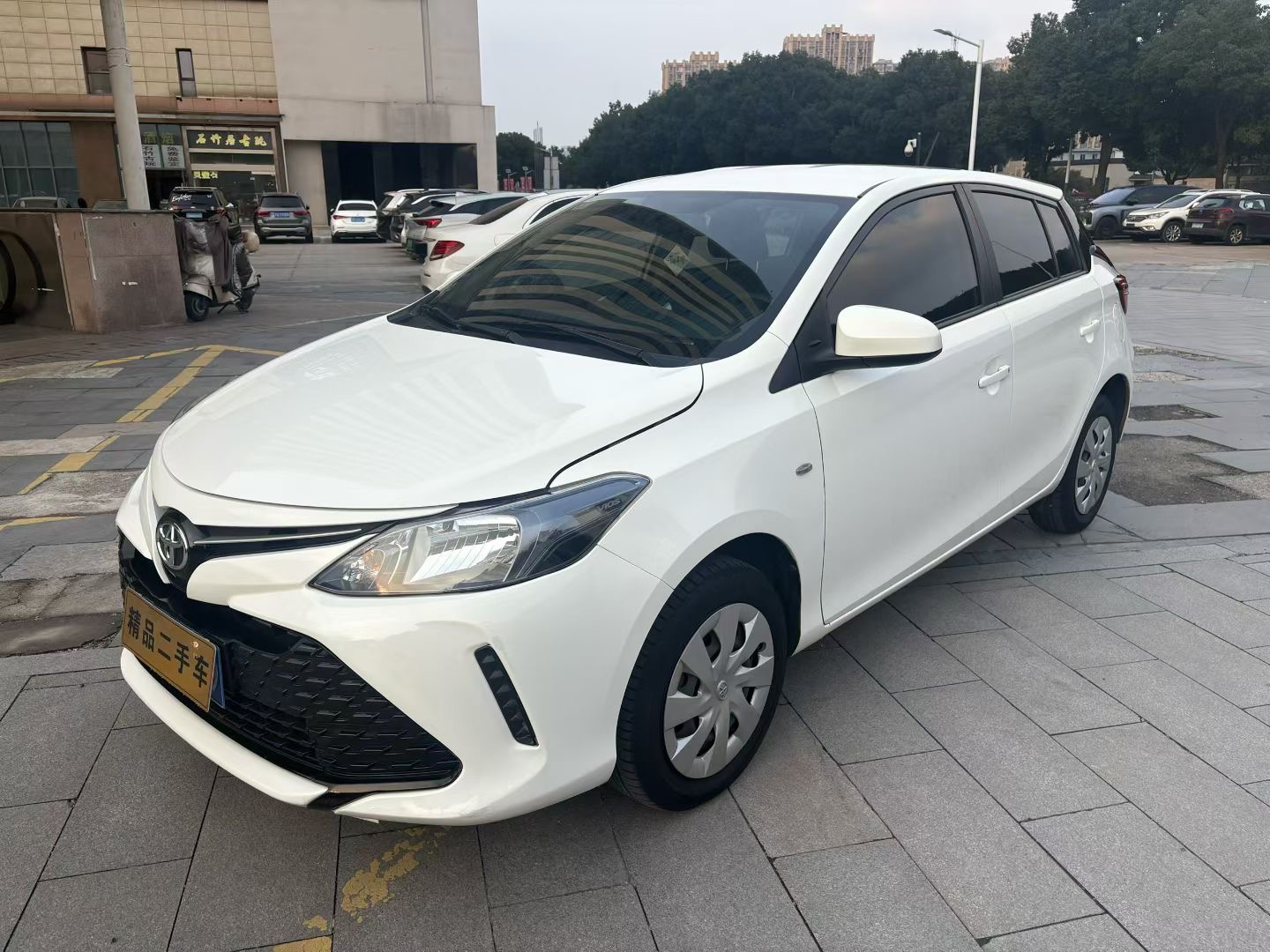
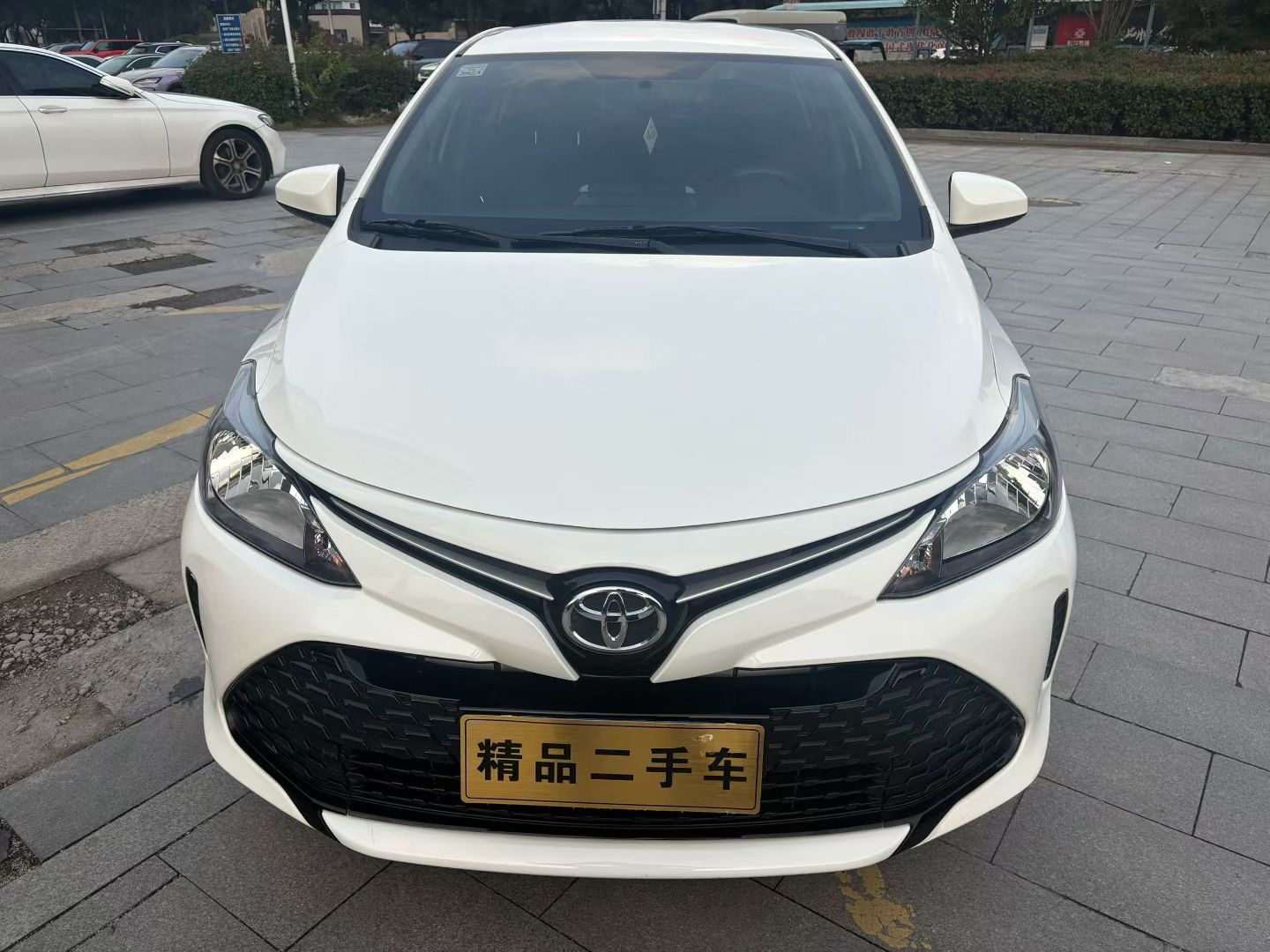
Why is there a time difference between the production date on the vehicle nameplate and the first registration date on the registration certificate?

The nameplate date is the absolute time when the vehicle leaves the factory; the registration date is when the vehicle is registered with the traffic management department after sale. The difference represents the time the vehicle spent in the dealer's warehouse or logistics. If the time difference exceeds 6-8 months, the vehicle is considered a "stock vehicle," and we pay special attention to the natural aging of its rubber components.