Basic Information

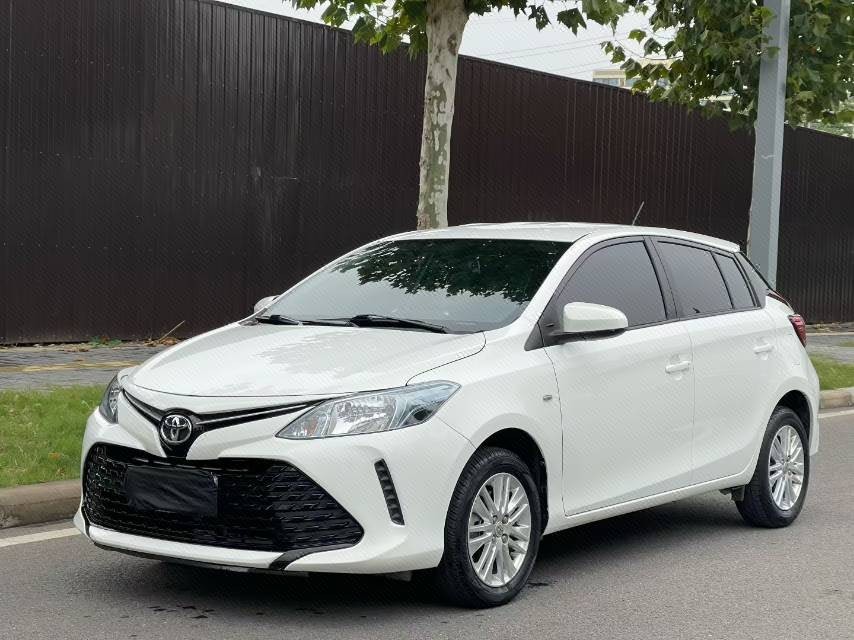
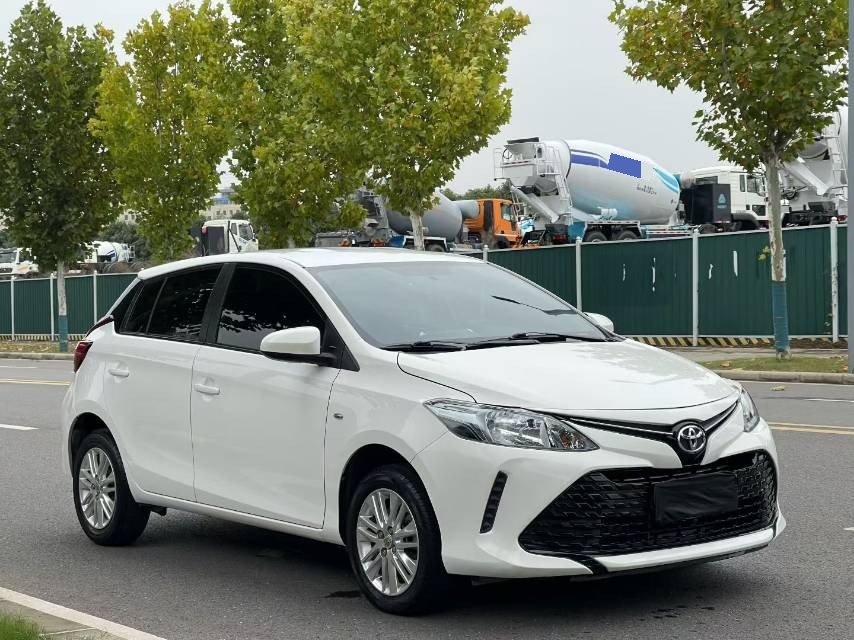
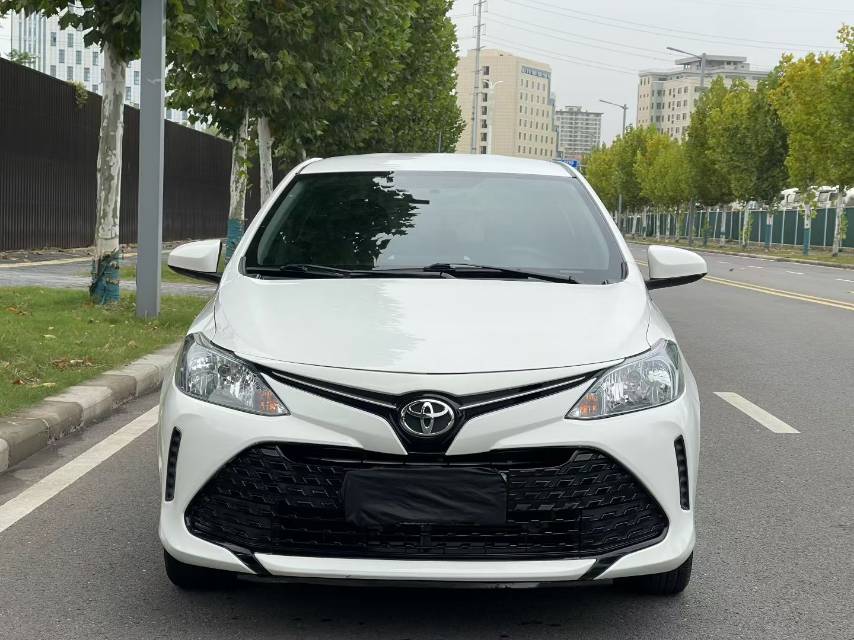
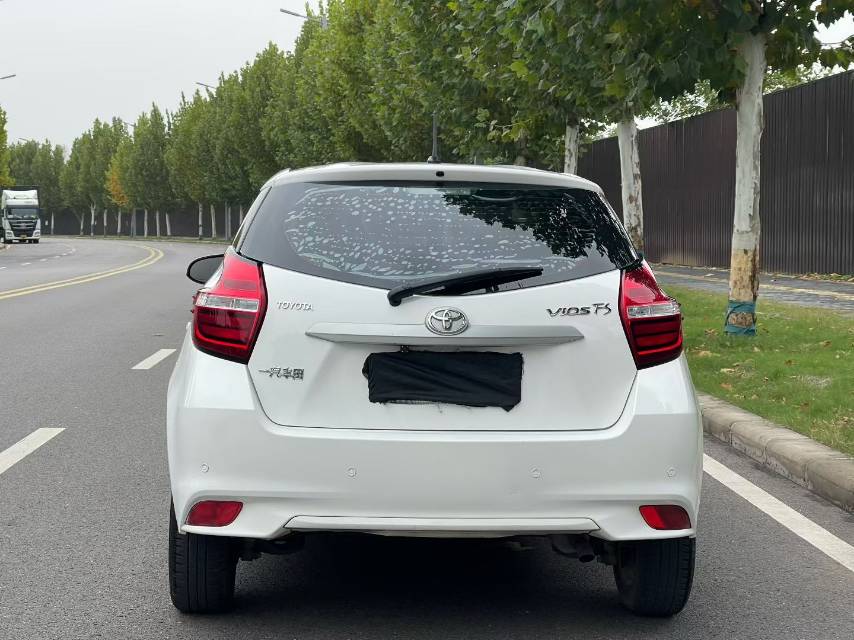
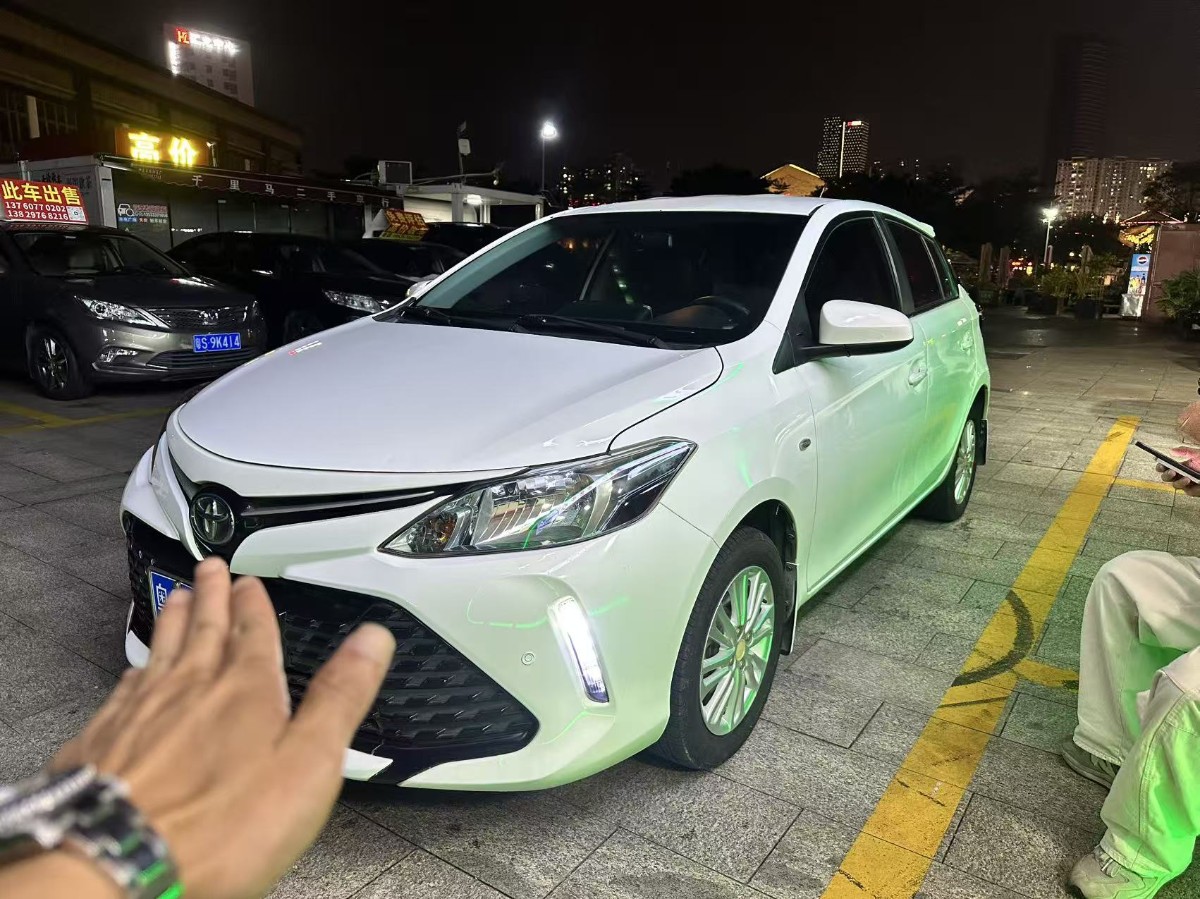
BrandToyota
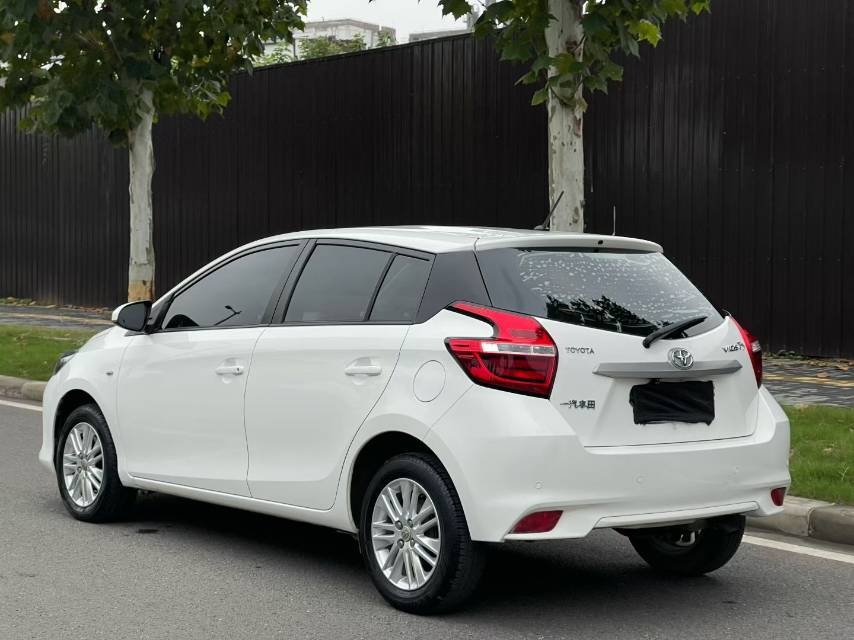
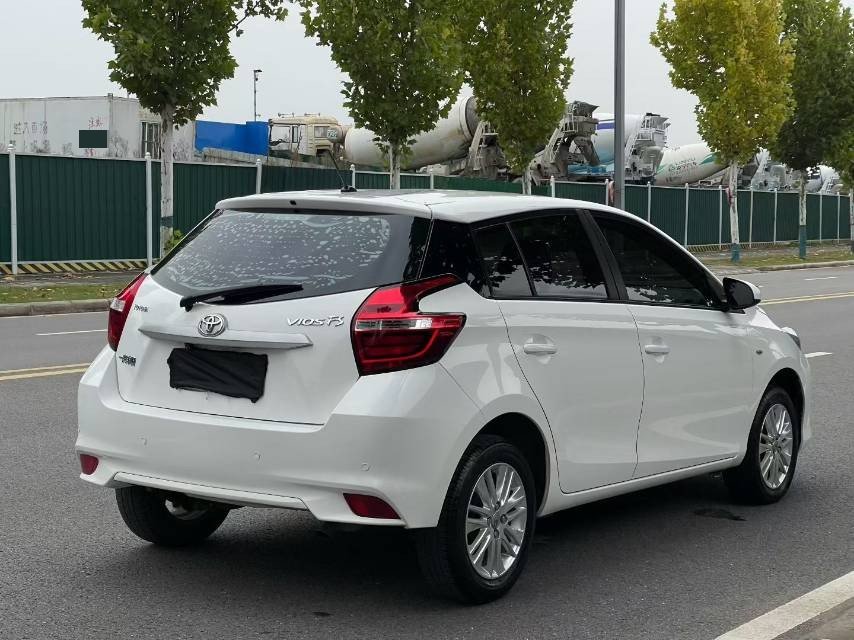
SeriesVios FS
Year2019
First Registration2019/09
Mileage44,000km
Transfer Count0times
FuelGasoline
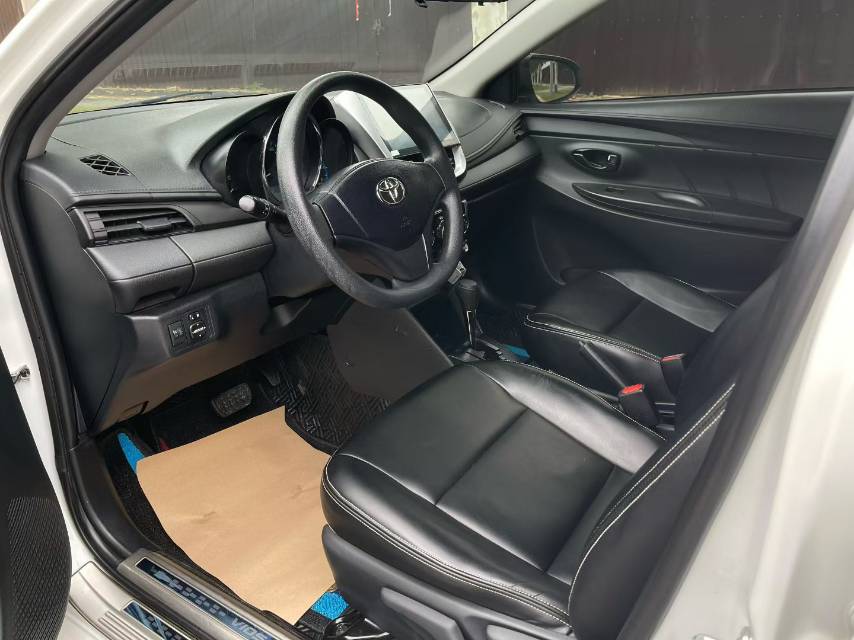
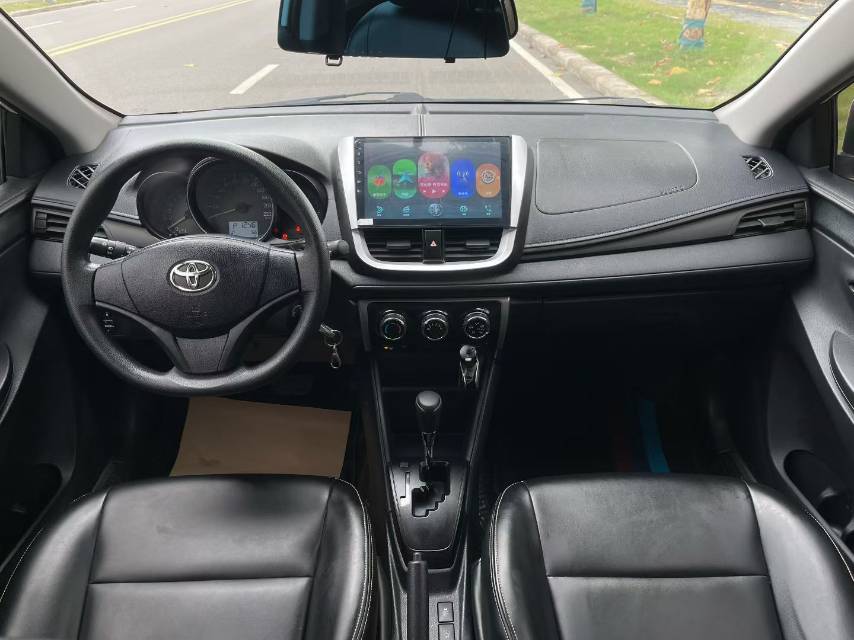
TransmissionCVT
Engine1.5L 110 L4
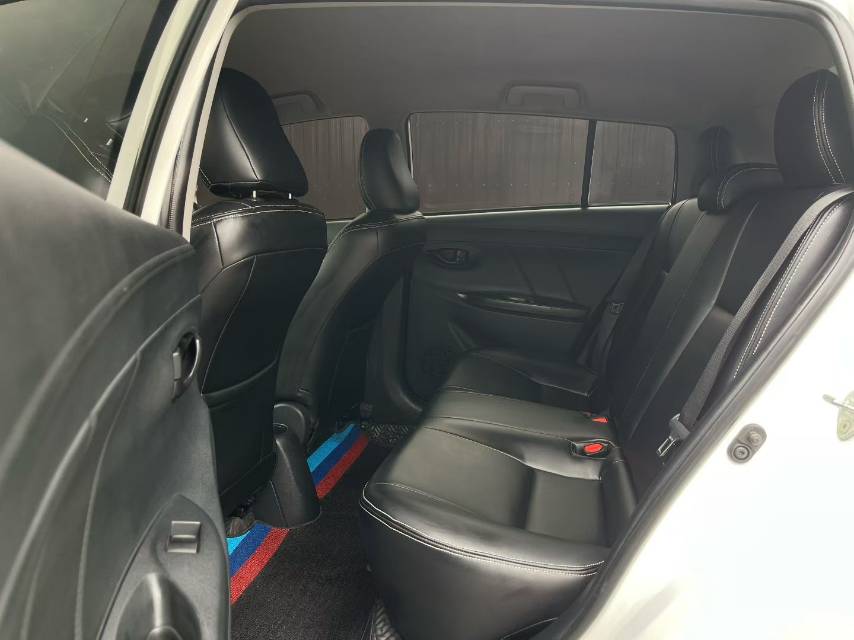
ColorWhite
Seats5seats

Condition Description

Private first-hand car. One piece of metal body has been repainted without panel repair. The left front headlight had scratches and was replaced with a new one. Actual odometer reading.

Document Information

Inspection Expiry Date-
Warranty Expiry Date-
Insurance Expiry Date2027/09

Q&A

More

What are the specific thresholds for tiered pricing (Volume Discount) in B2B bulk purchasing?

Our bulk discounts are not simply calculated by the number of units, but by shipping batches. Typically, consolidating enough for a 40-foot container (which can hold 2-3 vehicles, depending on size) can waive some logistics fees; purchasing more than 5 units at once triggers tiered discounts.

Will the vehicle undergo deep cleaning, thorough washing, or exterior refurbishment before being shipped for export?

Before export, we perform a standard external wash and interior vacuuming to meet basic hygiene inspection requirements by customs. However, we do not engage in deceptive "refurbishments" (such as repainting large areas with cheap paint or using low-quality interior refurbishing agents) to preserve the vehicle's true physical condition for buyer assessment.

What is a Chinese customs export declaration, and why do I need it to register the car in my country?

The export declaration (报关单) is the official Chinese customs document recording that the vehicle legally left China: VIN, HS code, declared value, origin port and date. Most destination countries ask for it—or for the certificate of origin—during registration to prove the car was legally exported, not stolen or smuggled. Practical points: ensure the VIN on the declaration matches your car exactly; a single digit mismatch can block registration. The declared value also anchors customs valuation in many countries, so an undervalued declaration may save the seller tax but can raise your import duty or trigger a re-valuation penalty. Ask the exporter for a stamped copy before shipping, verify the VIN yourself, and check that the document shows the correct consignee. Keep the original—some registries require it, and you'll need it again if you ever sell the car. If the exporter hesitates to provide it, treat that as a red flag.