


48H

Basic Information

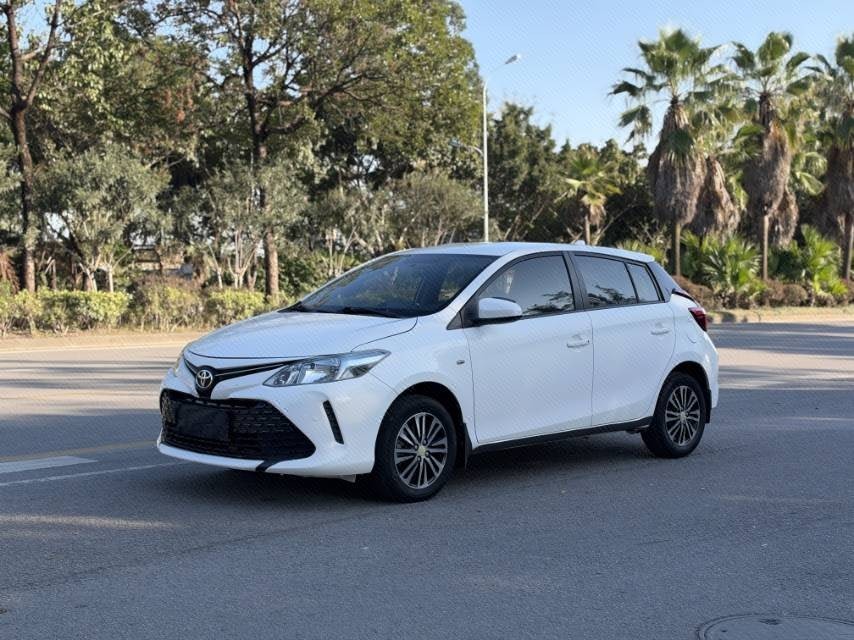
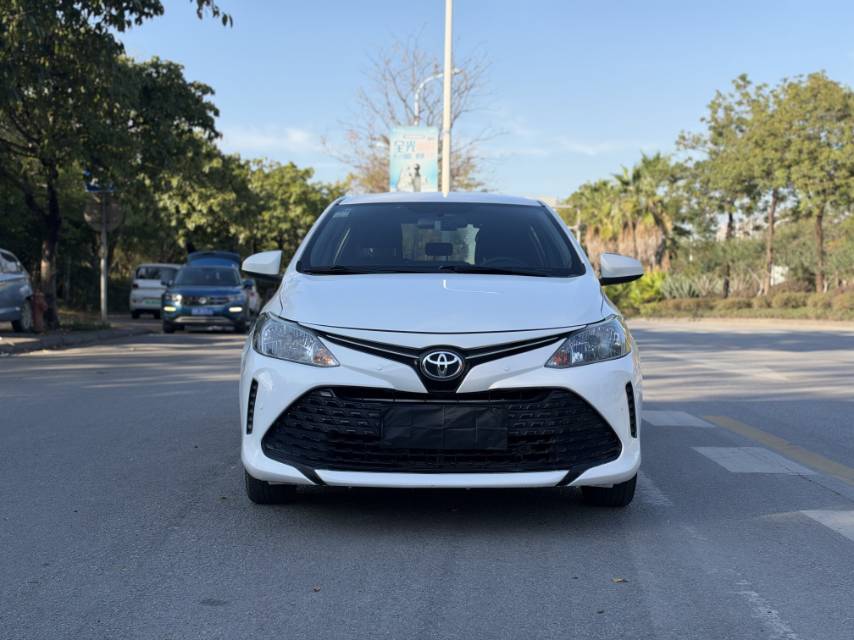
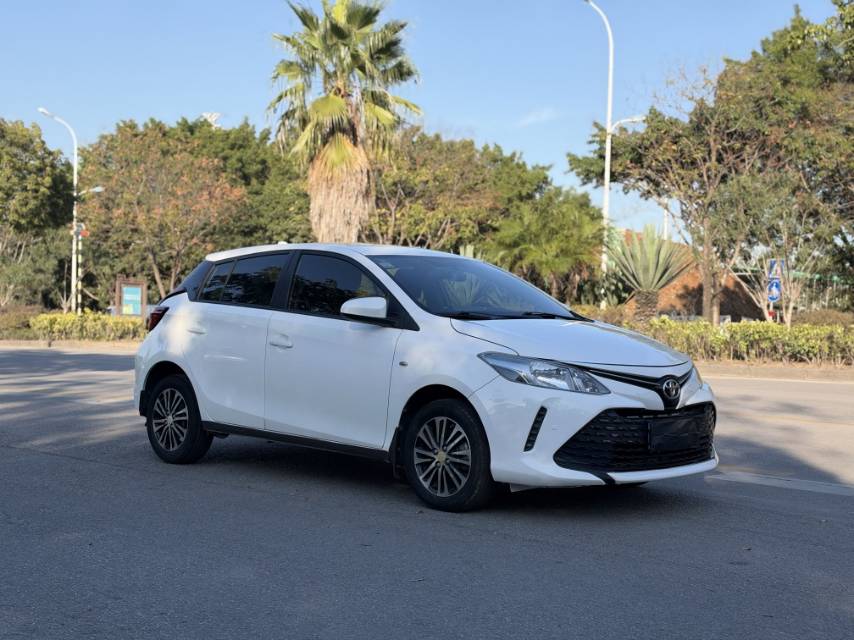
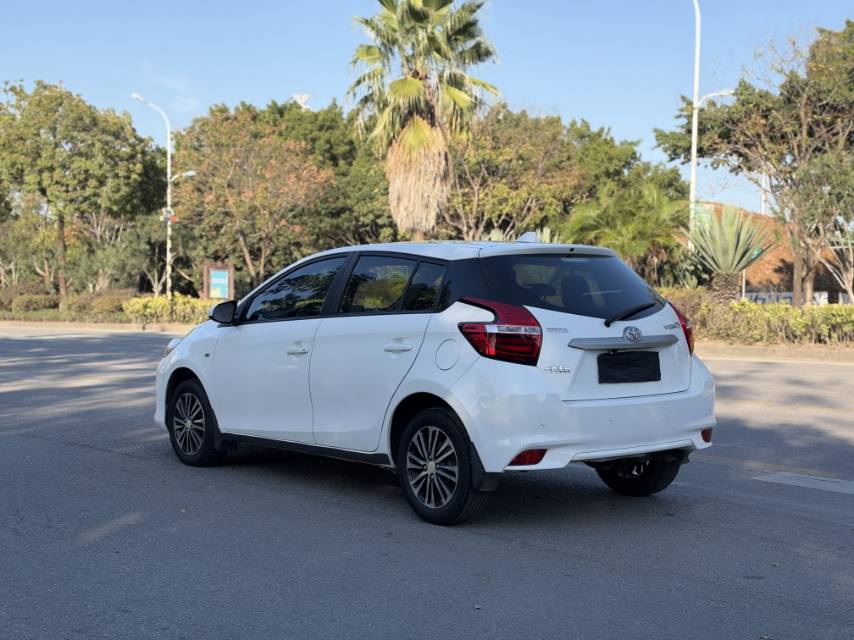
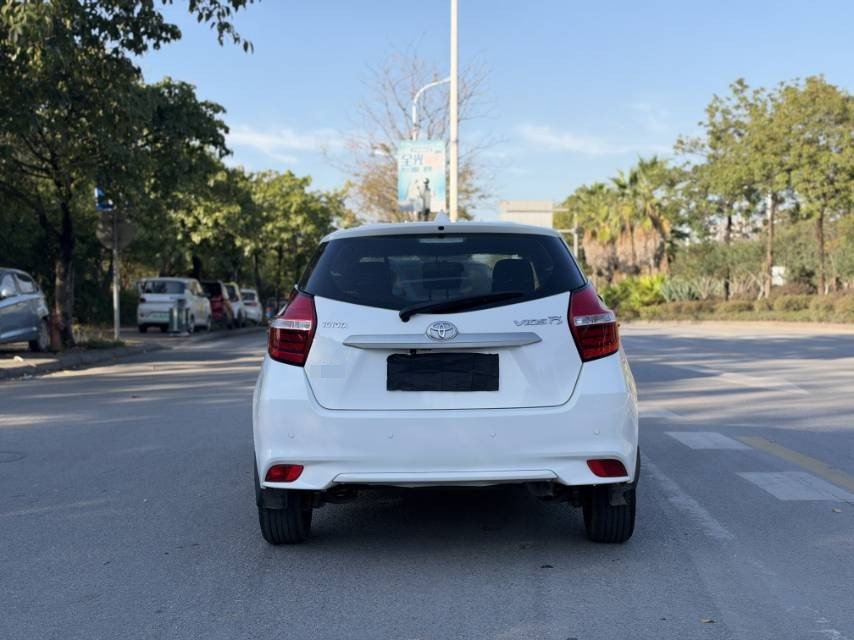
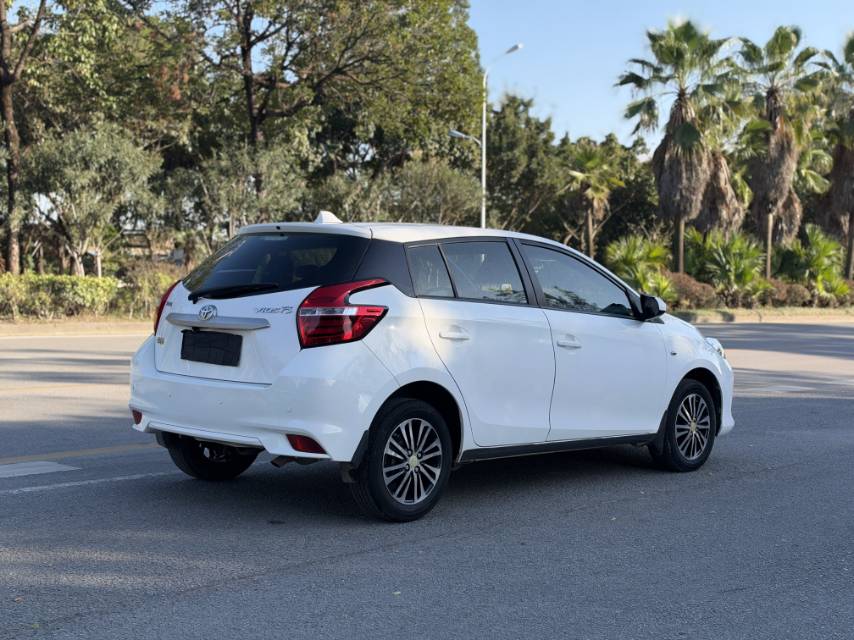
BrandToyota
SeriesVios FS
Year2020
First Registration2020/01
Mileage69,000km
Transfer Count0times
FuelGasoline
TransmissionCVT
Engine1.5L 110 L4
ColorWhite
Seats5seats

Condition Description

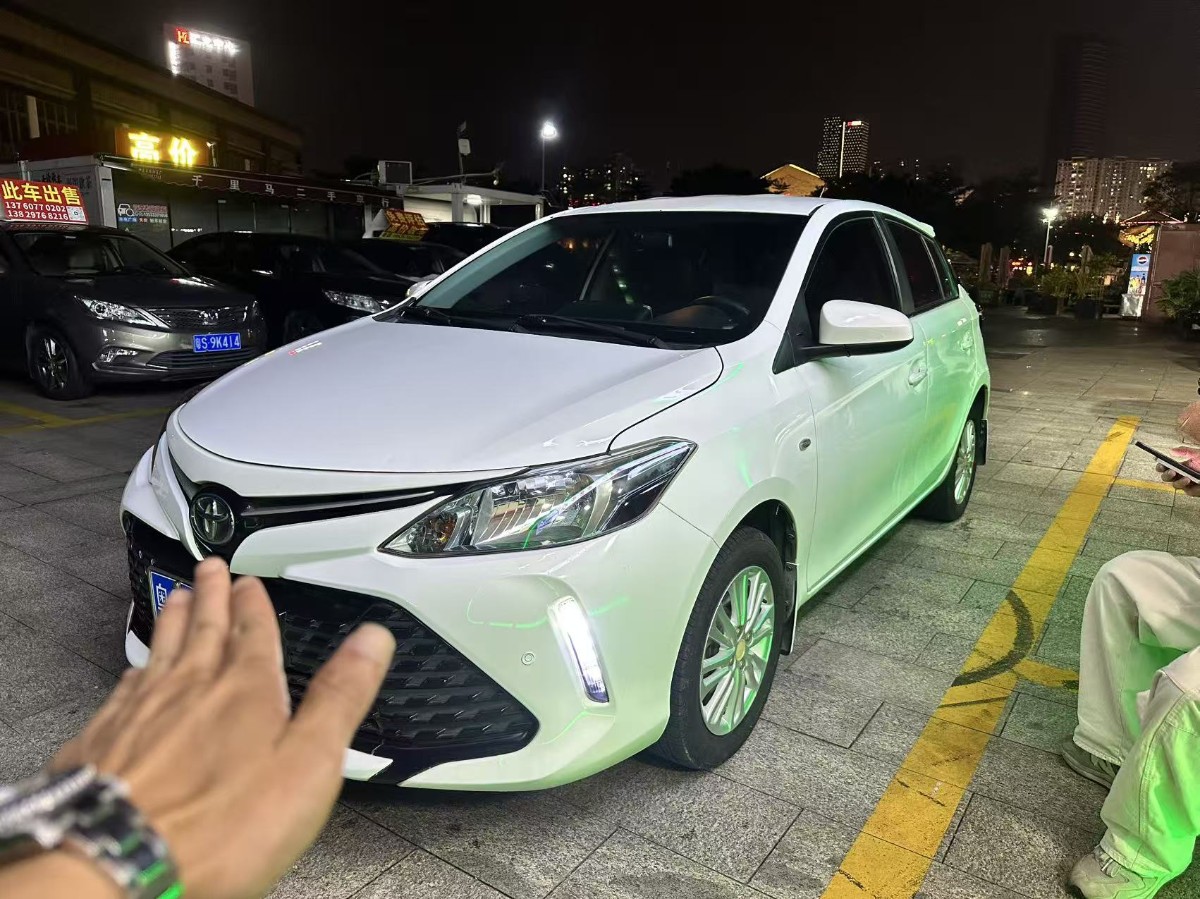
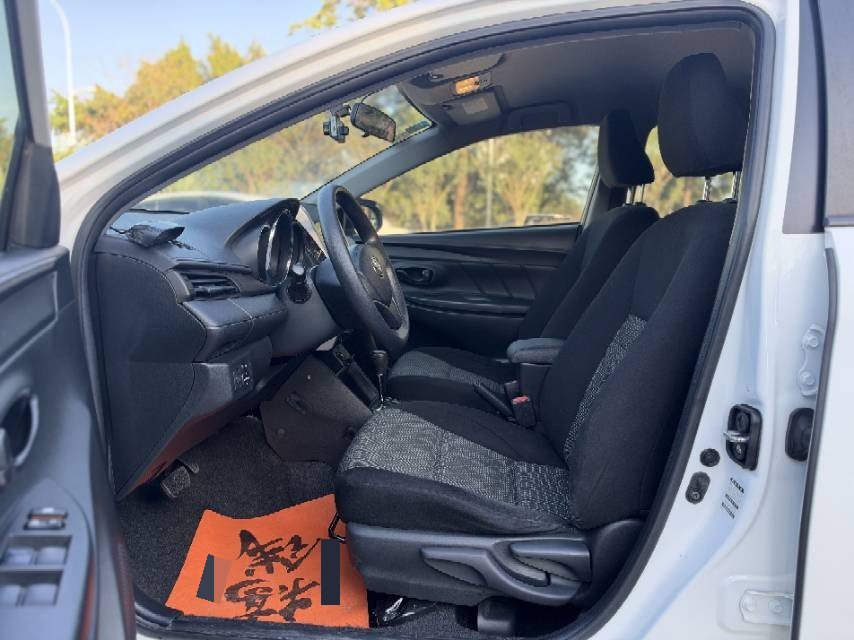
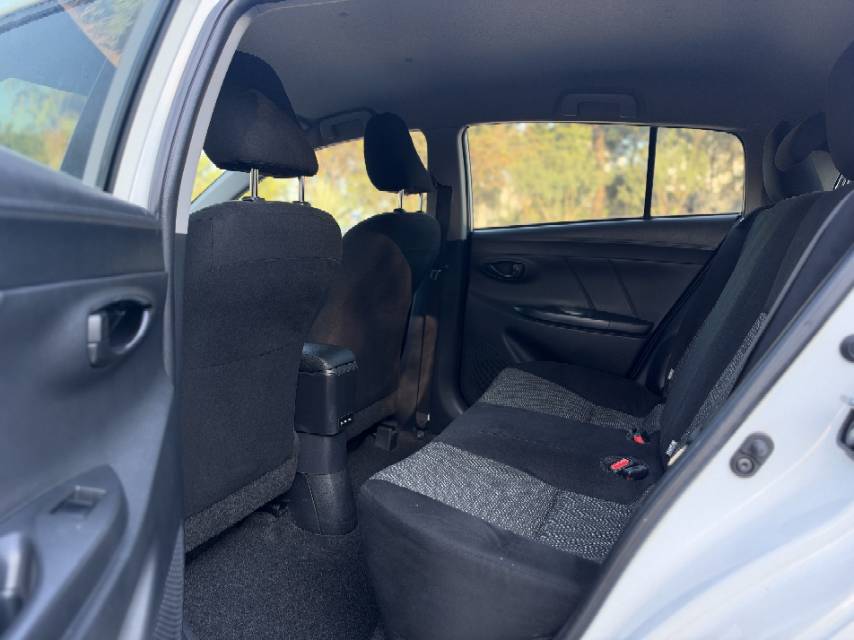
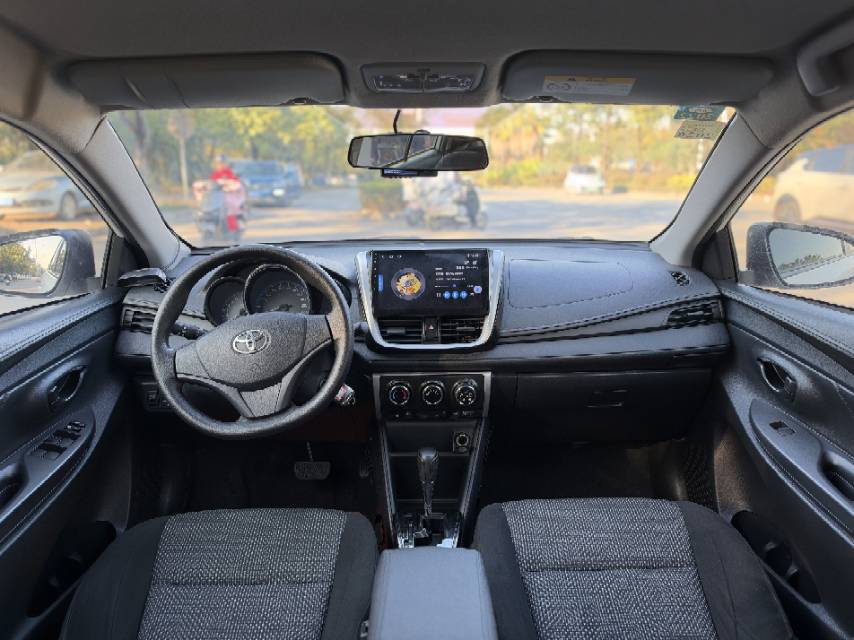
No major accident, water damage, or fire damage. Three panels repainted. Excellent condition. Odometer reading: 69,000 km (actual).

Document Information

Inspection Expiry Date-
Warranty Expiry Date-
Insurance Expiry Date2027/01

Q&A

More

What should I check during a live video test drive of a used car in China, and which sounds or behaviors are red flags?

Request a live video call during the test drive rather than a pre-recorded one. Cold start first: listen for rattling or metal scraping in the first seconds — possible timing chain or hydraulic lifter issues. During acceleration, a whining from the gearbox area can mean bearing wear; hesitation or jerking in an automatic suggests transmission problems. Braking: the pedal should feel firm, not spongy, and the car must not pull to one side. Turn the wheel fully in both directions and listen for clicking — a classic CV joint fault. Insist on a highway segment too: vibrations above 100 km/h often point to unbalanced wheels or bent rims. Ask the driver to film the dashboard throughout — warning lights that flicker on briefly are still faults that OBD will record.


How can I confirm the real mileage of a used Chinese car when I'm buying from overseas?

Odometer rollback happens everywhere, so never trust the dashboard number alone. Cross-check at least three sources: 1. Maintenance records: Chinese 4S dealerships keep service logs tied to the VIN. Ask the exporter for screenshots showing recorded mileage at each visit — the numbers should rise consistently. 2. Inspection reports: China requires periodic emissions/safety inspections, and the mileage is logged at each one. The exporter can pull the car's inspection history. 3. Tire and wear clues: Compare the claimed mileage with brake pedal rubber, steering wheel shine, seat bolster wear, and the tire production dates. A car showing 30,000 km with a polished steering wheel and second set of tires is suspicious. Also check the dashboard for uneven digits or scratches around the odometer area in photos. If maintenance and inspection records roughly agree, the reading is usually trustworthy; if the seller refuses to share records, treat the mileage as unknown and negotiate accordingly.

Can I combine several cars into one container to save on freight when importing from China, and how does consolidation work?

Yes, consolidation is common and can cut freight cost per car significantly, especially for shared purchases or small-volume importers. How it works: 1. A 40ft high-cube container typically fits 2-4 cars depending on size and loading method (standard loading vs. specialized racking that allows 4+ cars). Confirm the loading plan with your forwarder in writing. 2. Cars are secured with wheel chocks, straps, and padded braces. Professional loading with photos before the doors close is essential — request a photo report for insurance purposes. 3. One container means one bill of lading and one customs entry, but each car still needs its own invoice, export documents, and destination customs declaration. Things to watch: - Liability: if one car shifts and damages another in transit, insurance claims get complicated. Take out proper cargo insurance covering both vehicles. - Timing: all cars in the container must be ready at the same port at the same time, or you pay storage fees. - For EVs, check the shipping line's battery and state-of-charge rules — they may limit how many EVs go in one box. For a single car, RoRo or a 20ft container is usually simpler; consolidation mainly pays off from 2+ cars.