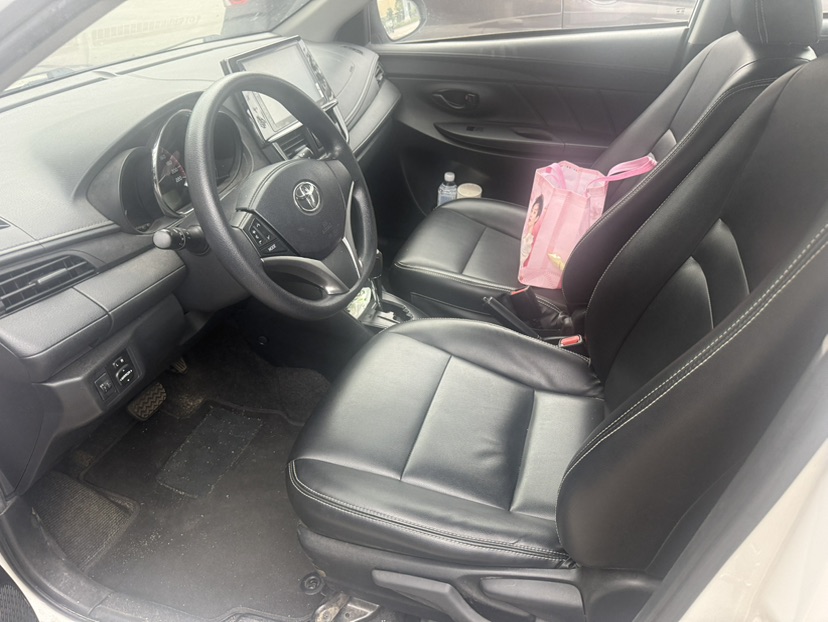
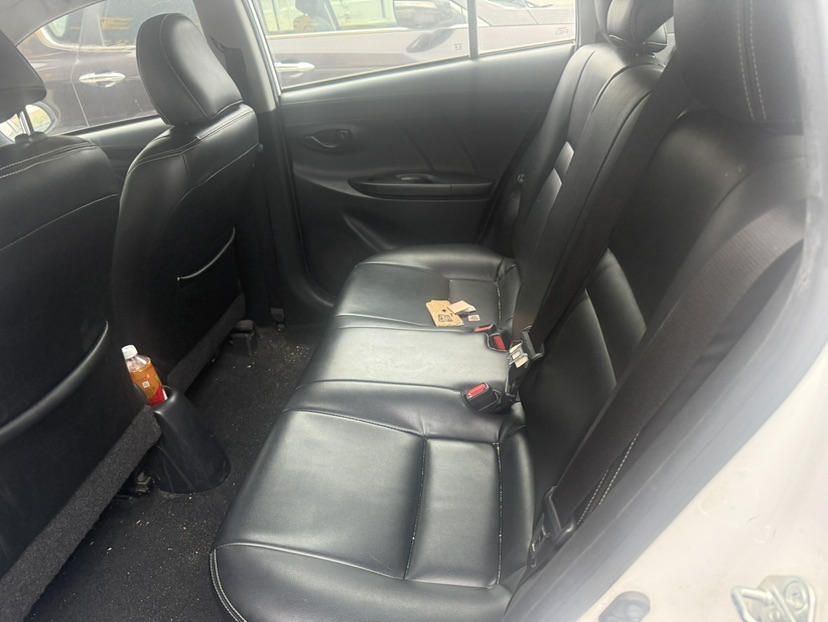
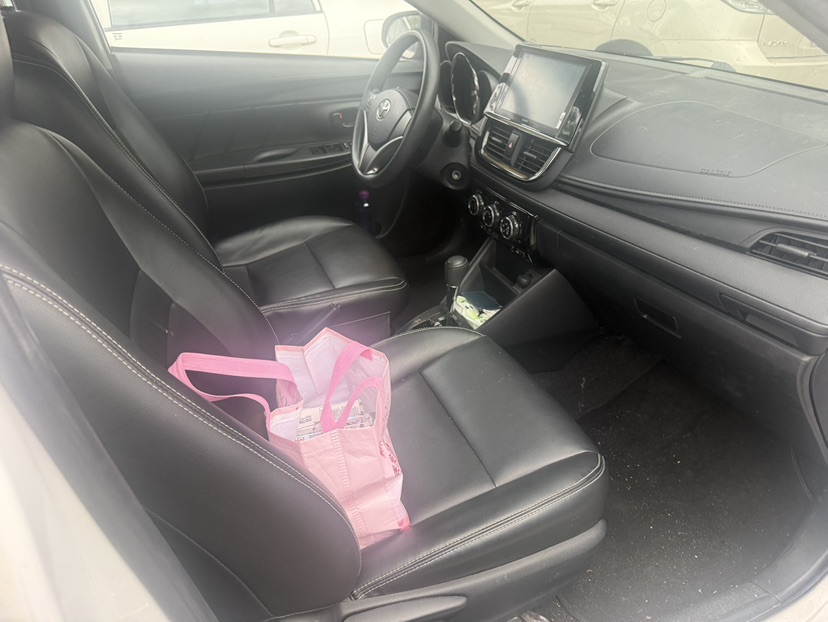
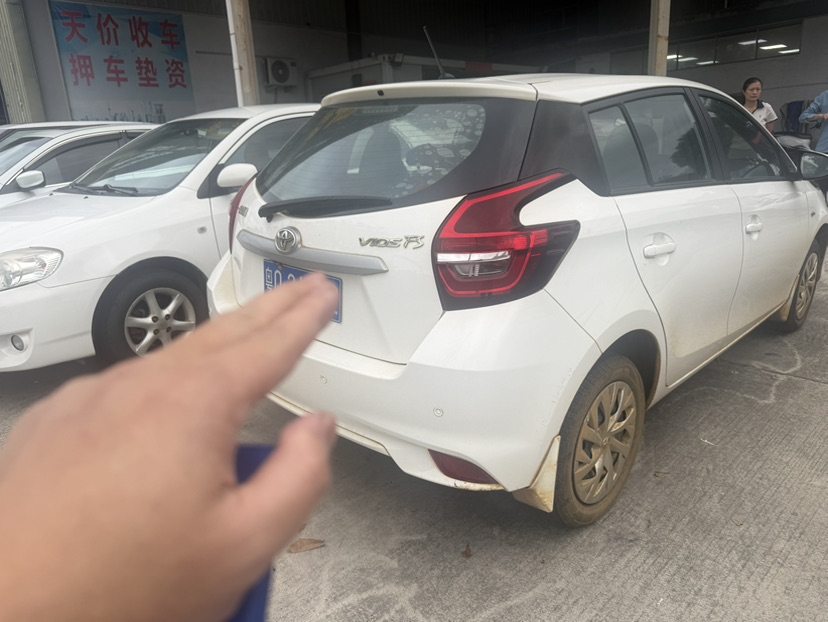
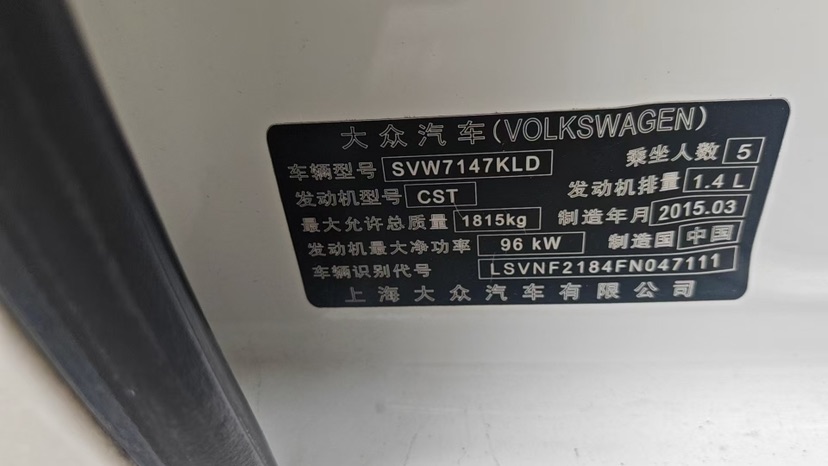
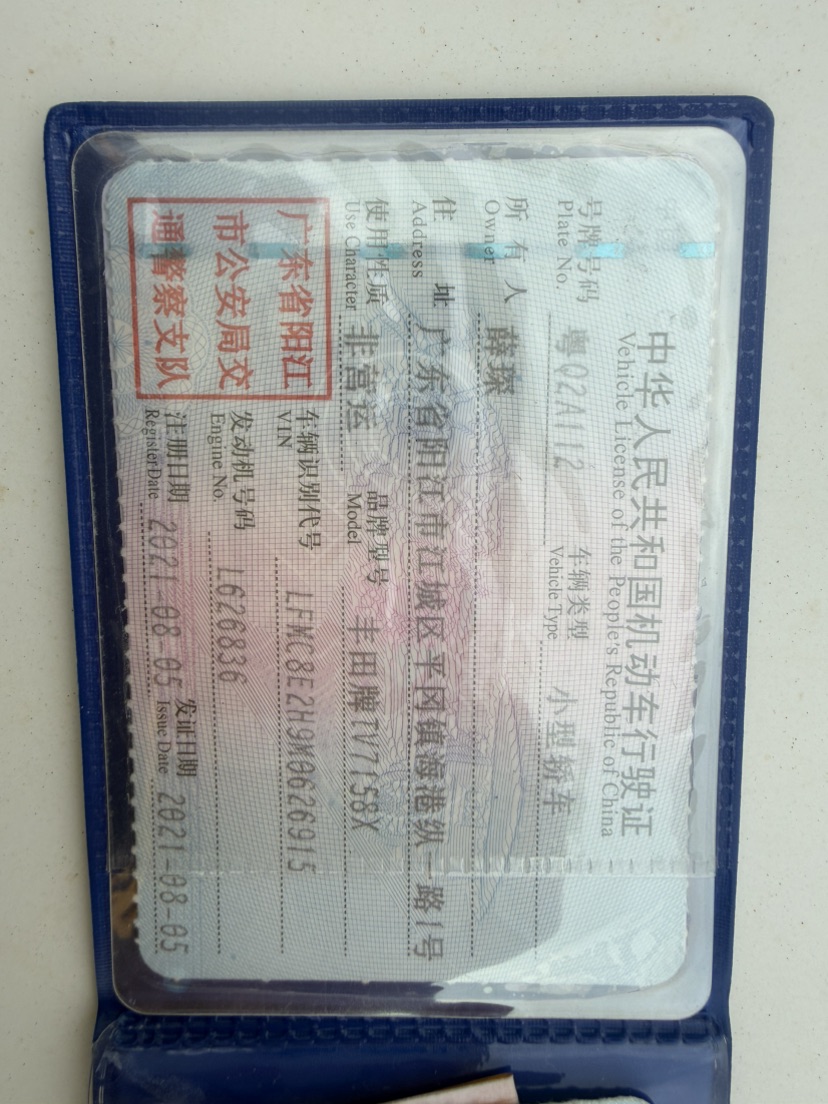



Basic Information

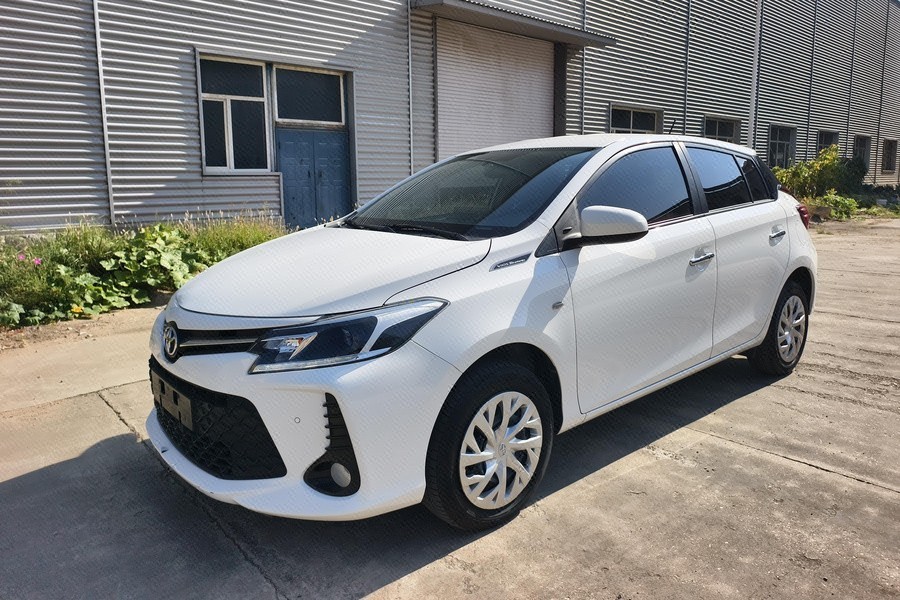
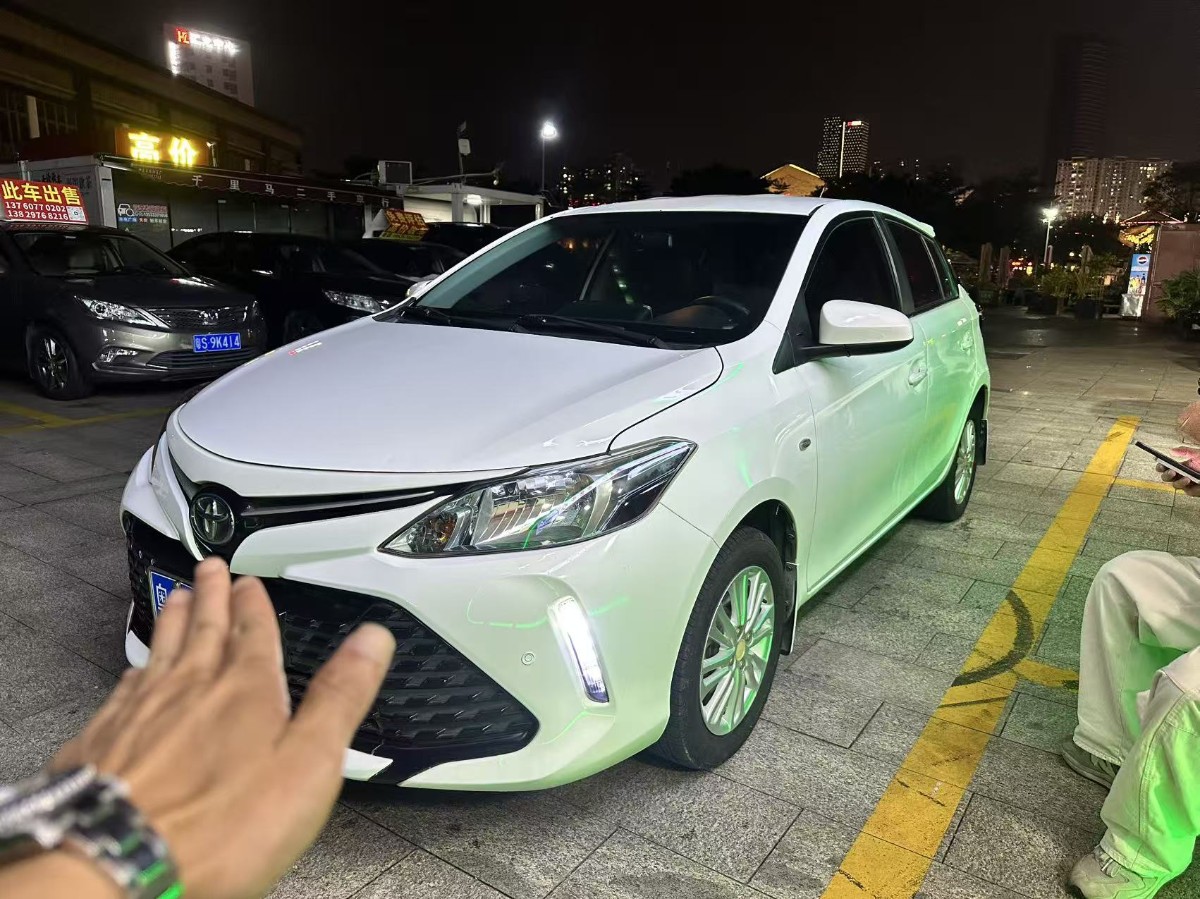
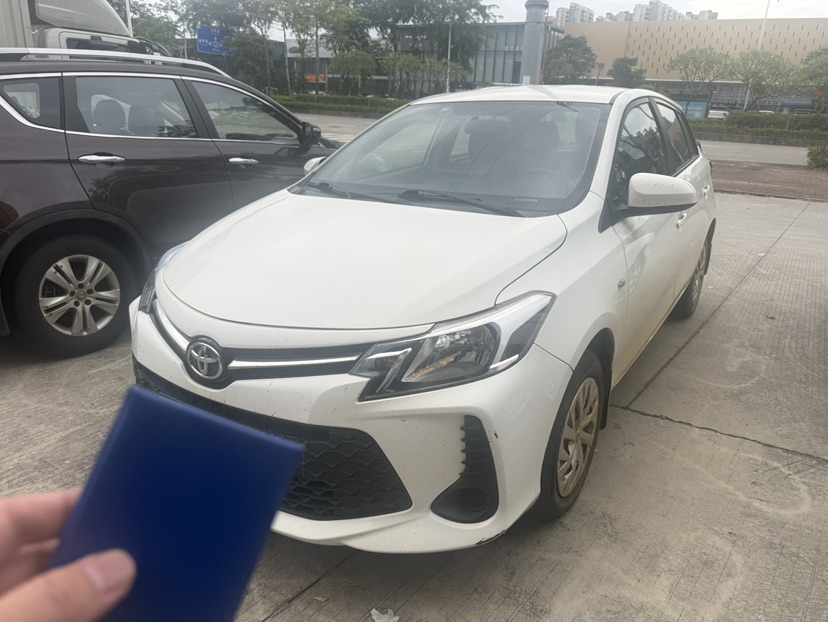
BrandToyota
SeriesVios FS
Year2021
First Registration2021/08
Mileage58,000km
Transfer Count1times
FuelGasoline
TransmissionCVT
Engine1.5L 112 L4
ColorWhite
Seats5seats

Condition Description

燃油车
轿车
自动
维保开放
事故开放
查验开放

Configuration Highlights

✓品牌: 丰田
✓车系: 威驰FS
✓车型: 2021款 1.5L CVT锋享版
✓车身类型: 轿车
✓座位数: 5
✓排量: 1.5L
✓变速箱: 自动
✓能源类型: 燃油车
✓VIN: LFMC8E2H9M0626915
✓搜索关键词: 丰田威驰FS 2021款威驰FS1.5LCVT锋享版

Document Information

Inspection Expiry Date2027/08
Warranty Expiry Date-
Insurance Expiry Date2027/08

Q&A

More

My imported Chinese car needs a repair part. How do I claim warranty or order parts from the exporter?

Start by checking the after-sales clause in your contract—reputable exporters typically offer 3-12 months of parts support. The usual process: send the exporter a fault description with photos or a short video, plus your VIN and contract number. They will confirm whether it is a warranty case or a paid parts order. For warranty claims, common resolutions are free parts shipped with your next container, or a credit/refund for parts you source locally. Keep all communication in writing. To avoid long waits, ask for the OE part numbers in advance and check whether local dealers stock the same components—many Chinese brands share suppliers. Ordering common wear parts (filters, brake pads) together with the car shipment is the cheapest option by far.


Will you replace the built-in dashcam storage card for free if it is damaged?

If the system reports "storage card error," we will consider it as damage or loss of the original owner's personal items, and the platform will not provide a new high-speed TF card for free; the buyer must purchase a replacement after arriving at the port.

How are import duties on used cars from China calculated, and which HS code applies?

Used cars are classified under HS heading 8703 (motor vehicles for transport of persons), with the last four digits determined by engine type and size. Gasoline cars usually fall in 8703.21–8703.80 depending on displacement; pure EVs fall under 8703.80; hybrids have their own subheadings. The duty amount depends on your country's tariff schedule: 1. Most countries charge duty on the CIF value (car price + freight + insurance), not the FOB price. 2. Many developing markets levy higher duties on used vehicles than new ones, and some add a surcharge based on age — older cars can cost significantly more to clear. 3. After duty, you typically pay VAT/GST on the CIF + duty total, plus port and customs fees. Practical tips: ask your exporter to state the exact HS code on the commercial invoice and confirm it with a local customs broker before shipping. A wrong code can trigger reclassification, penalties, or delays. Also budget for any excise tax tied to engine capacity — in several markets a 2.5L car clears far cheaper than a 3.5L one.