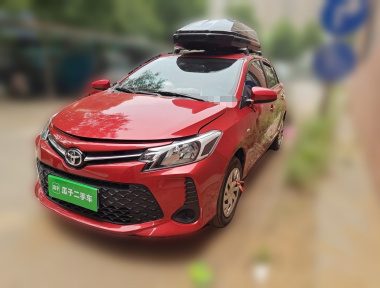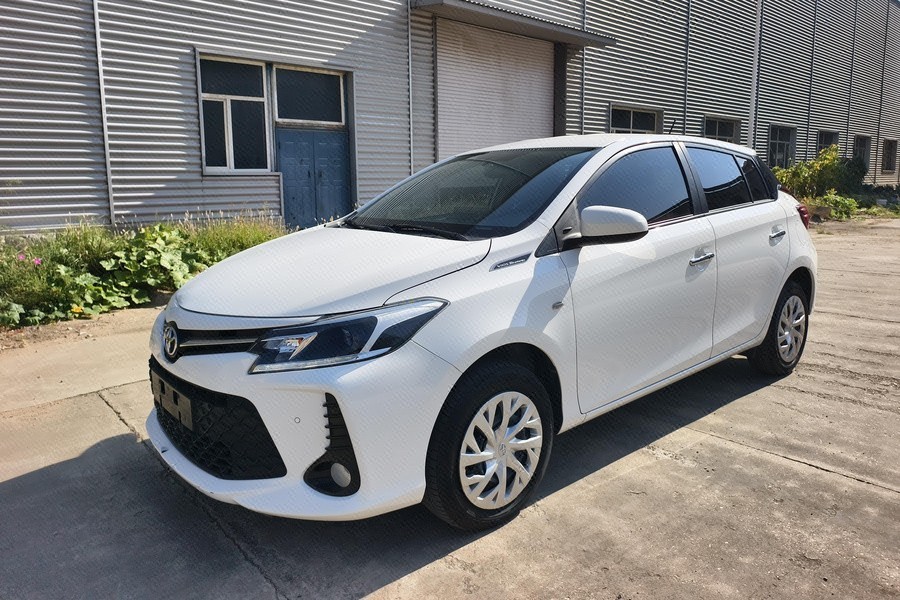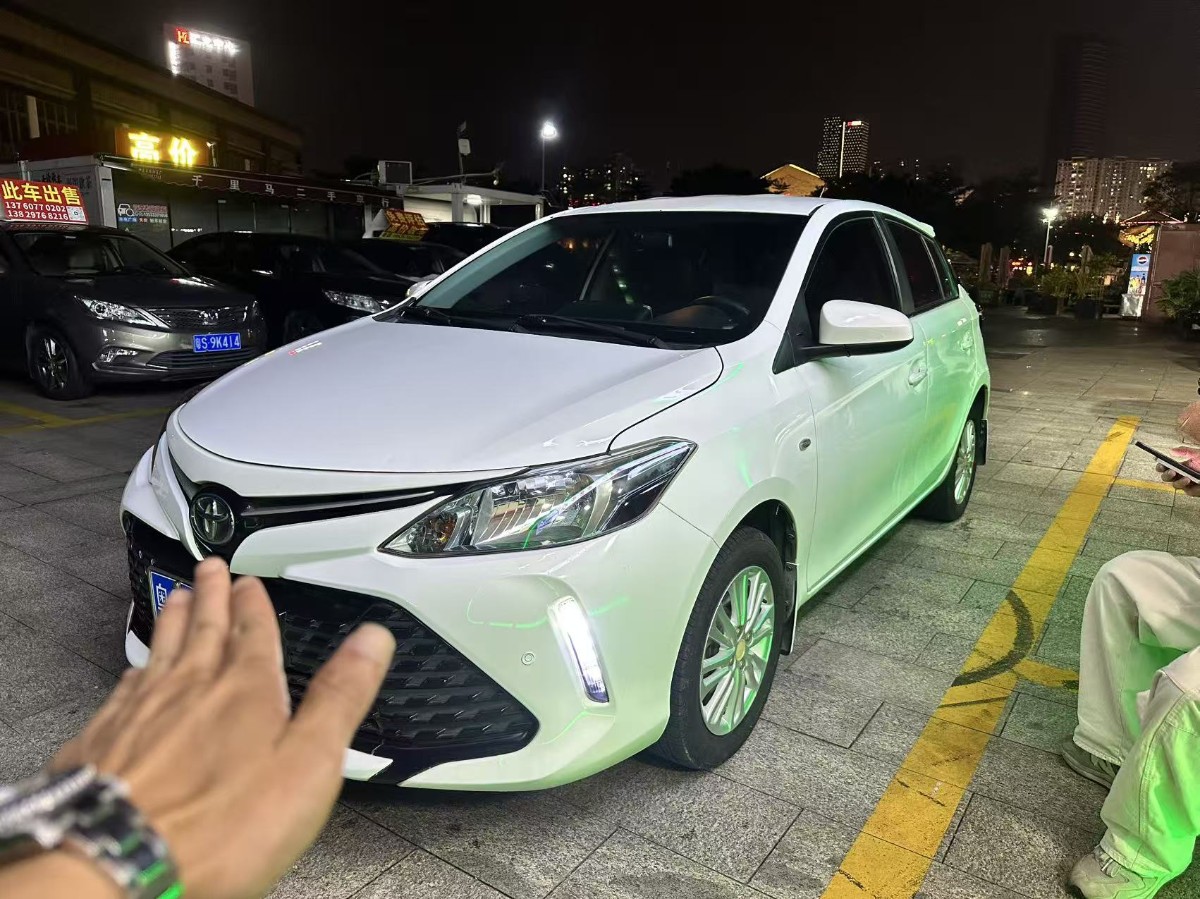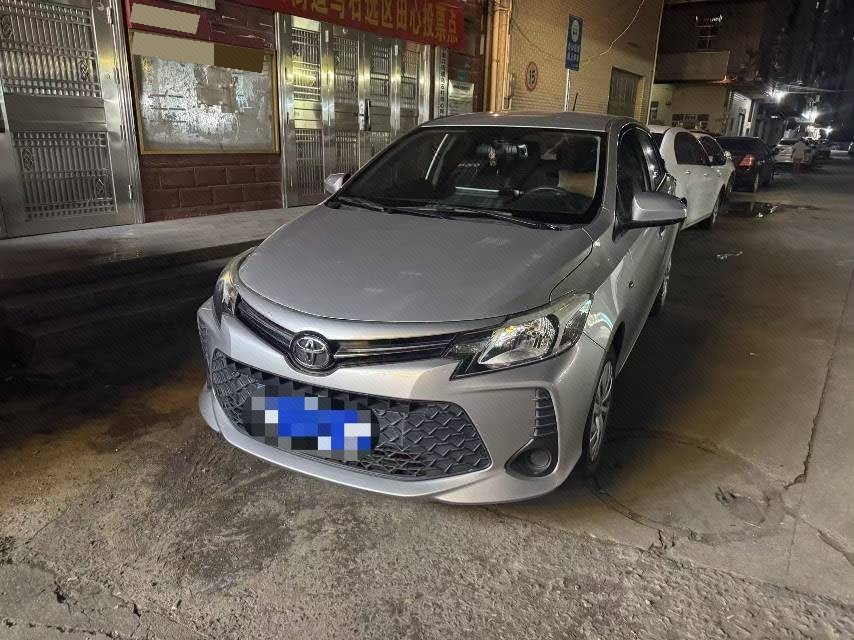




Basic Information

BrandToyota
SeriesVios FS
Year2021
First Registration2021/06
Mileage30,000km
Transfer Count0times
FuelGasoline
TransmissionCVT
Engine1.5L 112 L4
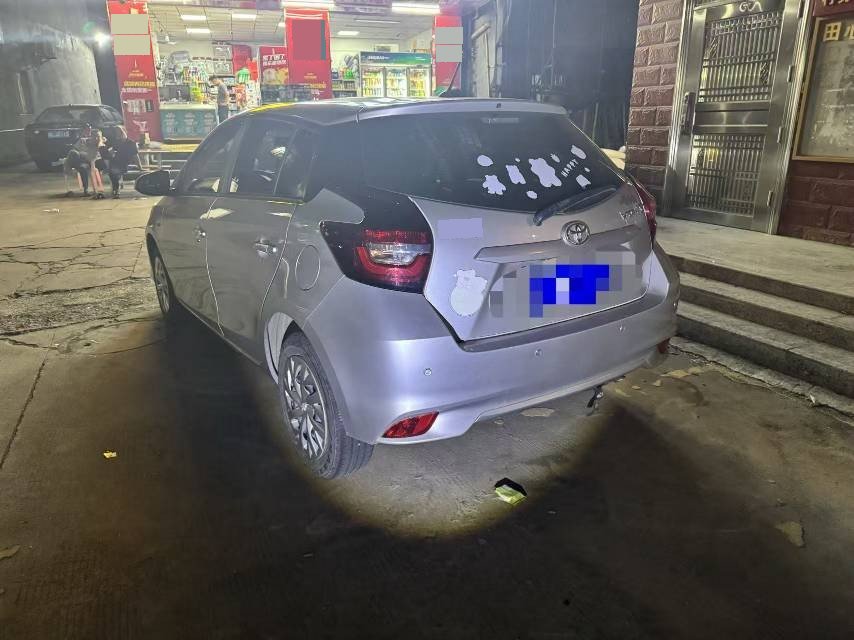
ColorWhite
Seats5seats

Condition Description

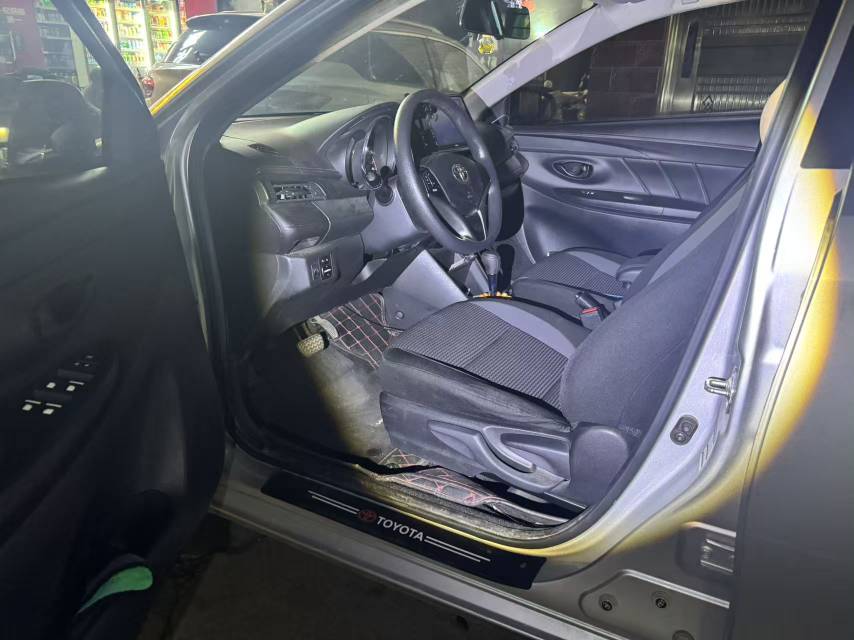
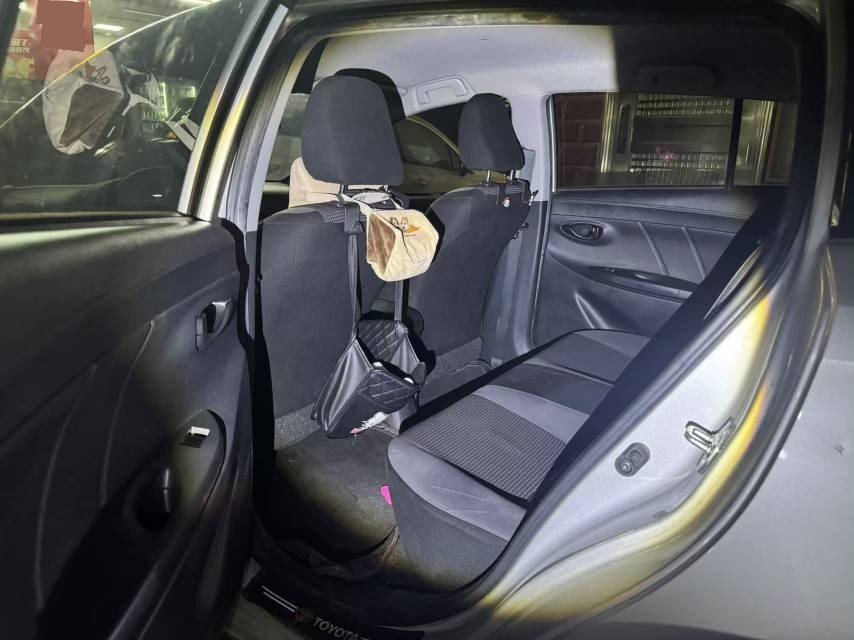
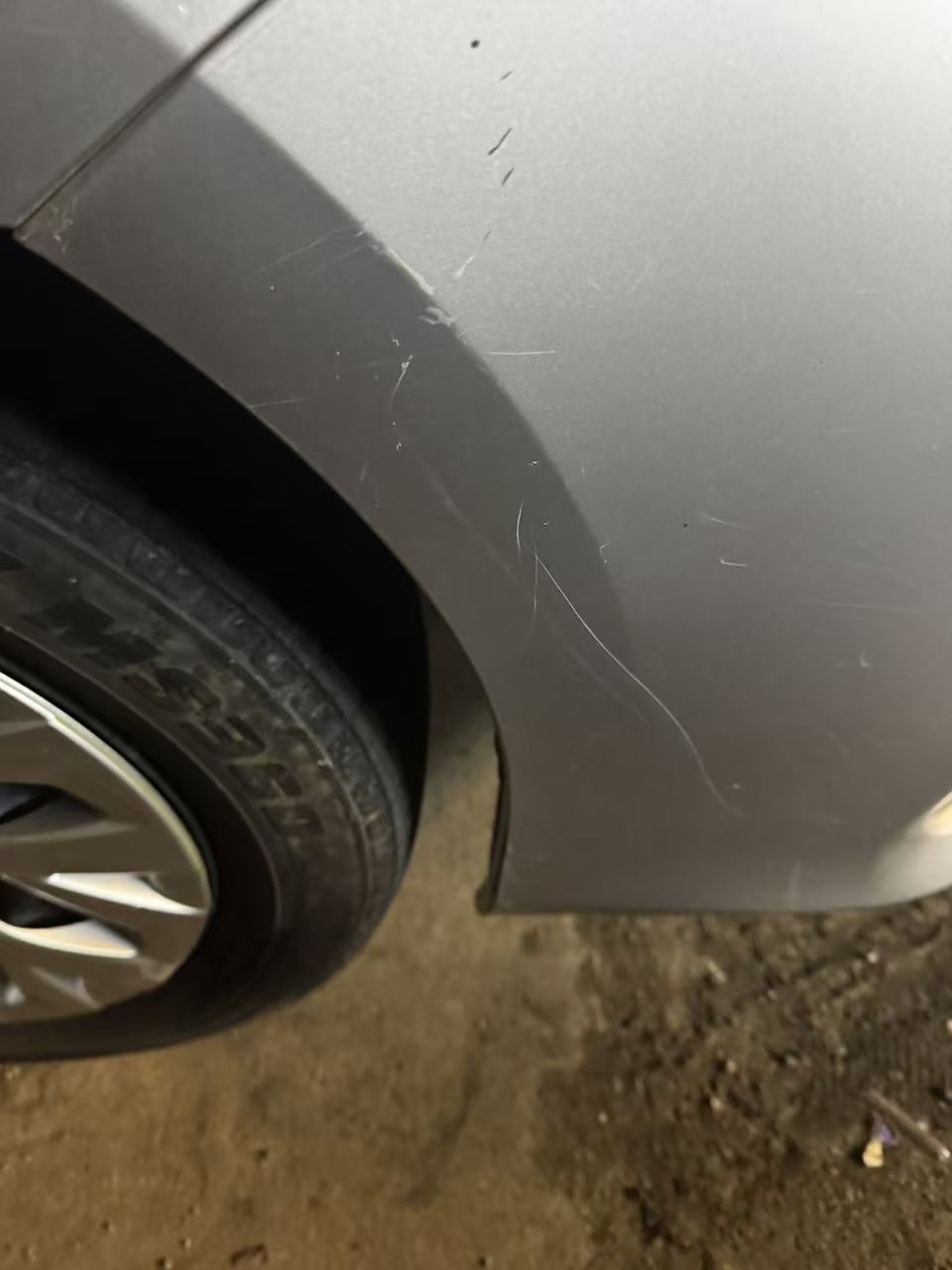
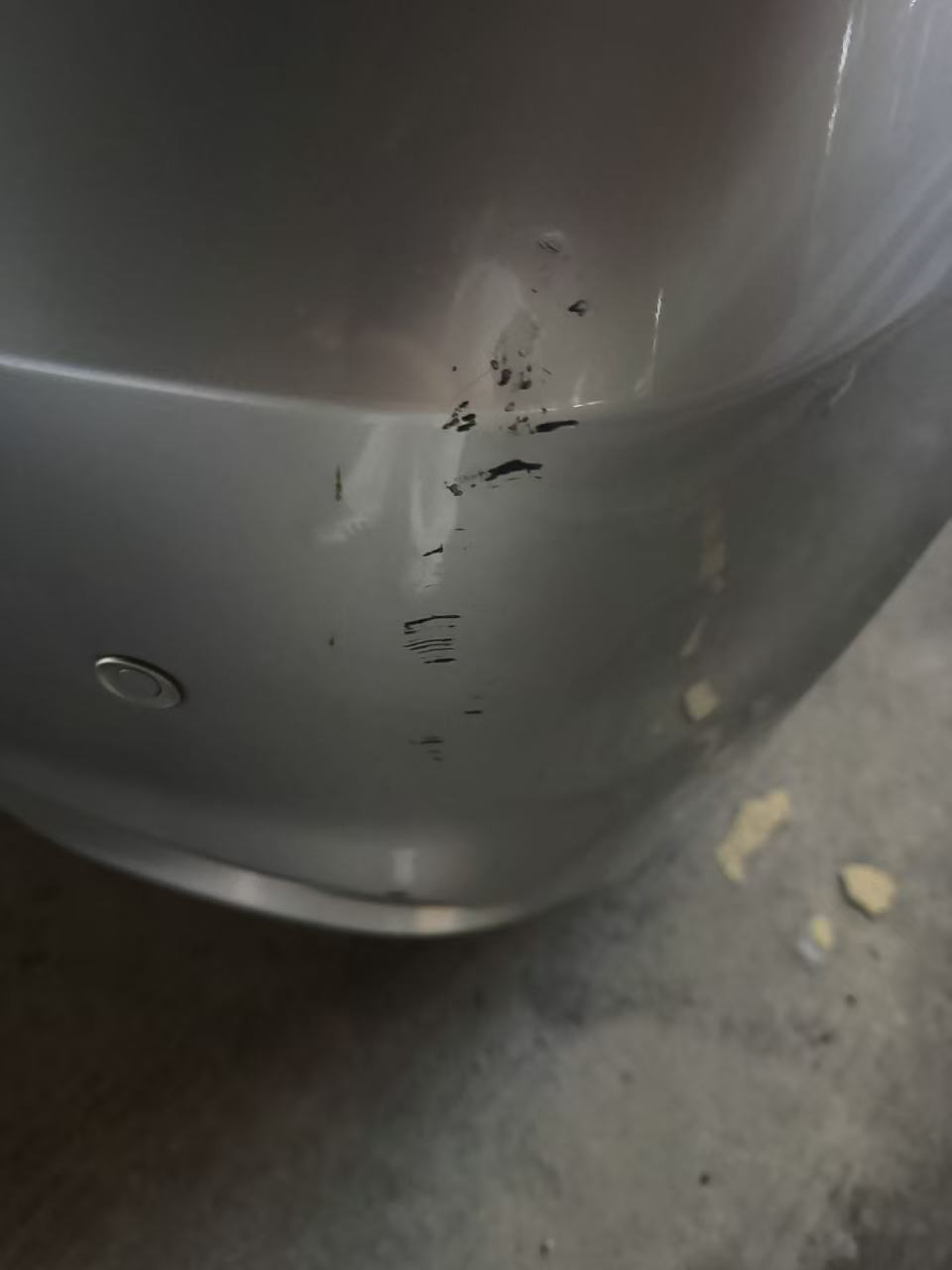
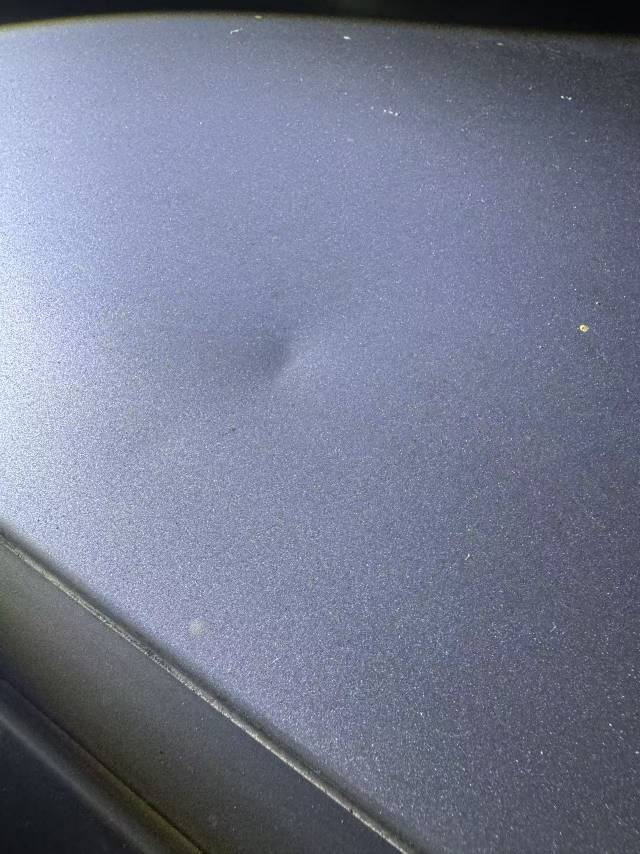
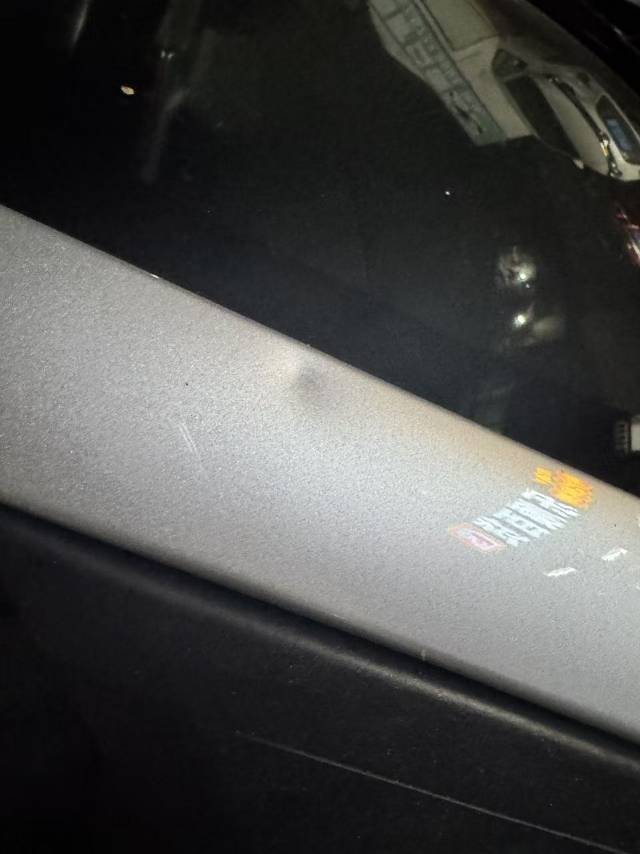
Original condition, two panels repainted.

Document Information

Inspection Expiry Date-
Warranty Expiry Date-
Insurance Expiry Date2027/06

Q&A

More

Besides the purchase price, what other fees should I budget for when importing a used car from China?

The purchase price is only part of your total landed cost. Plan for these items: - Inland transport in China: moving the car from the seller's city to the export port, plus transfer and inspection fees. - Export fees: customs declaration, port handling, and terminal charges. Ask for an FOB (Free On Board) quote so these are included. - Ocean freight: RoRo (roll-on/roll-off) is cheapest for regular cars, but EVs often require special containers or dedicated EV shipping due to battery regulations, which costs more. - Insurance: marine cargo insurance, typically 1-3% of the car's value. - Import side: import duty, VAT or sales tax, customs brokerage, port charges at destination, and any homologation or compliance testing fees. As a rule of thumb, add 25-40% on top of the FOB price for a realistic landed-cost estimate, depending on your country's tax rates. Get a written breakdown from both your supplier and a customs broker before committing.


Will protective measures against rain or sun be taken for vehicles parked outdoors while waiting to be loaded at the port?

The storage area at the roll-on/roll-off terminal is entirely outdoors, which is standard practice at ports worldwide. During the few days vehicles wait to be loaded, they will inevitably be exposed to sun and rain and accumulate dust. We will not provide custom car covers as this would significantly hinder the efficiency of dock workers moving vehicles.

What should I check about the 12V auxiliary battery in a used Chinese EV before shipping?

The 12V battery is small but critical: when it dies, the car cannot start, unlock, or charge. Used EVs often have weak 12V batteries because they sit on lots for months. Before shipping, ask the exporter to: 1. Measure the battery voltage after the car has rested overnight. It should read around 12.4-12.8V; anything under 12.2V means the battery is degraded. 2. Start the car and check that the charging system holds 13.8-14.4V, confirming the DC-DC converter works. 3. Scan for stored fault codes related to low voltage, which indicate the battery has been deeply discharged repeatedly. During ocean freight, the battery slowly self-discharges. Ask that it be disconnected or kept on a maintainer before loading, and budget for a replacement after arrival if the battery is over 3 years old. A new 12V battery costs little compared to being stranded at the port.