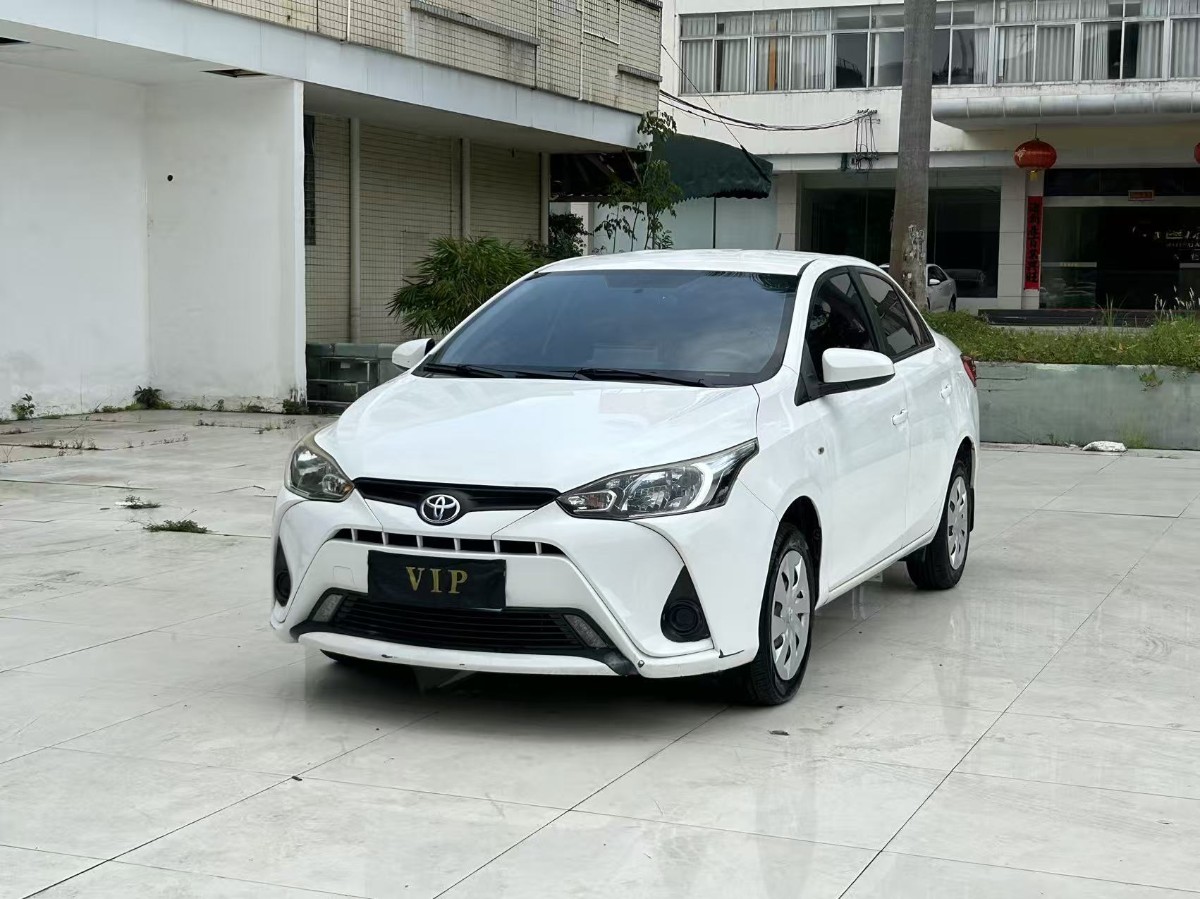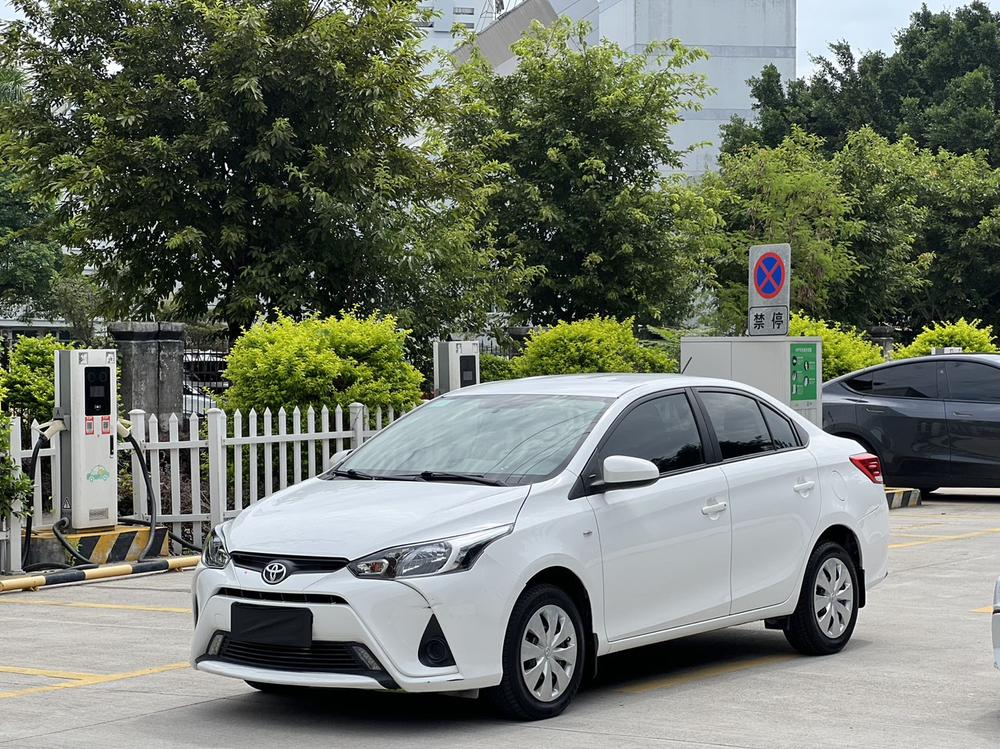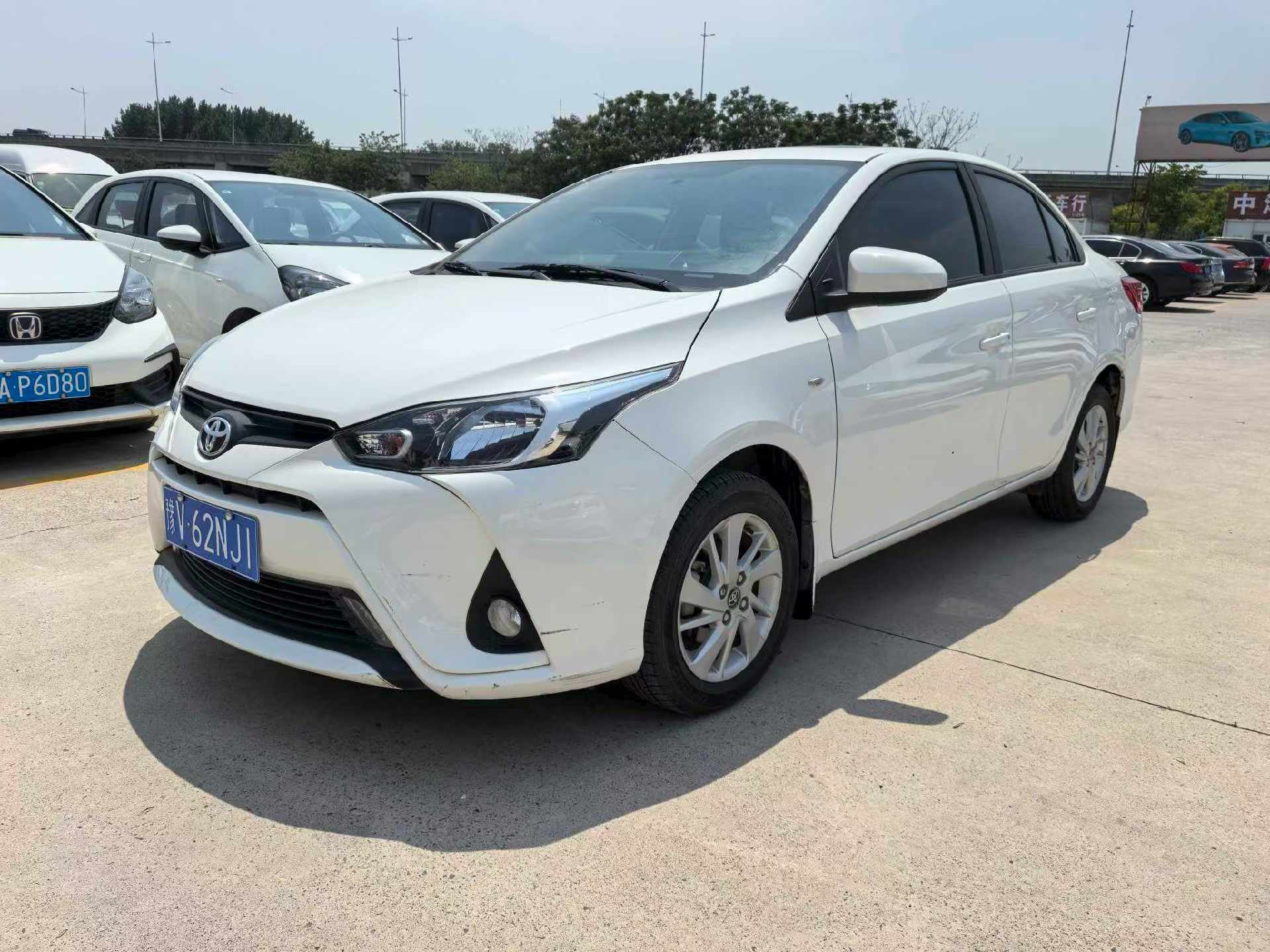
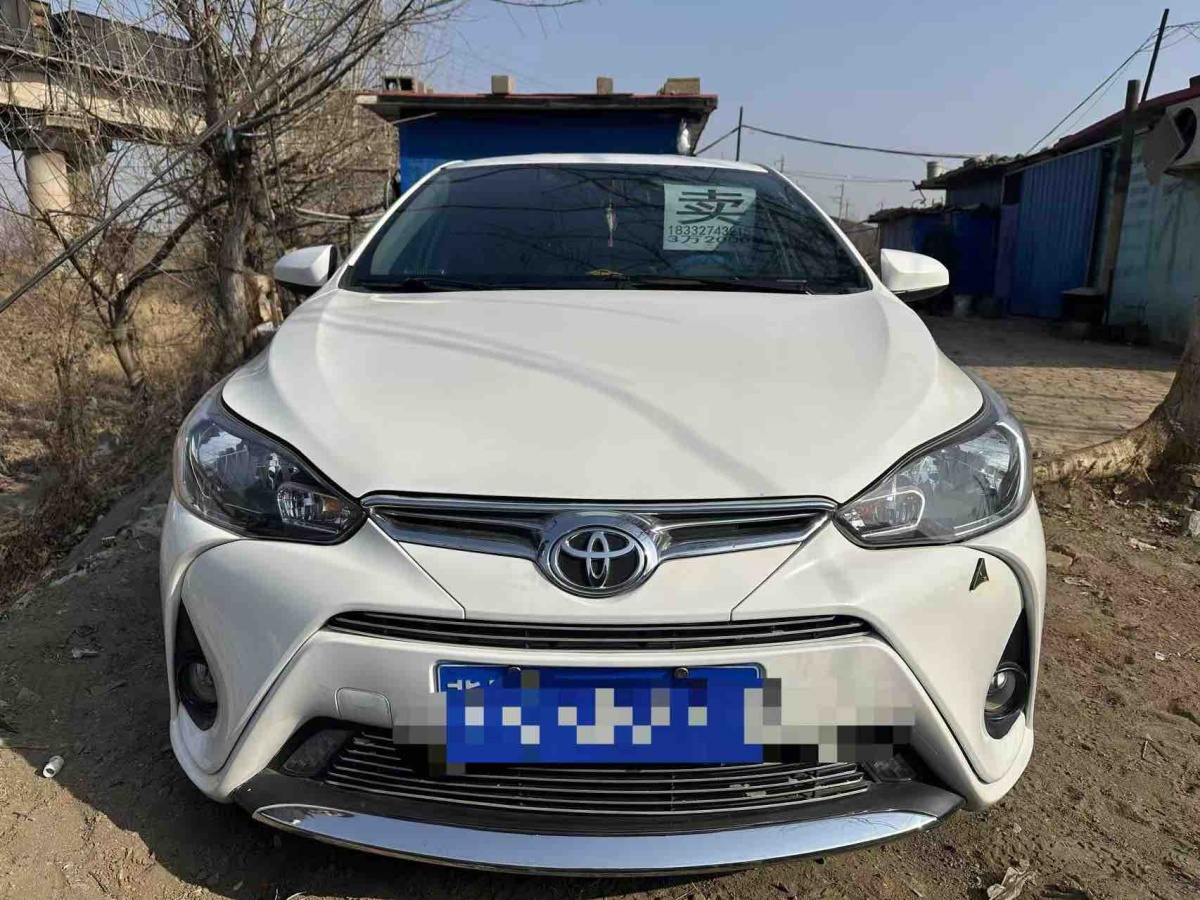




Basic Information

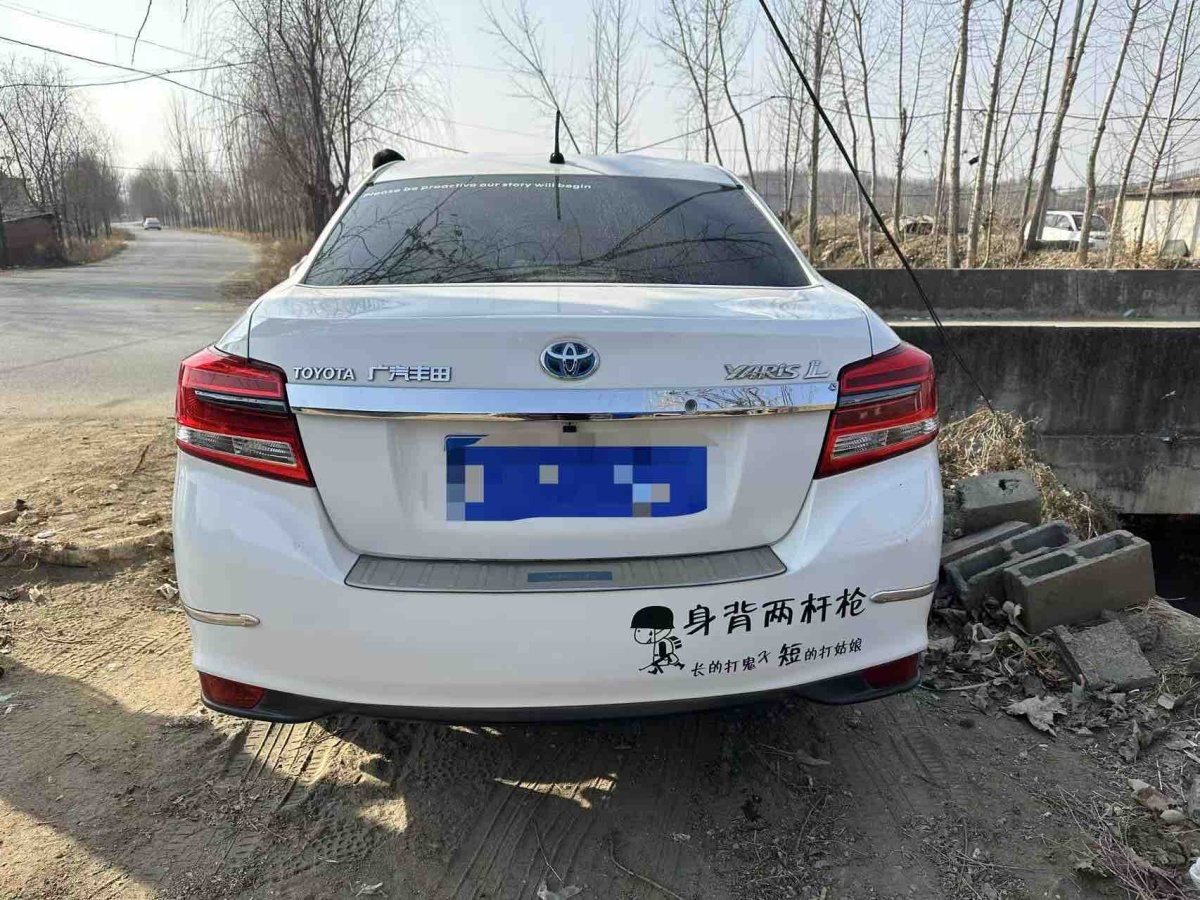
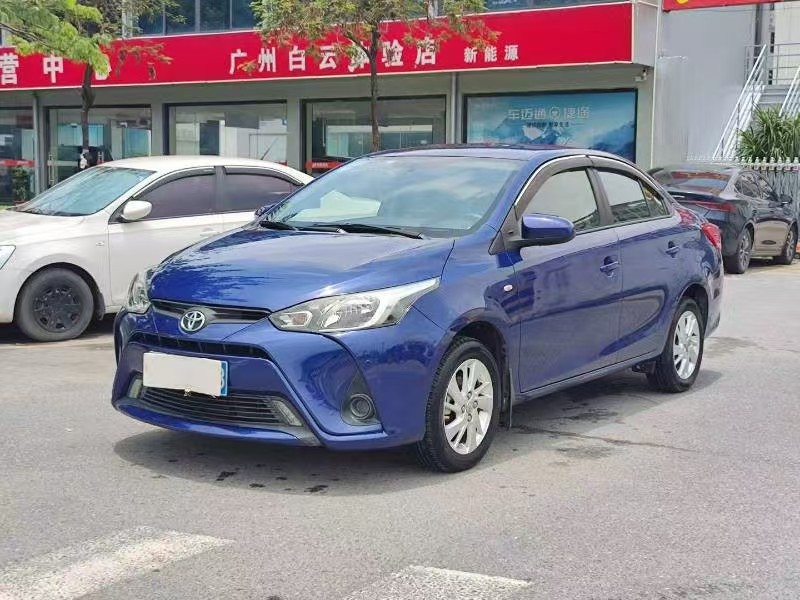
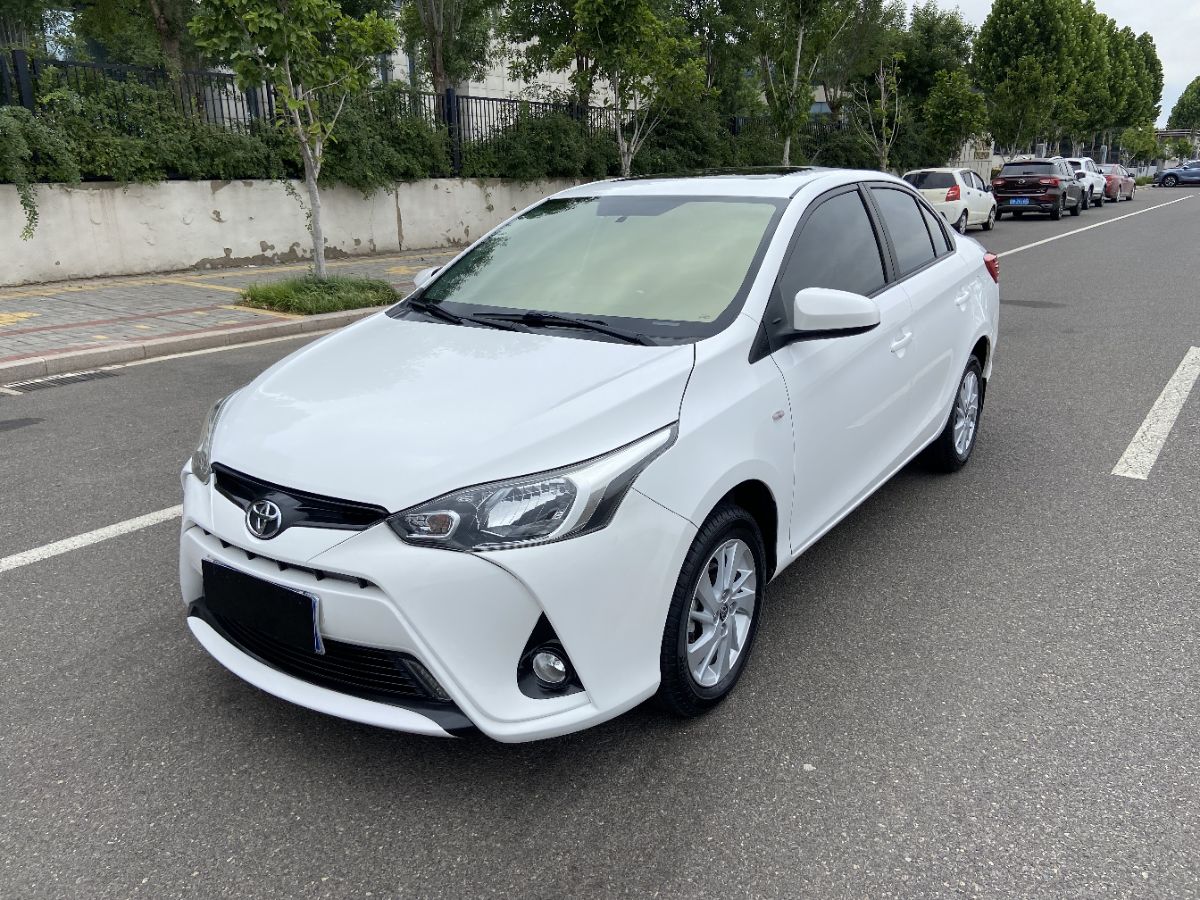
BrandToyota
SeriesYaris L Zhixiang
Year2019
First Registration2019/06
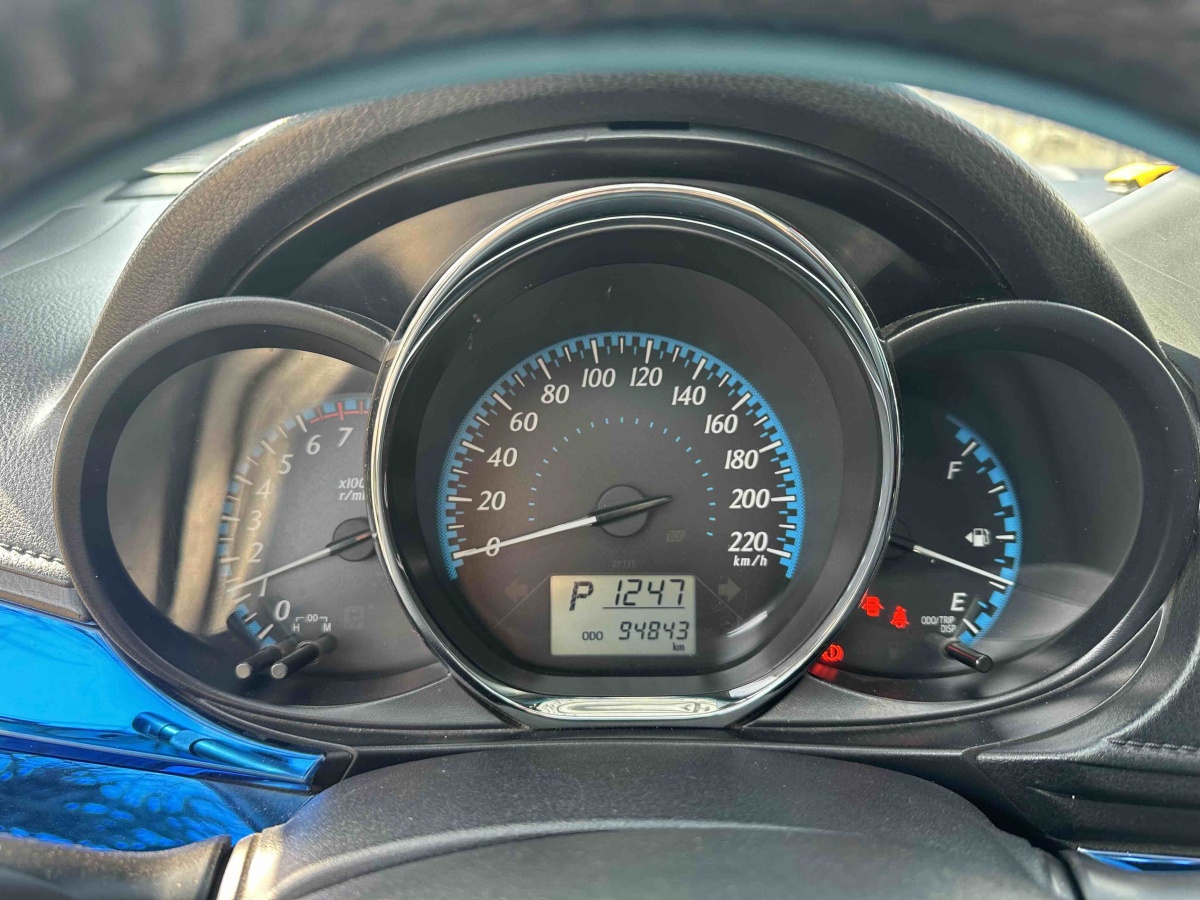
Mileage94,000km
Transfer Count-
FuelGasoline
TransmissionCVT
Engine1.5L 110 L4
ColorWhite
Seats-

Condition Description

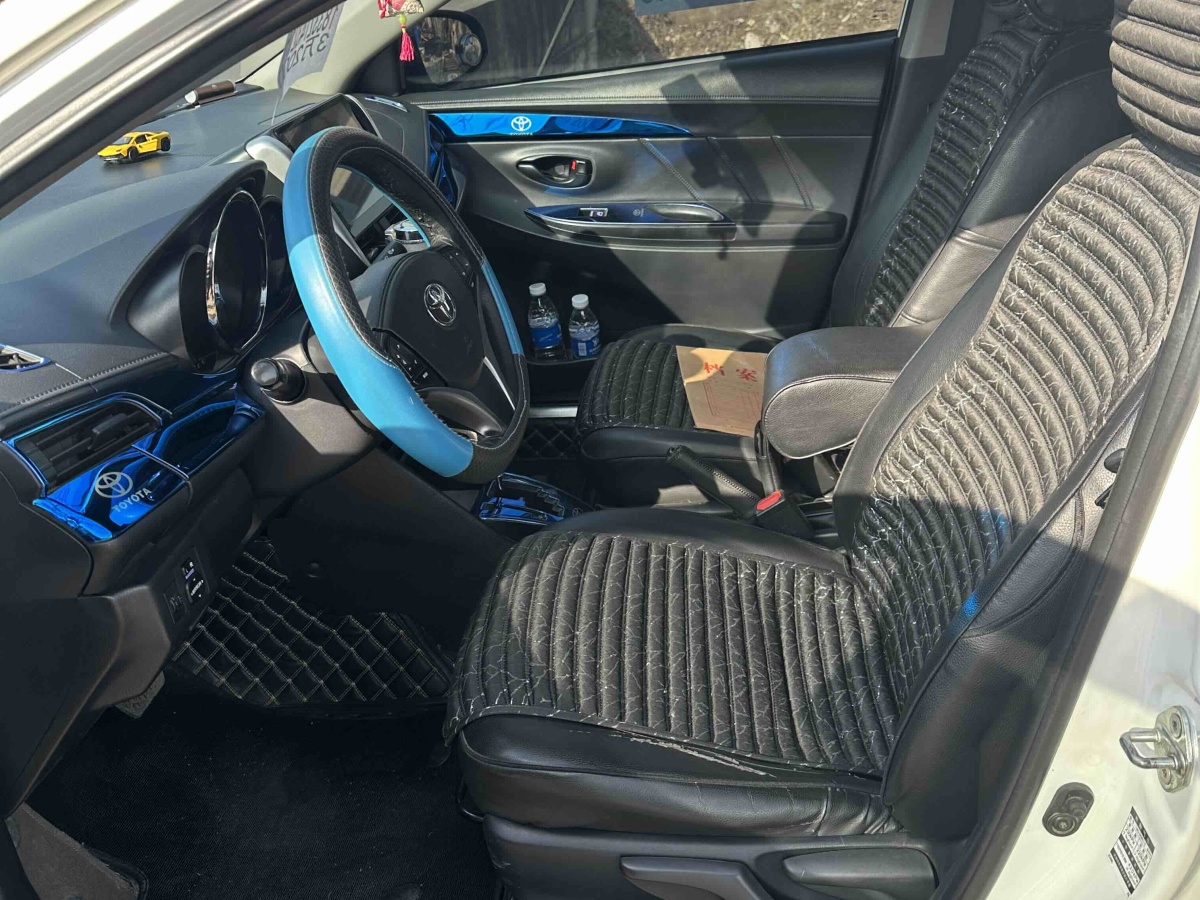
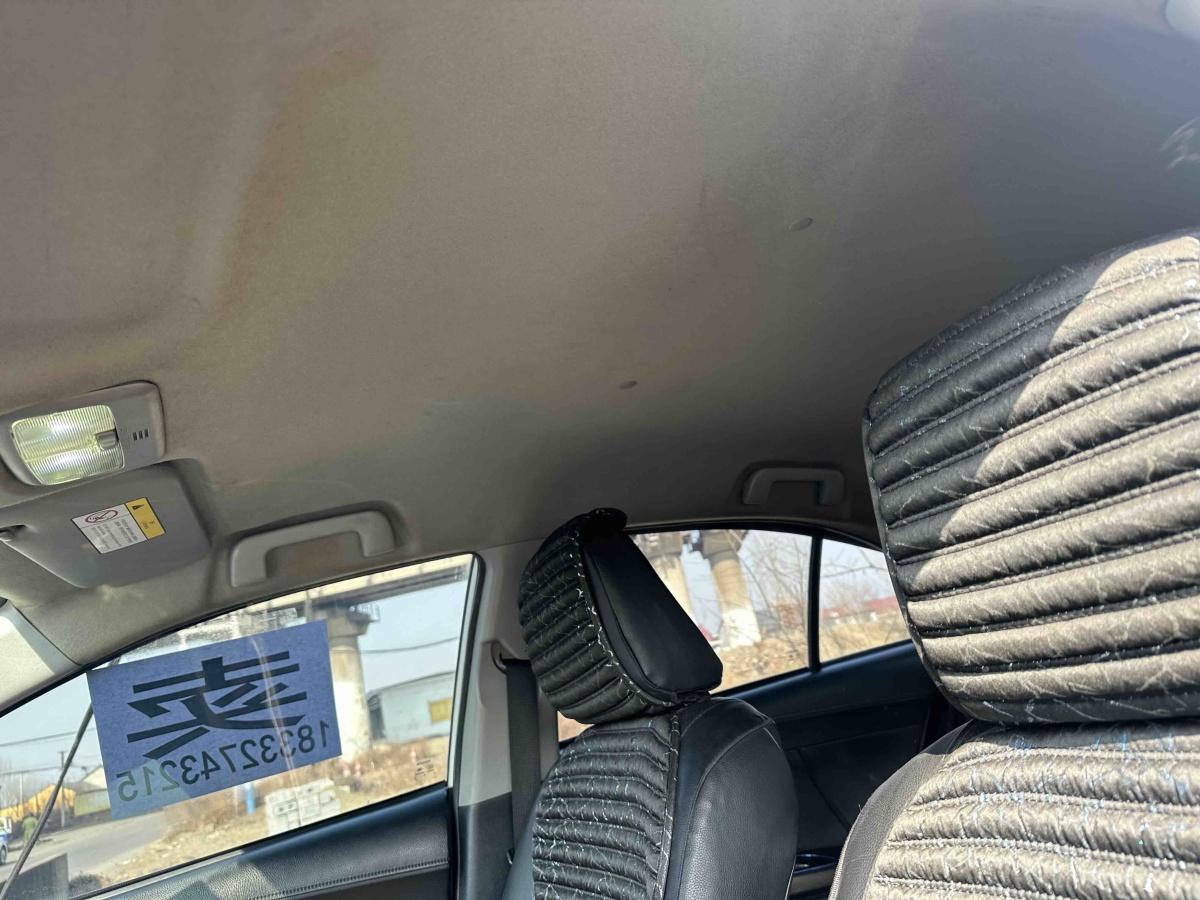
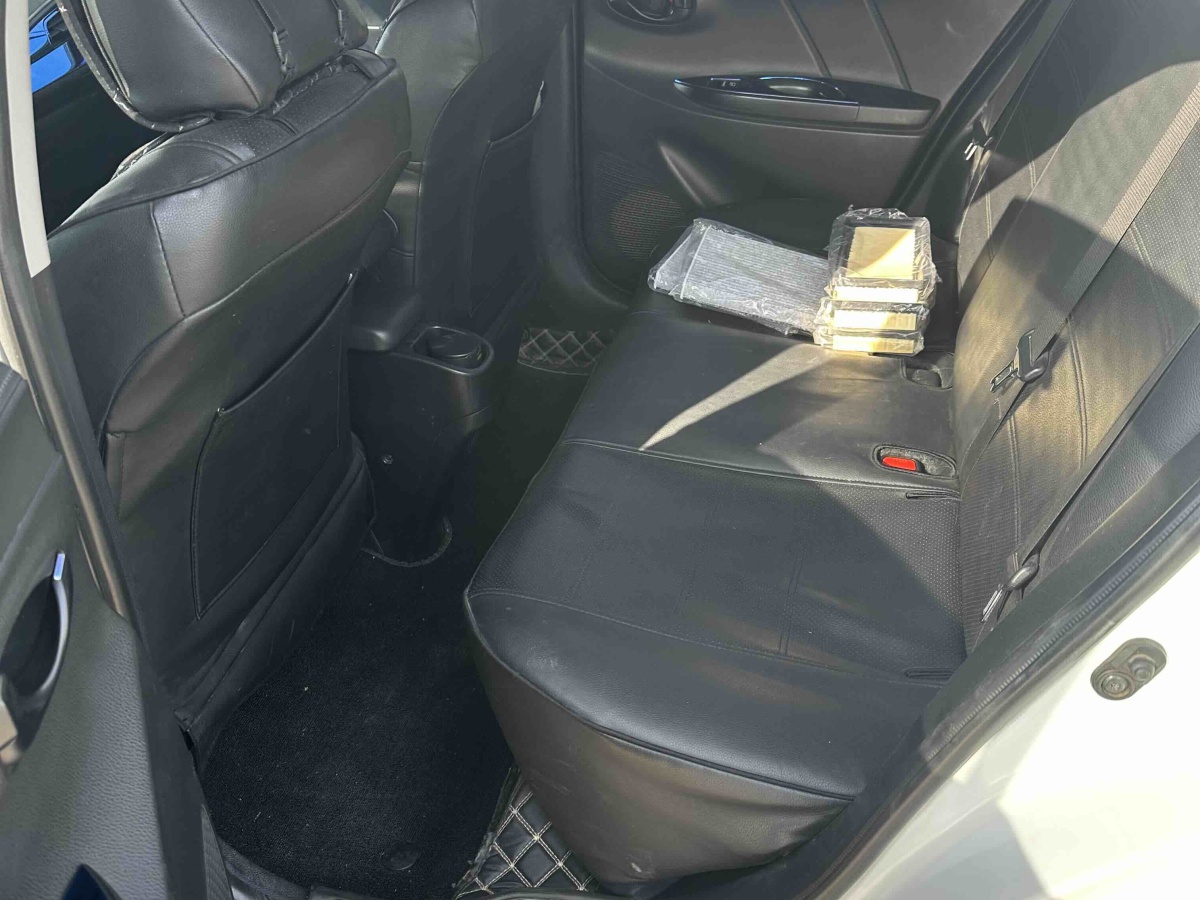
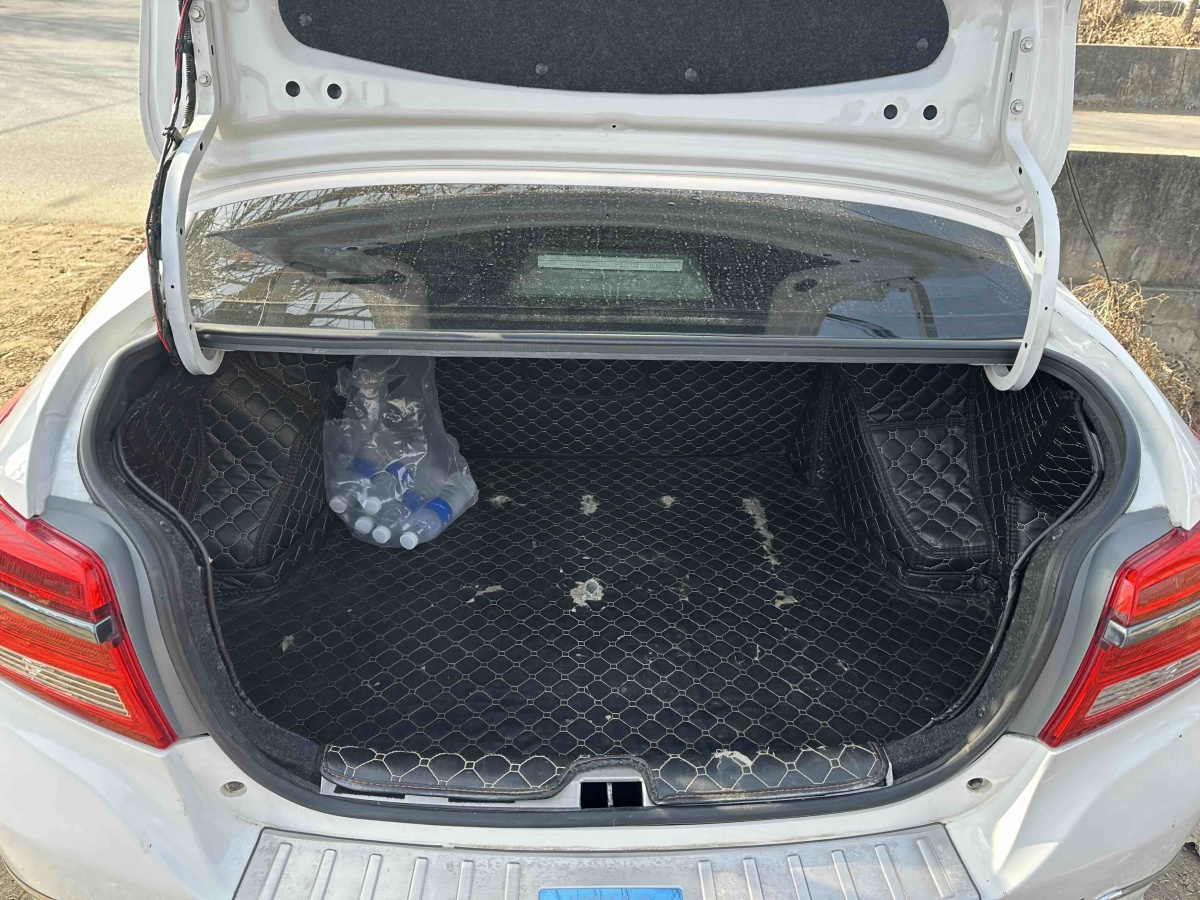
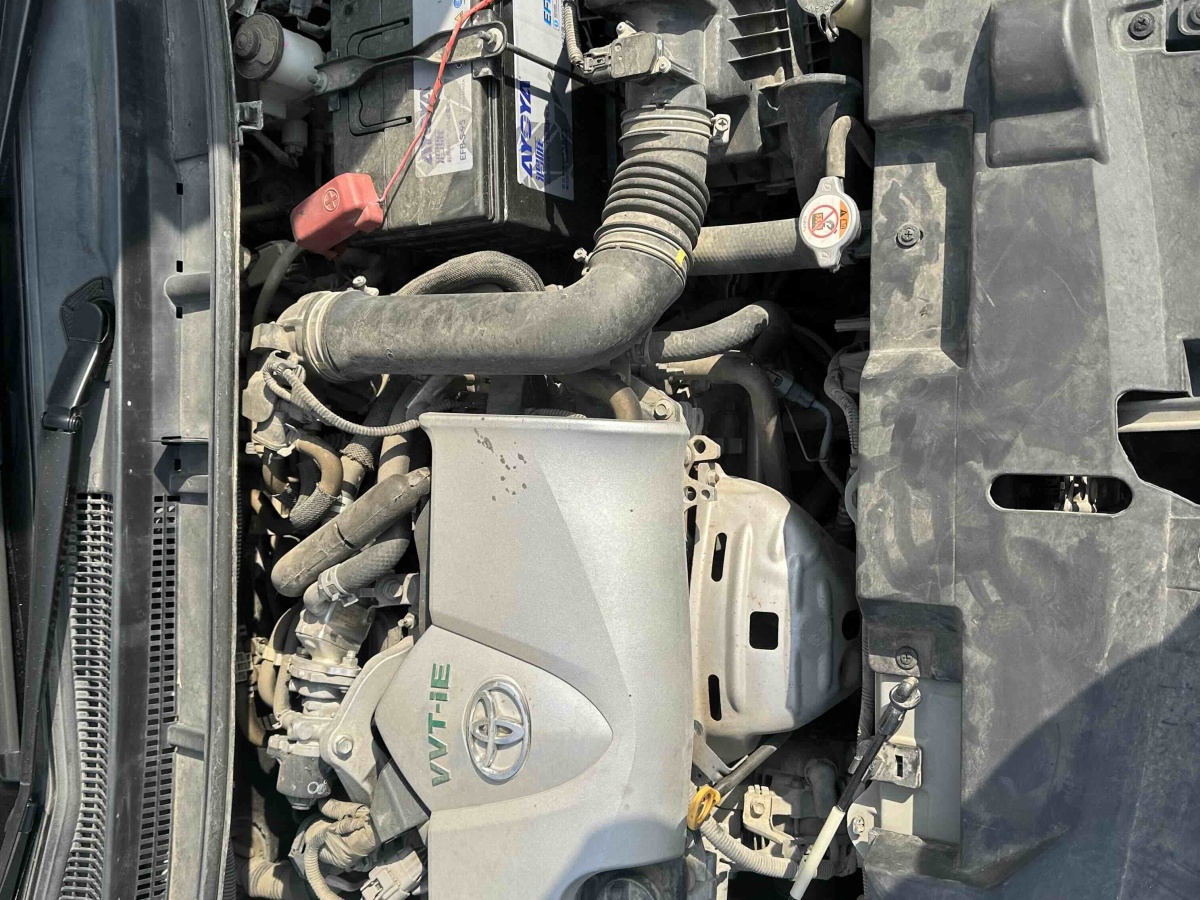
【Model】2019 YARiS L 1.5E CVT Dynamic Edition (National VI Emission Standard) 【Sunroof】No 【List Price】87,900 RMB 【Emission Standard】National VI Emission Standard 【Registration Date】19.6 【Mileage】9.4 【Color】White 【Number of Ownership Transfers】1 【Insurance Expiry Date】26.5 【License Plate Location】Tangshan 【Specific Condition】Partial repainting, partial bodywork, repainting of left and right A-pillars, repainting of right rear C-pillar, partial repainting of the exhaust pipe, signs of disassembly on all four doors.

丰田
YARiS L 致享
自动档
白色
国六
5-10万公里

Q&A

More

Is the delivery date specified in the contract based on the "Estimated Time of Departure (ETD)" or the "Date of Arrival at Port"?

Our legal delivery milestone is based on the "Estimated Time of Departure (ETD)". As long as the vehicle enters the port area and customs clearance is completed within the agreed timeframe, any delays in shipping schedules due to the shipping company's capacity adjustments will not be considered a breach on our part. The uncontrollability of maritime transport must be factored into your expectations.
Is it okay if the name of my overseas company does not match the bank account title for the final remittance?

It is extremely dangerous and usually not allowed. This can easily trigger the anti-money laundering (AML) controls of China's foreign exchange administration. The remittance account title must closely match the contract buyer and the bill of lading consignee. If payment on behalf is necessary, a legally binding "Tripartite Payment Agreement" must be provided in advance and undergo compliance review by our finance department.

When calculating the total cost of a used car, what percentage of the car price do you recommend setting aside for "unforeseen local preparation costs"?

Based on practical risk assessment, we strongly recommend setting aside 3% to 5% of the car price as a buffer fund for even the highest-rated used cars, to cover oil changes, new tires, minor shipping scratches, and local inspection labor costs.