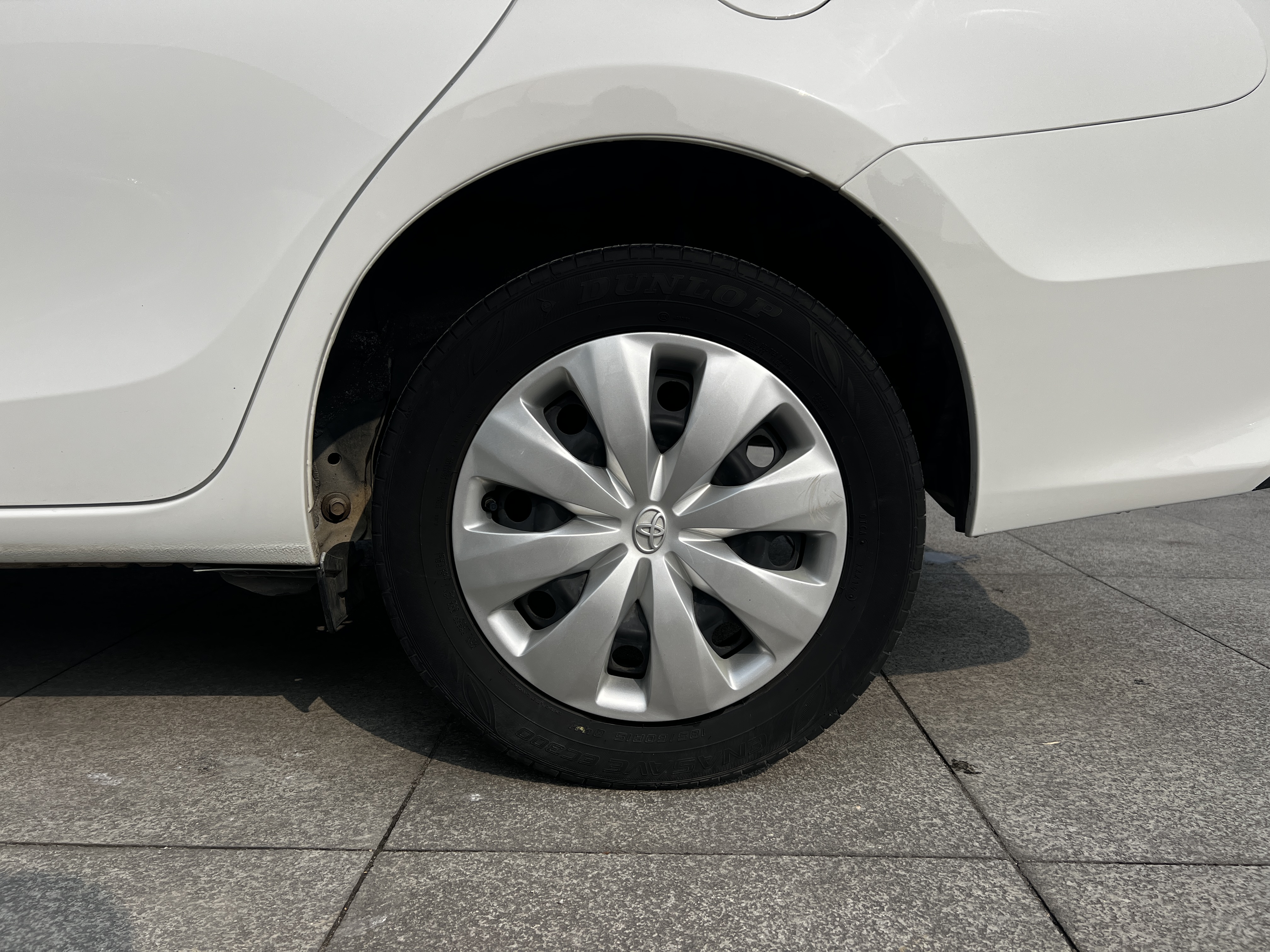
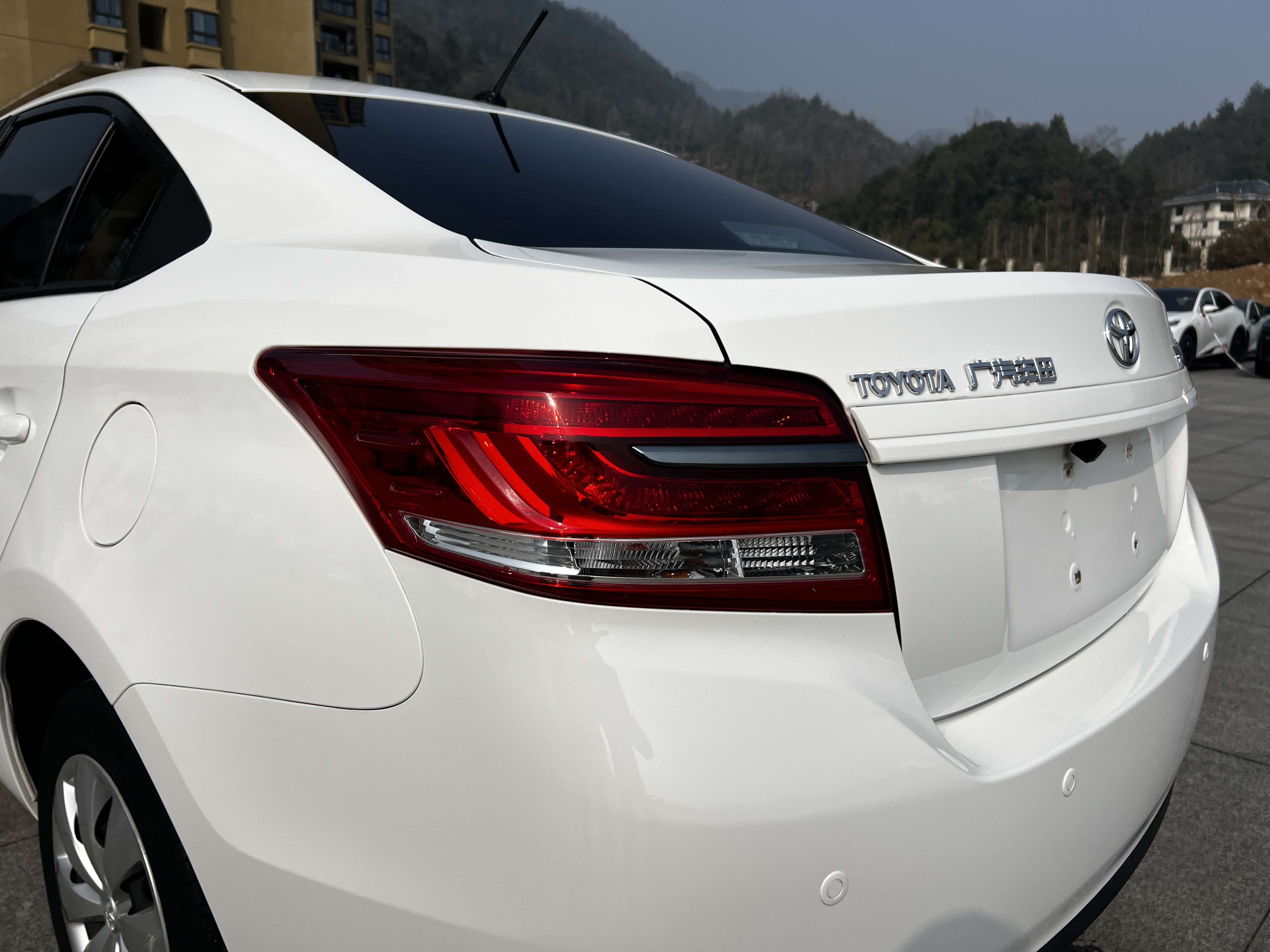
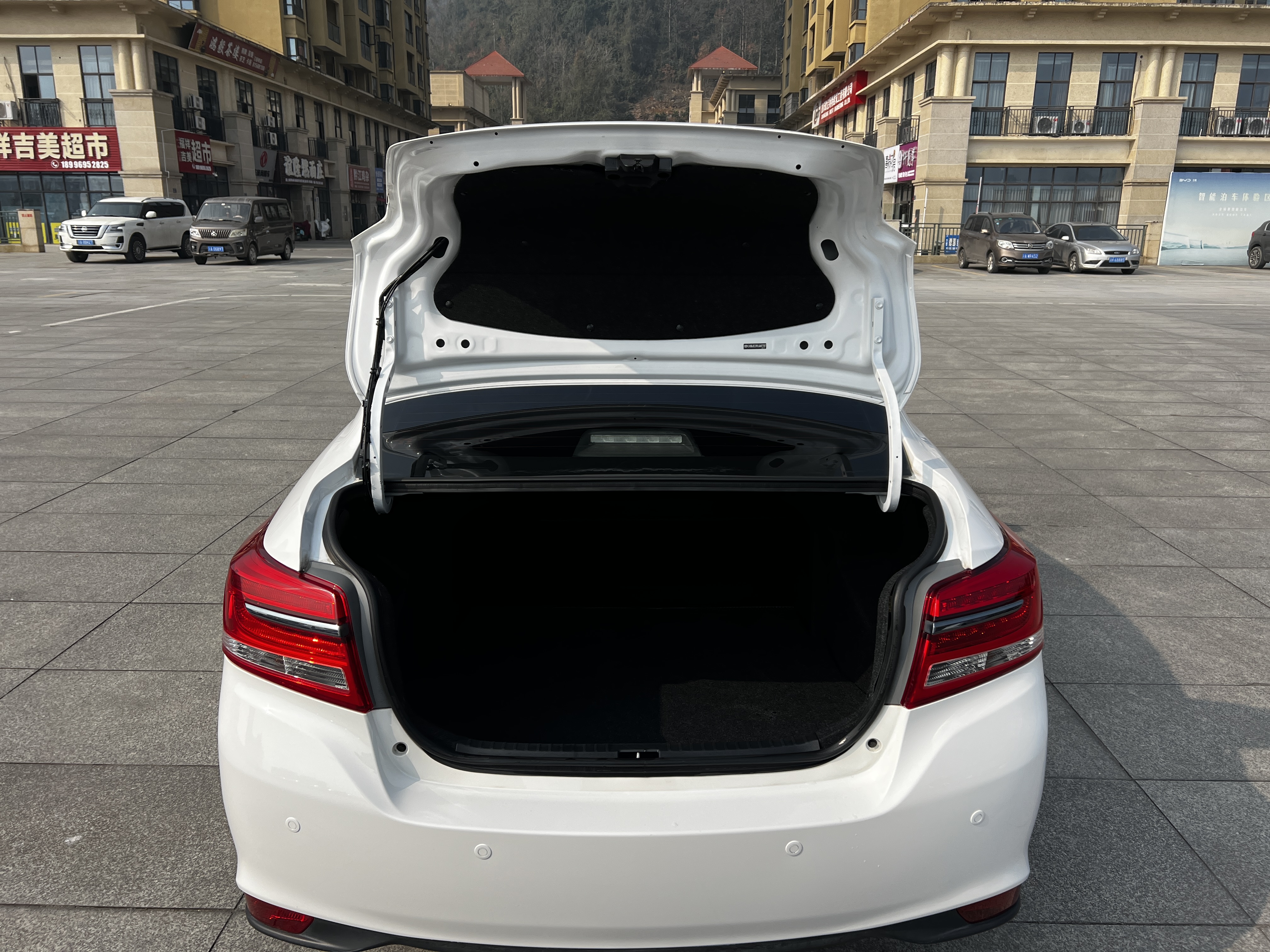
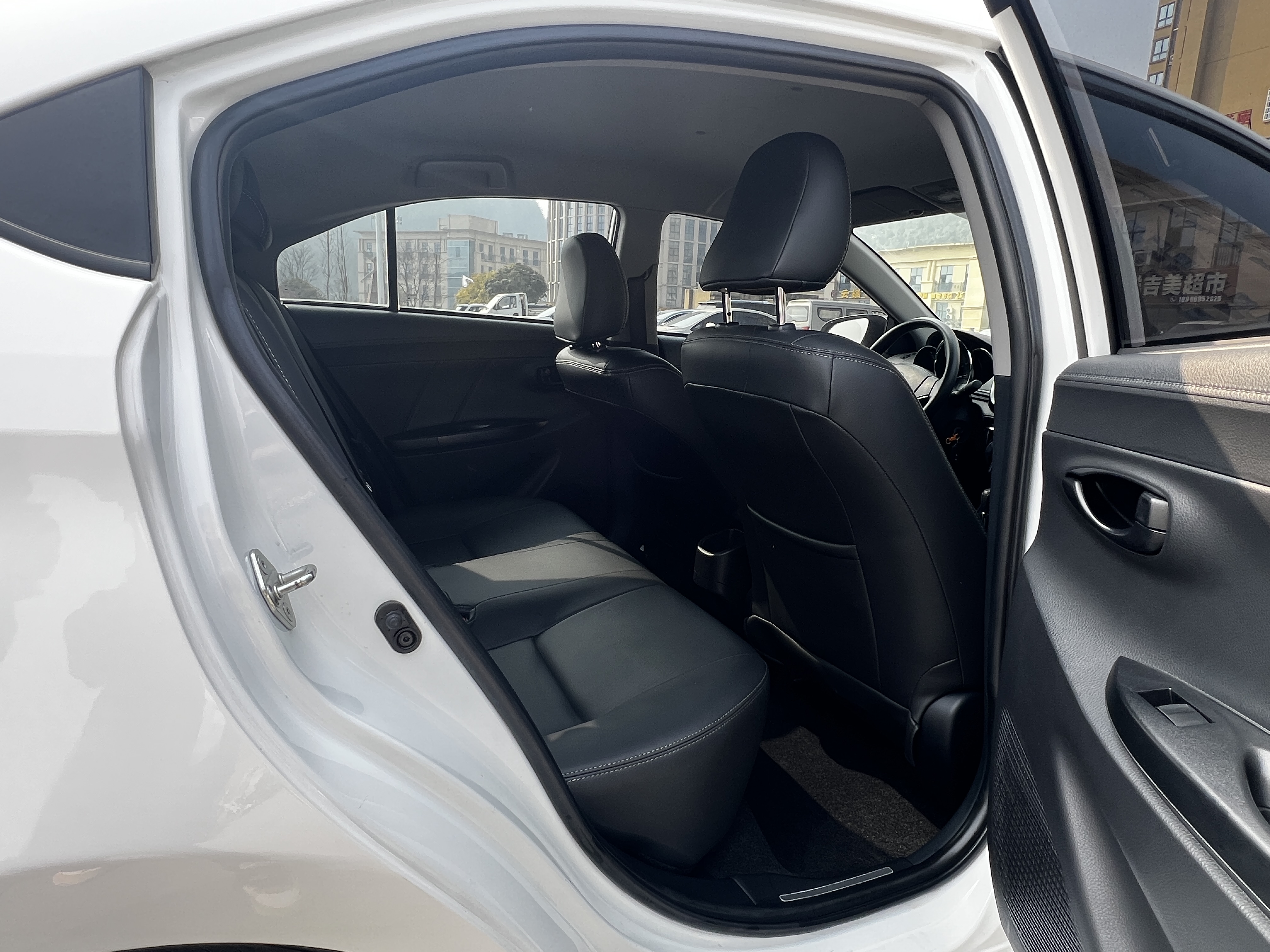
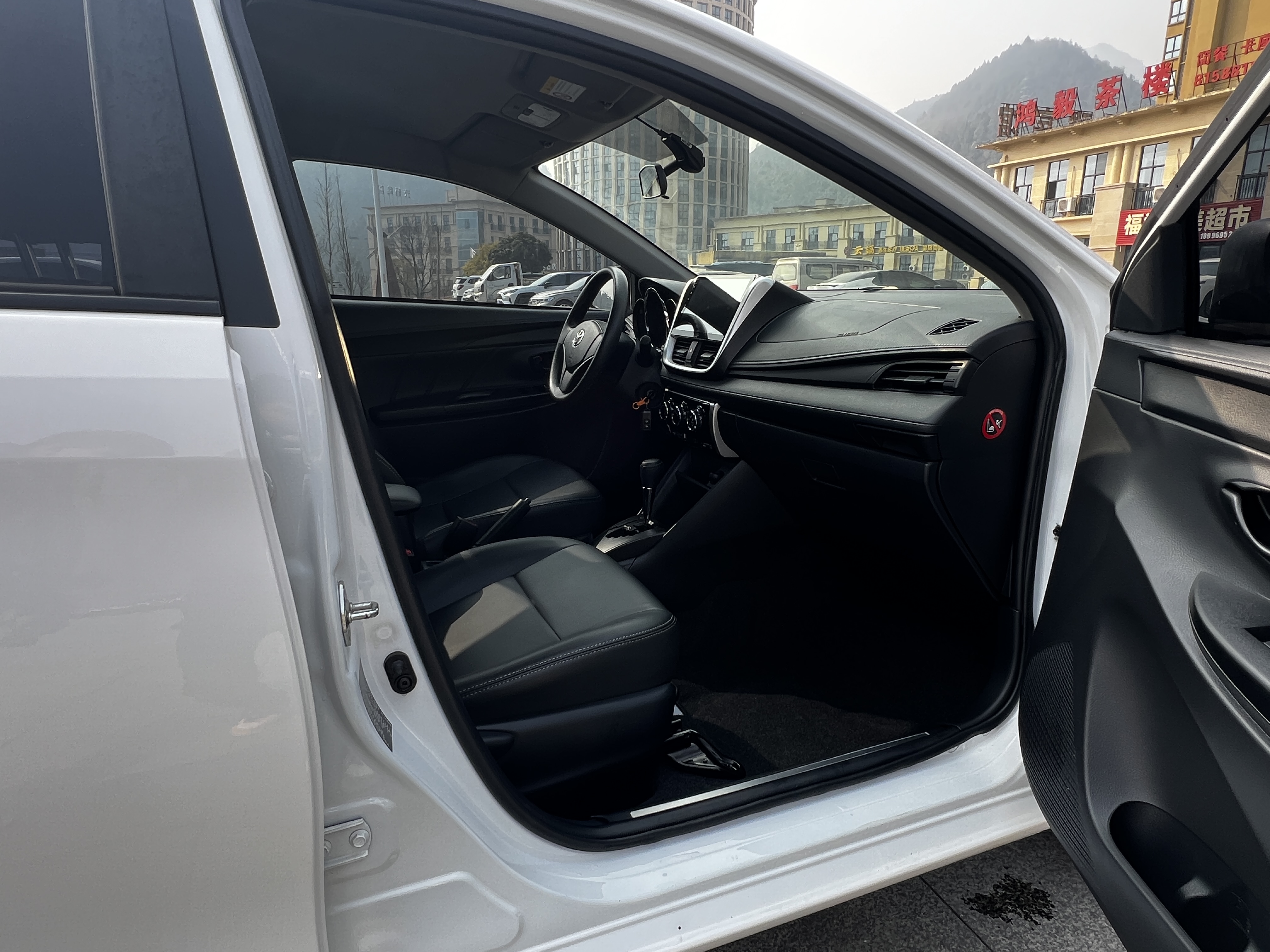
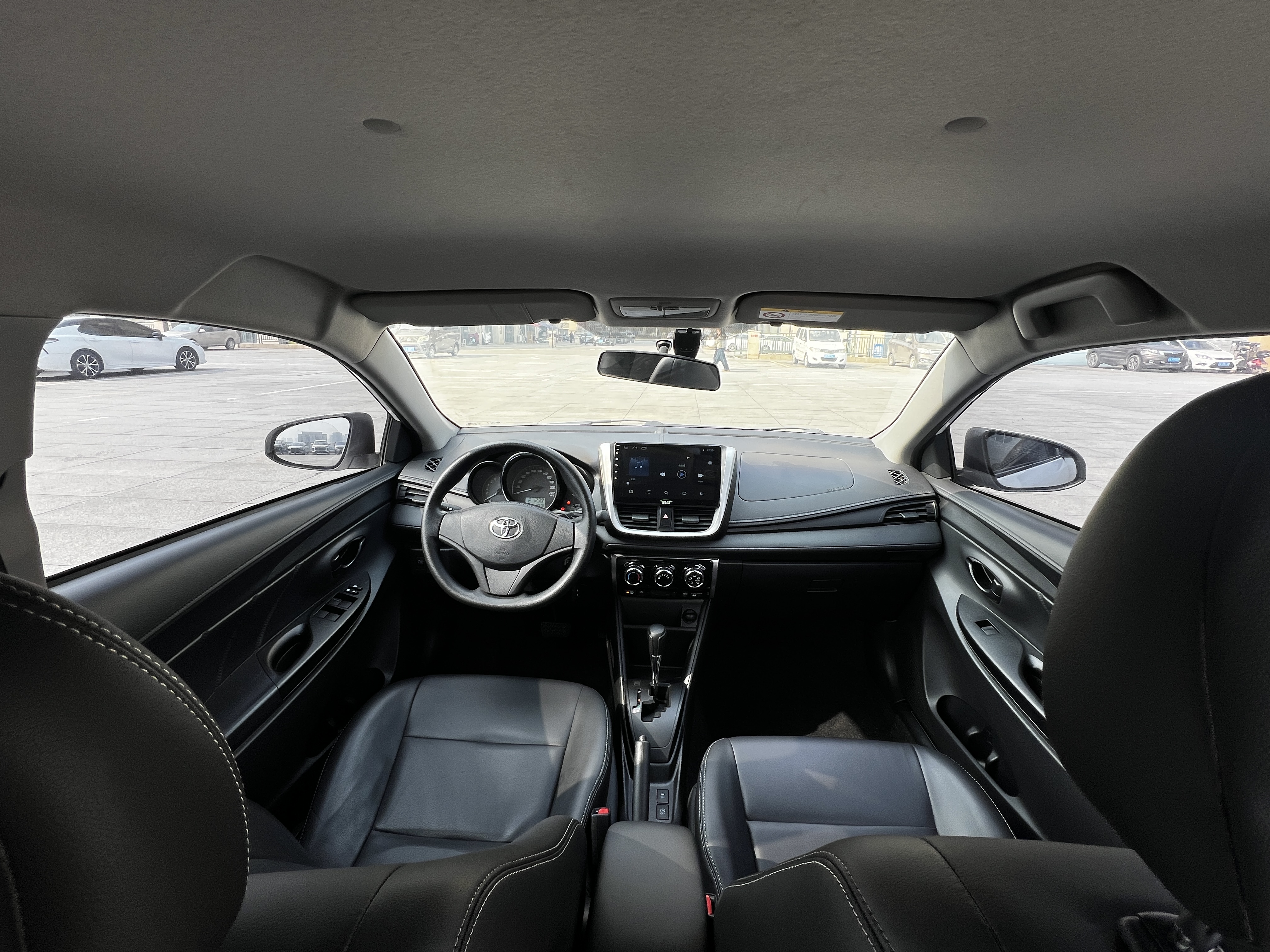
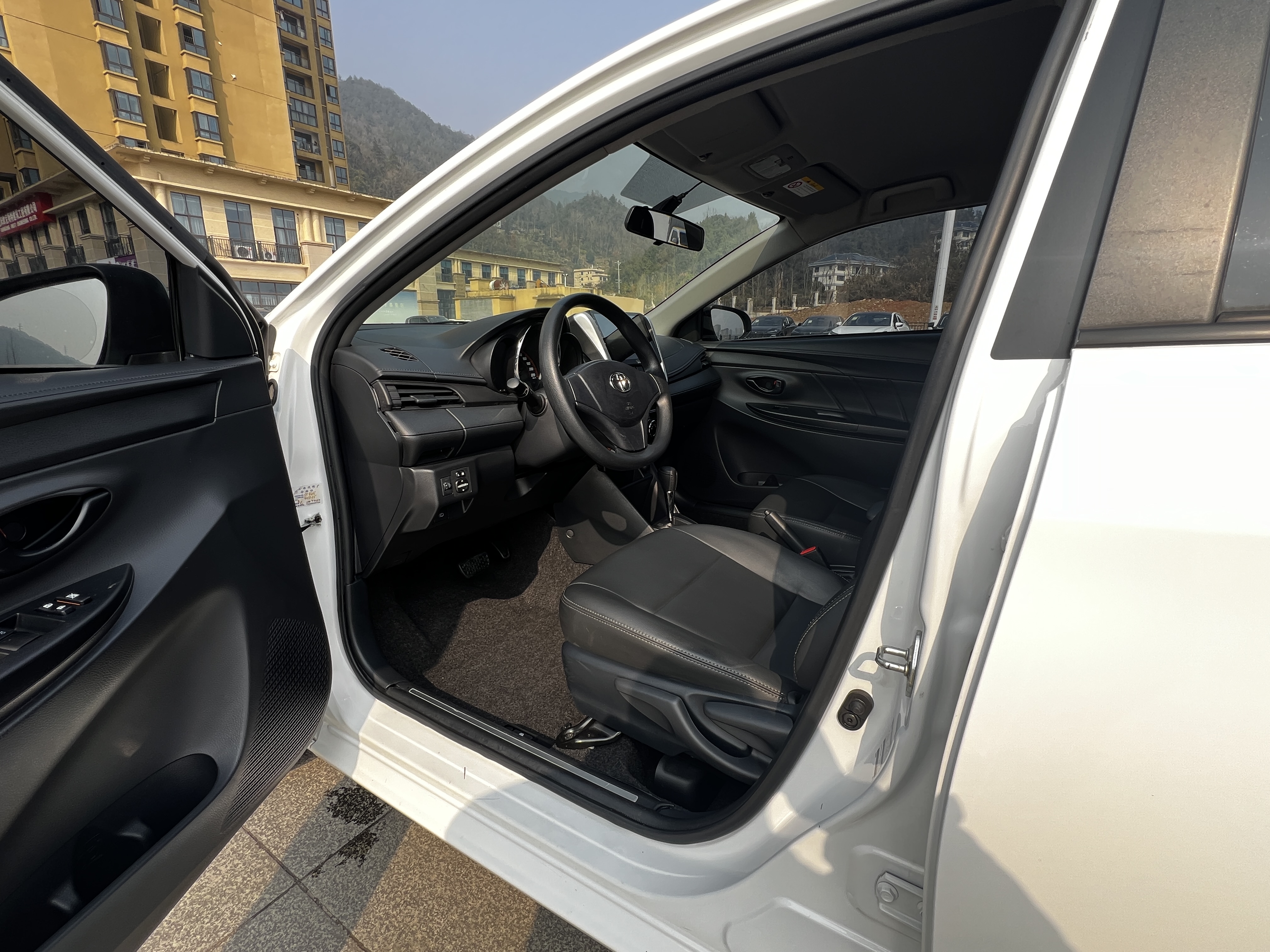
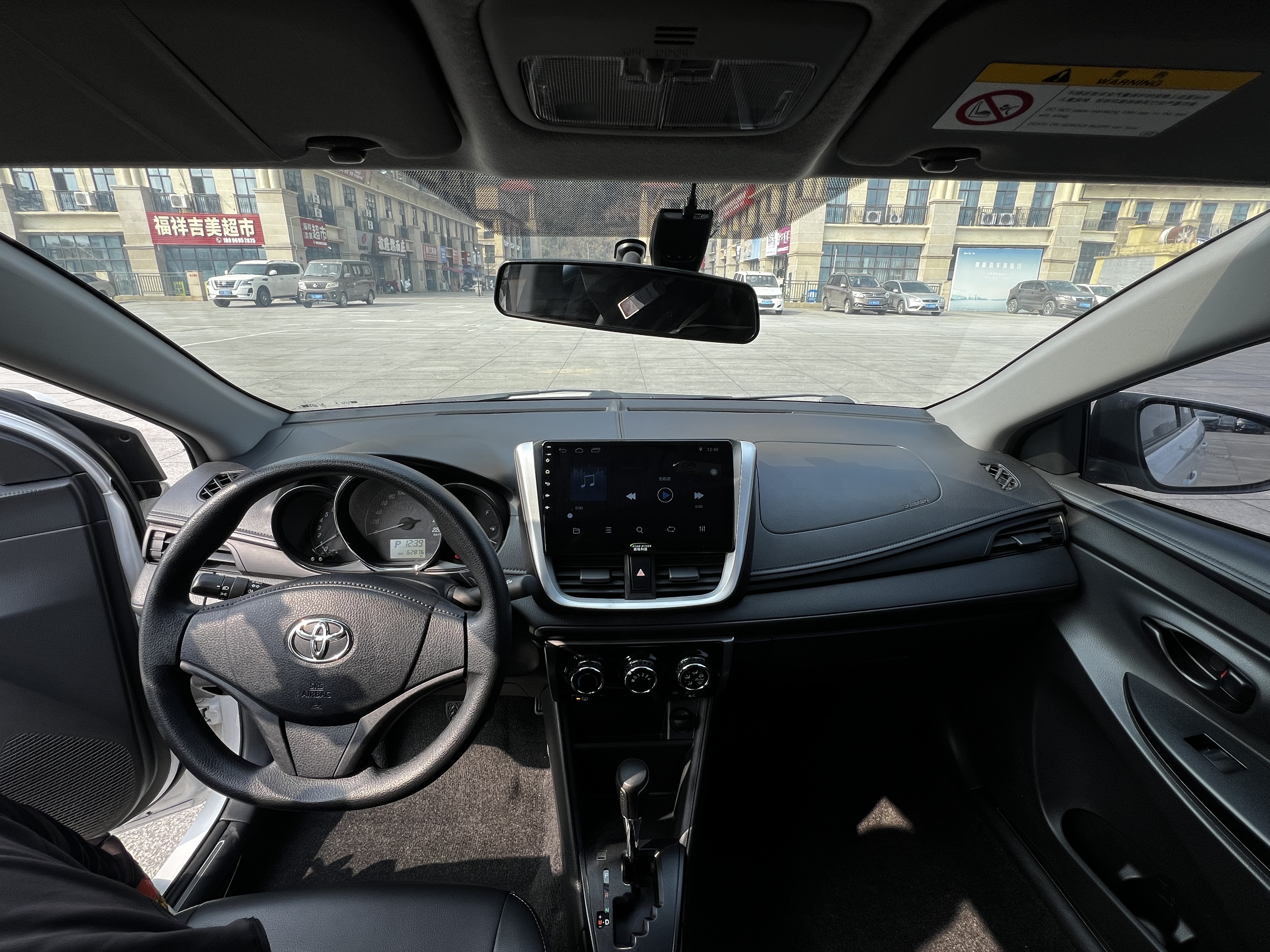
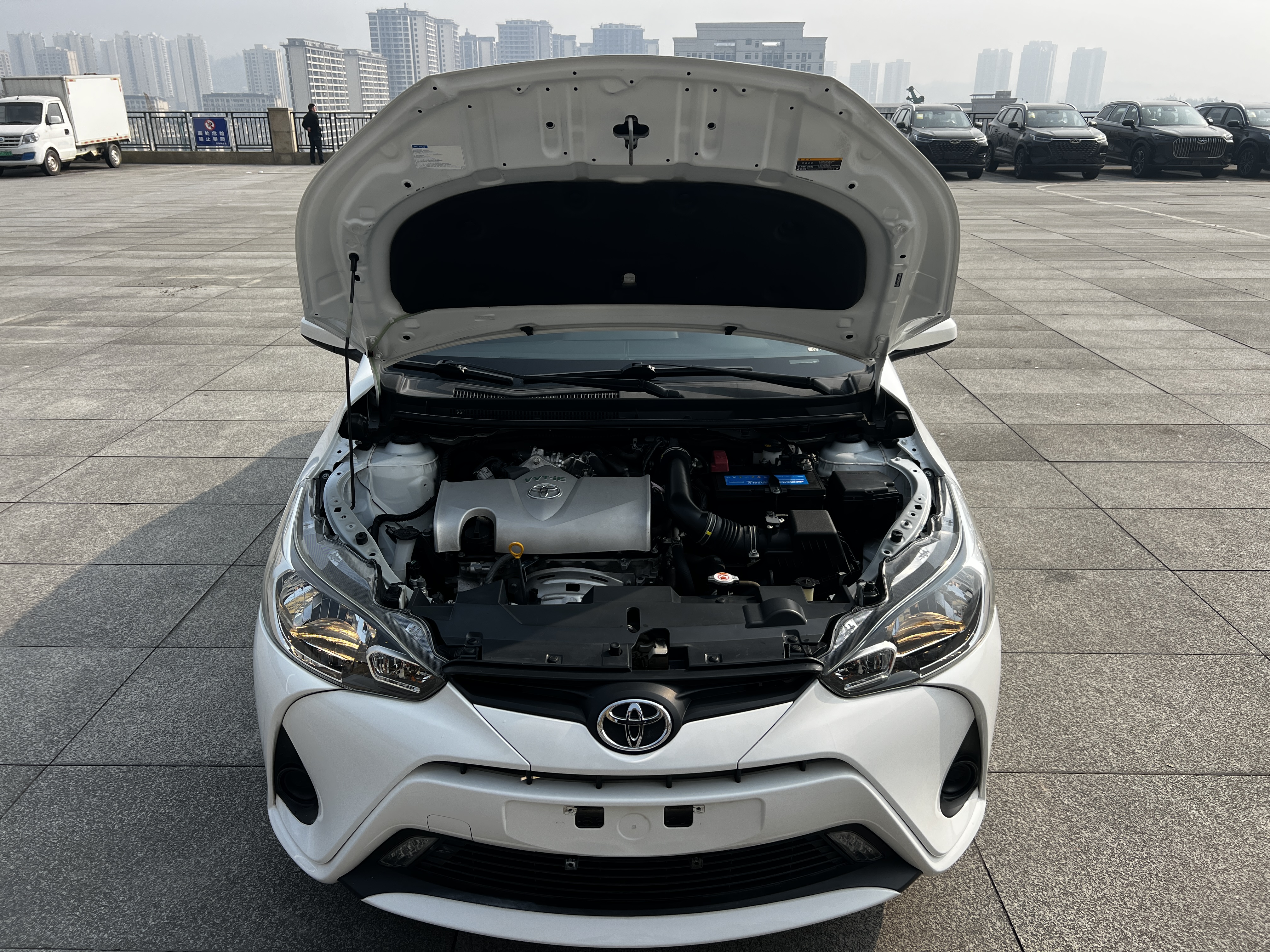



Basic Information

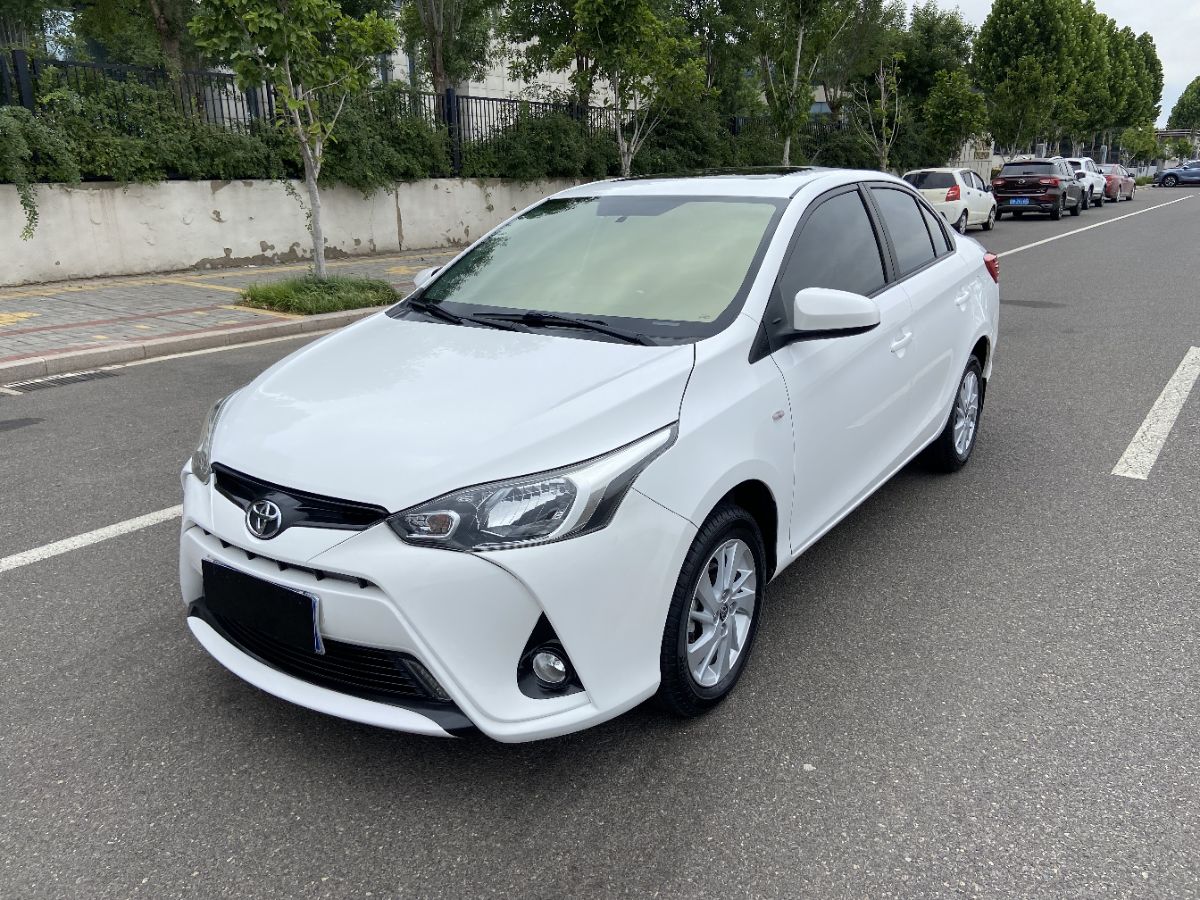
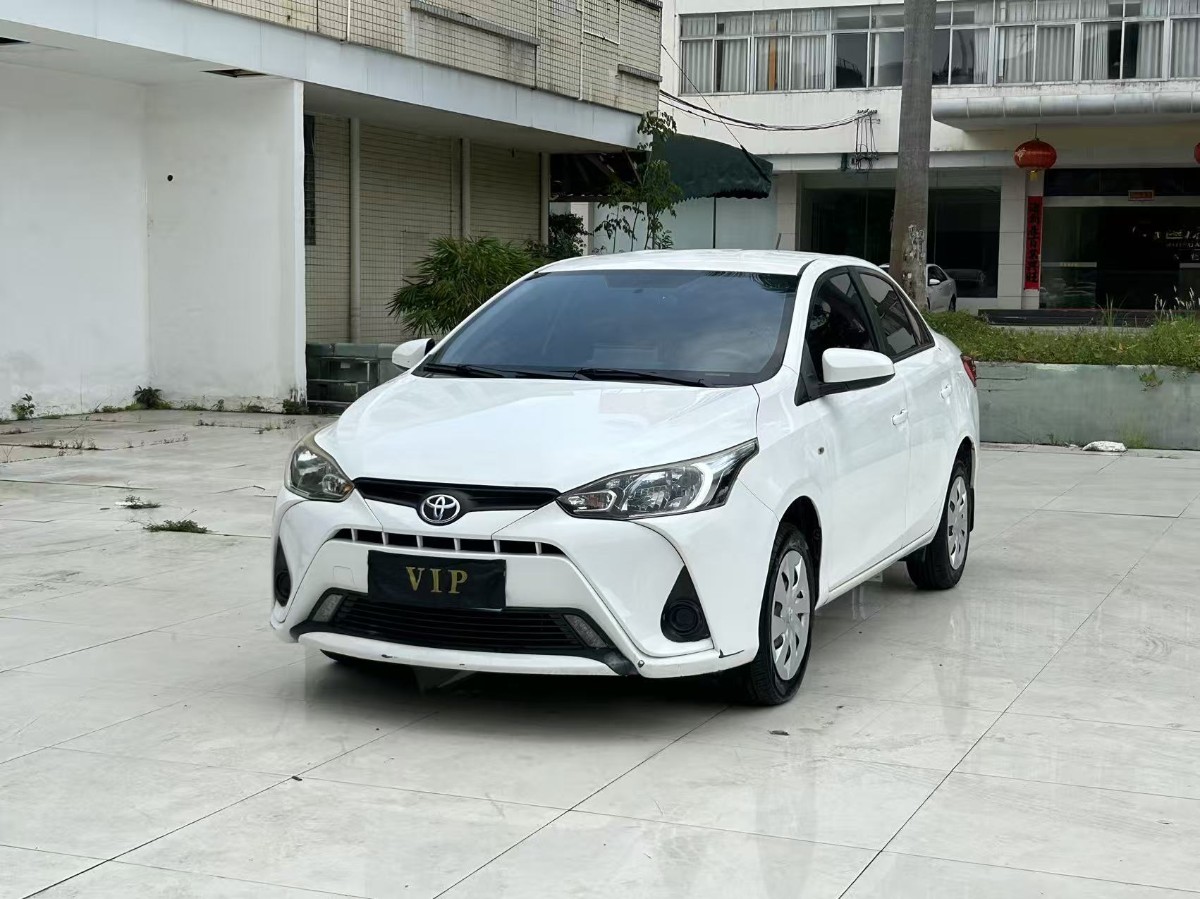
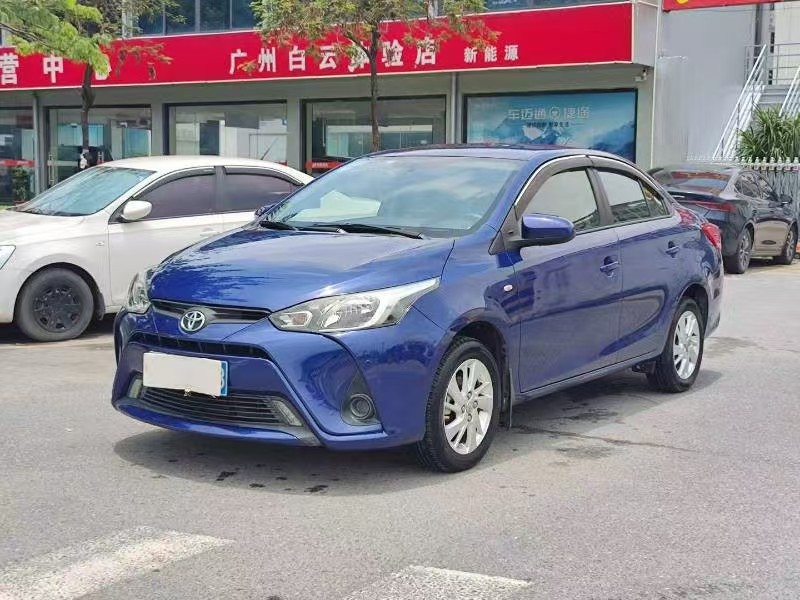
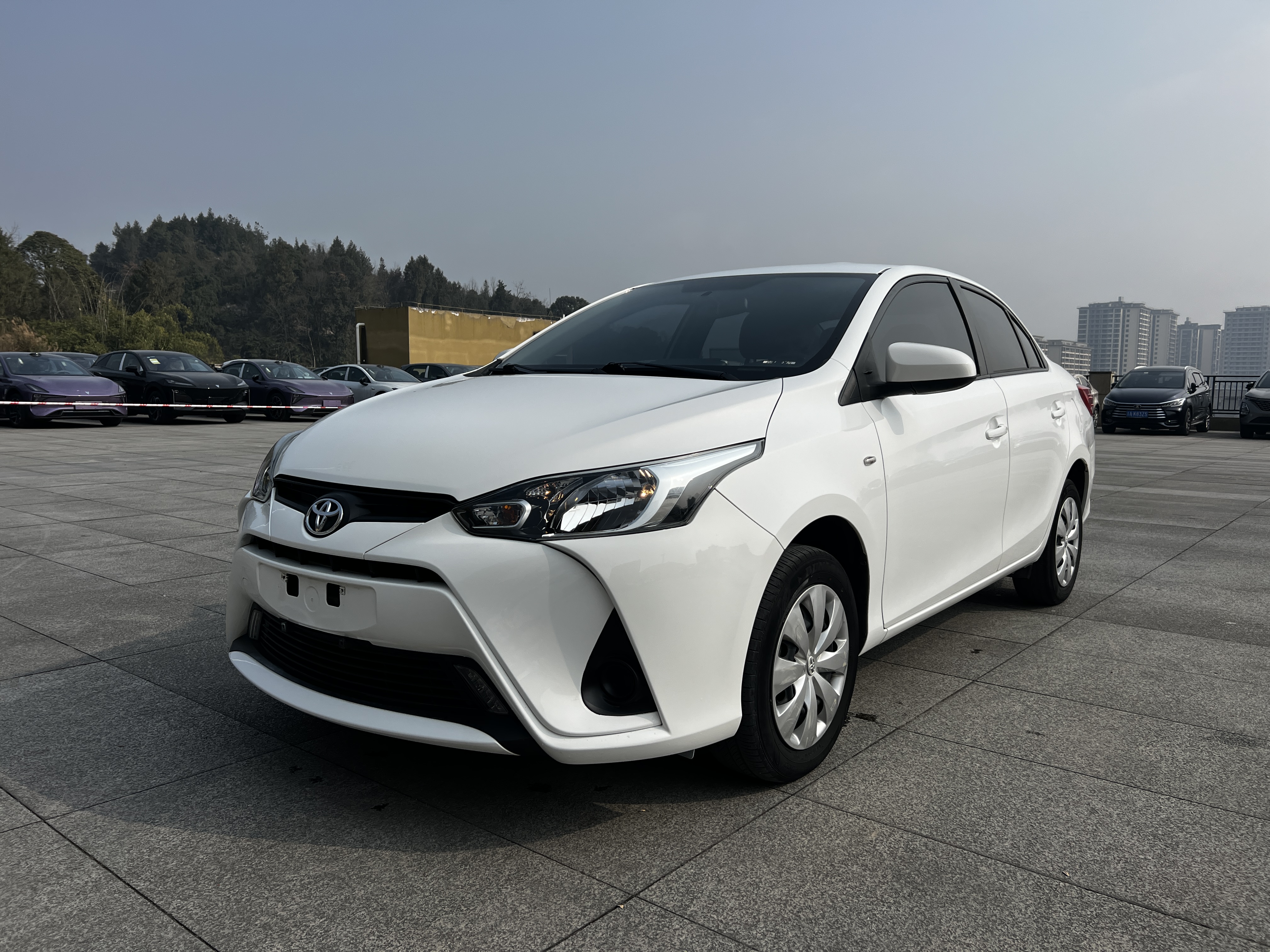
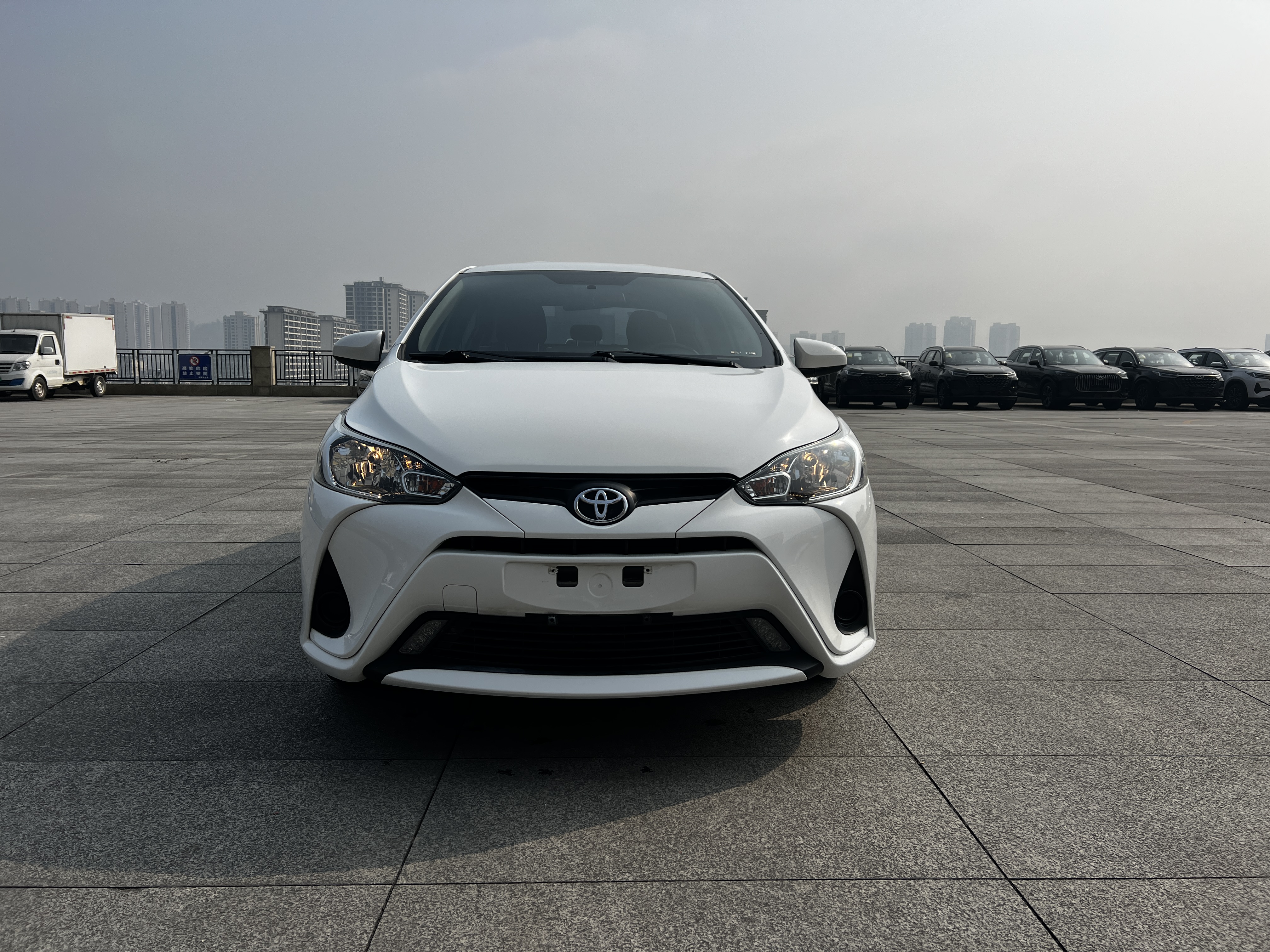
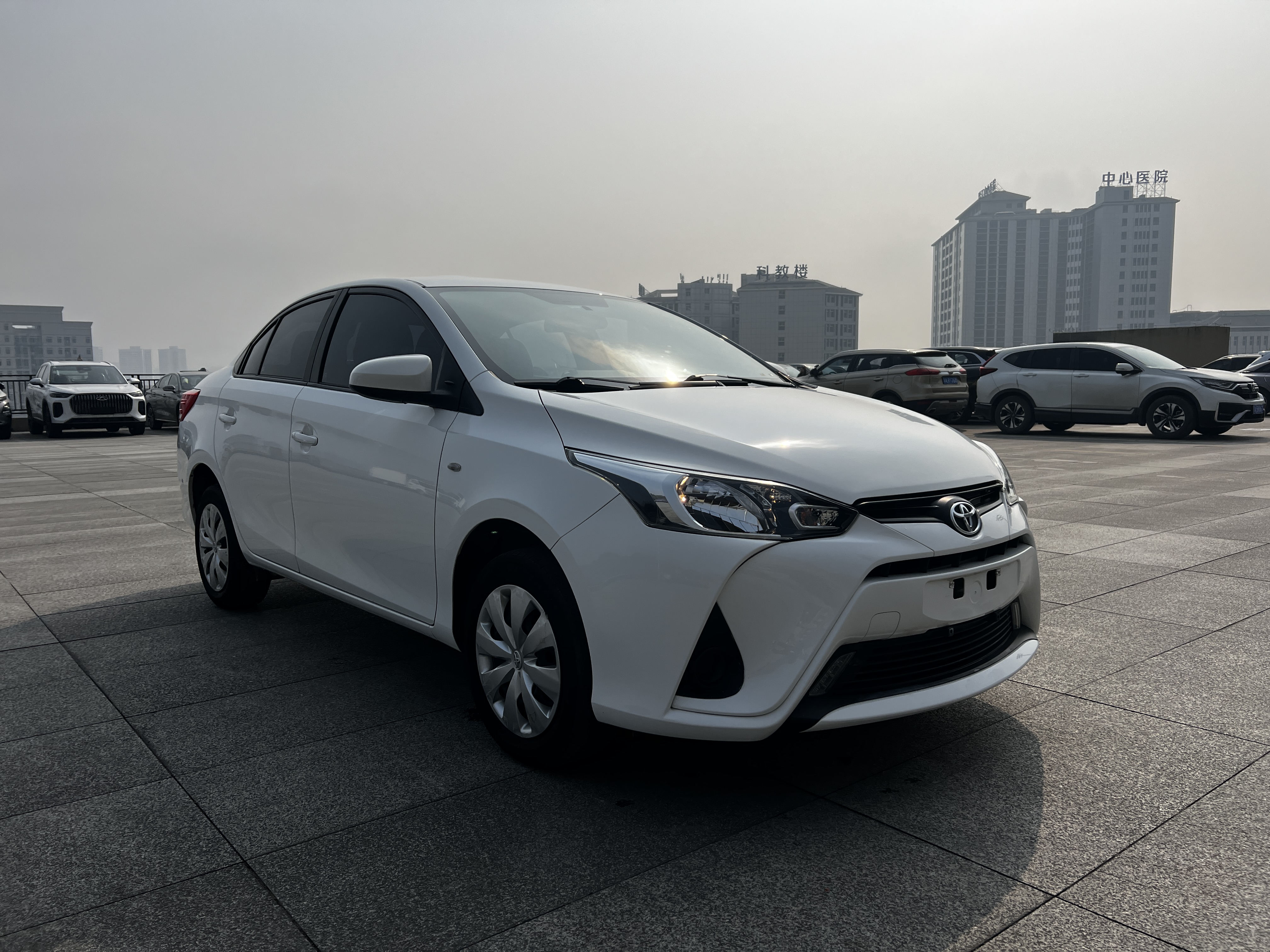
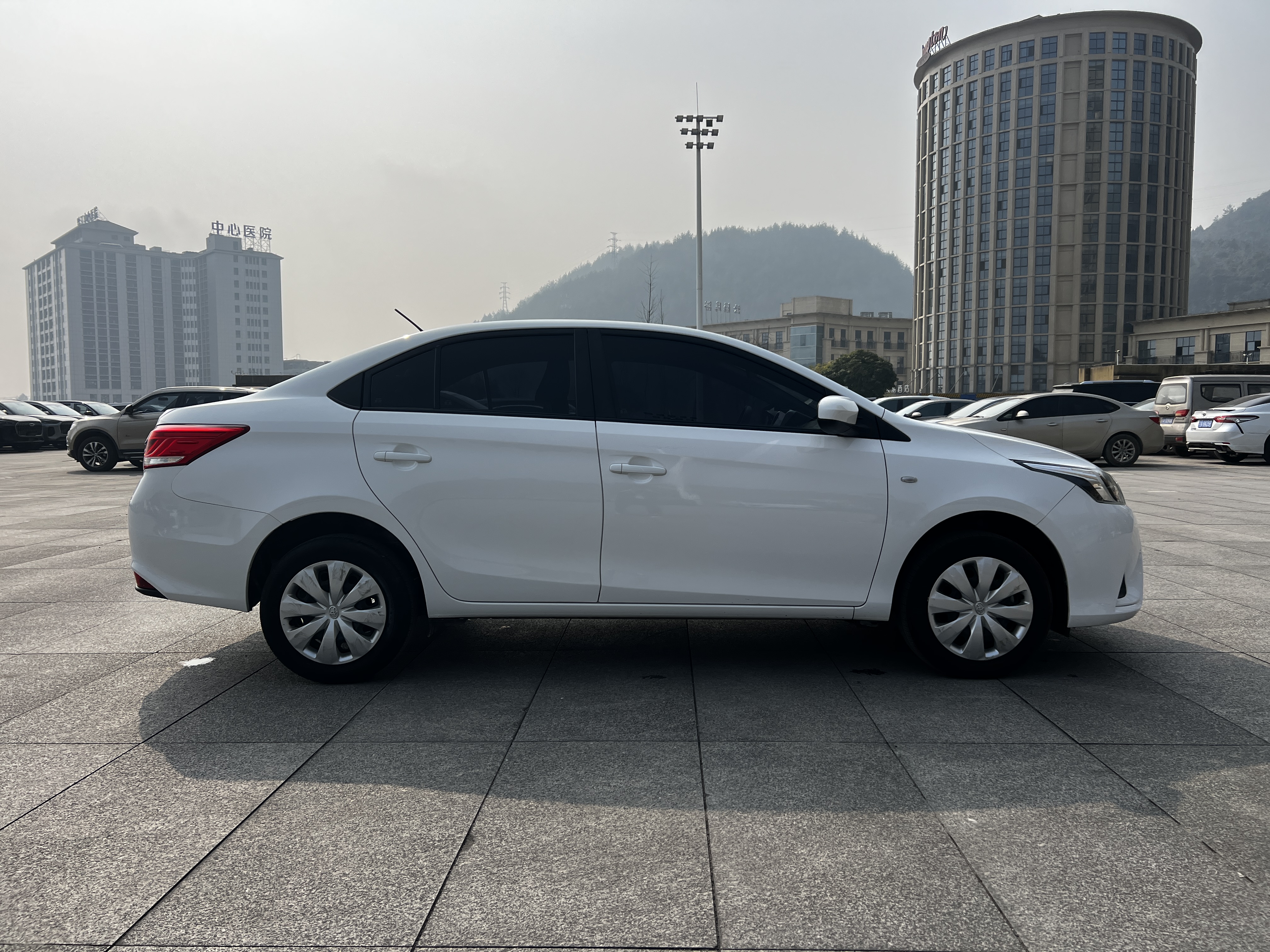
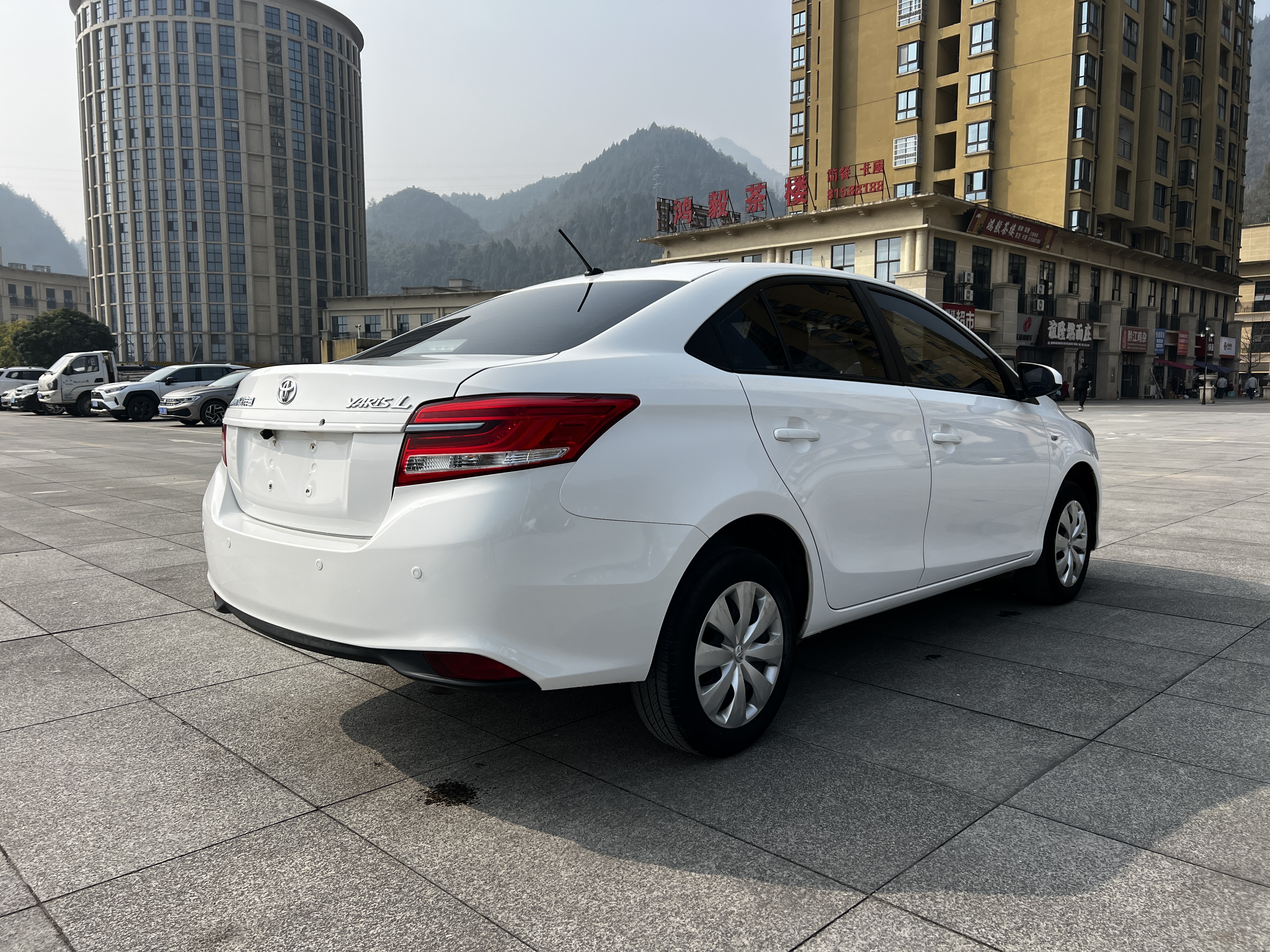
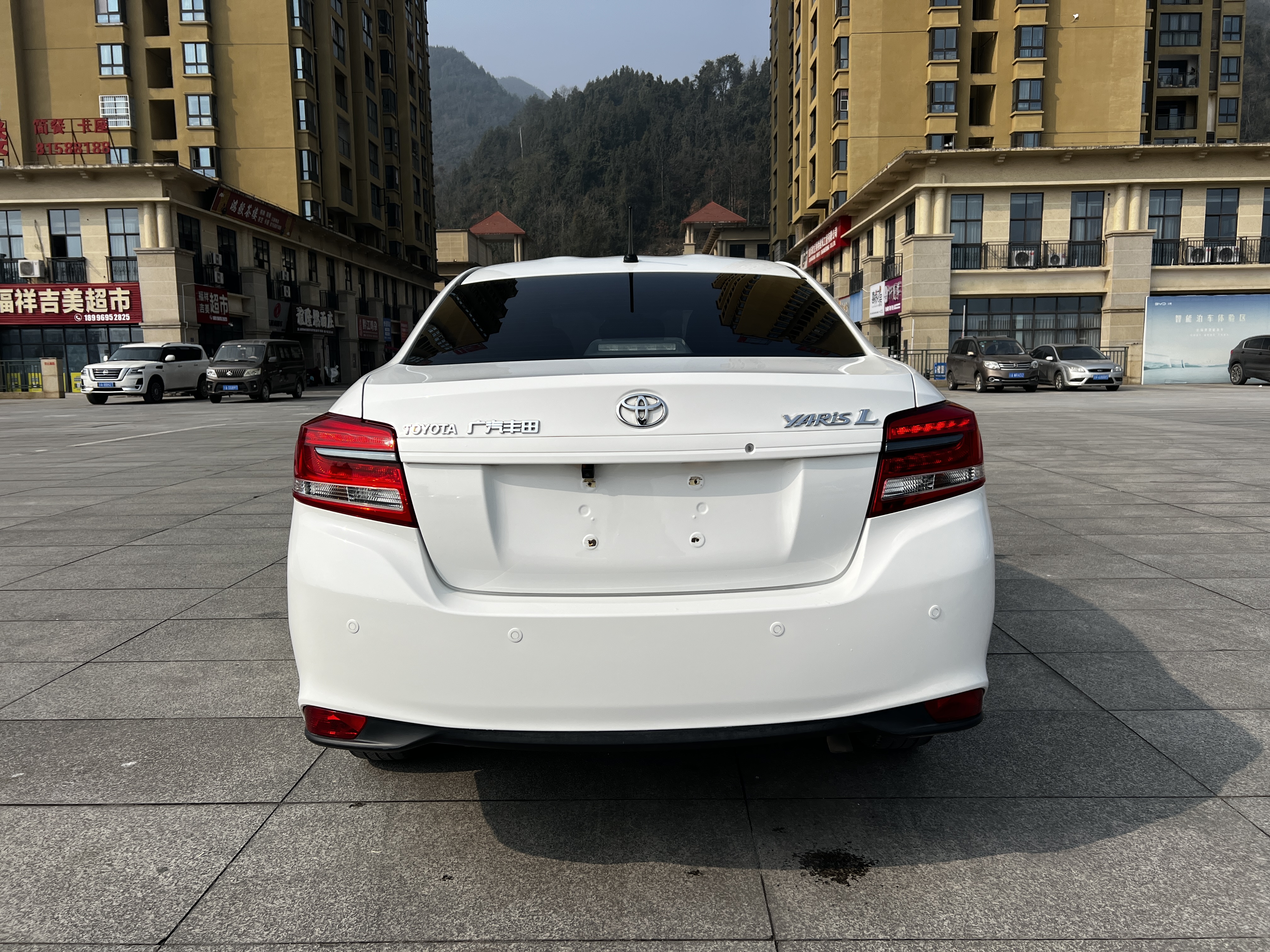
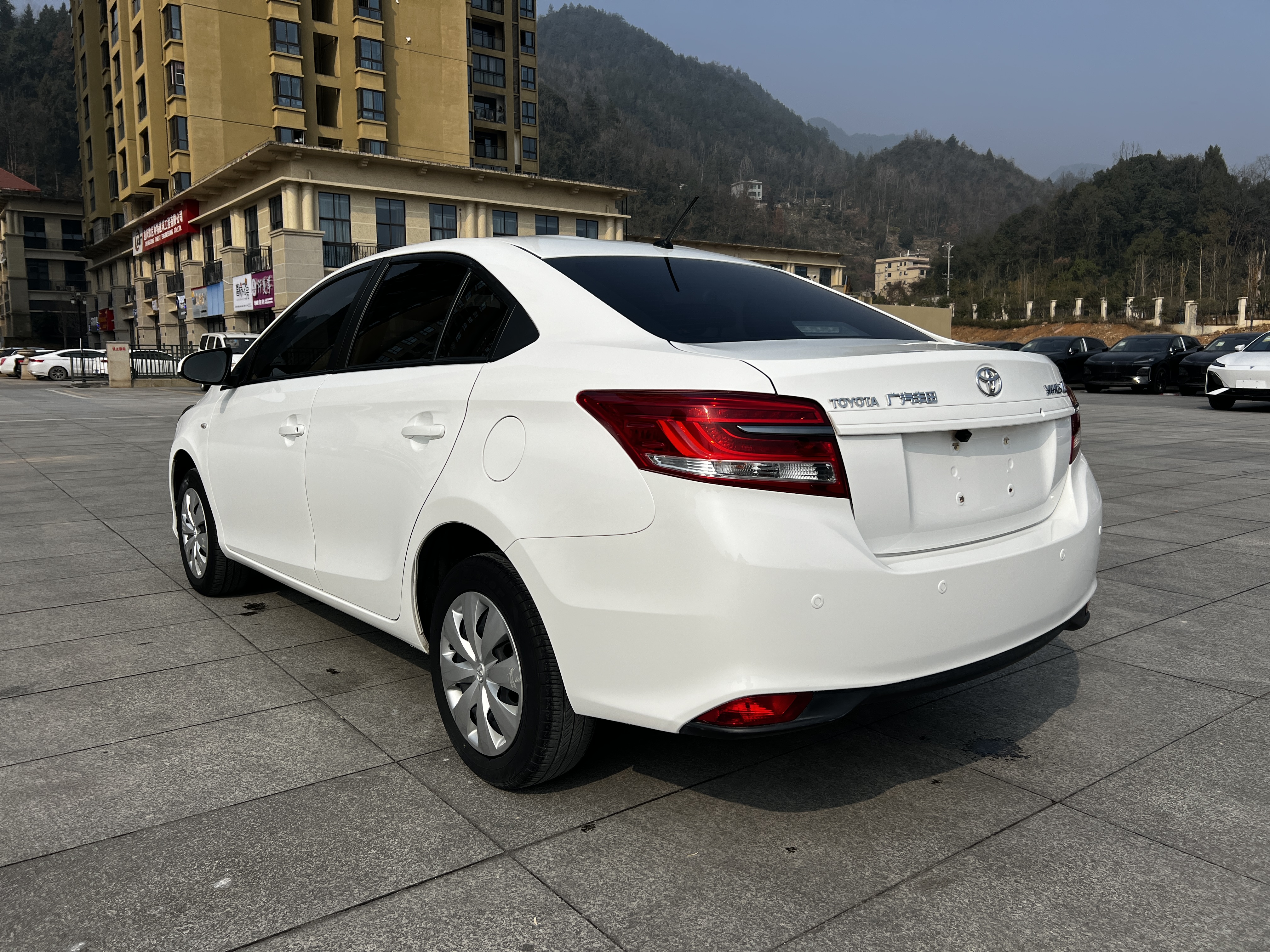
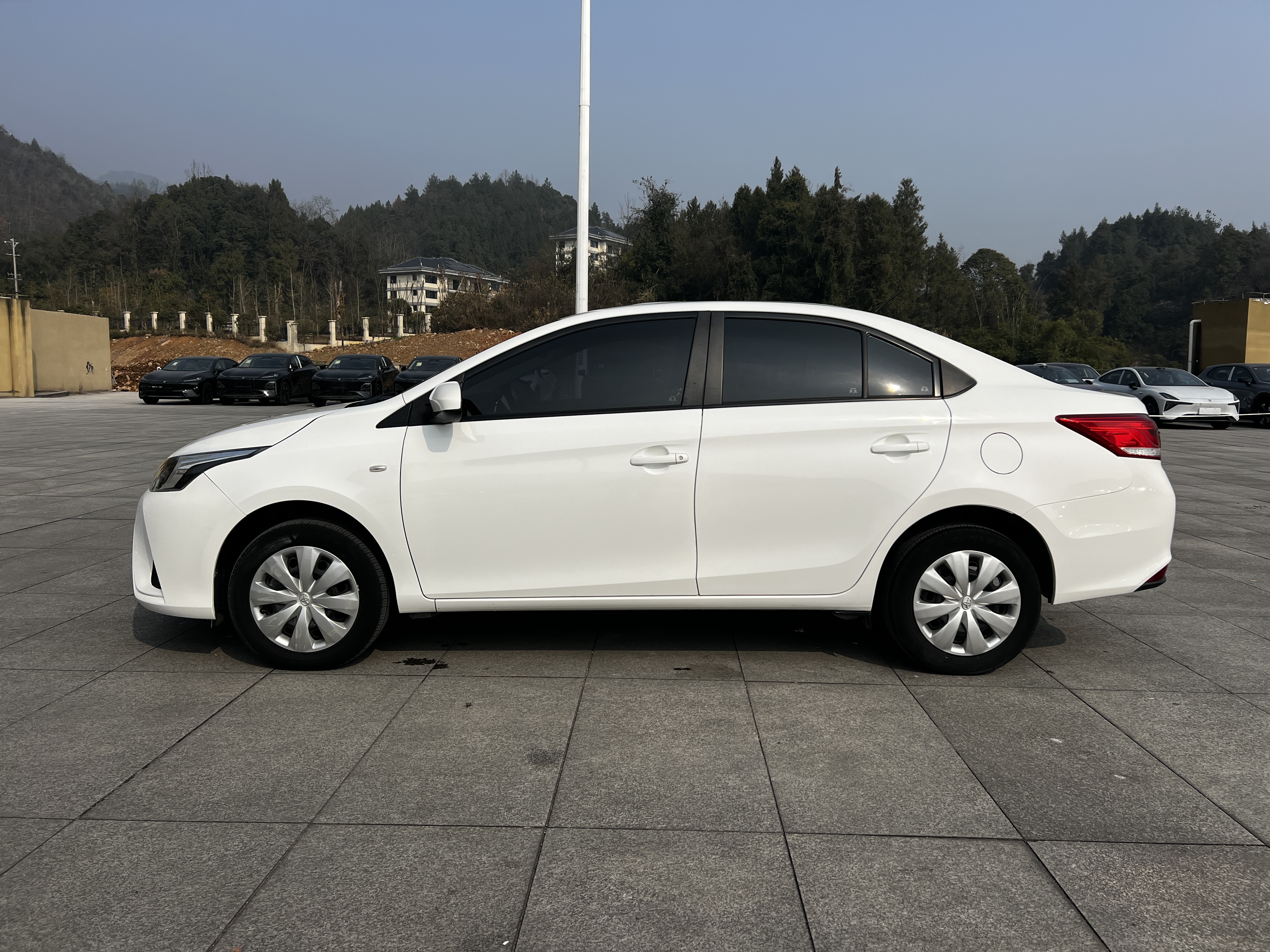
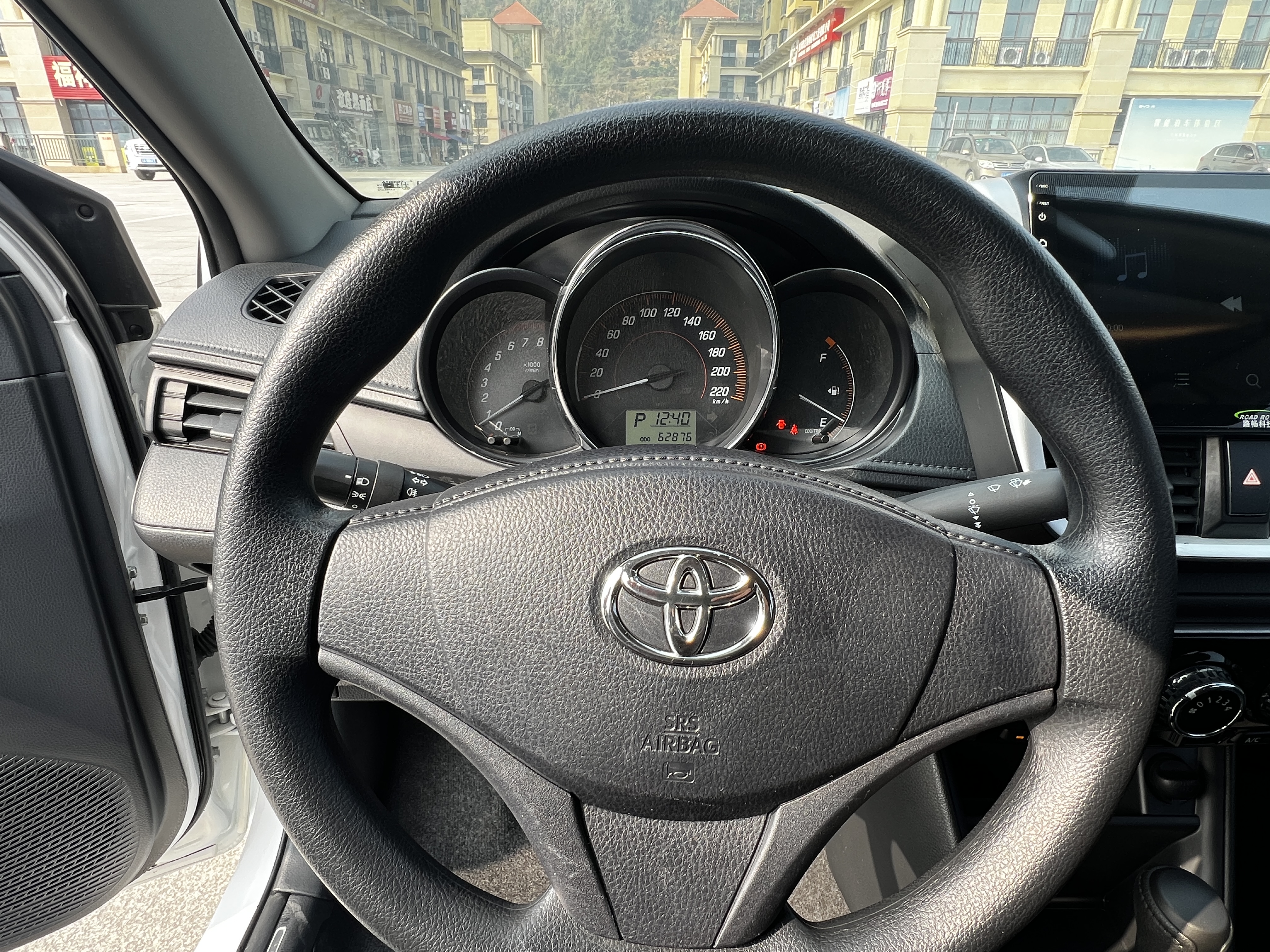
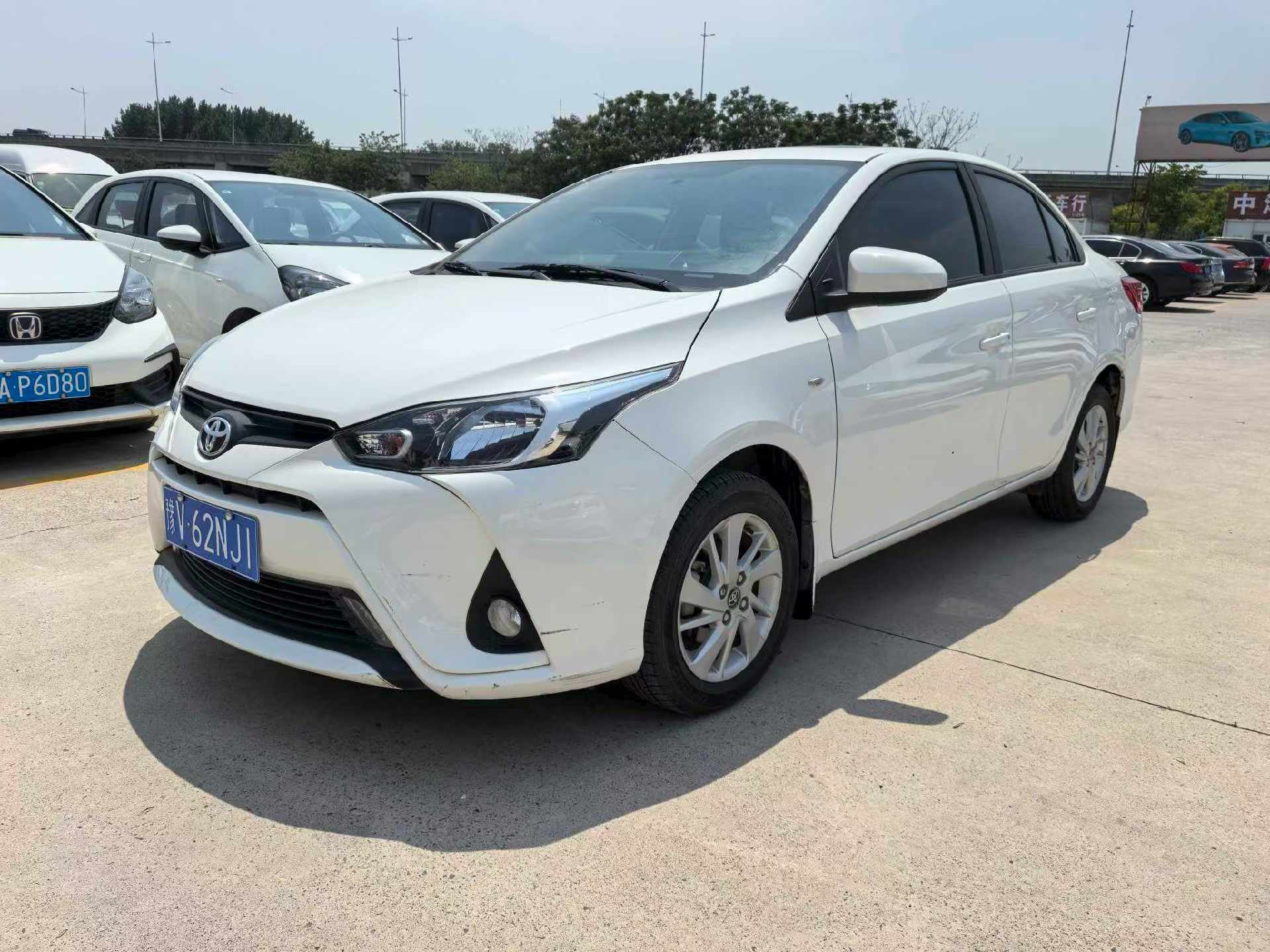
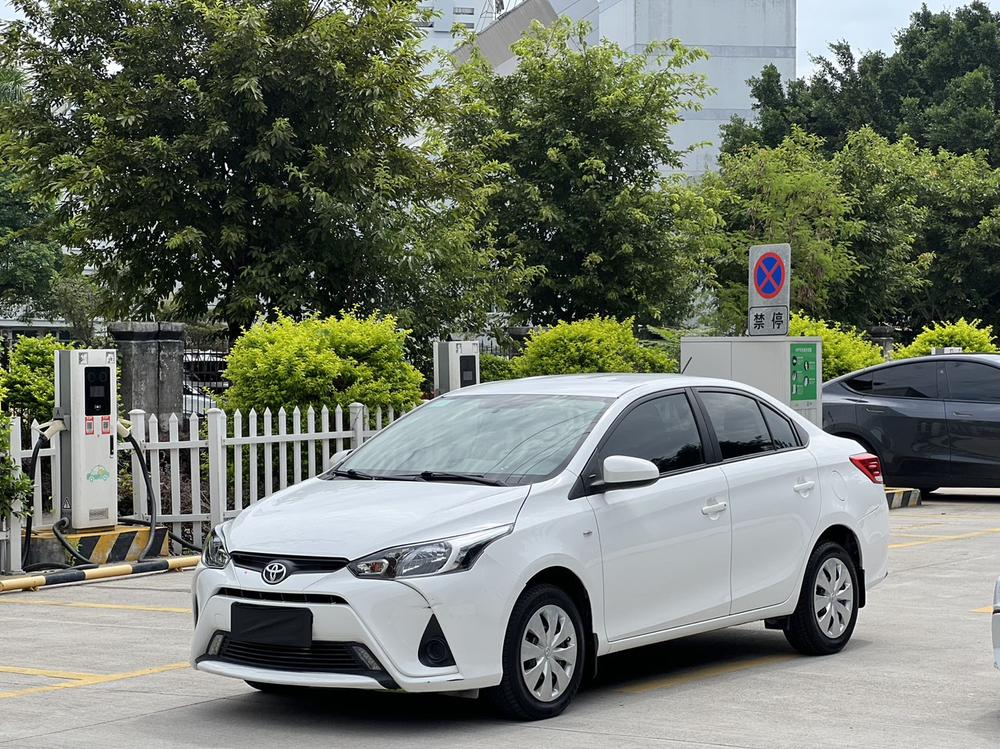
BrandToyota
SeriesYaris L Zhixiang
Year2020
First Registration2020/01
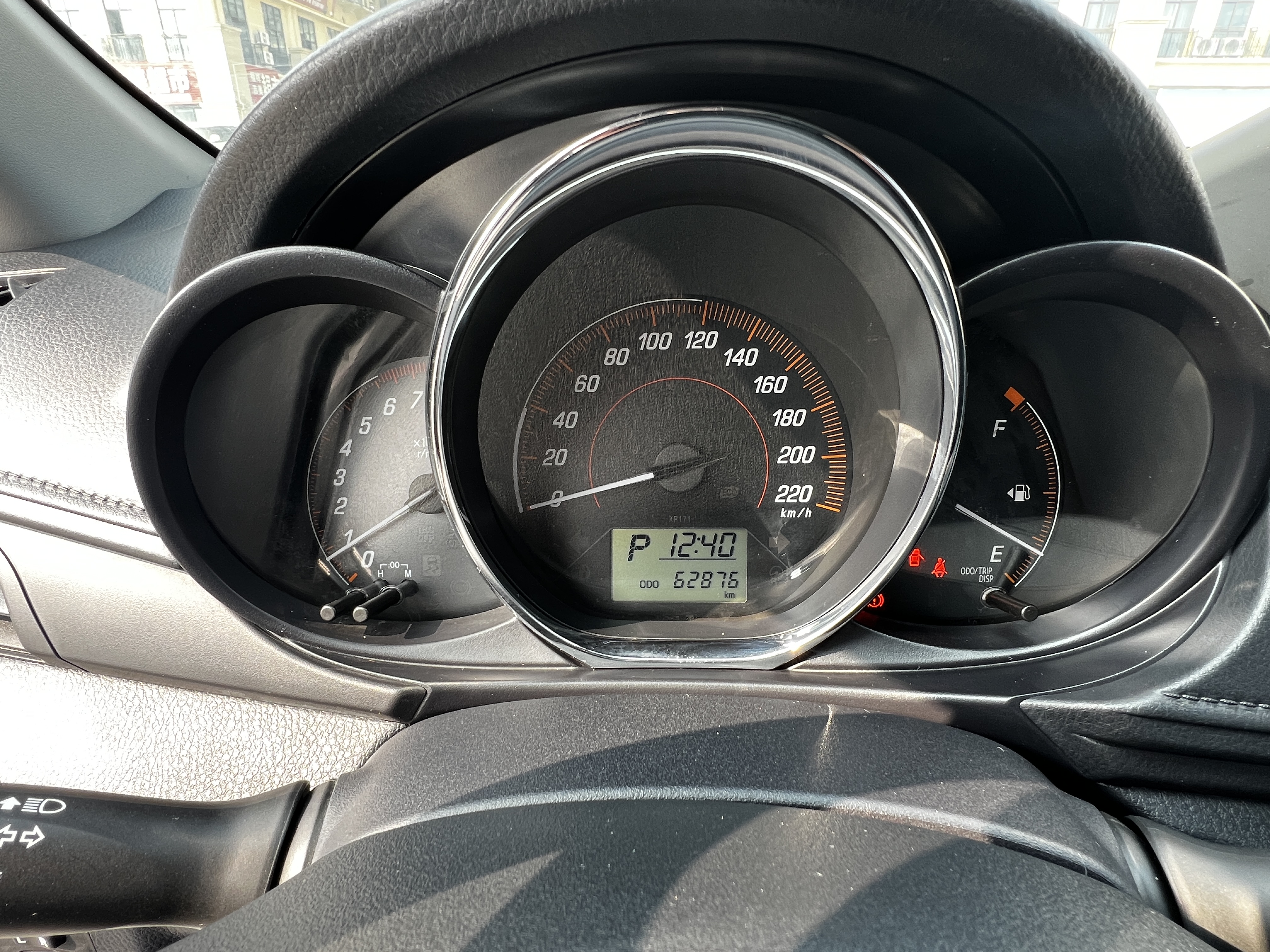
Mileage6.2km
Transfer Count-
FuelGasoline
TransmissionCVT
Engine1.5L 110 L4
ColorWhite
Seats-

Condition Description

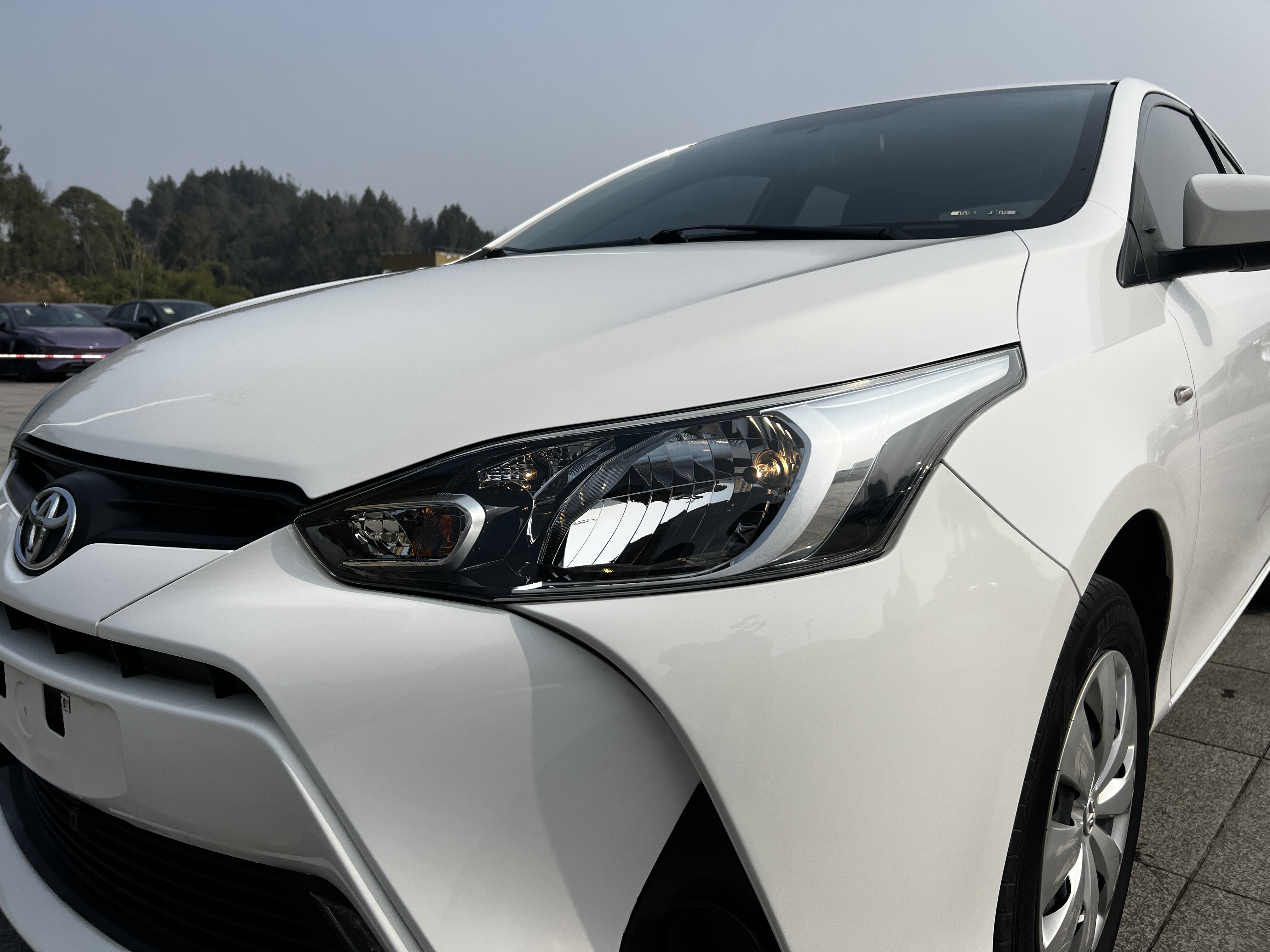
Paintwork: Left rear flap 680, hood 1000, right front door 480, right rear door 500, right rear flap 300 Replacement: Left and right front fog lights, front bumper and accessories. Maximum claim: 4000 Insurance: 26.2.12 Guazi inspection report - no accident.

Configuration Highlights

✓Driver/Passenger Airbags
✓Tire Pressure Monitoring
✓ISOFIX Child Seat Anchors
✓ABS Anti-lock Braking
✓Electronic Brake Distribution
✓Electronic Stability Control
✓Hill Start Assist
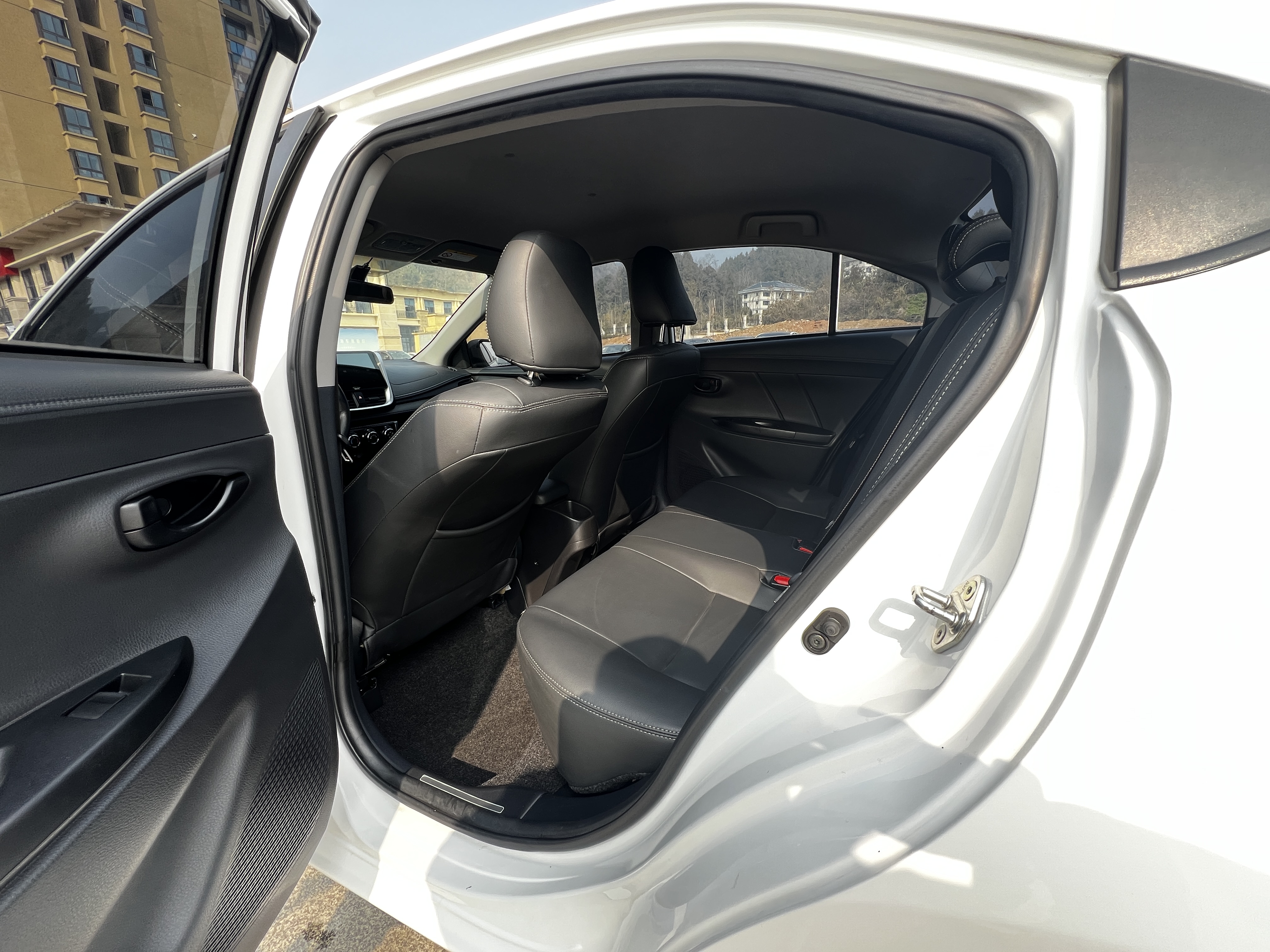
✓Seat Material
✓Rear Cupholders
✓Low Beam Headlights
✓Daytime Running Lights
✓Adjustable Headlight Height
✓Power Windows
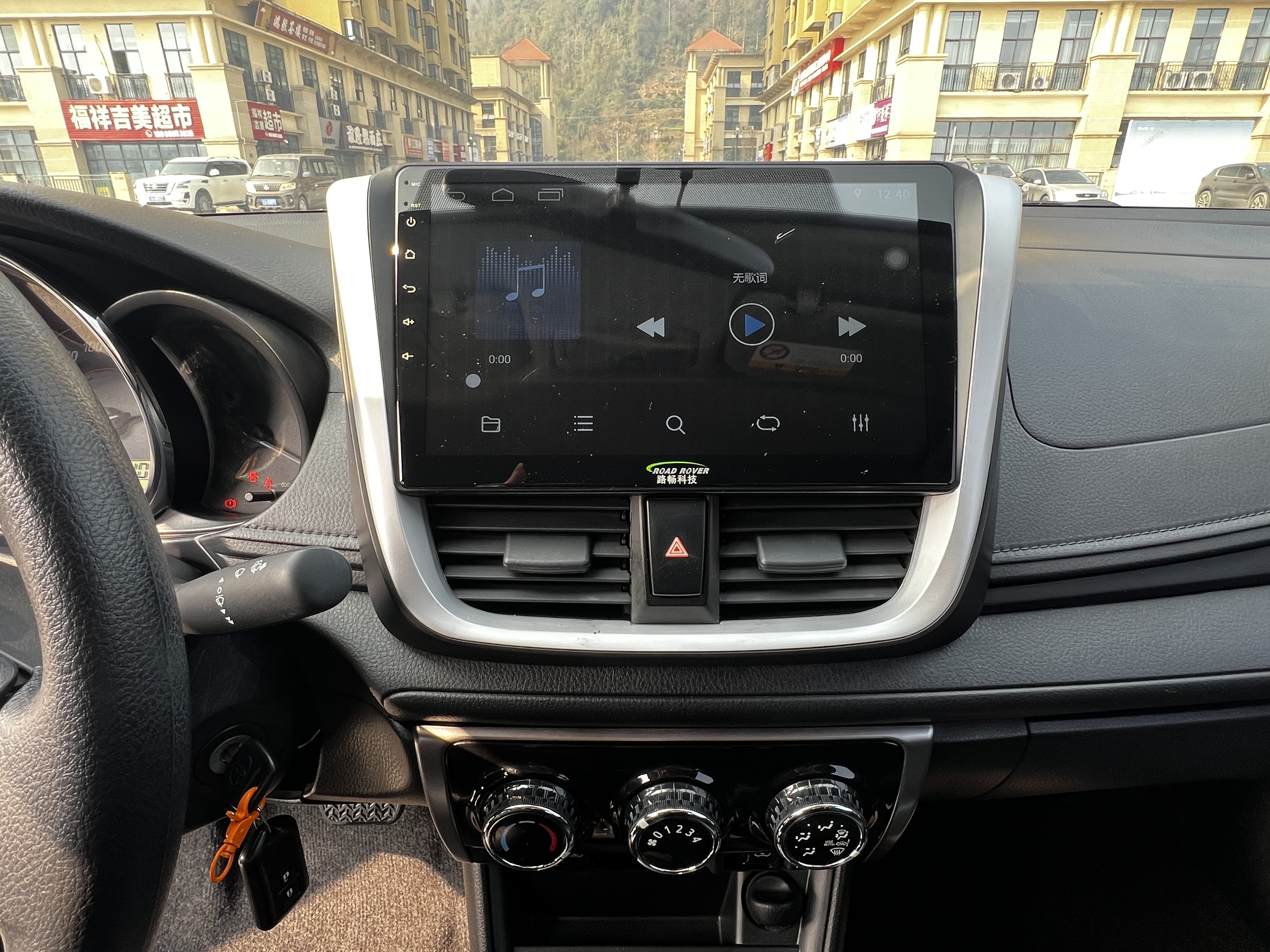
✓Climate Control Type
✓Start-Stop System

Q&A

More

If I choose to abandon cargo at the destination port due to a cash flow issue, can I get a refund of the deposit and freight I previously paid?

No, it is absolutely impossible to get a refund. Not only will there be no refund, but if the proceeds from the port auction of the abandoned cargo are insufficient to cover the exorbitant demurrage and disposal fees, the shipping company and customs will still pursue you (the bill of lading recipient) for the remaining debt through international legal proceedings.
What are the core advantages of buying used luxury cars (like Porsche, BBA) in China compared to purchasing them directly overseas?

China has a large number of luxury cars and a fast turnover rate. For luxury cars of the same year and mileage, the FOB offshore price in the Chinese market usually still has a 10%-15% arbitrage opportunity after deducting shipping costs, especially for models with high depreciation rates.

What does the buying process look like when importing a used car from China?

A typical transaction has six steps. 1. Selection: you confirm the vehicle through photos, a video walkaround, an inspection report and the VIN. 2. Deposit: most exporters ask 20%-30% to reserve the car. Pay by bank transfer to the company's corporate account, never a personal one. 3. Inspection: an independent pre-shipment inspection verifies the condition; you receive the report before paying the balance. 4. Balance payment: usually due before loading. Request the booking confirmation and container number. 5. Shipping: the exporter sends you the draft bill of lading for checking, then the original documents by courier. 6. Arrival: you clear customs with the invoice, C/O, B/L and inspection certificate, then register the vehicle. Total timeline is usually 2-6 weeks. Use payment methods with recourse (T/T or escrow) and keep every contract and receipt.