


Basic Information

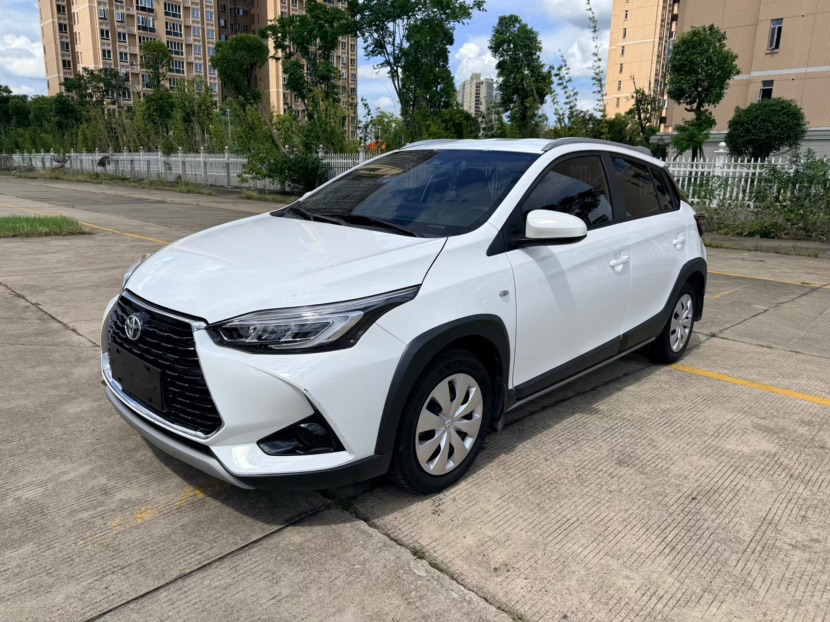
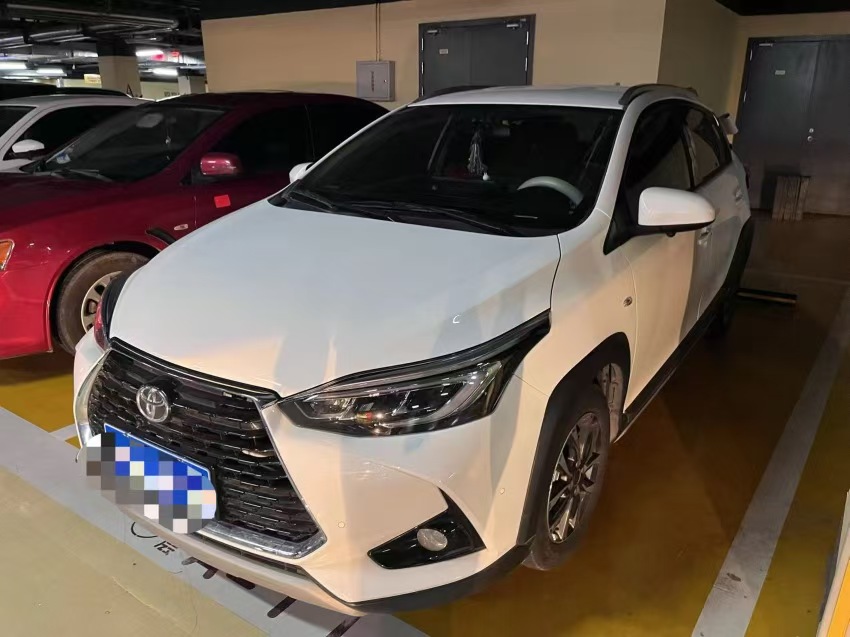
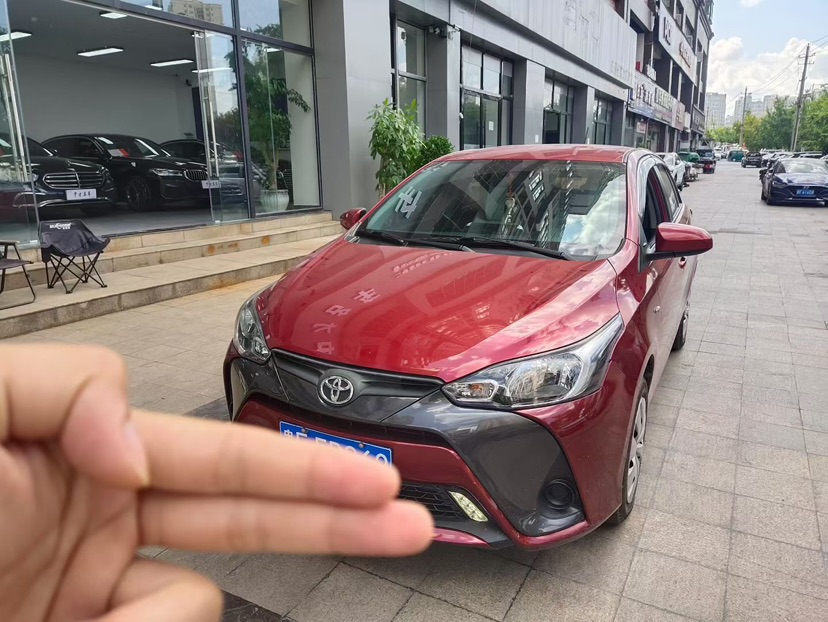
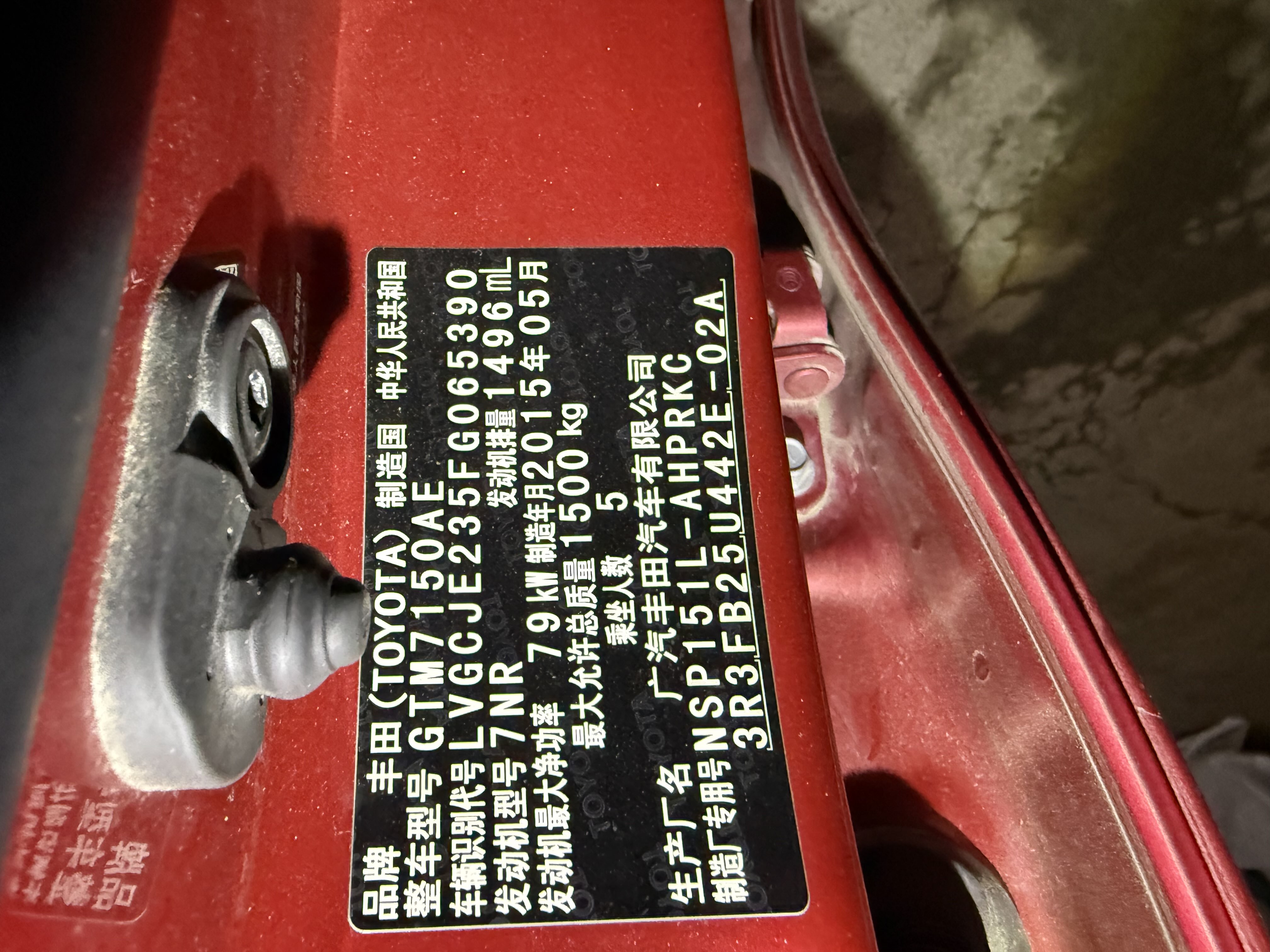
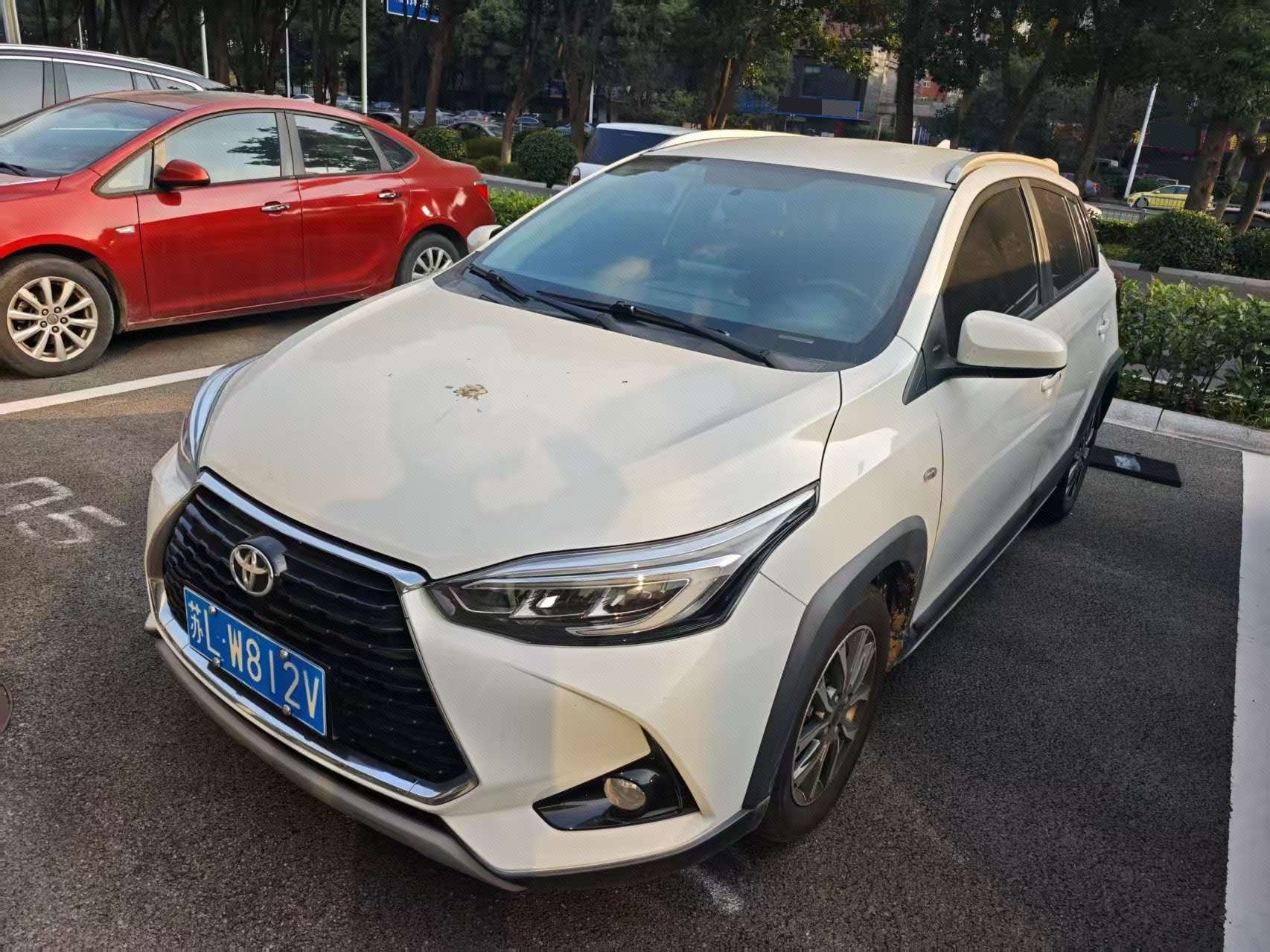
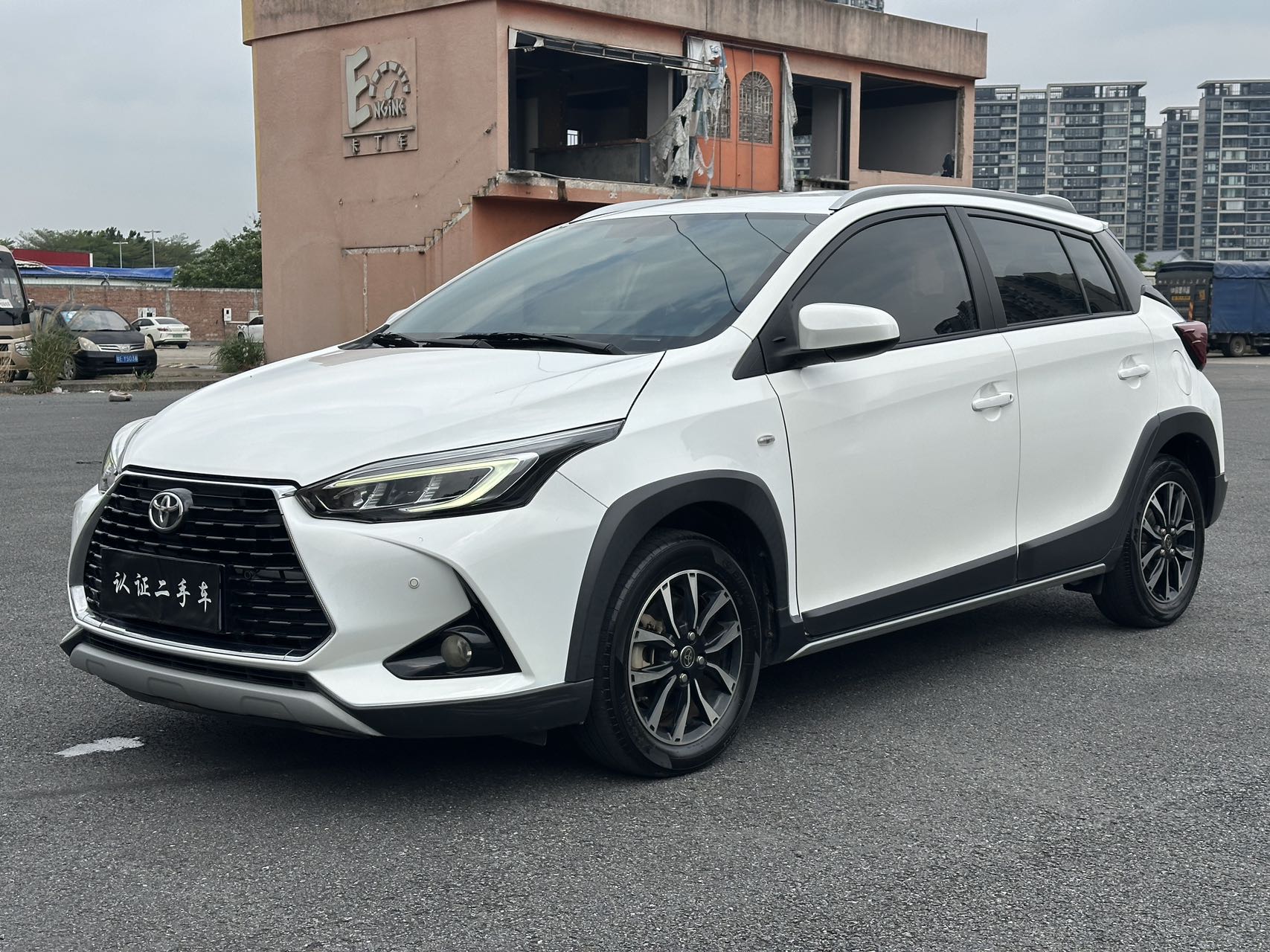
BrandToyota
SeriesYaris L Zhixuan
Year2015
First Registration2015/08
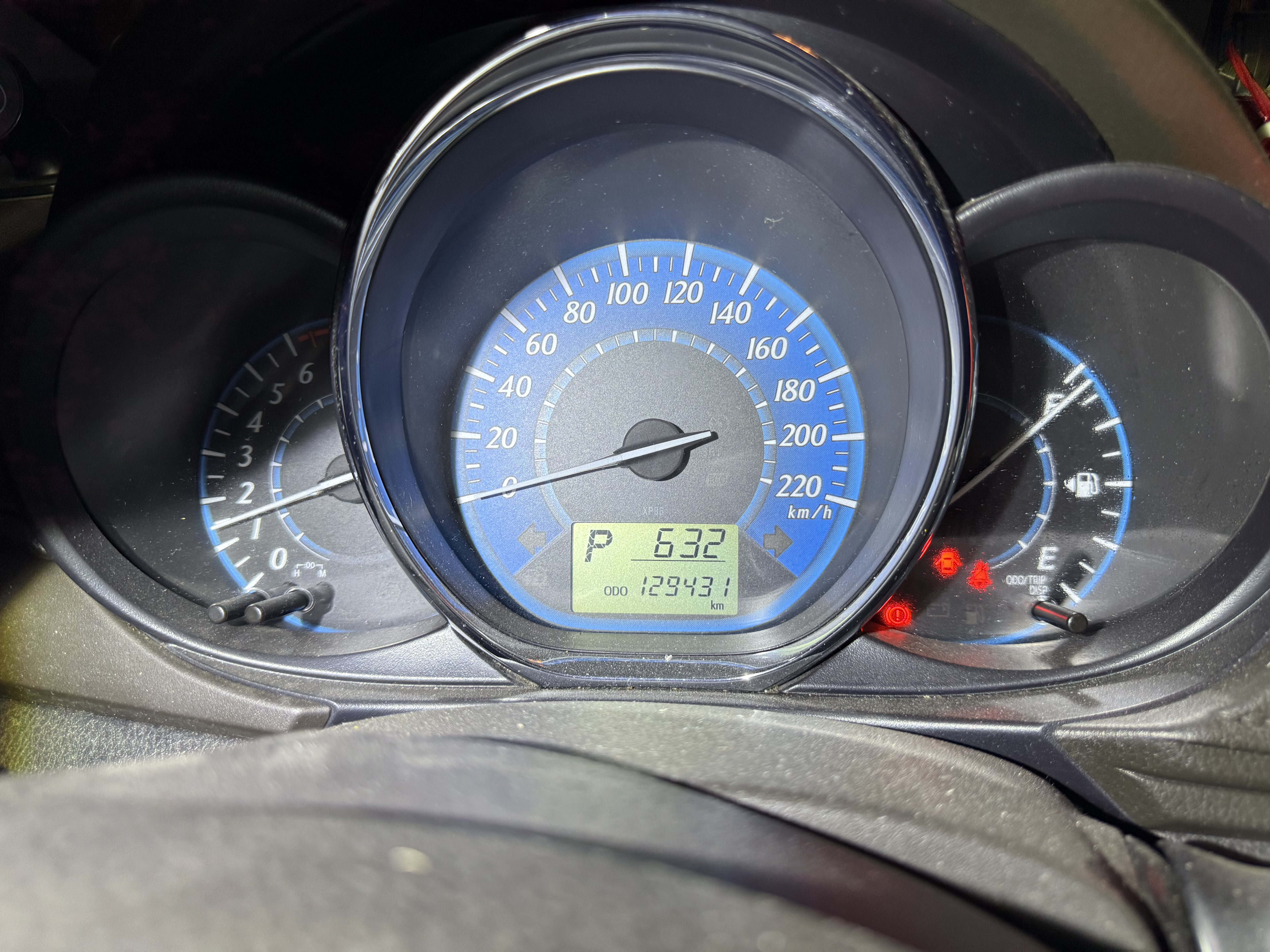
Mileage12.9km
Transfer Count1times
FuelGasoline
TransmissionAutomatic
Engine1.5L 107 L4
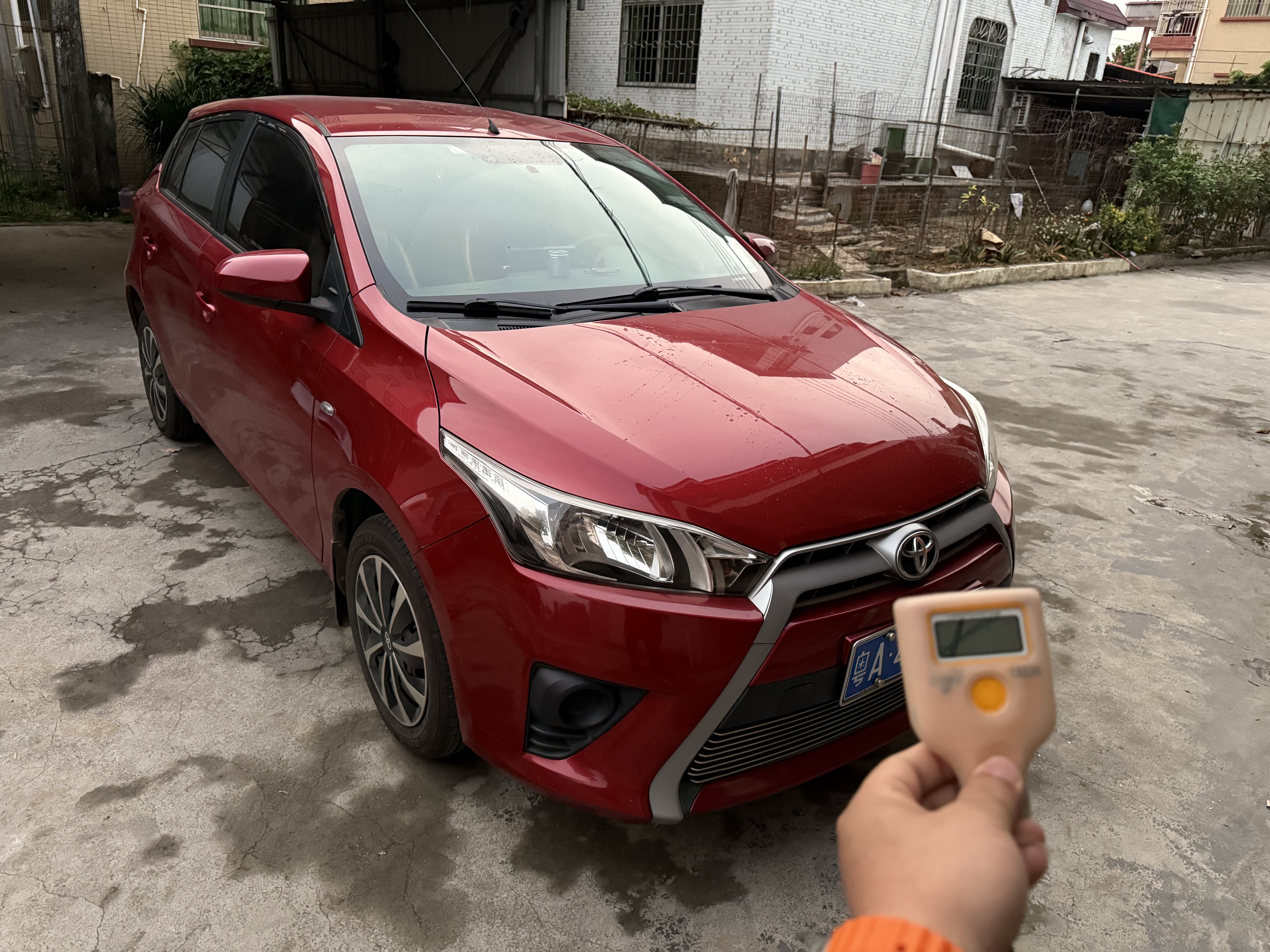
ColorRed
Seats5seats

Condition Description

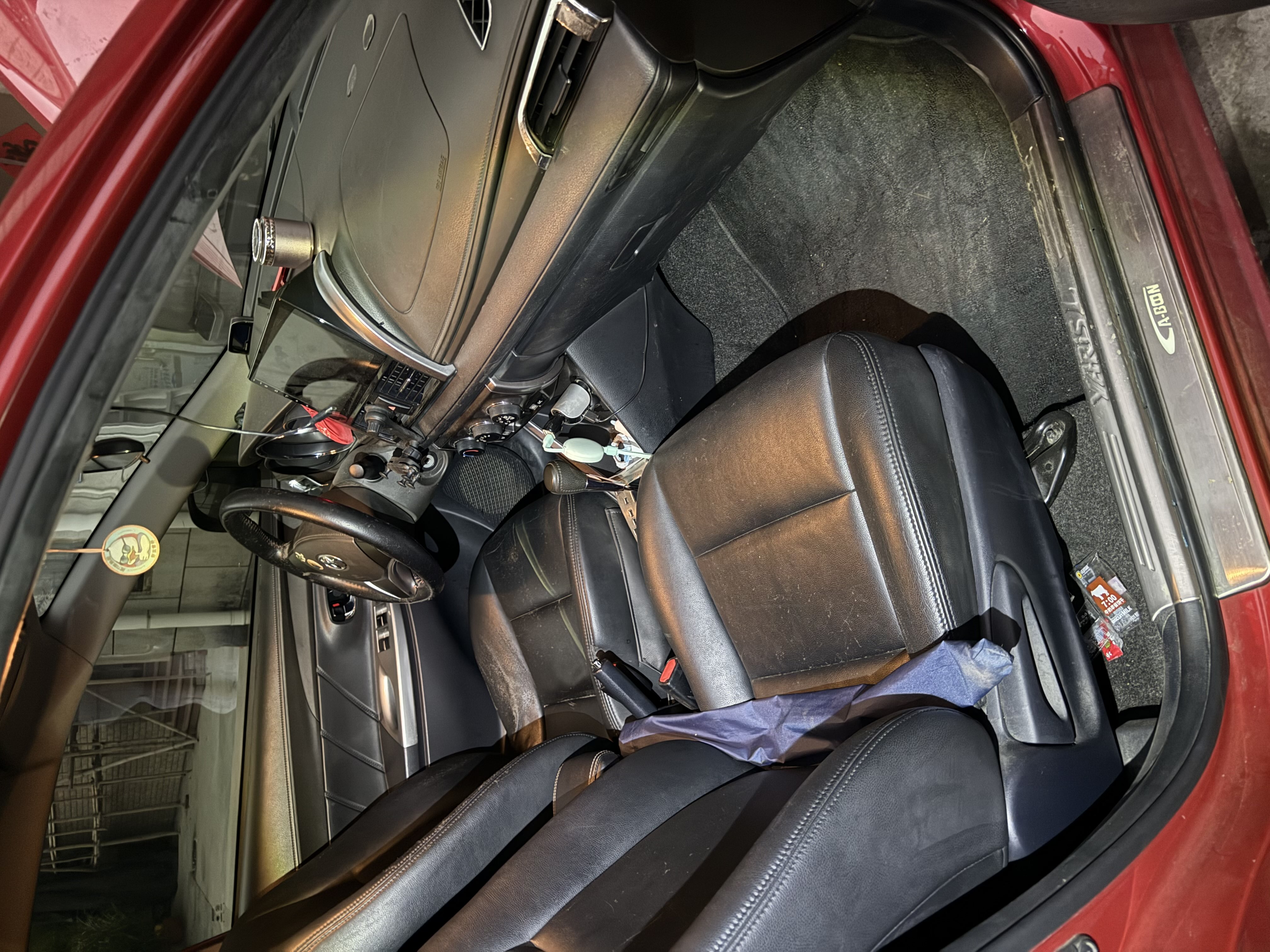
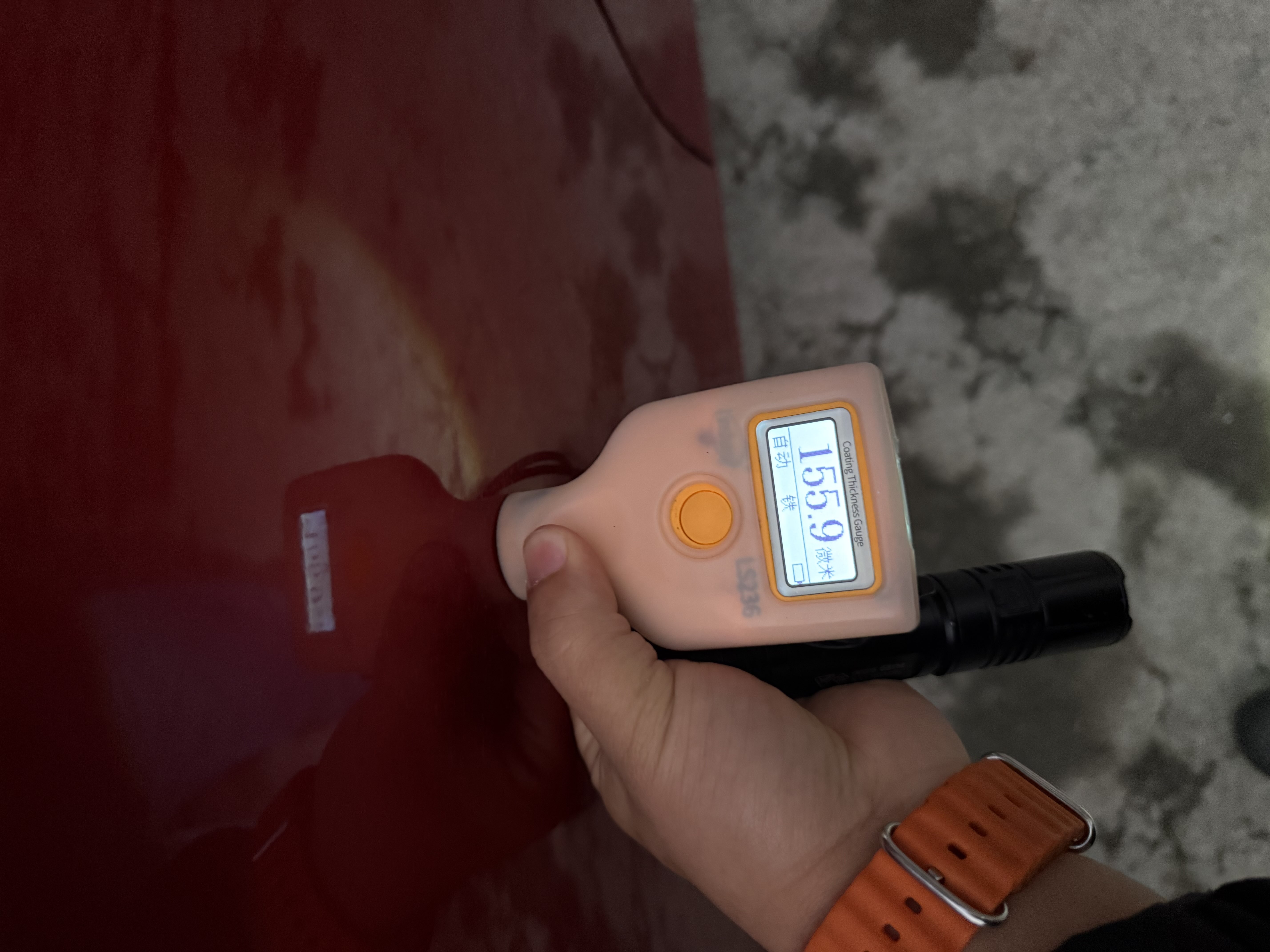
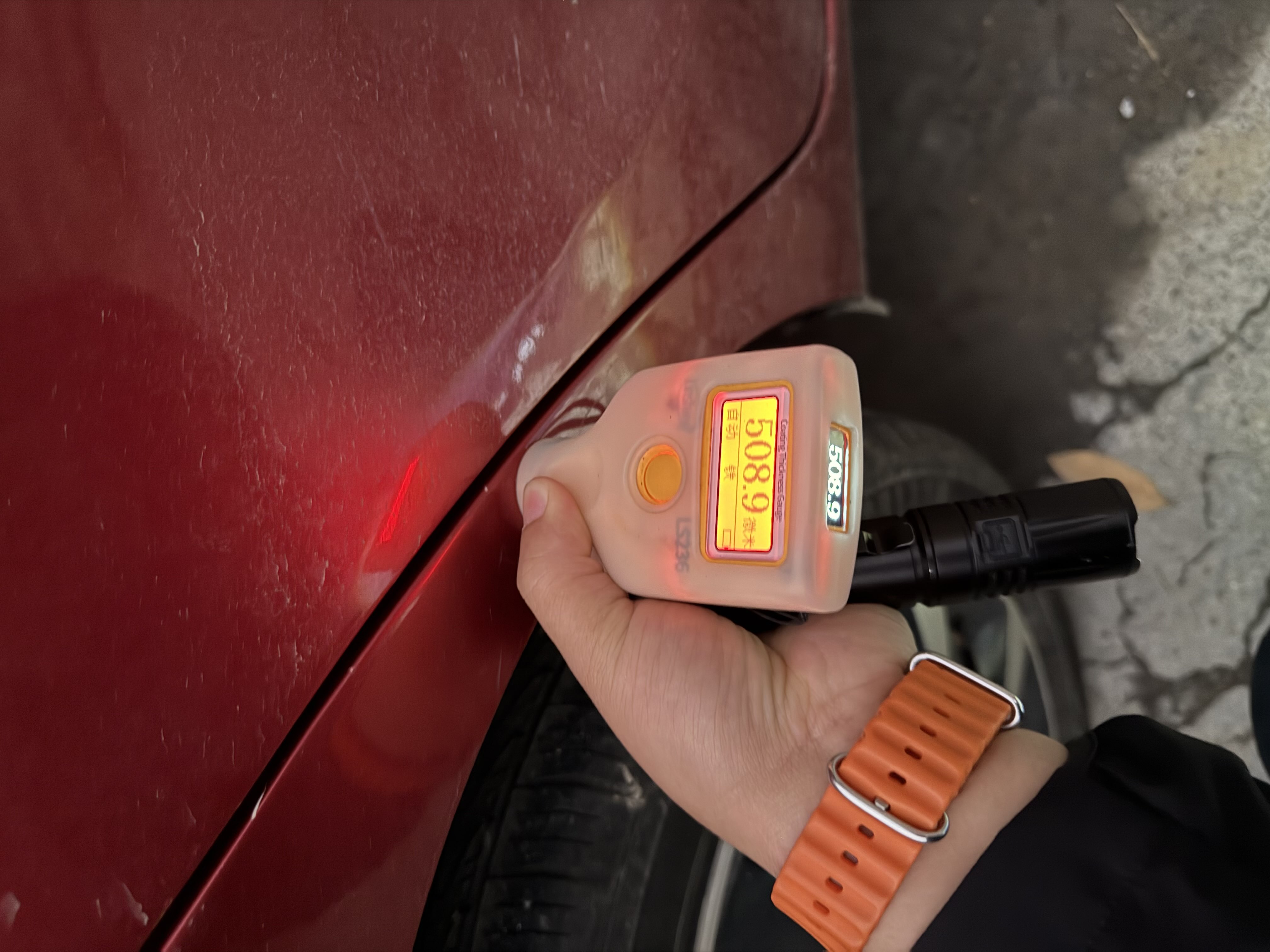
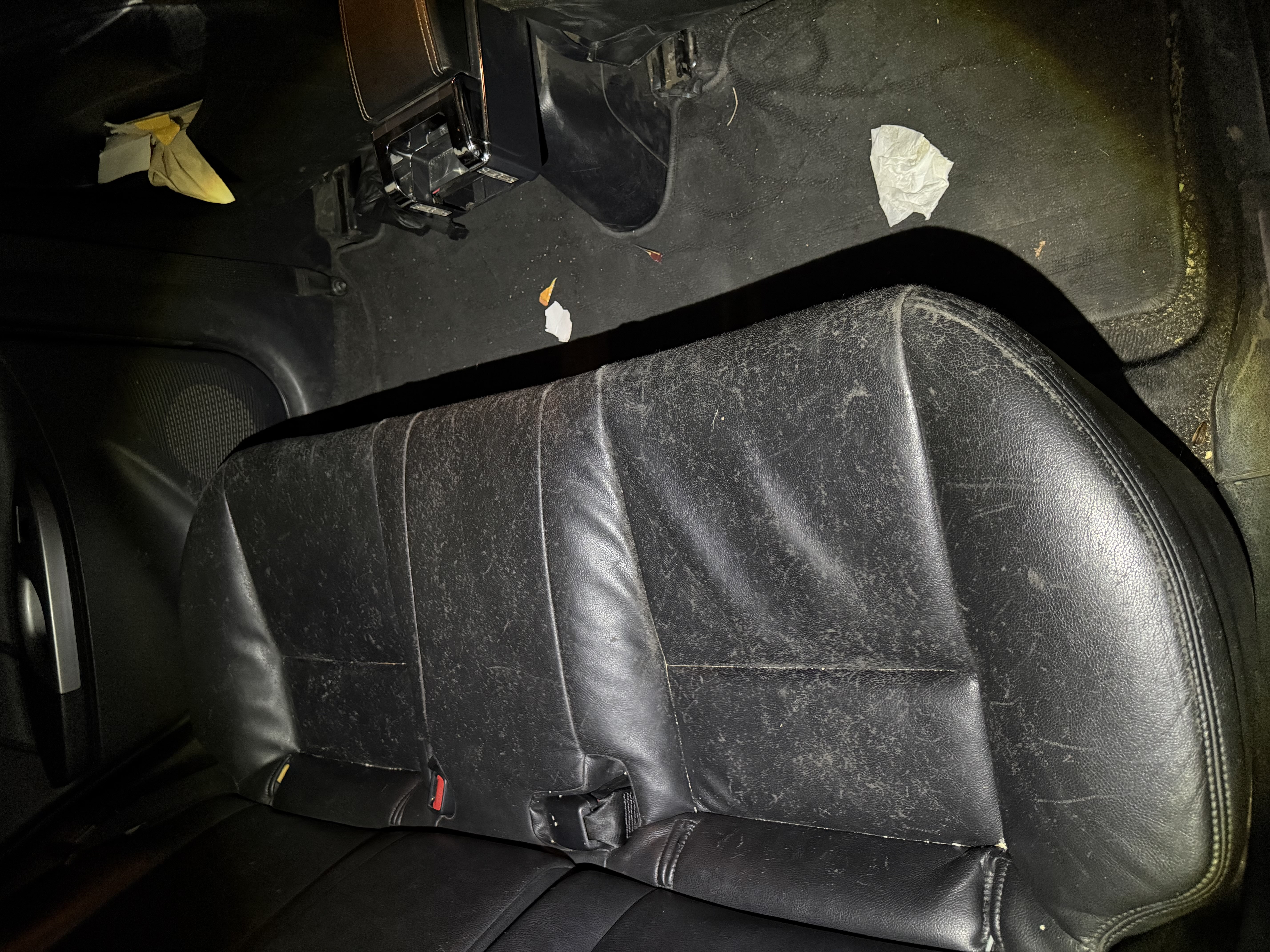
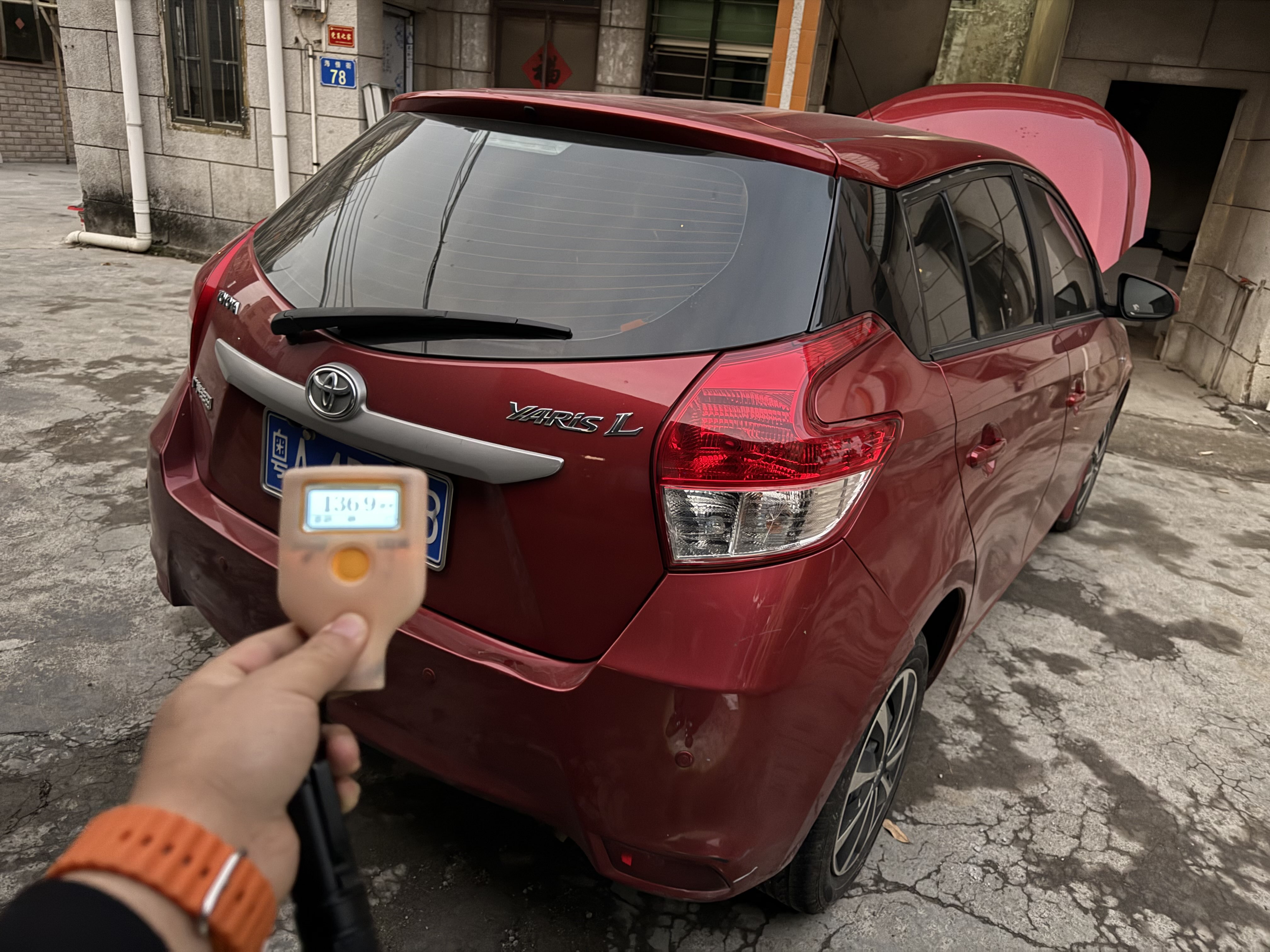
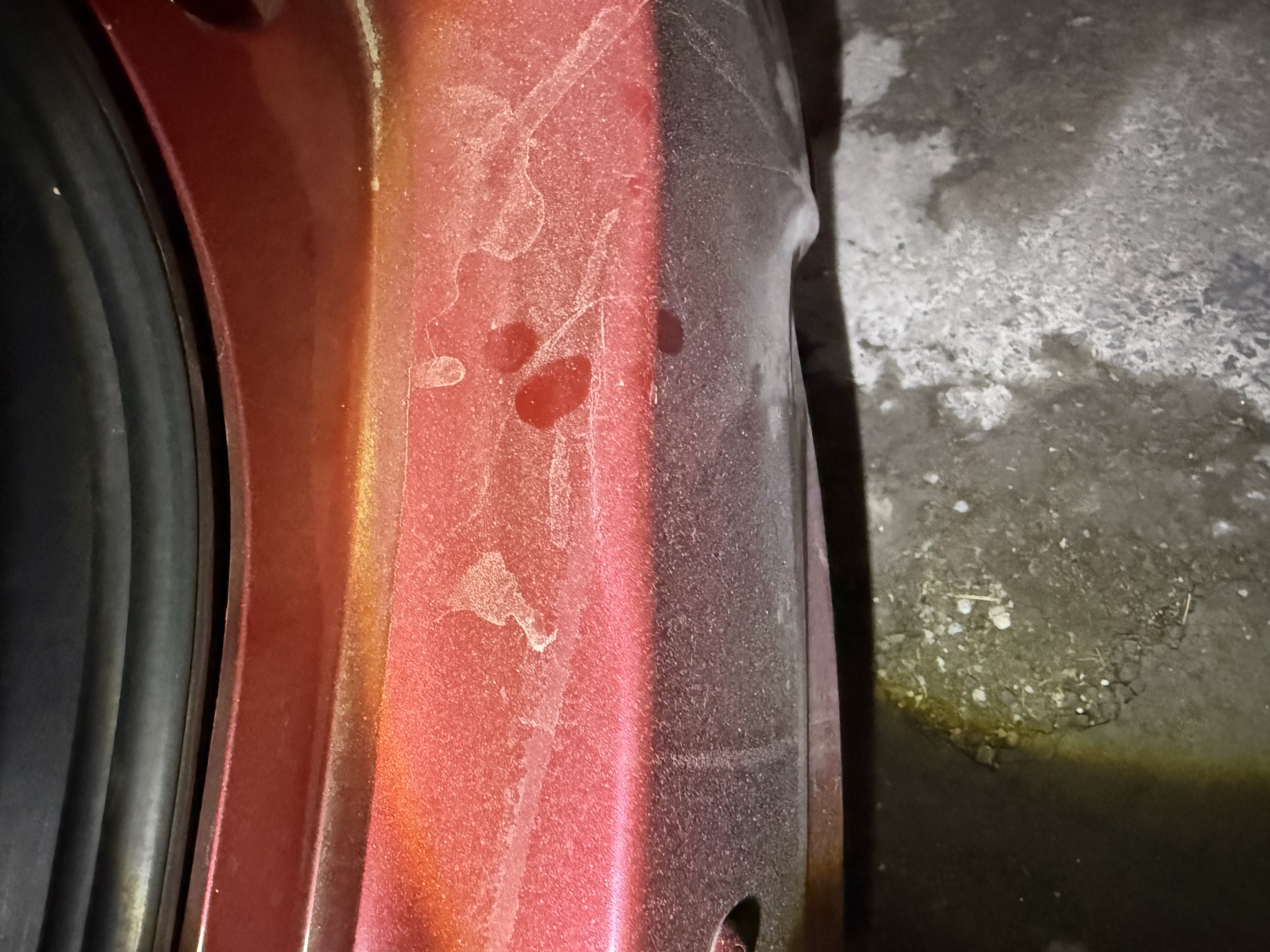
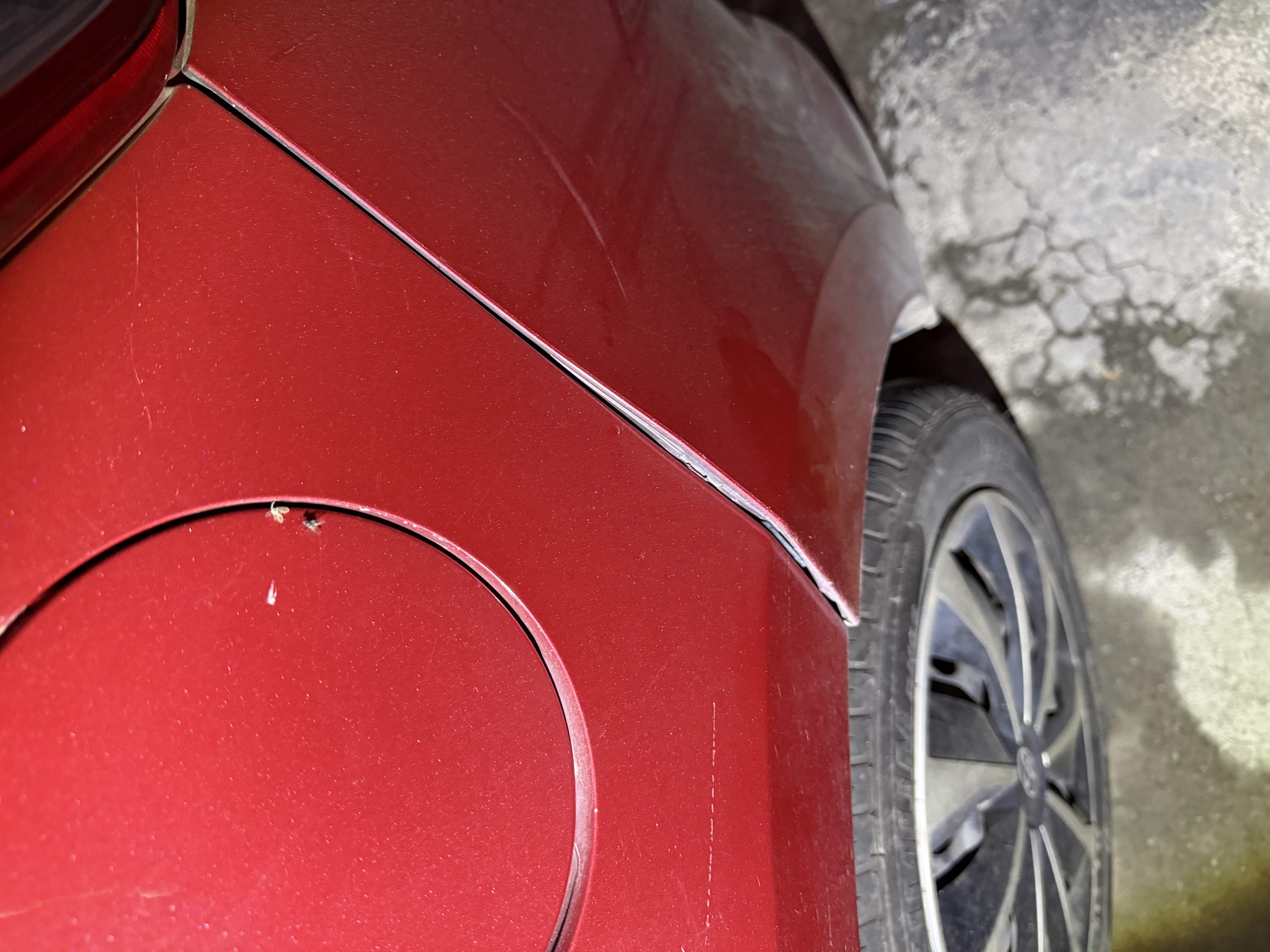
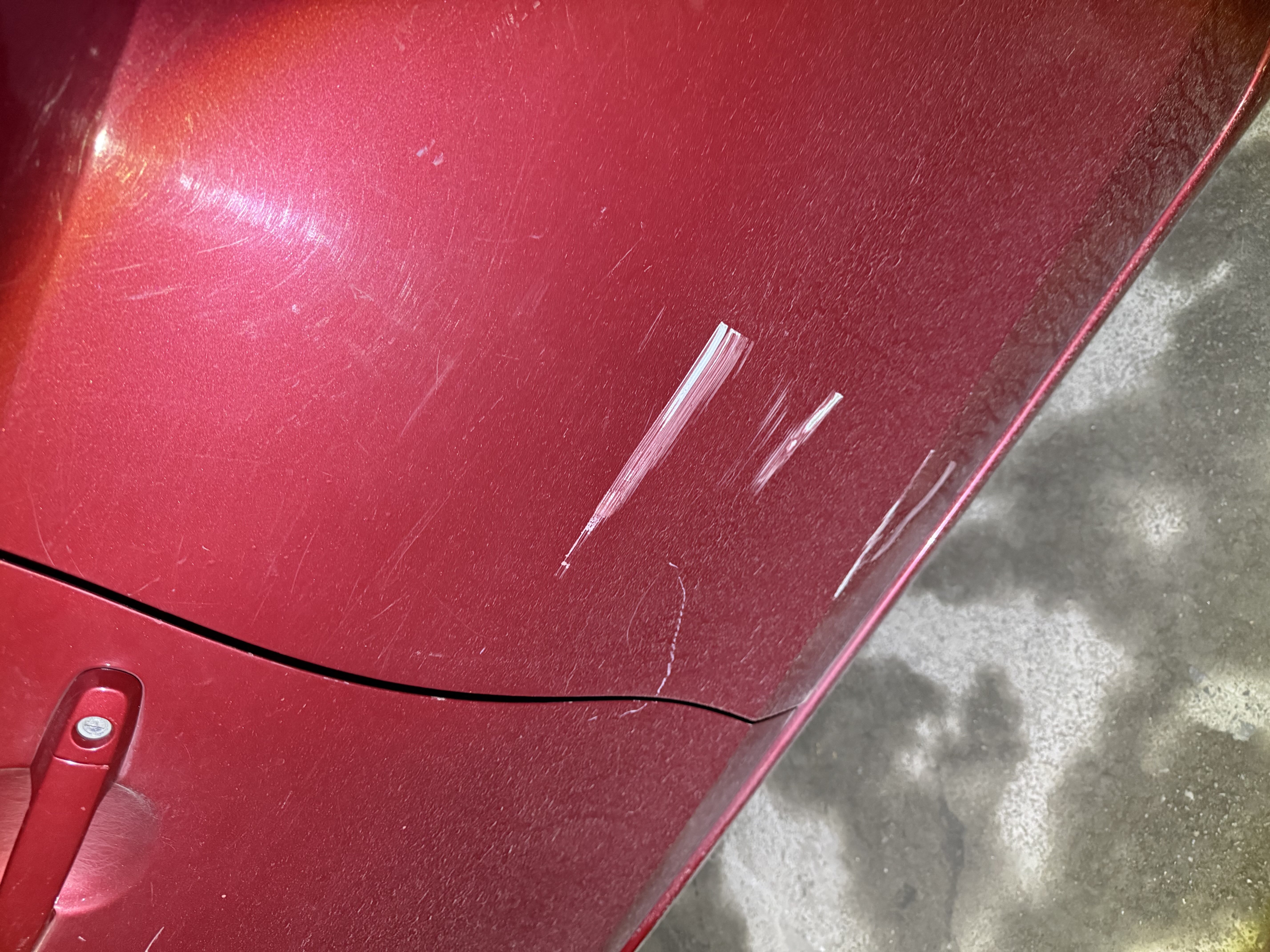
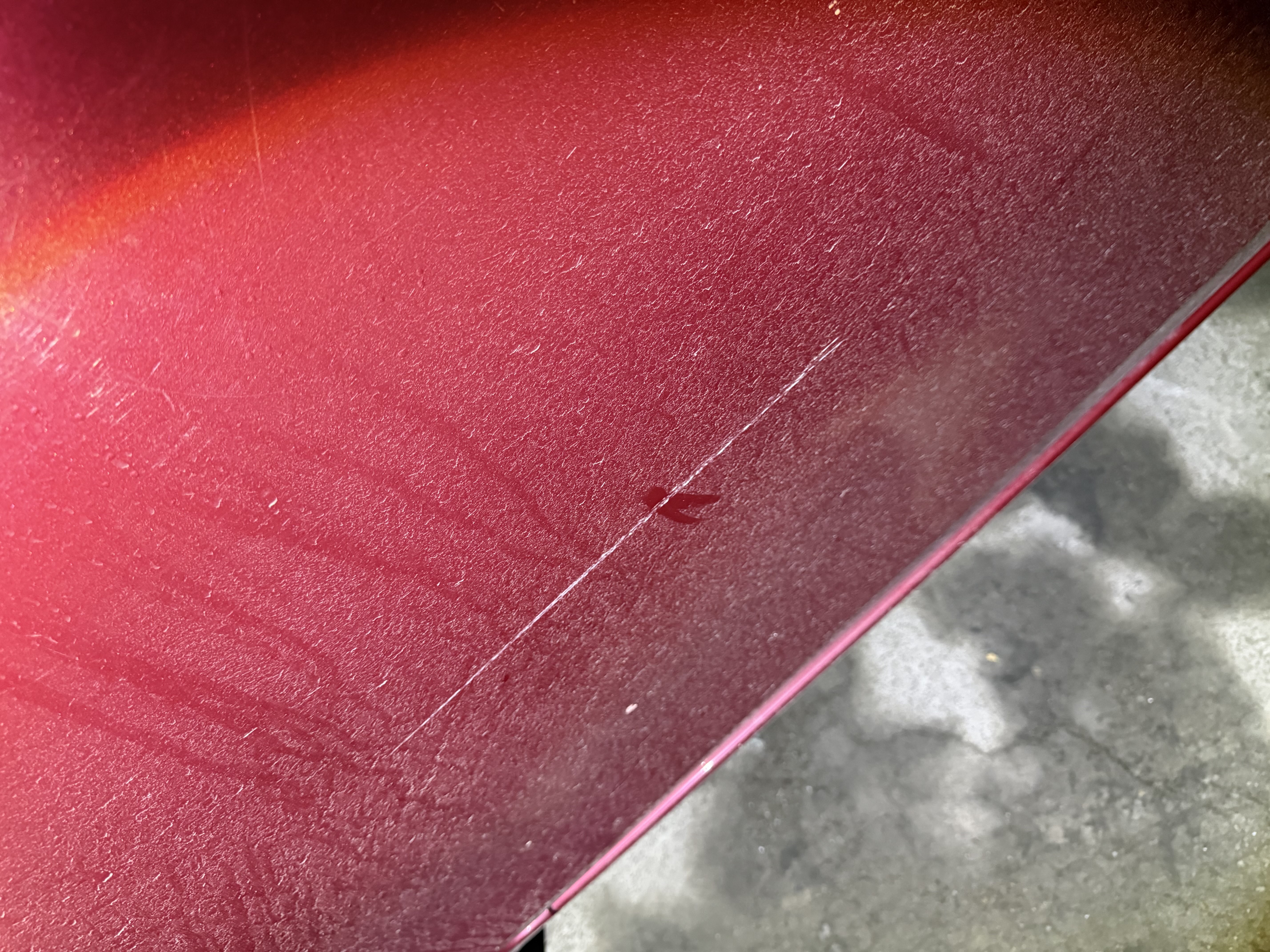
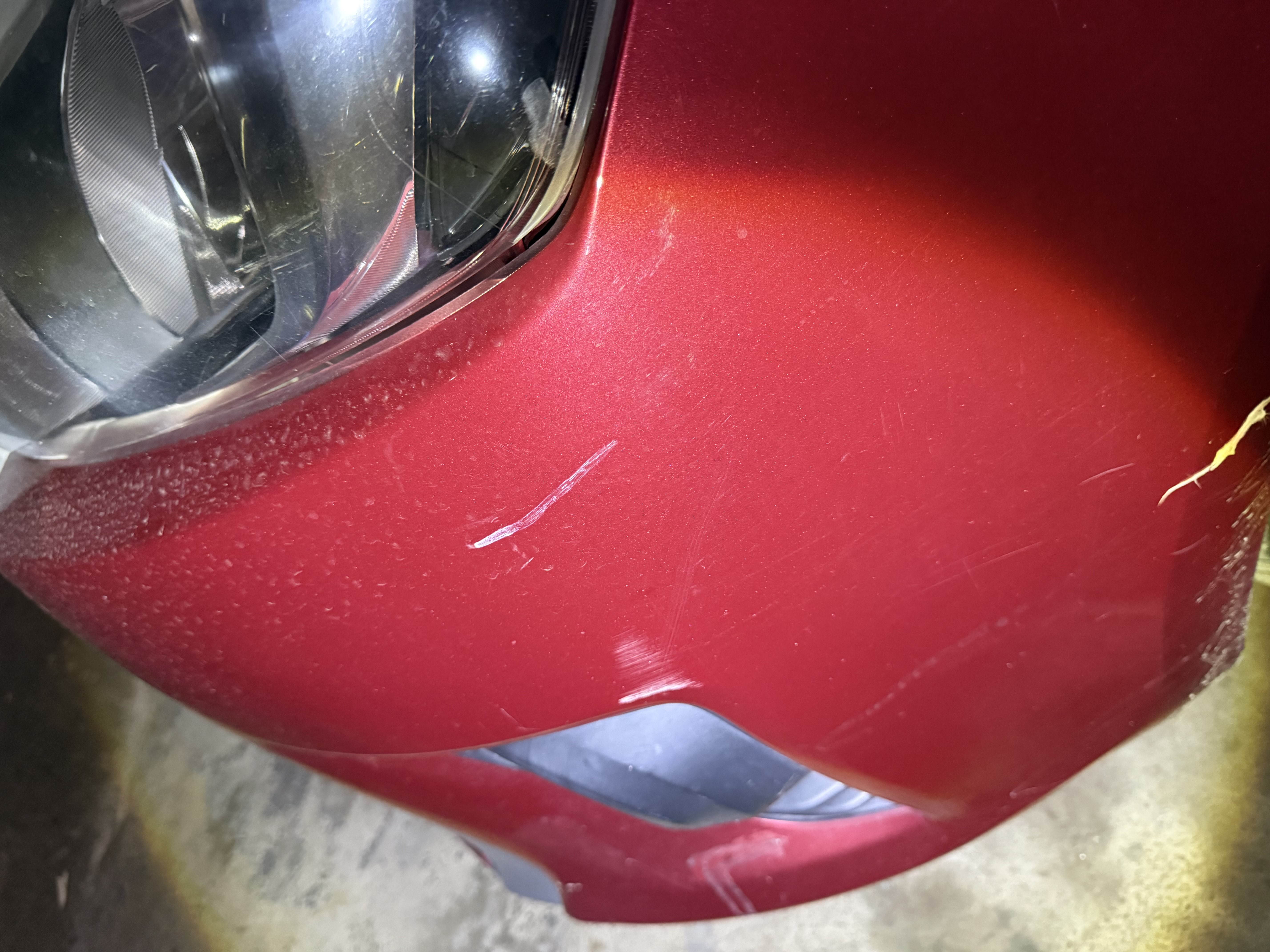
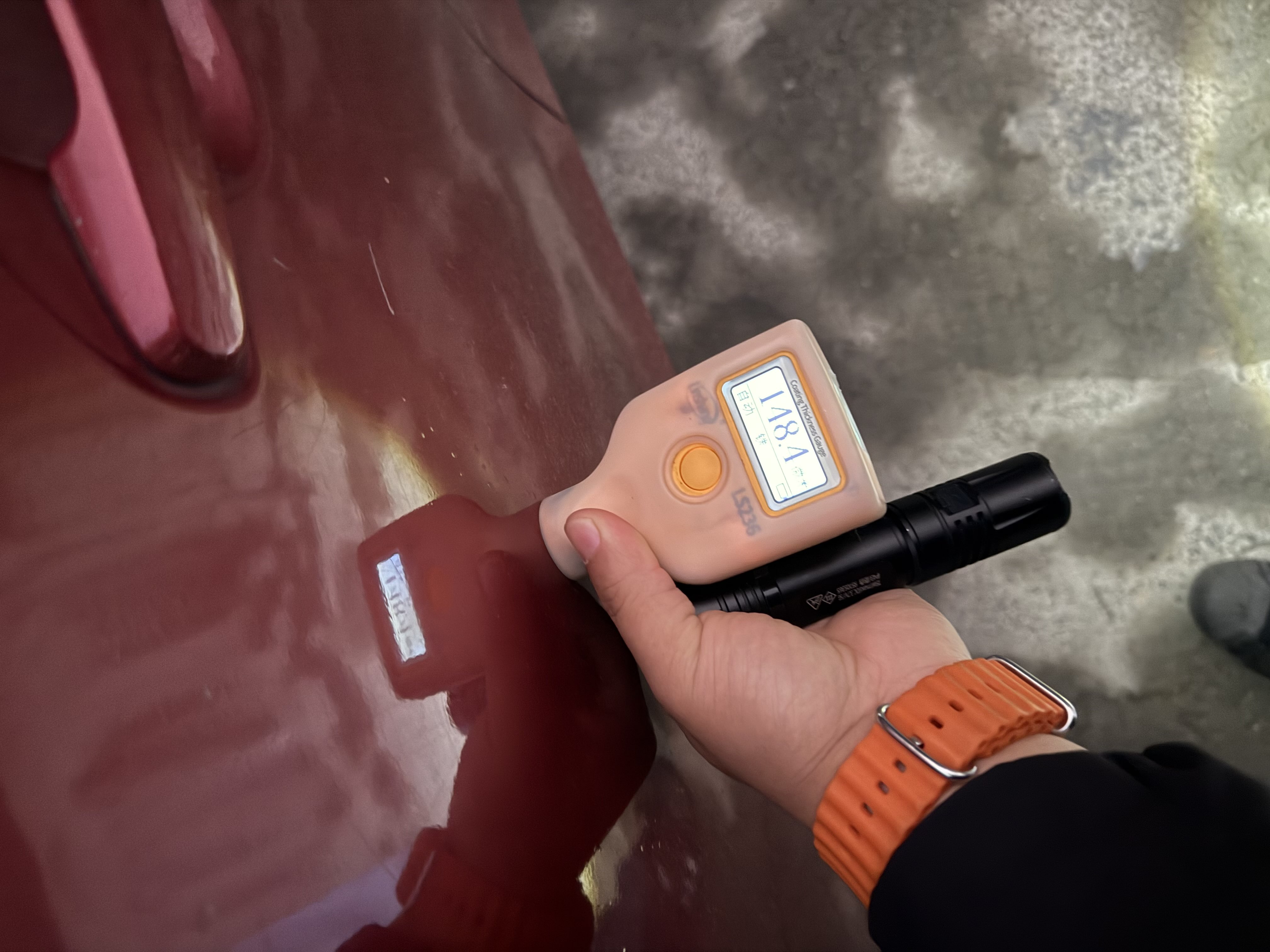
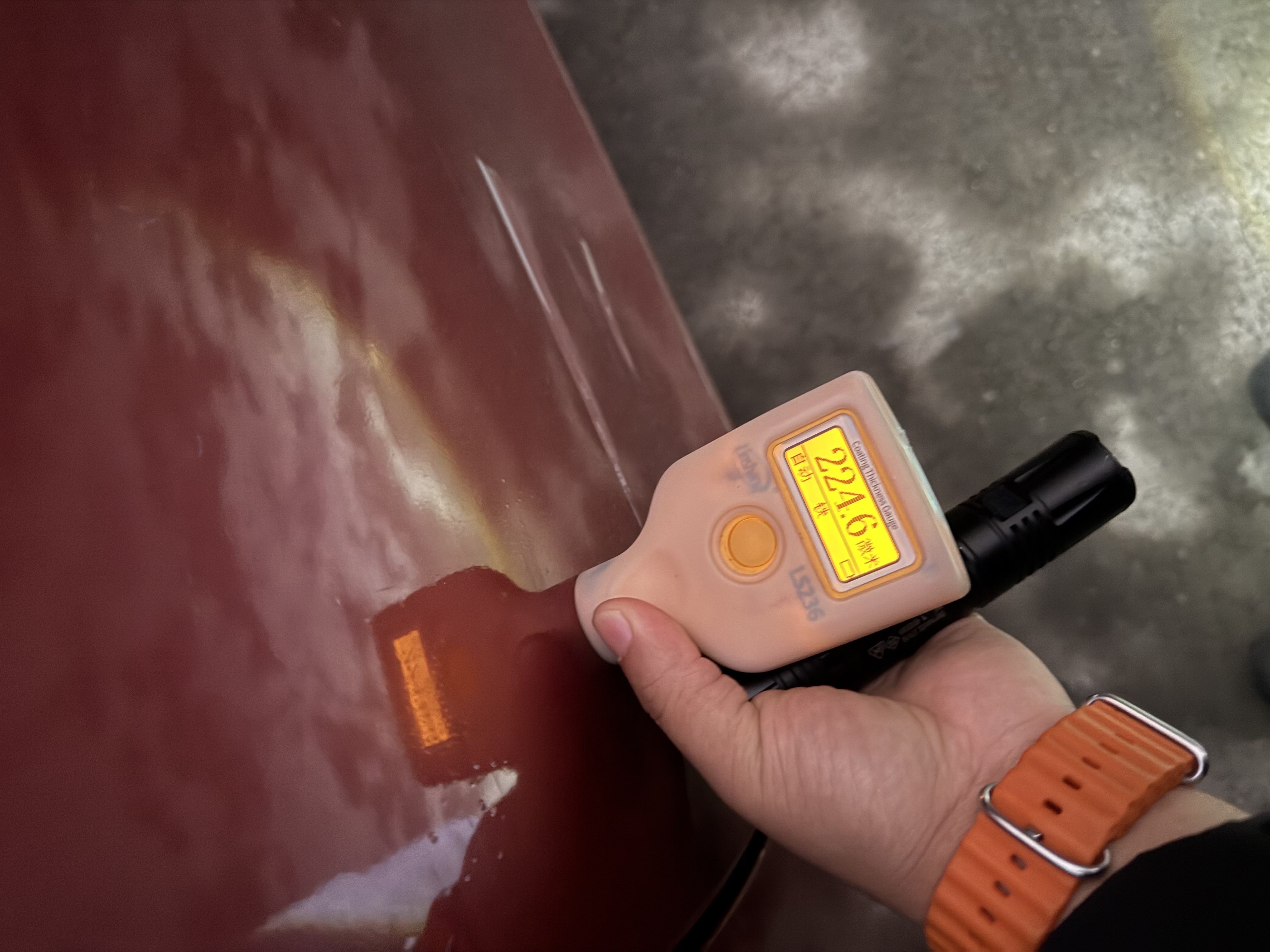
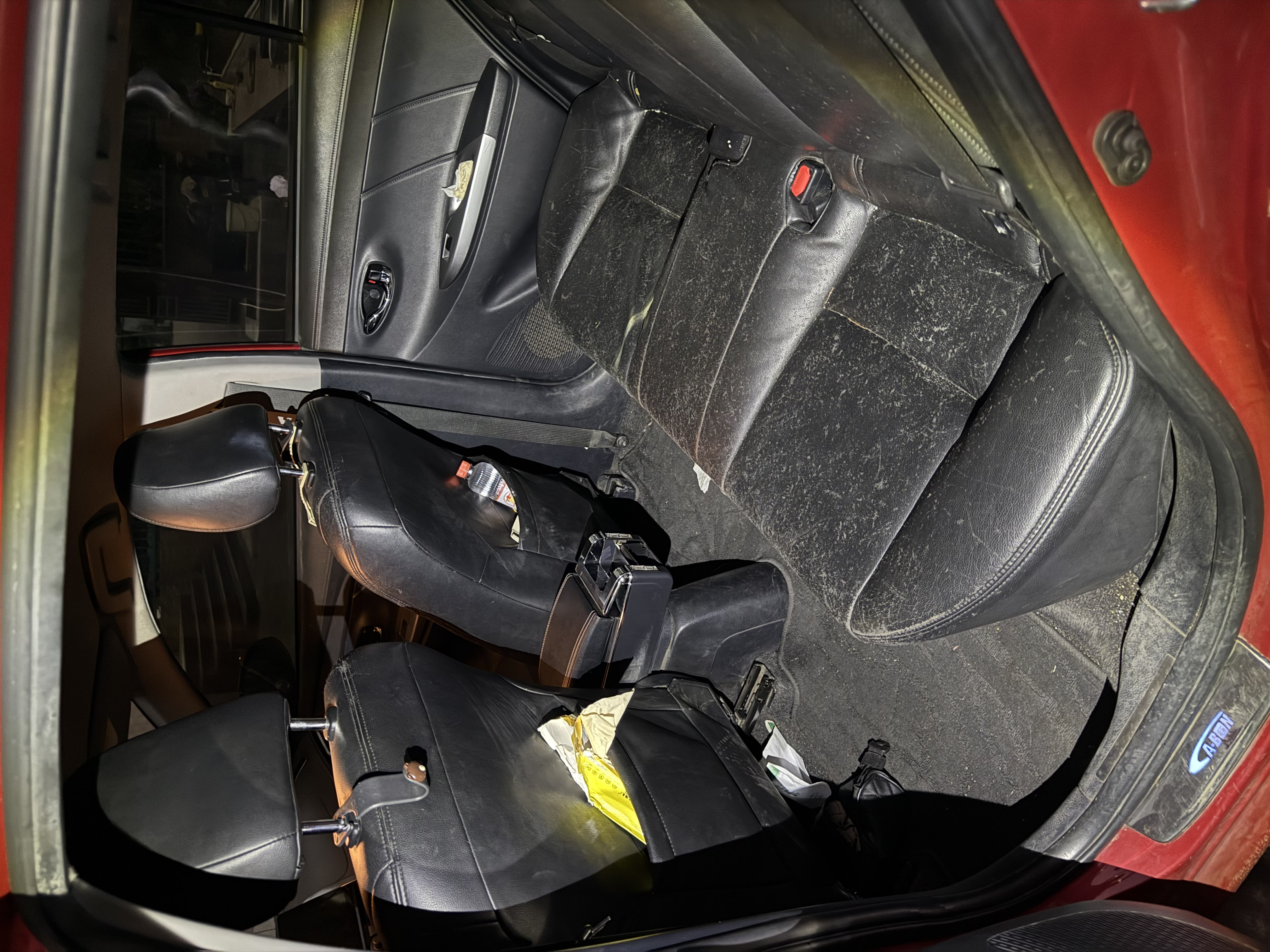
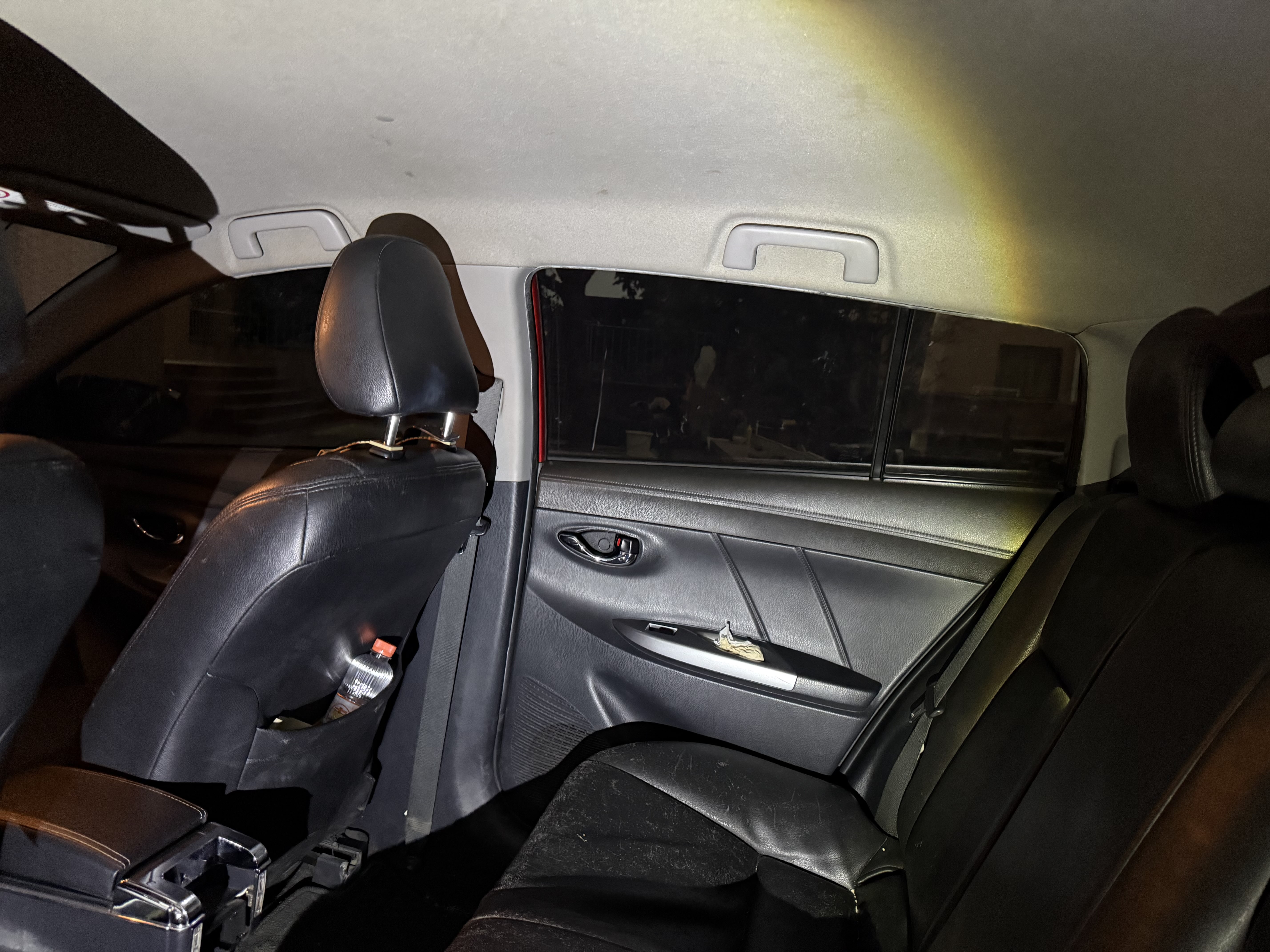
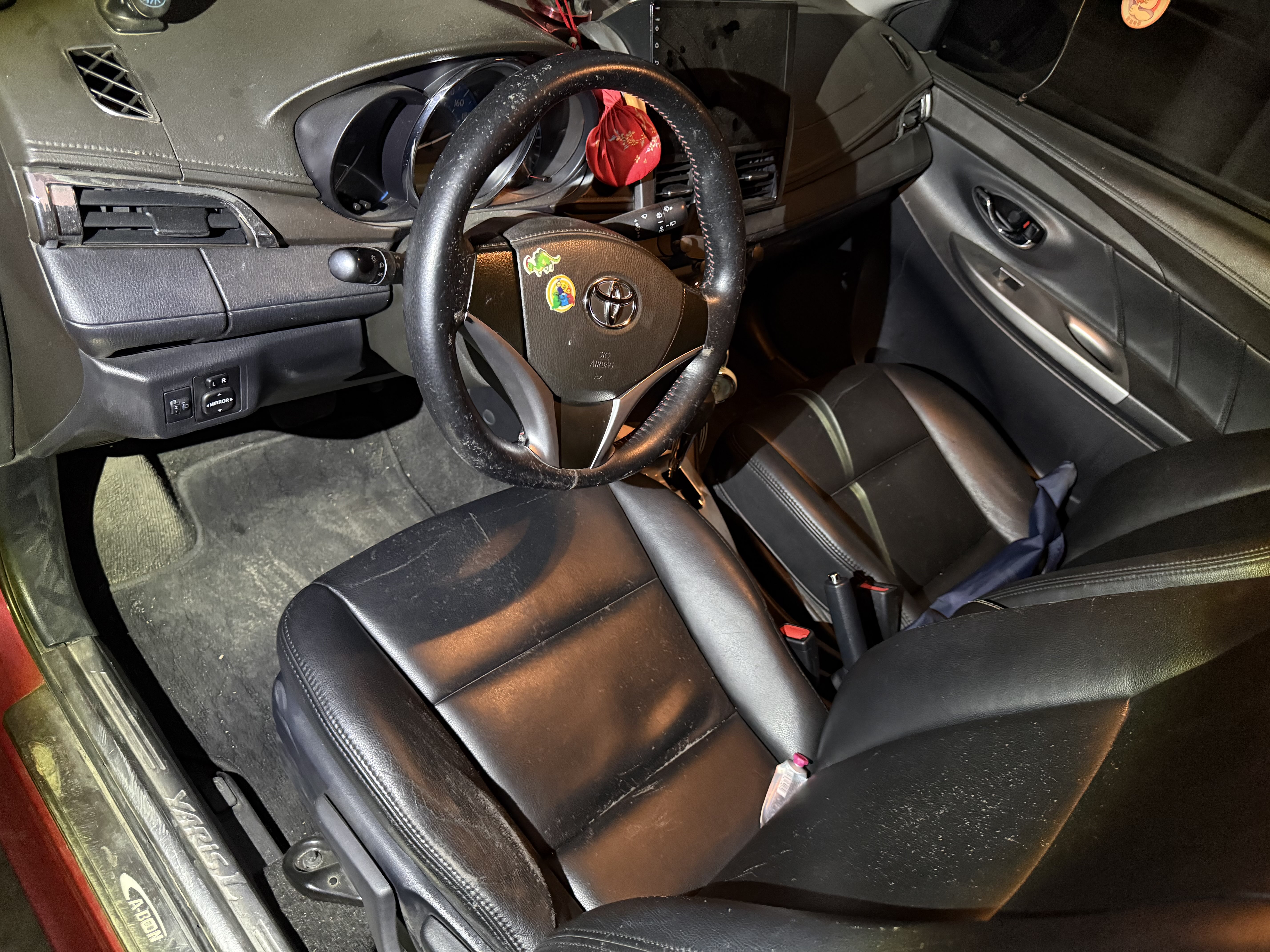
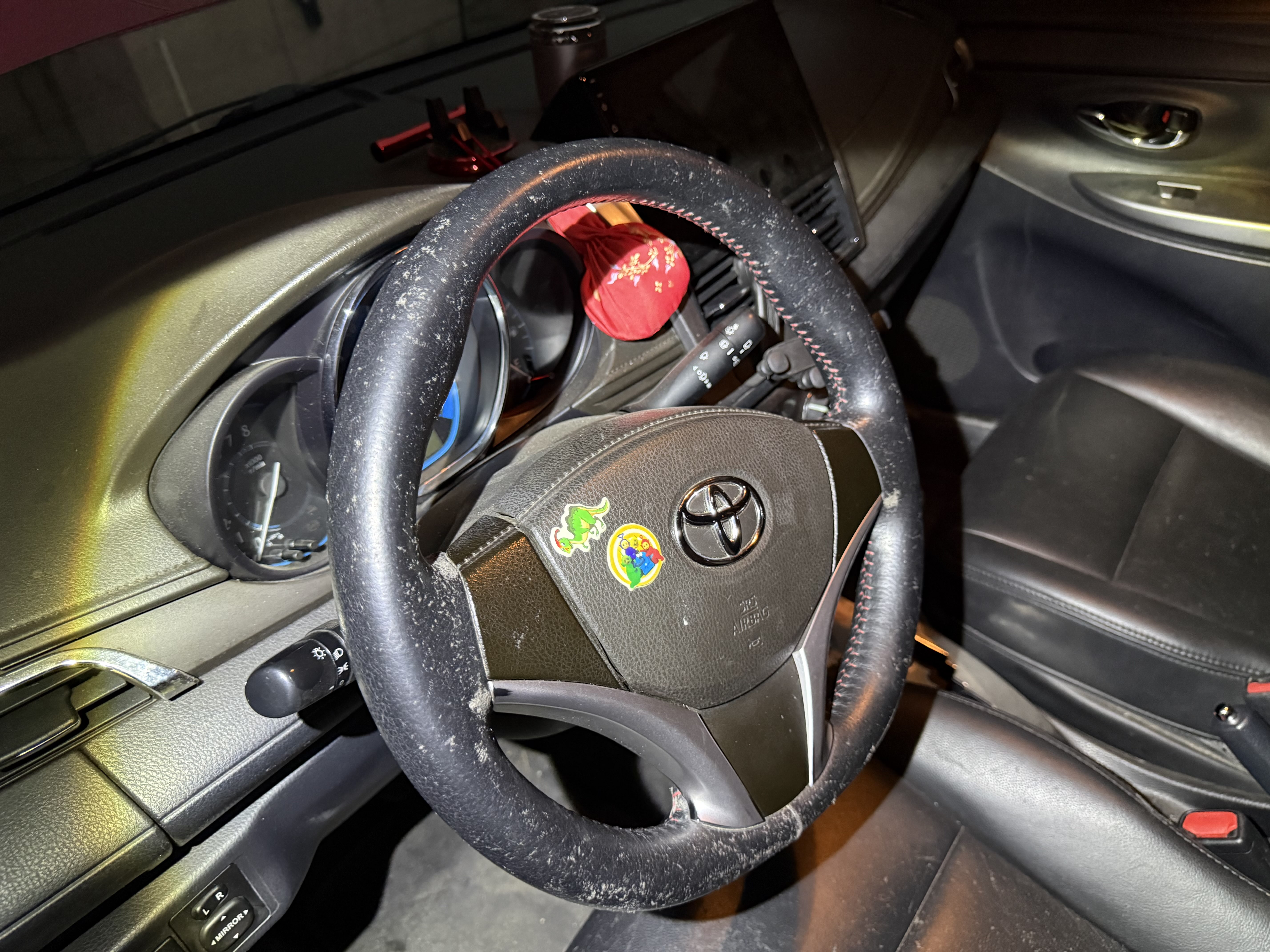
Left front fender repainted, left front door repainted, left rear door repainted, right rear door repainted, right rear fender bodywork repaired. Existing repairs: front bumper, two left doors, rear bumper, worn-out seat leather, severely worn steering wheel. Second-hand.

Configuration Highlights

✓Driver/Passenger Airbags
✓ISOFIX Child Seat Anchors
✓ABS Anti-lock Braking
✓Electronic Brake Distribution
✓Seat Material
✓Low Beam Headlights
✓Adjustable Headlight Height
✓Power Windows
✓UV/Heat Insulating Glass
✓Climate Control Type

Q&A

More

If our country has a free trade agreement (FTA) with China, can you provide specific certificates of origin to reduce tariffs?

Yes. If your country (such as Chile, Peru, ASEAN countries, etc.) has signed a bilateral free trade agreement with China, our documentation center will apply to Chinese customs or the trade promotion agency for specific versions of the certificate of origin (such as Form E, Form F, etc.), which can help you legally apply for significant tariff reductions at the destination port.
What does a pre-shipment inspection include, and is it worth the cost?

A professional pre-shipment inspection typically costs a small fraction of the vehicle price and routinely pays for itself. A thorough inspection covers: paint thickness measurement across 30+ points to map body repairs; structural assessment of pillars, rails and crossmembers for accident damage; engine and transmission operation; a full electronic scan for fault codes; suspension and underbody checks for leaks and rust; and, for EVs, battery SOH and thermal management performance. You receive a written report with photos before the car is loaded — if the car fails, you can stop the shipment or renegotiate. Skipping the inspection to save a small fee is the classic false economy in used car importing: discovering a problem after arrival is far more expensive than preventing it at origin.

When checking the history records, can you distinguish whether the vehicle was involved in a "single-vehicle accident (like hitting a wall)" or a "multi-vehicle rear-end collision"?

If insurance claims records are accessed, there will usually be notes like "the insured vehicle is fully responsible for hitting a fixed object" or "third-party liability insurance payment." We can roughly reconstruct the accident scene based on this and cross-verify the stress points on the vehicle's frame with paint thickness gauge data.