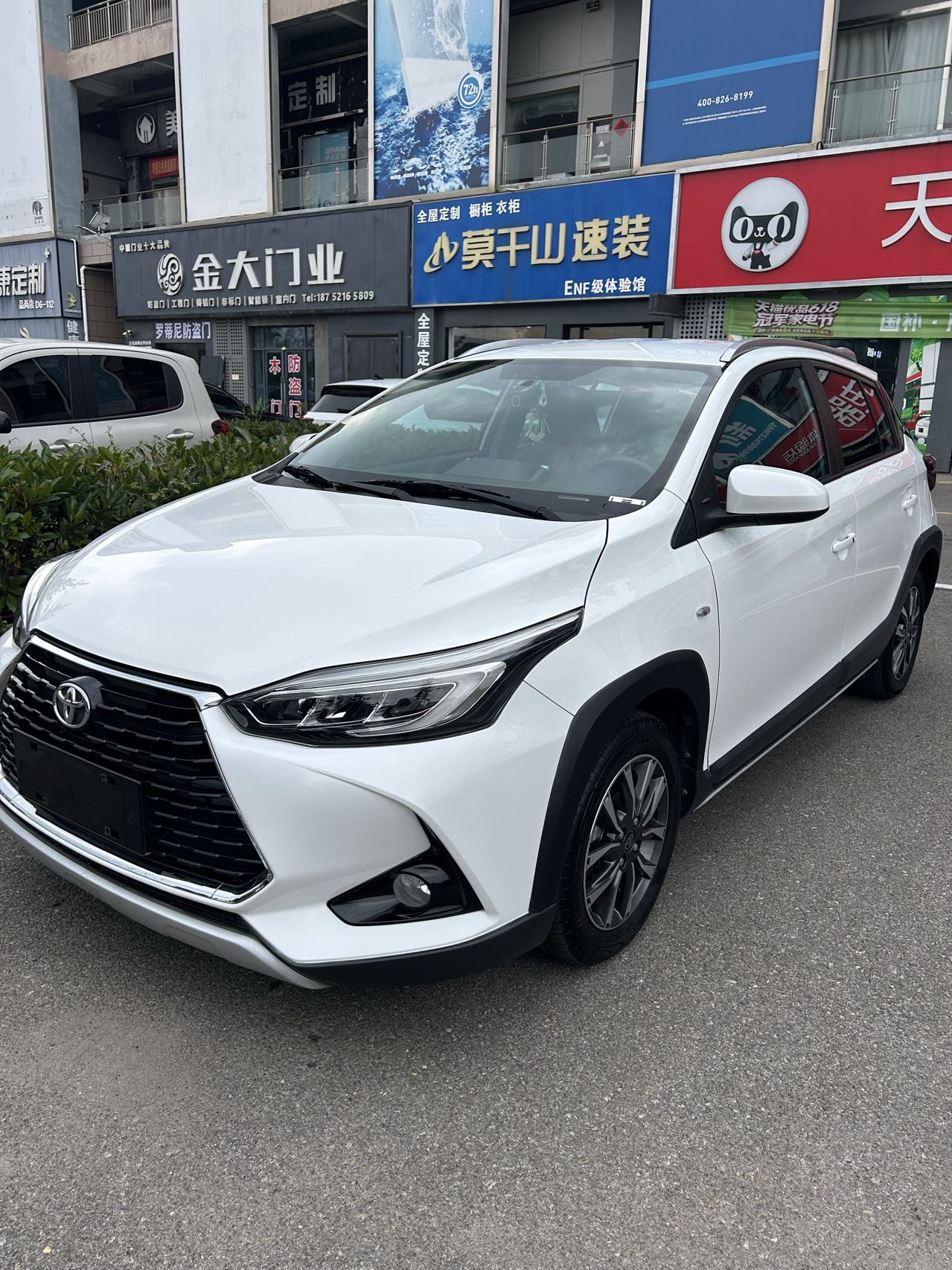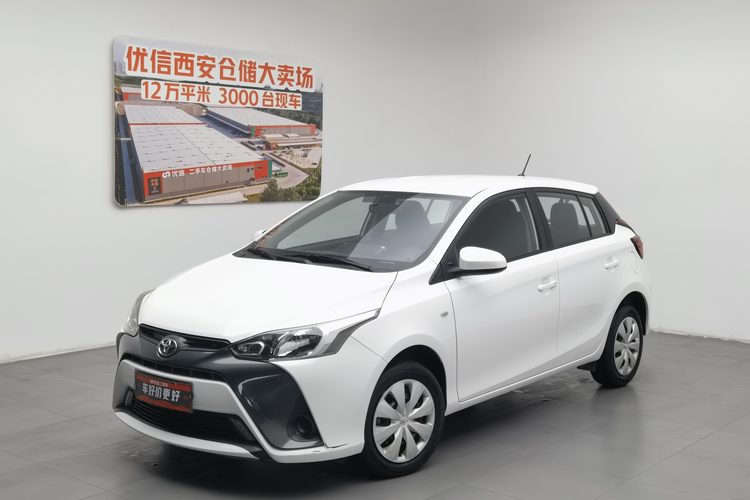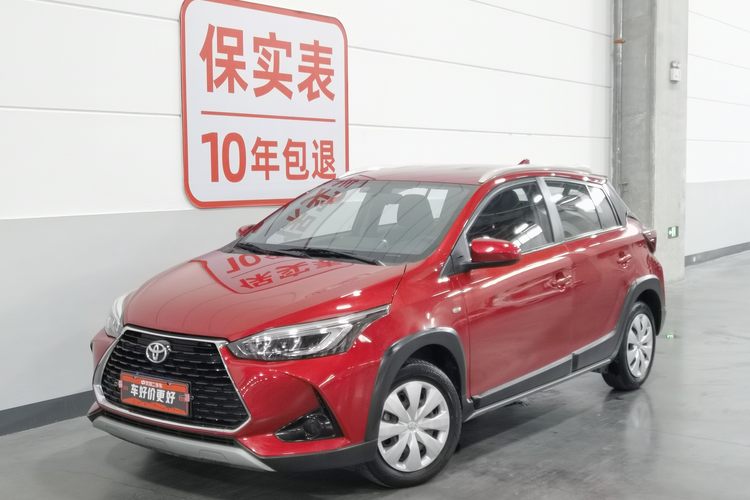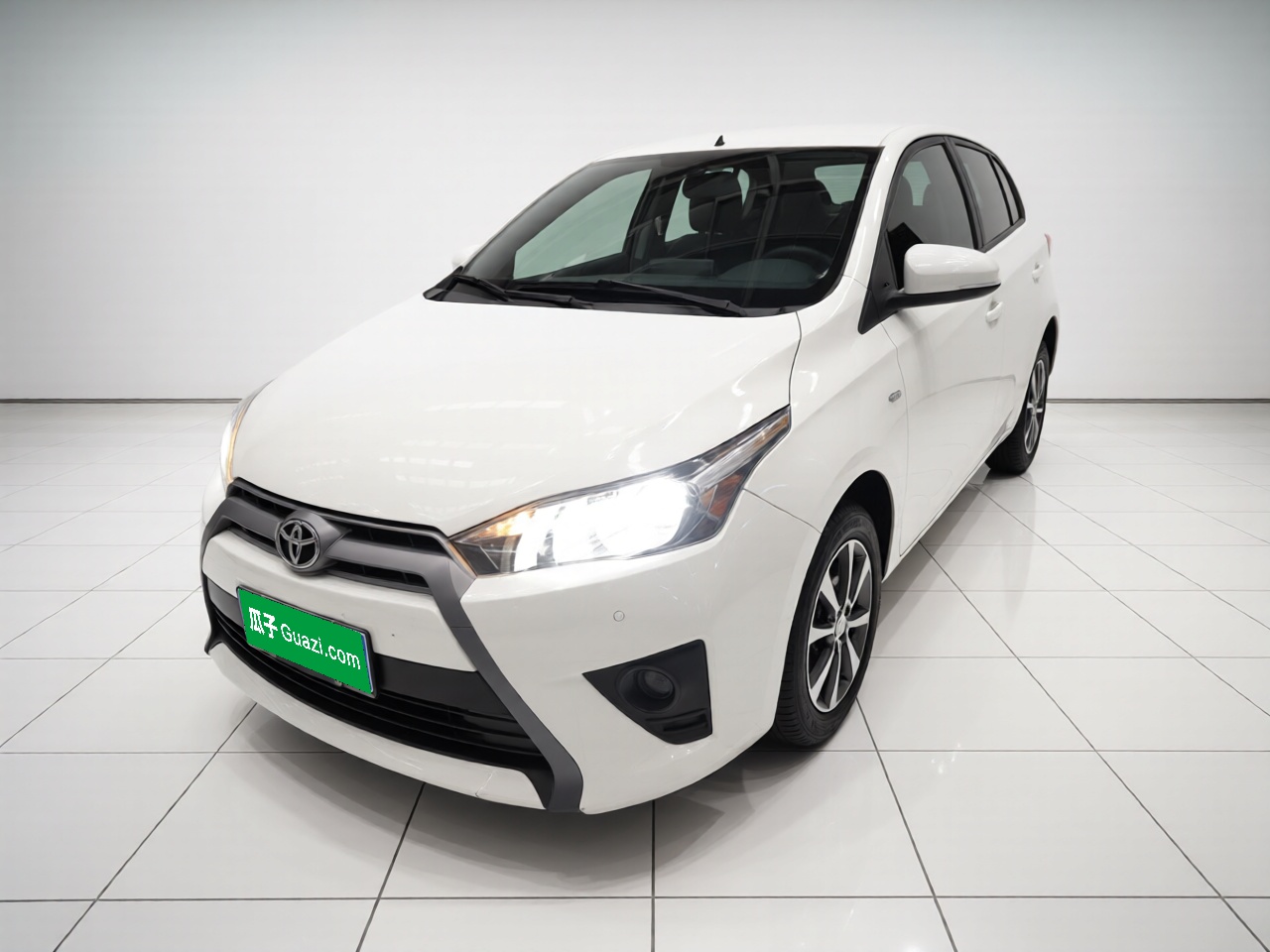



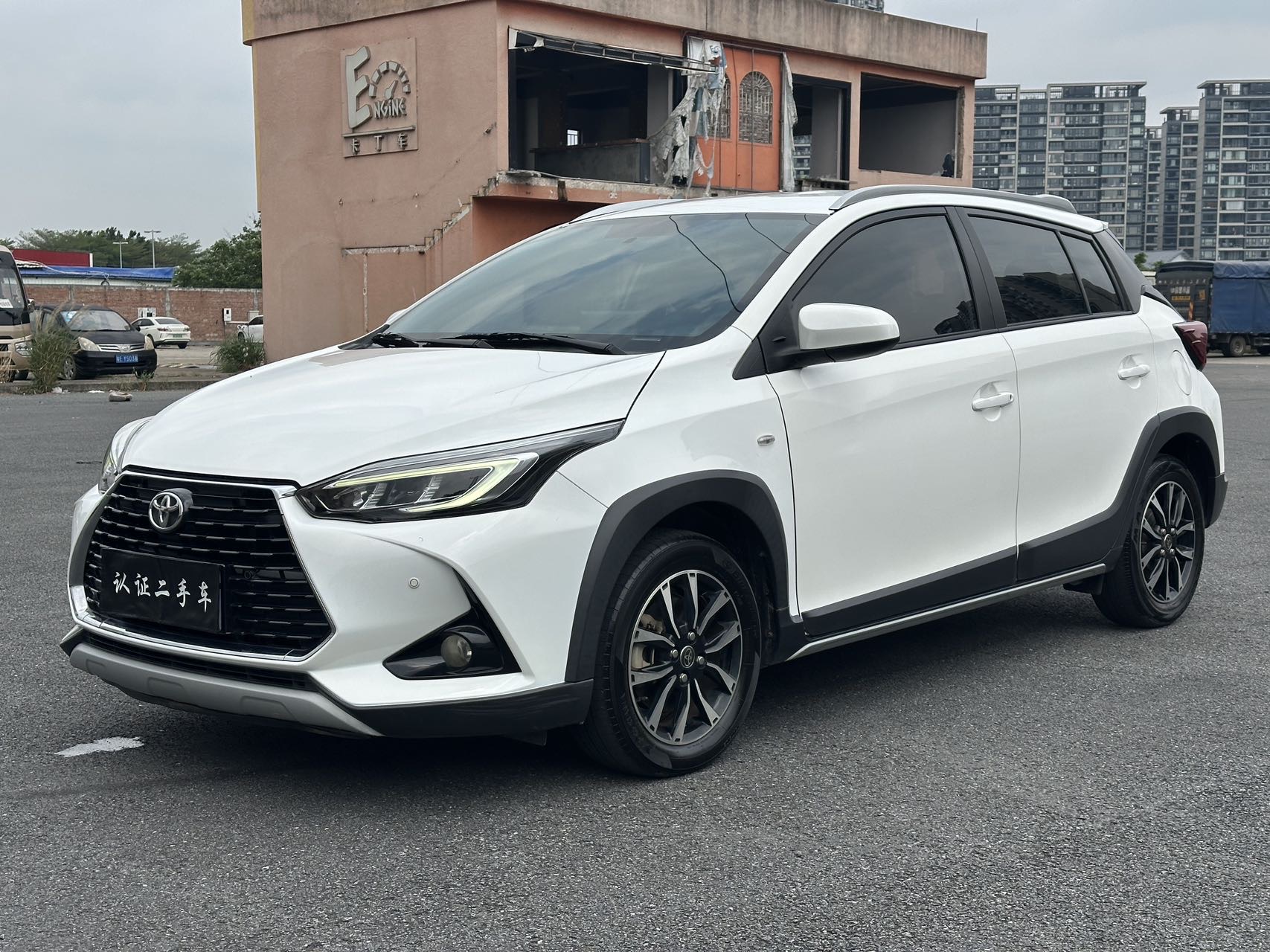
Basic Information

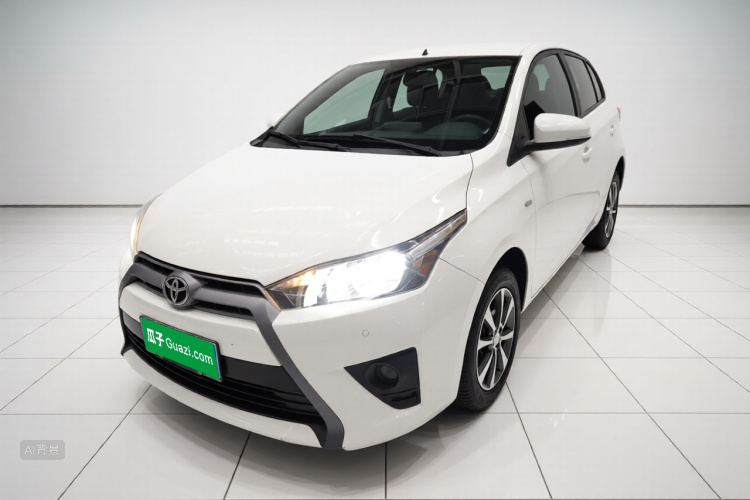
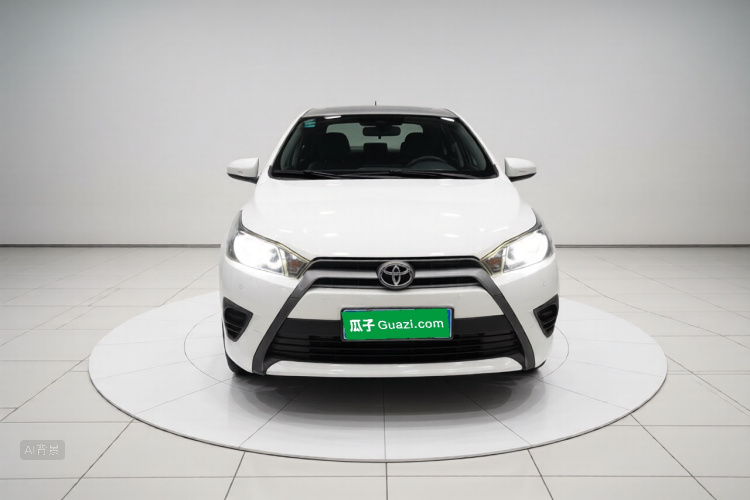
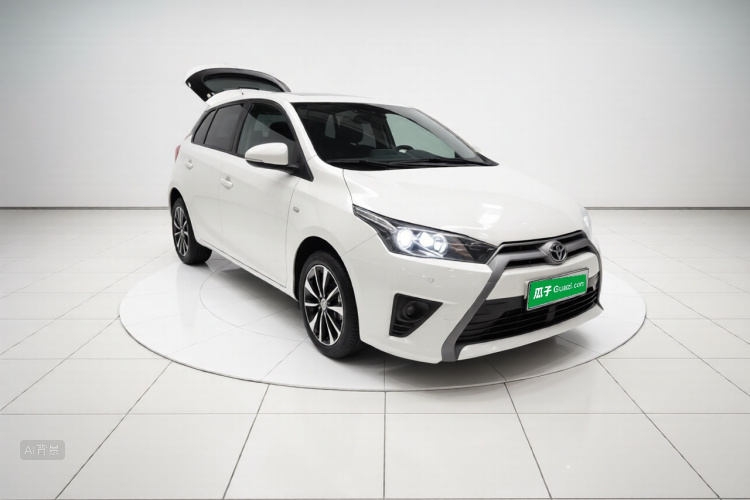
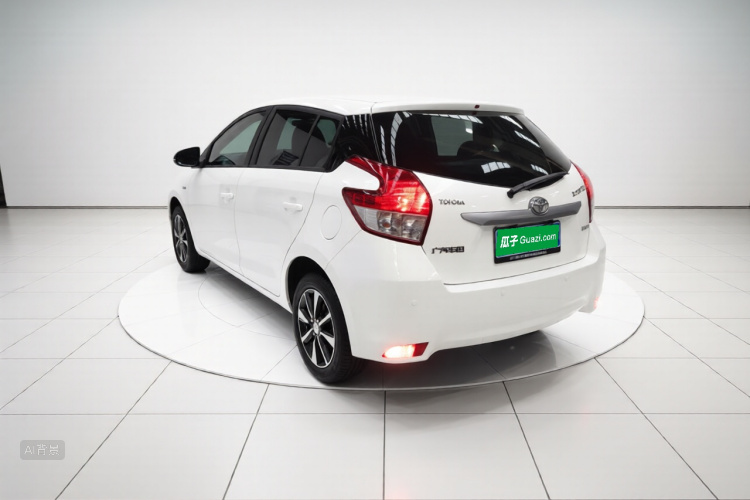
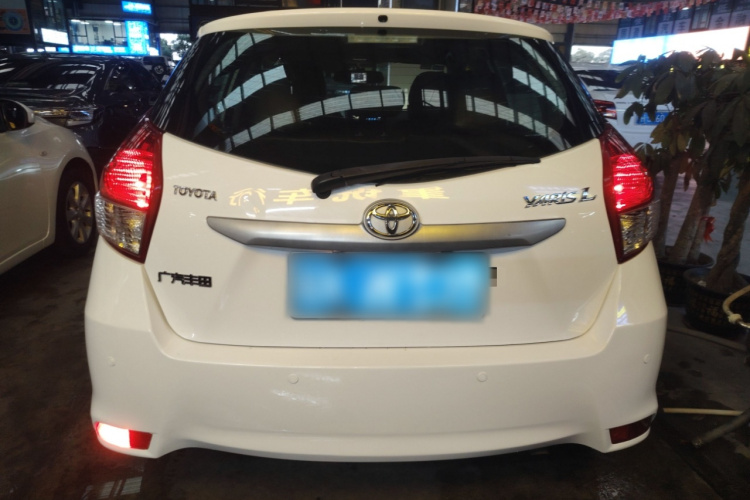
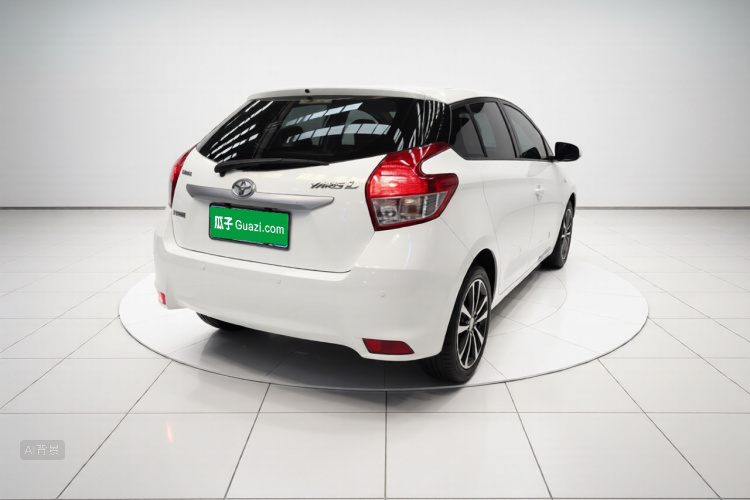
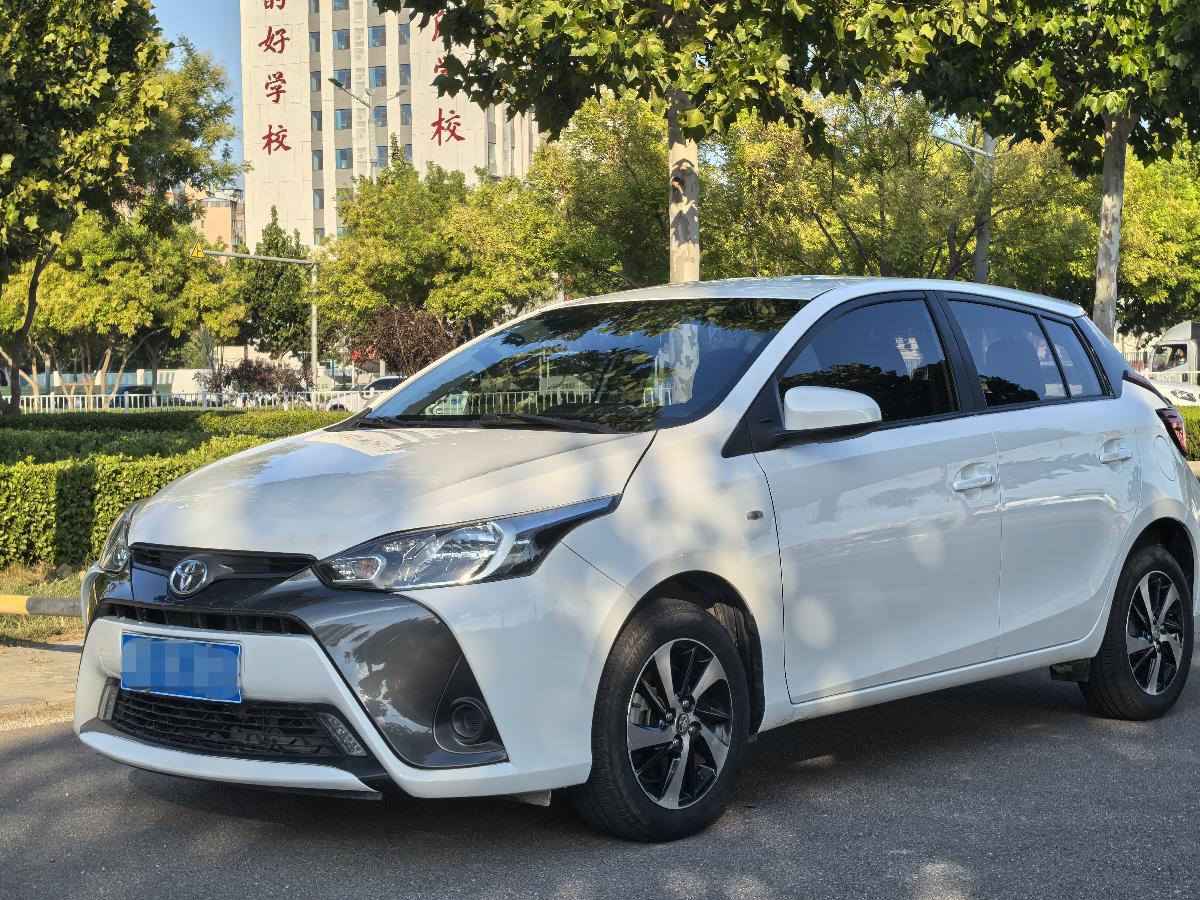
BrandToyota
SeriesYaris L Zhixuan
Year2016
First Registration2016/01
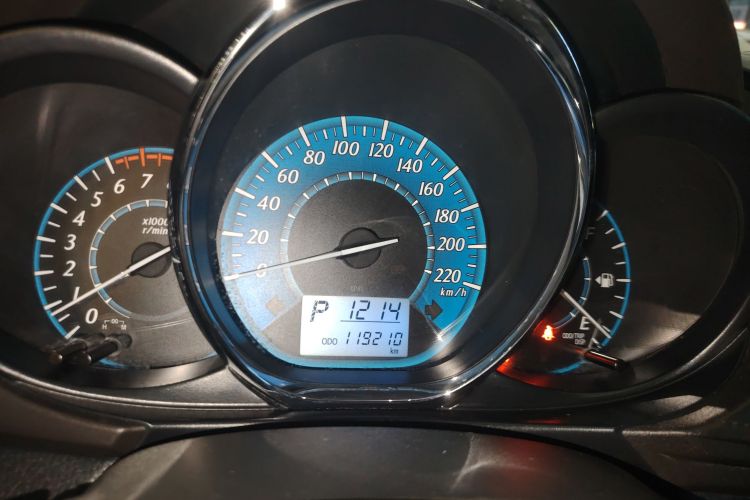
Mileage119,200km
Transfer Count2times
FuelGasoline
TransmissionAutomatic
Engine1.5L 107 L4
ColorWhite
Seats5seats

Condition Description

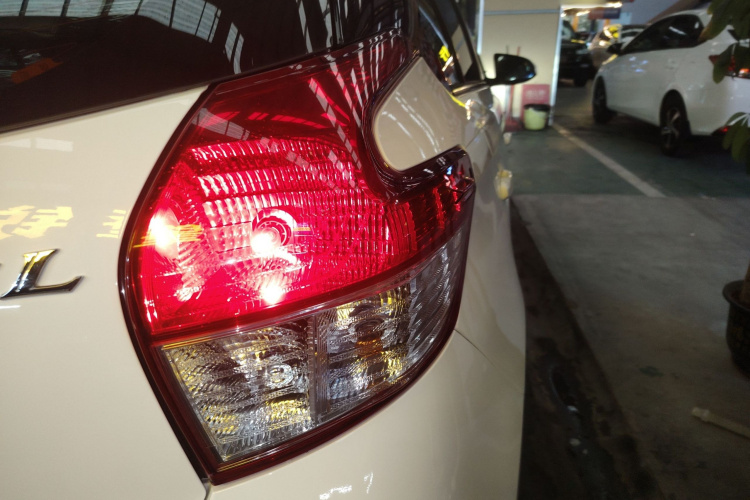
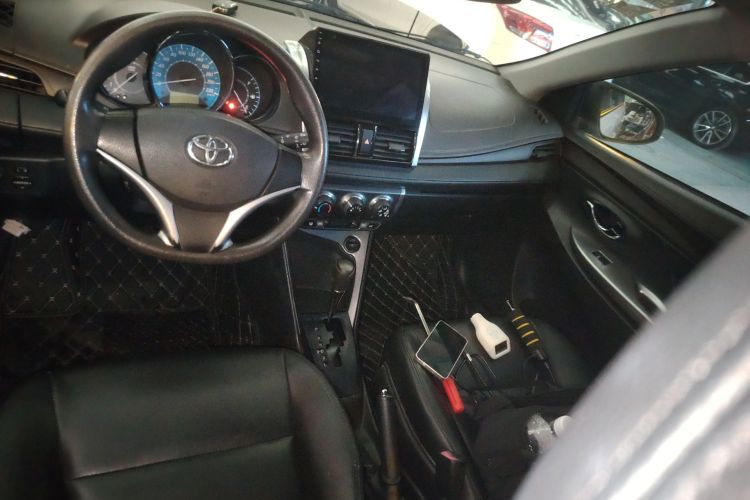
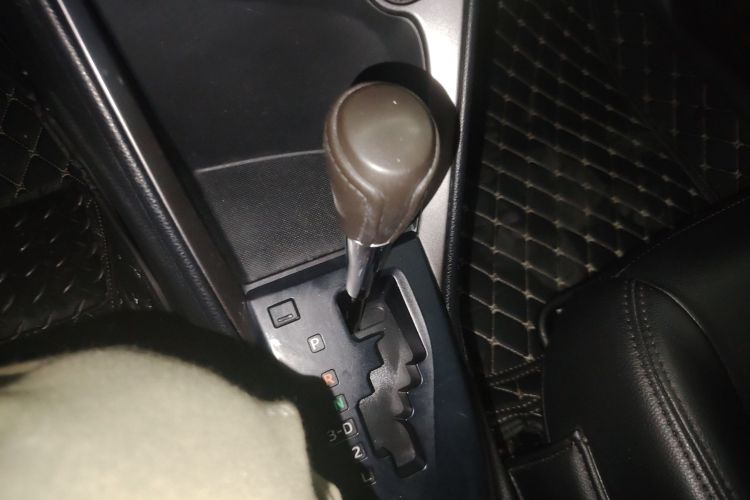
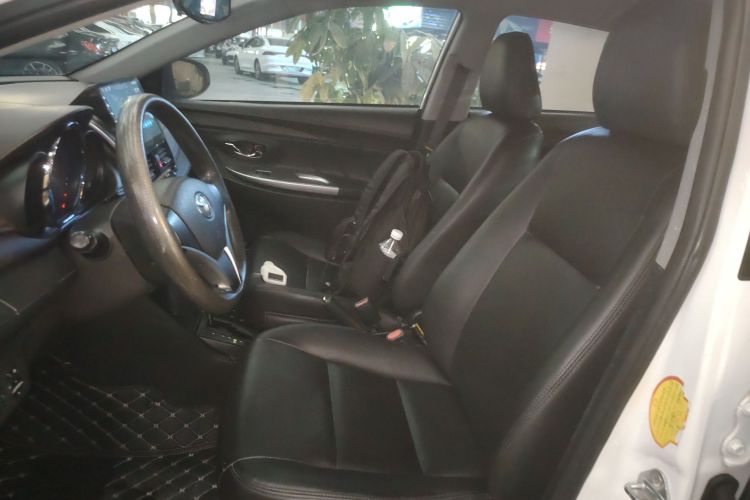
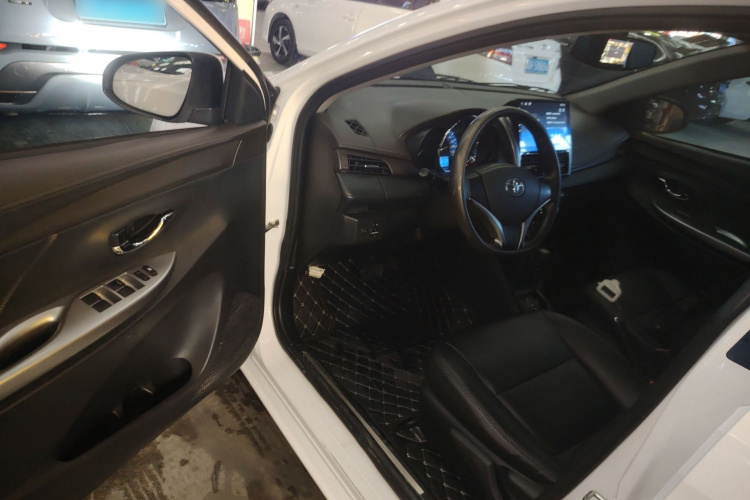
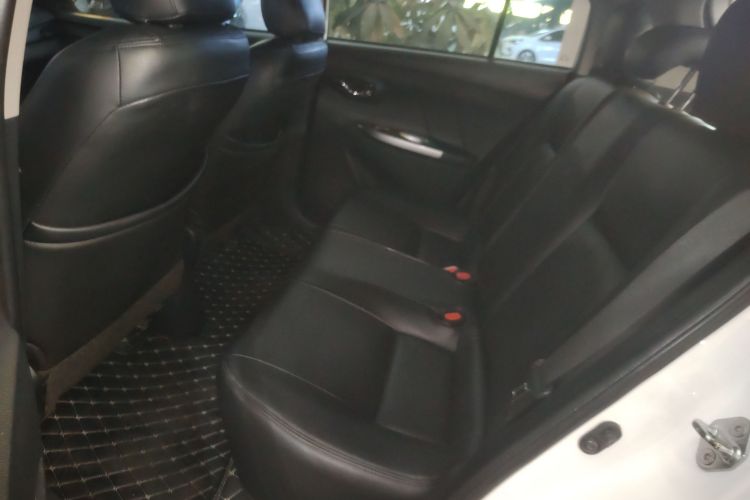
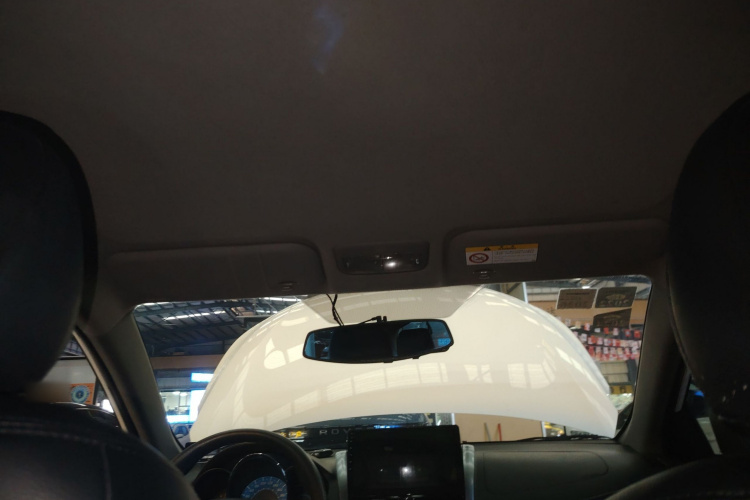
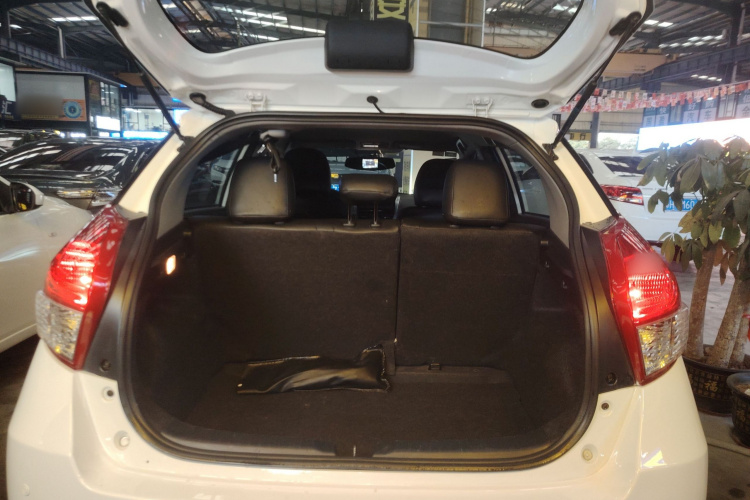
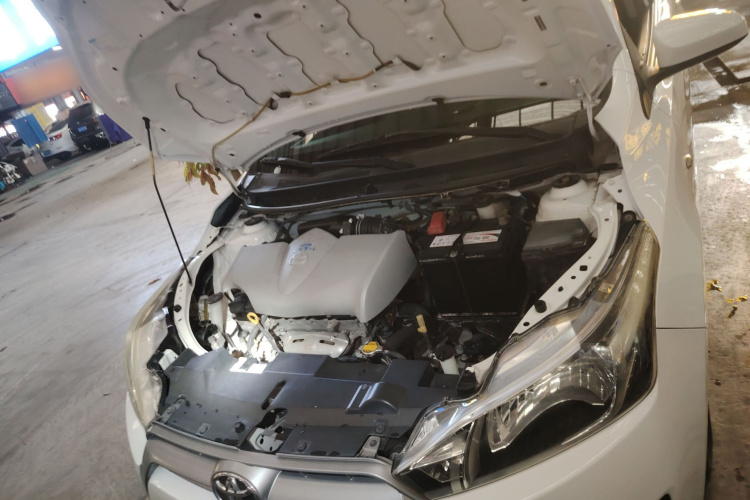
Vehicle condition meets standards, passed inspection, good condition, 3 claims filed, 2 ownership transfers.

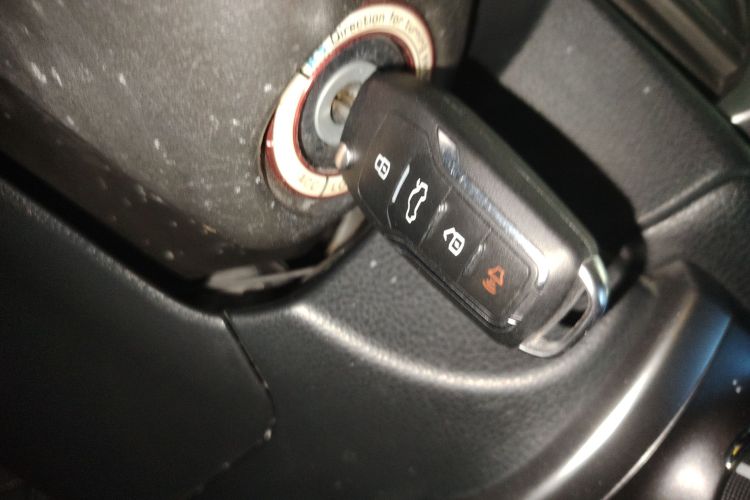
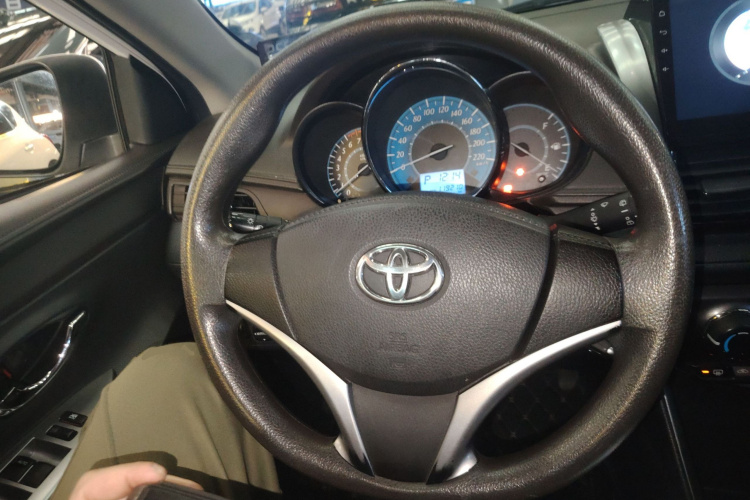
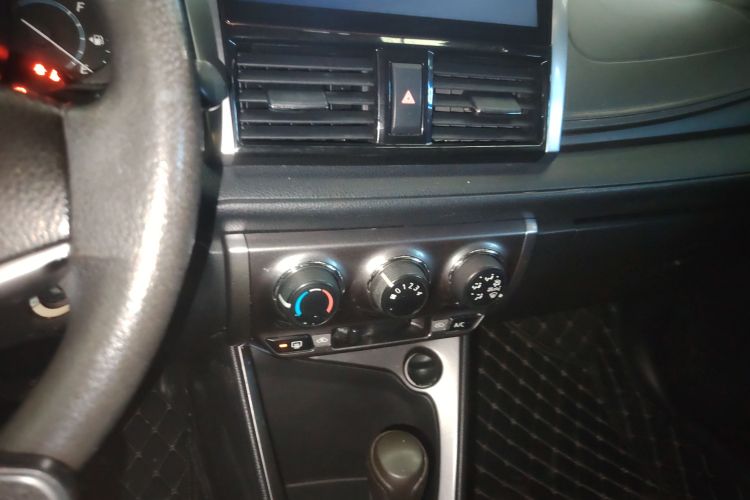
This vehicle is 10 years old, with an average annual mileage of 11,900 kilometers. It has been used infrequently and has been transferred to another owner twice. There may be obvious signs of wear and tear on the exterior. The interior shows obvious signs of use or dirt. The overall body frame is intact, but there are a few abnormal issues. The powertrain is functioning normally.

Q&A

More

If I choose to abandon cargo at the destination port due to a cash flow issue, can I get a refund of the deposit and freight I previously paid?

No, it is absolutely impossible to get a refund. Not only will there be no refund, but if the proceeds from the port auction of the abandoned cargo are insufficient to cover the exorbitant demurrage and disposal fees, the shipping company and customs will still pursue you (the bill of lading recipient) for the remaining debt through international legal proceedings.
Is the delivery date specified in the contract based on the "Estimated Time of Departure (ETD)" or the "Date of Arrival at Port"?

Our legal delivery milestone is based on the "Estimated Time of Departure (ETD)". As long as the vehicle enters the port area and customs clearance is completed within the agreed timeframe, any delays in shipping schedules due to the shipping company's capacity adjustments will not be considered a breach on our part. The uncontrollability of maritime transport must be factored into your expectations.

What is a battery SOH certificate and why does it matter when buying a used EV from China?

SOH (State of Health) measures the battery's remaining capacity as a percentage of its original capacity. Two EVs with the same mileage can have very different SOH depending on charging habits and climate exposure, and since the battery represents 30-50% of a used EV's value, the SOH number is effectively the real price tag. A proper certificate includes current SOH percentage, cell voltage balance, charge cycle counts, battery management system fault codes, and often a projected range estimate. In hot-climate markets like the Gulf, a degraded battery degrades even faster, so a documented SOH above 85-90% is strongly recommended. Exporters who provide verified SOH certificates close deals faster and command better prices, so treat the certificate as a core purchase document, not an extra.