


Basic Information

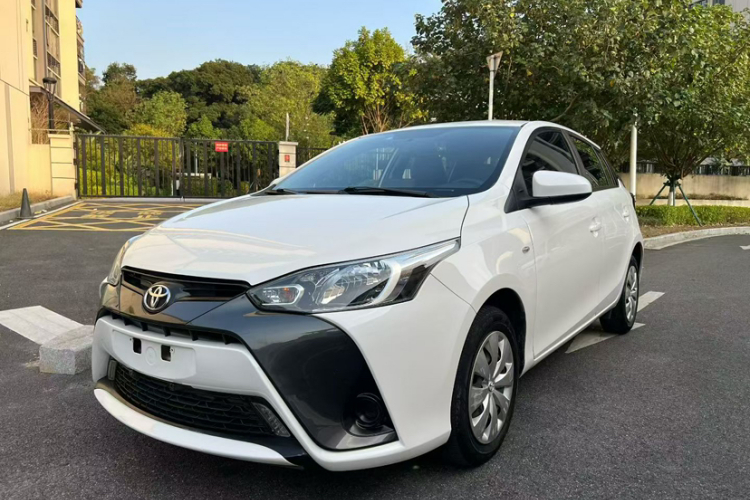
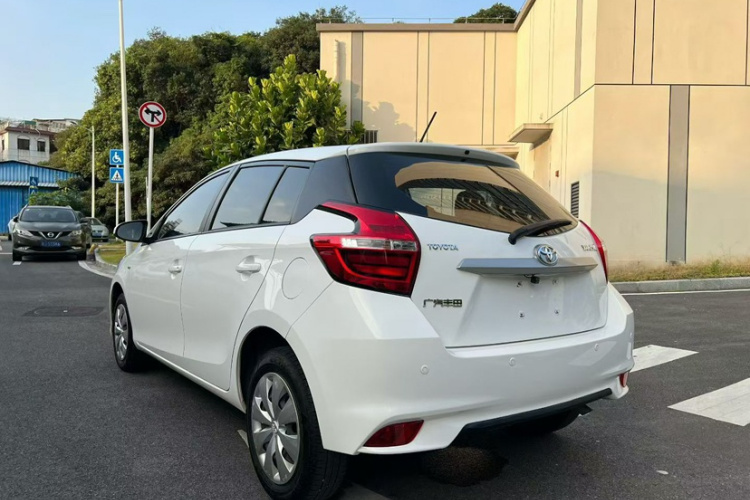
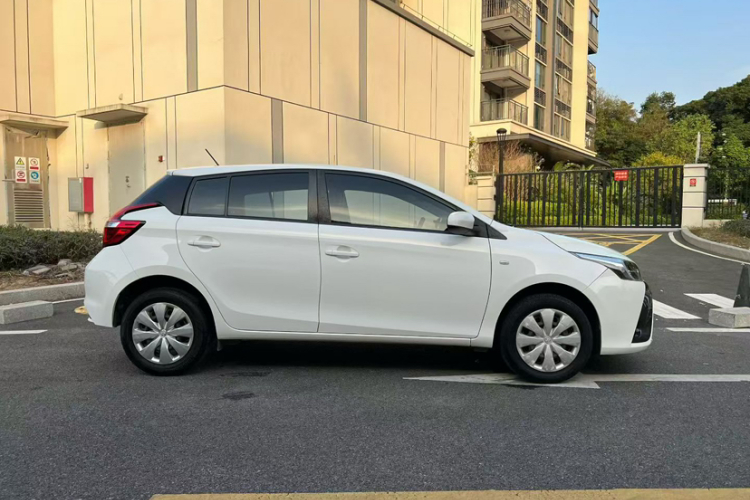
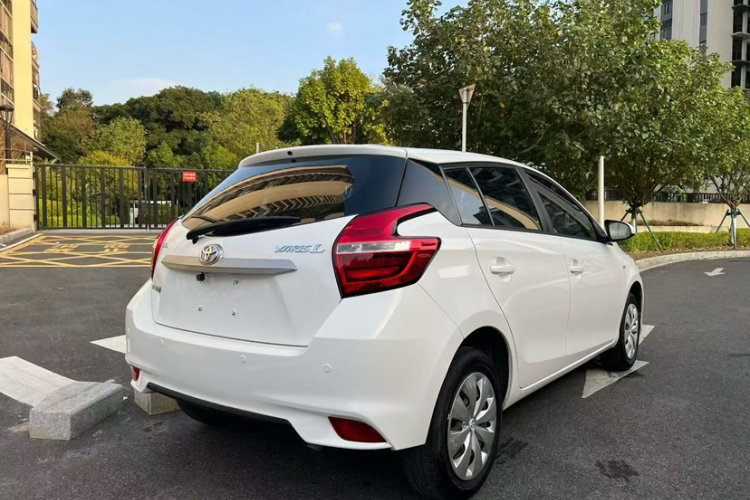
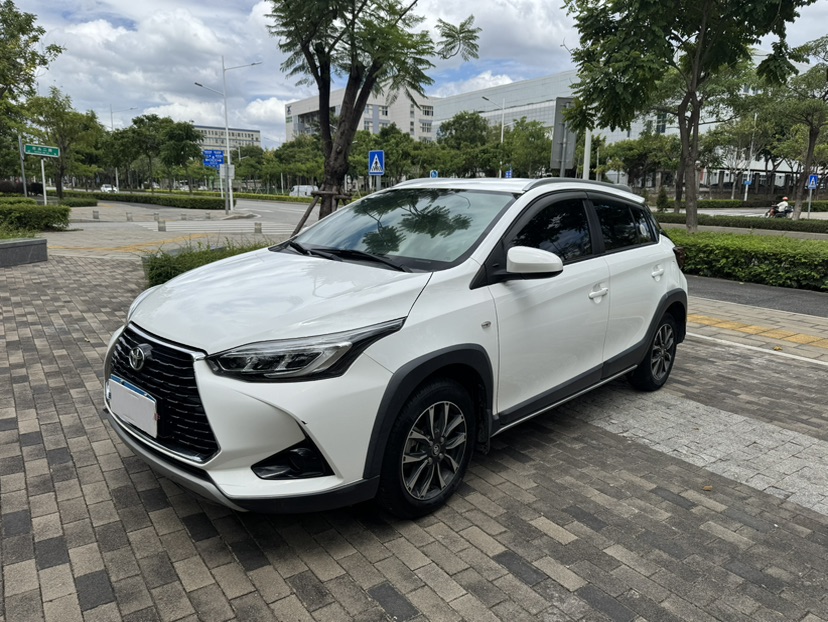
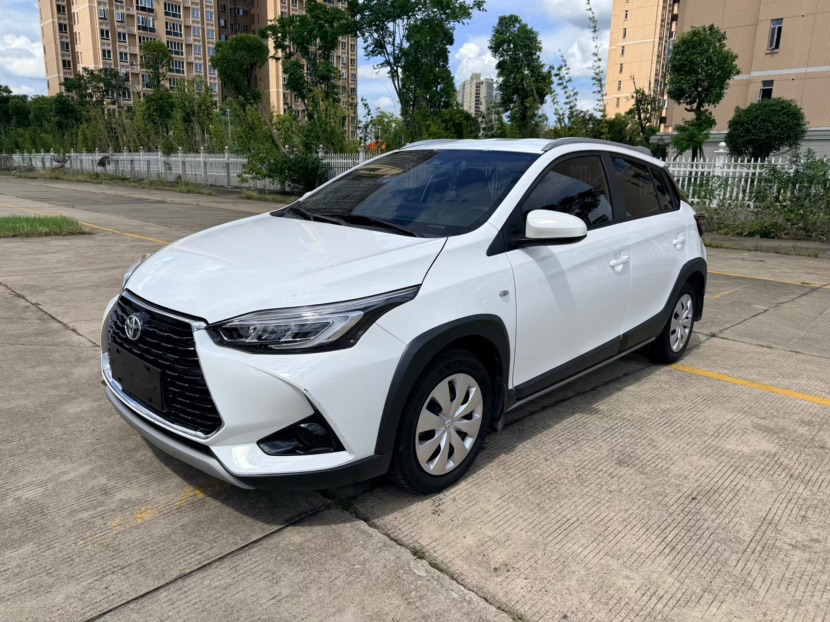
BrandToyota
SeriesYaris L Zhixuan
Year2019
First Registration2019/11
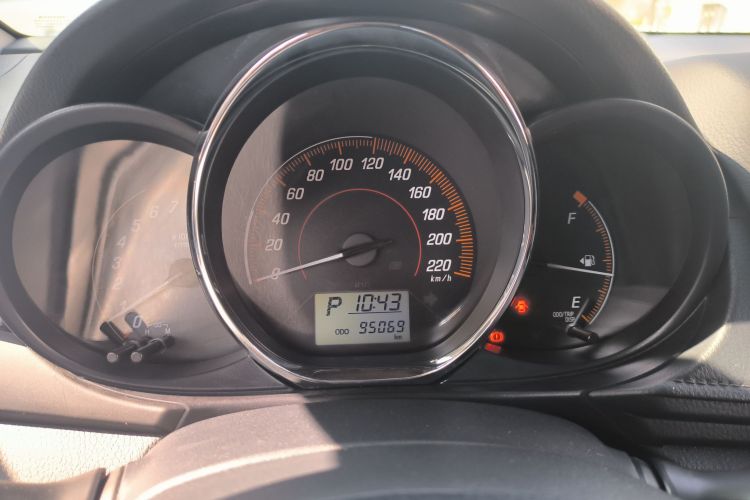
Mileage95,000km
Transfer Count-
FuelGasoline
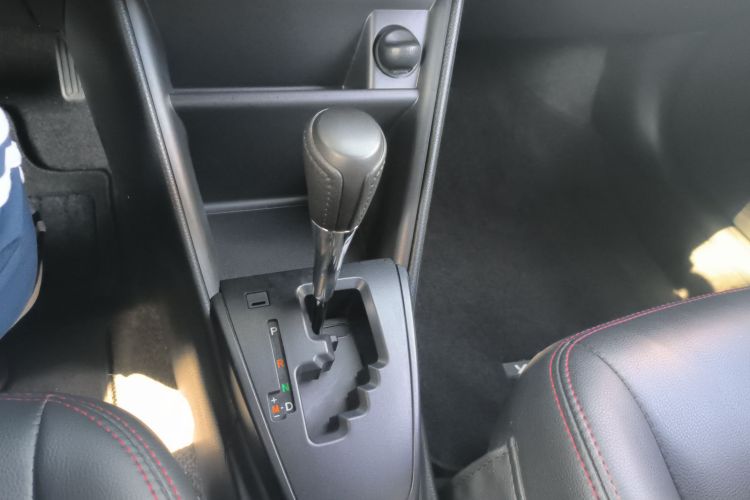
TransmissionCVT
Engine1.5L 110 L4
ColorWhite
Seats5seats

Condition Description

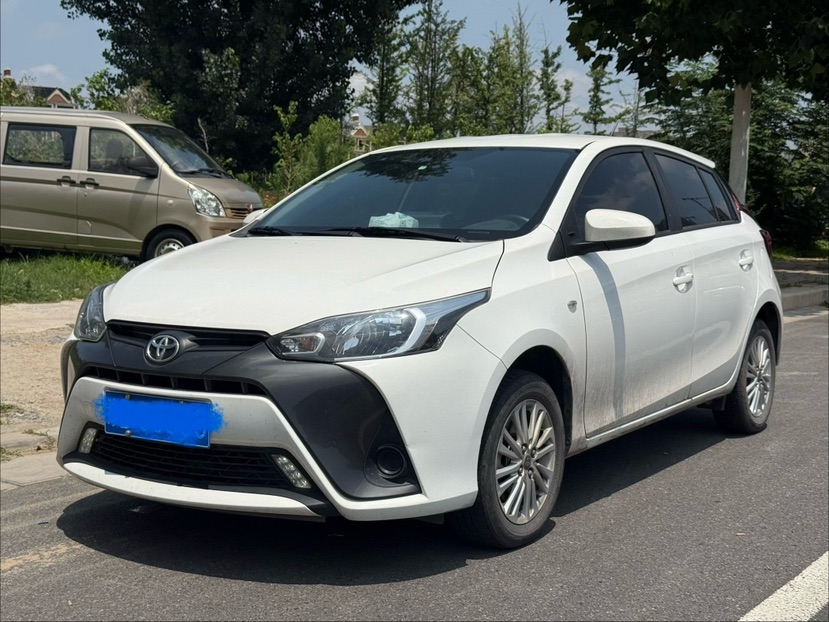
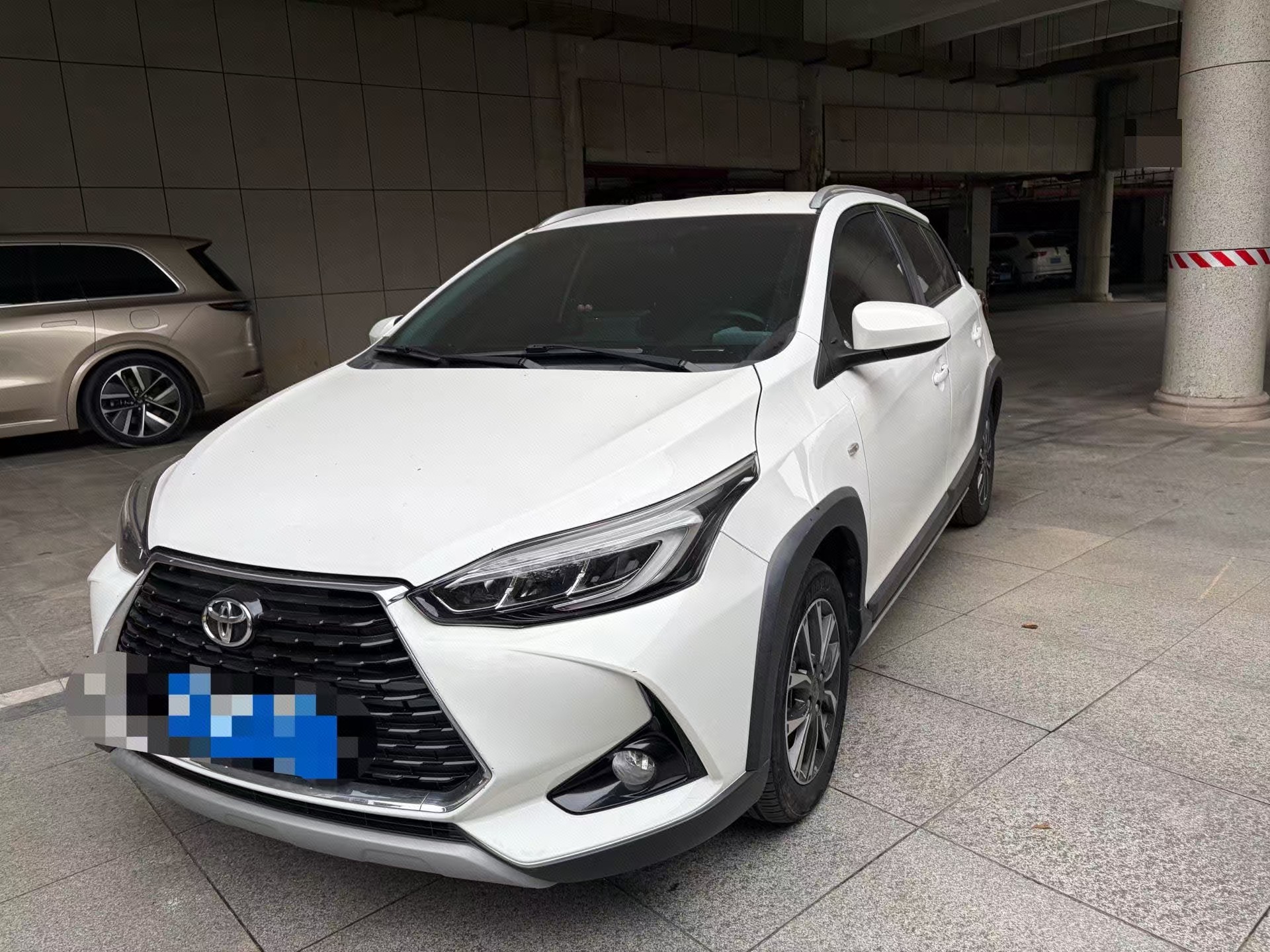
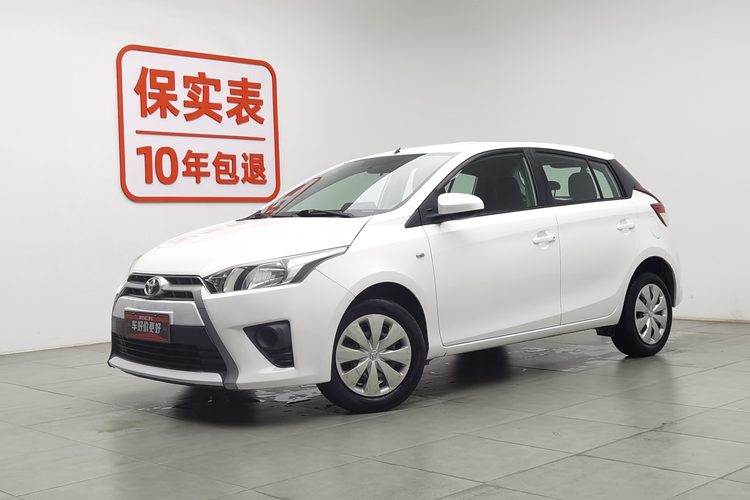
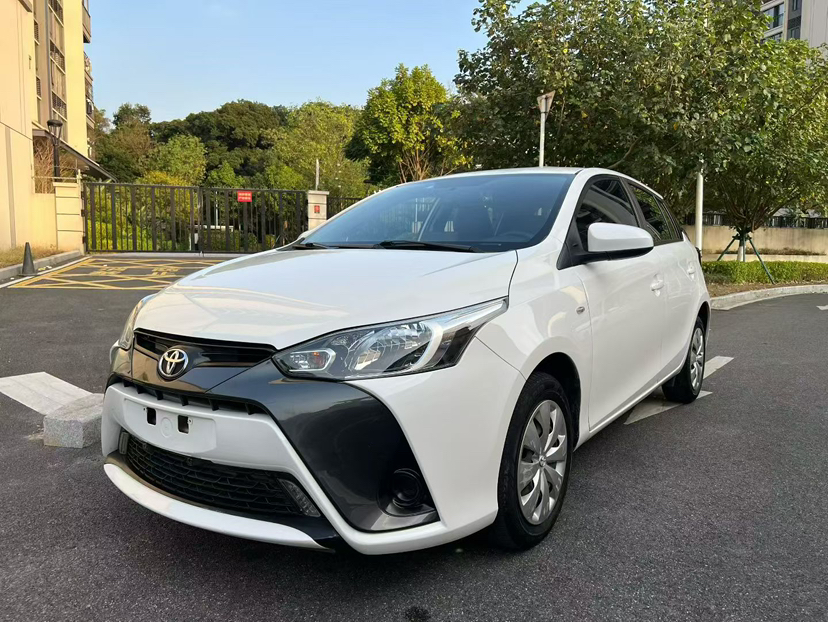
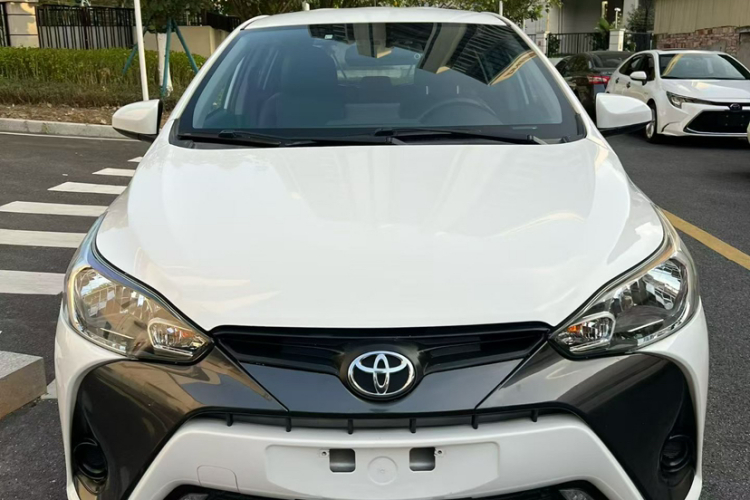
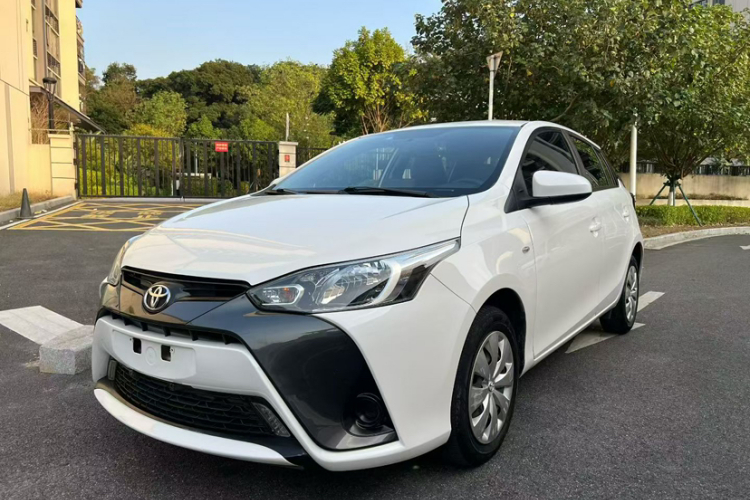
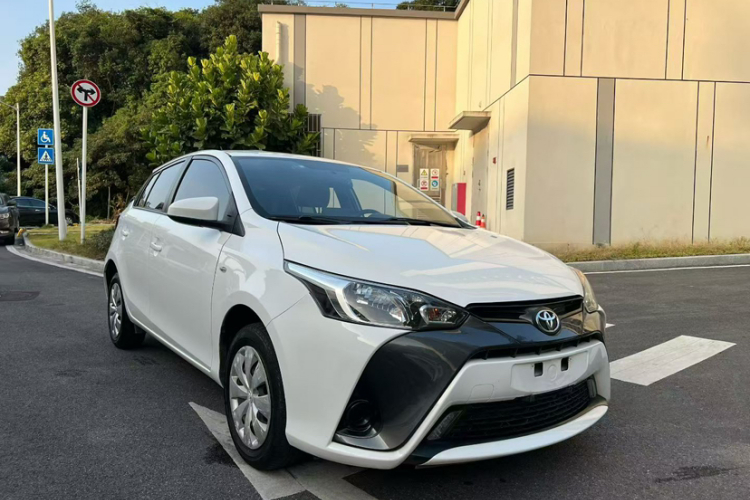
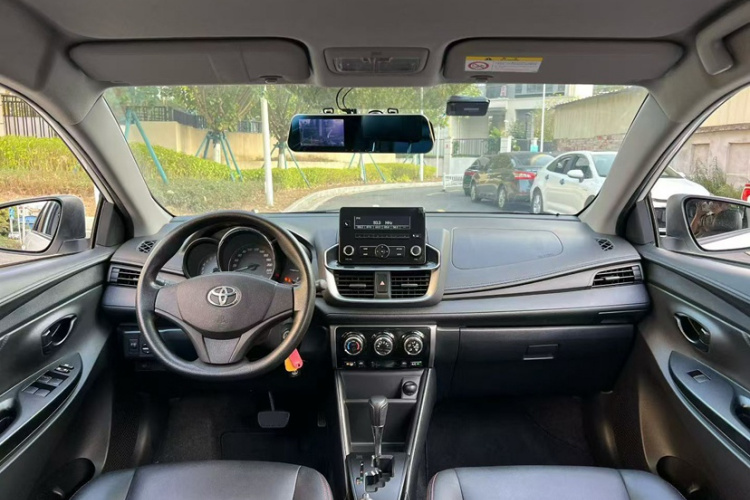
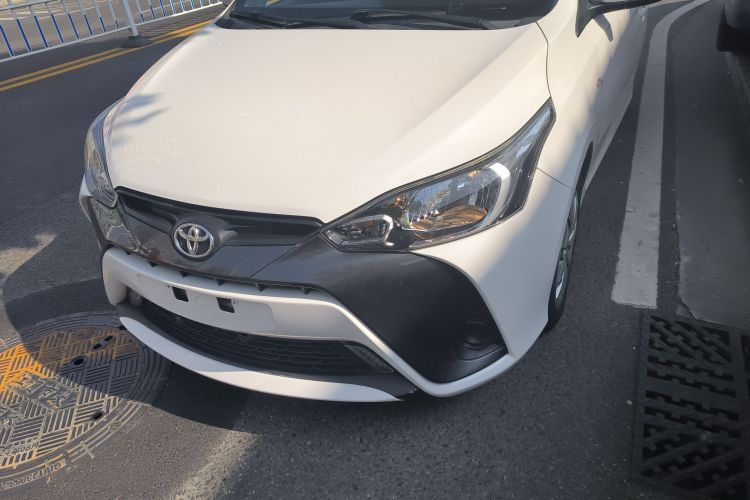
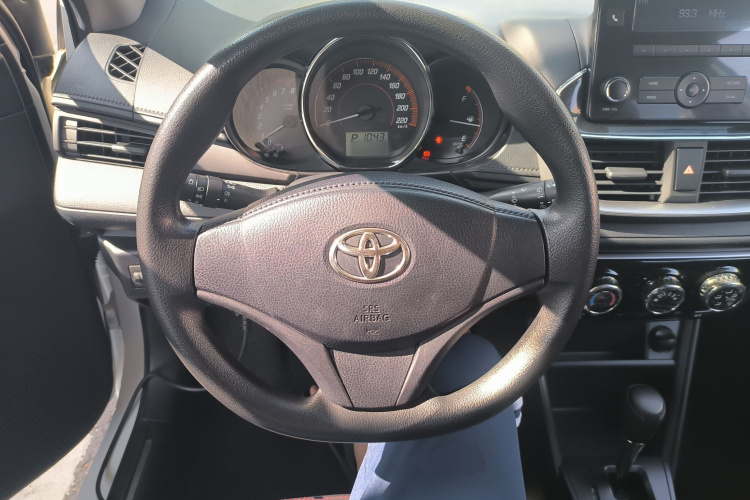
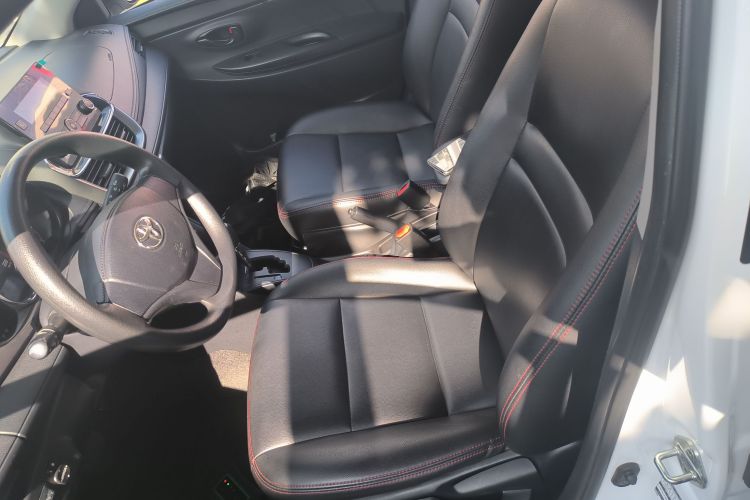
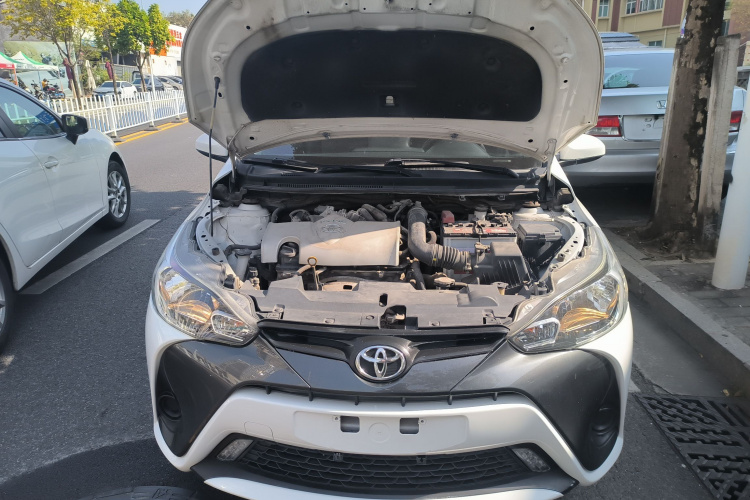
Vehicle in good condition, passed inspection, excellent condition, 2 claims filed, 0 ownership transfers.

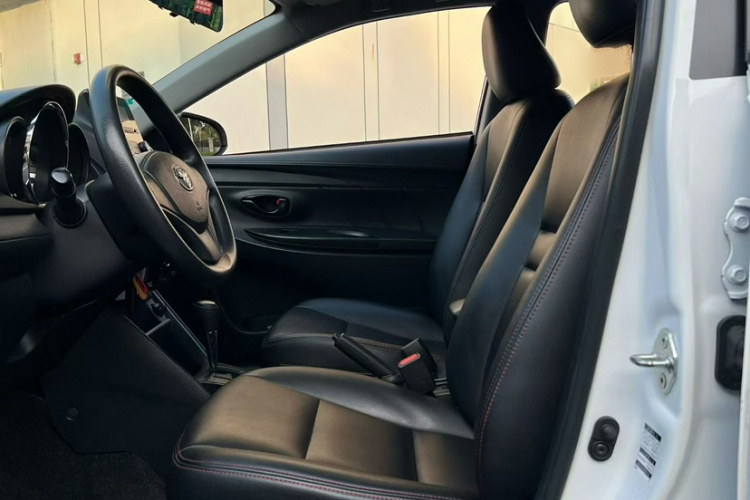
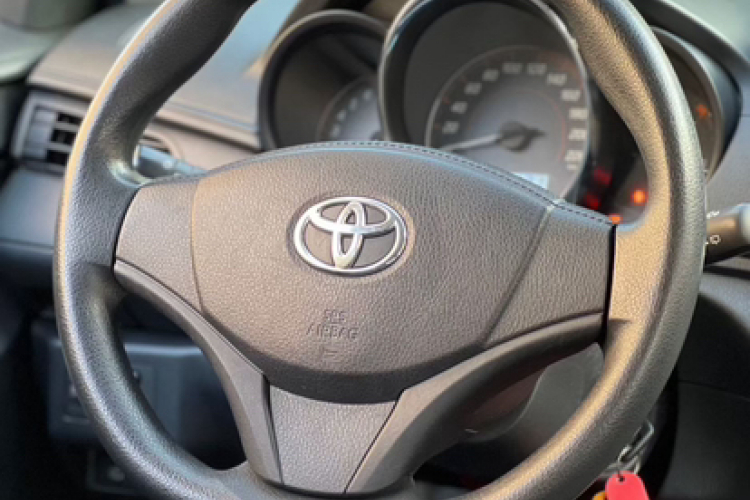
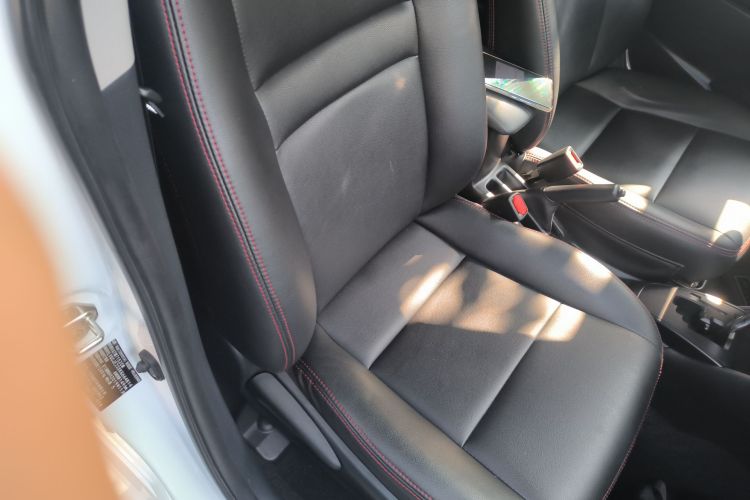
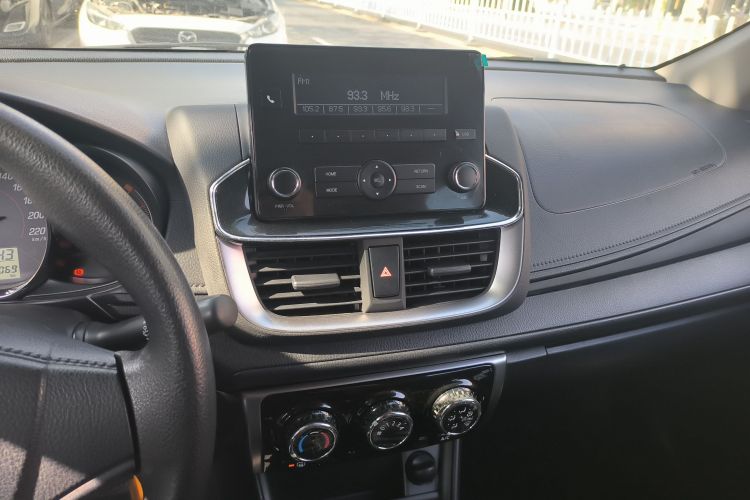
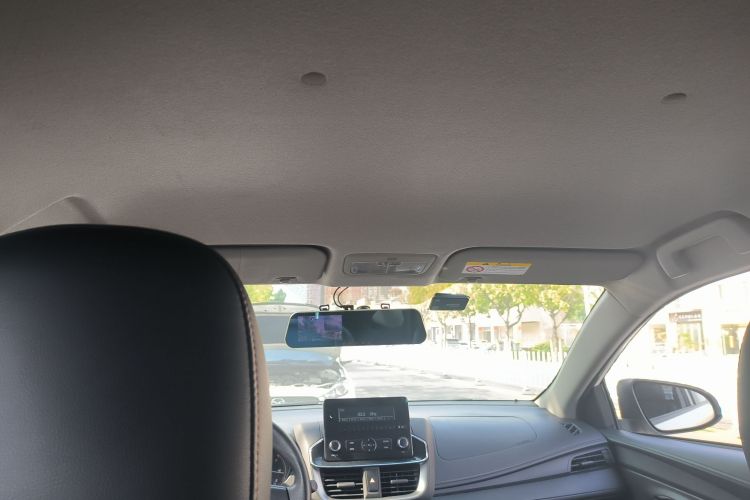
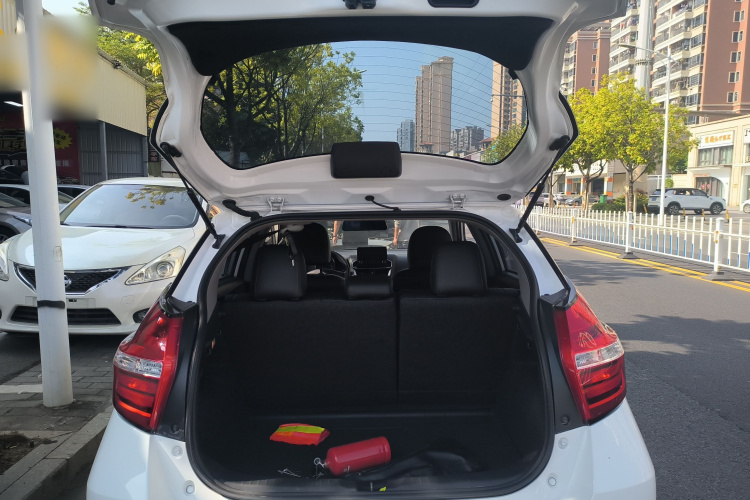
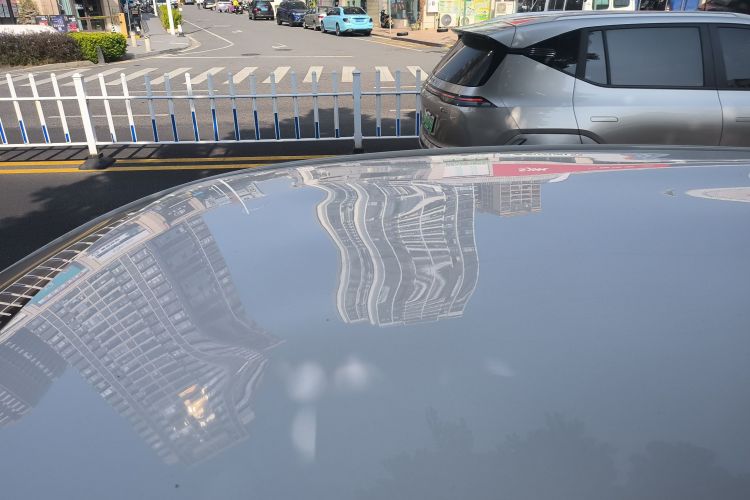
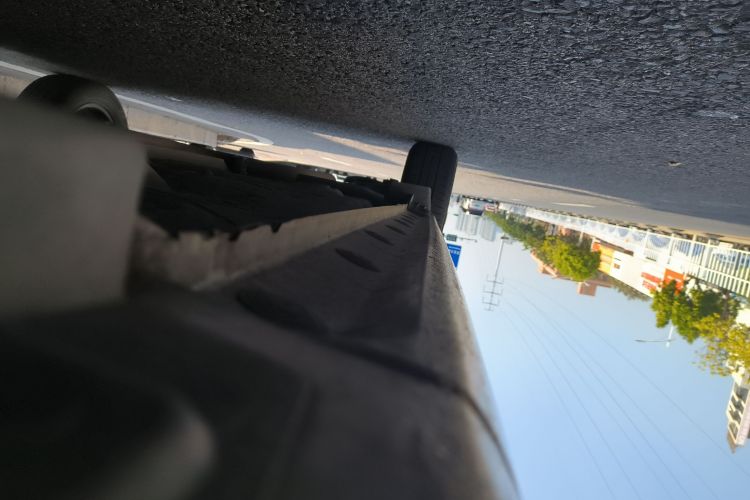
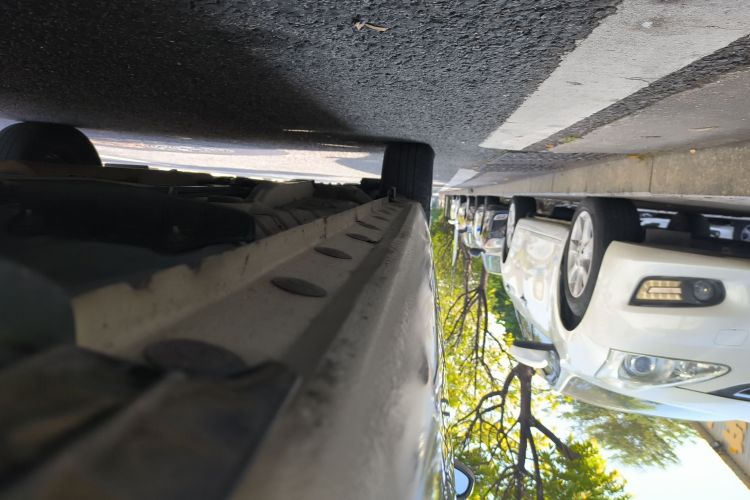
This Toyota YARiS L features a CVT transmission, offering ample power and low fuel consumption. It boasts a spacious and comfortable interior, a refined and durable design, high resale value, and a wealth of practical features, making it an excellent value proposition. Unique features such as engine start-stop technology, reversing radar, and tire pressure monitoring system provide a more convenient and safer driving experience. Overall, this model is a reliable, practical, and well-known brand choice. This particular car is 7 years old, with an average annual mileage of 13,600 kilometers, typical of normal family daily use. It has never been owned before, indicating it's a one-owner vehicle. The paint is in good condition, with possible minor scratches. The interior is in good condition with normal signs of use. The overall body structure is intact and without abnormalities. Fluids are normal, and the powertrain is functioning well.

Configuration Highlights

✓Engine Start-Stop
✓Tire Pressure Monitoring
✓Hill Start Assist
✓Rear Parking Sensors

Q&A

More

How is the degree of wear on the interior defined? (e.g., steering wheel, seat patina or cracking)

Interior assessment is divided into three core areas: the driver's high-frequency contact area (steering wheel, gear shift, edge of the driver's seat), central control button area, and rear seats and ceiling. The natural sheen of leather surfaces (patina) is normal; however, any physical damage (such as leather tearing, fabric burn holes, or plastic breakage) will be classified as "structural interior damage" and clearly marked.
Can the three electric systems (battery, motor, electronic control) of Chinese EVs be repaired by third parties overseas?

Currently, in most developing countries, there is a severe lack of deep repair capabilities for the three electric systems. We recommend that B2B car dealers must have basic electrical insulation testing capabilities.

After the vehicle arrived at the port, it was found that the rubber parts of the chassis (such as dust covers and engine mounts) had extensive cracking. Does this fall under the compensation for "certain repair parts compensation"?

Absolutely not. The aging and cracking of rubber parts are inevitable over time and are a normal manifestation of vehicle depreciation. Our compensation only covers sudden and catastrophic mechanical failures, such as engine cylinder scoring or transmission gear breakage.