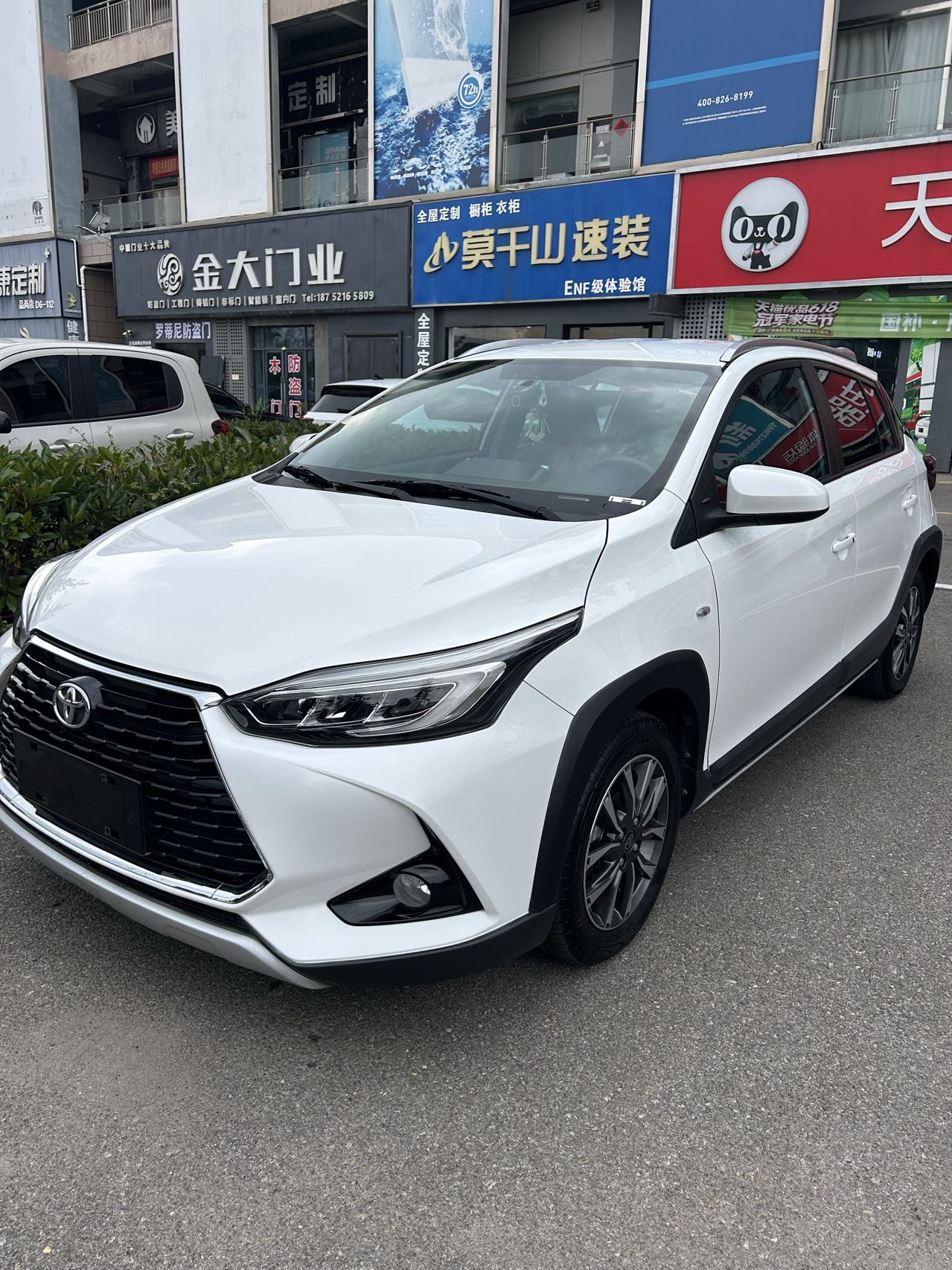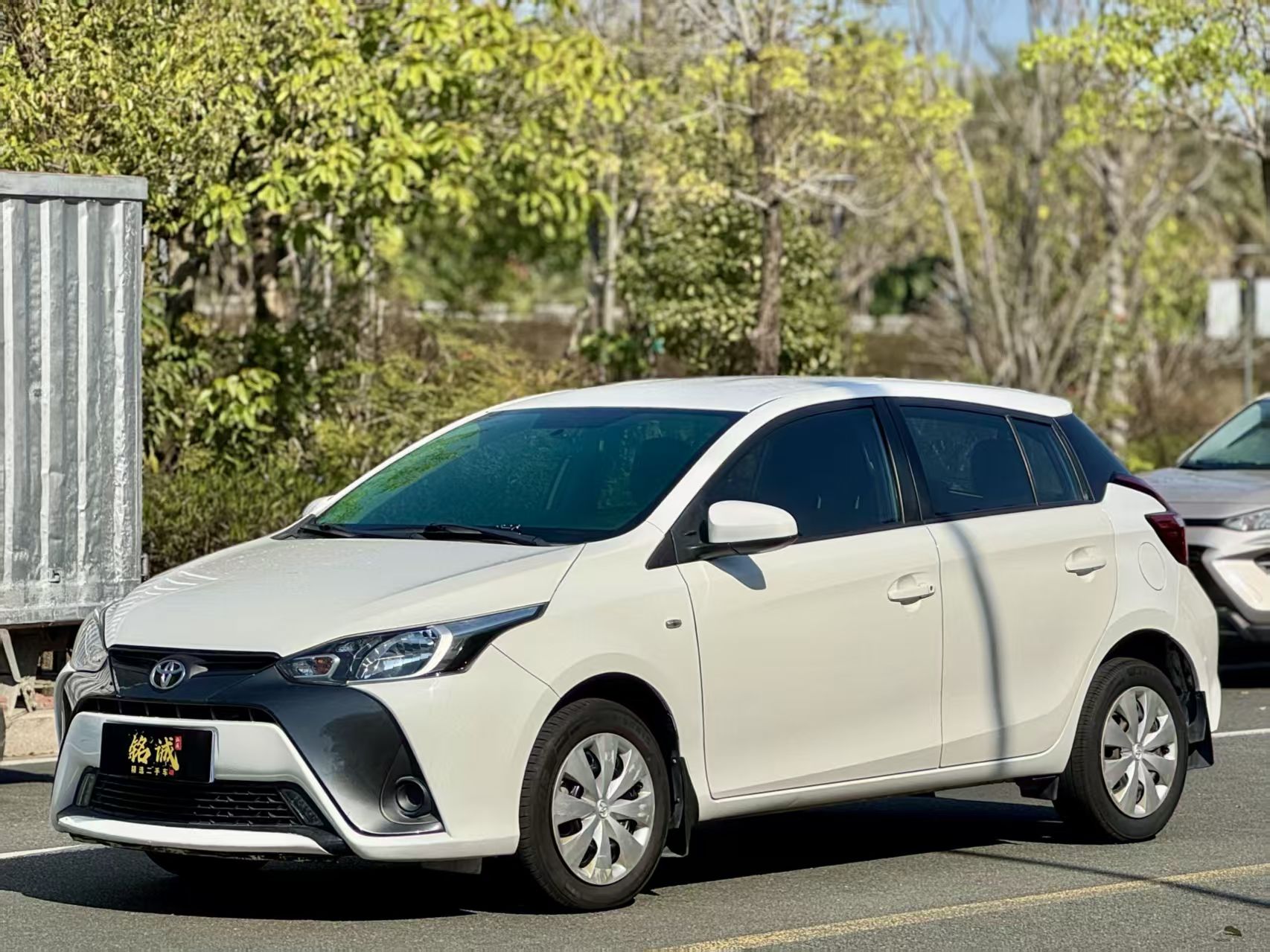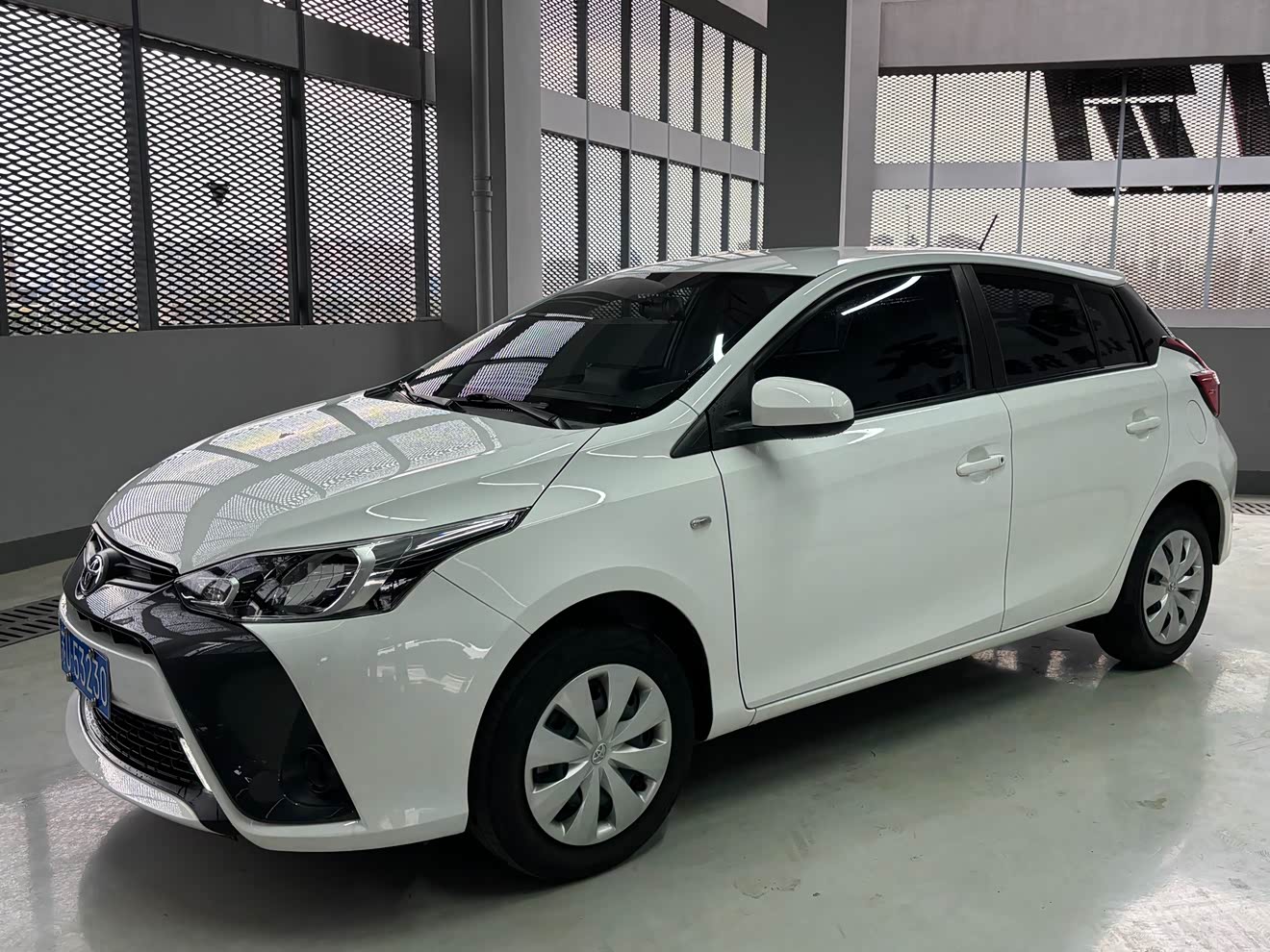
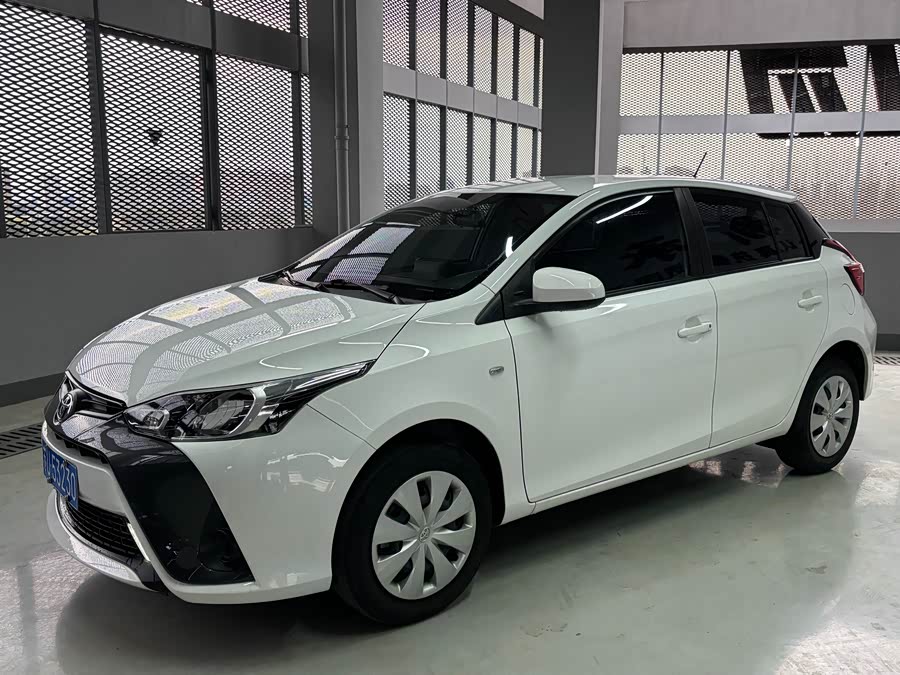
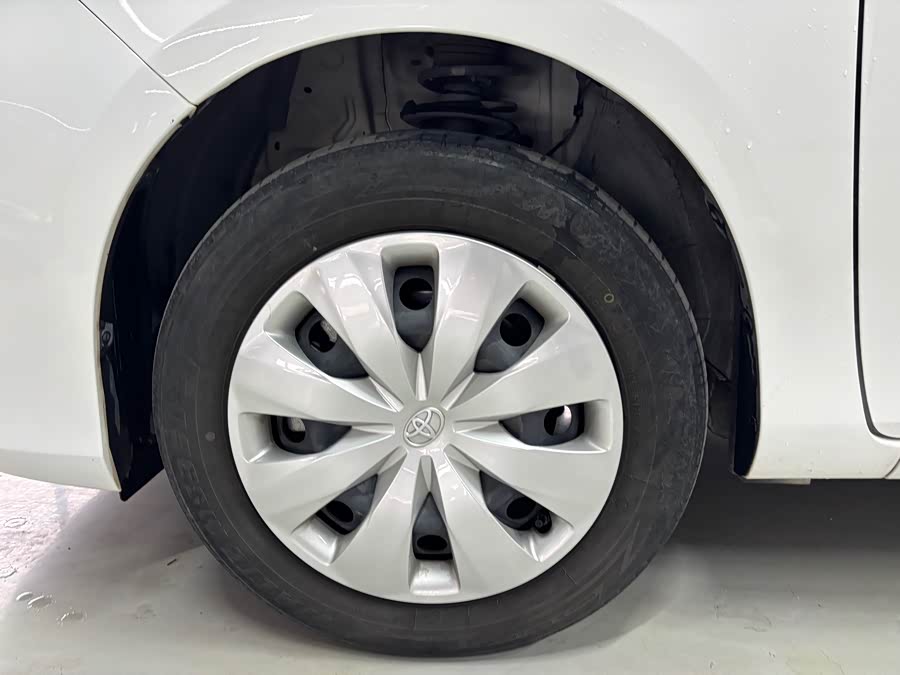
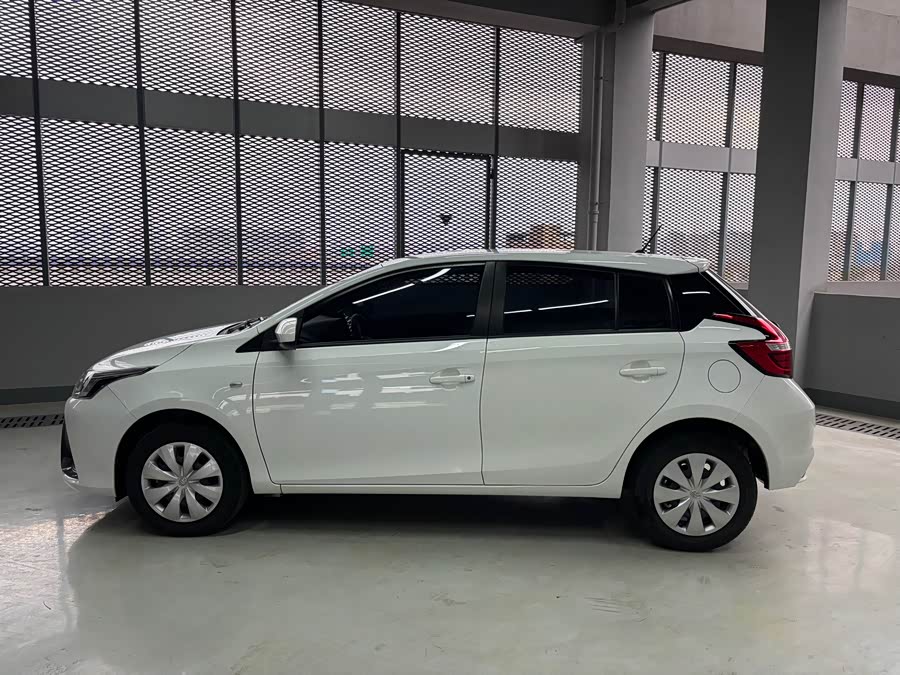
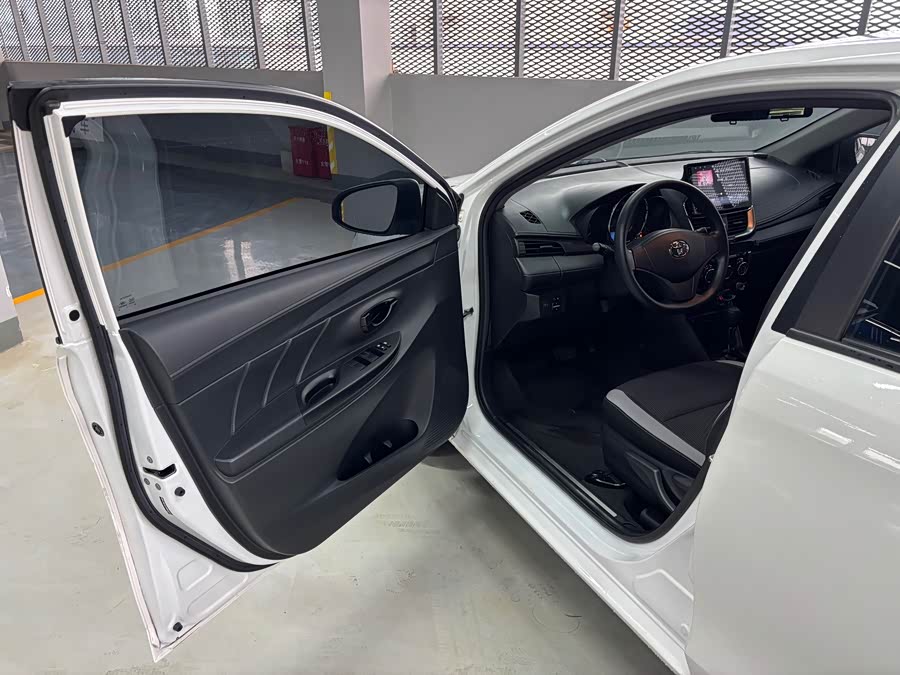



Basic Information

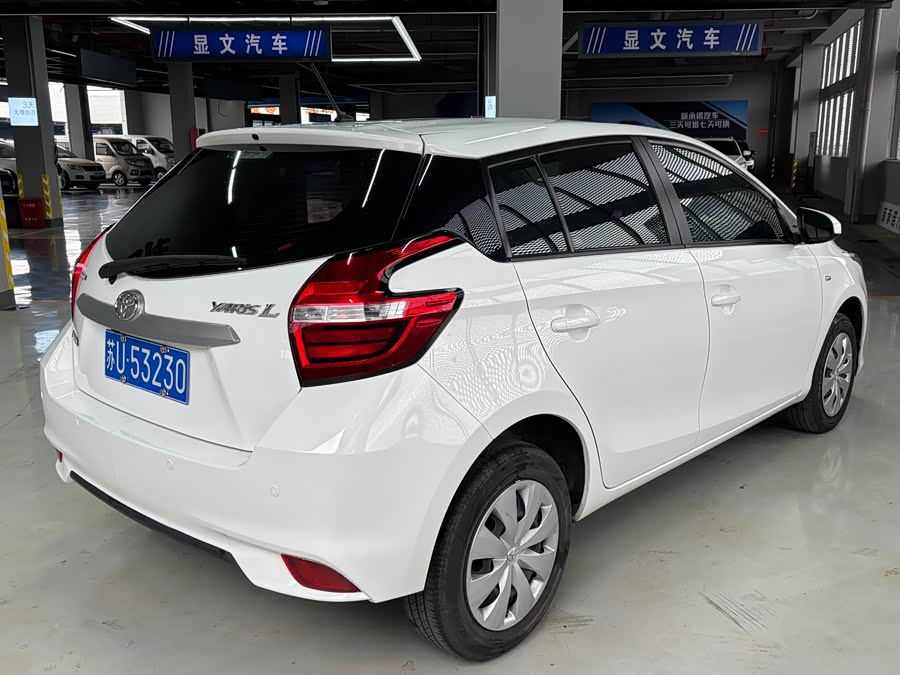
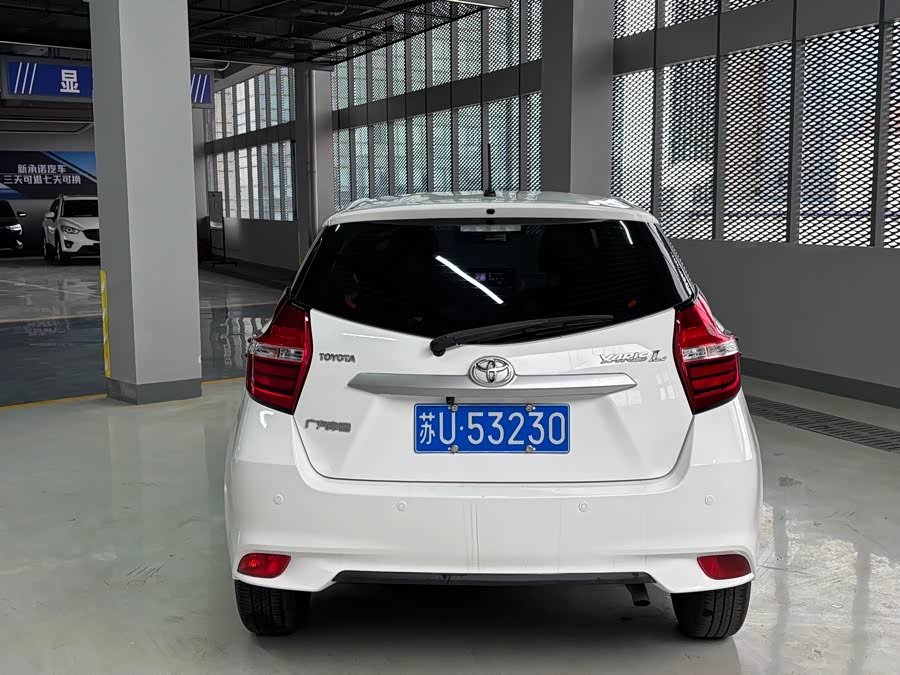
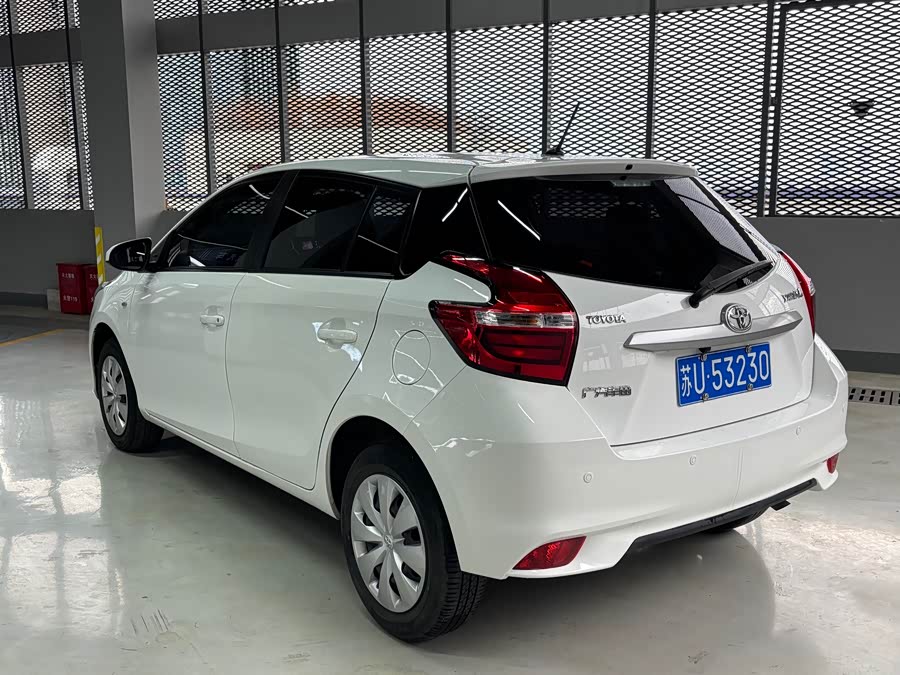
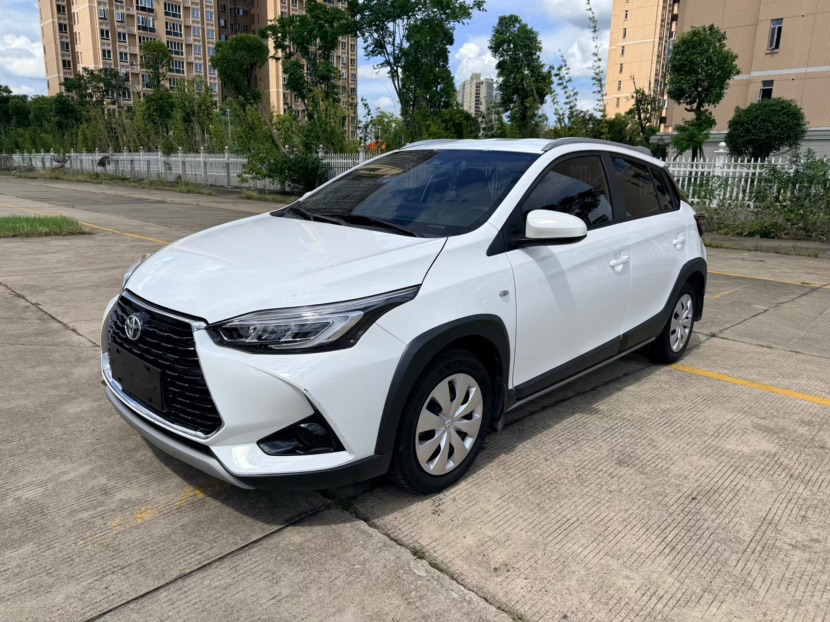
BrandToyota
SeriesYaris L Zhixuan
Year2021
First Registration2021/01
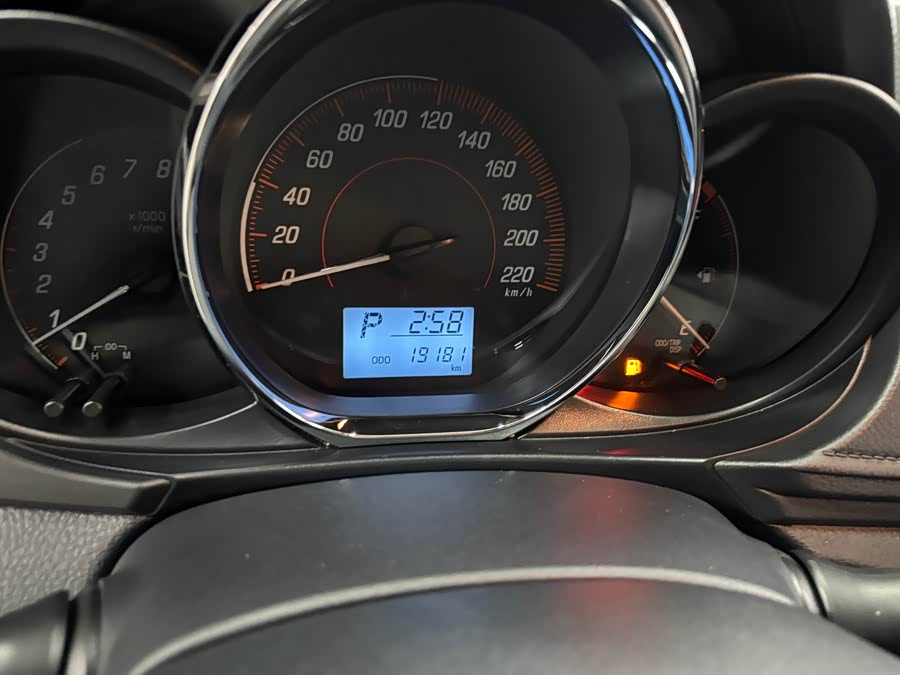
Mileage19,000km
Transfer Count-
FuelGasoline
TransmissionCVT
Engine1.5L 112 L4
ColorWhite
Seats5seats

Condition Description

very good

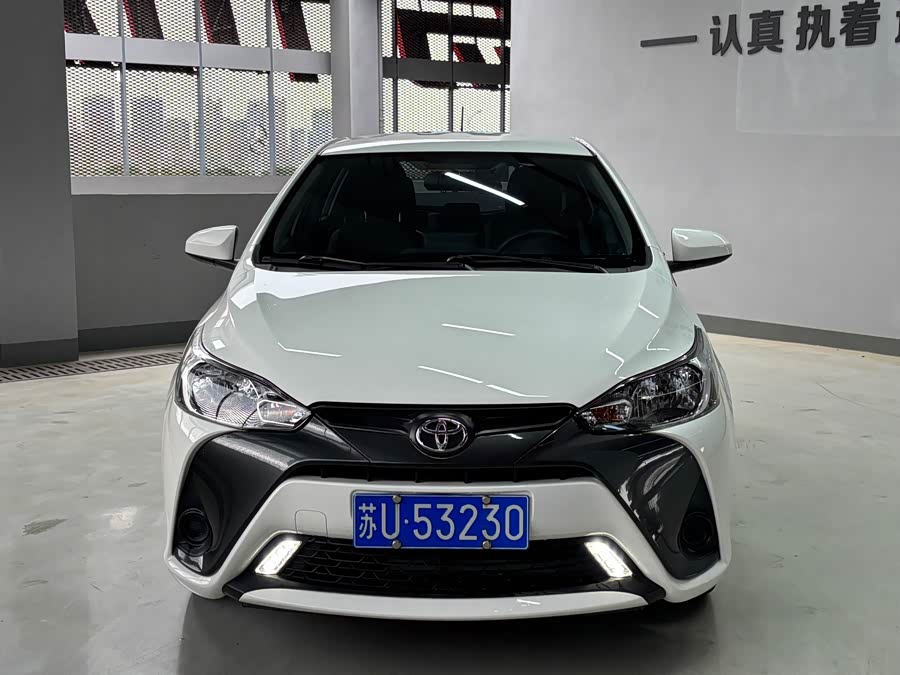
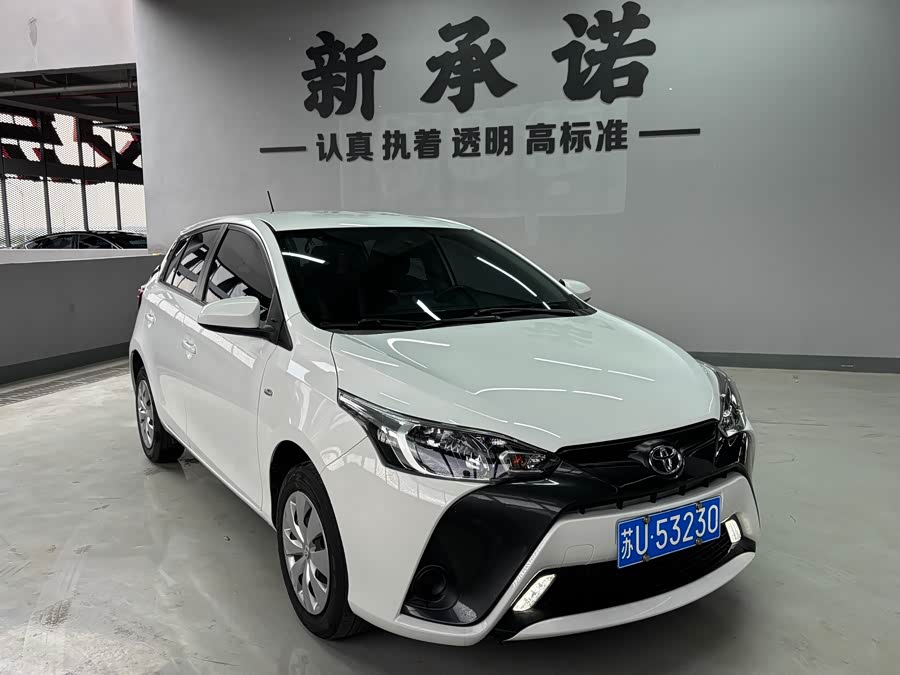
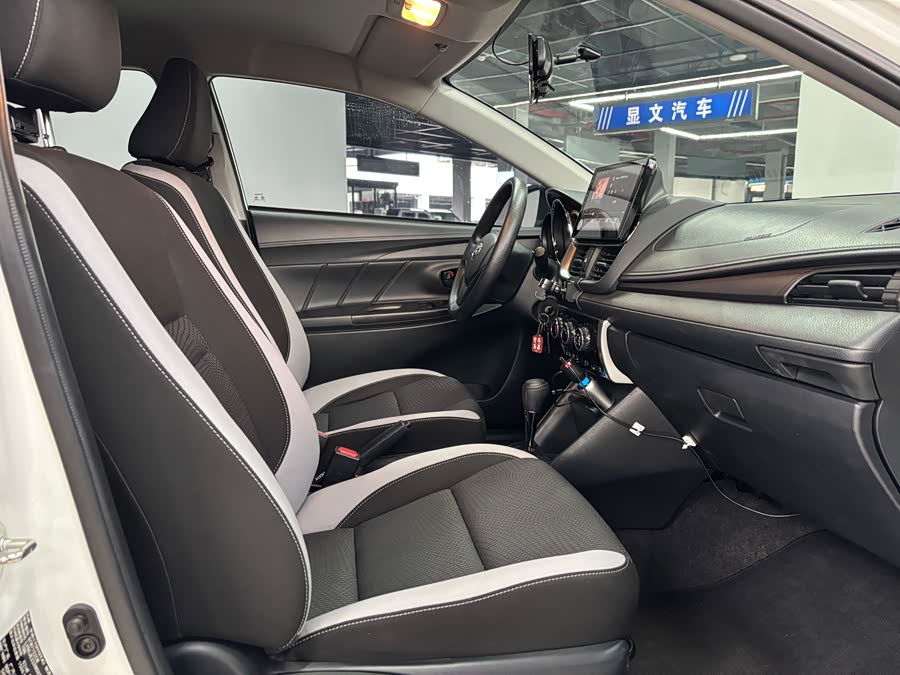
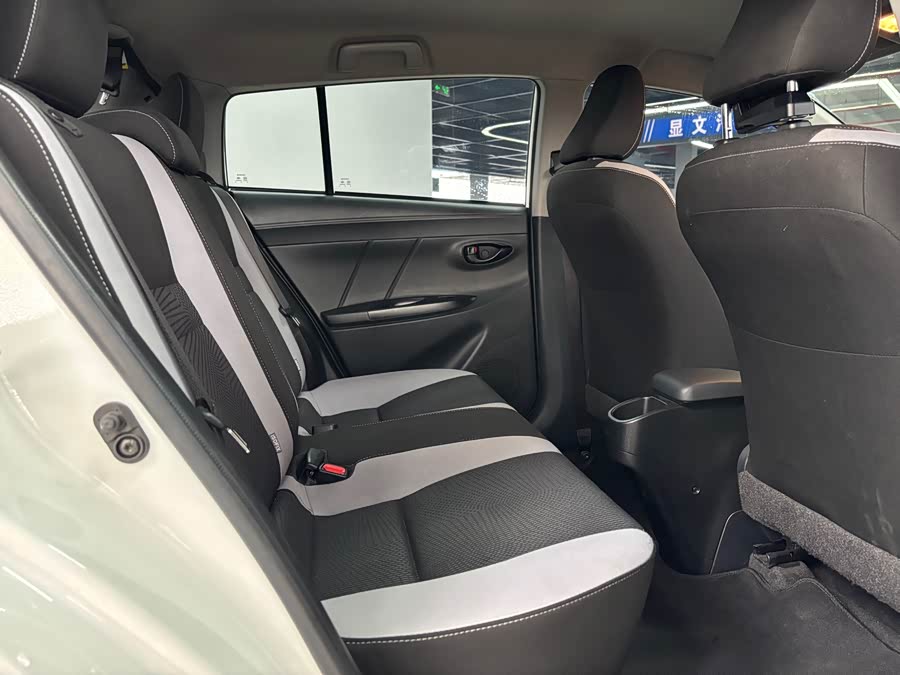
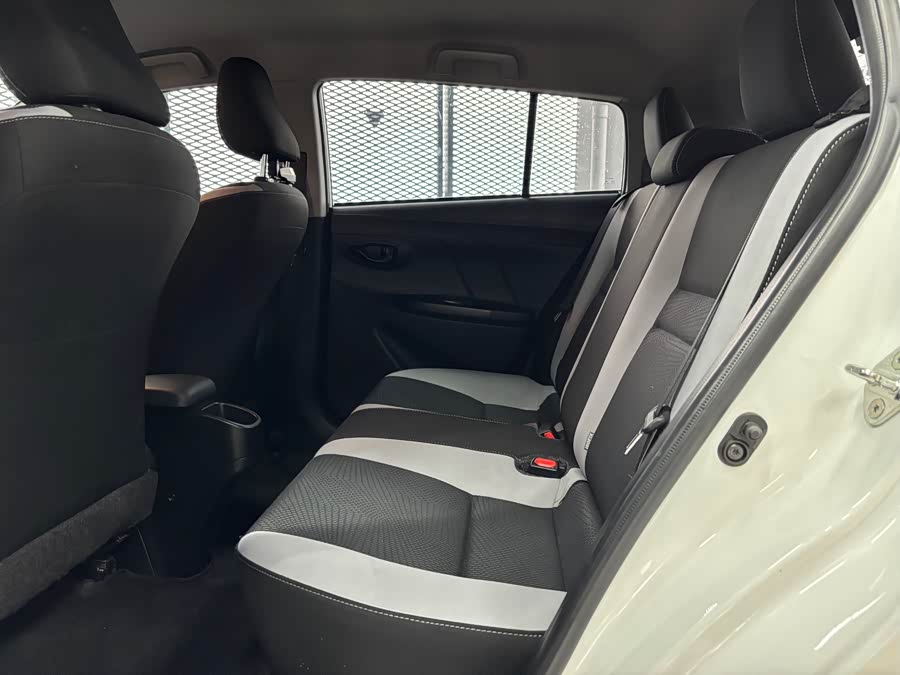
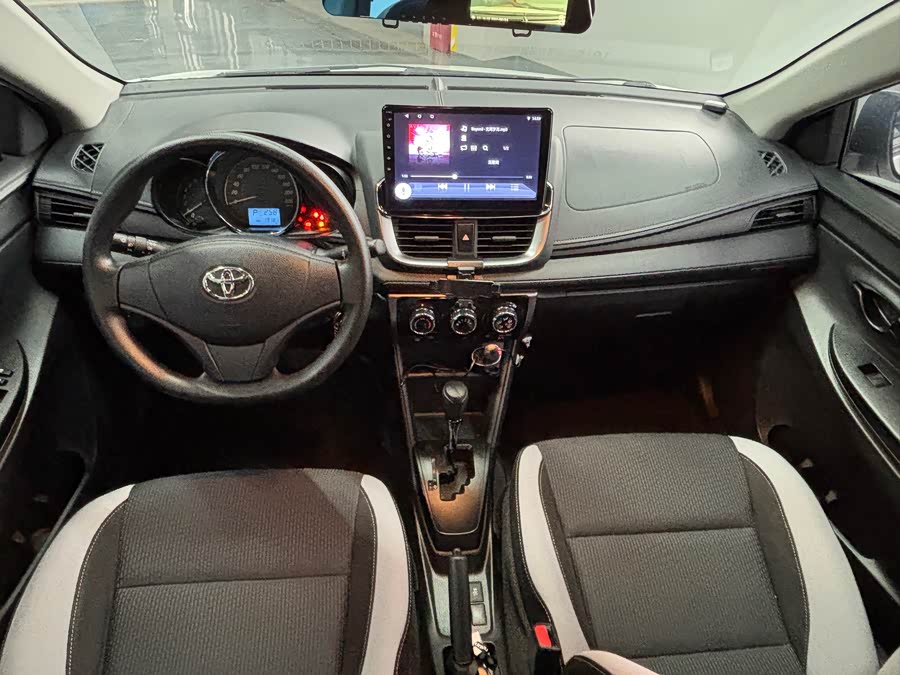
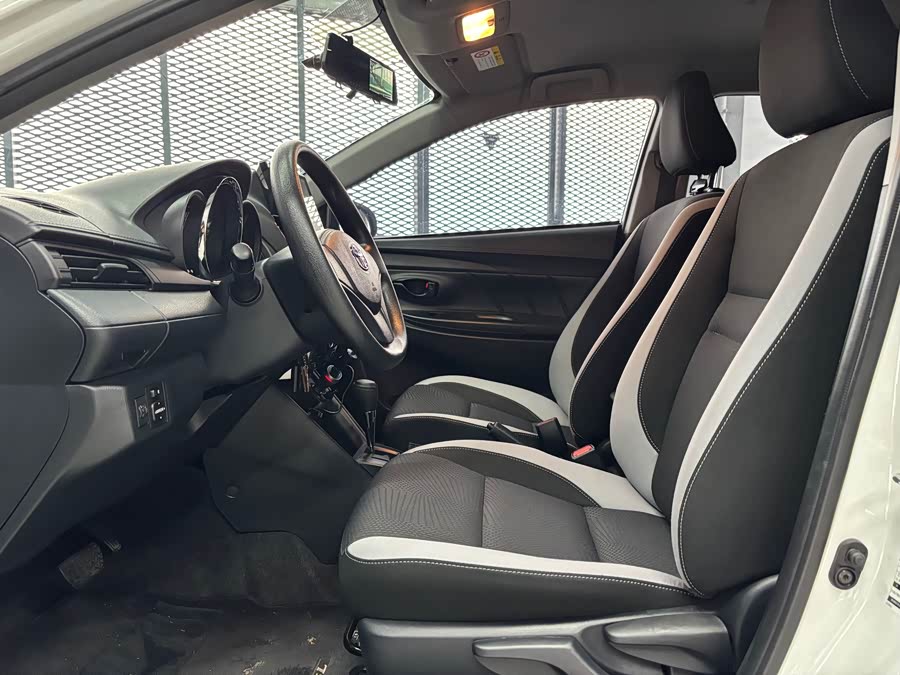
This 2021 Toyota Yaris L 1.5L CVT Leading Edition was first registered in January 2021 and currently has 19,000 kilometers on the odometer. The interior is clean, the infotainment system functions perfectly, the air conditioning is powerful, and the seats are soft and comfortable. The engine and transmission run smoothly, the chassis is tight, and the overall condition is excellent. It's a one-owner vehicle with no off-road history, offering exceptional value. Third-party inspections are also available. Welcome to visit our showroom!

Newly added
0 transfers

Configuration Highlights

✓ISOFIX Child Seat Anchors
✓Bluetooth/Hands-free

Accident & Maintenance Records

Accident Record

🔗 Open Link

Maintenance Record

🔗 Open Link

Document Information

Inspection Expiry Date2027/01
Warranty Expiry Date-
Insurance Expiry Date2027/01

Q&A

More

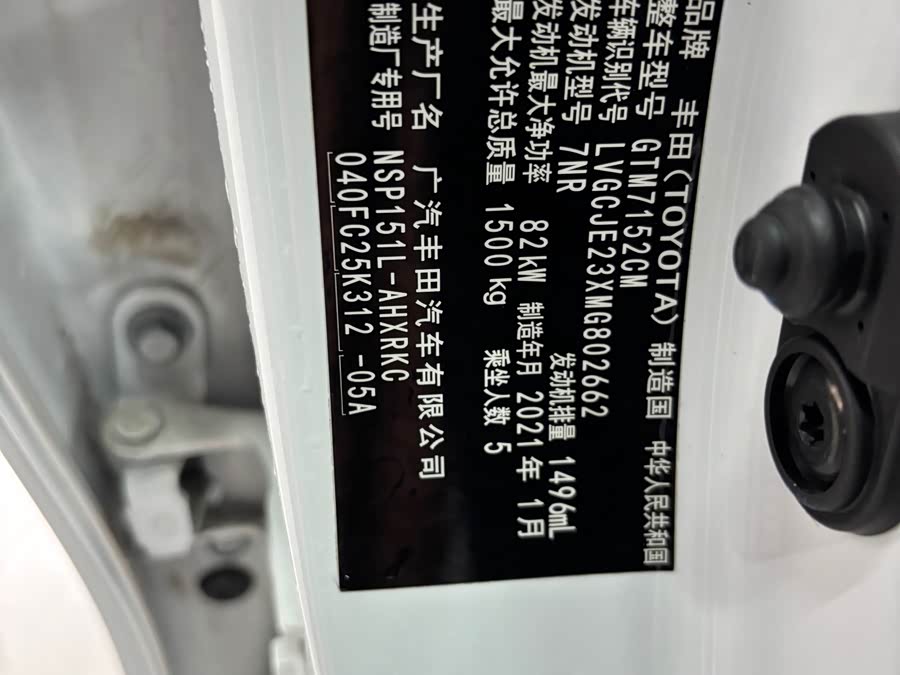
Why is there a time difference between the production date on the vehicle nameplate and the first registration date on the registration certificate?

The nameplate date is the absolute time when the vehicle leaves the factory; the registration date is when the vehicle is registered with the traffic management department after sale. The difference represents the time the vehicle spent in the dealer's warehouse or logistics. If the time difference exceeds 6-8 months, the vehicle is considered a "stock vehicle," and we pay special attention to the natural aging of its rubber components.
How will the high-voltage protective armor of an electric vehicle chassis be handled if there are minor scraping marks within safety tolerances?

As long as the scratches do not damage the aluminum battery pack casing and do not cause structural dents in the crash beam, we will document it in the inspection report as "Surface Scuff" and no replacement will be made.

When checking the history records, can you distinguish whether the vehicle was involved in a "single-vehicle accident (like hitting a wall)" or a "multi-vehicle rear-end collision"?

If insurance claims records are accessed, there will usually be notes like "the insured vehicle is fully responsible for hitting a fixed object" or "third-party liability insurance payment." We can roughly reconstruct the accident scene based on this and cross-verify the stress points on the vehicle's frame with paint thickness gauge data.