



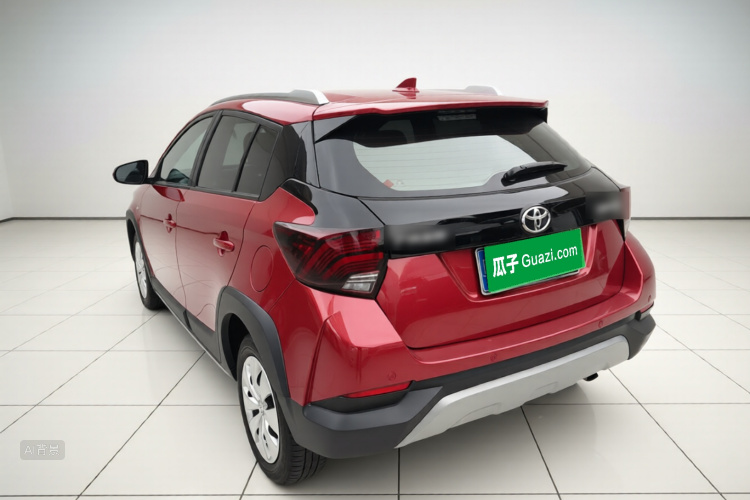
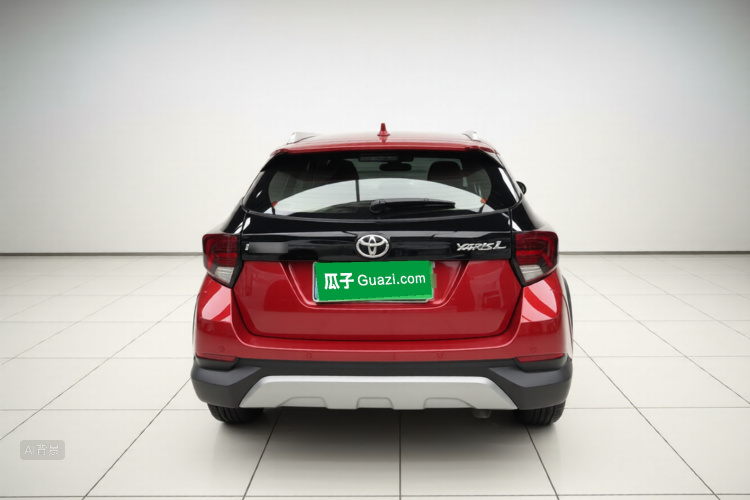
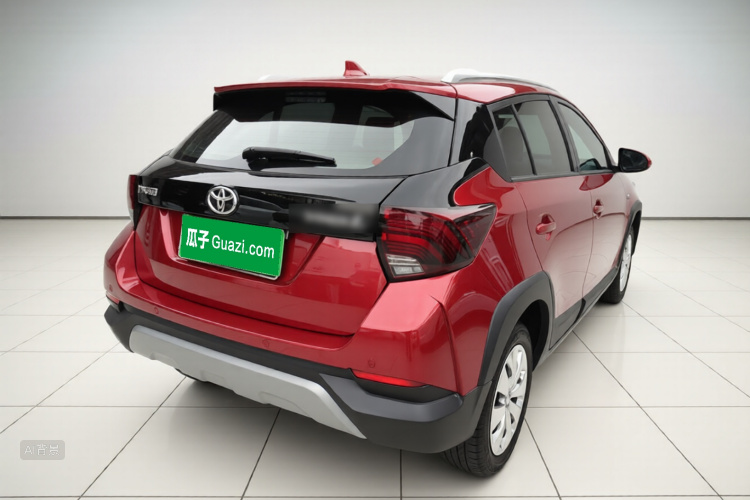
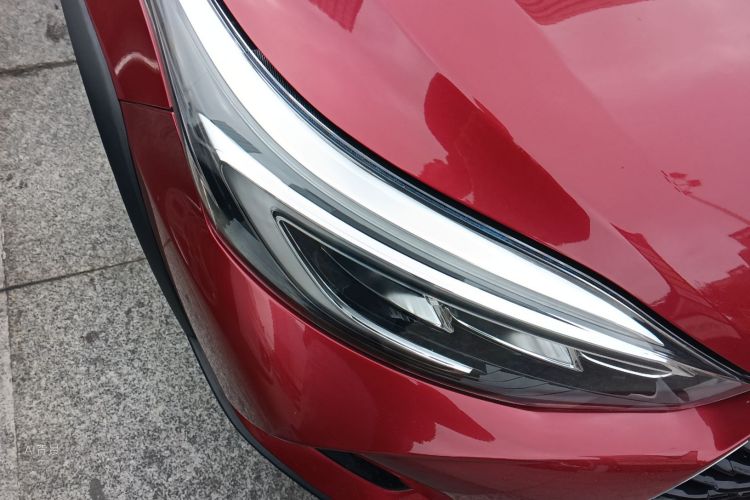



Basic Information

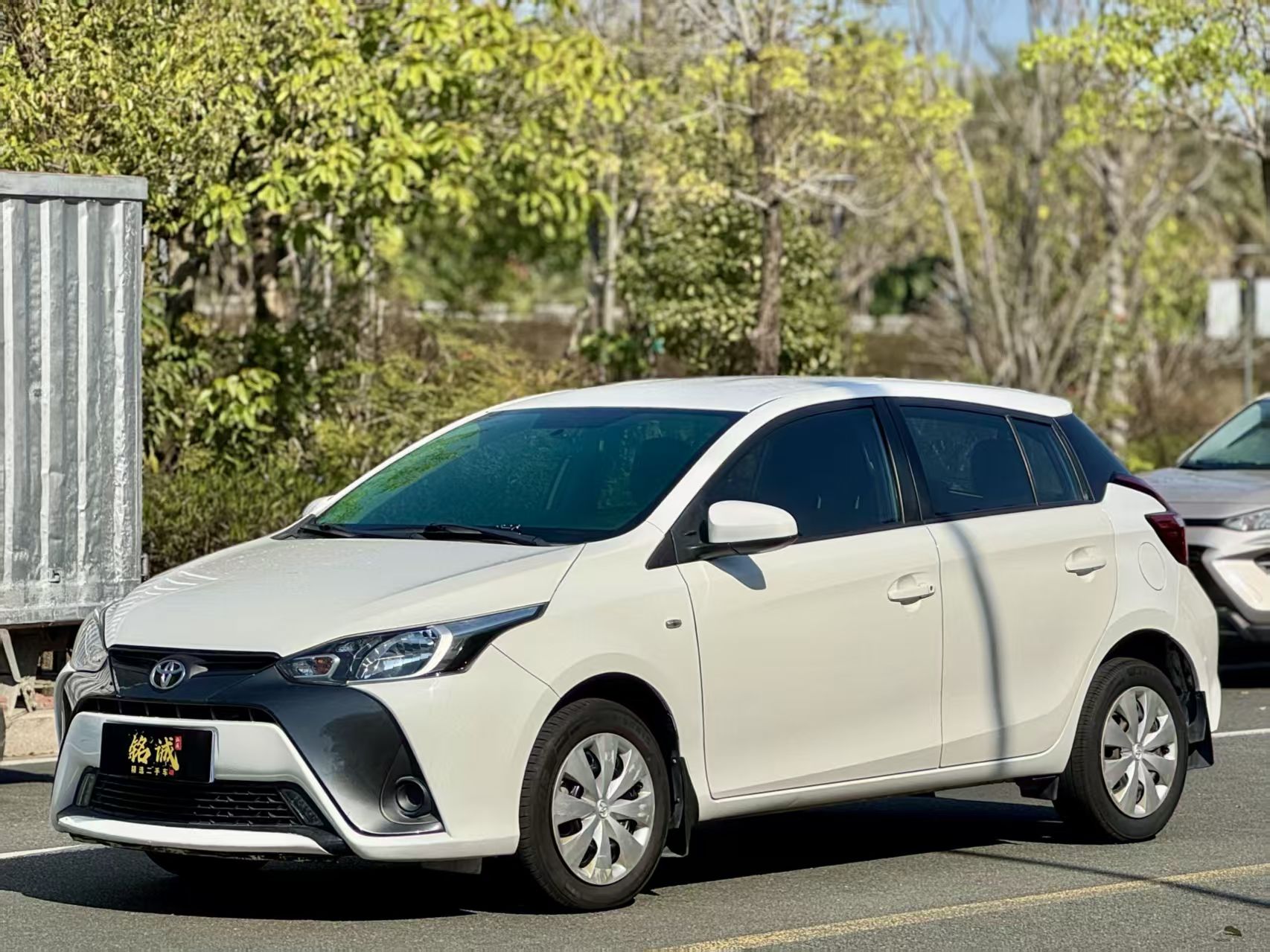
BrandToyota
SeriesYaris L Zhixuan
Year2021
First Registration2021/08
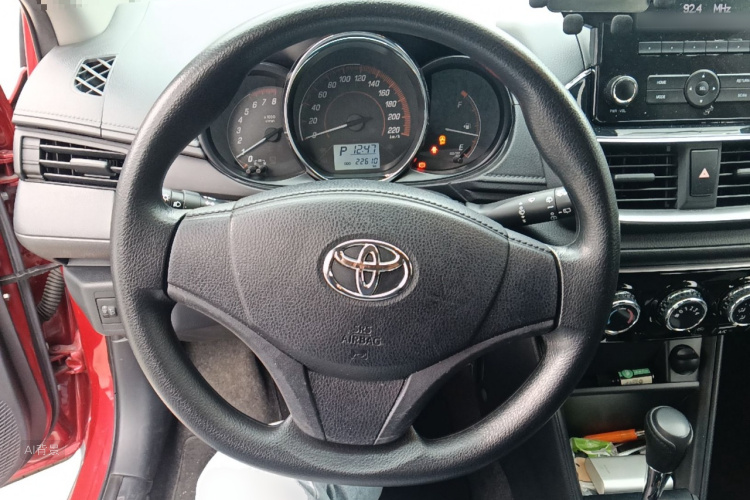
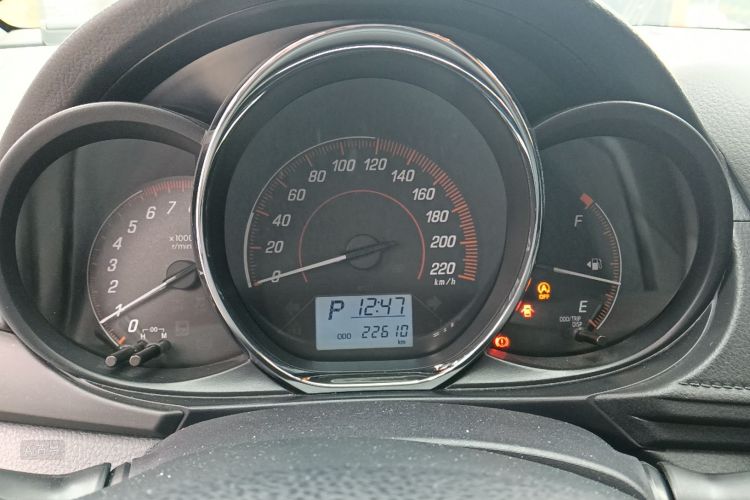
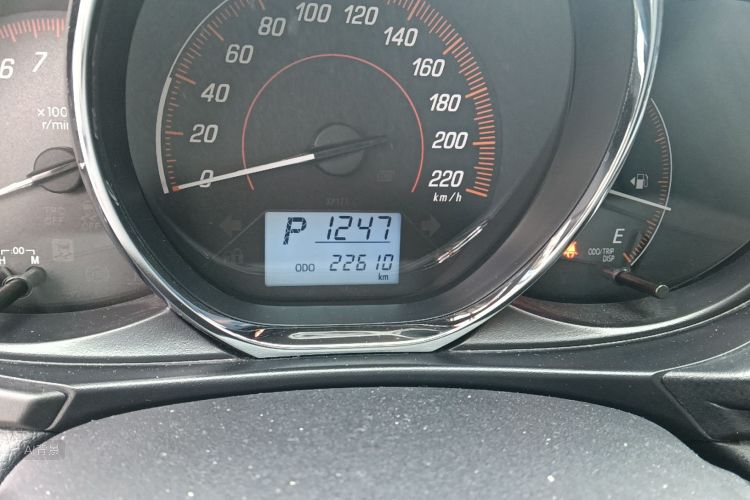
Mileage22,600km
Transfer Count-
FuelGasoline
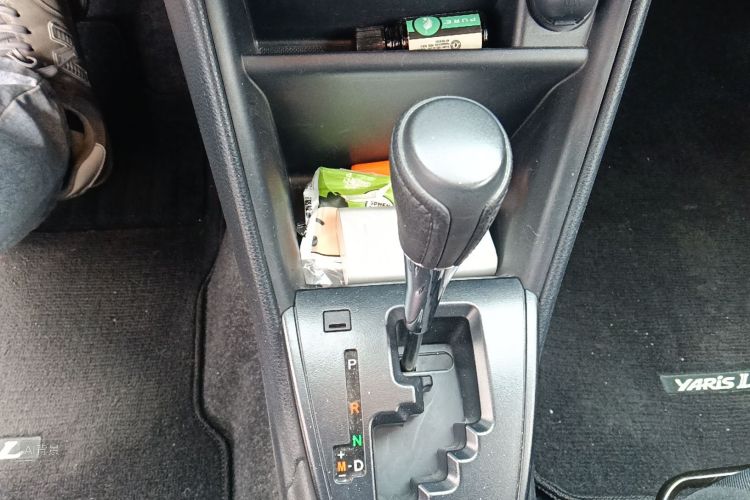
TransmissionCVT
Engine1.5L 112 L4
ColorRed
Seats5seats

Condition Description

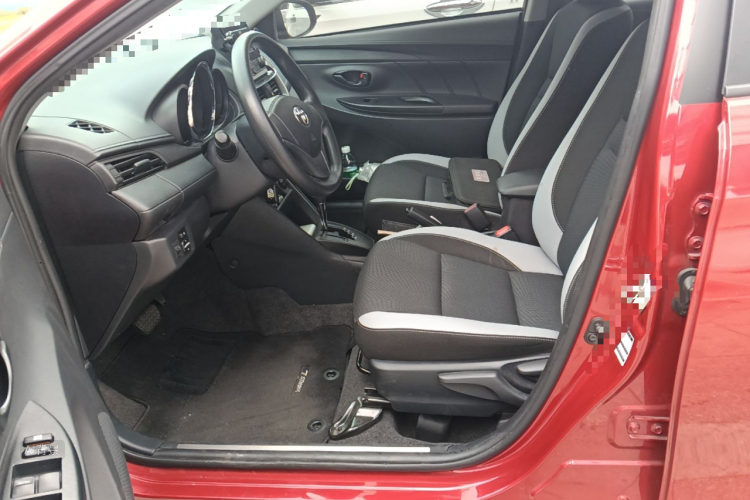
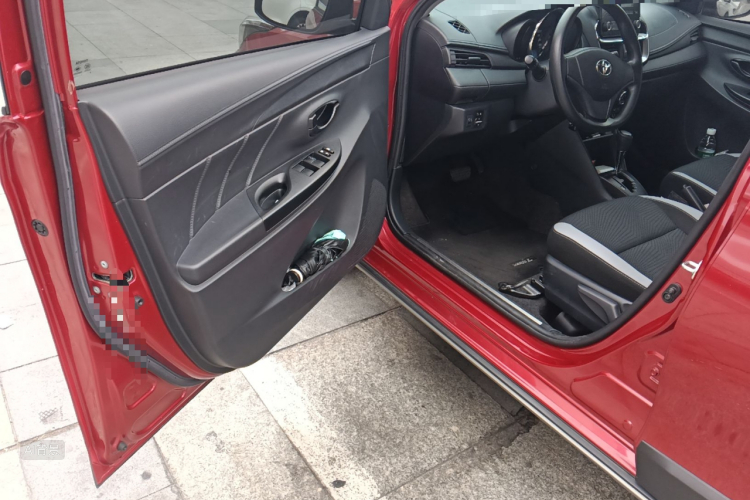
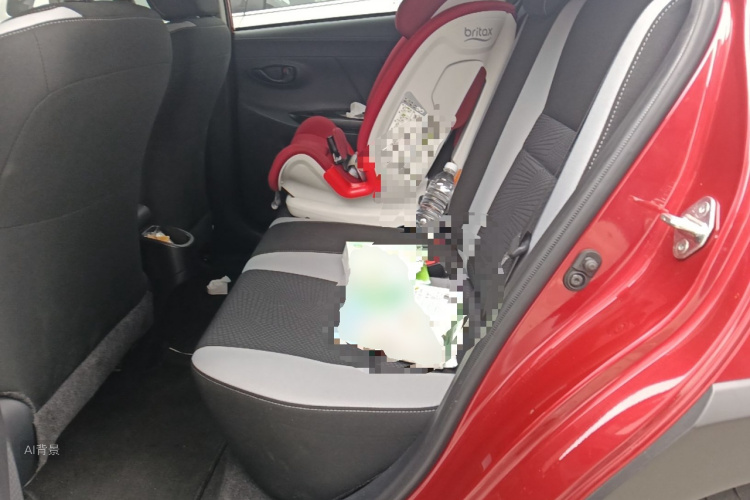
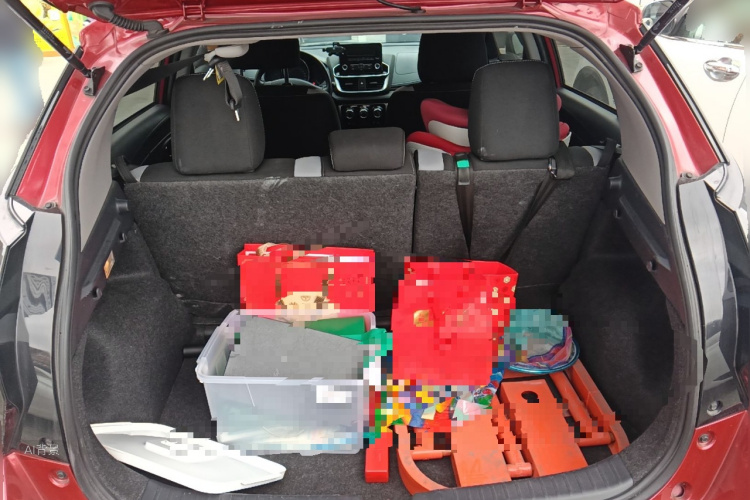
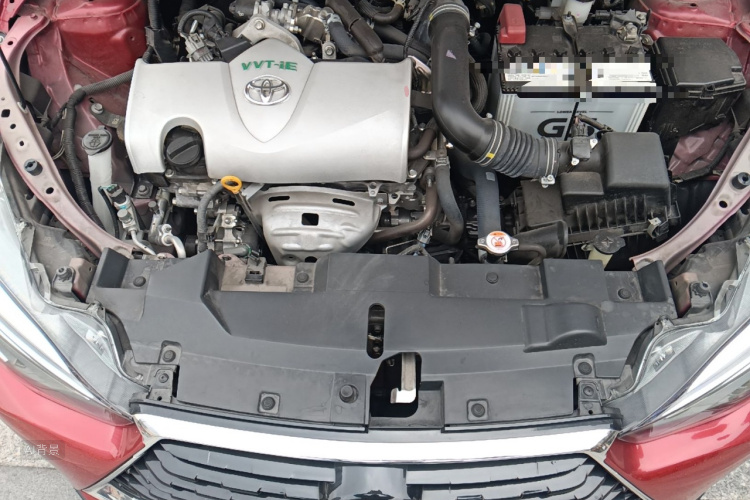
Vehicle in good condition, passed inspection, 0 claims, 0 ownership transfers.

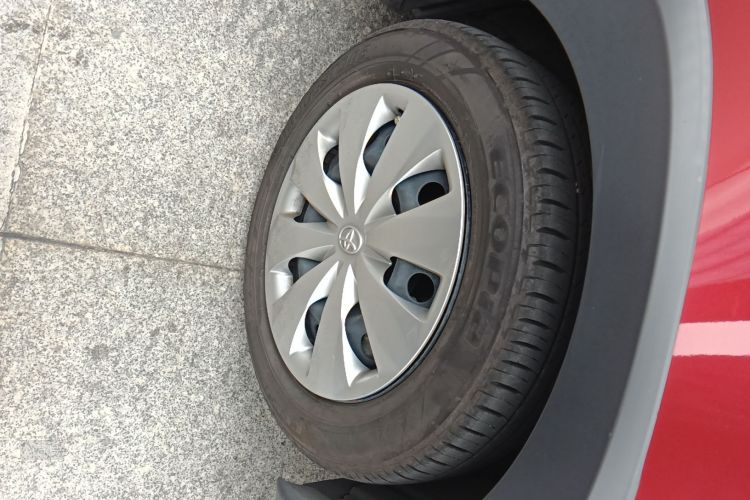
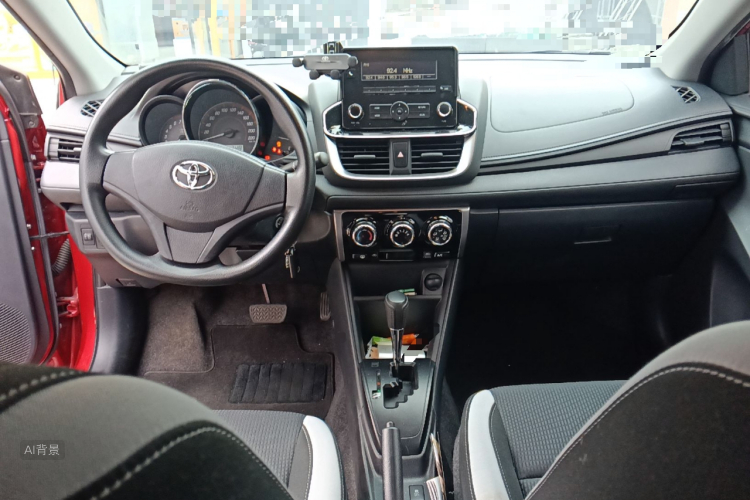
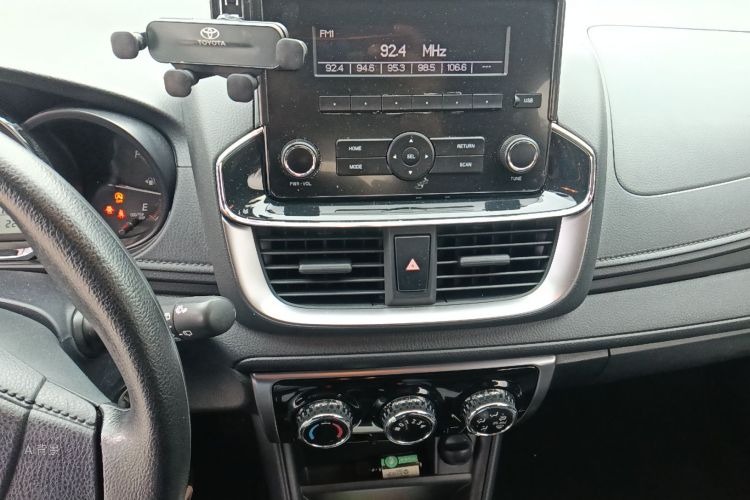
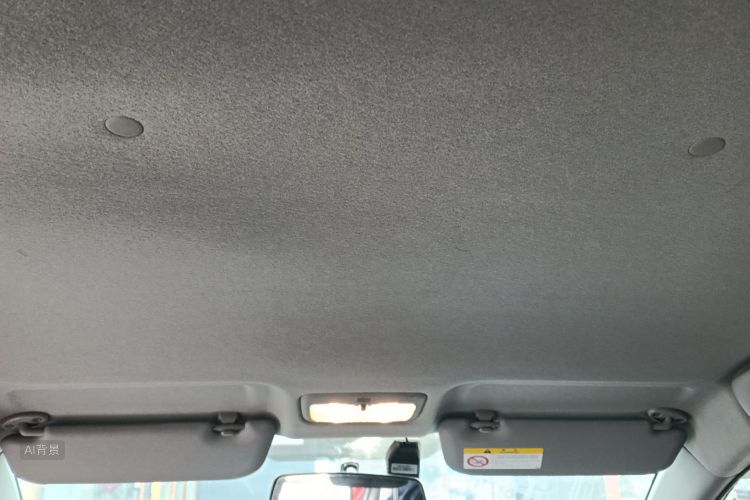
This vehicle is 5 years old, with an average annual mileage of 4,500 kilometers. It has been used very infrequently and has never been transferred to another owner, making it a good first-hand vehicle. The exterior paint is in good condition, although there may be a few minor scratches. The interior is in good condition, with normal signs of use. The overall body frame is intact, but there are a few minor abnormalities. The fluid levels are normal, and the powertrain is functioning well.

Configuration Highlights

✓High Beam Assist
✓High-definition Low Beam
✓Engine Start-Stop
✓Tire Pressure Monitoring
✓Hill Start Assist
✓Rear Parking Sensors

Q&A

More

How do you assess the appearance condition of a vehicle? What specific standards are there for scratches and dents?

We use quantitative standards. Minor scratches less than 3 cm that do not reach the base coat (which can be polished) are considered normal wear; scratches over 3 cm deep to the base coat or dents larger than 2 cm in diameter will be highlighted in the inspection report's "Appearance Defect Distribution Map" with close-up photos.

What costs are included in the FOB and CIF prices displayed on the website?

FOB (Free On Board): Includes the purchase price of the vehicle, transfer fees for registration in China, export license fees, logistics costs for trucking to the port within China, and port handling and customs fees. CIF (Cost, Insurance, and Freight): In addition to FOB, it includes the shipping cost from China to your designated destination port (RoRo or container), as well as cargo insurance during international shipping.

How are the refrigerant pressure, compressor operation, and heating effect of the air conditioning system deeply tested?

The technician will start the vehicle and turn on the air conditioning system, measuring the actual temperature at the vents at the lowest and highest settings with a thermometer; at the same time, they will connect a manifold pressure gauge to check if the refrigerant pressure in the high and low pressure lines is within the normal range, determining if there is a chronic refrigerant leak.