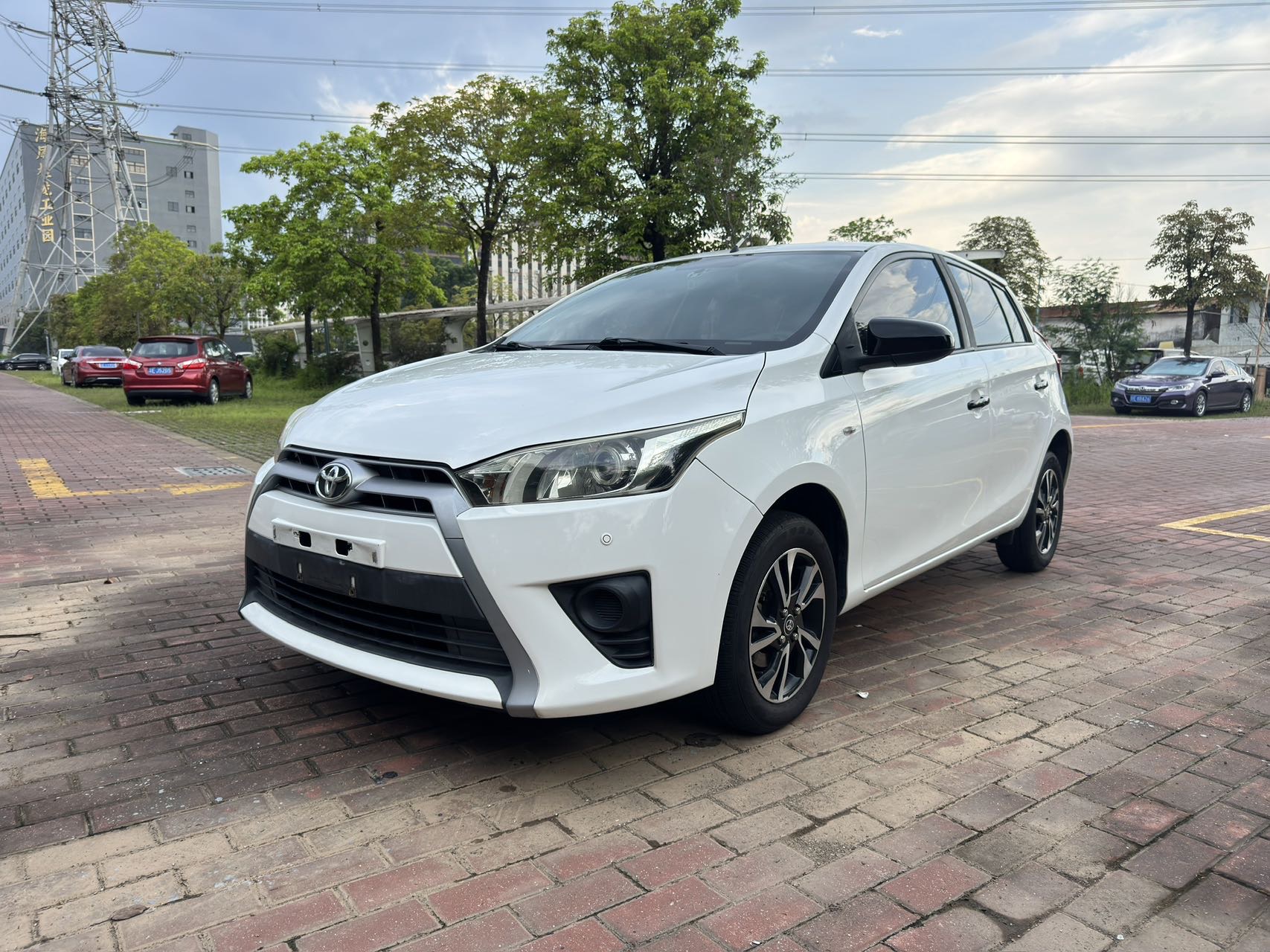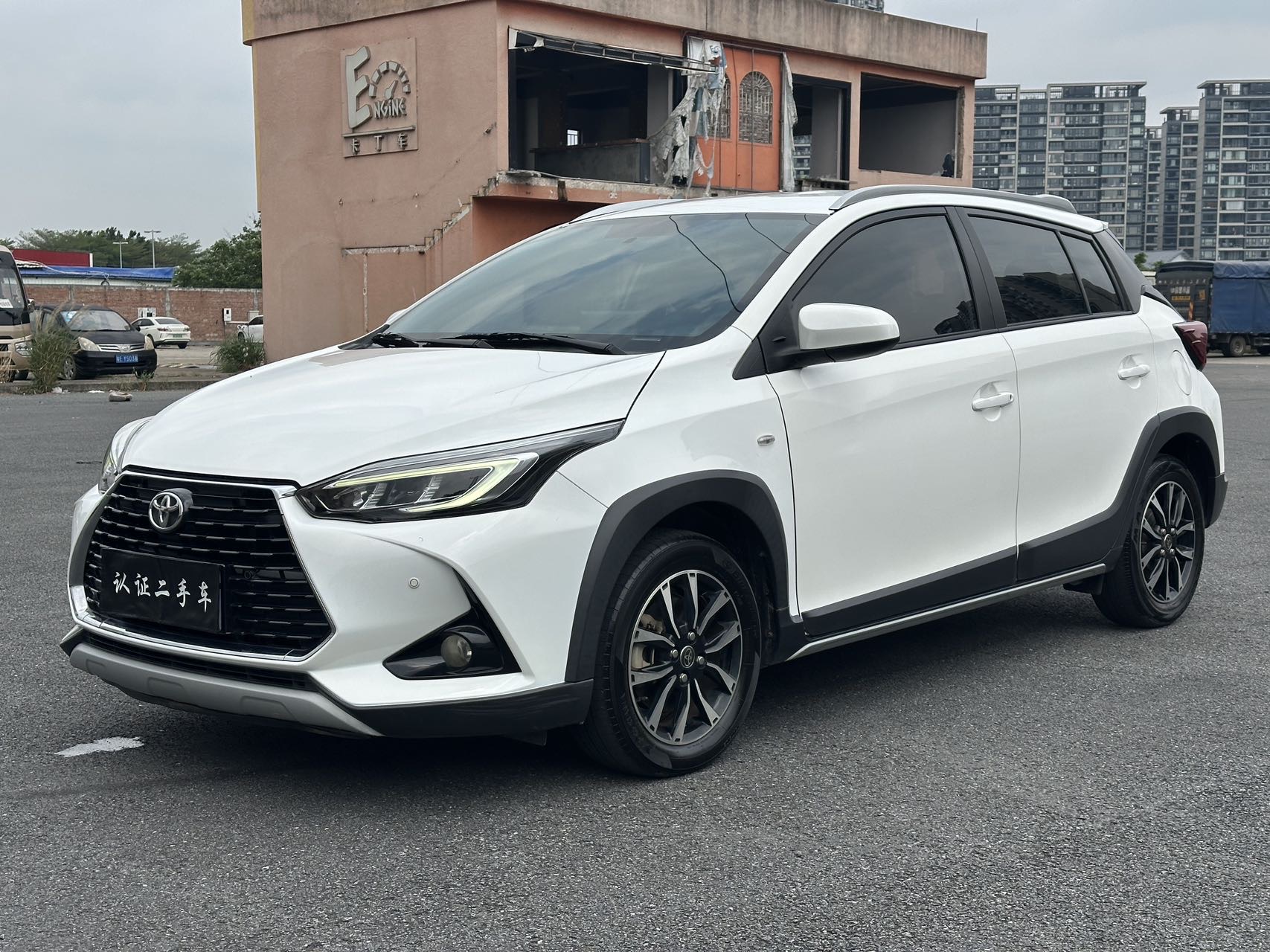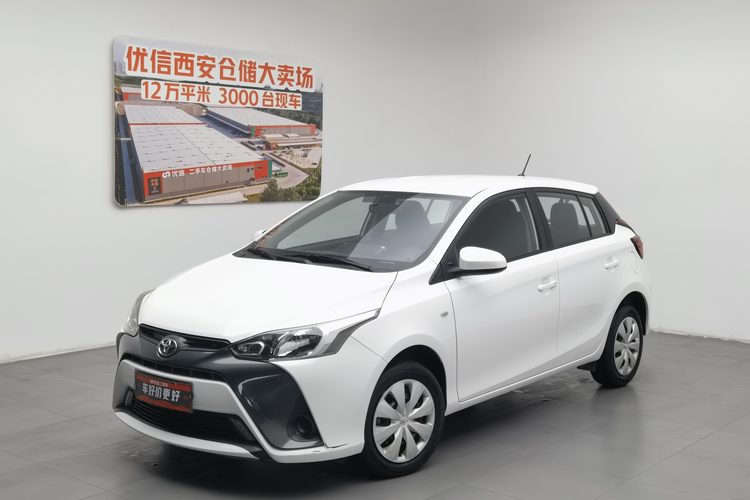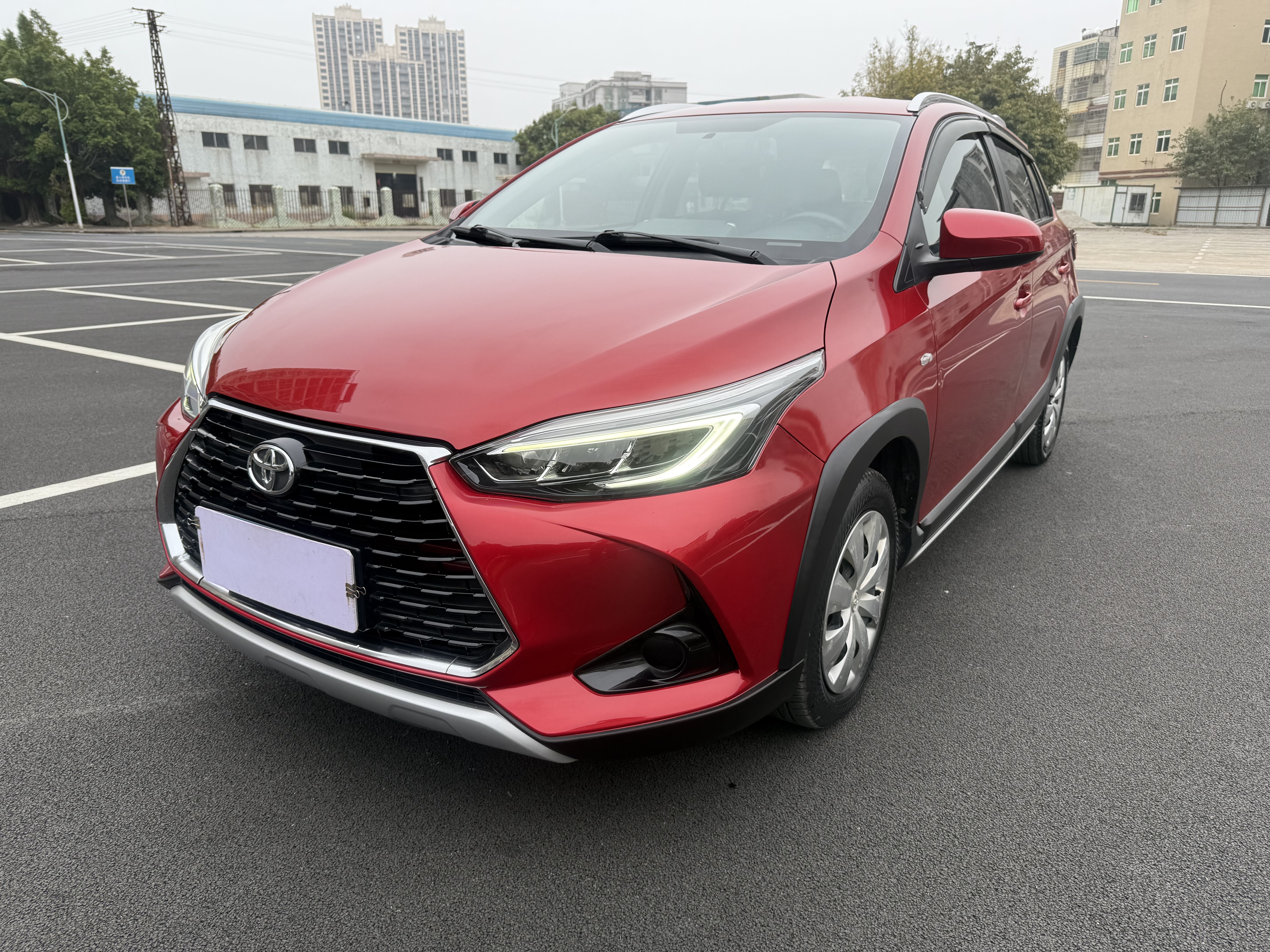
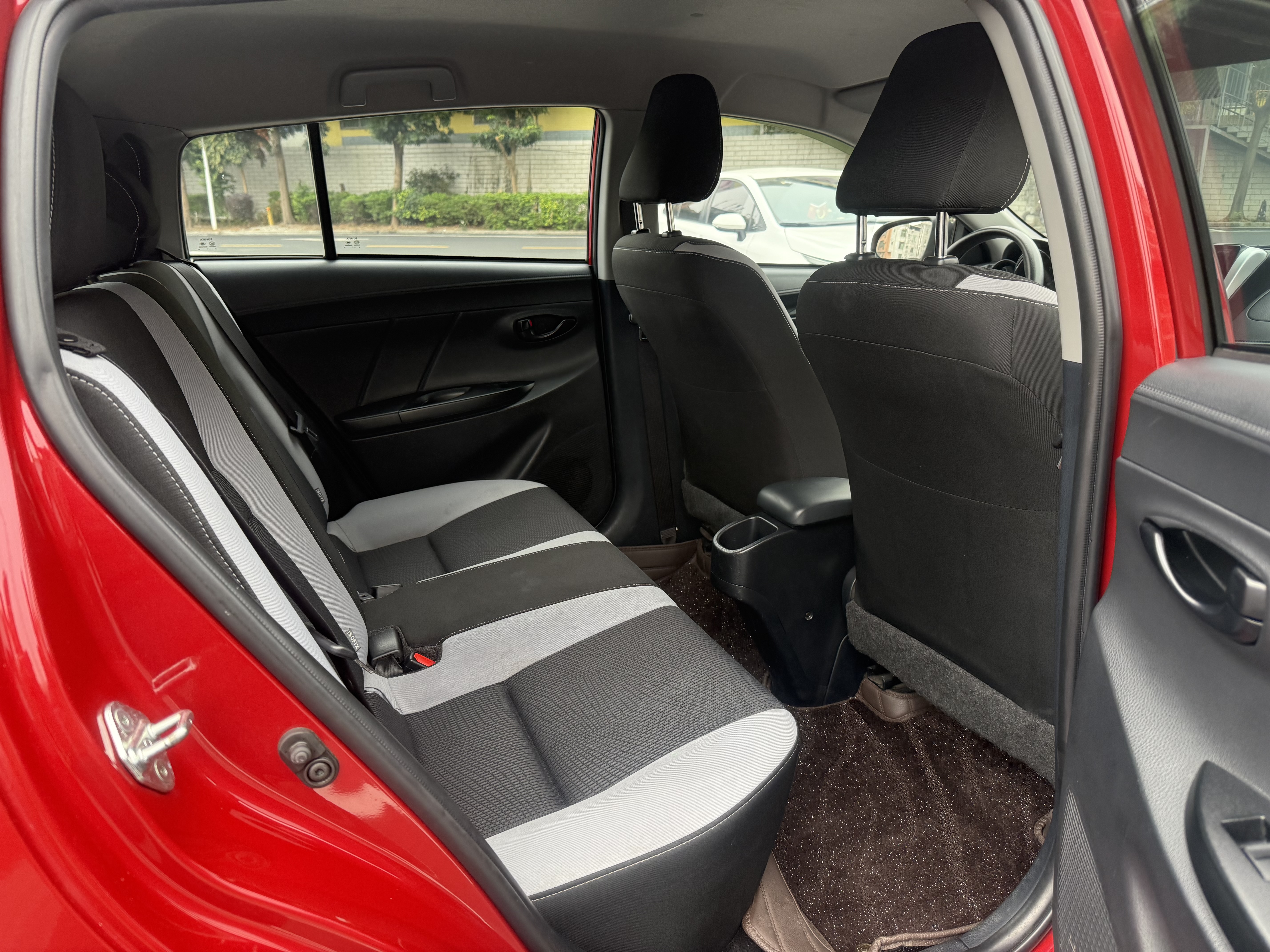
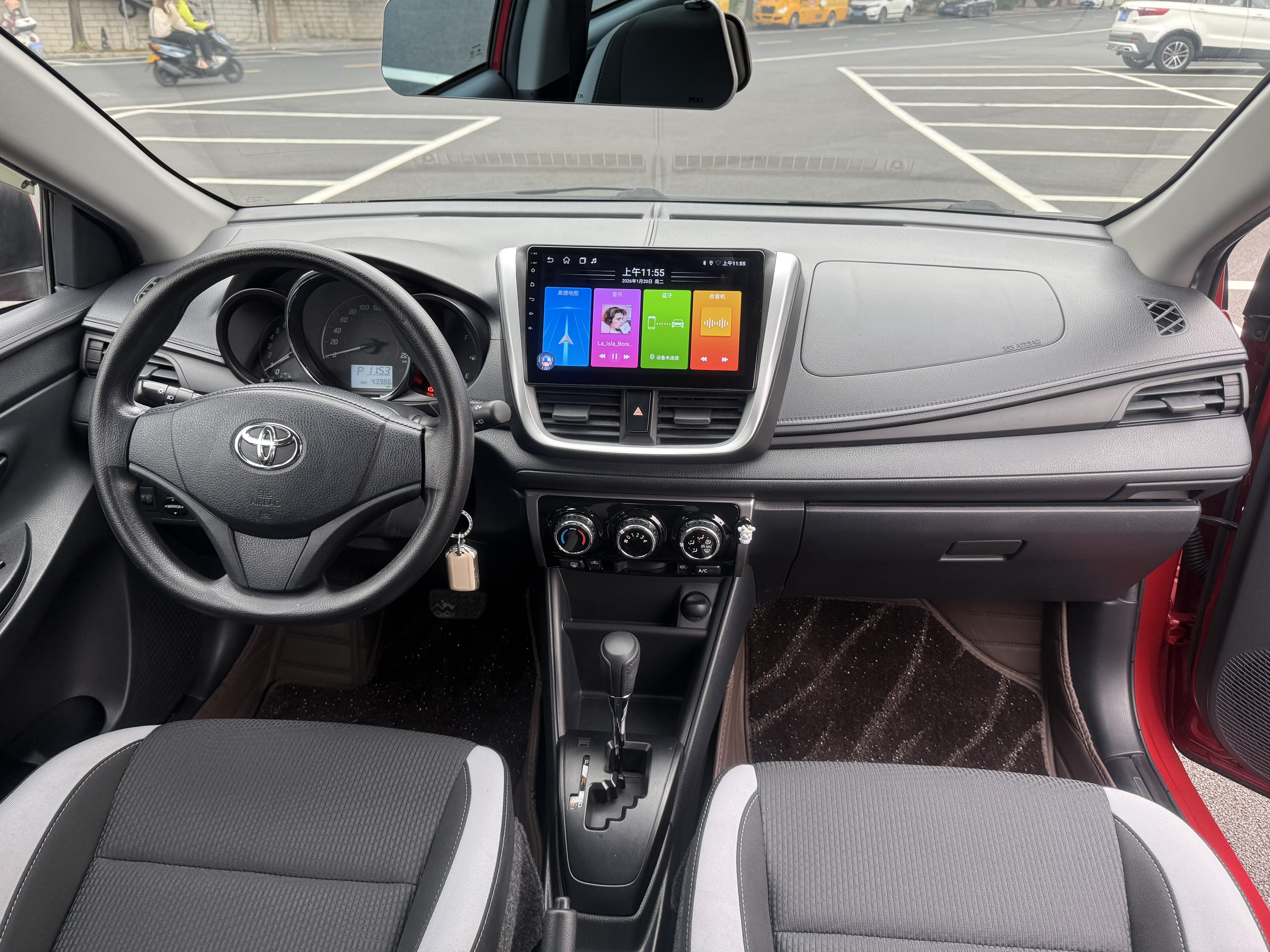
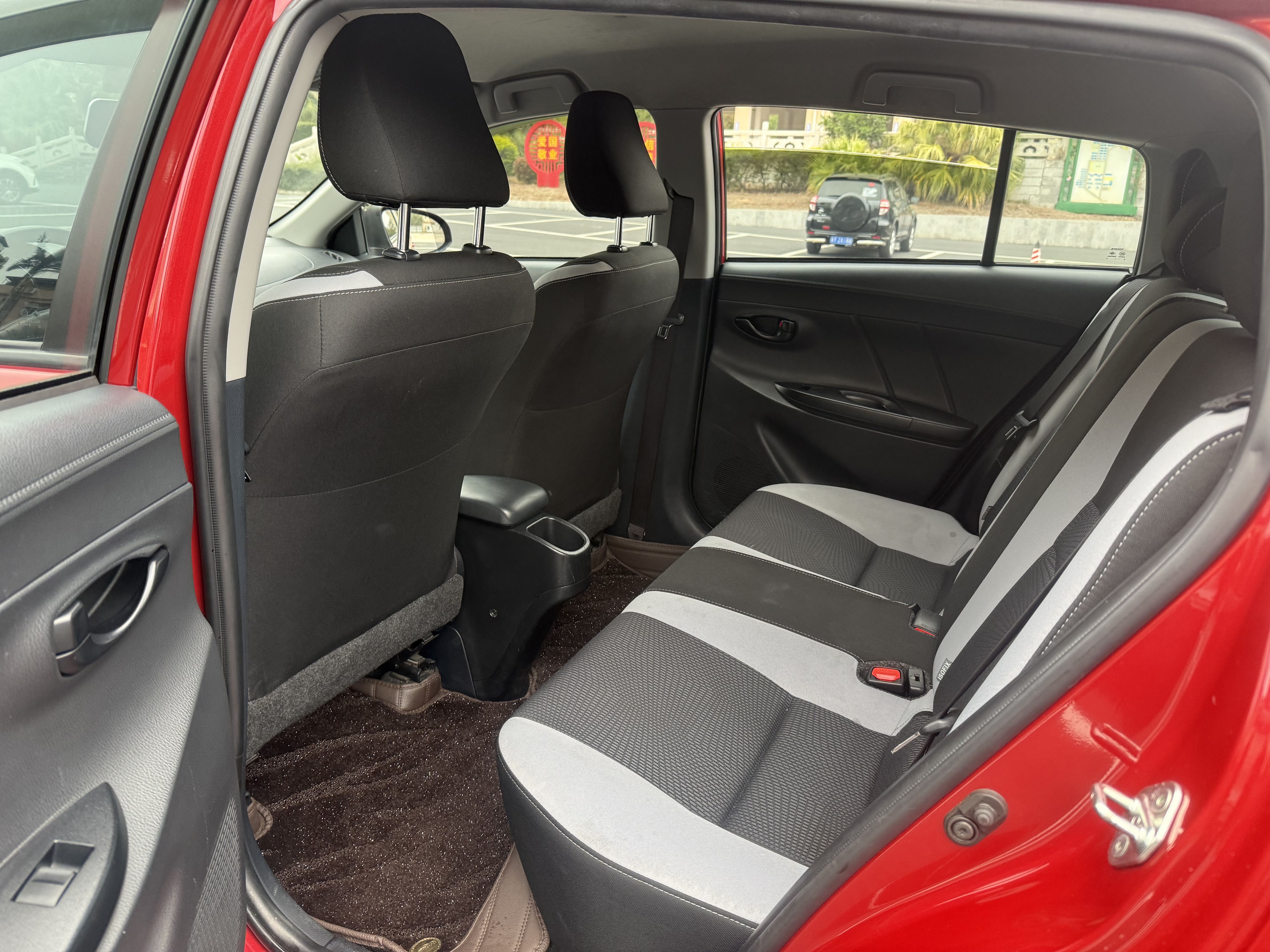
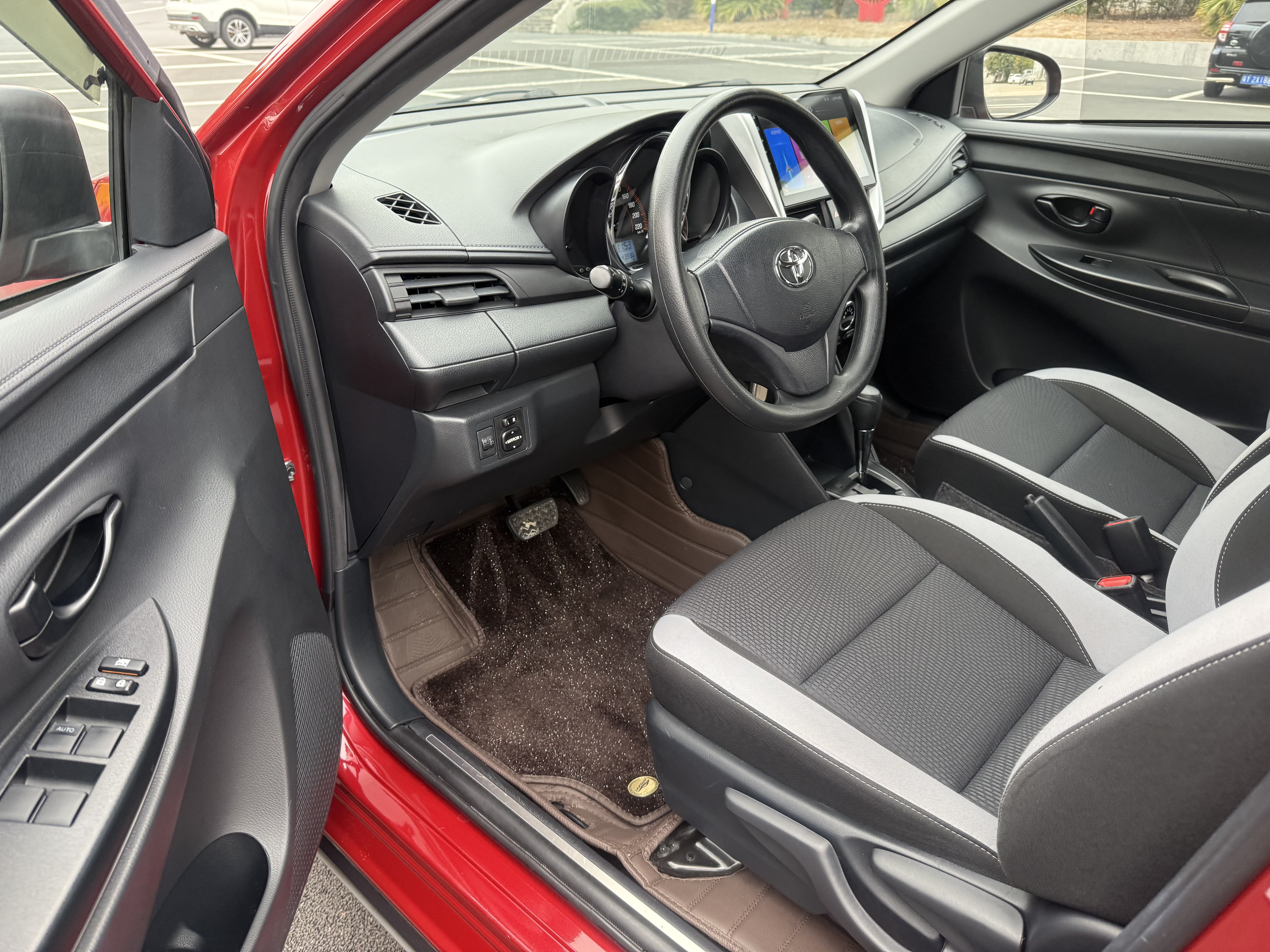
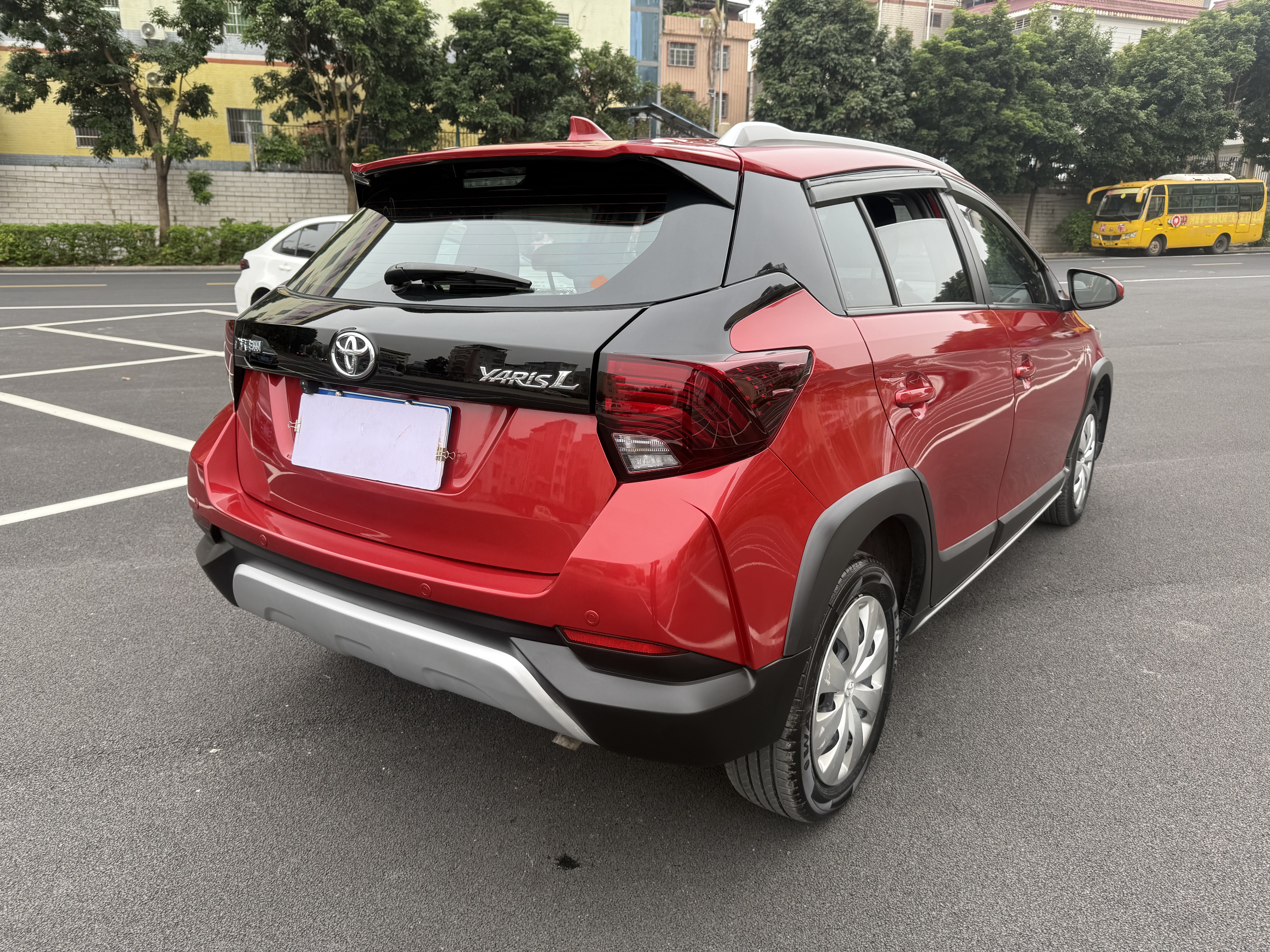



Basic Information

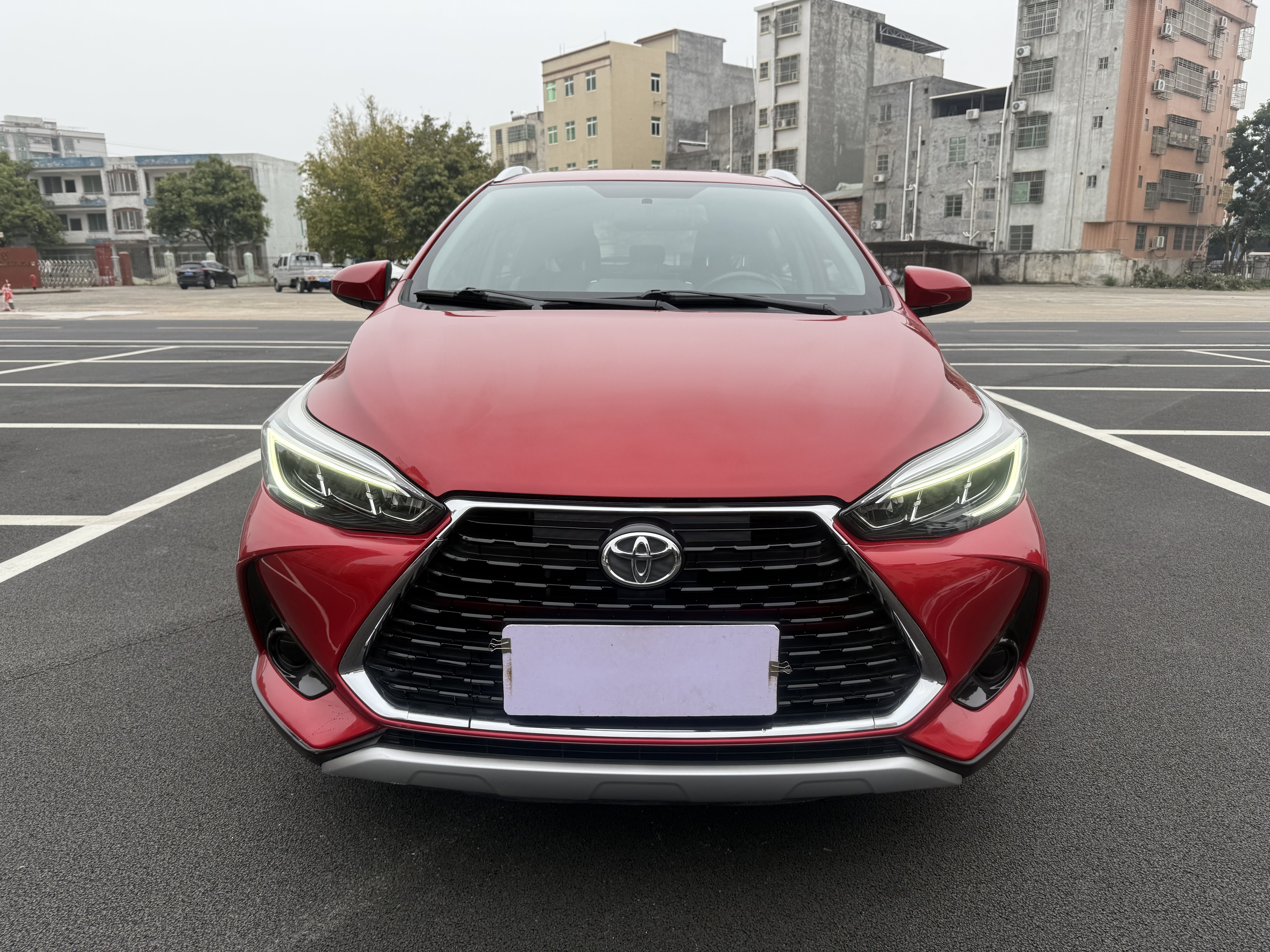
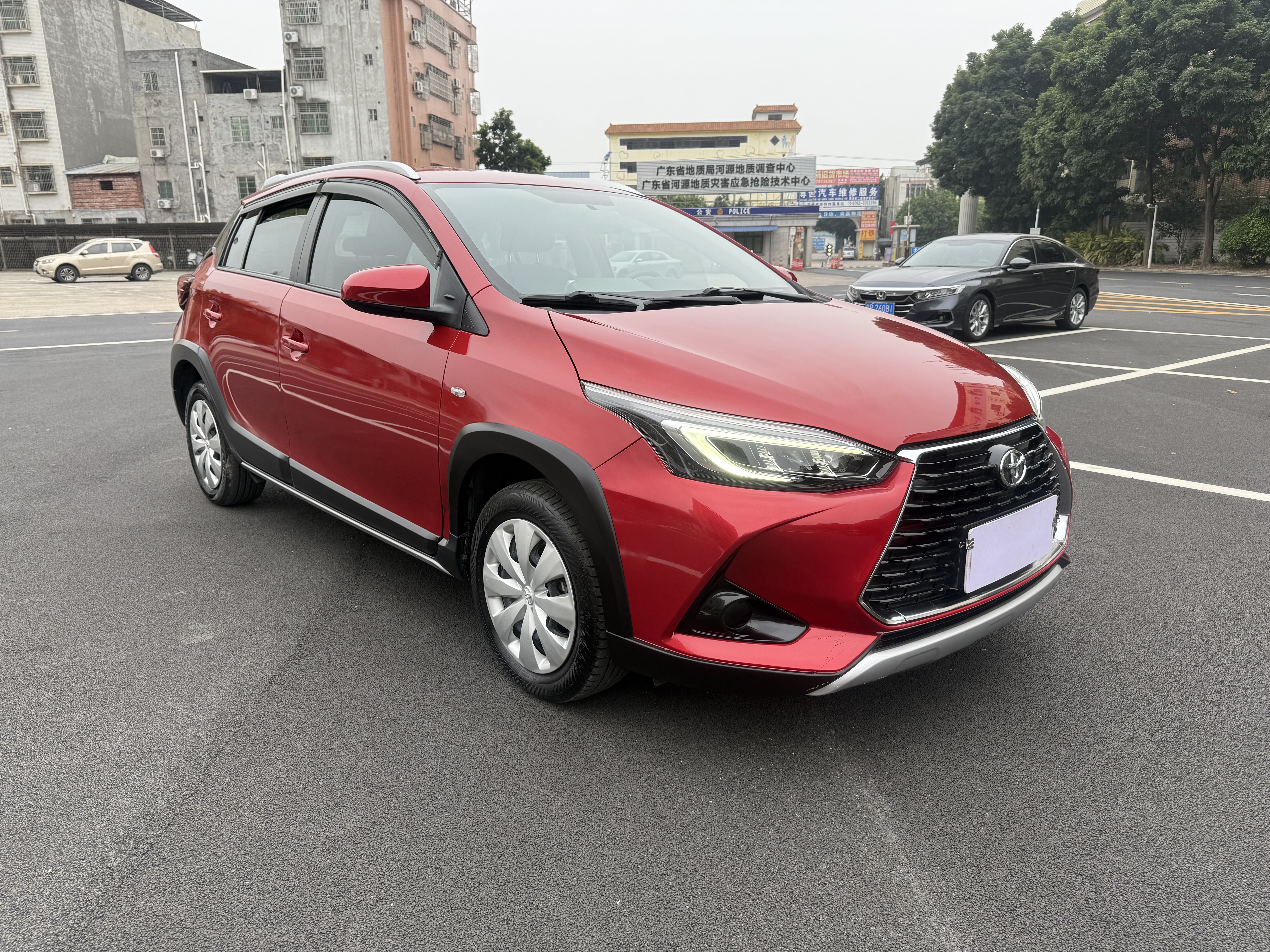
BrandToyota
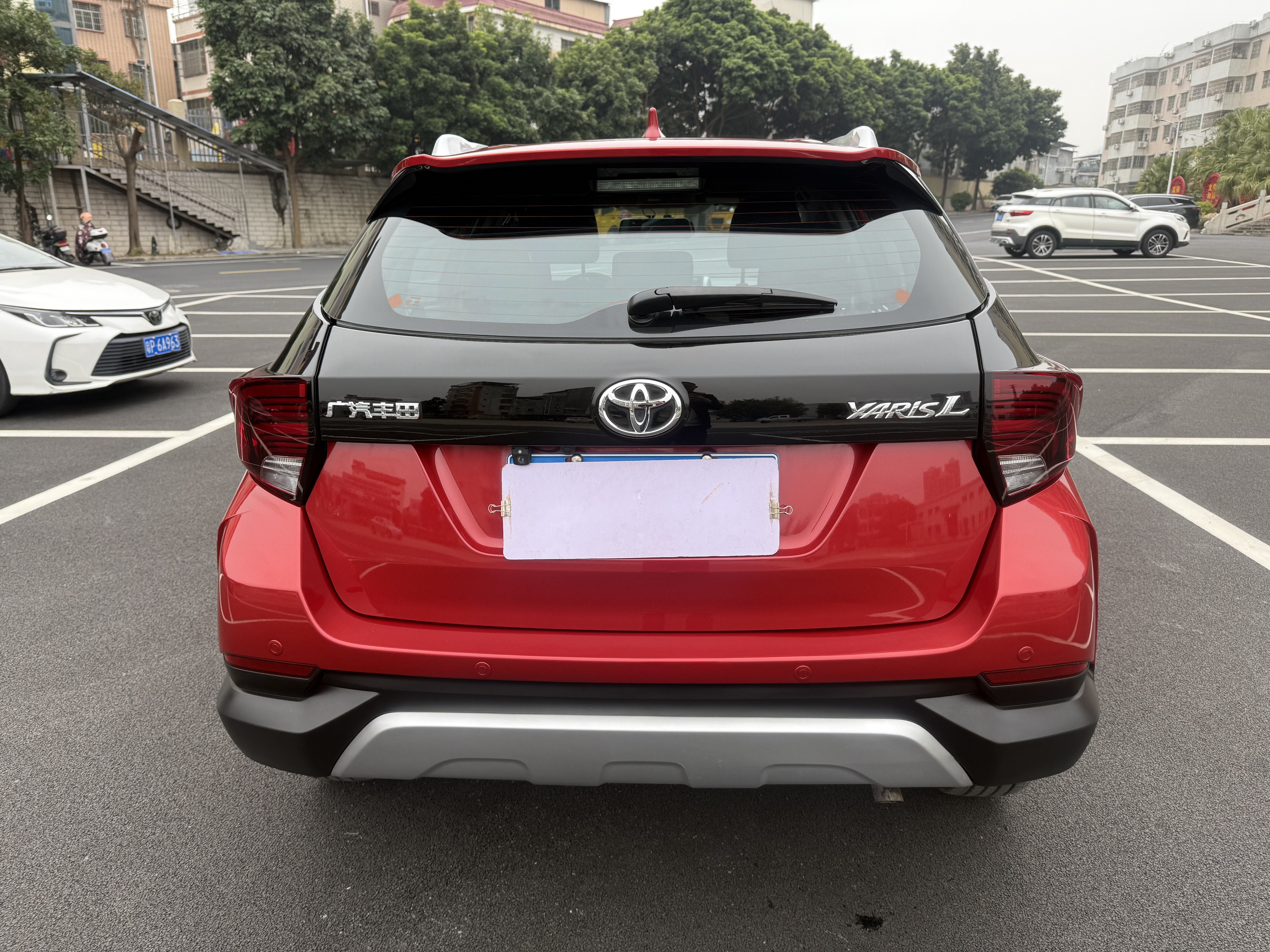
SeriesYaris L Zhixuan
Year2021
First Registration2021/05
Mileage4km
Transfer Count-
FuelGasoline
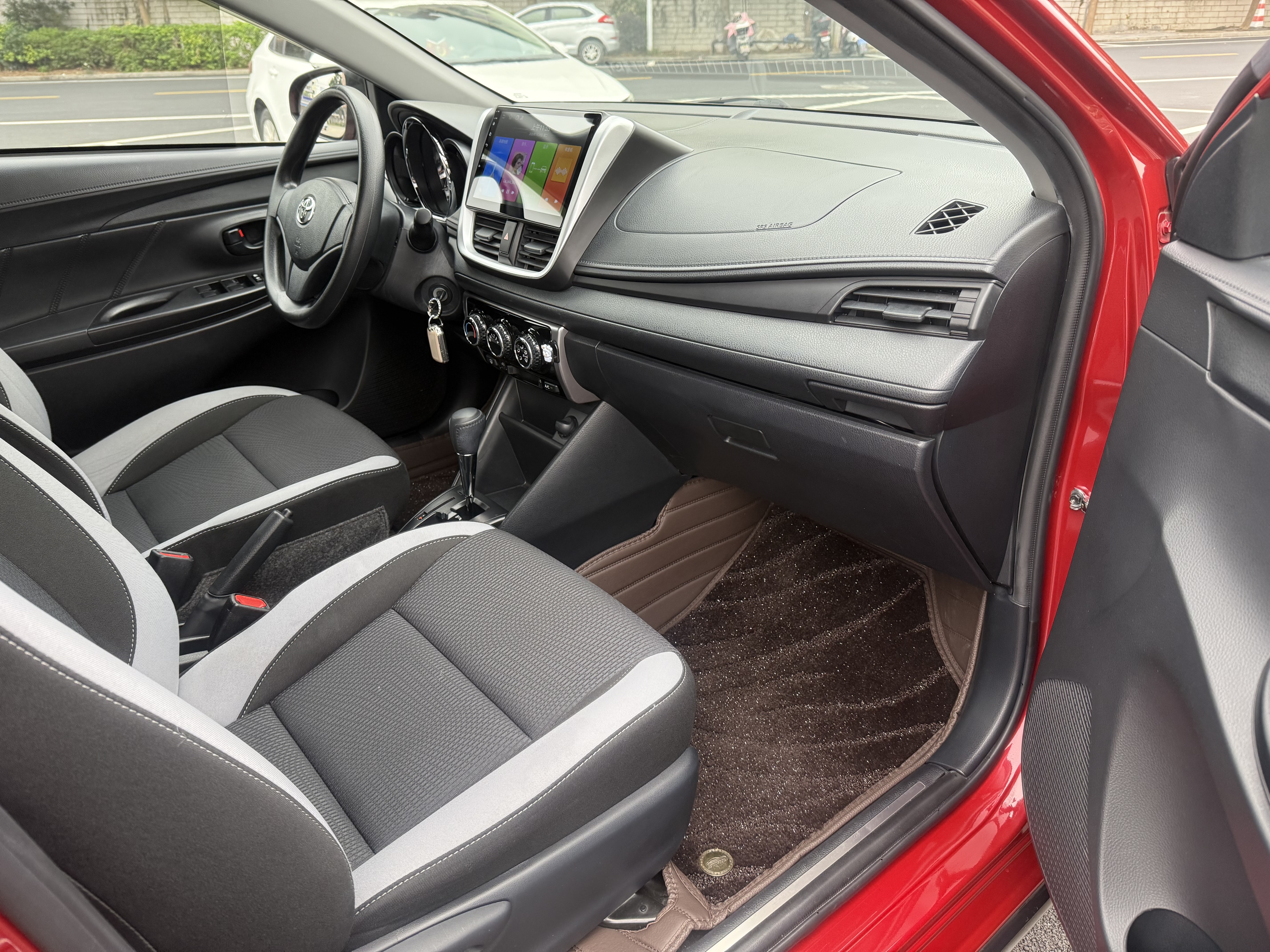
TransmissionCVT
Engine1.5L 112 L4
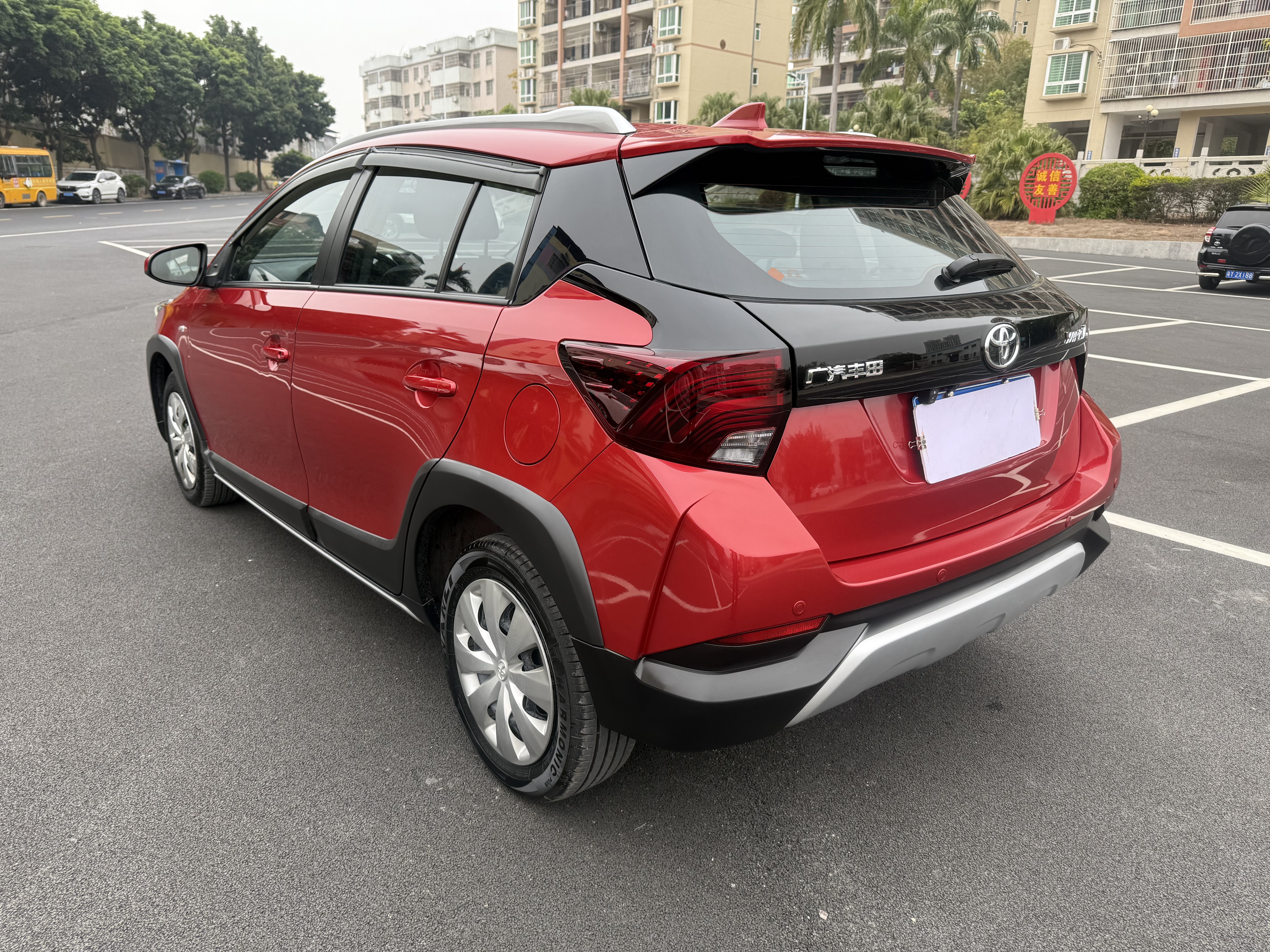
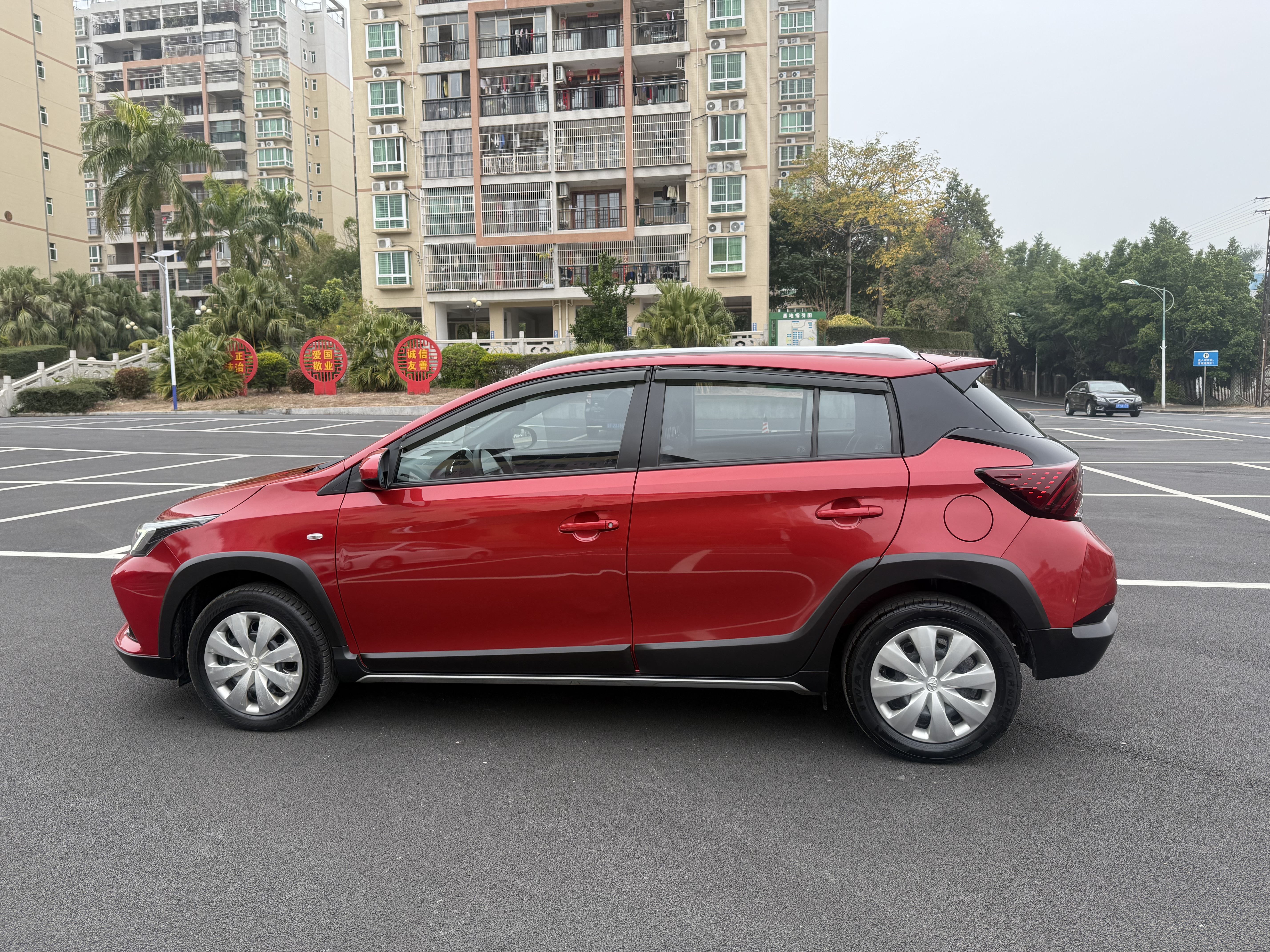
ColorRed
Seats5seats

Condition Description

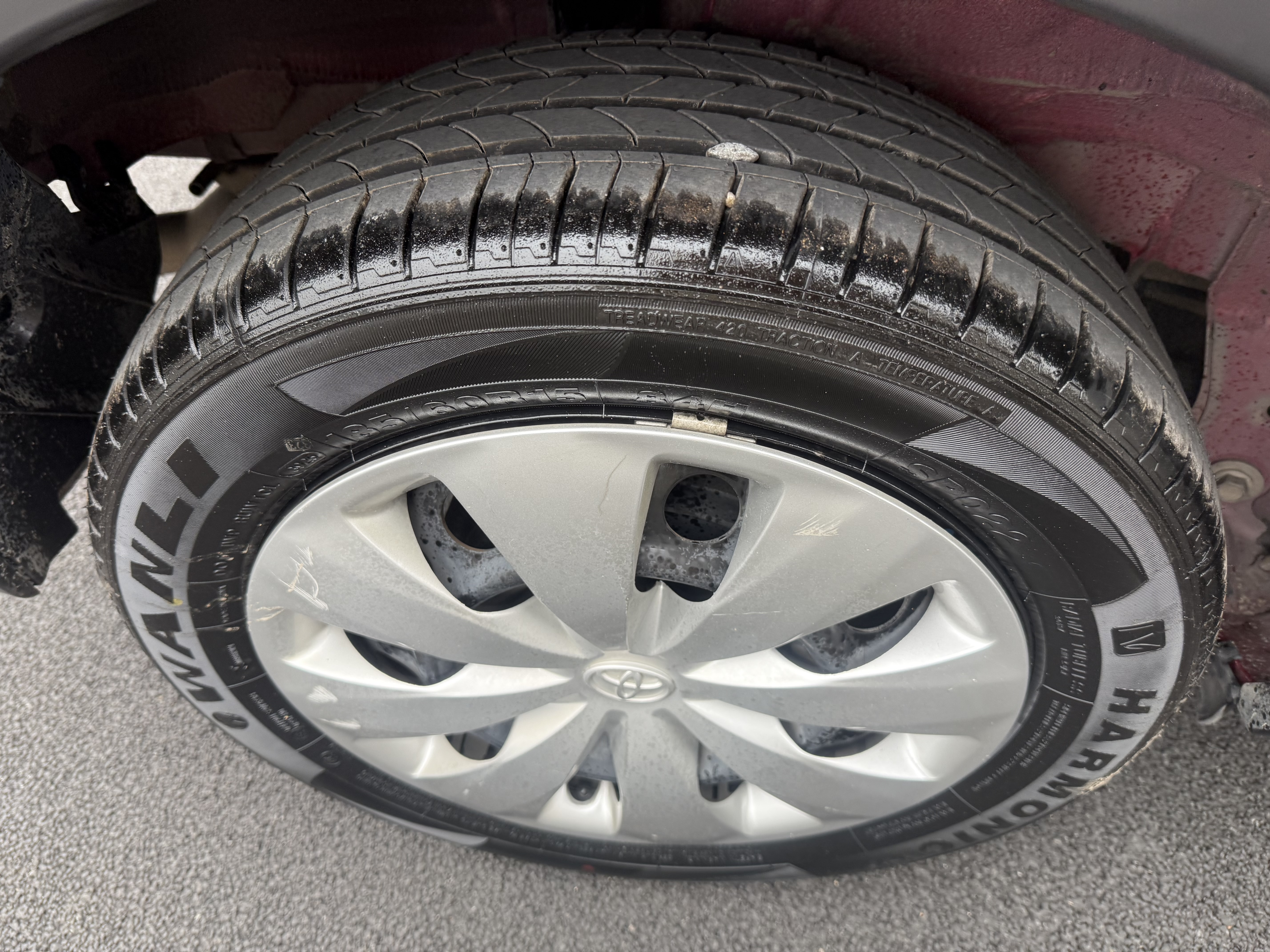
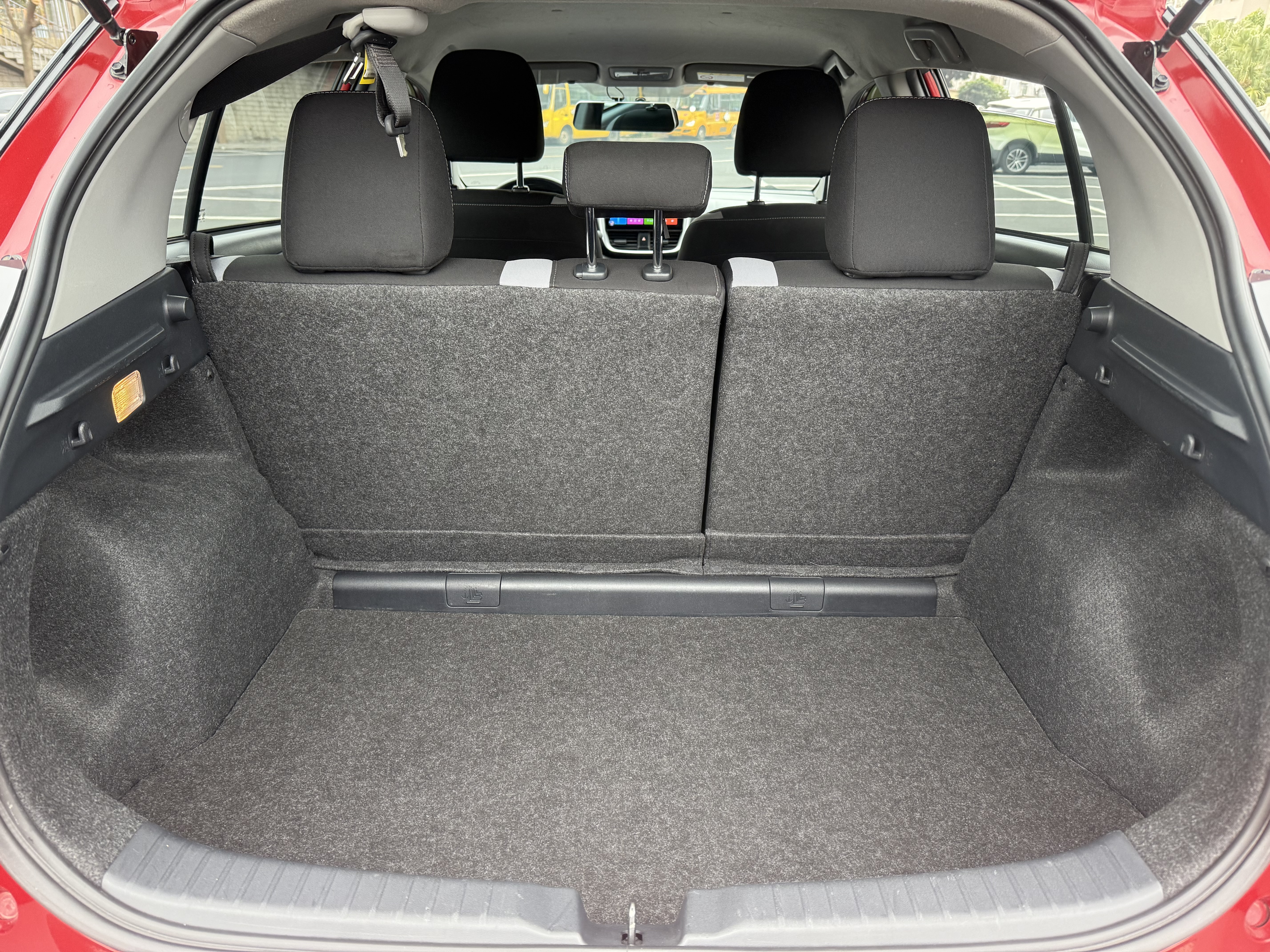
The car is in excellent condition, with full insurance until May. The loan is around 51,000. There are subsidies available, but photos will be taken during the transfer of ownership.

Configuration Highlights

✓Driver/Passenger Airbags
✓Tire Pressure Monitoring
✓ISOFIX Child Seat Anchors
✓ABS Anti-lock Braking
✓Electronic Brake Distribution
✓Electronic Stability Control
✓Hill Start Assist
✓Roof Rack
✓Seat Material
✓Rear Cupholders
✓Low Beam Headlights
✓Daytime Running Lights
✓Adjustable Headlight Height
✓Power Windows
✓Climate Control Type
✓Start-Stop System

Q&A

More

When shipping by RoRo vessel, is the "Terminal Handling Charge (THC)" at the destination port prepaid by your freight forwarder or paid by the buyer upon arrival?

Under international practices and our standard CIF/FOB terms, the THC at the port of origin (China) is borne by the seller; all THC and port miscellaneous charges incurred at the destination port during unloading are to be paid by the buyer (consignee) upon local customs clearance and pickup.
If I choose to abandon cargo at the destination port due to a cash flow issue, can I get a refund of the deposit and freight I previously paid?

No, it is absolutely impossible to get a refund. Not only will there be no refund, but if the proceeds from the port auction of the abandoned cargo are insufficient to cover the exorbitant demurrage and disposal fees, the shipping company and customs will still pursue you (the bill of lading recipient) for the remaining debt through international legal proceedings.

Why are the shipping costs for used electric vehicles (EVs) usually higher than for internal combustion engine vehicles (ICEs)?

Pure electric vehicles are classified as Class 9 Dangerous Goods due to their large lithium batteries, leading to strict shipping regulations. Shipping companies have high requirements for the loading position and fire isolation measures for dangerous goods, and some roll-on/roll-off ships refuse to accept used EVs. As a result, EVs often require more expensive special container shipping and incur additional handling fees for hazardous materials.