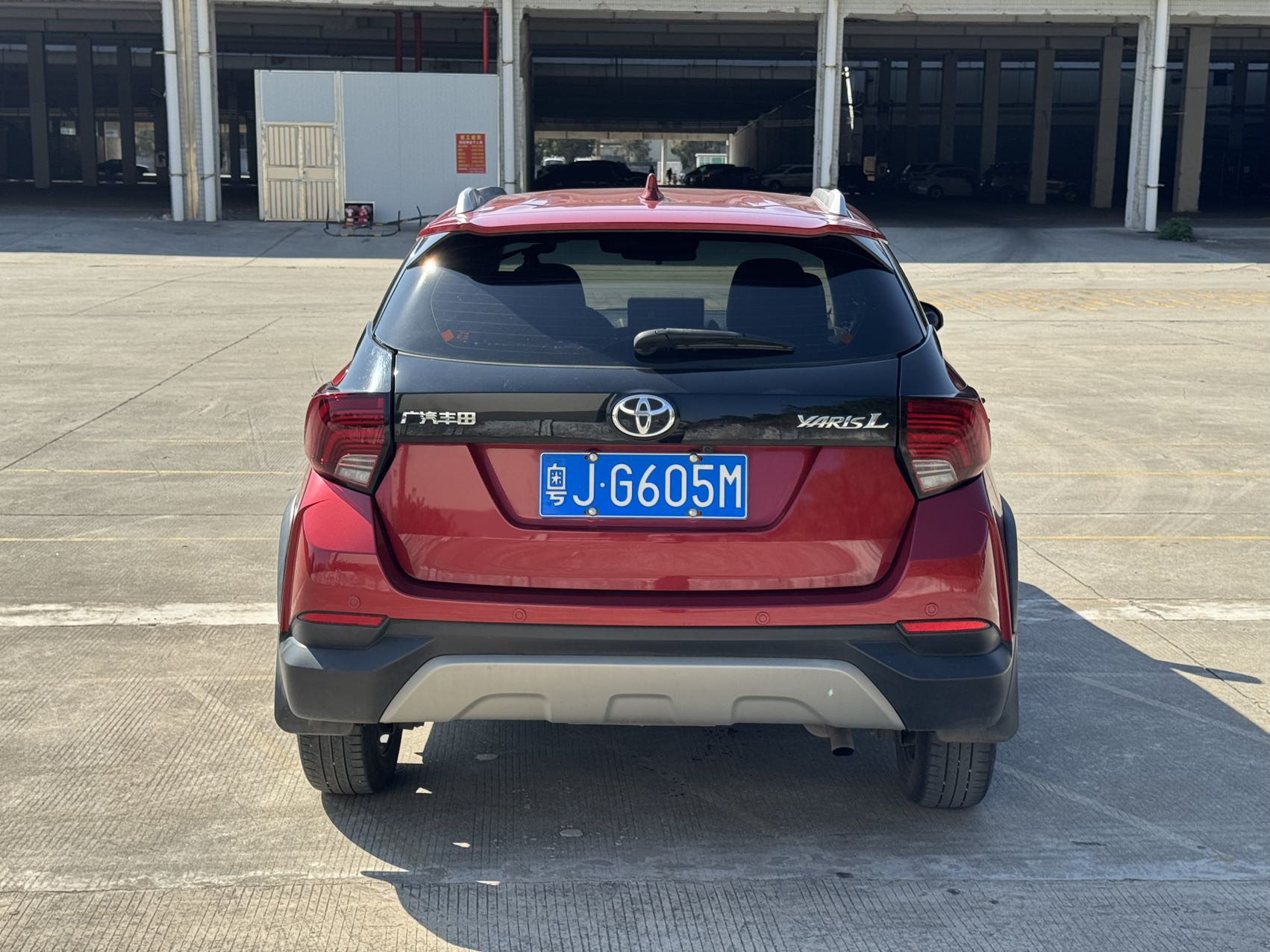
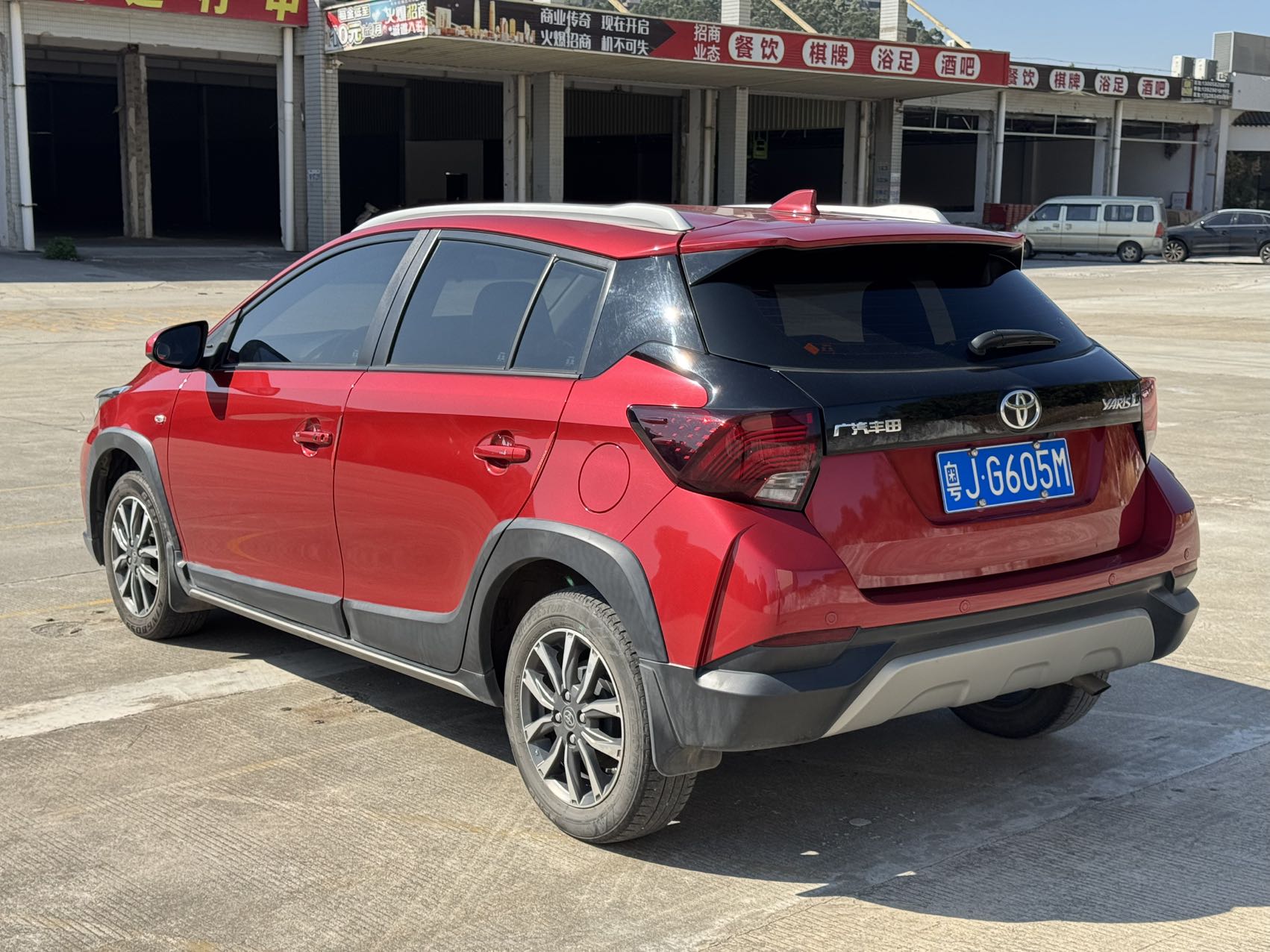
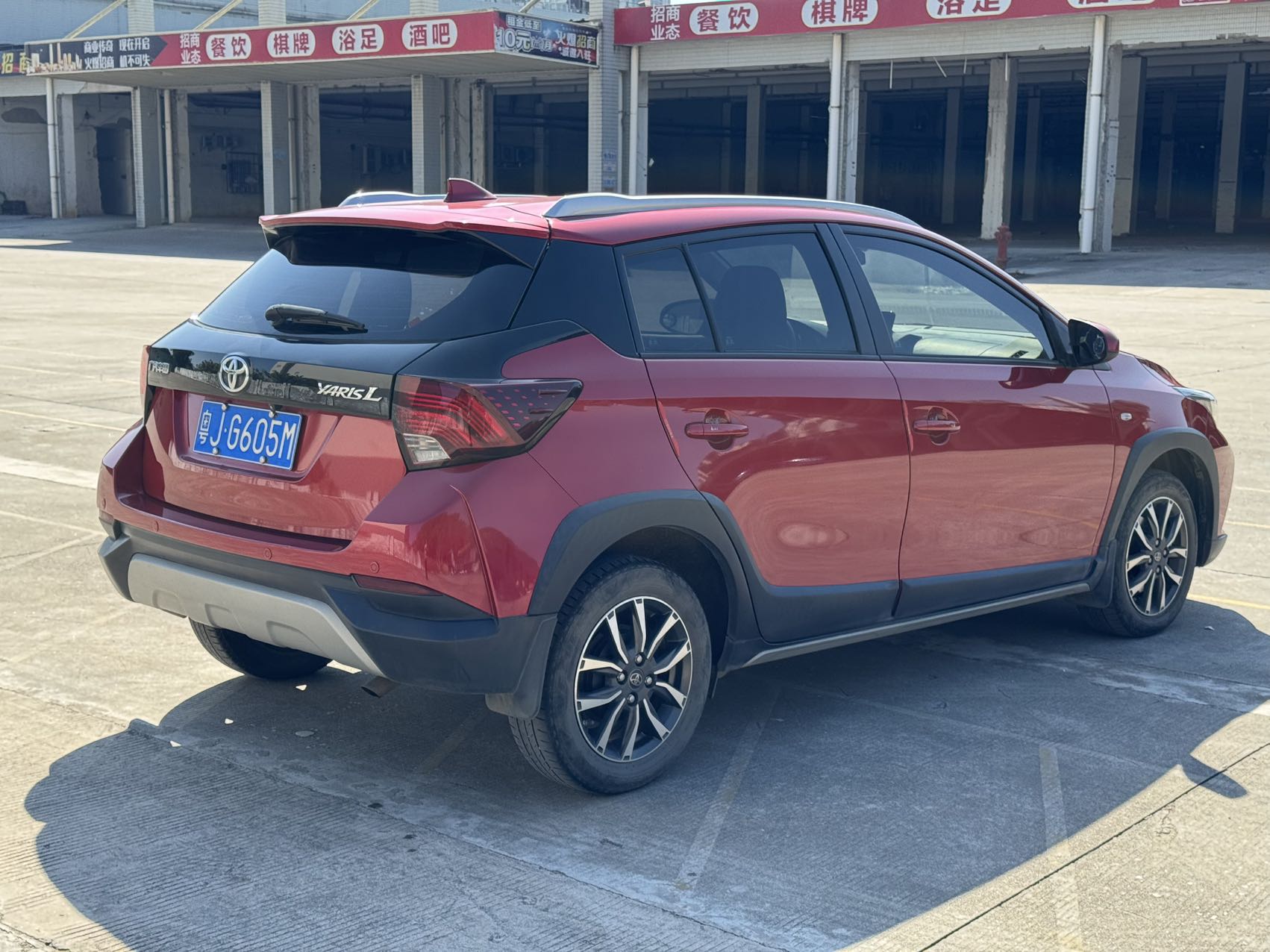
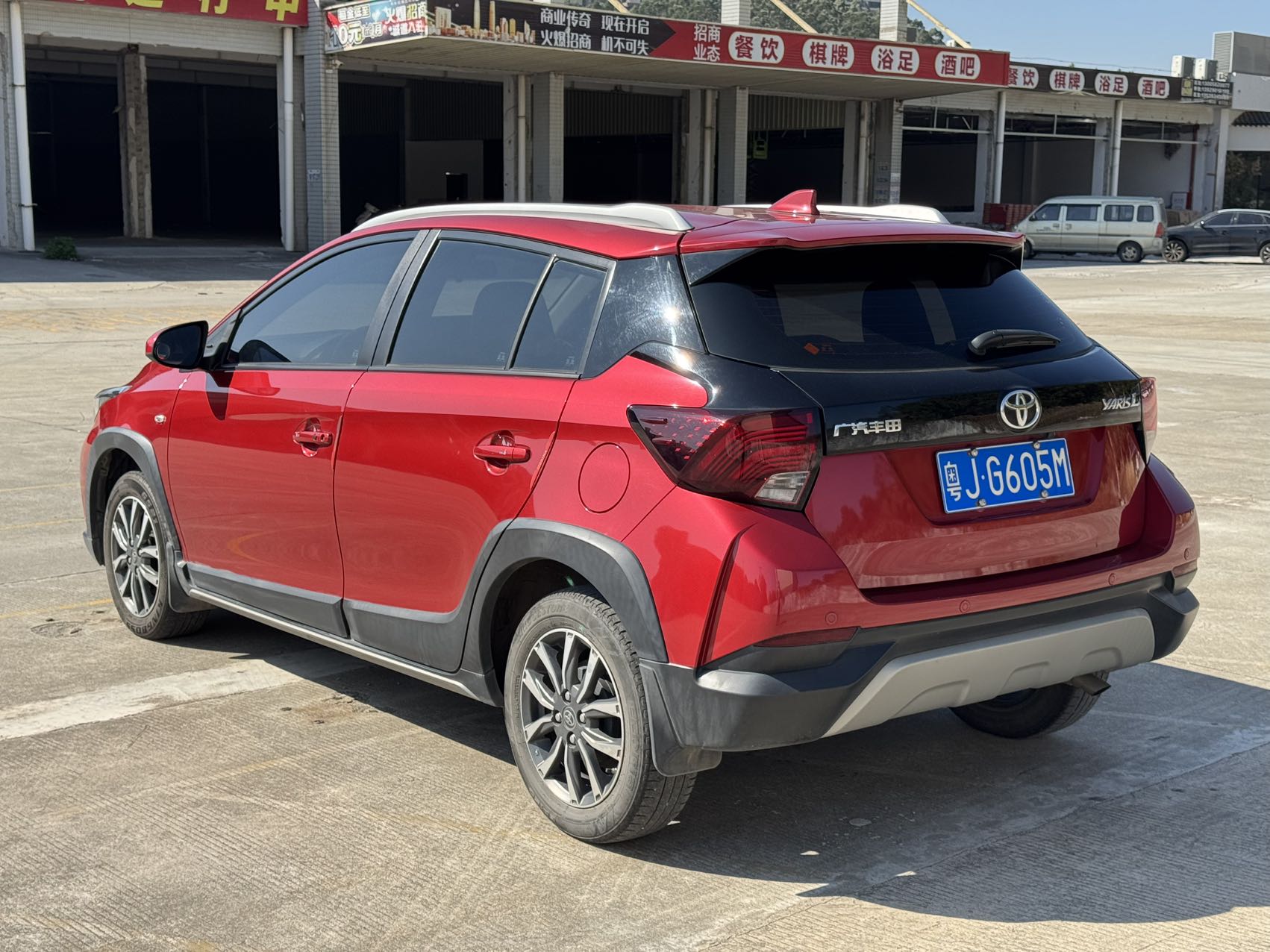
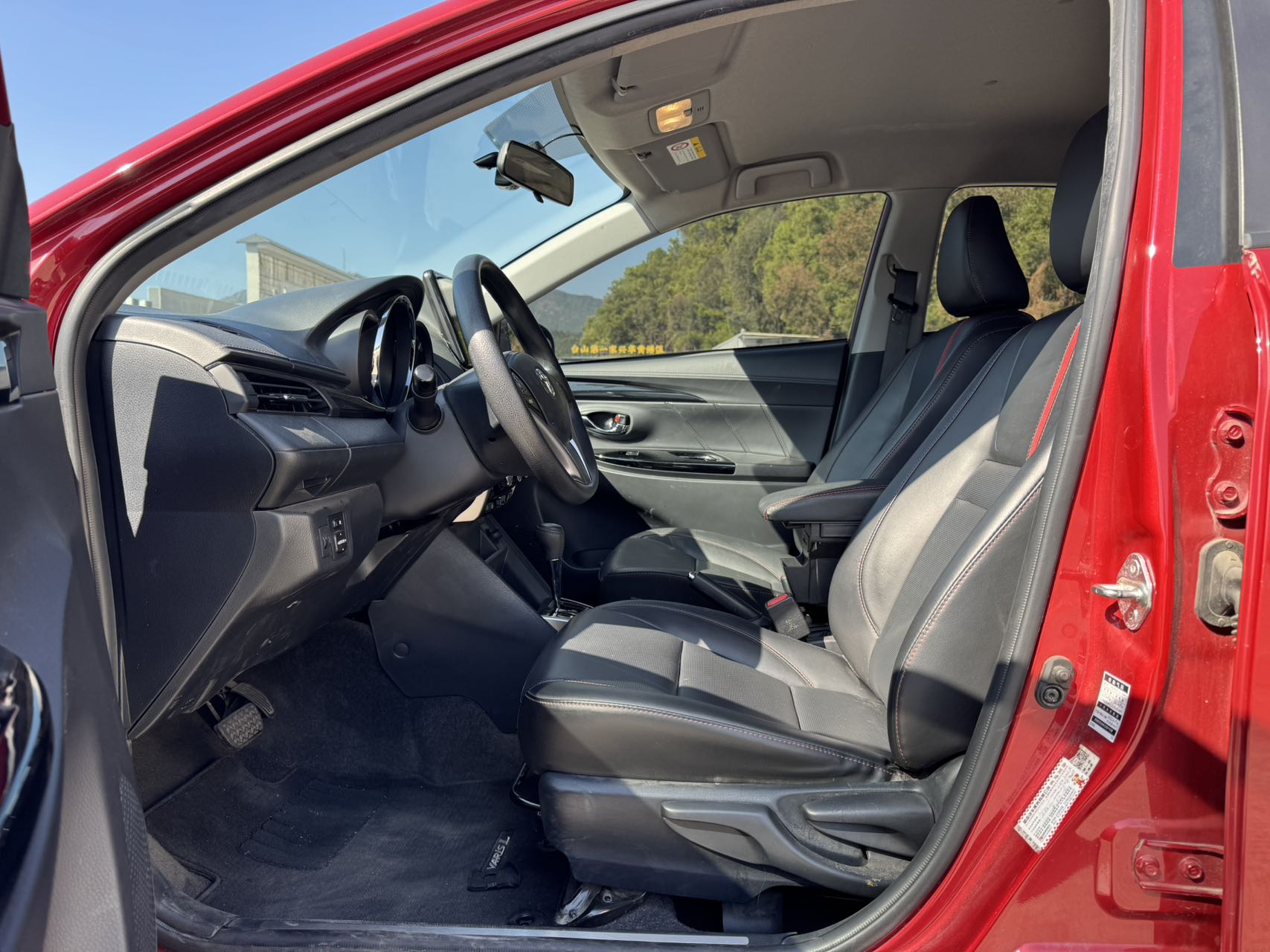
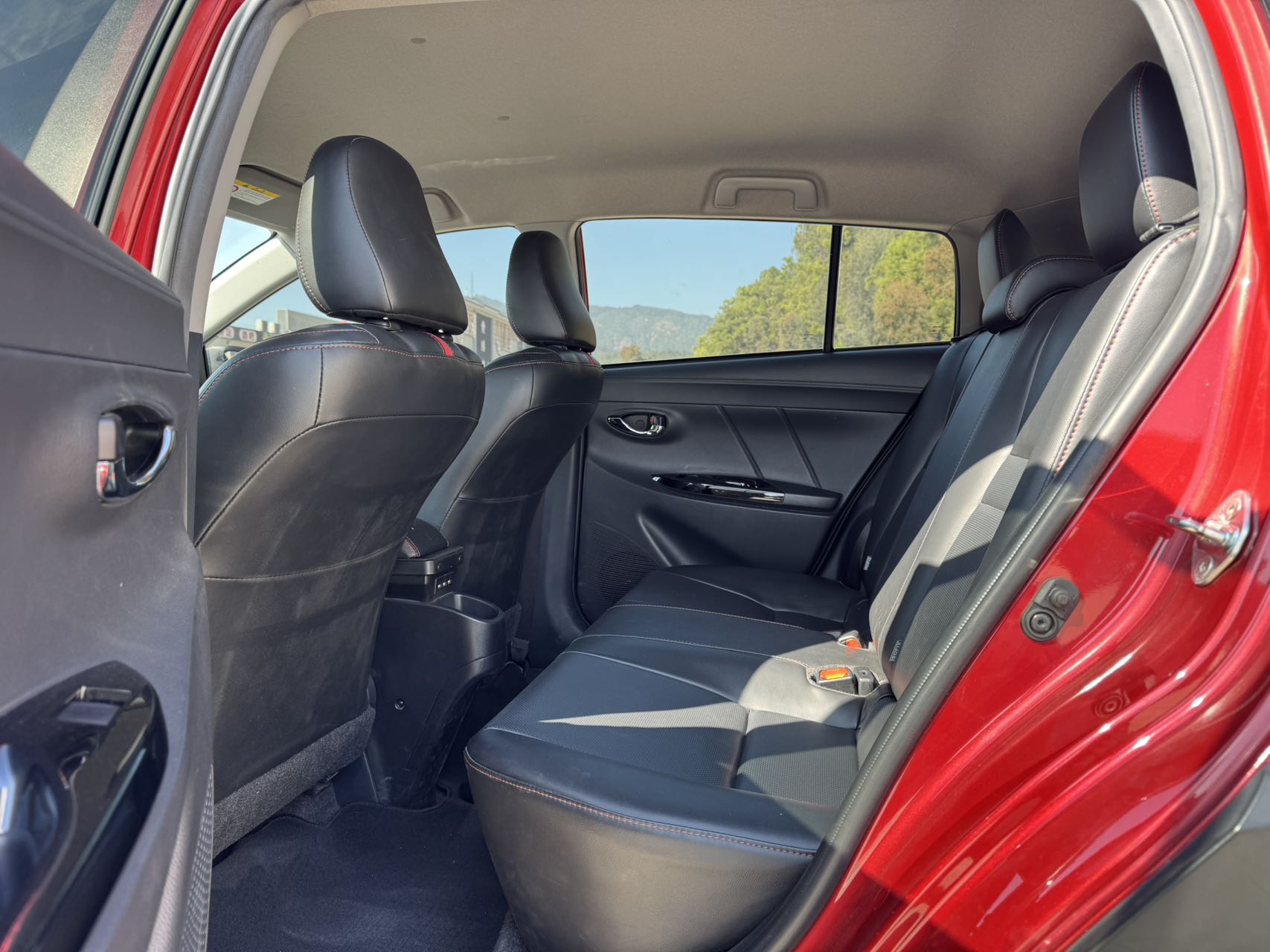
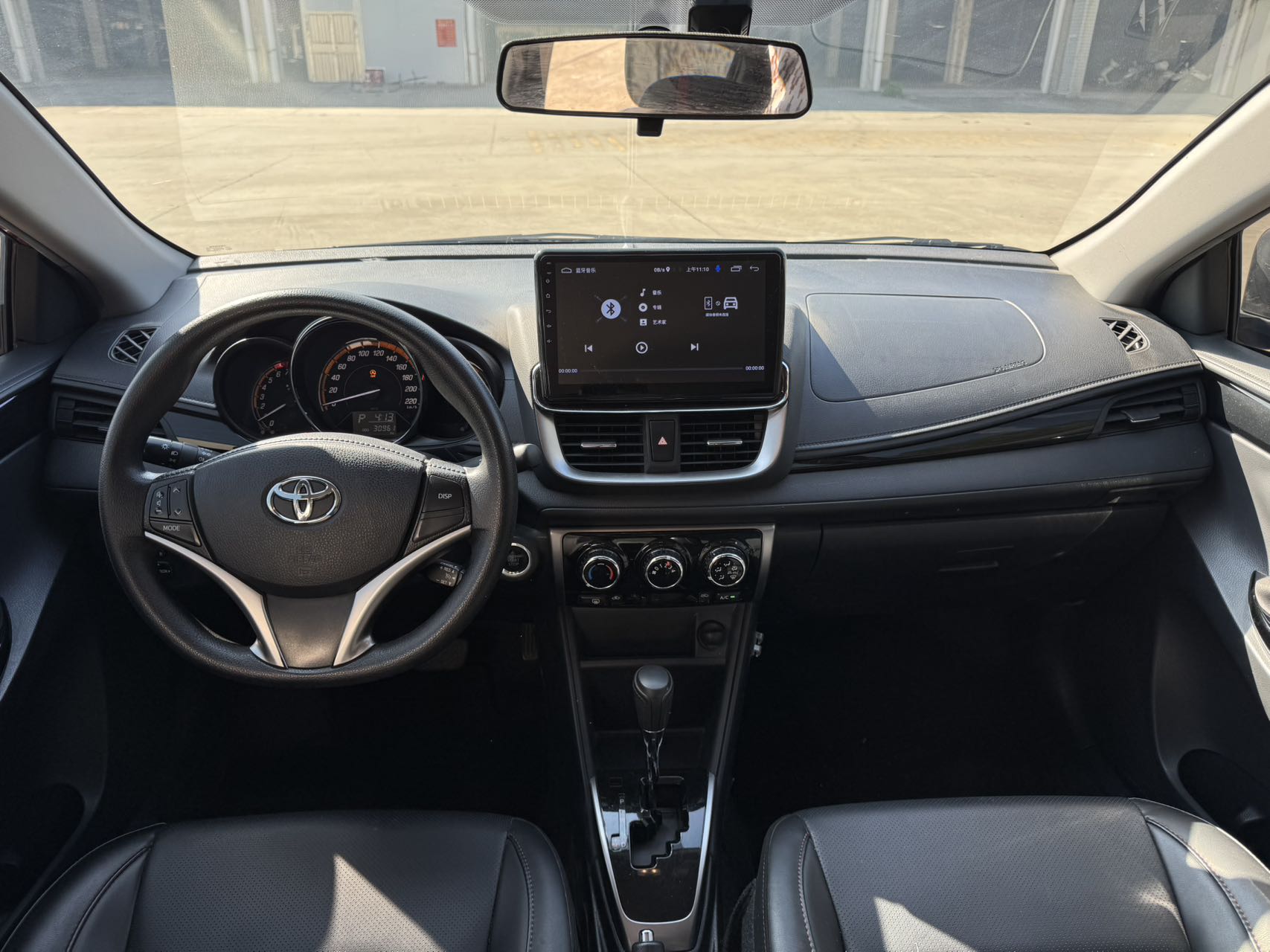
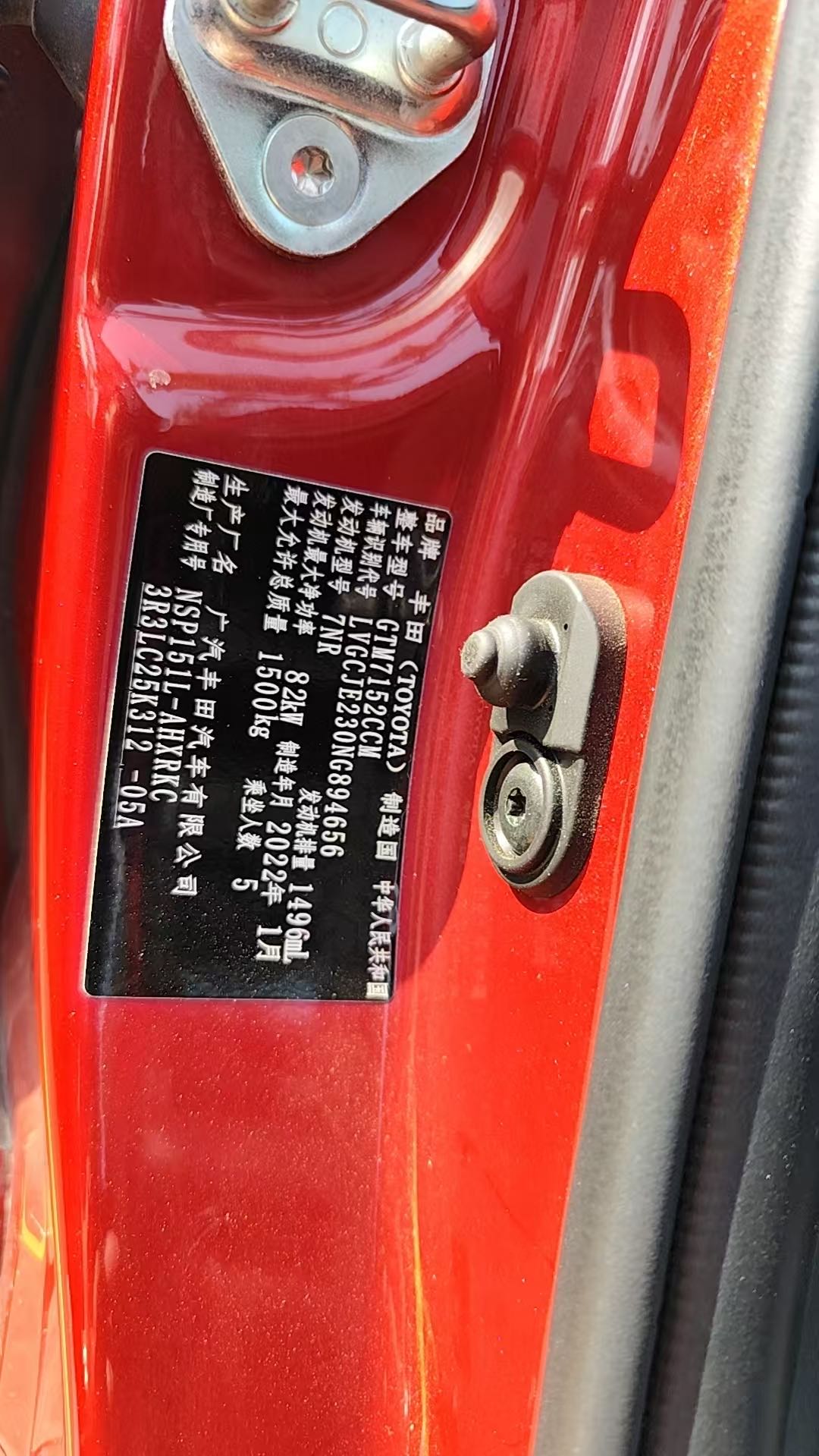



Basic Information

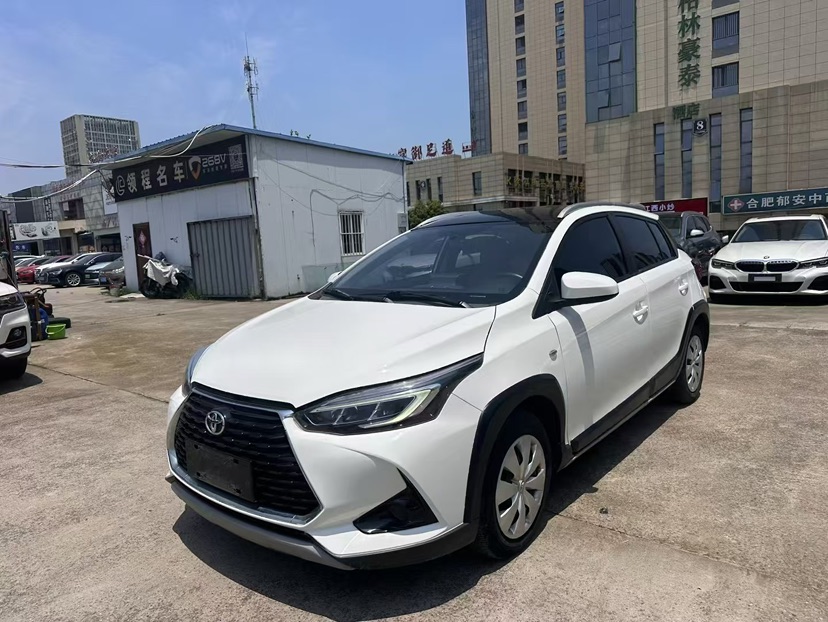
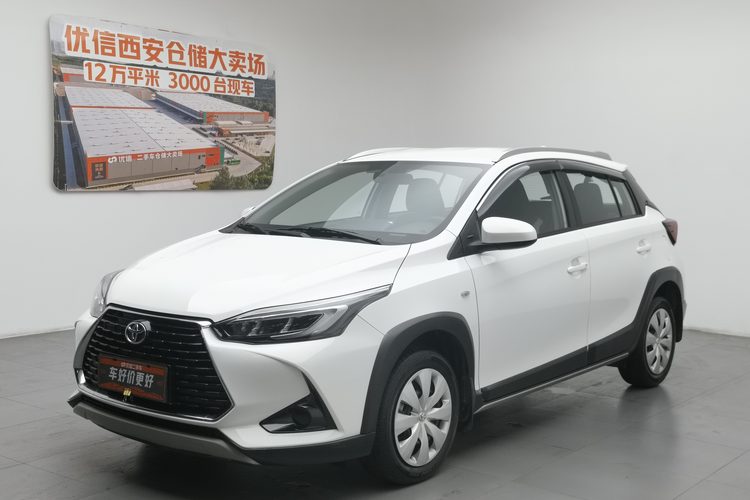
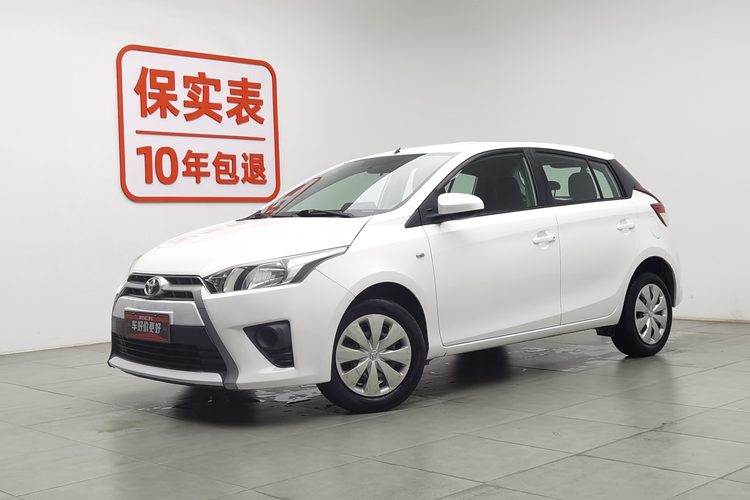
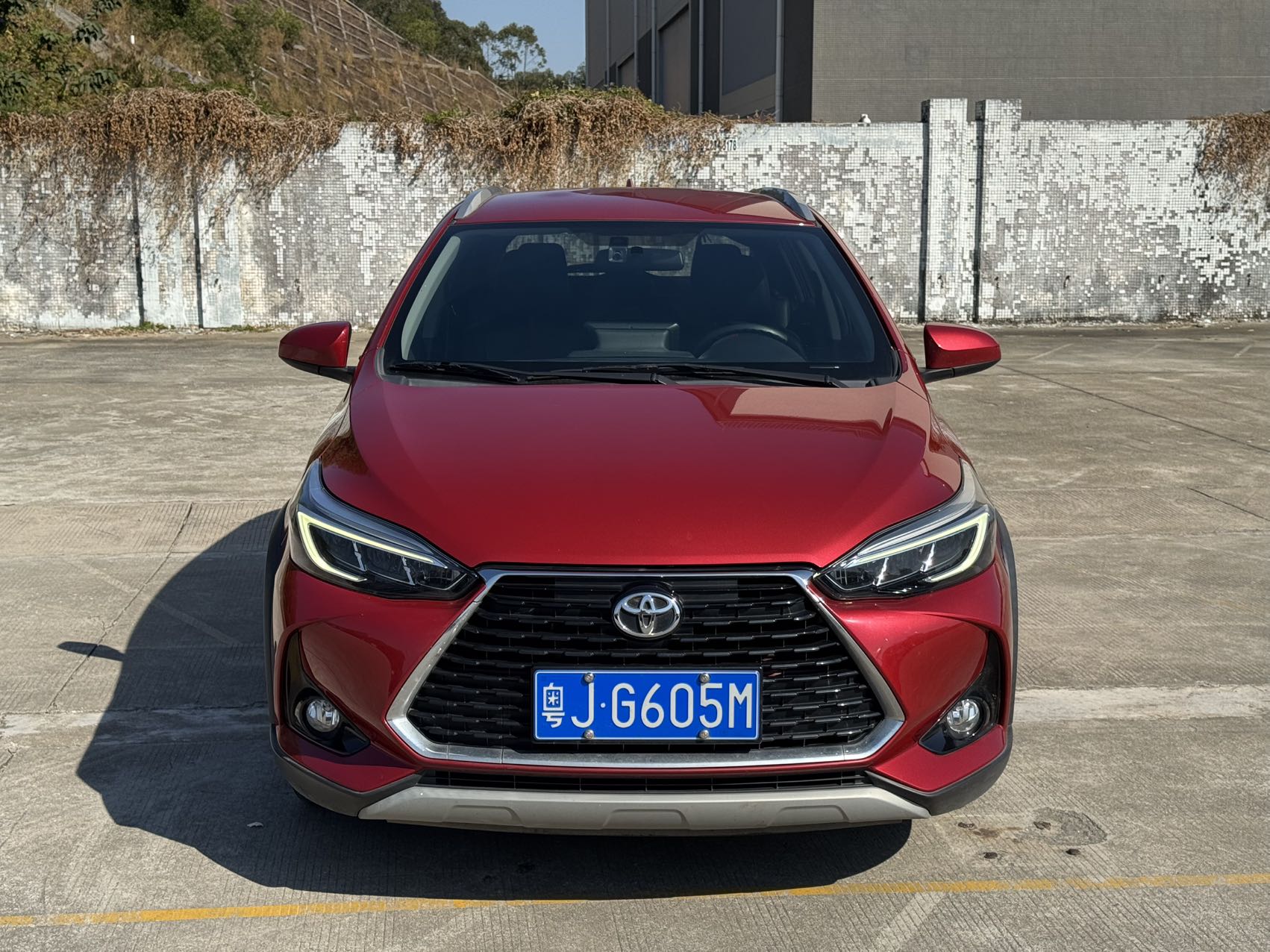
BrandToyota
SeriesYaris L Zhixuan
Year2022
First Registration2022/01
Mileage3.1km
Transfer Count-
FuelGasoline
TransmissionCVT
Engine1.5L 112 L4
ColorRed
Seats5seats

Condition Description

Original paint, no repairs, no accidents, zero claims.

Configuration Highlights

✓Driver/Passenger Airbags
✓Tire Pressure Monitoring
✓ISOFIX Child Seat Anchors
✓Keyless Start System
✓Keyless Entry System
✓ABS Anti-lock Braking
✓Electronic Brake Distribution
✓Electronic Stability Control
✓Hill Start Assist
✓Roof Rack
✓Multifunction Steering Wheel
✓Seat Material
✓Rear Cupholders
✓Low Beam Headlights
✓Daytime Running Lights
✓Adjustable Headlight Height
✓Power Windows
✓Climate Control Type
✓Start-Stop System

Q&A

More

What is a Certificate of Origin and why do I need one when importing a car from China?

A Certificate of Origin (C/O) is an official document stating where the vehicle was manufactured. Customs authorities use it to decide which tariff rates and trade agreements apply to your import. Why it matters: many countries offer preferential tariffs for certain origins. With a valid C/O, such as the ASEAN-China Form E or a GSP Form A, you may pay reduced or zero duty. Without it, you typically pay the standard, higher rate. The certificate must match the vehicle exactly: VIN, make, model and invoice details. It is usually issued by the China Council for the Promotion of International Trade (CCPIT) or customs authorities. Practical tips: request the C/O before shipment, because adding it later is slow; check that your country's customs accepts the specific C/O format; and confirm with your broker whether your vehicle category qualifies for preferential rates. This single document can save you thousands in duty.
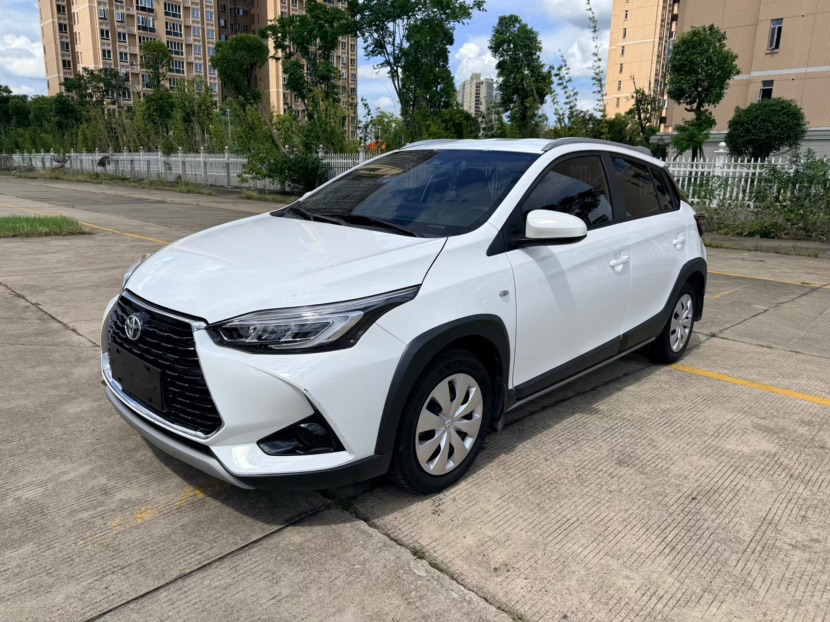
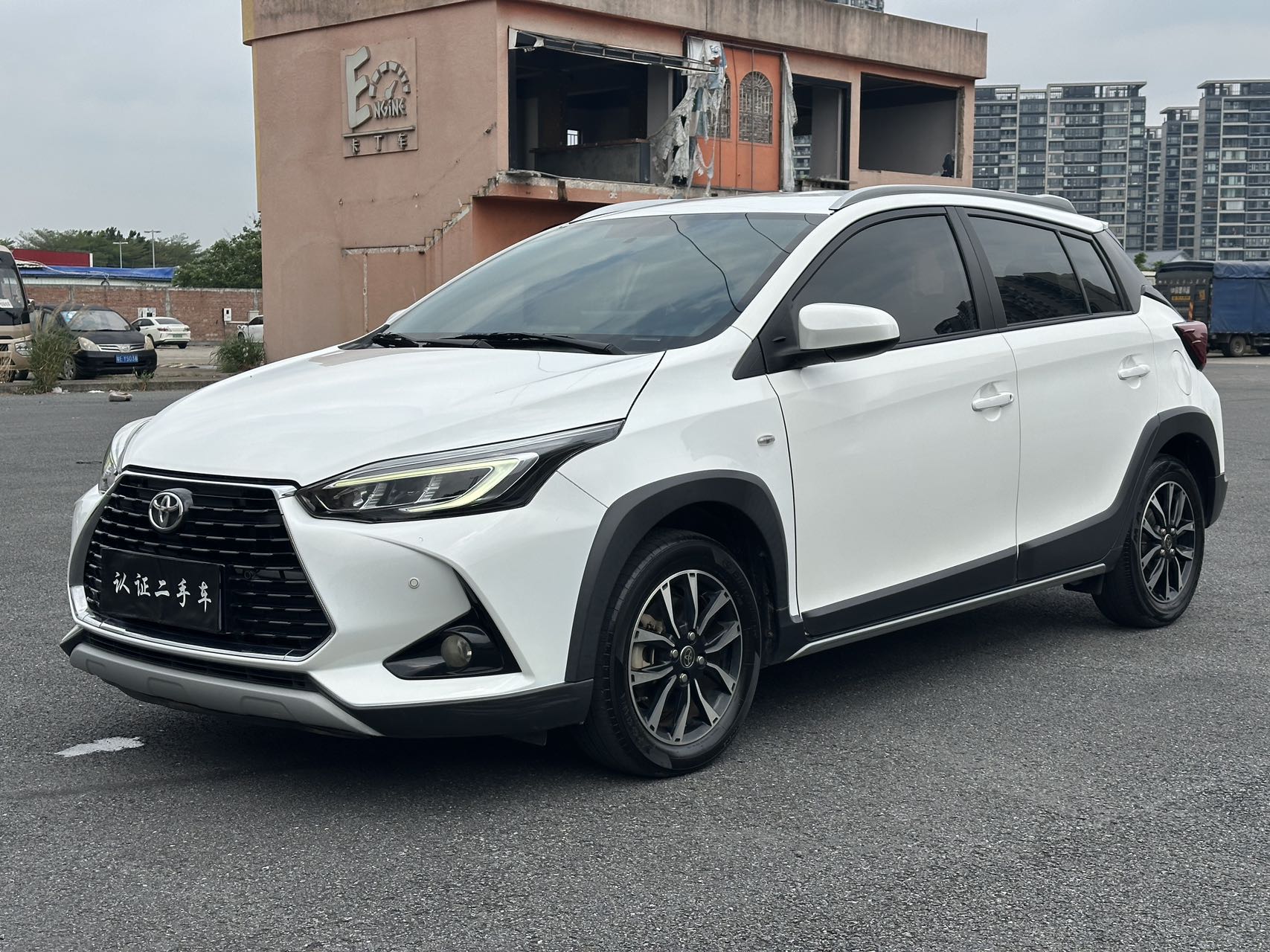
Will the vehicle undergo deep cleaning, thorough washing, or exterior refurbishment before being shipped for export?

Before export, we perform a standard external wash and interior vacuuming to meet basic hygiene inspection requirements by customs. However, we do not engage in deceptive "refurbishments" (such as repainting large areas with cheap paint or using low-quality interior refurbishing agents) to preserve the vehicle's true physical condition for buyer assessment.

What are the specific evaluation criteria for "original paint" on your platform? Does repainting a bumper count?

Strict definition: All metal body parts (doors, hood, fenders) and the frame must retain the original factory paint, with uniform paint thickness readings. Minor touch-ups or replacements of plastic bumpers, as they do not affect metal corrosion protection and vehicle structure, can still be classified as "original paint" in a broad sense, but we will separately note the condition of the bumper.