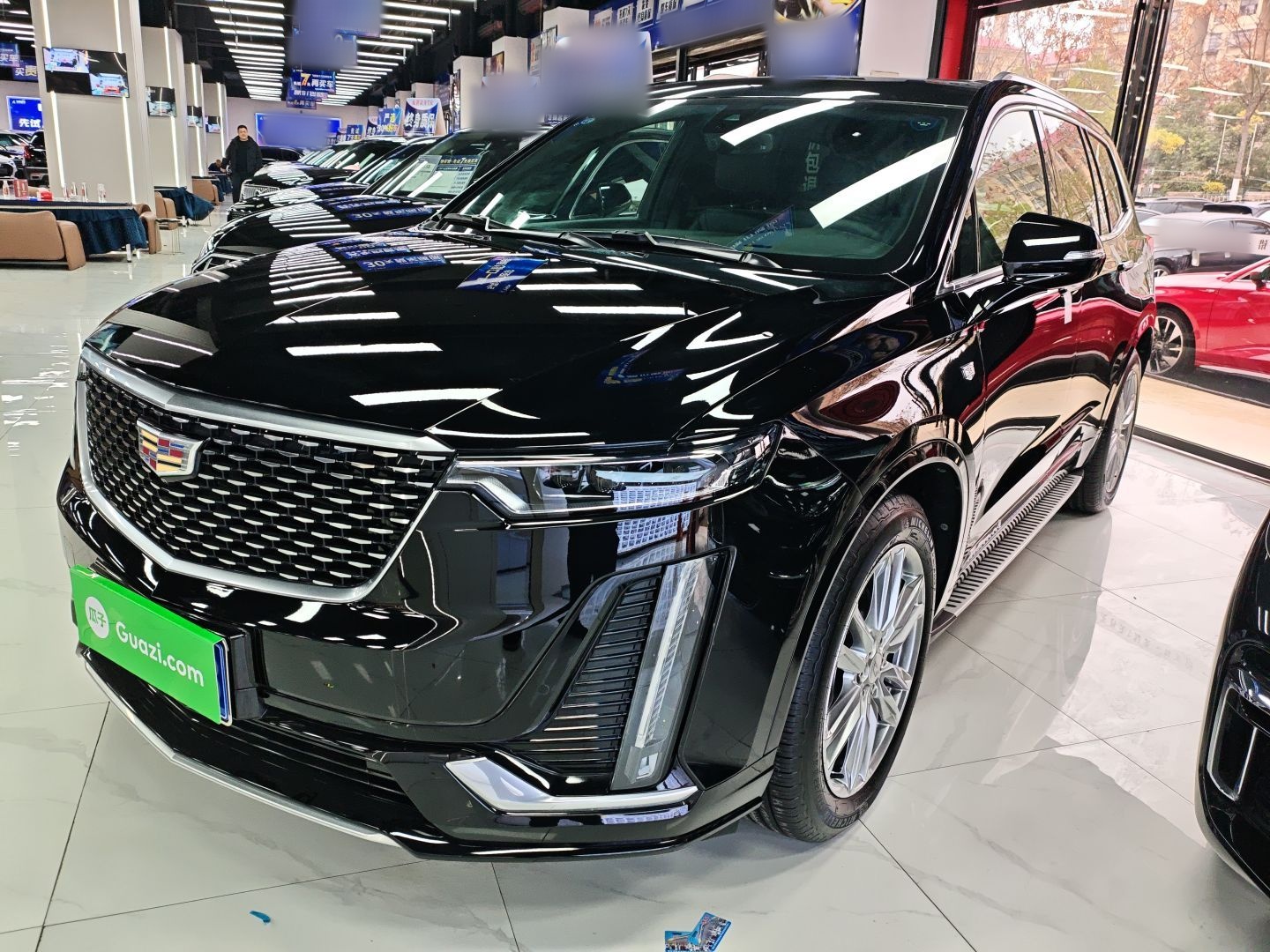
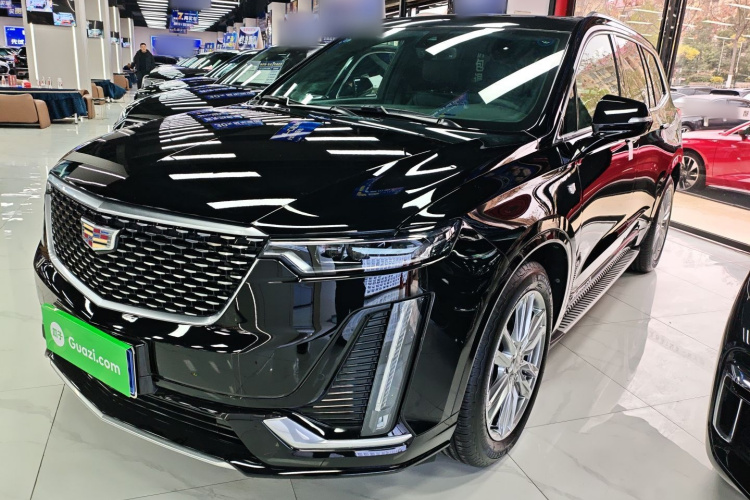
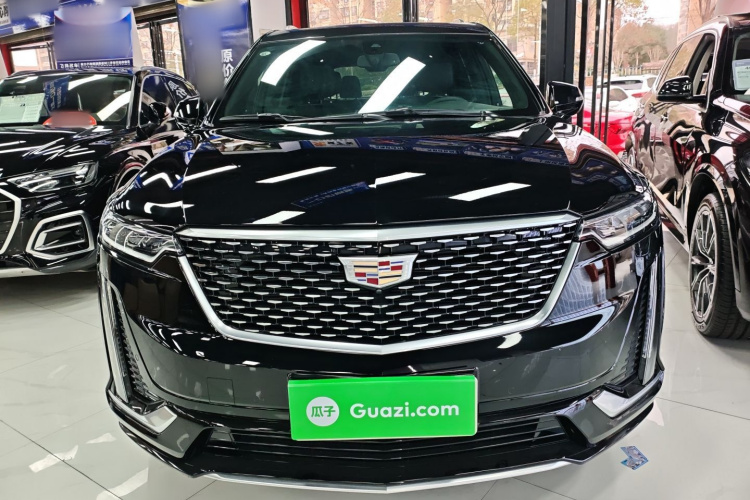
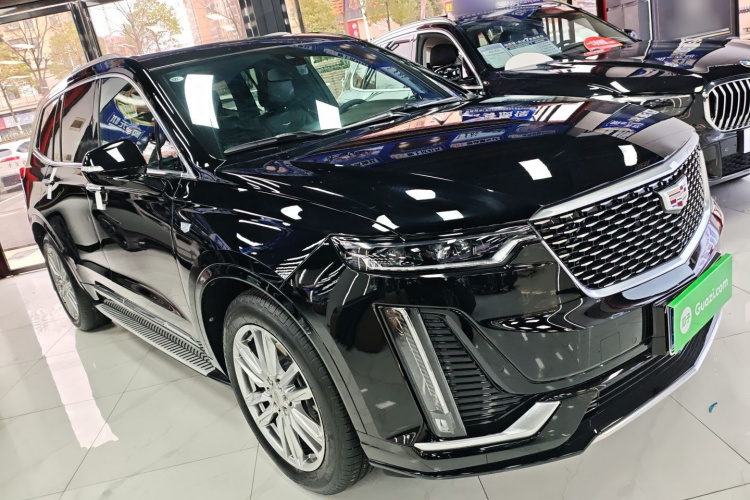
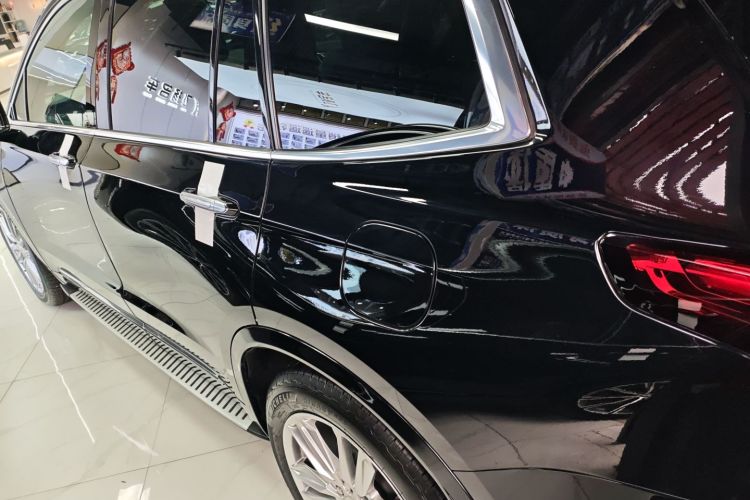
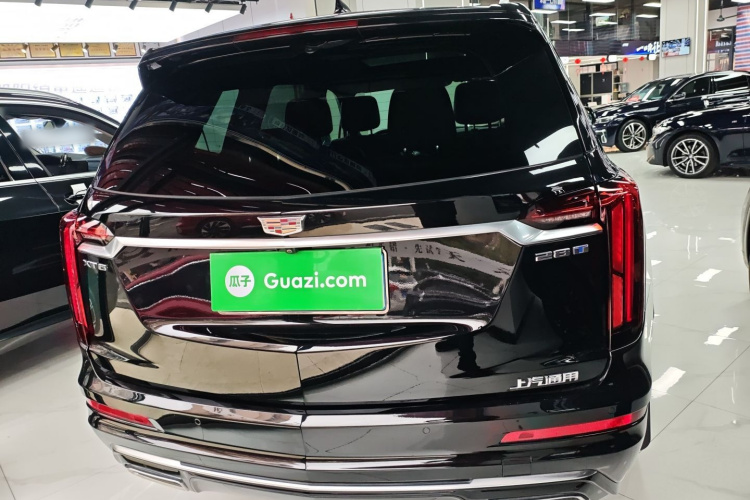
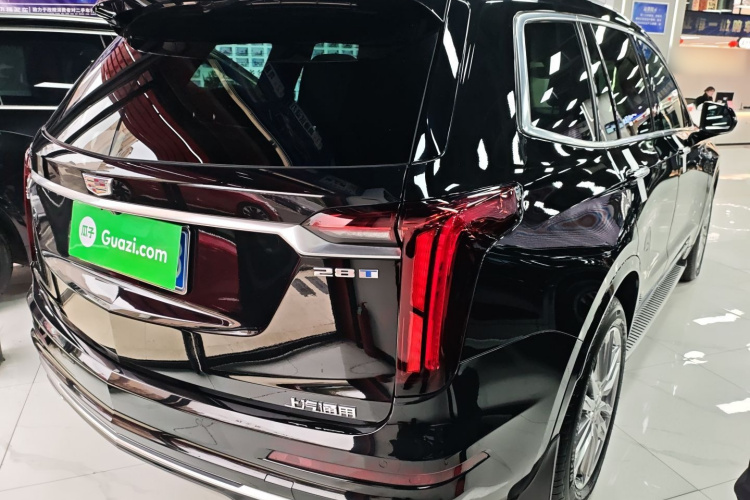
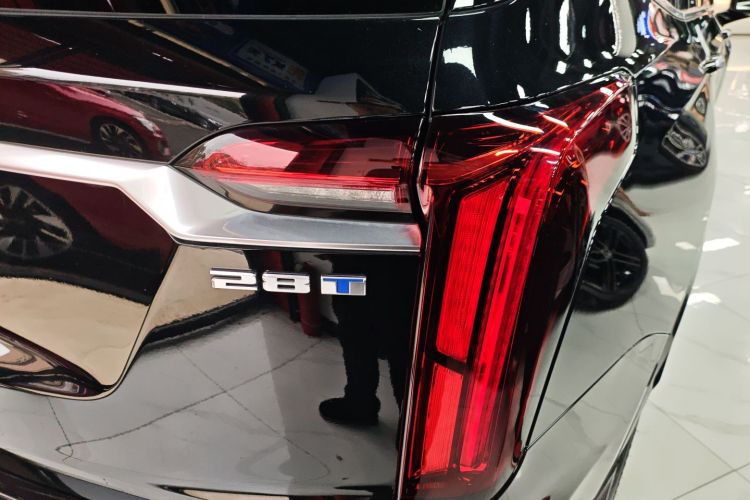
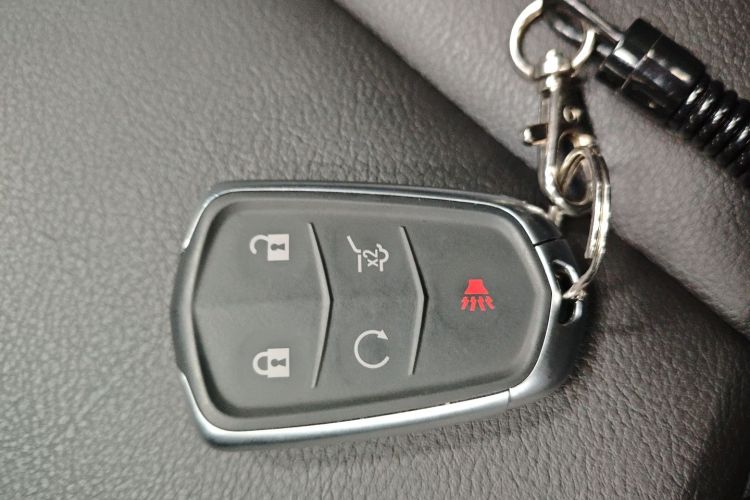
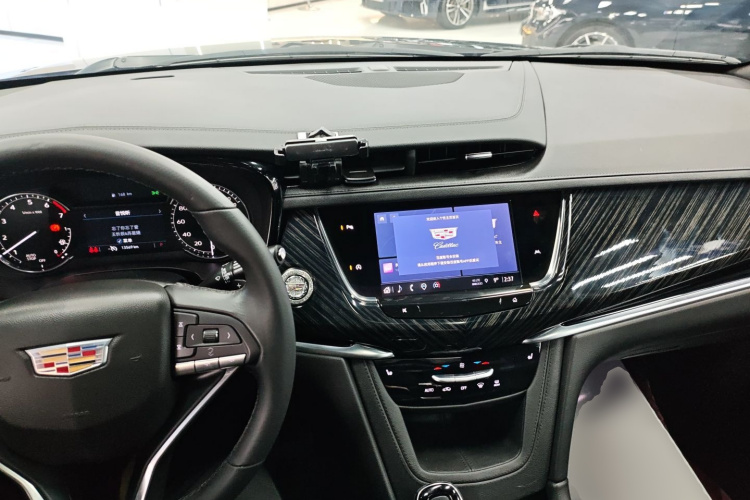
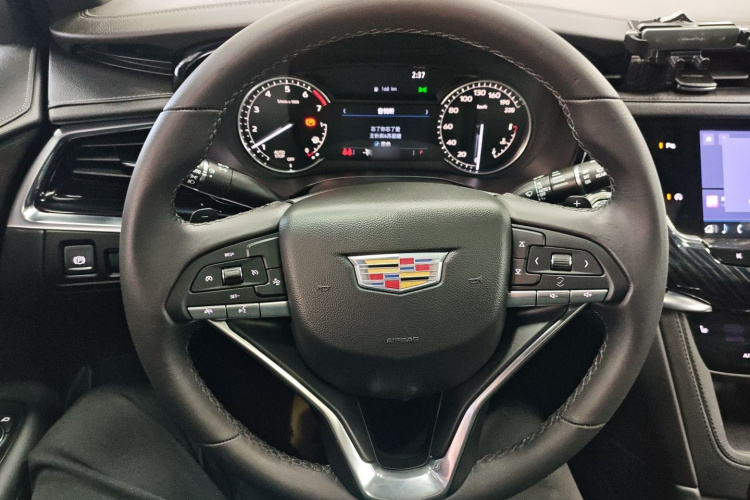
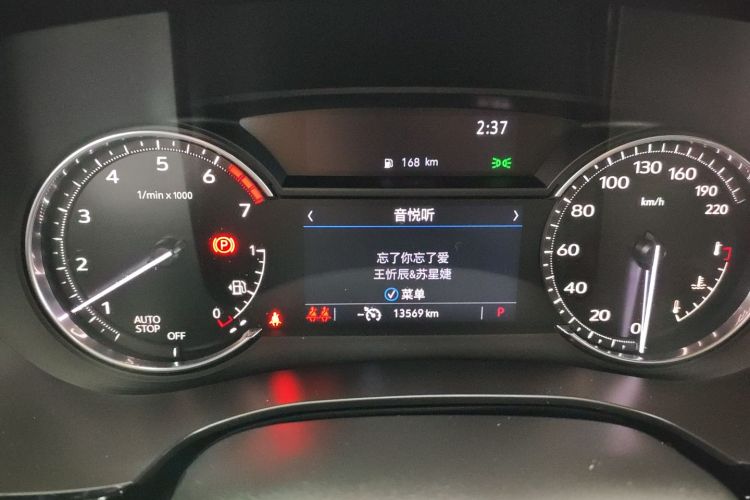
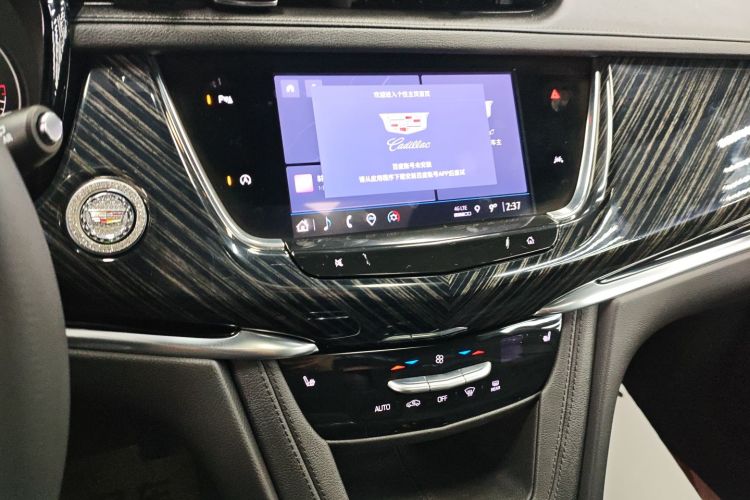
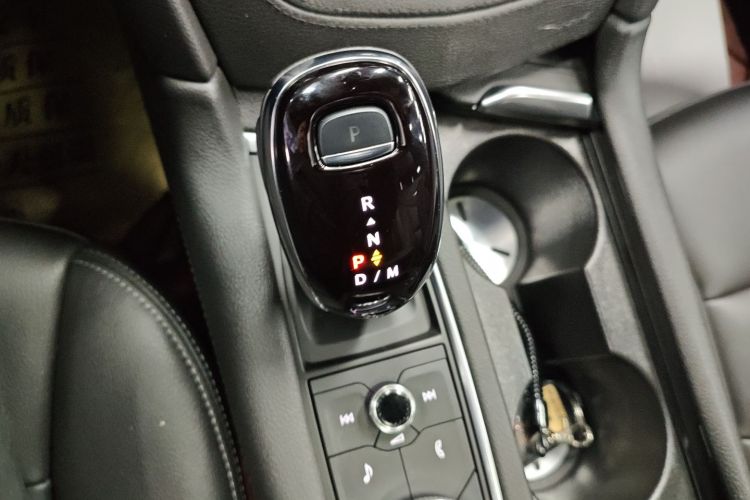
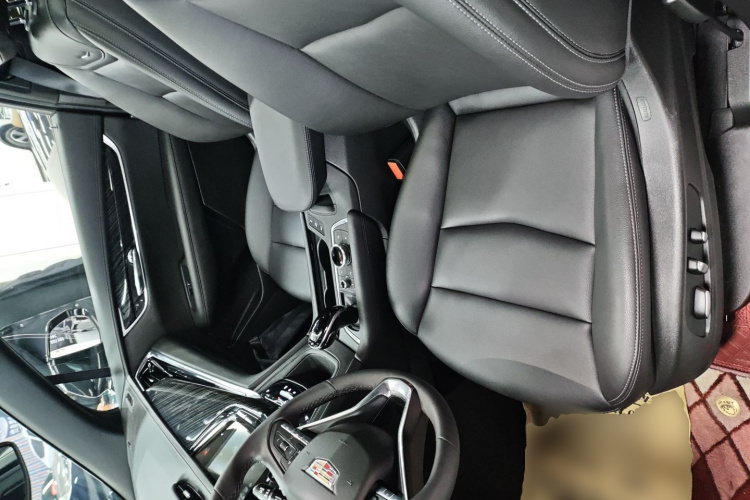
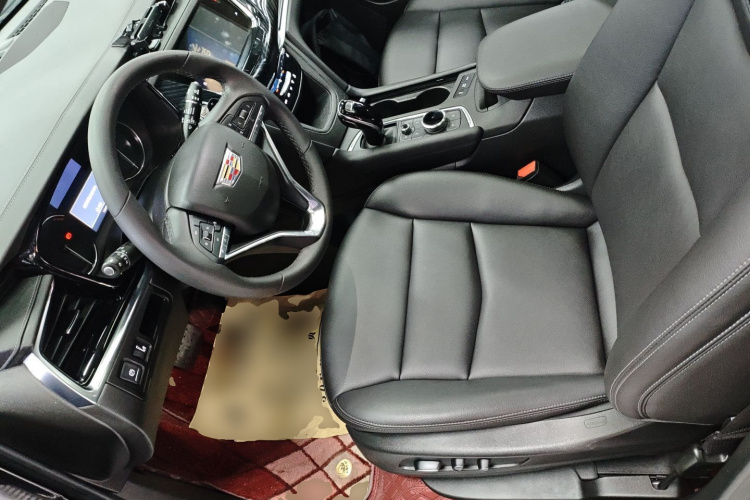



Basic Information

BrandVolkswagen
Series-
Year2023
First Registration2023/10
Mileage13,600km
Transfer Count-
FuelMild Hybrid
TransmissionManumatic
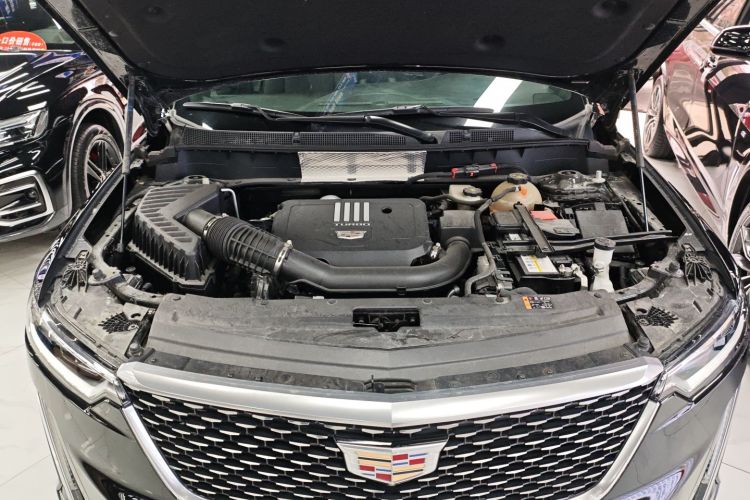
Engine2.0T 237 L4
ColorBlack
Seats-

Condition Description

Excellent car condition detection passed the car condition is better than 80%. Excellent car condition claims 1 transfer 0 times

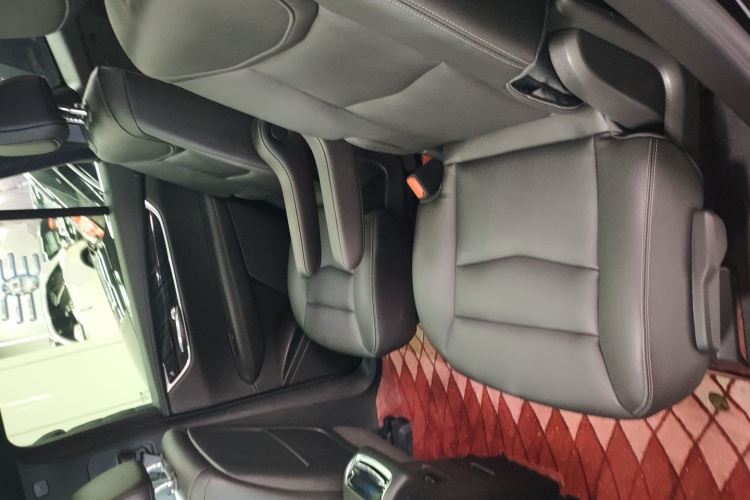
This vehicle is 3 years old, with an average annual mileage of 4,500 kilometers. It has been used very infrequently and has never been transferred to another owner, making it a first-hand vehicle. The exterior is in excellent condition, with a glossy paint finish but possibly minor scratches. The interior is clean and tidy, with minor signs of use. The overall body frame is intact and without any abnormalities. The fluid levels are normal, and the powertrain operates smoothly without any issues.

Configuration Highlights

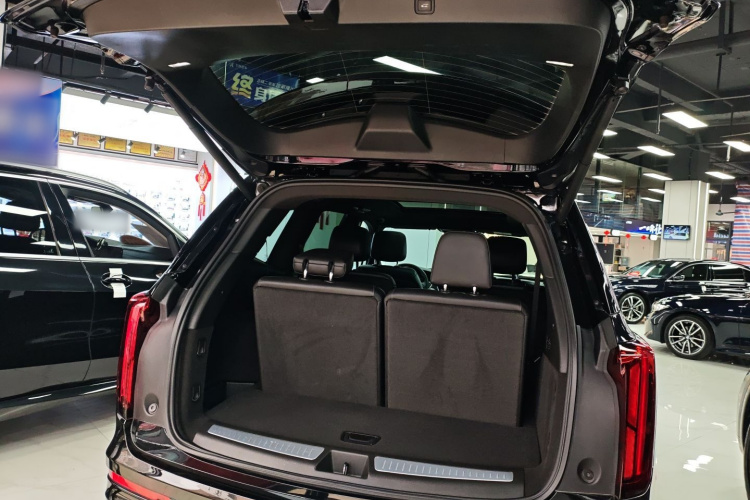
✓Kick-sensor Trunk
✓Adaptive Headlights
✓Blind Spot Assist
✓Surround View Camera
✓Lane Departure Warning
✓Power Steering Adjustment
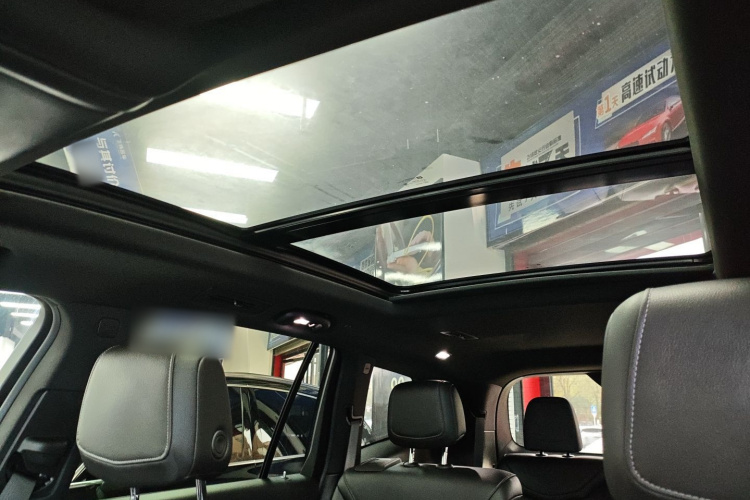
✓Panoramic Sunroof
✓Rear Independent Climate Control
✓Power Trunk
✓Cornering Lights
✓Driver Seat Memory
✓Ambient Lighting
✓Paddle Shifters
✓Smartphone Connectivity
✓High Beam Assist
✓Front Radar
✓Auto Hold
✓Keyless Entry
✓Rain-sensing Wipers
✓High-definition Low Beam
✓Power Folding Mirrors
✓Engine Start-Stop
✓Power Seats
✓Auto Headlights
✓Cruise Control
✓Keyless Start
✓Rear Air Vents
✓Tire Pressure Monitoring
✓Heated Mirrors
✓Hill Start Assist
✓Rear Parking Sensors
✓Anti-pinch Windows

Q&A

More

How long does it usually take from when I pay the full amount to when the vehicle is loaded at the port in China?

Under normal circumstances, it takes 15 to 25 working days. This includes: domestic transfer of ownership (3-5 days), applying for an export license (3-5 days), inland trucking to the port (2-5 days), customs inspection and waiting for loading schedule (5-10 days). Do not trust false promises from other channels claiming 'loading within a week.'

Beyond the car price, what costs should I budget when importing a used car from China?

A realistic budget has several layers beyond the vehicle price. First, inland logistics in China: moving the car to the export port typically costs $300-$800. Second, export handling: inspection, customs declaration and paperwork usually add $500-$1,000. Third, ocean freight. A 20ft container to most destinations runs $1,200-$3,000 depending on route; RoRo shipping can be cheaper for driveable cars. Add marine insurance, usually 0.3%-0.5% of the car value. Fourth, destination charges: port handling, customs duties, VAT/GST and local registration fees. These vary widely; some countries charge duties of 20%-80% of the vehicle value plus an excise based on engine capacity. Finally, any compliance work: inspection certificates, modifications to meet local standards, or homologation. Ask your exporter for a full CIF quote and have a local customs broker confirm destination taxes before you commit.

What is a Certificate of Origin and why do I need one when importing a car from China?

A Certificate of Origin (C/O) is an official document stating where the vehicle was manufactured. Customs authorities use it to decide which tariff rates and trade agreements apply to your import. Why it matters: many countries offer preferential tariffs for certain origins. With a valid C/O, such as the ASEAN-China Form E or a GSP Form A, you may pay reduced or zero duty. Without it, you typically pay the standard, higher rate. The certificate must match the vehicle exactly: VIN, make, model and invoice details. It is usually issued by the China Council for the Promotion of International Trade (CCPIT) or customs authorities. Practical tips: request the C/O before shipment, because adding it later is slow; check that your country's customs accepts the specific C/O format; and confirm with your broker whether your vehicle category qualifies for preferential rates. This single document can save you thousands in duty.

Volkswagen 2.0T 237 L4

凯迪拉克XT6 2022款 2.0T 六座两驱豪华型

EXW: $41,318
Car CodeSWA1592795
Publish Date