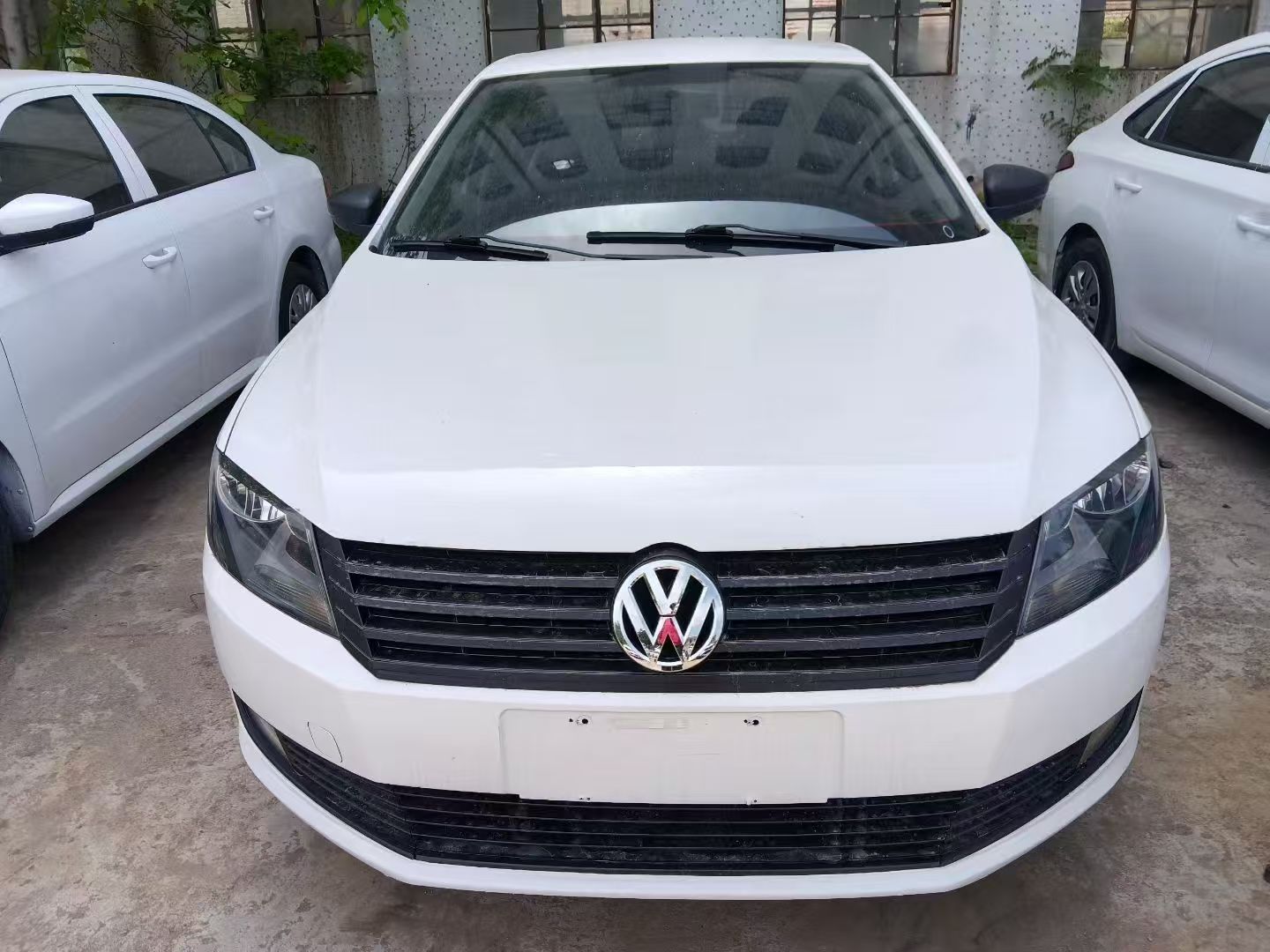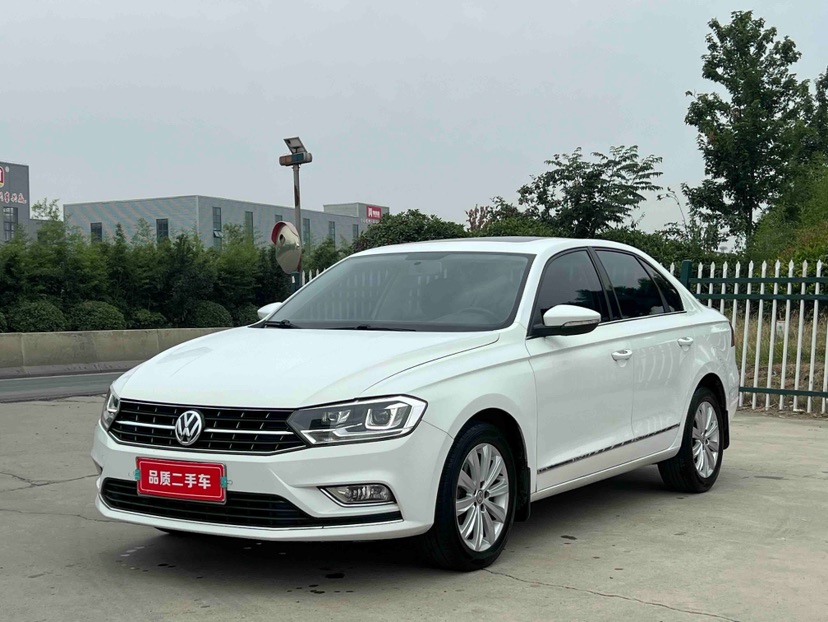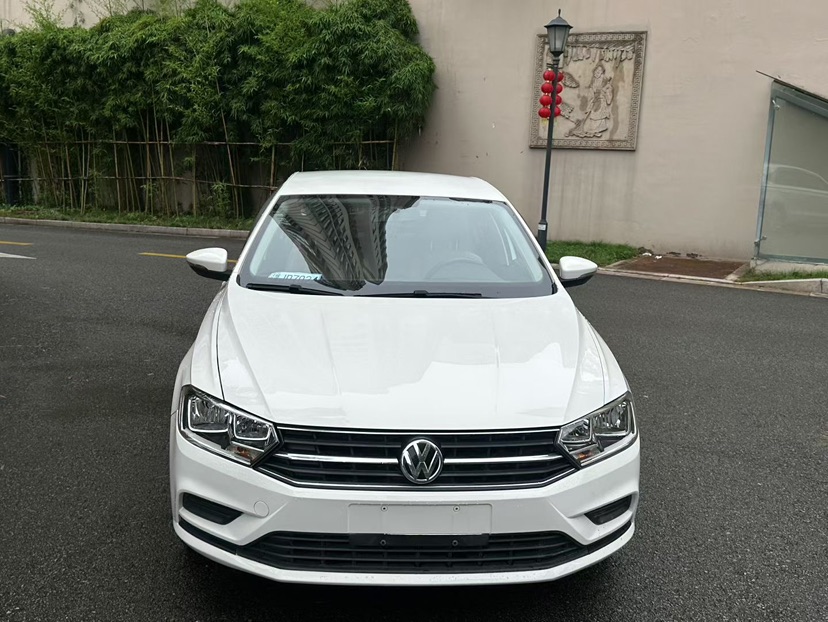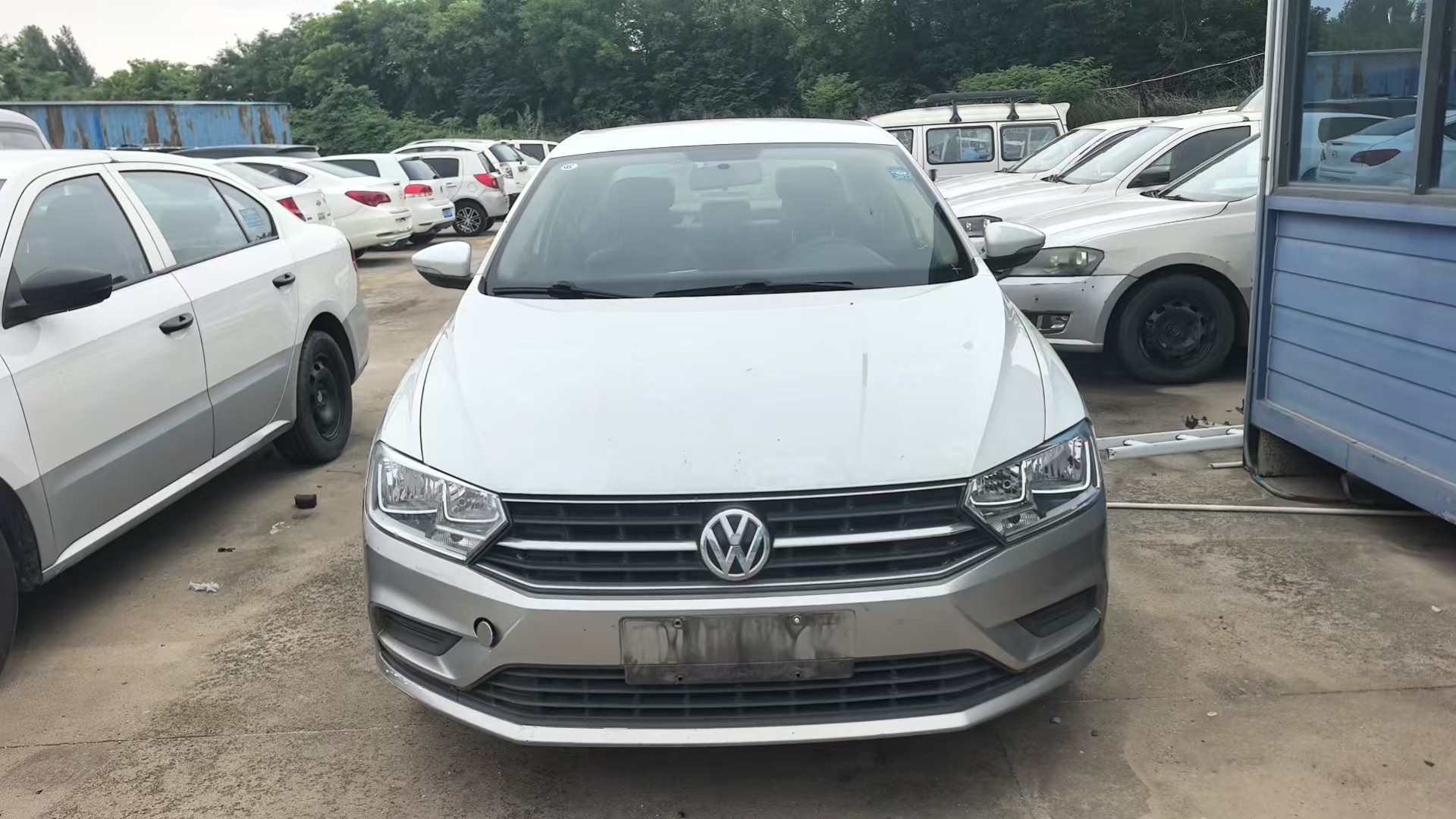



Basic Information

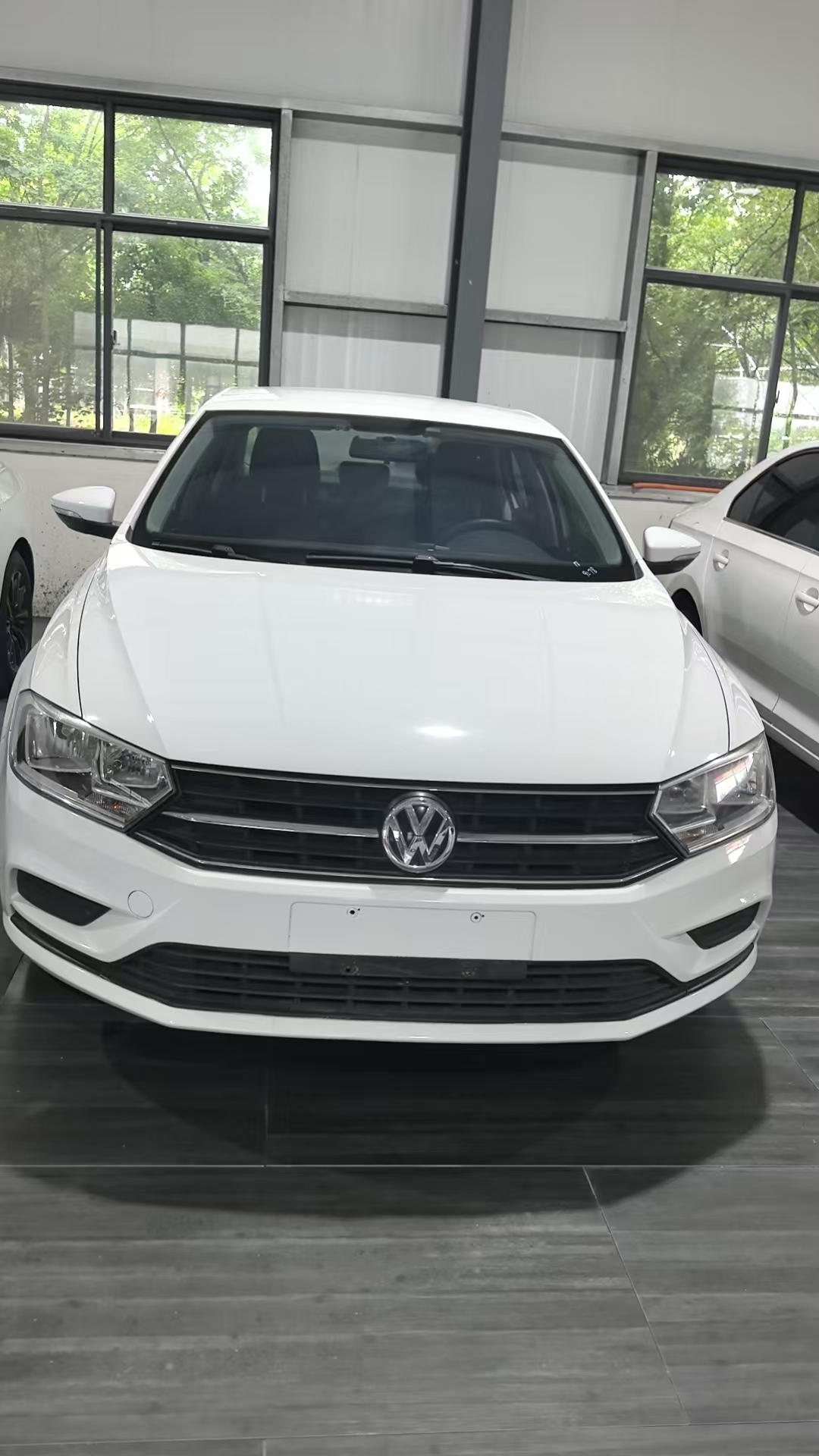
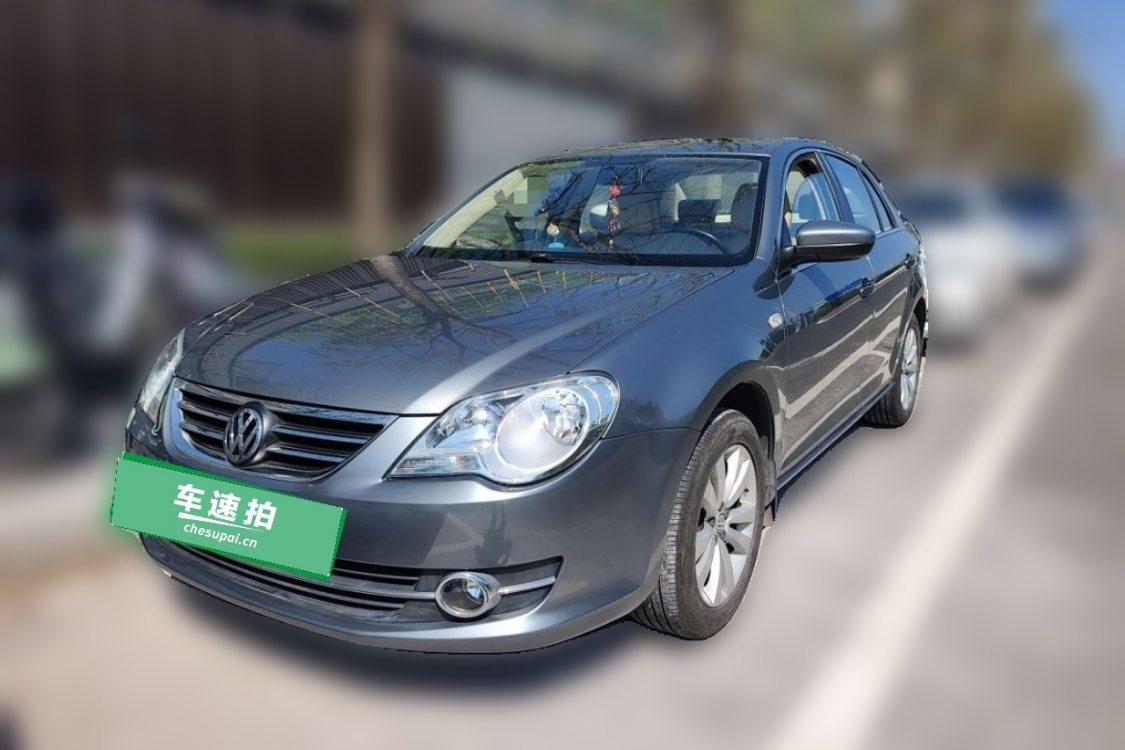
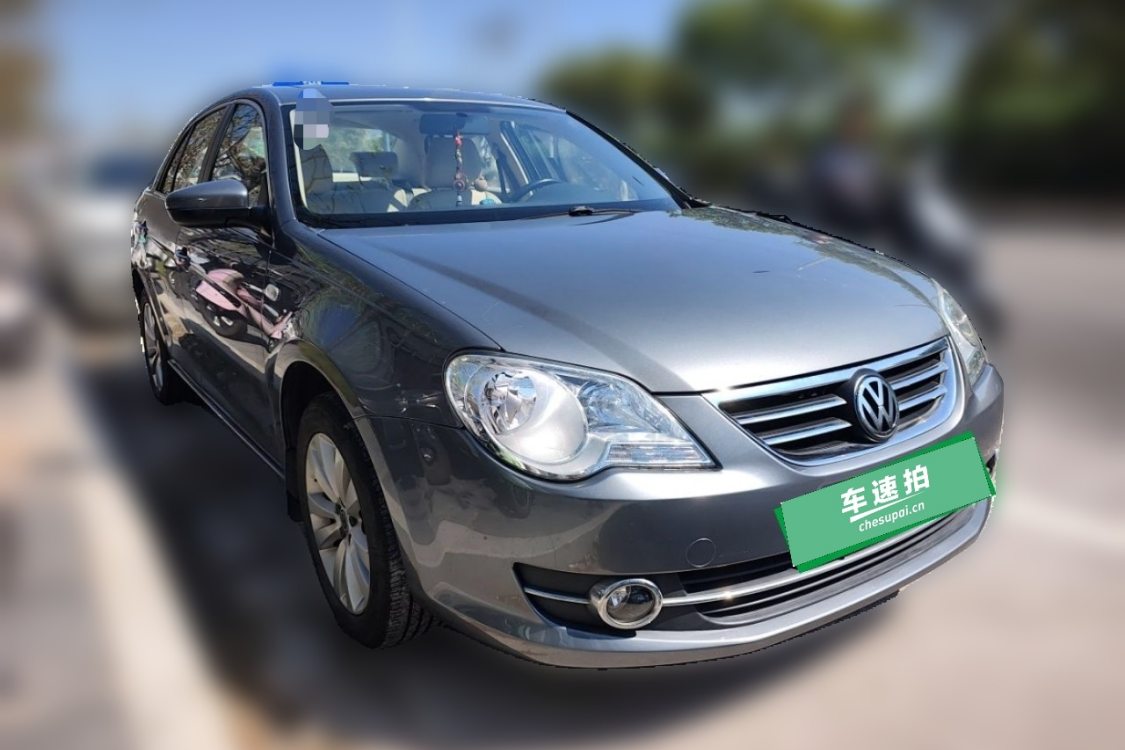
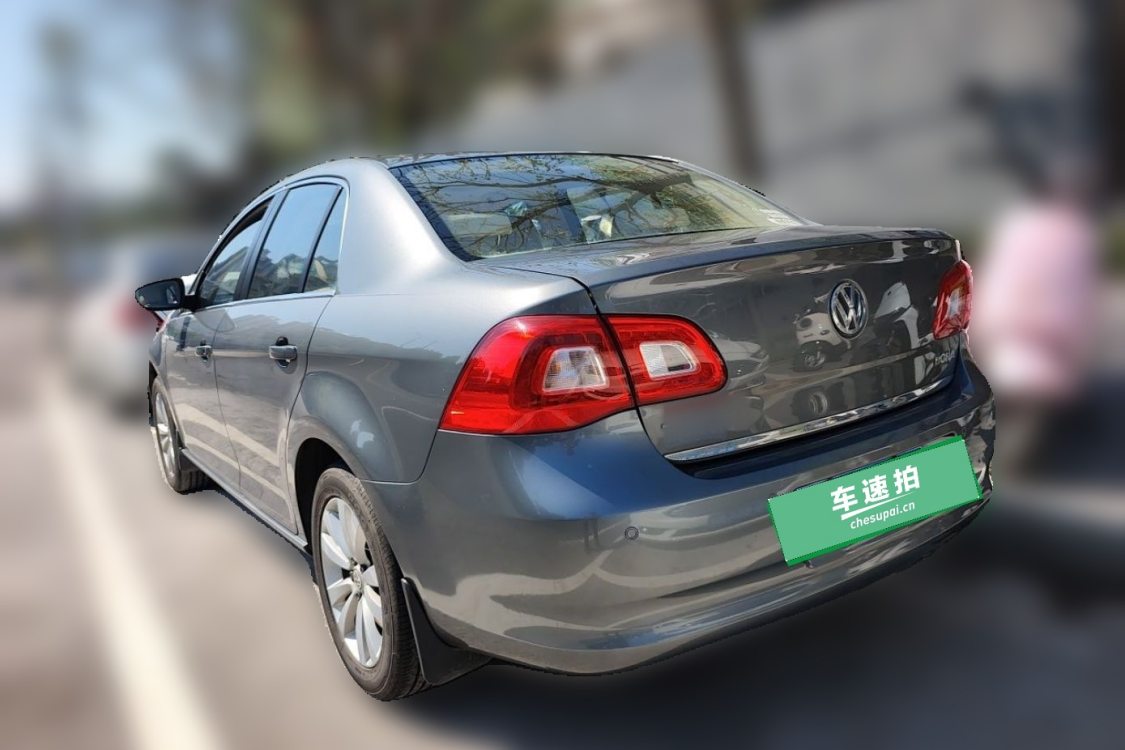
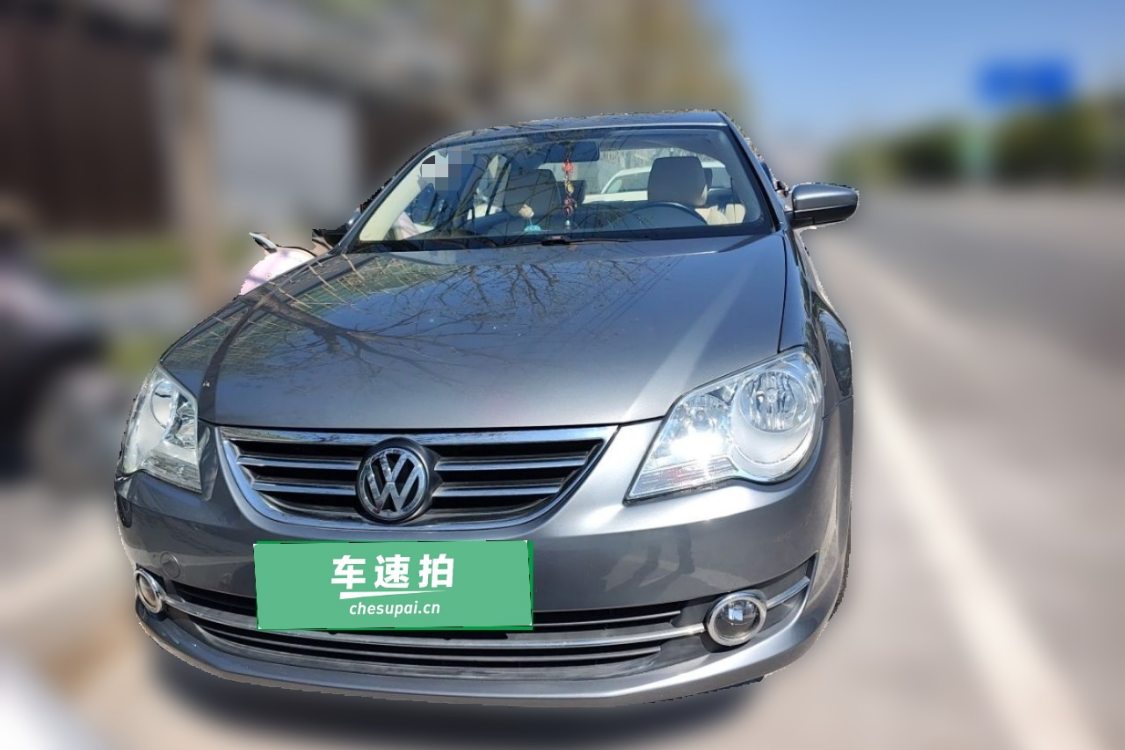
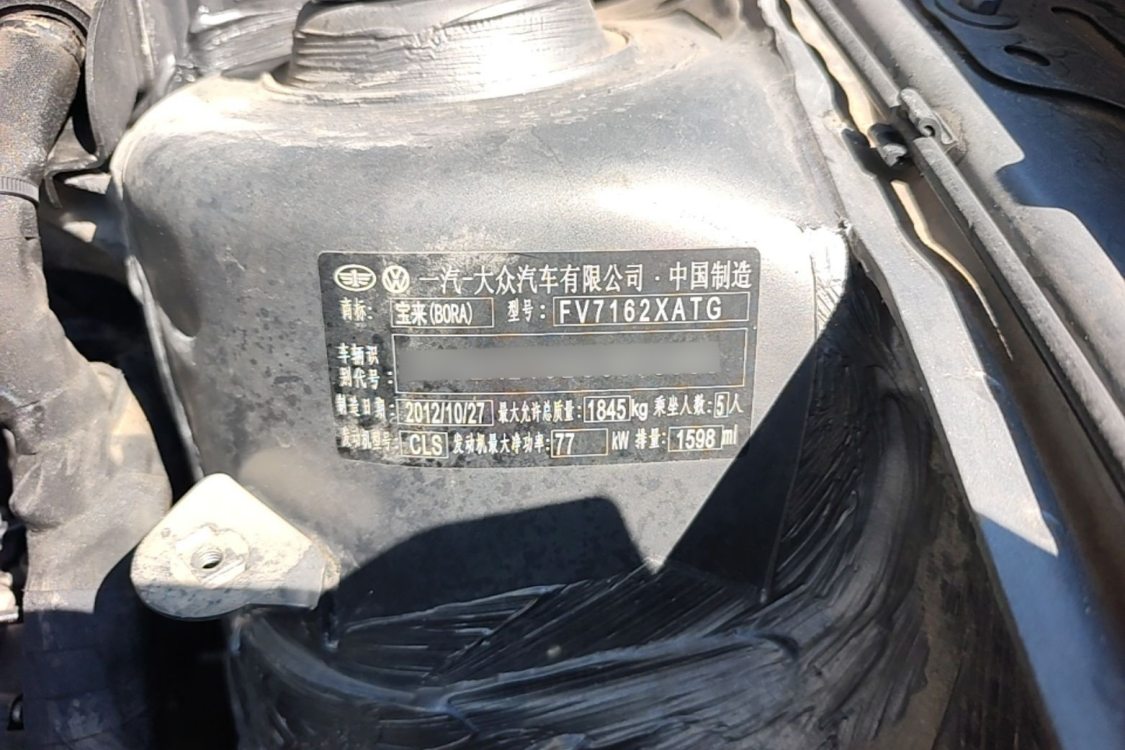
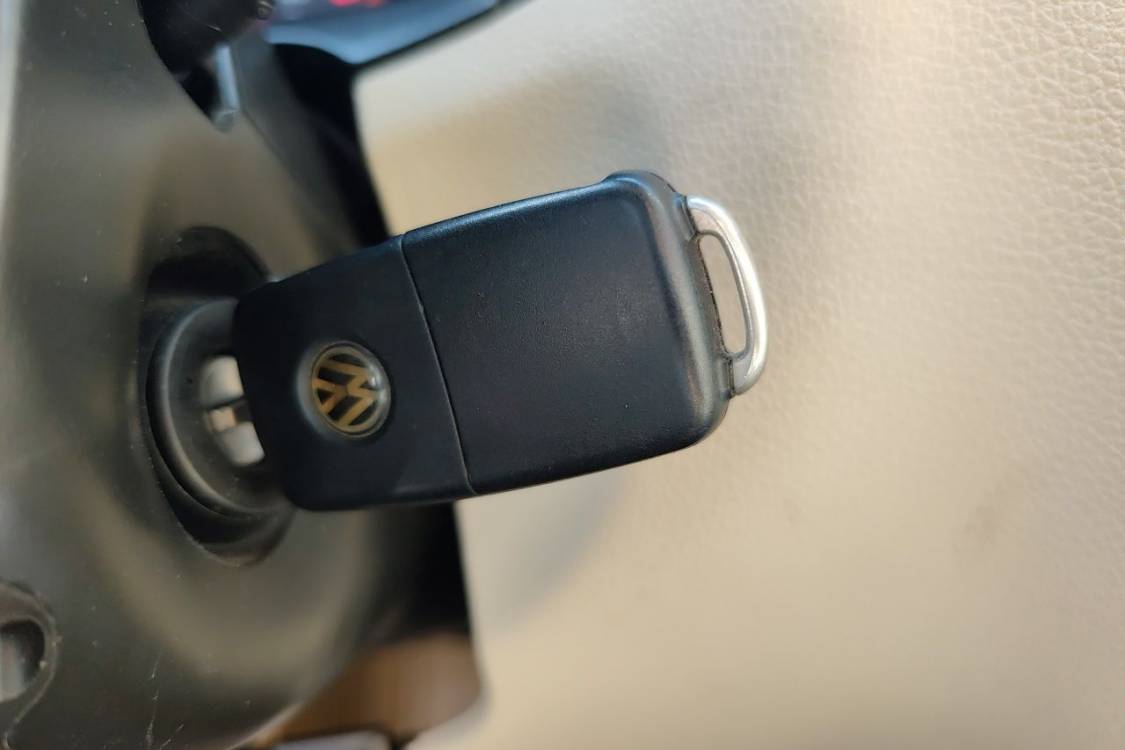
BrandVolkswagen
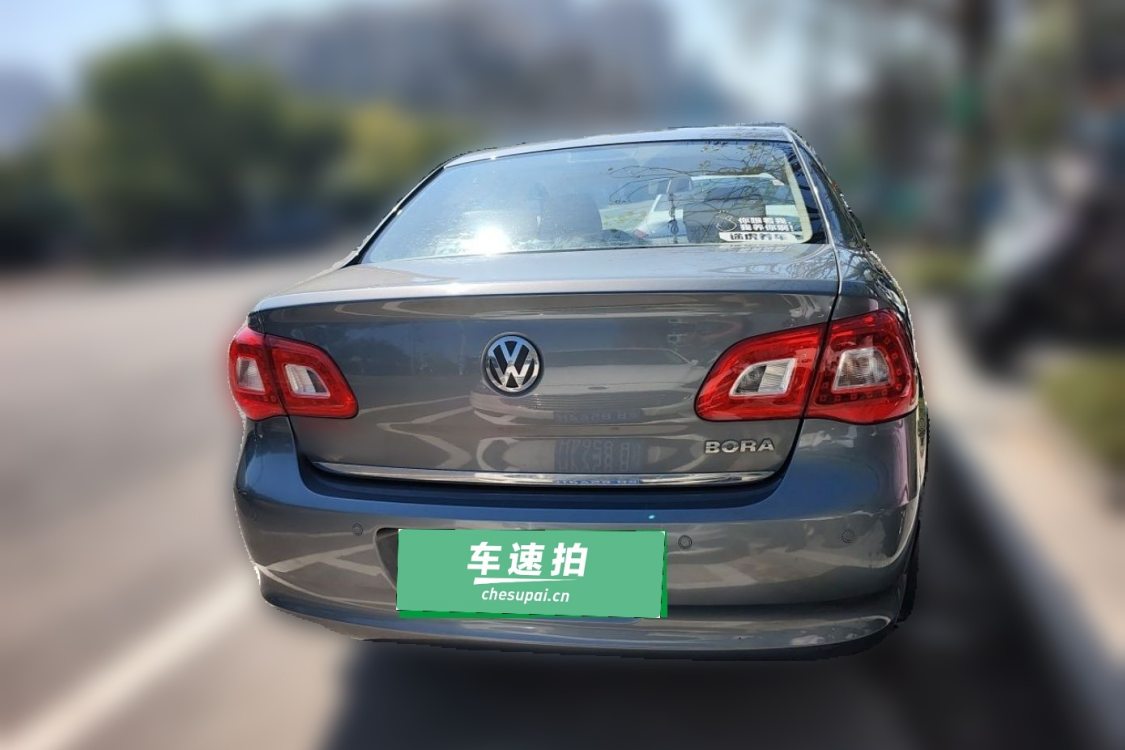
SeriesBora
Year2012
First Registration2012/11
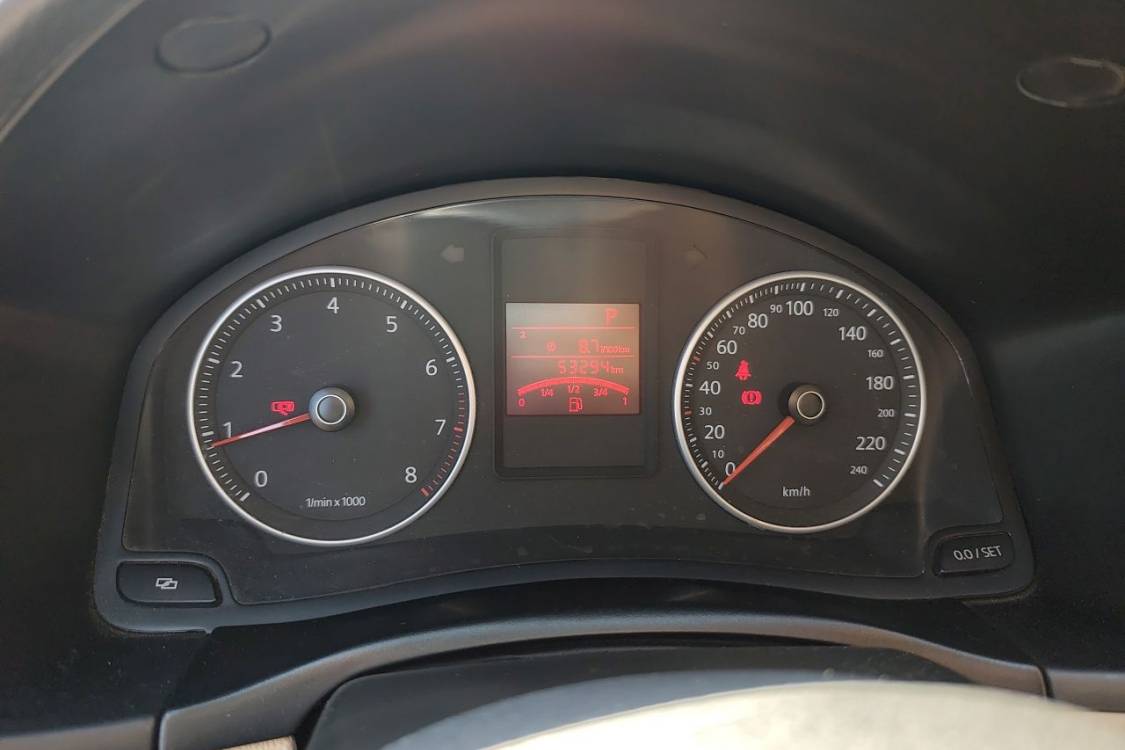
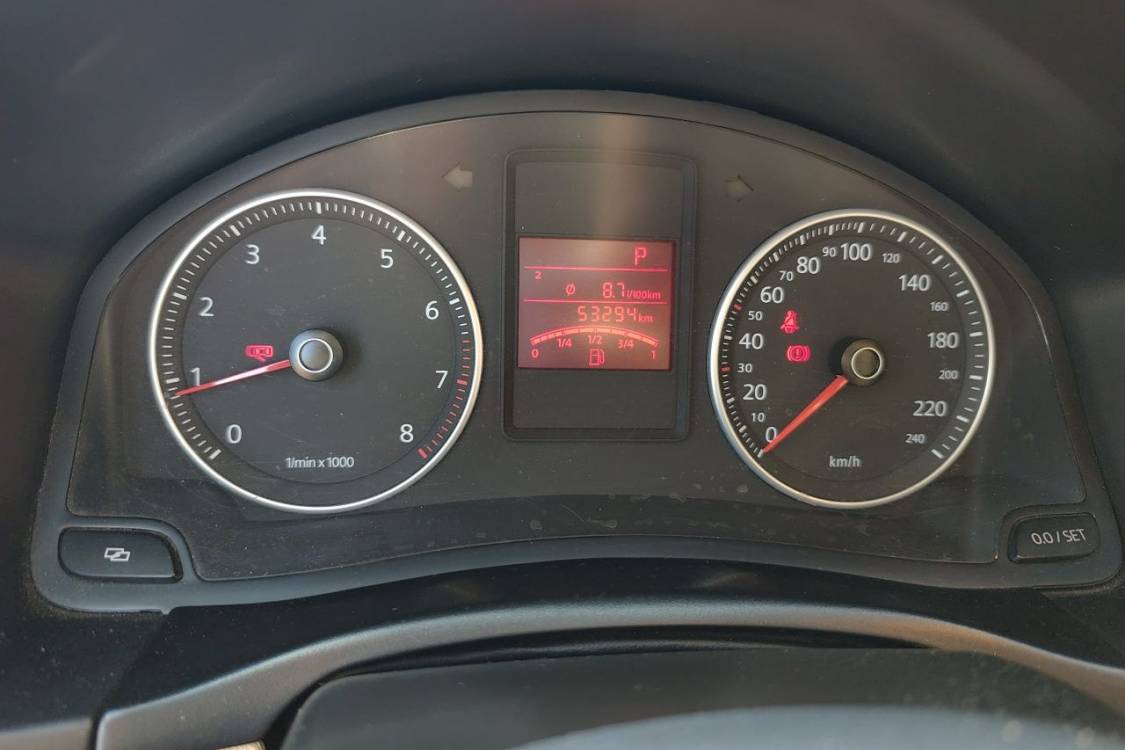
Mileage53,300km
Transfer Count-
FuelGasoline
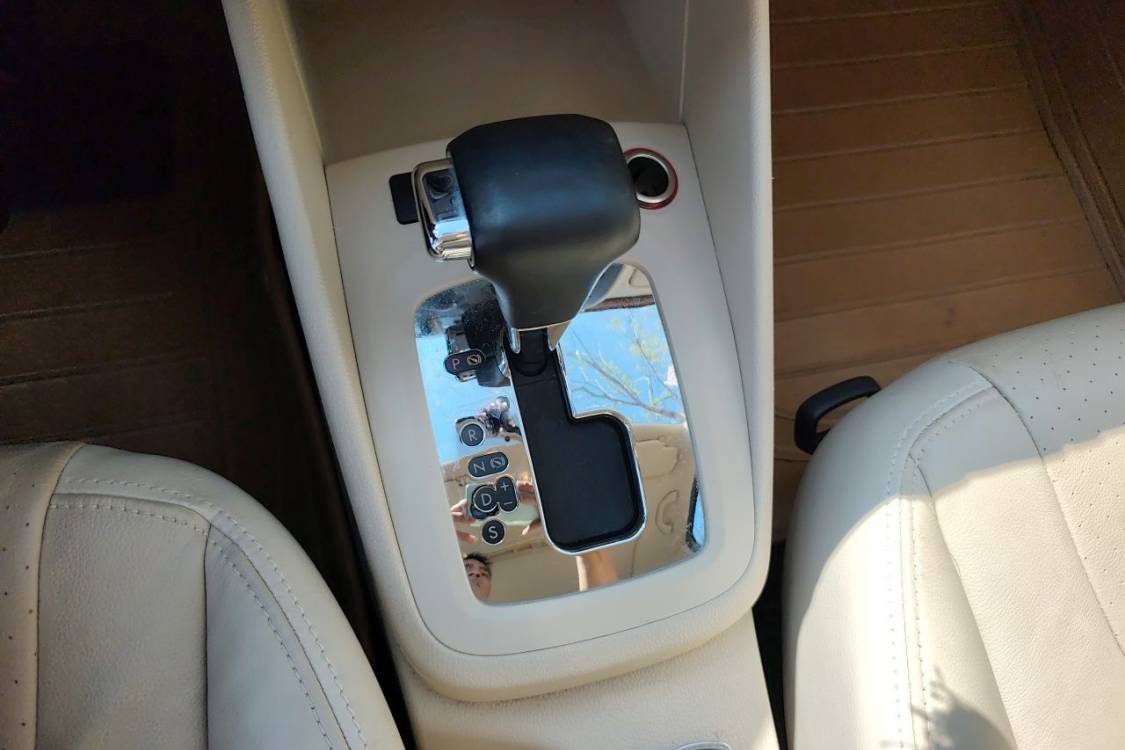
TransmissionManumatic
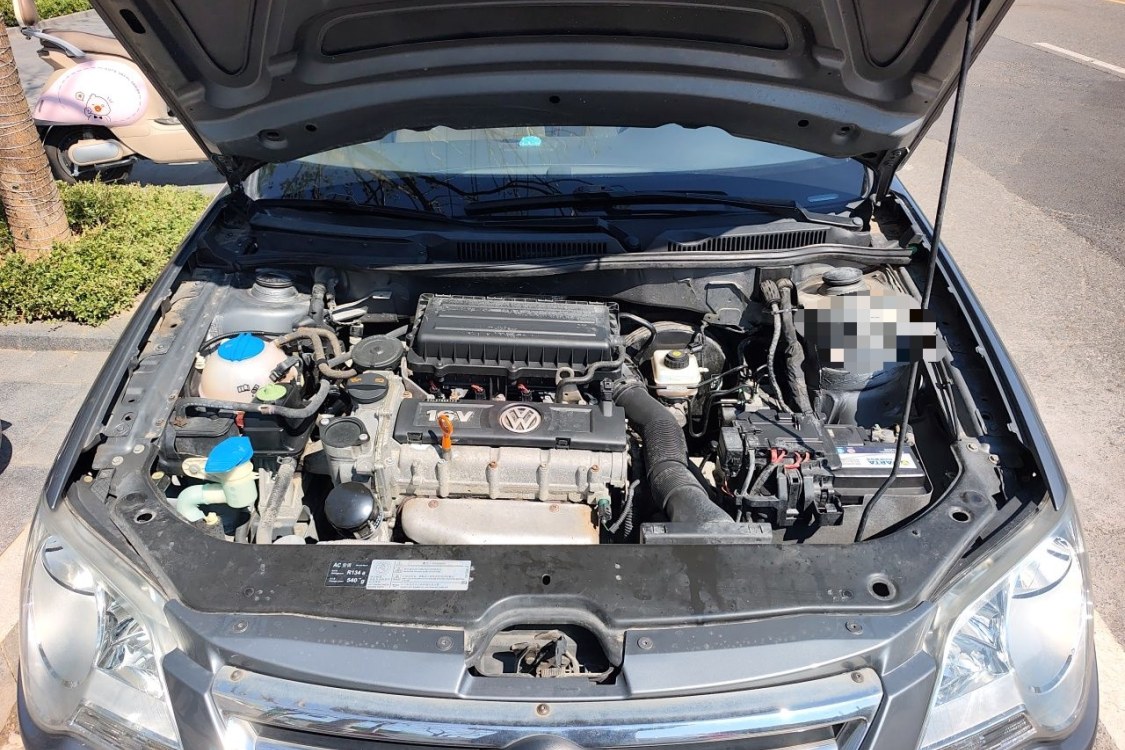
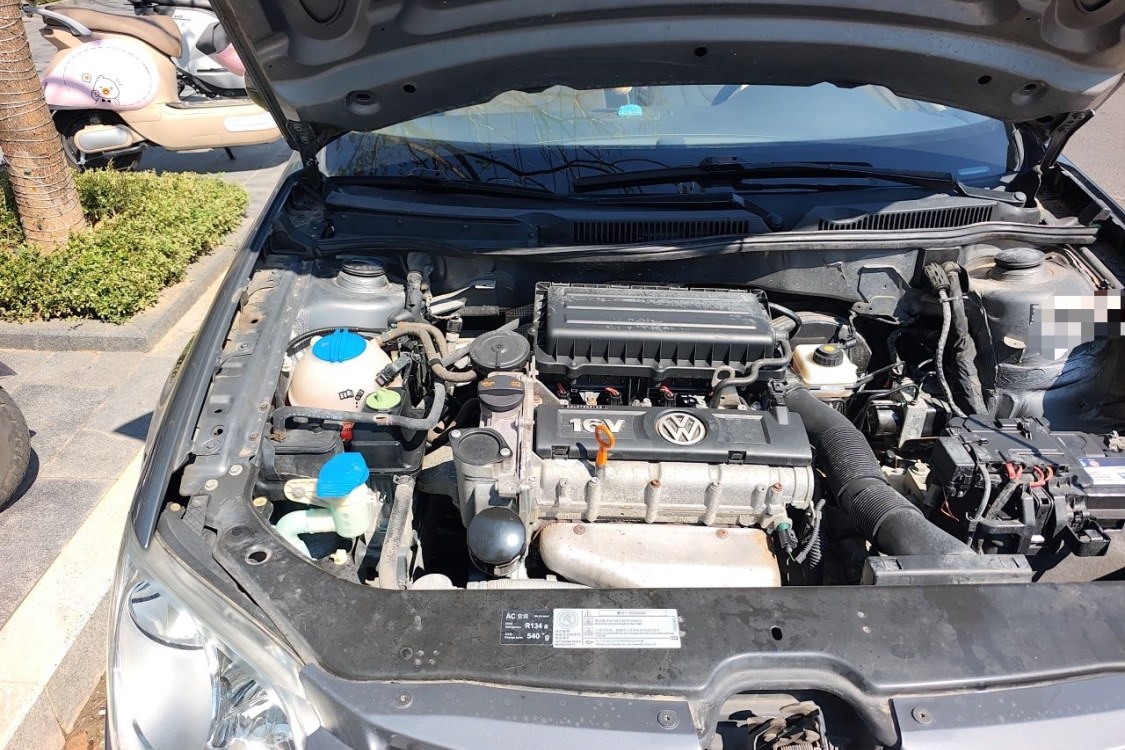
Engine1.6L 105 L4
ColorGrey
Seats-

Condition Description

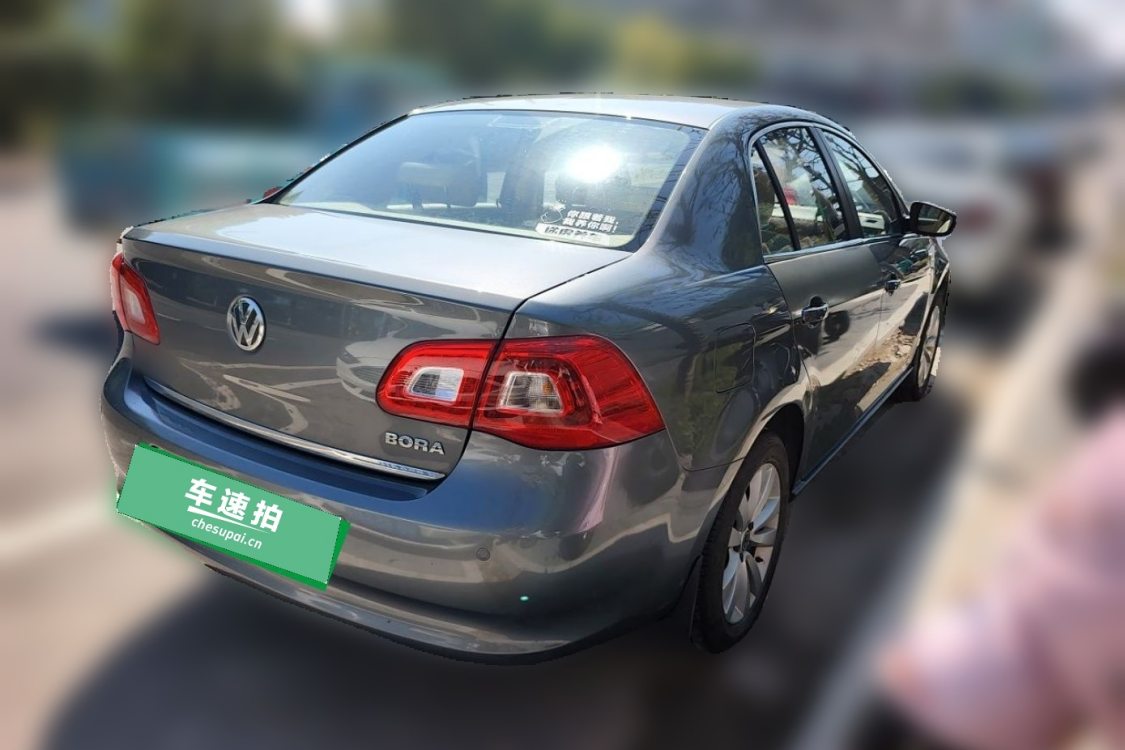
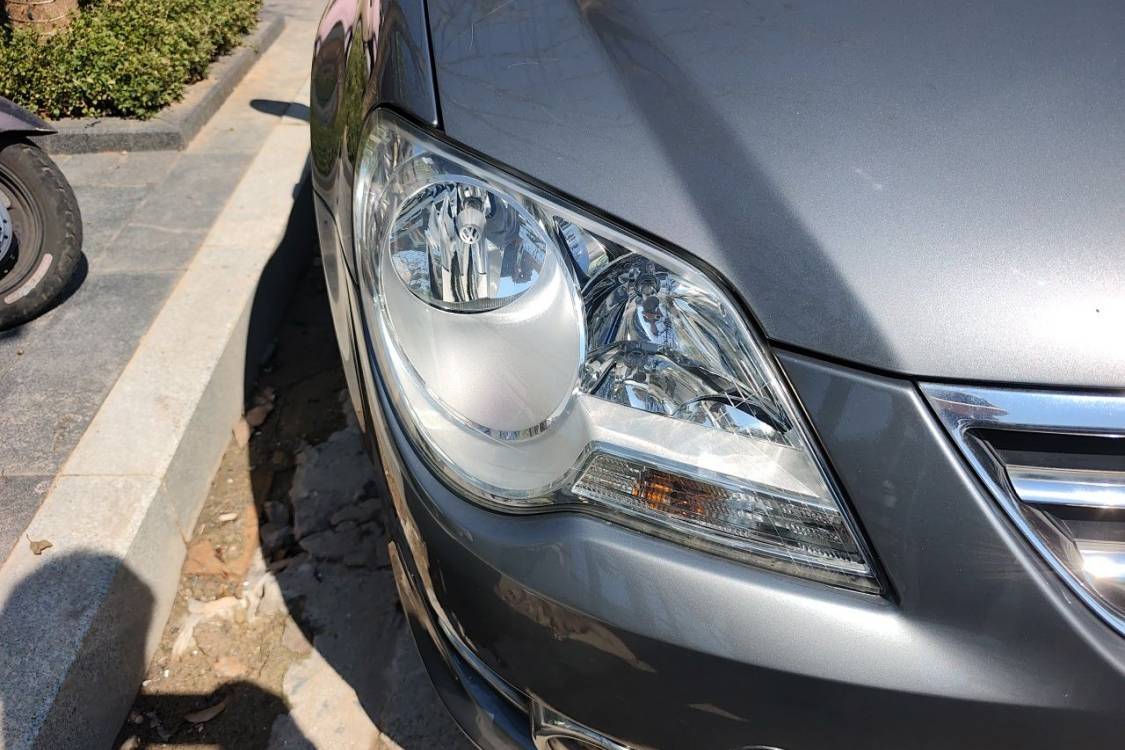
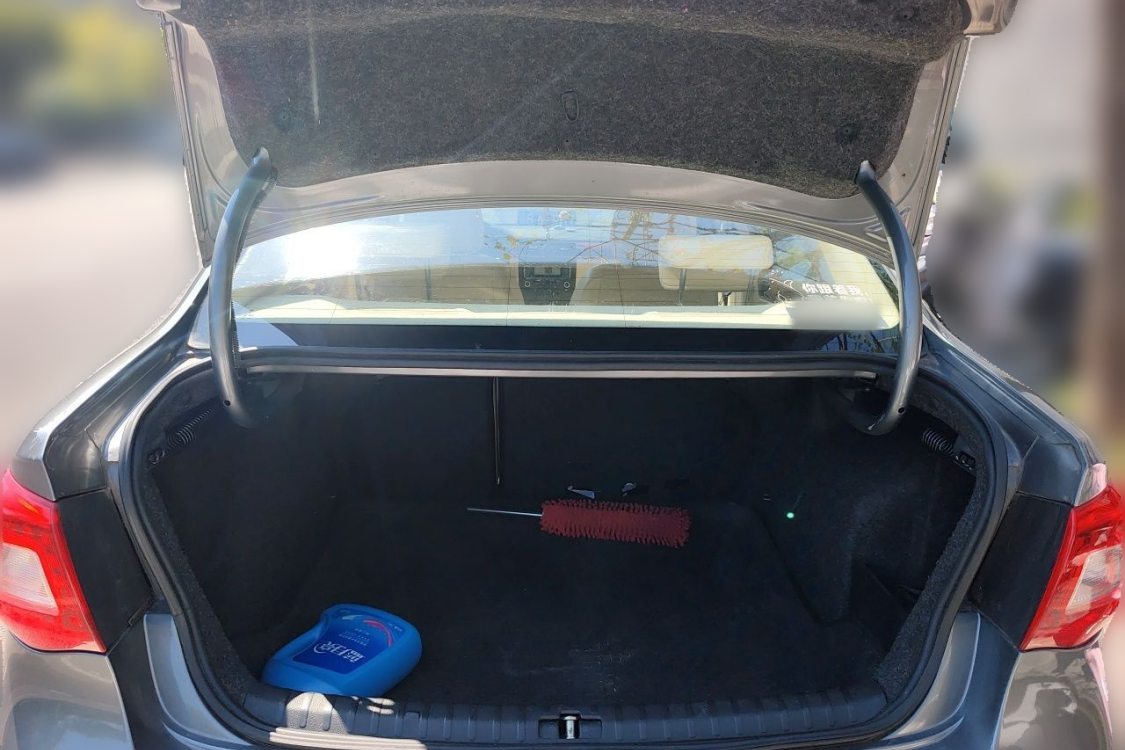
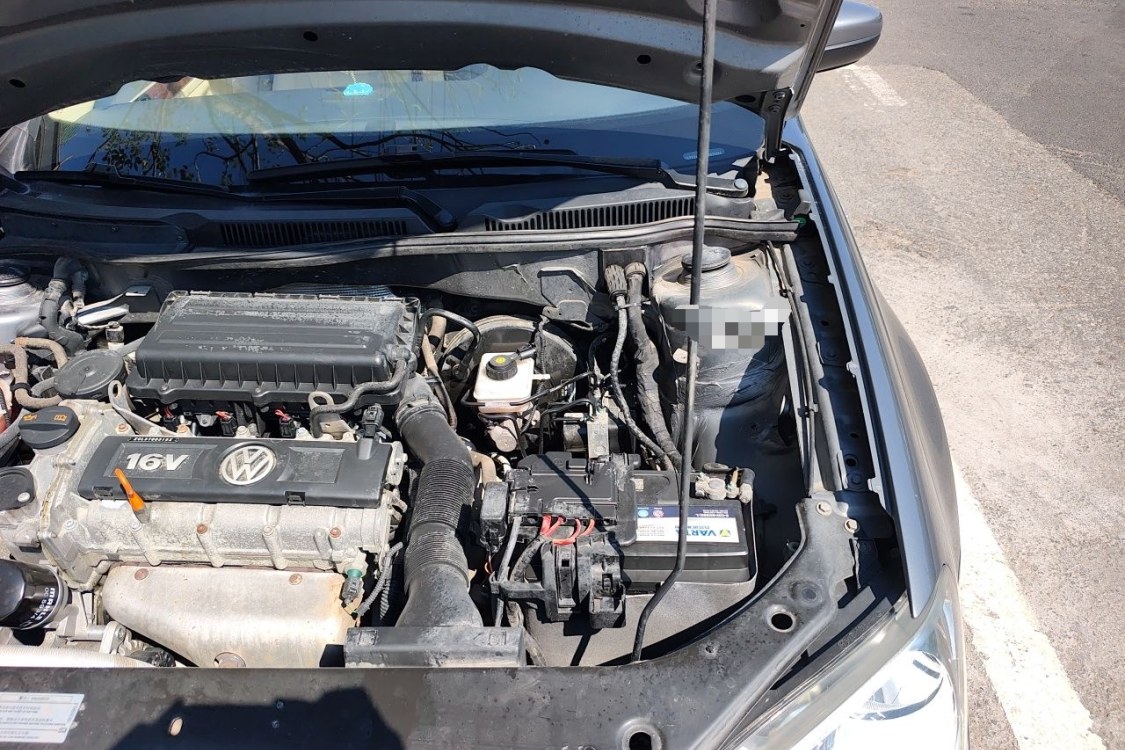
Body components (structural/reinforcing/panels) have accident-type damage; passive safety devices are defective; vehicle performance (including three-electric system) has degraded or remains performance-limited after repair.

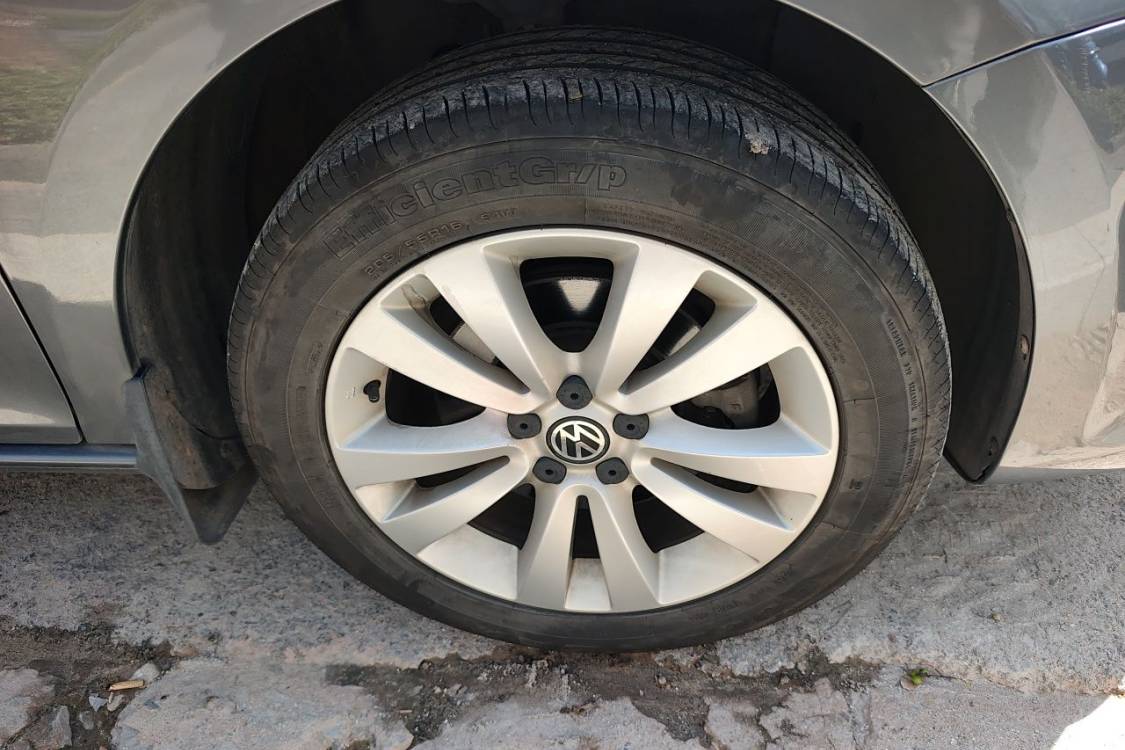
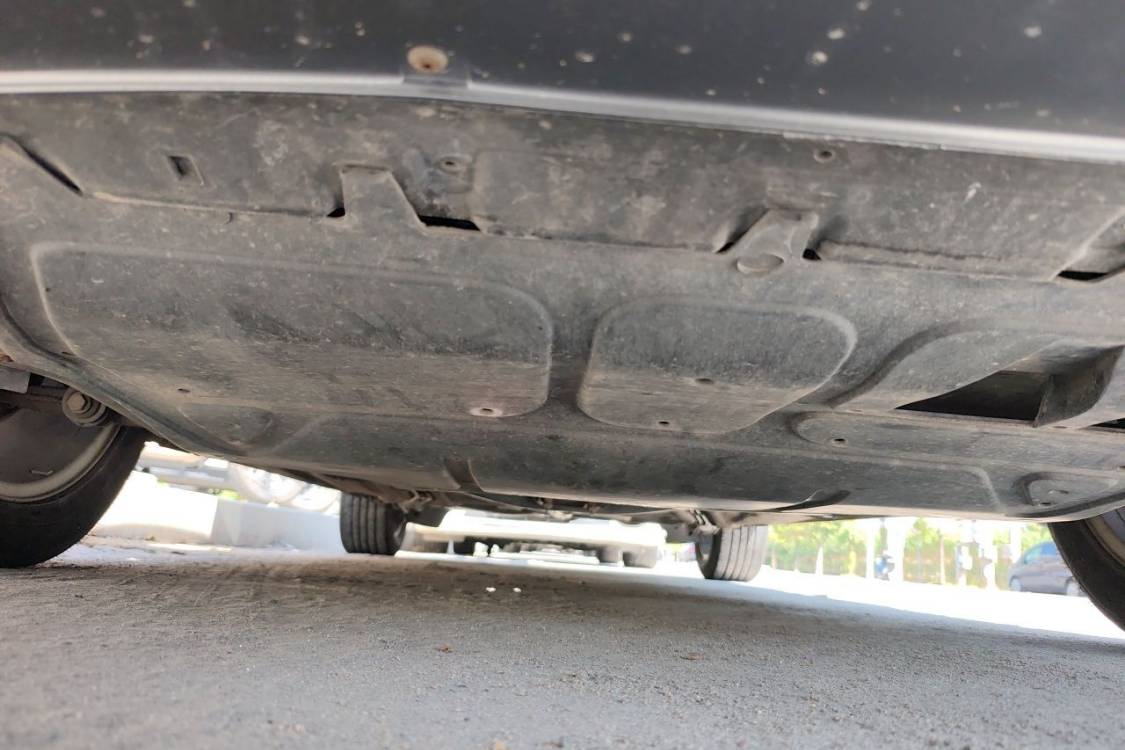
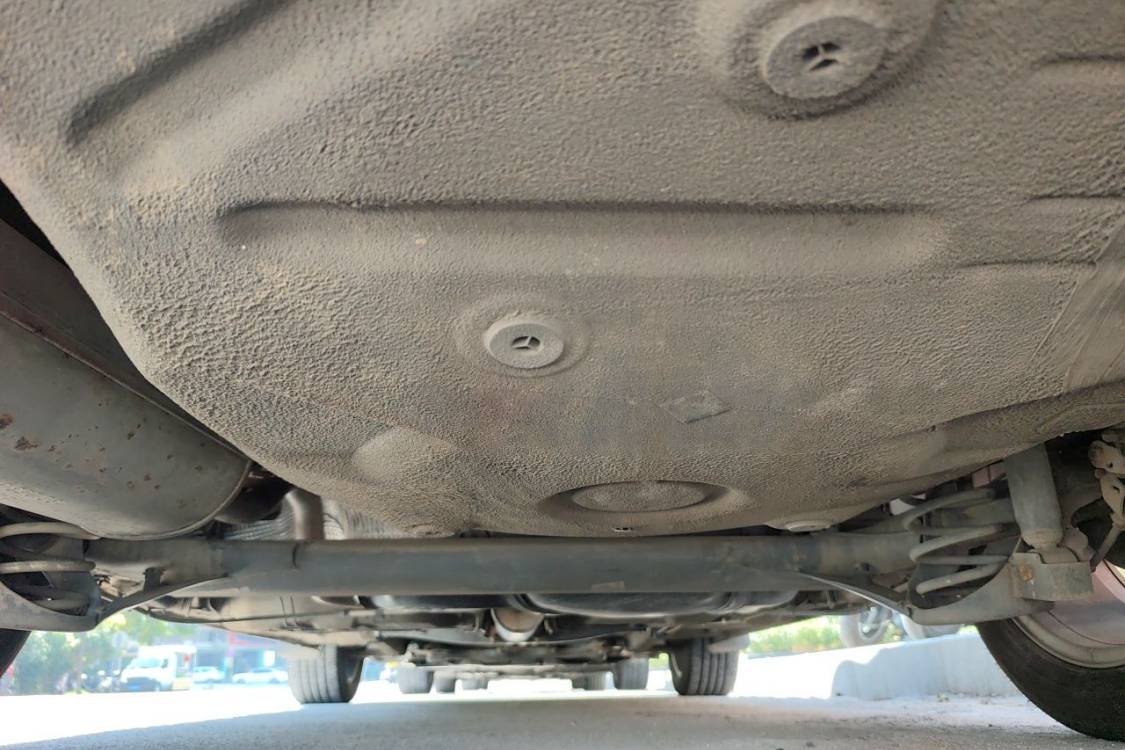
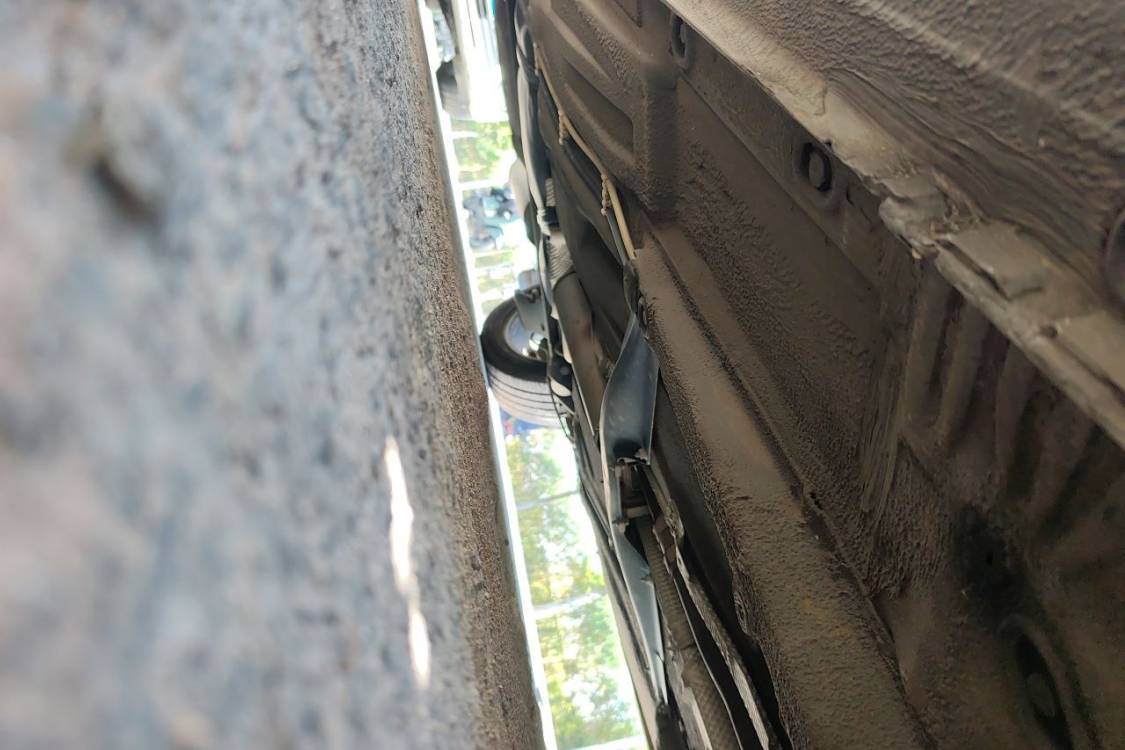
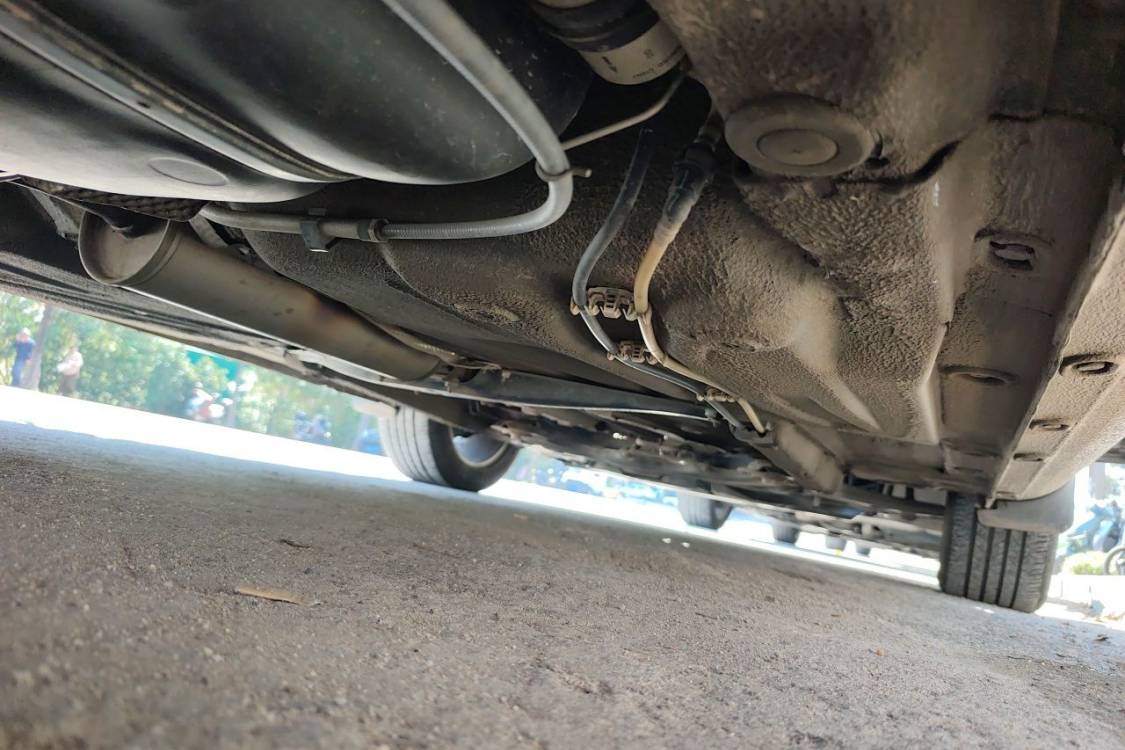
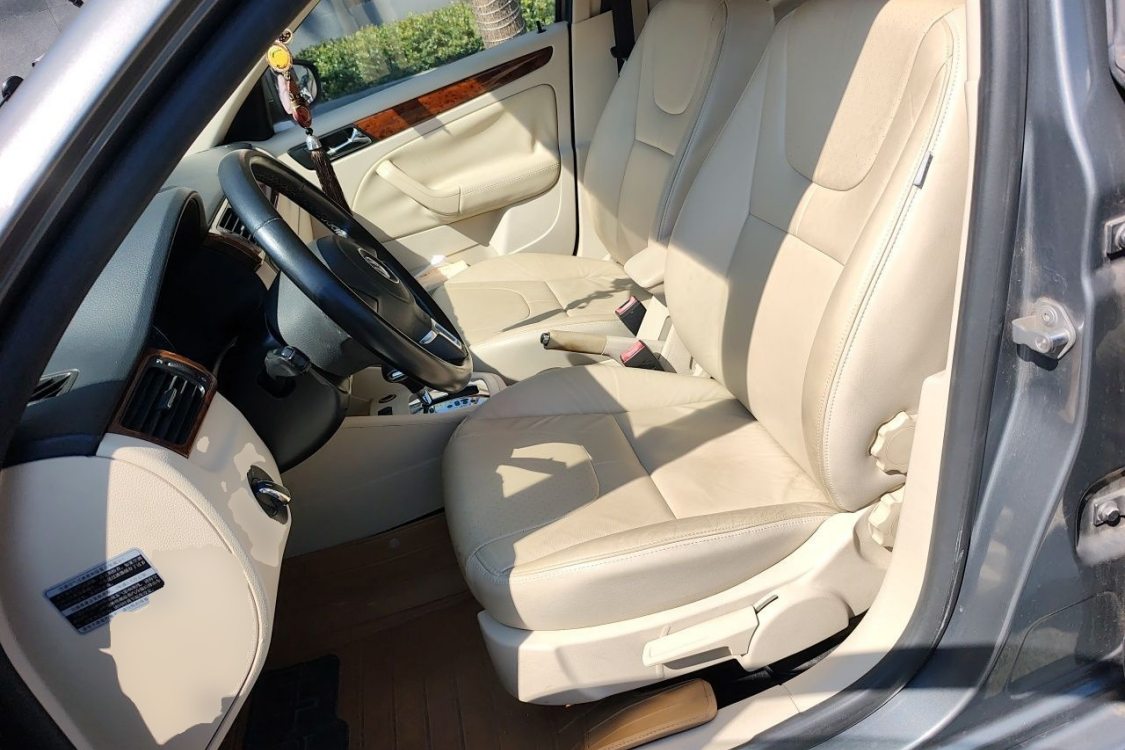
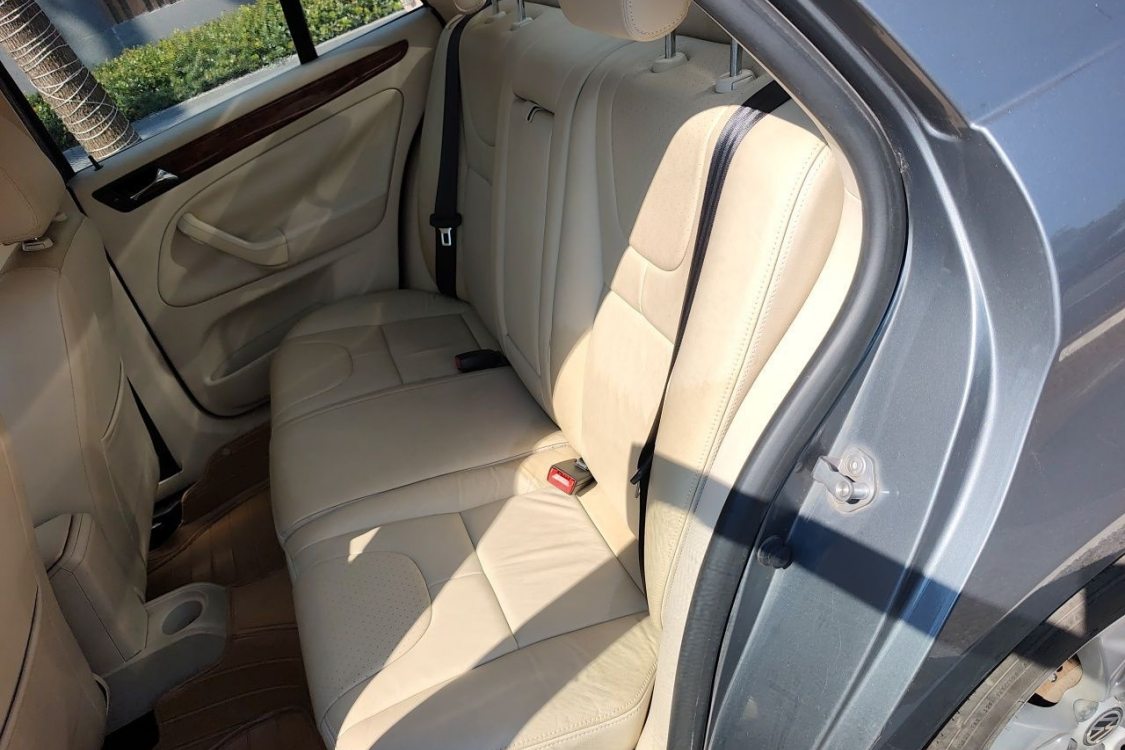
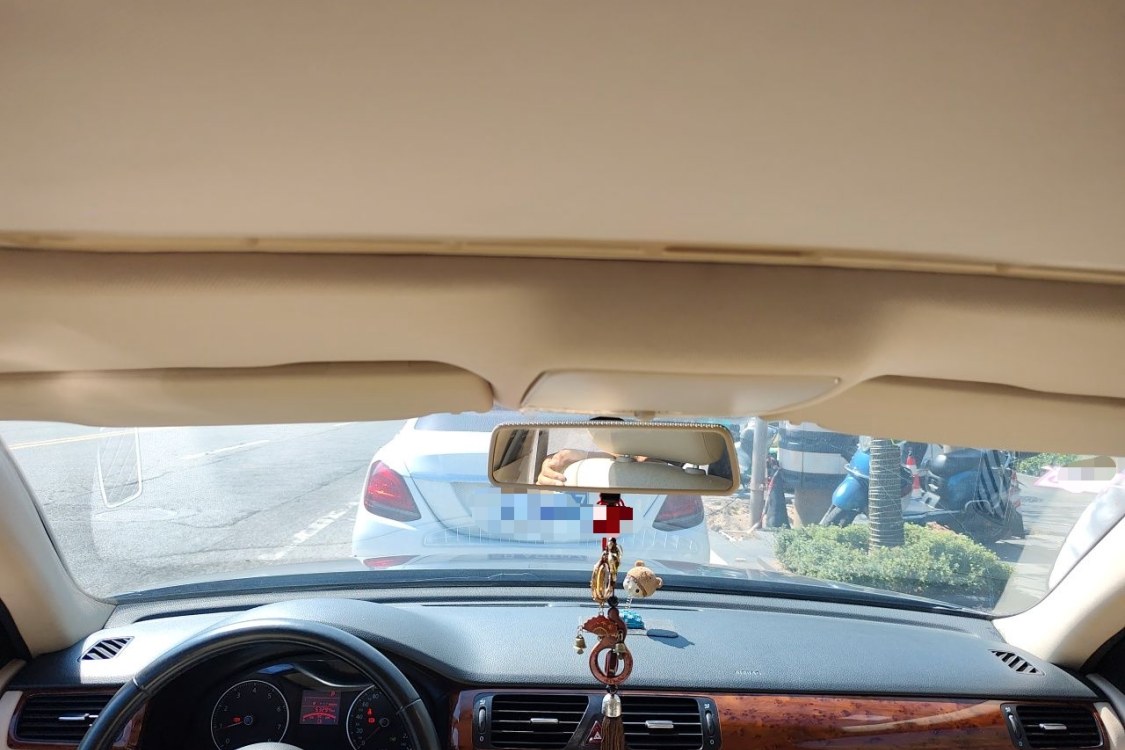
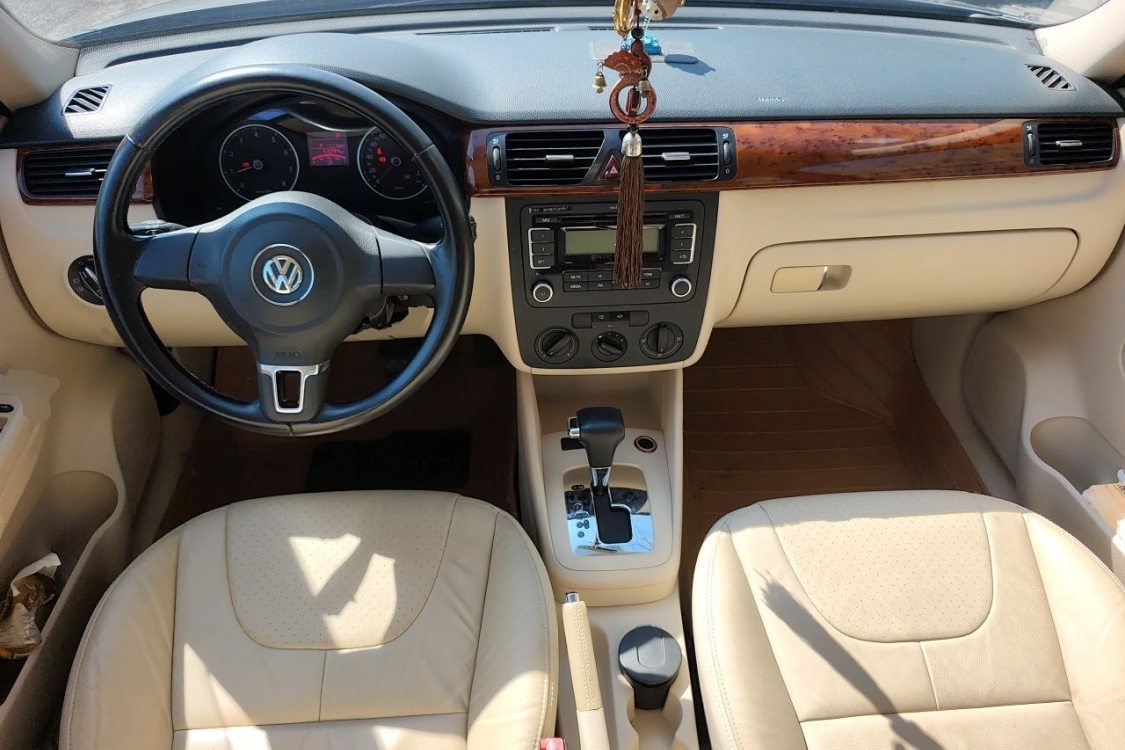
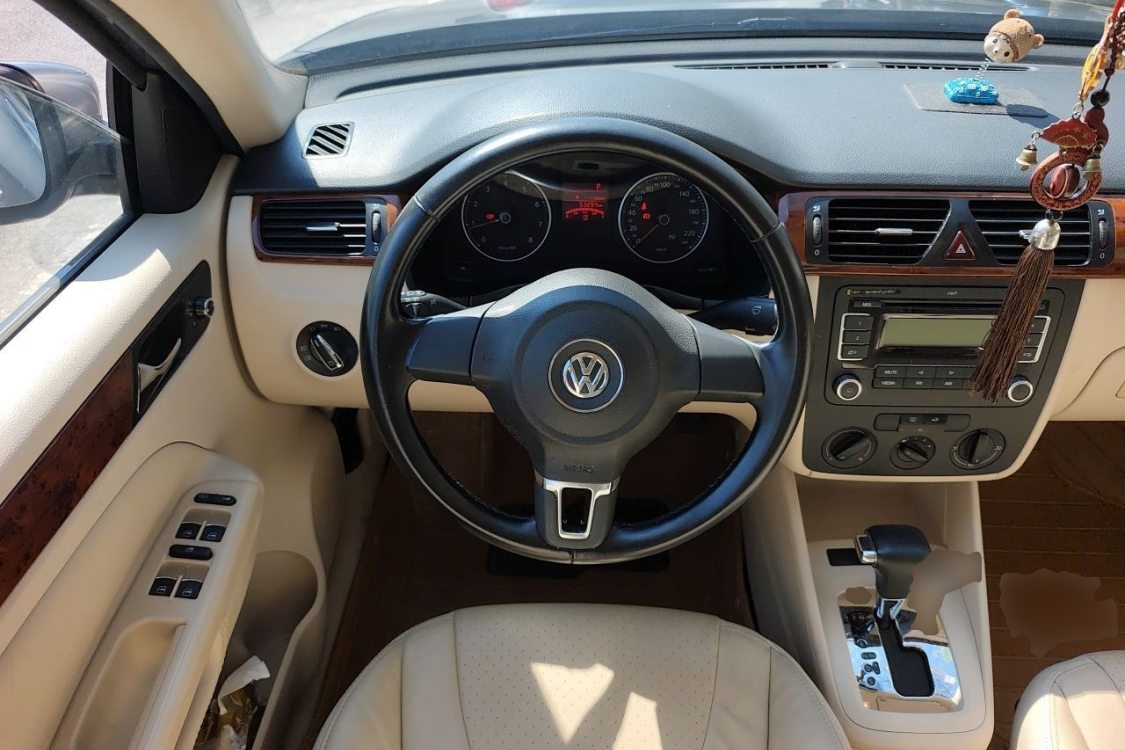
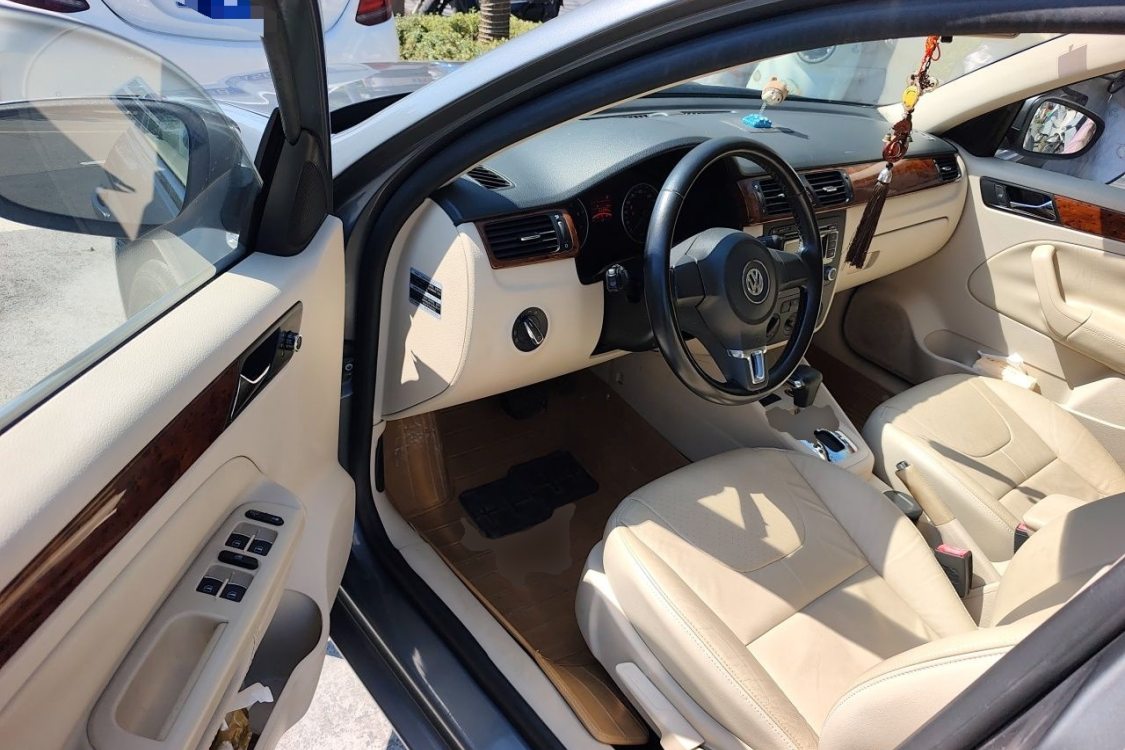
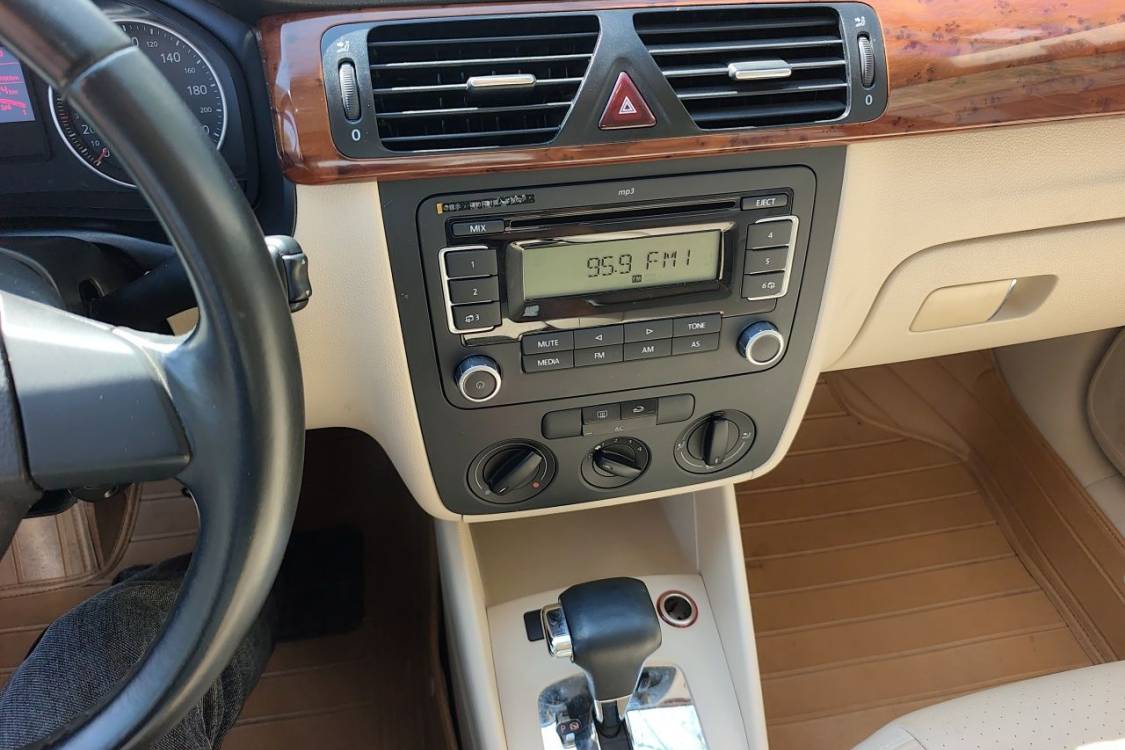
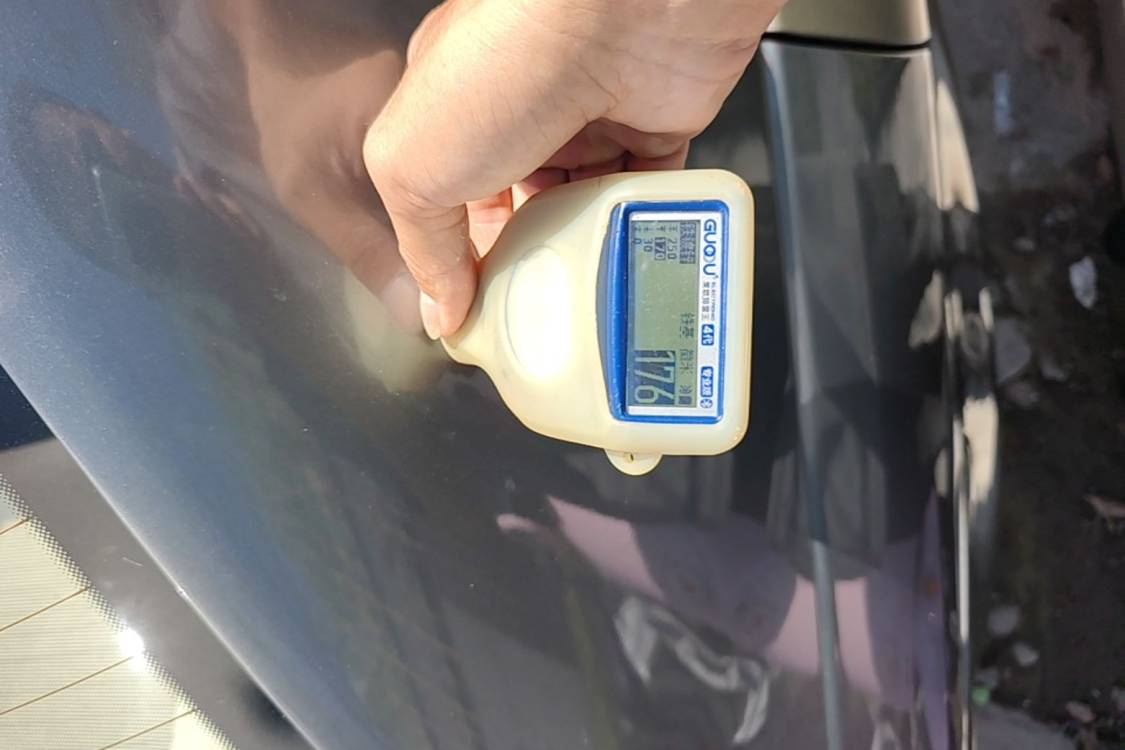
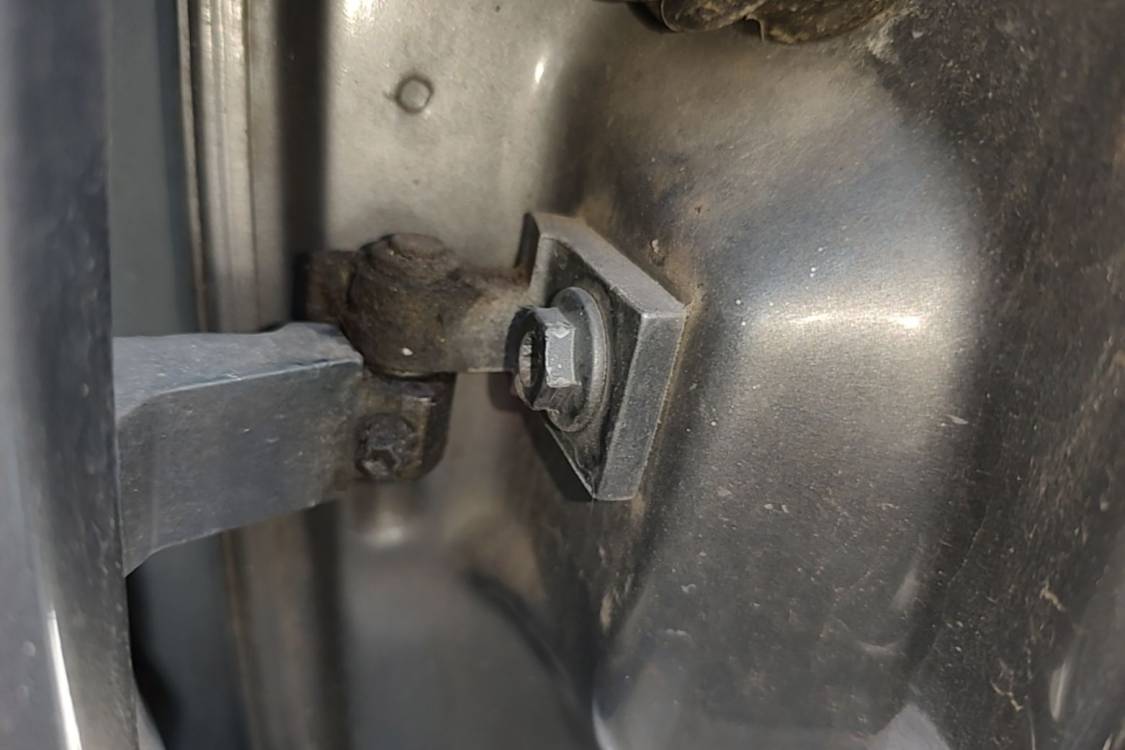
Accident inspection: main structure no damage, reinforcing parts no damage, panels damaged, hinges abnormal; engine bay: key mechanical components normal; exterior: 3 sheet metal repairs, 1 paint repair; interior: airbag inspection abnormal, headliner detached, headliner dirty, center console disassembly marks, most features normal, lighting system normal; start-up inspection: main components normal; tool kit: missing.

电话直连
可讲价
平台物流
可转售
零过户
新检测标准升级>
非泡水

Document Information

Inspection Expiry Date2026/11
Warranty Expiry Date-
Insurance Expiry Date2026/11

Q&A

More

How will minor detachment or water stains on the headliner be reflected in the rating?

The headliner is considered an "irreversible interior component." If the edges are delaminated or there are deep, hard-to-clean dark water stains, it will directly lead to a downgrade in the interior grade, even if it does not affect driving. We will not use pins or low-quality glue for cosmetic repairs.


Can I get spare parts for a Chinese-brand car in my country, and how do I order them from China?

Parts availability depends on the brand's official presence in your market, but even unsupported brands can be maintained through direct ordering. Check three channels first: the brand's official dealer network (if any), third-party importers who specialize in Chinese auto parts, and generic equivalents. For wear items like brake pads, filters, and wipers, aftermarket suppliers usually stock cross-references by VIN. For model-specific parts — headlights, sensors, control modules — order directly from China. Ask your exporter for the parts catalog by VIN, confirm OEM part numbers, and compare prices. A turbocharger that costs $900 from a local dealer often ships from China for $350 plus $80 freight. Practical tips: bundle multiple parts into one shipment to amortize freight; ask for DDP (delivered duty paid) pricing so customs clearance is handled; and always verify part numbers against your VIN before paying, as Chinese models have running changes mid-year. Keep a small stock of common wear parts — oil filters, air filters, spark plugs — to avoid a 4-6 week wait for routine maintenance.

How do I evaluate rust and corrosion on a used car from China, especially for coastal cities or snowy regions?

Rust is a deal-breaker that photos can hide, so be systematic. High-risk areas to check: 1. Underbody and frame rails—surface rust is normal, but flaking or bubbling paint means advanced corrosion 2. Wheel arches and rocker panels—these trap mud and salt 3. Door bottoms and the trunk floor—water collects here; lift the trunk mat and look for dampness or repair welds 4. Around the windshield and sunroof drains—leaks cause hidden rust in the A-pillars Ask the inspector to do a magnet test: filler-repaired areas won't hold a magnet, indicating past accident repairs. A paint thickness gauge reveals resprayed sections—uniform readings around 80-150 microns are normal; spikes over 300 suggest bodywork. Cars from northern China (salted roads in winter) or coastal cities need extra scrutiny on the underbody. If structural members show corrosion, walk away—repairs rarely restore original strength.