


48H

Basic Information

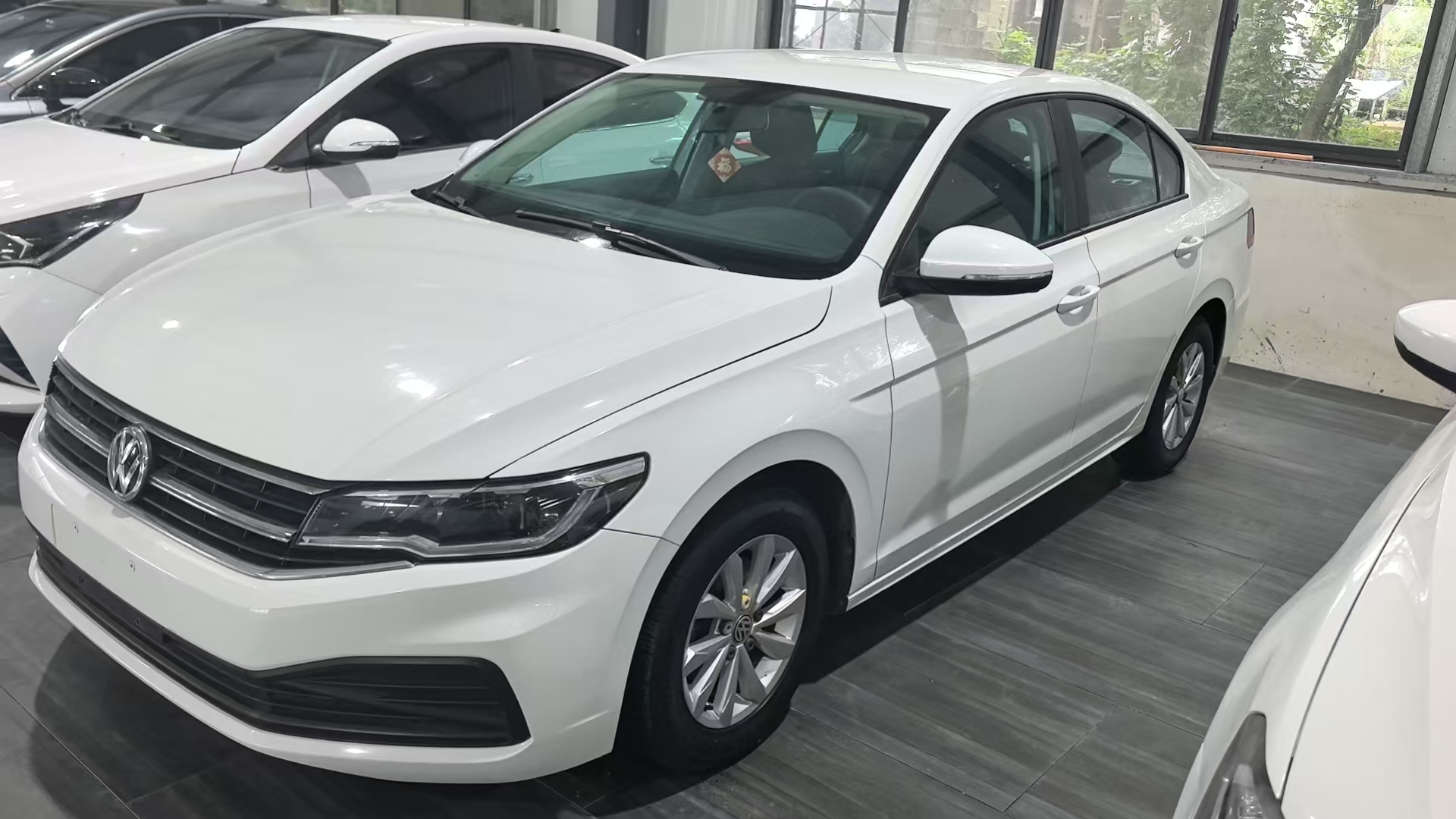
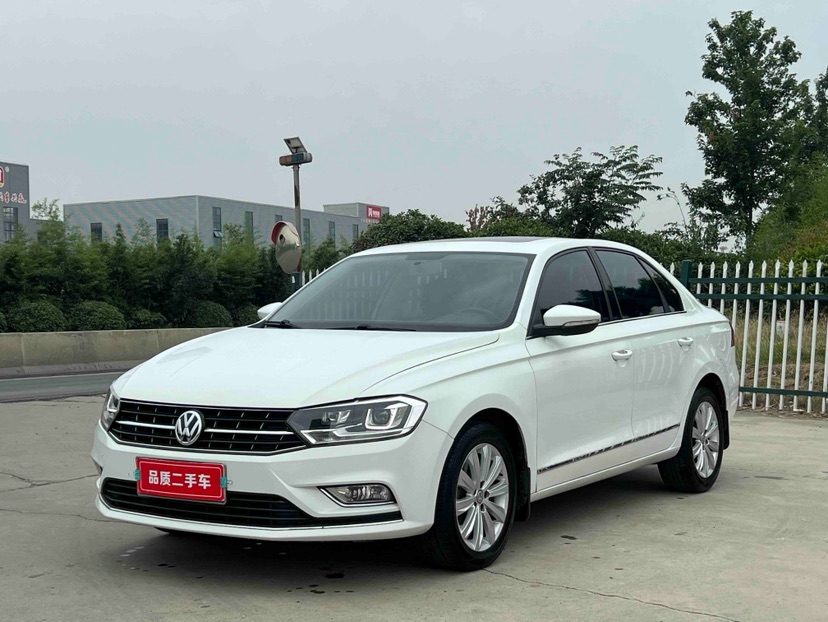
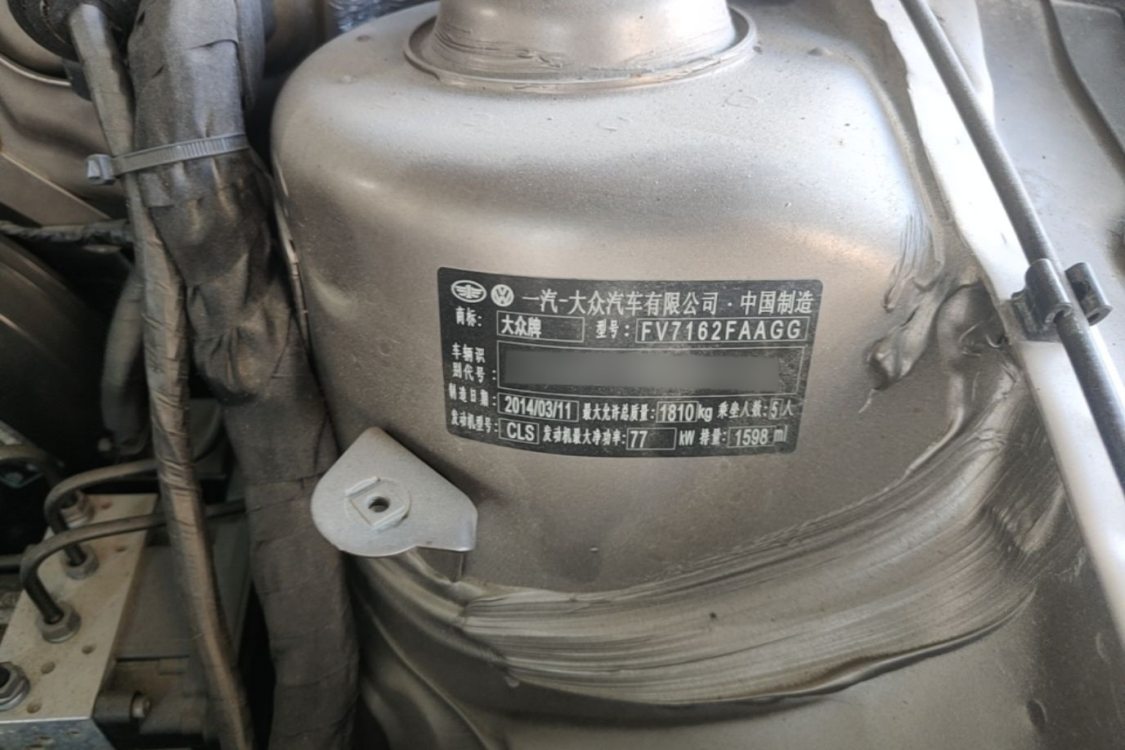
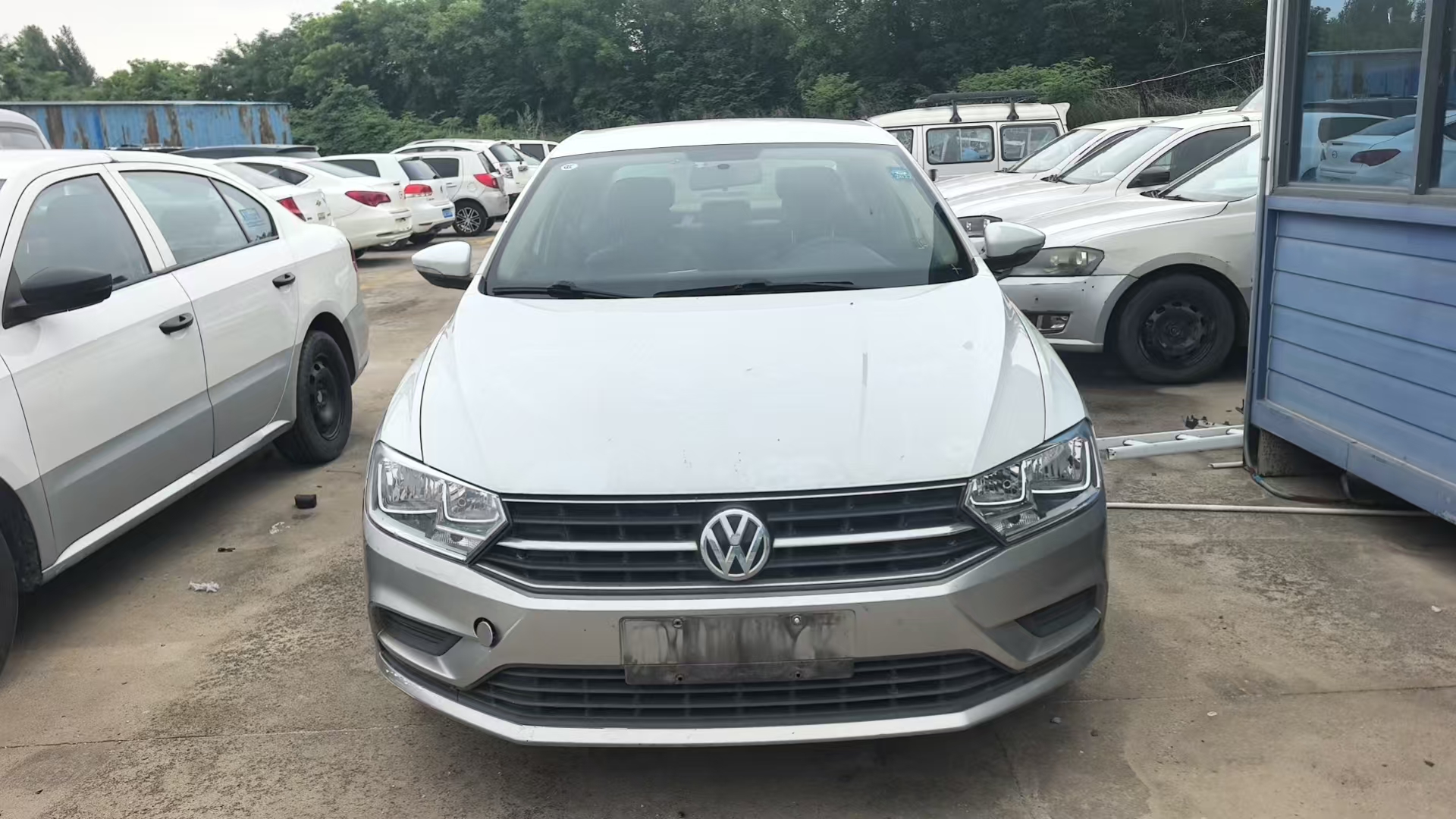
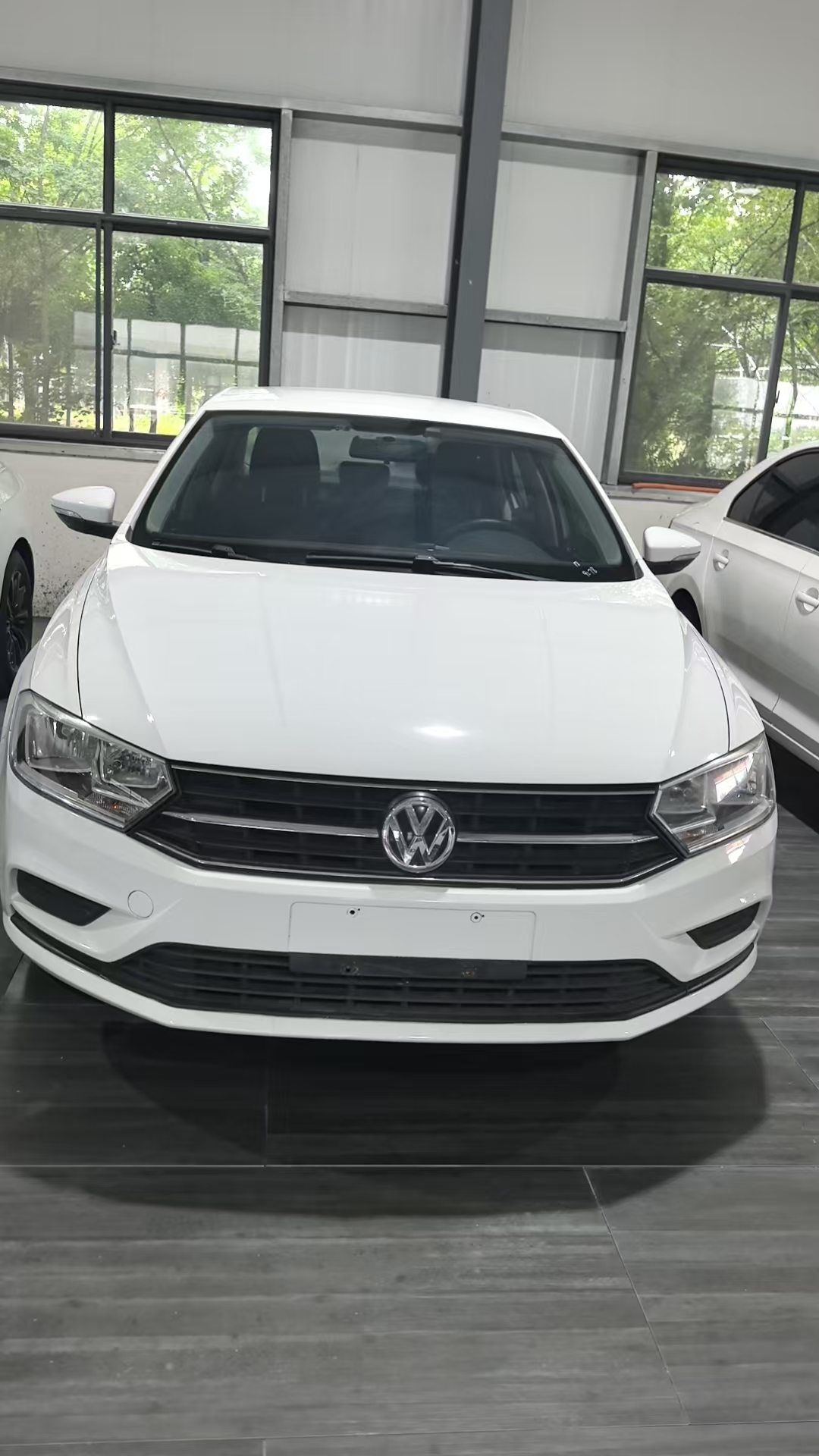
BrandVolkswagen
SeriesBora
Year2014
First Registration2014/03
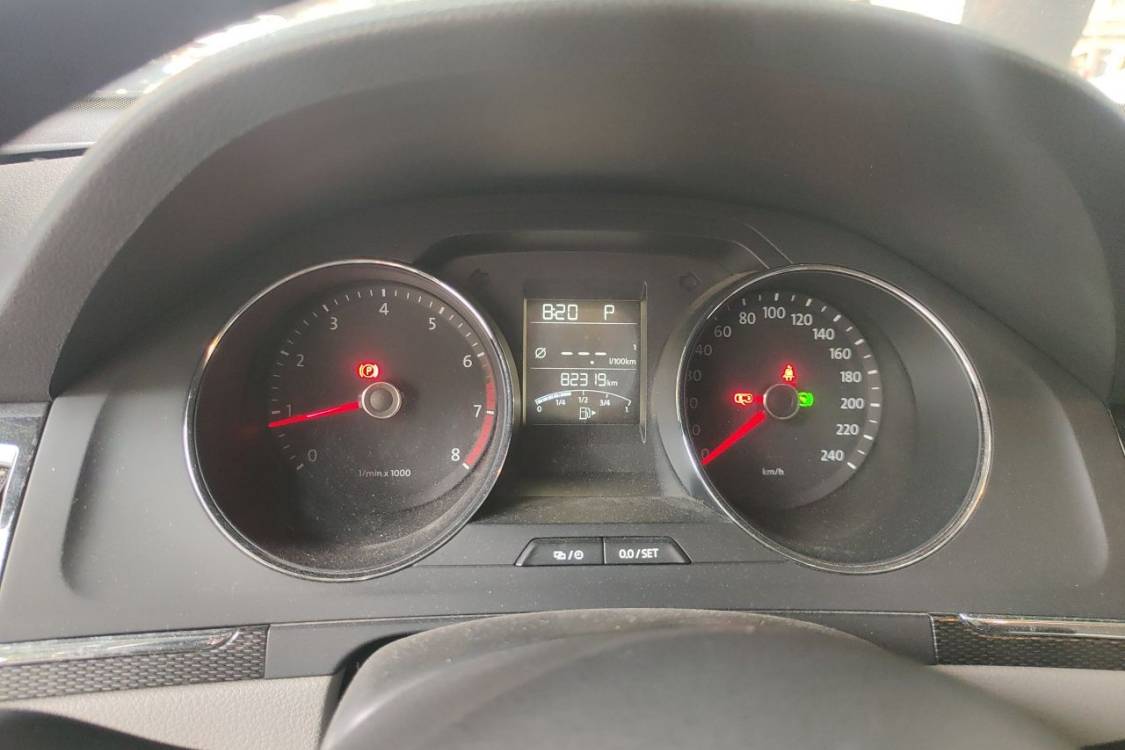
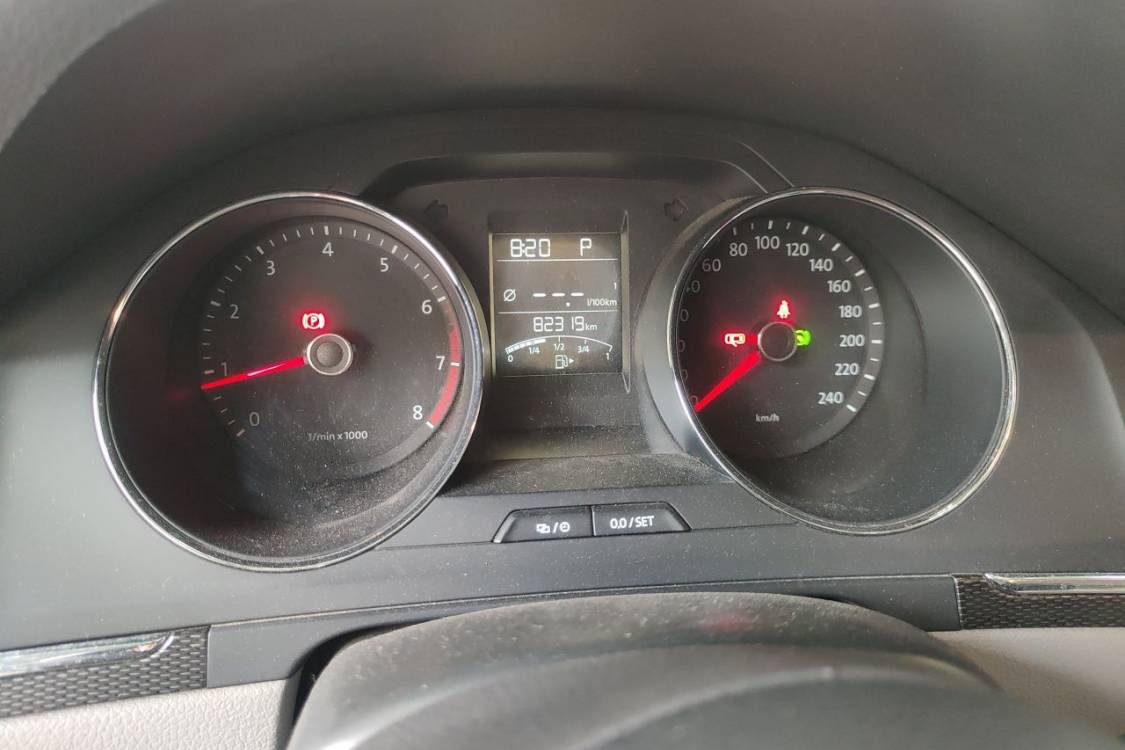
Mileage82,400km
Transfer Count-
FuelGasoline
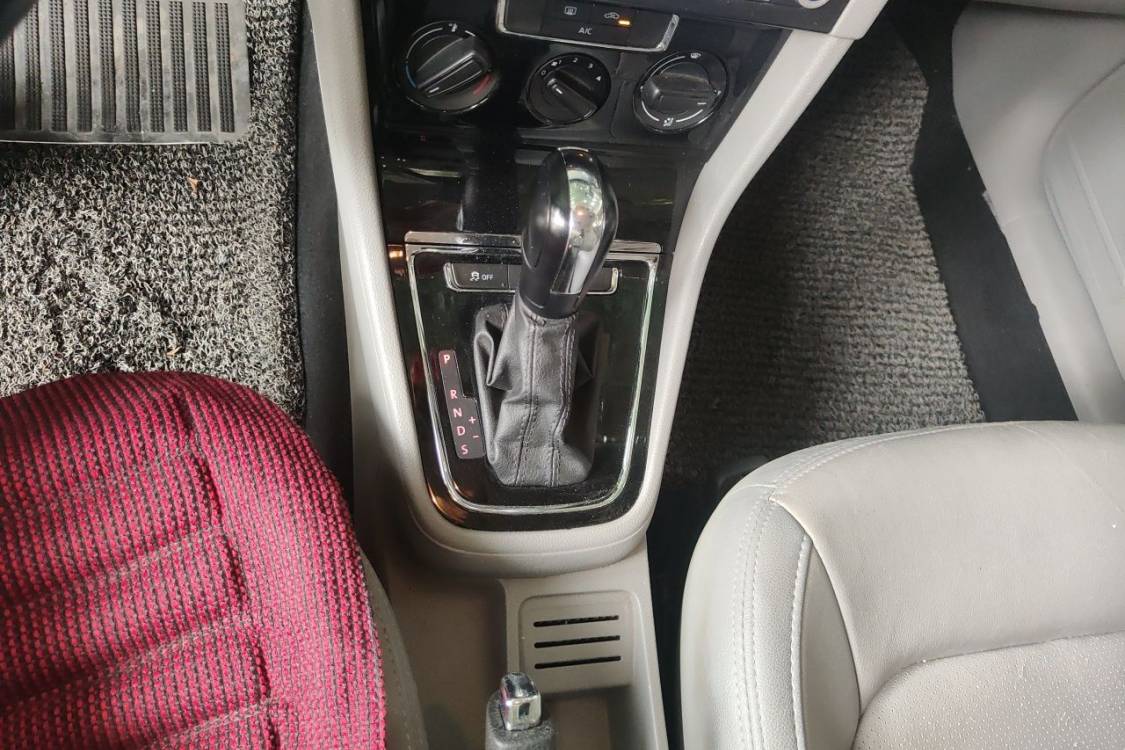
TransmissionManumatic
Engine1.6L 105 L4
ColorOther
Seats-

Condition Description

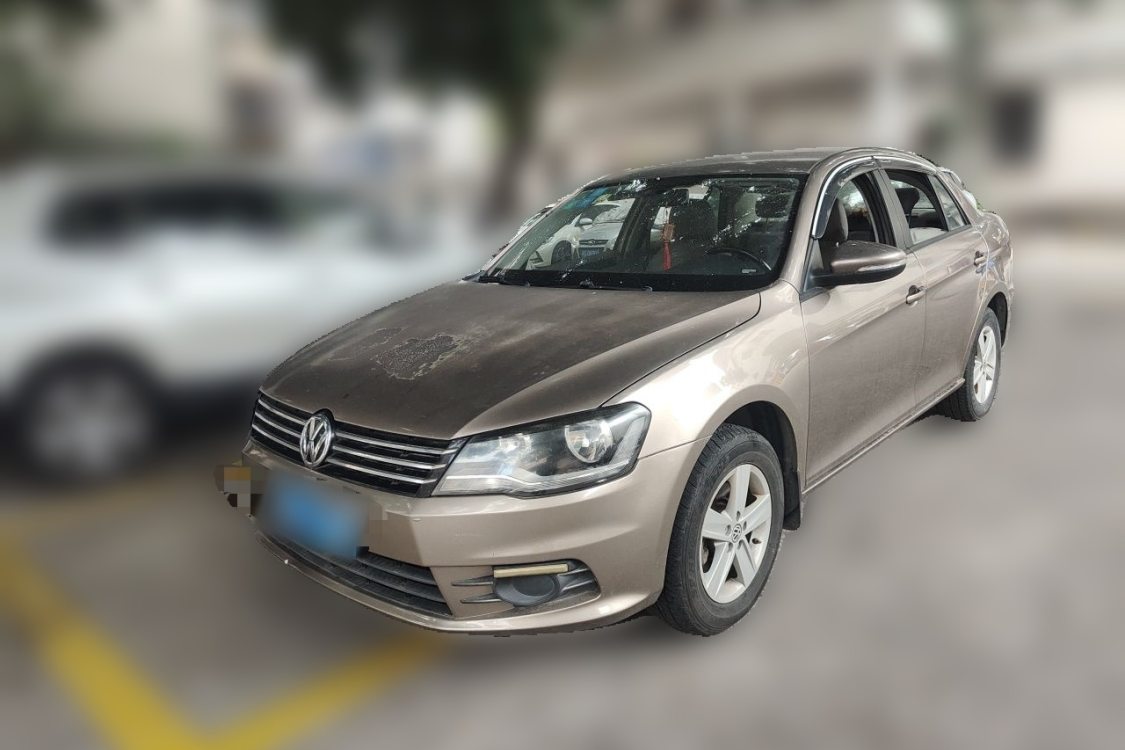
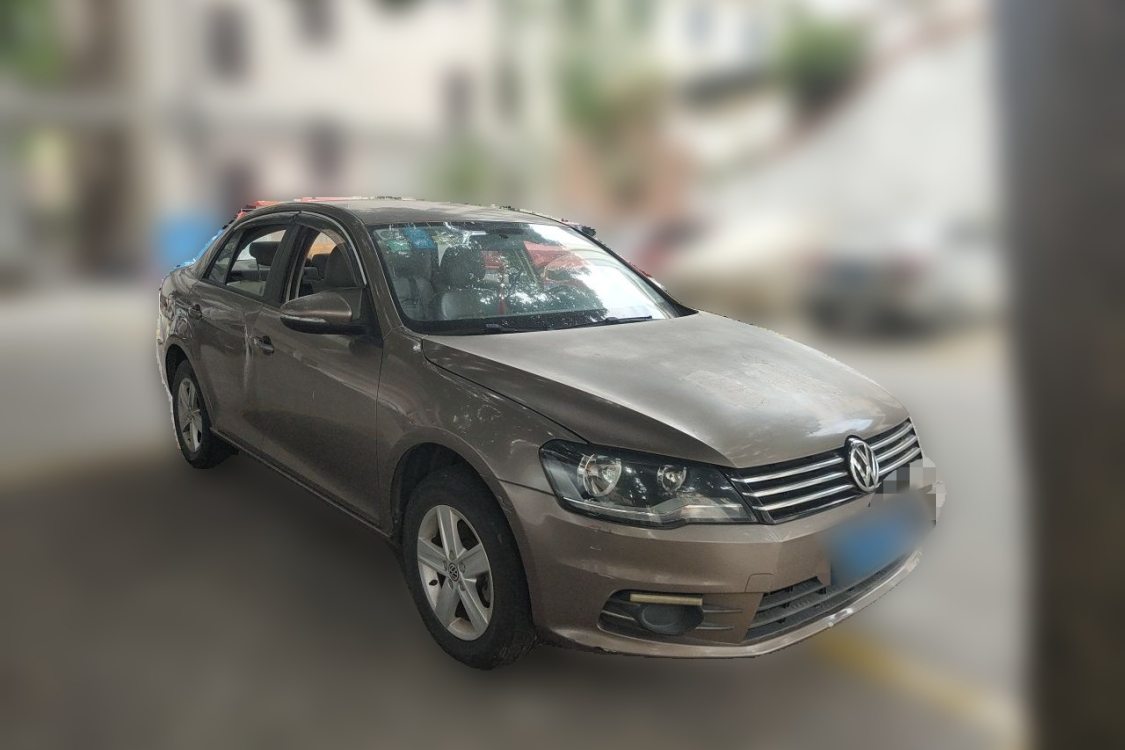
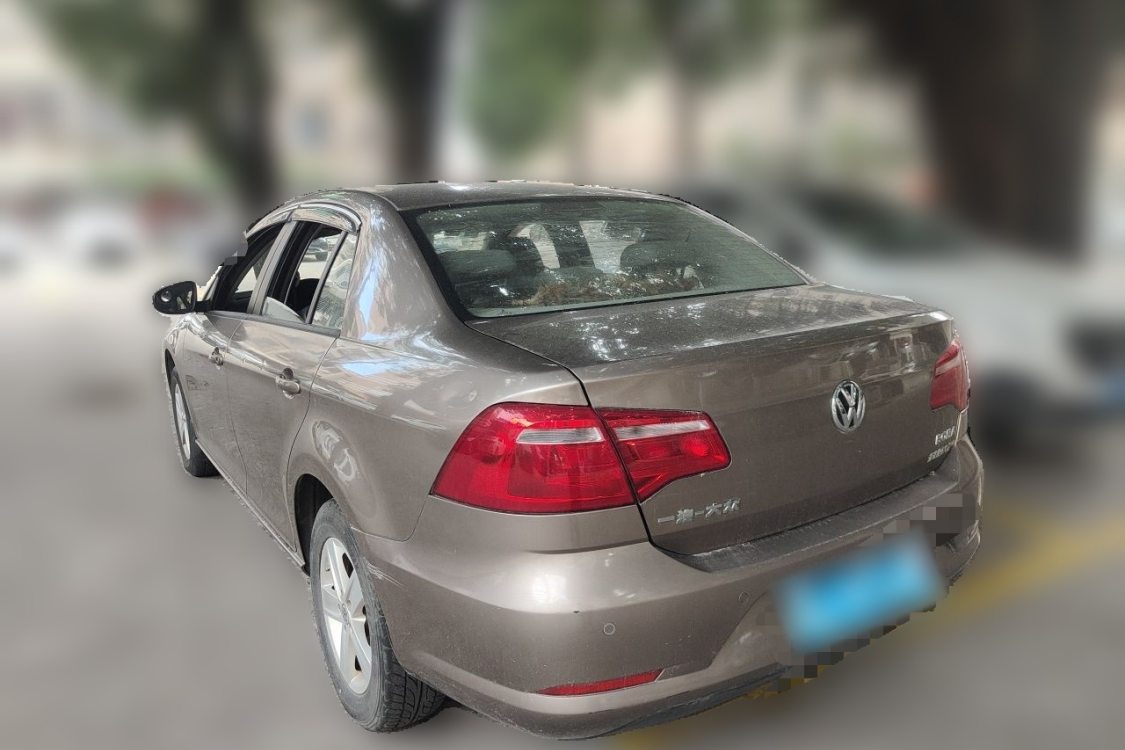
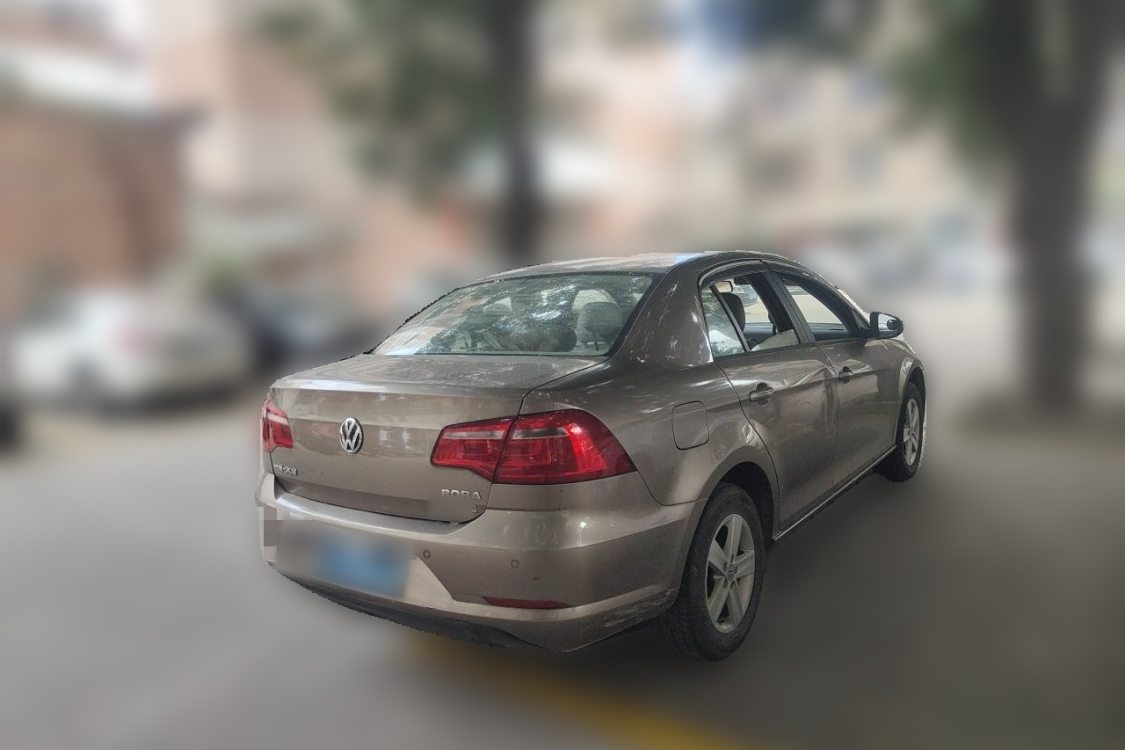
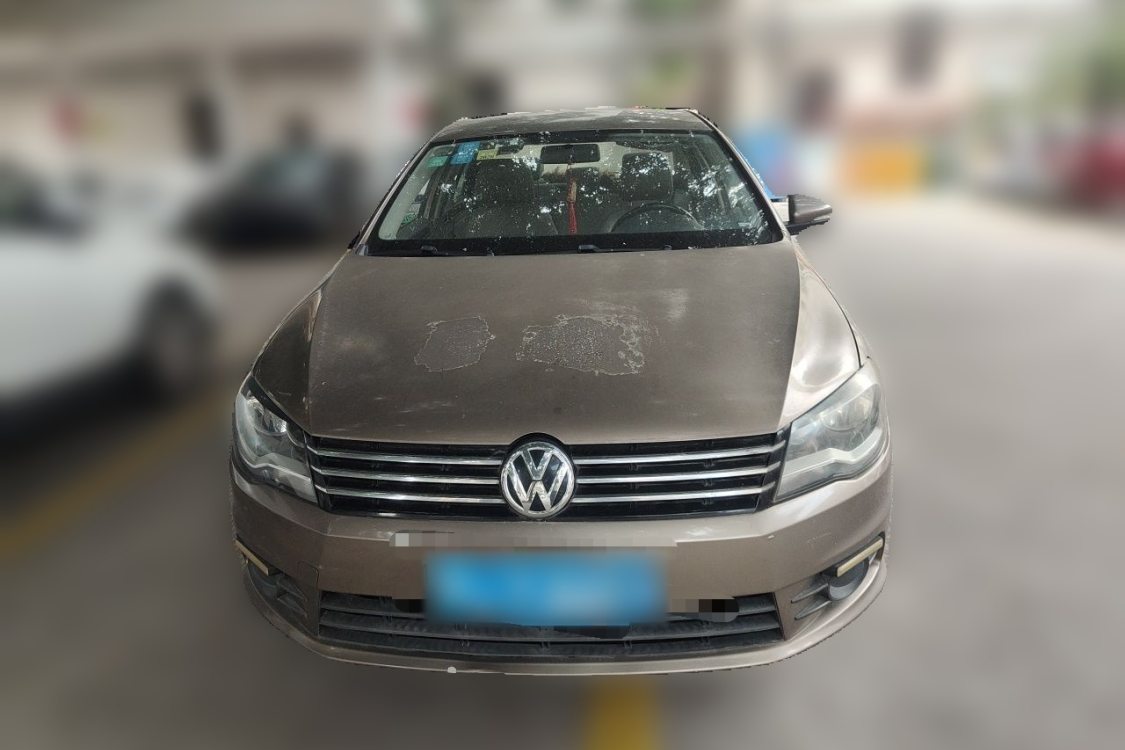
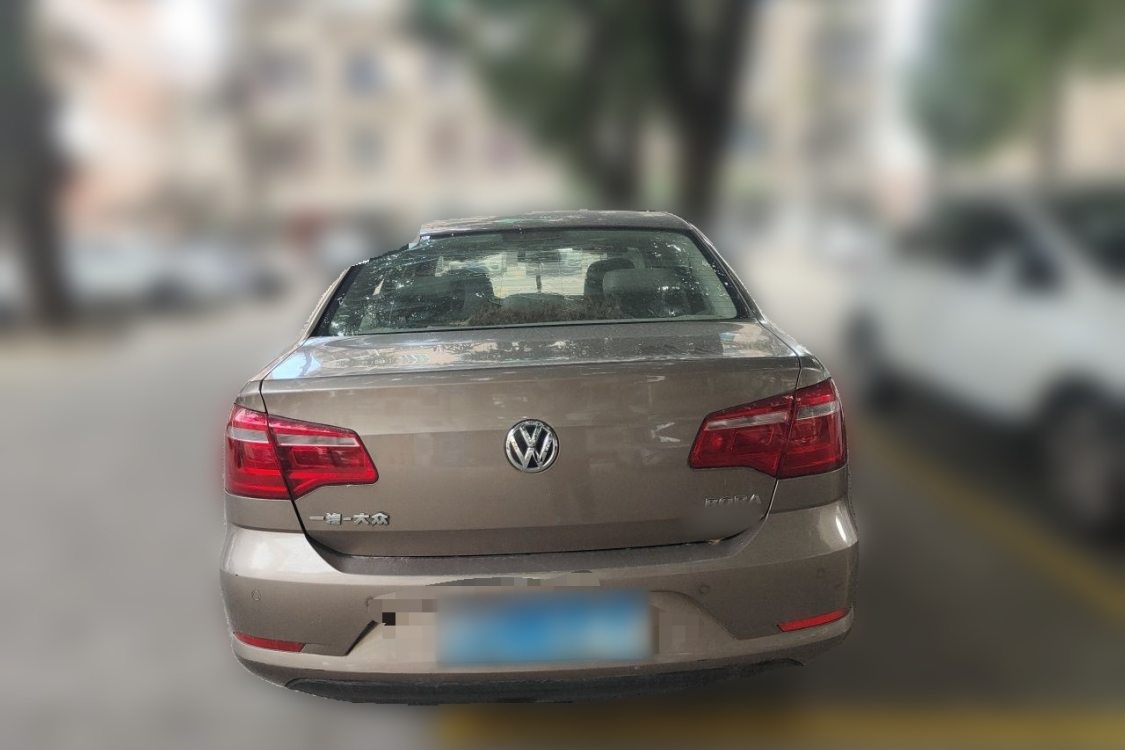
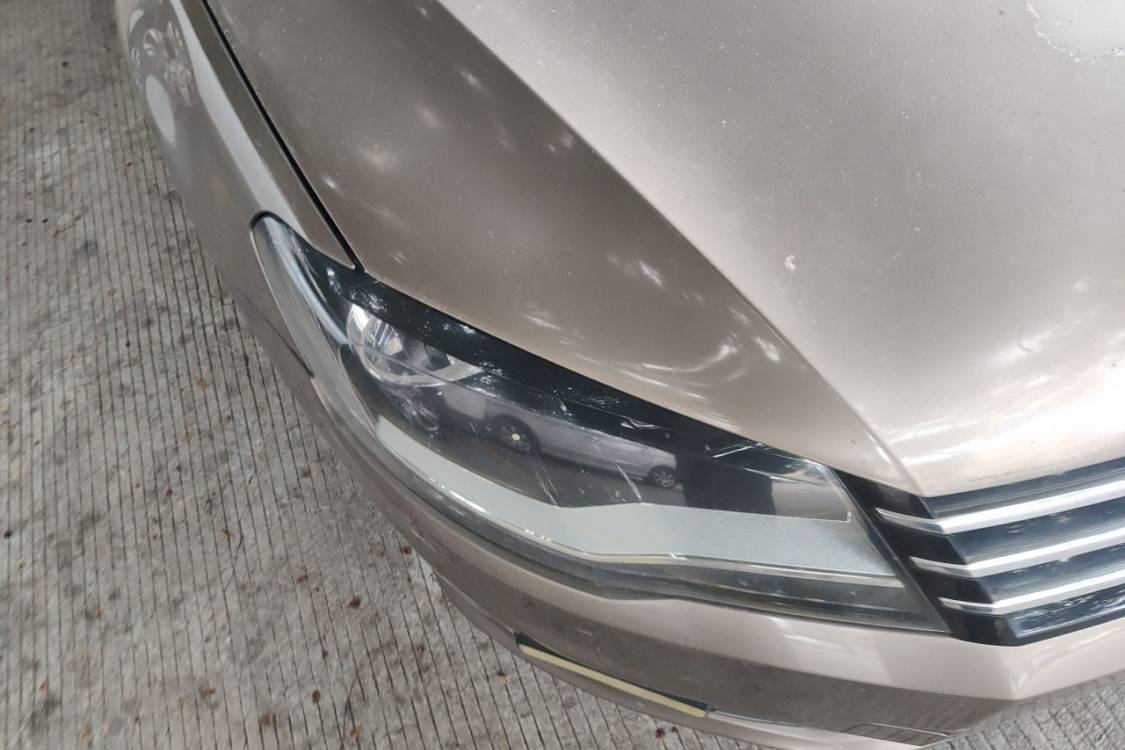
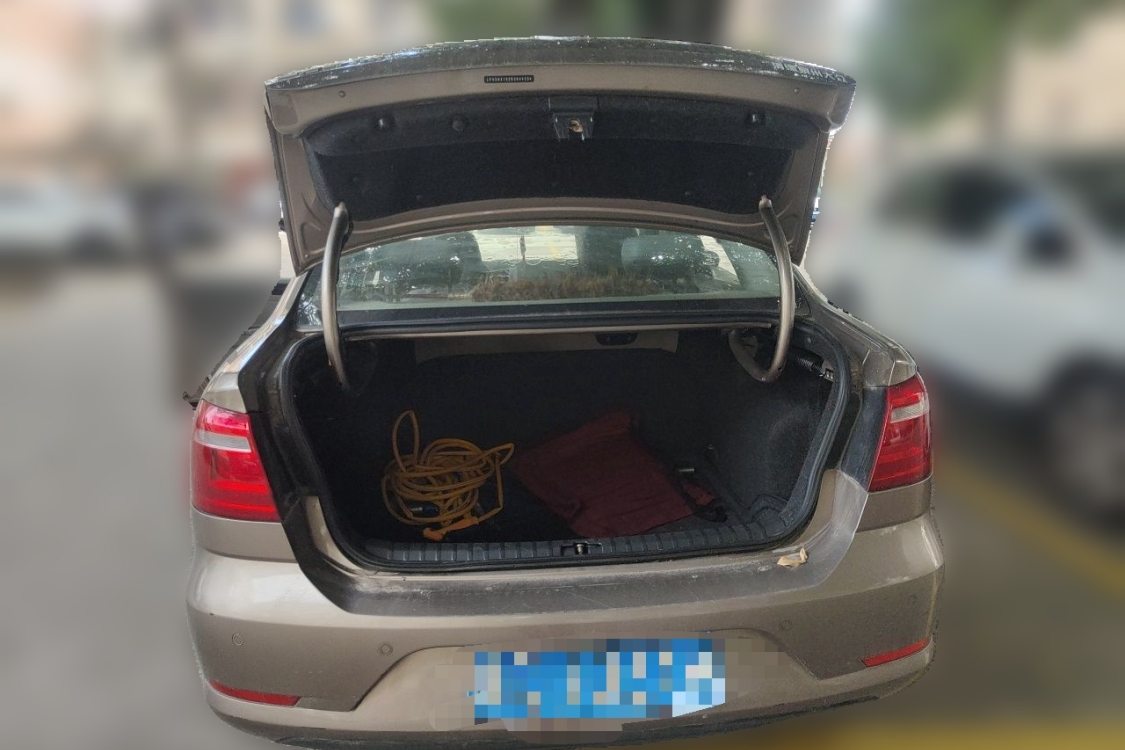
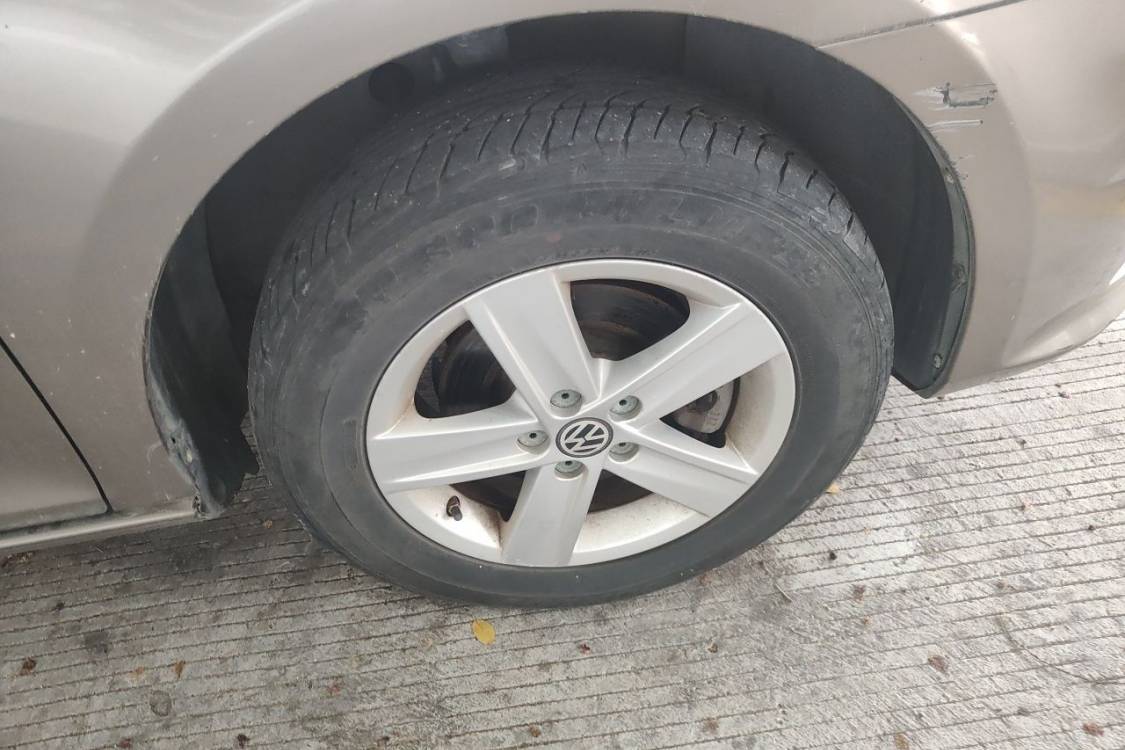
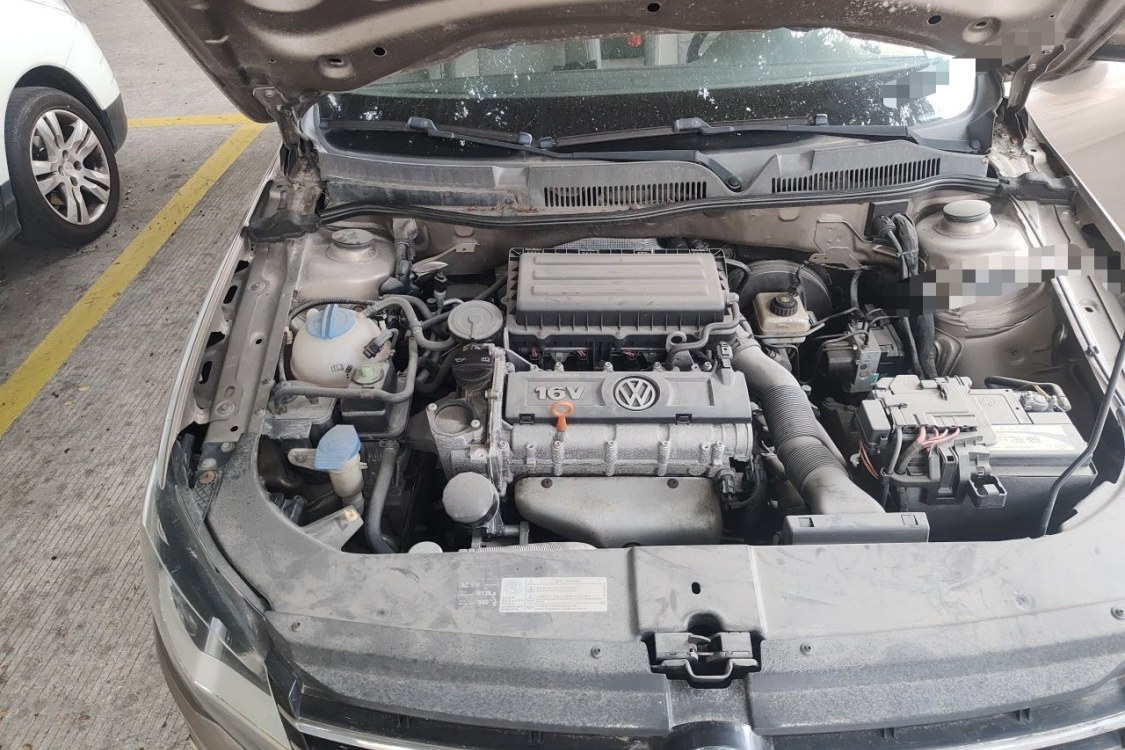
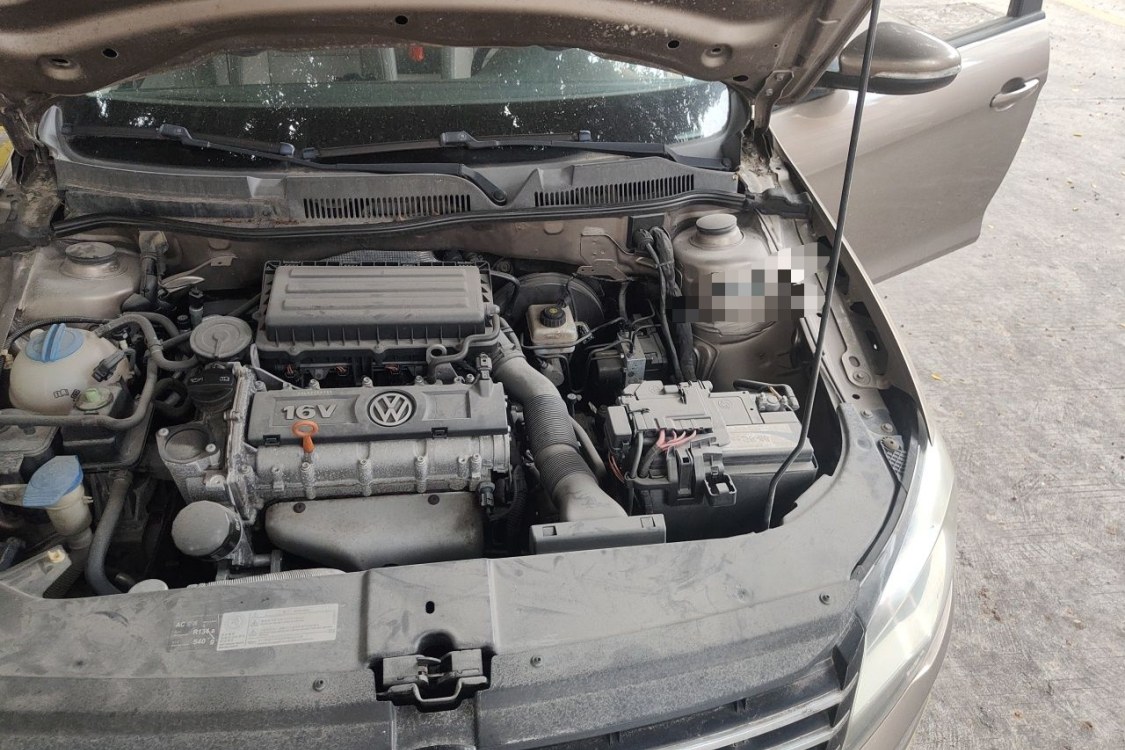
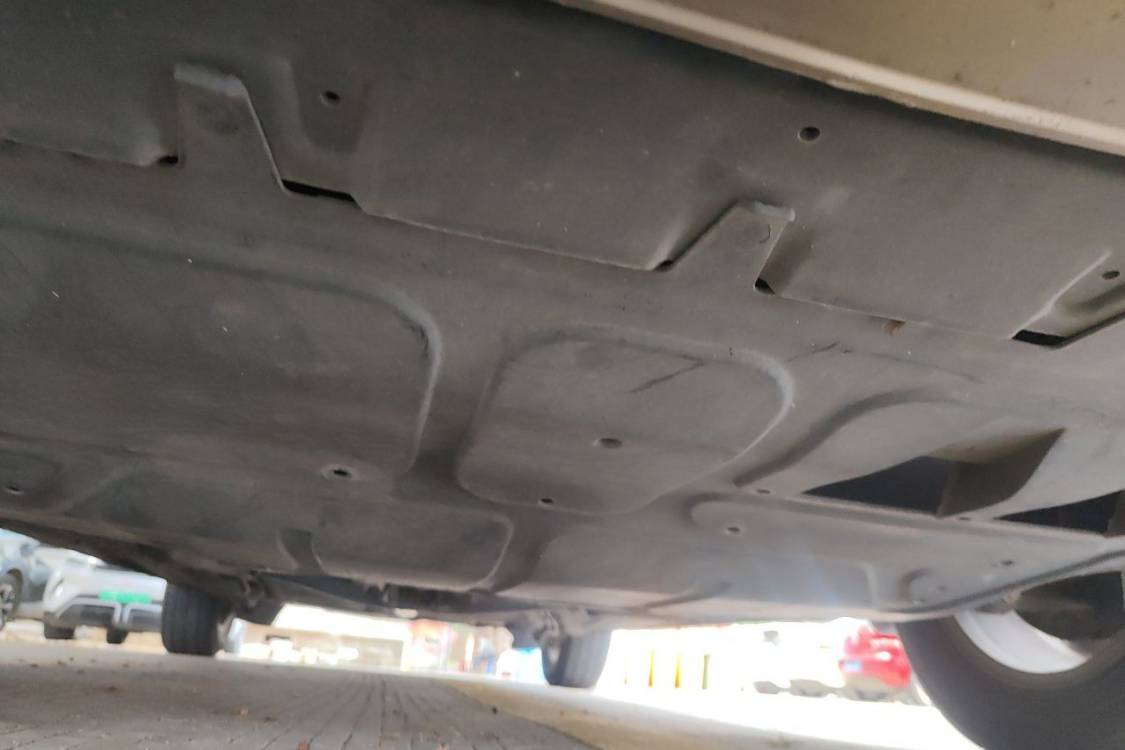
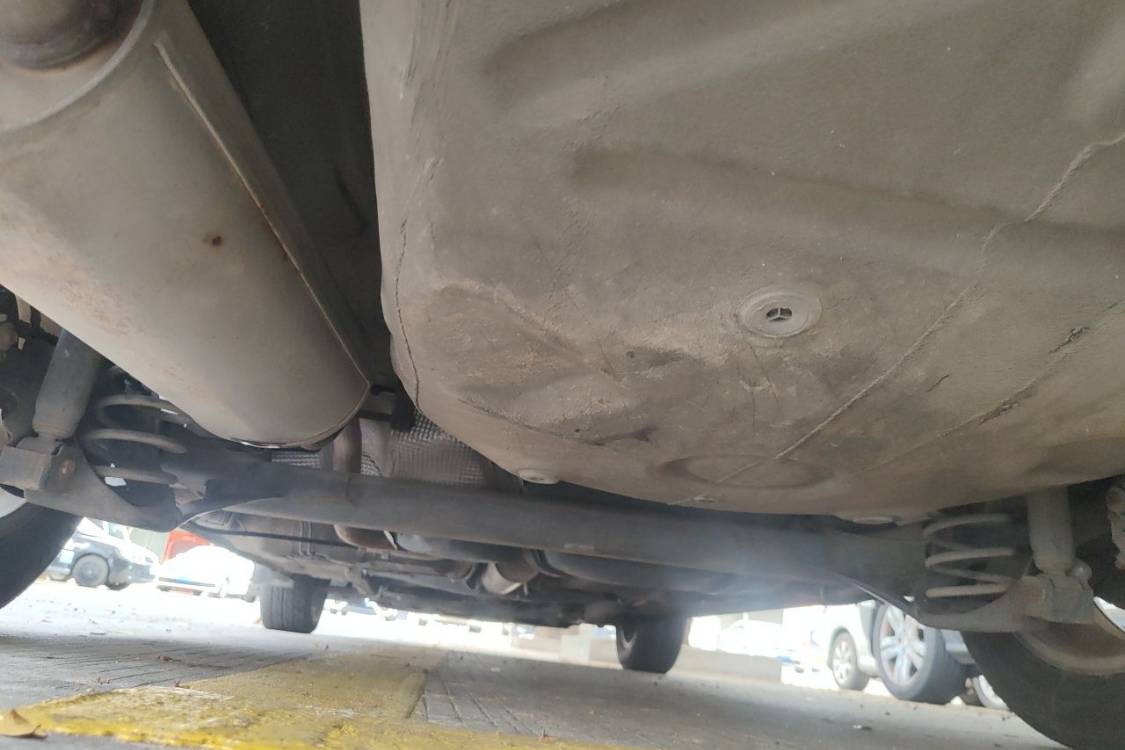
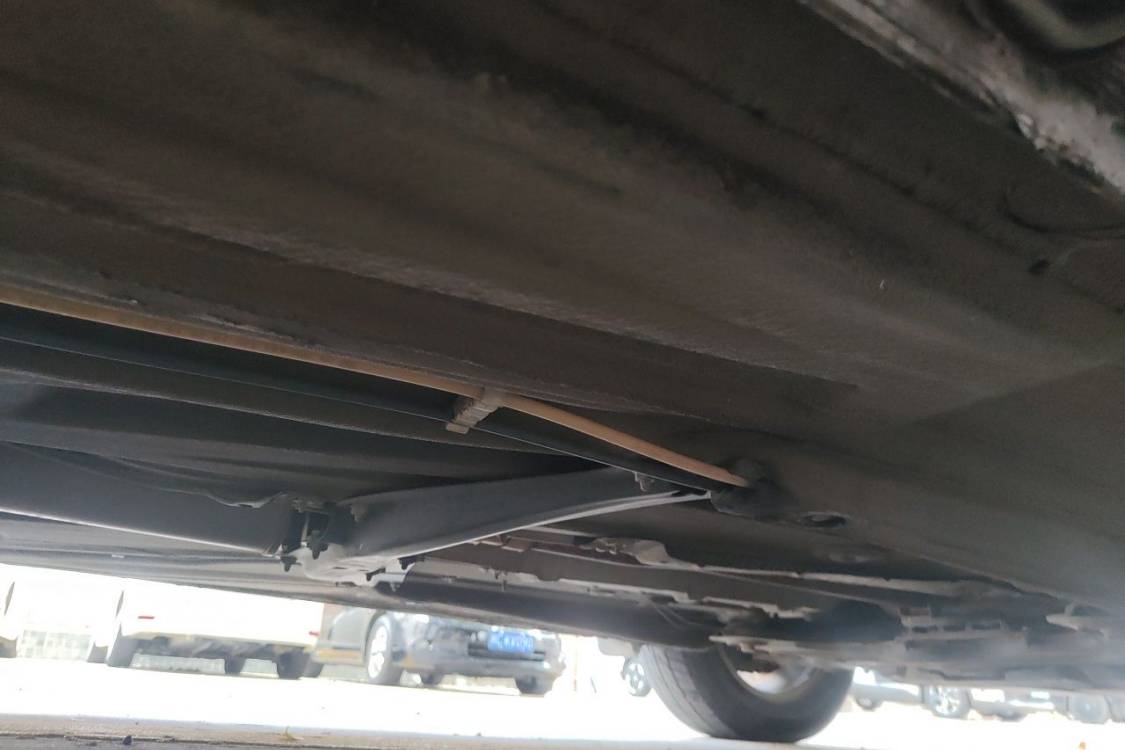
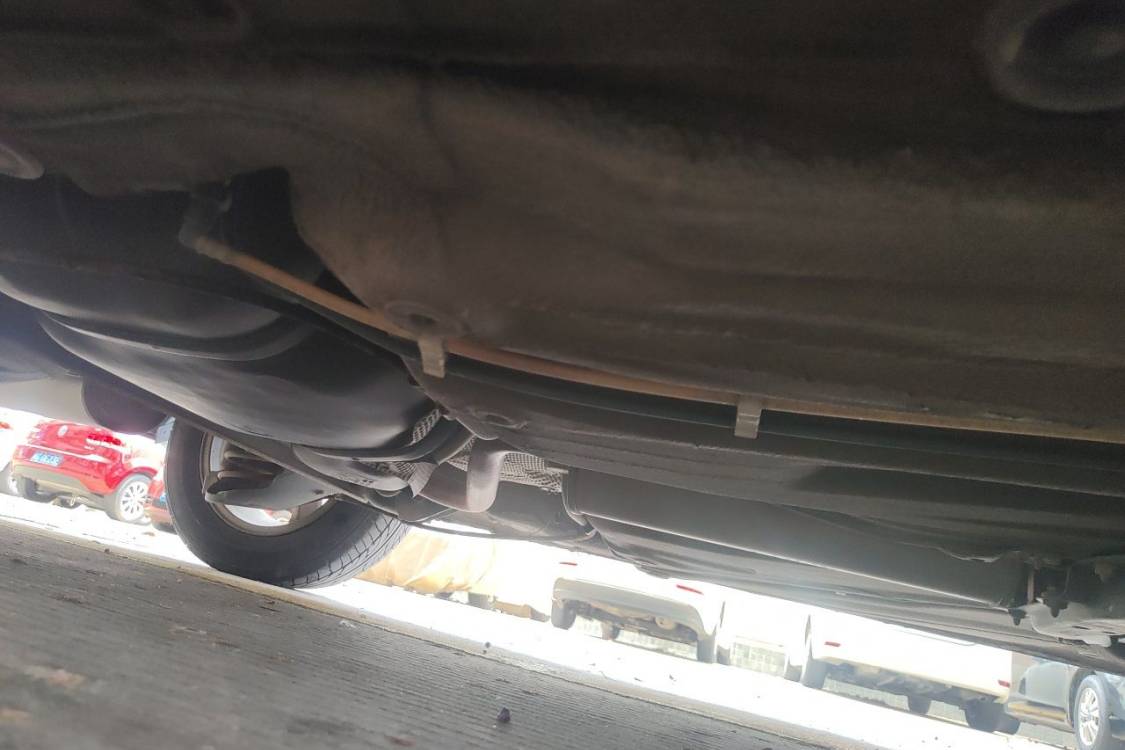
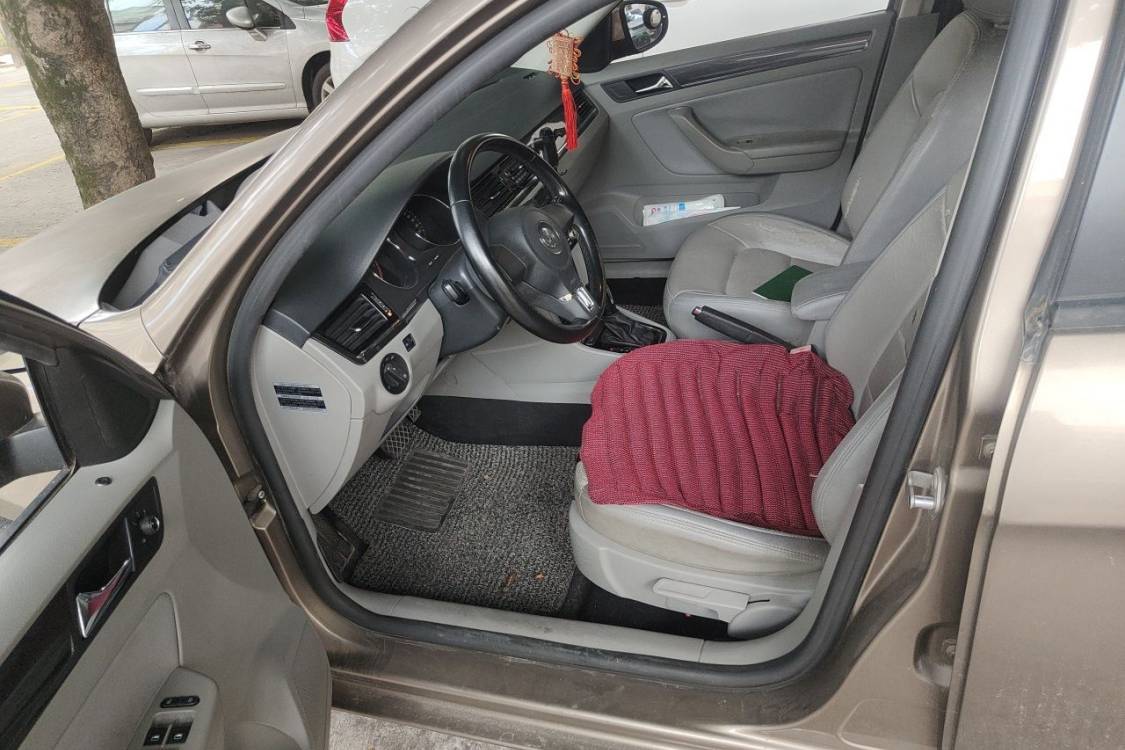
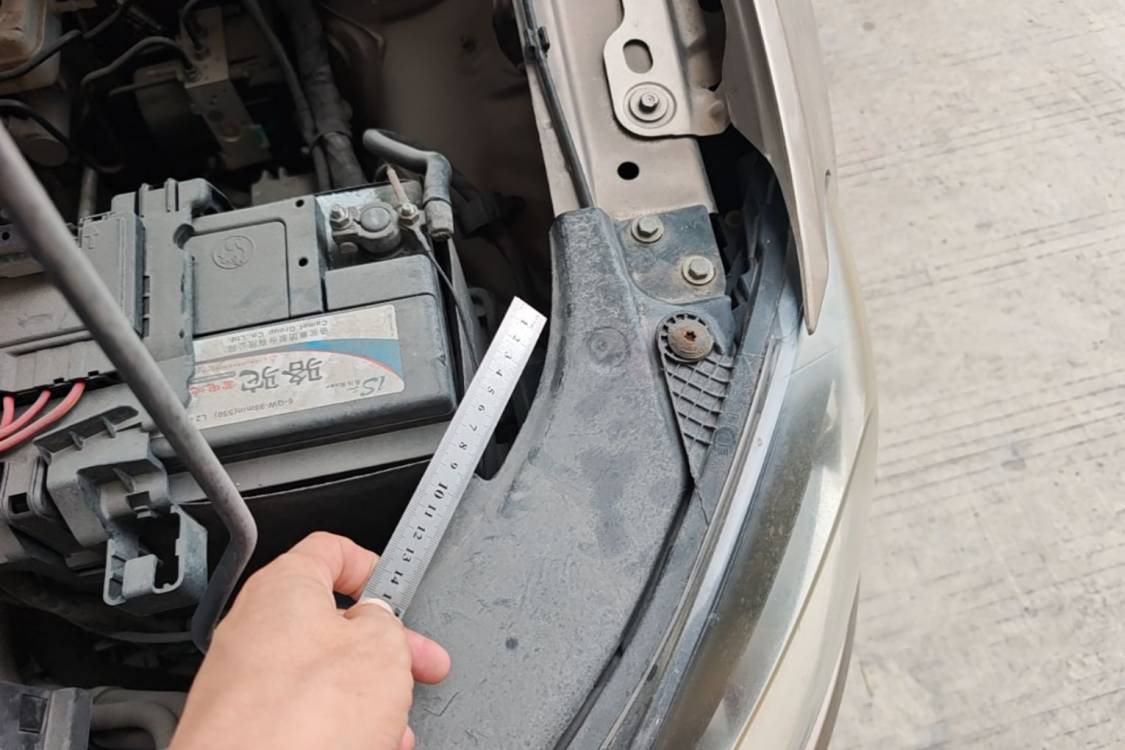
Localized body damage or repair marks present. No accident damage or repairs to structural or reinforcing components. Vehicle performance (including three-electric system) has degraded or is limited.

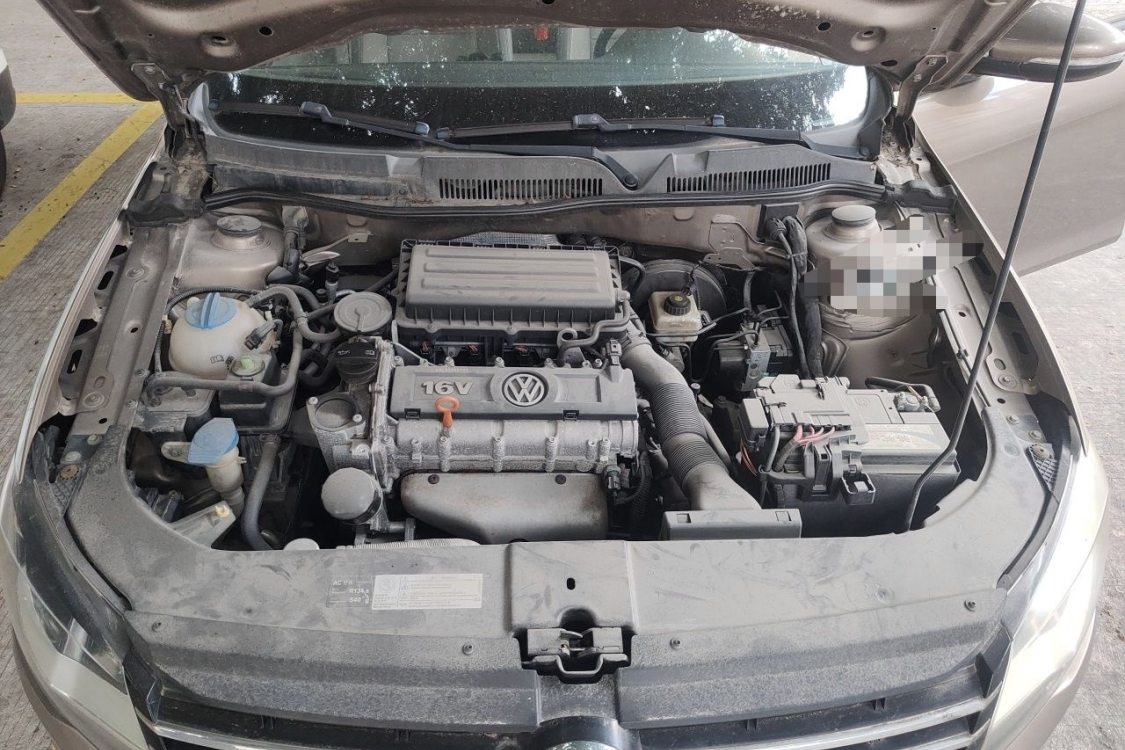
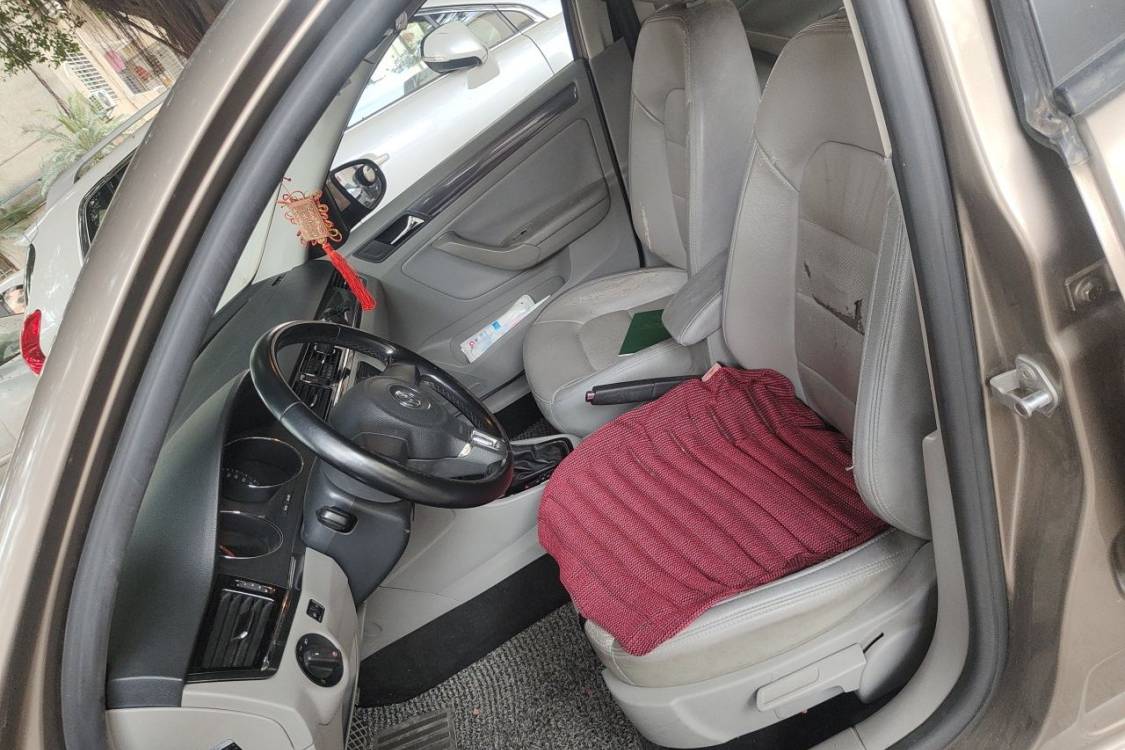
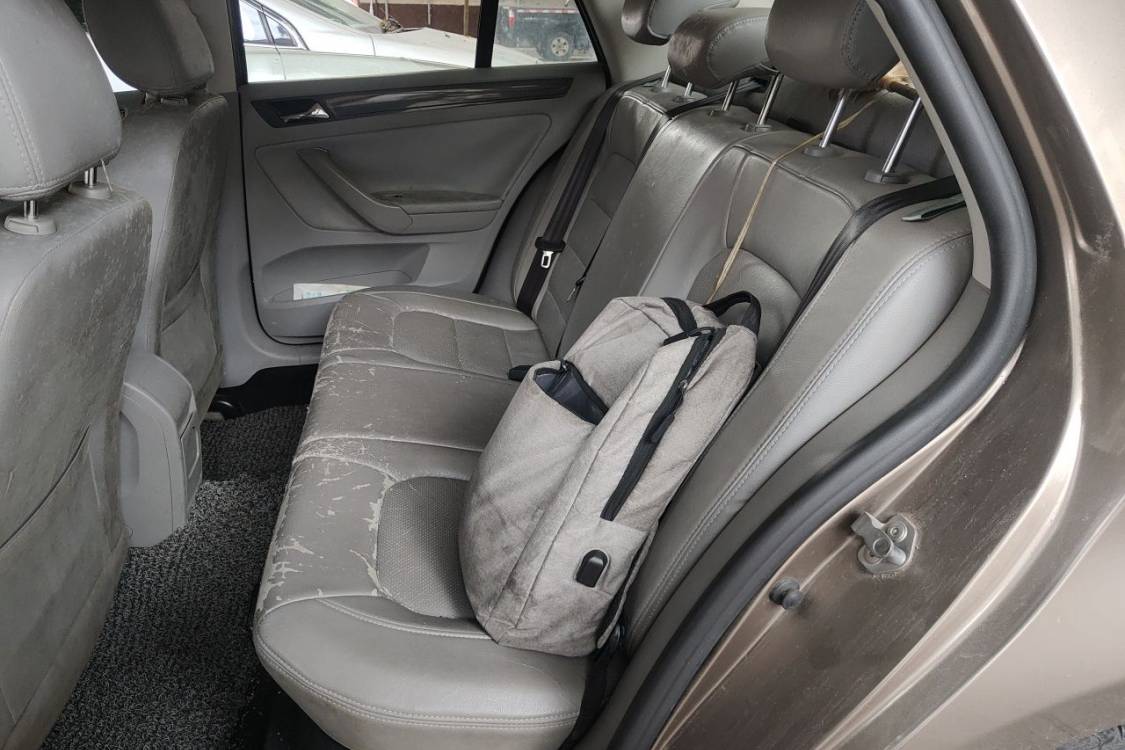
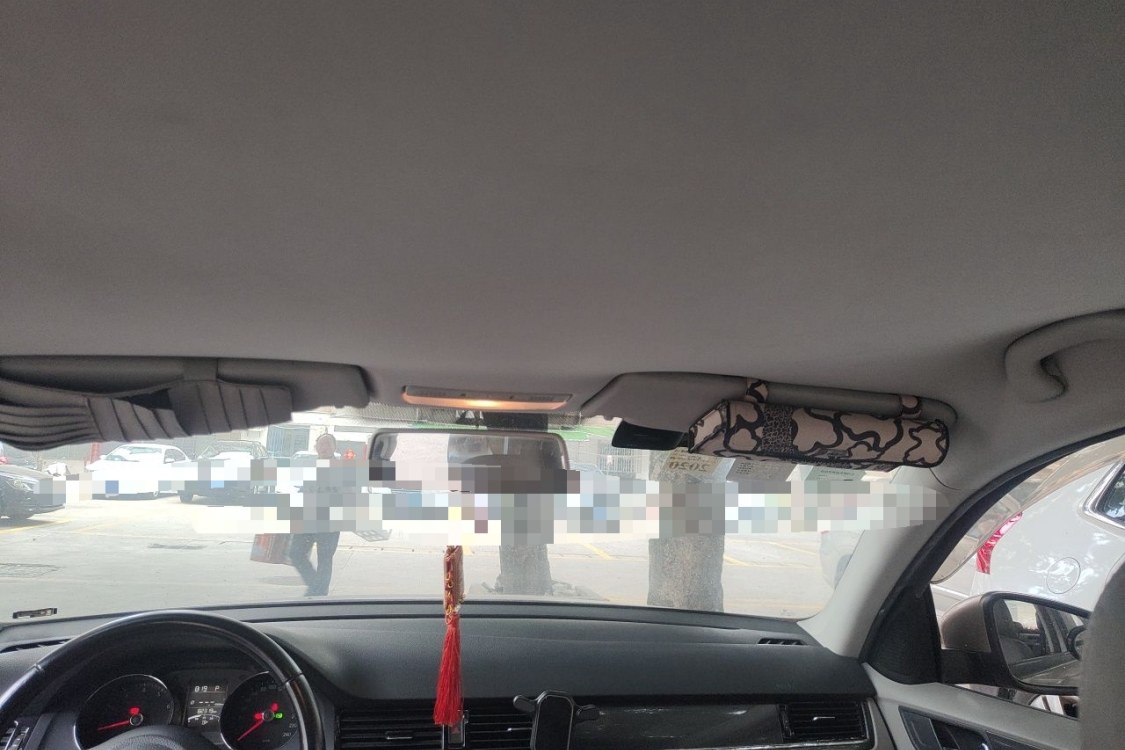
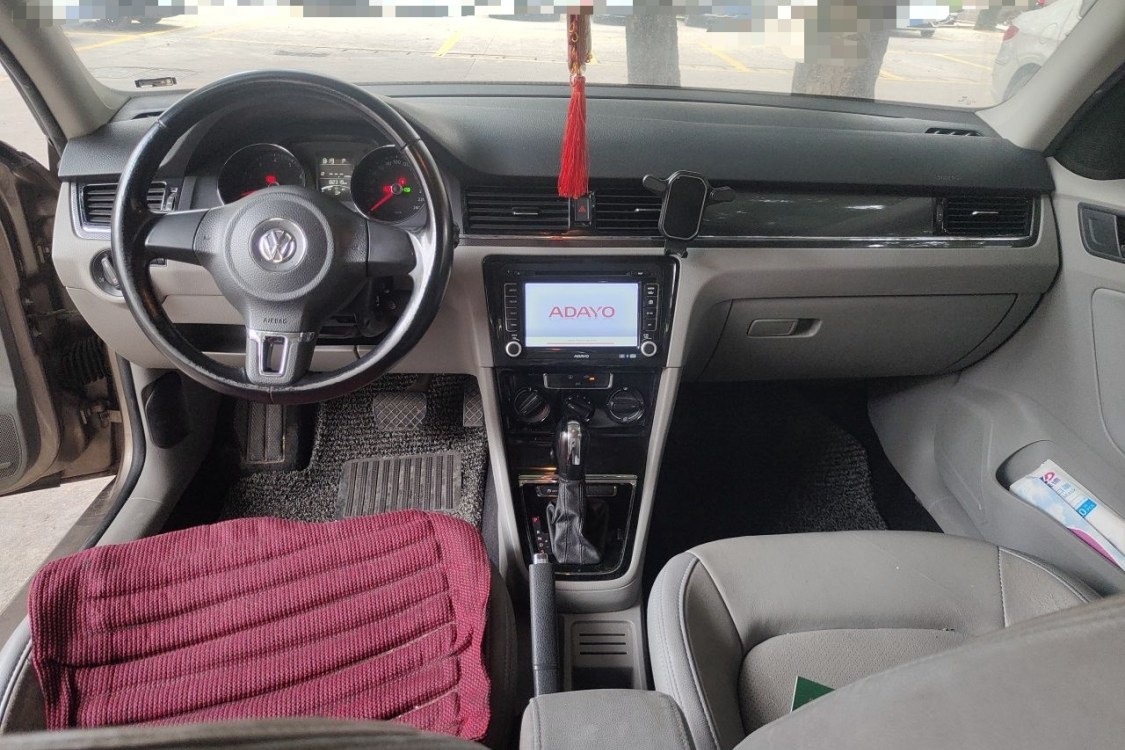
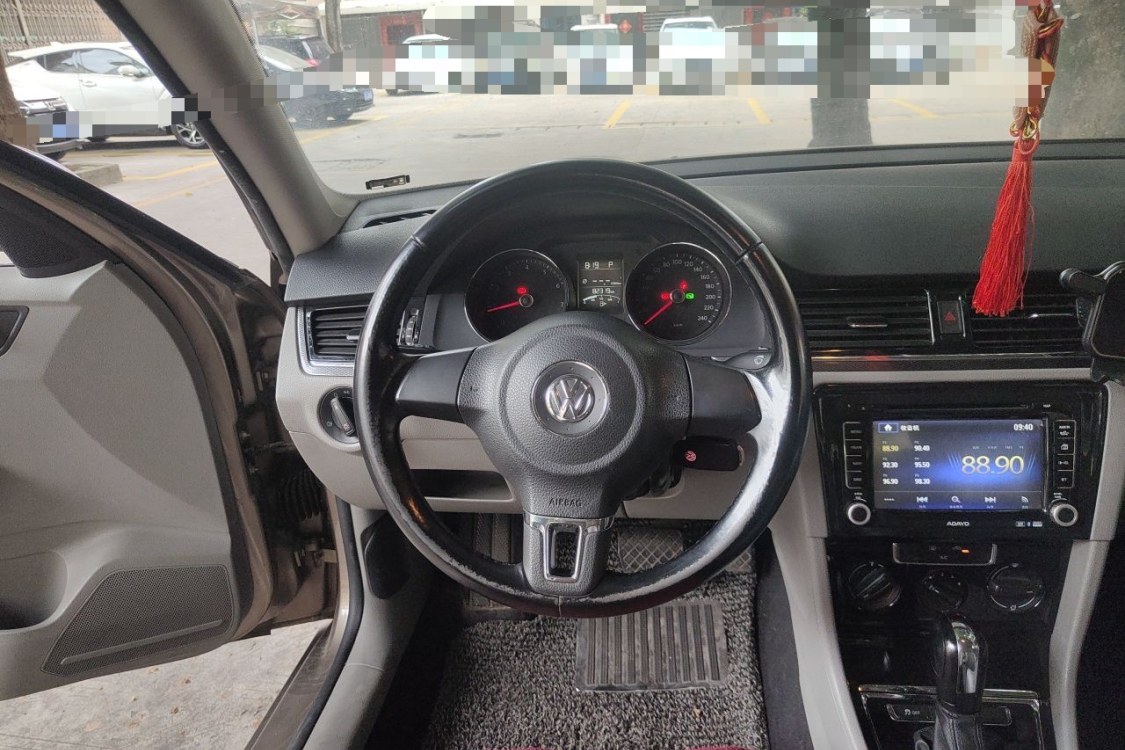
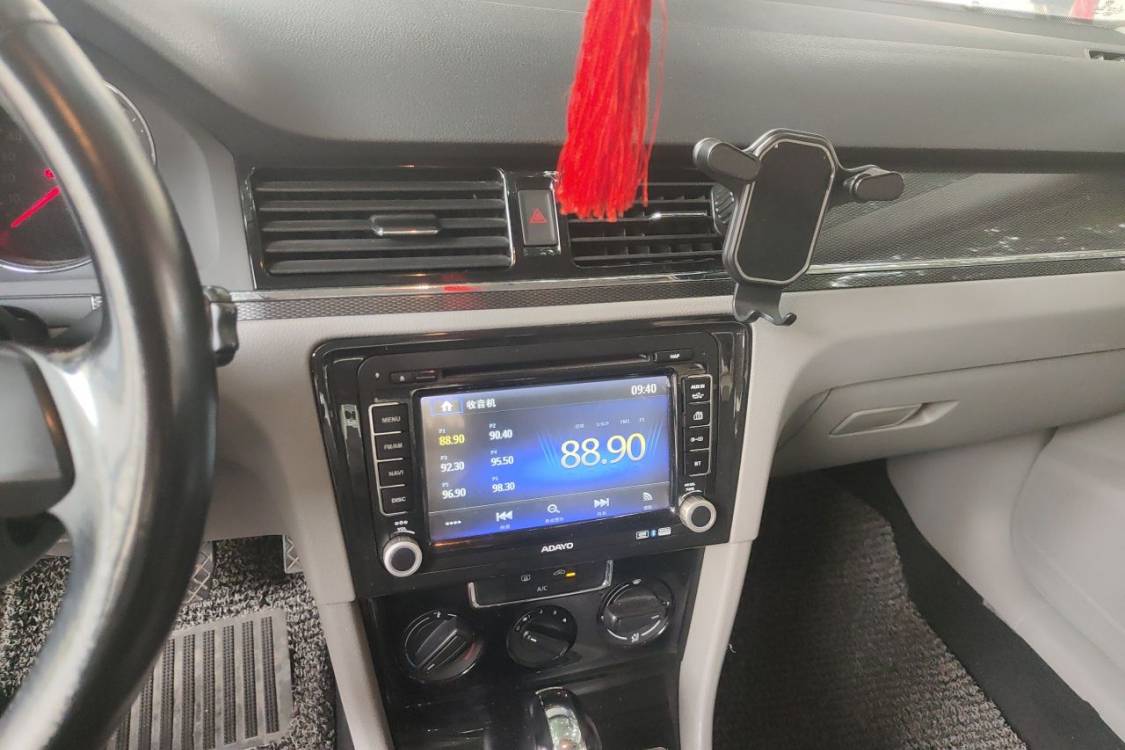
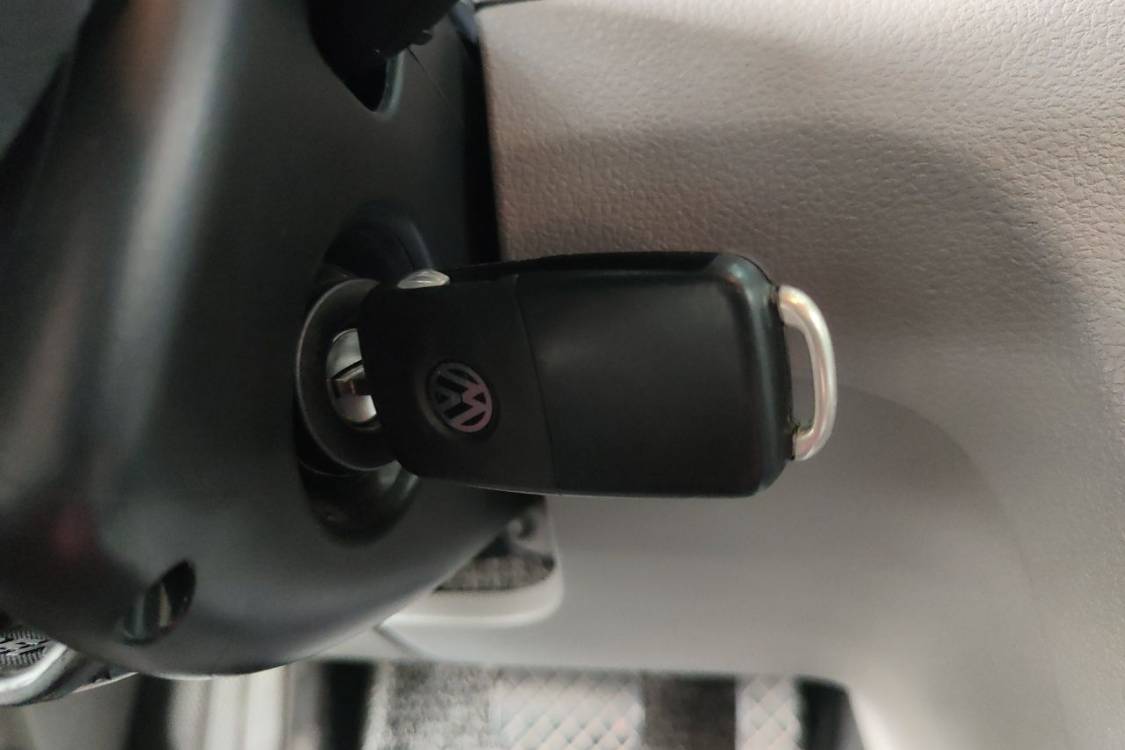
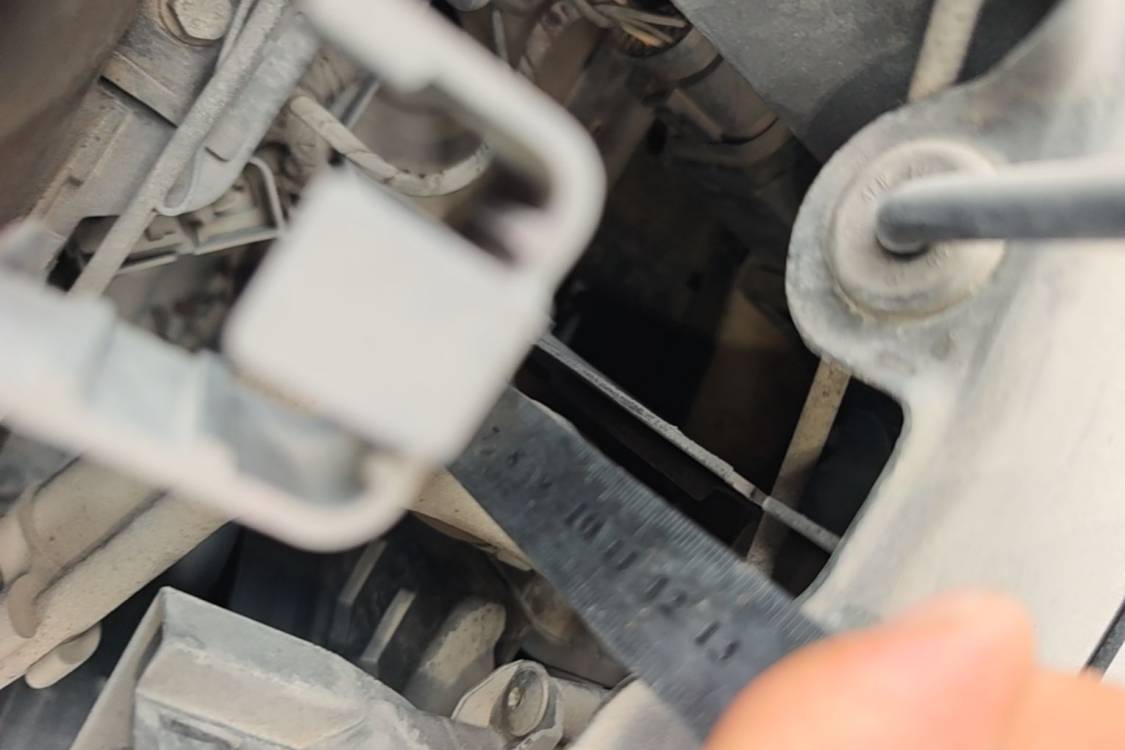
Accident inspection: main structure undamaged, reinforcing components damaged, cover panels damaged, hinges normal. Engine bay inspection: key mechanical components in engine compartment normal. Exterior: 1 replaced part, 1 panel repair, 3 paint jobs. Interior: right front seat torn, right second-row seat torn, left second-row seat torn, left front seat torn, headliner falling; most features normal, airbags normal, lighting system normal. Start-up inspection: main components normal. Tool kit: missing.

电话直连
可讲价
可转售
VIP车源
零过户
新检测标准升级>
必卖车源
非泡水

Document Information

Inspection Expiry Date2027/03
Warranty Expiry Date-
Insurance Expiry Date2027/03

Q&A

More

Why do some low-mileage, relatively new "almost new cars" get sold by their original owners?

There are various reasons, including but not limited to: financial needs, restrictions from lottery policies, moving abroad, or dissatisfaction with certain features of the vehicle. We will ensure that the vehicle was not sold due to catastrophic failures by ruling out major accidents, water damage, and flooding.
After receiving the car, I found that the 12V battery was dead and couldn't start, or the wiper rubber was aging. Does this count as a quality breach on your part?

No, it does not. International shipping (especially RoRo) usually takes 30 to 60 days, during which the vehicle is stationary. A dead 12V battery, natural tire pressure loss, and even wiper aging due to temperature differences are all reasonable physical wear during long-distance transport. We strongly recommend that overseas buyers bring a portable jump starter and an air pump when picking up their vehicles at the port.

How are the refrigerant pressure, compressor operation, and heating effect of the air conditioning system deeply tested?

The technician will start the vehicle and turn on the air conditioning system, measuring the actual temperature at the vents at the lowest and highest settings with a thermometer; at the same time, they will connect a manifold pressure gauge to check if the refrigerant pressure in the high and low pressure lines is within the normal range, determining if there is a chronic refrigerant leak.