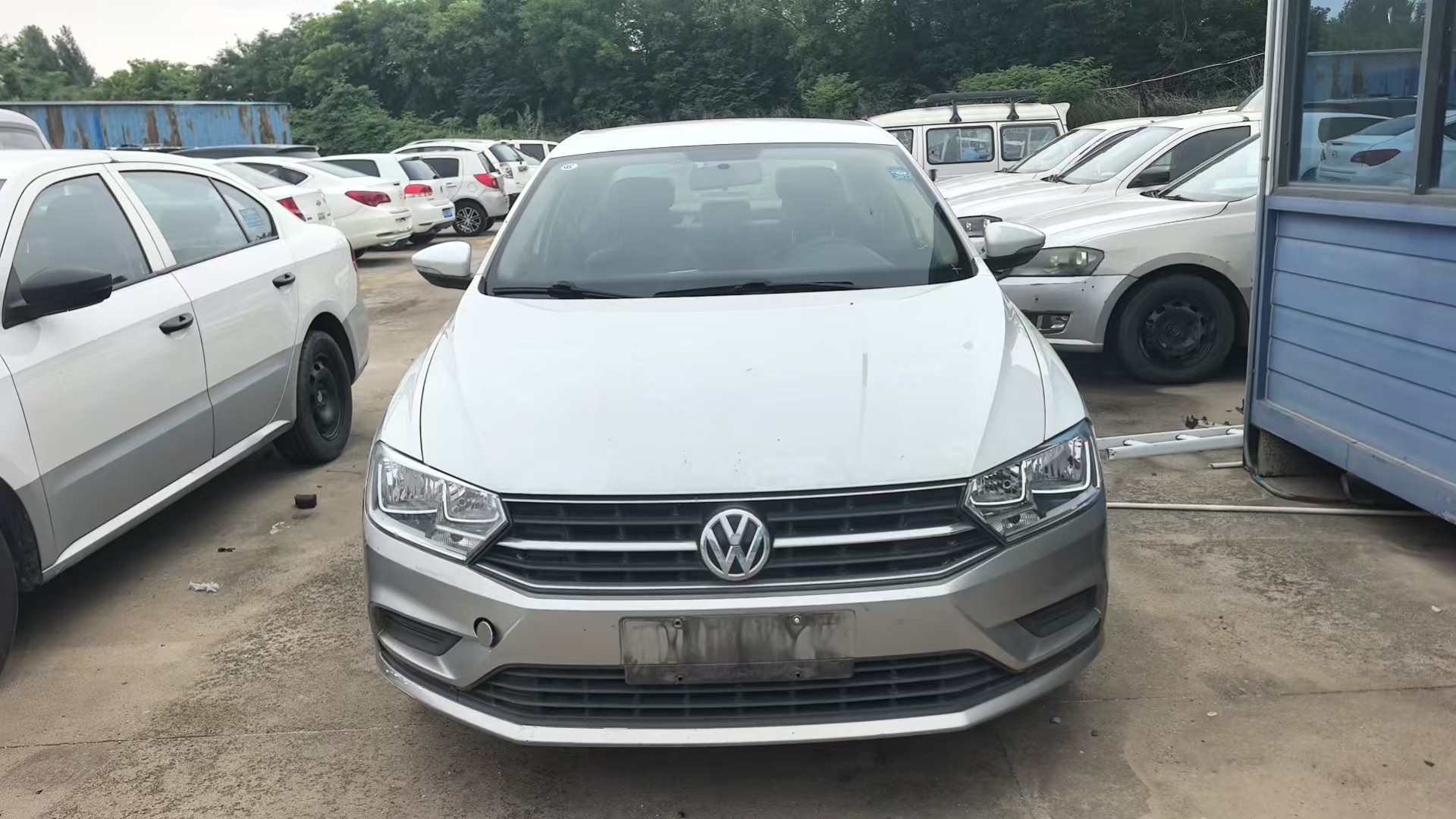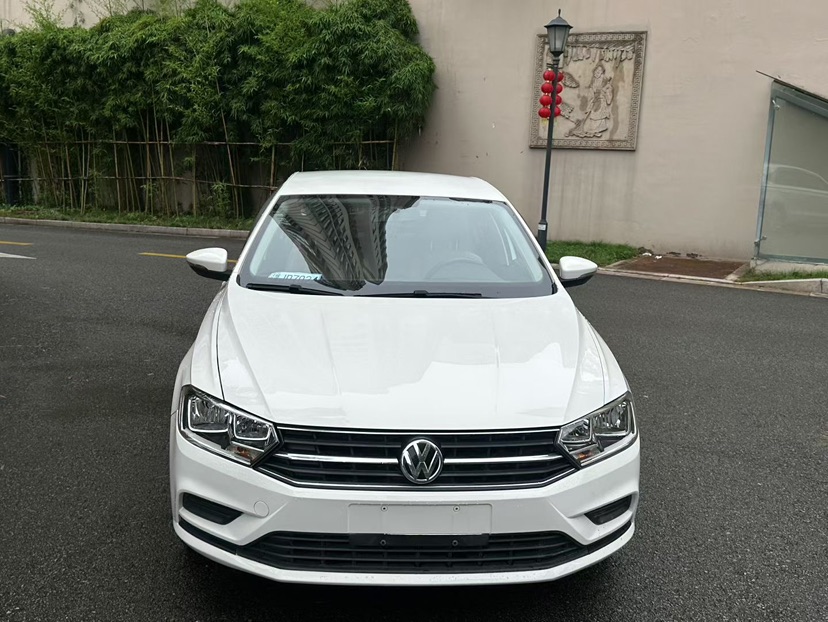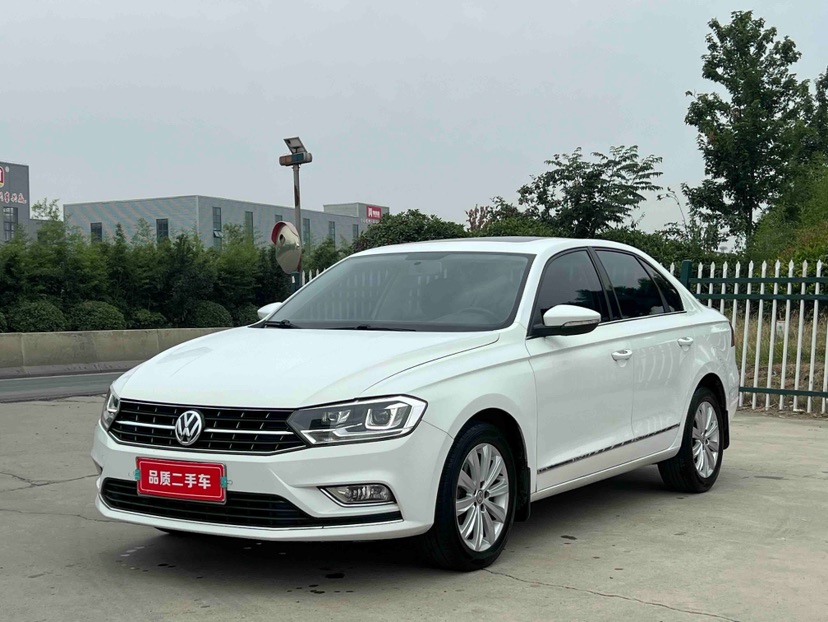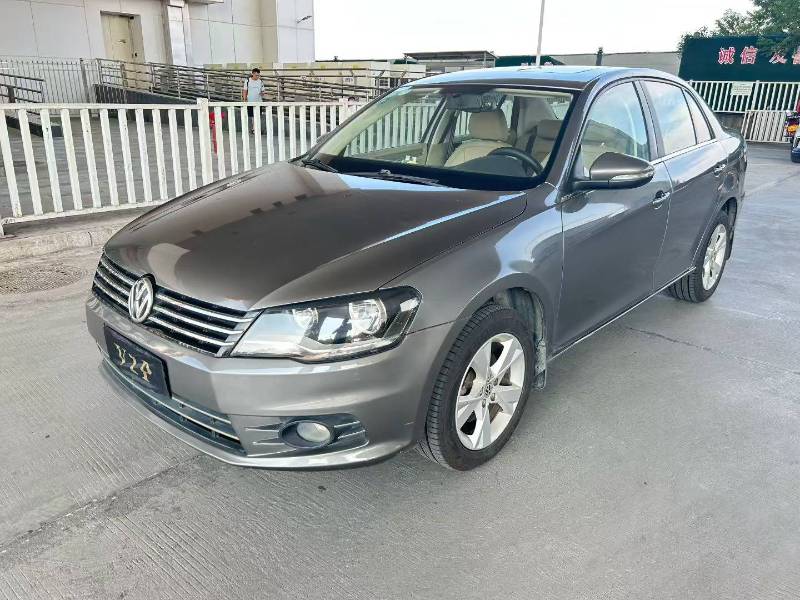
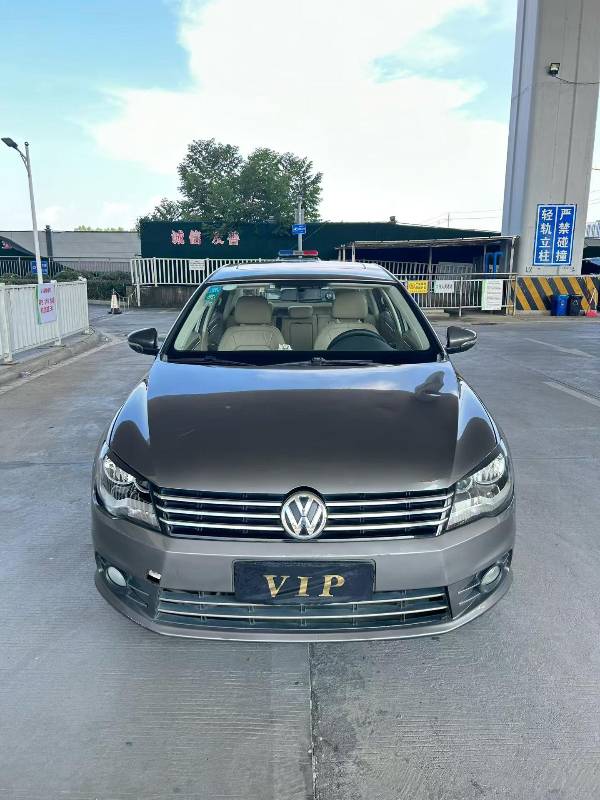
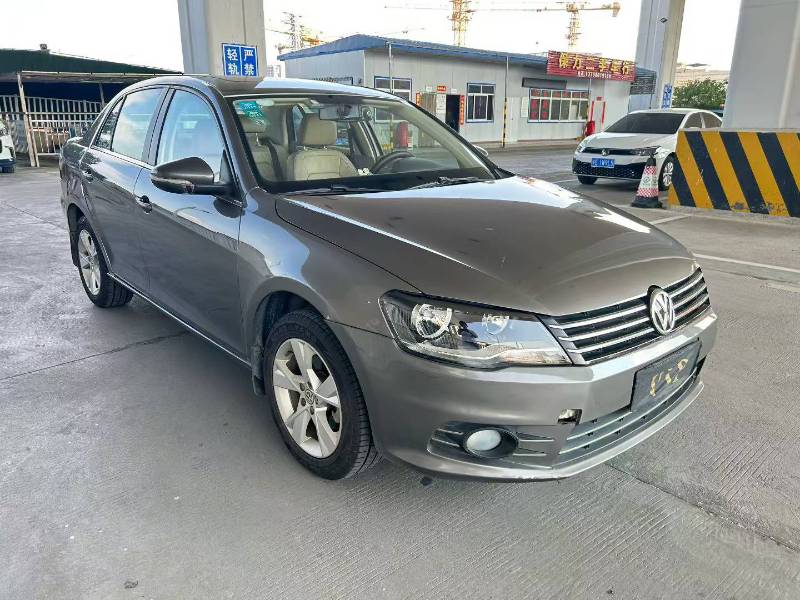
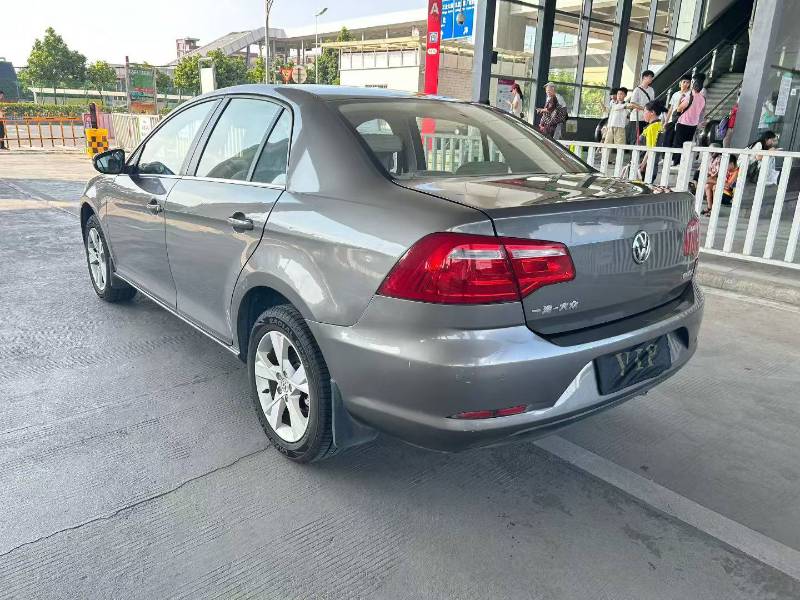
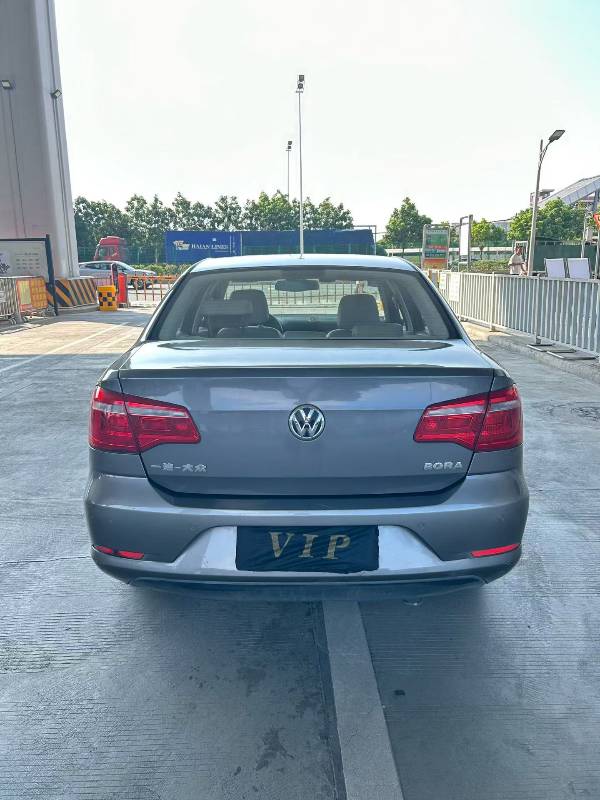
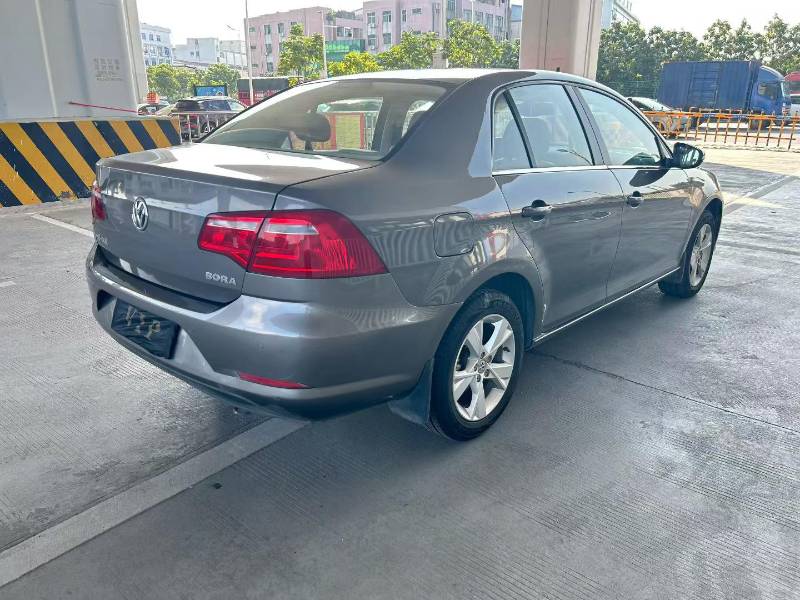
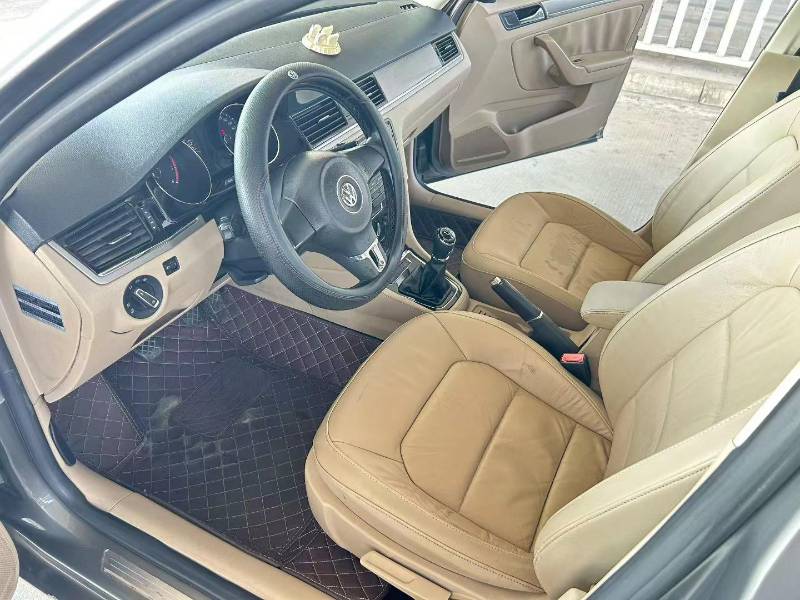
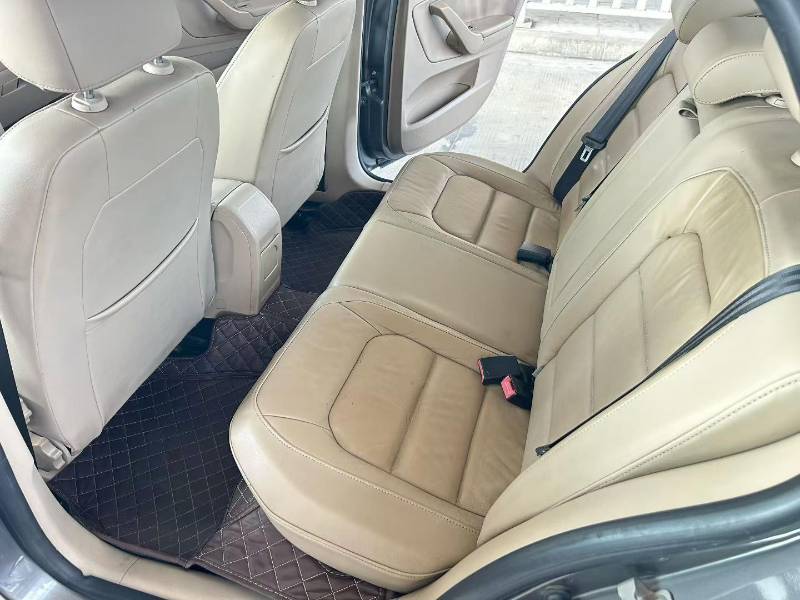
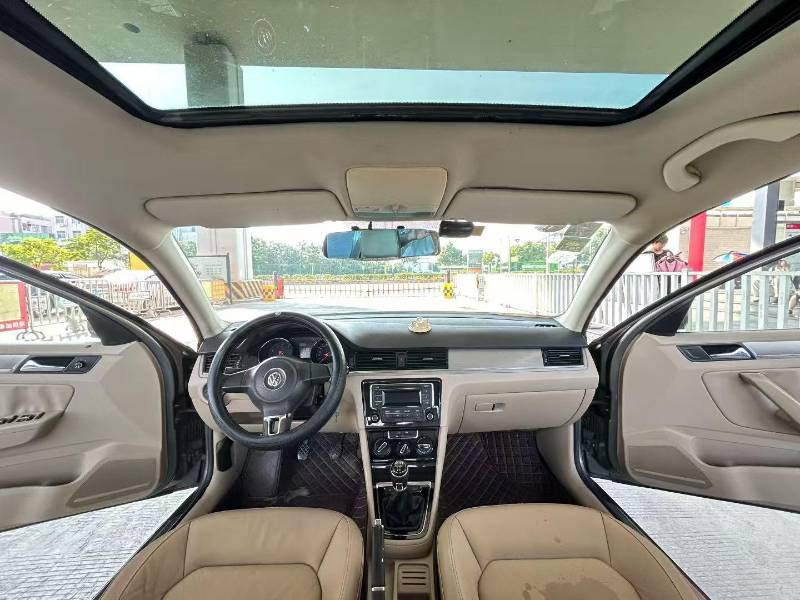



Basic Information

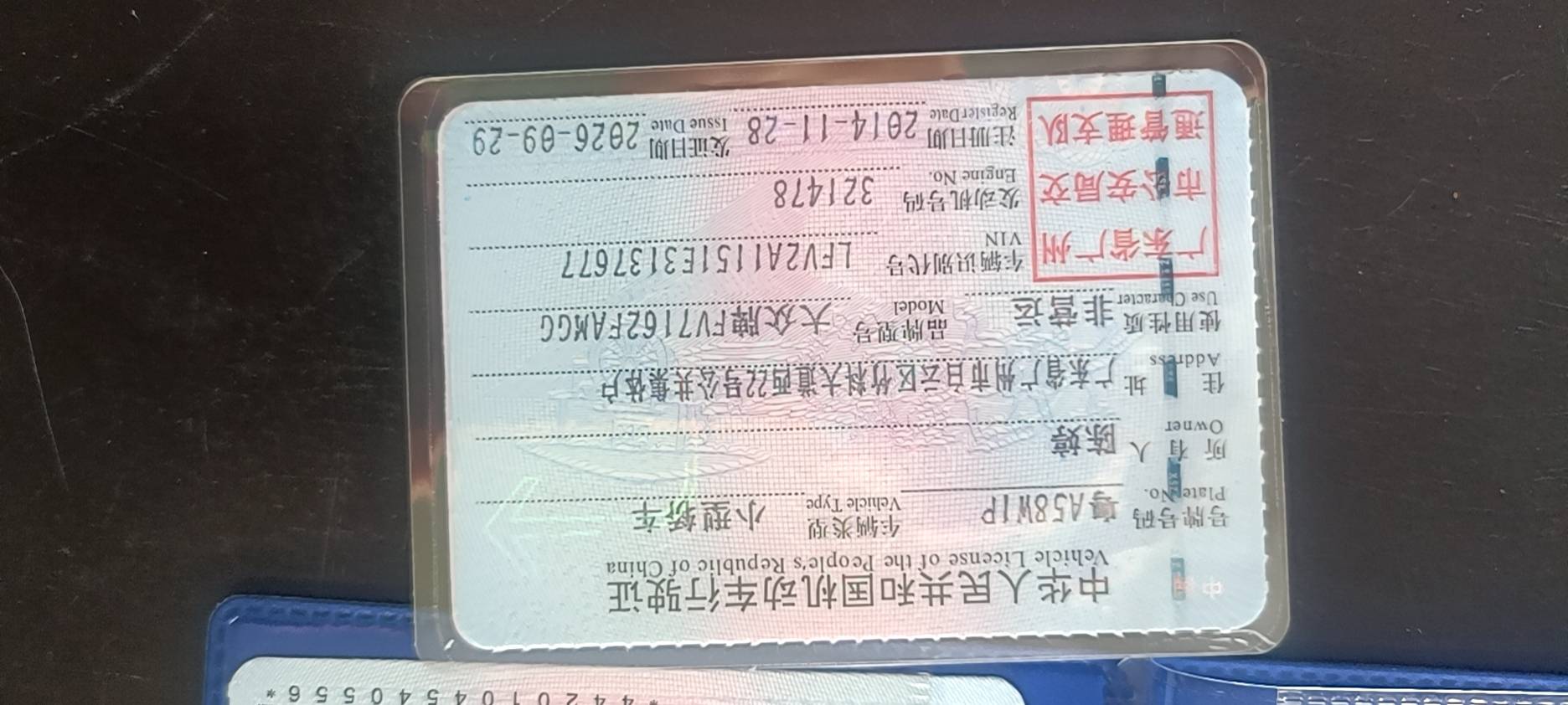
BrandVolkswagen
SeriesBora
Year2014
First Registration2014/11
Mileage150,000km
Transfer Count1times
FuelGasoline
TransmissionManual
Engine1.6L 105 L4
ColorBrown
Seats-

Condition Description

First-hand vehicle, registered November 2014. Full vehicle in good condition. Engine and gearbox fuel-efficient and durable. Recently had major maintenance service and 4 new tires installed. Normal usage.

燃油车
轿车
手动
维保开放
事故开放
查验开放

Configuration Highlights

✓品牌: 大众
✓车系: 宝来
✓车型: 2014款 1.6L 手动舒适型
✓车身类型: 轿车
✓座位数: 5
✓排量: 1.6L
✓变速箱: 手动
✓能源类型: 燃油车
✓VIN: LFV2A1151E3137677
✓搜索关键词: 大众宝来 2014款宝来1.6L手动舒适型

Document Information

Inspection Expiry Date2027/11
Warranty Expiry Date-
Insurance Expiry Date2026/11

Q&A

More

If our country has a free trade agreement (FTA) with China, can you provide specific certificates of origin to reduce tariffs?

Yes. If your country (such as Chile, Peru, ASEAN countries, etc.) has signed a bilateral free trade agreement with China, our documentation center will apply to Chinese customs or the trade promotion agency for specific versions of the certificate of origin (such as Form E, Form F, etc.), which can help you legally apply for significant tariff reductions at the destination port.


How long does it usually take from when I pay the full amount to when the vehicle is loaded at the port in China?

Under normal circumstances, it takes 15 to 25 working days. This includes: domestic transfer of ownership (3-5 days), applying for an export license (3-5 days), inland trucking to the port (2-5 days), customs inspection and waiting for loading schedule (5-10 days). Do not trust false promises from other channels claiming 'loading within a week.'

Why are the shipping costs for used electric vehicles (EVs) usually higher than for internal combustion engine vehicles (ICEs)?

Pure electric vehicles are classified as Class 9 Dangerous Goods due to their large lithium batteries, leading to strict shipping regulations. Shipping companies have high requirements for the loading position and fire isolation measures for dangerous goods, and some roll-on/roll-off ships refuse to accept used EVs. As a result, EVs often require more expensive special container shipping and incur additional handling fees for hazardous materials.