


24H

Basic Information

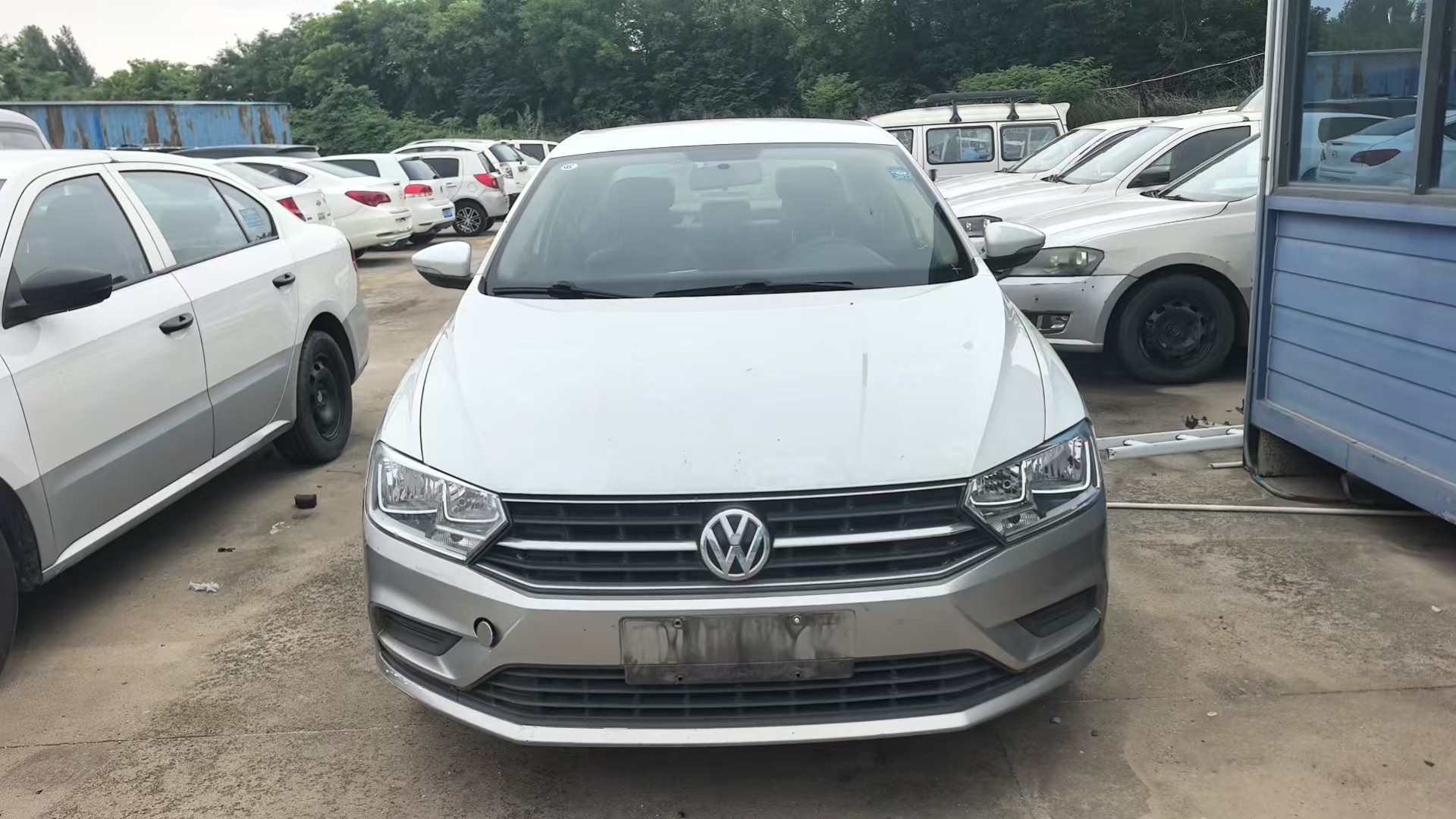
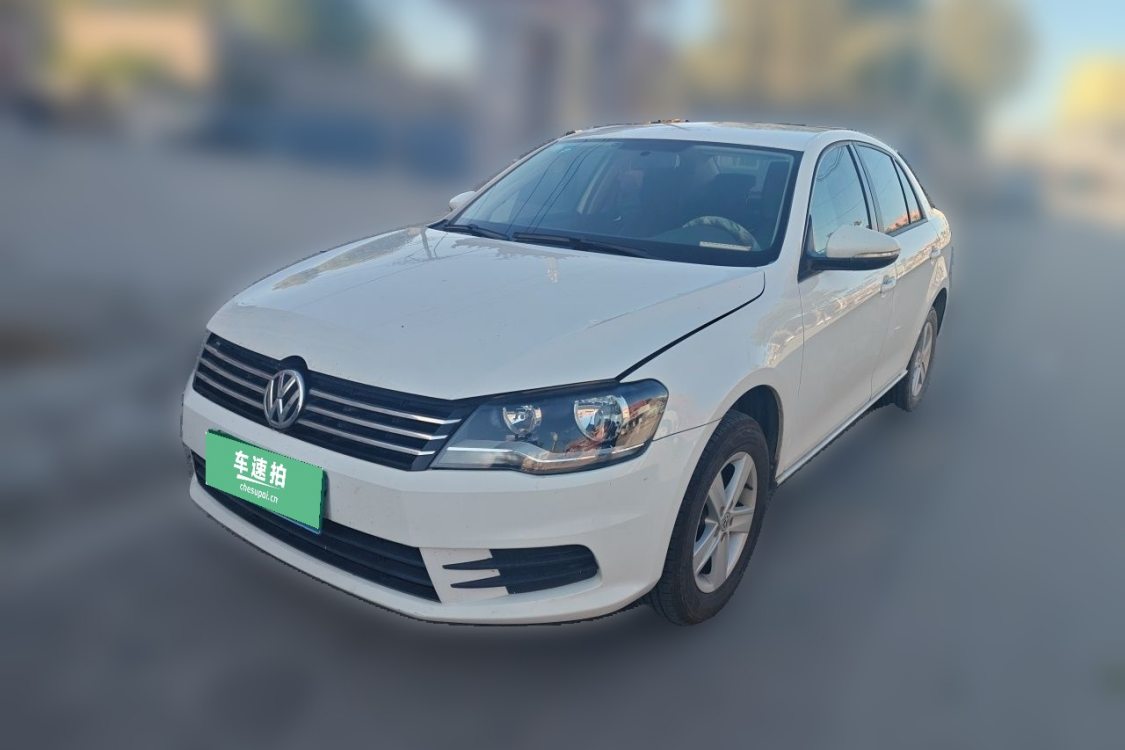
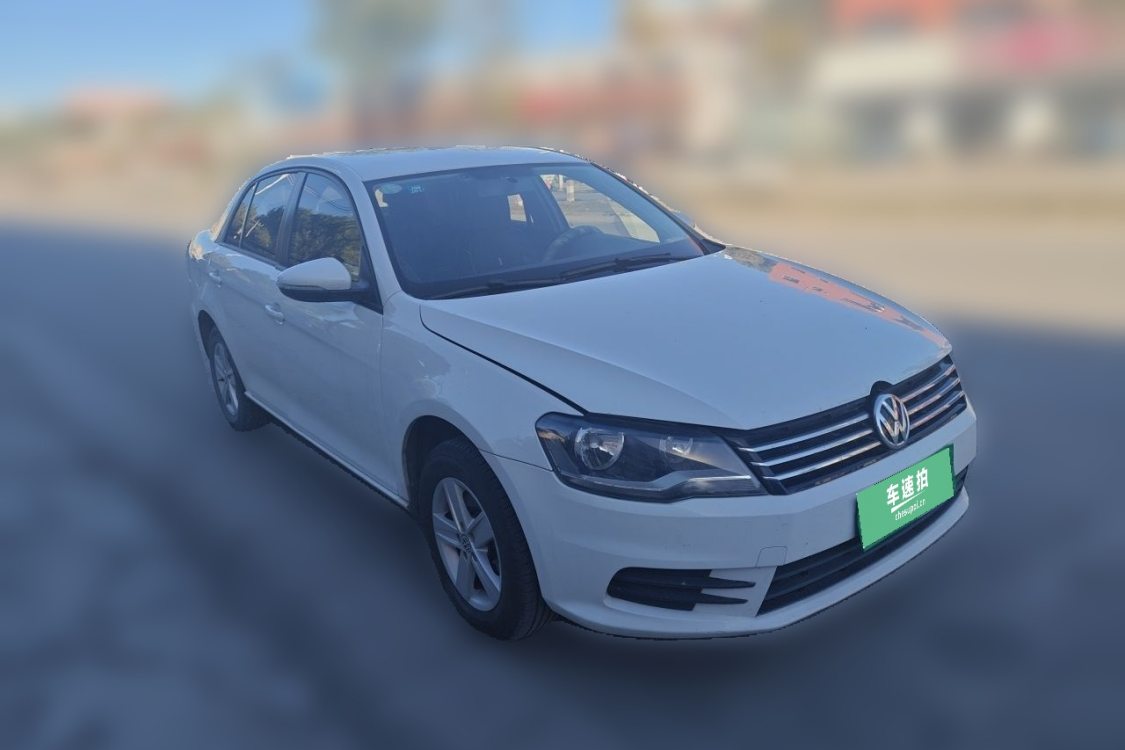
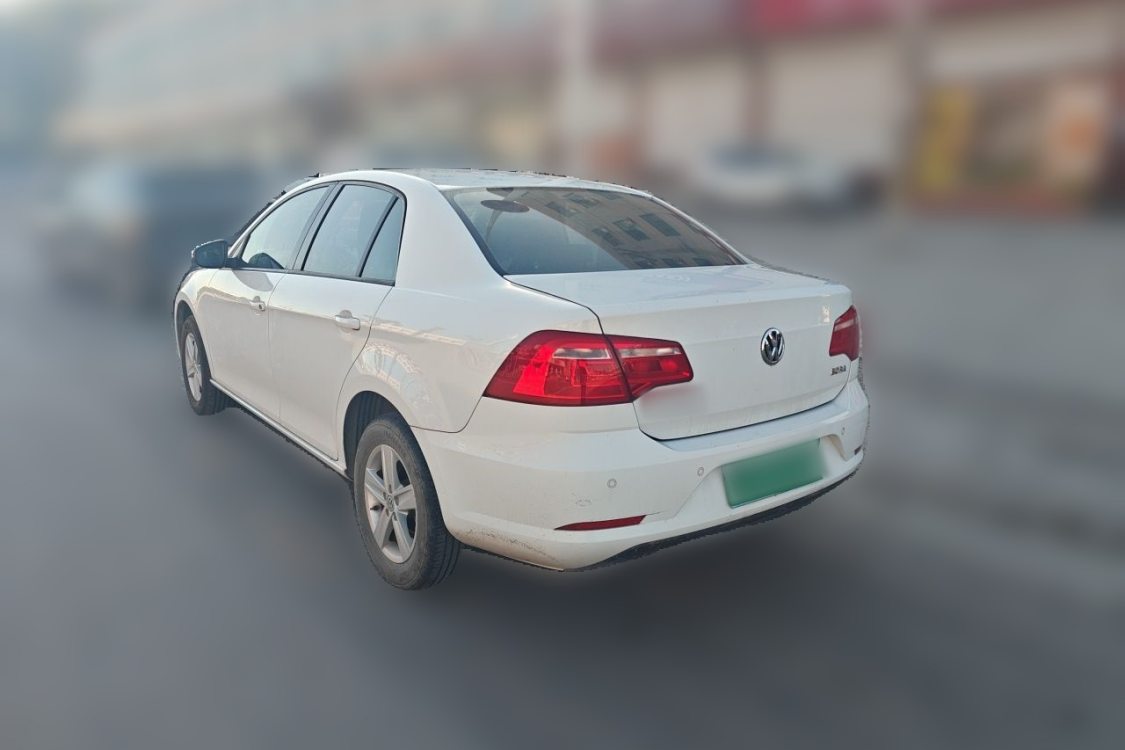
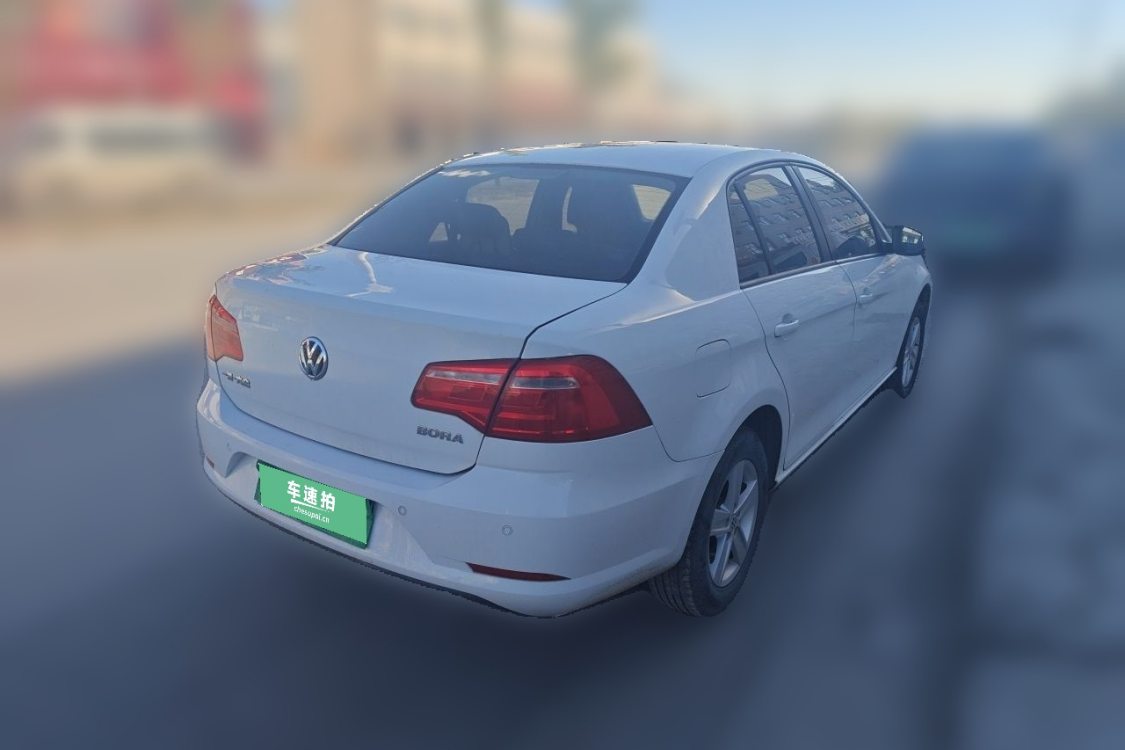
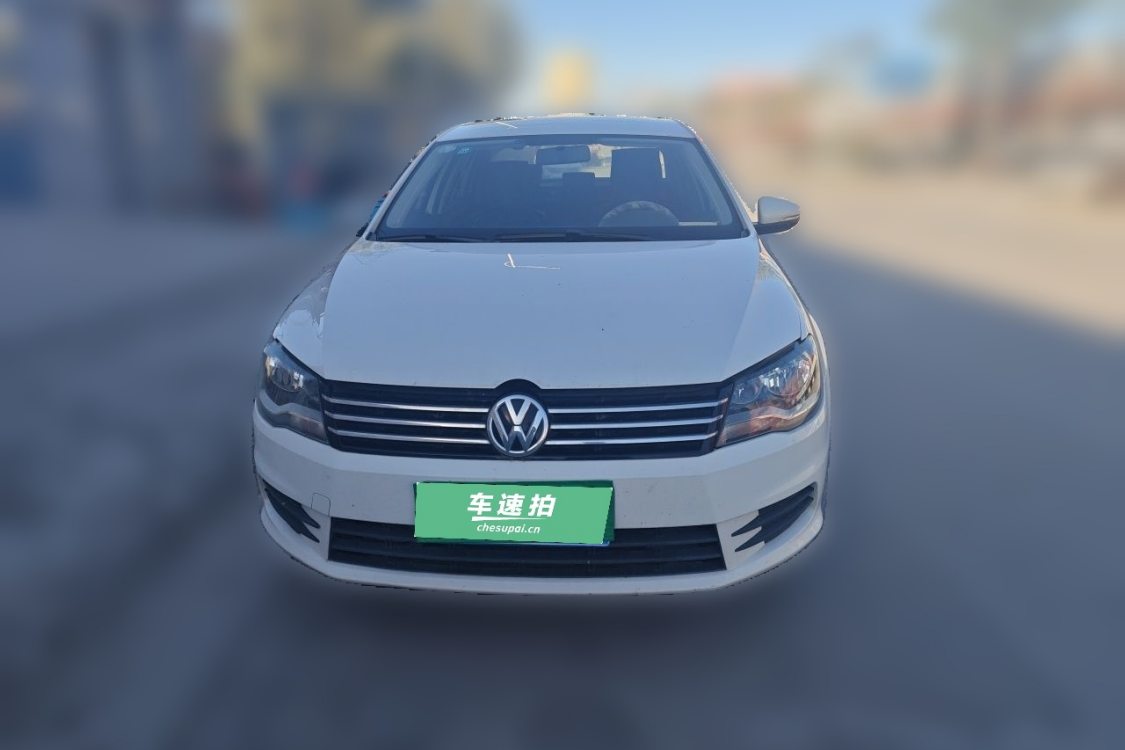
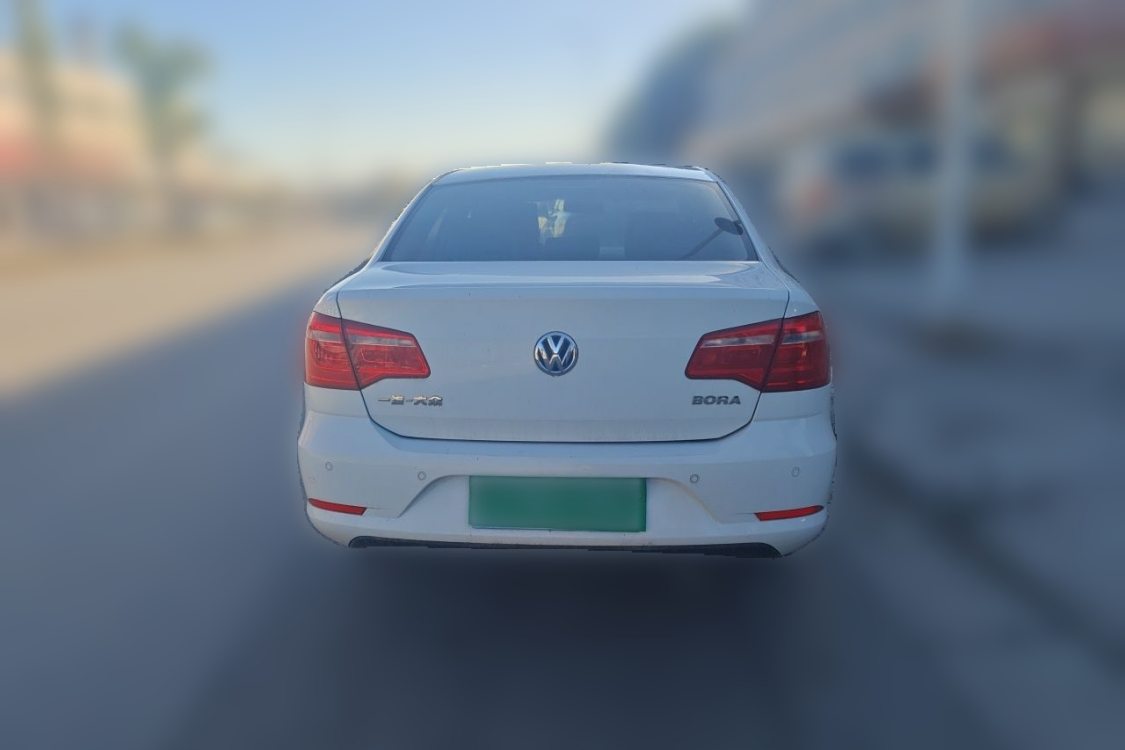
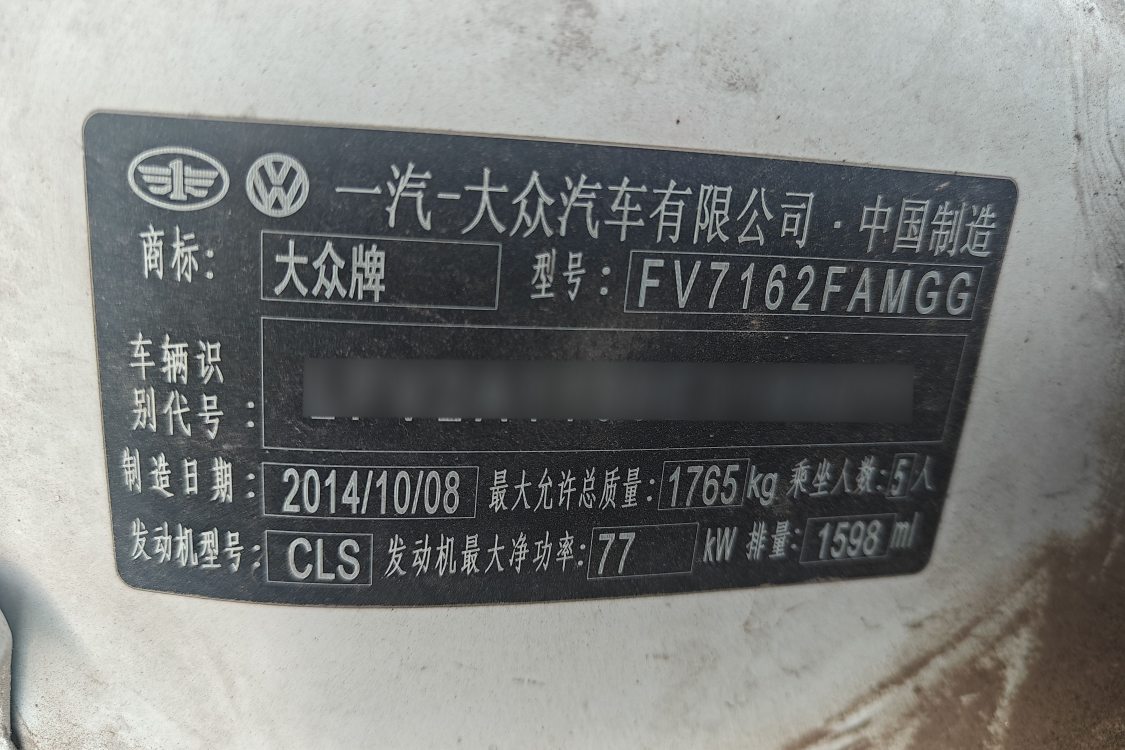
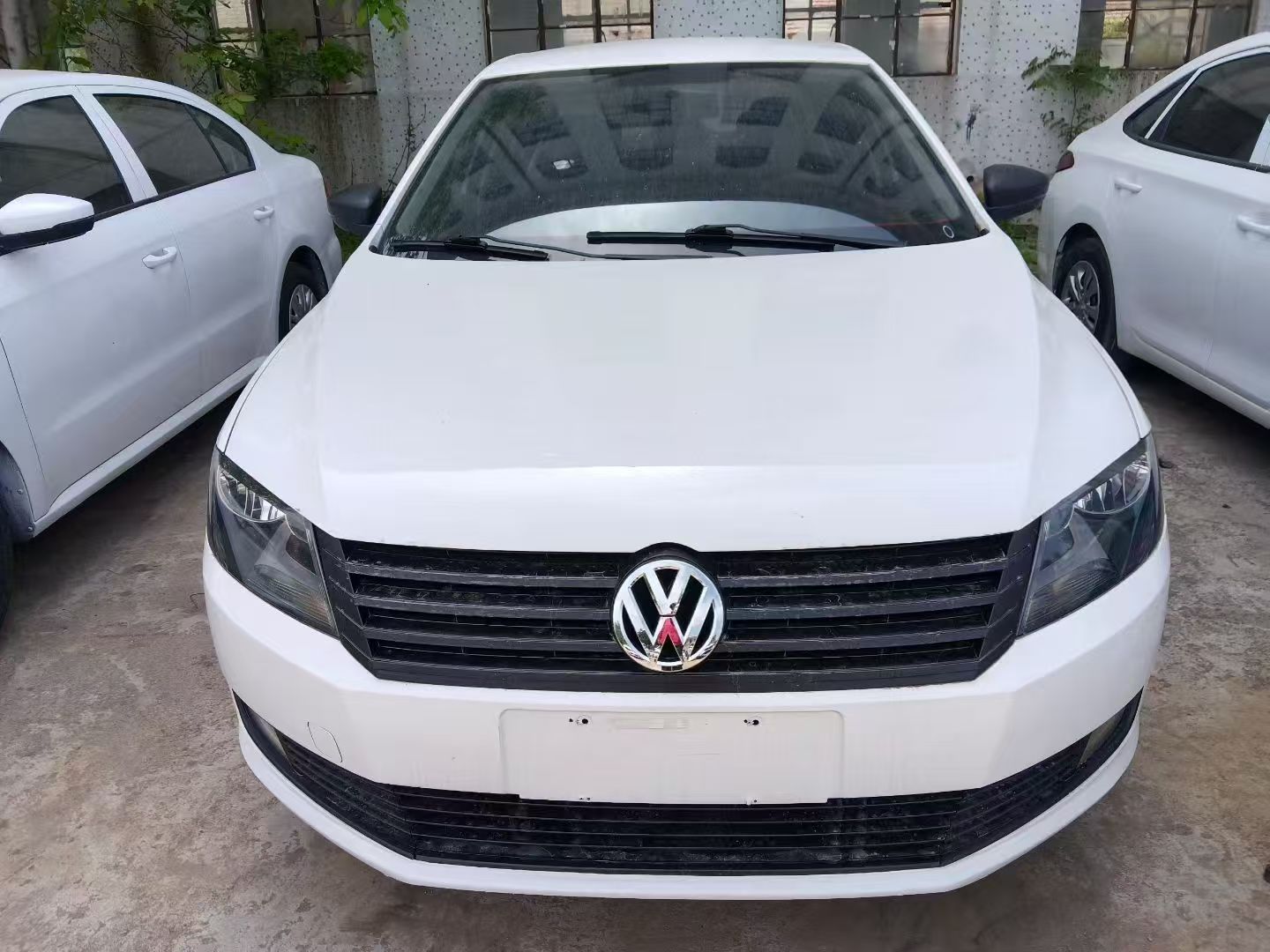
BrandVolkswagen
SeriesBora
Year2014
First Registration2014/11
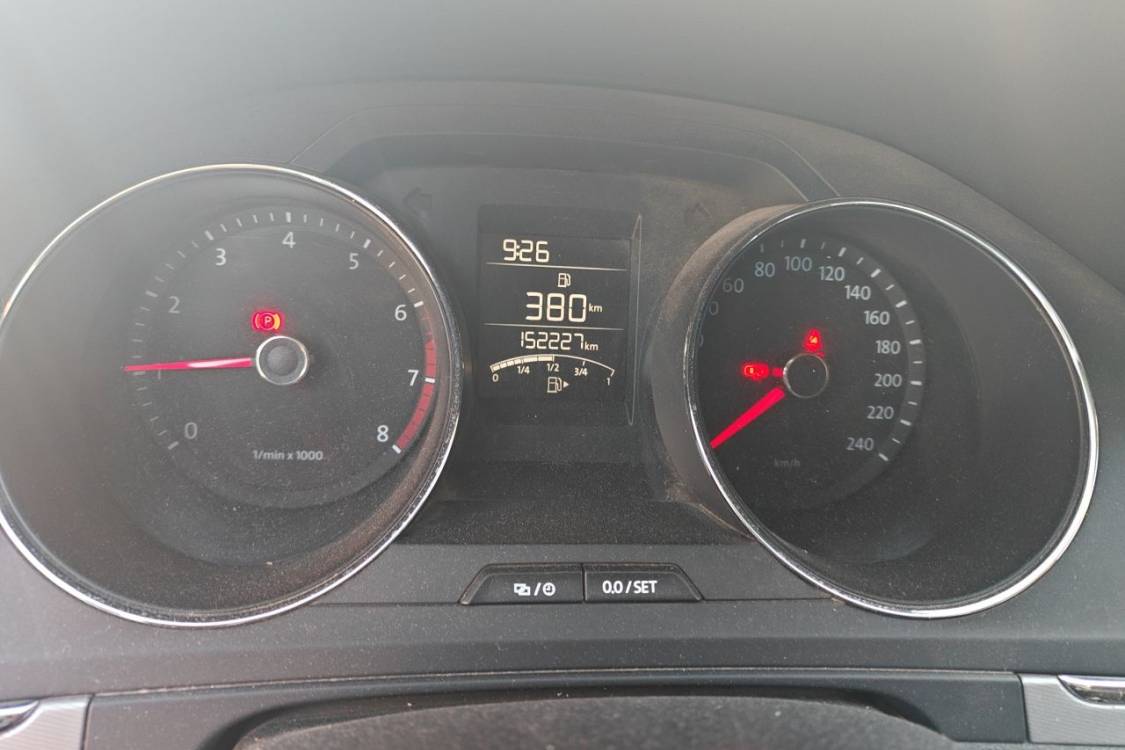
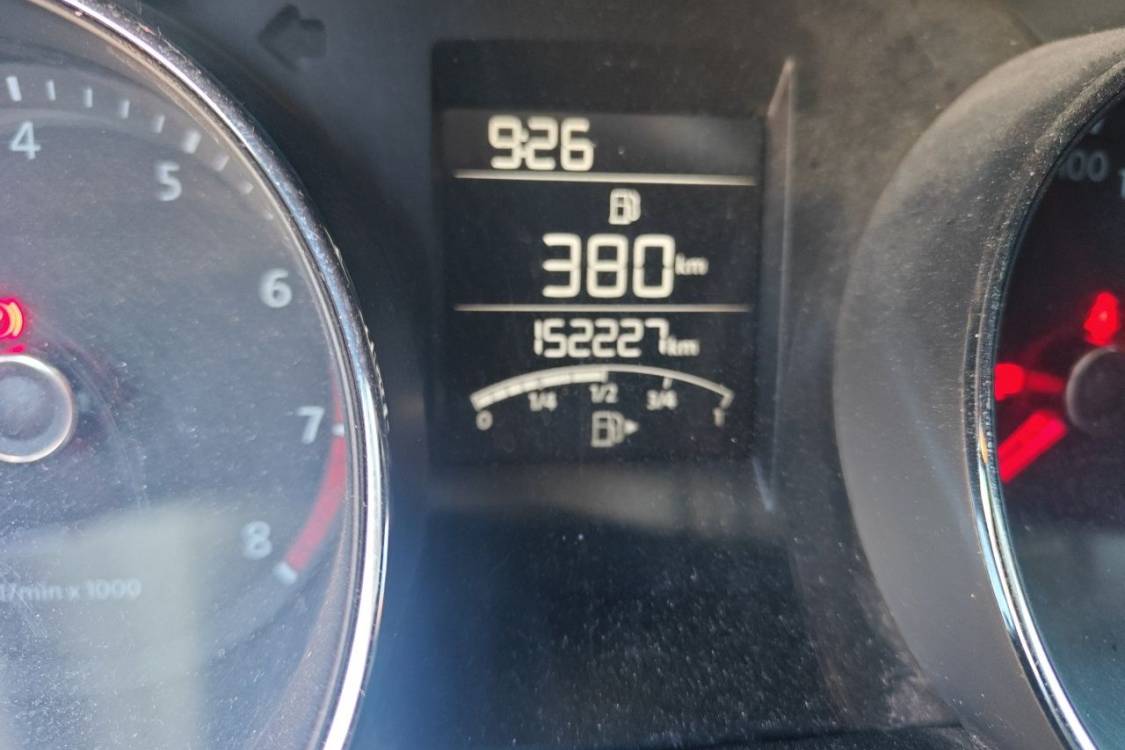
Mileage152,200km
Transfer Count-
FuelGasoline
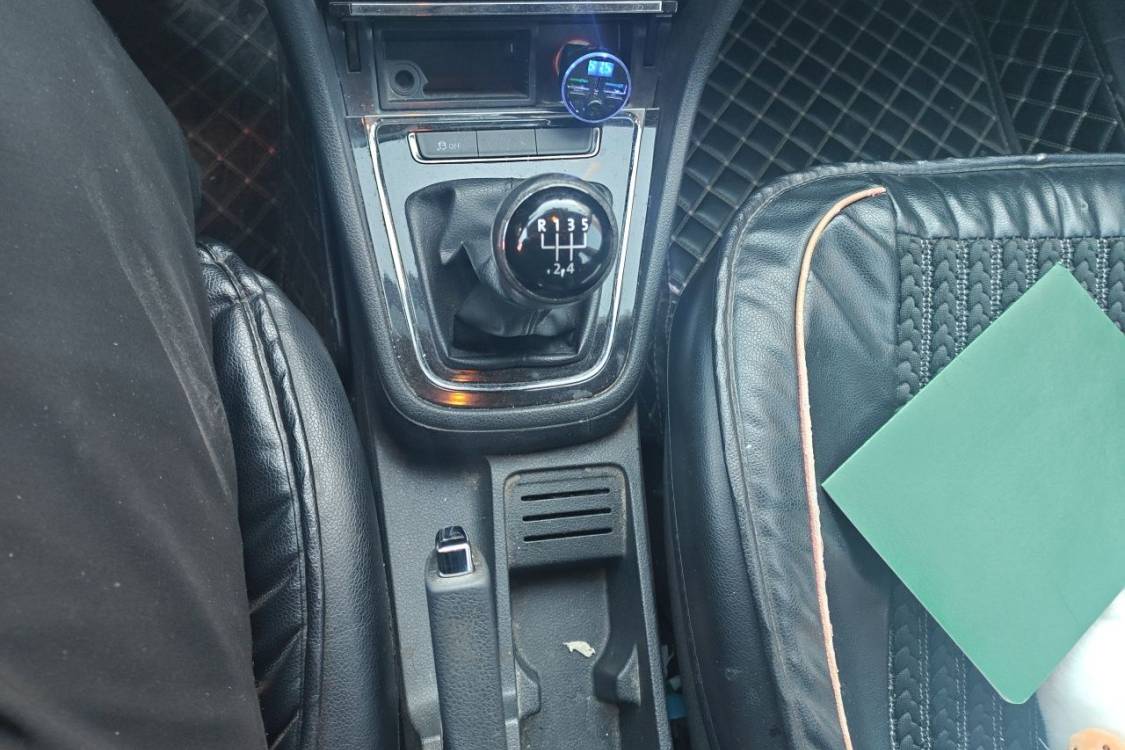
TransmissionManual
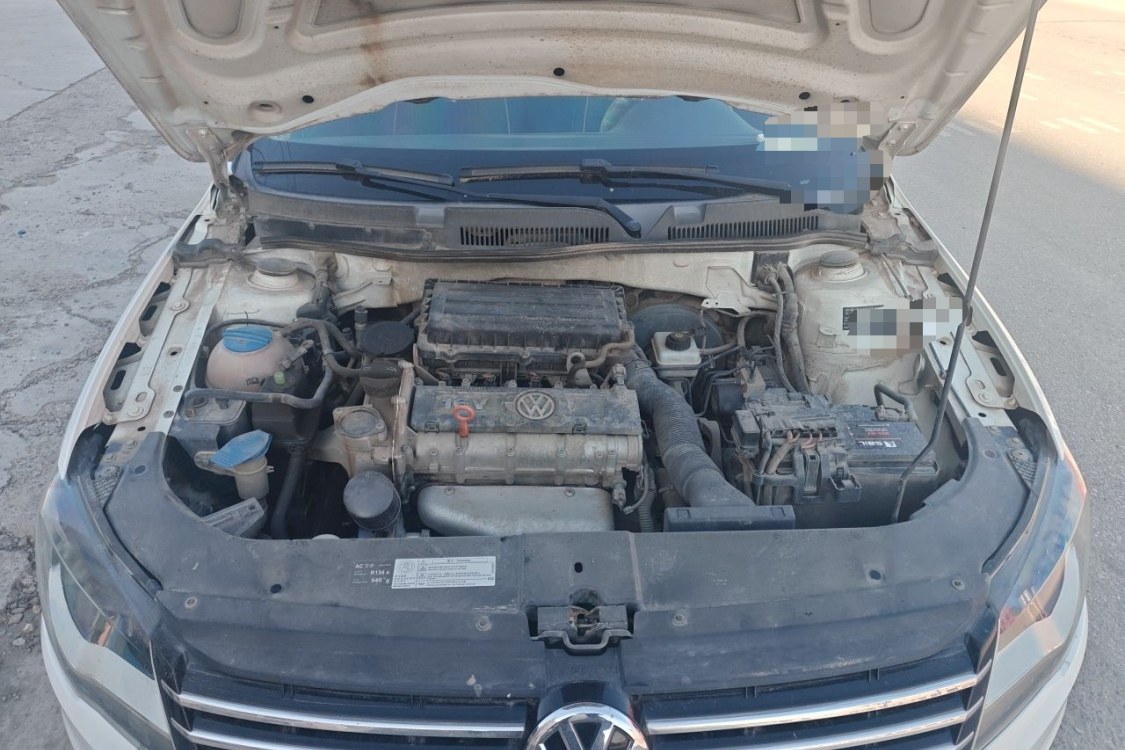
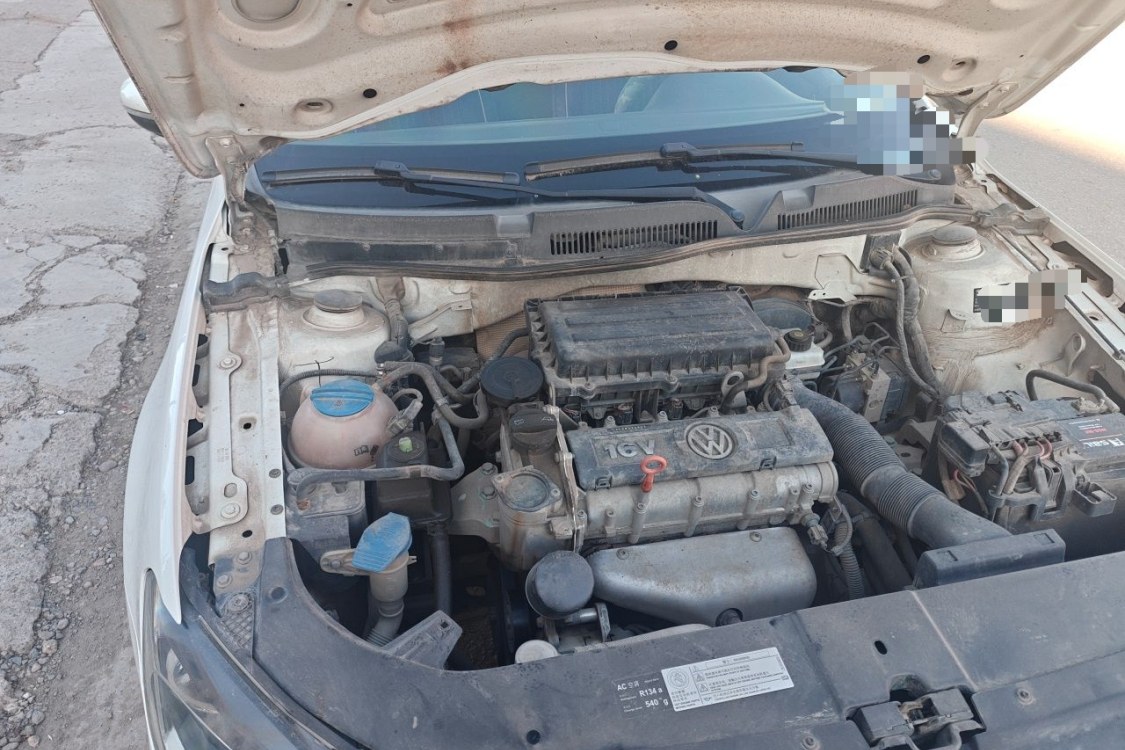
Engine1.6L 105 L4
ColorWhite
Seats-

Condition Description

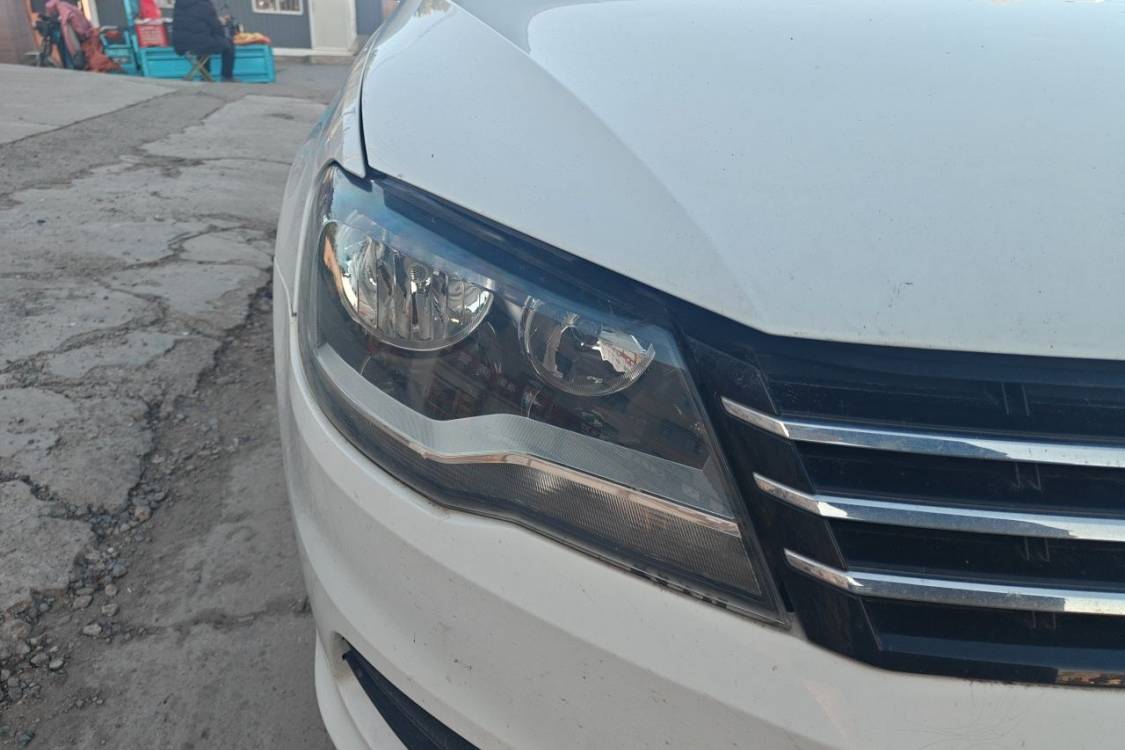
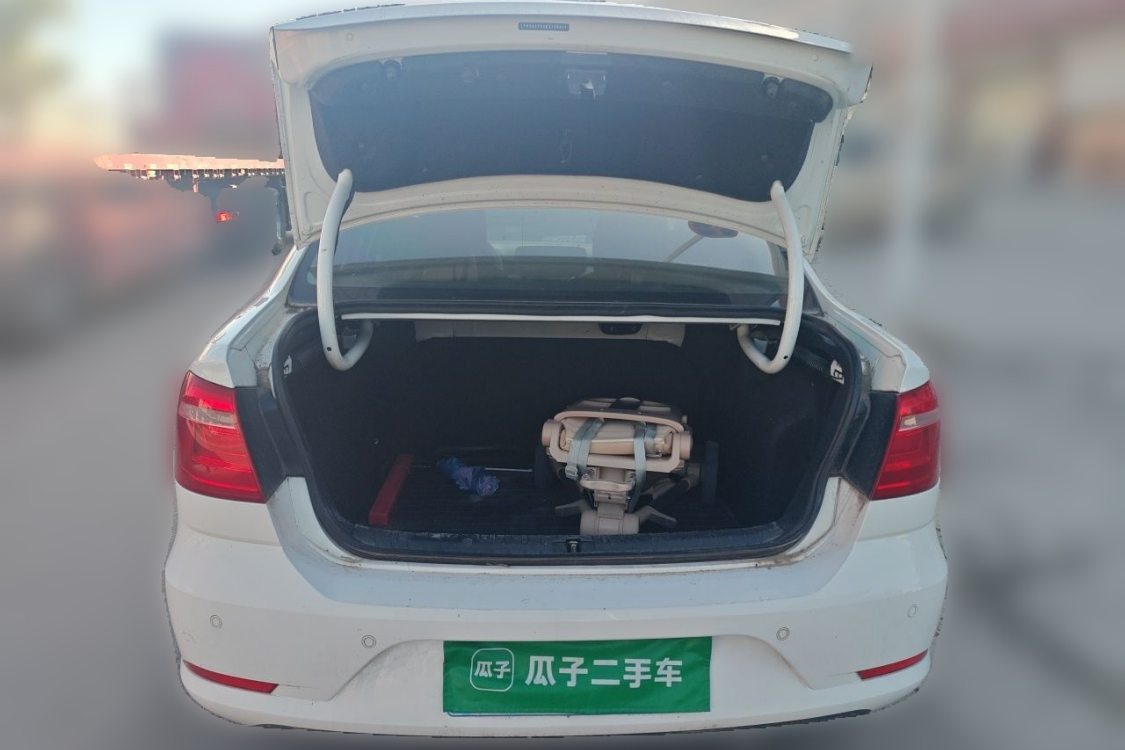
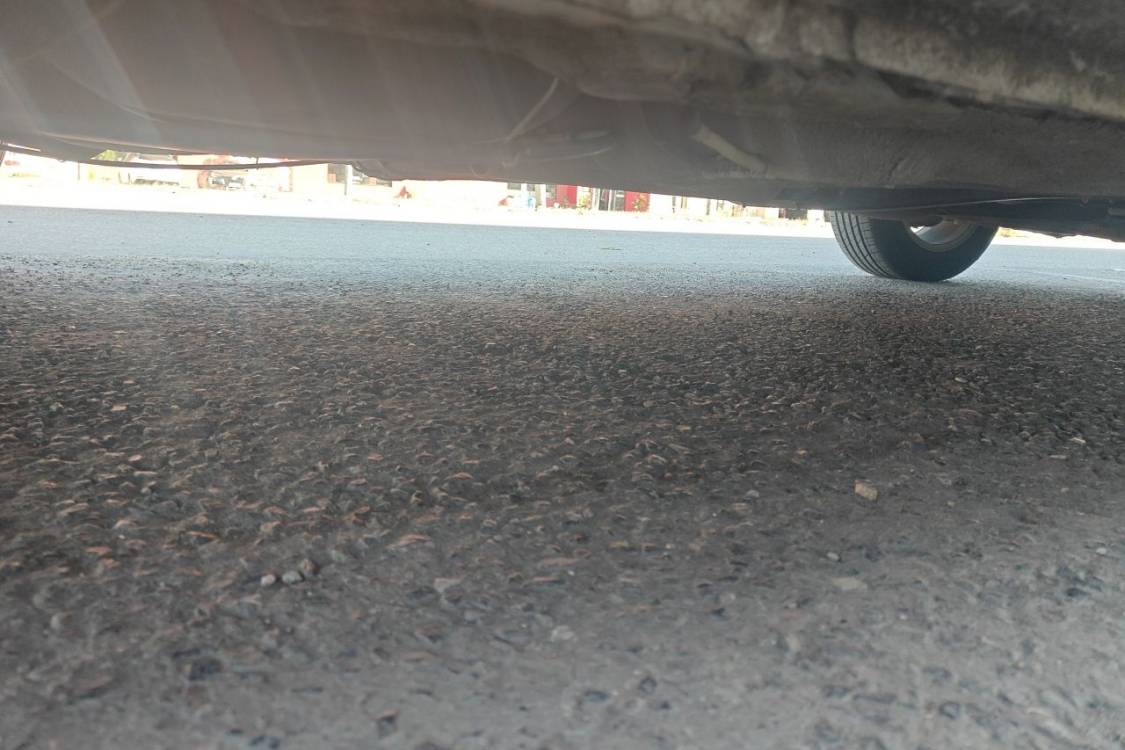
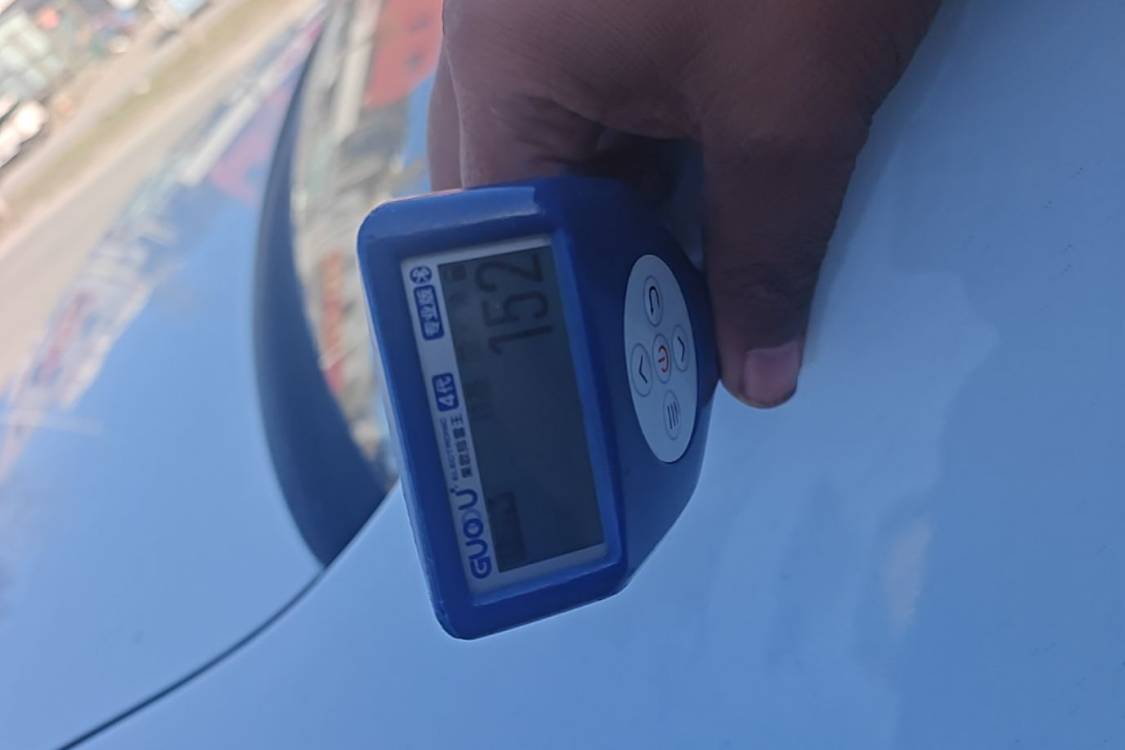
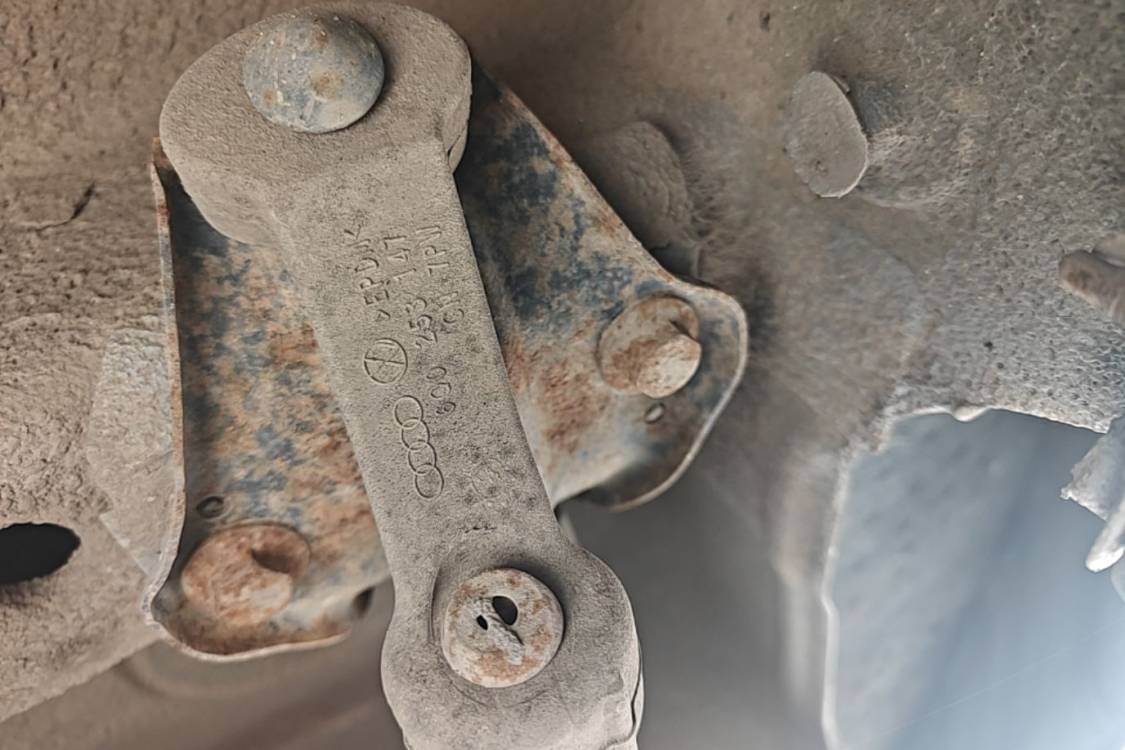
Accident damage to body components (structural/reinforcing/panels); passive safety devices defective; vehicle performance (including three-electric system) degraded or performance limited after repairs.

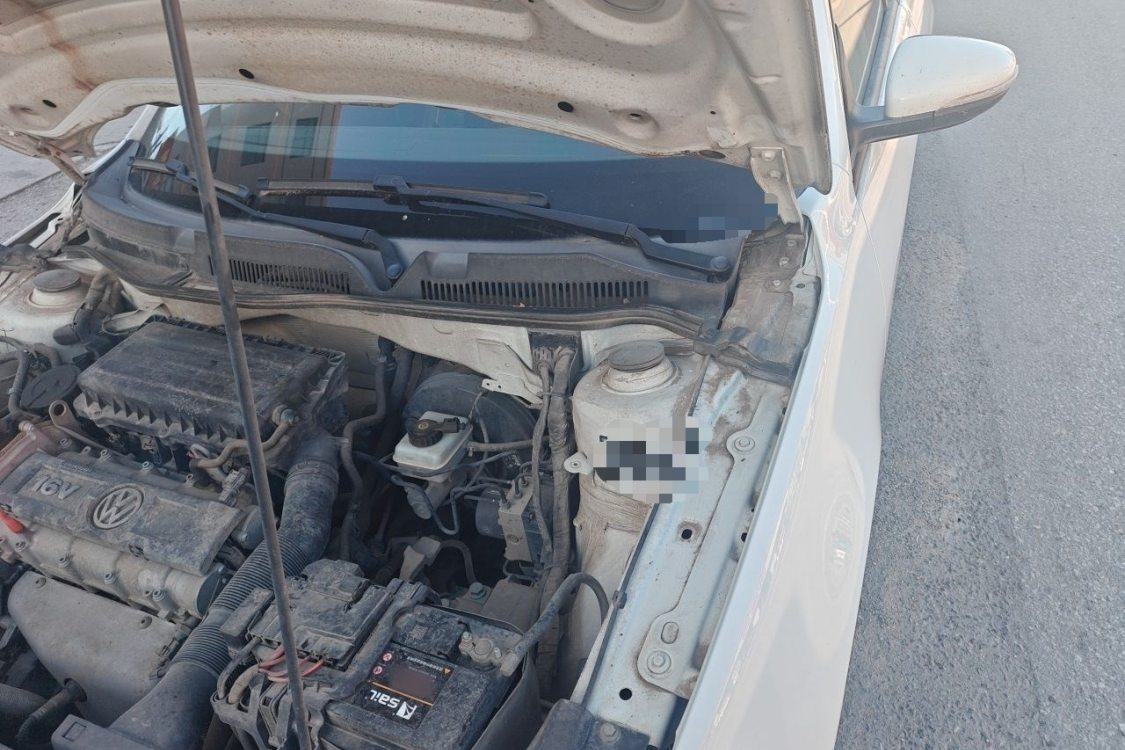
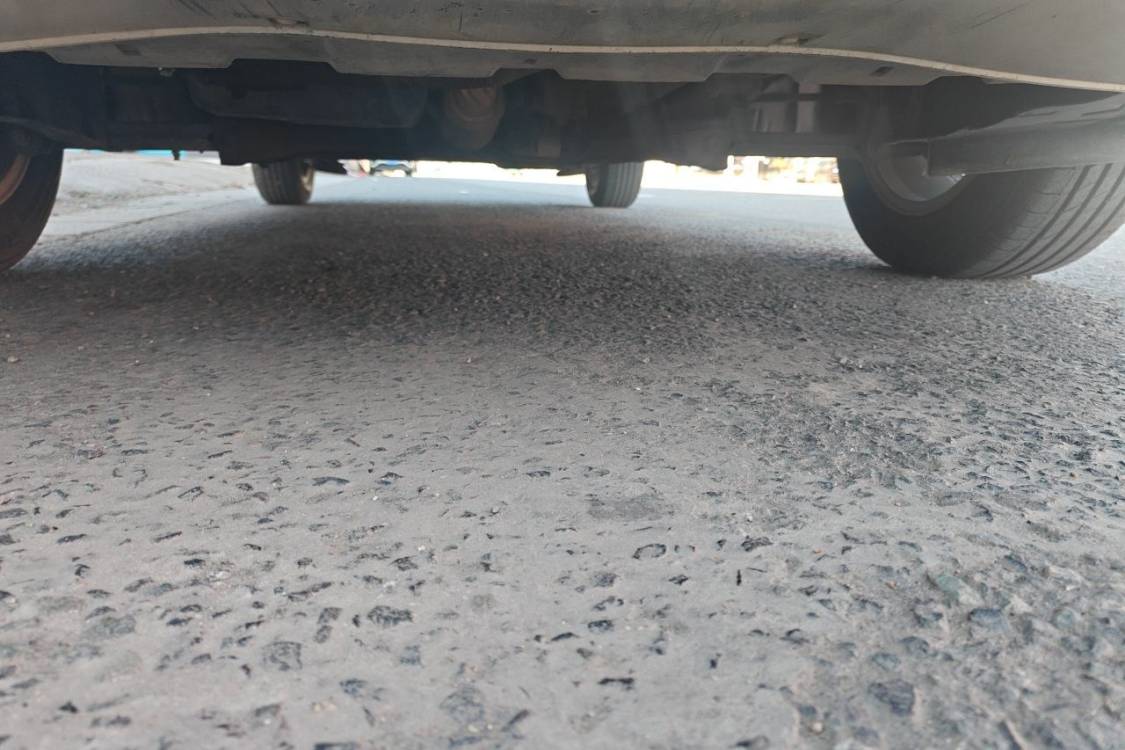
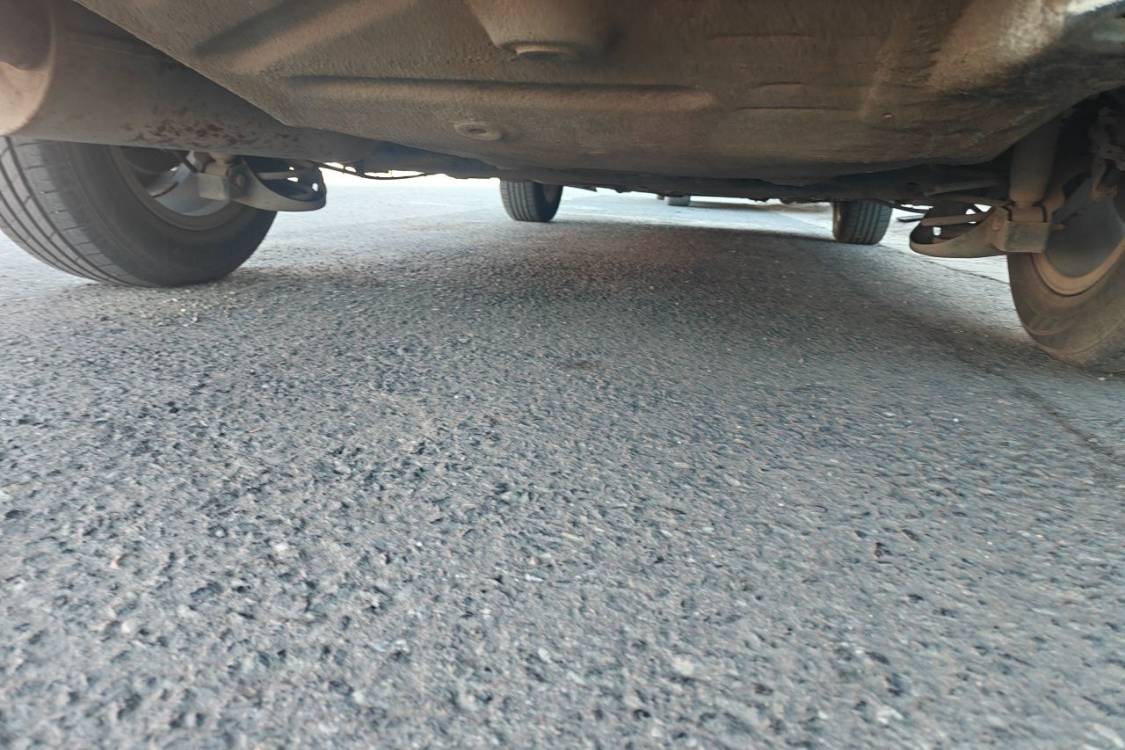
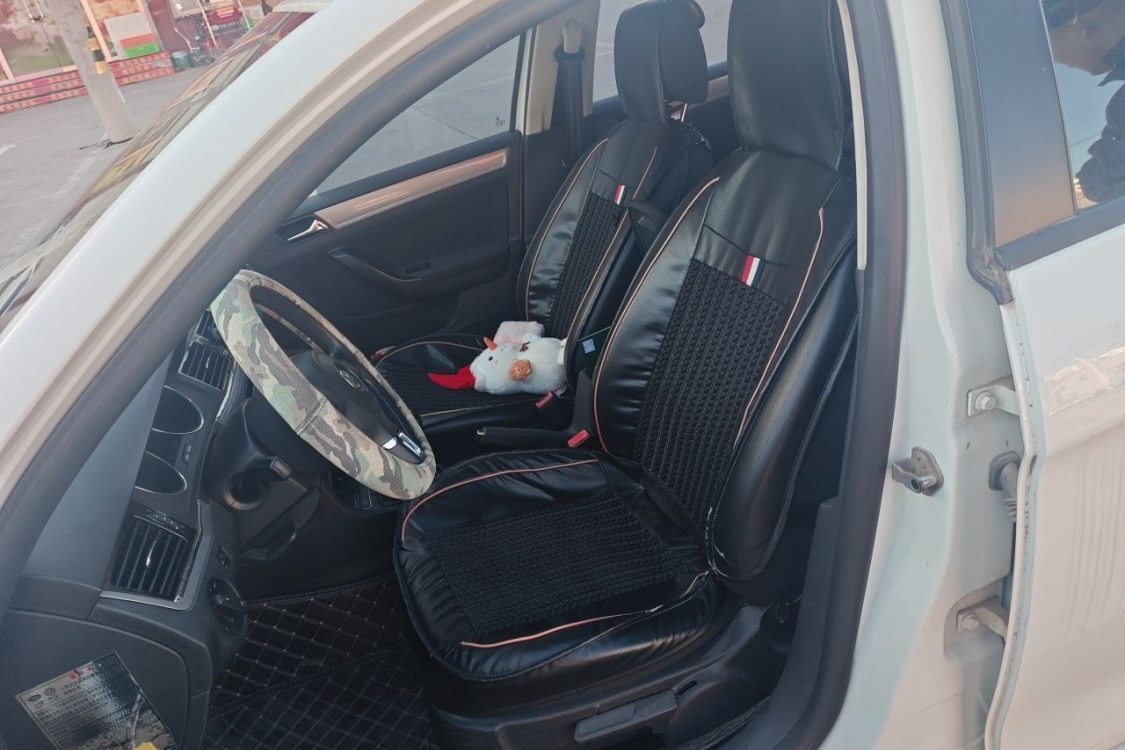
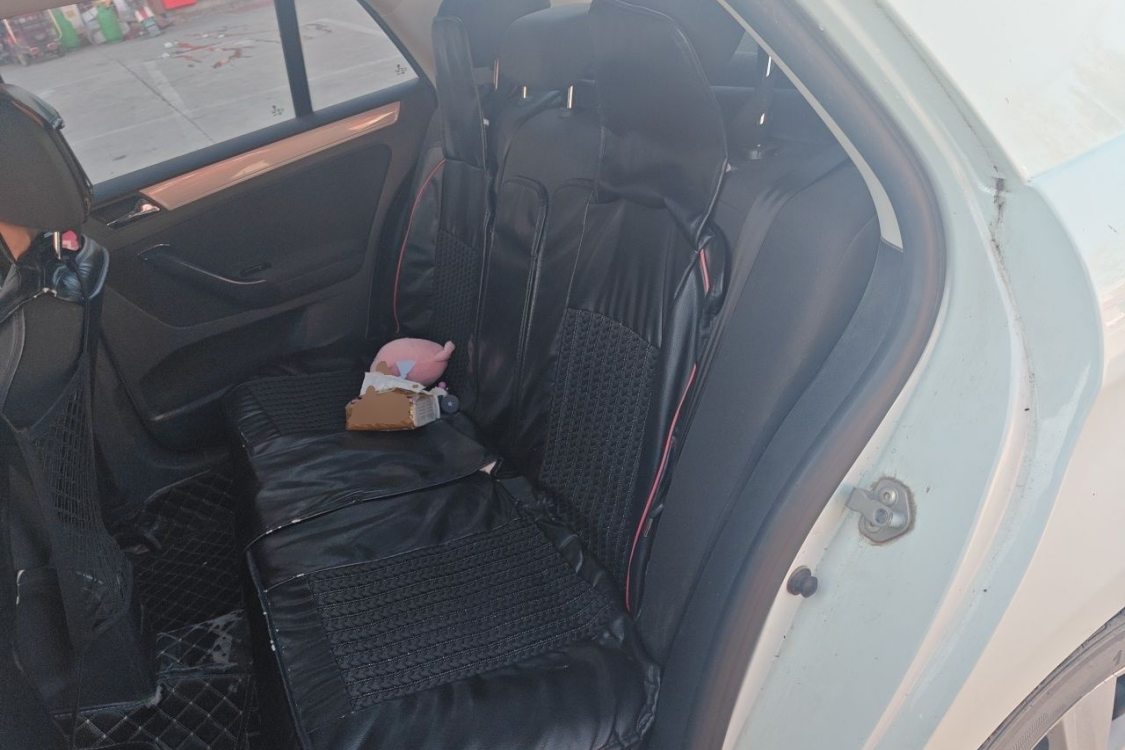
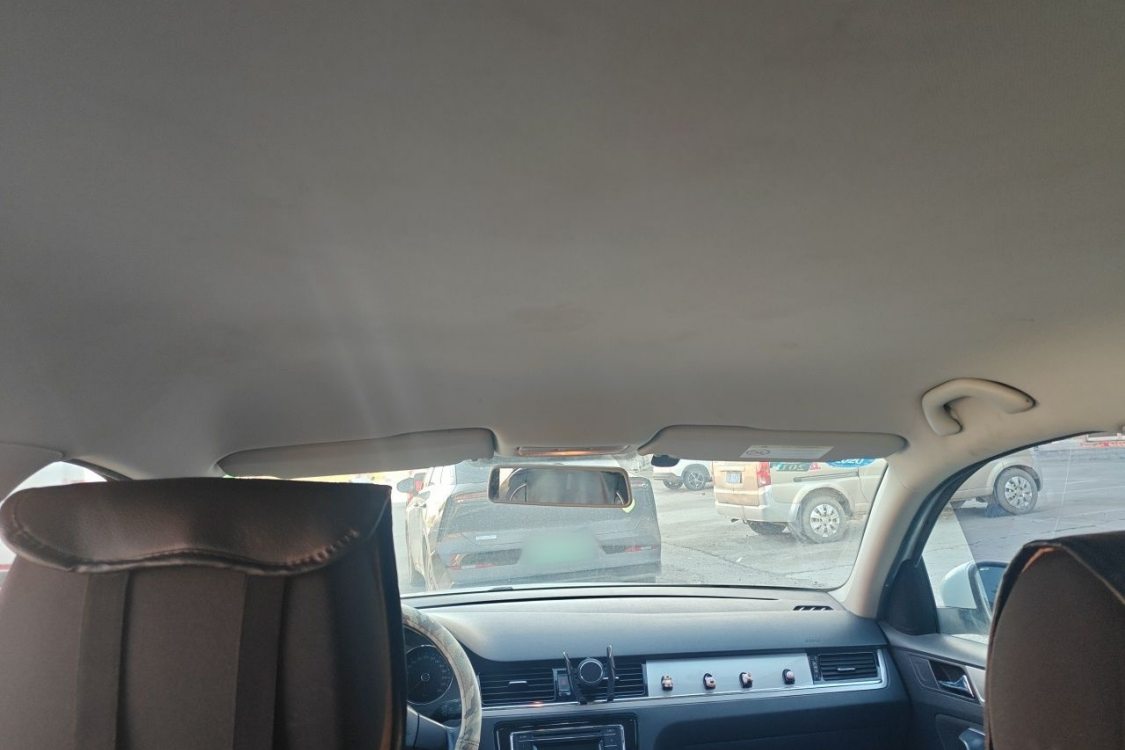
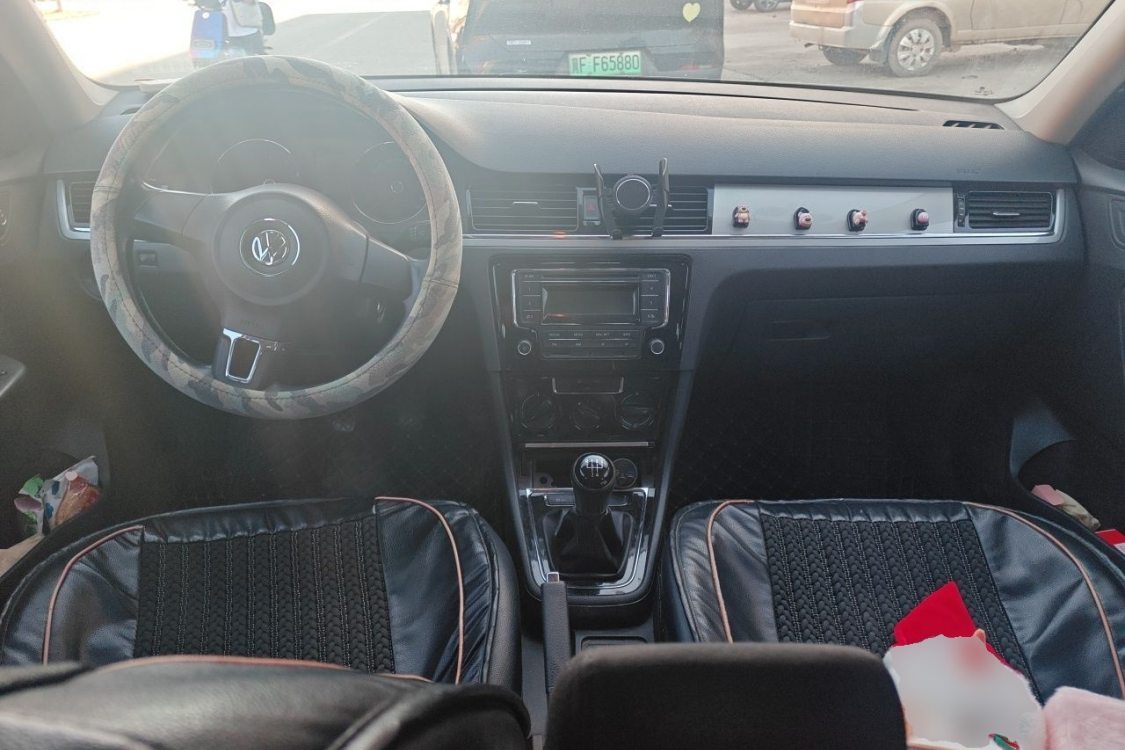
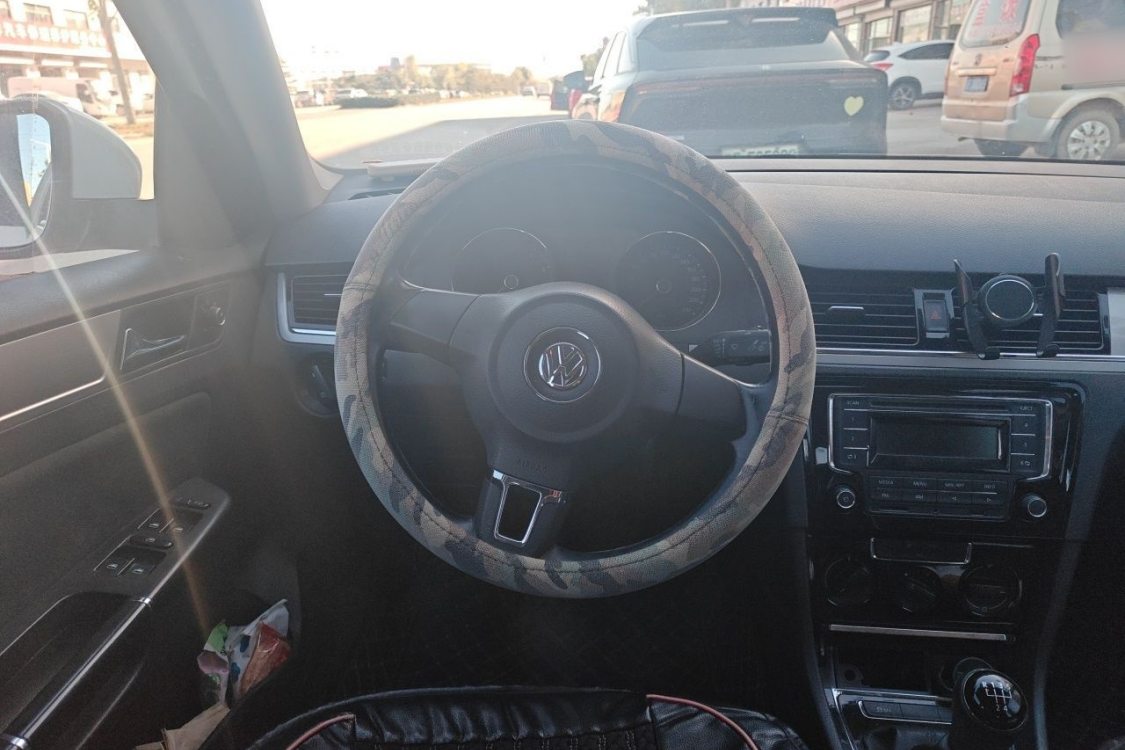
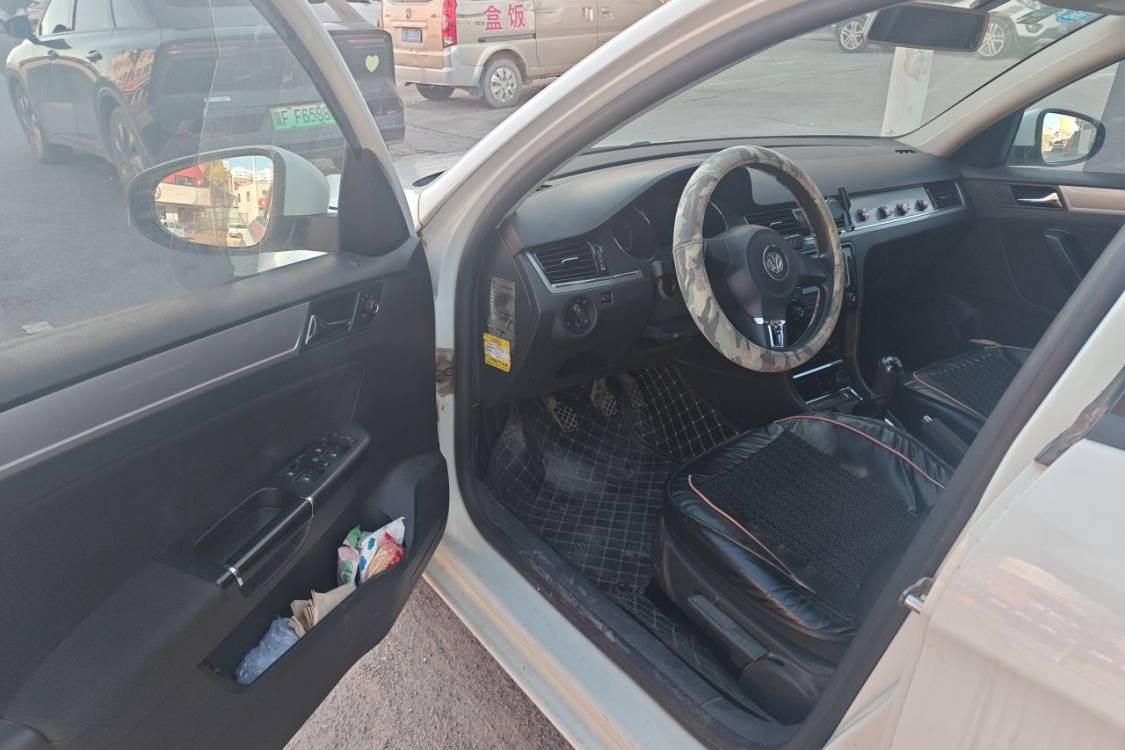
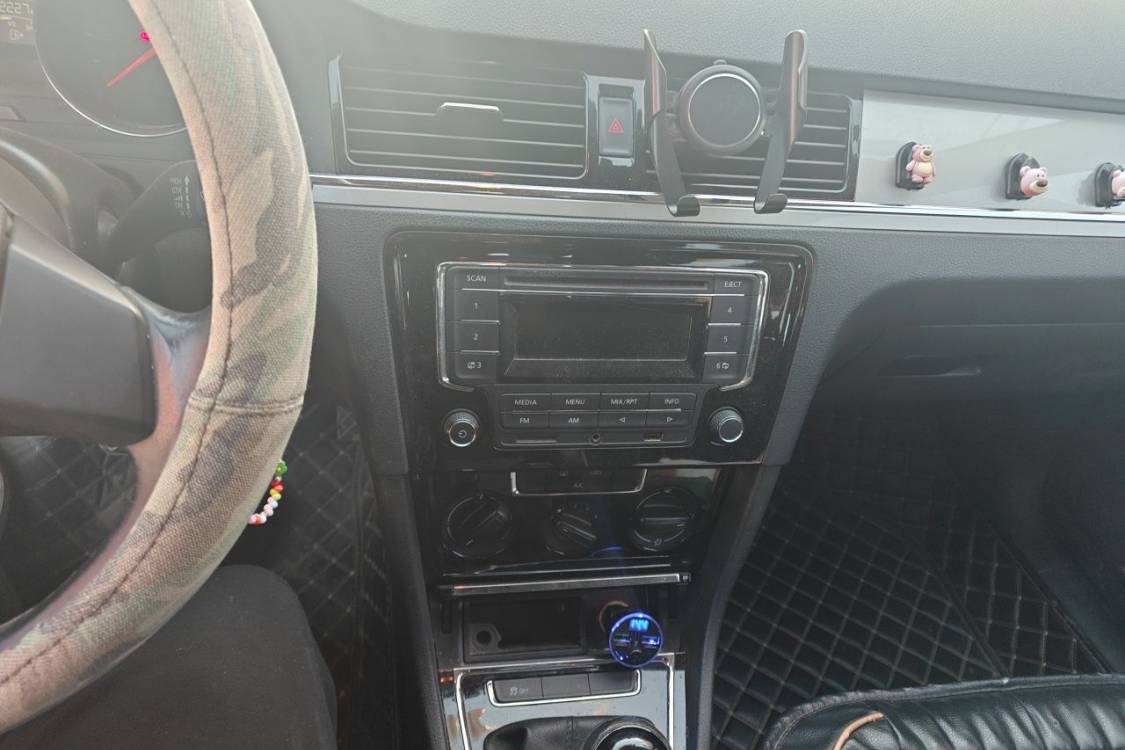
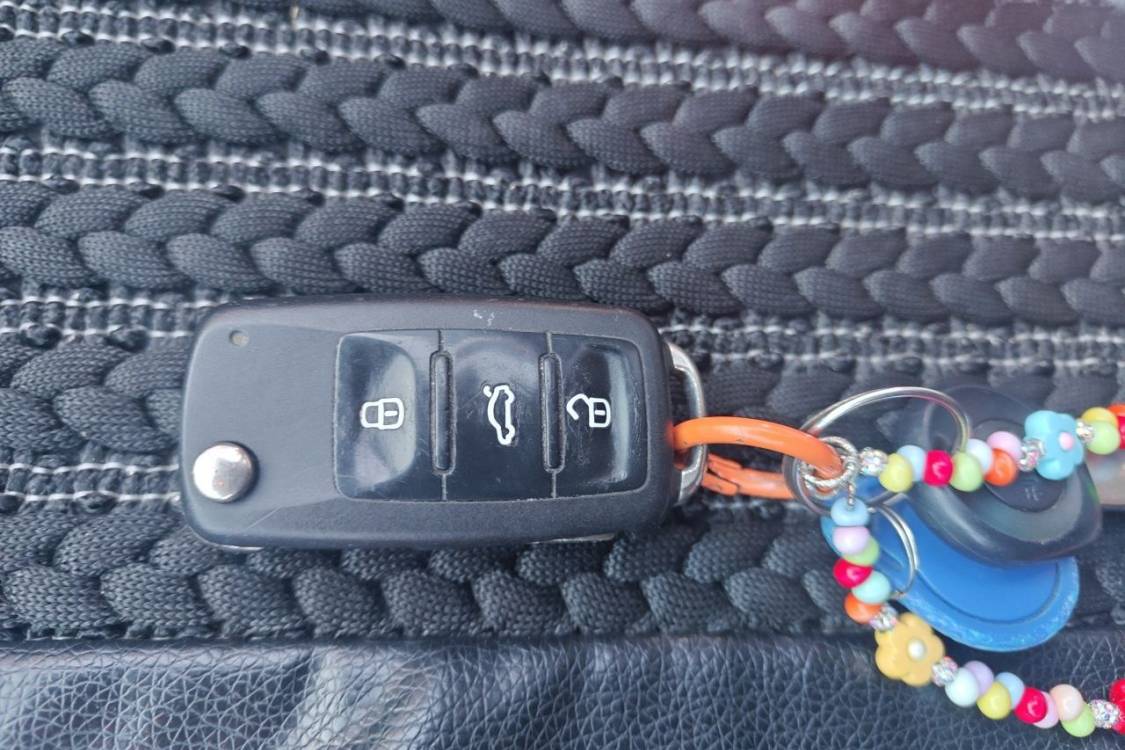
Accident inspection: main structure damaged, reinforcing parts damaged, panels damaged, hinges abnormal; engine bay: key mechanical components normal; exterior: 5 areas of sheet metal repair; interior: most features normal, airbags normal, seatbelts normal, dashboard normal, instrument readings normal, lighting system normal; start-up inspection: main components normal; tool kit: absent.

电话直连
可讲价
平台物流
可转售
零过户
新检测标准升级>
非泡水

Document Information

Inspection Expiry Date2026/11
Warranty Expiry Date-
Insurance Expiry Date2026/11

Q&A

More

How do you assess the bearing wear of the motor and the oil condition of the reducer?

The technician will put the vehicle in neutral on the lift, rotate the wheels, and listen for any abnormal metal gear whine from inside the motor reducer, and check for gear oil leaks at the joints of the reducer housing.

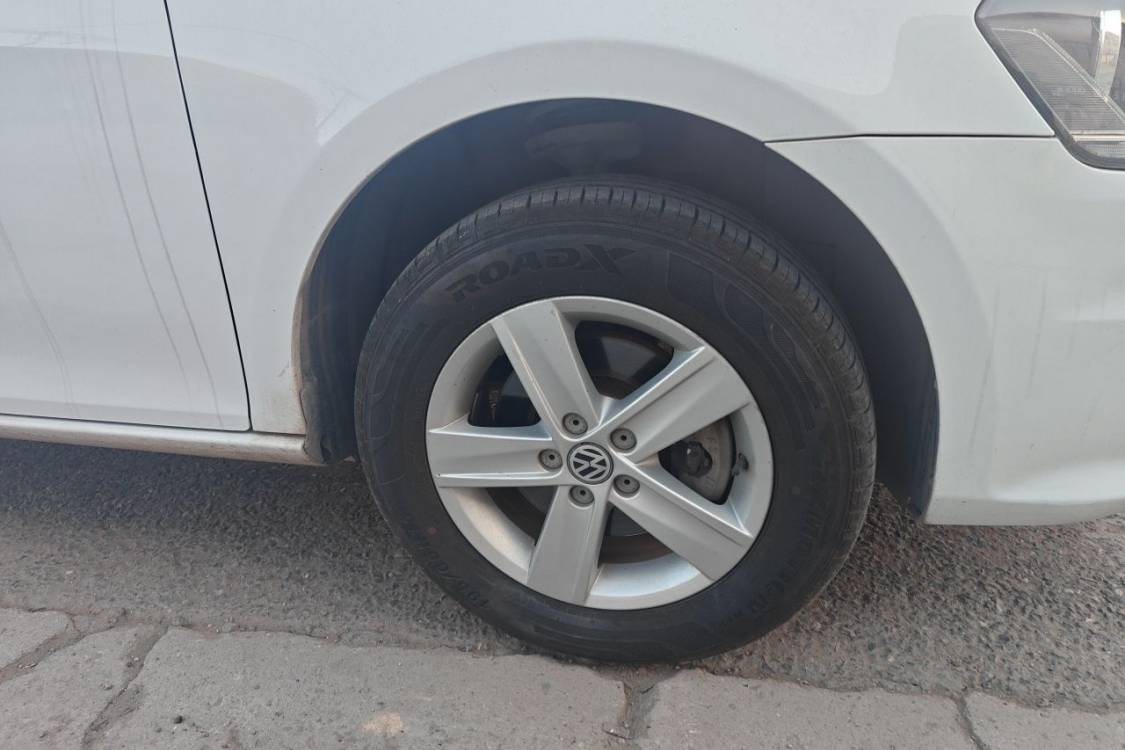
Will there be detailed information on the vehicle's consumable parts (such as tire tread depth and remaining brake pad thickness)?

Yes. The inspection report includes a specific "consumable parts consumption list." We will measure the tire tread depth (in millimeters) and the remaining brake pad thickness using calipers. If the tire tread is below the legal wear limit of 1.6mm, we will note it as "recommended to replace immediately upon arrival."

What is a Certificate of Origin and why do I need one when importing a car from China?

A Certificate of Origin (C/O) is an official document stating where the vehicle was manufactured. Customs authorities use it to decide which tariff rates and trade agreements apply to your import. Why it matters: many countries offer preferential tariffs for certain origins. With a valid C/O, such as the ASEAN-China Form E or a GSP Form A, you may pay reduced or zero duty. Without it, you typically pay the standard, higher rate. The certificate must match the vehicle exactly: VIN, make, model and invoice details. It is usually issued by the China Council for the Promotion of International Trade (CCPIT) or customs authorities. Practical tips: request the C/O before shipment, because adding it later is slow; check that your country's customs accepts the specific C/O format; and confirm with your broker whether your vehicle category qualifies for preferential rates. This single document can save you thousands in duty.