Basic Information

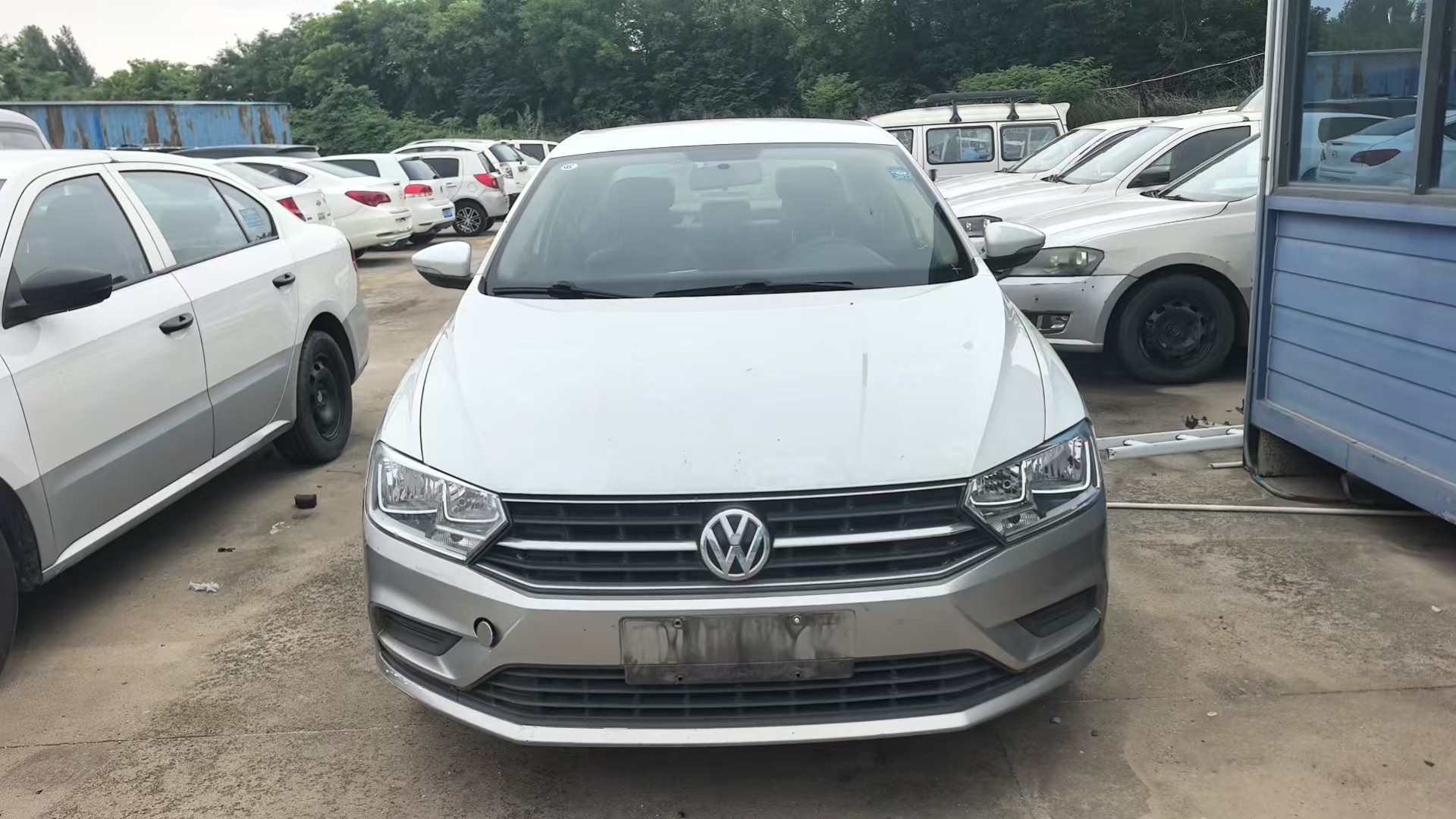
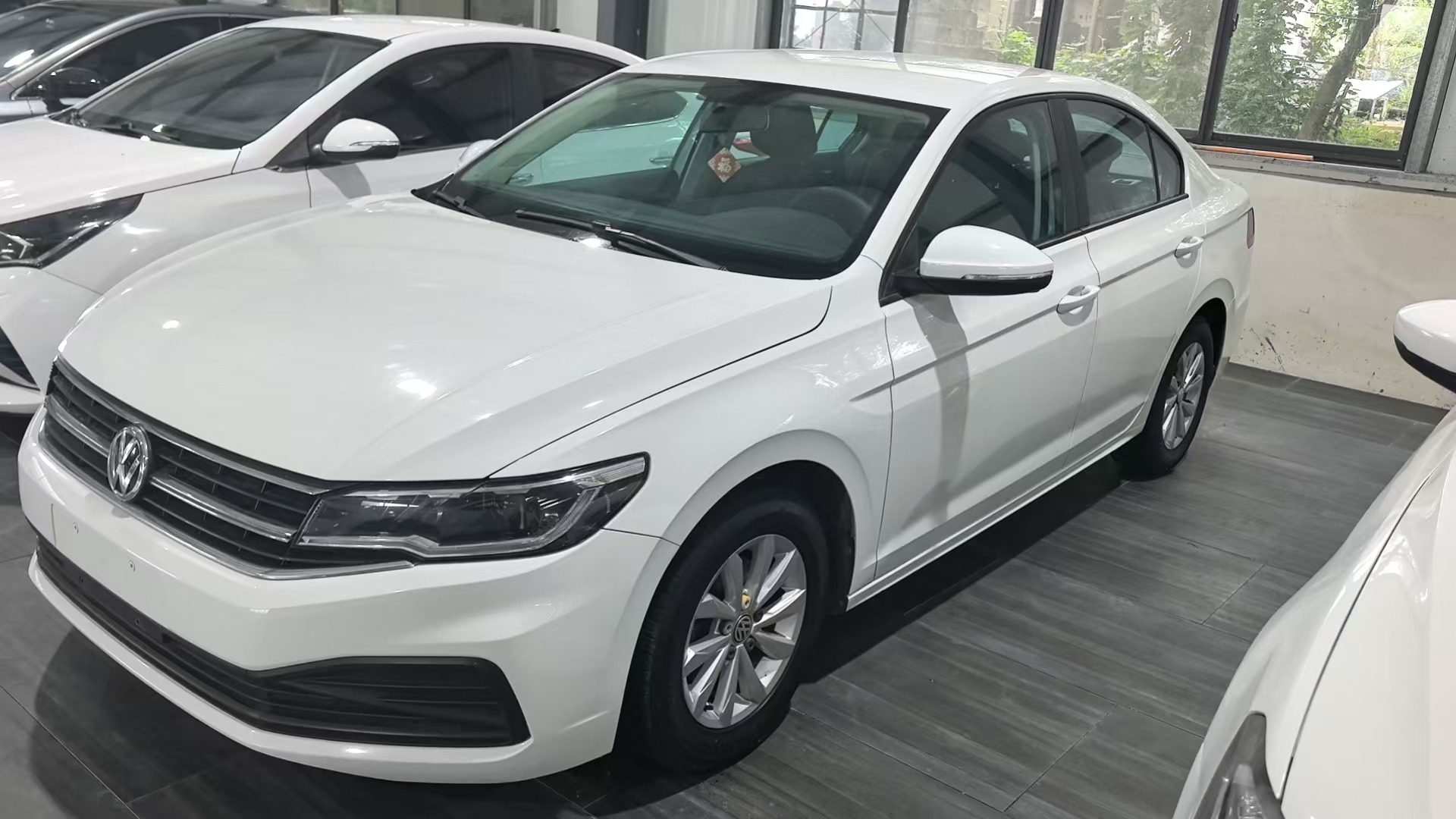
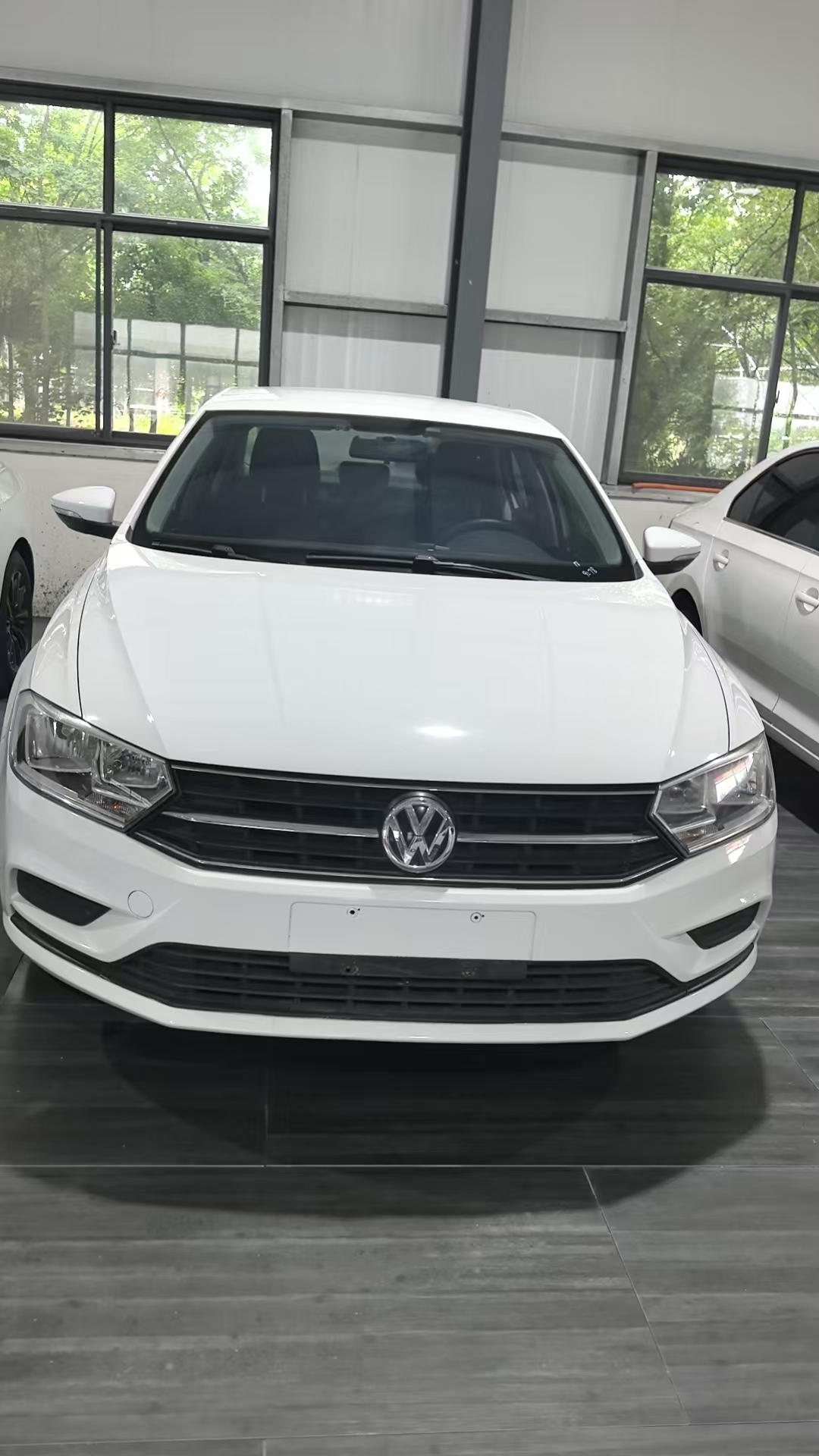
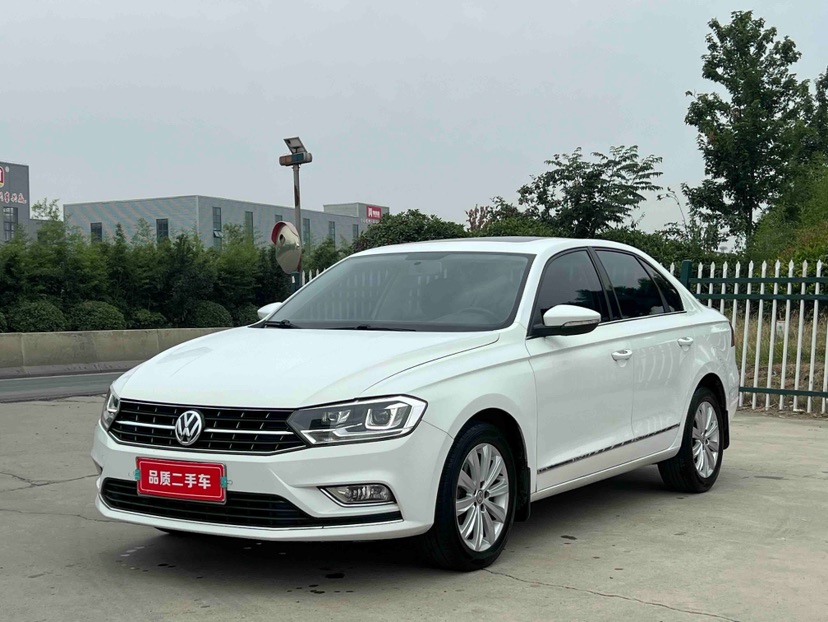
BrandVolkswagen
SeriesBora
Year2016
First Registration2016/01
Mileage130,000km
Transfer Count0times
FuelGasoline
TransmissionManumatic
Engine1.6L 105 L4
Color
Seats-

Condition Description

官方质检 · 60天全车质保· 7天无理由有偿退车

Configuration Highlights

✓上牌时间: 2016-01
✓表显里程: 13万公里
✓车源地: 西安
✓排放标准: 国五
✓百公里加速: 12.8s
✓发动机: 1.6L
✓轴距: 2610mm
✓变速箱: 自动

Q&A

More

What should the inspector check during a cold start test of the engine?

A cold start reveals problems that a warm engine hides. Ask your inspection agent to perform and film this sequence. First, the start itself: the engine should crank smoothly and settle into a stable idle within a few seconds. Extended cranking, blue or white smoke, or a lumpy idle suggest worn internals or head-gasket issues. Second, listen for timing-chain rattle or metallic tapping in the first ten seconds — cold top-end noise often means deferred maintenance. Third, watch the exhaust on a cold morning: brief white vapor is normal in winter, but persistent blue smoke means oil burning, and sweet-smelling white smoke can indicate coolant leaking into the cylinders. Fourth, have the inspector scan the OBD system right after the cold start; misfire counters and fuel-trim values are most honest when the engine is cold. Ask for a continuous, timestamped video from outside the car before startup through at least five minutes of idling, so you can verify the engine really was cold.


How do I evaluate rust and corrosion on a used car from China, especially for coastal cities or snowy regions?

Rust is a deal-breaker that photos can hide, so be systematic. High-risk areas to check: 1. Underbody and frame rails—surface rust is normal, but flaking or bubbling paint means advanced corrosion 2. Wheel arches and rocker panels—these trap mud and salt 3. Door bottoms and the trunk floor—water collects here; lift the trunk mat and look for dampness or repair welds 4. Around the windshield and sunroof drains—leaks cause hidden rust in the A-pillars Ask the inspector to do a magnet test: filler-repaired areas won't hold a magnet, indicating past accident repairs. A paint thickness gauge reveals resprayed sections—uniform readings around 80-150 microns are normal; spikes over 300 suggest bodywork. Cars from northern China (salted roads in winter) or coastal cities need extra scrutiny on the underbody. If structural members show corrosion, walk away—repairs rarely restore original strength.

How to ensure quality consistency for a batch of over ten vehicles during B2B bulk purchasing?

For B2B large customer orders, a "sampling + full inspection" dual regulation is adopted. Core parameters (no major accidents, no water damage or fire) are subject to 100% inspection per vehicle; appearance and condition are uniformly graded (e.g., uniformly purchasing Grade A), and panoramic images of all vehicles in the batch along with a core indicators comparison list are provided before shipment.