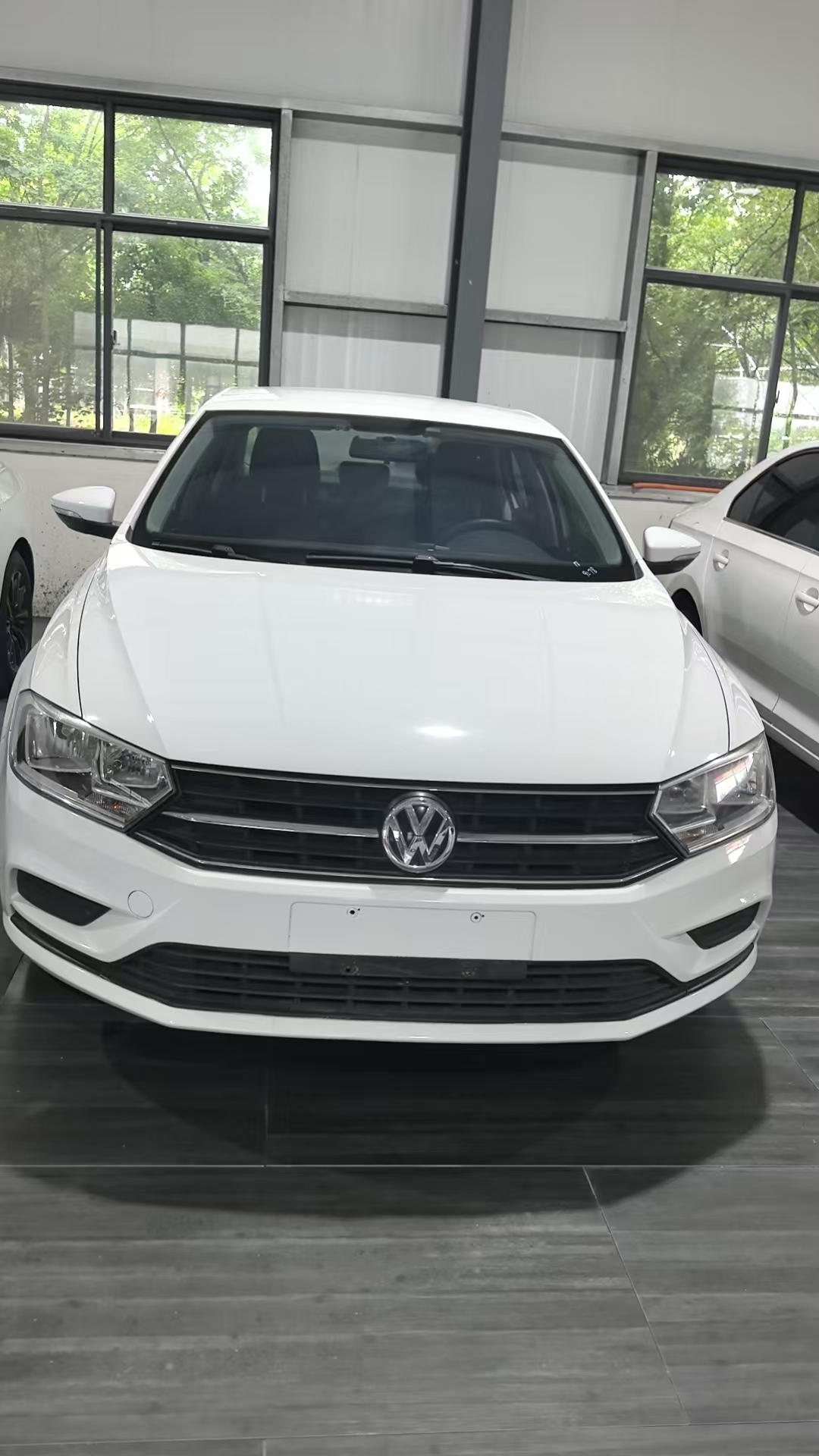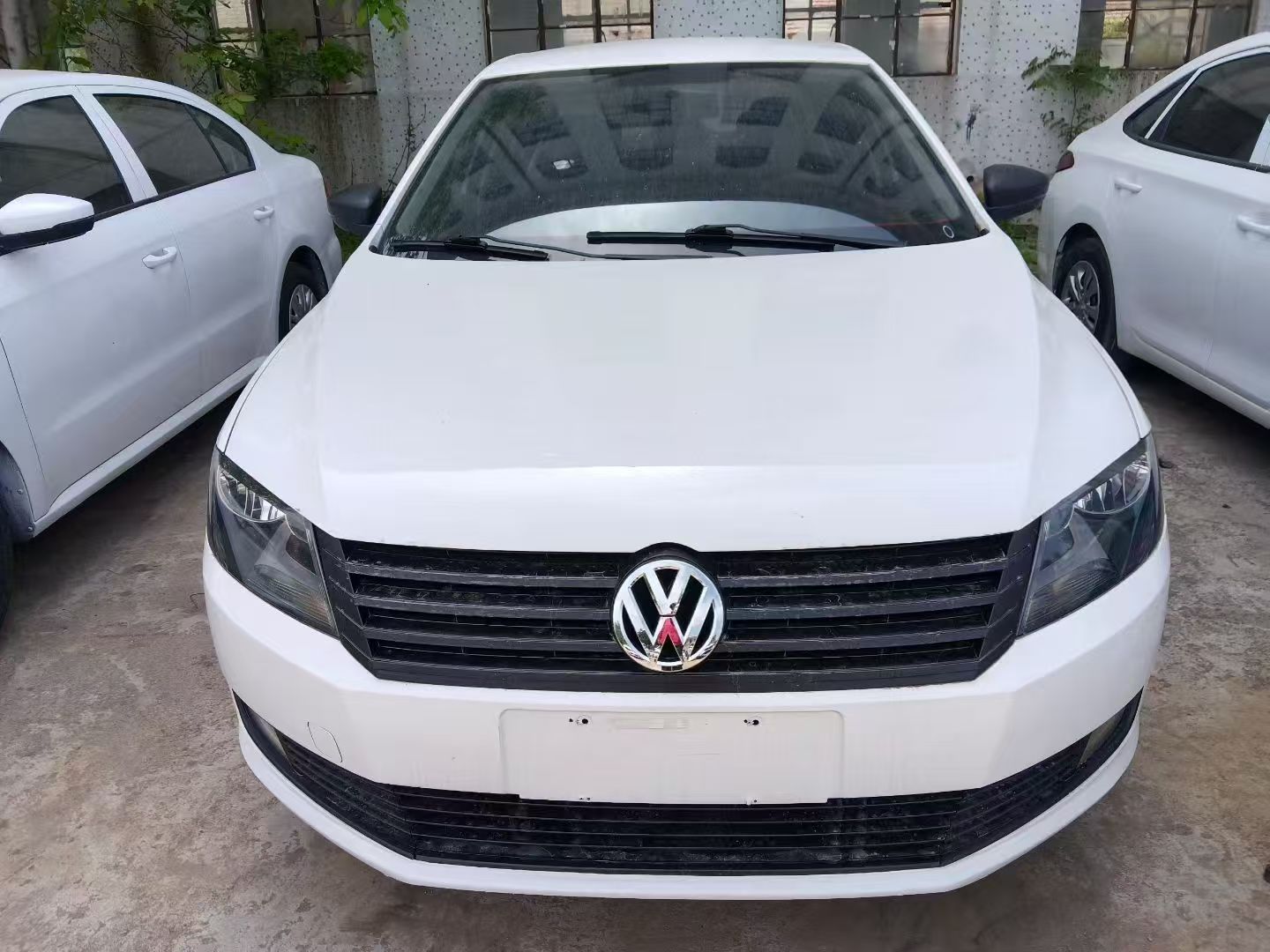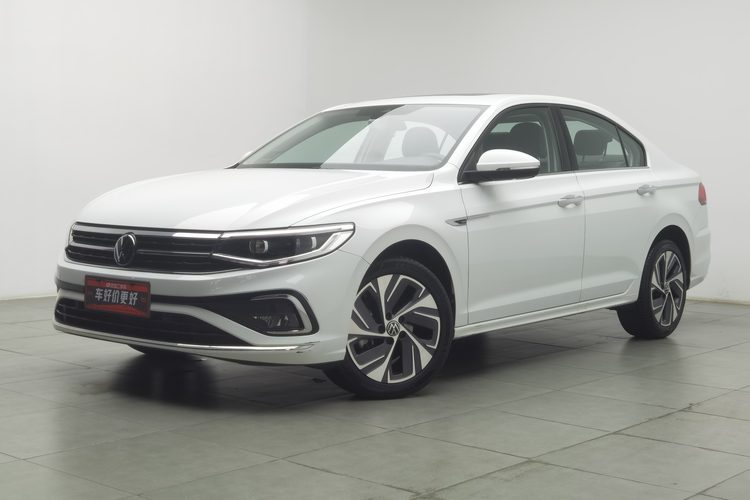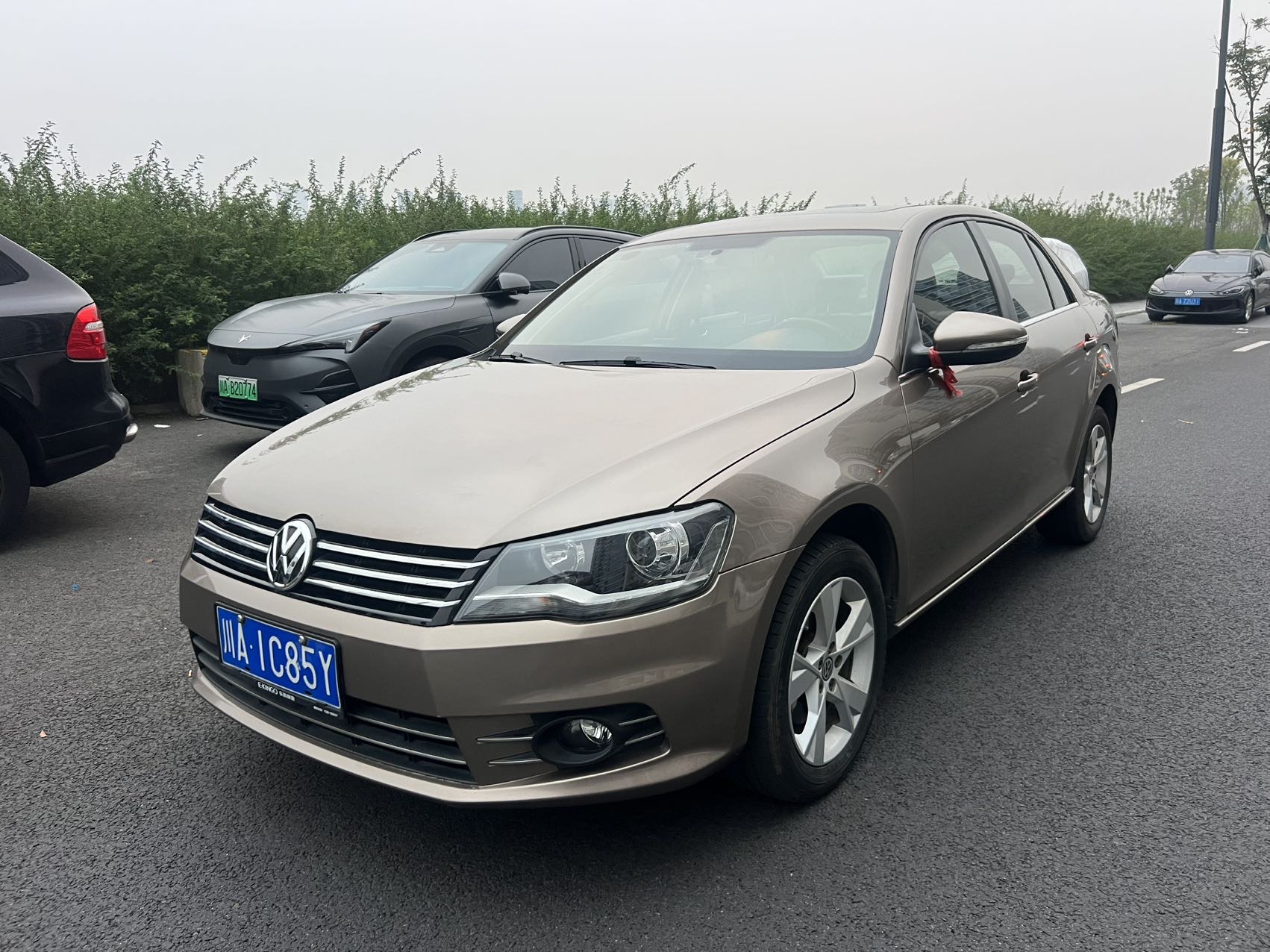
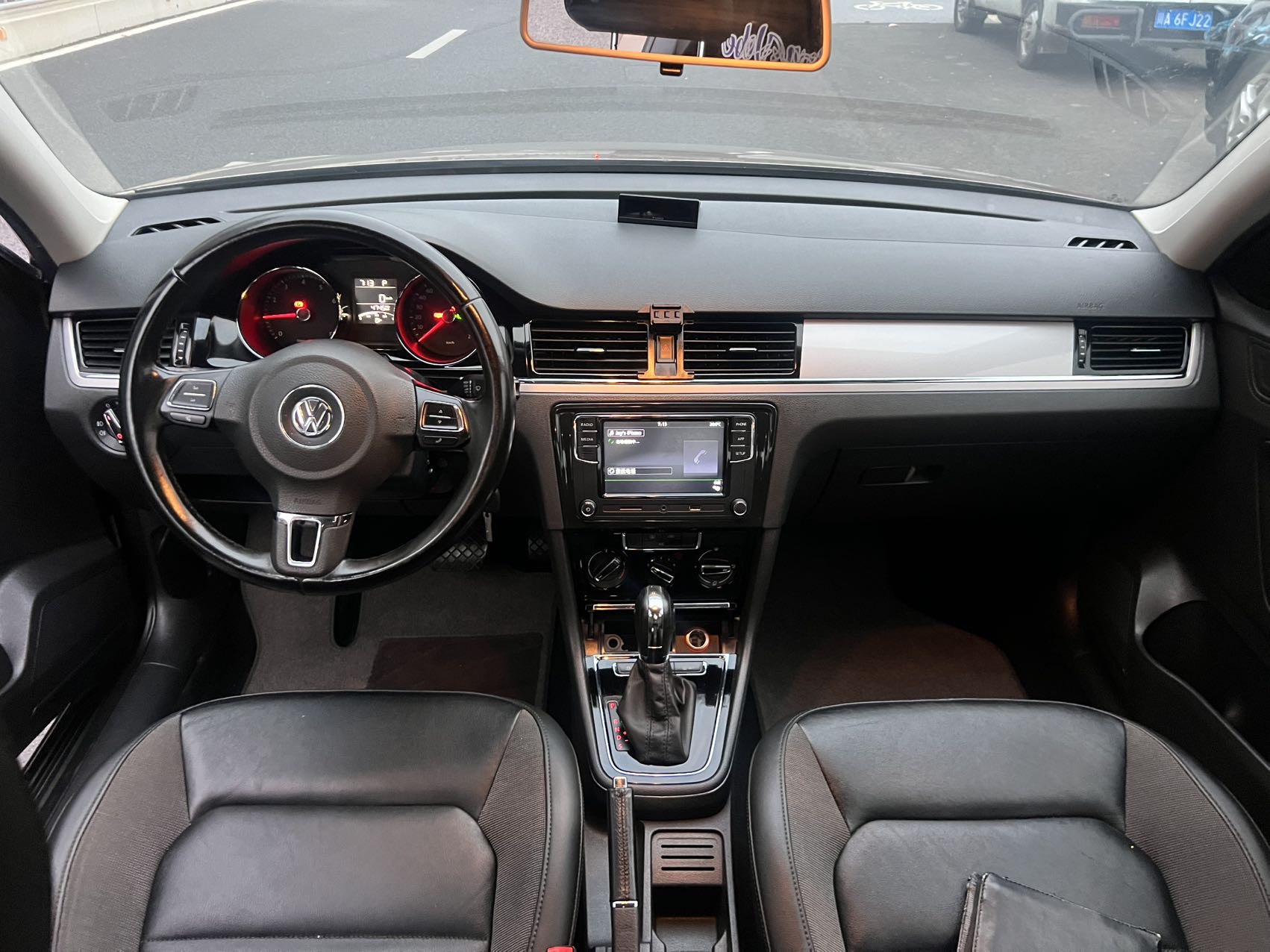
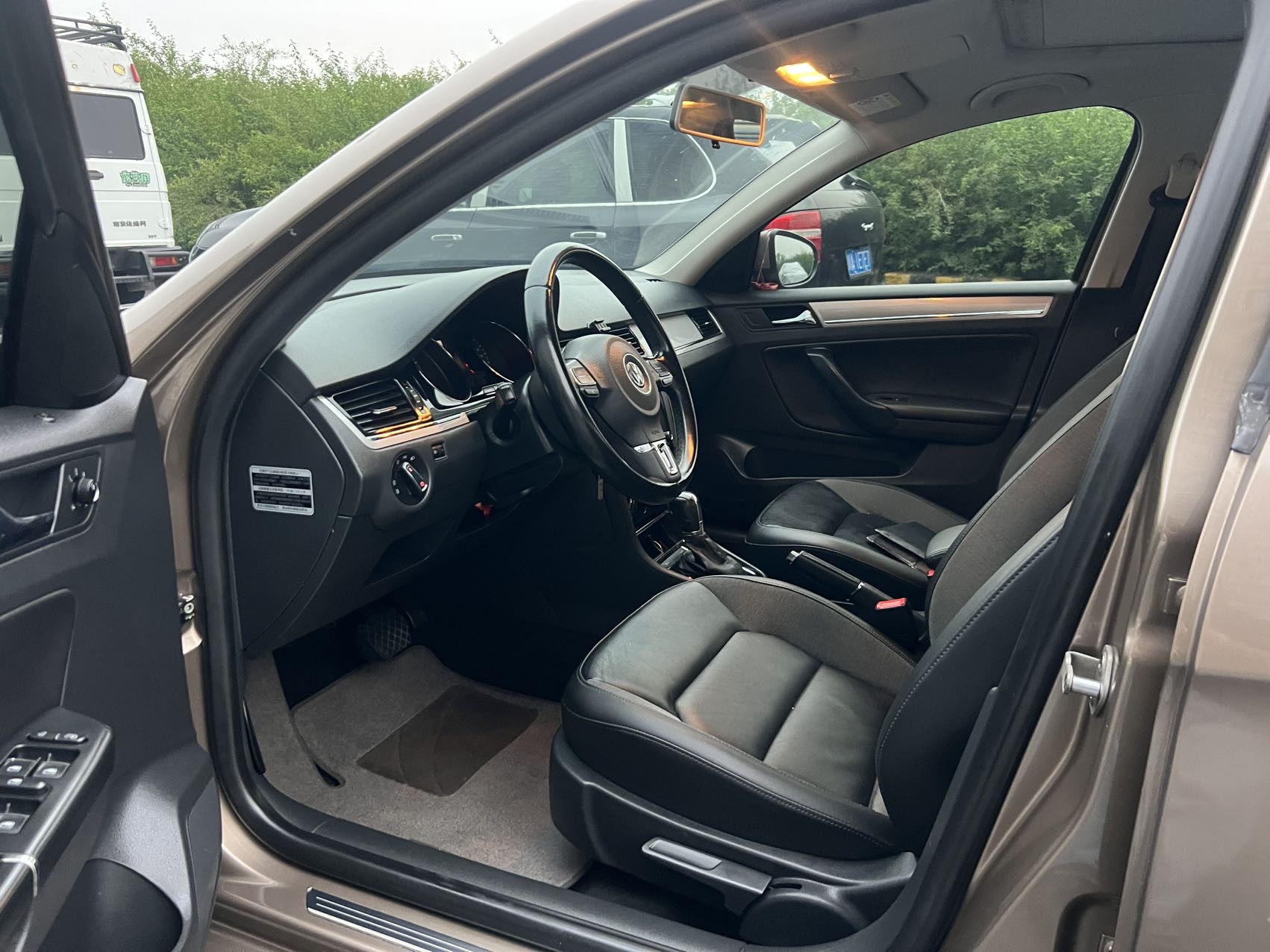
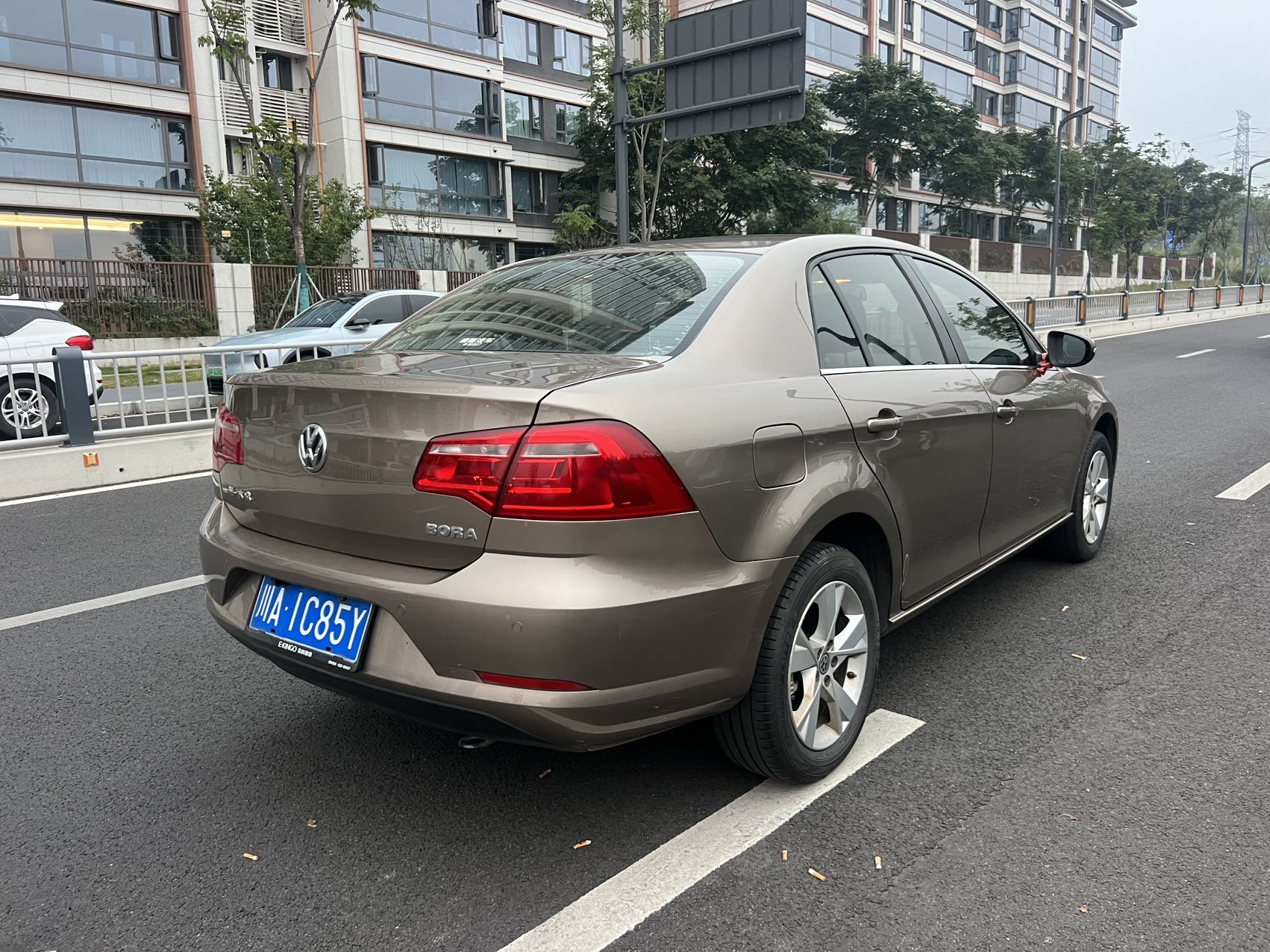
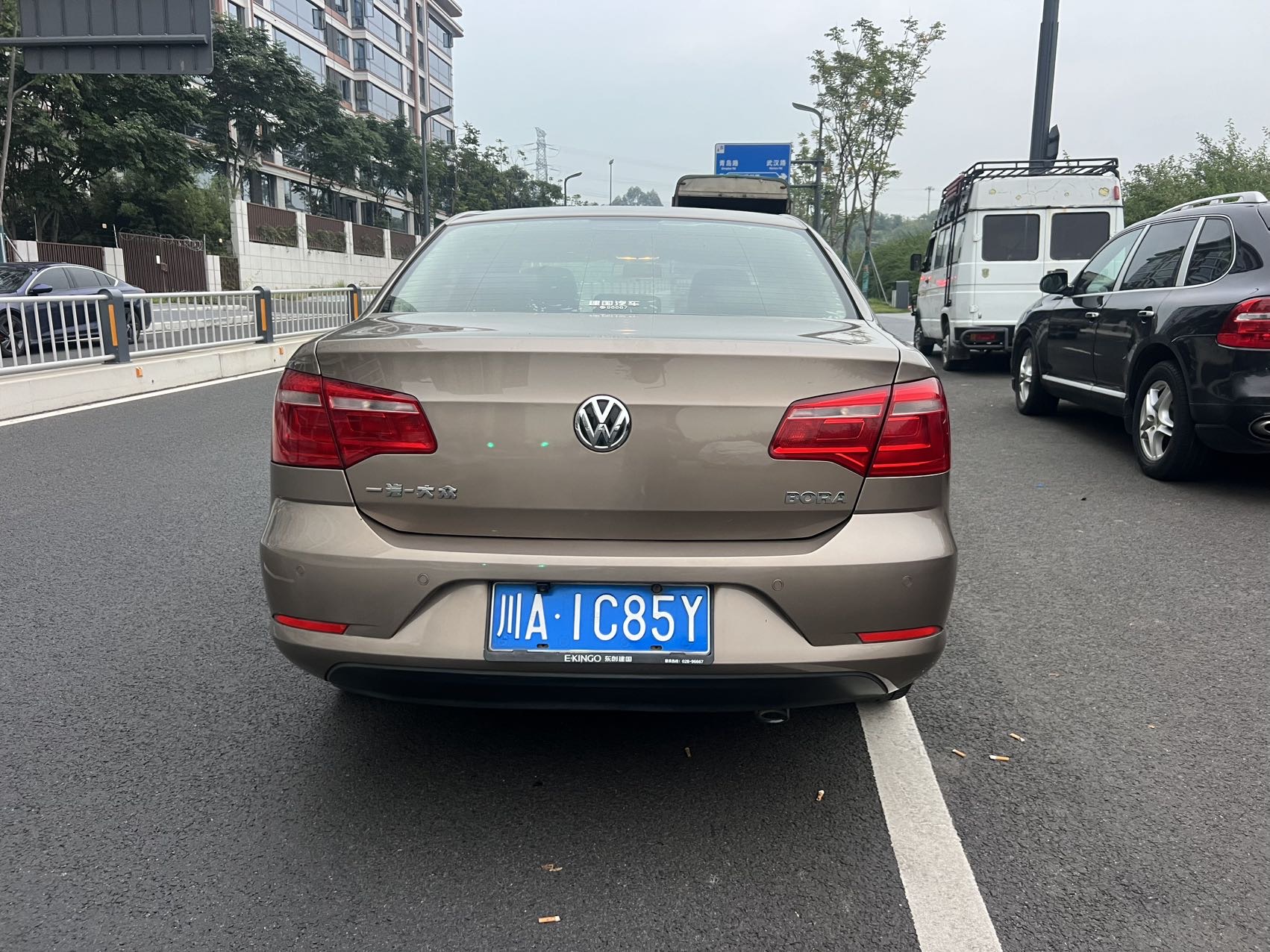
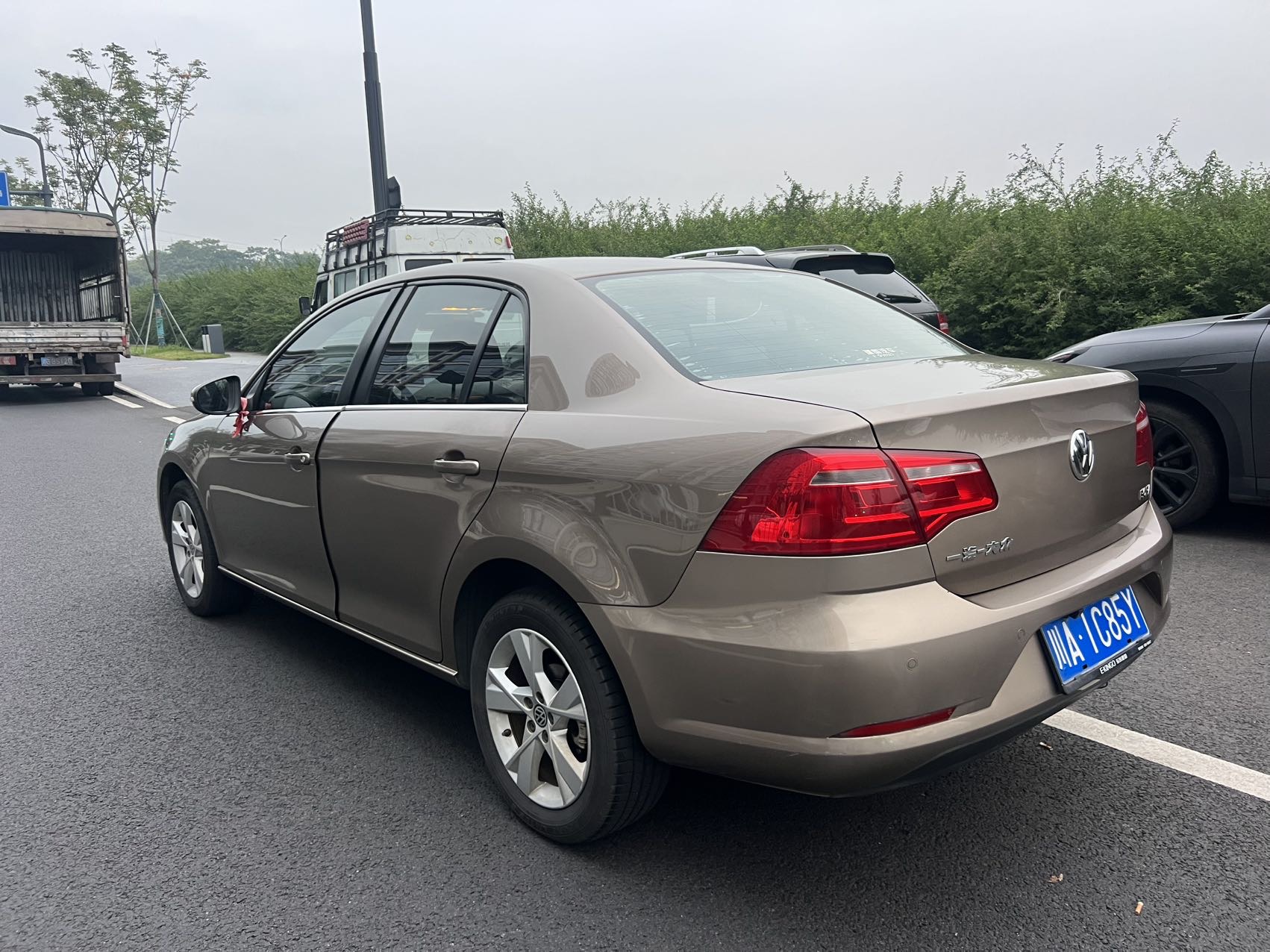



Basic Information

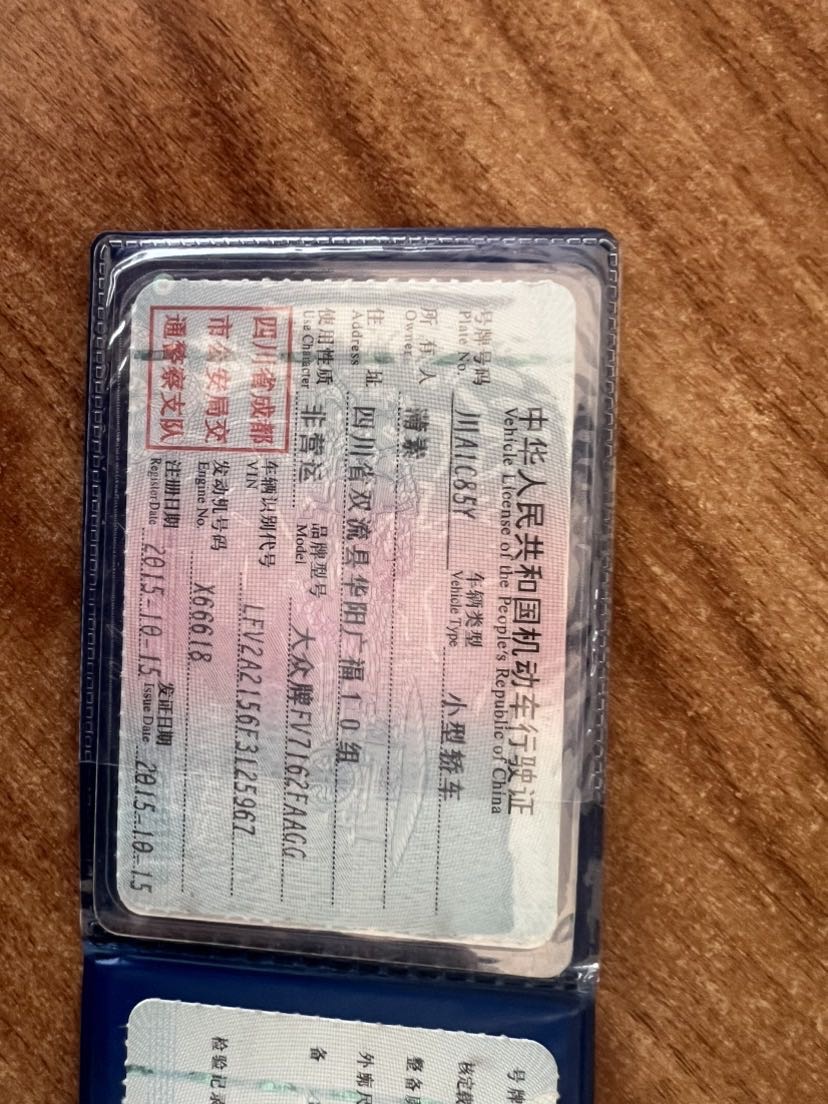
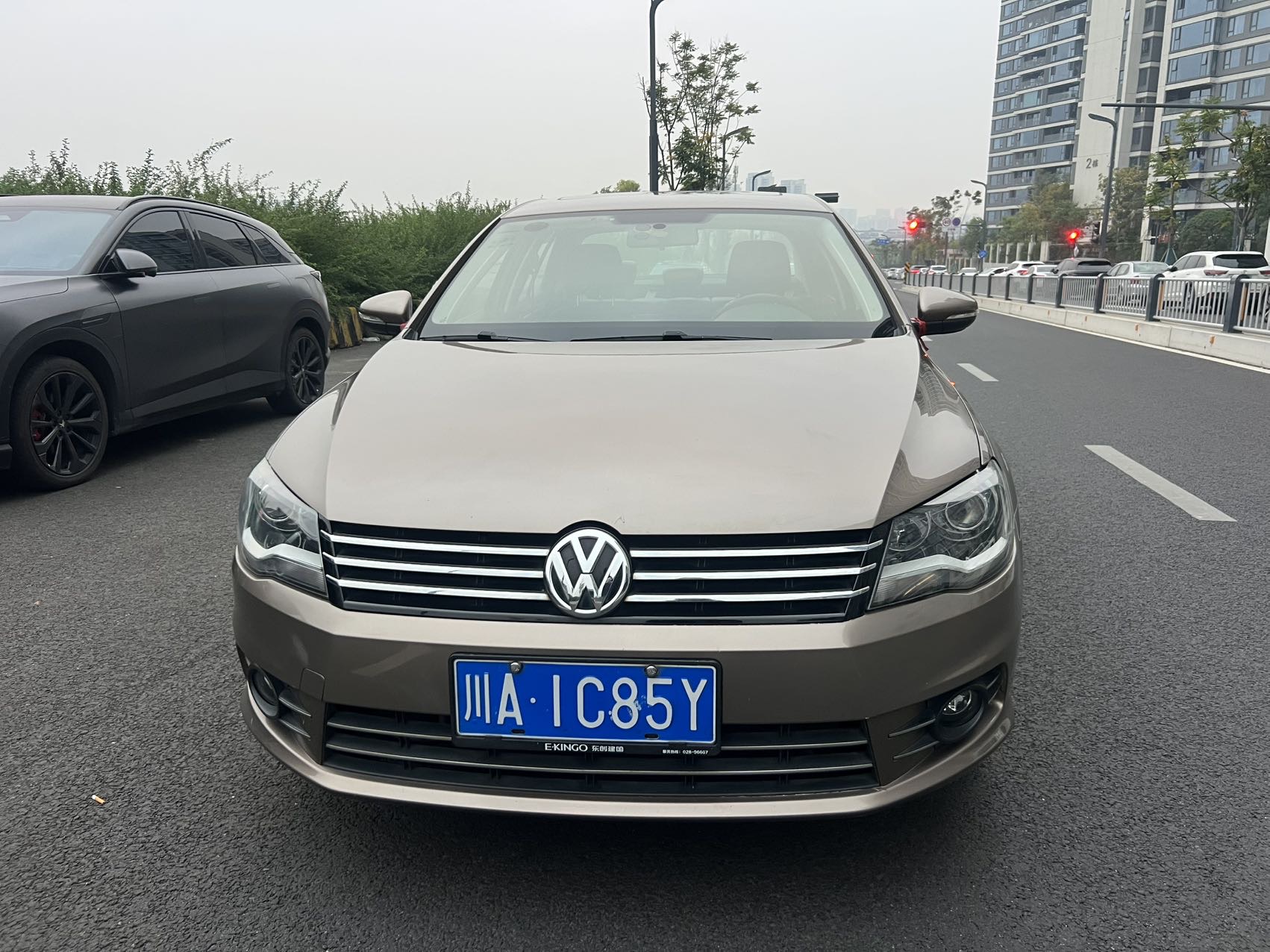
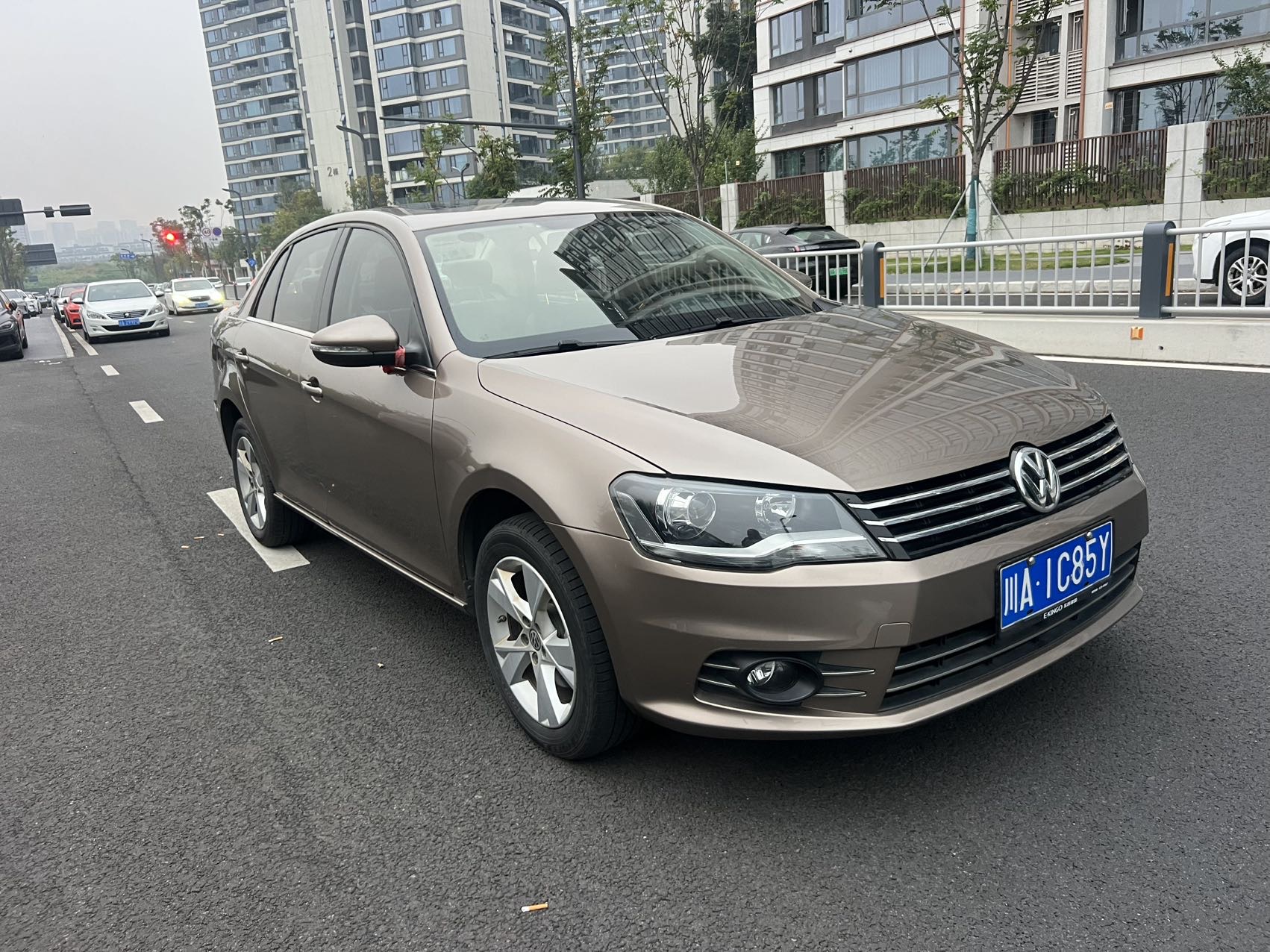
BrandVolkswagen
SeriesBora
Year2015
First Registration2015/10
Mileage150,000km
Transfer Count0times
FuelGasoline
TransmissionManumatic
Engine1.6L 105 L4
ColorBrown
Seats-

Condition Description

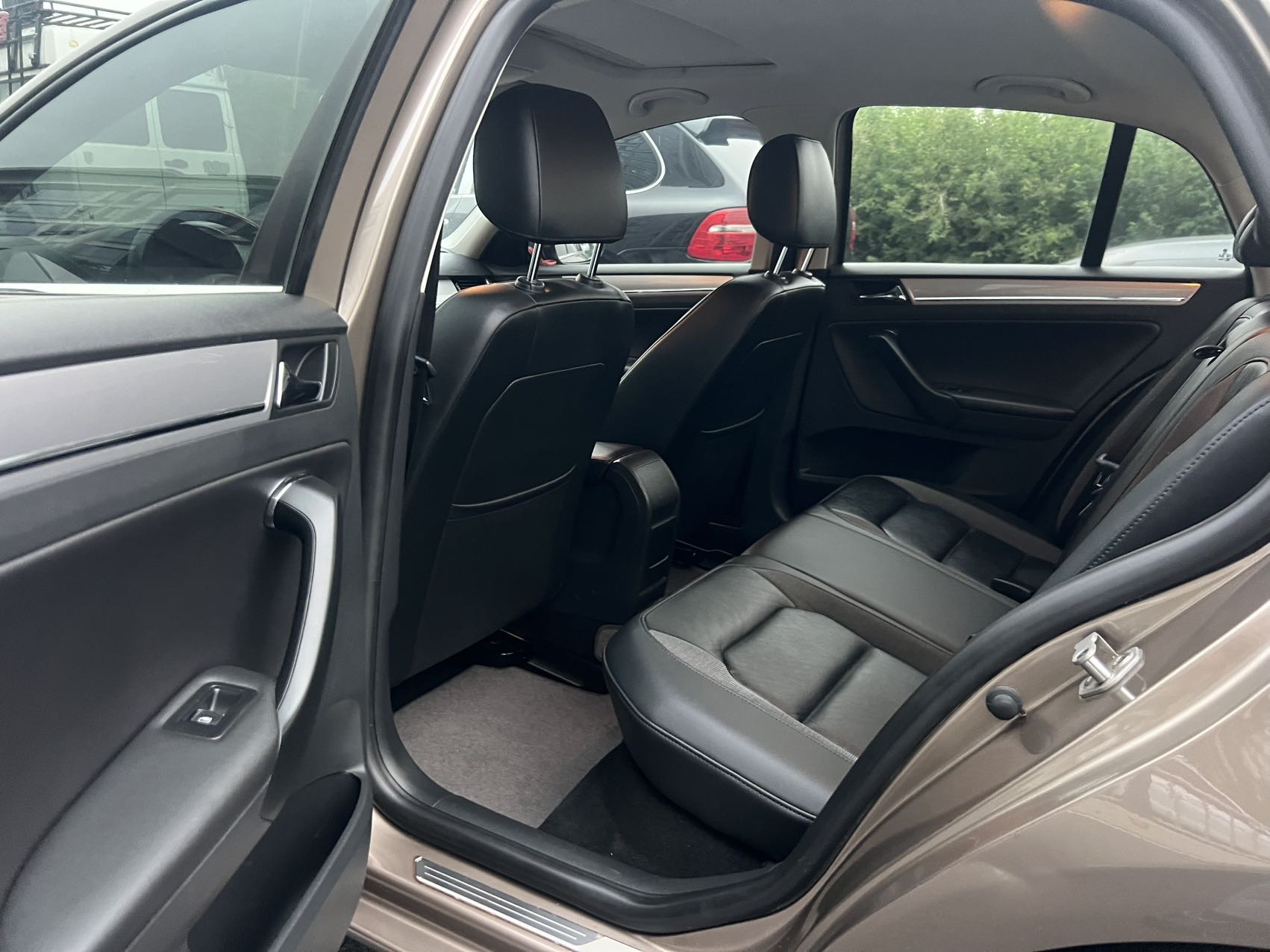
Average condition

Excellent condition, private first owner, two panels repainted, original, passed third-party inspection

可议价
已上架
New
Wholesale

Configuration Highlights

✓品牌: 大众
✓车系: 宝来
✓车型: 大众 宝来 2015款 1.6L 自动 质惠版 舒适型
✓能源类型: 燃油车
✓发动机: 1.6L
✓变速箱: 手自一体
✓驱动方式: 前轮驱动
✓排放标准: 国IV,国V
✓指导价: 12.53万
✓车源编号: 12809056
✓VIN: LFV2*******125967

Document Information

Inspection Expiry Date2027/10
Warranty Expiry Date-
Insurance Expiry Date2027/10

Q&A

More

Should I ship my used car from China in a container or by roll-on/roll-off (RORO)?

It depends on the car's value, type and destination. RORO means the car is driven onto the vessel and secured on deck or in the hull. It is usually cheaper per car and does not involve container packing fees. The downside: the car sits exposed to salt air for weeks, and RORO service is limited to ports with dedicated terminals. Container shipping (one 20ft or 40ft container per 1-2 cars) costs more but gives much better protection. It is strongly recommended for electric vehicles (battery safety regulations), luxury cars, and vehicles going on long voyages or rough sea routes. Practical tips: whichever method you choose, ask for the car to be shipped with a full battery charge disconnected at the terminals, tire pressures adjusted, and a condition report with photos signed at loading. For EVs, confirm the shipping line accepts used electric vehicles and what state-of-charge limits apply.


How long does sea freight from China take to major destinations, and what shipping methods are available?

Two main shipping methods are used for used cars from China: 1) Container shipping: the car is loaded into a 20ft or 40ft container. Safer, protects from weather and damage, and allows personal items inside the car. Slightly more expensive. 2) RoRo (roll-on/roll-off): the car is driven onto the ship. Cheaper for single units, but no protection and no personal belongings allowed. Typical transit times from major Chinese ports (Shanghai, Guangzhou, Shenzhen, Qingdao): - Middle East: 12-20 days - Europe: 25-40 days - East/West Africa: 30-45 days - South America: 35-50 days - Southeast Asia: 5-12 days Add 5-10 days on each side for port handling, customs, and inland delivery. Peak season (before Chinese New Year and summer) can add delays, so book space 2-3 weeks ahead.

Should I pay the Chinese exporter in USD or RMB, and how do exchange rates affect the final price?

Most exporters quote in USD for international buyers, but some accept RMB (CNY). Key points: 1. USD payment is standard and easiest; the exchange-rate risk usually sits with the exporter, so the price may be slightly higher. 2. Paying in RMB can save 1-3% if you have access to CNY through your bank or a trading company. 3. Lock the exchange rate in the contract: agree the final amount is fixed in the invoicing currency on the invoice date. 4. Always pay by corporate bank transfer (T/T) to the exporter's company account — never to personal accounts. Ask for a proforma invoice with a validity date (usually 7-15 days) so you know exactly how much to wire, and confirm who bears the bank transfer fees.