


48H

Basic Information

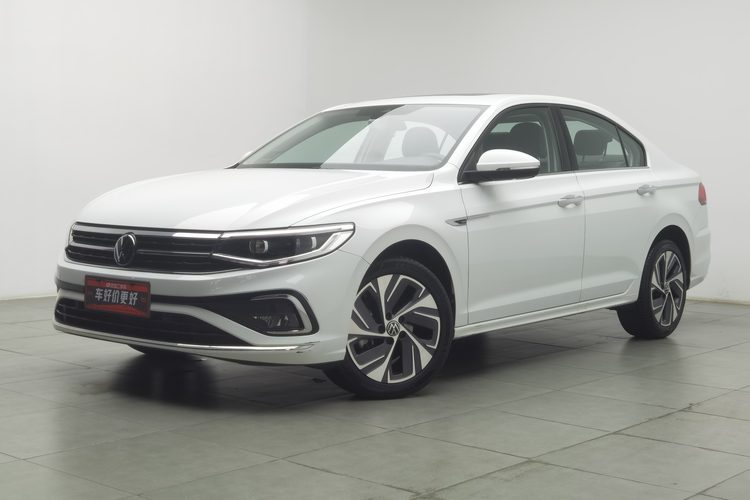
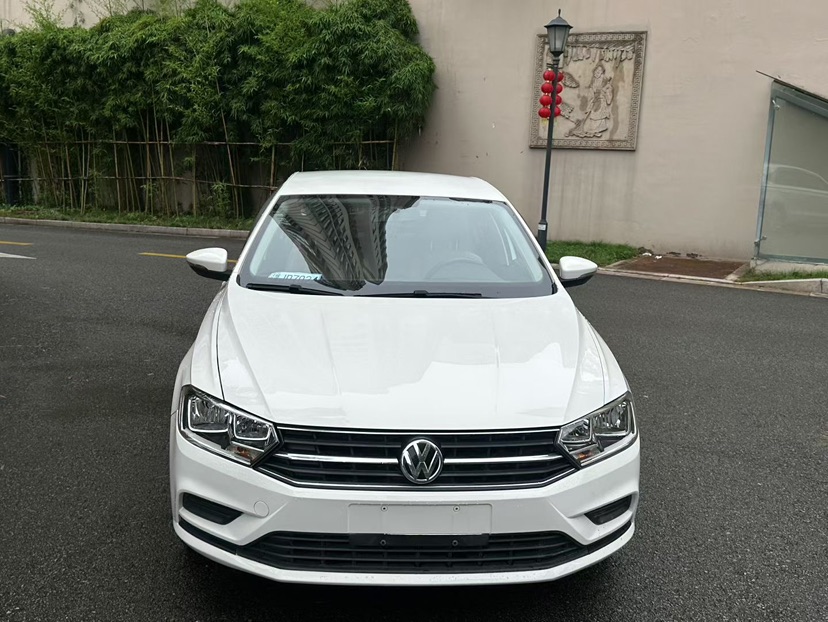
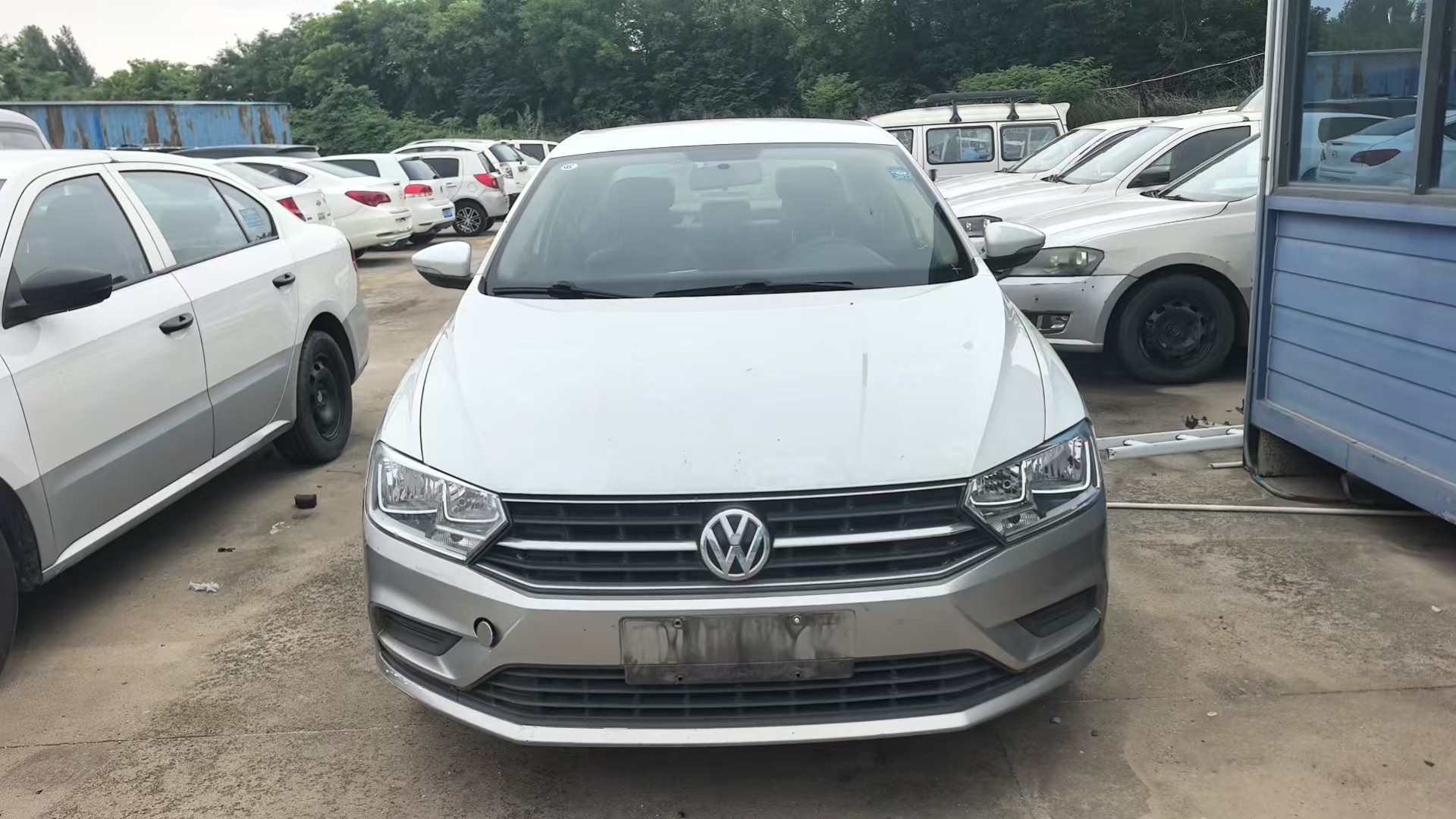
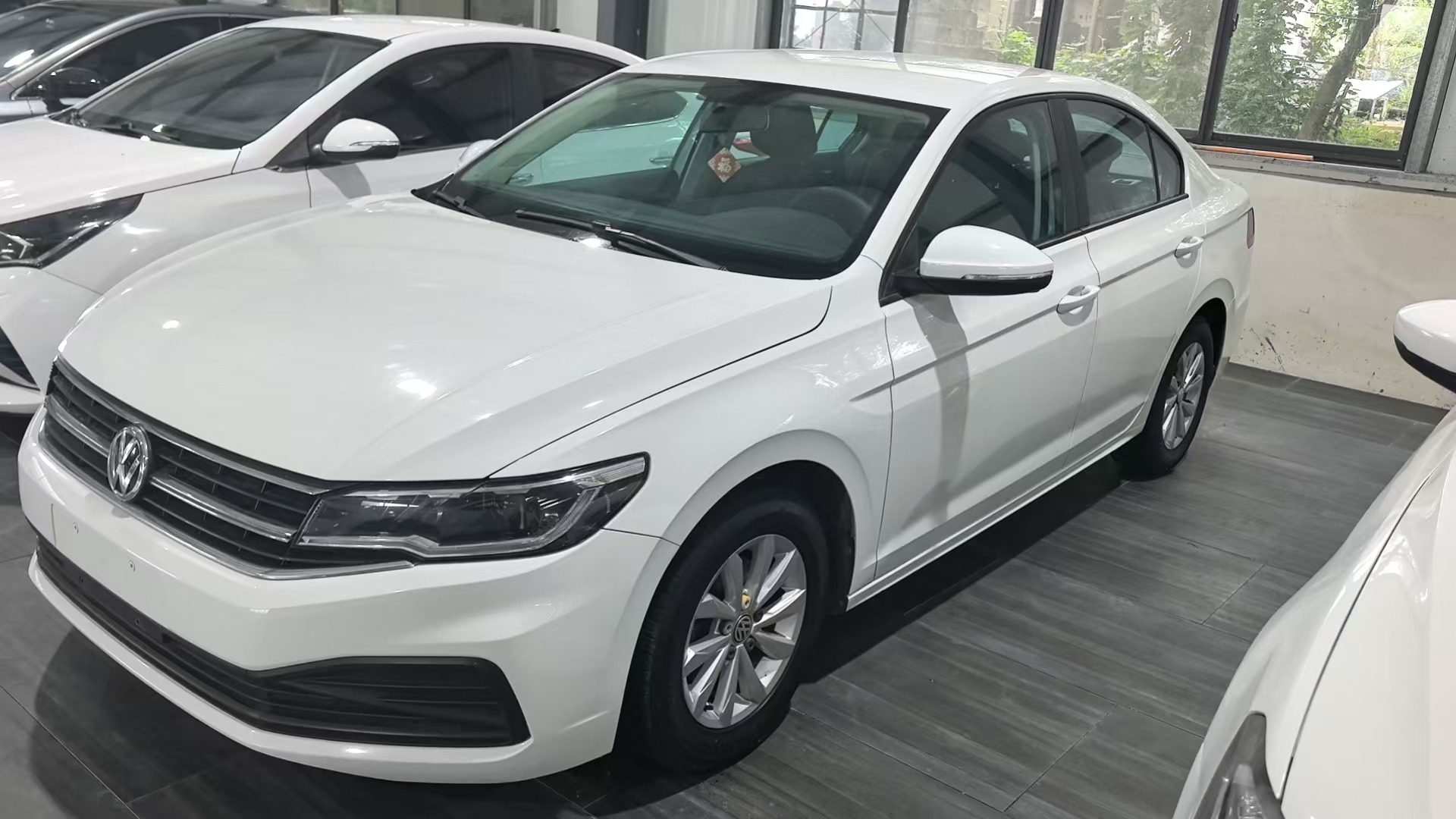
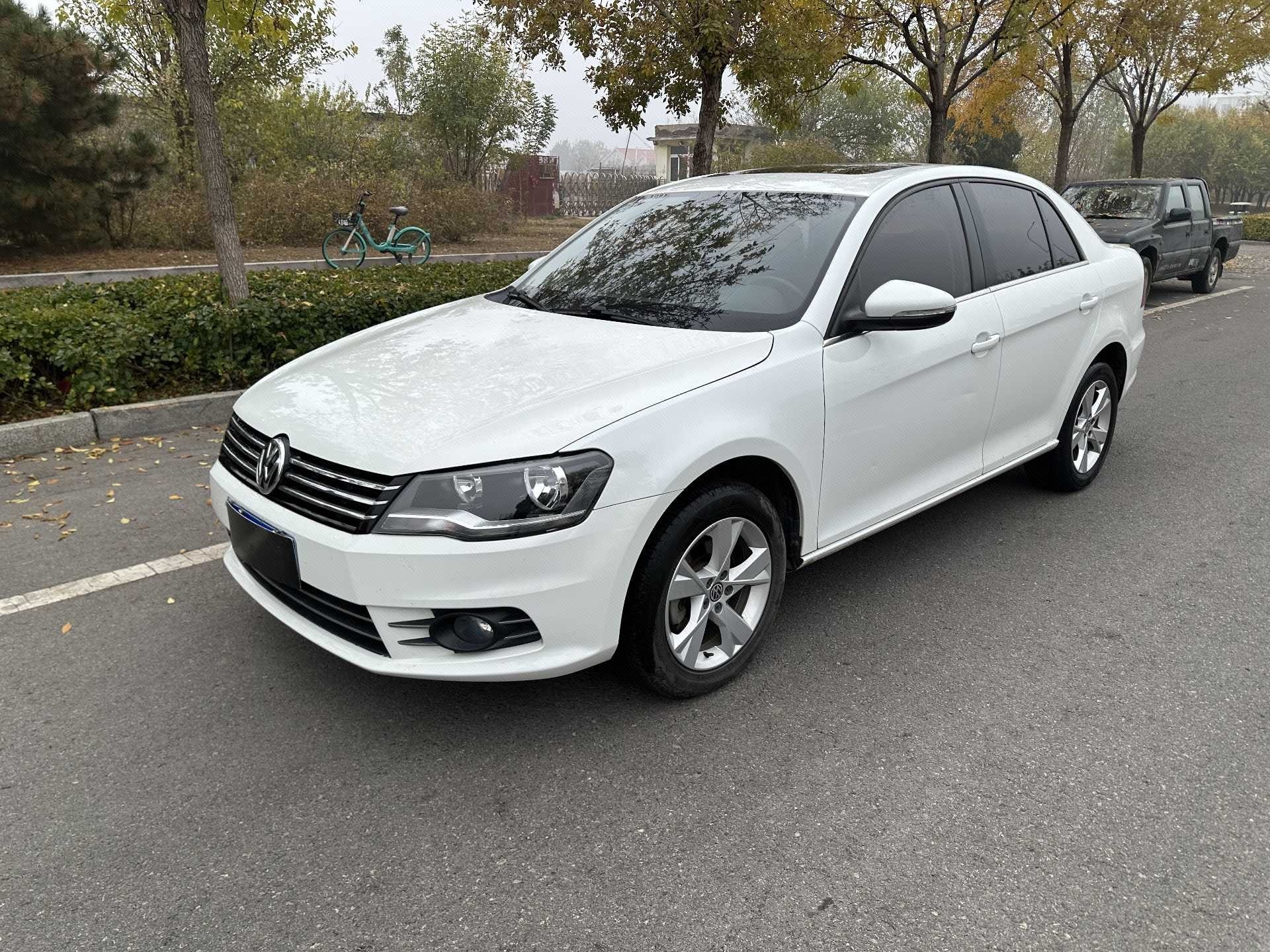
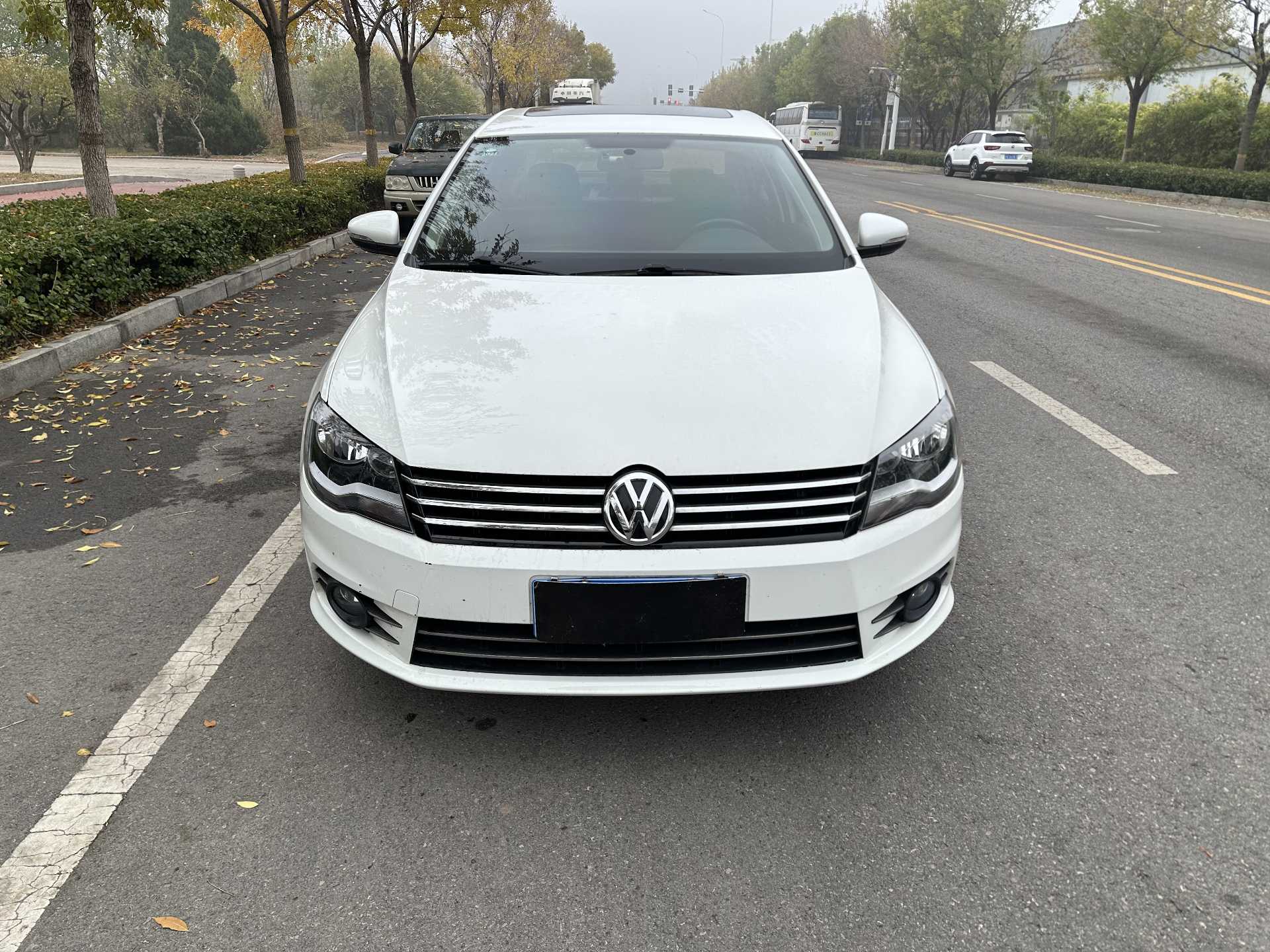
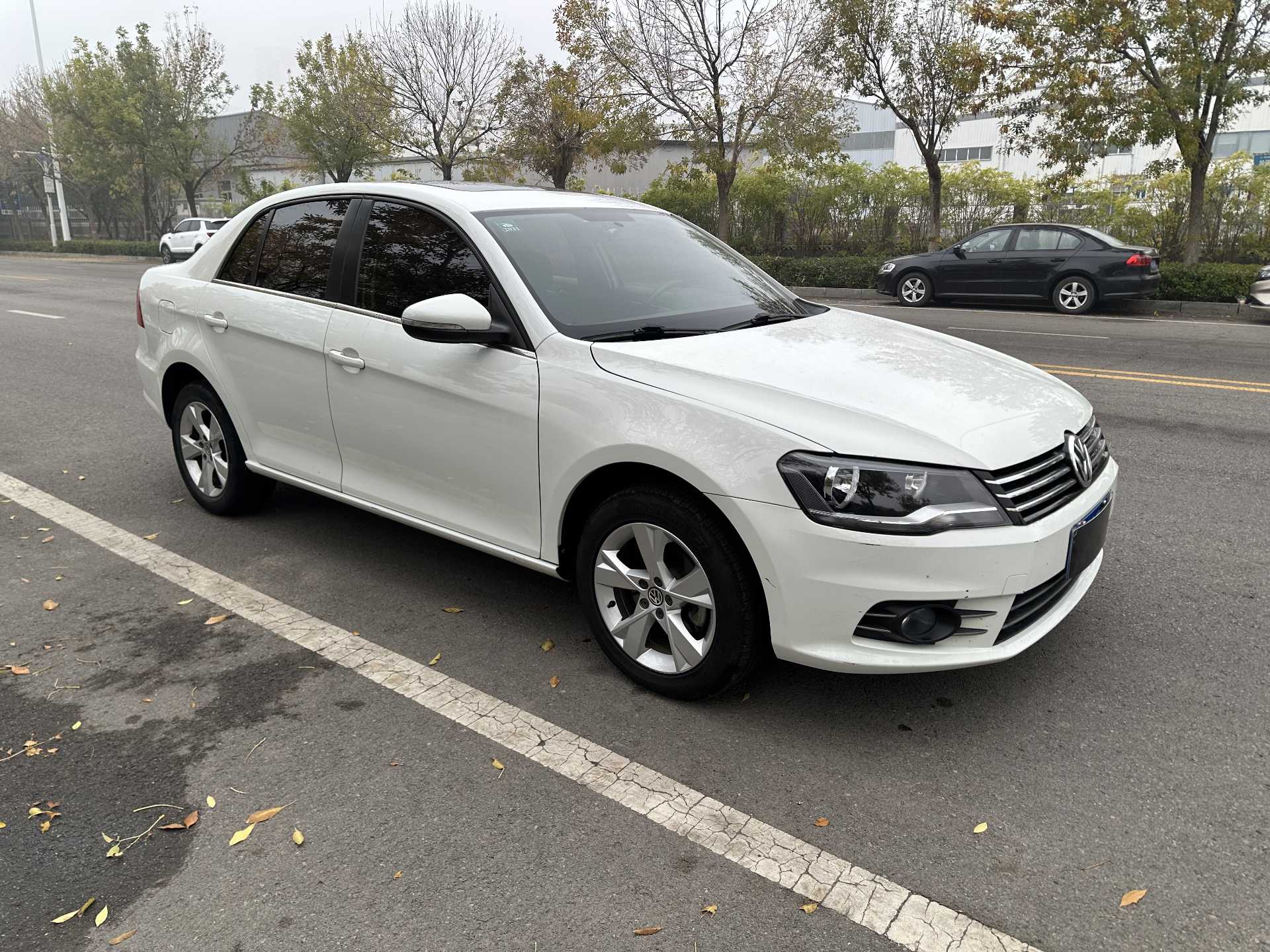
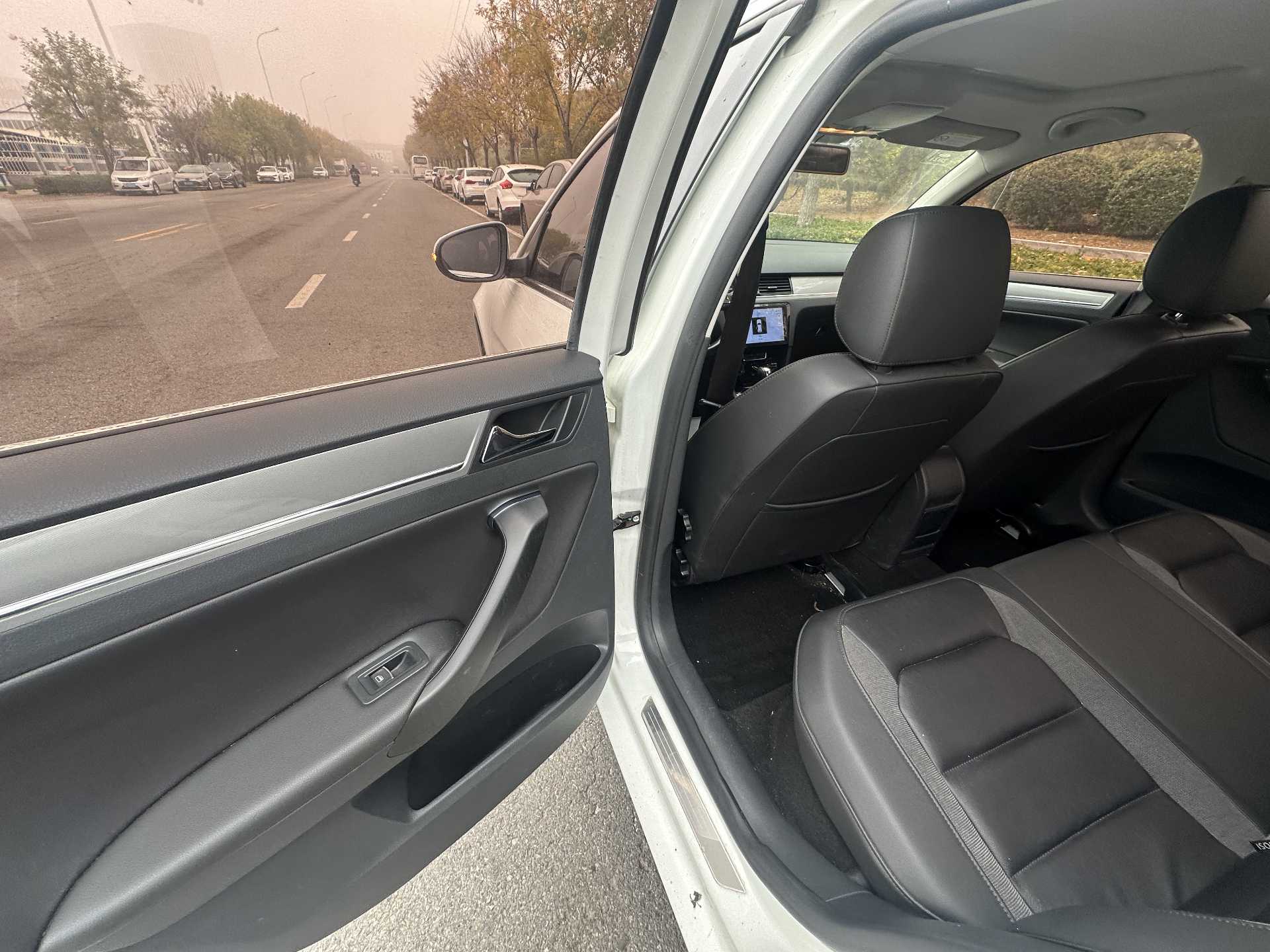
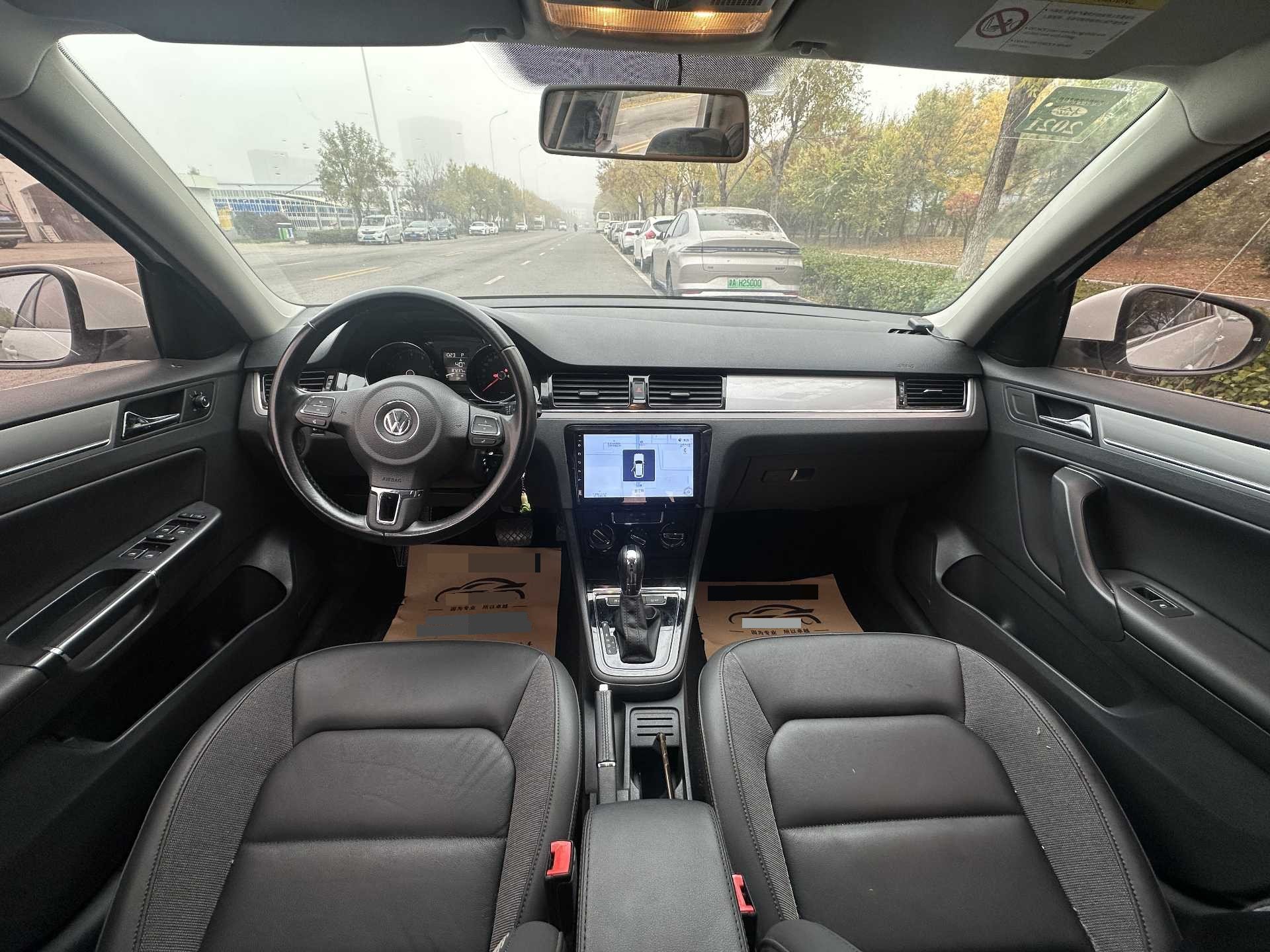
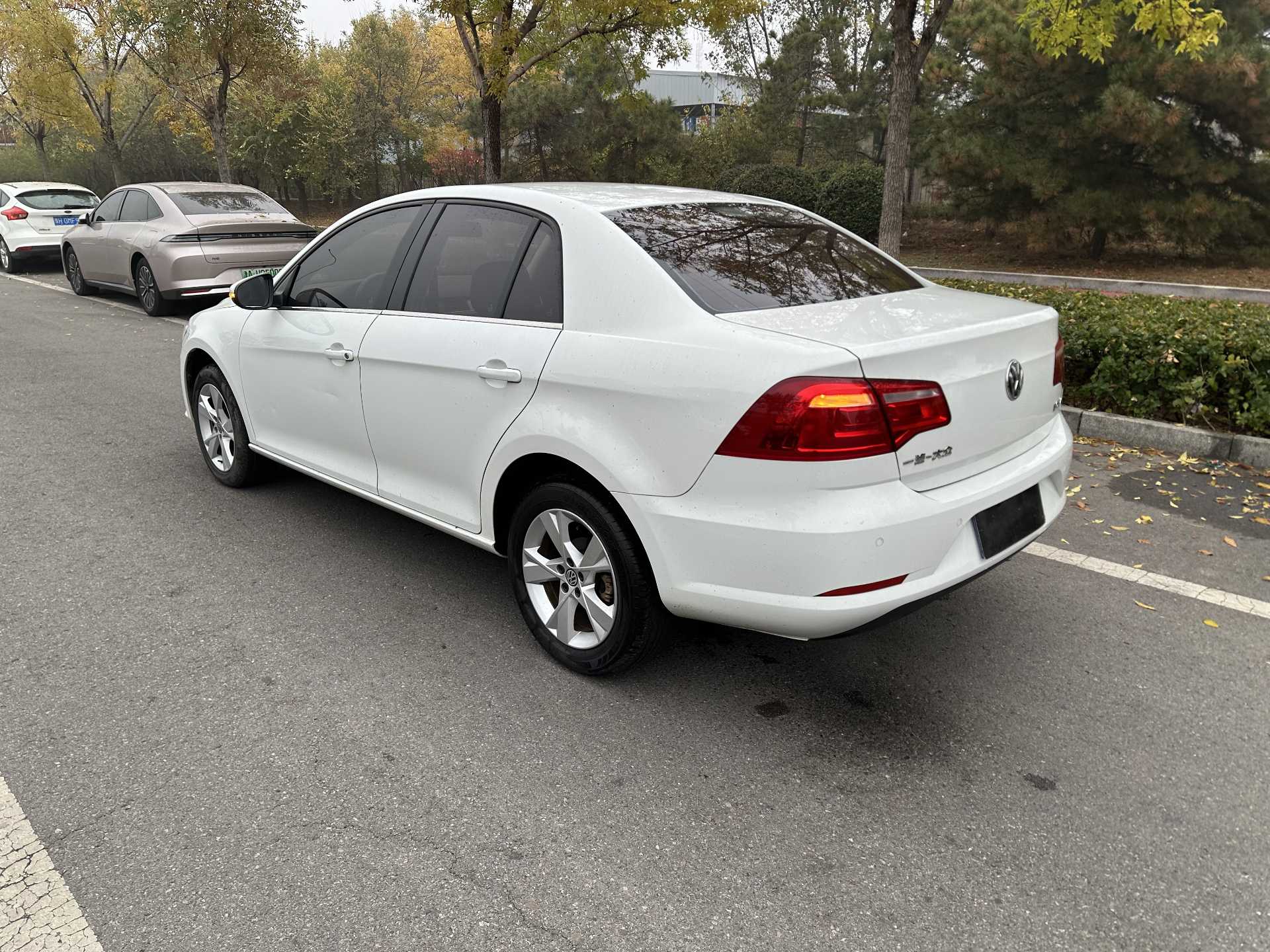
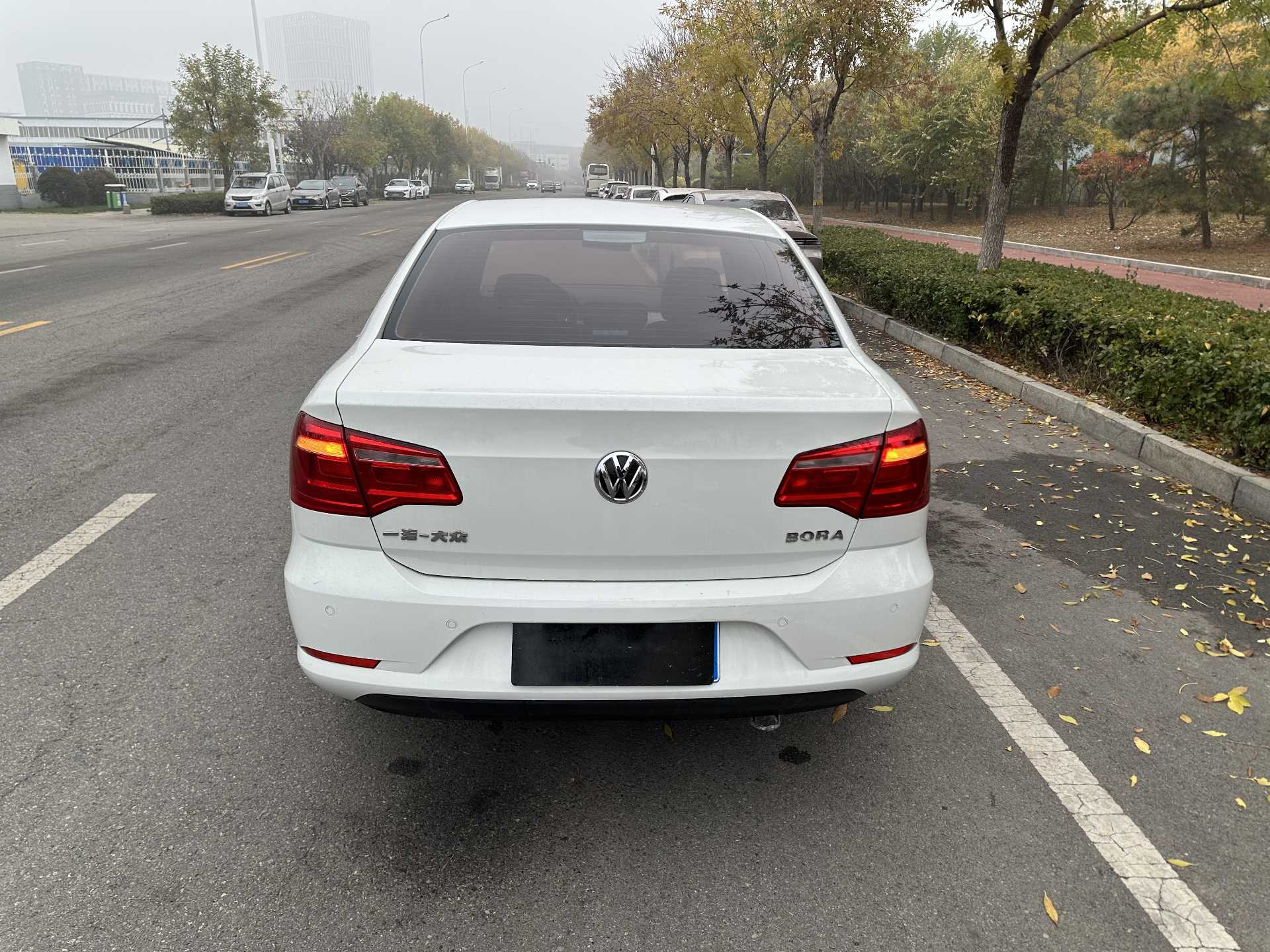
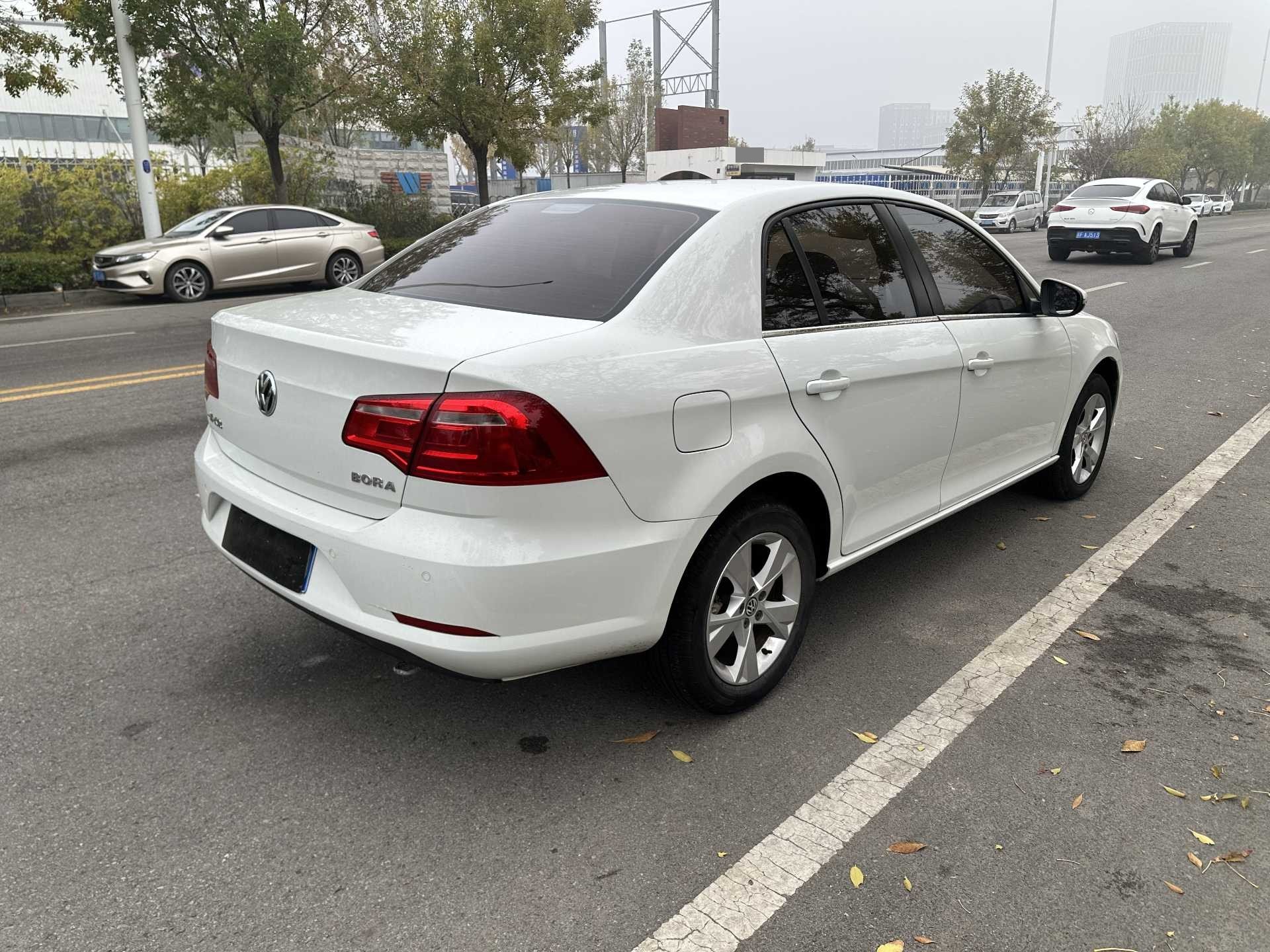
BrandVolkswagen
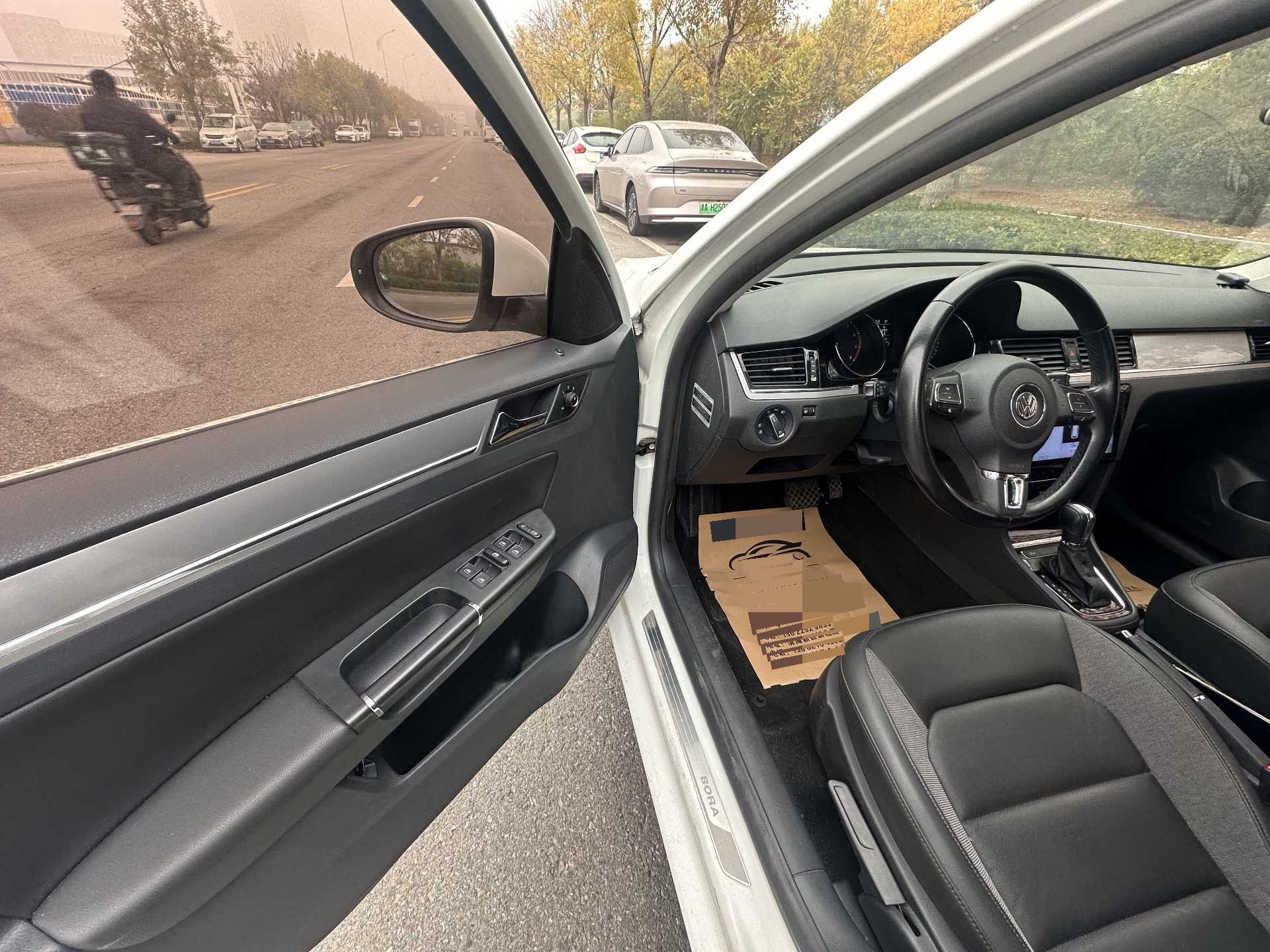
SeriesBora
Year2015
First Registration2015/11
Mileage80,000km
Transfer Count0times
FuelGasoline
TransmissionManumatic
Engine1.6L 105 L4
ColorWhite
Seats-

Condition Description

Replaced body panels. Single owner. Can pass third-party inspection.

Document Information

Inspection Expiry Date-
Warranty Expiry Date-
Insurance Expiry Date2027/11

Q&A

More

Which documents prove a used car exported from China is legal to import, and how do I verify them?

Key documents to request and verify: 1. Export declaration (报关单): proves the car legally left China. Check the VIN, model and exporter name match the car. 2. Commercial invoice: must match your payment amount; customs uses it to assess duties. 3. Bill of lading: confirm the consignee is you or your agent, and the VIN/container number is correct. 4. Certificate of origin: needed for tariff preferences in some markets. 5. Condition/inspection report: ideally from an independent third party, with photos and dates. Verification tips: cross-check the VIN on every document — any mismatch causes customs holds. Ask your destination customs broker to review scanned copies before the car ships, and release the final payment only after documents pass that review. A legitimate exporter will provide all of these without hesitation.


What engine health tests, like compression and leak-down, should be included in a pre-shipment inspection of a used car from China?

For gasoline cars, insist on a compression test: each cylinder should read within 10-15% of the others, and the actual values should match factory specs for that engine. A single low cylinder points to worn rings or valve problems that idle checks will never reveal. A leak-down test goes further. It pressurizes each cylinder and measures how much air escapes and where. Air hissing from the oil filler cap means ring wear; from the intake or exhaust means valve issues; bubbles in the radiator coolant mean a head gasket problem. This is the single most revealing test for engine condition. Also request OBD scan data with freeze-frame records, a coolant system pressure test (to catch hidden leaks), and an inspection of the timing belt or chain condition with service history. For electric vehicles, compression tests don't apply — instead ask for a battery health report from the BMS, motor insulation readings, and a road test logging any inverter or drive-unit fault codes. A written report with photos or video of each test is essential evidence for your records.

What seasonal factors should I consider when scheduling my car's shipment from China?

Timing your shipment can save money and avoid delays. Peak season: August to October and the weeks before Chinese New Year are the busiest—rates rise and space is tight, so book 3-4 weeks ahead. Chinese New Year (late January or February) shuts down factories and ports for about two weeks. Weather: summer brings typhoons to South China ports such as Shenzhen and Guangzhou, which can delay departures; winter fog affects northern ports like Tianjin and Qingdao. Consider the destination too: shipping to Europe or the Gulf during winter is fine, but if your car will travel by rail or road through Central Asia, deep-winter departures face cold-weather handling requirements and slower border crossings. Practical tip: if you're not in a hurry, shipping in the off-season (March to June) is usually 10-20% cheaper. Always confirm the vessel's estimated departure and arrival dates in writing, and ask for tracking once the car is loaded.