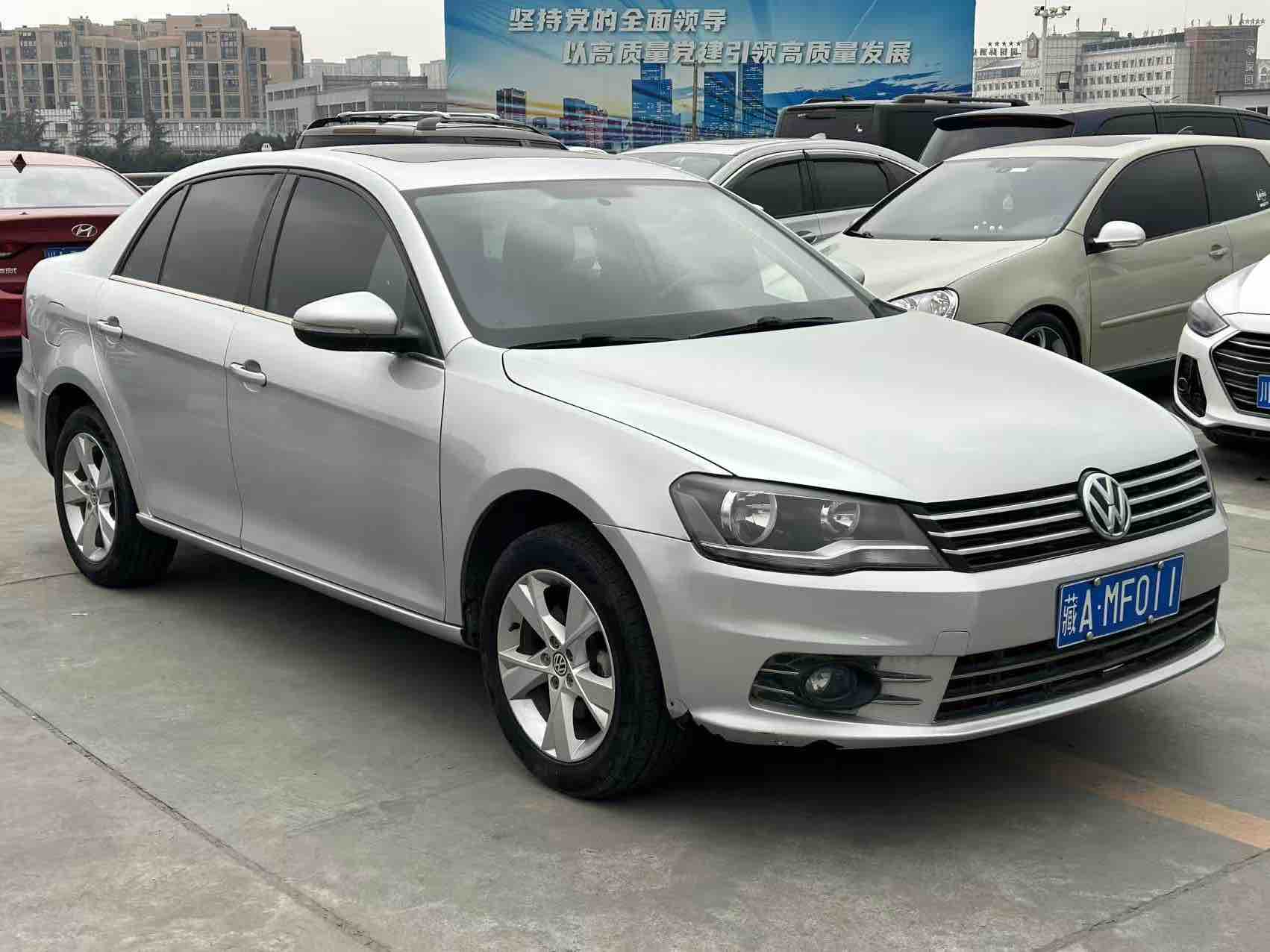
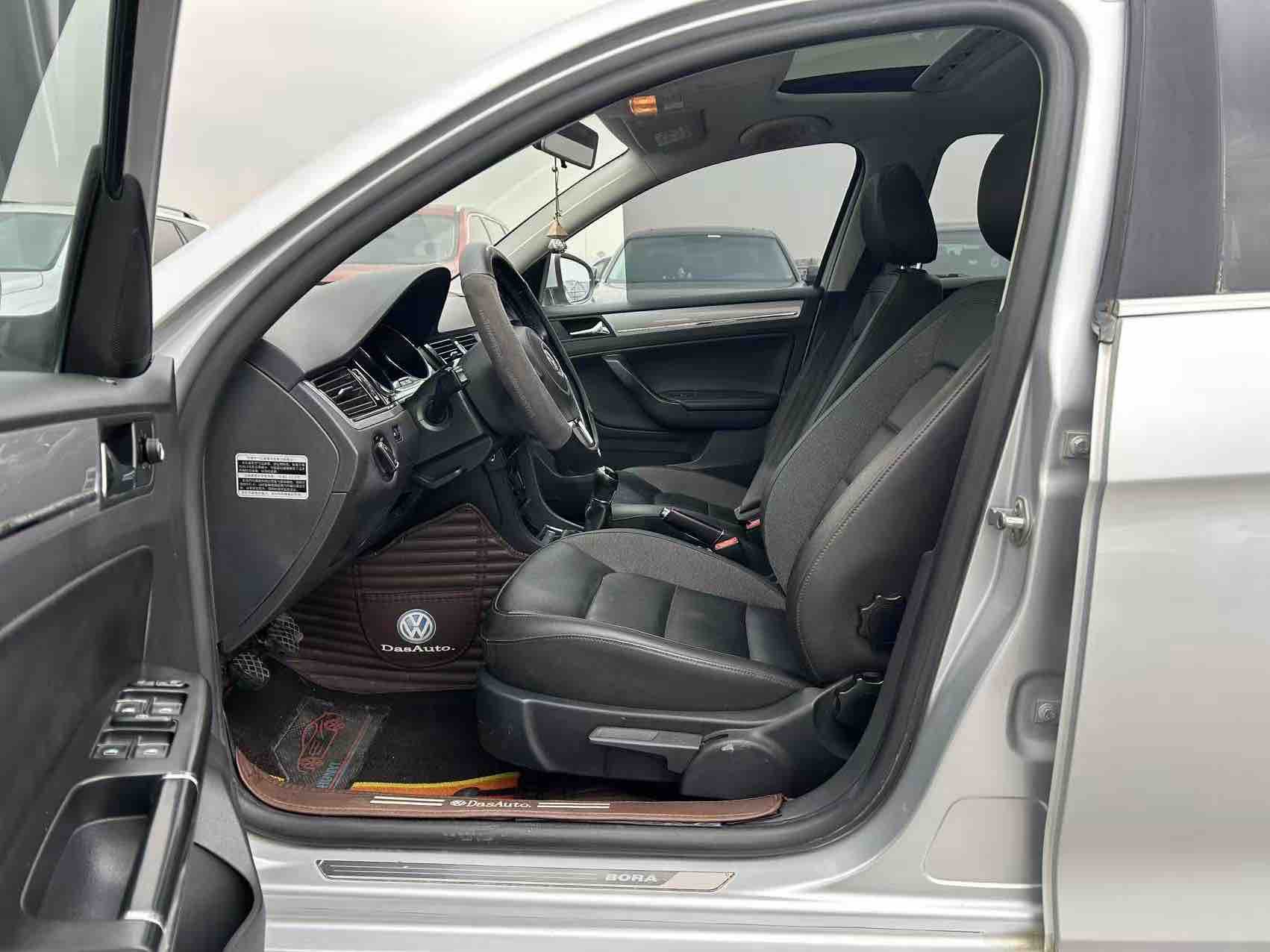
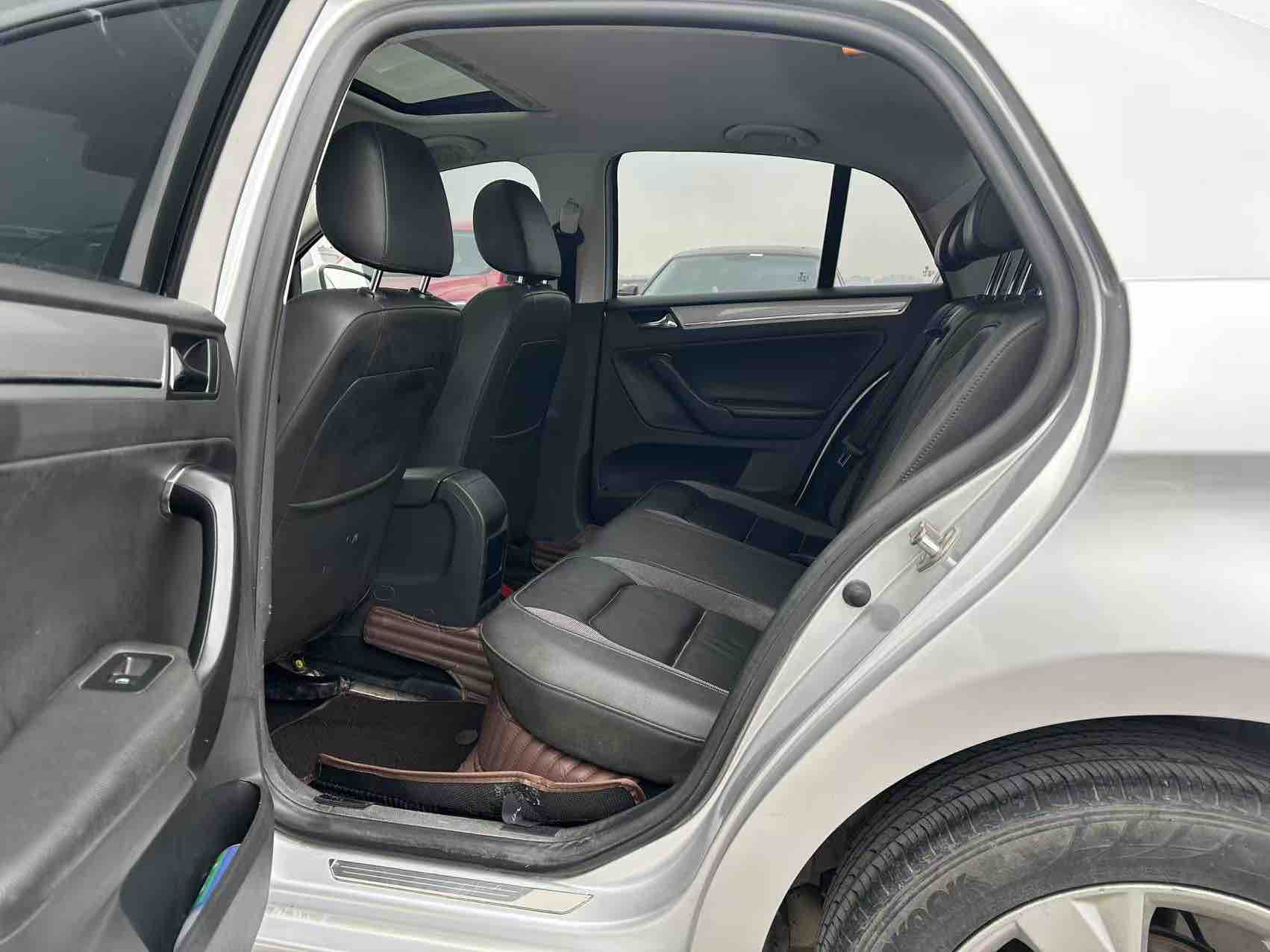
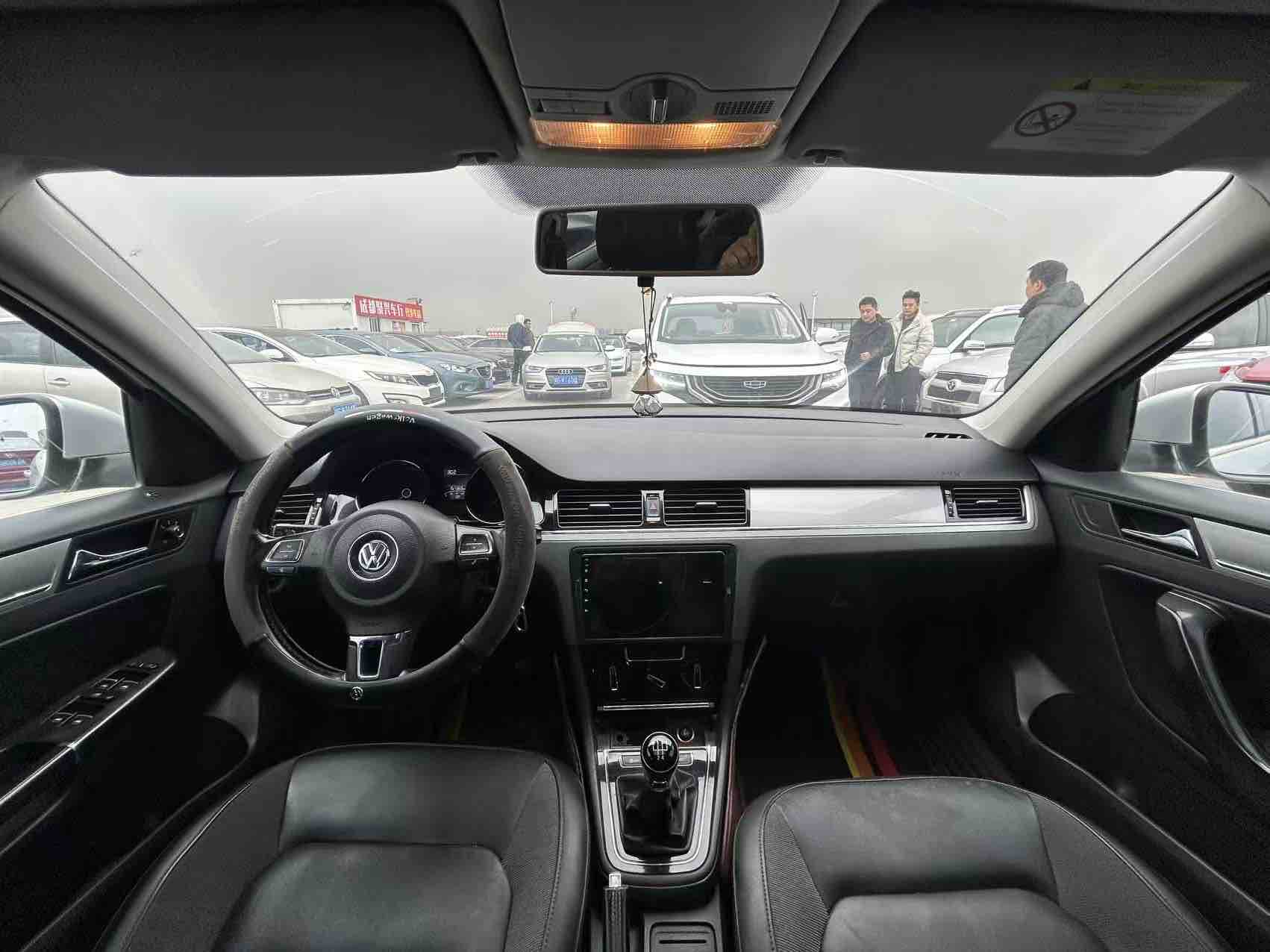
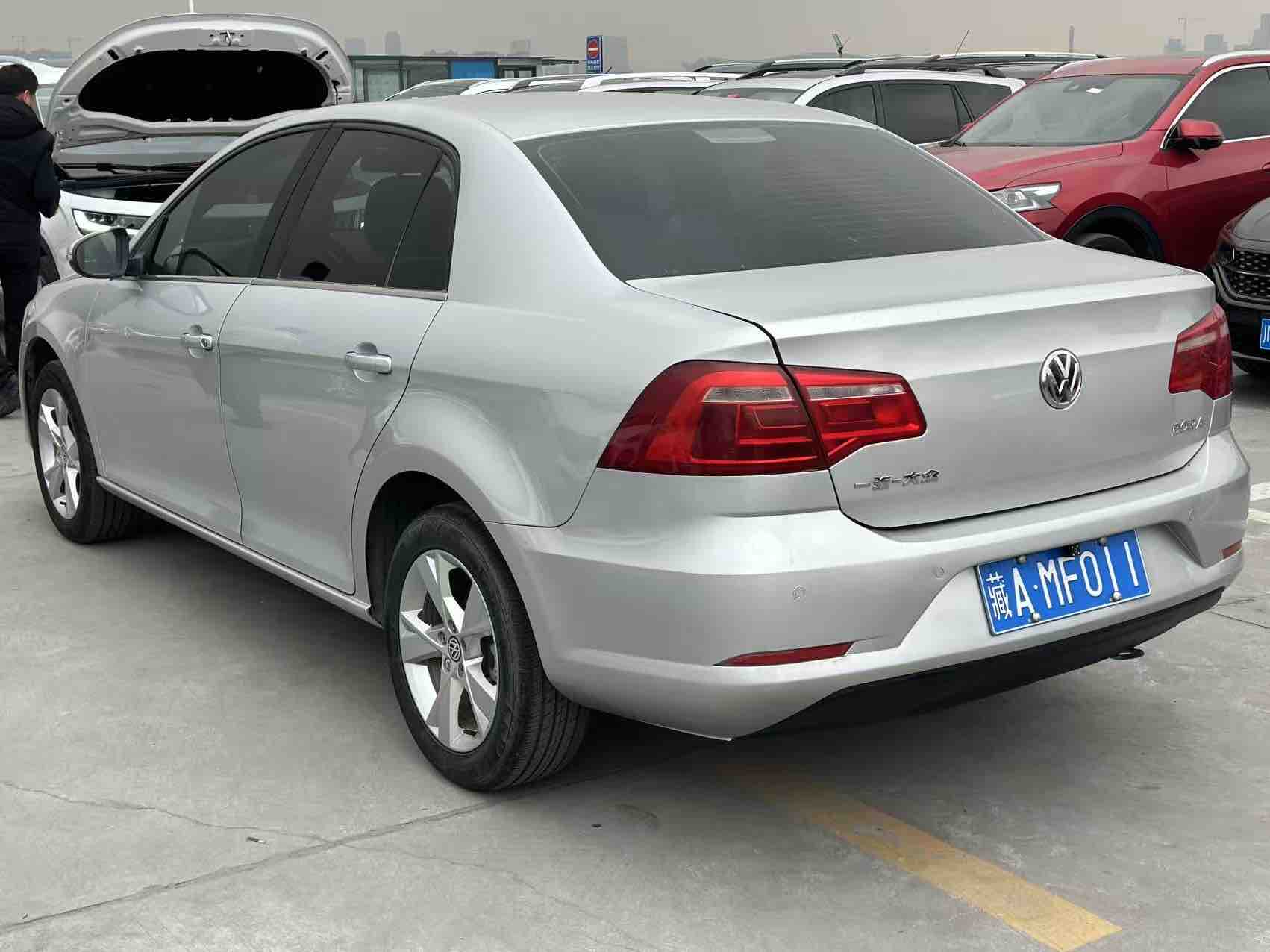
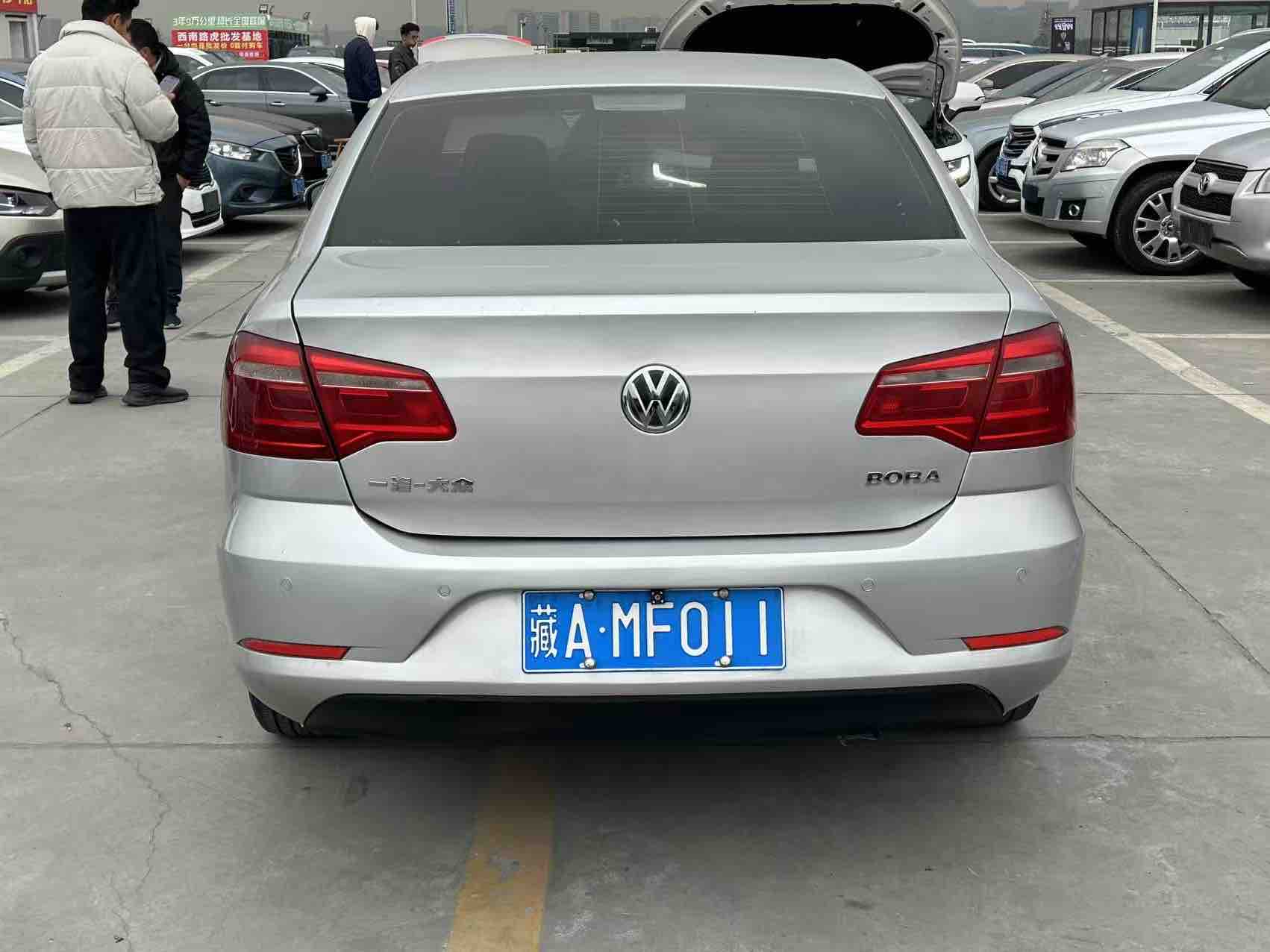
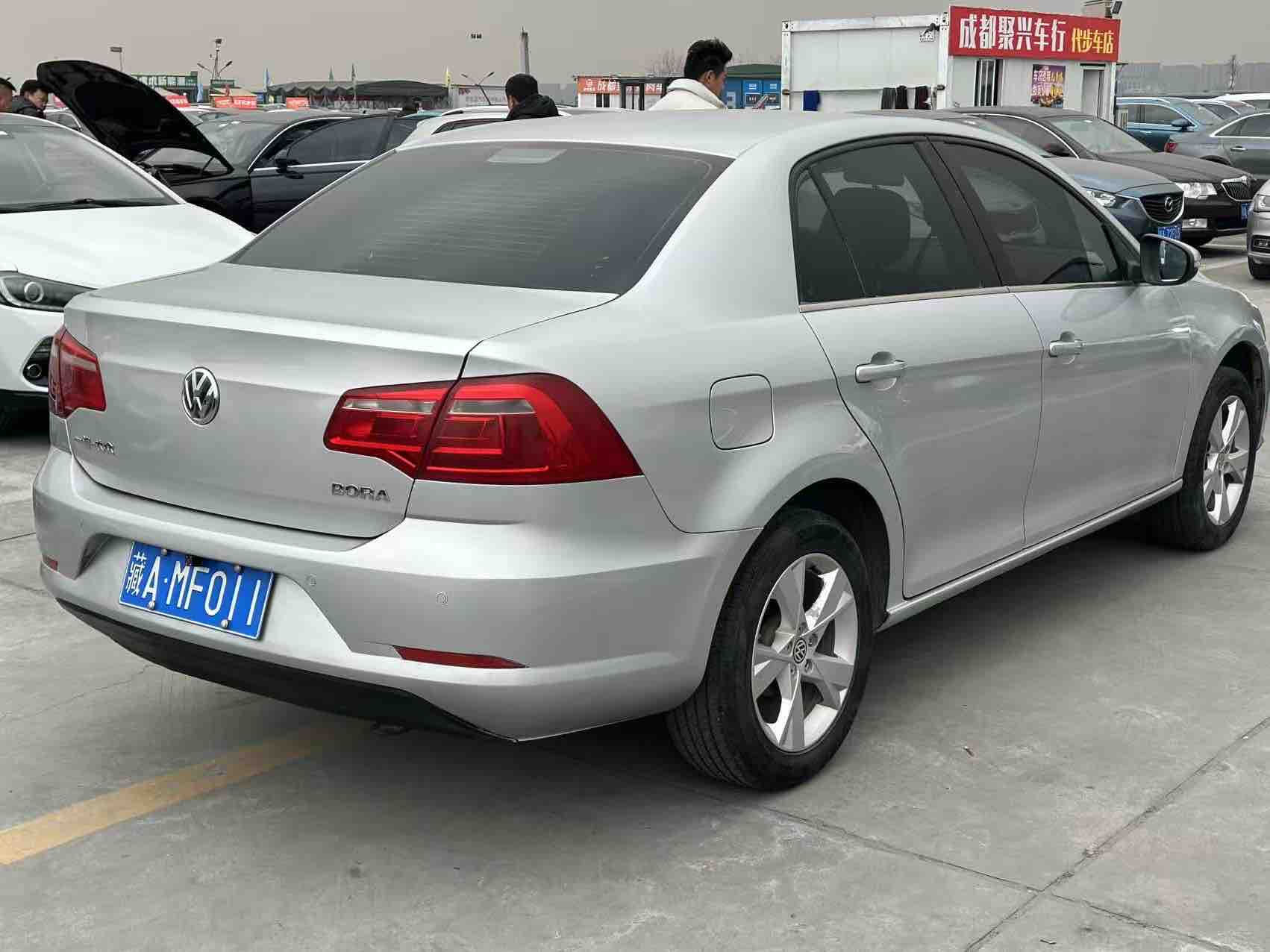


Basic Information

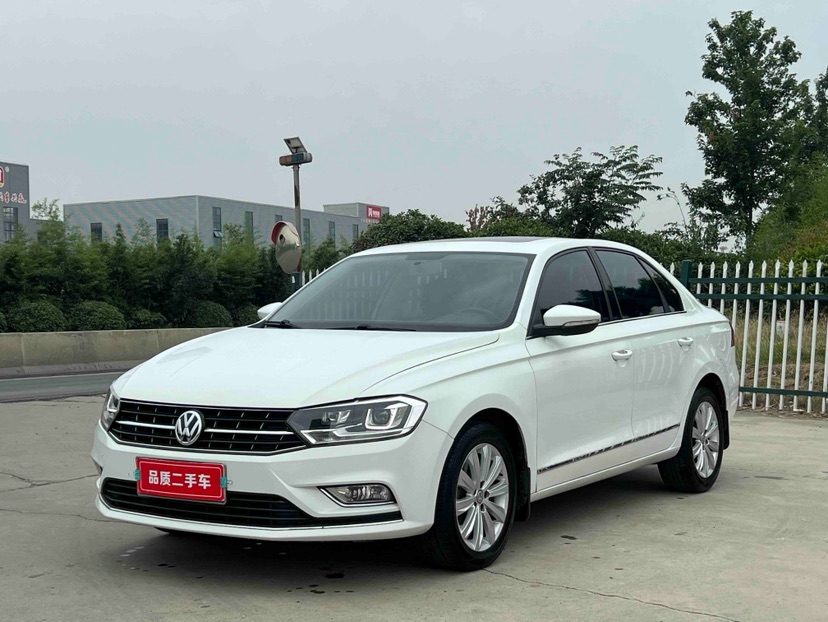
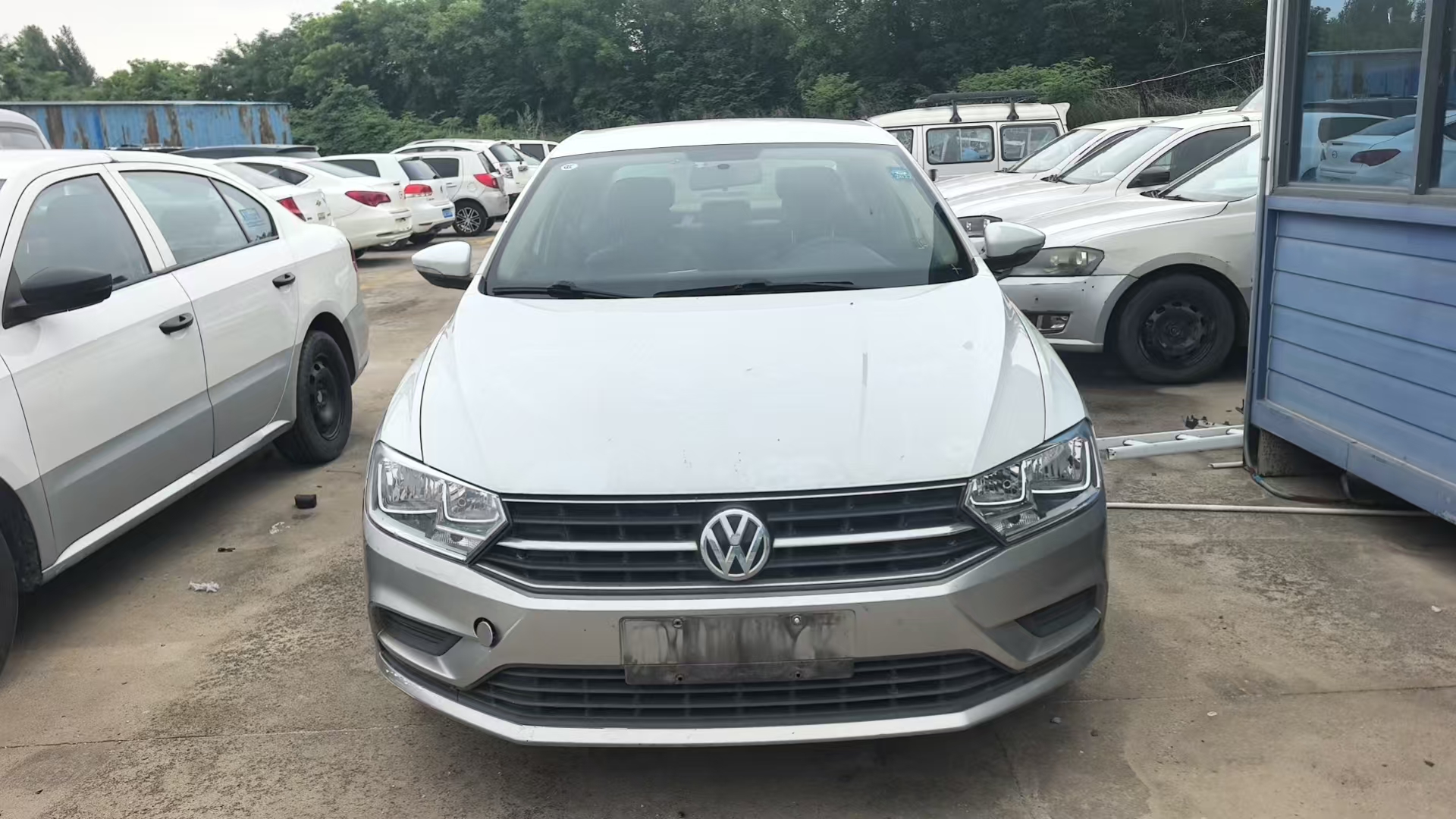
BrandVolkswagen
SeriesBora
Year2016
First Registration2016/07
Mileage15km
Transfer Count-
FuelGasoline
TransmissionManual
Engine1.6L 105 L4
ColorGrey
Seats-

Condition Description

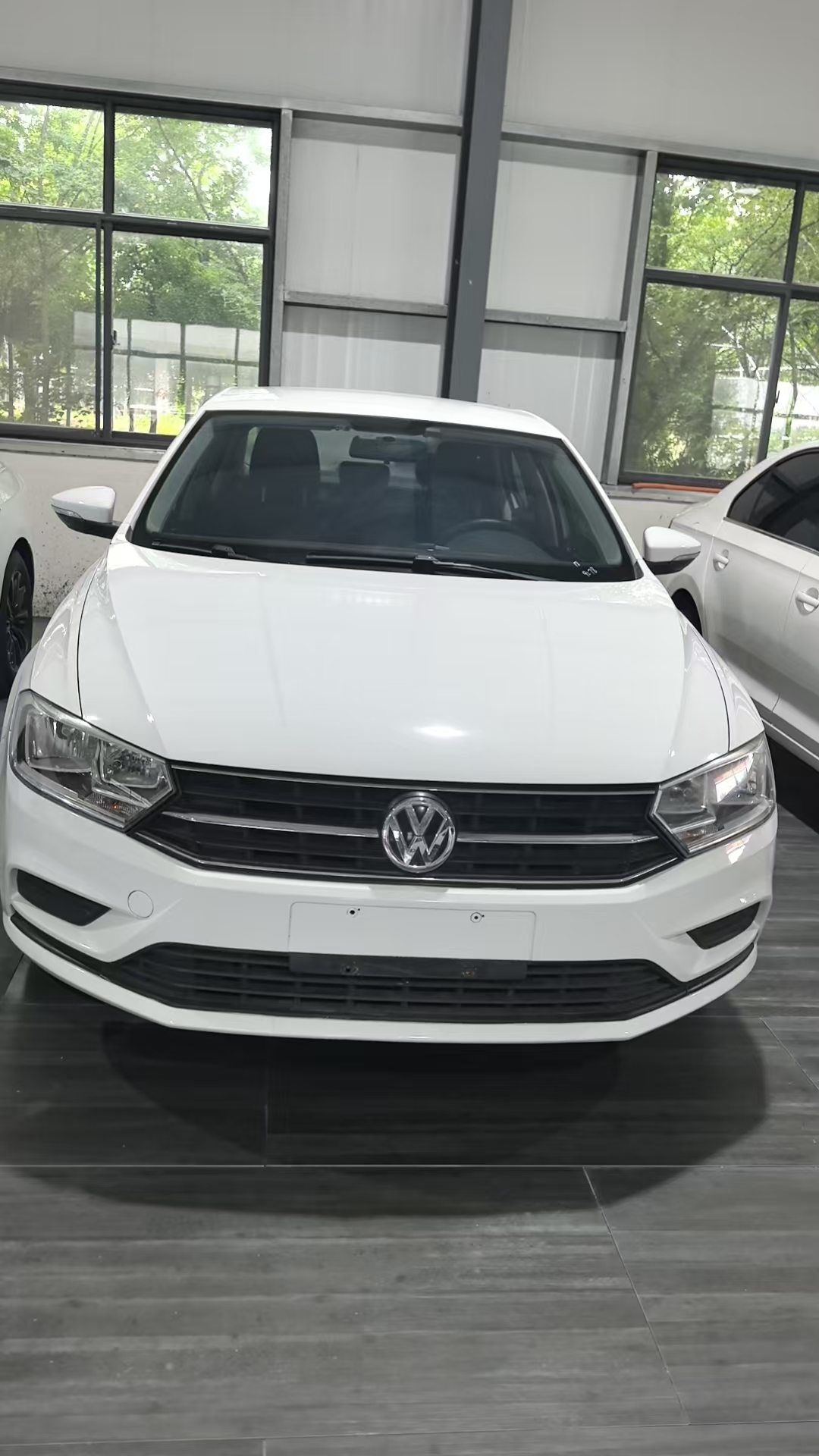
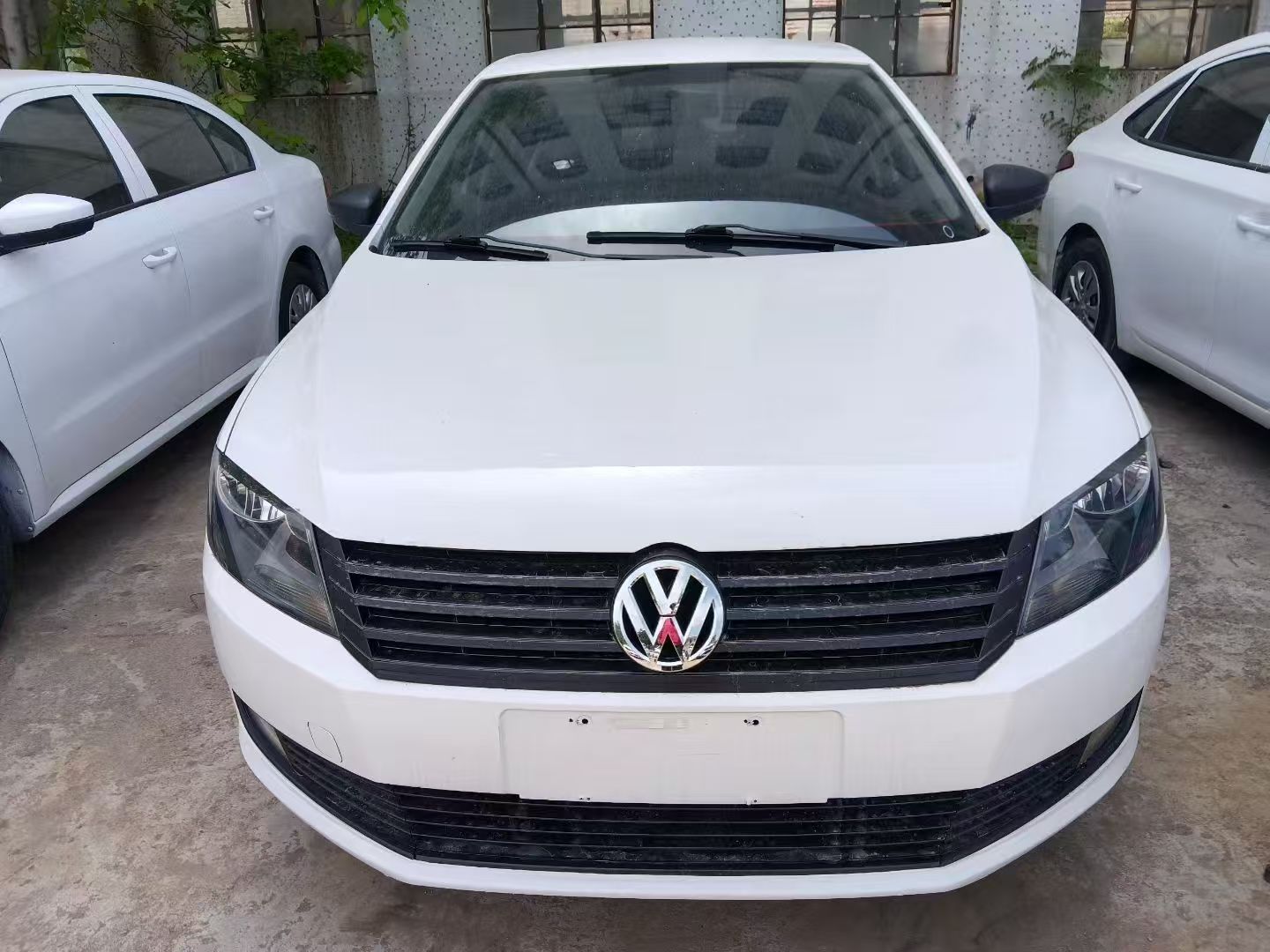
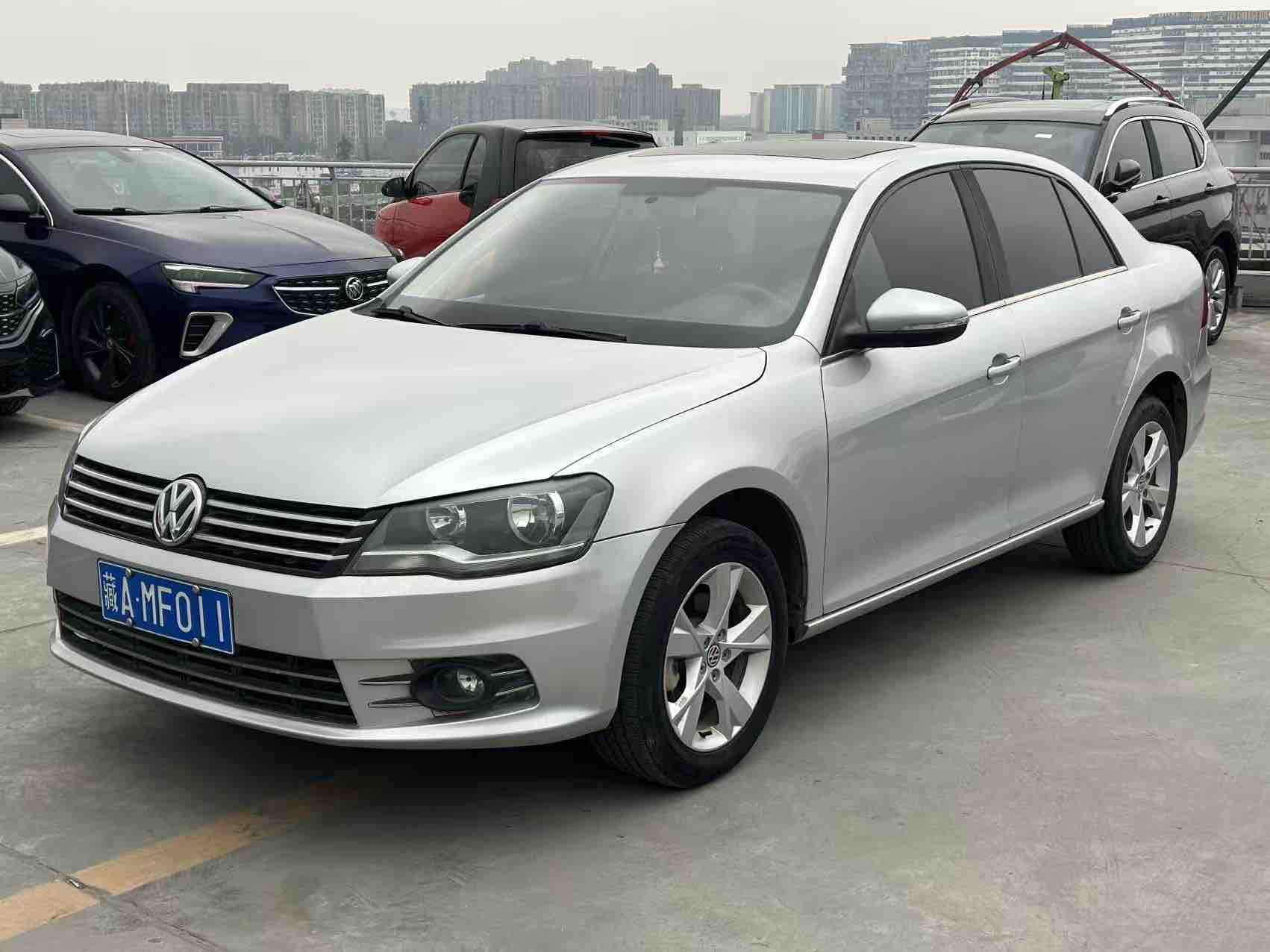
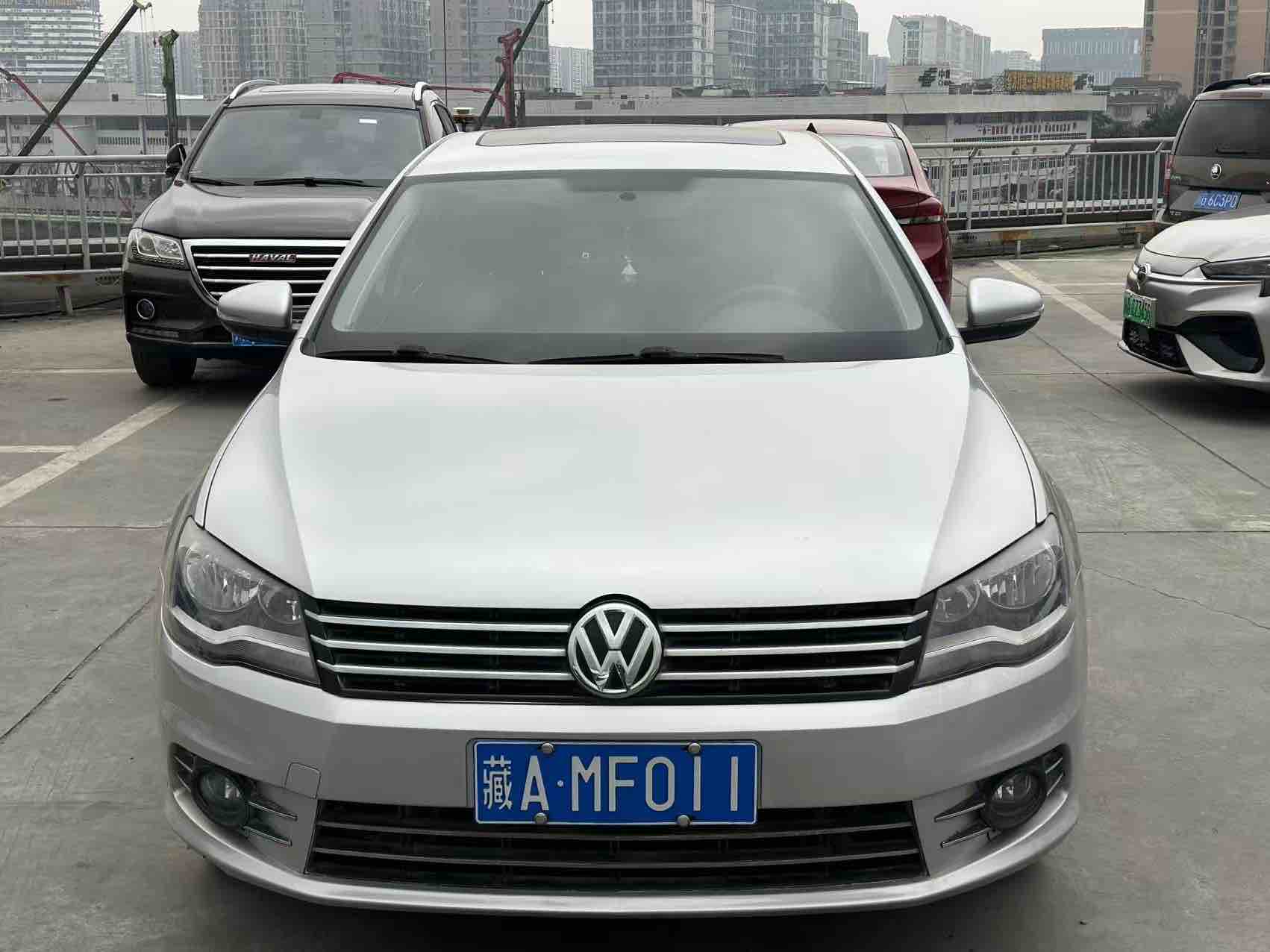
Internal Description: Volkswagen Bora 2014 1.6L Manual Comfort Model 2. Registration Date: July 2016 3. Mileage: 15 km 4. License Plate Number: Tibetan A 5. Engine Displacement/Color: 1.6L 6. Number of Ownerships: 1 7. Insurance Date: Expired 8. Annual Inspection Date: July 2026 9. Key Number/Number: 1 10. Date of Arrival: January 24, 2026 11. Person in Charge of Acquiring the Vehicle: Tao Shifu 12. Specific Vehicle Condition: Half original paint, right rear fender repaired. Sunroof leaking. 13. Vehicle Status: Fully Paid 14. Internal Price: 1.6L

Configuration Highlights

✓Driver/Passenger Airbags
✓Tire Pressure Monitoring
✓ISOFIX Child Seat Anchors
✓ABS Anti-lock Braking
✓Electronic Brake Distribution
✓Electronic Stability Control
✓Hill Start Assist
✓Seat Material
✓Rear Cupholders
✓Low Beam Headlights
✓Adjustable Headlight Height
✓Power Windows
✓Anti-pinch Windows
✓UV/Heat Insulating Glass
✓Climate Control Type

Q&A

More

When B2B buyers make bulk purchases, can they request to combine the accessory costs and vehicle price on the same commercial invoice to reduce overall tariffs?

No, this is a serious customs violation. Complete vehicles (HS Code 8703) and auto parts (HS Code 8708, etc.) are subject to completely different import tax rates. Combining them on one invoice could lead to the invoice being returned by customs and may expose you to tax fraud accusations at the destination port.
Is there a specific testing process for the smooth transition between the engine and motor in hybrid (HEV/PHEV) vehicles?

Yes. For hybrid vehicles, technicians will conduct forced switching tests between EV (electric) and HEV (hybrid) modes, focusing on the sensation of clutch engagement and reading the hybrid system's specific fault codes to ensure the complex dual power system operates correctly.

How to check the condition of the turbocharger (oil leaks, unusual noises, insufficient pressure) for turbocharged vehicles?

Experience turbo lag and power surge during road tests; check for significant oil accumulation at the turbo intake and intercooler connections (slight oil vapor is normal); and use OBD to read the real-time boost pressure peak to see if it meets factory settings.