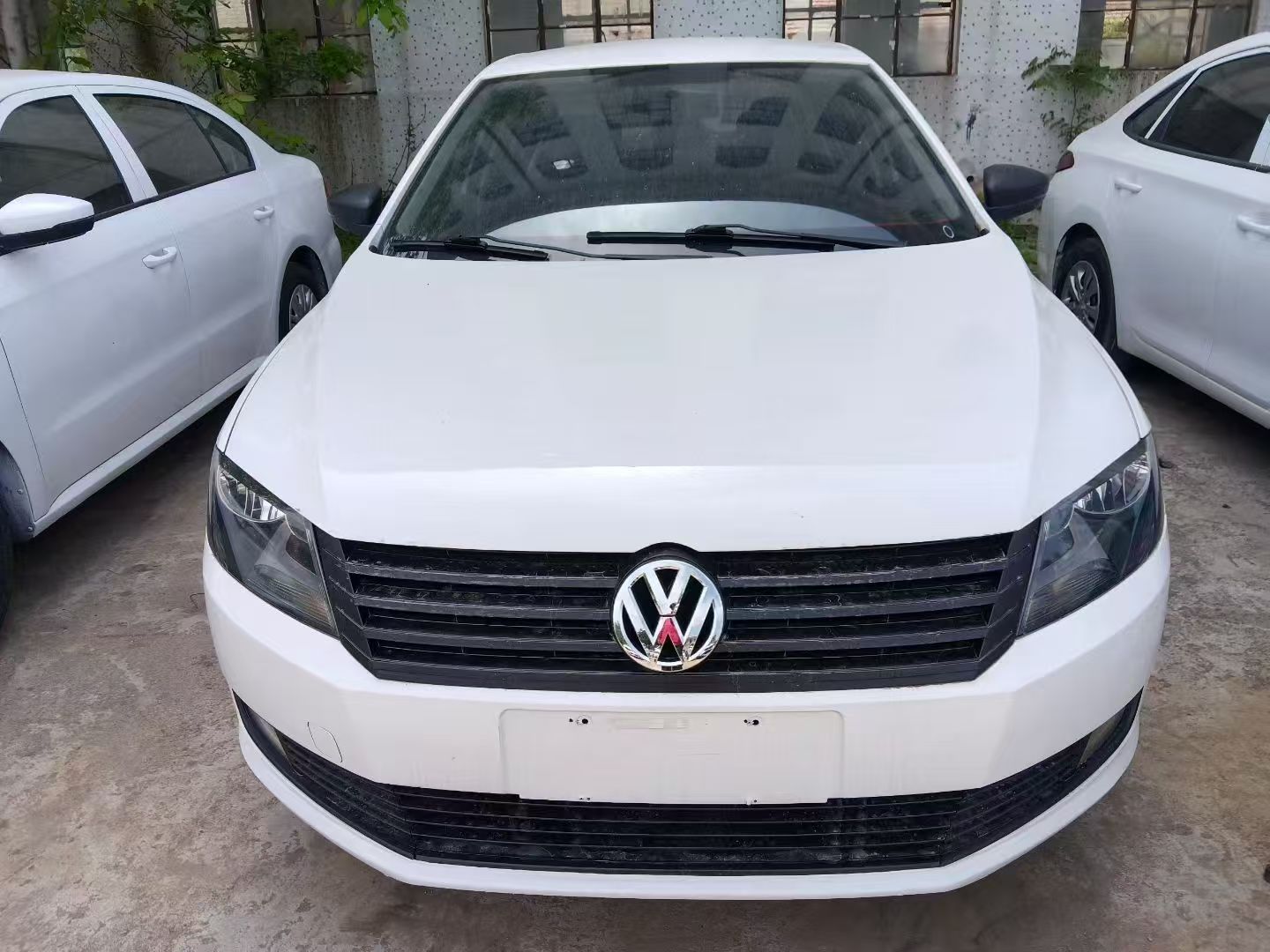
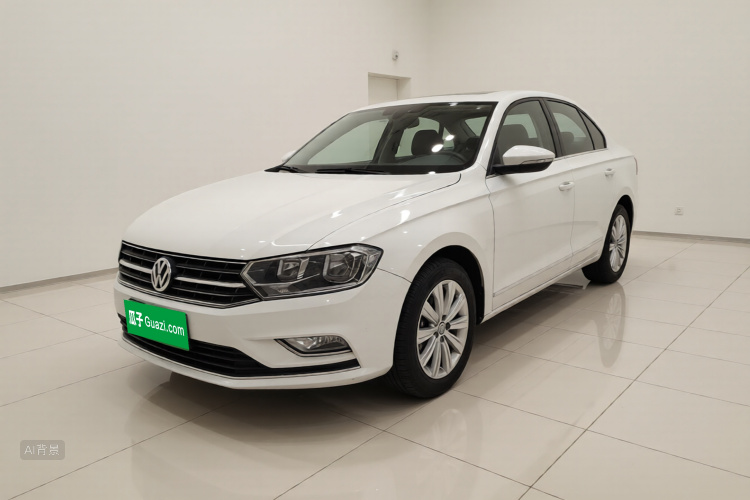
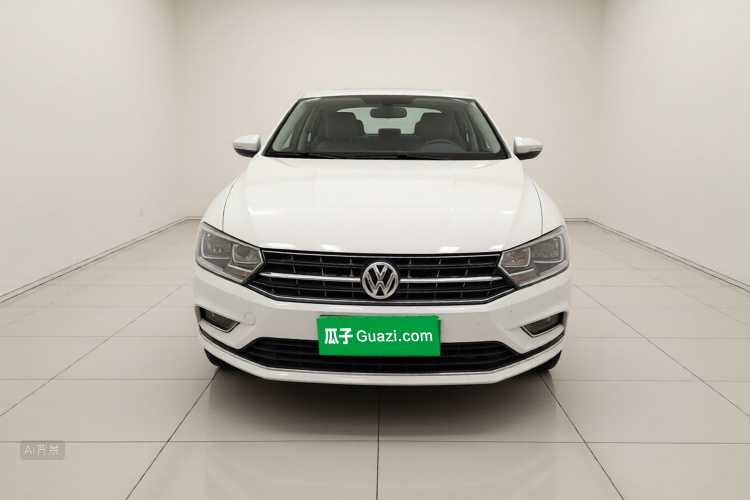

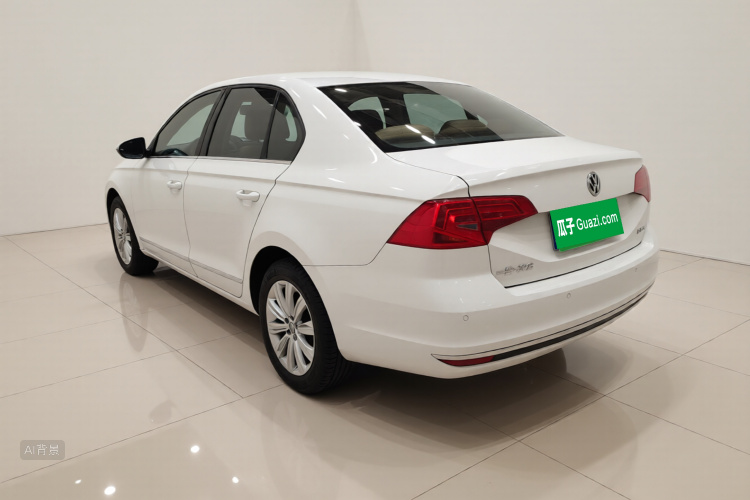
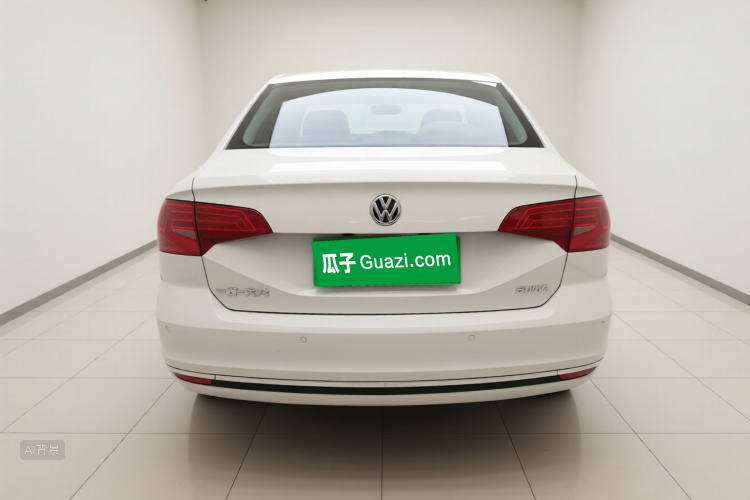

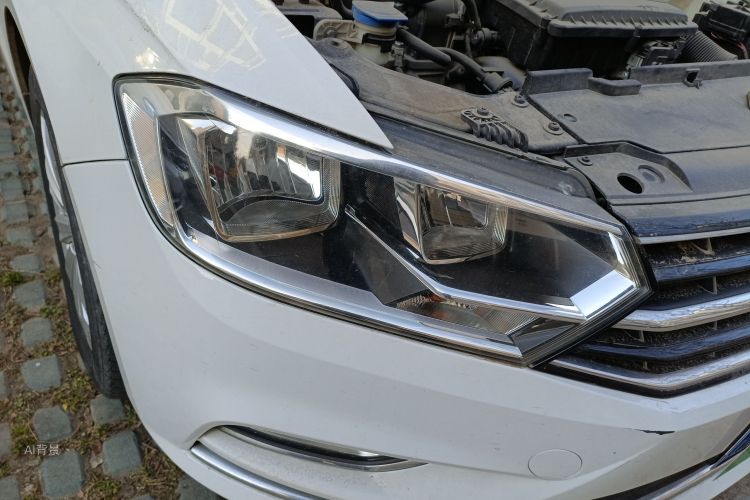
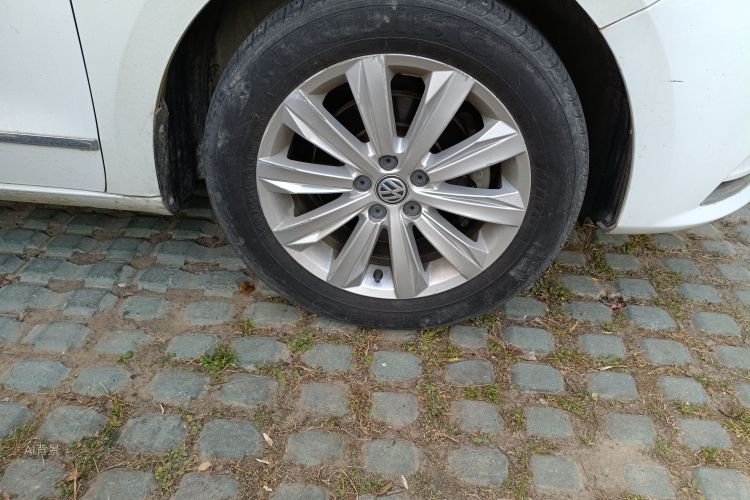
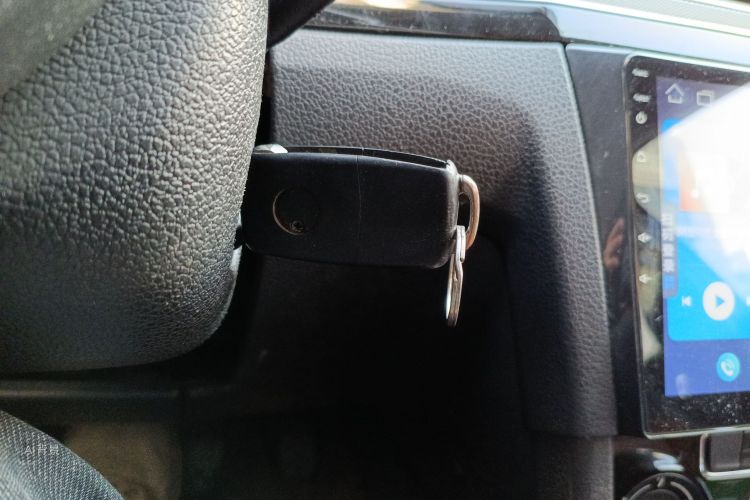



Basic Information

BrandVolkswagen
SeriesBora
Year2016
First Registration2016/08
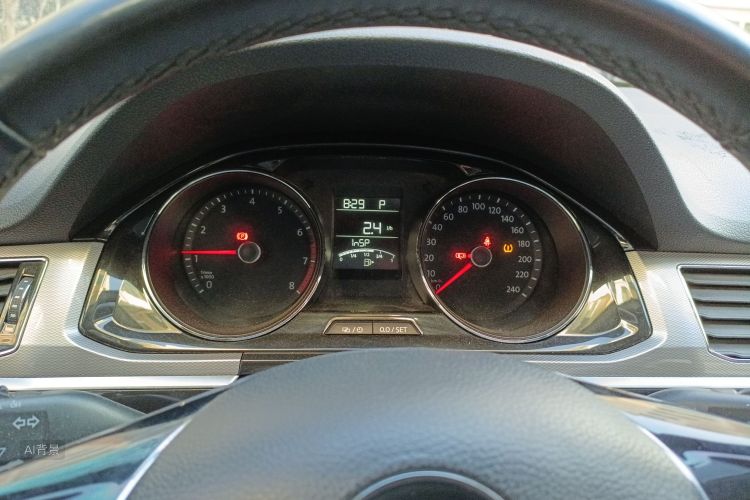
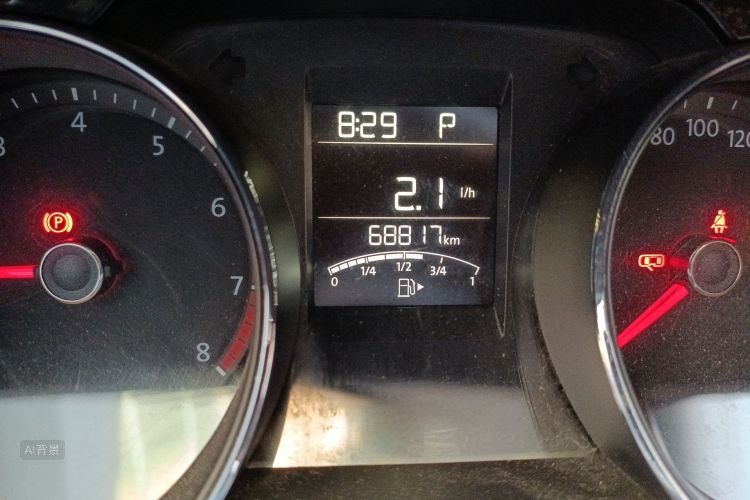
Mileage68,800km
Transfer Count-
FuelGasoline
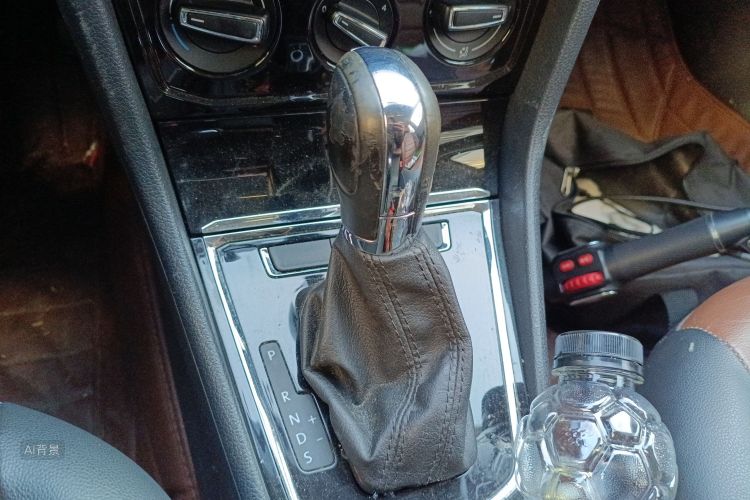
TransmissionManumatic
Engine1.6L 110 L4
ColorWhite
Seats-

Condition Description

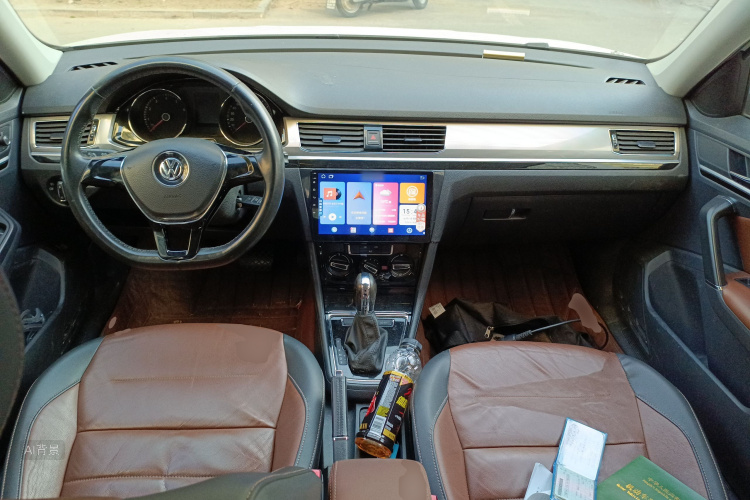
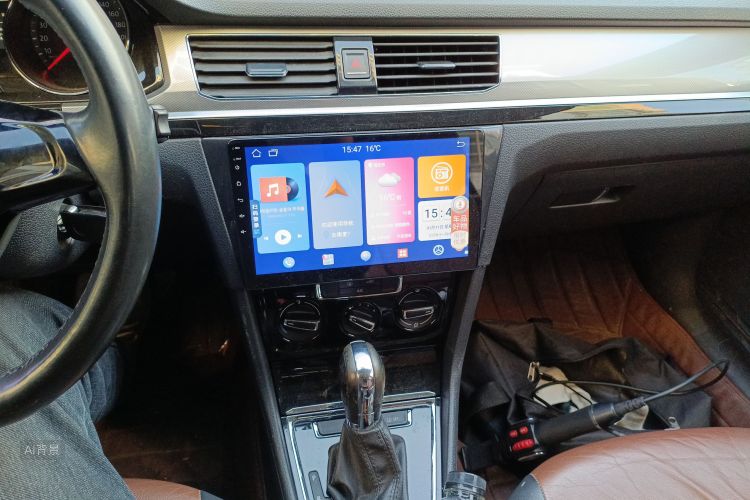
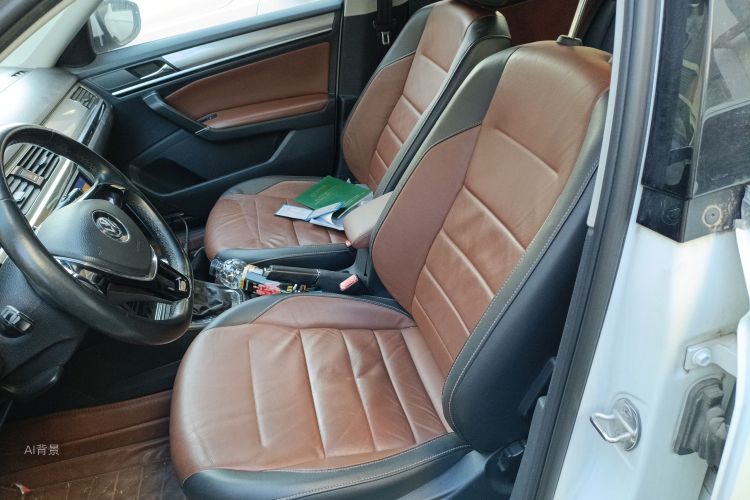
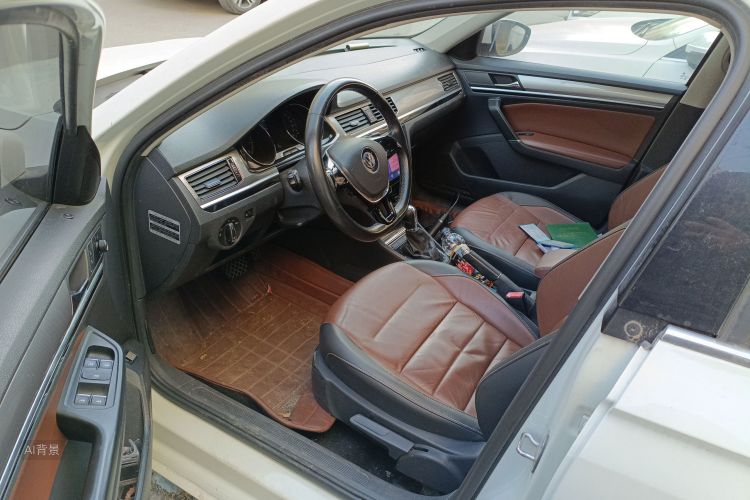
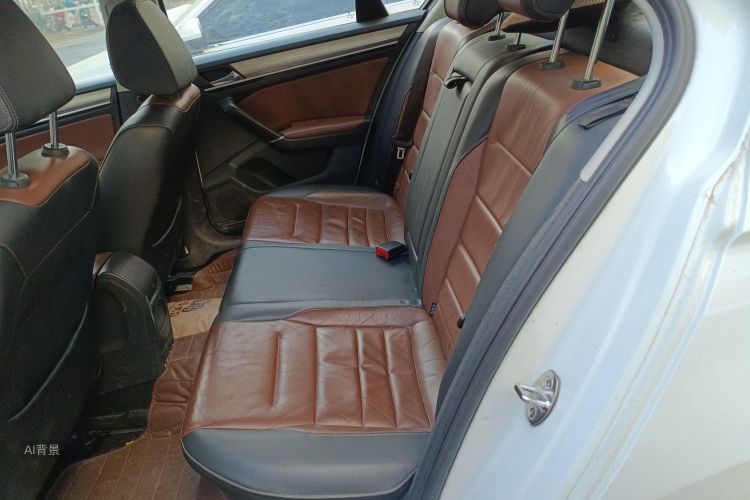
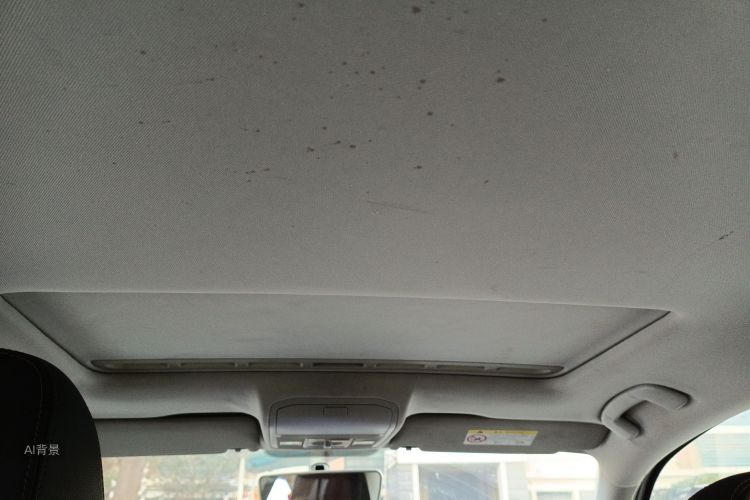
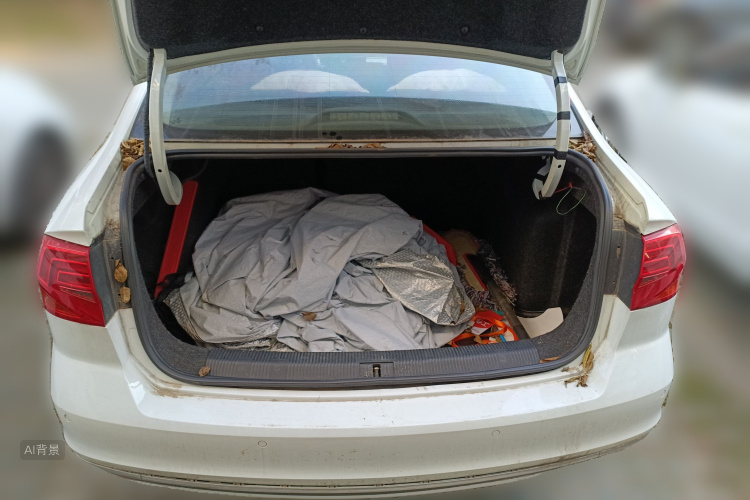
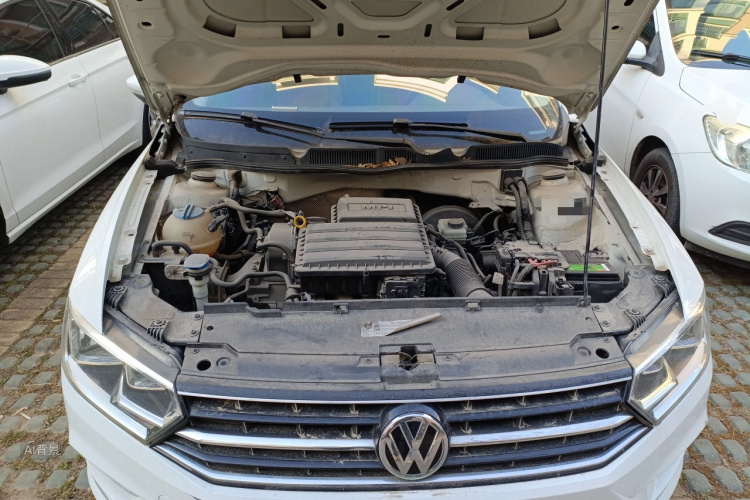
Vehicle condition meets standards, passed inspection, good condition, 3 claims filed, 0 ownership transfers.

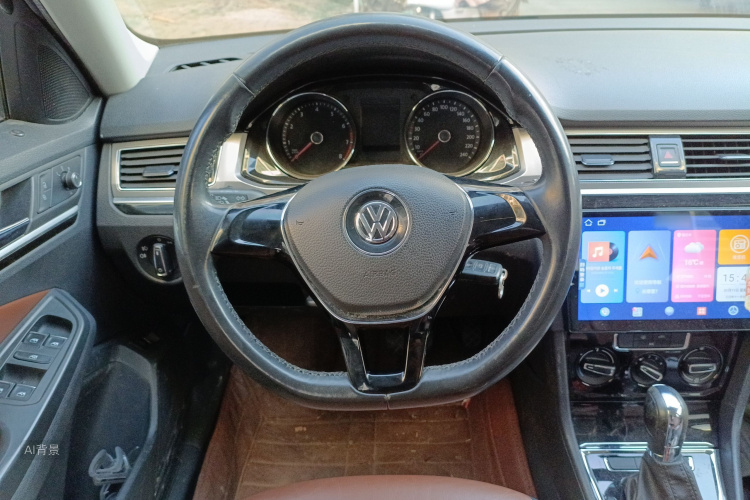
This vehicle is 10 years old, with an average annual mileage of 6,900 kilometers. It has a low frequency of daily use and has never been transferred to another owner, making it a good first-hand vehicle. There may be obvious signs of wear and tear on the exterior. The interior shows obvious signs of use or dirt. The overall body frame is intact, but there are a few abnormal issues. The powertrain is operating normally.

Configuration Highlights

✓Cruise Control
✓Tire Pressure Monitoring
✓Heated Mirrors
✓Hill Start Assist
✓Rear Parking Sensors
✓Anti-pinch Windows

Q&A

More

After the vehicle arrived at the port, it was found that the rubber parts of the chassis (such as dust covers and engine mounts) had extensive cracking. Does this fall under the compensation for "certain repair parts compensation"?

Absolutely not. The aging and cracking of rubber parts are inevitable over time and are a normal manifestation of vehicle depreciation. Our compensation only covers sudden and catastrophic mechanical failures, such as engine cylinder scoring or transmission gear breakage.


Do the exported new energy vehicle battery packs have the required UN38.3 test report and MSDS certificate for maritime transport?

Our documentation department has the latest versions of UN38.3 (United Nations Transport of Dangerous Goods Test and Standards) and MSDS reports authorized or filed by major Chinese new energy brands (such as BYD, Geely, GAC), which are essential customs documents for declaring dangerous goods to the maritime authority.

What is the latest time to request changes to the consignee and notify party on the bill of lading?

Changes must be requested before the shipping cut-off date (SI Cut-off Date) prior to the vessel's departure. Once the vessel has sailed, the shipping company will charge a high amendment fee, which may also cause delays in customs clearance at the destination port, with costs borne by the buyer.