Basic Information

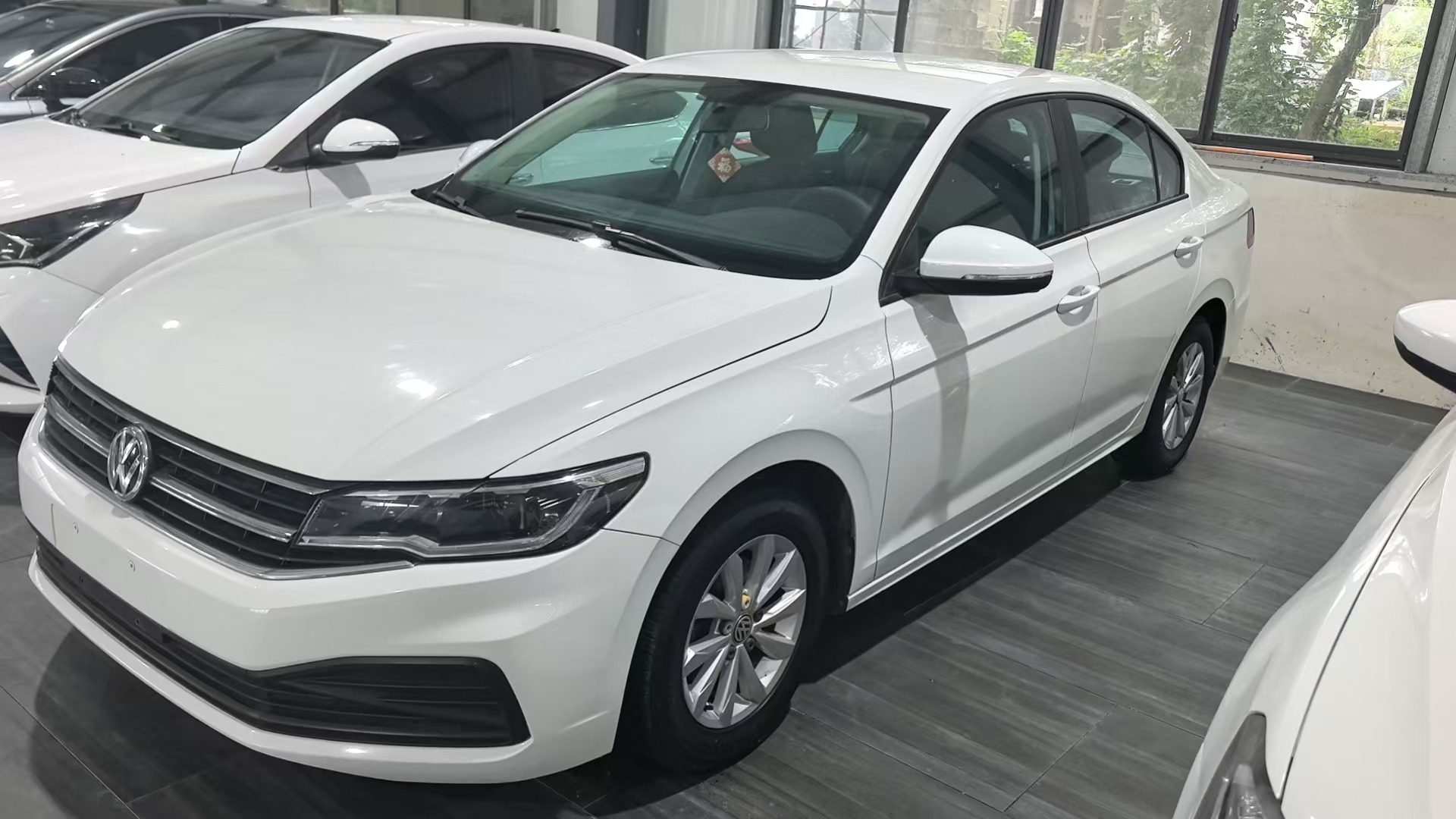
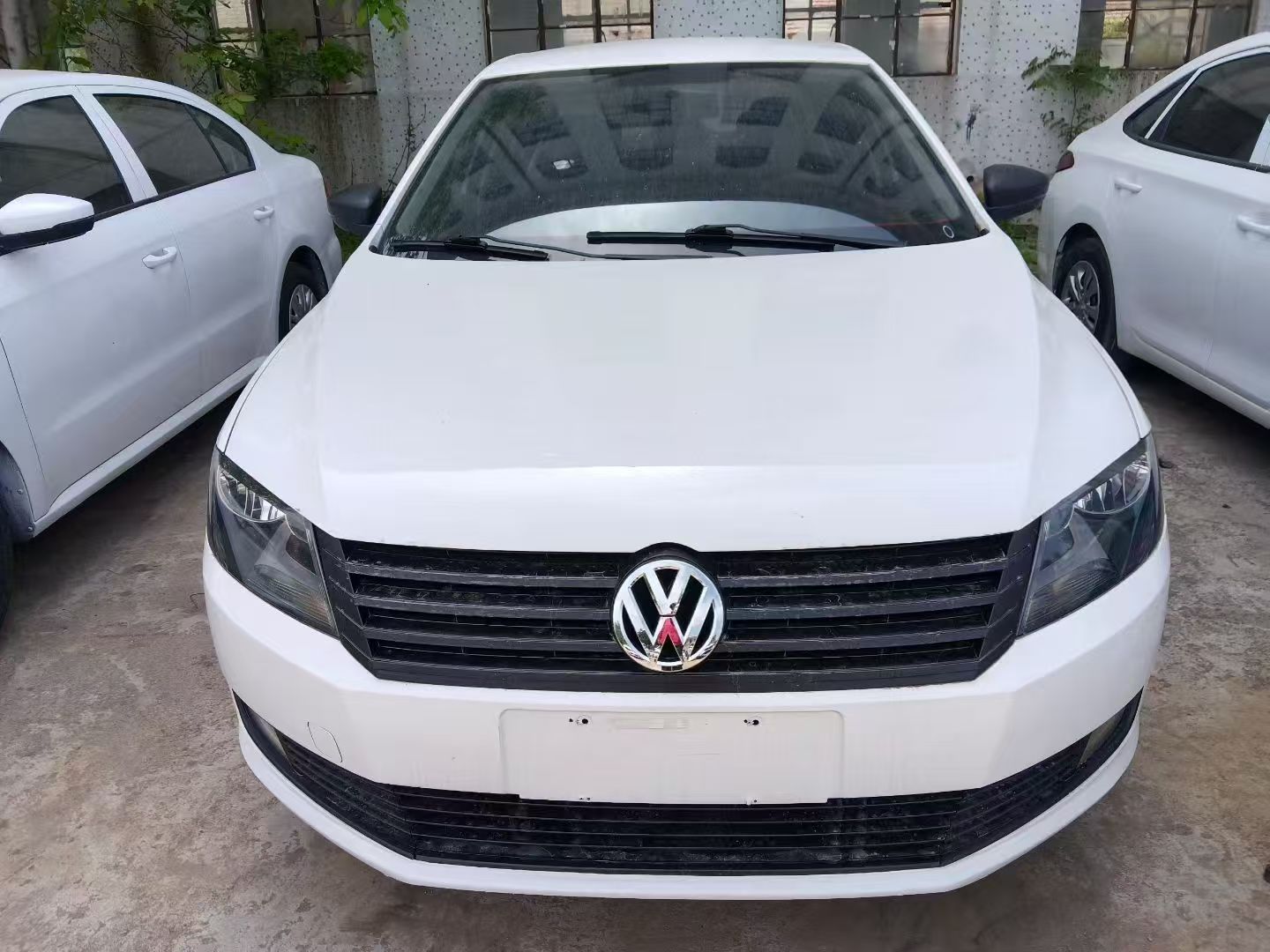
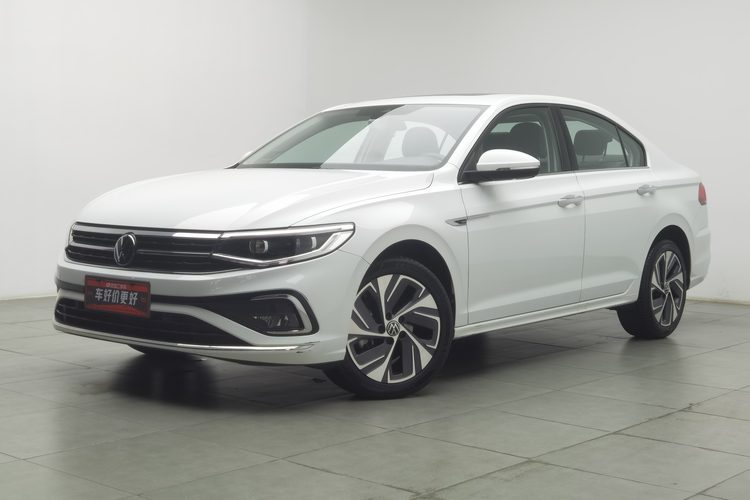
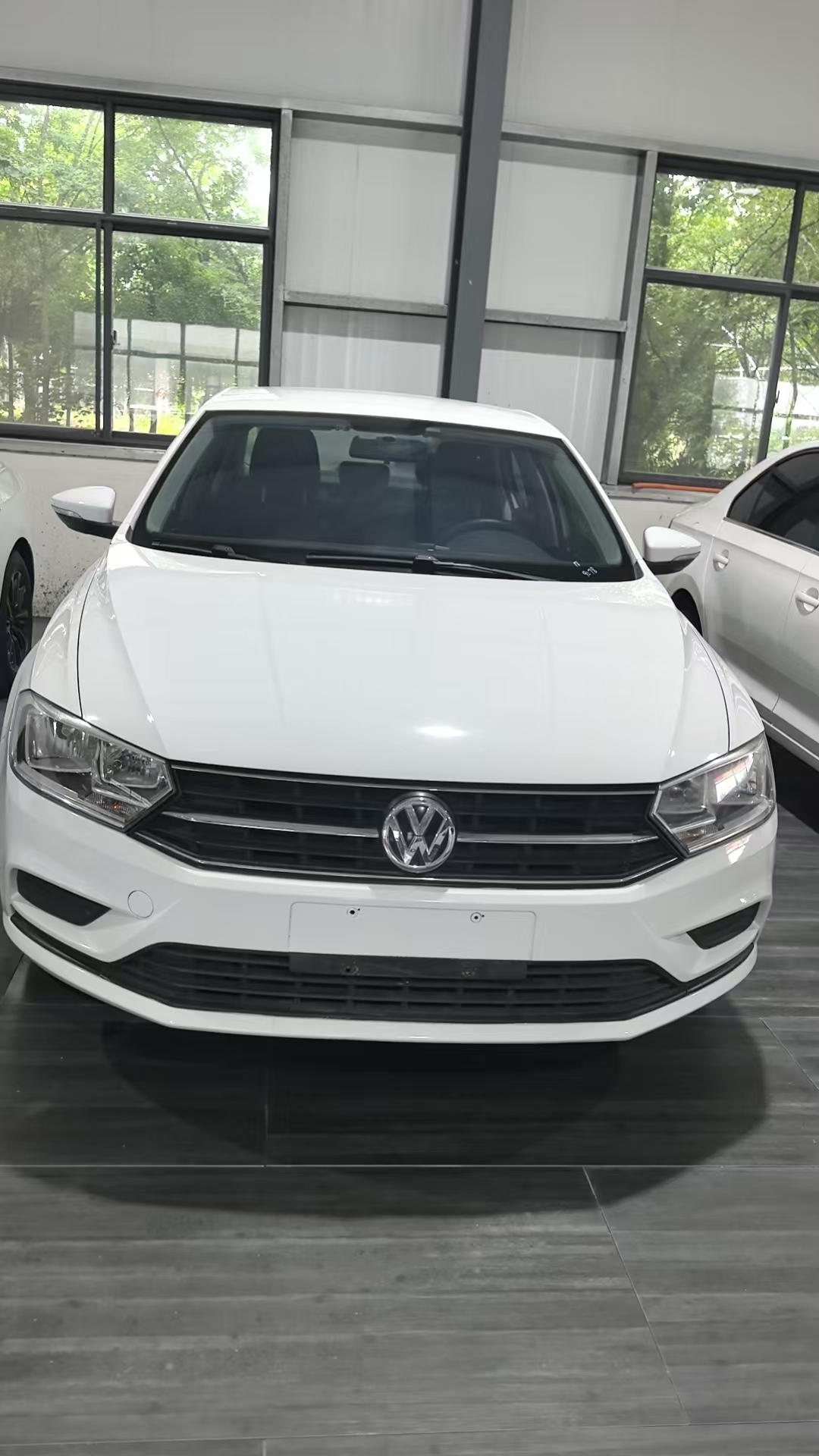
BrandVolkswagen
SeriesBora
Year2017
First Registration2017/12
Mileage91,600km
Transfer Count-
FuelGasoline
TransmissionManumatic
Engine1.5L 110 L4
ColorWhite
Seats-

Condition Description

Body components (structural/reinforcing/panels) have accident-related damage; passive safety devices are defective; vehicle performance (including three-electric system) is degraded or remains performance-limited after repairs.

Accident inspection: main structure damaged, reinforcing parts undamaged, panels damaged, hinges normal; engine bay: key mechanical components normal; exterior: none; interior: most features normal, airbag normal, seatbelt normal, dashboard normal, instrument test normal, lighting system normal; start test: main components normal; on-board tools: none.

可讲价
平台物流
可转售
VIP车源
14个工作日内过户
零过户
新检测标准升级>
必卖车源
非泡水

Document Information

Inspection Expiry Date2026/12
Warranty Expiry Date-
Insurance Expiry Date2026/12

Q&A

More

What is a Chinese vehicle registration certificate and how do I verify the seller actually owns the car?

The key document is the 机动车登记证书 (Vehicle Registration Certificate), the green booklet proving ownership. Along with it, the seller should provide the 行驶证 (driving license for the vehicle) and their ID. Verification steps: 1. Check that the VIN/chassis number on the certificate matches the car exactly, stamped on the dashboard and door frame 2. The certificate's 所有人 (owner) field must match the seller's company name or the export agent they claim to work with 3. Look at the registration history pages—frequent transfers in a short period can indicate problem cars being flipped 4. Confirm the car is not marked 抵押 (mortgaged/pledged to a bank) Be cautious if the seller only shows photos of these documents and refuses a live video panning across the original booklet with the day's newspaper. Also verify the export company has 二手车出口资质 (used-car export qualification)—a legitimate exporter will share their license number, which you can cross-check on Chinese commerce bureau websites.


What kind of after-sales warranty do Chinese used car exporters usually offer, and what is realistic to claim?

Most exporters offer a limited warranty of 30 to 90 days covering major mechanical failures (engine, gearbox, electric motor), but only if you can prove the fault existed before shipment. Cosmetic issues, wear-and-tear parts (brakes, tires, clutch) and damage caused by improper local maintenance are almost always excluded. What is realistic to claim: · Engine or transmission failure confirmed by a licensed workshop within the warranty window, with a diagnostic report. · Undeclared accident or flood damage discovered after arrival (strongest case, keep the inspection report and photos). How to protect yourself: 1. Get the warranty terms written into the contract, including claim procedure and response time. 2. Have the car inspected locally immediately upon arrival and keep all records. 3. Communicate claims in writing (email) with photos and reports attached. Treat the warranty as a backup, not the main protection. A thorough pre-shipment third-party inspection matters far more than a paper warranty.

How do I evaluate rust and corrosion on a used car from China, especially for coastal cities or snowy regions?

Rust is a deal-breaker that photos can hide, so be systematic. High-risk areas to check: 1. Underbody and frame rails—surface rust is normal, but flaking or bubbling paint means advanced corrosion 2. Wheel arches and rocker panels—these trap mud and salt 3. Door bottoms and the trunk floor—water collects here; lift the trunk mat and look for dampness or repair welds 4. Around the windshield and sunroof drains—leaks cause hidden rust in the A-pillars Ask the inspector to do a magnet test: filler-repaired areas won't hold a magnet, indicating past accident repairs. A paint thickness gauge reveals resprayed sections—uniform readings around 80-150 microns are normal; spikes over 300 suggest bodywork. Cars from northern China (salted roads in winter) or coastal cities need extra scrutiny on the underbody. If structural members show corrosion, walk away—repairs rarely restore original strength.