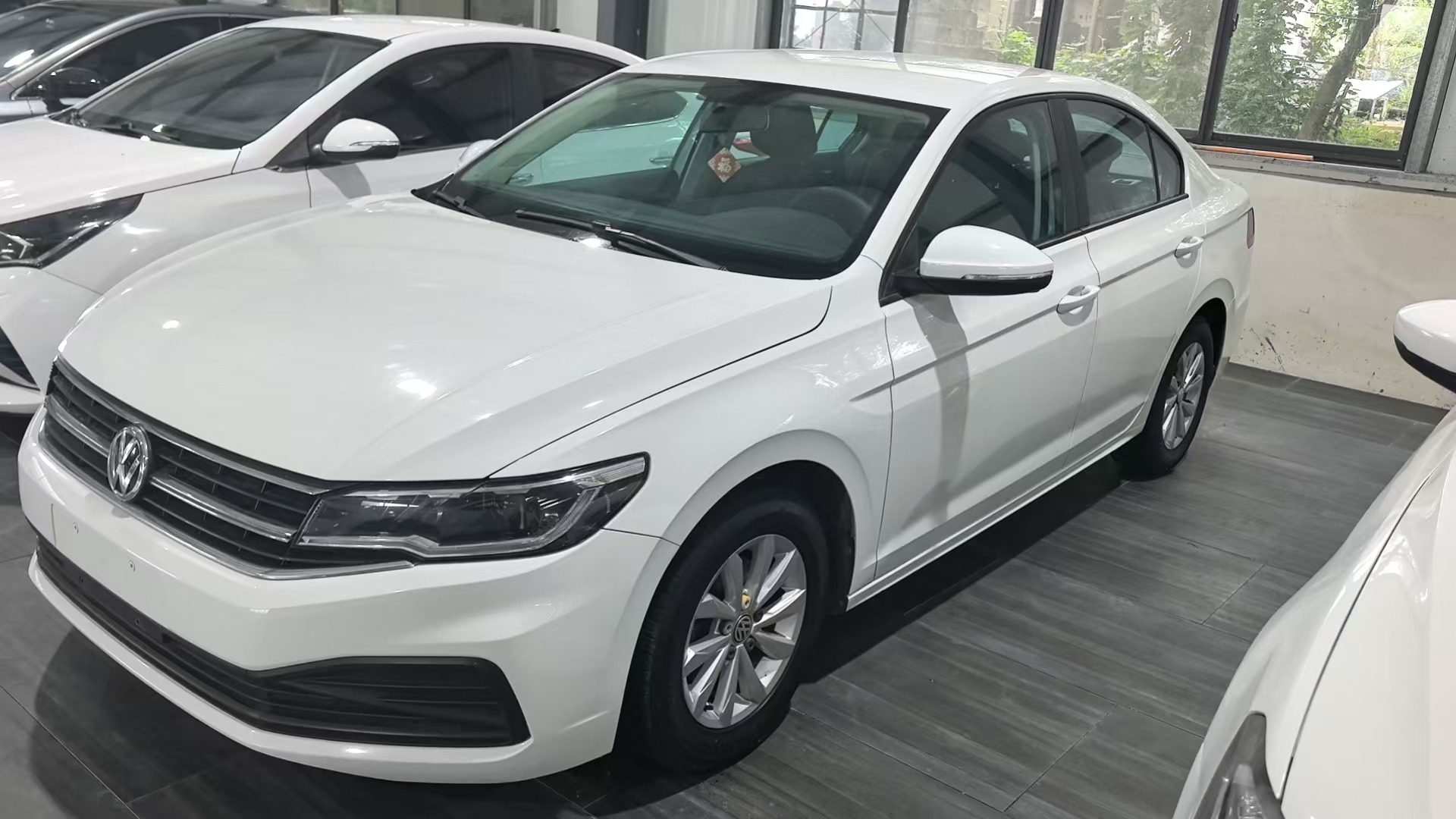
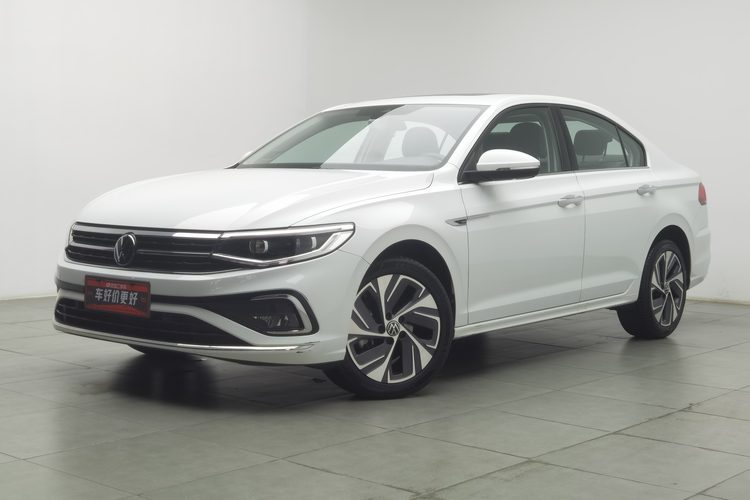
48H

Basic Information

BrandVolkswagen
SeriesBora
Year2018
First Registration2018/06
Mileage84,300km
Transfer Count0times
FuelGasoline
TransmissionManual
Engine1.6L 110 L4
Color
Seats-

Condition Description

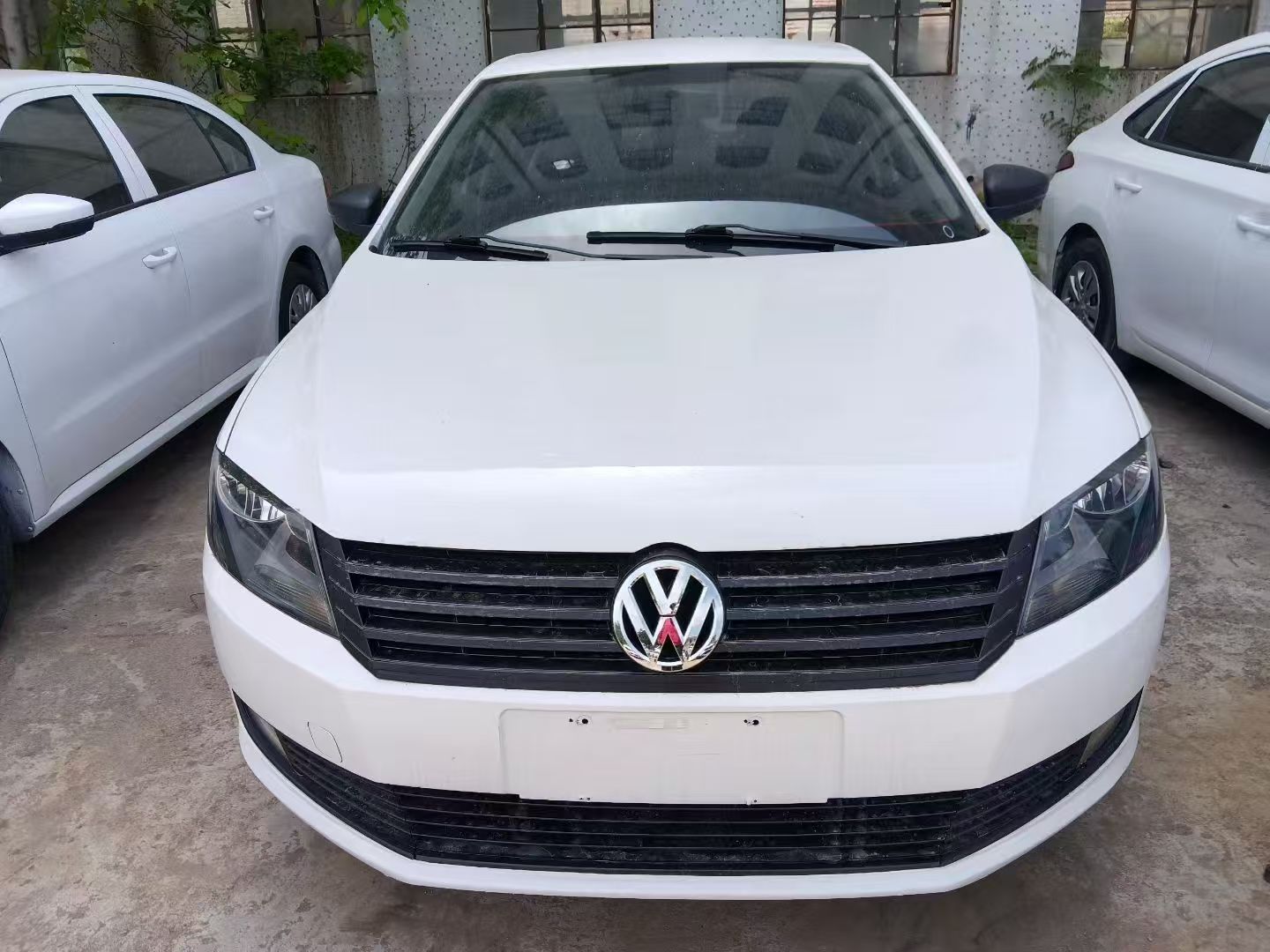
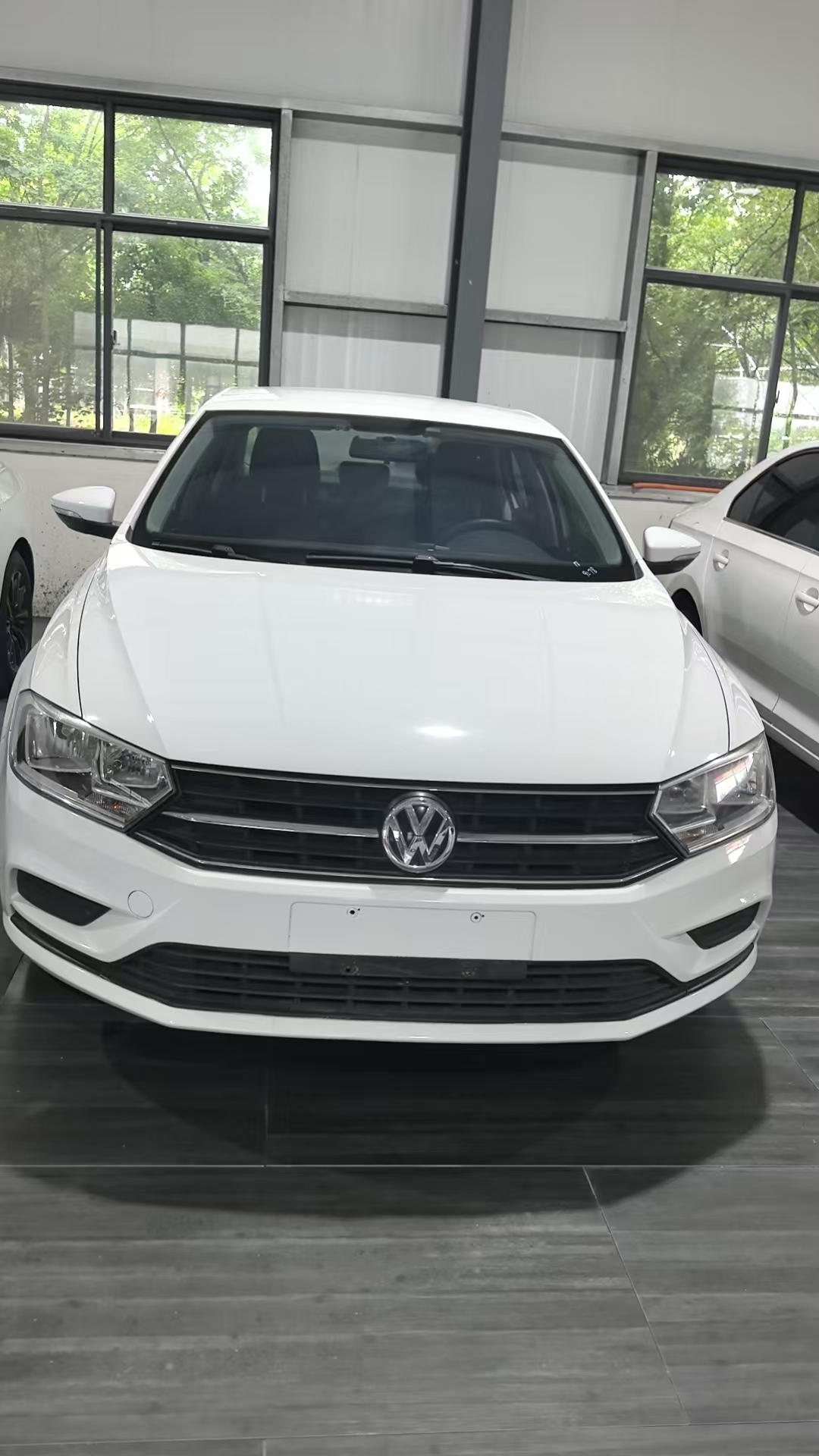
Basic condition: average | 0 insurance claims | 0 transfers

Q&A

More

What insurance should I arrange when shipping a used car from China, and what do Incoterms like FOB and CIF mean for me?

Two separate protections matter: cargo insurance and contractual risk transfer. Cargo insurance: for container or RoRo shipments, buy marine cargo insurance covering total loss and damage, typically 110% of the CIF value (average cost 0.3%–0.8%). Check exclusions — many policies exclude pre-existing damage, so a pre-shipment inspection report is essential to prove the car's condition at loading. Incoterms define who bears risk and cost at each stage: 1. FOB (Free On Board): exporter pays until the car is loaded on the vessel; risk passes to you at that point. You pay ocean freight and insurance. Common and usually cheapest if you have your own freight forwarder. 2. CIF (Cost, Insurance and Freight): exporter pays freight and minimum insurance to your port. Convenient but the insurance coverage is basic — consider topping it up. 3. EXW (Ex Works): you handle everything from the exporter's yard; only choose this if you have a trusted agent in China. Put the agreed Incoterm and port clearly in the contract, and never release final payment before the Bill of Lading is issued.
What should I do if a hardware recall for my vehicle model is announced in China while it is being used overseas?

Unfortunately, cross-border used cars are not covered by the manufacturer's free recall. If a physical recall occurs involving safety issues (like brake pump defects), we will notify you and offer improved new batch parts at cost price, but you will need to cover the labor costs for the replacement.

What does the buying process look like when importing a used car from China?

A typical transaction has six steps. 1. Selection: you confirm the vehicle through photos, a video walkaround, an inspection report and the VIN. 2. Deposit: most exporters ask 20%-30% to reserve the car. Pay by bank transfer to the company's corporate account, never a personal one. 3. Inspection: an independent pre-shipment inspection verifies the condition; you receive the report before paying the balance. 4. Balance payment: usually due before loading. Request the booking confirmation and container number. 5. Shipping: the exporter sends you the draft bill of lading for checking, then the original documents by courier. 6. Arrival: you clear customs with the invoice, C/O, B/L and inspection certificate, then register the vehicle. Total timeline is usually 2-6 weeks. Use payment methods with recourse (T/T or escrow) and keep every contract and receipt.