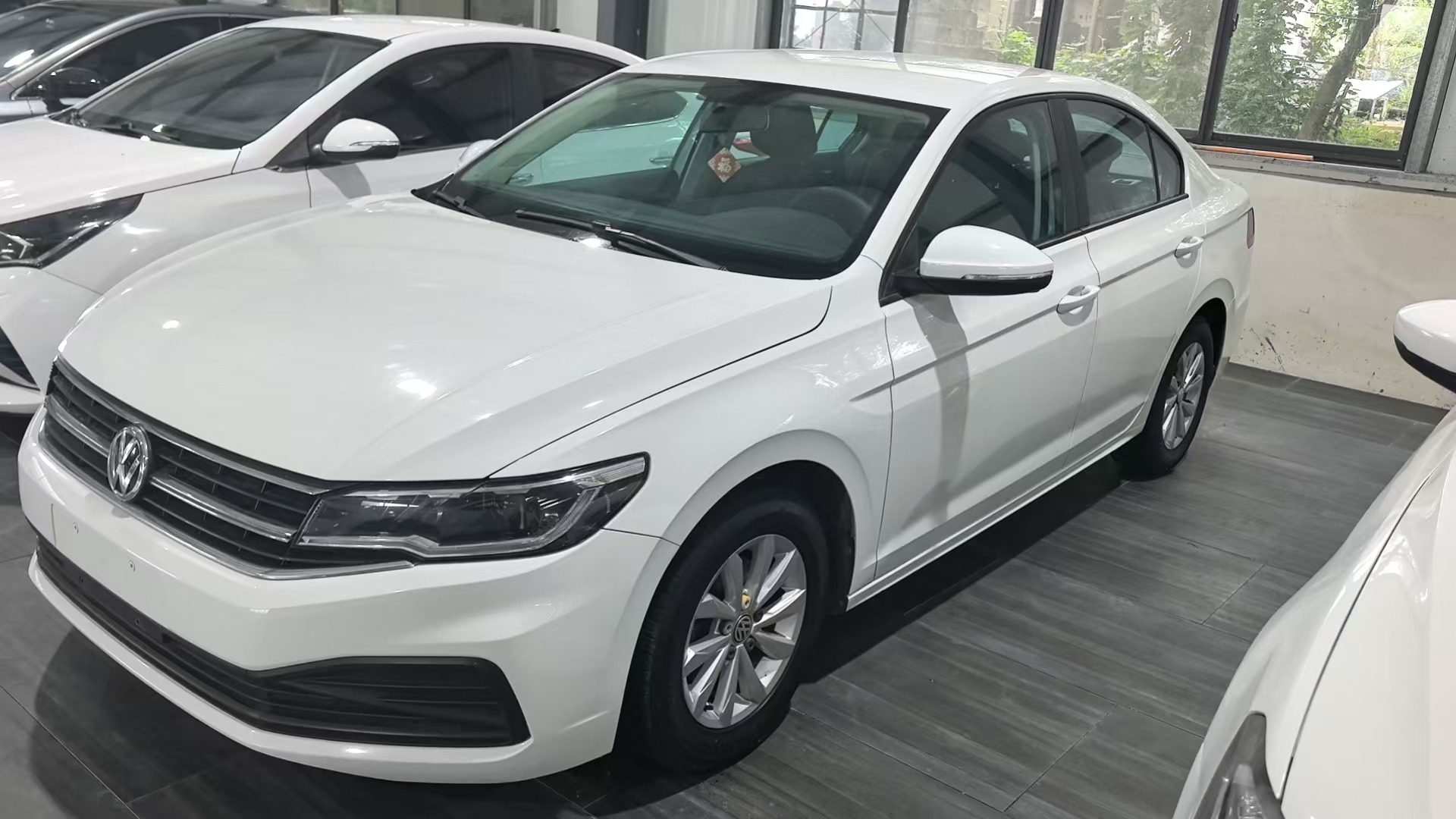
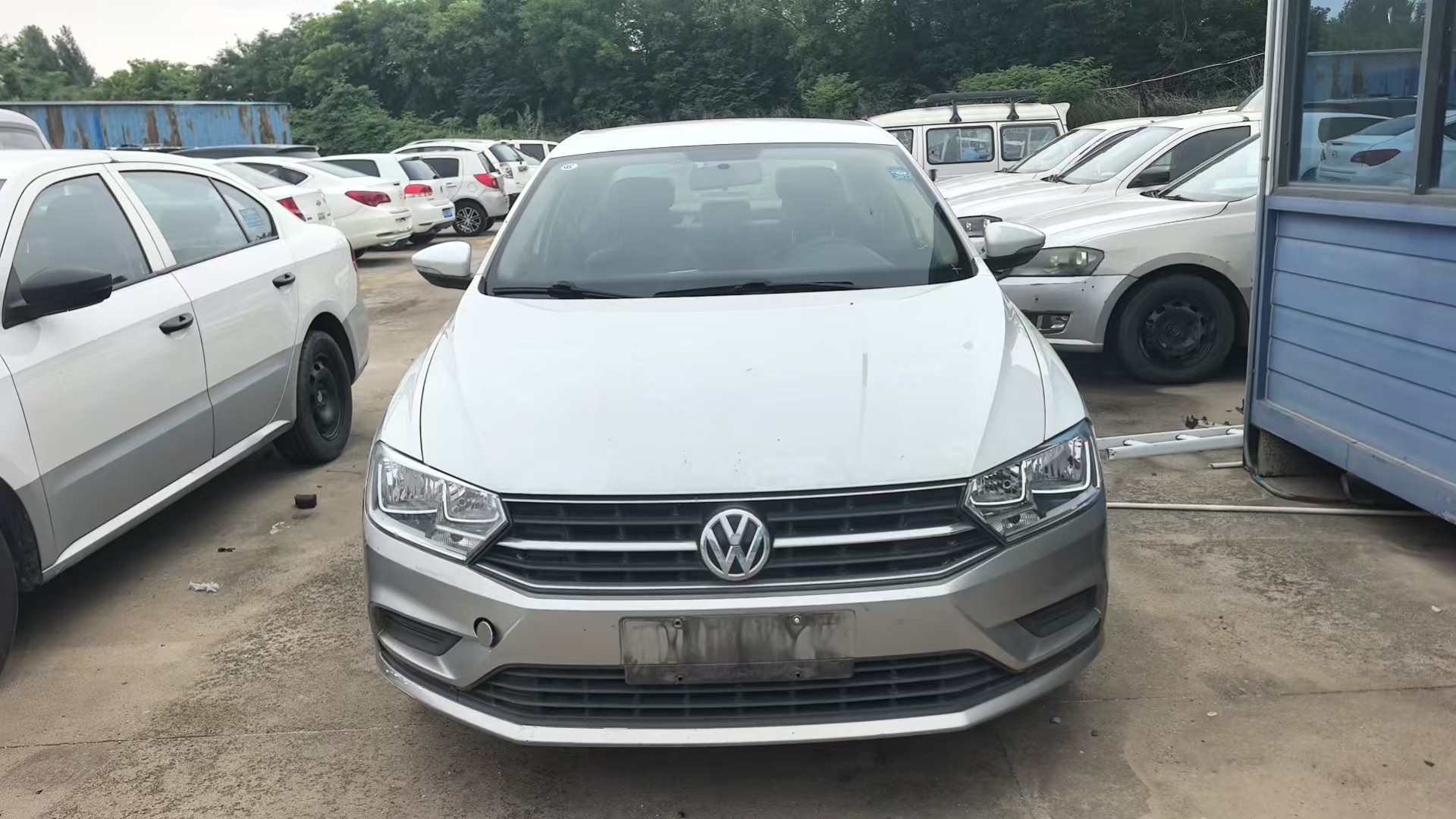
Basic Information

BrandVolkswagen
SeriesBora
Year2018
First Registration2018/07
Mileage49,000km
Transfer Count0times
FuelGasoline
TransmissionManual
Engine1.5L 110 L4
Color
Seats-

Condition Description

官方质检 · 60天全车质保· 7天无理由有偿退车

Configuration Highlights

✓上牌时间: 2018-07
✓表显里程: 4.9万公里
✓车源地: 济南
✓排放标准: 国五
✓百公里加速: 11.6s
✓发动机: 1.5L
✓轴距: 2614mm
✓变速箱: 手动

Q&A

More

How can I judge the real mechanical condition of a used car from China without seeing it in person?

Remote mechanical assessment relies on documented evidence: 1. Cold-start video: Ask for a video of the engine starting from cold — listen for rattles, watch for smoke (blue = oil burning, white = possible head gasket issue). 2. OBD scan: A full diagnostic scan reveals fault codes in the engine, gearbox, and electronics. Request the raw scan report, not a screenshot summary. 3. Service records: Cross-check mileage against maintenance records and inspection stickers; consistent records indicate a cared-for car. 4. Fluid check: Photos of the oil dipstick and coolant color tell a lot — milky oil or rusty coolant are red flags. 5. Test drive video: A short drive video shows gear shifts, braking, and steering behavior. Combine these with the pre-shipment inspection report. A seller who refuses to provide cold-start video or OBD data is a warning sign.


After picking up the car, I found the tire pressure warning (TPMS). How can I reset the tire pressure sensor myself?

Temperature differences during sea transport can easily trigger the tire pressure warning. After inflating the tires to the standard pressure (usually 2.5 Bar), most vehicles will automatically clear the warning after driving a few kilometers; some models require manually clicking "Tire Pressure Reset" in the "Vehicle Settings" on the central screen.

How can I check a used car's history in China before buying—accident records, mileage, and ownership?

China's vehicle data is less centralized than in the US or Europe, but you can still verify a lot: 1. Ask the exporter for the VIN and order a third-party history report from Chinese services; they aggregate insurance claims and repair records. 2. Cross-check the registration date on the title with the odometer—a 3-year-old car showing 30,000 km but registered as a ride-hailing vehicle is a red flag. 3. Request maintenance records from the brand's dealer network; digital records are increasingly common. 4. Verify the seller legally owns the car: the registration certificate name should match the exporter's business license. Gaps are common, so treat the history report as one input, not proof. Combine it with an independent pre-purchase inspection, and hold back part of the payment until the inspection passes.