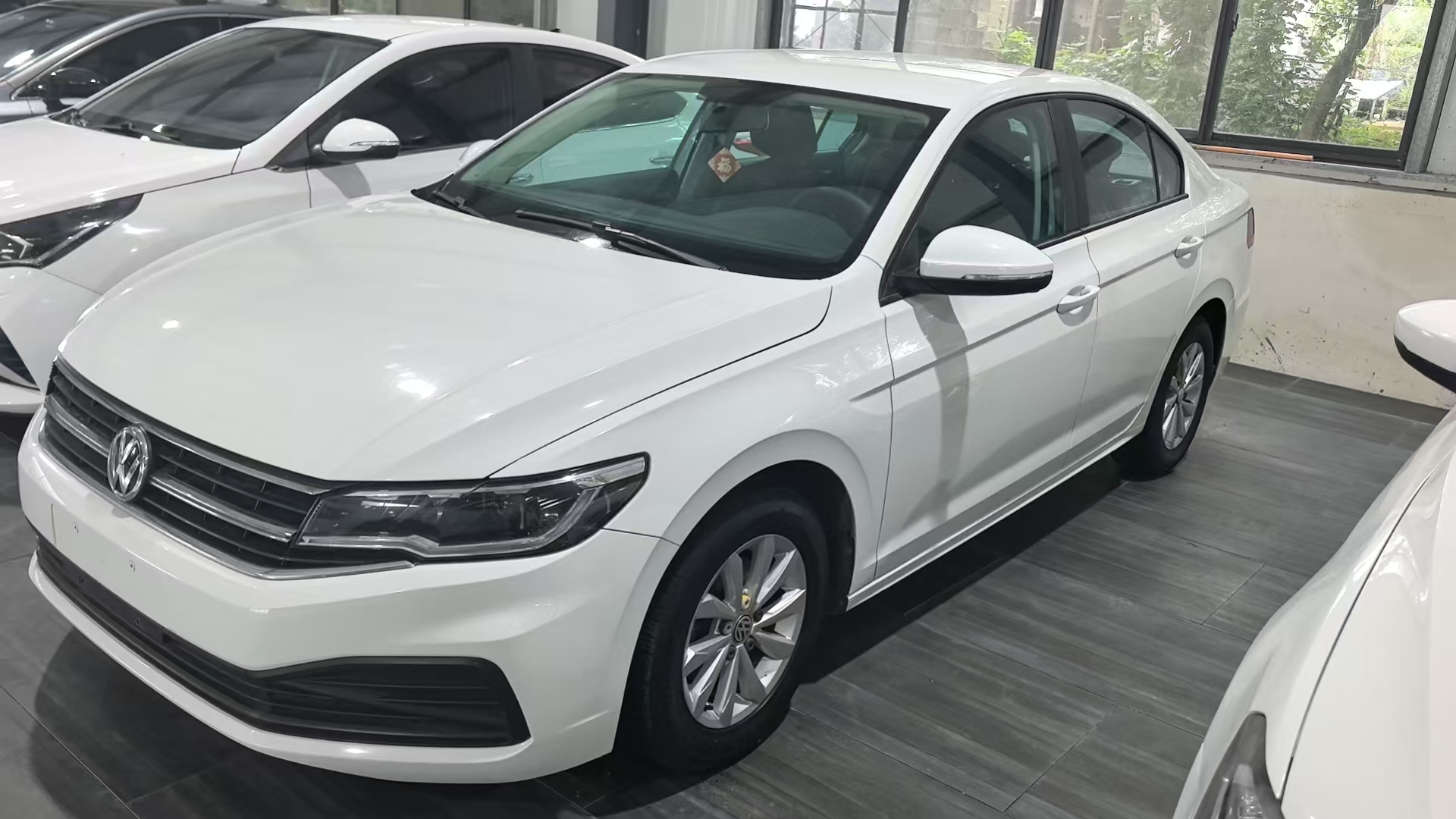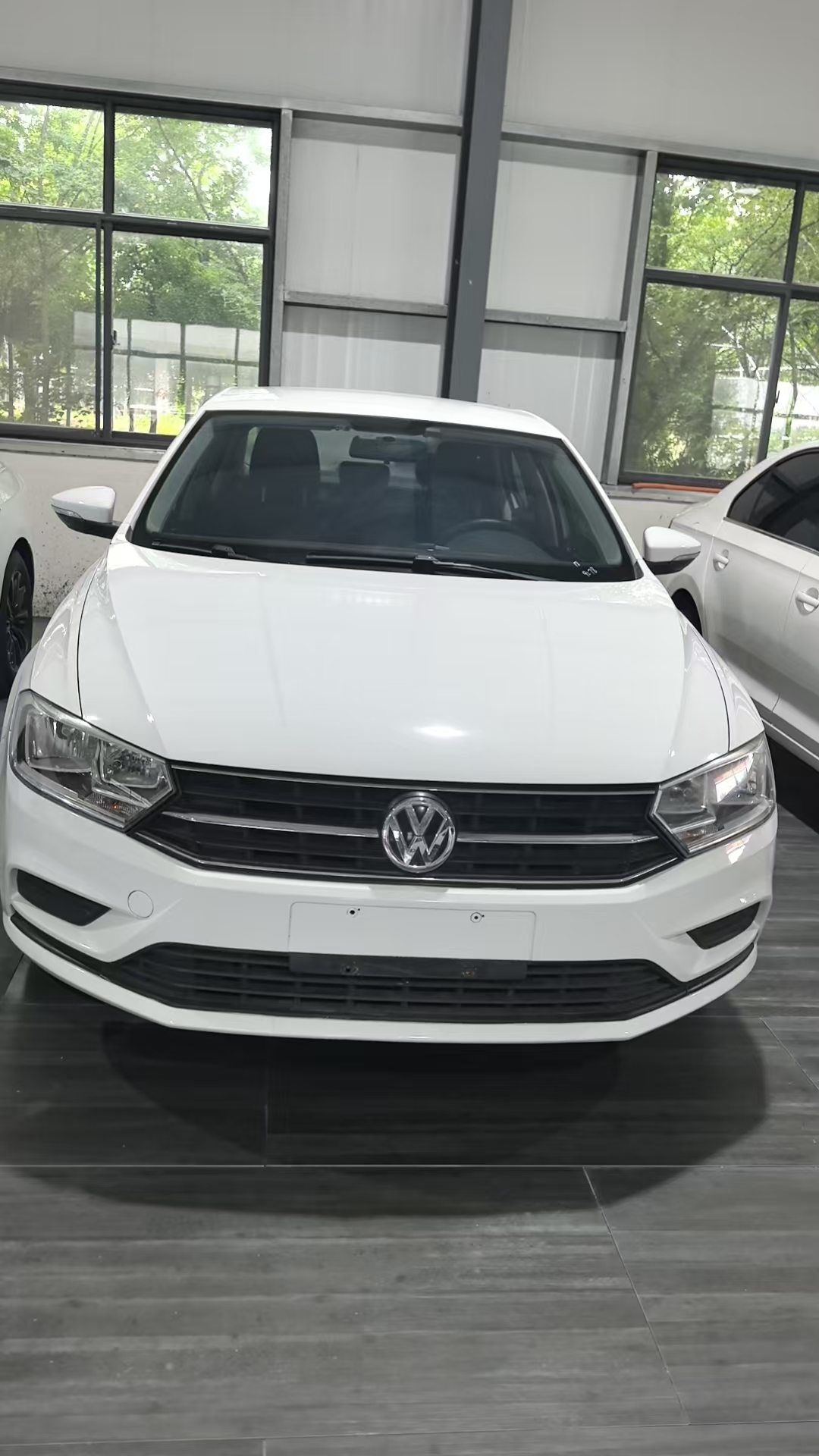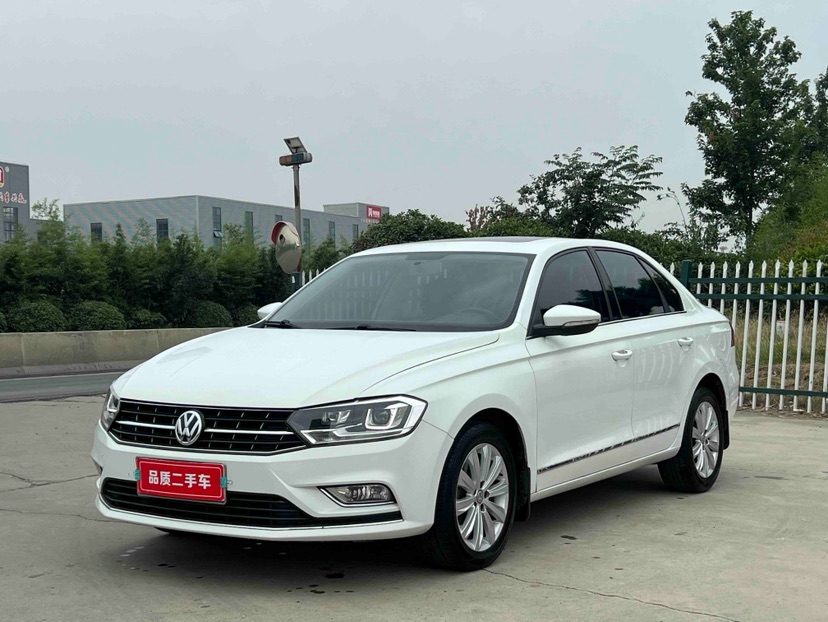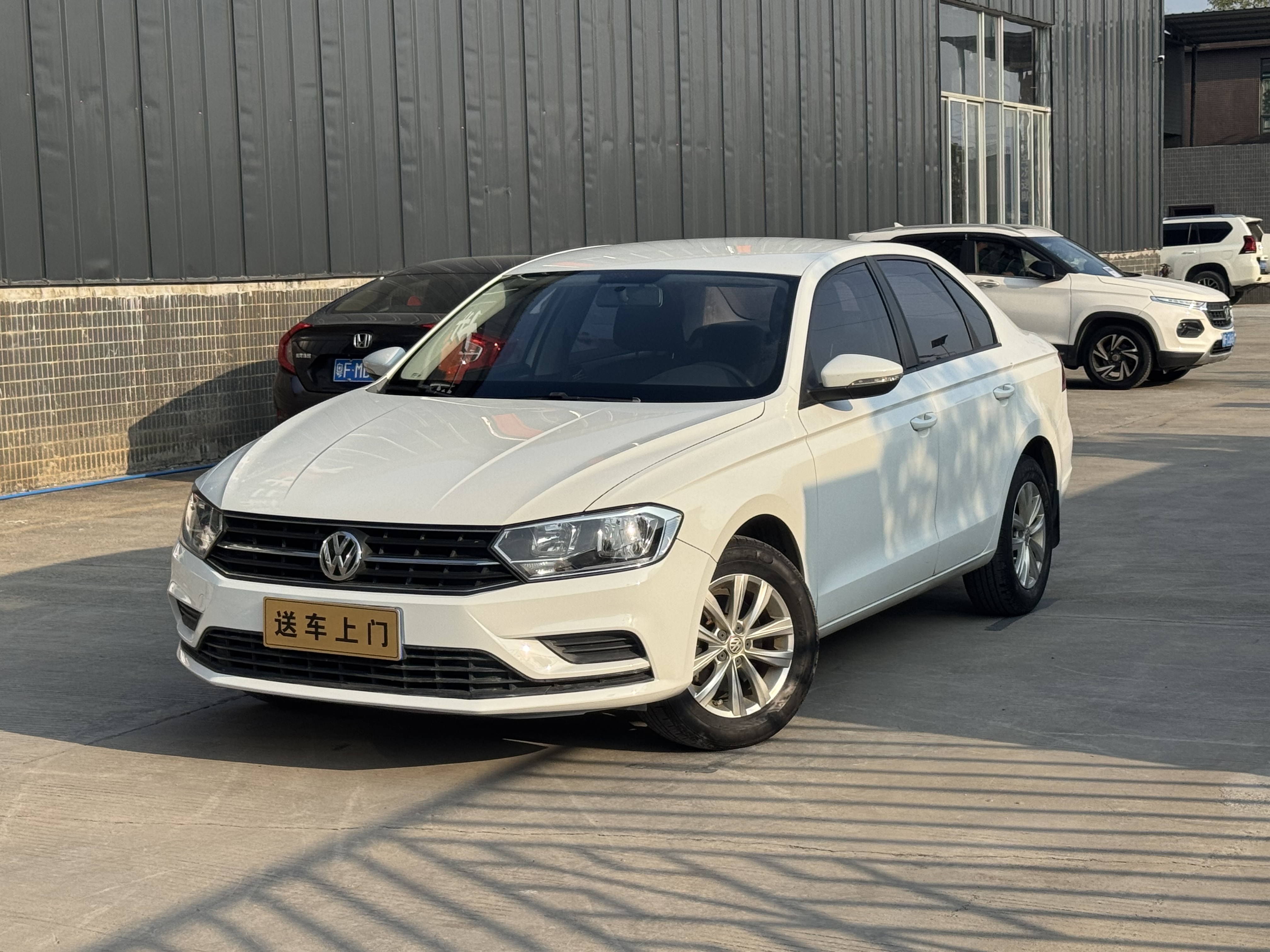
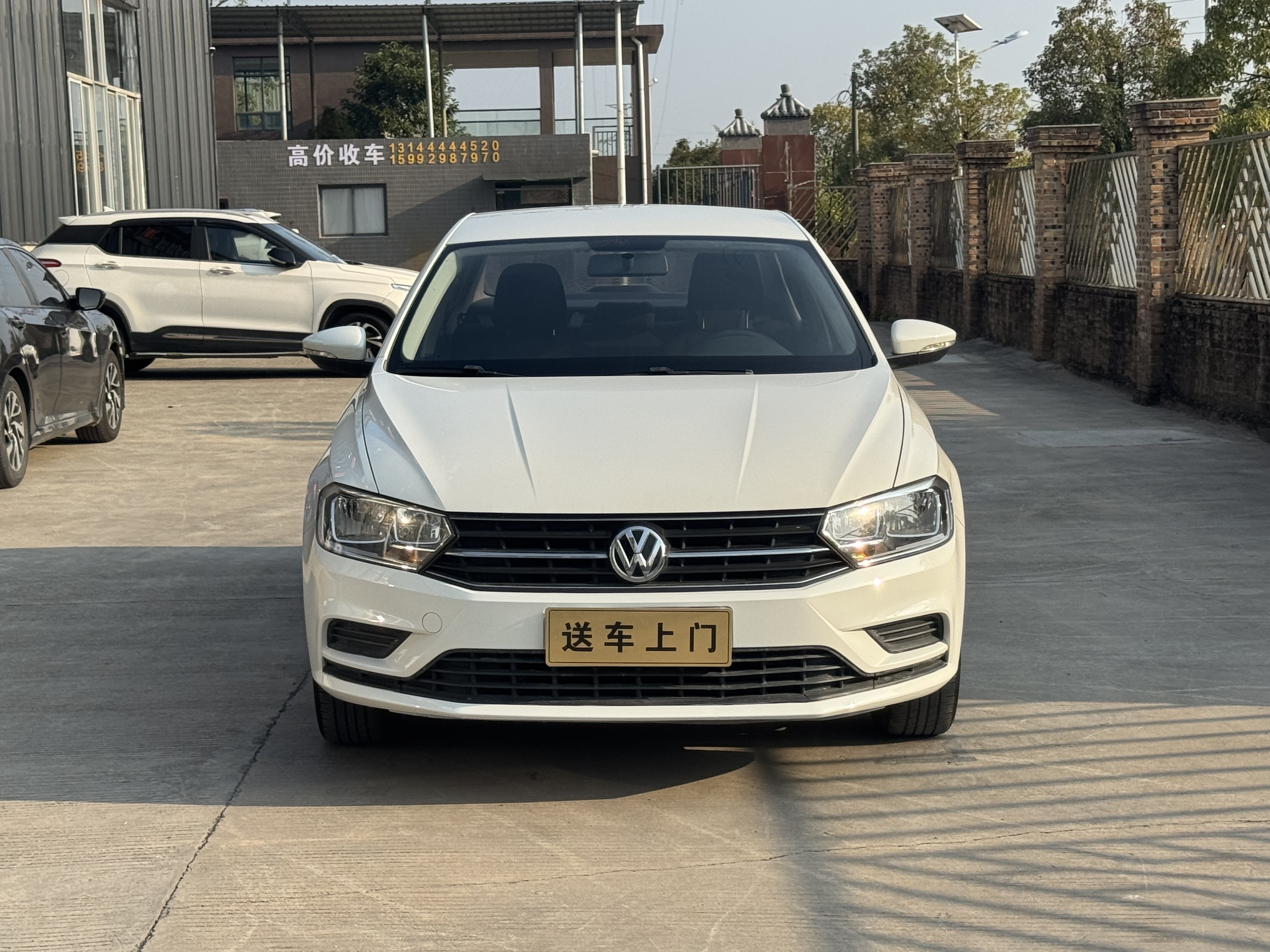
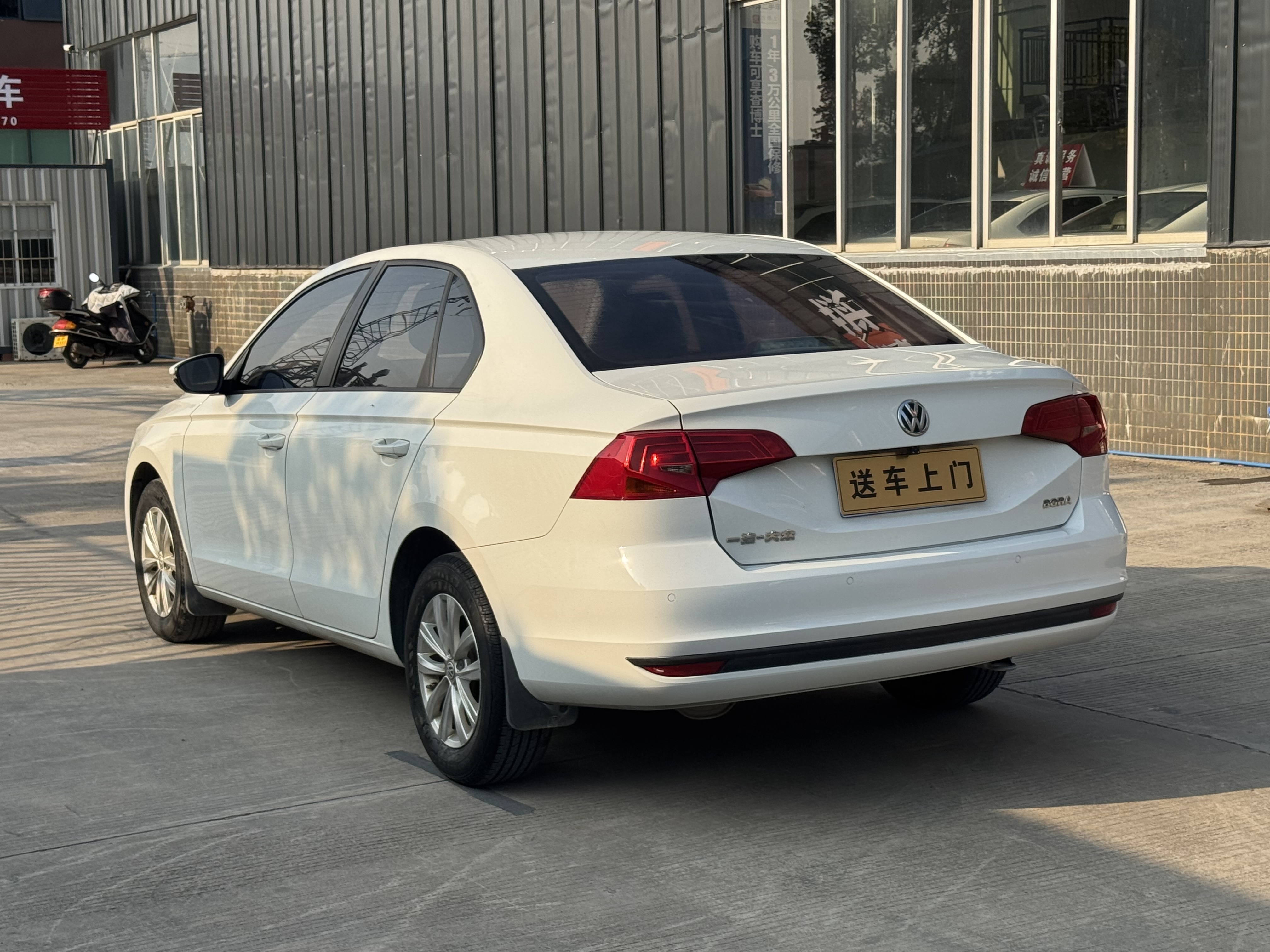
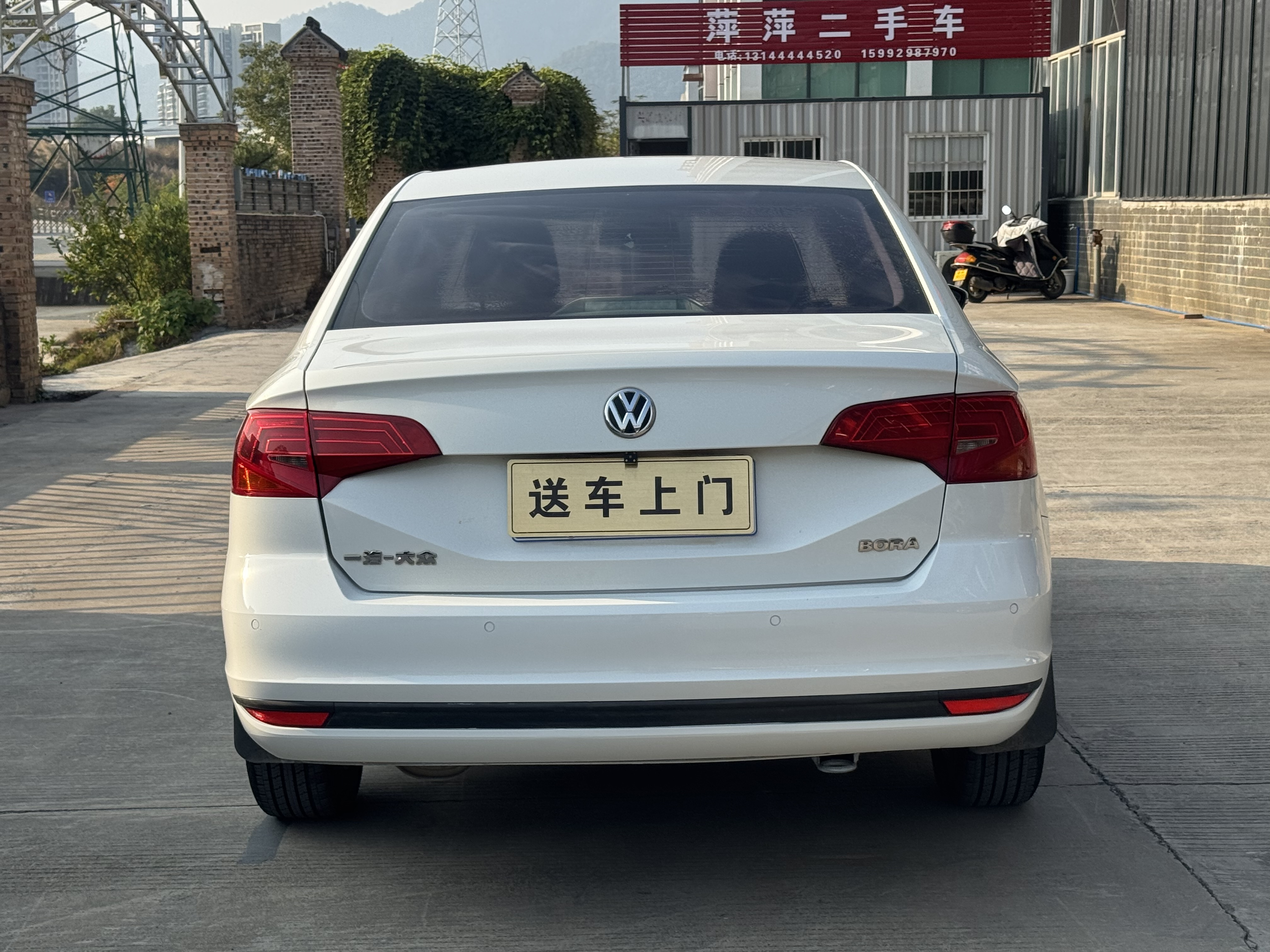
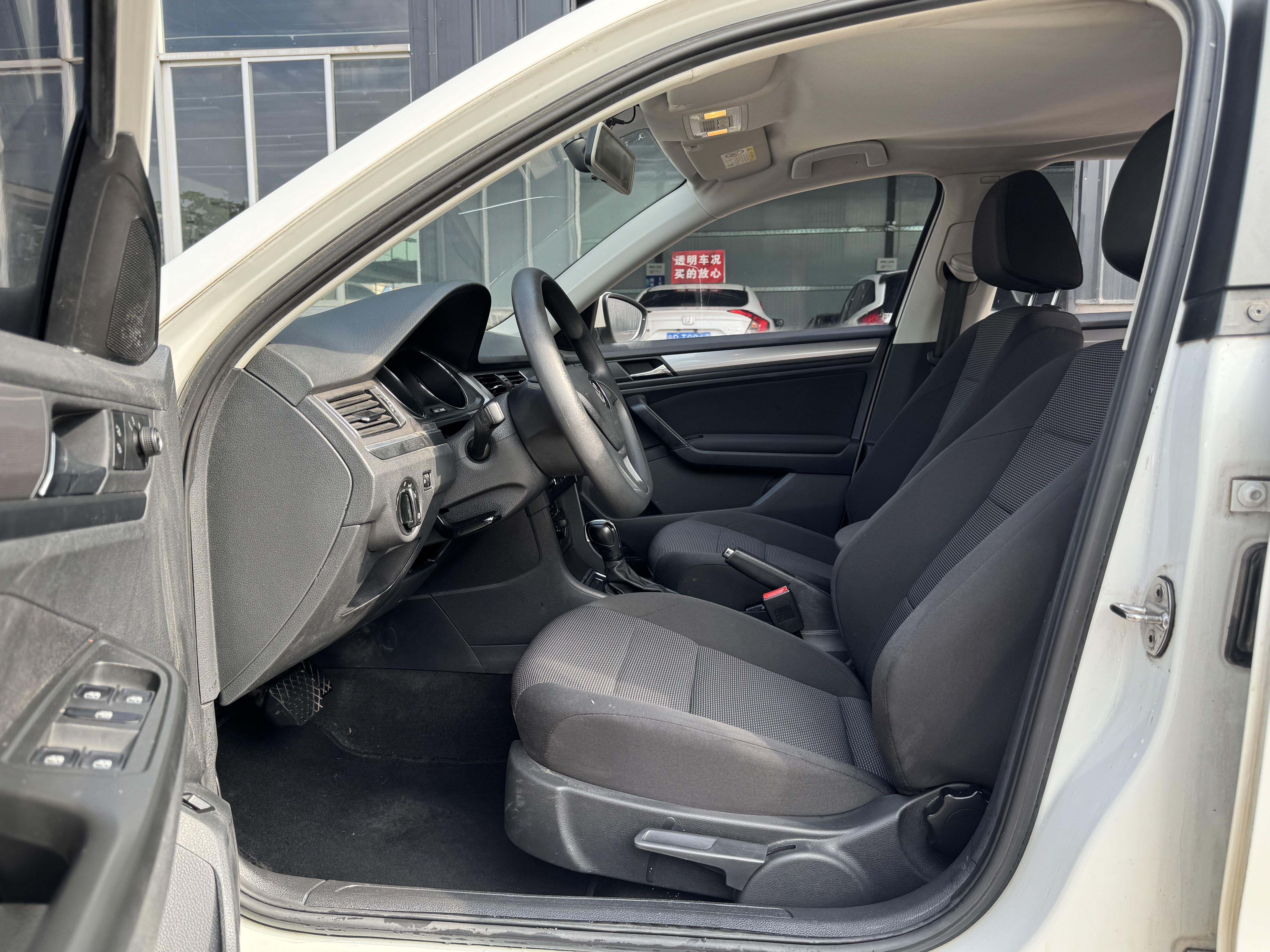
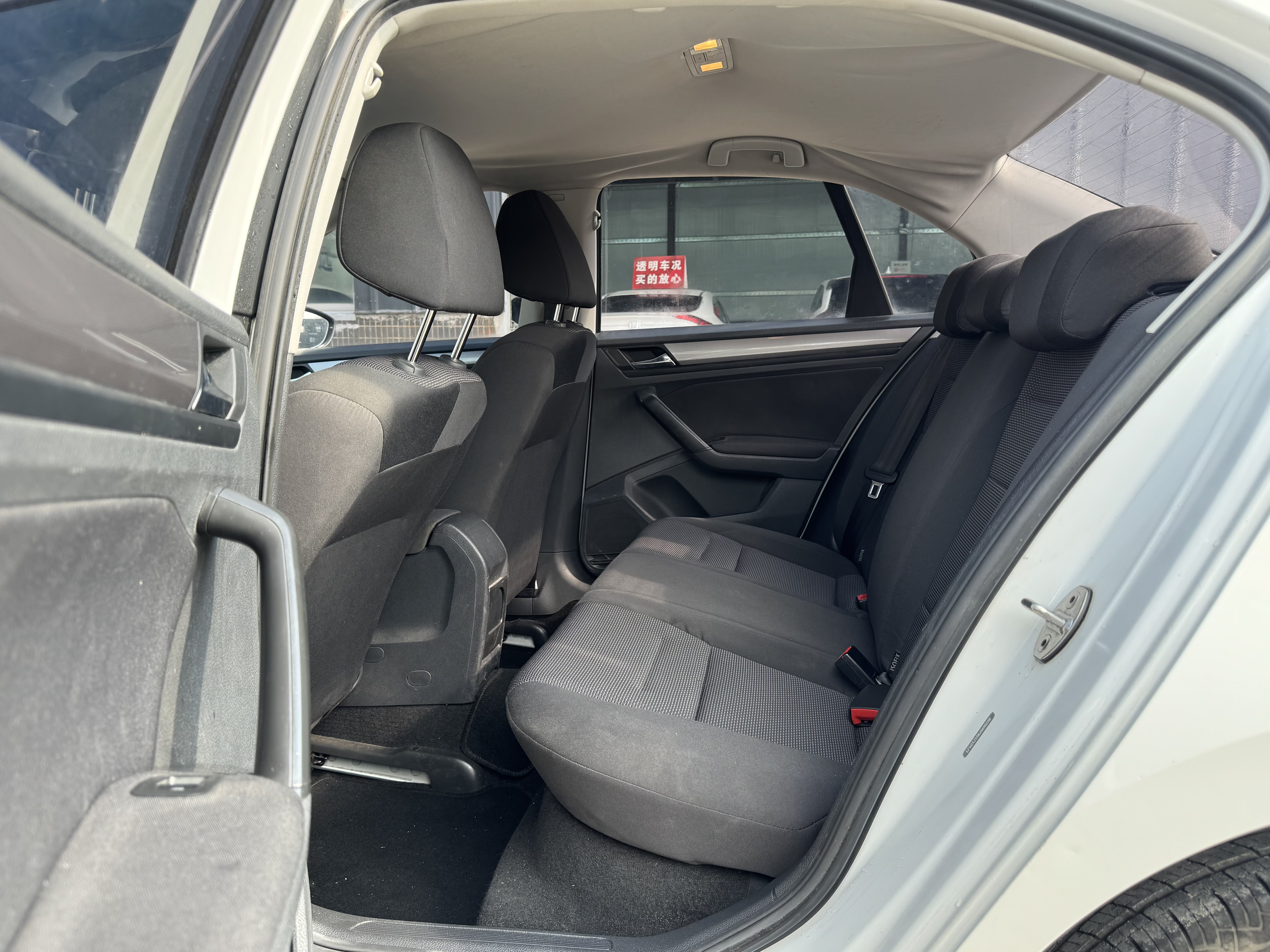
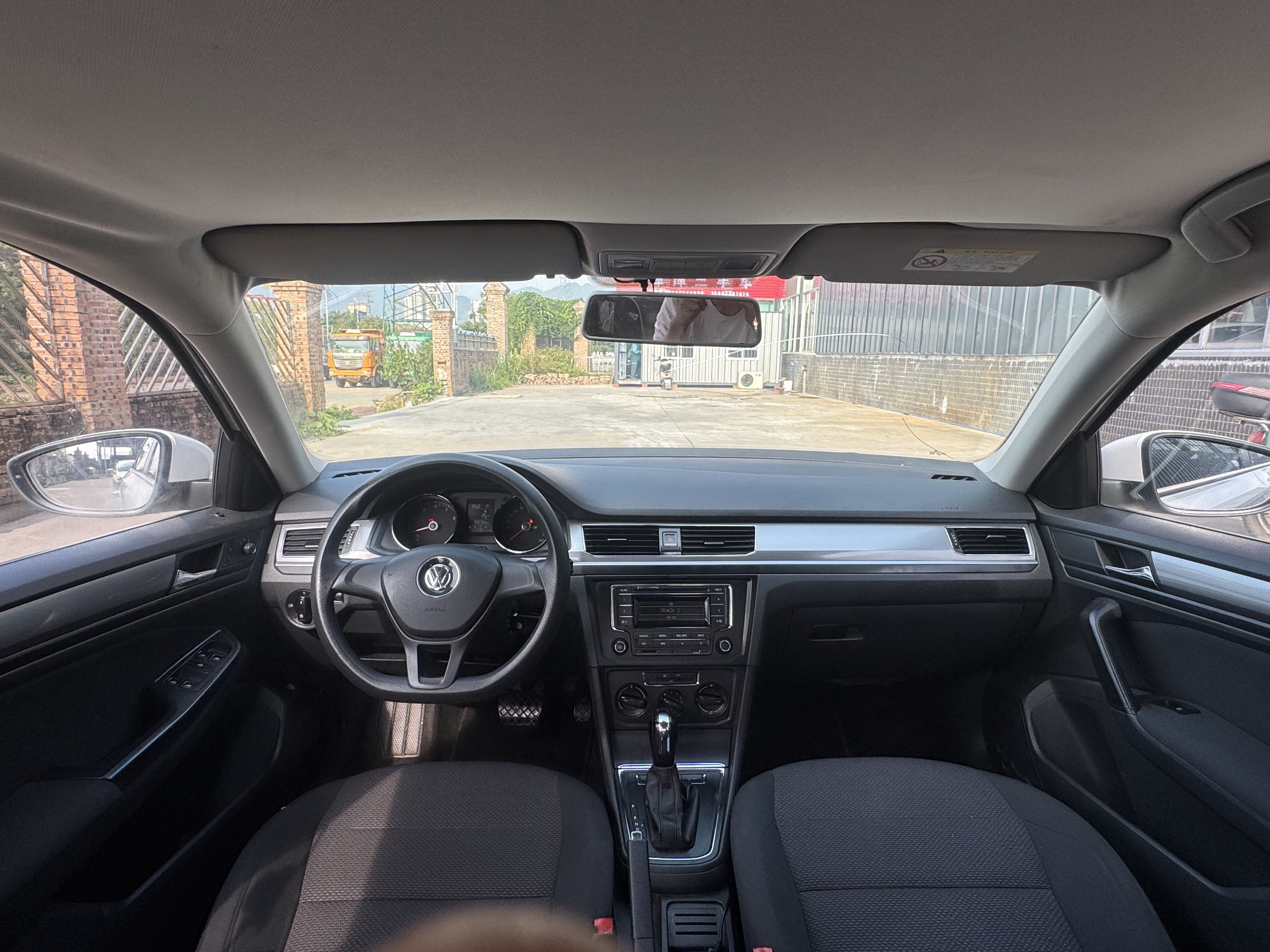
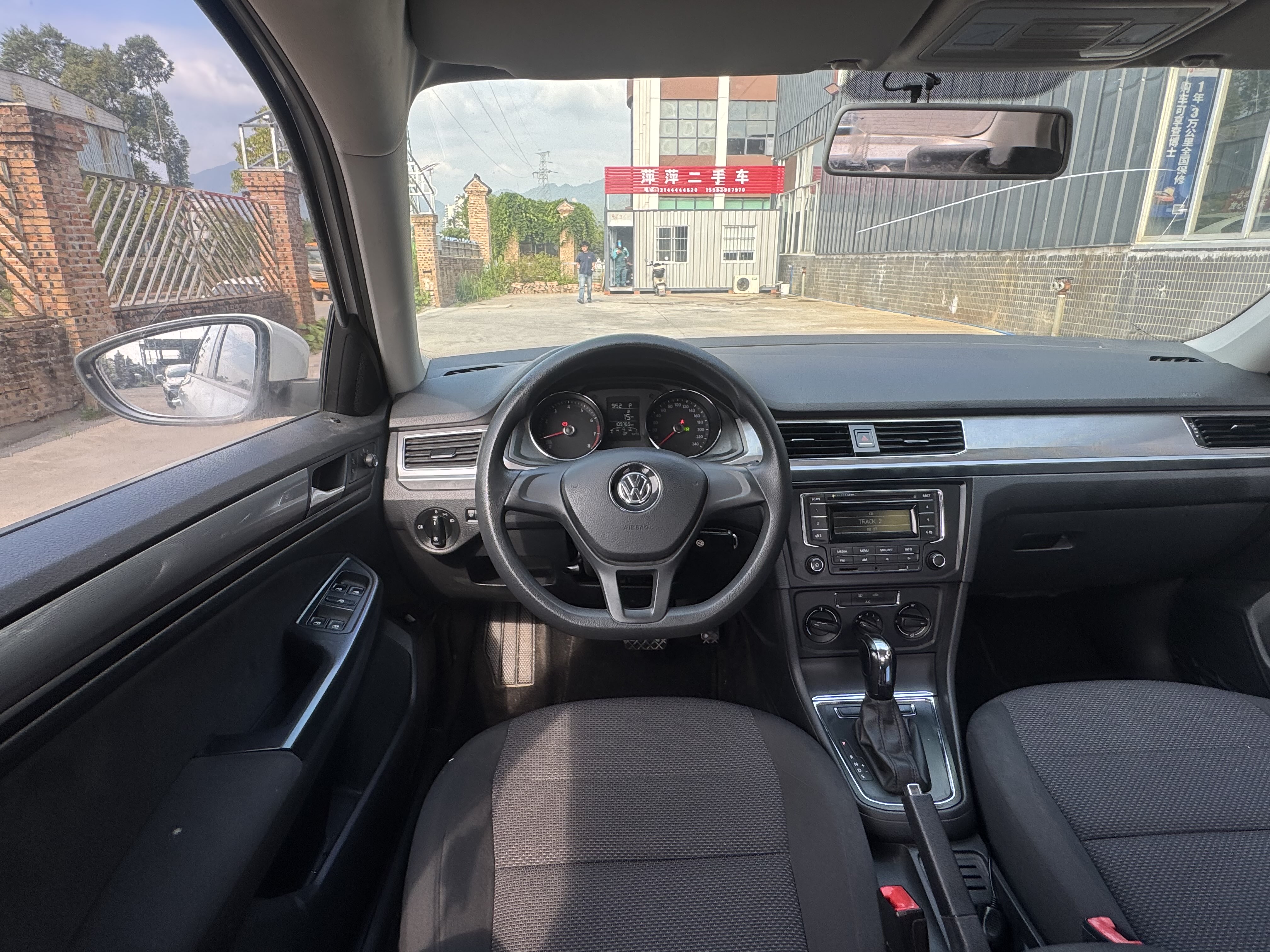
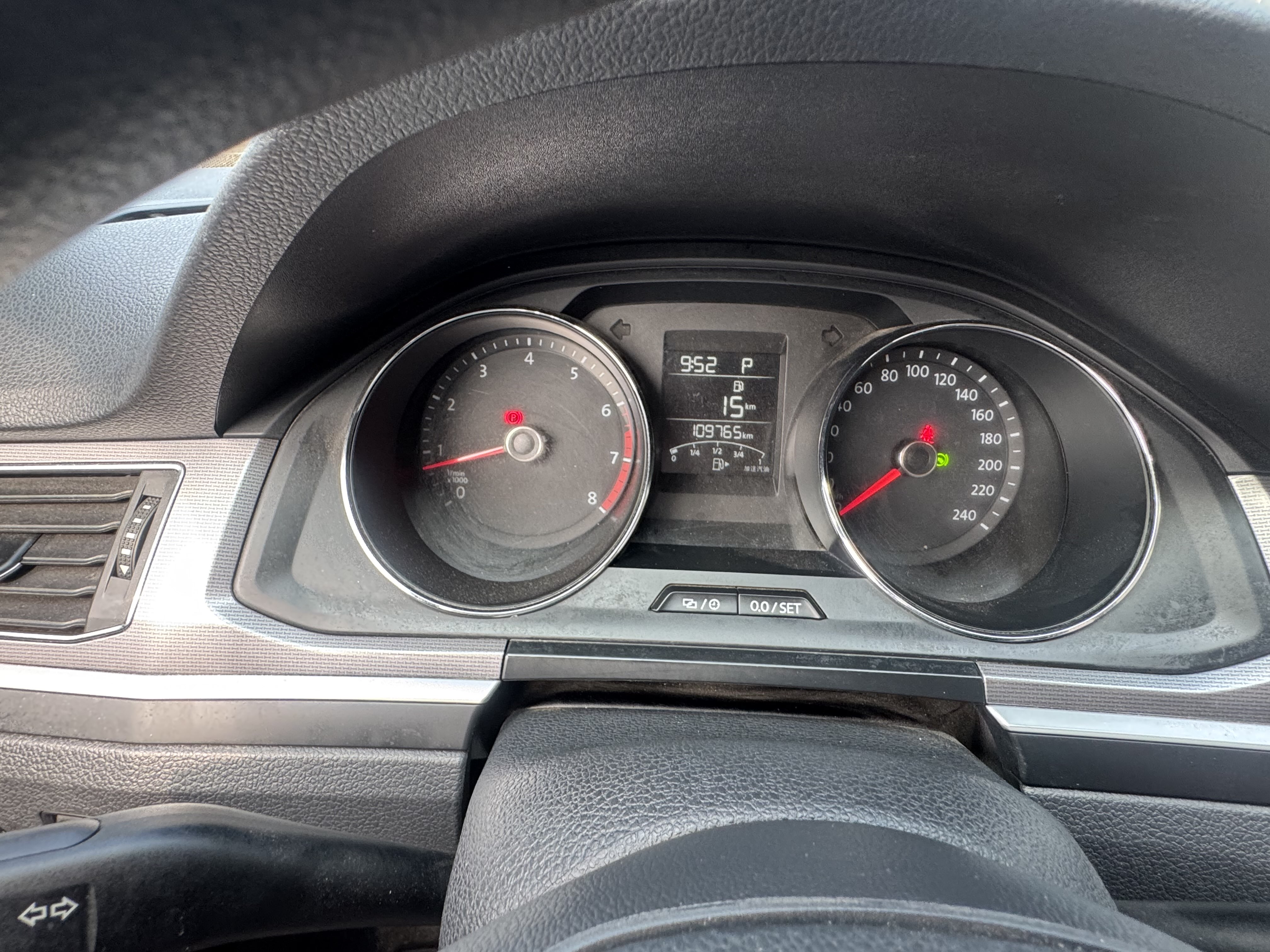



Basic Information

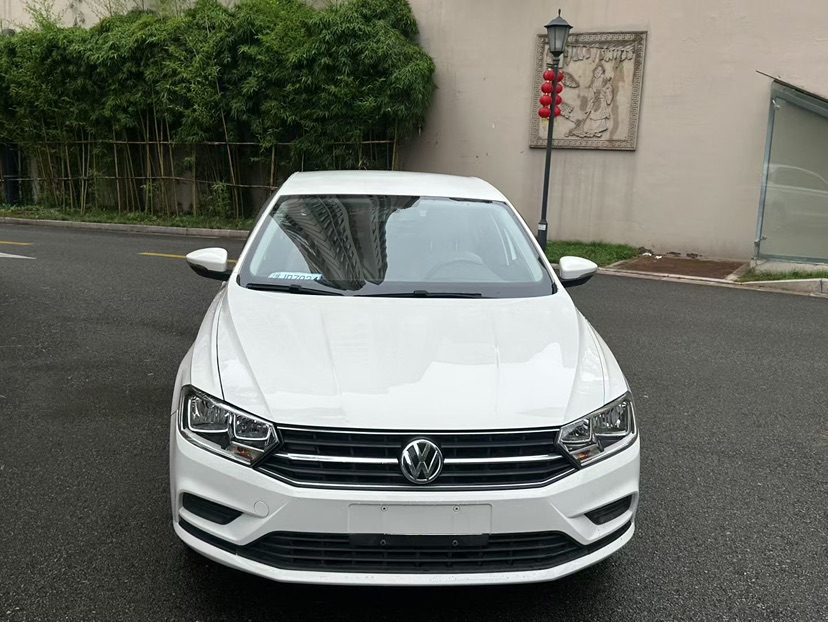
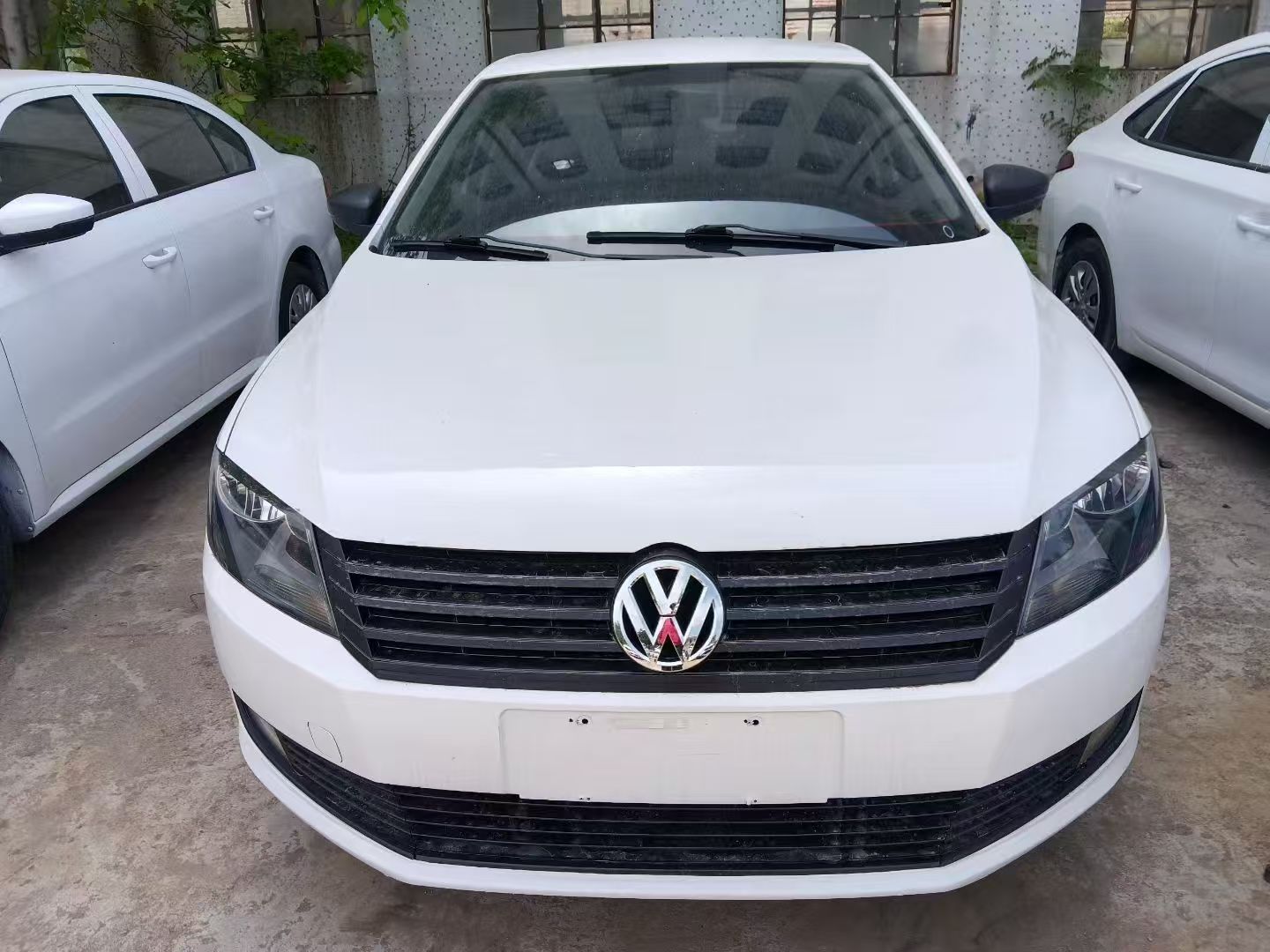
BrandVolkswagen
SeriesBora
Year2018
First Registration2018/04
Mileage10.9km
Transfer Count-
FuelGasoline
TransmissionManumatic
Engine1.5L 110 L4
ColorWhite
Seats-

Condition Description

【Type】GR 【Vehicle Key】1 key 【Manufacturing Date】February 2018 【Number of Ownership Transfers】One owner to dealership 【Compulsory Vehicle Inspection】April 2026 【Annual Vehicle Inspection】Normal 【Vehicle Condition】Normal 【Vehicle Condition Description】Windshield replaced, currently original paint Hood: Original paint Front Bumper: Original paint Left Front Fender: Original paint Left Front Door: Original paint Left Rear Door: Original paint Left Rear Fender: Original paint Trunking Lid: Original paint Rear Bumper: Original paint Right Rear Fender: Original paint Right Rear Door: Original paint Right Front Door: Original paint Right Front Fender: Original paint Roof Paint Value: Original paint Highlights:

Configuration Highlights

✓Driver/Passenger Airbags
✓Tire Pressure Monitoring
✓ISOFIX Child Seat Anchors
✓ABS Anti-lock Braking
✓Electronic Brake Distribution
✓Electronic Stability Control
✓Hill Start Assist
✓Seat Material
✓Rear Cupholders
✓Low Beam Headlights
✓Adjustable Headlight Height
✓Power Windows
✓Anti-pinch Windows
✓UV/Heat Insulating Glass
✓Climate Control Type

Q&A

More

Am I allowed to place other goods (like tires or mats) purchased from China inside the vehicle before shipping it?

Absolutely prohibited. Chinese customs requires a "bare car" declaration for used car exports. If undeclared goods are found inside the vehicle, it could lead to inspection and detention, or even smuggling charges. We refuse any form of concealment requests.
Why is there a time difference between the production date on the vehicle nameplate and the first registration date on the registration certificate?

The nameplate date is the absolute time when the vehicle leaves the factory; the registration date is when the vehicle is registered with the traffic management department after sale. The difference represents the time the vehicle spent in the dealer's warehouse or logistics. If the time difference exceeds 6-8 months, the vehicle is considered a "stock vehicle," and we pay special attention to the natural aging of its rubber components.

When B2B buyers make bulk purchases, can they request to combine the accessory costs and vehicle price on the same commercial invoice to reduce overall tariffs?

No, this is a serious customs violation. Complete vehicles (HS Code 8703) and auto parts (HS Code 8708, etc.) are subject to completely different import tax rates. Combining them on one invoice could lead to the invoice being returned by customs and may expose you to tax fraud accusations at the destination port.