


48H

Basic Information

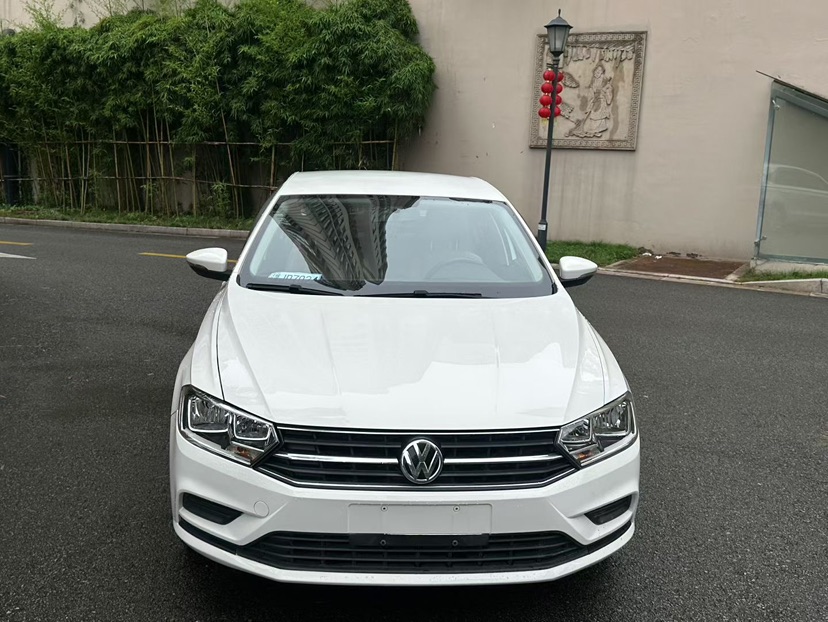
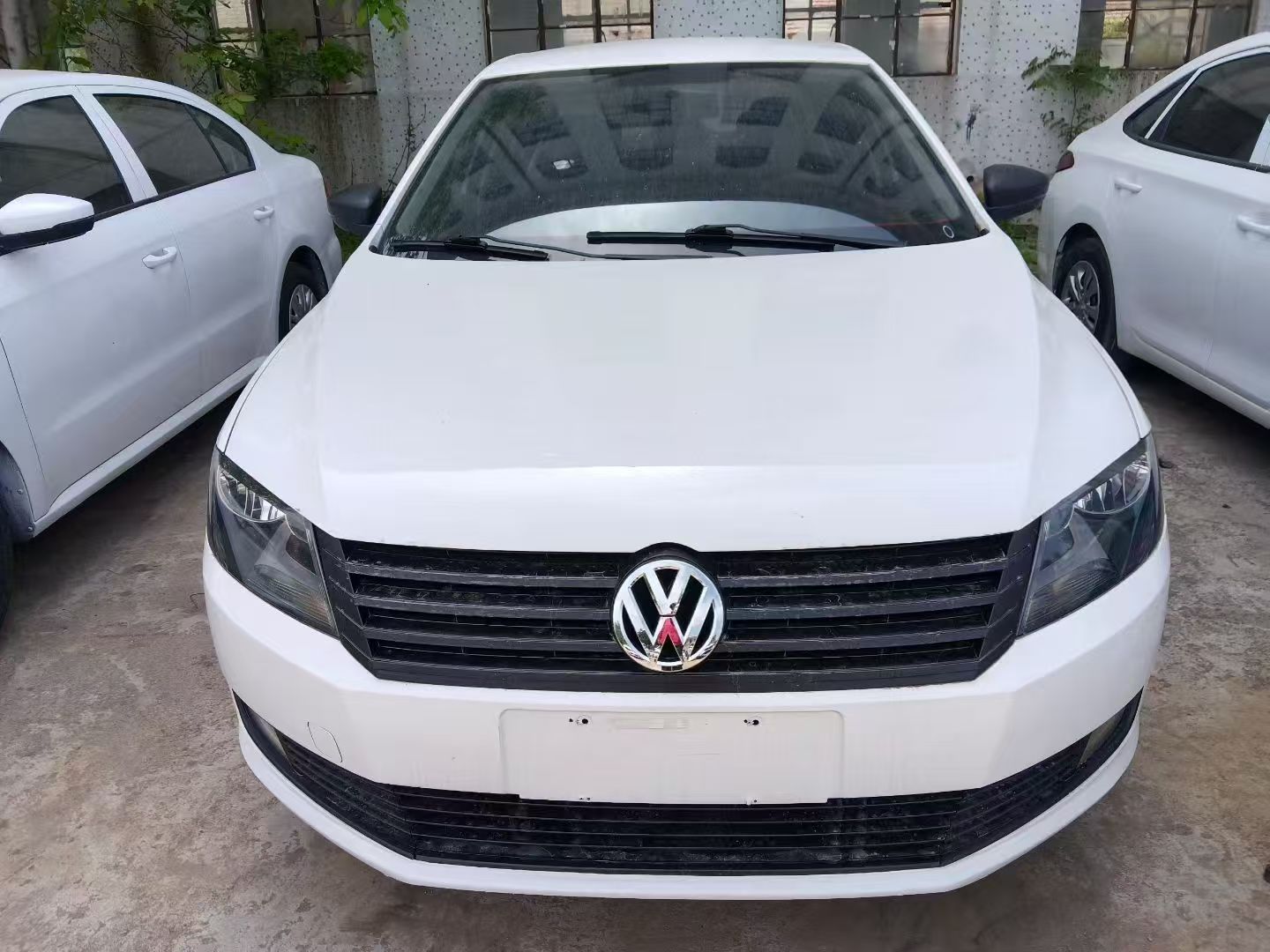
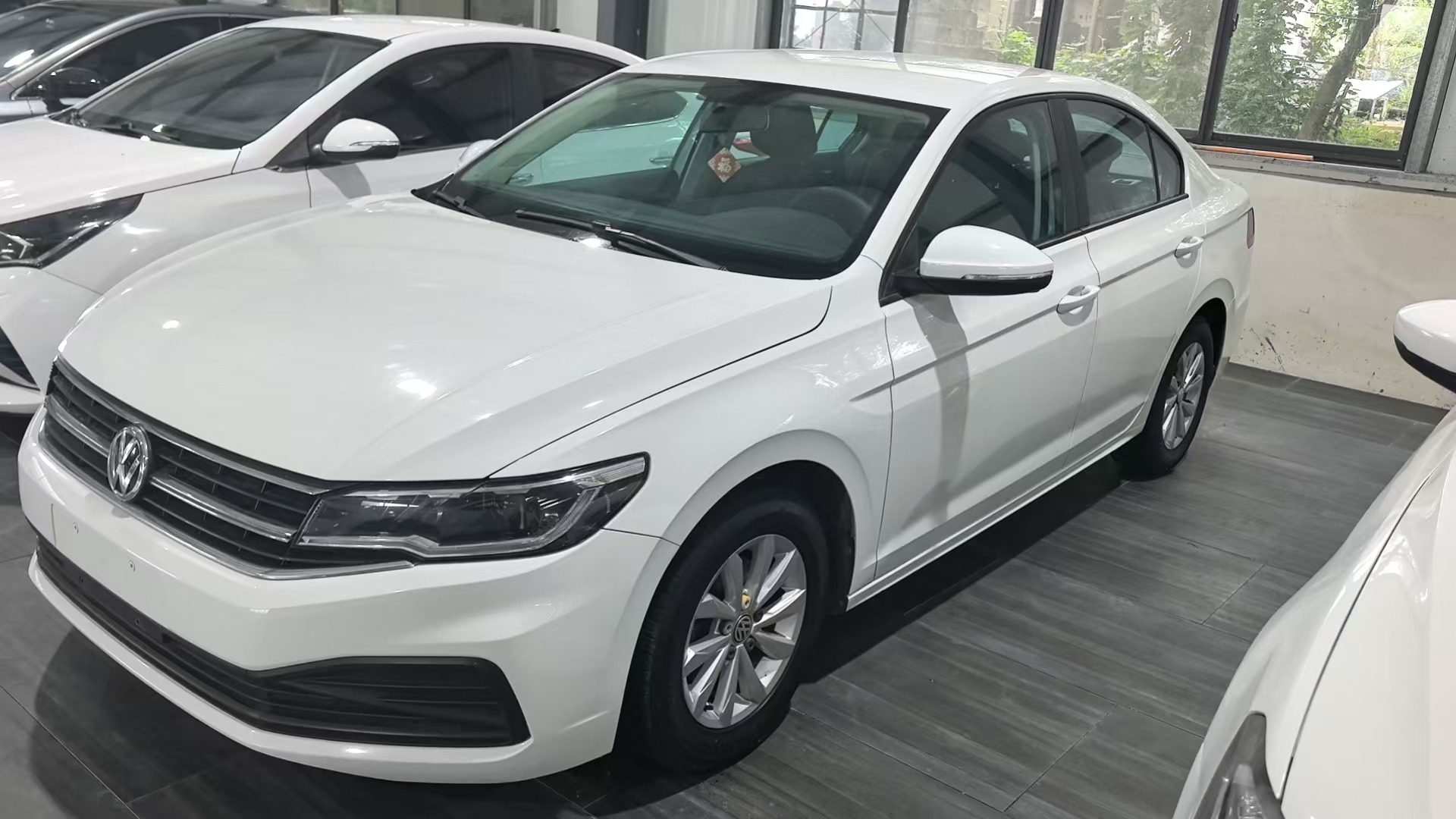
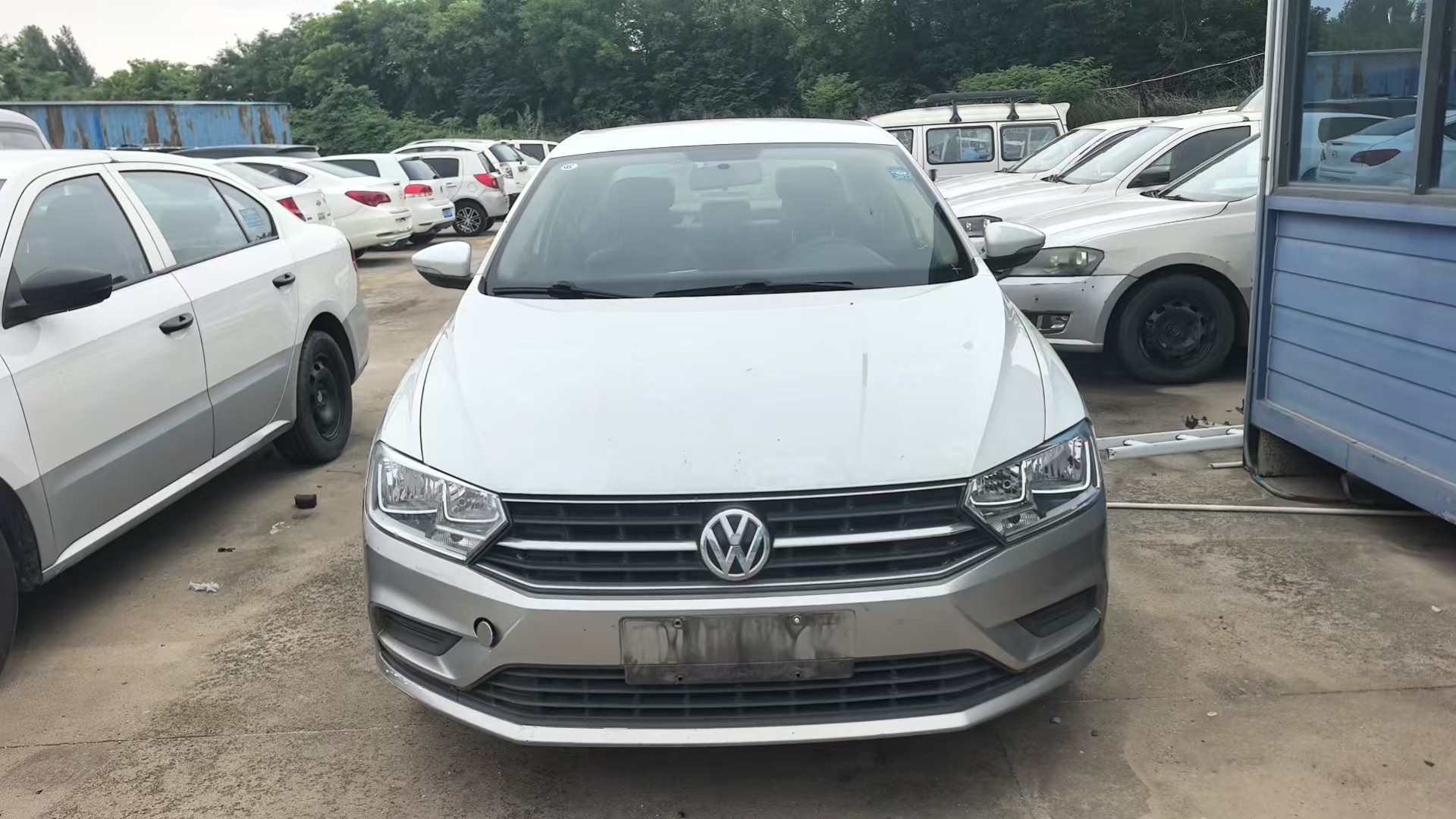
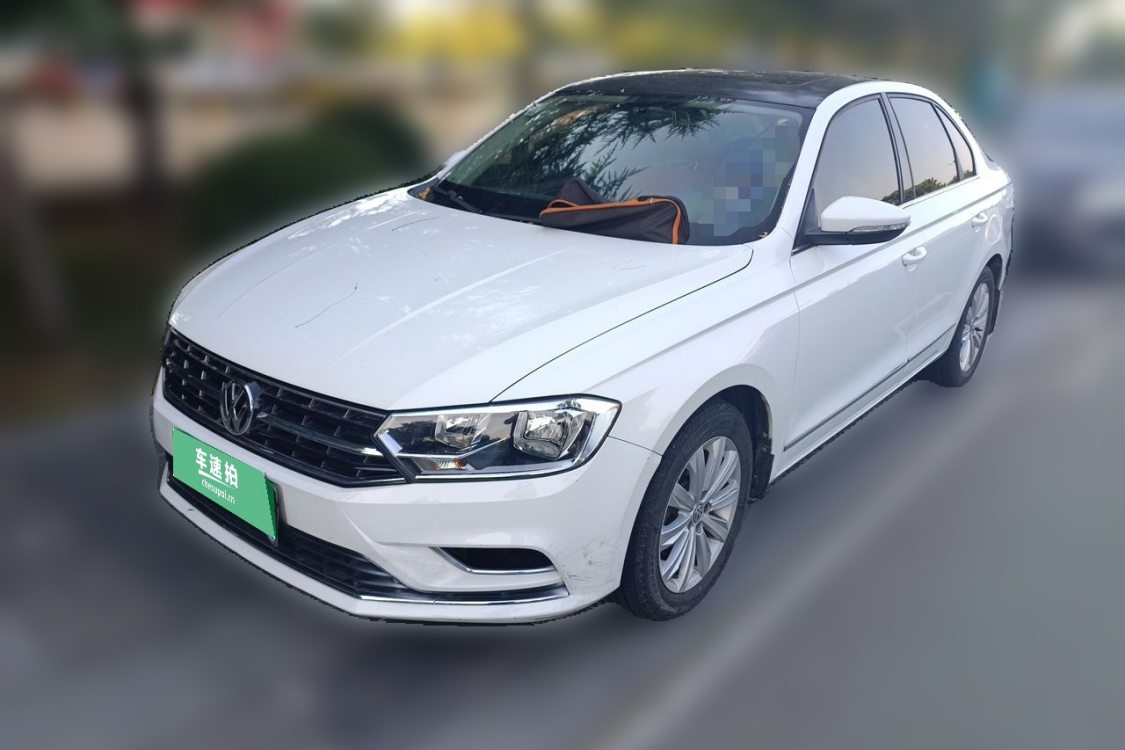
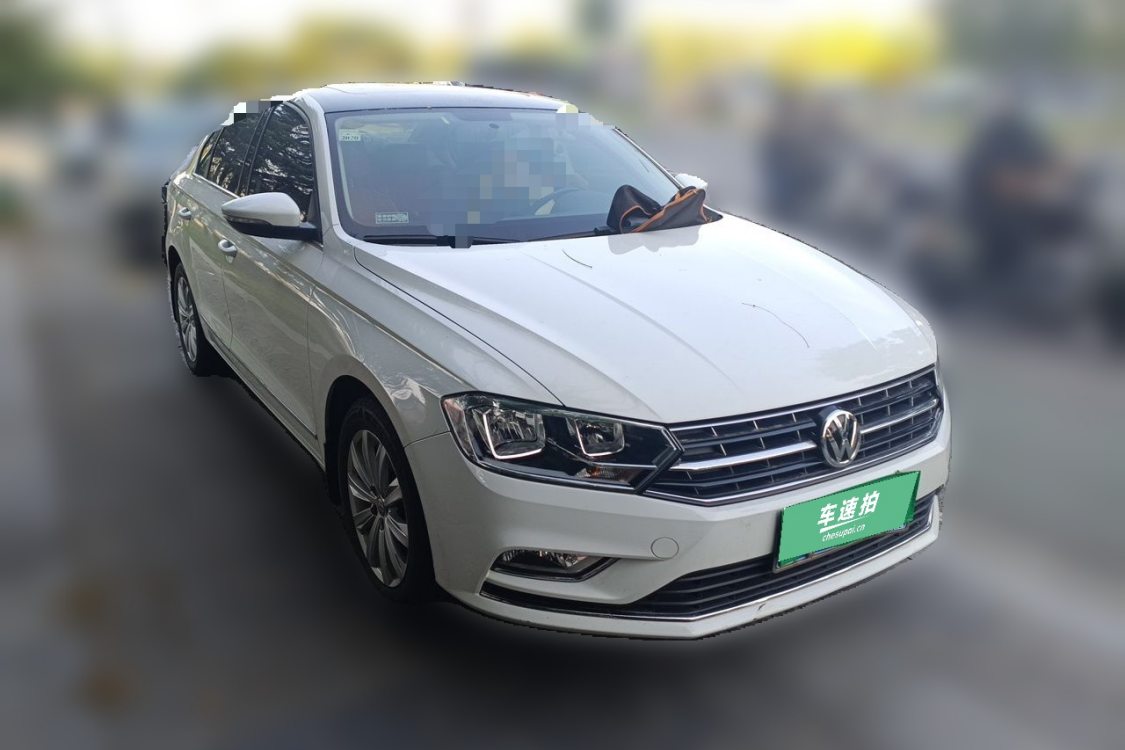
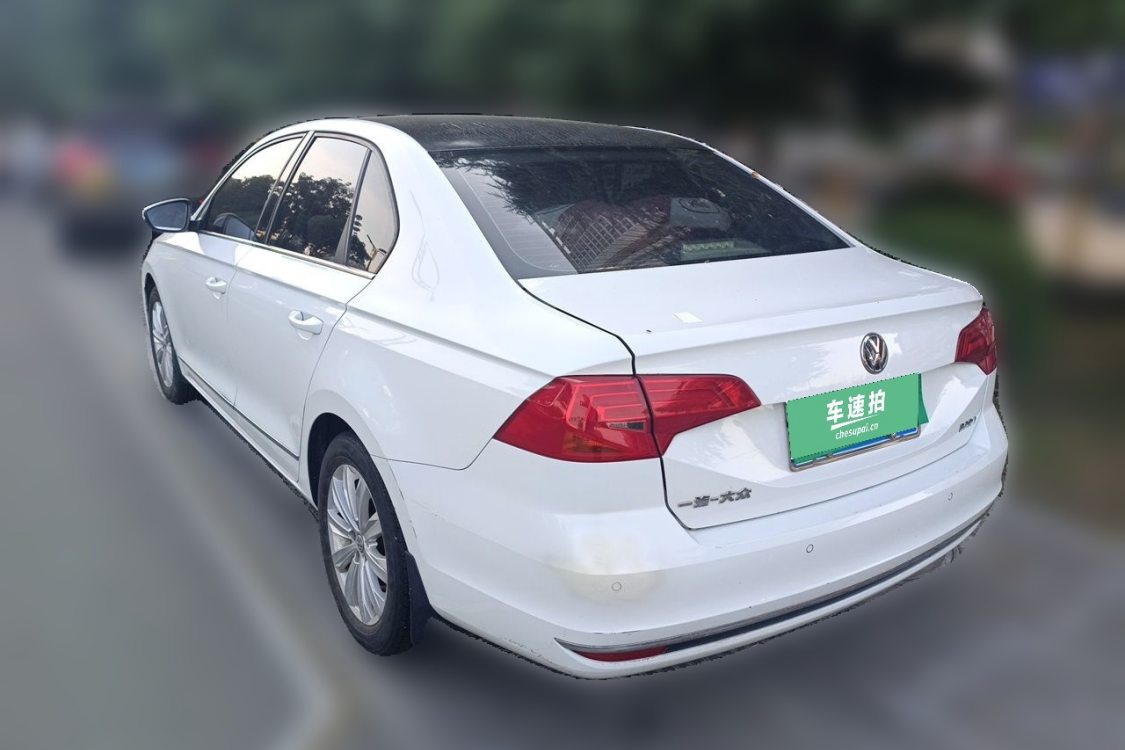
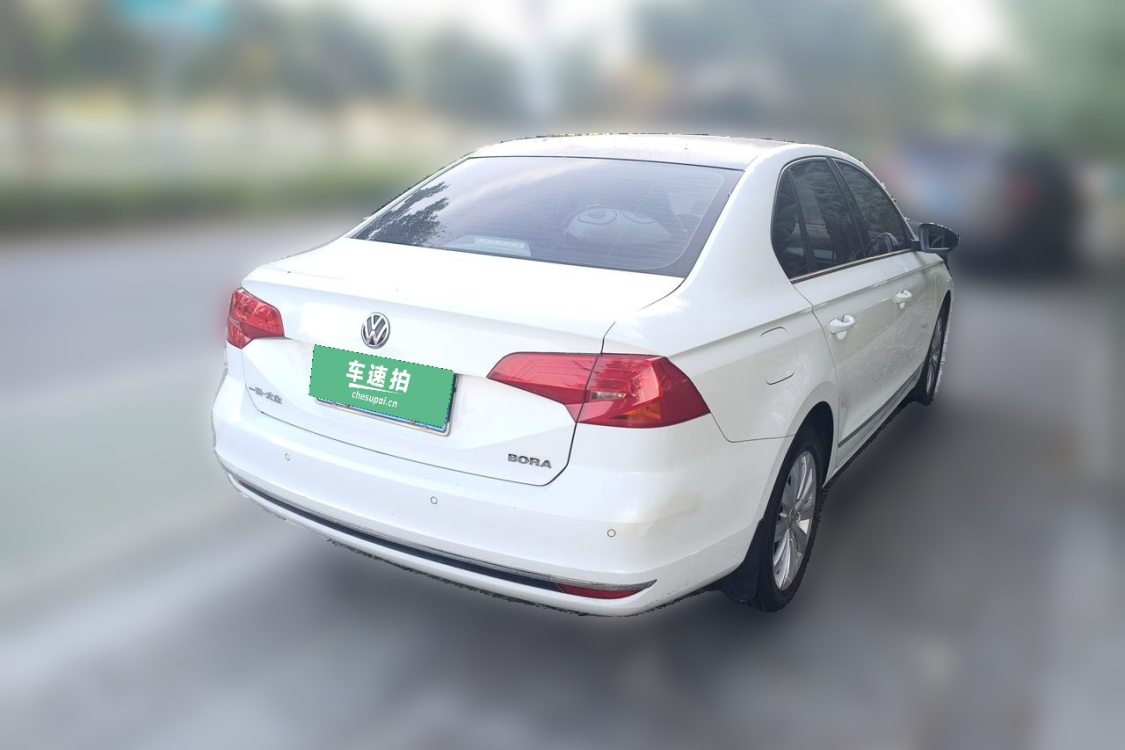
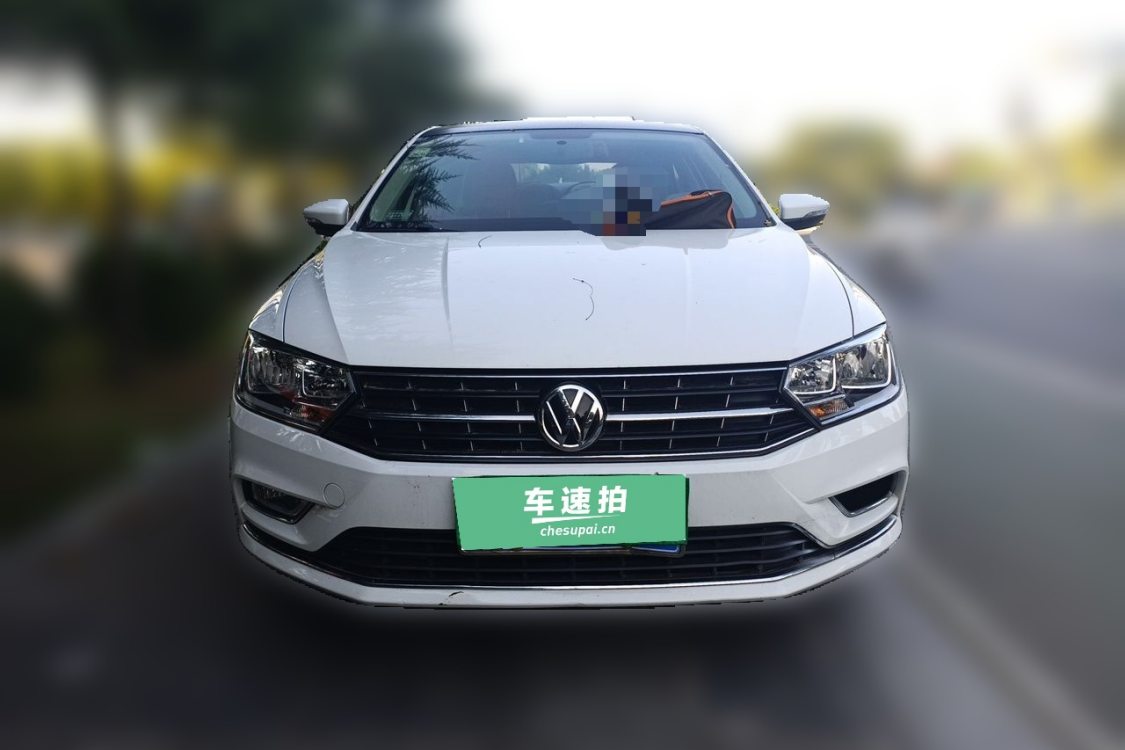
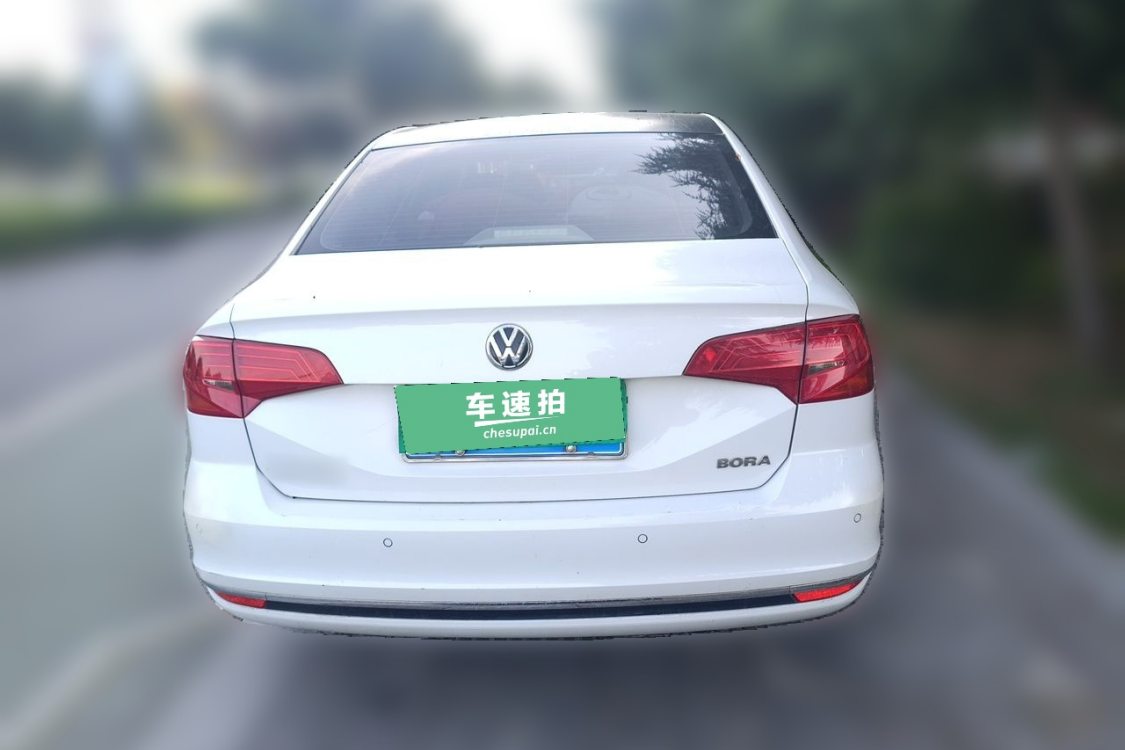
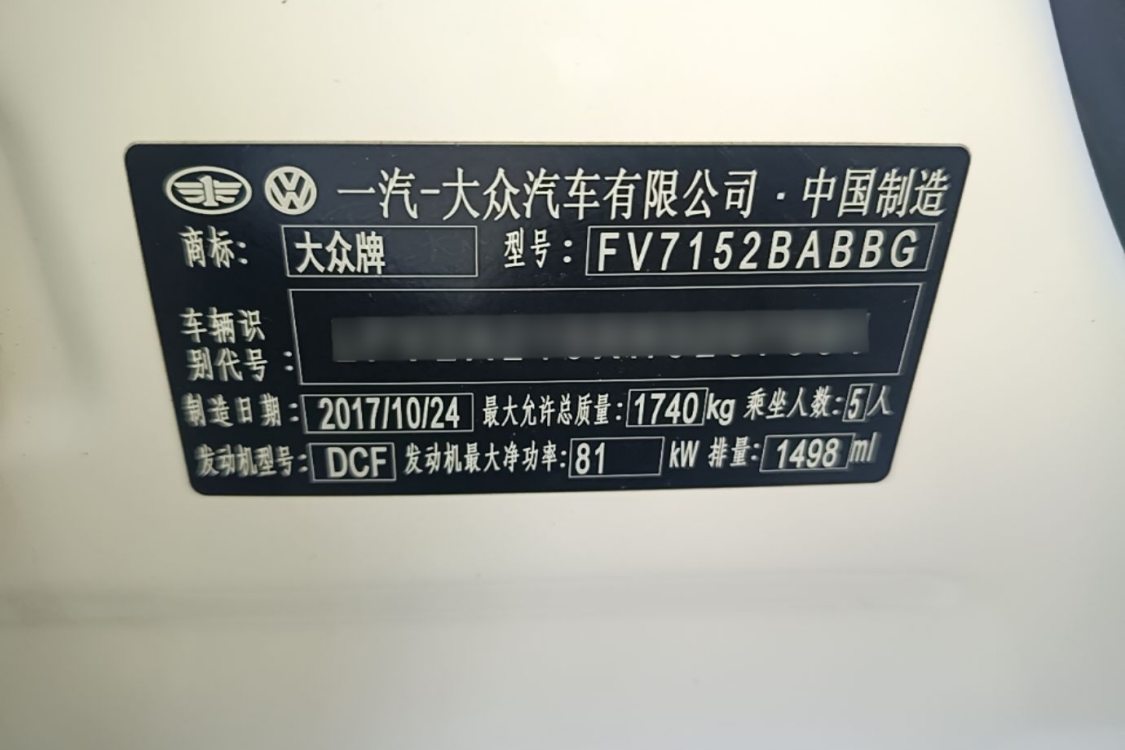
BrandVolkswagen
SeriesBora
Year2018
First Registration2018/02
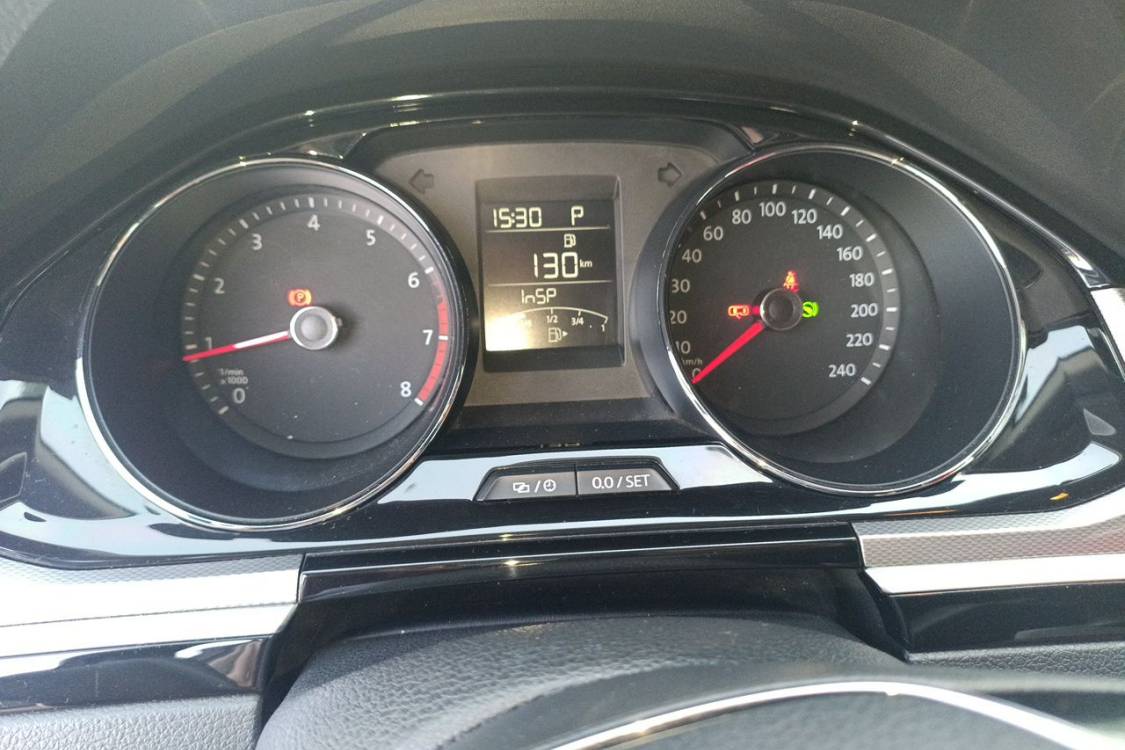
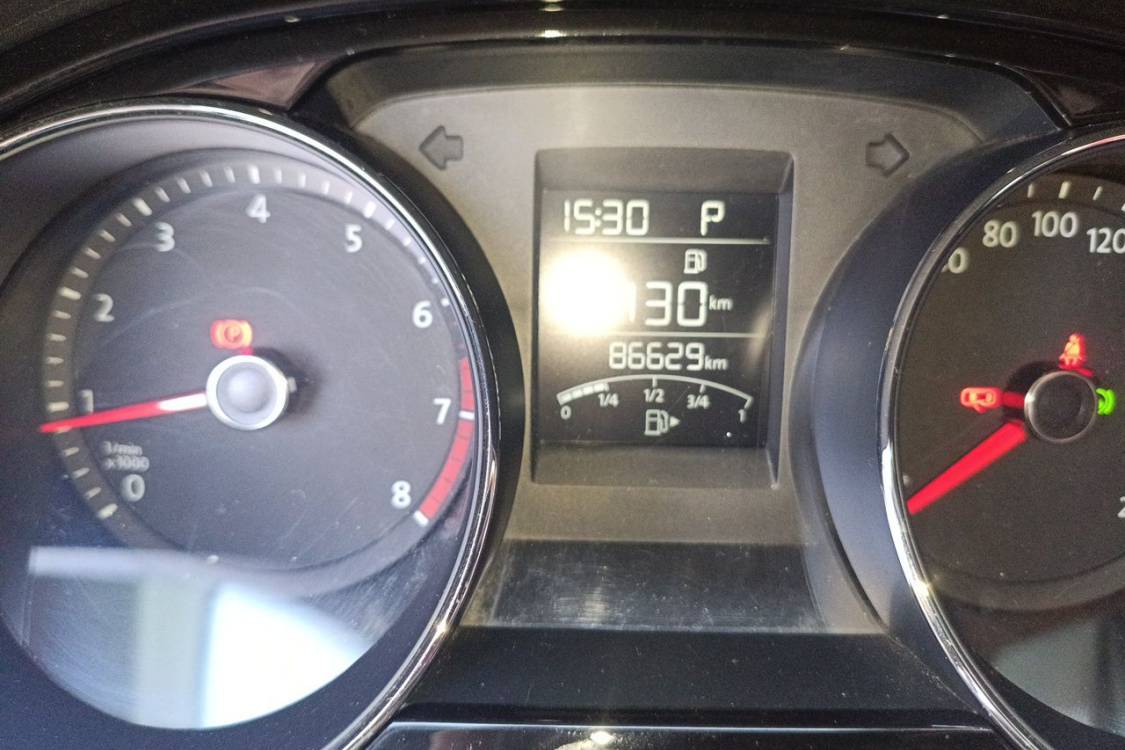
Mileage86,600km
Transfer Count-
FuelGasoline
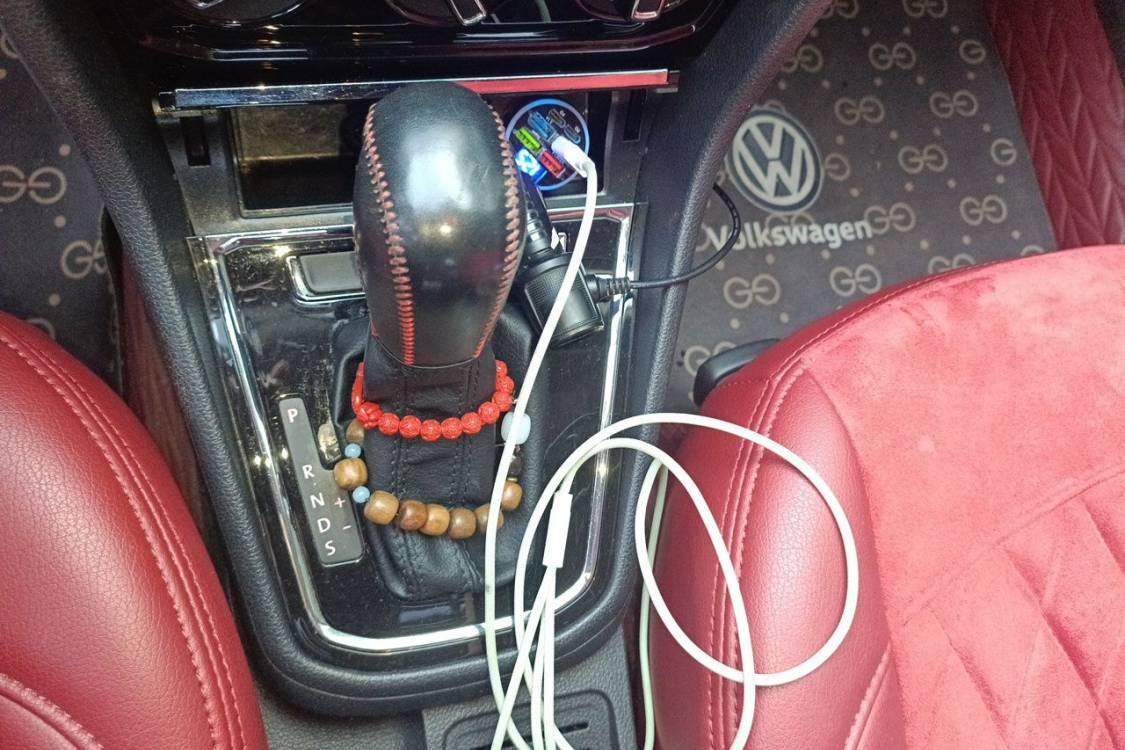
TransmissionManumatic
Engine1.5L 110 L4
ColorWhite
Seats-

Condition Description

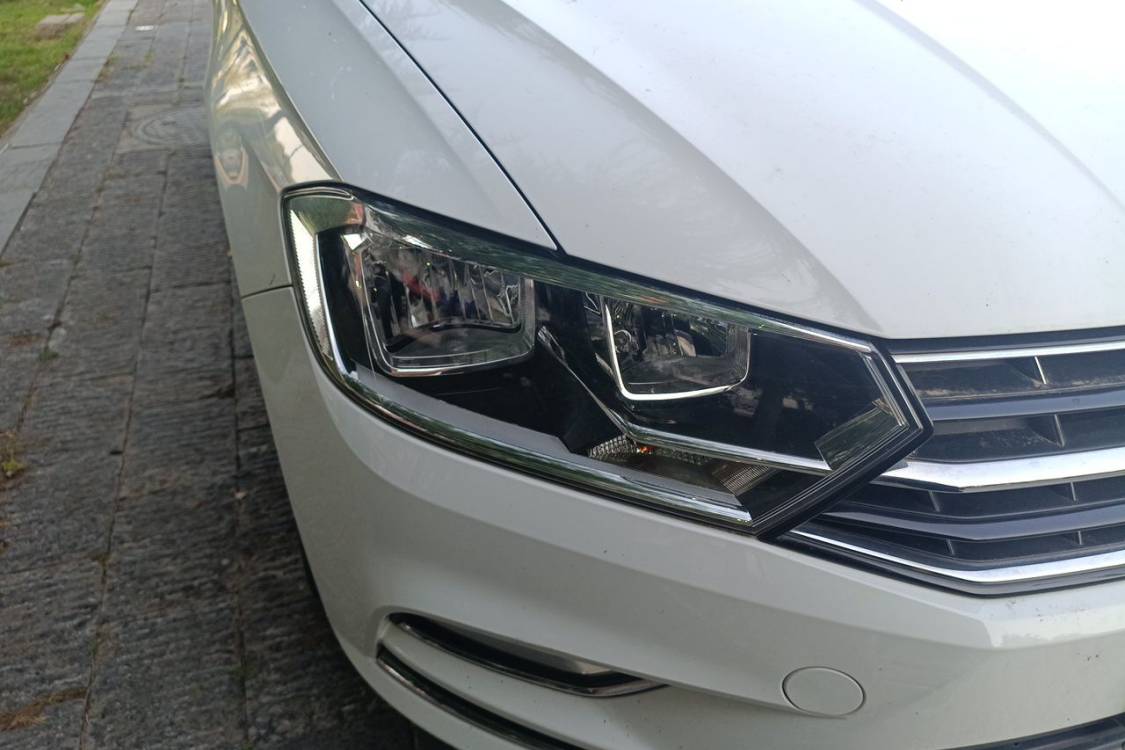
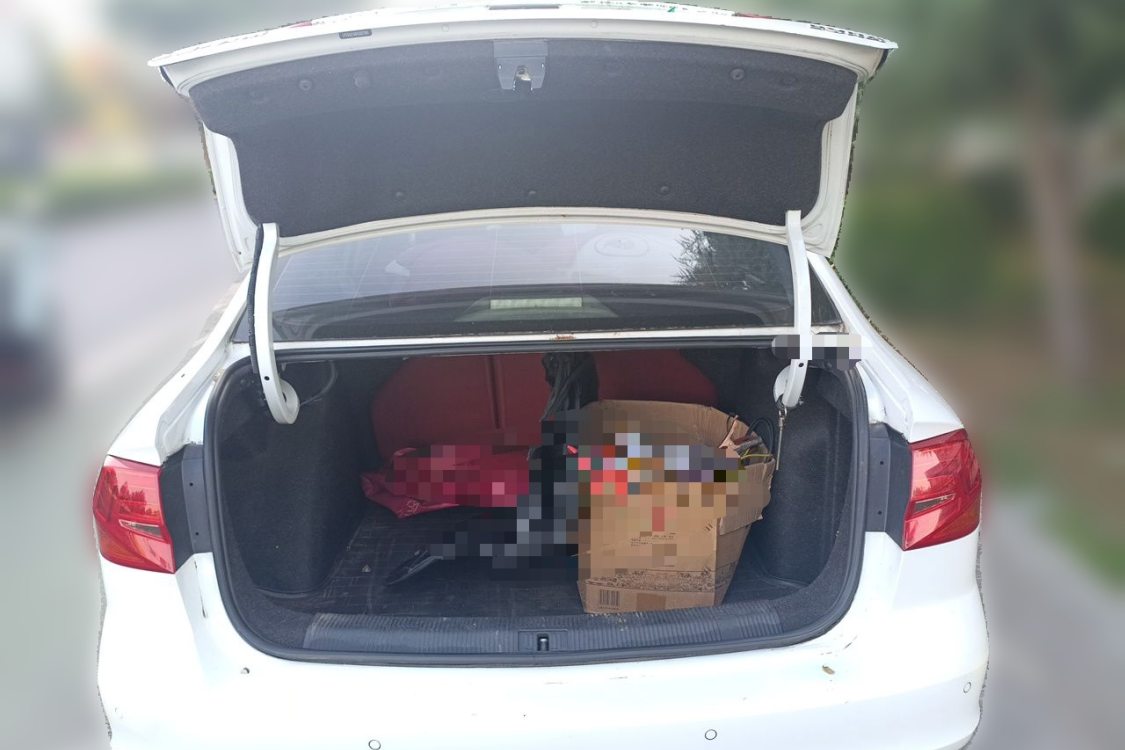
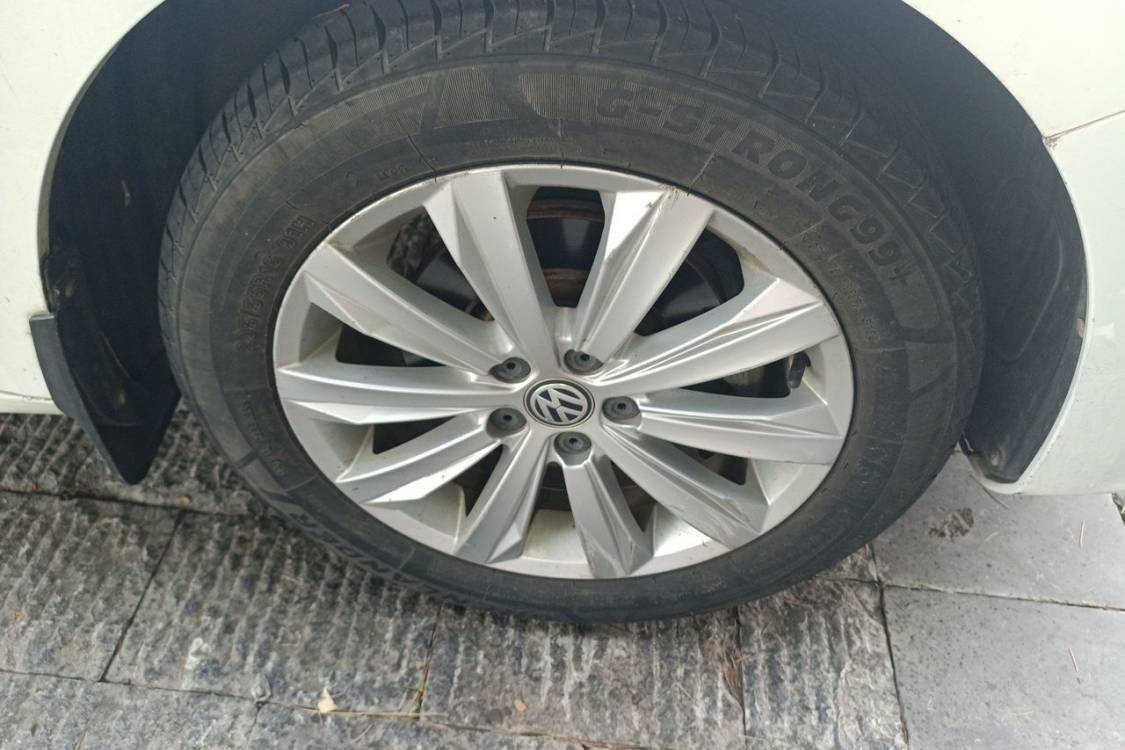
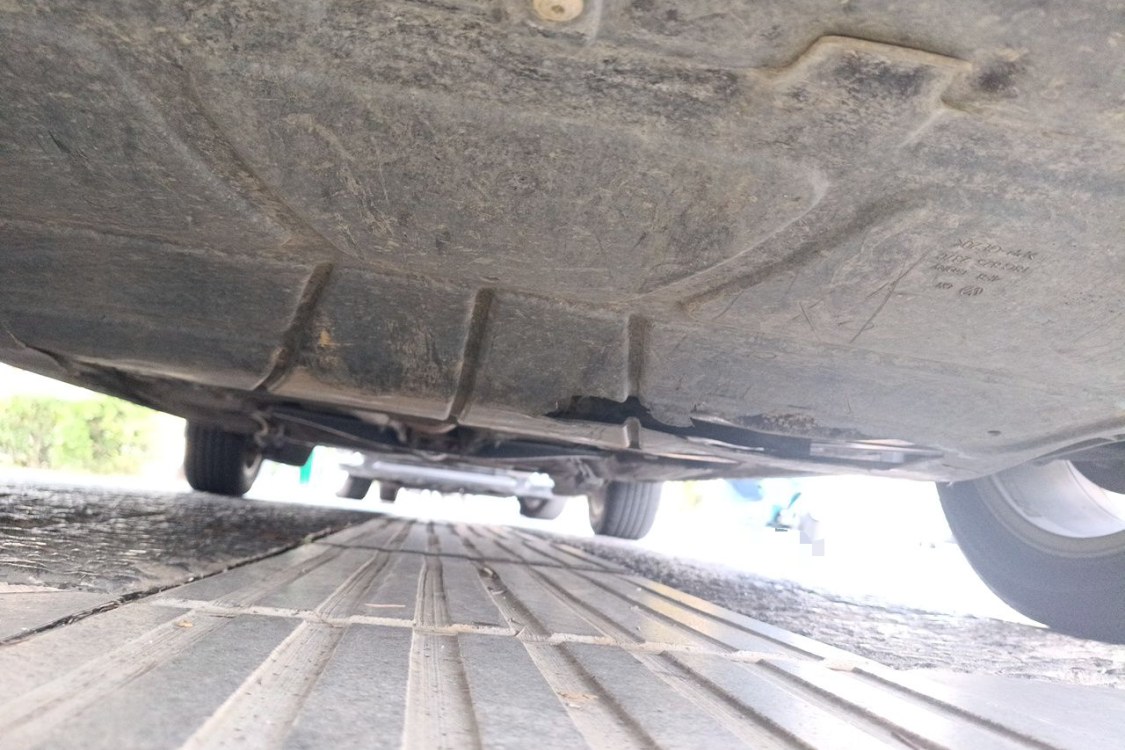
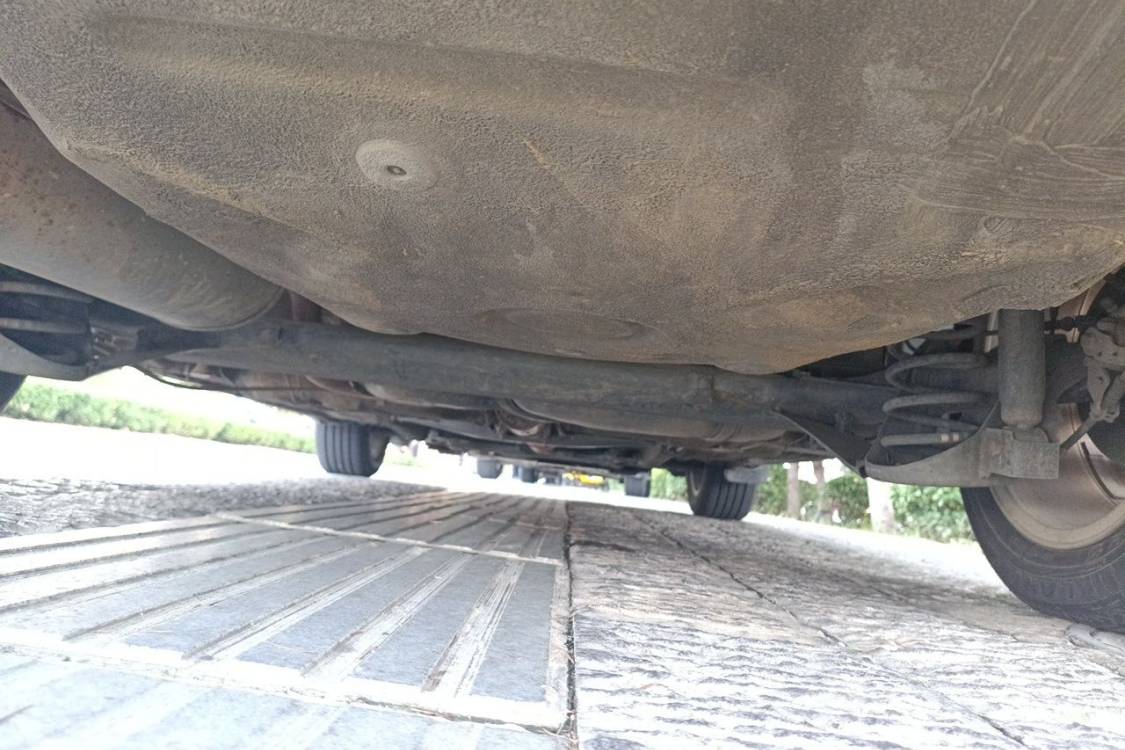
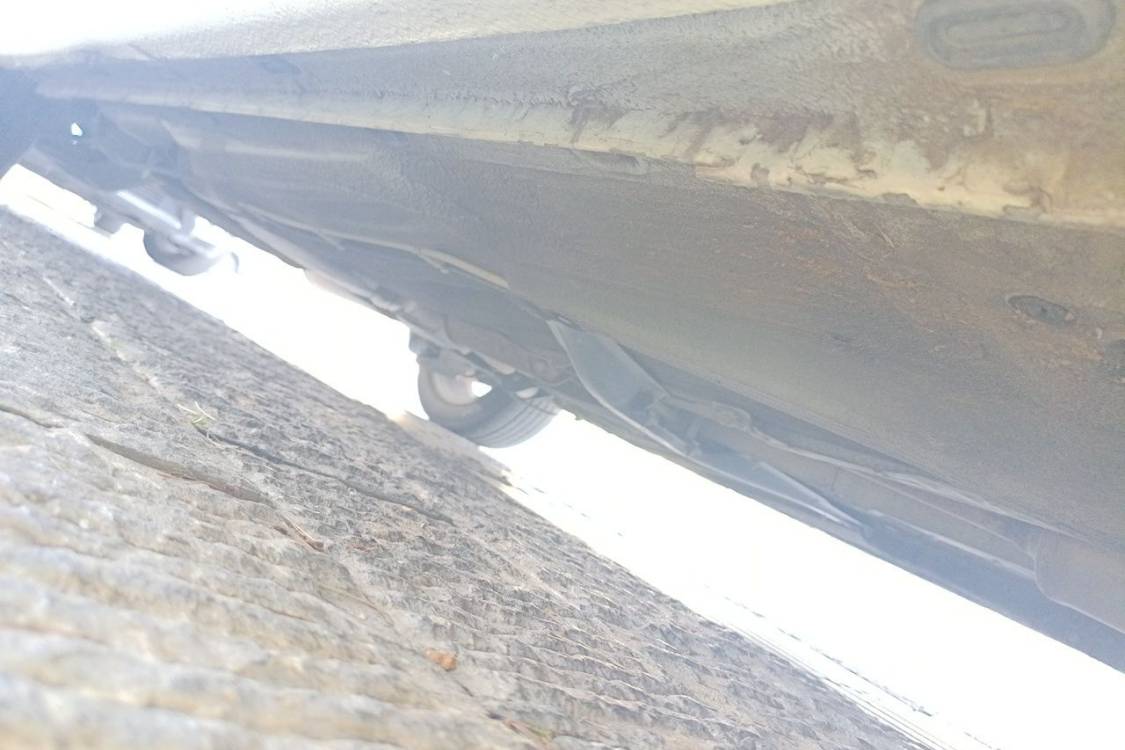
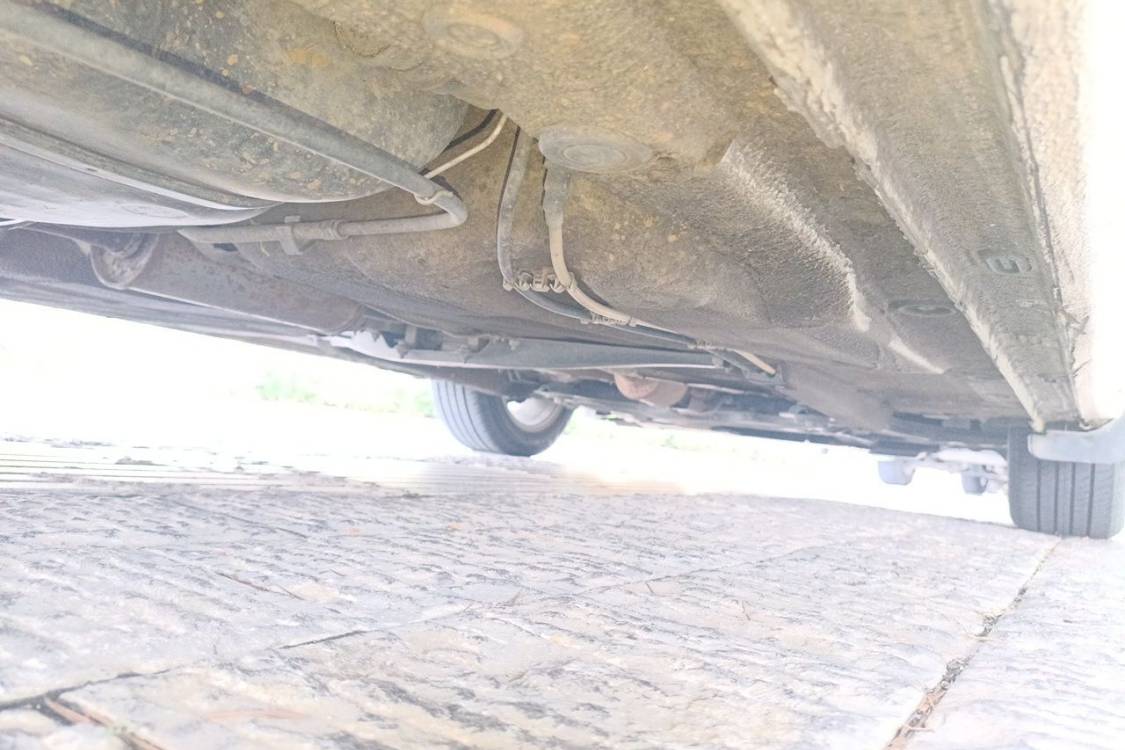
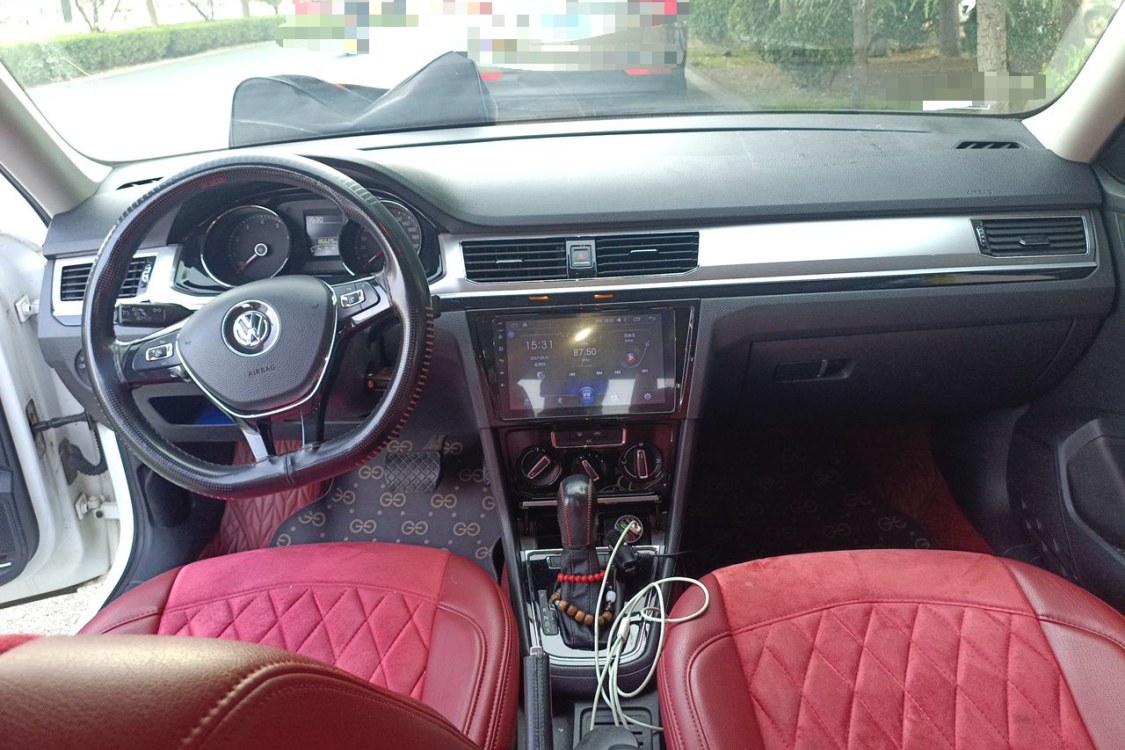
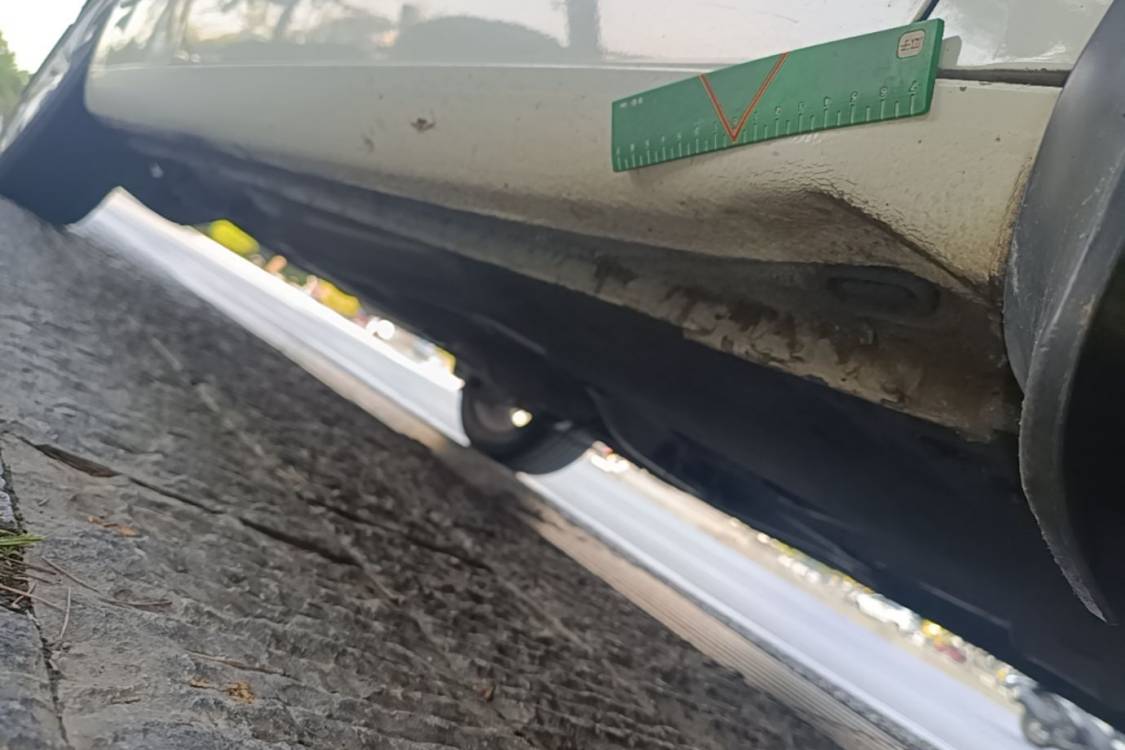
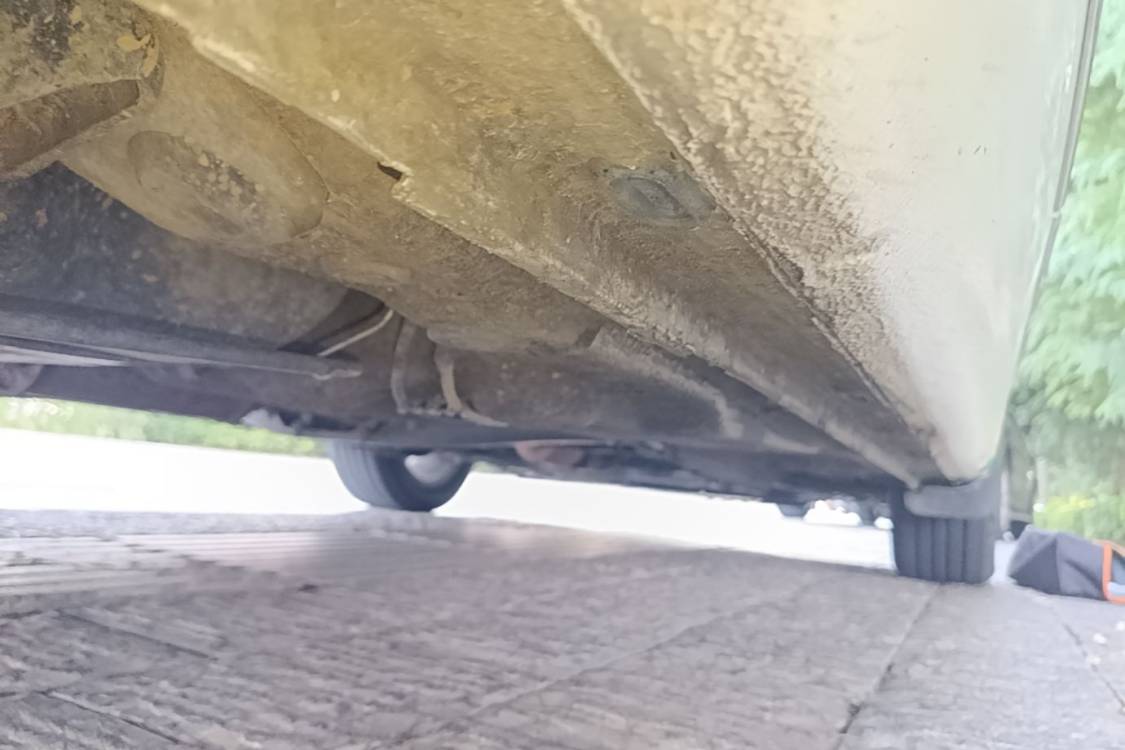
Accident-related damage exists on body components (structural/reinforcing/panels); passive safety devices are defective; vehicle performance (including three-electric system) has degraded or remains limited after repairs.

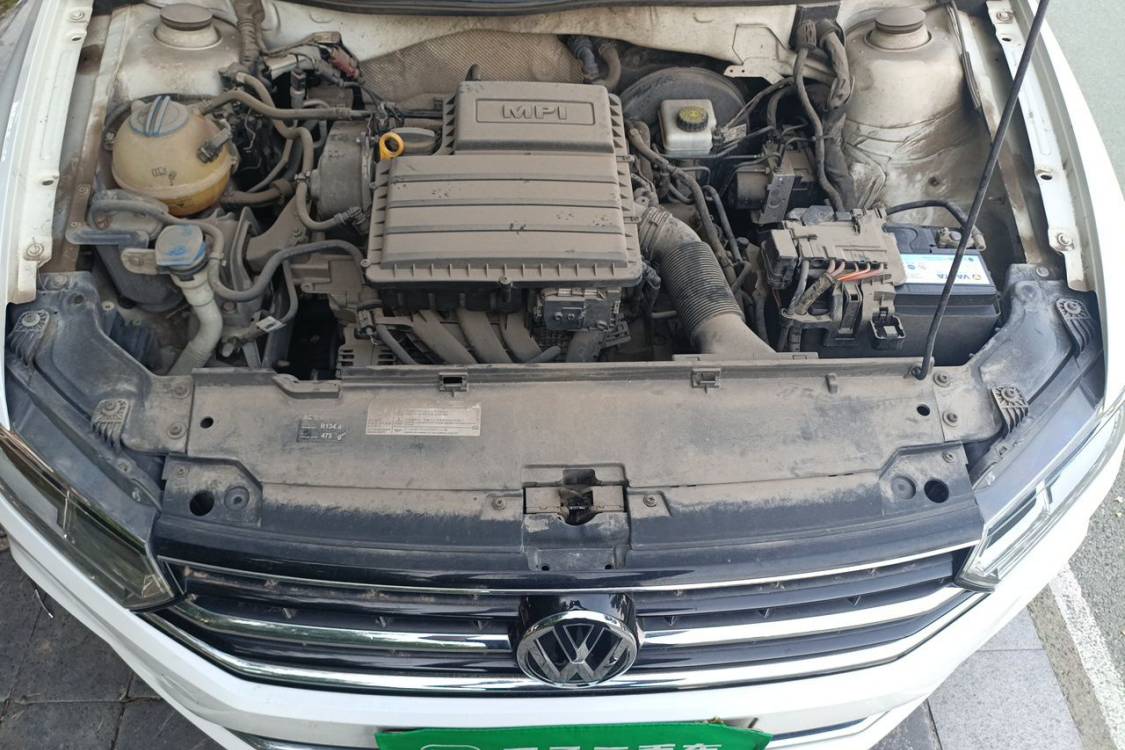
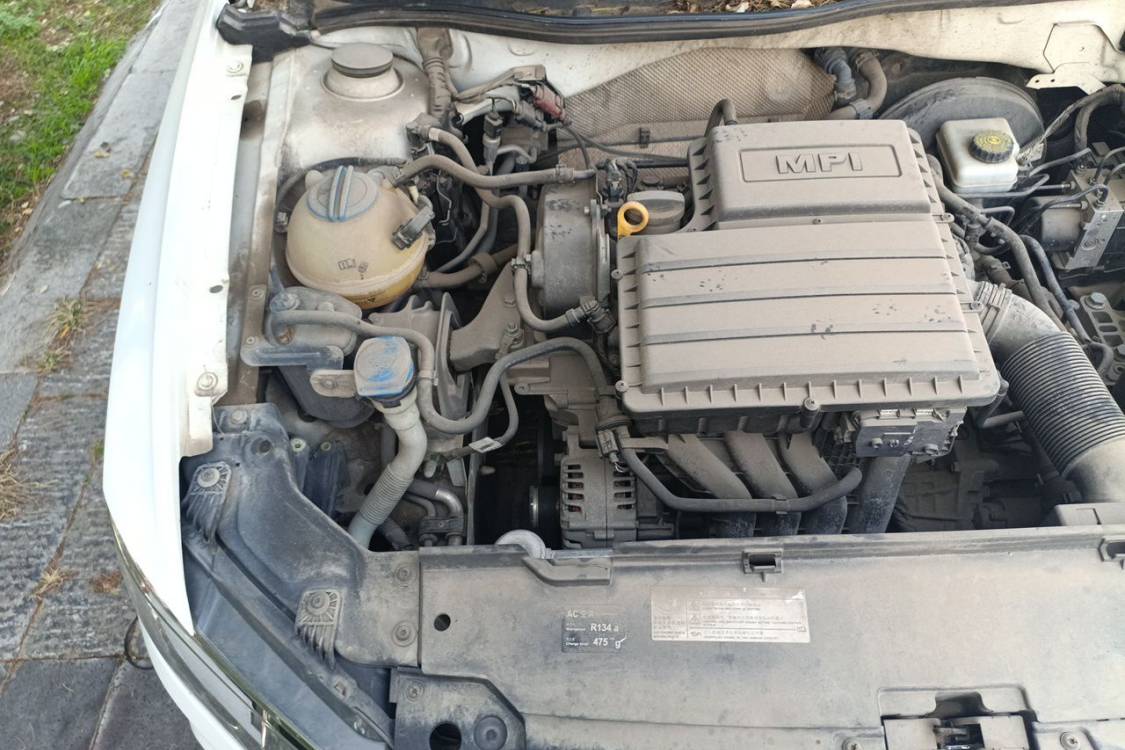
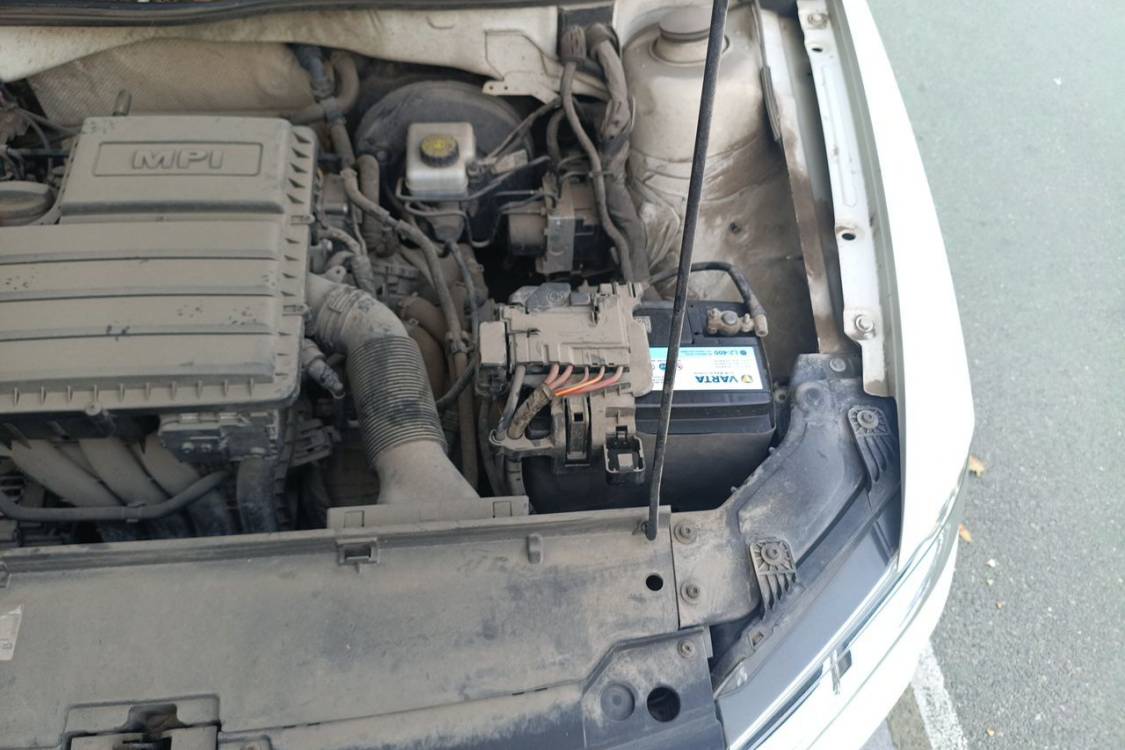
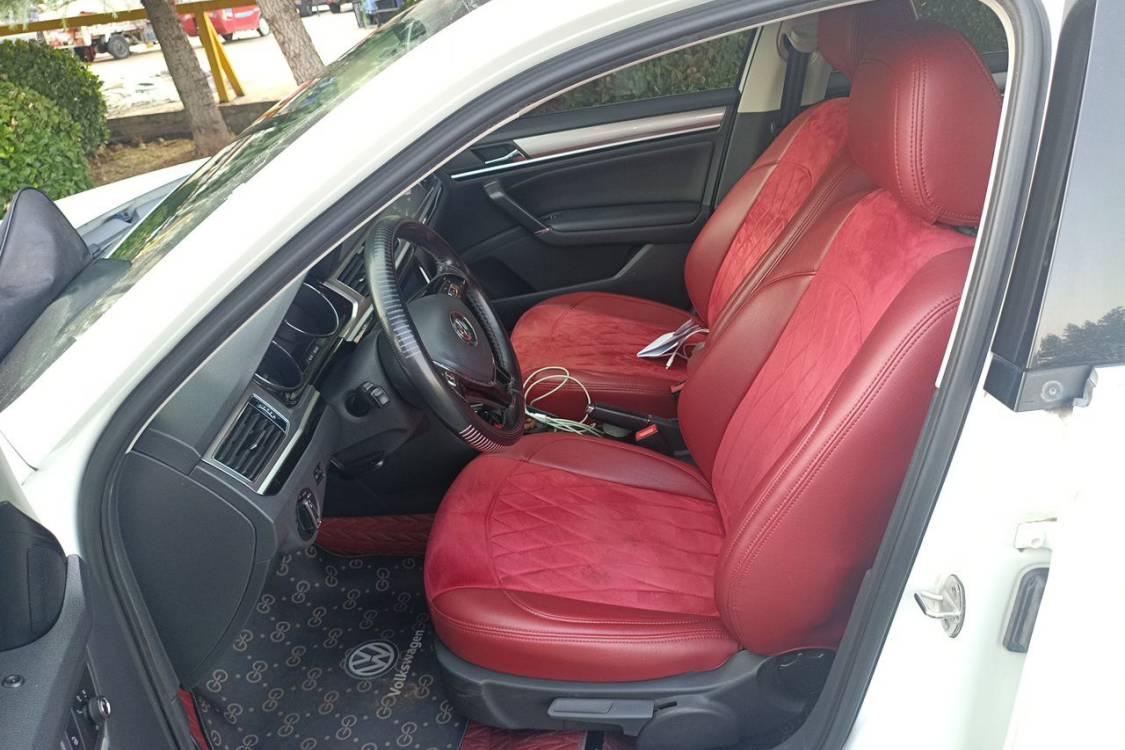
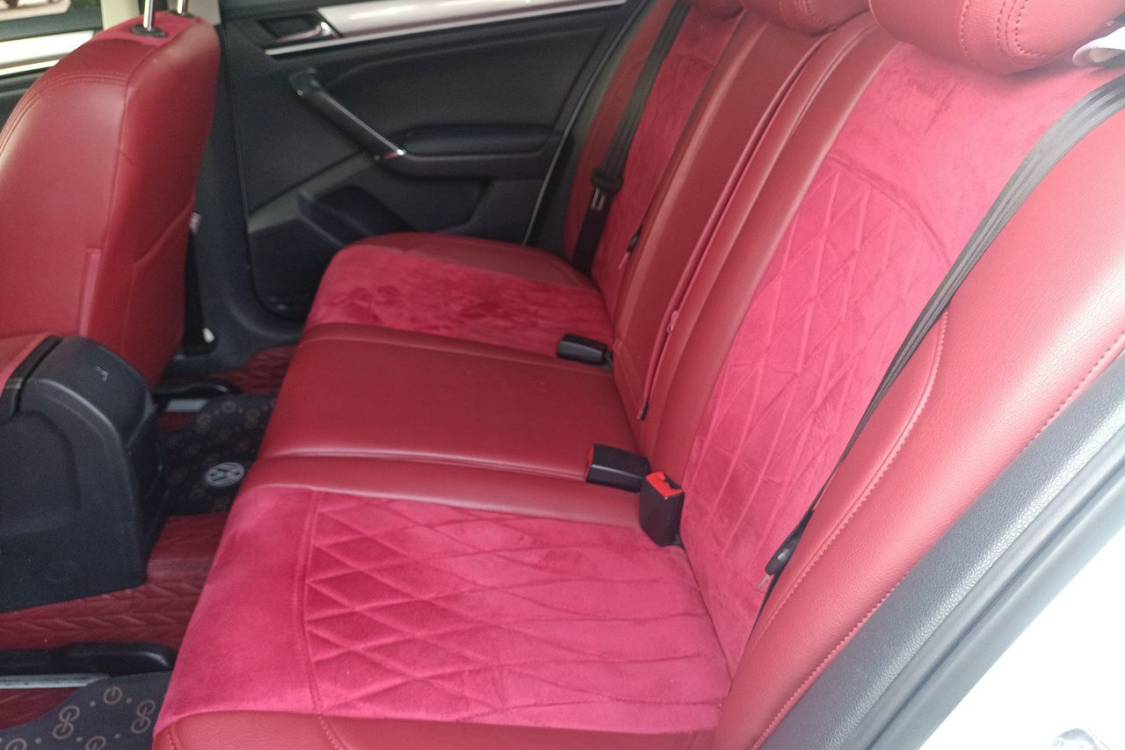
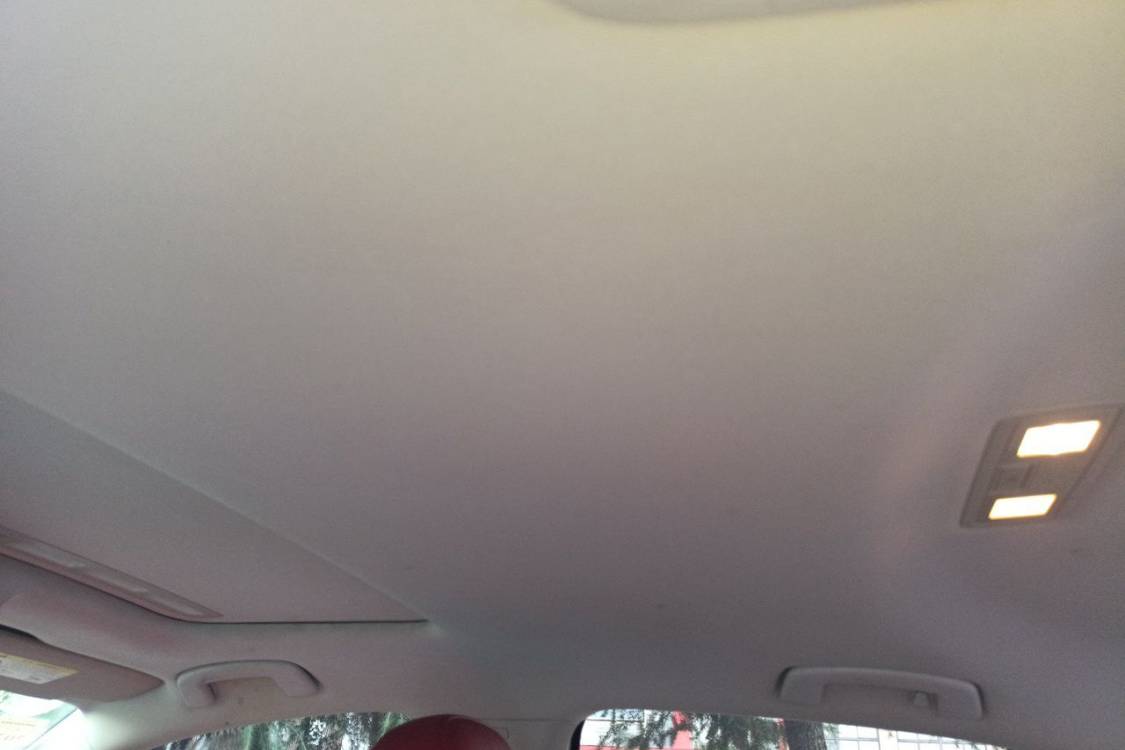
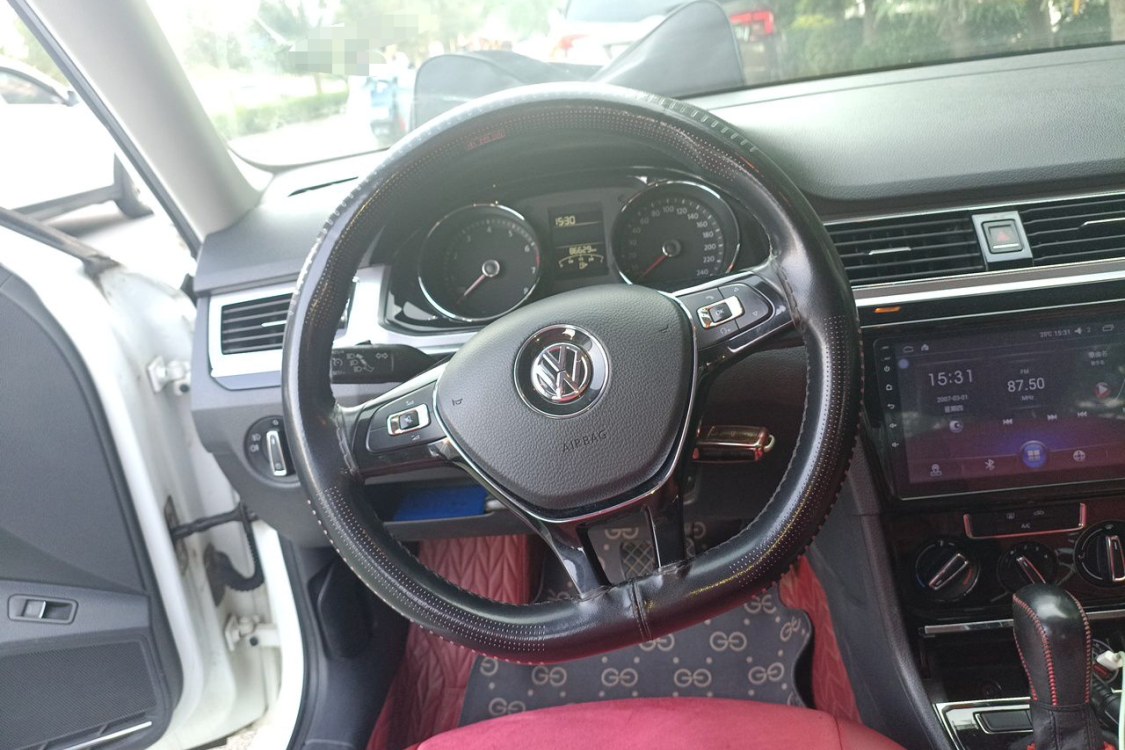
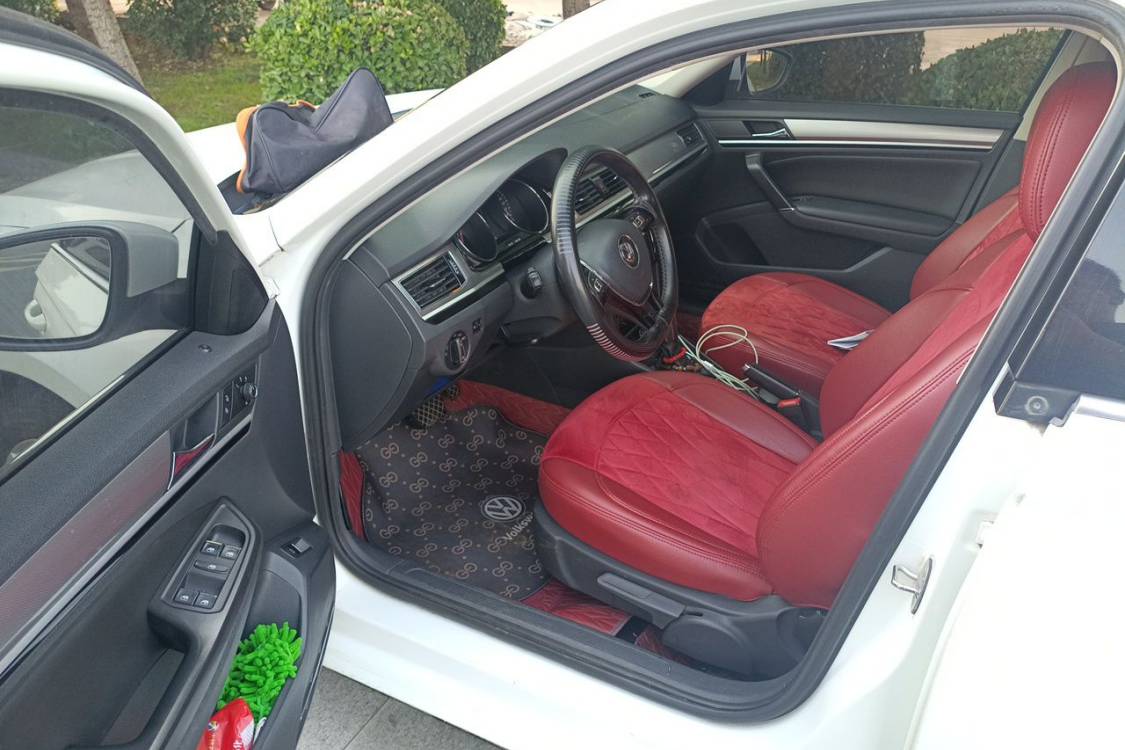
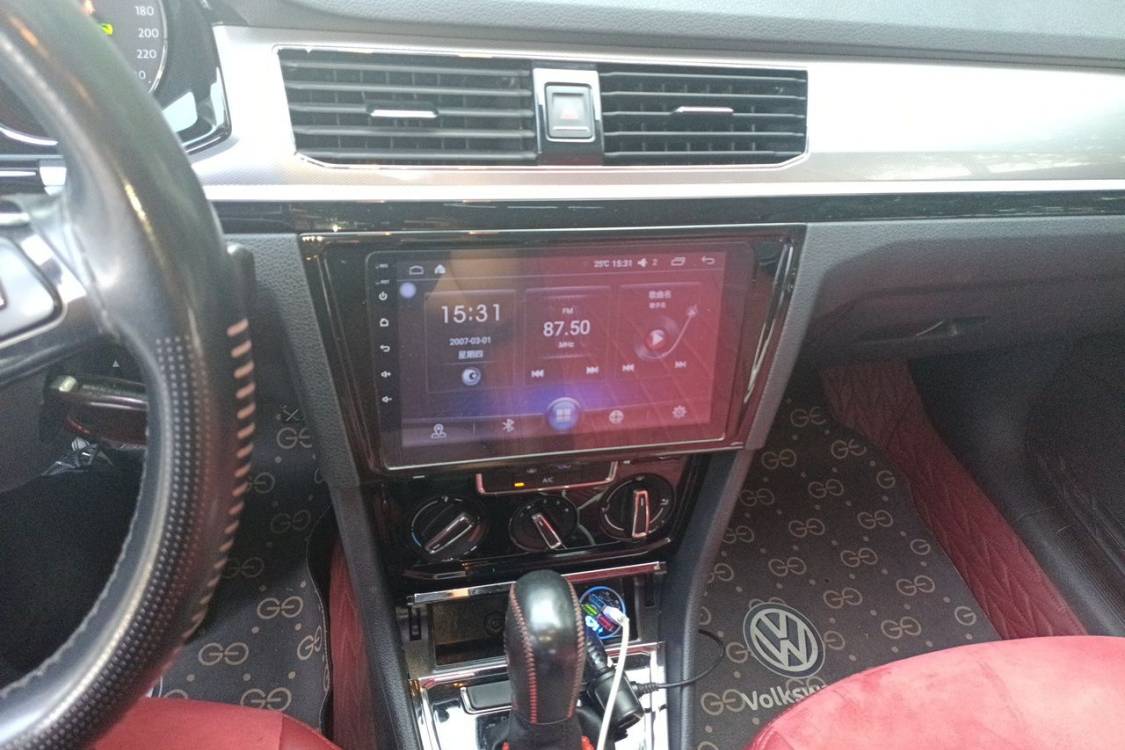
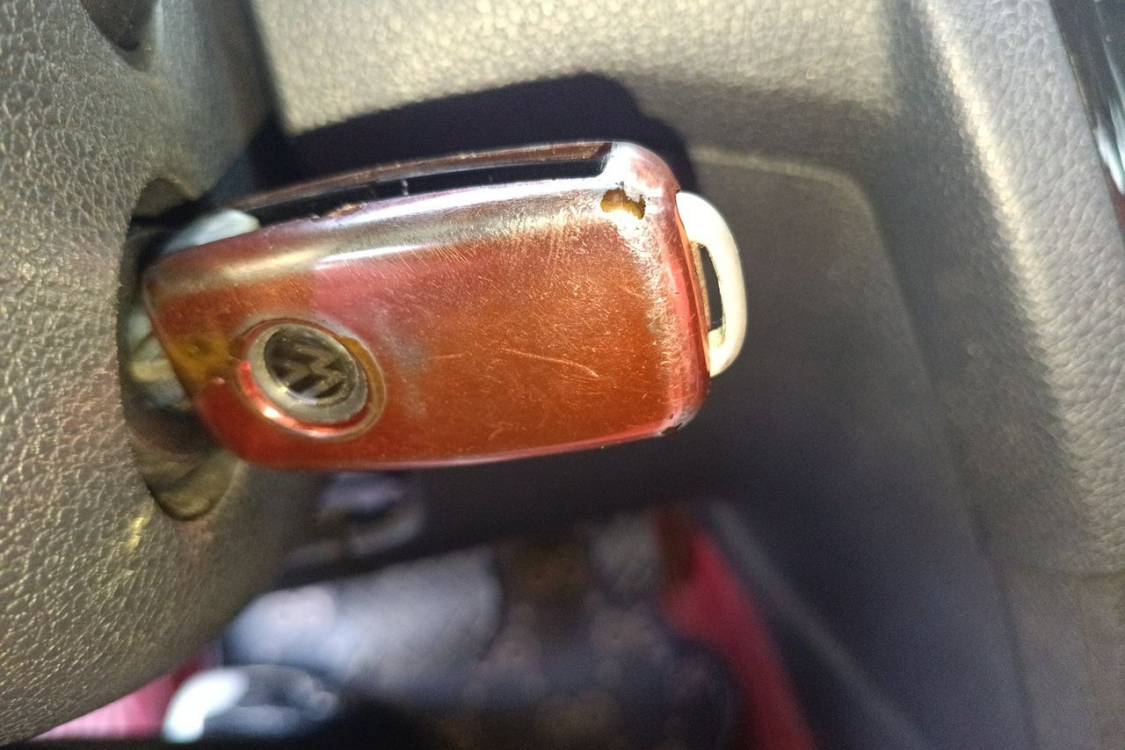
Accident inspection: main structure damaged, reinforcing parts undamaged, panels undamaged, hinges normal; engine bay inspection: key mechanical components normal; exterior: none; interior: headliner dirty, most features normal, airbag inspection normal, lighting system normal; start-up inspection: main components normal; on-board tools: none.

电话直连
可讲价
平台物流
可转售
车主降价
零过户
新检测标准升级>
非泡水

Document Information

Inspection Expiry Date2028/02
Warranty Expiry Date-
Insurance Expiry Date2027/02

Q&A

More

How do I verify the battery health of a used Chinese EV before buying, and what is a State of Health report?

Battery condition is the single most important — and most expensive — variable in a used EV. Ask for a State of Health (SOH) report: in China, dealers and authorized service centers can read it via the manufacturer diagnostic system. It shows remaining capacity as a percentage of the original. Rule of thumb: above 90% is excellent, 85-90% is acceptable for the price, below 80% needs a serious price cut or battery refurbishment. Also get the battery's full charge and discharge history (次数) — a 3-year-old car with 800 fast-charge cycles has lived a harder life than one with 200. Physically, inspect the battery pack enclosure on a lift for dents, corrosion, or coolant leaks. Check that DC fast charging works during a test charge. Finally, verify the battery is not covered by an open recall or replacement program — this is both a risk and sometimes a free upgrade.


Can the used cars you export meet the SASO certification or GSO standards required by the Middle Eastern market?

It must be stated objectively: used cars in China are produced according to national standards (GB) and have not been originally certified by Saudi SASO or GSO of Gulf countries. Buyers must find a local agent with customs clearance capabilities to complete the clearance through exemption documents or compliant modifications after arrival (such as wrapping or adding specific alarms).

When calculating the total cost of a used car, what percentage of the car price do you recommend setting aside for "unforeseen local preparation costs"?

Based on practical risk assessment, we strongly recommend setting aside 3% to 5% of the car price as a buffer fund for even the highest-rated used cars, to cover oil changes, new tires, minor shipping scratches, and local inspection labor costs.