Basic Information

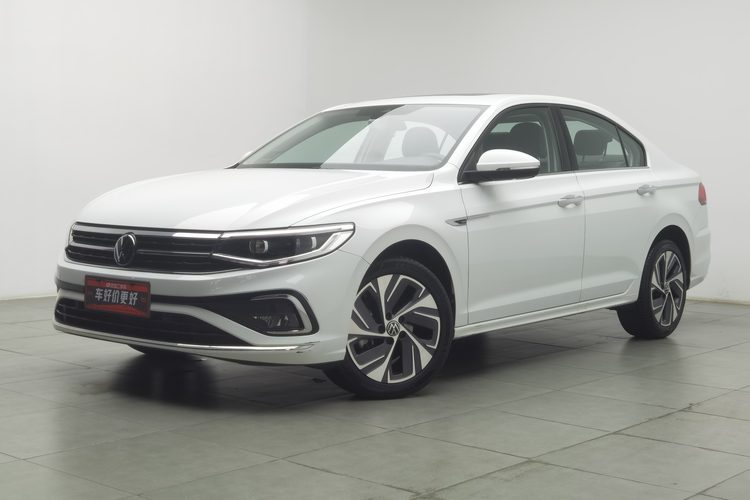
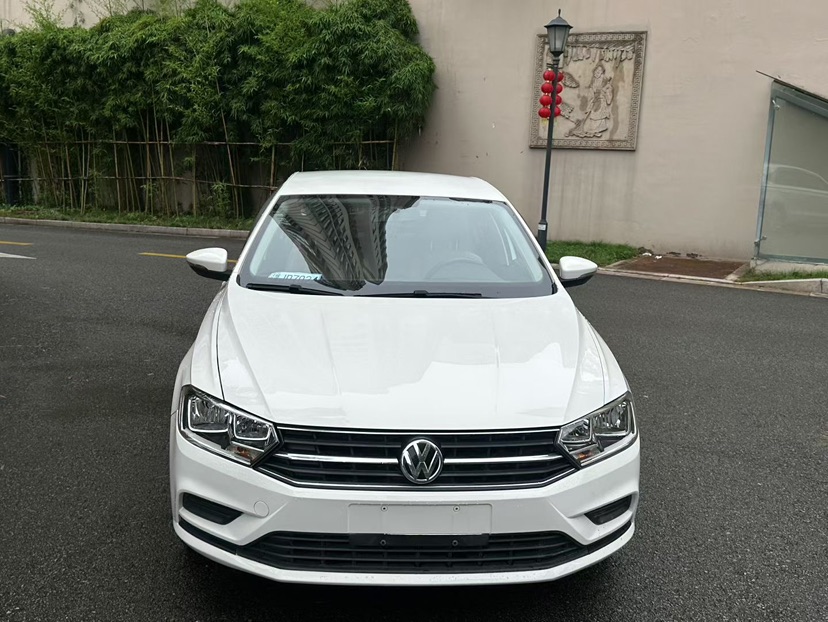
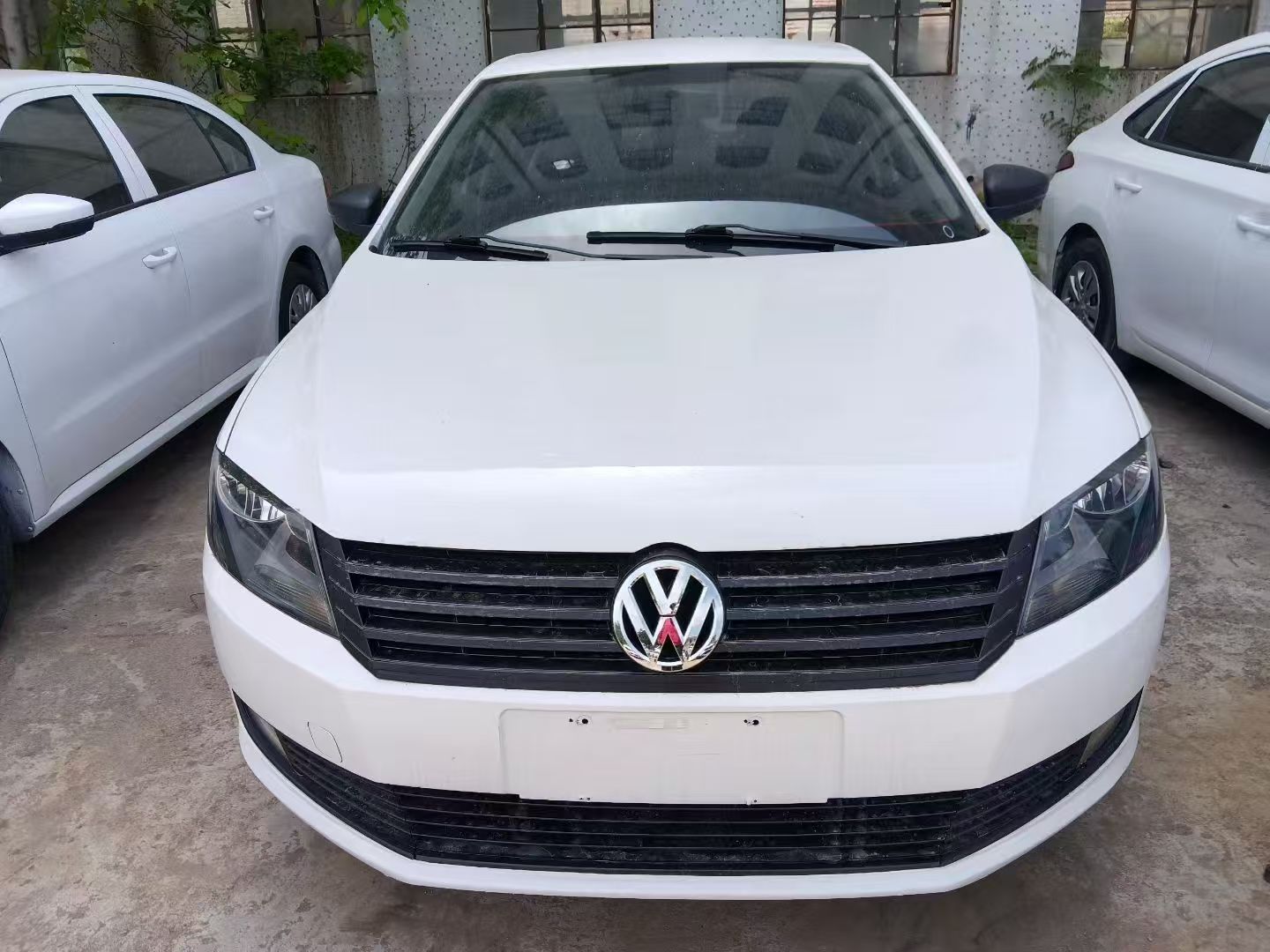
BrandVolkswagen
SeriesBora
Year2019
First Registration2019/08
Mileage53,800km
Transfer Count-
FuelGasoline
TransmissionManumatic
Engine1.5L 113 L4
ColorOther
Seats-

Condition Description

Body components (structural/reinforcing/covering parts) have accident-type damage; passive safety devices are defective; vehicle performance (including three-electric system) is degraded or remains performance-limited after repairs.

Accident inspection: main structure damaged, reinforcing parts damaged, covering parts damaged, hinges normal; engine bay inspection: key mechanical components in engine compartment normal; exterior: 4 areas of sheet metal repair, 4 areas of repaint; interior: most features normal, airbag inspection normal, seatbelts normal, dashboard normal, instrument inspection normal, lighting system normal; start-up inspection: main components normal; on-board tools: none.

可讲价

Document Information

Inspection Expiry Date2029/08
Warranty Expiry Date-
Insurance Expiry Date2027/08

Q&A

More

Will the connected app, remote control, and OTA updates of a used Chinese EV keep working in my country after import?

Usually yes, but with conditions. The seller must transfer the vehicle's account binding to you — without that, the app stays locked to the previous owner. Ask for a screen recording showing the unbinding and re-binding process. OTA updates and remote functions depend on the manufacturer keeping servers accessible from your region. Most major brands now support overseas accounts, but features like voice assistants or map data may be limited outside China. In-car navigation may default to Chinese maps, so plan to use Android Auto, CarPlay, or phone mirroring instead. Before purchase, confirm with the exporter in writing: which connected functions work in your country, and whether a regional account conversion is included in the price.


If a car frequently transfers between extremely cold areas (like Northeast China) and extremely hot areas (like Hainan), would you provide special risk warnings?

Absolutely. The extreme temperature fluctuations will significantly accelerate the aging of chassis rubber parts, oil seals, and interior plastics. For vehicles frequently dispatched across such latitudes, we will conduct fatigue resistance checks on chassis rubber parts that are twice as stringent as those for vehicles in temperate regions.

How do I read and interpret a Chinese vehicle history report—what do the records and codes mean, and which findings should stop the deal?

A Chinese history report (查博士, 精真估, or 4S-shop records) usually contains several sections. Here's how to read them. Accident records: entries tagged 重大事故 (major accident) or listings at an insurance payout above 30% of the car's value are serious red flags. Airbag deployment is a deal-breaker for most buyers. Mileage timeline: check that mileage increases logically between service visits. A sudden drop between two dates means odometer tampering—walk away. Ownership count: more than 3 owners in 5 years suggests a problem car. Also check the 使用性质 field: a car registered as 营运 (commercial/taxi use) has a much shorter legal lifespan. Maintenance entries: consistent 4S dealership records are a good sign; long gaps aren't necessarily fatal if the owner used independent shops, but ask for receipts. Cross-check the report against the VIN plate, registration certificate, and physical inspection. If the report shows no accidents but paint thickness readings say otherwise, trust the metal, not the paper.