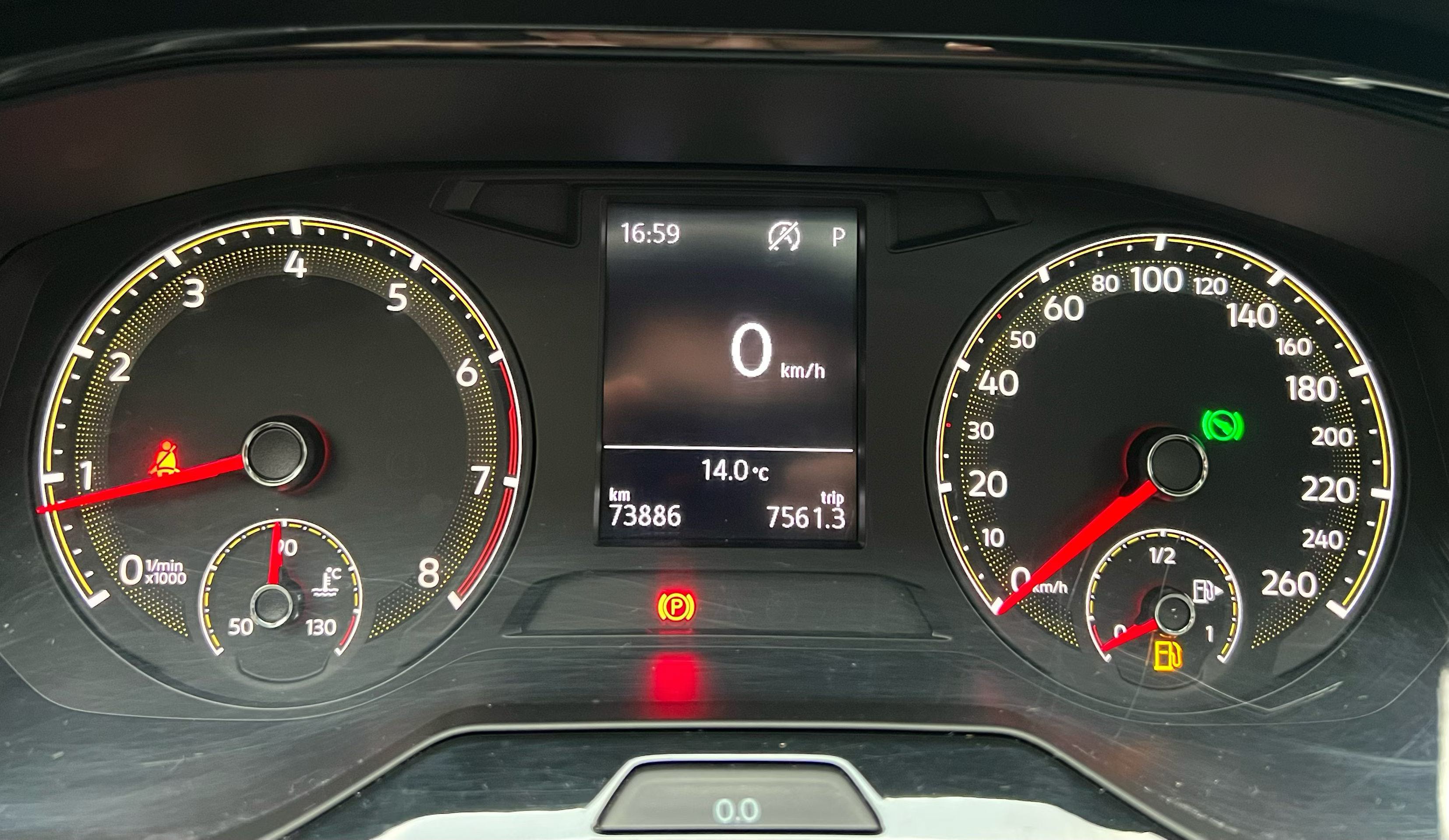



Basic Information

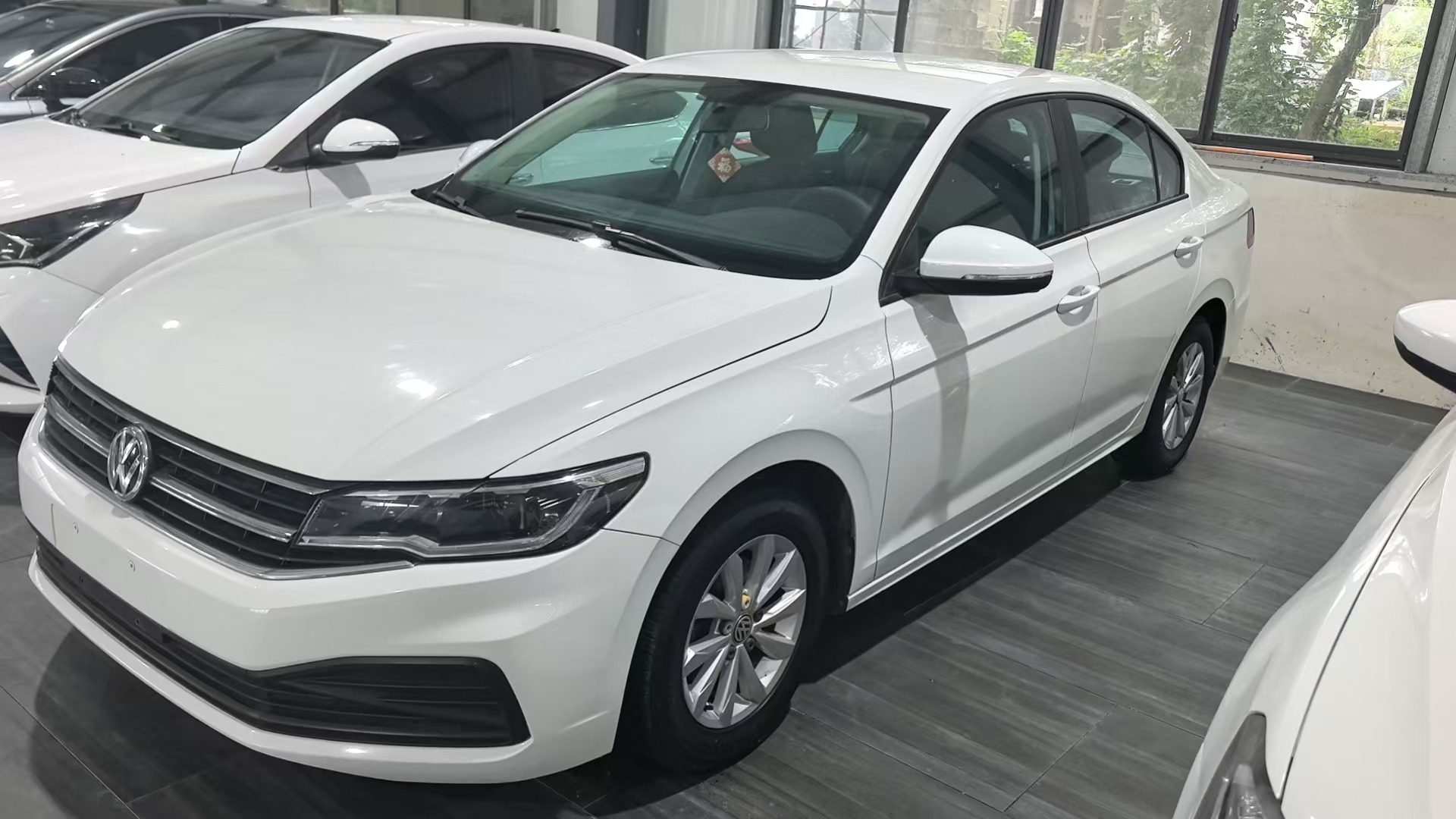
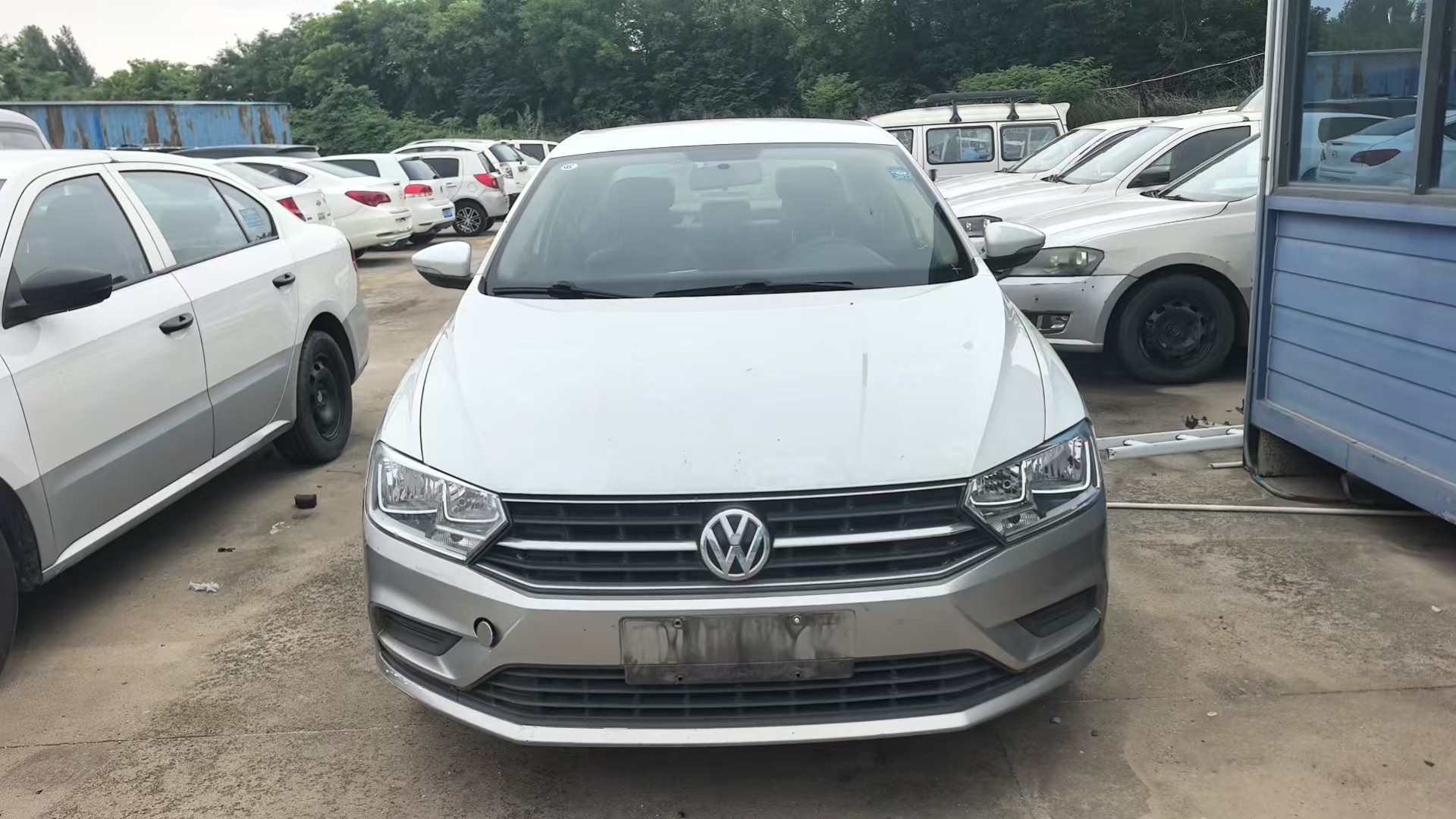
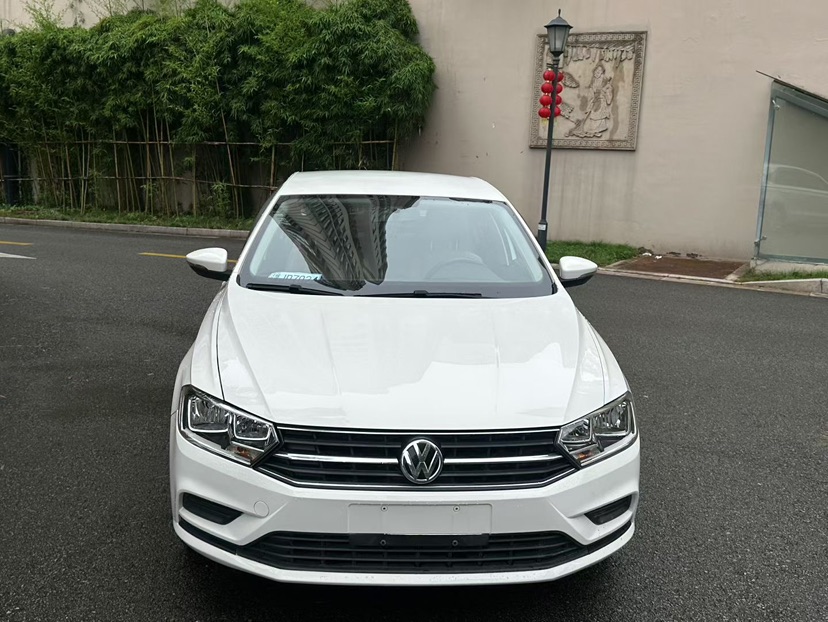
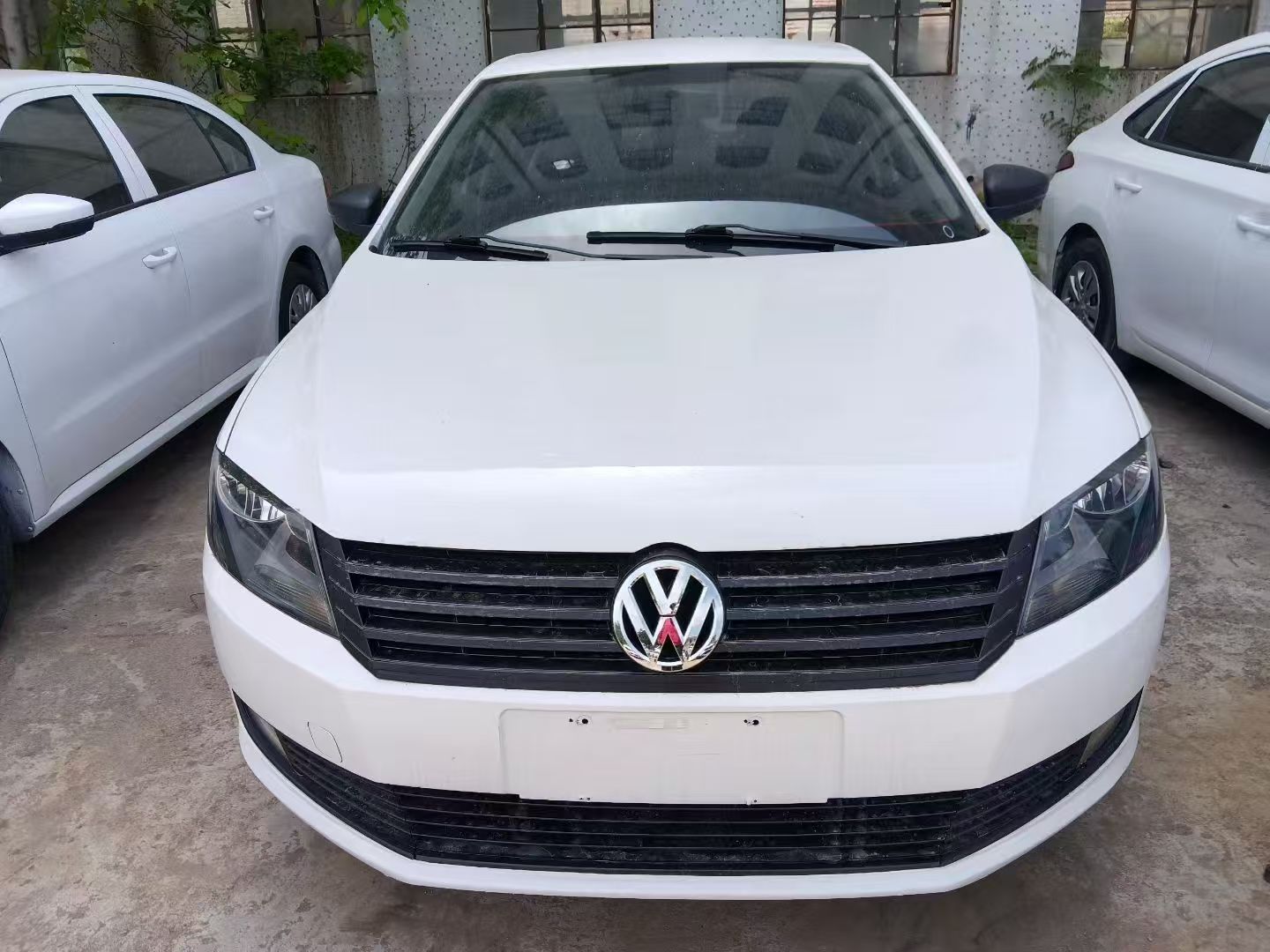
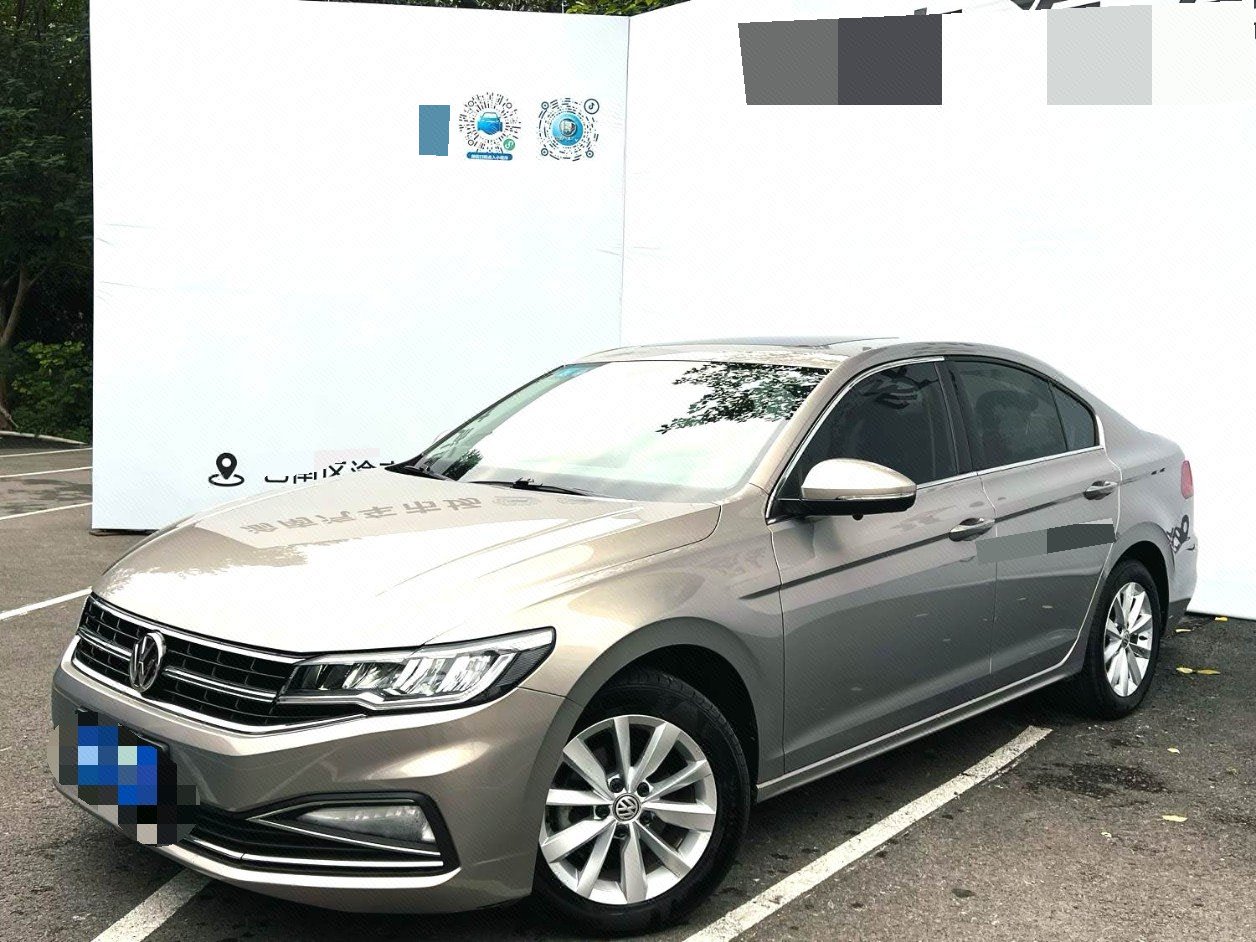
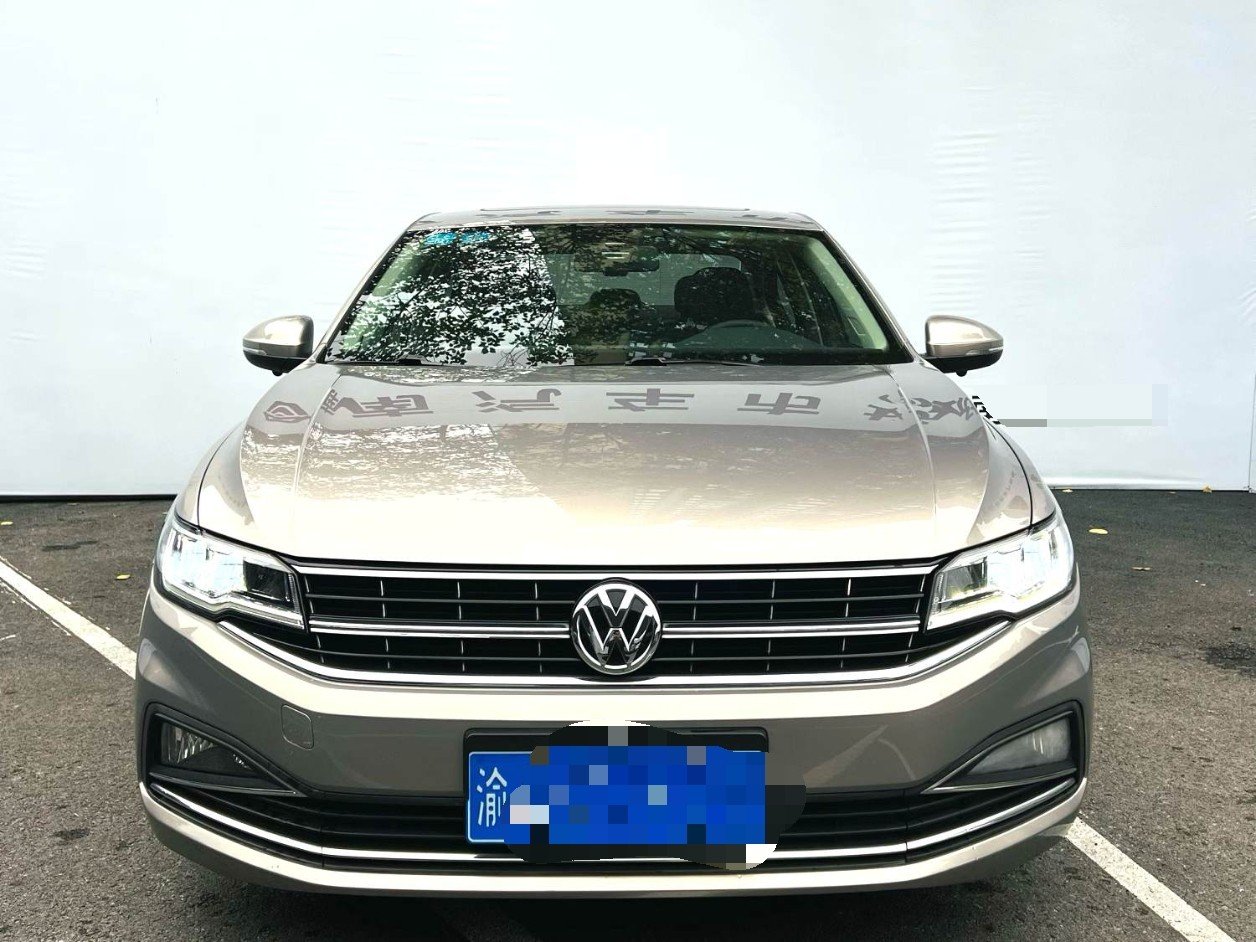
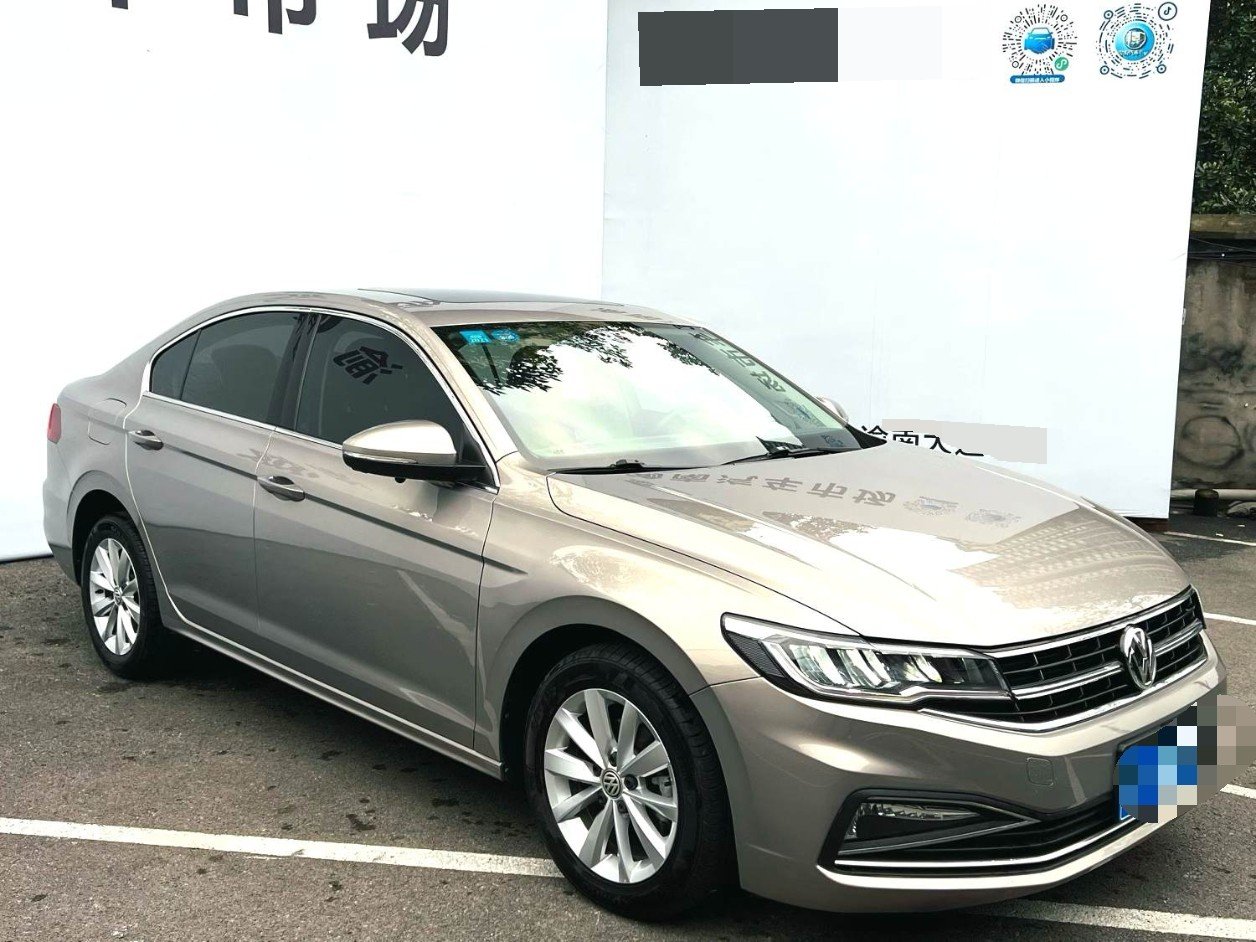
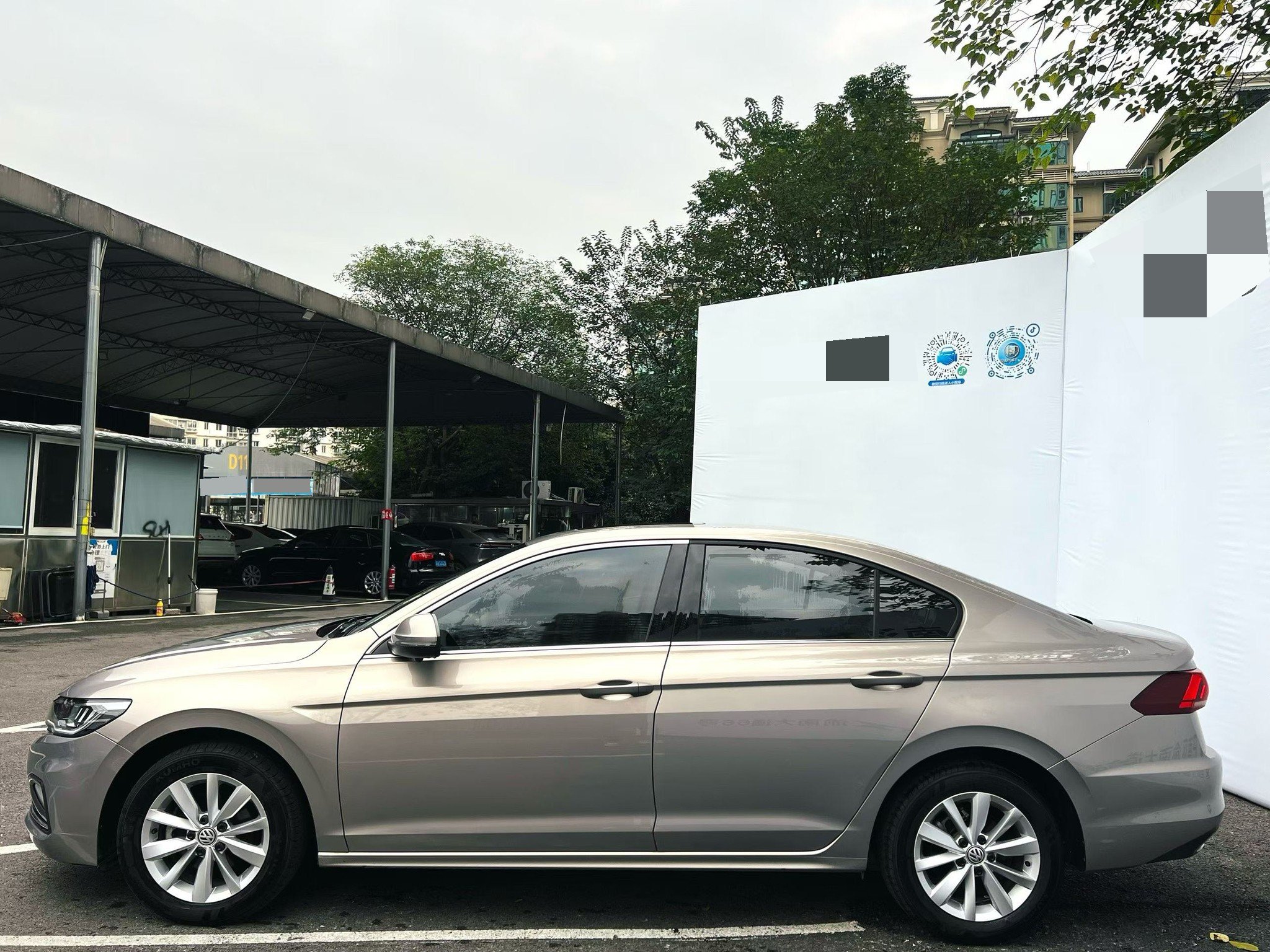
BrandVolkswagen
SeriesBora
Year2019
First Registration2019/07
Mileage73,000km
Transfer Count0times
FuelGasoline
TransmissionManumatic
Engine1.5L 116 L4
ColorOther
Seats-

Condition Description

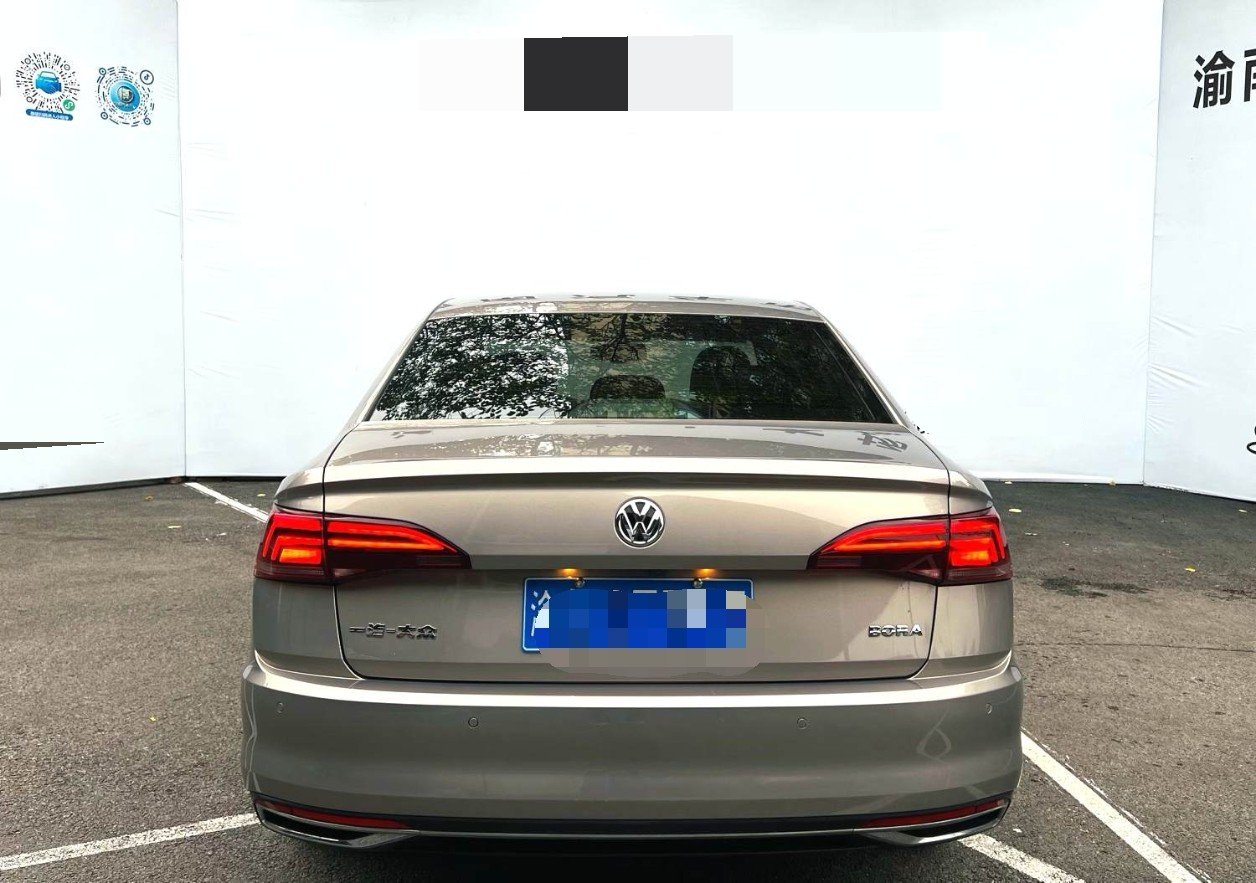
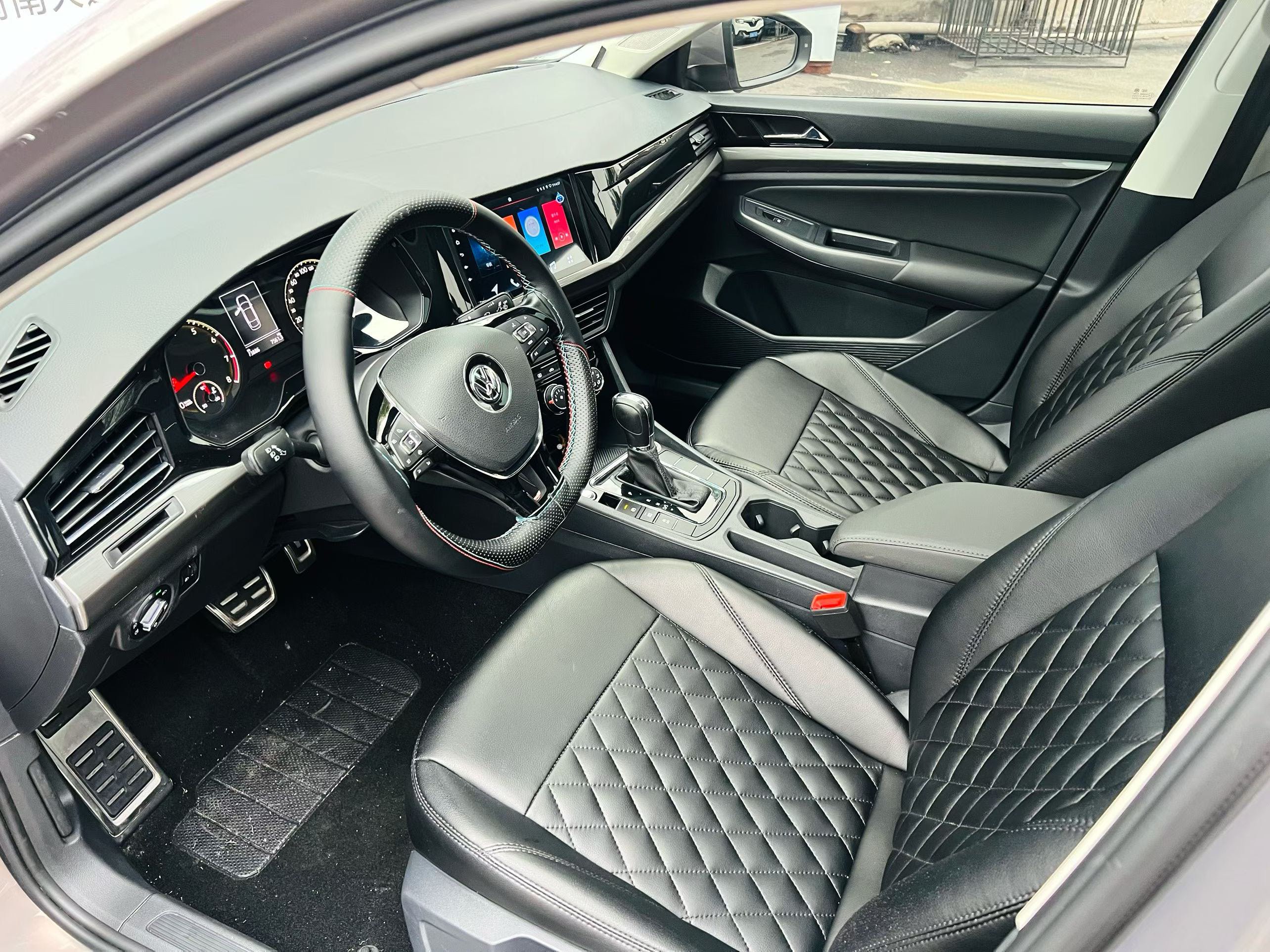
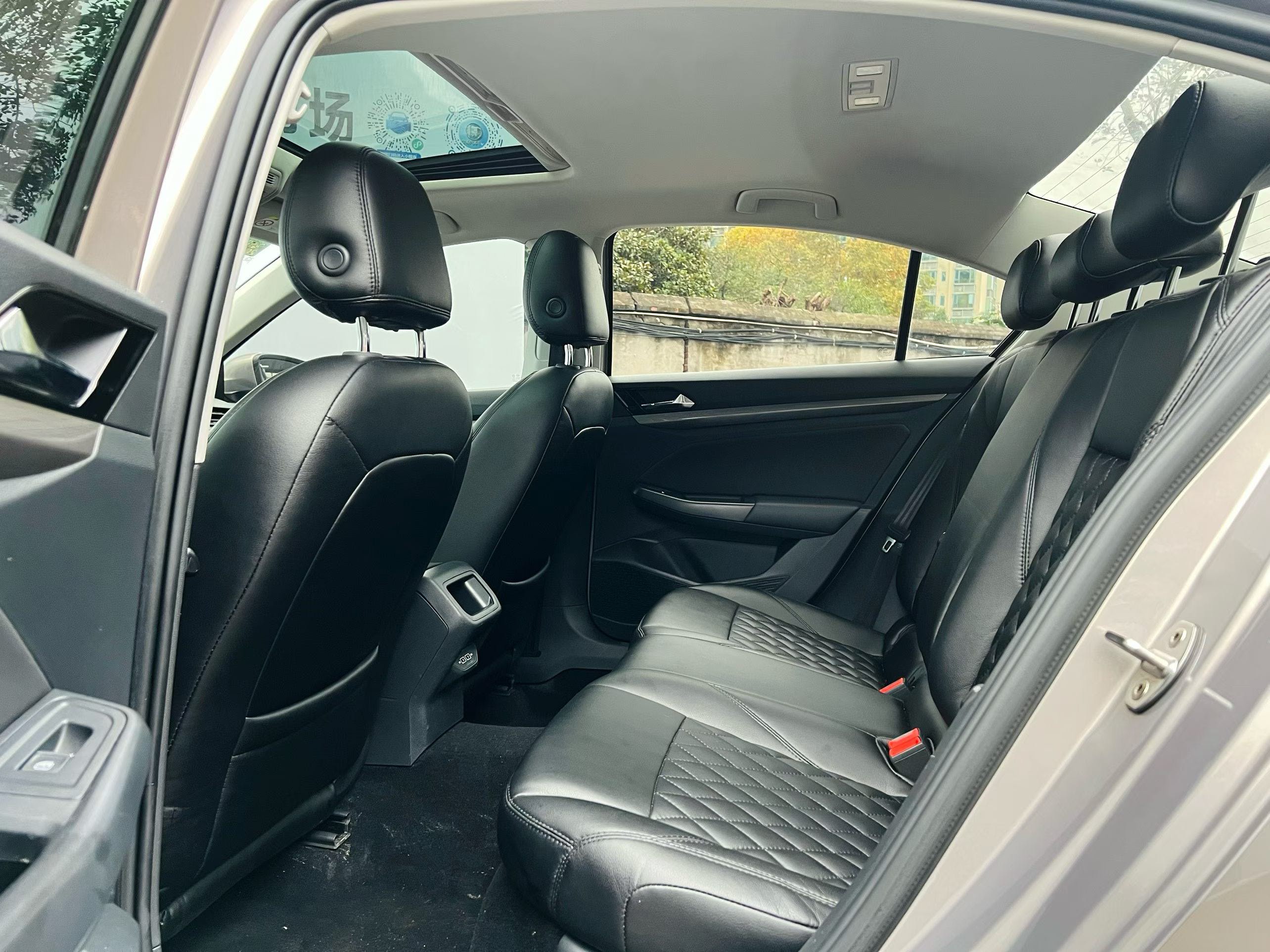
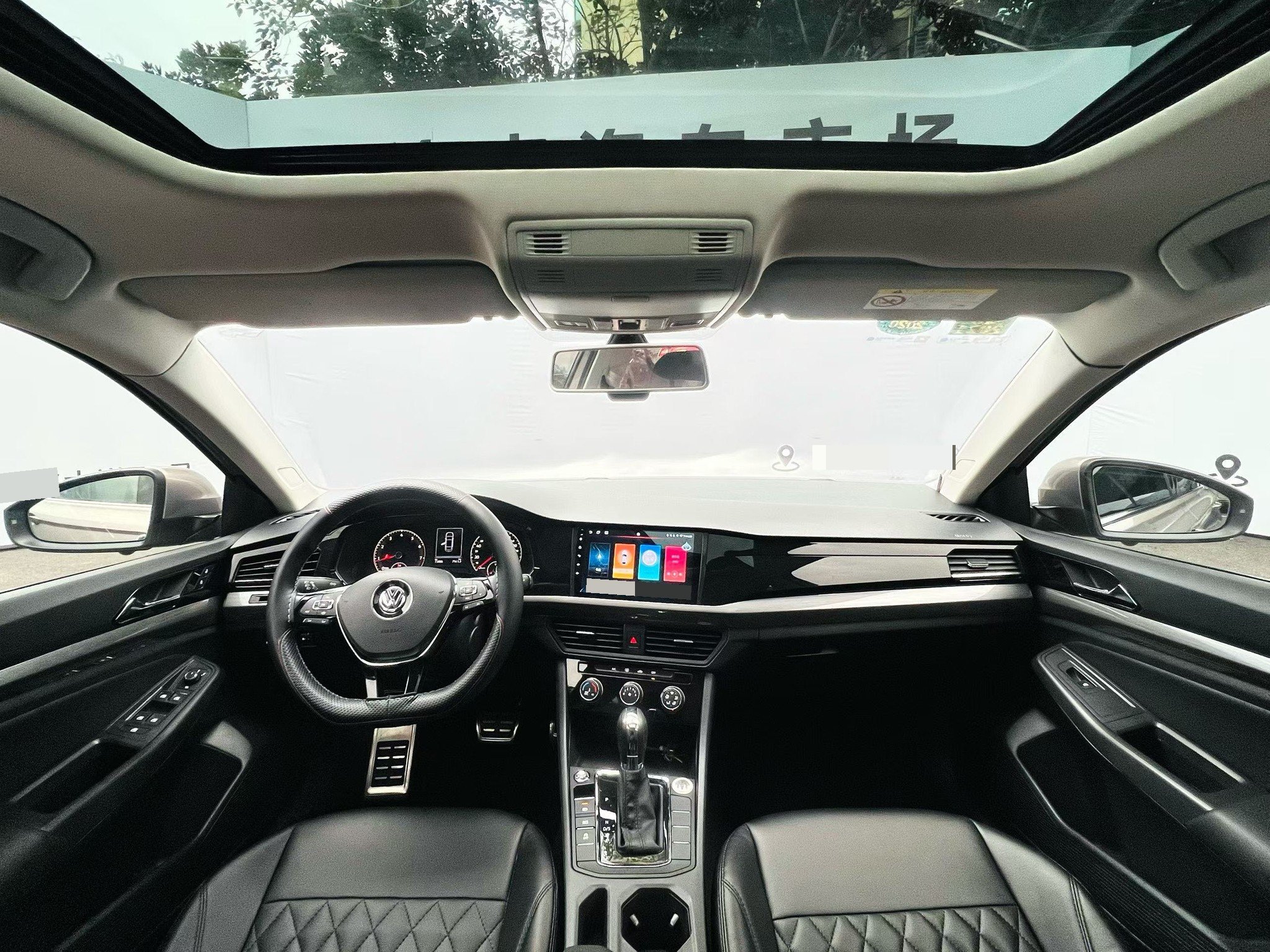
One family transfer. Actual odometer 73,000 km. Original body panels. Scratches and repaint on the two right doors. Repaint on the right front fender. Other panels retain original paint. No accidents. Well-maintained with complete paperwork. Good overall condition.

Document Information

Inspection Expiry Date-
Warranty Expiry Date-
Insurance Expiry Date2027/07

Q&A

More

When checking the history records, can you distinguish whether the vehicle was involved in a "single-vehicle accident (like hitting a wall)" or a "multi-vehicle rear-end collision"?

If insurance claims records are accessed, there will usually be notes like "the insured vehicle is fully responsible for hitting a fixed object" or "third-party liability insurance payment." We can roughly reconstruct the accident scene based on this and cross-verify the stress points on the vehicle's frame with paint thickness gauge data.


What is the difference between EXW, FOB, and CIF prices from a Chinese exporter, and which incoterm should I choose as a first-time buyer?

EXW means you pay only for the car at the seller's yard—you handle everything else, including inland transport in China and export clearance, which is impractical from overseas. FOB includes delivery to the port and export customs clearance; you pay for ocean freight and insurance. CIF adds freight and basic insurance to a named destination port. For a first-time buyer, FOB is usually the best balance: the exporter, who knows Chinese logistics, handles the complicated part, while you control the freight booking and can shop rates among forwarders. Watch for exporters quoting unrealistically low FOB prices and making margin on inflated 'shipping services' later. Get a separate freight quote before signing, and compare the exporter's CIF offer against FOB plus your own freight estimate. Ask explicitly whether the price includes inspection, export license fees, and port charges—ambiguity here is the most common source of disputes.

What's a realistic total budget for importing a used car from China, beyond the sticker price?

Plan for the car price plus roughly 25–50% in additional costs, depending on destination: 1. Inland transport in China (car city to export port): USD 300–700. 2. Export fees: inspection, customs declaration, port handling — USD 300–600. 3. Ocean or rail freight: a shared container to the Middle East or Africa runs USD 800–1,500; a full container or RoRo varies by route. 4. Destination charges: unloading, customs duties, VAT and port fees — this is the biggest variable. Some countries add 50%+ in taxes on used imports. 5. Compliance costs: homologation, inspection, registration in your country. 6. Currency and payment costs: wire fees and exchange margins of 1–3%. Always ask the exporter for a written cost breakdown listing every item and who pays it, then confirm the destination-side numbers with a local customs agent before committing.