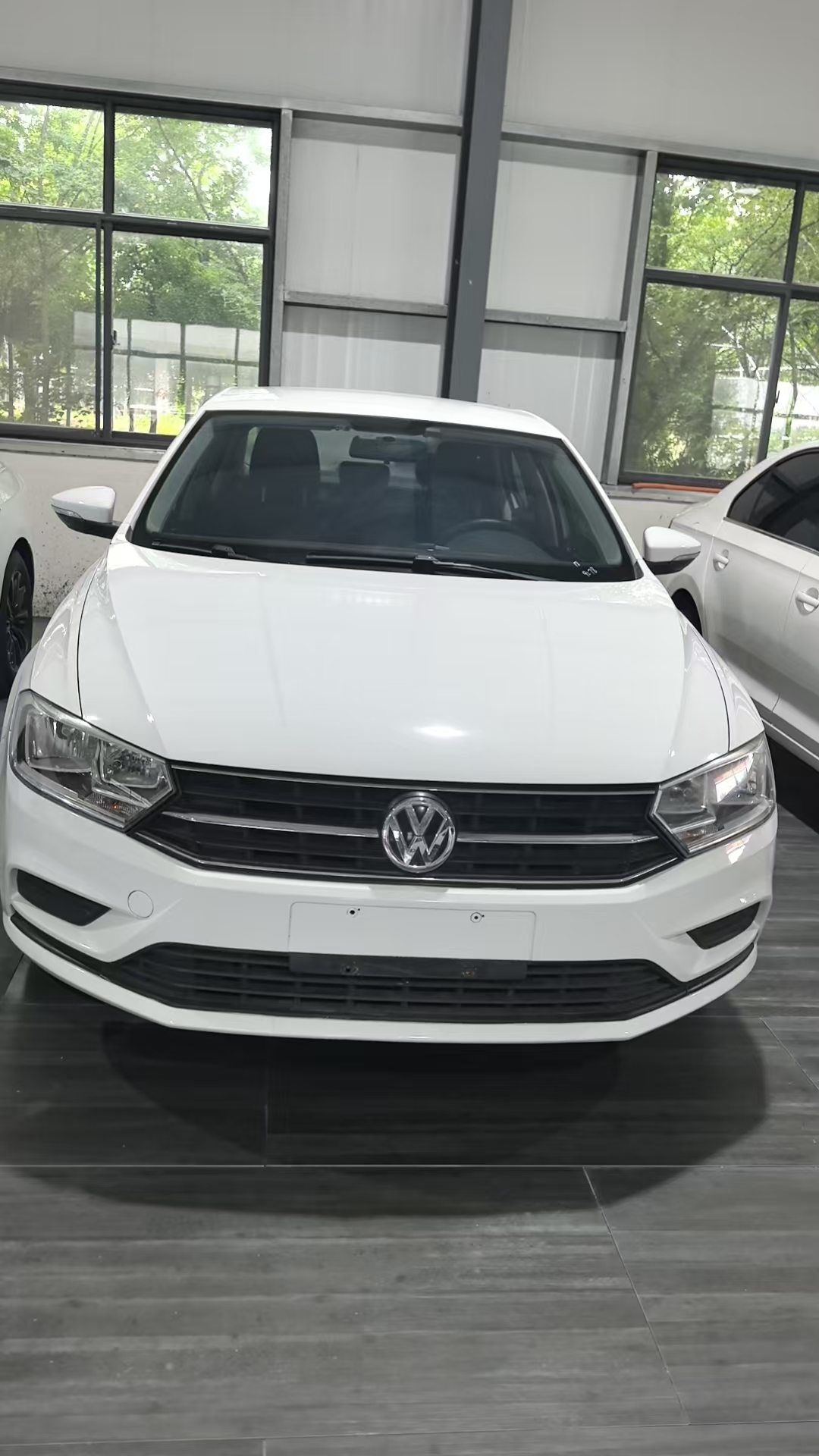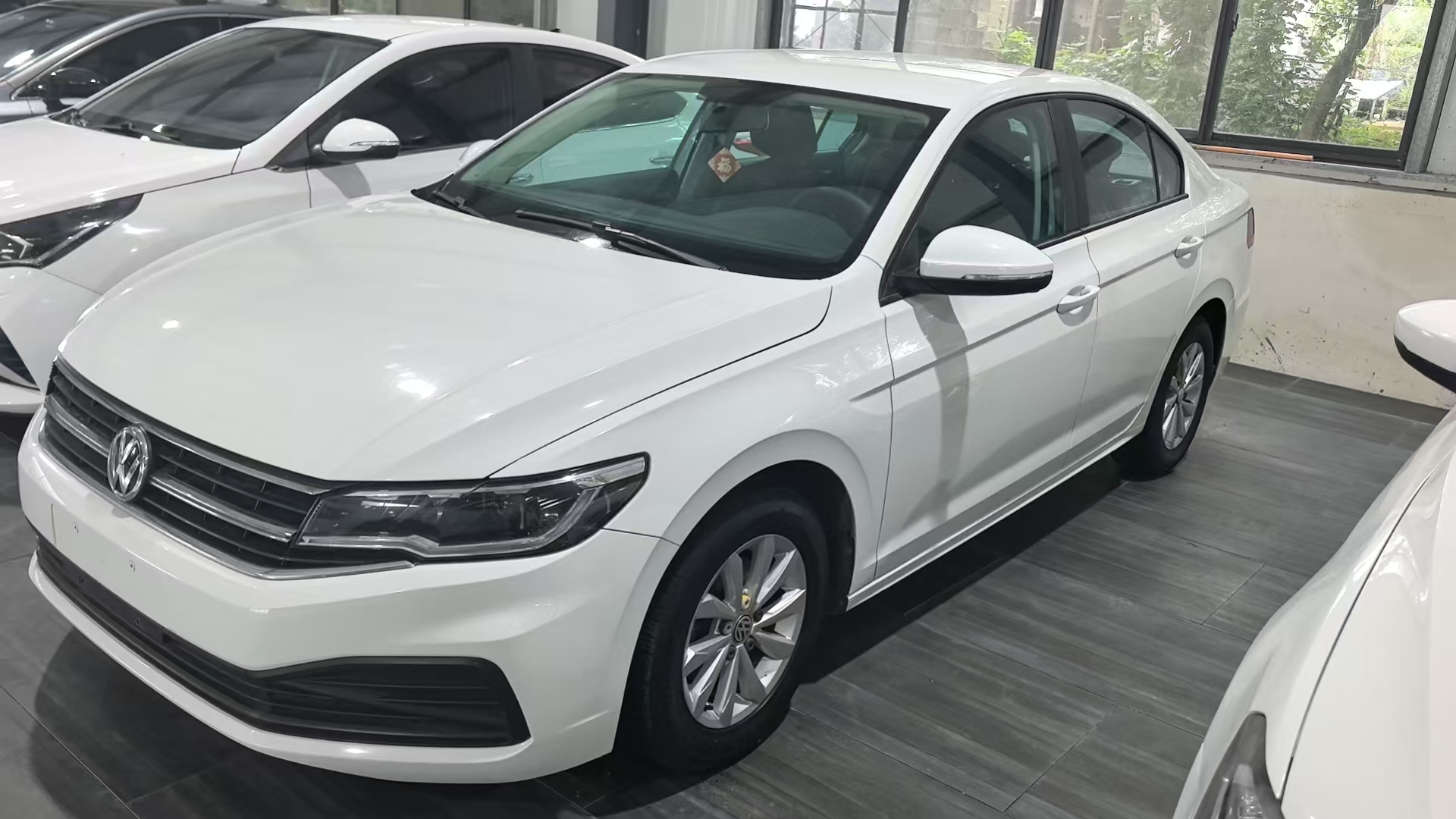


Basic Information

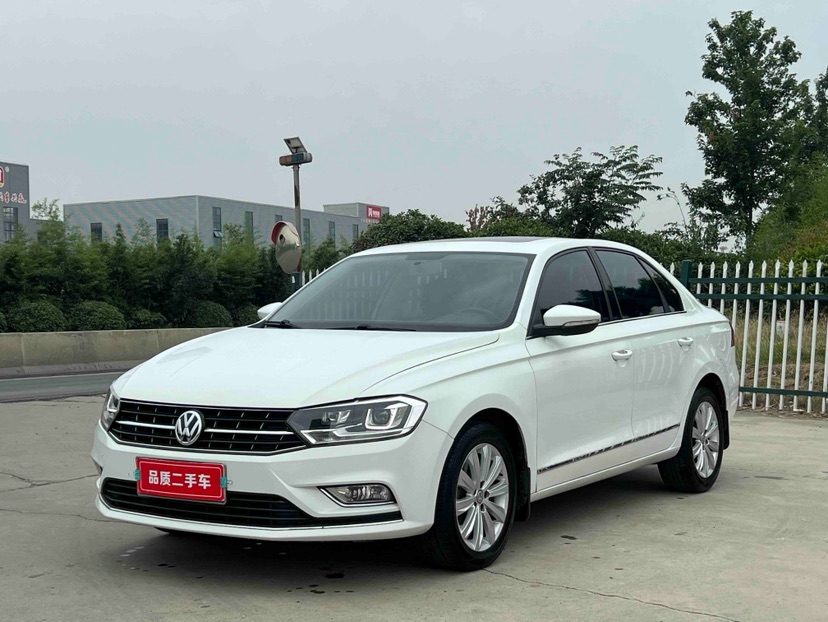
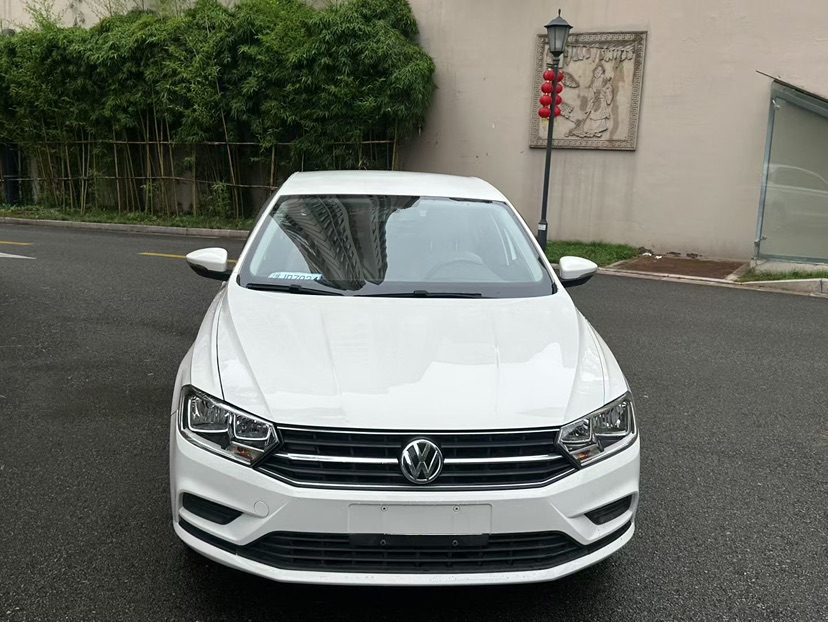
BrandVolkswagen
SeriesBora
Year2019
First Registration2019/11
Mileage46,000km
Transfer Count2times
FuelGasoline
TransmissionManual
Engine1.5L 112 L4
ColorWhite
Seats-

Condition Description

Localized body damage or repair marks present. No accident-related damage or repairs to structural or reinforcement components. Vehicle performance (including three-electric system) has degraded or is limited.

Accident inspection: main structure undamaged, reinforcement components undamaged, cover panels damaged, hinges normal. Engine bay inspection: key mechanical components normal. Exterior: 2 repainted areas. Interior: most features normal, airbag system normal, seatbelts normal, dashboard normal, instrument readings normal, lighting system normal. Startup inspection: main components normal. Onboard tools: absent.

电话直连
可讲价
平台物流
可转售
车主降价
新检测标准升级>
非泡水

Document Information

Inspection Expiry Date2027/11
Warranty Expiry Date-
Insurance Expiry Date2027/05

Q&A

More

Does the Chinese government provide tax rebates for used car exports? Is this subsidy reflected in the car price?

Unlike new car exports, there are currently no large national export tax rebates for used cars in China. Therefore, our FOB price is purely the vehicle's residual value plus compliant operating costs, leaving no room for price wars using subsidies.
If we have a dispute in the transaction, which country's laws govern the car purchase contract?

To ensure the legal rights of both parties, the "International Used Car Sales Contract" we signed is in both Chinese and English. Generally, the contract is governed by Chinese law. All liabilities for breach of contract and force majeure clauses will be clearly defined in the contract.

What is the latest time to request changes to the consignee and notify party on the bill of lading?

Changes must be requested before the shipping cut-off date (SI Cut-off Date) prior to the vessel's departure. Once the vessel has sailed, the shipping company will charge a high amendment fee, which may also cause delays in customs clearance at the destination port, with costs borne by the buyer.