


48H

Basic Information

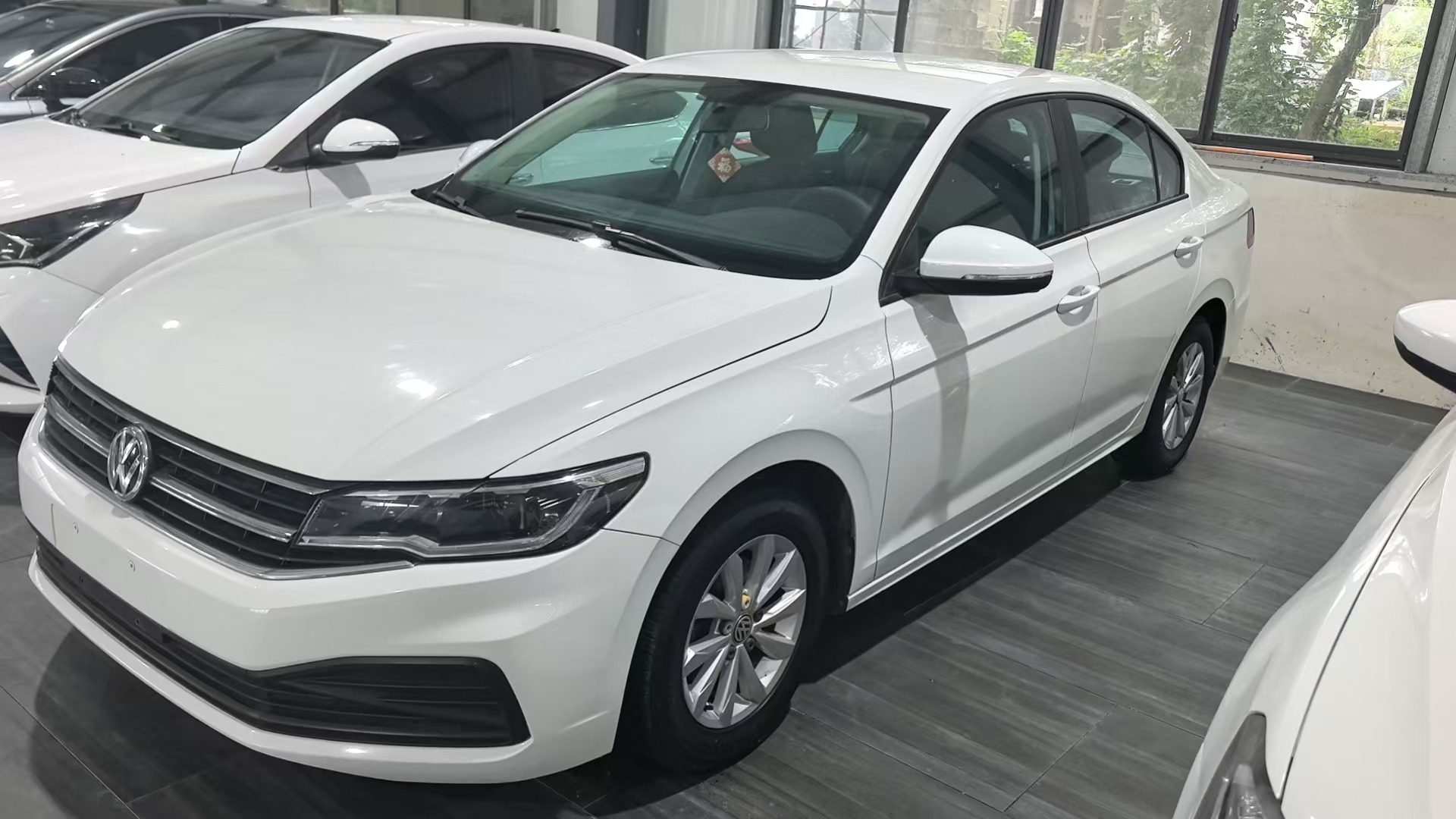
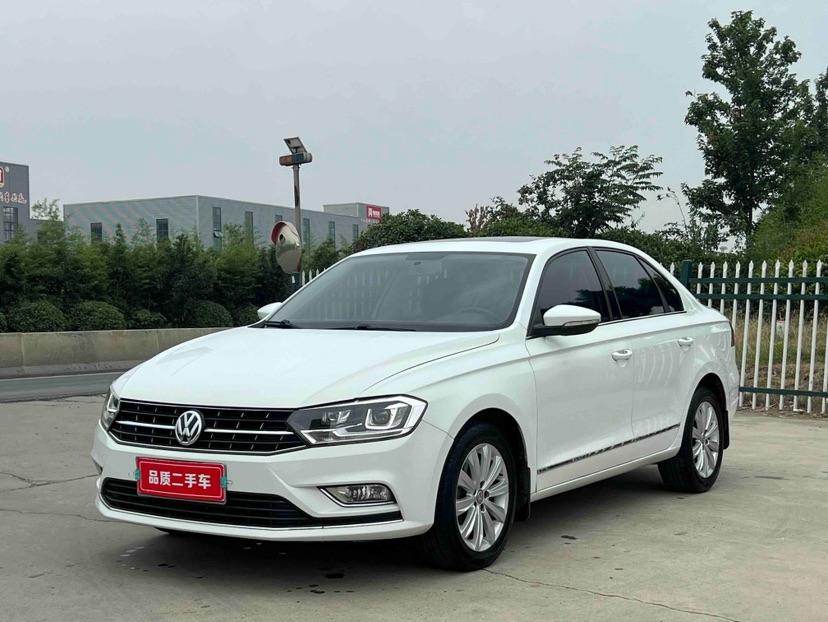
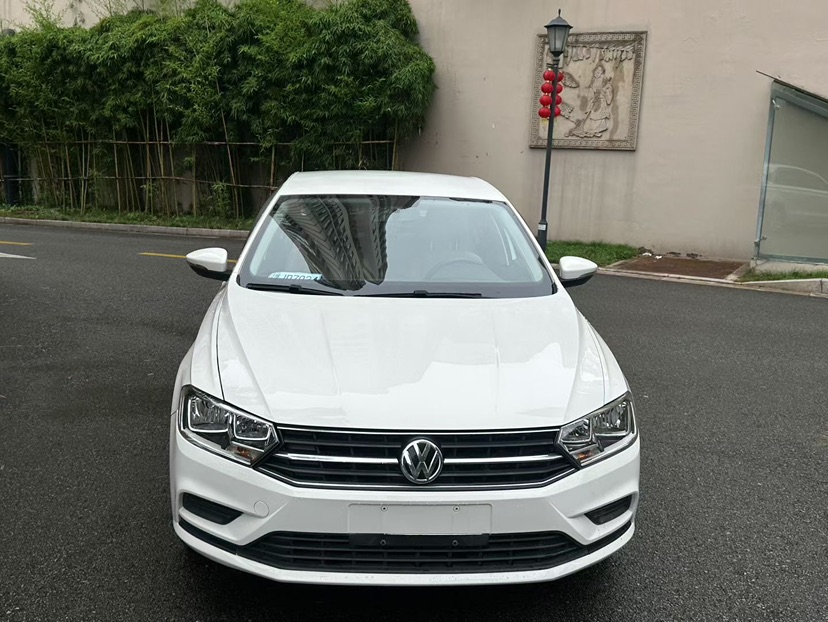
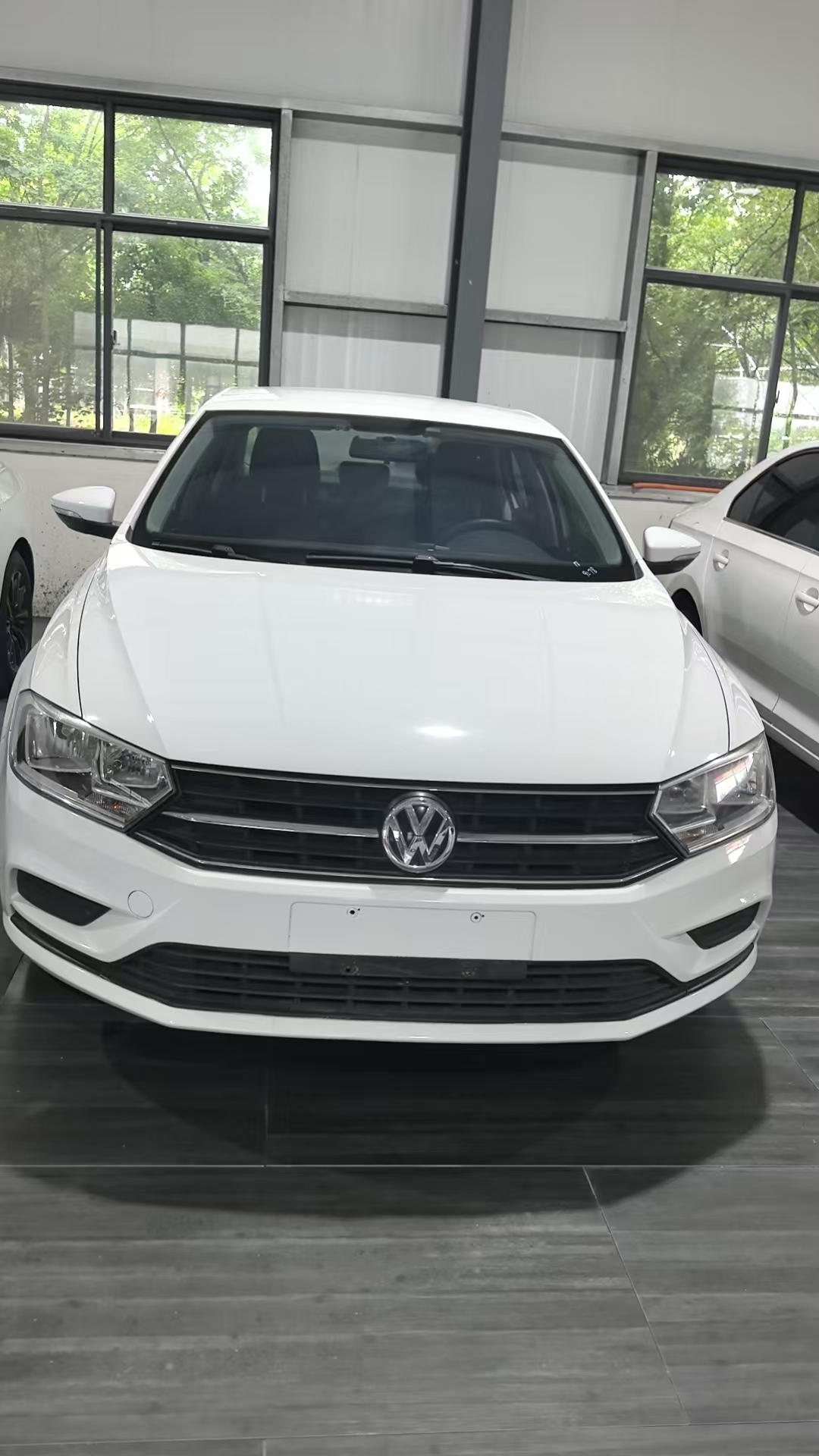
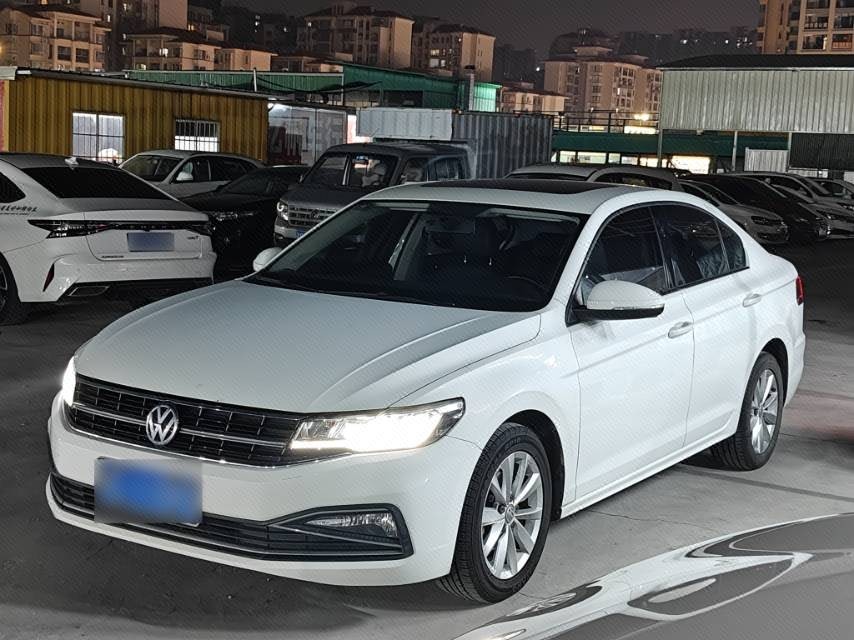
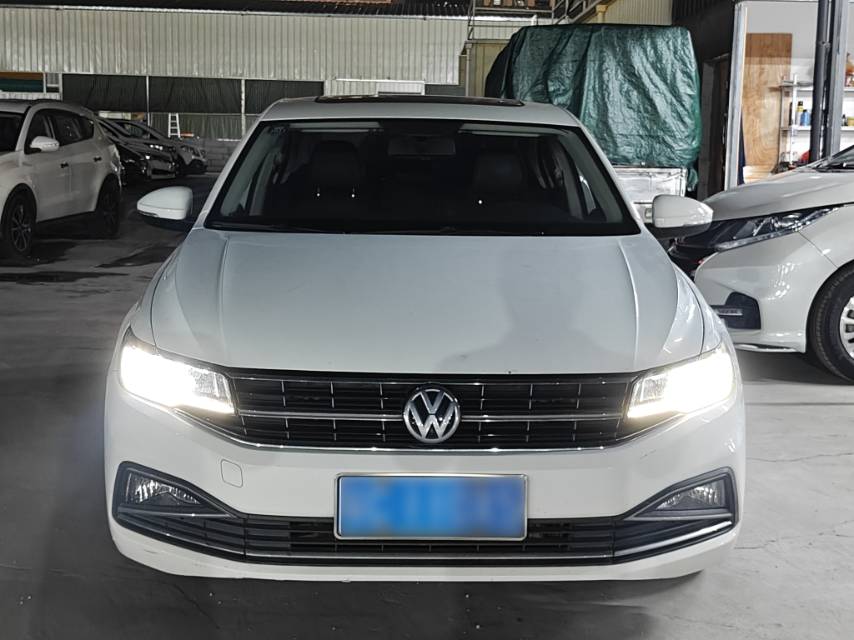
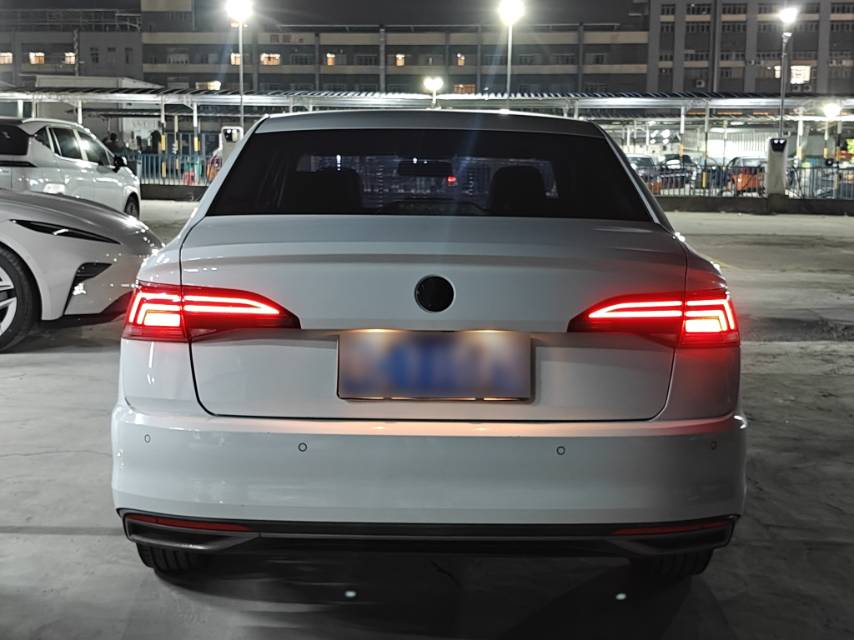
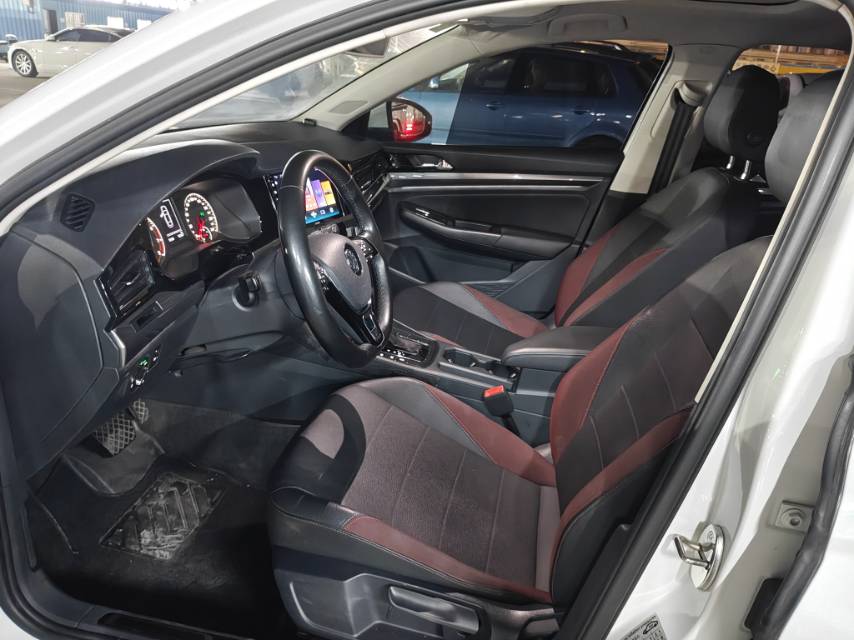
BrandVolkswagen
SeriesBora
Year2019
First Registration2019/05
Mileage110,000km
Transfer Count0times
FuelGasoline
TransmissionManumatic
Engine1.5L 116 L4
ColorWhite
Seats-

Condition Description

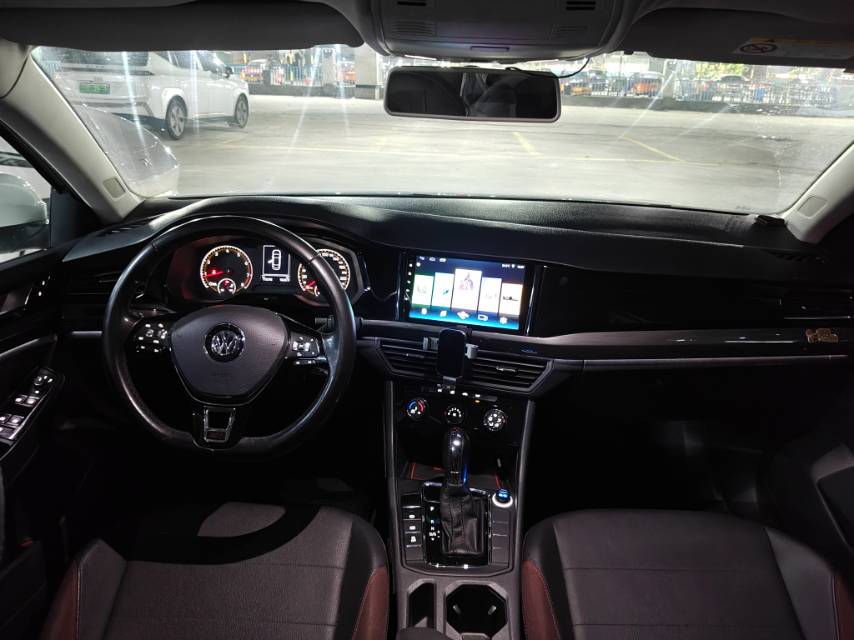
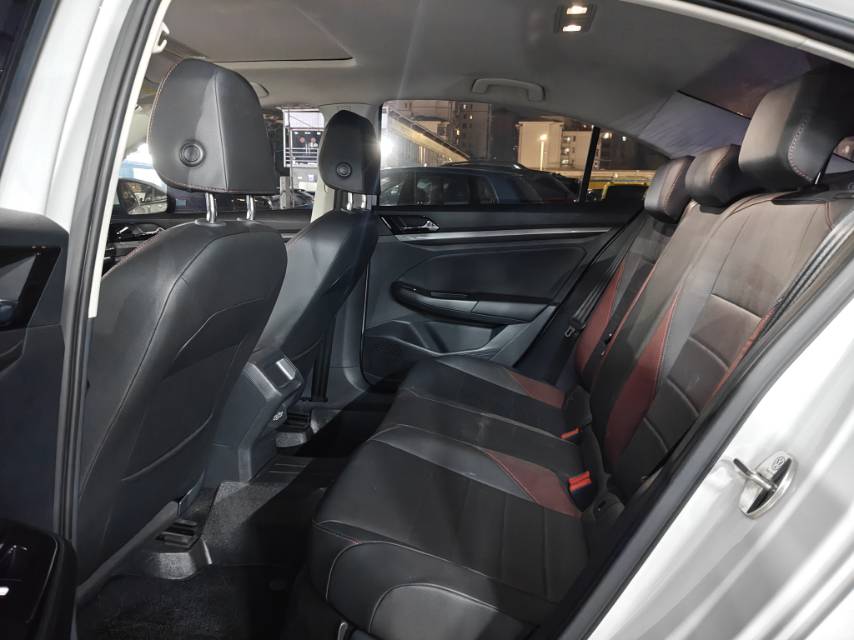
First-hand owner; front-end collision set (front clip replaced as a set).

Document Information

Inspection Expiry Date-
Warranty Expiry Date-
Insurance Expiry Date2027/05

Q&A

More

What should a pre-shipment inspection cover on the 4WD/AWD system of a used Chinese SUV?

All-wheel-drive hardware is expensive to repair abroad, so it deserves a dedicated section in your inspection checklist. Ask the inspector to verify: transfer case operation, switching between 2WD, AUTO and LOCK modes without grinding or delay; front and rear differential condition, including oil leaks at the pinion seals; driveshaft CV joints and center bearing for play and torn boots; and the AWD clutch pack on on-demand systems, which overheats if the car was driven long distances with mismatched tires. A road test matters: on a low-grip surface, confirm torque actually reaches the rear axle, and the dashboard should show no AWD or ESP warning lights. Also ask for a look at the transfer case oil — dark, burnt-smelling oil suggests towing abuse. Finally, check tire sizes and tread depth on all four wheels. Mismatched tires are the number one killer of on-demand AWD systems, and they are easy to spot in photos.


How can I spot repainted panels and past accident repairs in photos of a used Chinese car?

Repaint work is one of the most commonly hidden issues in remote purchases, but photos and video can reveal a lot if you know what to request. Ask for photos of every panel in natural daylight, plus close-ups of panel gaps around the hood, doors, and trunk. Uneven gaps, mismatched orange-peel texture, or overspray on rubber seals and plastic trim are classic repaint signs. A short walkaround video helps you judge color consistency — repainted panels often differ slightly in shade under sunlight. Check the paint edges inside door frames and under the hood: factory paint lines are sharp, while repainted areas show tape lines or soft transitions. For structural repairs, specifically request photos of the inner fenders, radiator support, and trunk floor. Fresh sealant, mismatched welds, or new-looking bolts on an old car are red flags. Finally, consider paying for a third-party inspection with a paint thickness gauge — it measures coating depth on every panel and is the most reliable check you can get remotely.

Will a used Chinese EV still receive OTA updates and can I use the companion app after the car is exported?

This is one of the most common post-export surprises, so verify before buying. OTA updates: most Chinese brands push updates to cars registered on domestic servers. Many exported cars continue receiving updates normally, but some brands restrict updates by VIN region once the car leaves China. Ask the seller to confirm the update history and whether the brand officially supports your destination region. Some grey-import cars are stuck on the firmware version they left with. Companion apps: the factory app usually requires a Chinese phone number and a domestic account. After export, remote functions (preconditioning, charging status, location) often stop working or require workarounds. Some owners re-register via third-party services, but this is unofficial and can break at any time. Practical advice: before purchase, get the seller to show a screenshot of the car's current software version and connected services status. Factor in that you may lose remote features permanently, and check whether local dealers or independent shops can perform diagnostics and updates without the official app.