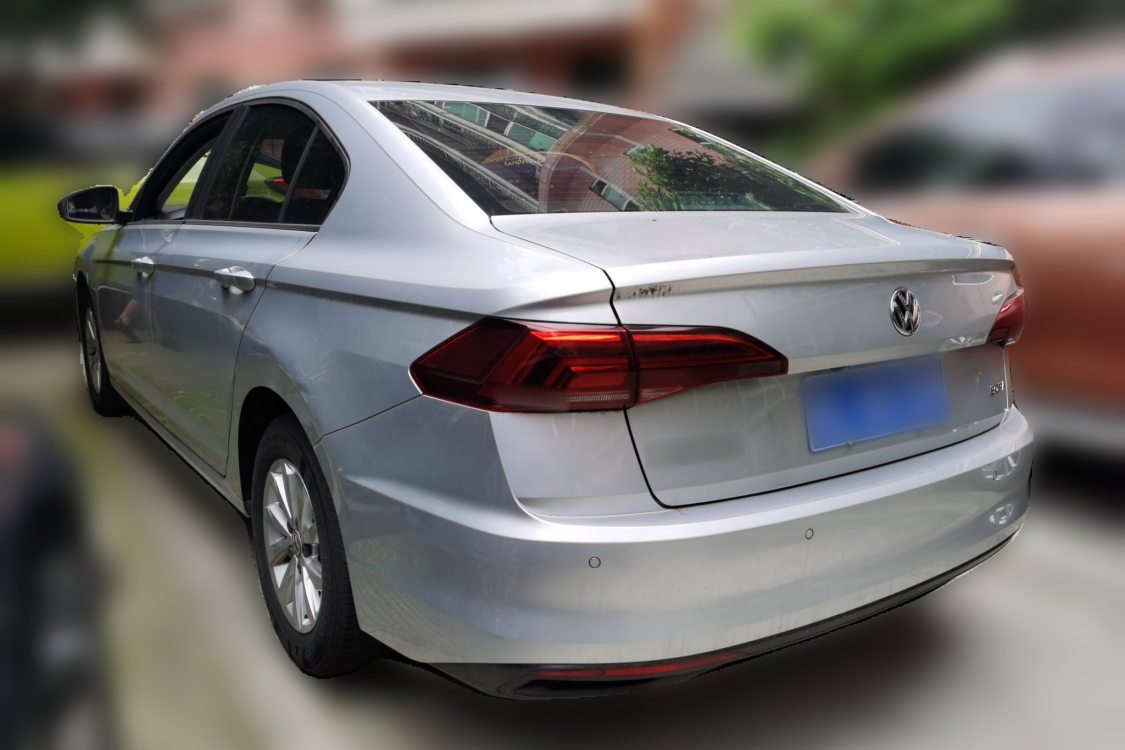
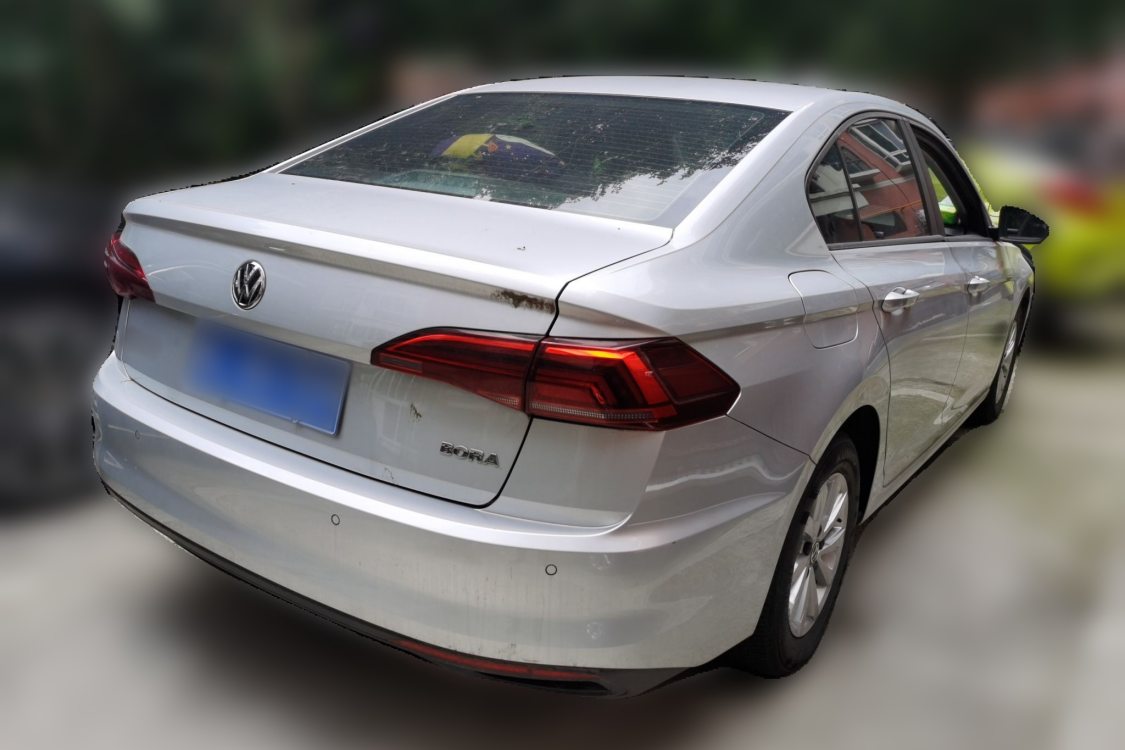
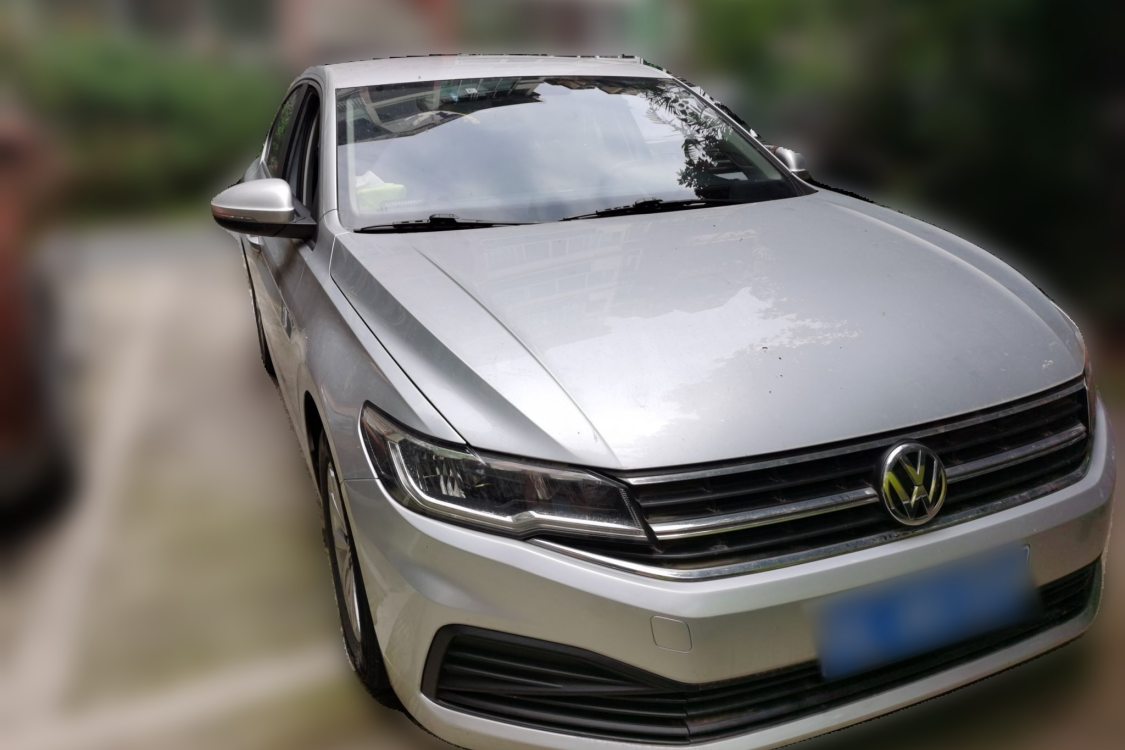
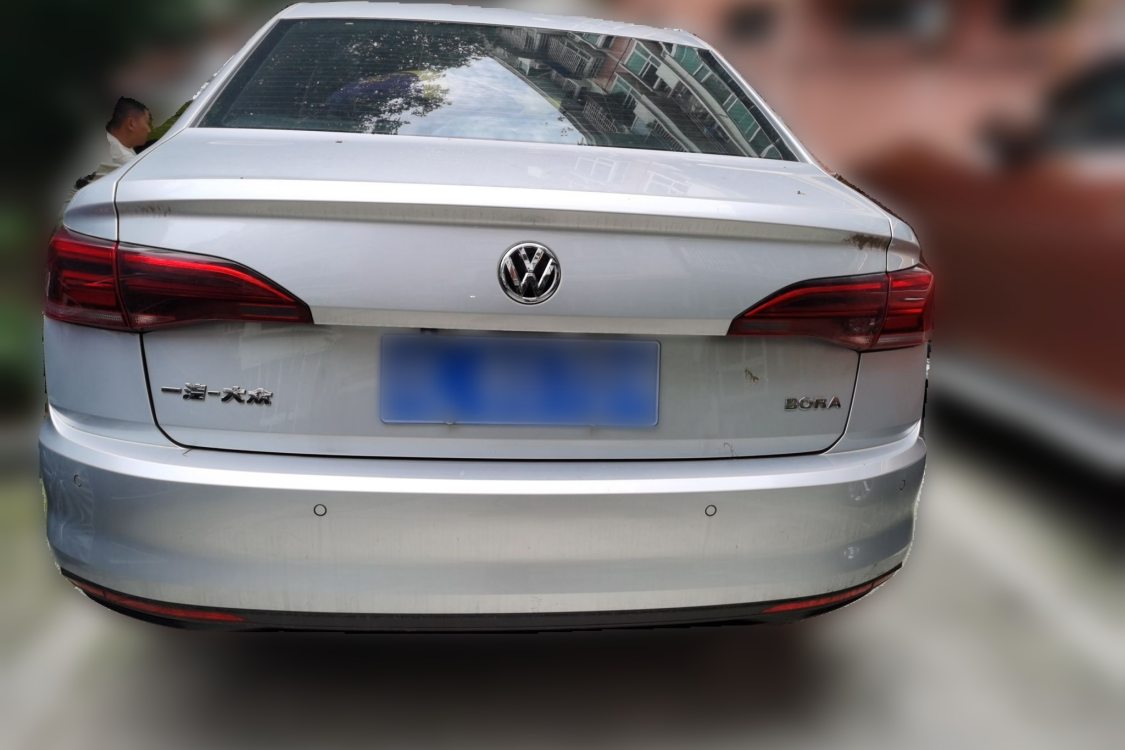
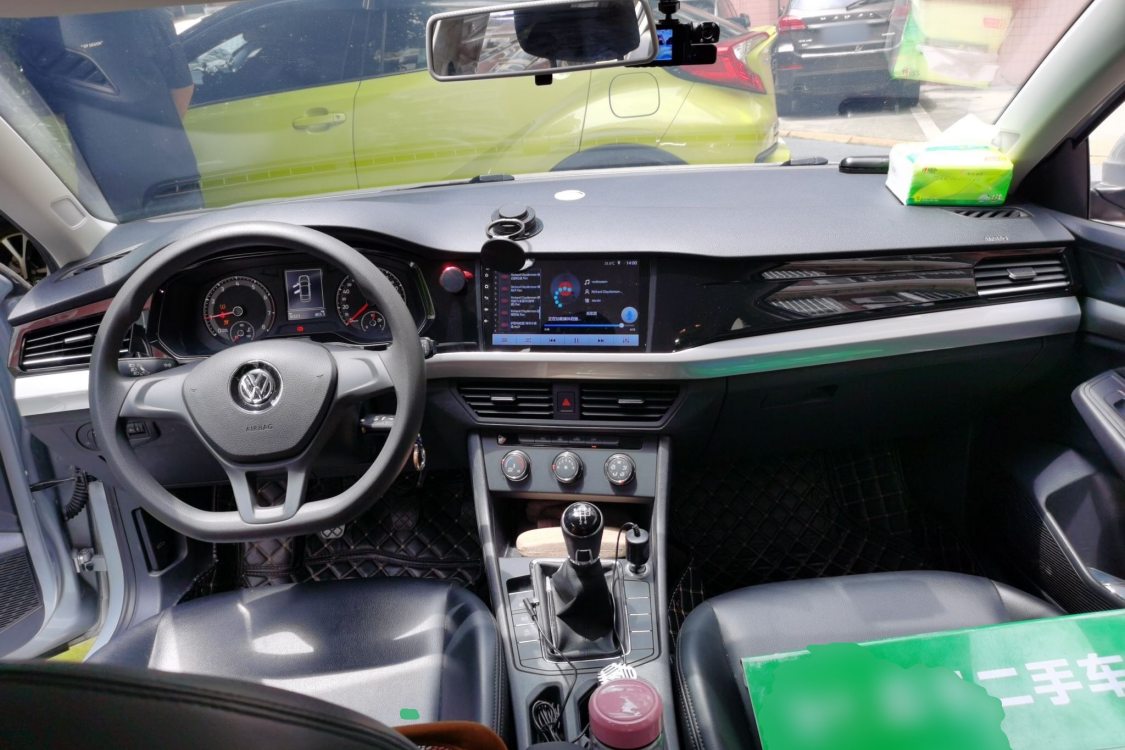
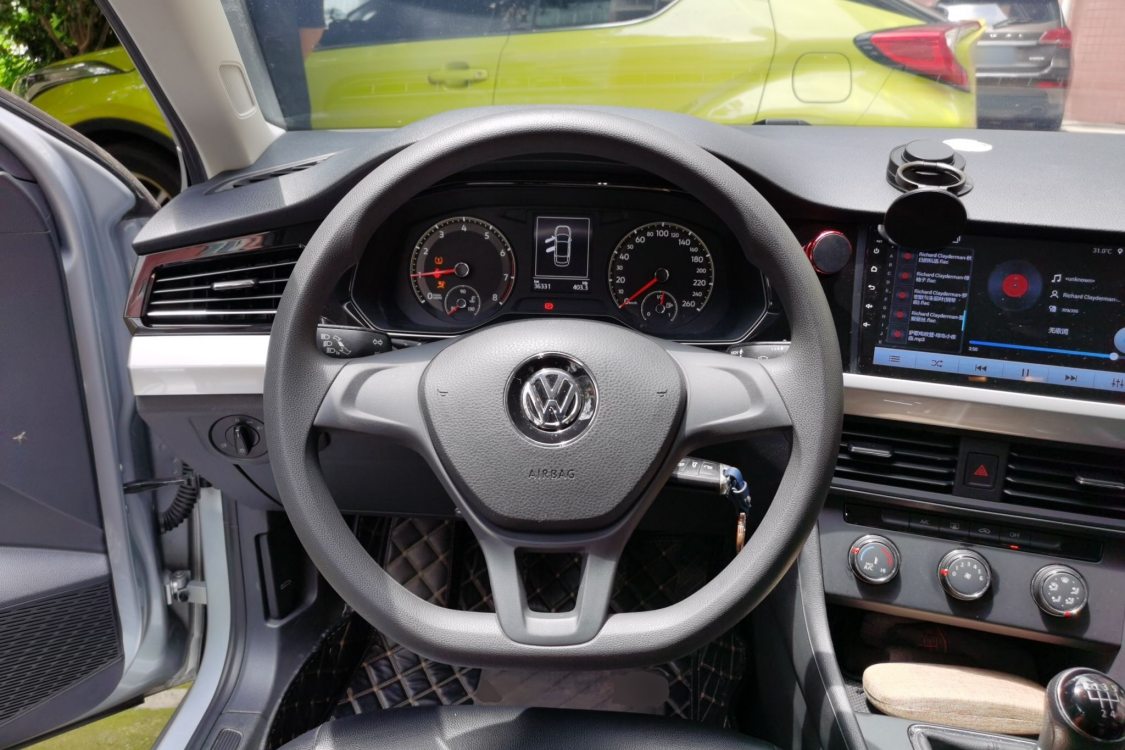
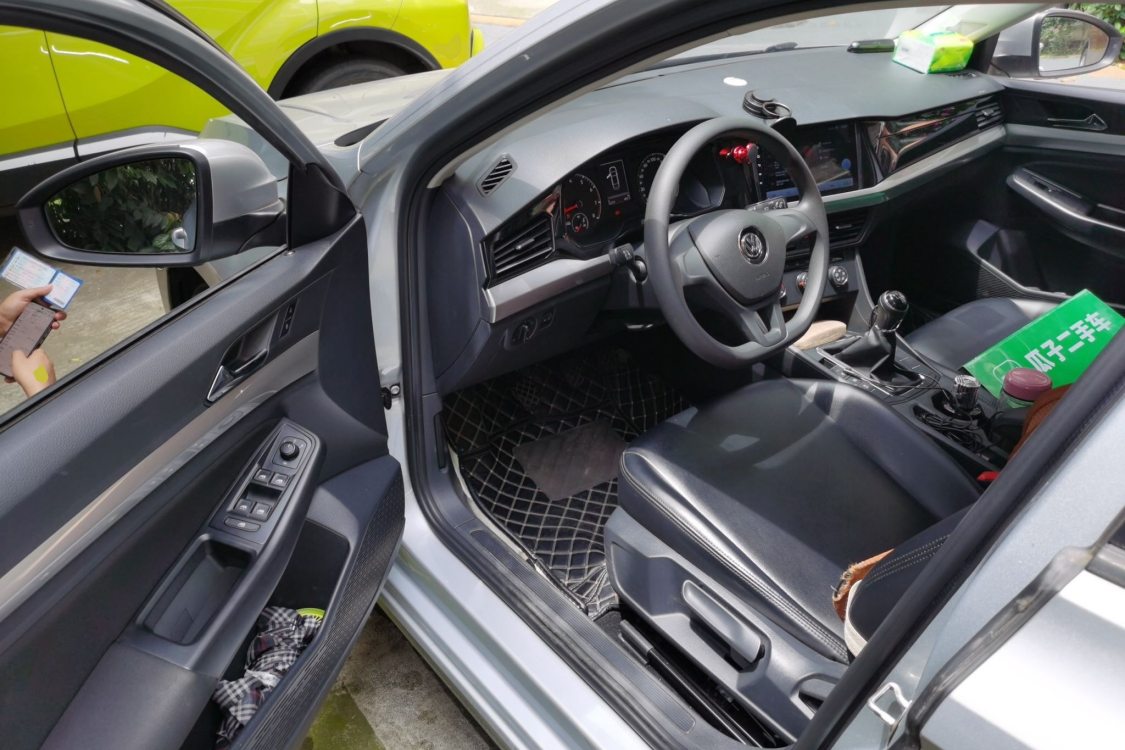
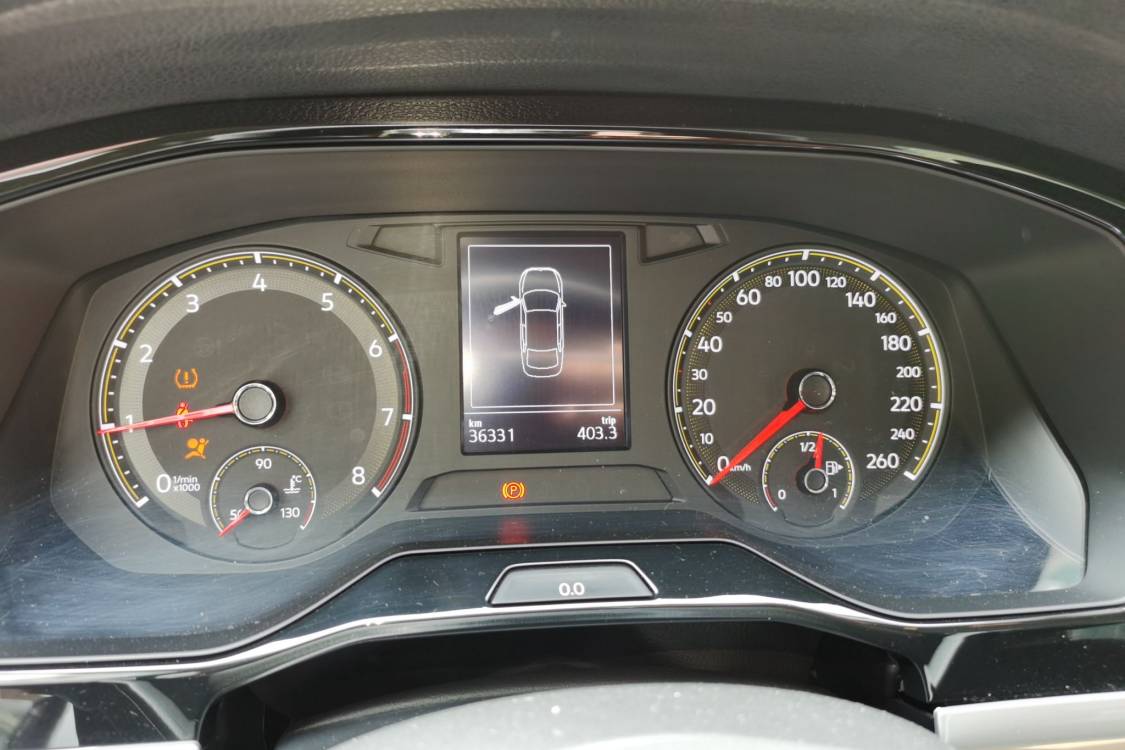



Basic Information

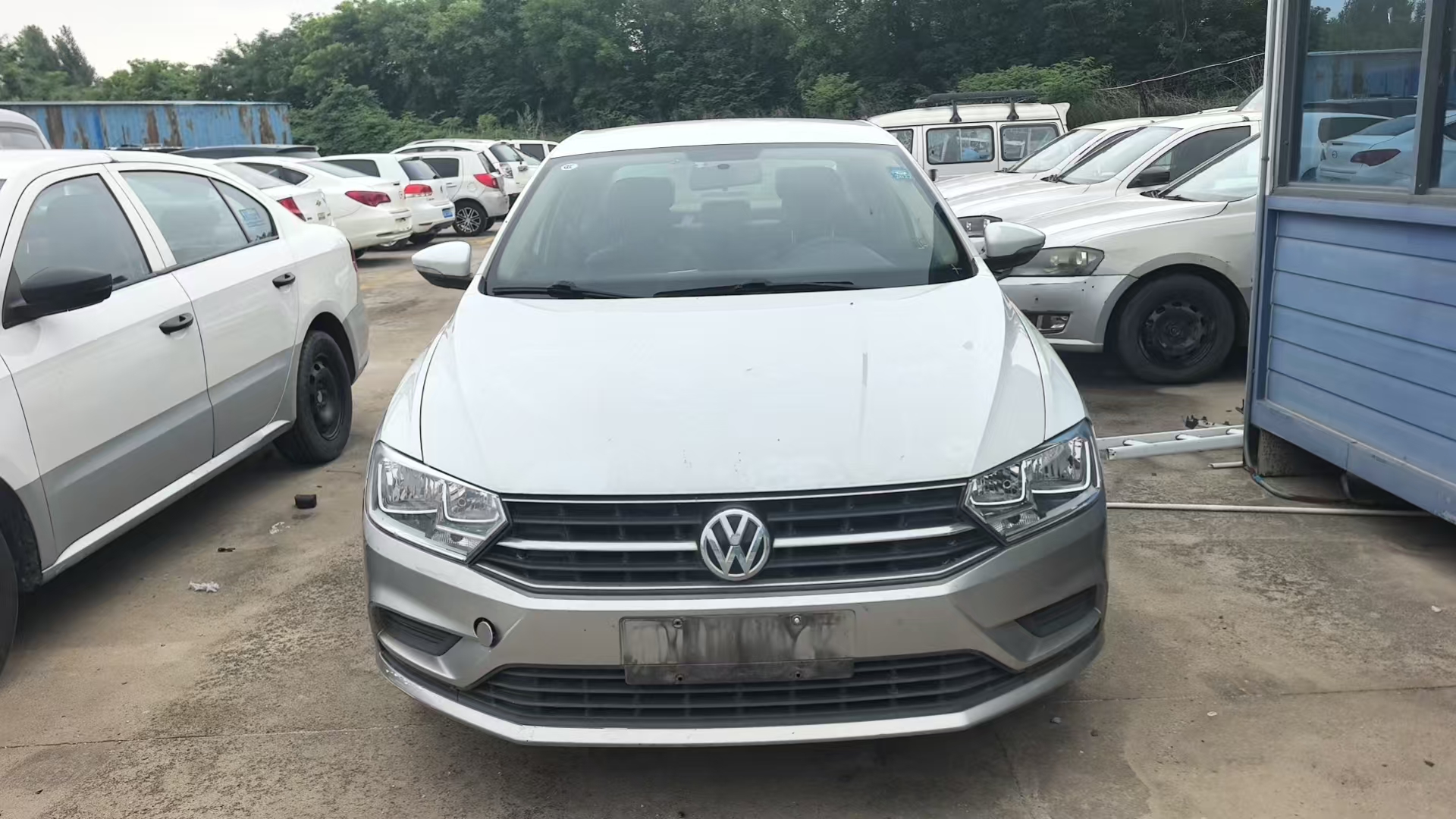
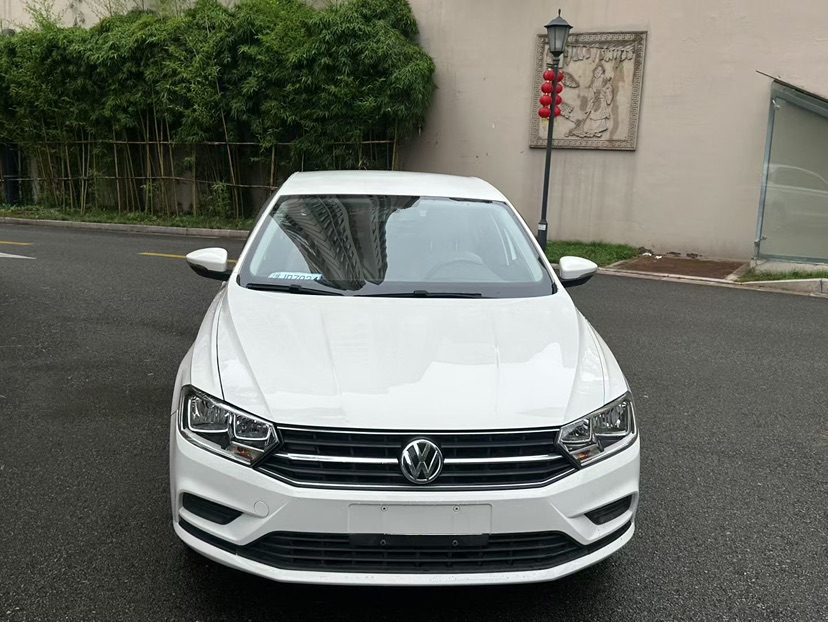
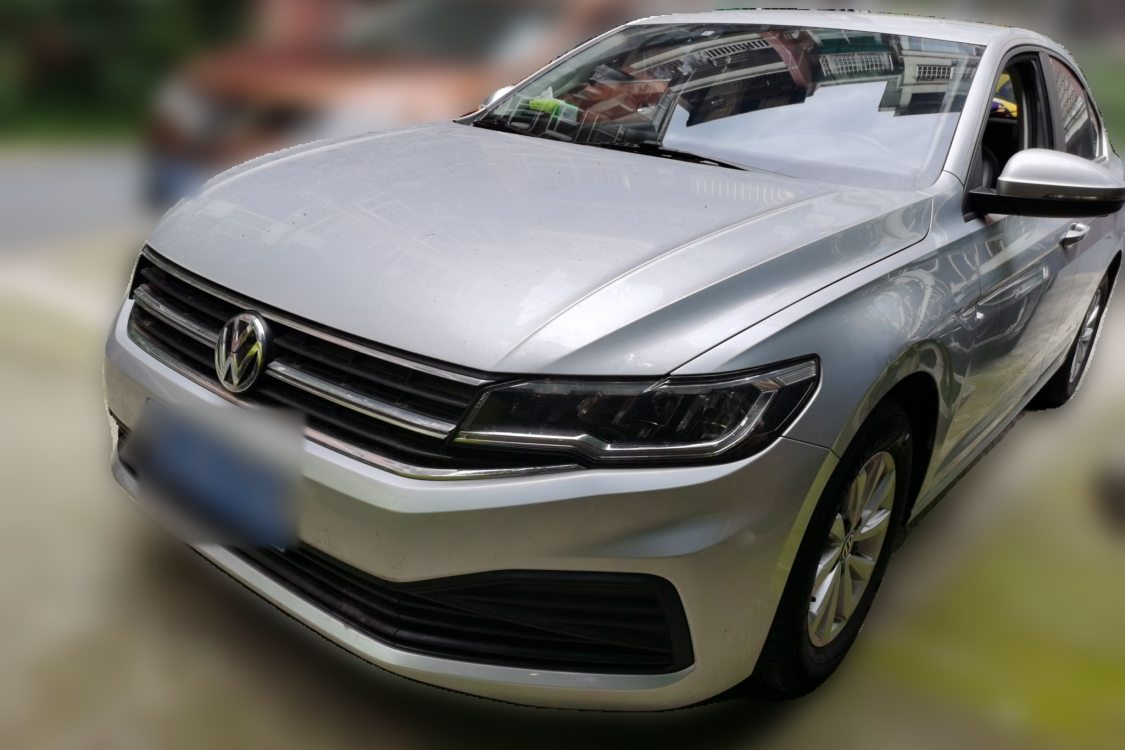
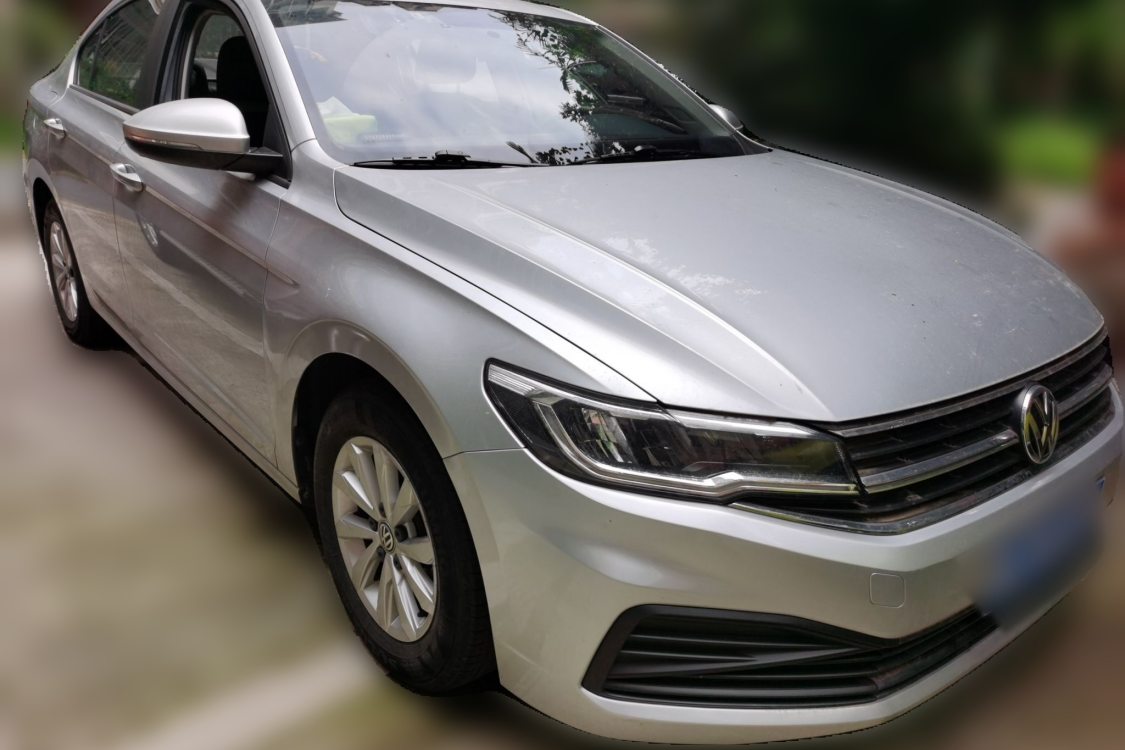
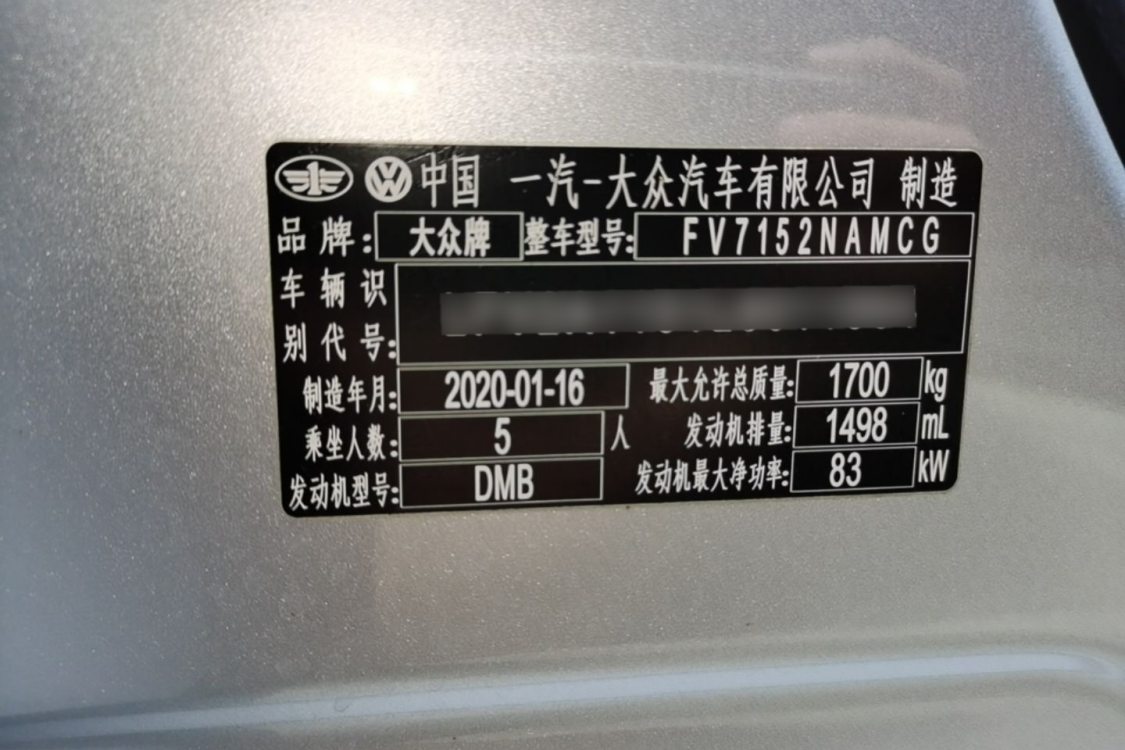
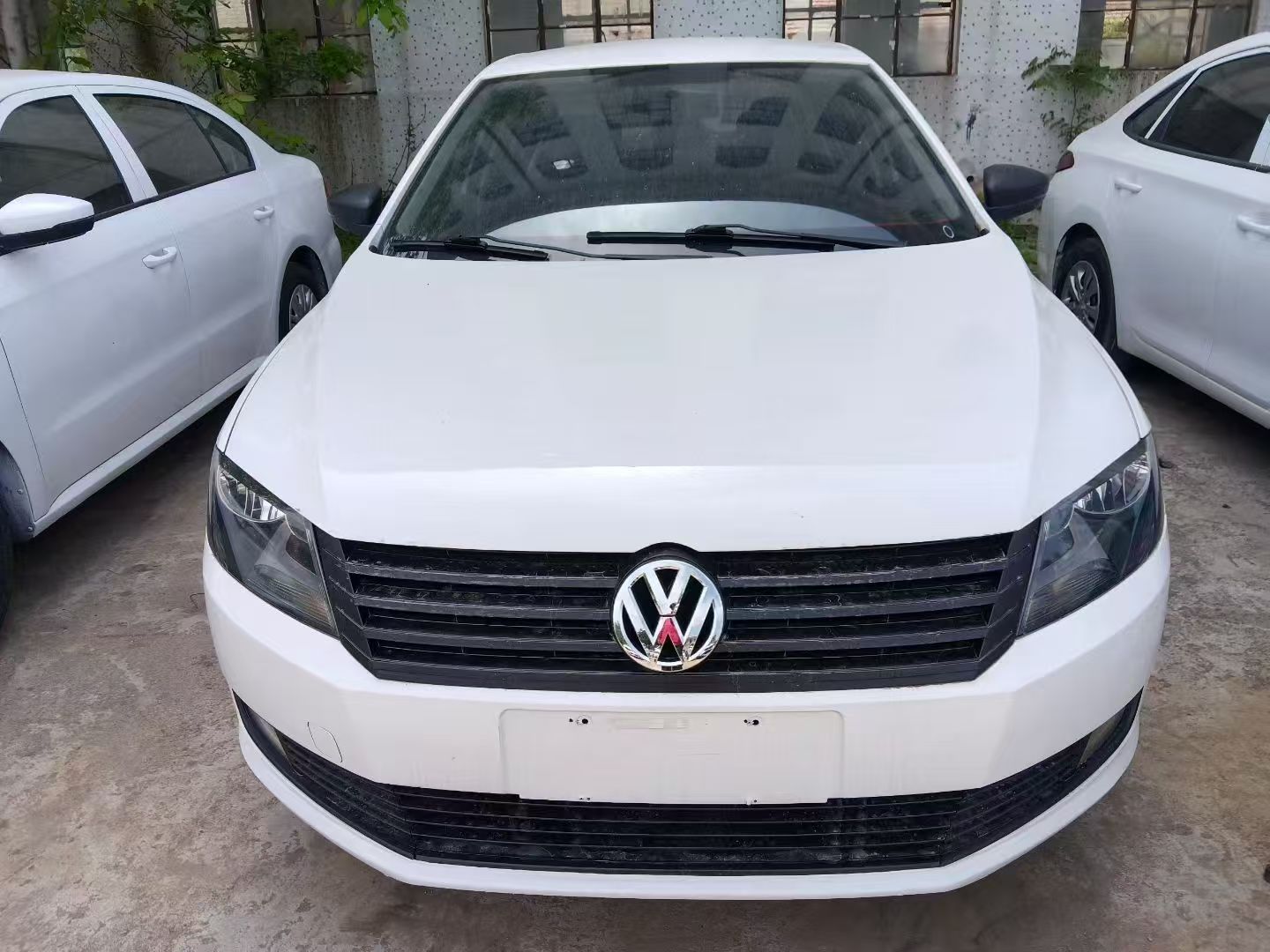
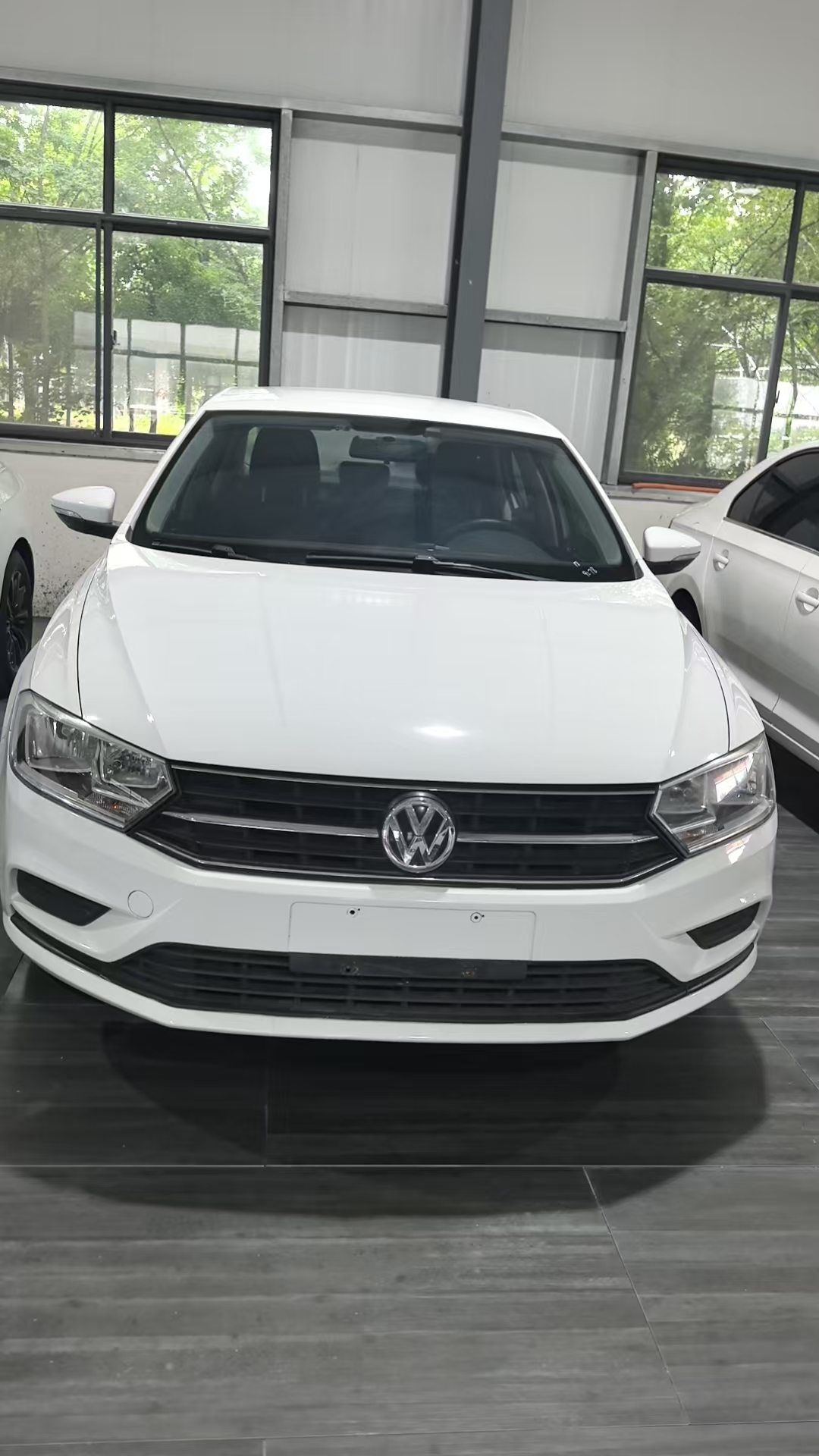
BrandVolkswagen
SeriesBora
Year2020
First Registration2020/09
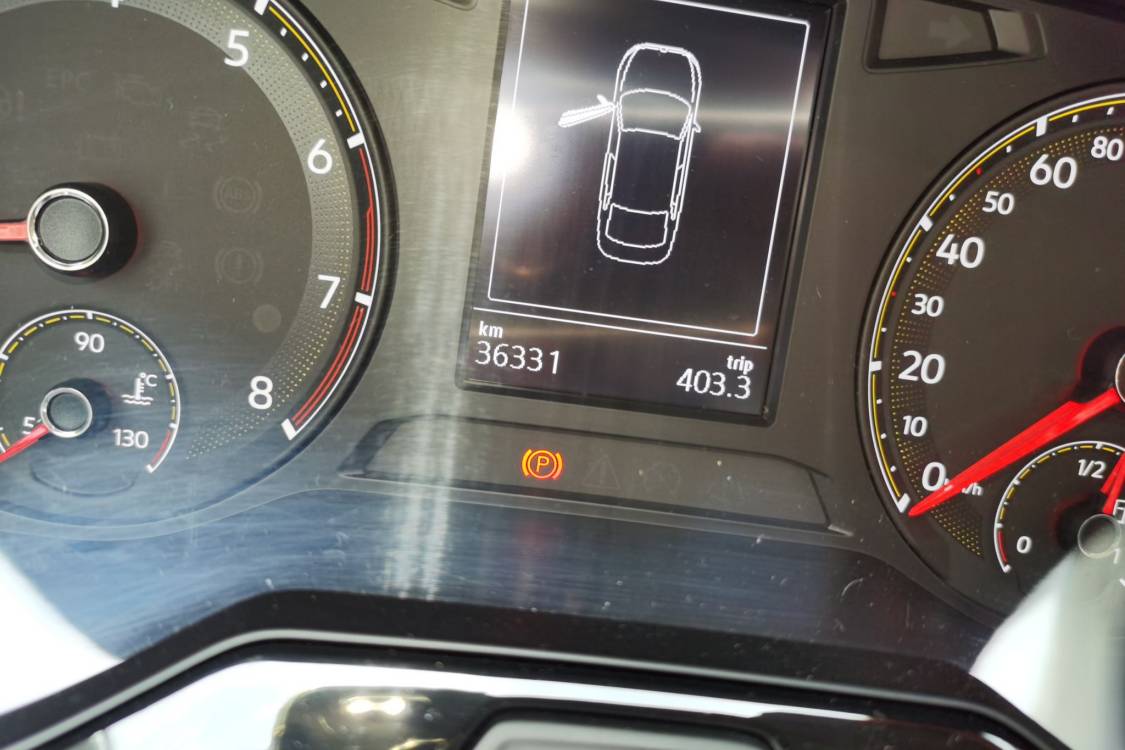
Mileage36,300km
Transfer Count-
FuelGasoline
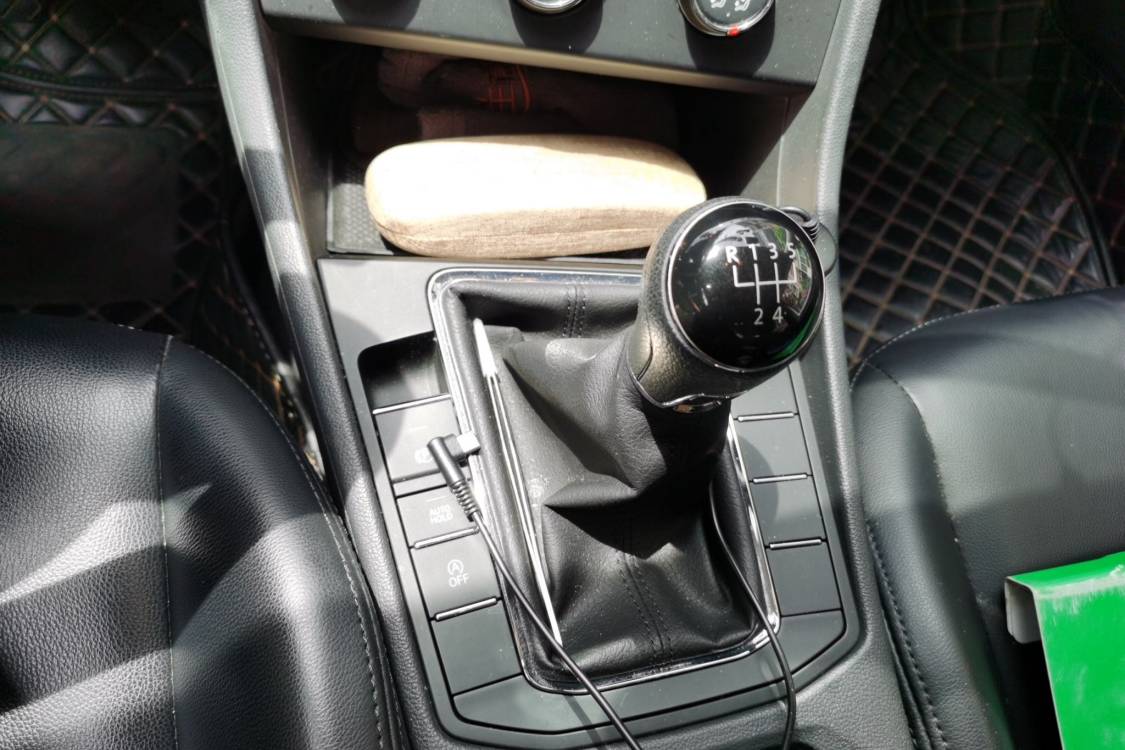
TransmissionManual
Engine1.5L 113 L4
ColorGrey
Seats-

Condition Description

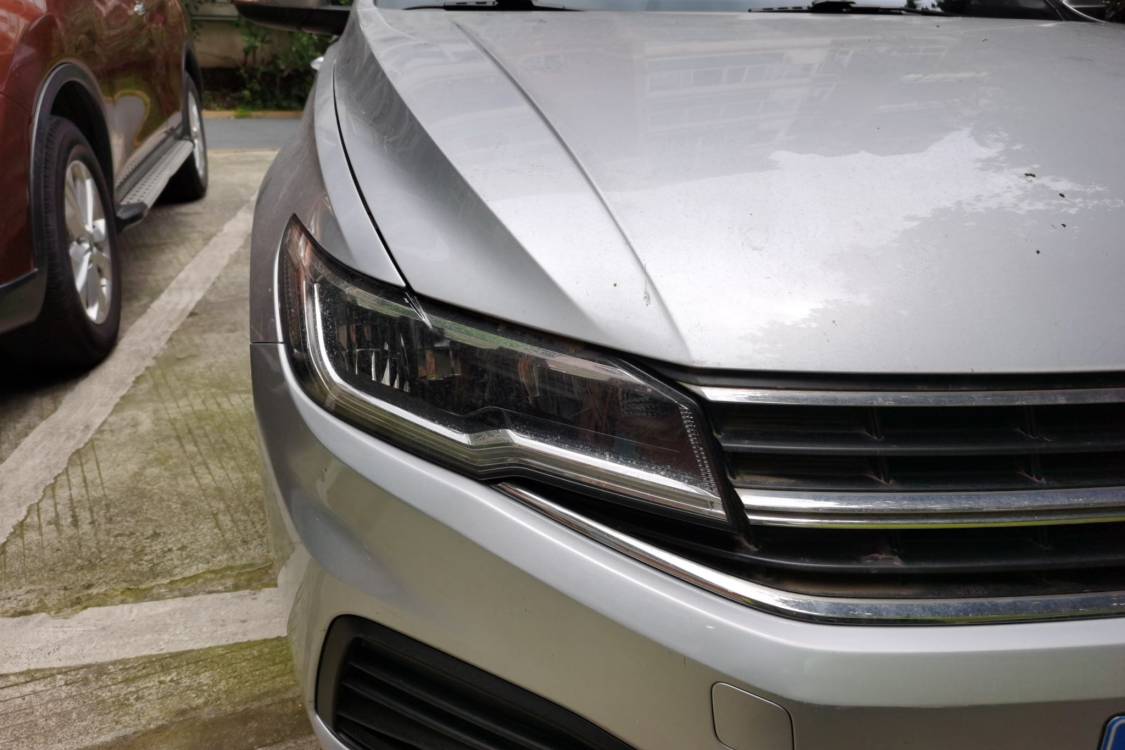
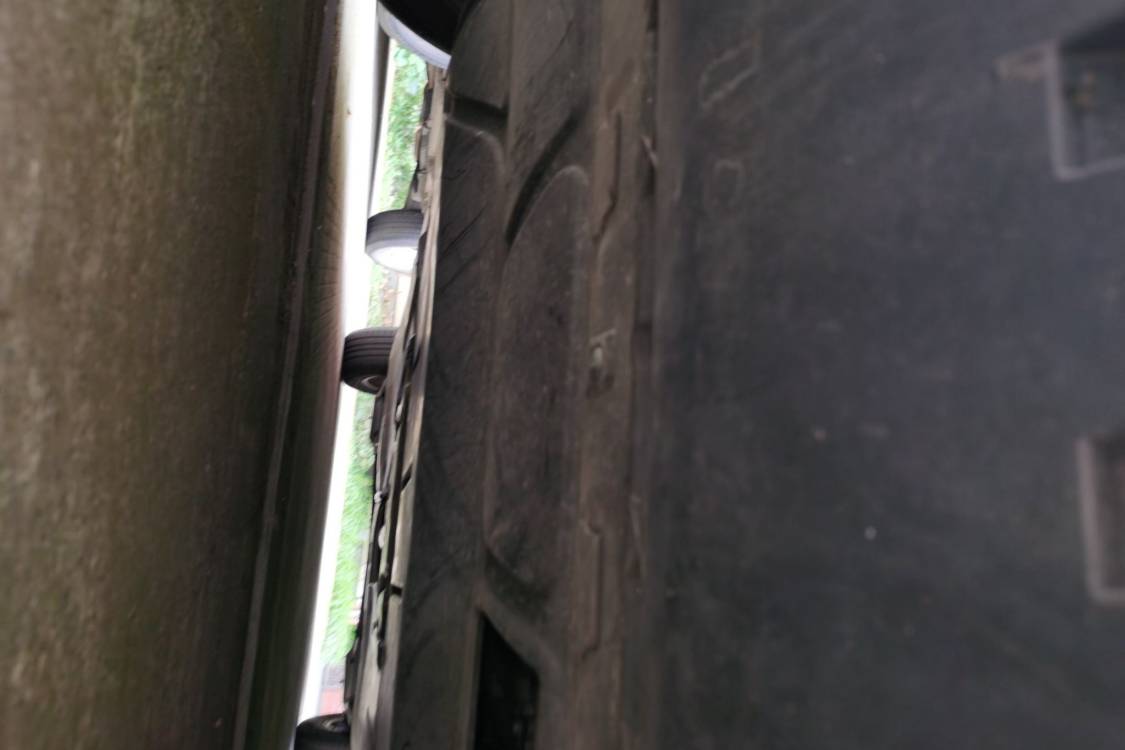
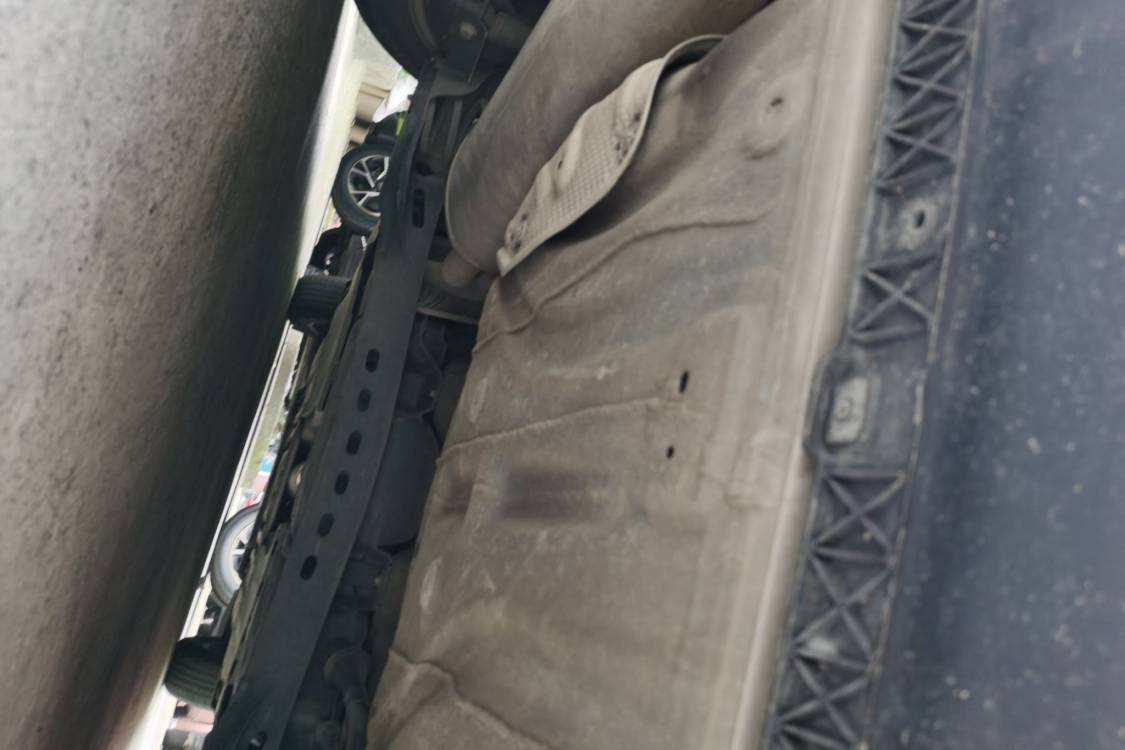
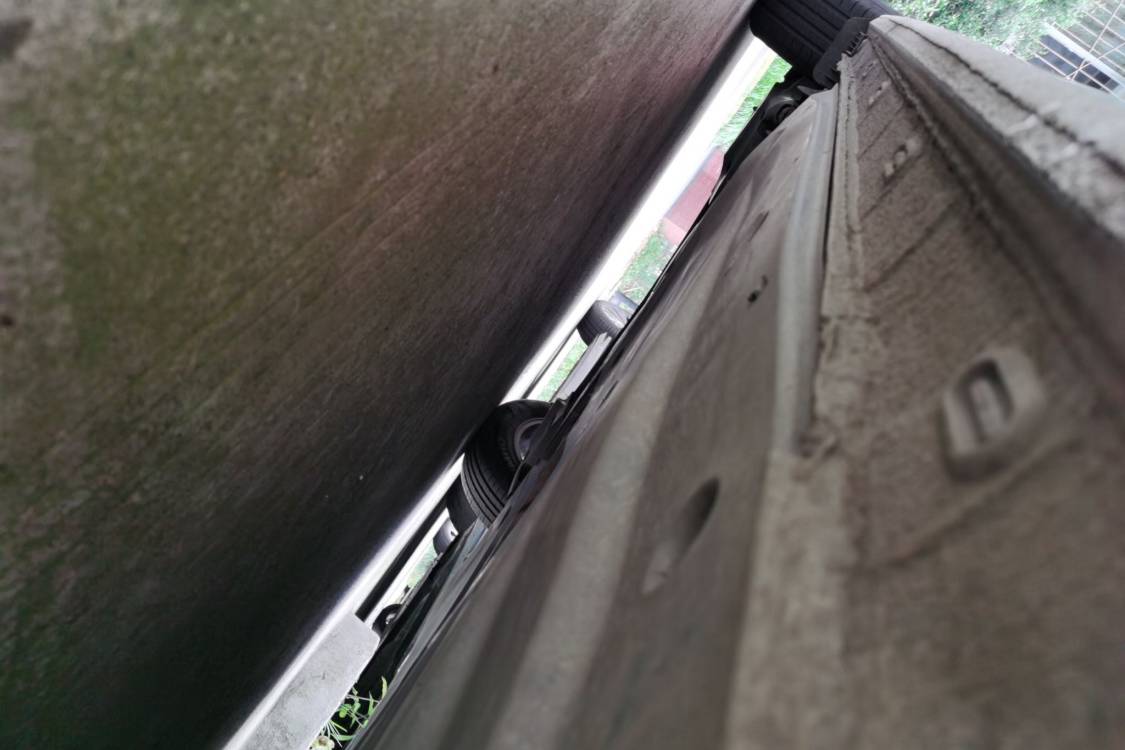
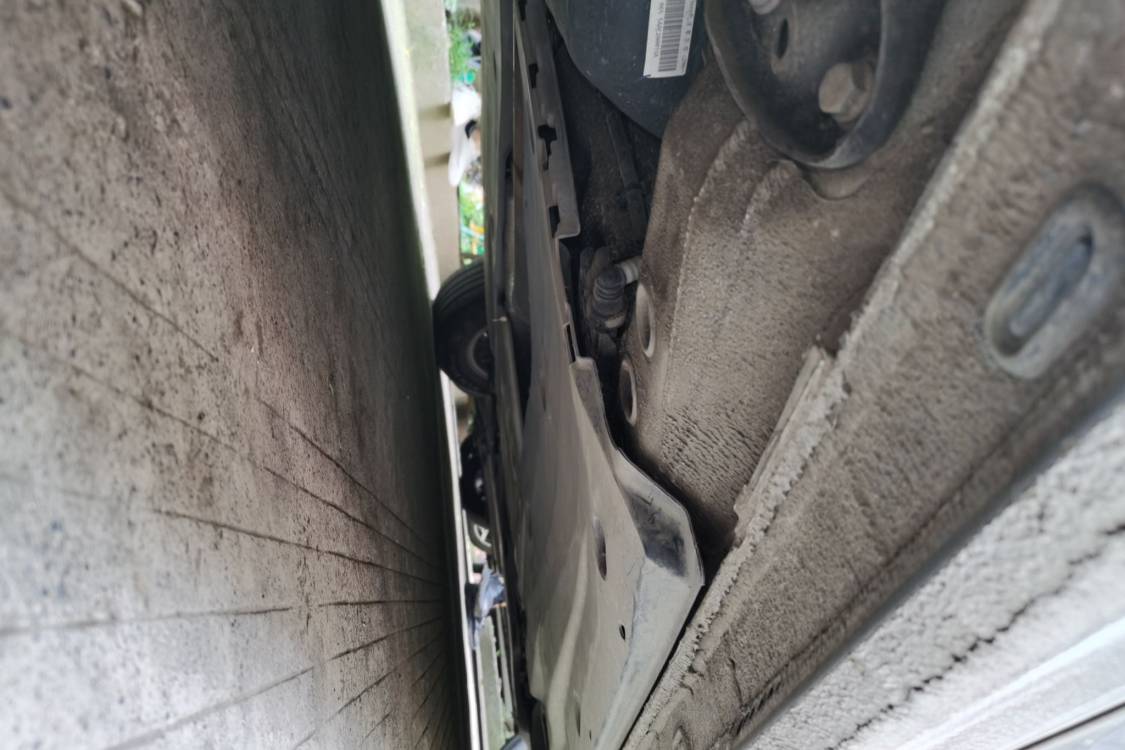
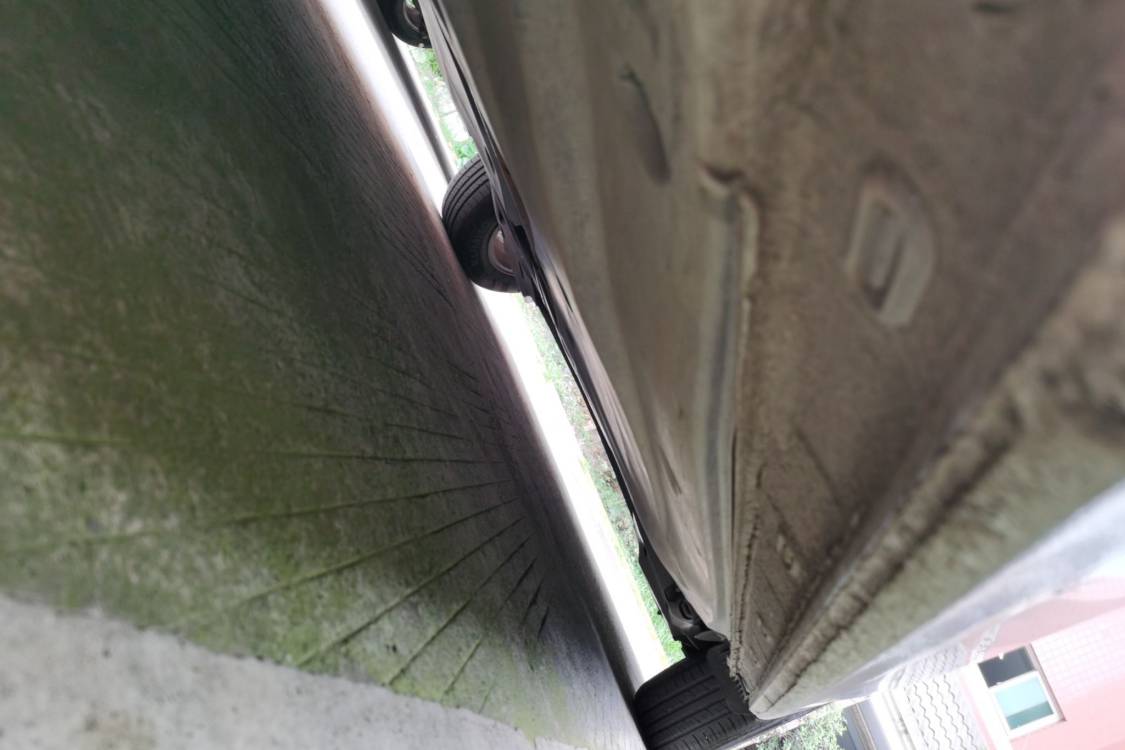
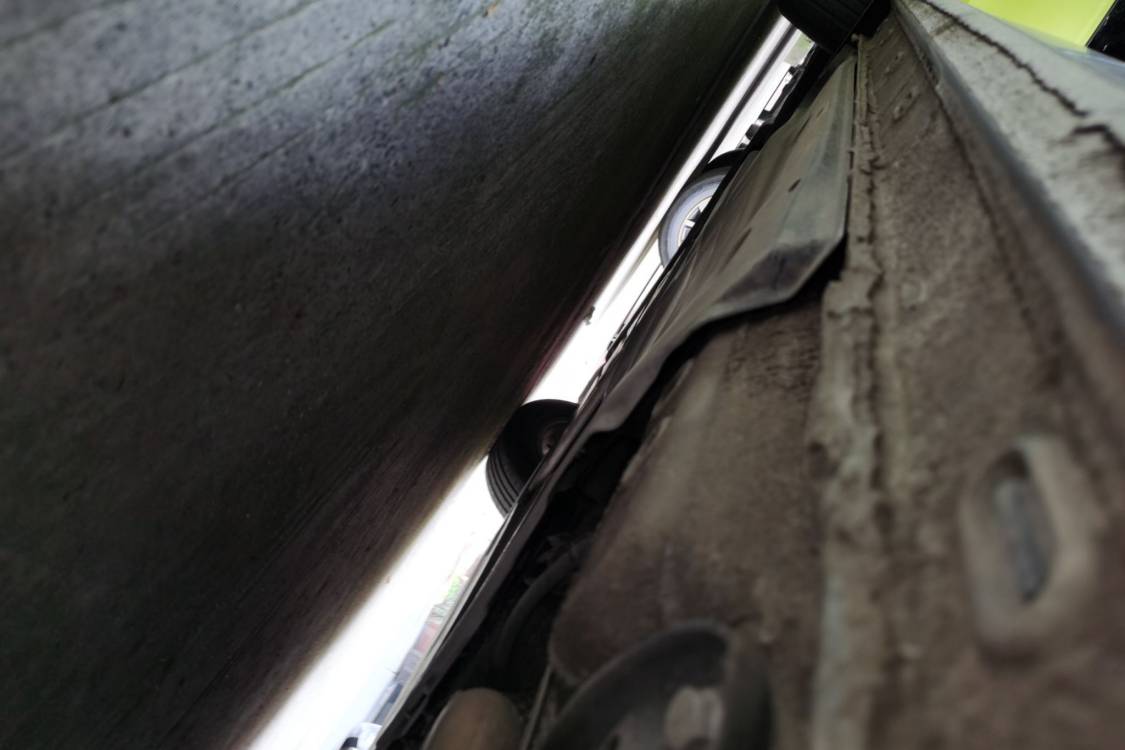
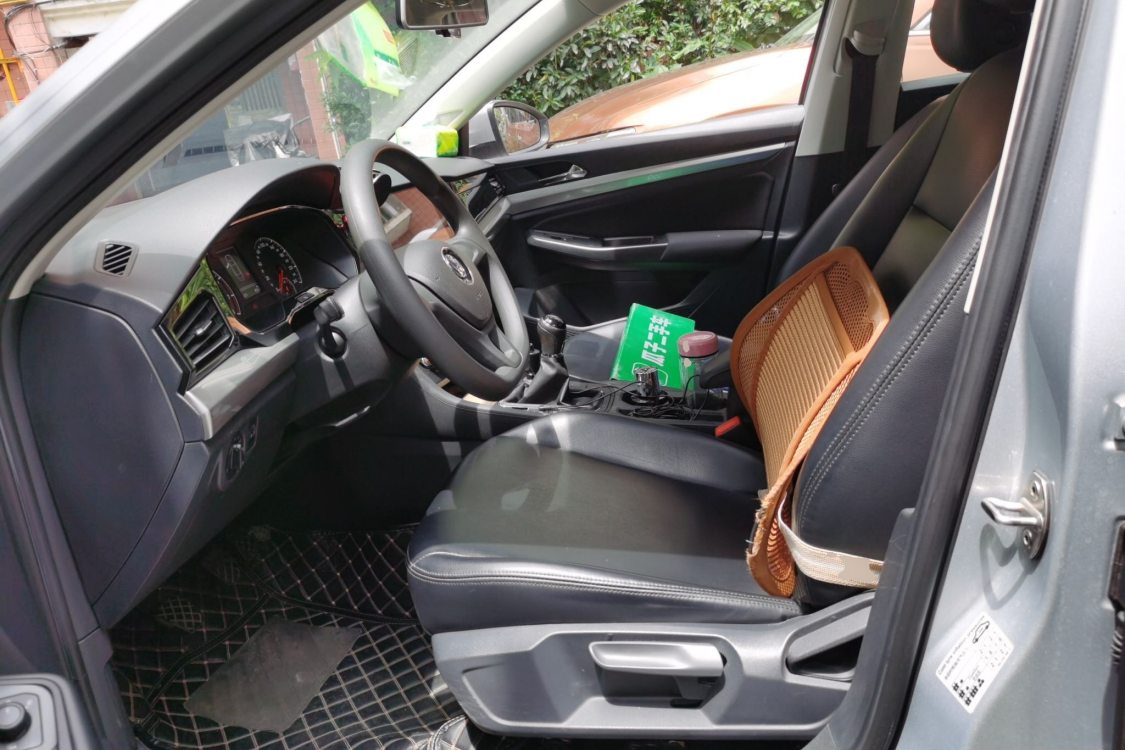
Localized body damage or repair marks present. Structural and reinforcement components have no accident-related damage or repairs. Vehicle performance (including three-electric system) has degraded or is limited.

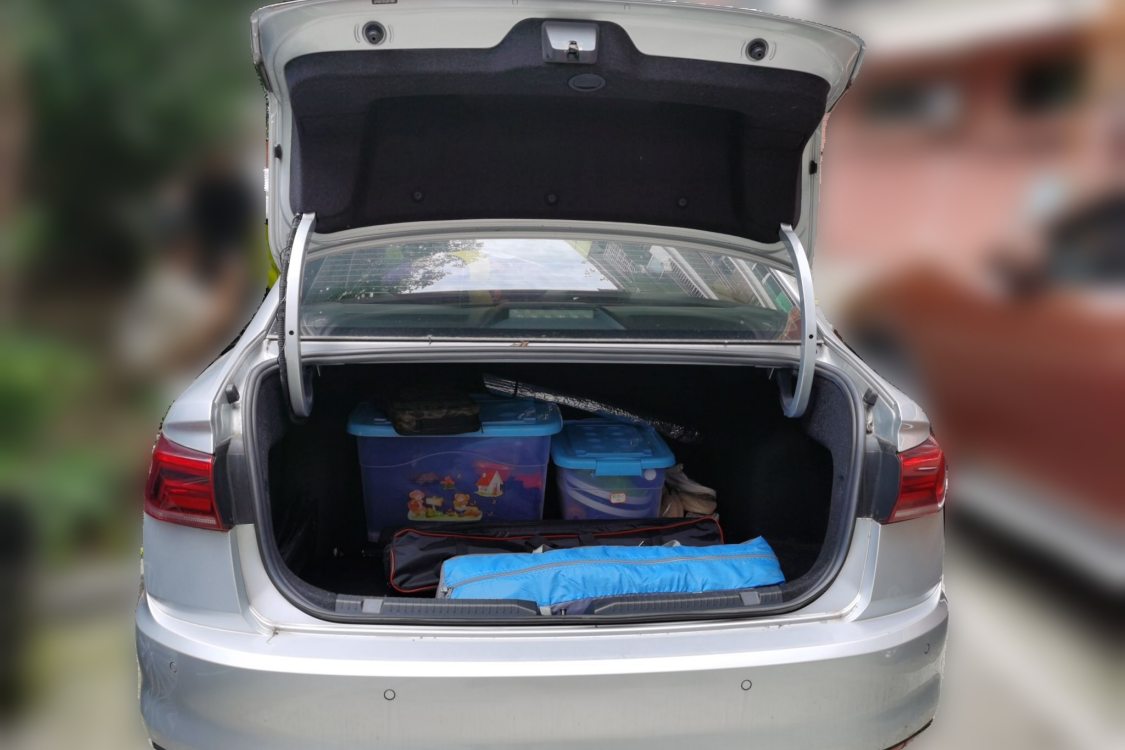
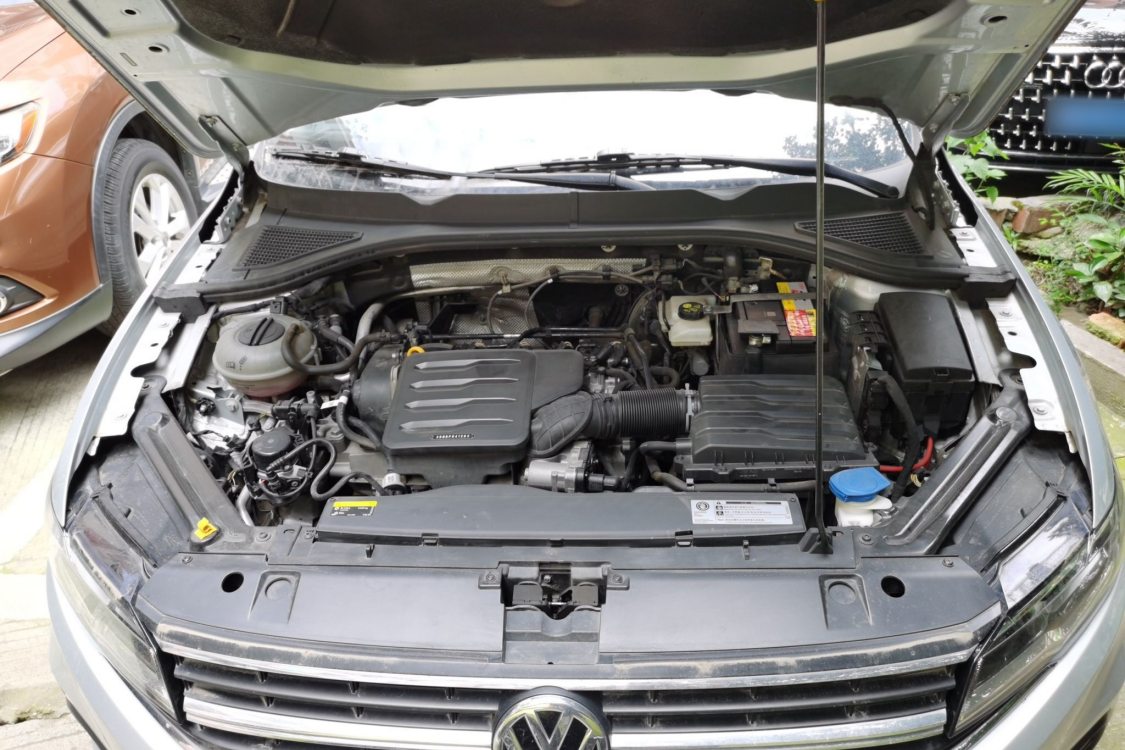
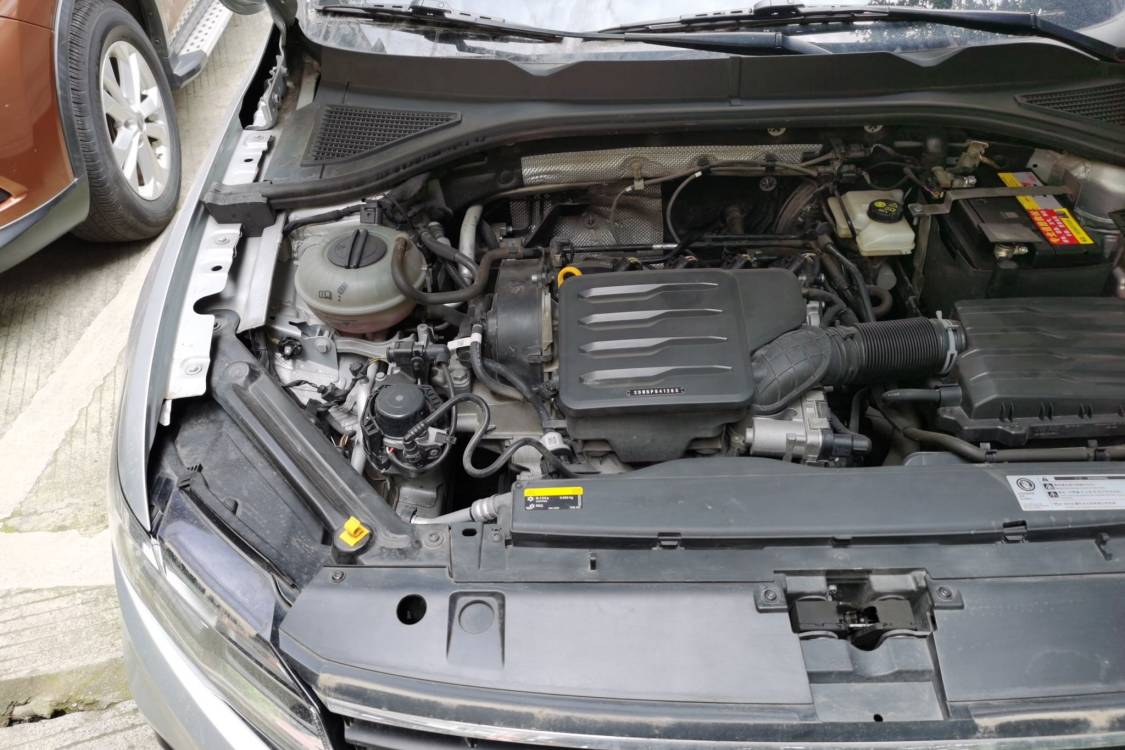
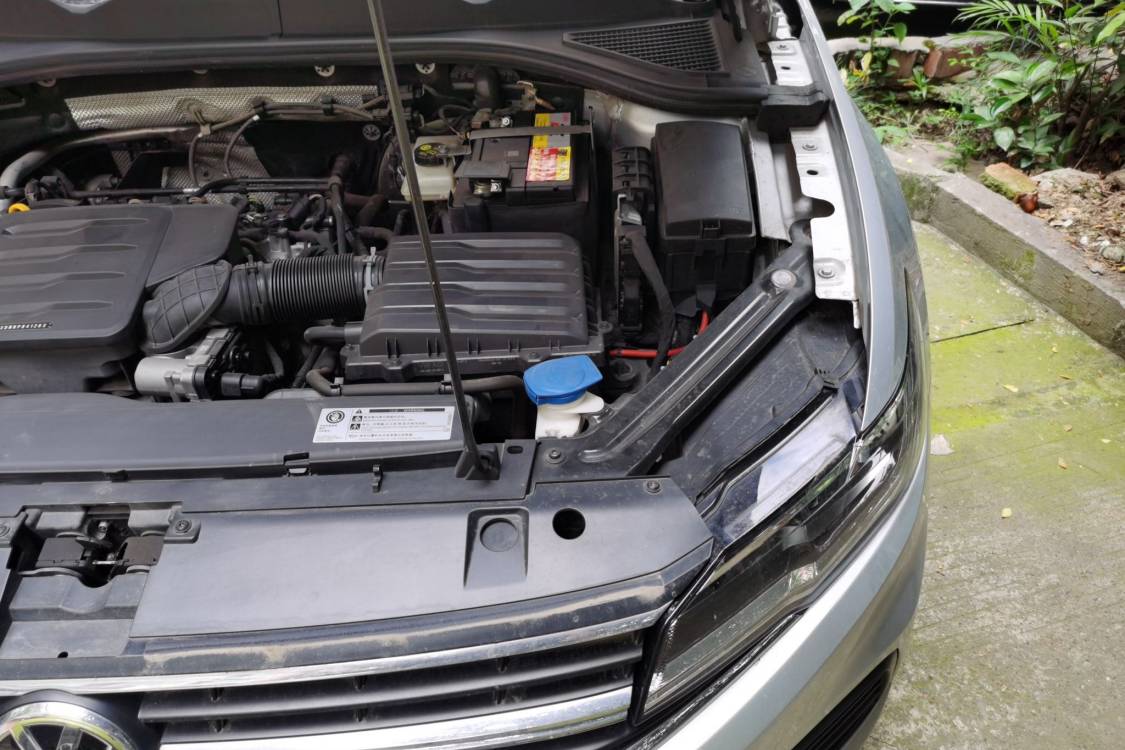
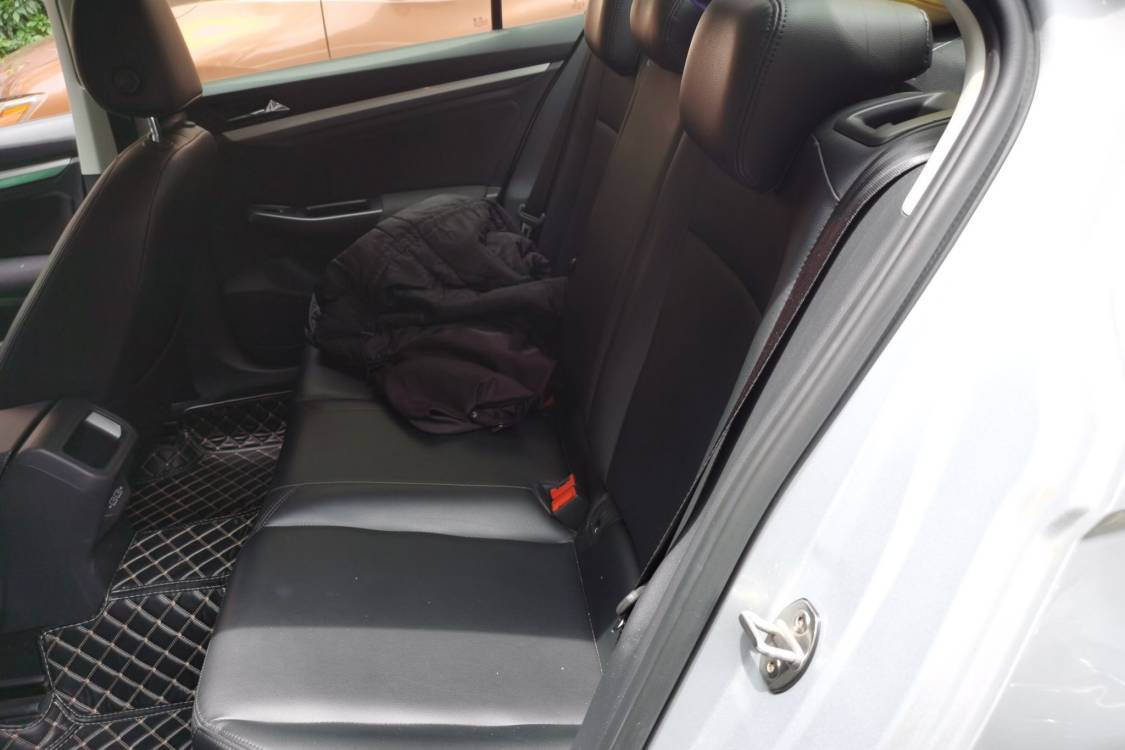
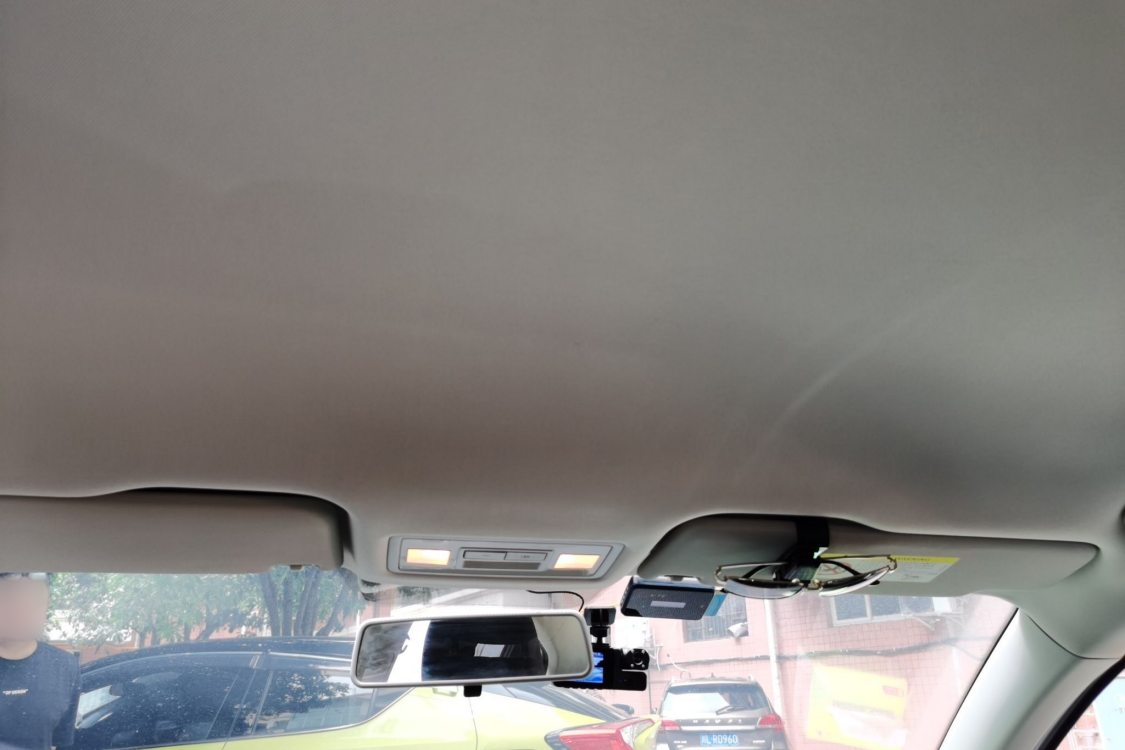
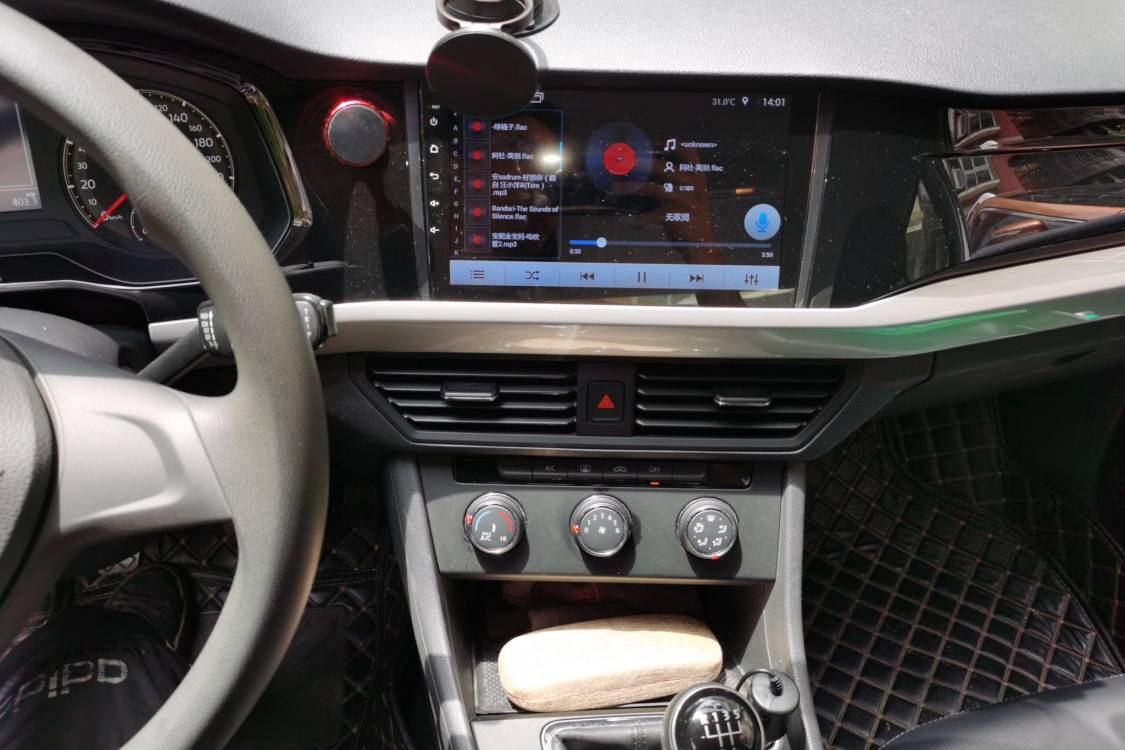
Accident inspection: main structure damaged, reinforcement components undamaged, cover panels damaged, hinges normal. Engine bay inspection: key mechanical components in engine compartment normal. Exterior: 1 area of sheet metal repair. Interior: most features normal, airbag inspection normal, seatbelts normal, dashboard normal, instrument inspection normal, lighting system normal. Startup inspection: airbag fault light abnormal during operation. Onboard tools: none.

电话直连
可讲价
平台物流
可转售
车主降价
零过户
非泡水

Document Information

Inspection Expiry Date2026/09
Warranty Expiry Date-
Insurance Expiry Date2026/09

Q&A

More

If the total price of the vehicles I purchase at once exceeds $1 million, can I request a performance bond from you?

Yes. For large B2B government or major fleet procurement projects, to ensure the safety of your deposit, we can issue an advance payment guarantee from one of China's four major state-owned banks, but the buyer must bear the issuance fee.
Are you responsible for re-spraying the chassis anti-rust coating (armor) if it is eroded by salt spray during sea transport?

No, we are not responsible. The high salt and humidity of the marine environment do have an impact on the chassis surface. We recommend buyers in tropical islands or countries that use salt for winter snow removal to perform a thorough chassis anti-rust spray locally immediately after the vehicle arrives.

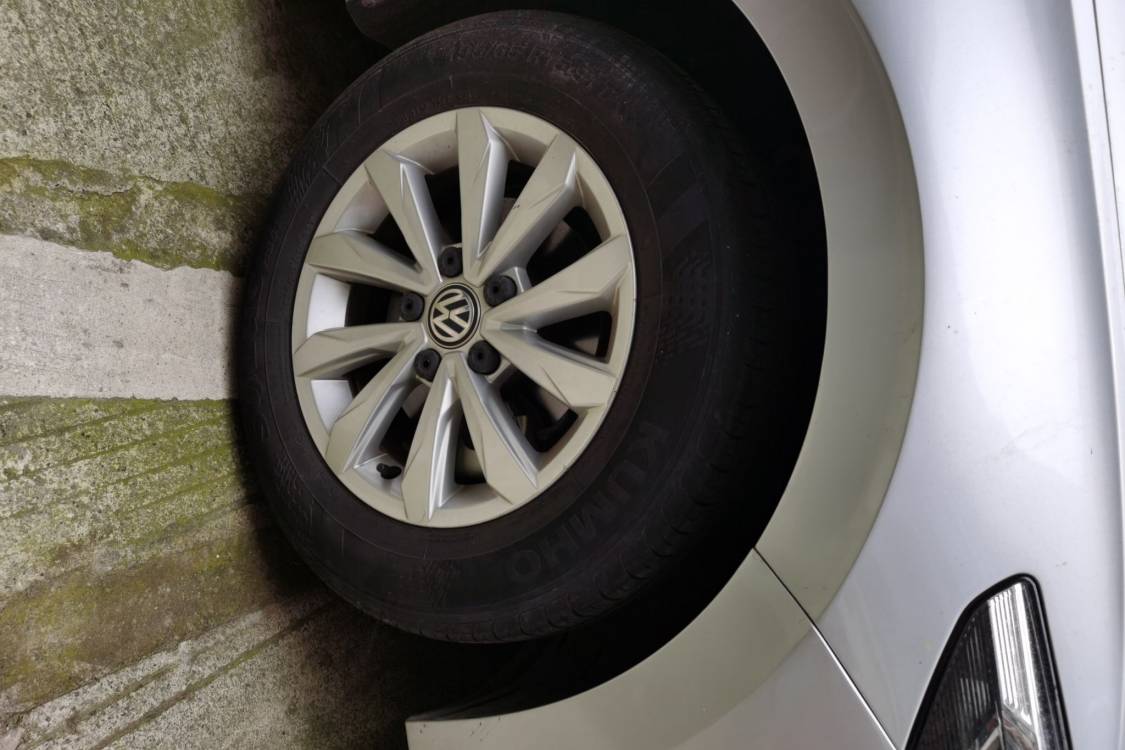
If the record of a vehicle's first maintenance is missing from the system, how do you determine its early wear condition?

Many car owners do not have their first maintenance done at authorized dealerships, leading to gaps in early data. In such cases, we do not blindly trust the odometer; instead, we analyze the tire production dates and wear levels, as well as the depth of grooves on the brake disc edges, using the "gold standard" of physical wear to infer the intensity of early use.