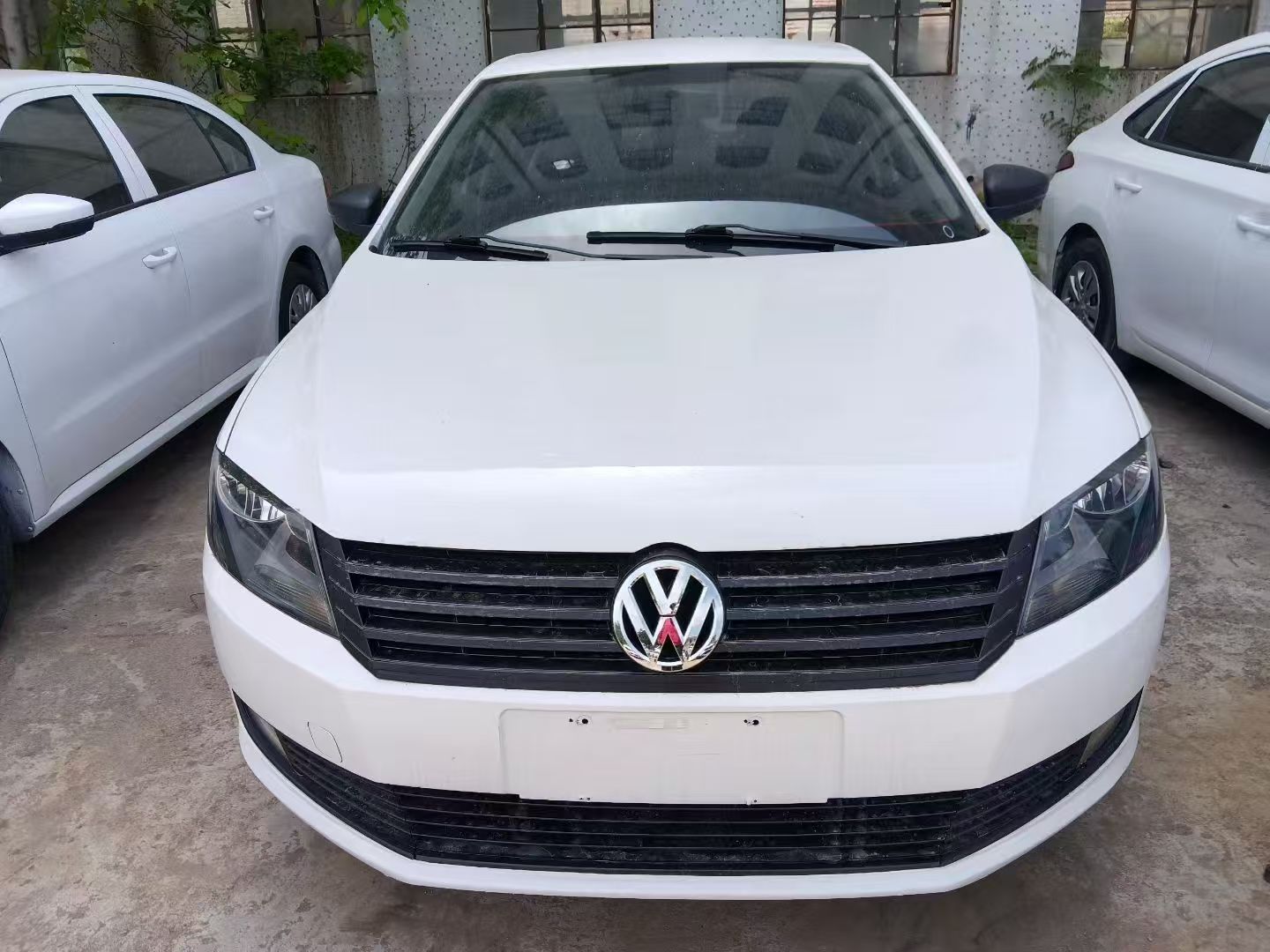
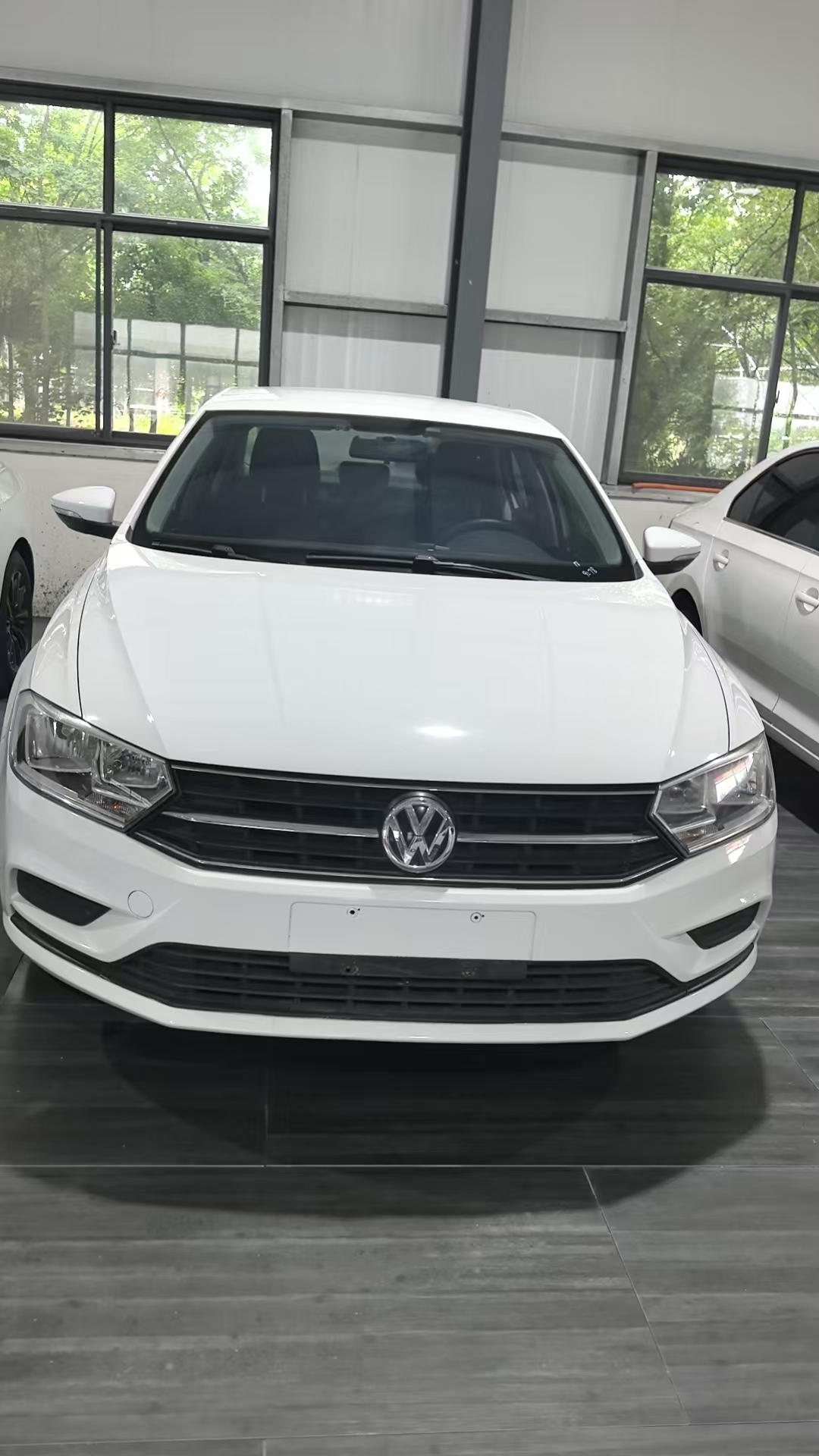
48H

Basic Information

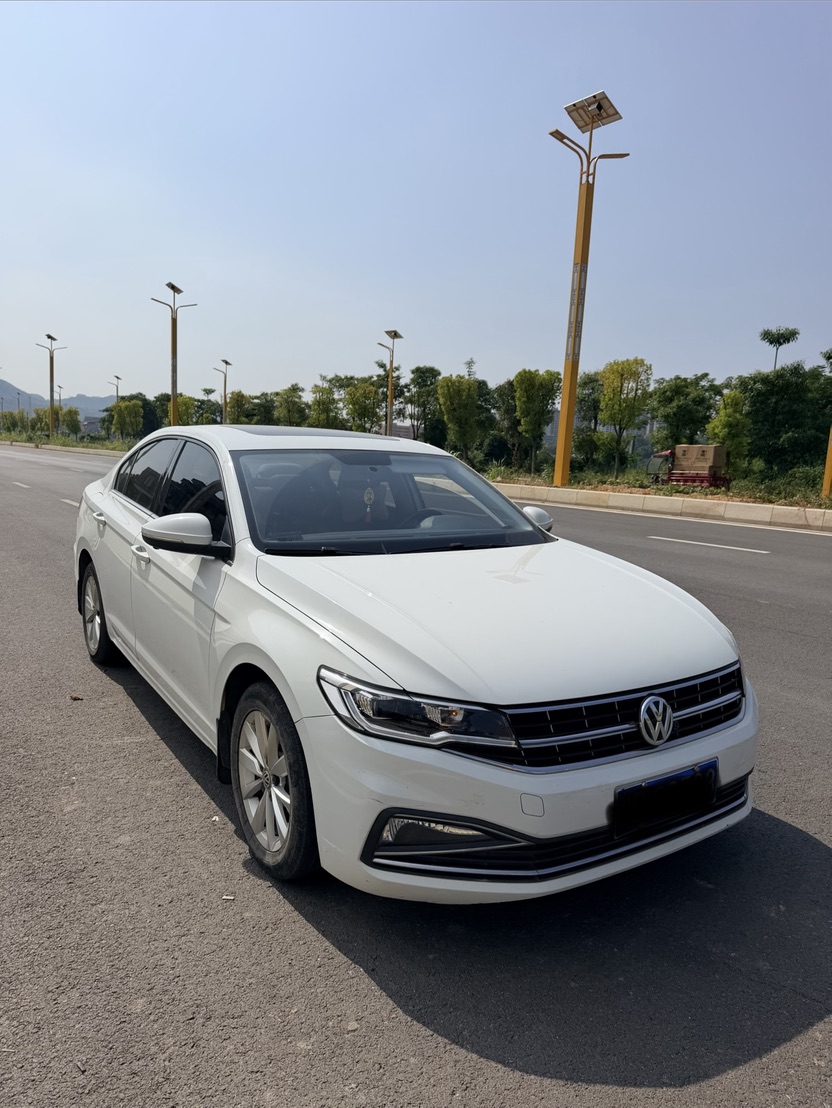
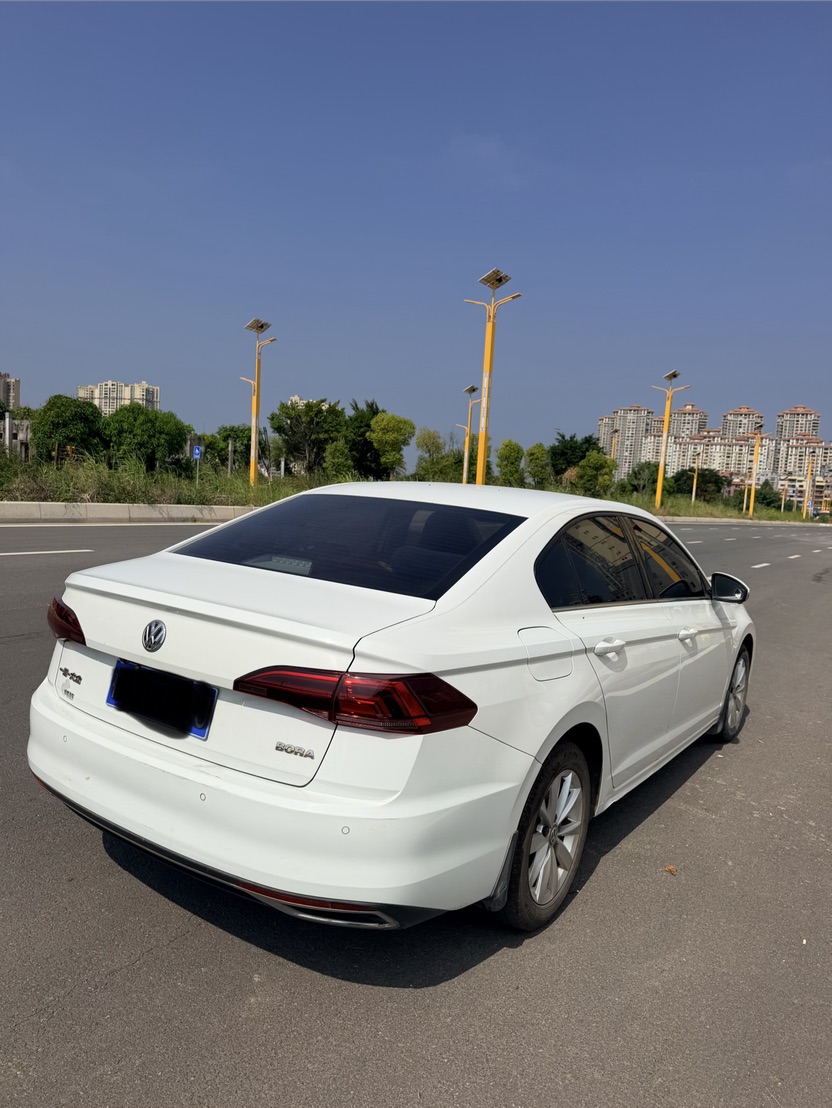
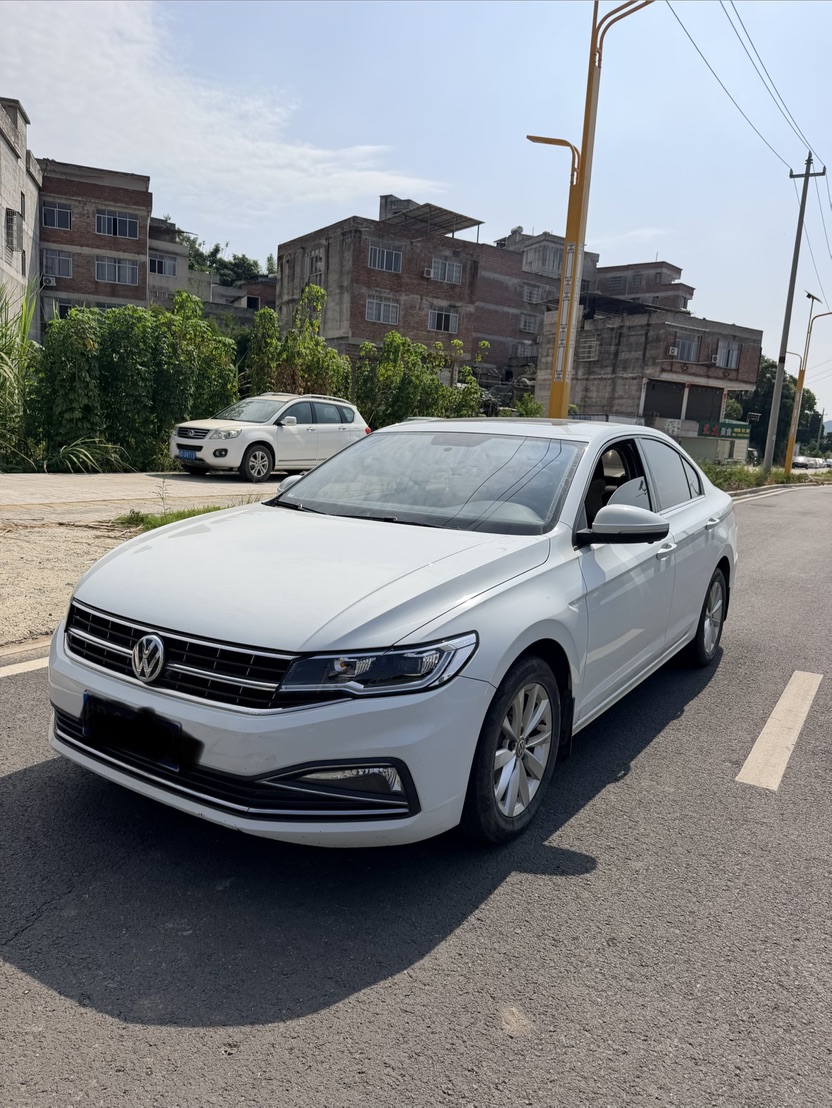
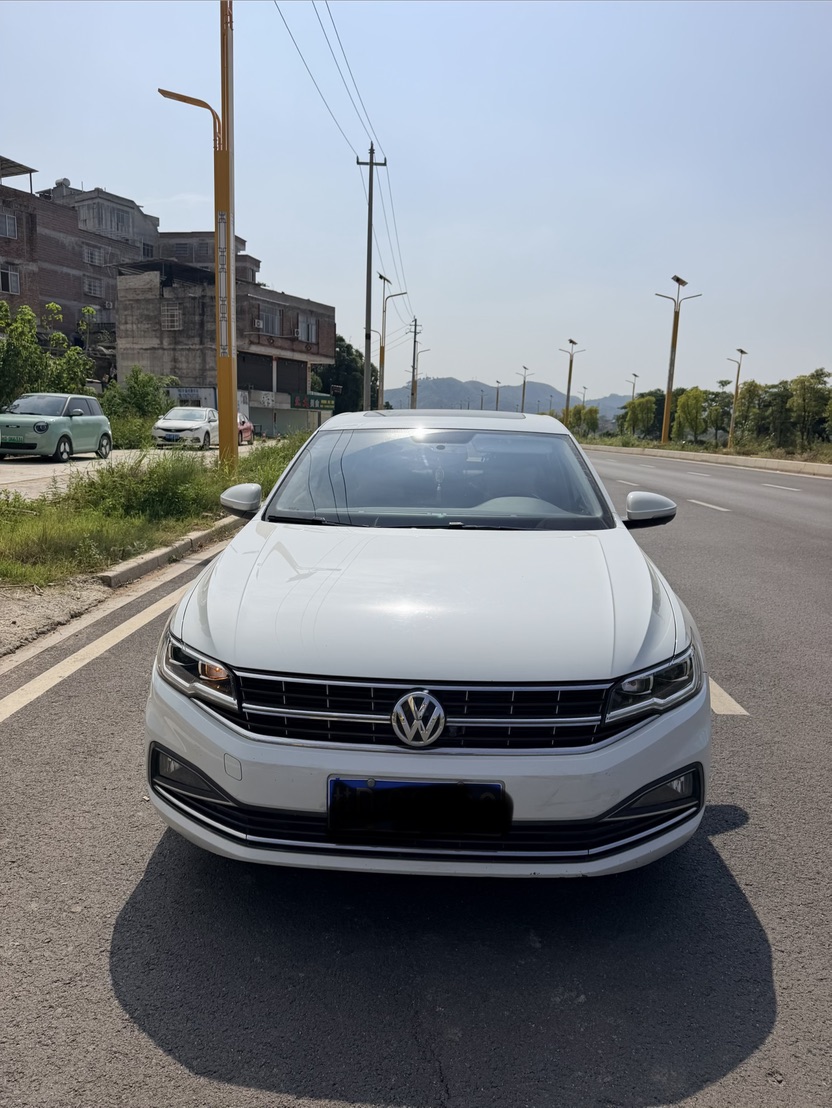
BrandVolkswagen
SeriesBora
Year2020
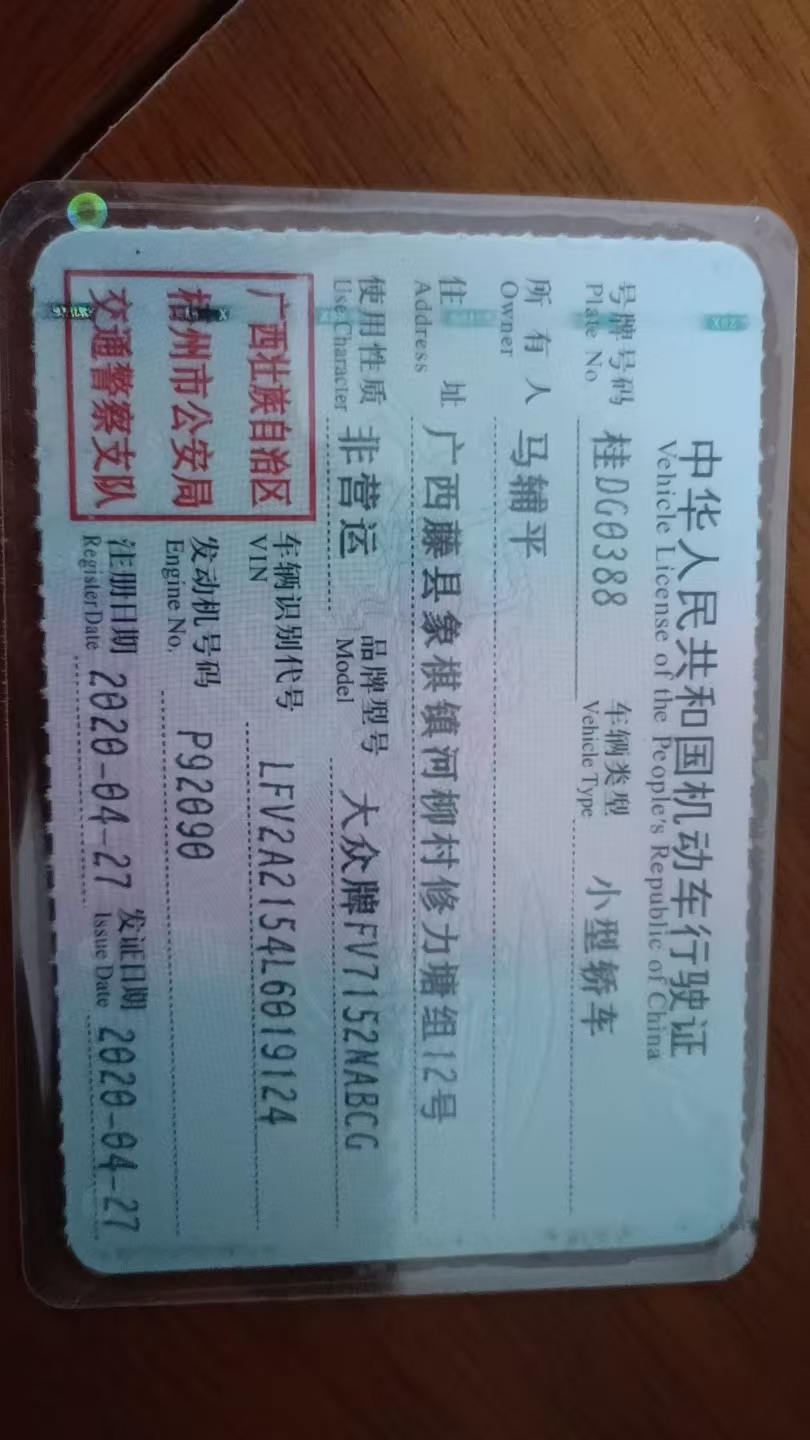
First Registration2020/04
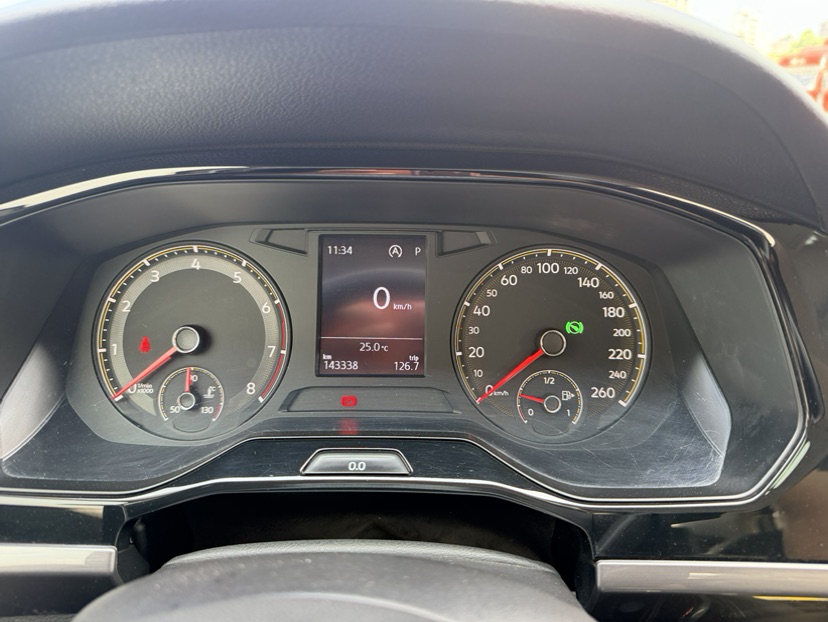
Mileage140,000km
Transfer Count1times
FuelGasoline
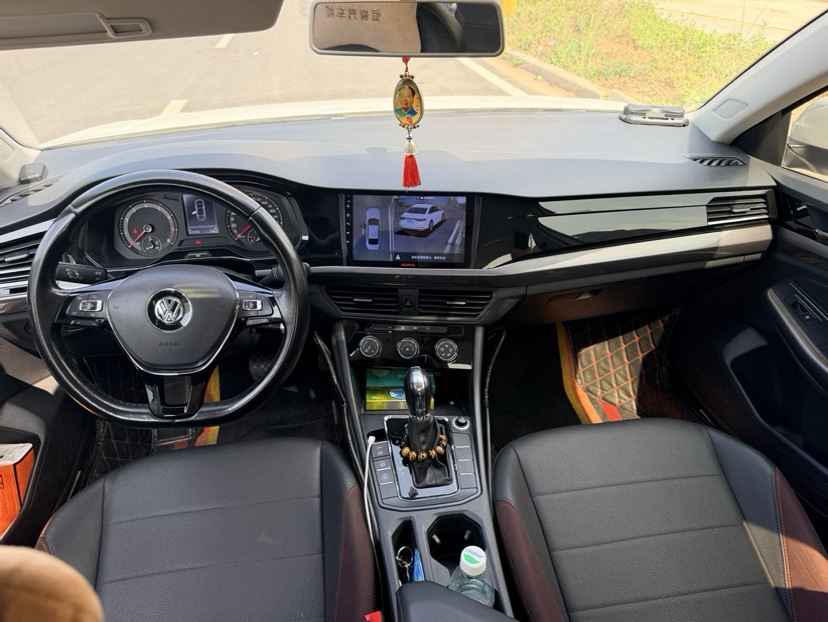
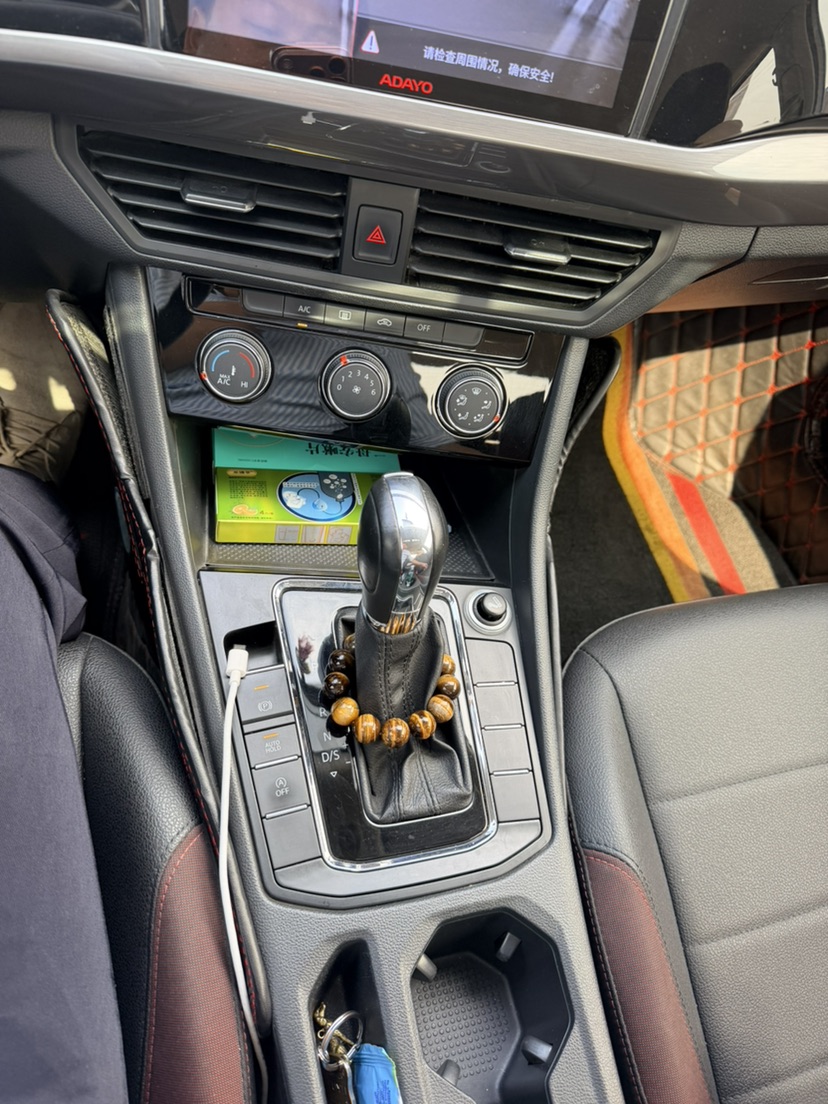
TransmissionManumatic
Engine1.5L 113 L4
ColorWhite
Seats-

Condition Description

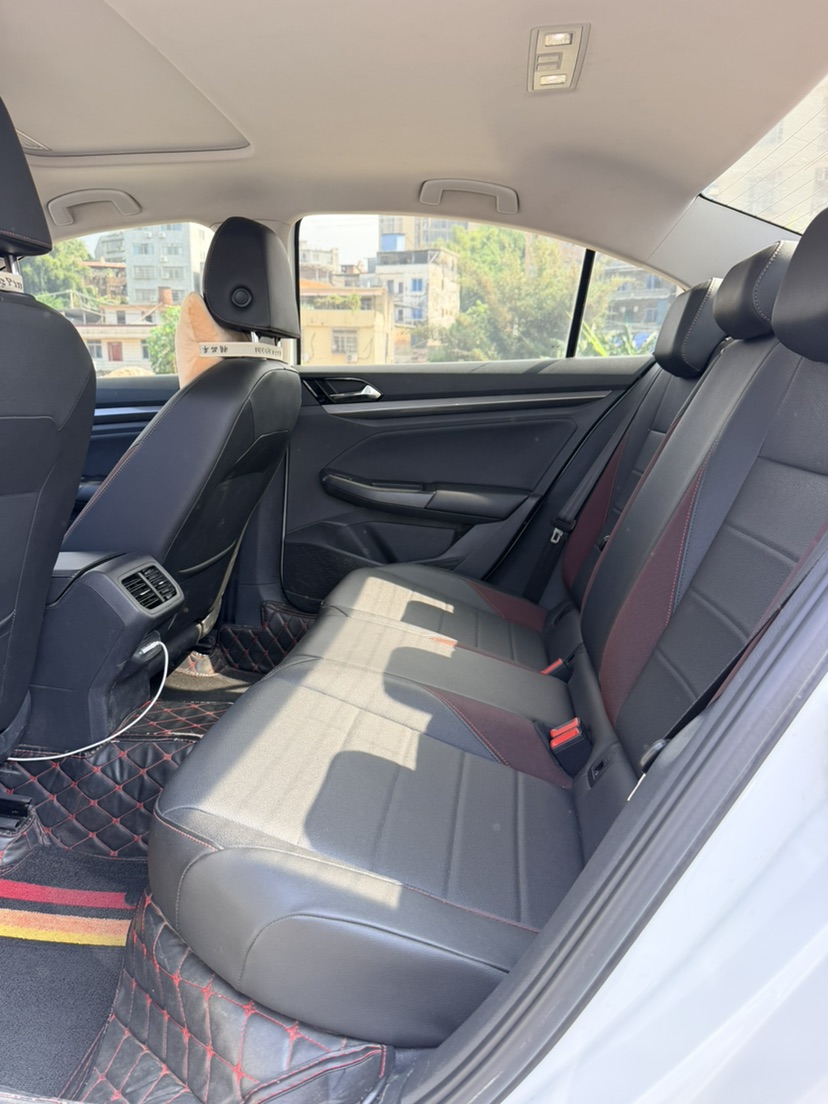
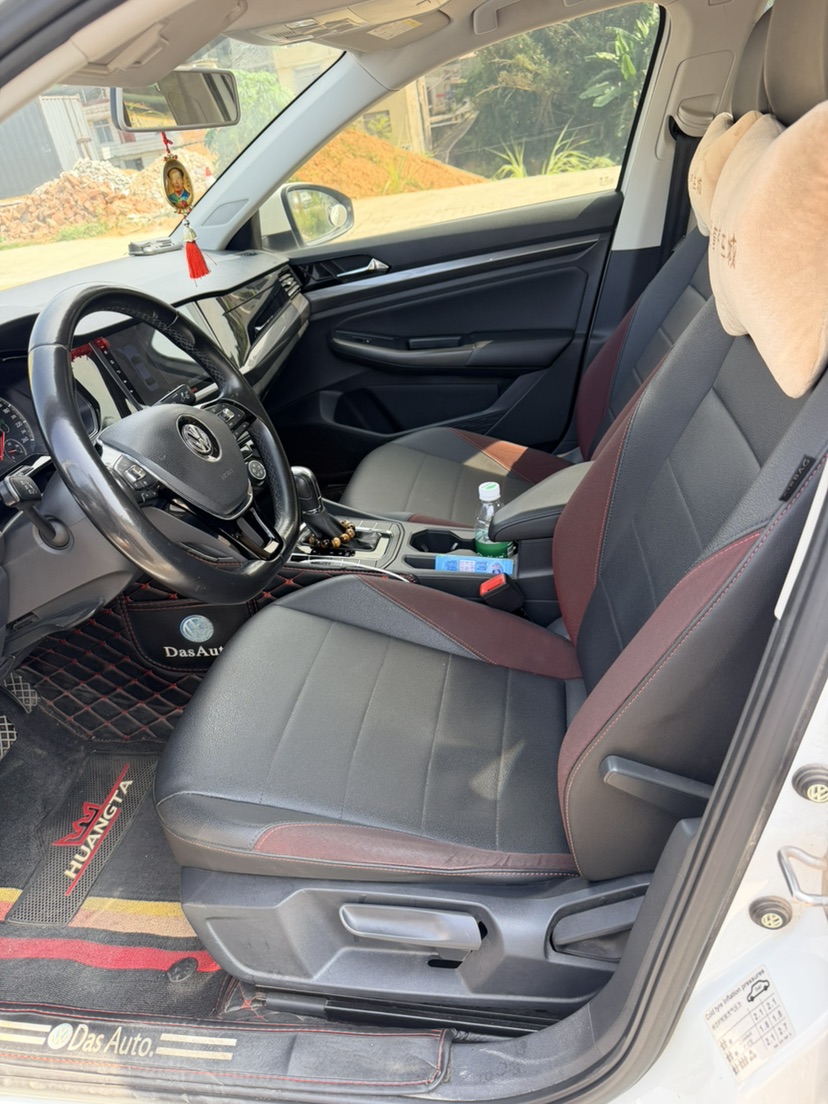
First-hand vehicle with verified odometer reading, passed third-party inspection.

燃油车
轿车
自动
维保开放
事故开放
查验开放

Configuration Highlights

✓品牌: 大众
✓车系: 宝来
✓车型: 2020款 1.5L 自动舒适型
✓车身类型: 轿车
✓座位数: 5
✓排量: 1.5L
✓变速箱: 自动
✓能源类型: 燃油车
✓VIN: LFV2A2154L6019124
✓搜索关键词: 大众宝来 2020款宝来1.5L自动舒适型

Document Information

Inspection Expiry Date2027/04
Warranty Expiry Date-
Insurance Expiry Date2027/04

Q&A

More

Are you responsible for re-spraying the chassis anti-rust coating (armor) if it is eroded by salt spray during sea transport?

No, we are not responsible. The high salt and humidity of the marine environment do have an impact on the chassis surface. We recommend buyers in tropical islands or countries that use salt for winter snow removal to perform a thorough chassis anti-rust spray locally immediately after the vehicle arrives.

What is the difference between EXW, FOB, and CIF prices from a Chinese exporter, and which incoterm should I choose as a first-time buyer?

EXW means you pay only for the car at the seller's yard—you handle everything else, including inland transport in China and export clearance, which is impractical from overseas. FOB includes delivery to the port and export customs clearance; you pay for ocean freight and insurance. CIF adds freight and basic insurance to a named destination port. For a first-time buyer, FOB is usually the best balance: the exporter, who knows Chinese logistics, handles the complicated part, while you control the freight booking and can shop rates among forwarders. Watch for exporters quoting unrealistically low FOB prices and making margin on inflated 'shipping services' later. Get a separate freight quote before signing, and compare the exporter's CIF offer against FOB plus your own freight estimate. Ask explicitly whether the price includes inspection, export license fees, and port charges—ambiguity here is the most common source of disputes.
What is demurrage? How to avoid it?

Demurrage is a penalty charged by the port or shipping company for not clearing and picking up goods on time after they arrive. To avoid it: send customs documents in advance and ensure the recipient is prepared with duties and import qualifications.