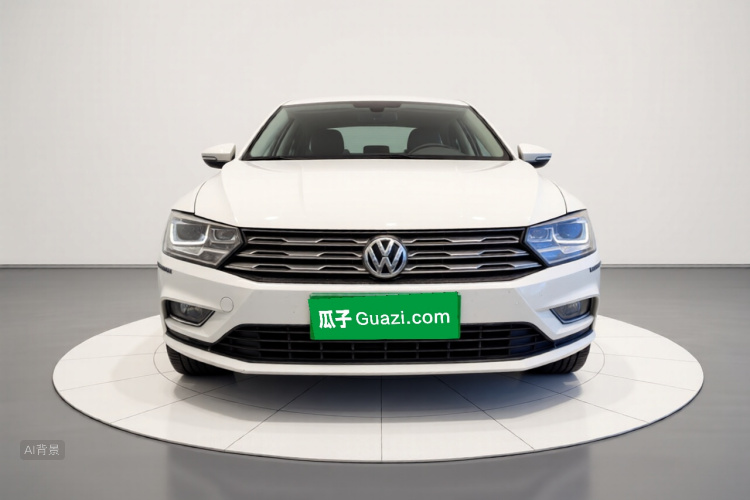
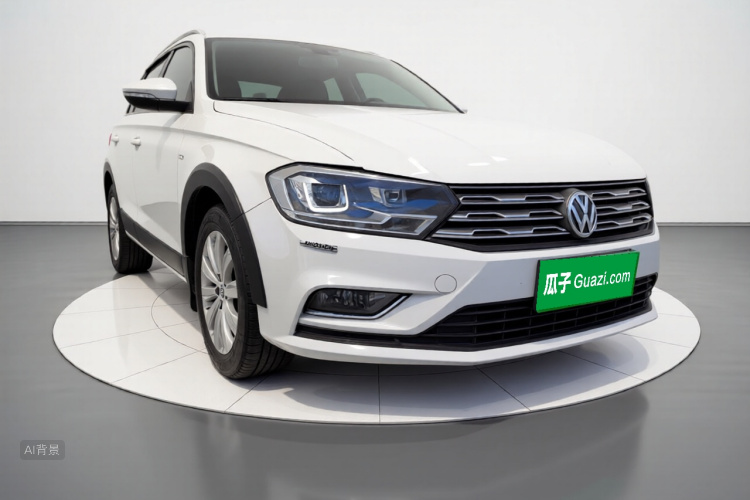
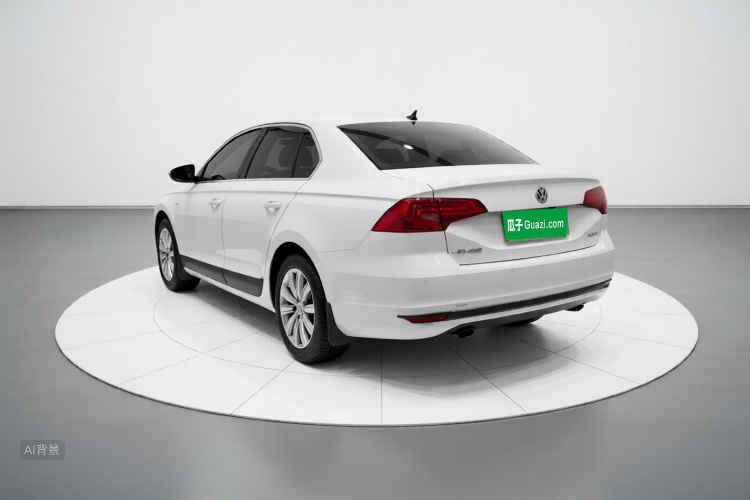
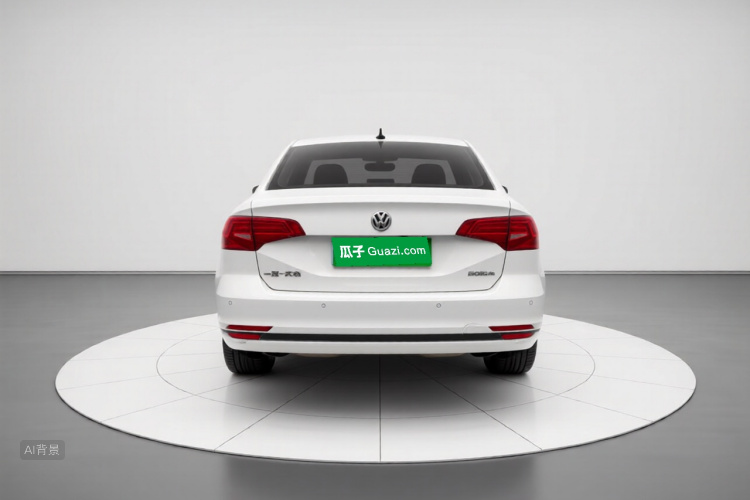




Basic Information

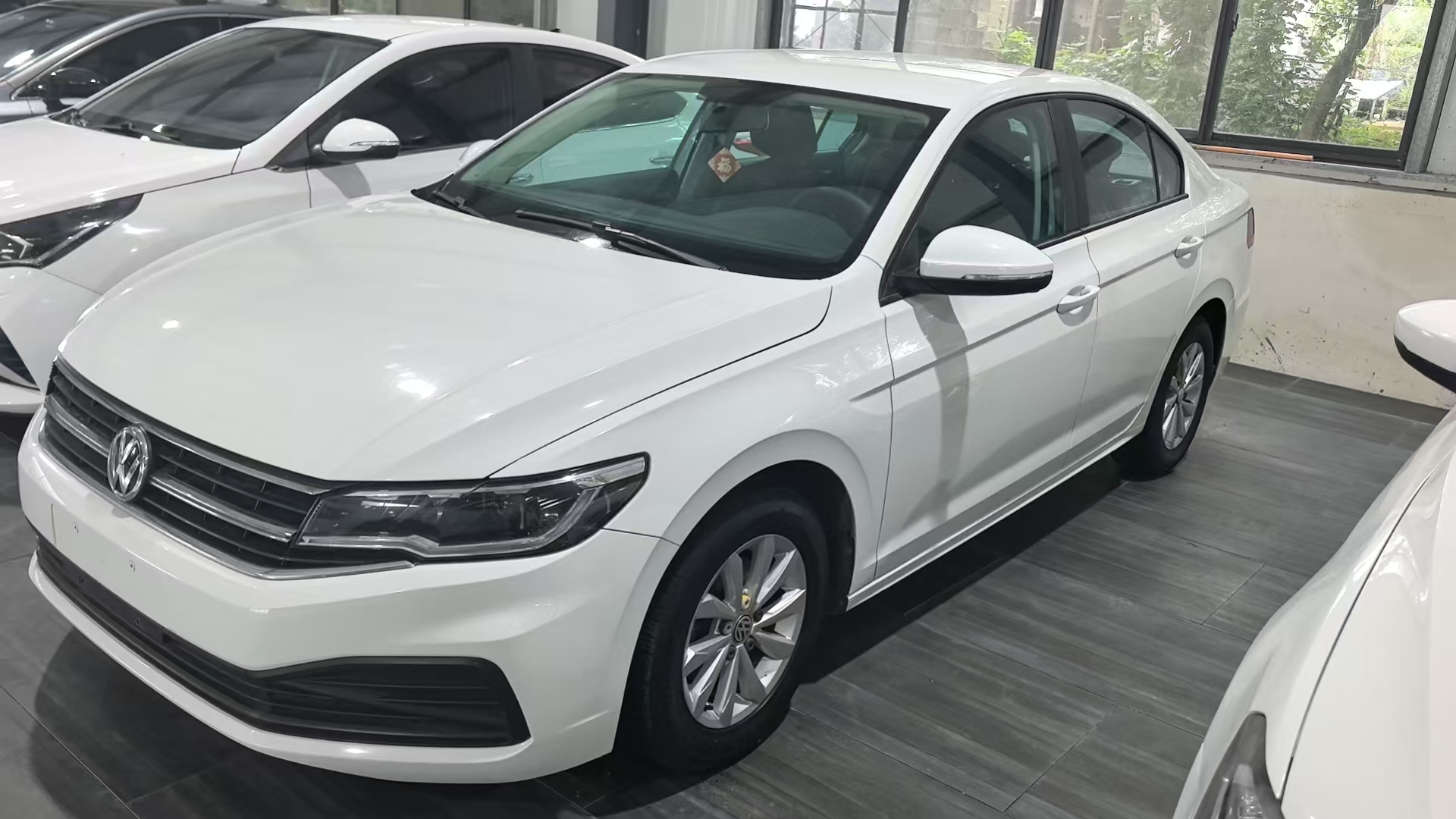
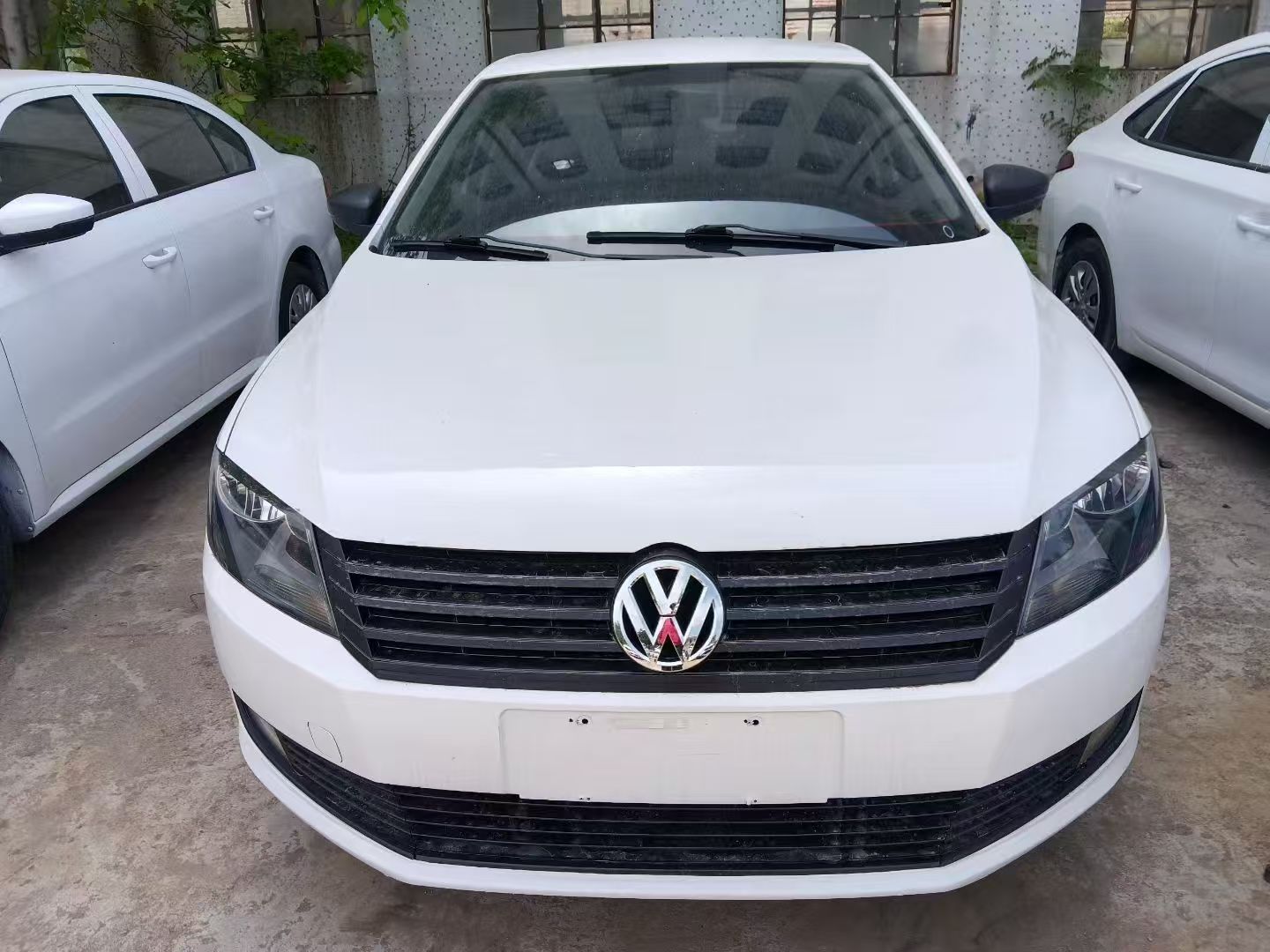
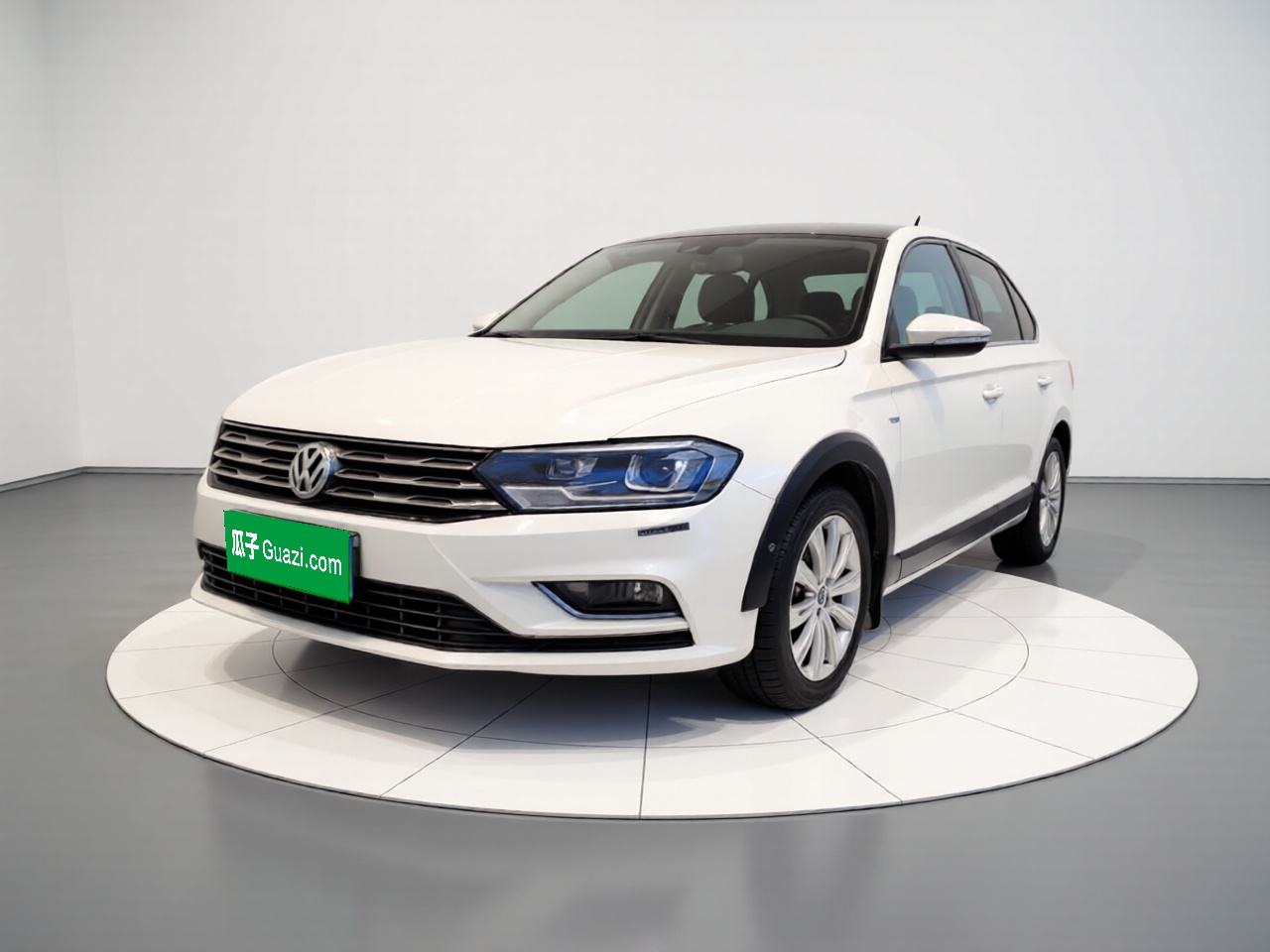
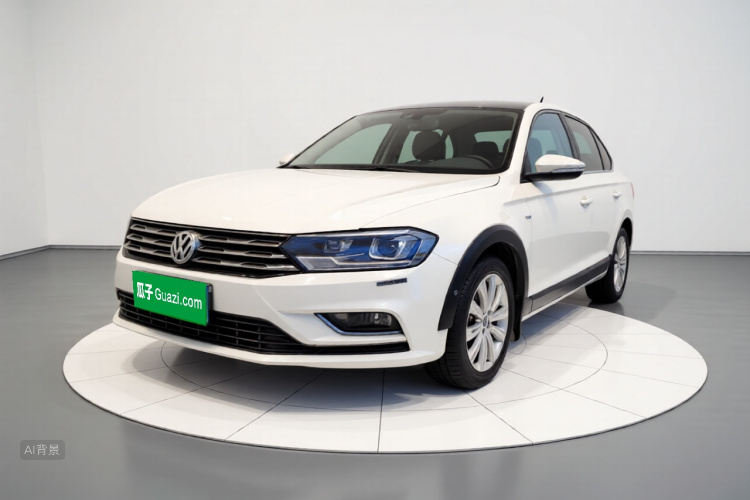
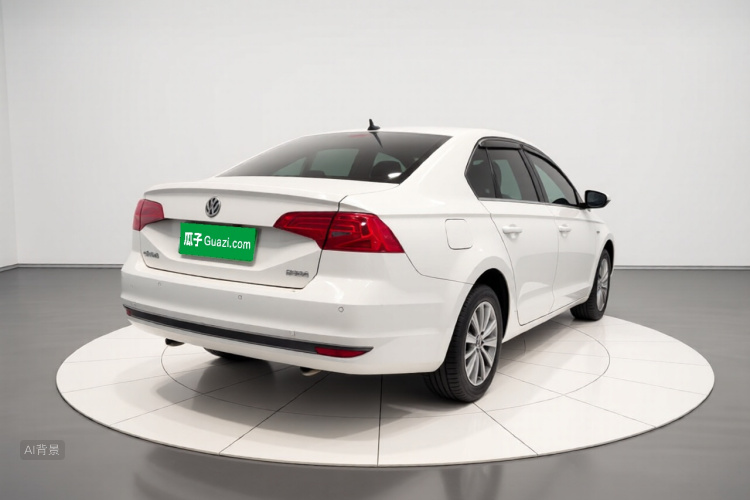
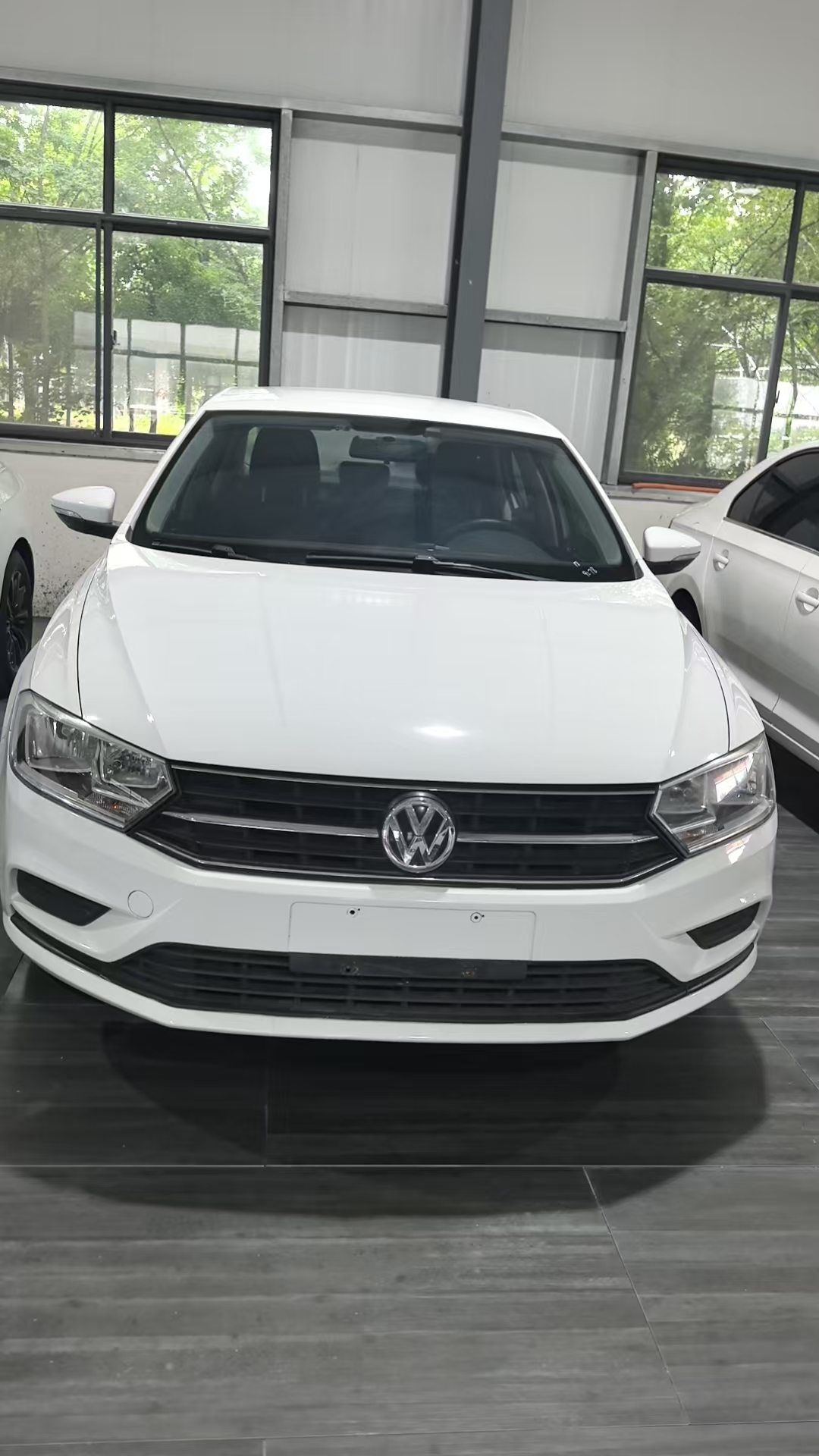
BrandVolkswagen
SeriesBora
Year2020
First Registration2020/10
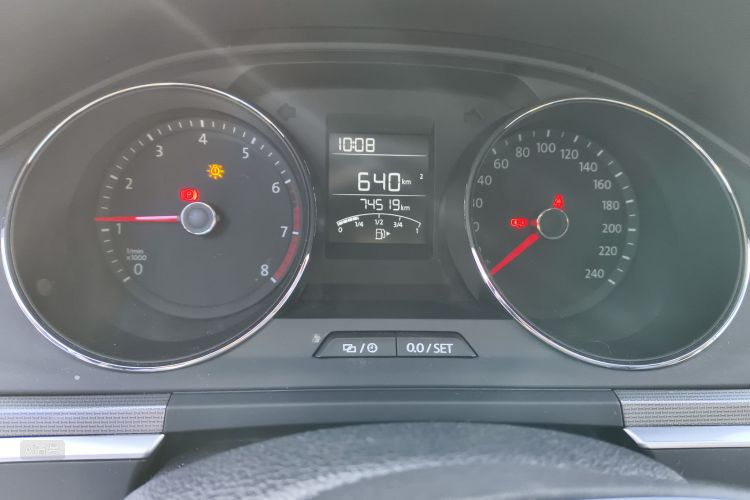
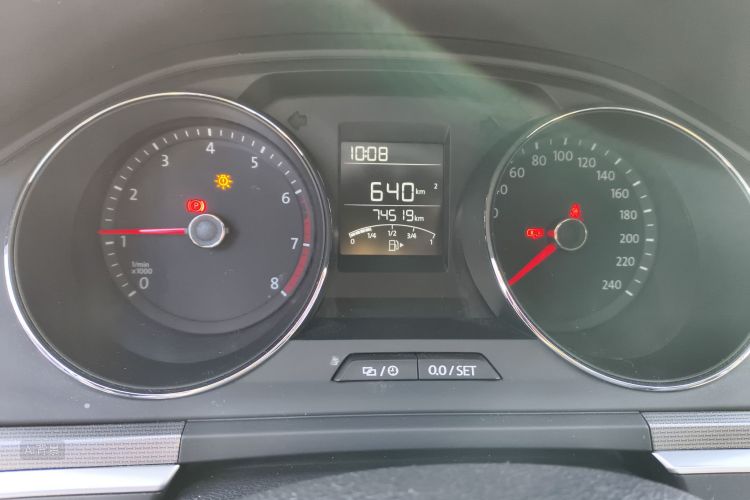
Mileage74,500km
Transfer Count-
FuelGasoline
TransmissionManual
Engine1.5L 112 L4
ColorWhite
Seats-

Condition Description

0 transfers

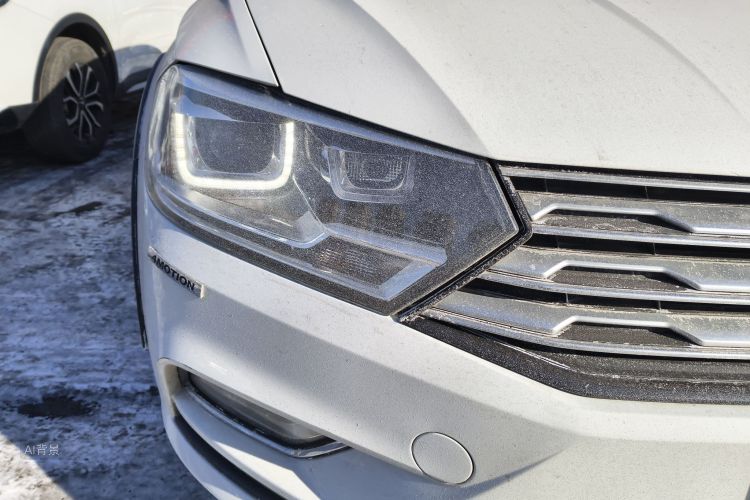
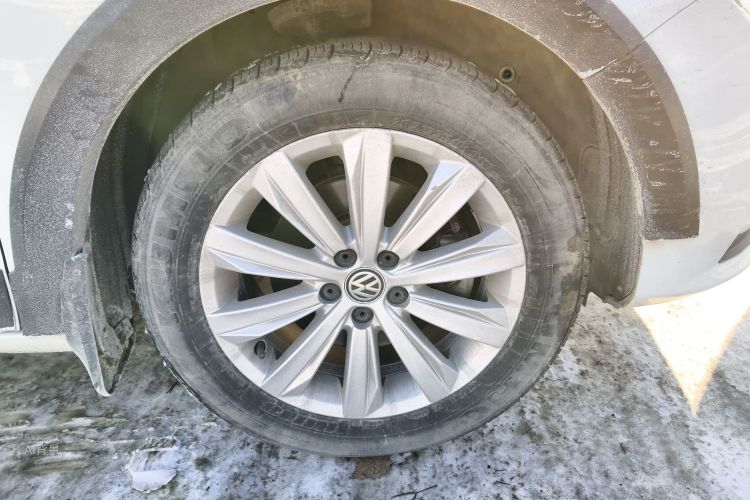
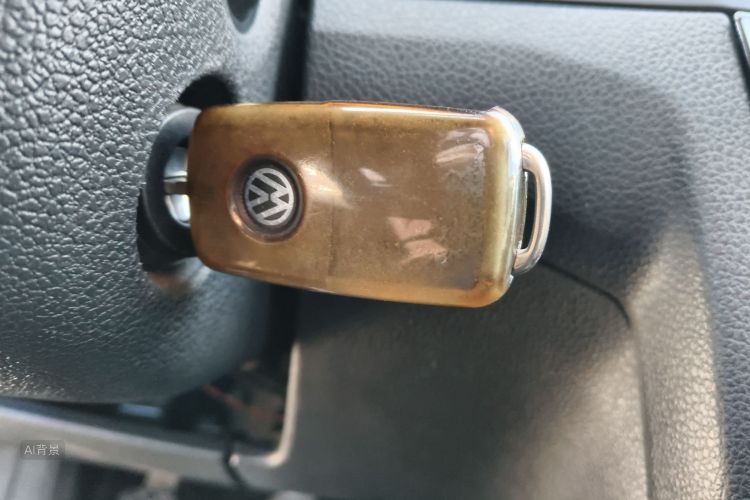
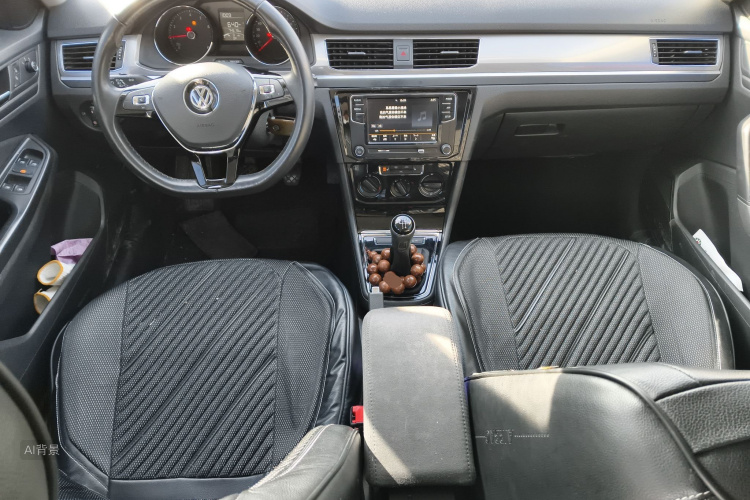
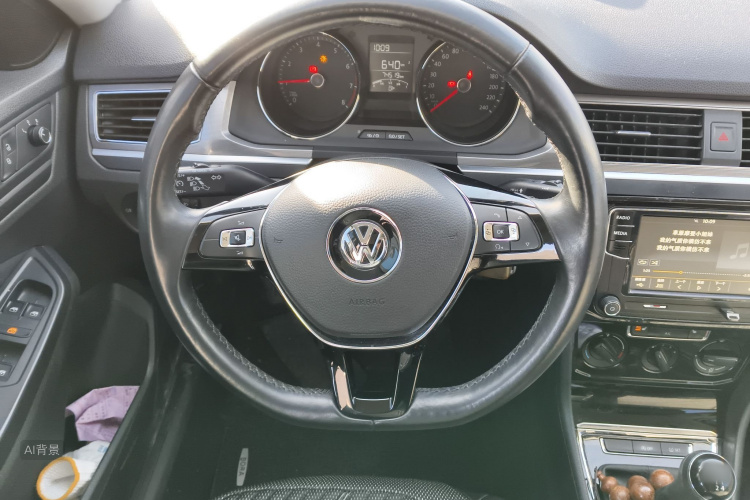
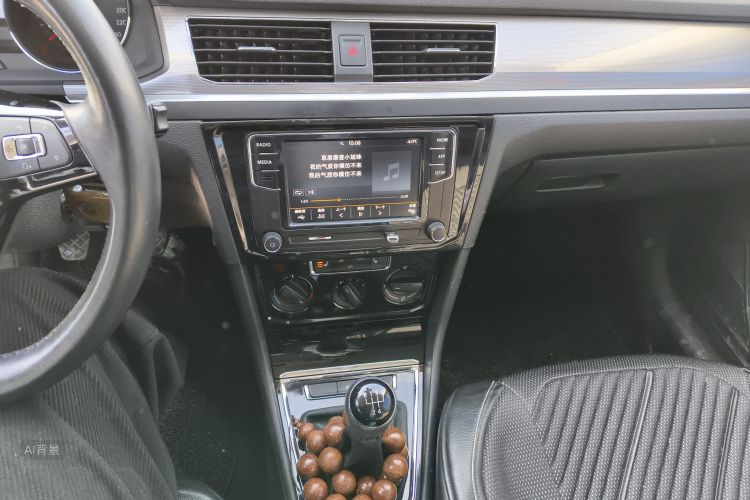
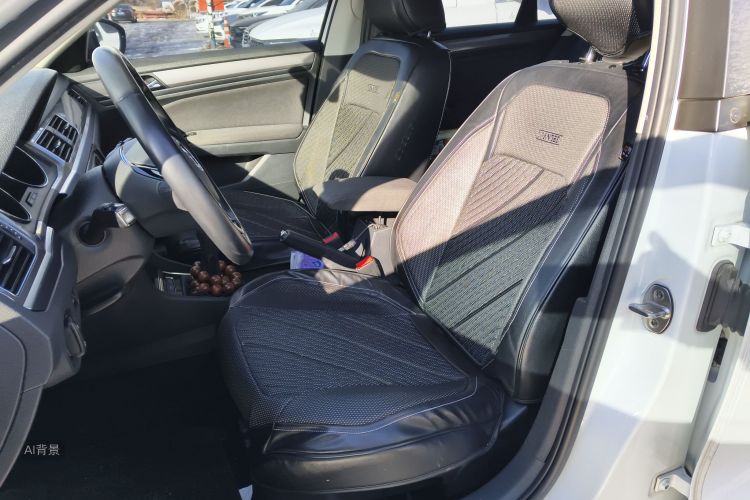
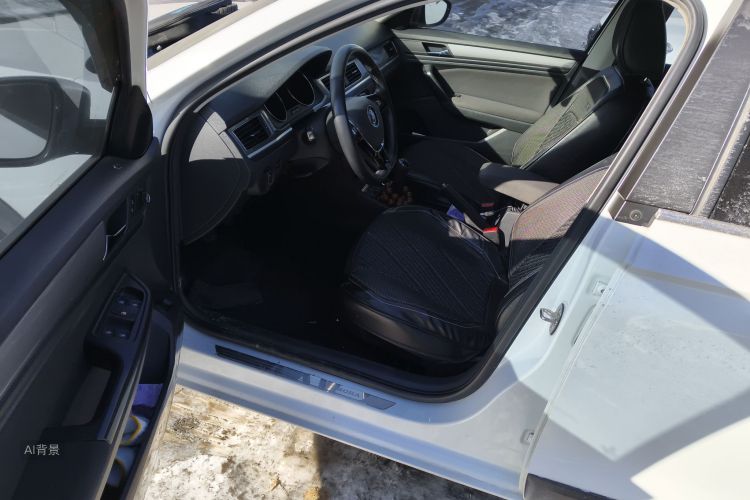
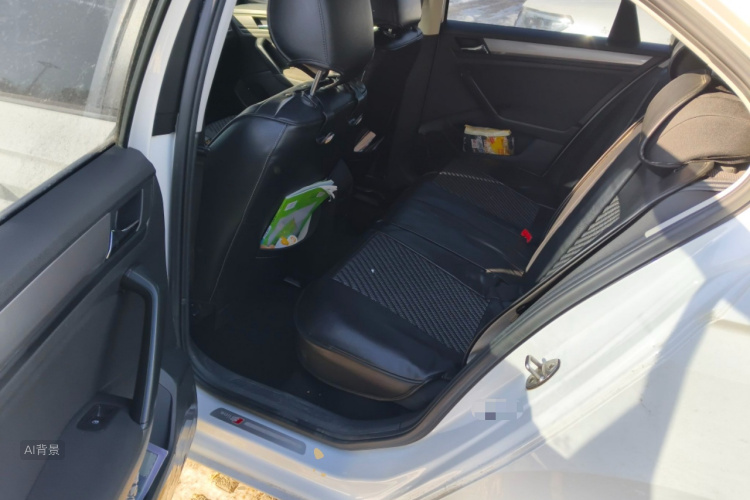
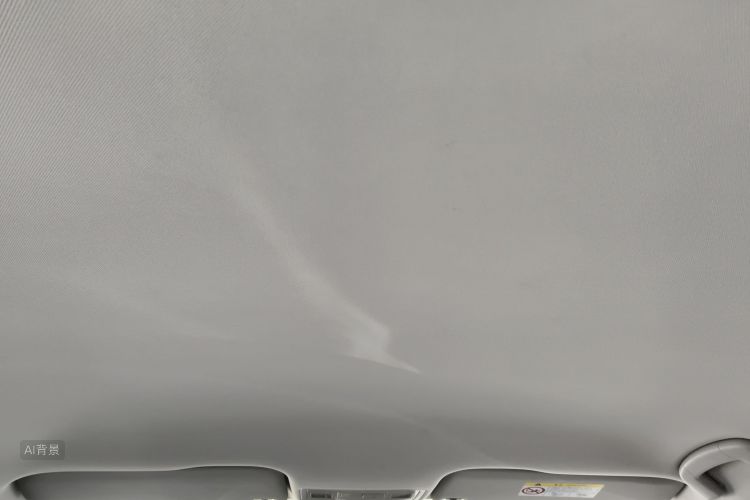
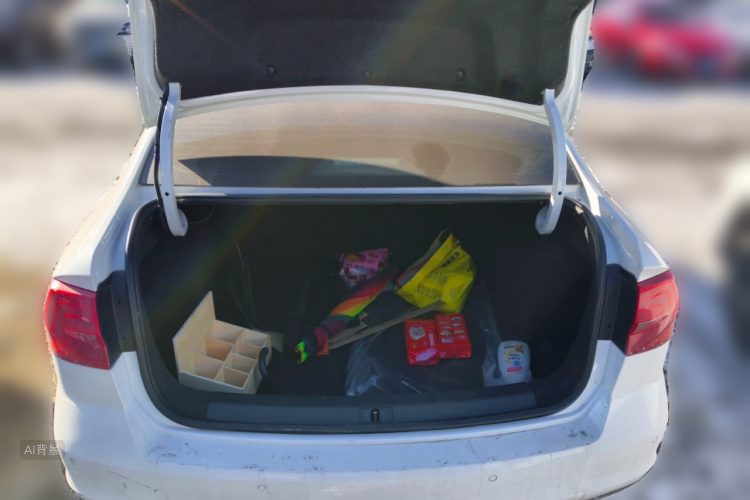
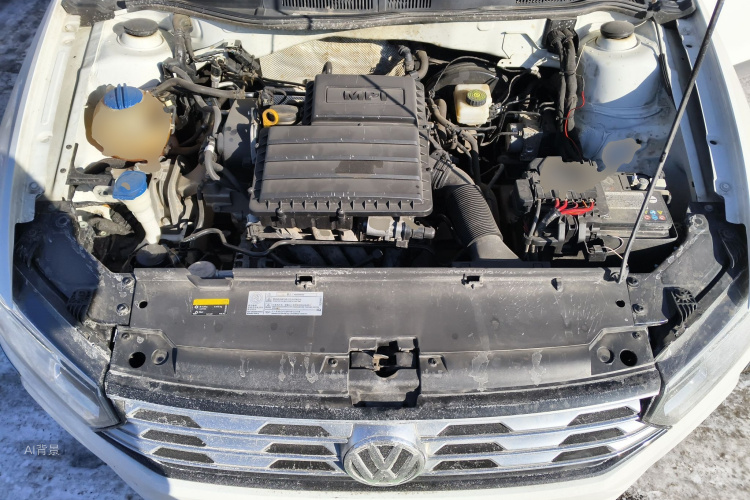
This car is 6 years old with an average annual mileage of 12,400 kilometers, typical of normal family daily use. It has never been transferred to another owner, making it a good first-hand car. The exterior paint is in good condition, with possible minor scratches. The interior is in good condition with normal signs of use. The overall body frame is intact, with a few minor abnormalities. Fluids are normal, and the powertrain is functioning well.

Configuration Highlights

✓Engine Start-Stop
✓Cruise Control
✓Tire Pressure Monitoring
✓Hill Start Assist
✓Rear Parking Sensors
✓Anti-pinch Windows

Q&A

More

Large international wire transfers (T/T) usually require anti-money laundering (AML) review. What materials will you provide to assist?

If your remitting bank requires verification of the transaction's authenticity, we will promptly provide: a commercial invoice (PI) signed and stamped by both parties, a scanned copy of the vehicle purchase contract, and our legal export enterprise registration certificate from the Ministry of Commerce in China.
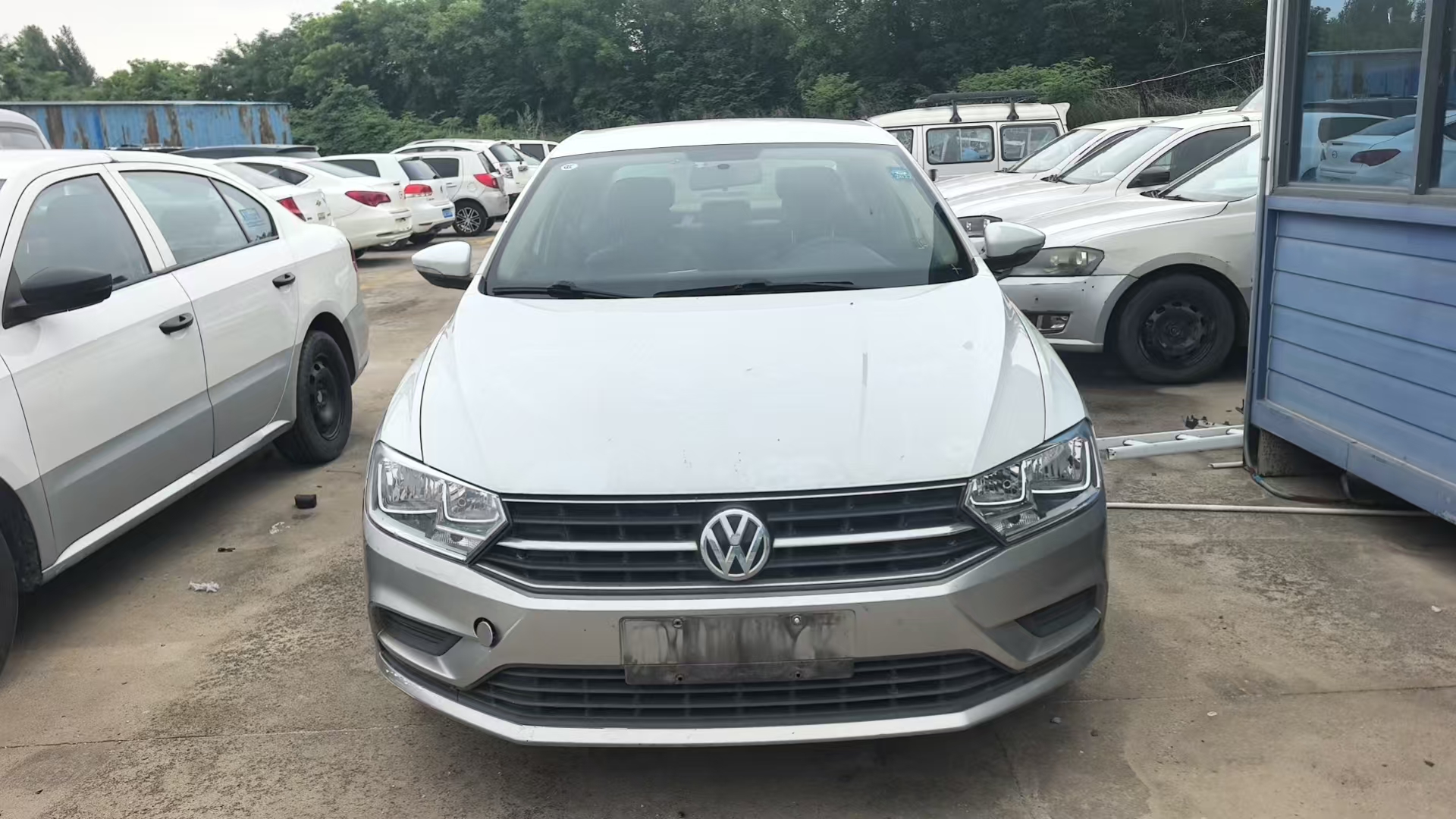
Will protective measures against rain or sun be taken for vehicles parked outdoors while waiting to be loaded at the port?

The storage area at the roll-on/roll-off terminal is entirely outdoors, which is standard practice at ports worldwide. During the few days vehicles wait to be loaded, they will inevitably be exposed to sun and rain and accumulate dust. We will not provide custom car covers as this would significantly hinder the efficiency of dock workers moving vehicles.

Why are the shipping costs for used electric vehicles (EVs) usually higher than for internal combustion engine vehicles (ICEs)?

Pure electric vehicles are classified as Class 9 Dangerous Goods due to their large lithium batteries, leading to strict shipping regulations. Shipping companies have high requirements for the loading position and fire isolation measures for dangerous goods, and some roll-on/roll-off ships refuse to accept used EVs. As a result, EVs often require more expensive special container shipping and incur additional handling fees for hazardous materials.