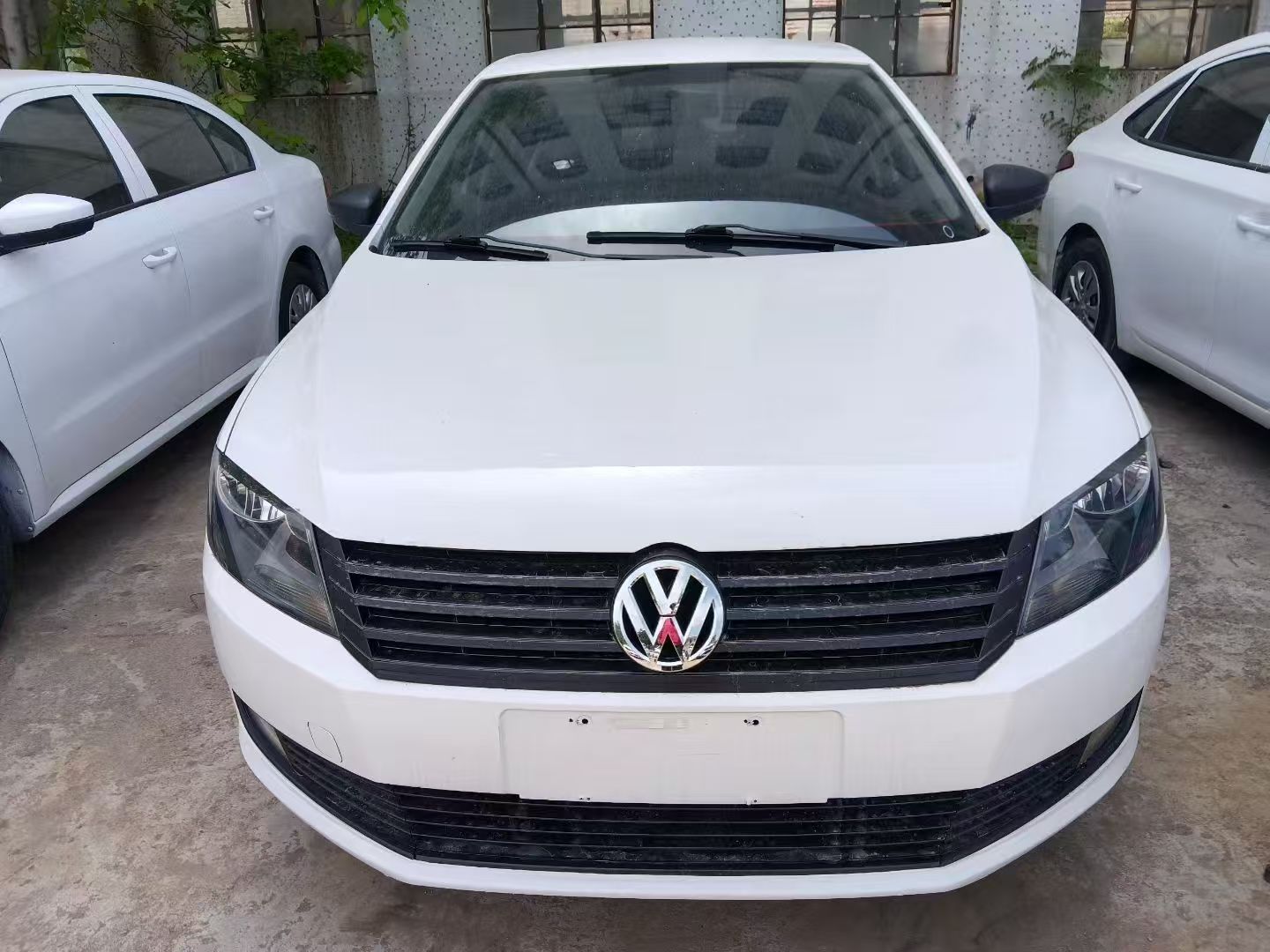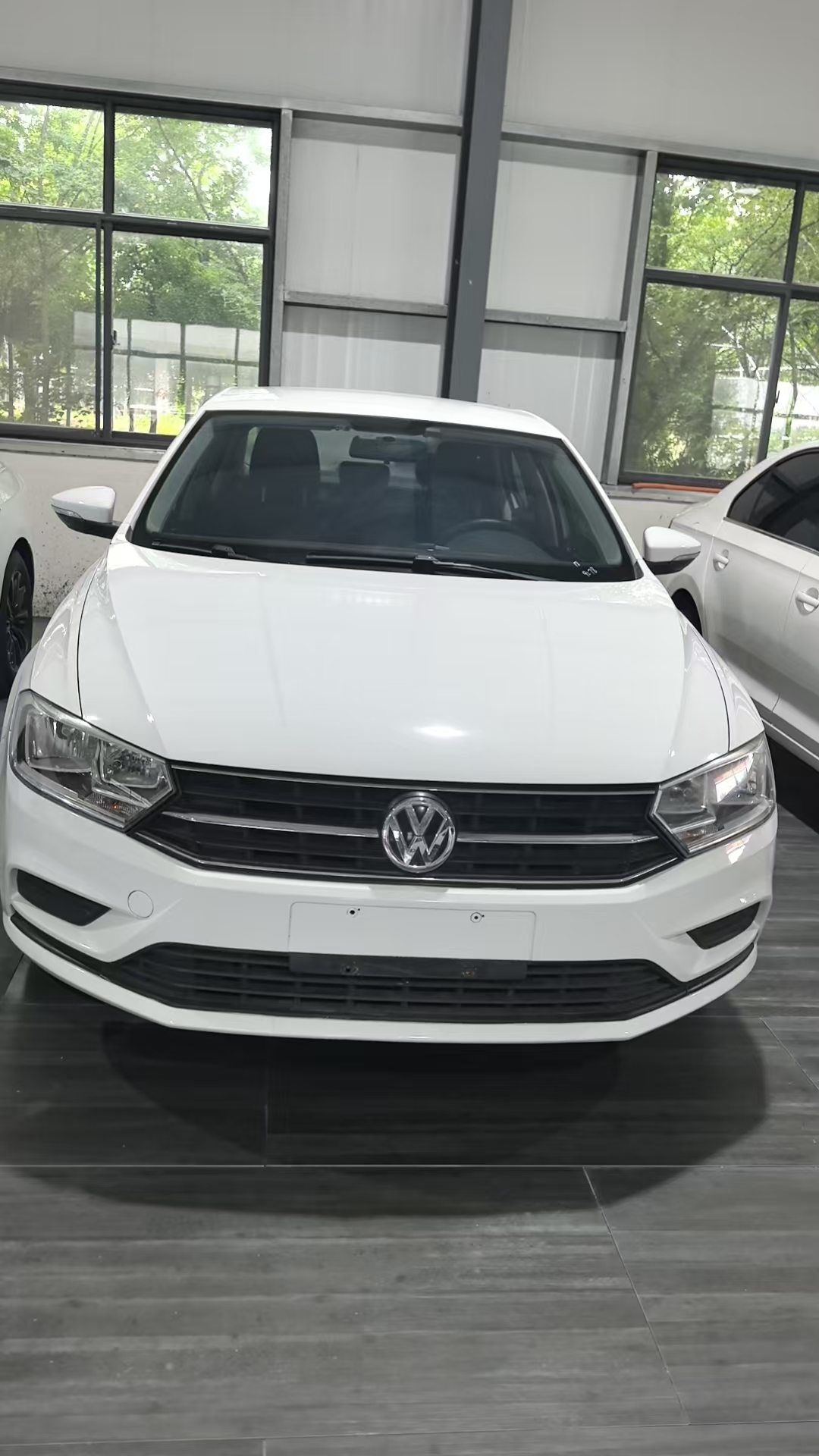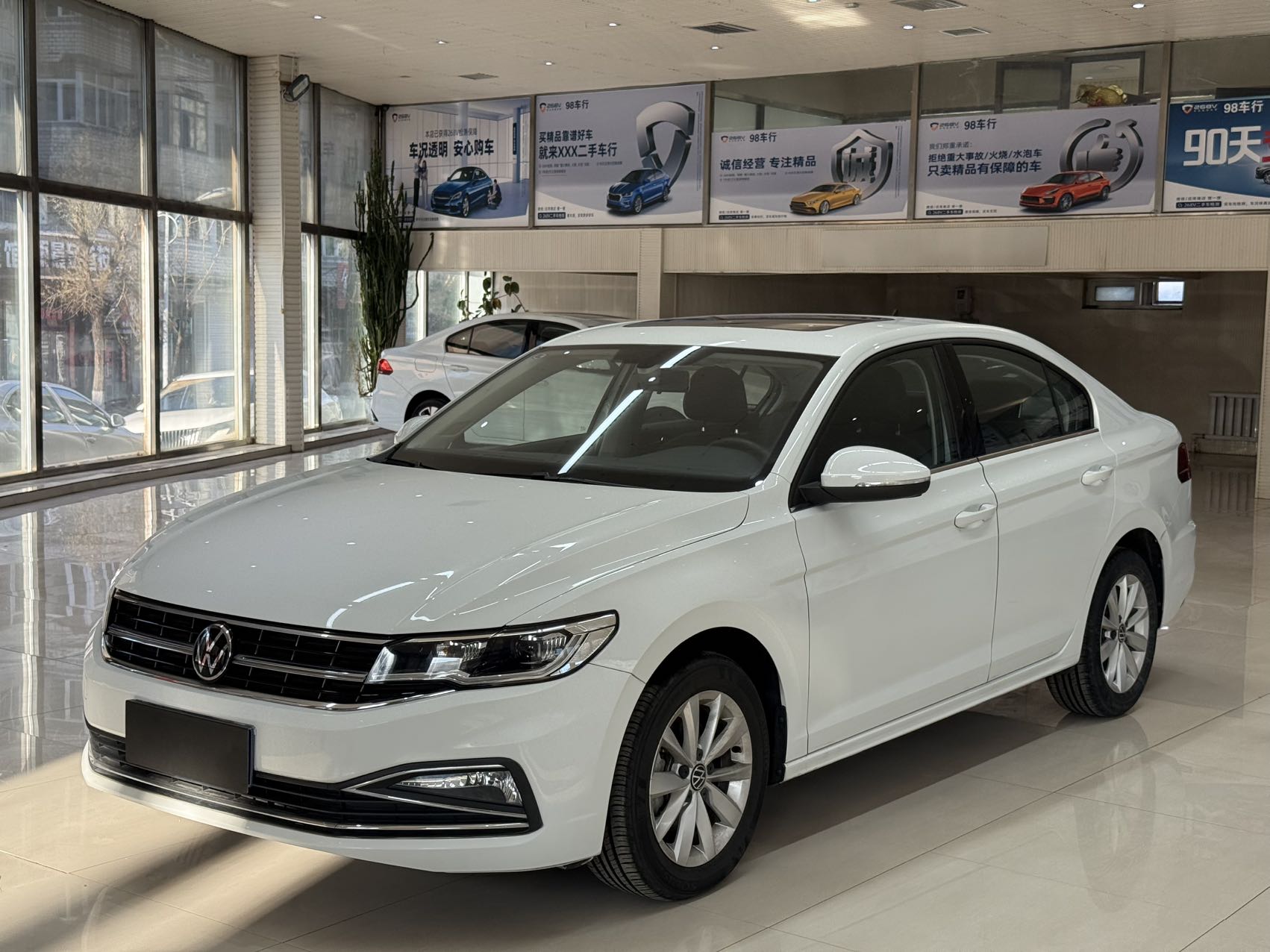
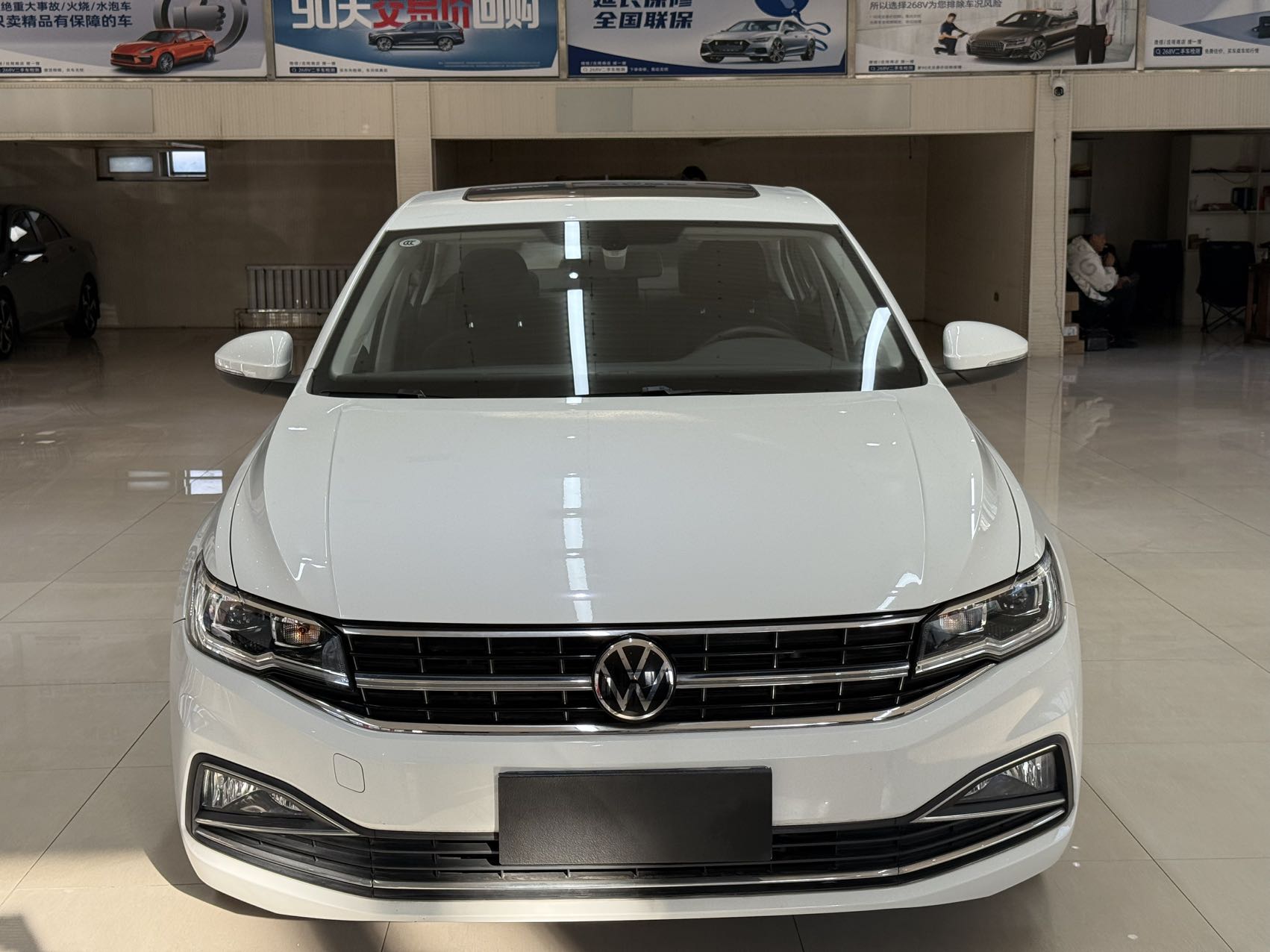
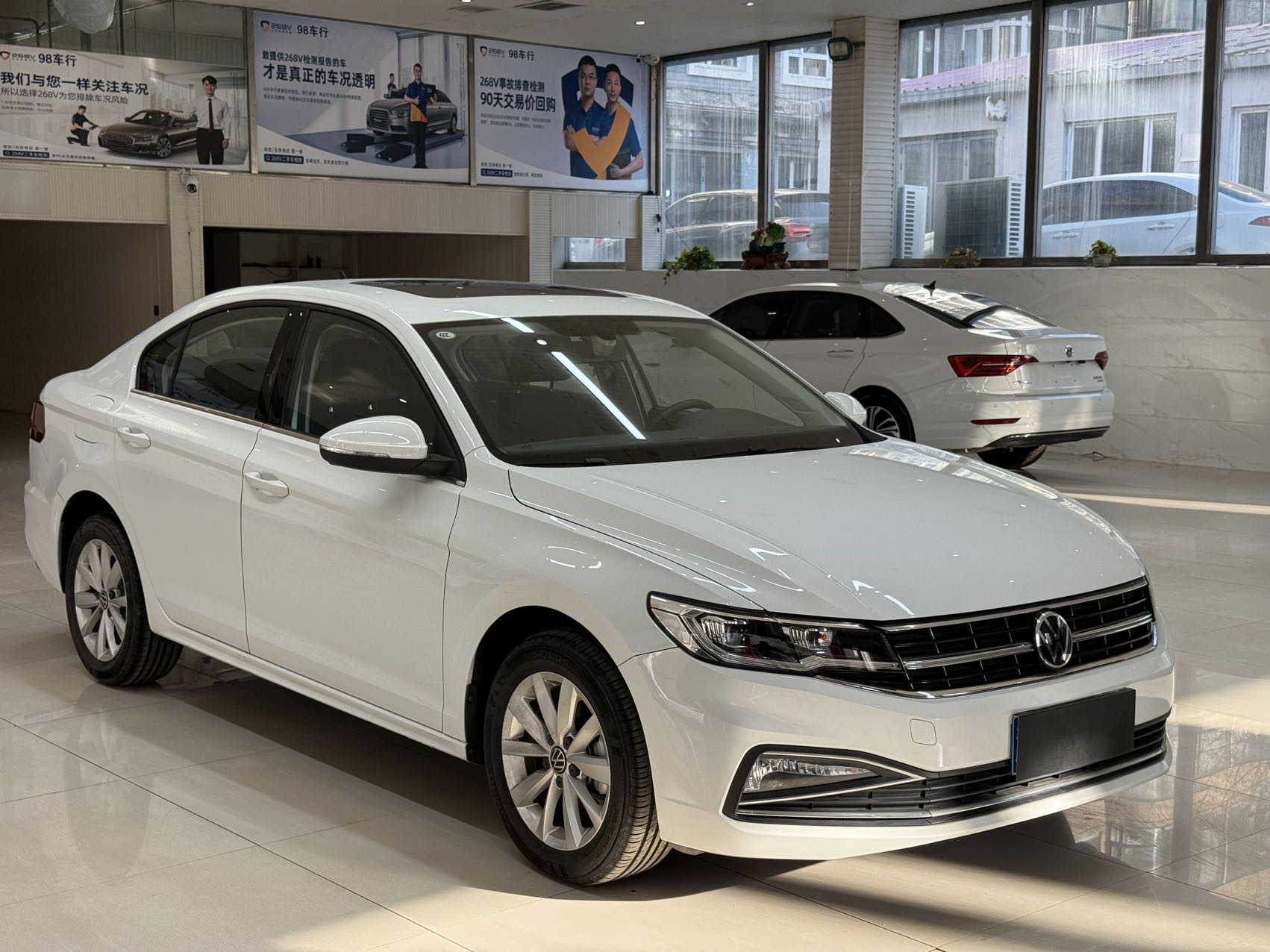
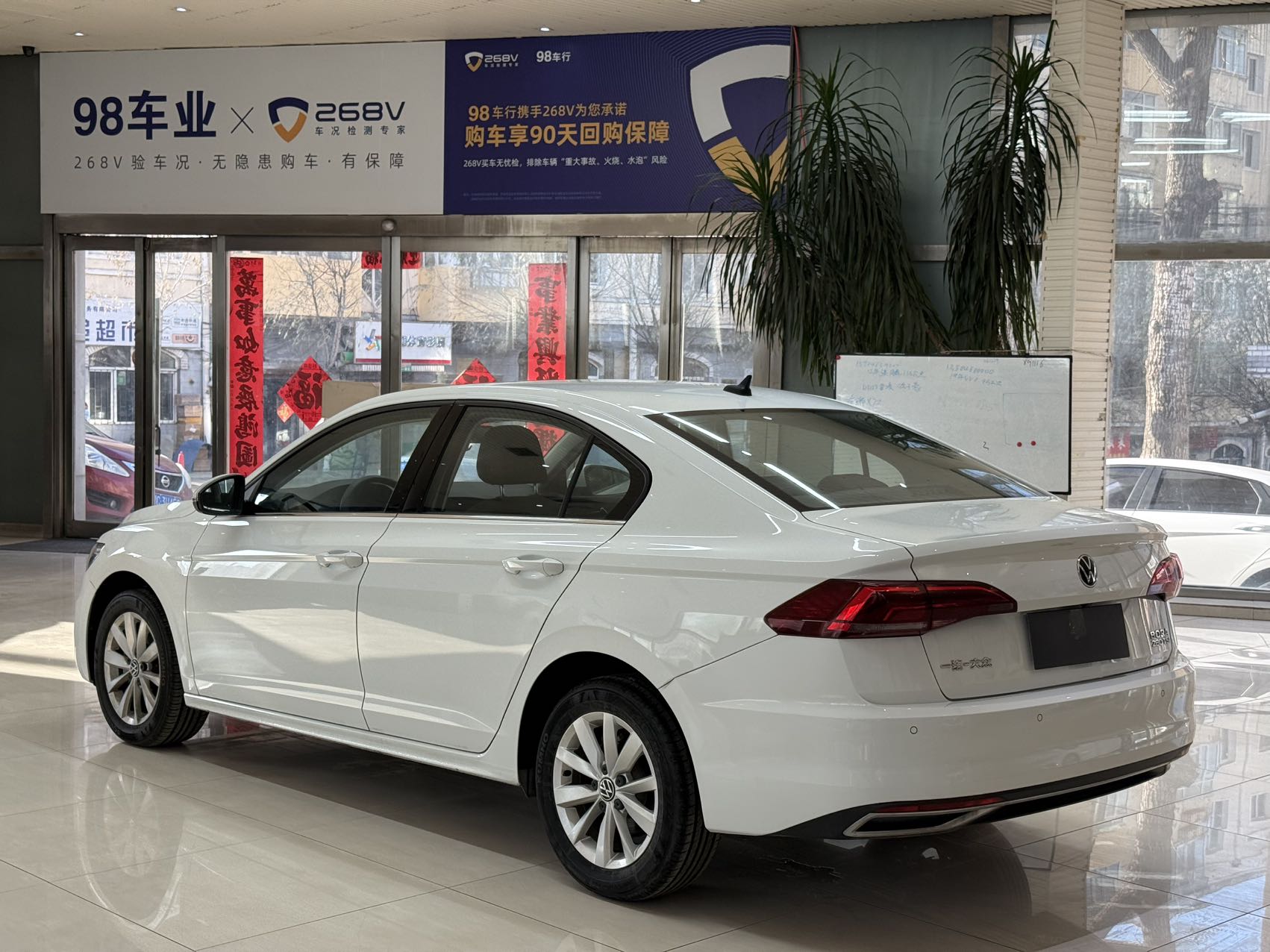
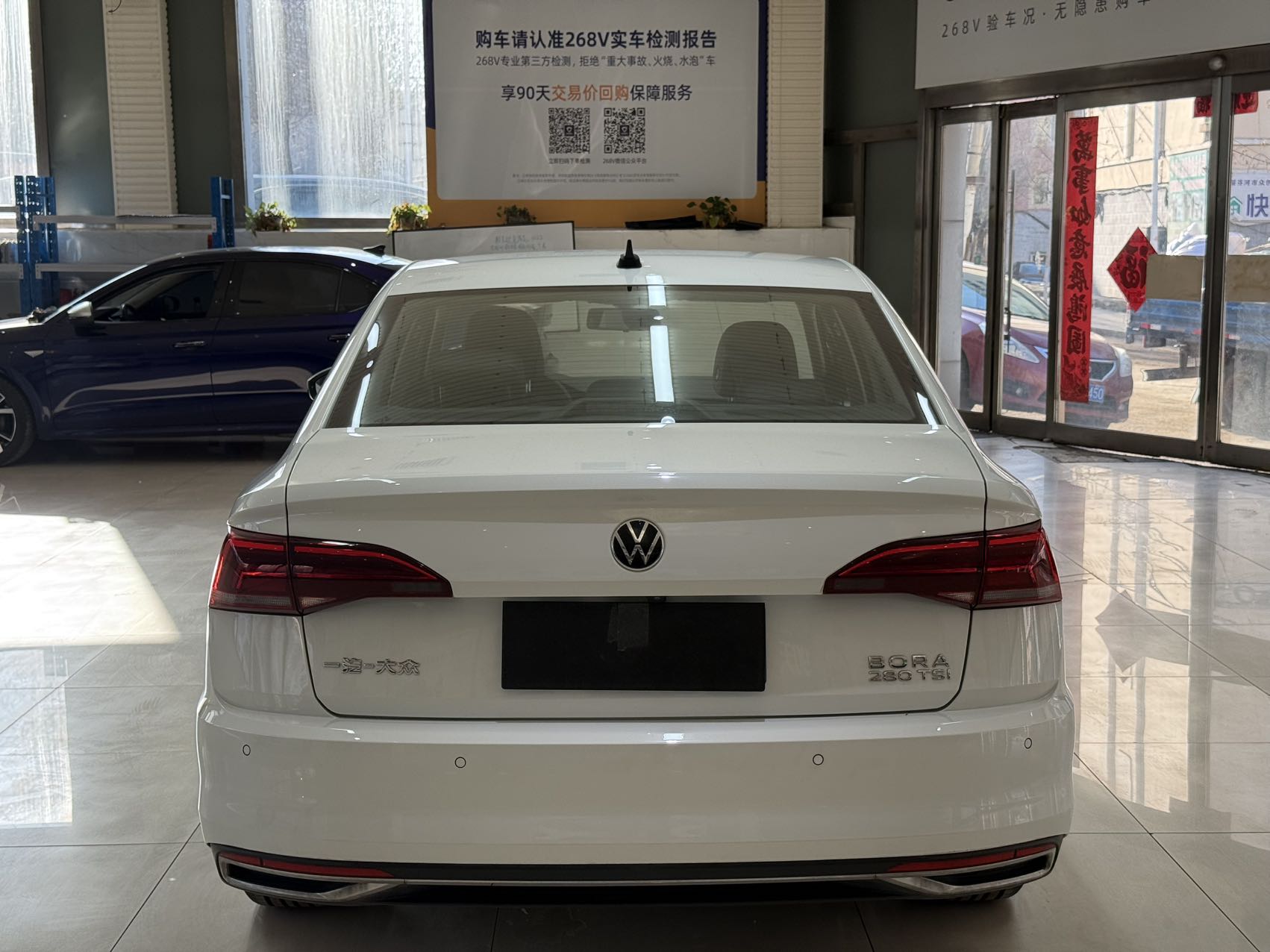
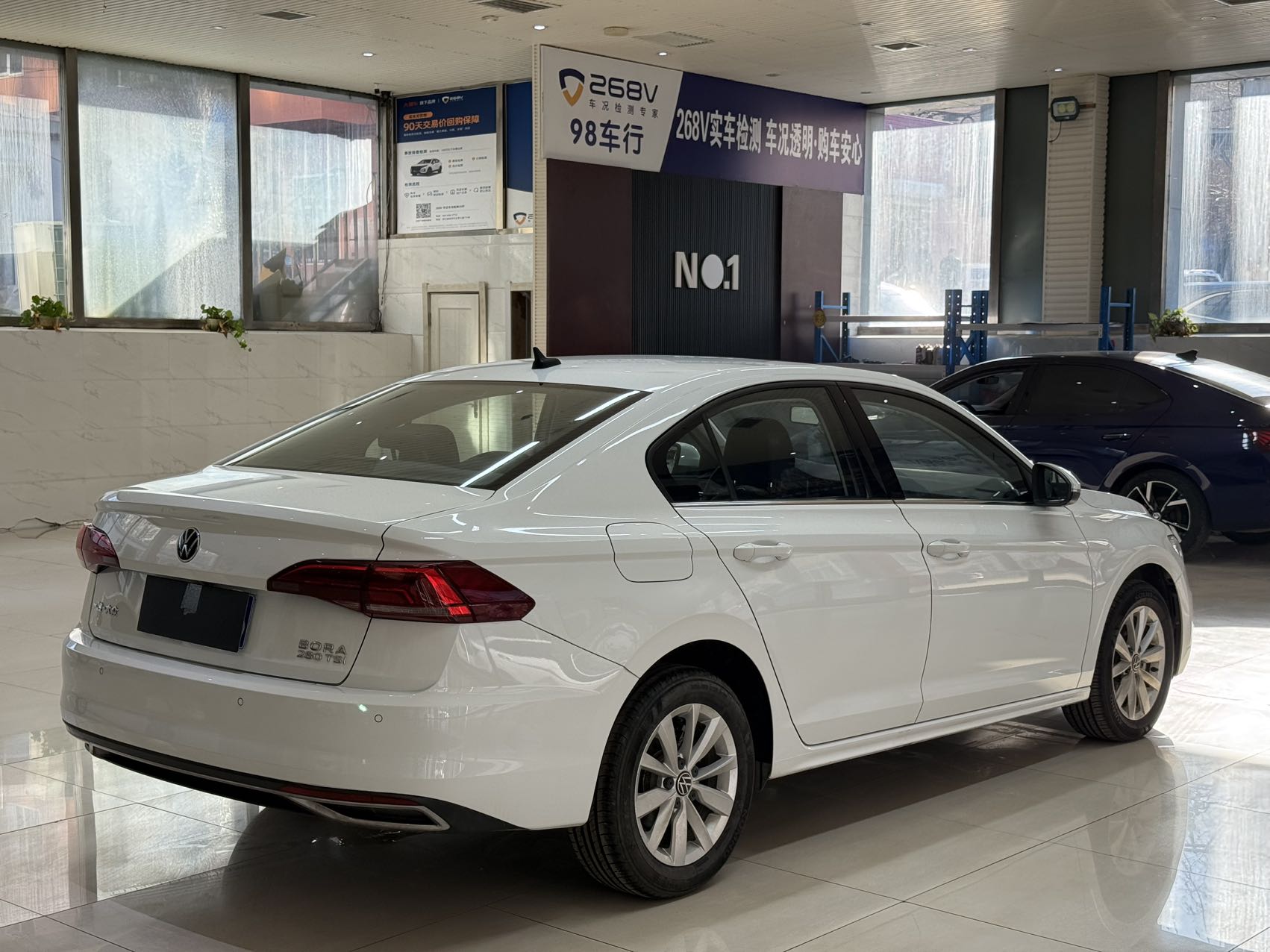
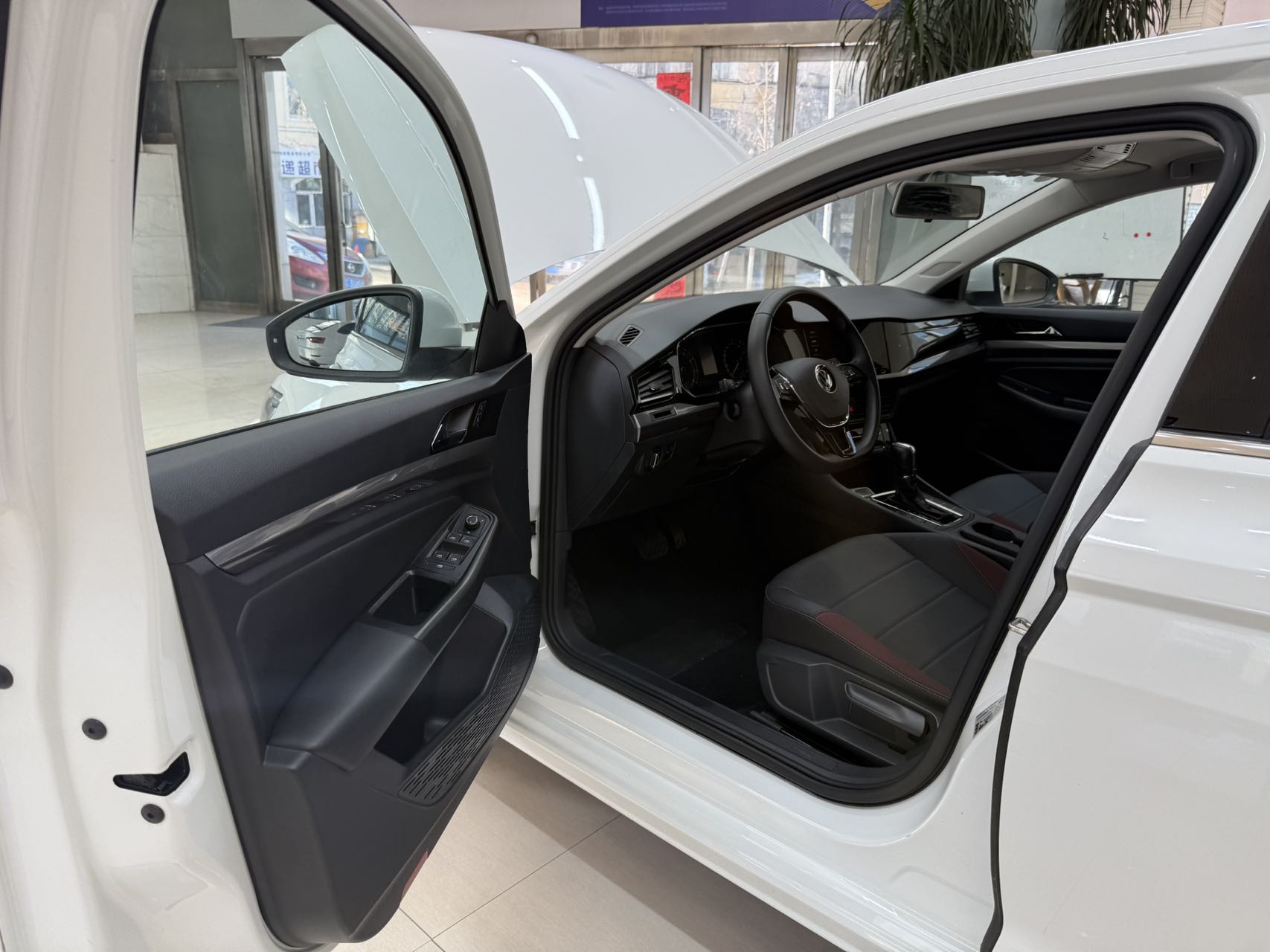
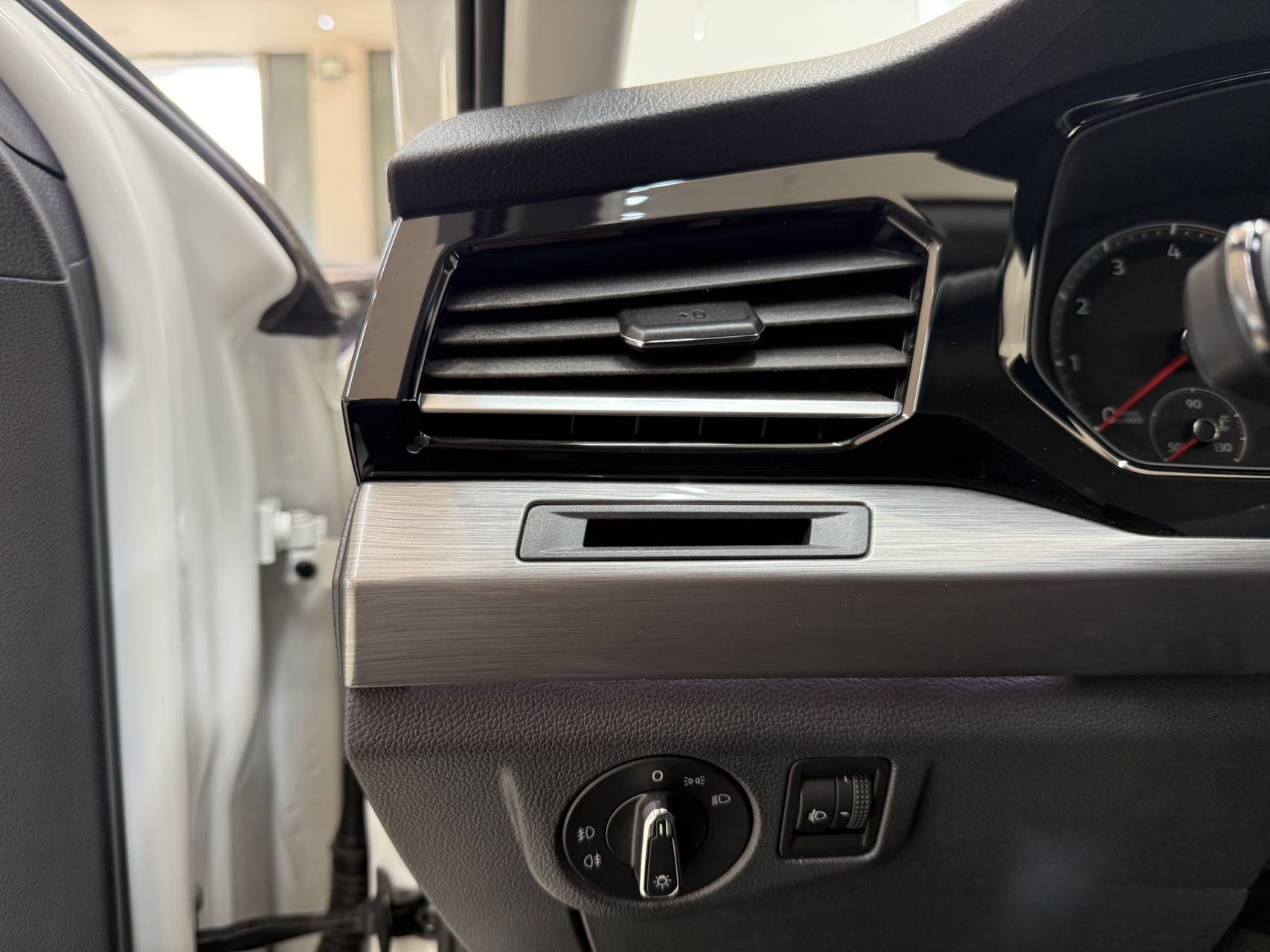
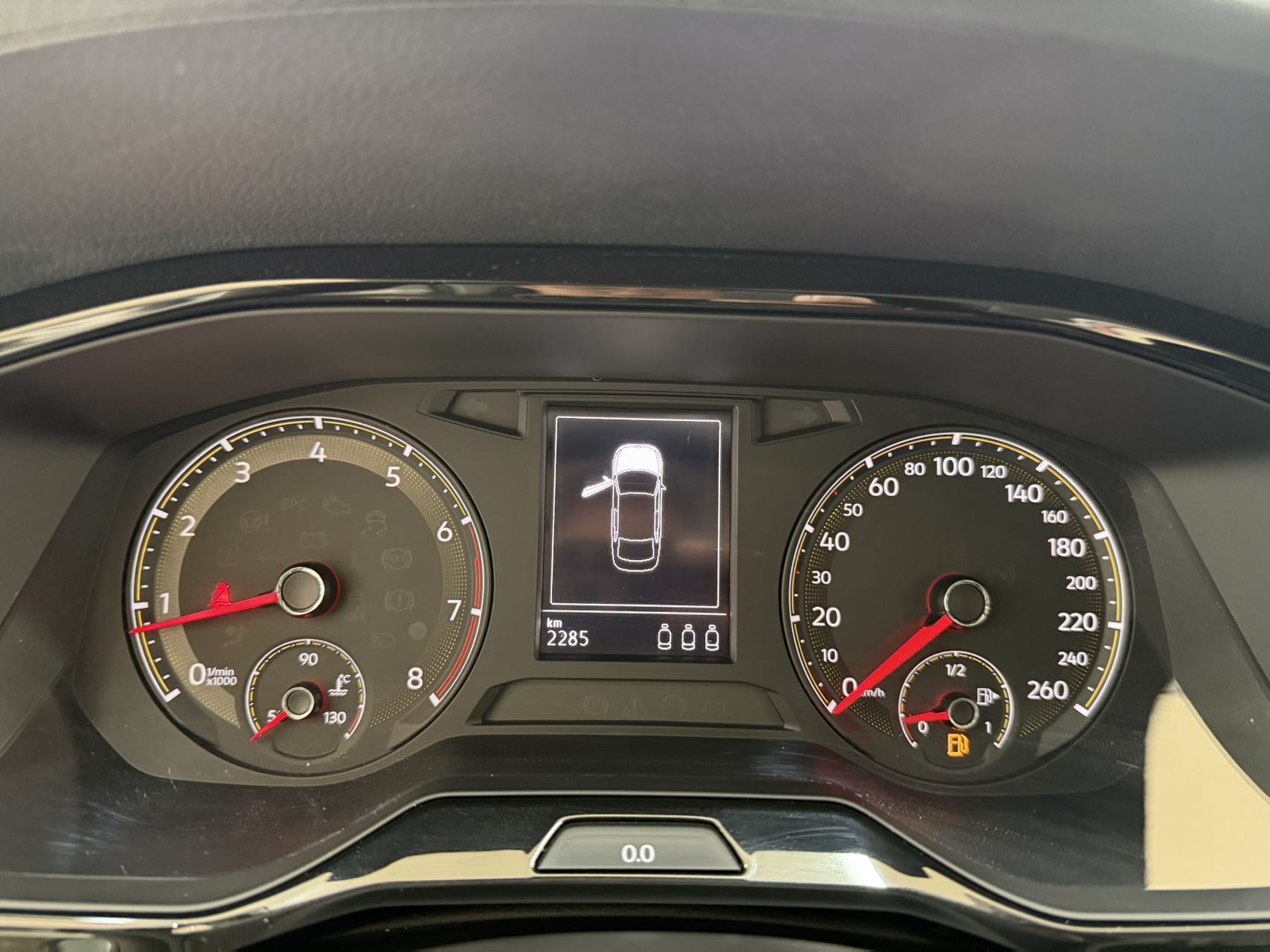
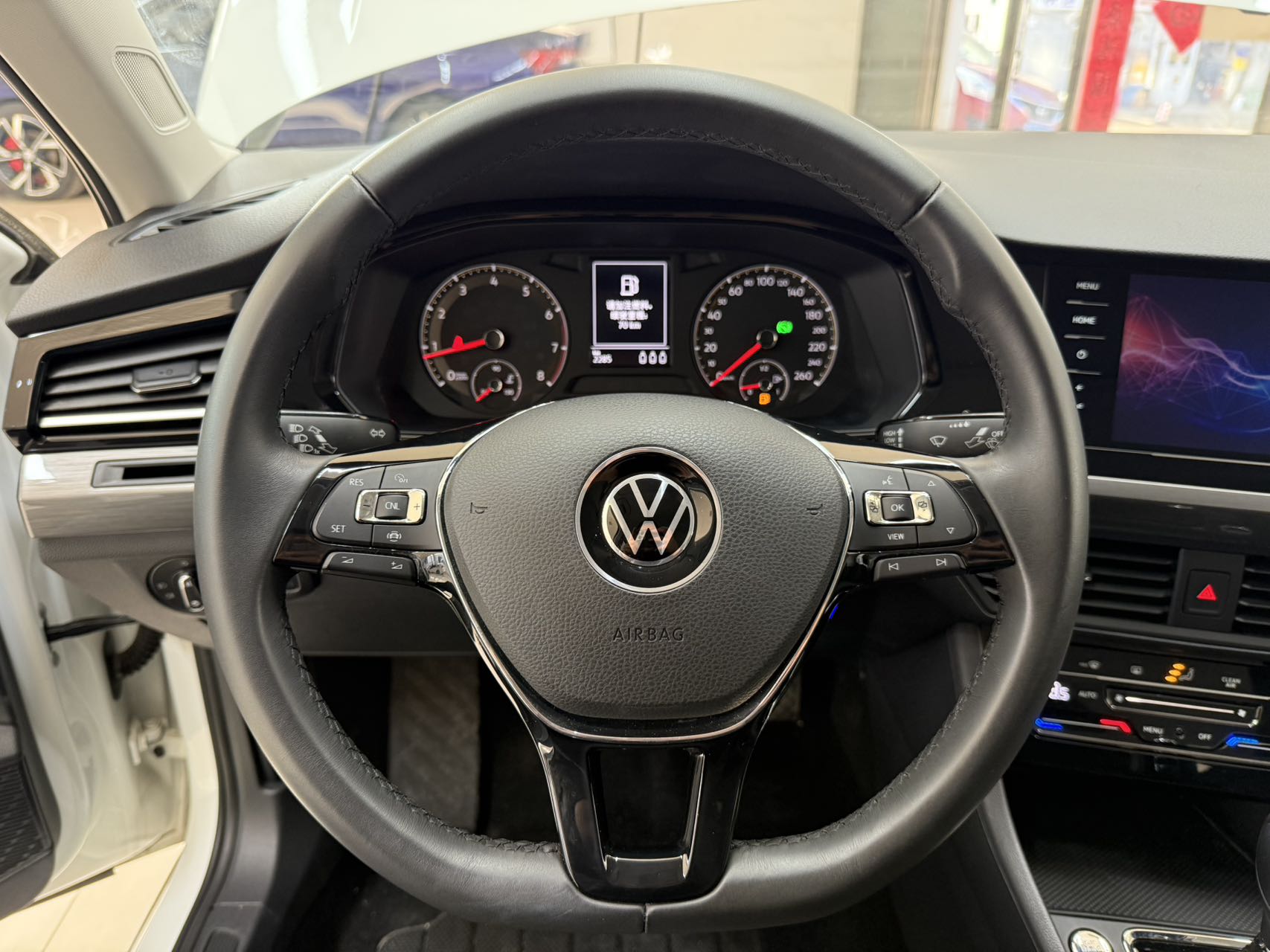
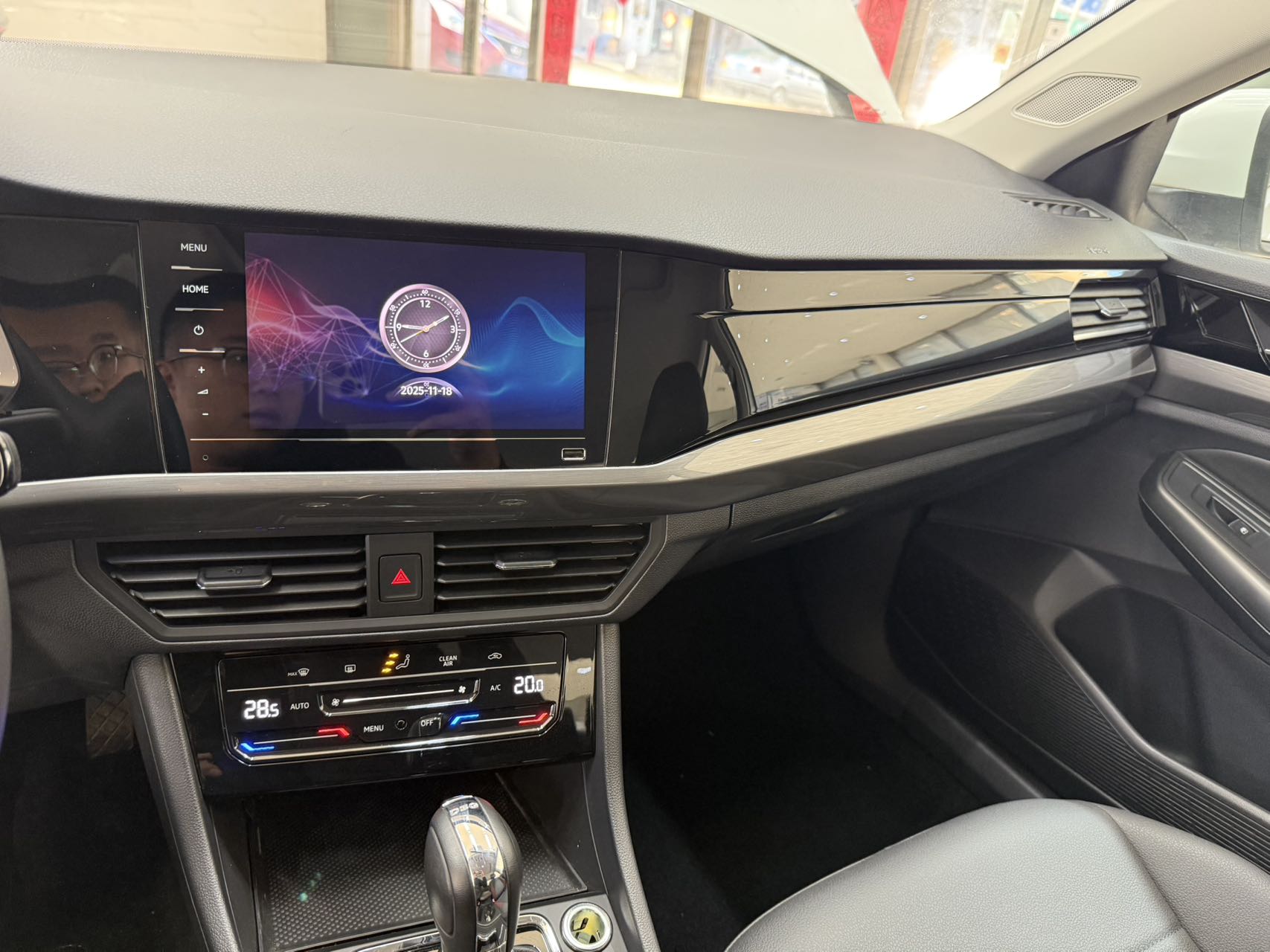
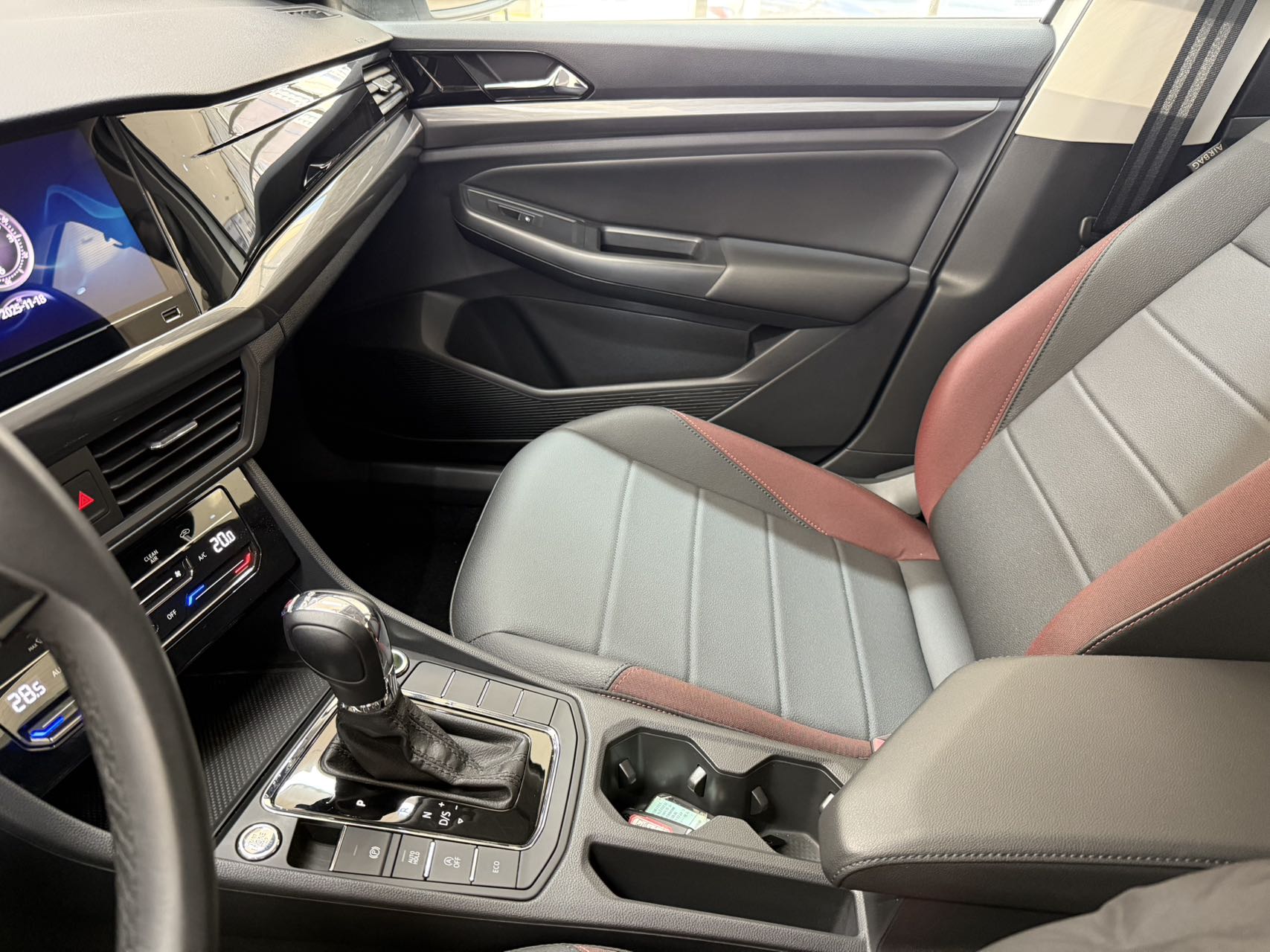
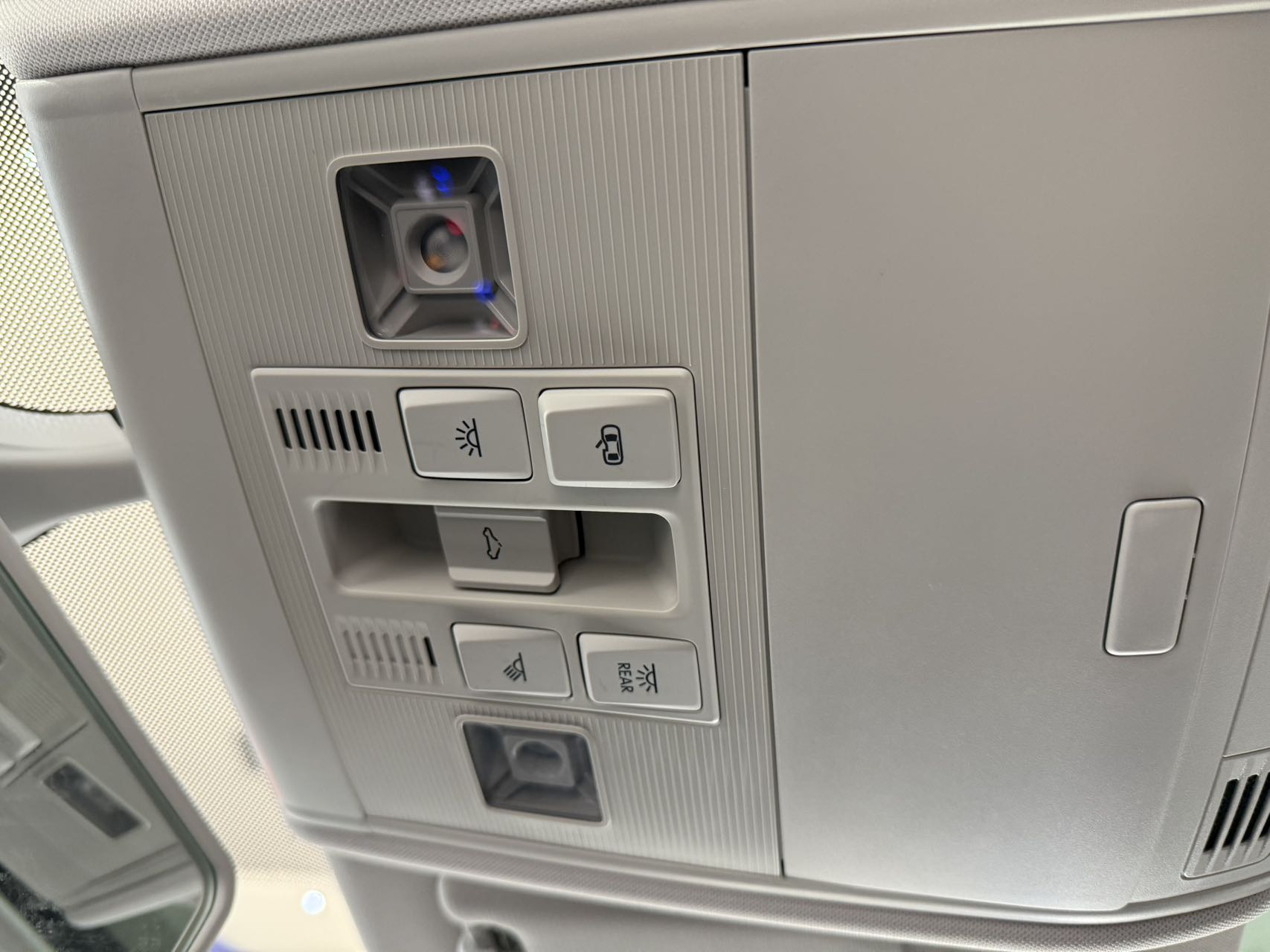
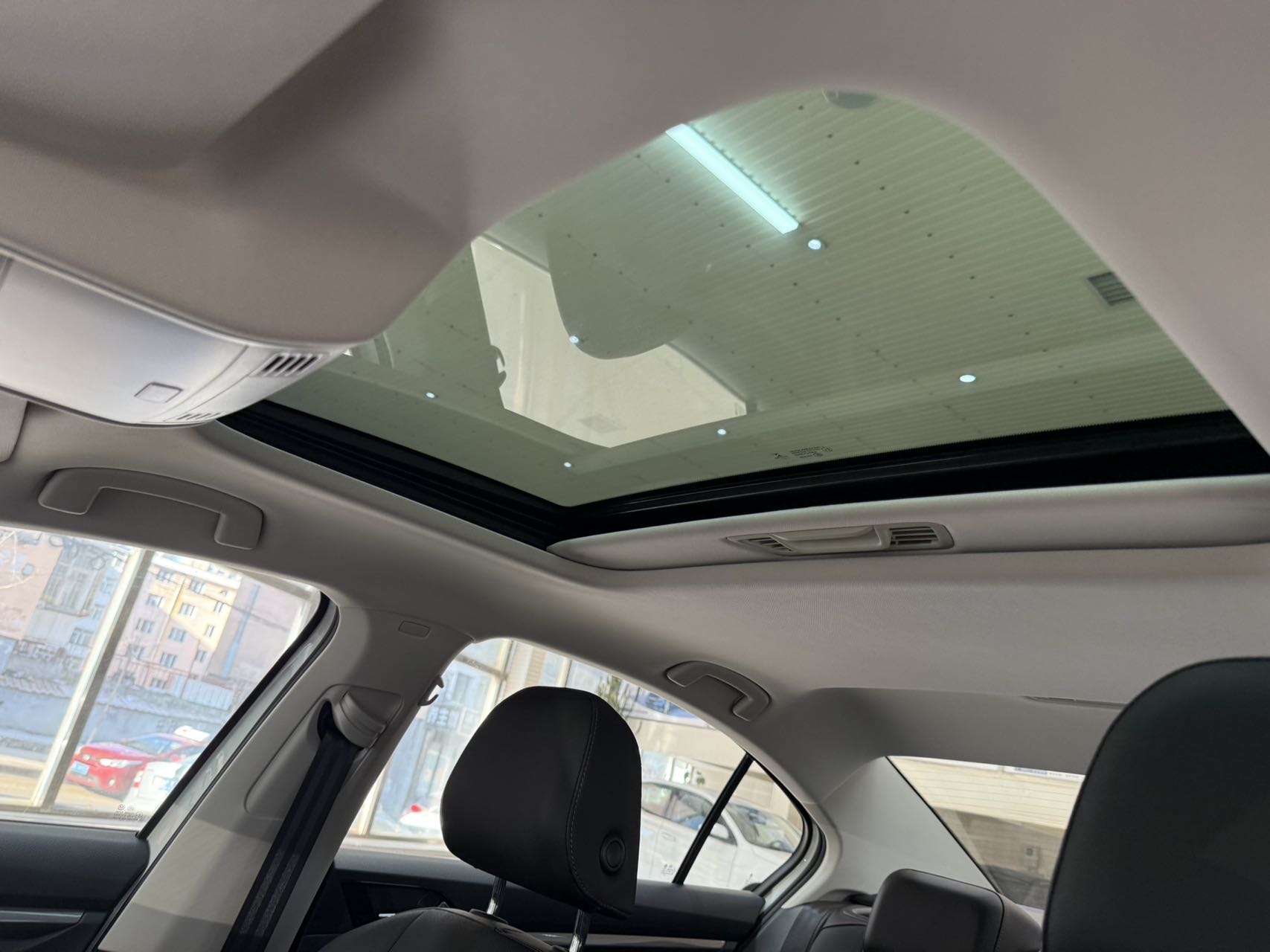
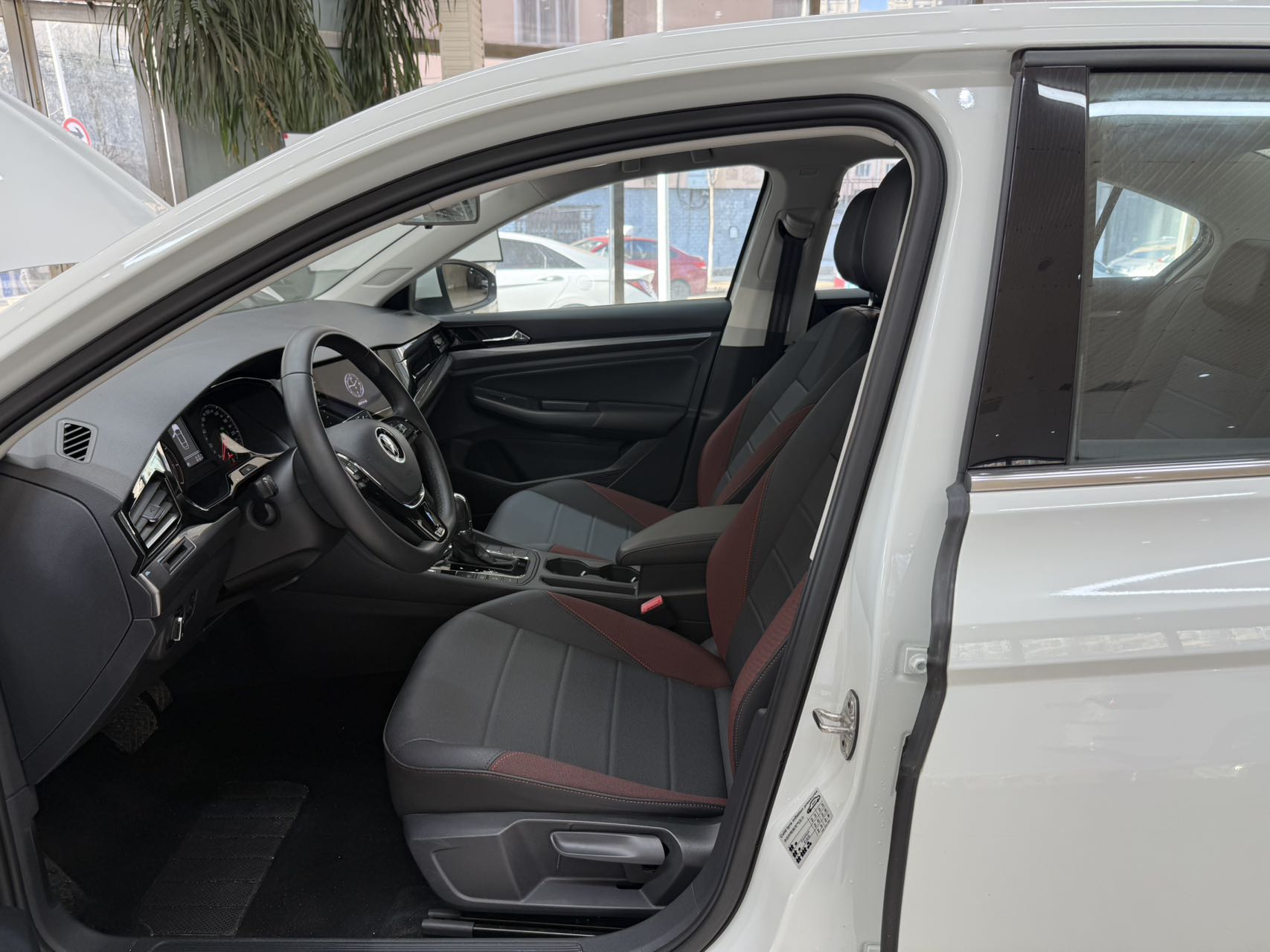
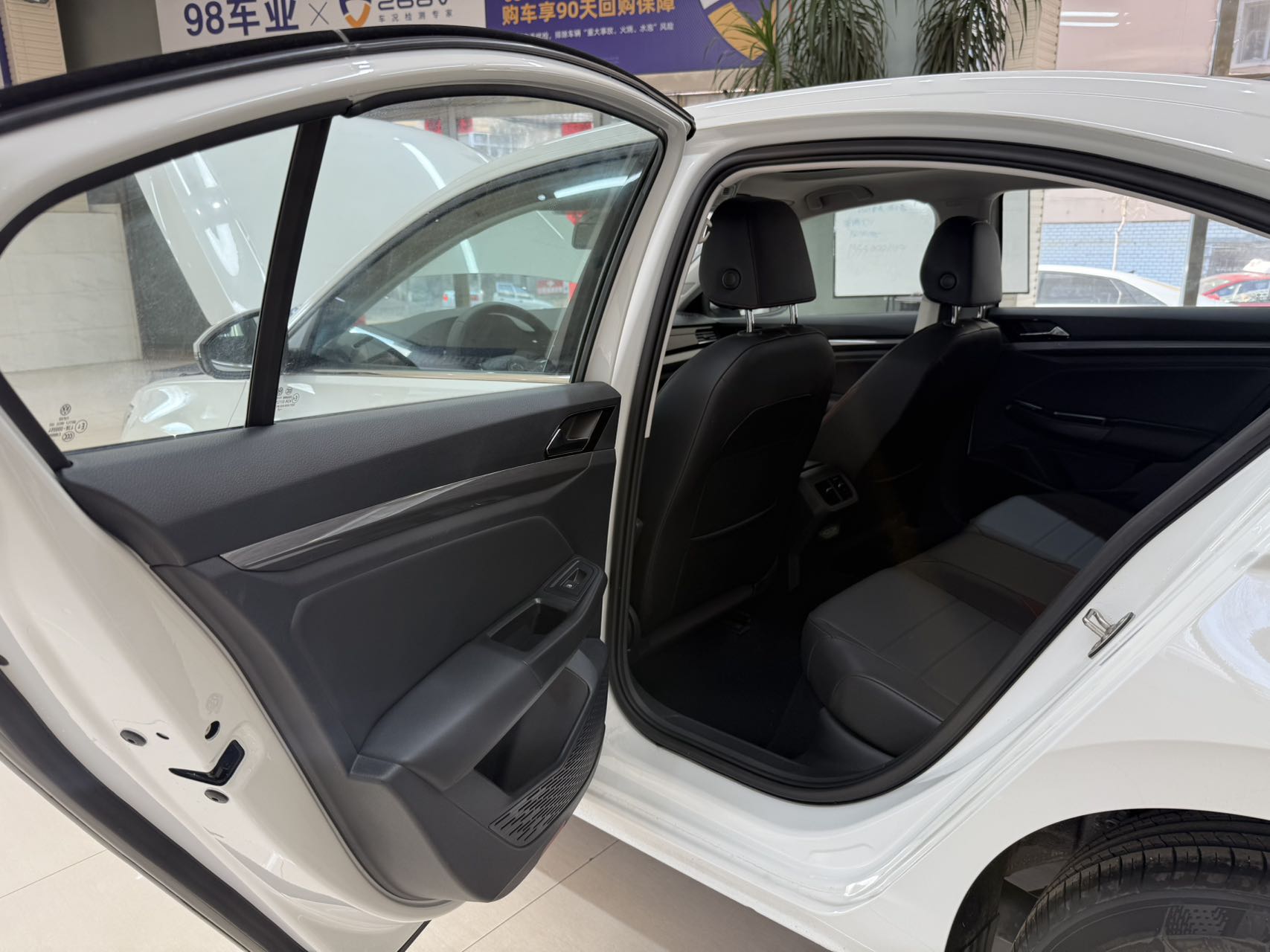
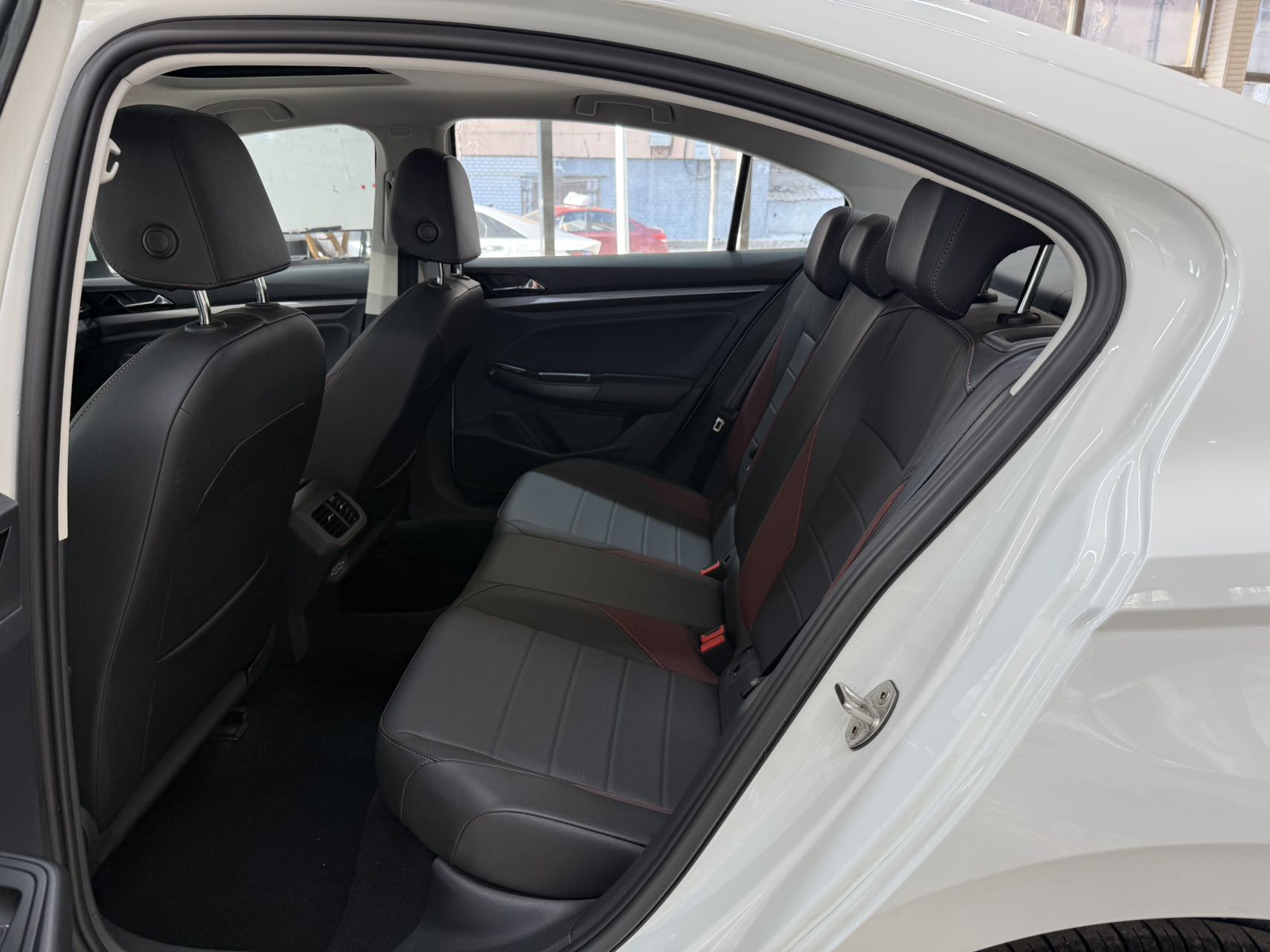
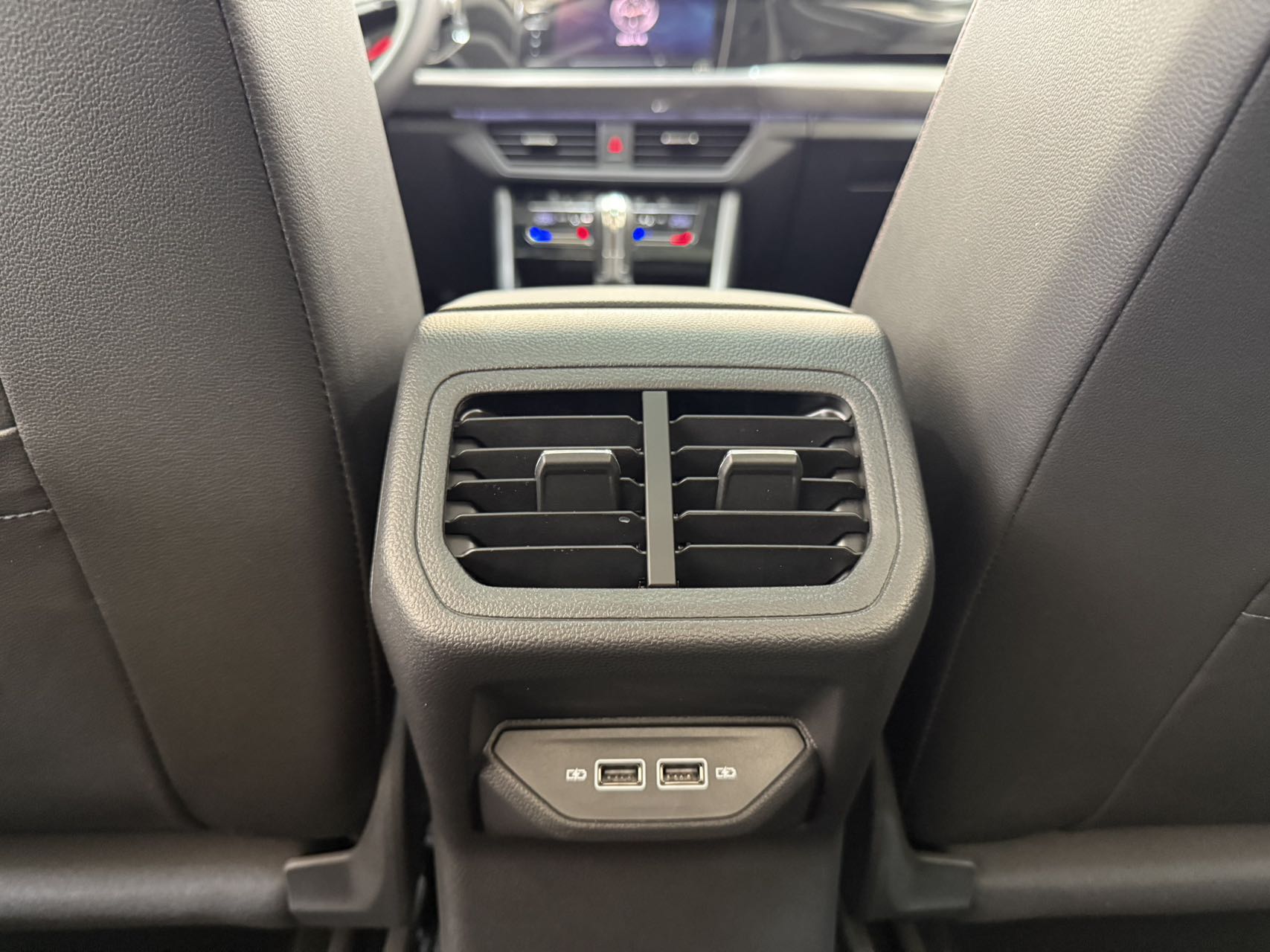
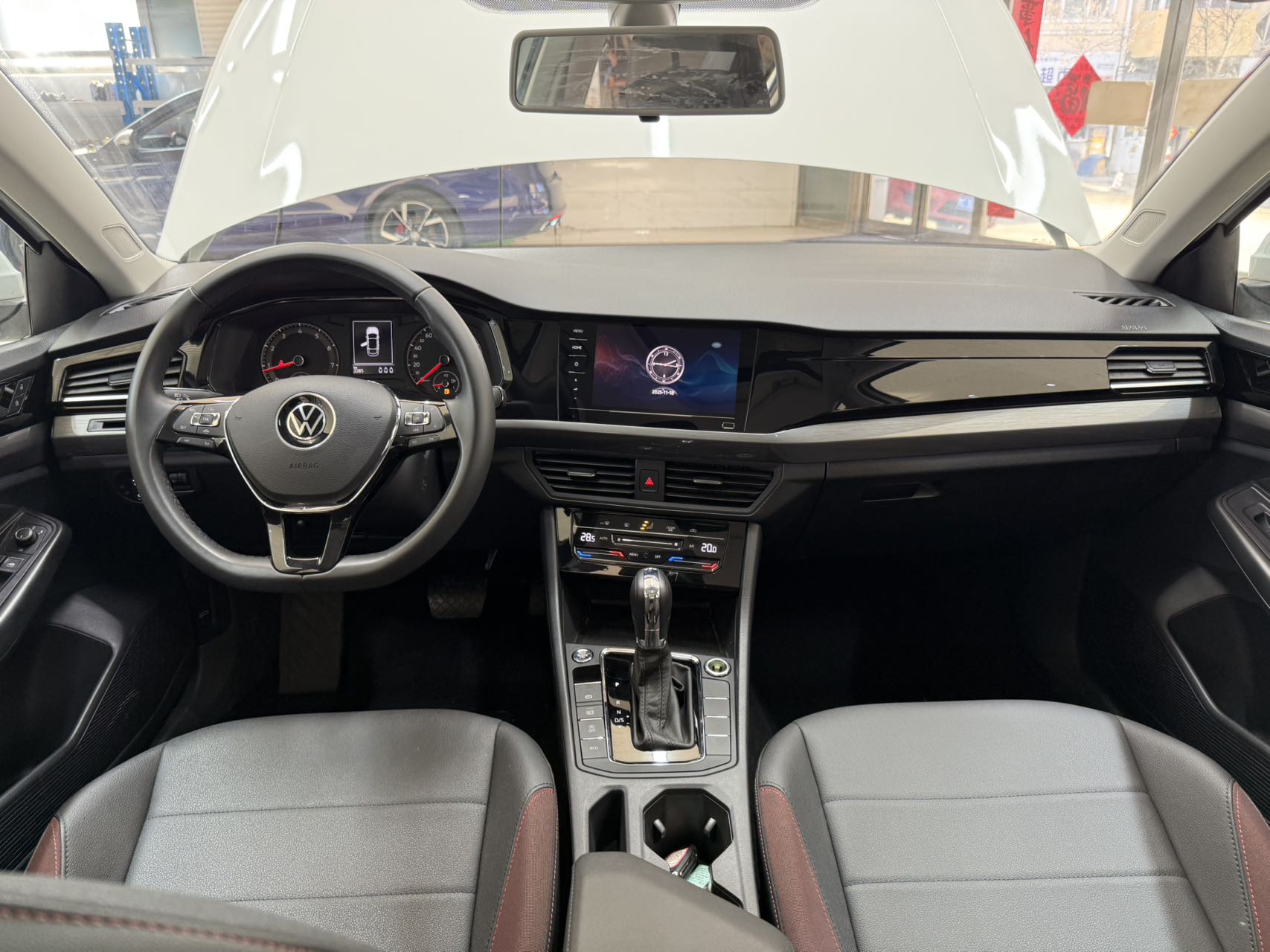
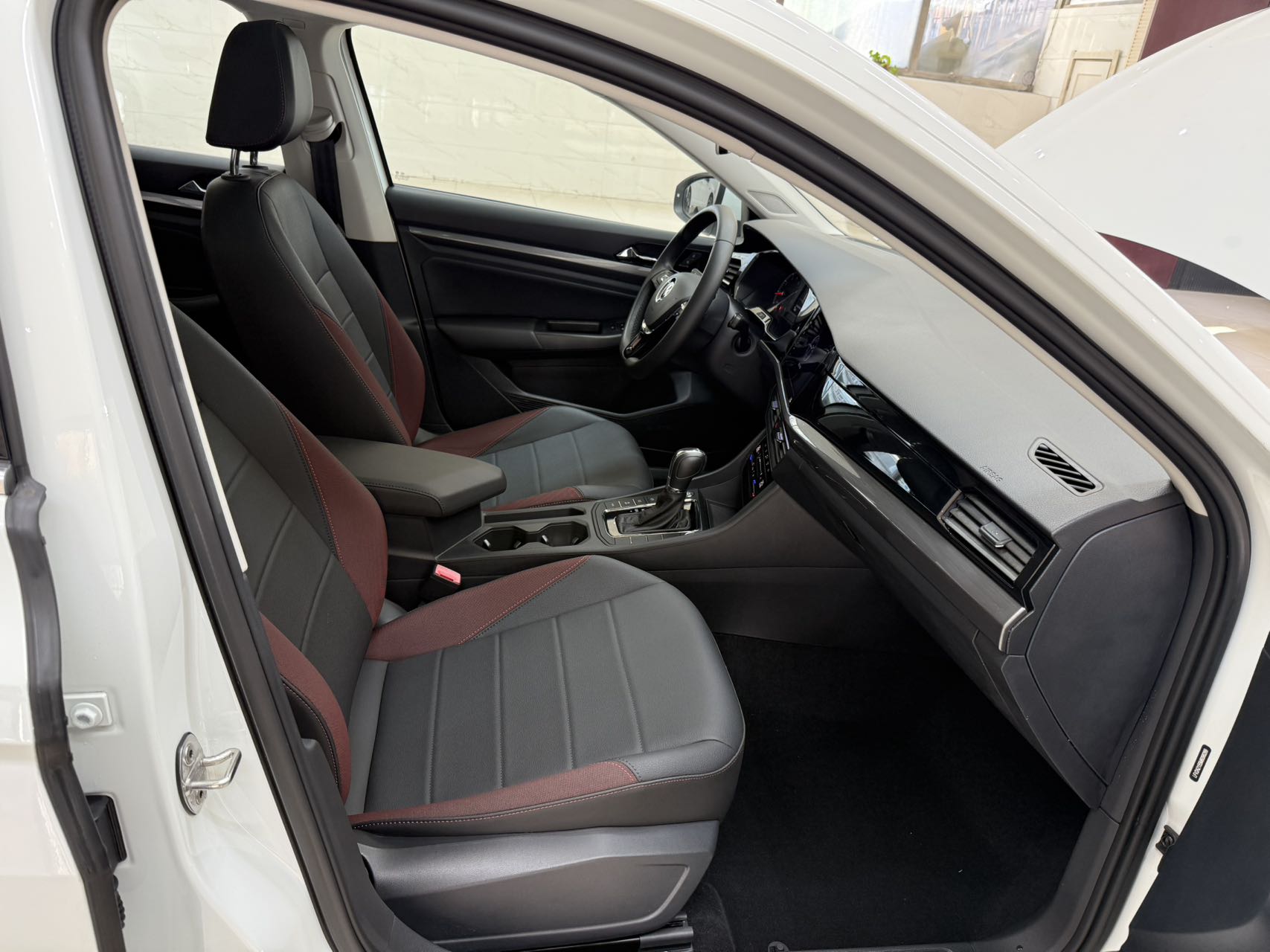
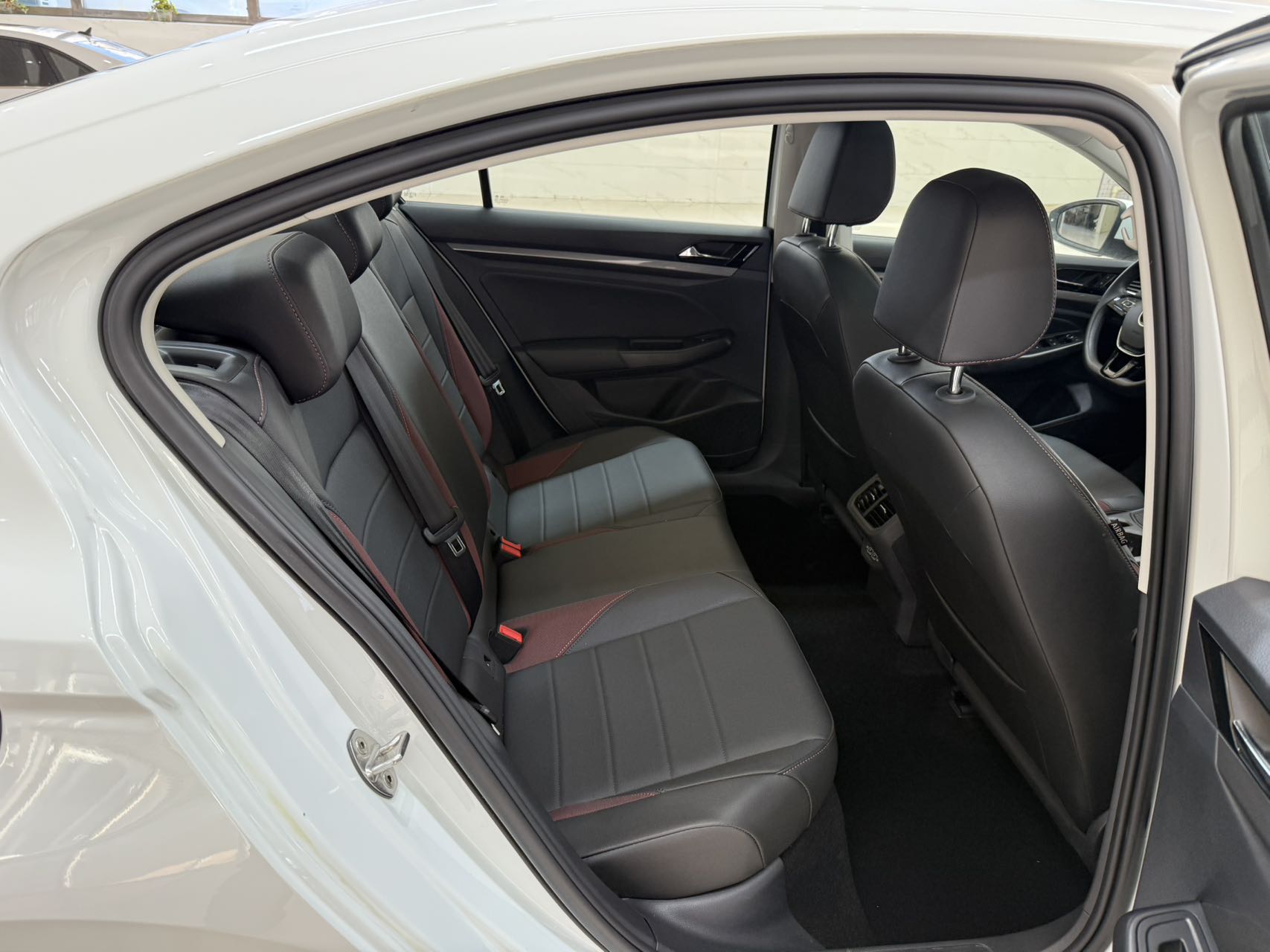
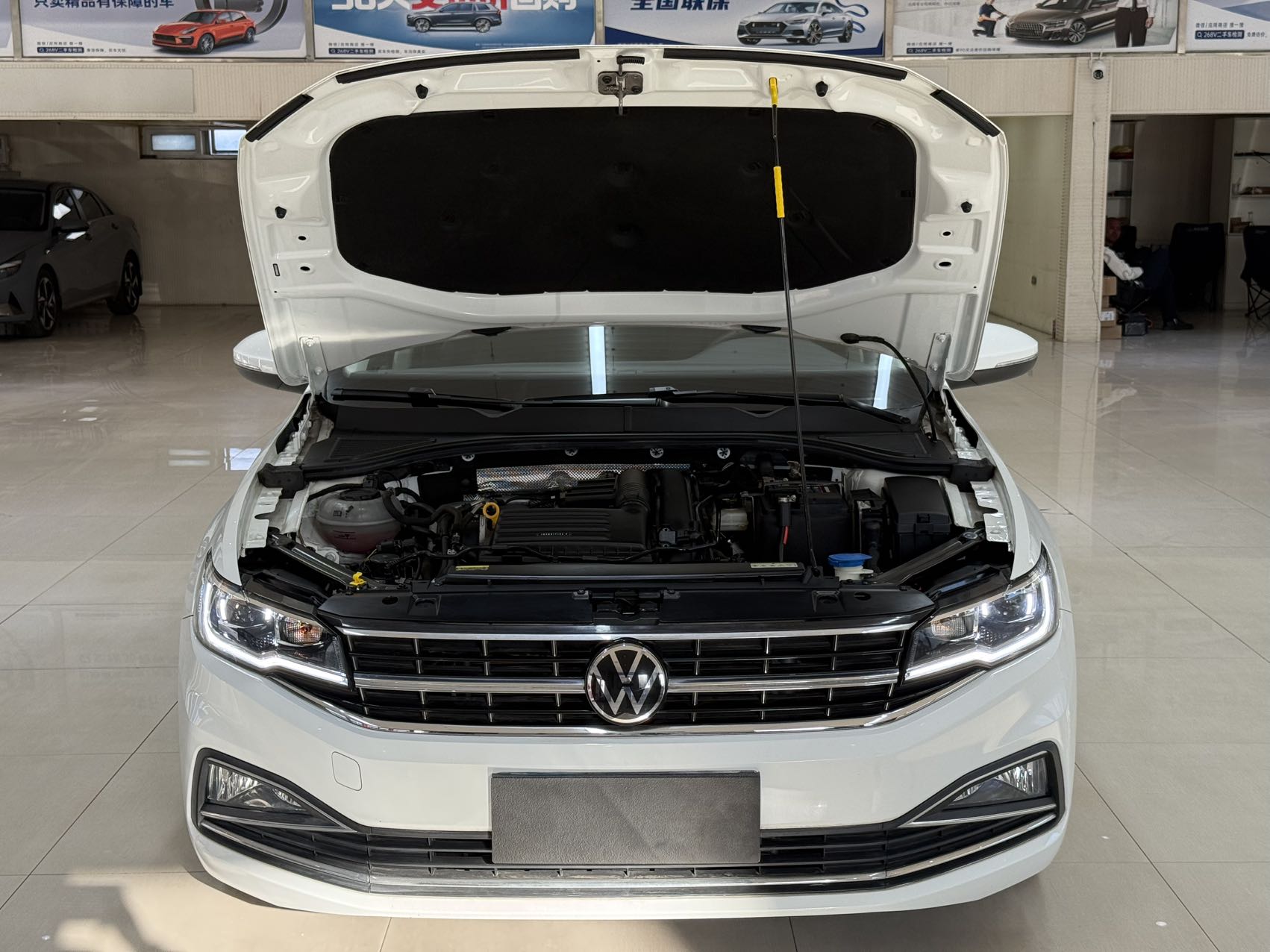



Basic Information

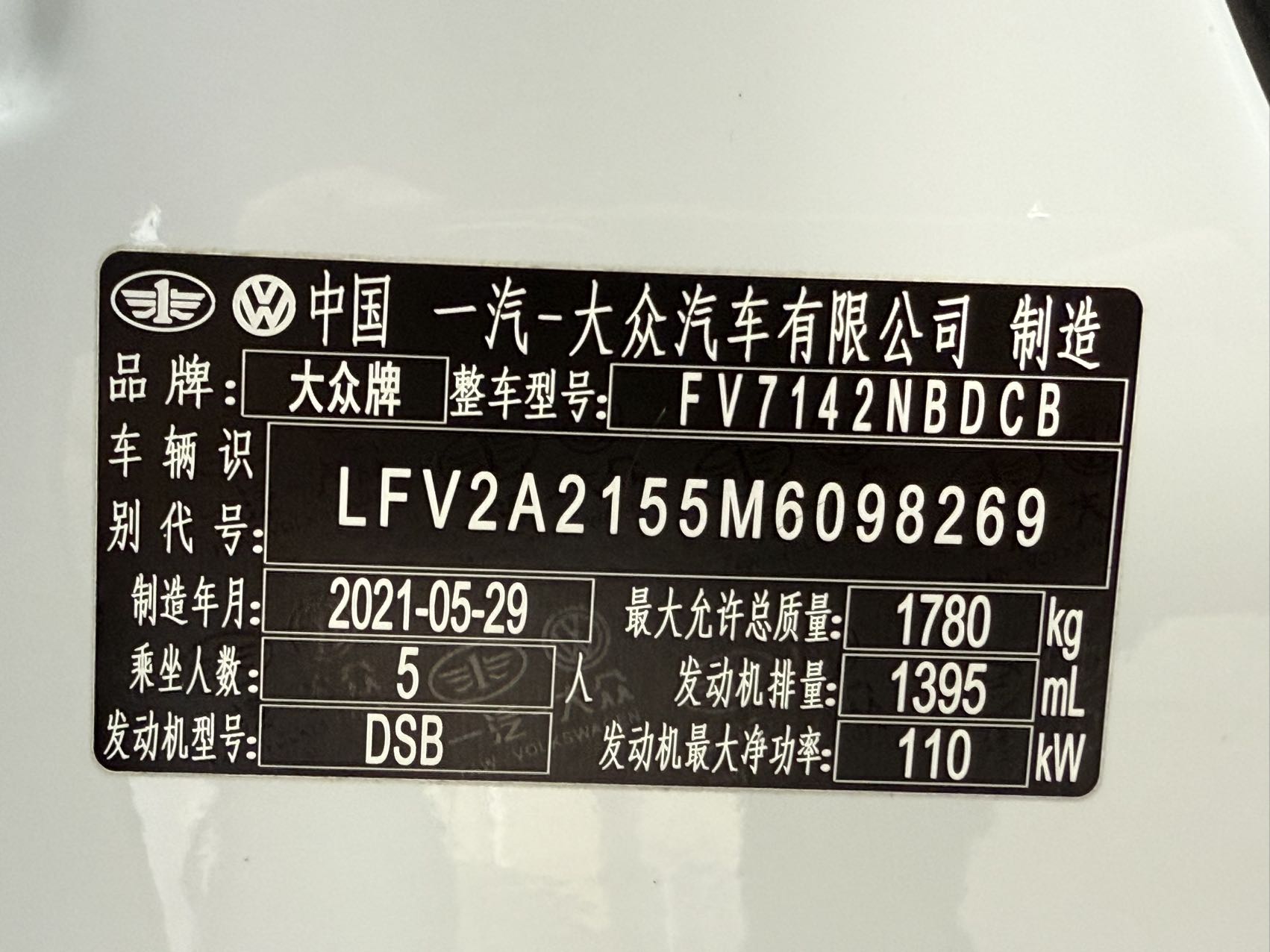
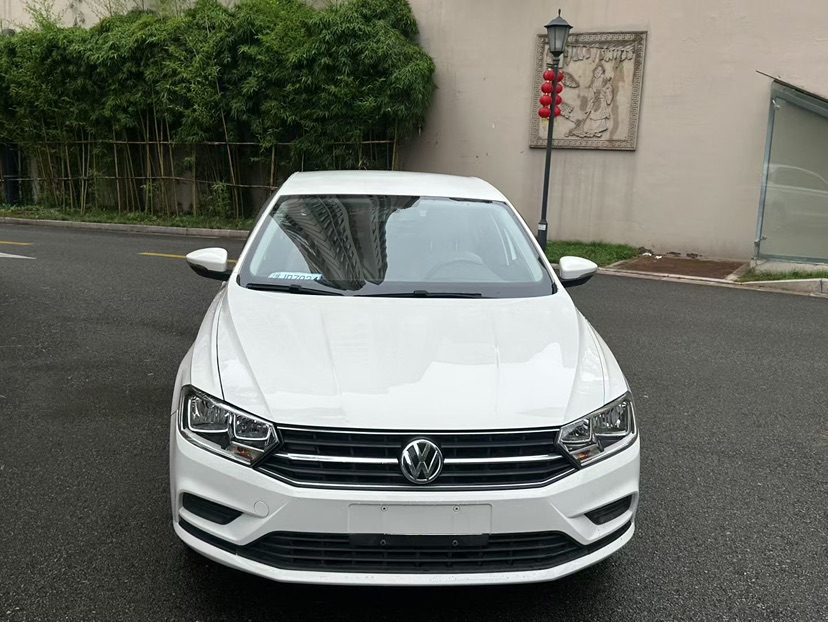
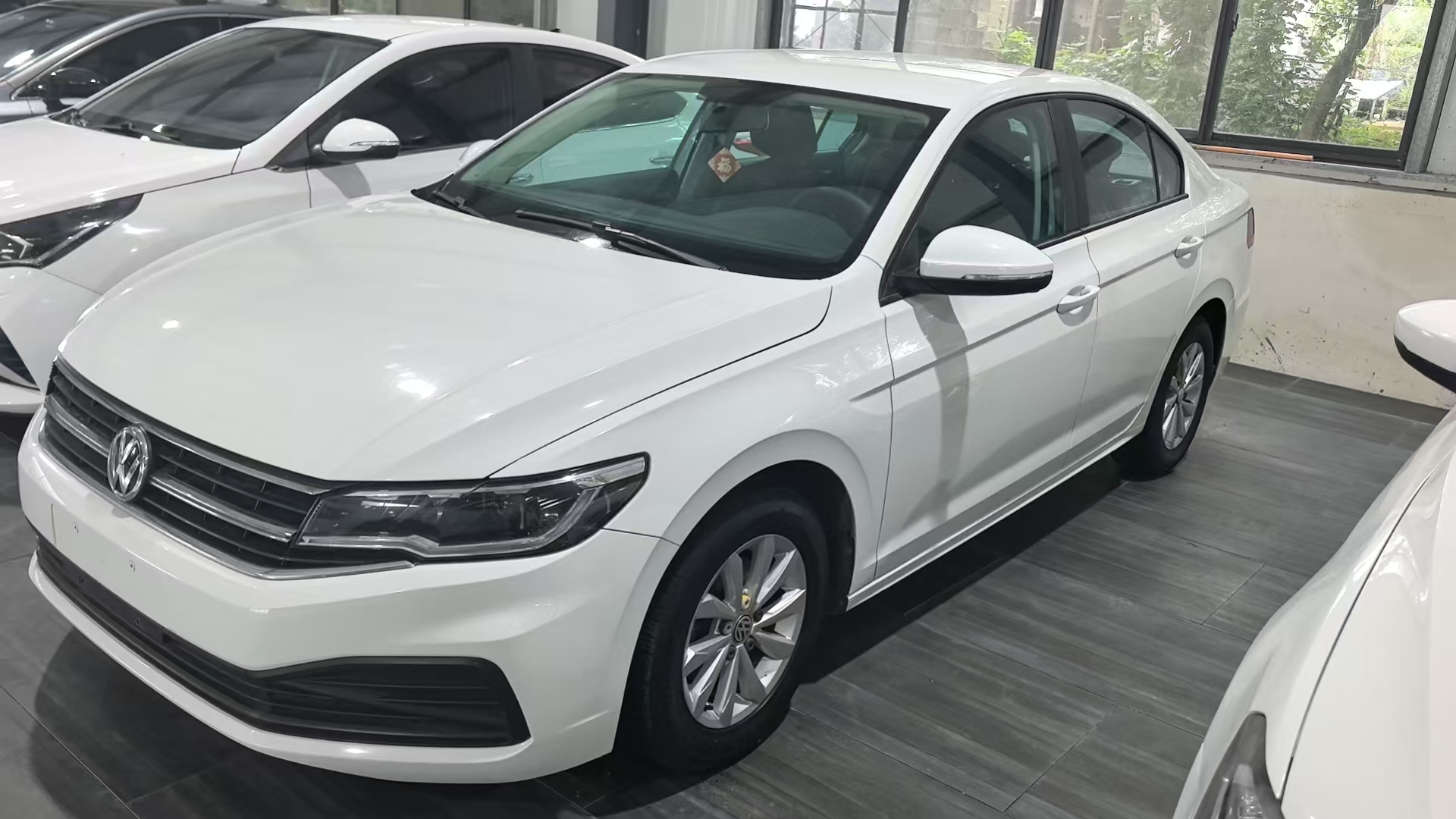
BrandVolkswagen
SeriesBora
Year2021
First Registration2021/09
Mileage0.22km
Transfer Count-
FuelGasoline
TransmissionDCT
Engine1.4T 150 L4
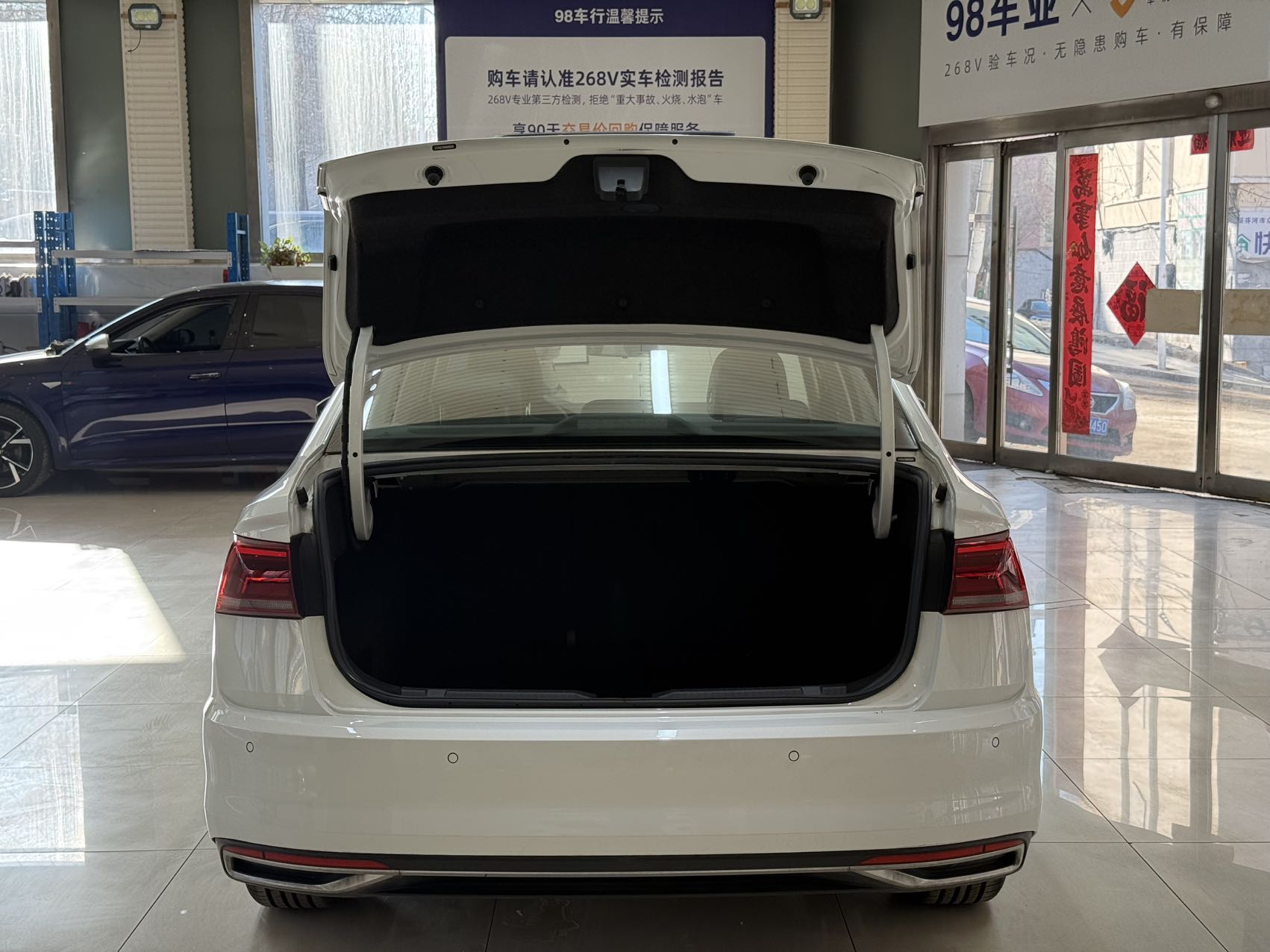
ColorWhite
Seats-

Condition Description

Mileage: 2156 km Keys: 2 Insurance: Expired Manufacture Date: May 29, 2021 Original Paint: 91673 Cost

Configuration Highlights

✓Driver/Passenger Airbags
✓Front/Rear Side Airbags
✓Front/Rear Curtain Airbags
✓Tire Pressure Monitoring
✓ISOFIX Child Seat Anchors
✓Keyless Start System
✓Keyless Entry System
✓ABS Anti-lock Braking
✓Electronic Brake Distribution
✓Electronic Stability Control
✓Hill Start Assist
✓Auto Hold
✓Multifunction Steering Wheel
✓Seat Material
✓Low Beam Headlights
✓Daytime Running Lights
✓Adjustable Headlight Height
✓Power Windows
✓Anti-pinch Windows
✓Climate Control Type
✓Rear Air Vents
✓Start-Stop System
✓Active Safety System

Q&A

More

Before shipping, have all traffic violation records for the vehicle in China been cleared?

100% guaranteed. This is the legal prerequisite for the export of used cars allowed by Chinese customs and the Ministry of Commerce. Any vehicle with unresolved traffic violations (fines/demerits) cannot complete the deregistration process at the traffic management bureau, and therefore cannot obtain a legal export license.
What are your assessment criteria and repair recommendations for vehicles with "slight oil seepage (non-dripping)" in the engine or transmission?

As rubber seals age, "slight oil seepage (oil stains but no dripping)" is very common in used cars and is not considered a major fault. Our recommendation is: as long as the oil level does not drop abnormally, just clean and monitor it regularly after arrival, without the need to immediately incur high costs to disassemble and replace the seals.

Why are the shipping costs for used electric vehicles (EVs) usually higher than for internal combustion engine vehicles (ICEs)?

Pure electric vehicles are classified as Class 9 Dangerous Goods due to their large lithium batteries, leading to strict shipping regulations. Shipping companies have high requirements for the loading position and fire isolation measures for dangerous goods, and some roll-on/roll-off ships refuse to accept used EVs. As a result, EVs often require more expensive special container shipping and incur additional handling fees for hazardous materials.