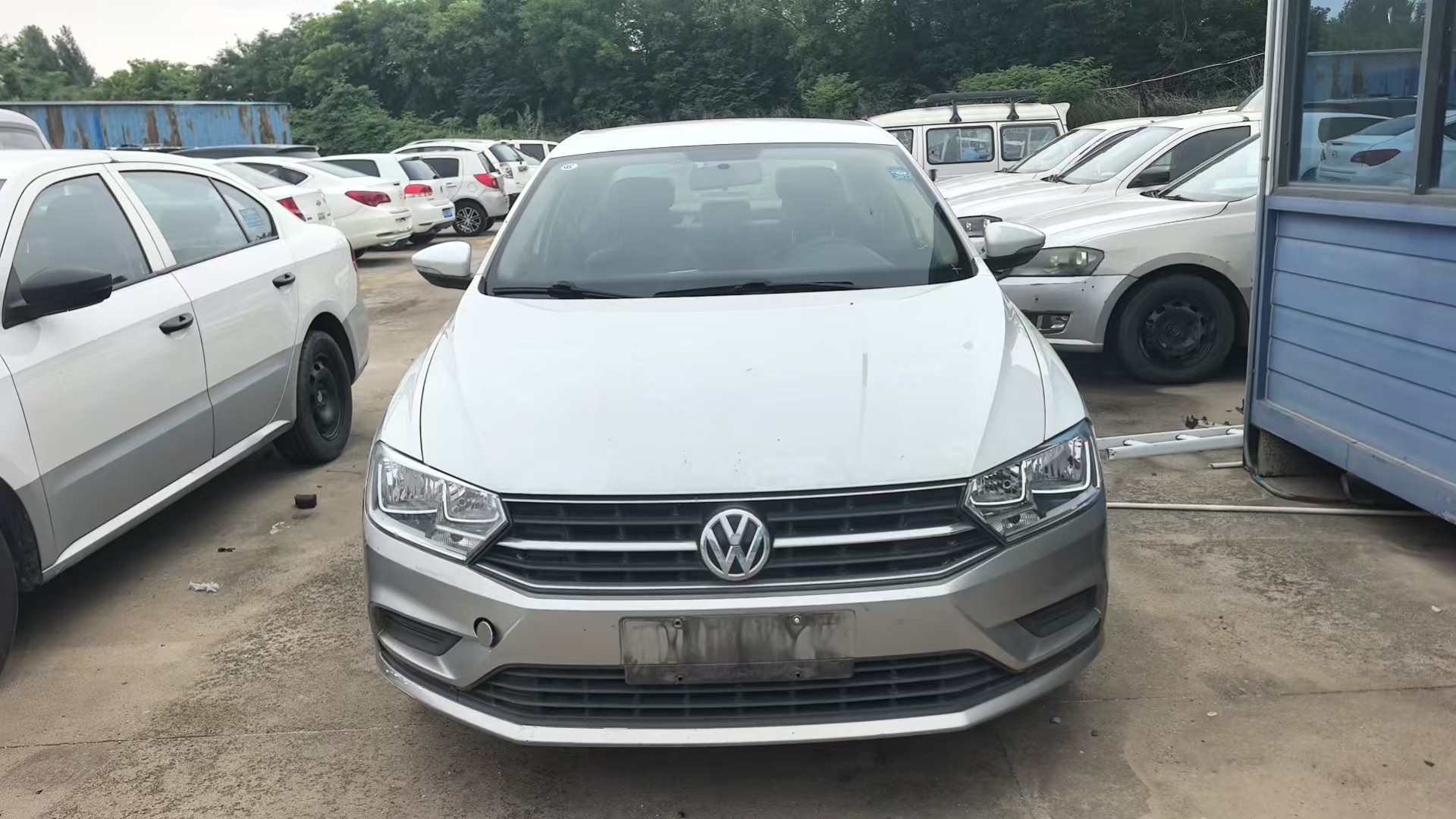
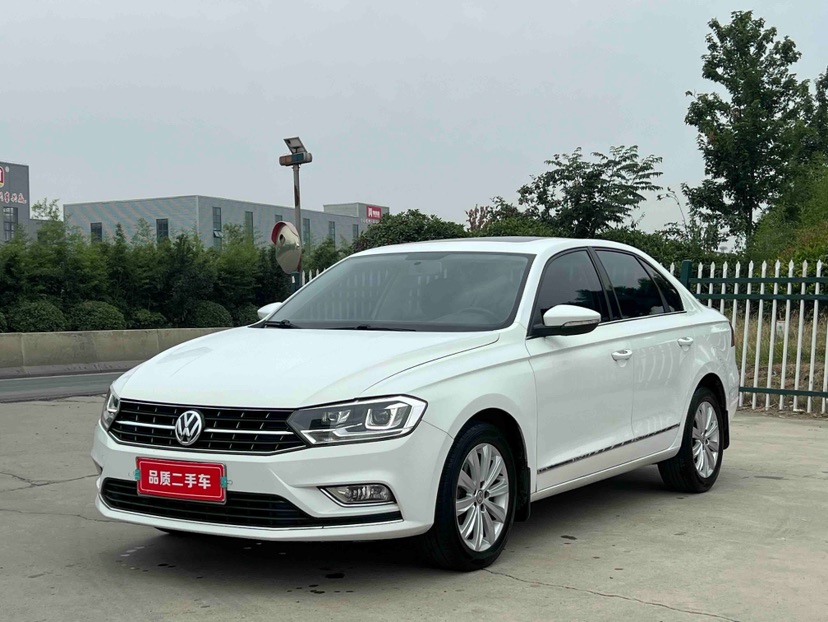
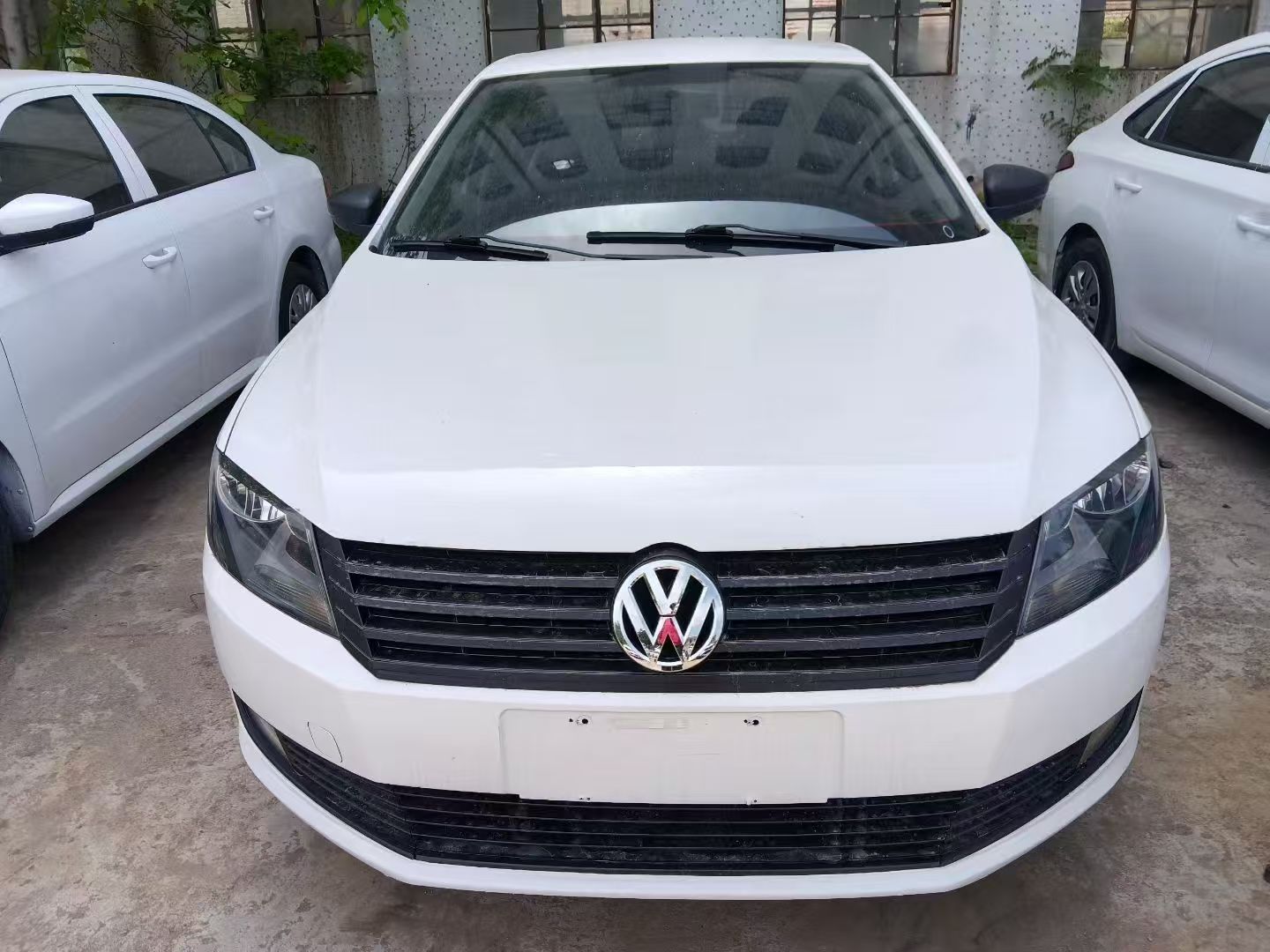
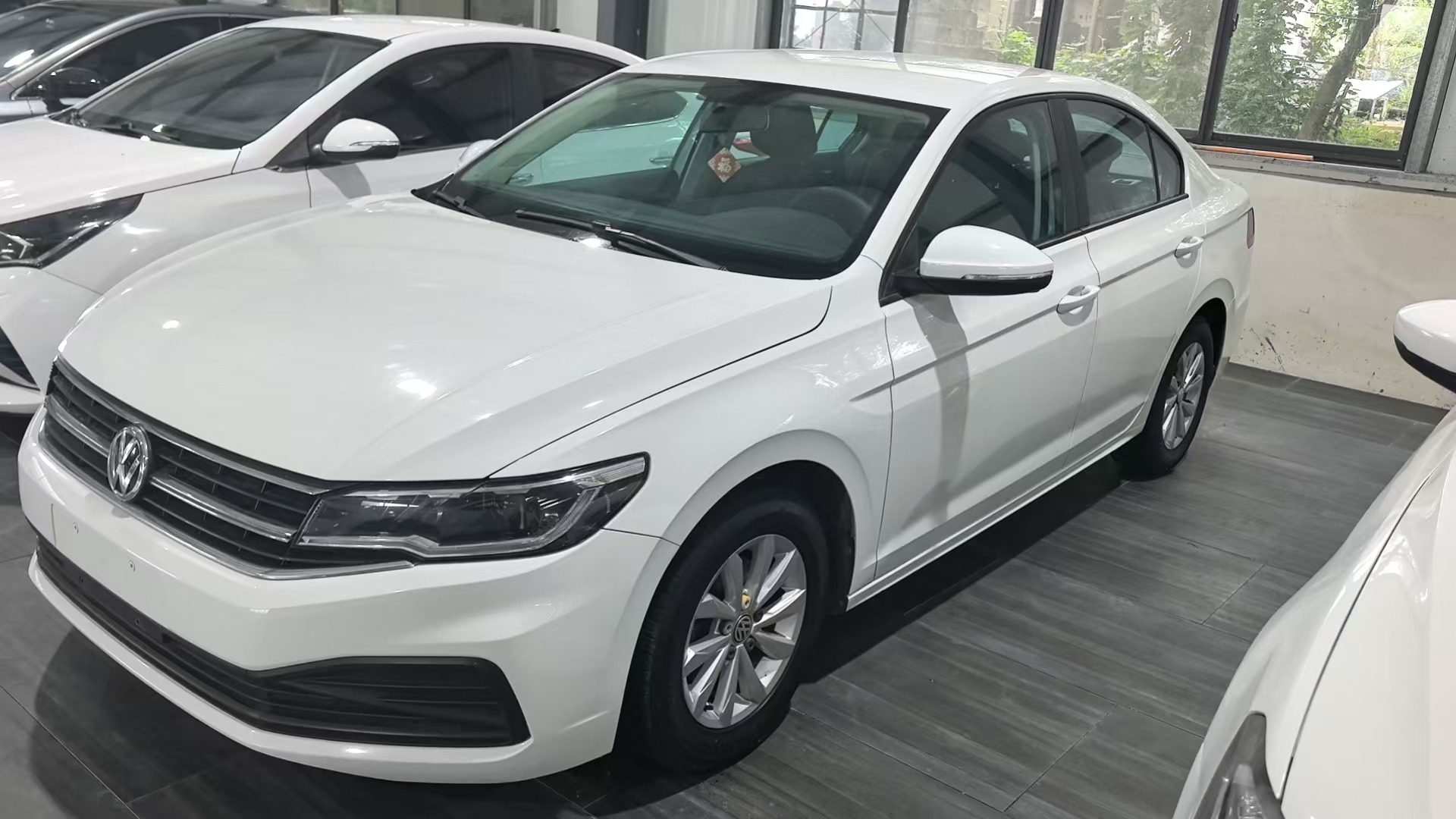
Basic Information

BrandVolkswagen
SeriesBora
Year2022
First Registration2022/11
Mileage52,200km
Transfer Count0times
FuelGasoline
TransmissionManumatic
Engine1.5L 112 L4
Color
Seats-

Condition Description

官方质检 · 60天全车质保· 7天无理由有偿退车

Configuration Highlights

✓上牌时间: 2022-11
✓表显里程: 5.2万公里
✓车源地: 武汉
✓排放标准: 国六
✓百公里加速: 13.2s
✓发动机: 1.5L
✓轴距: 2614mm
✓变速箱: 自动

Q&A

More

Will protective measures against rain or sun be taken for vehicles parked outdoors while waiting to be loaded at the port?

The storage area at the roll-on/roll-off terminal is entirely outdoors, which is standard practice at ports worldwide. During the few days vehicles wait to be loaded, they will inevitably be exposed to sun and rain and accumulate dust. We will not provide custom car covers as this would significantly hinder the efficiency of dock workers moving vehicles.


If Chinese customs determines a vehicle to be a "scrapped vehicle" and prohibits its export during inspection, will the deposit be refunded?

Chinese customs strictly prohibits the export of assembled or cut vehicles that meet mandatory scrapping standards. Since our pre-inspection is very strict, this situation is highly unlikely. However, if the vehicle is detained and returned by customs due to a policy misjudgment, we will fully refund your deposit without interest, ensuring you bear no policy risk.

How do I evaluate rust and corrosion on a used car from China, especially for coastal cities or snowy regions?

Rust is a deal-breaker that photos can hide, so be systematic. High-risk areas to check: 1. Underbody and frame rails—surface rust is normal, but flaking or bubbling paint means advanced corrosion 2. Wheel arches and rocker panels—these trap mud and salt 3. Door bottoms and the trunk floor—water collects here; lift the trunk mat and look for dampness or repair welds 4. Around the windshield and sunroof drains—leaks cause hidden rust in the A-pillars Ask the inspector to do a magnet test: filler-repaired areas won't hold a magnet, indicating past accident repairs. A paint thickness gauge reveals resprayed sections—uniform readings around 80-150 microns are normal; spikes over 300 suggest bodywork. Cars from northern China (salted roads in winter) or coastal cities need extra scrutiny on the underbody. If structural members show corrosion, walk away—repairs rarely restore original strength.