


24H

Basic Information

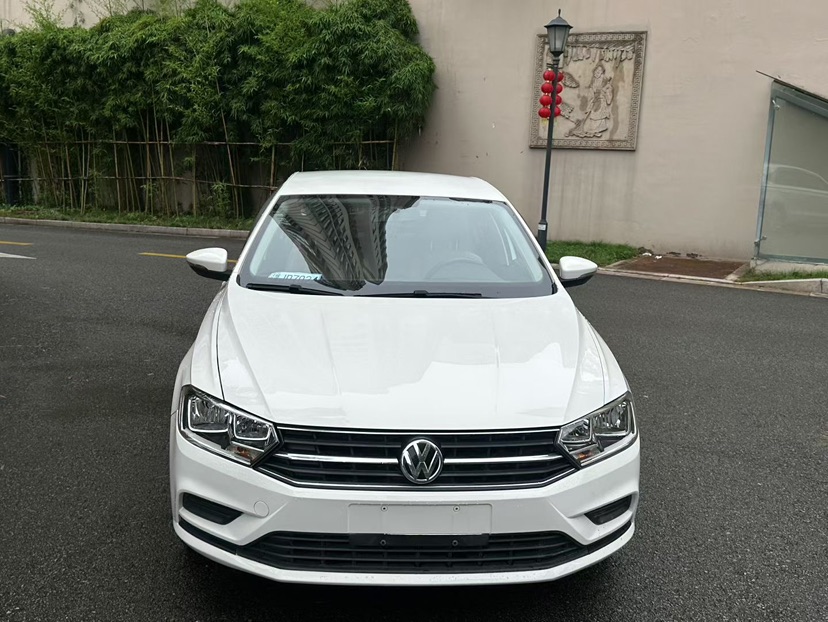
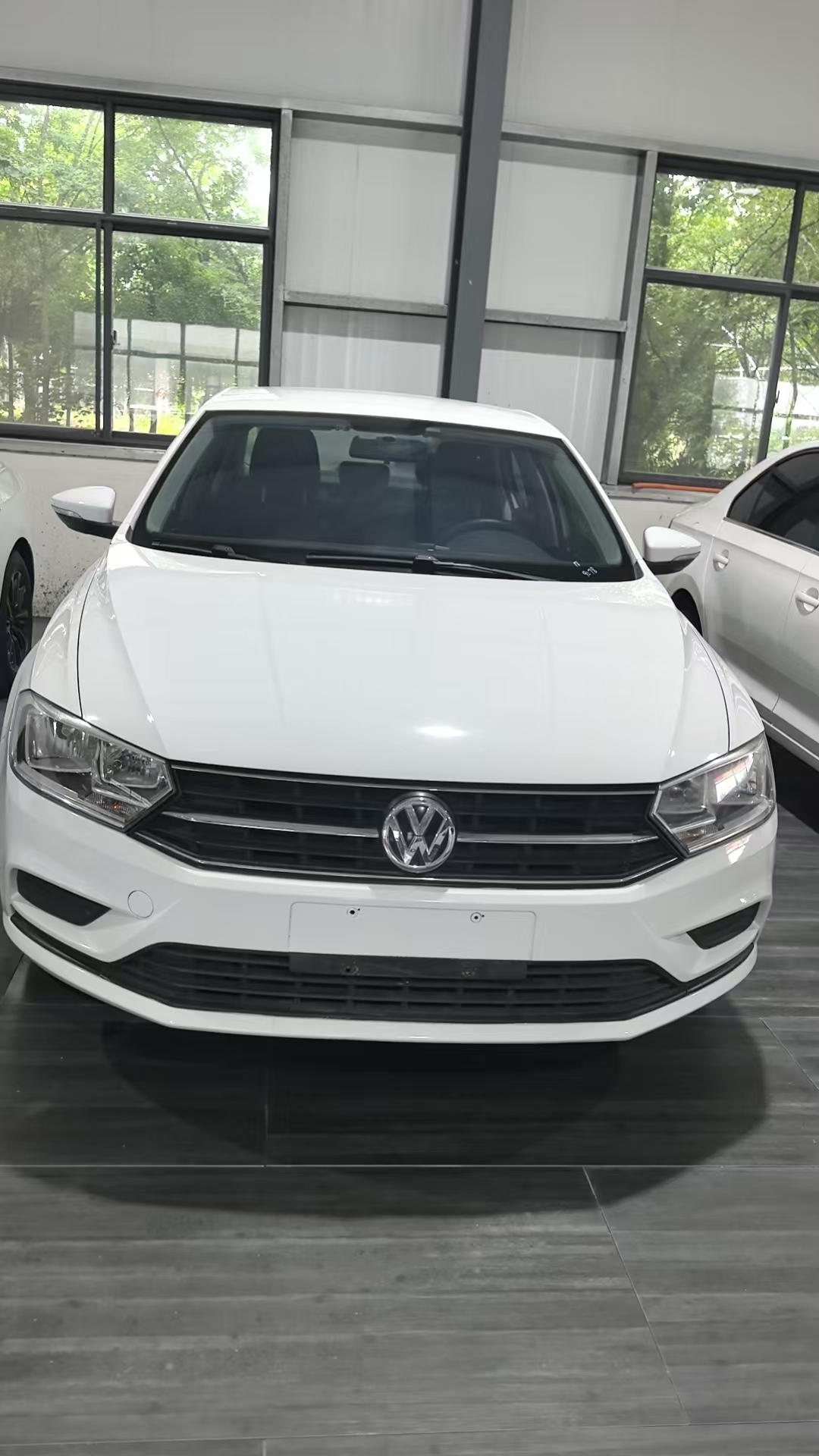
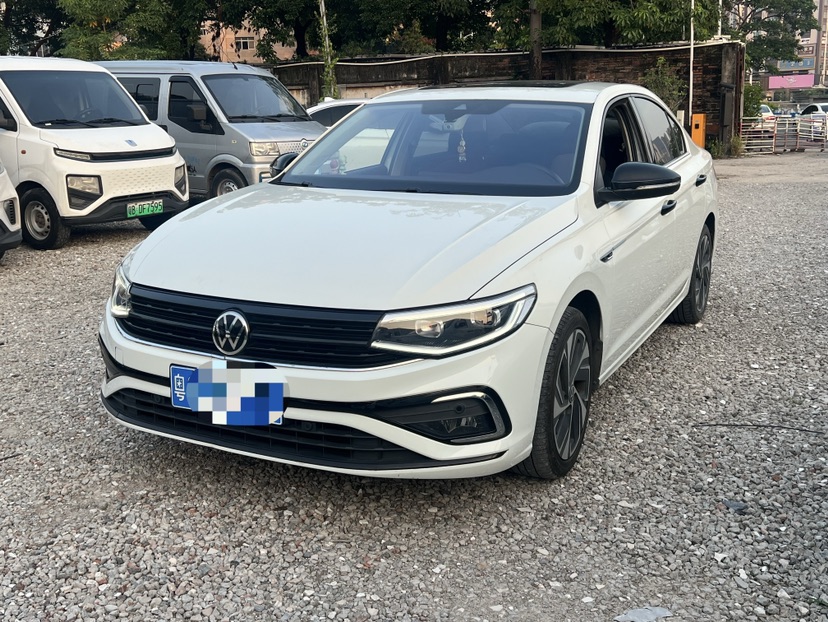
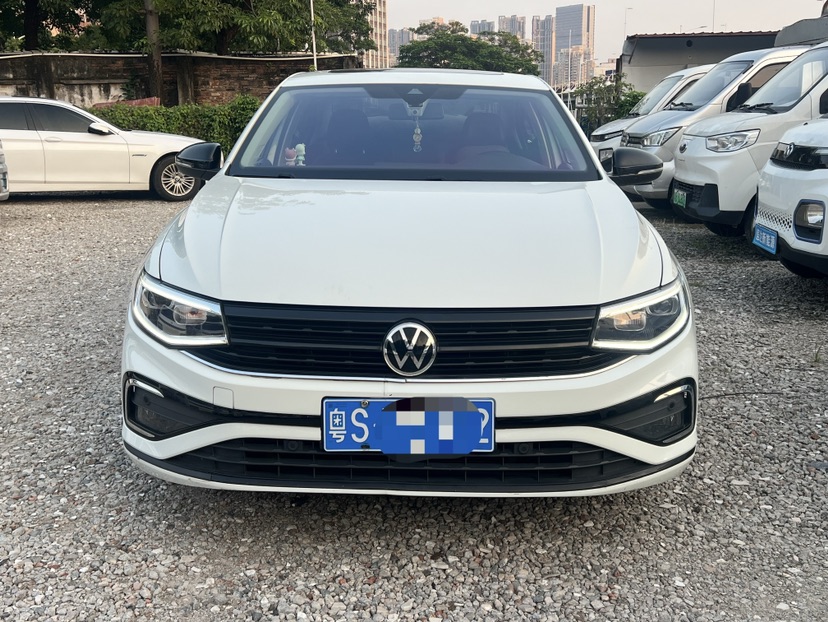
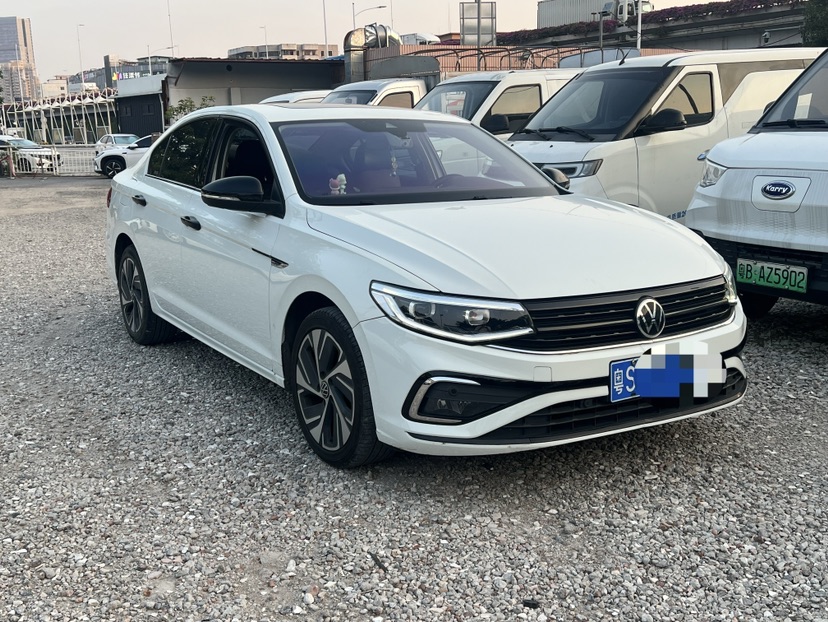
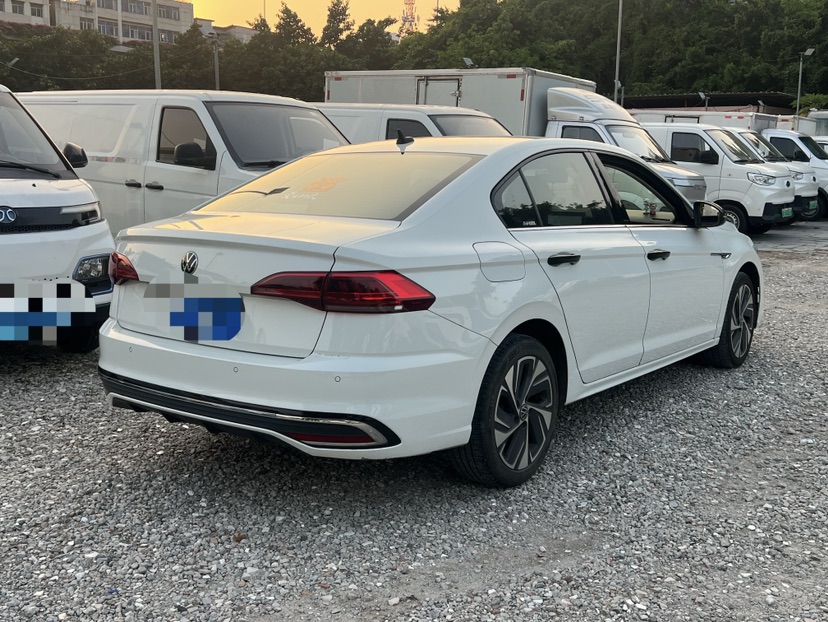
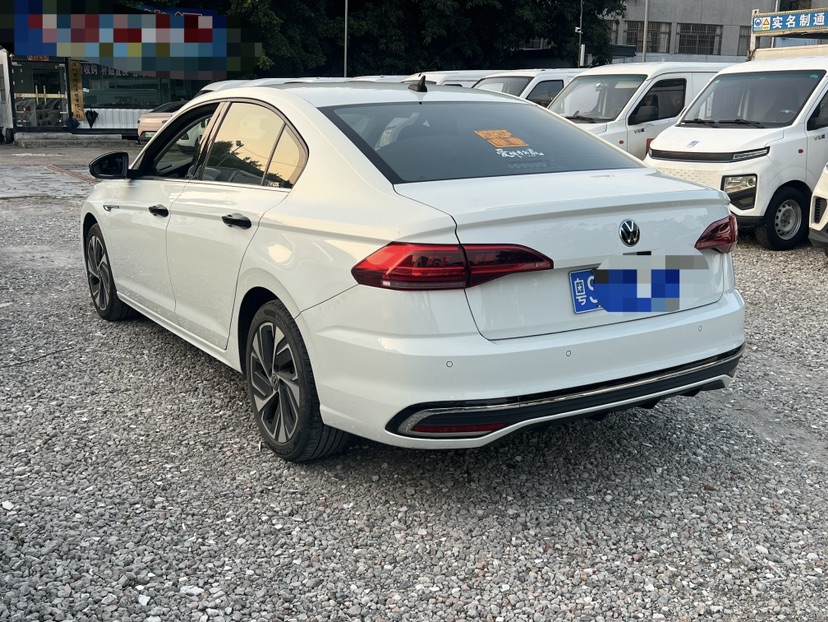
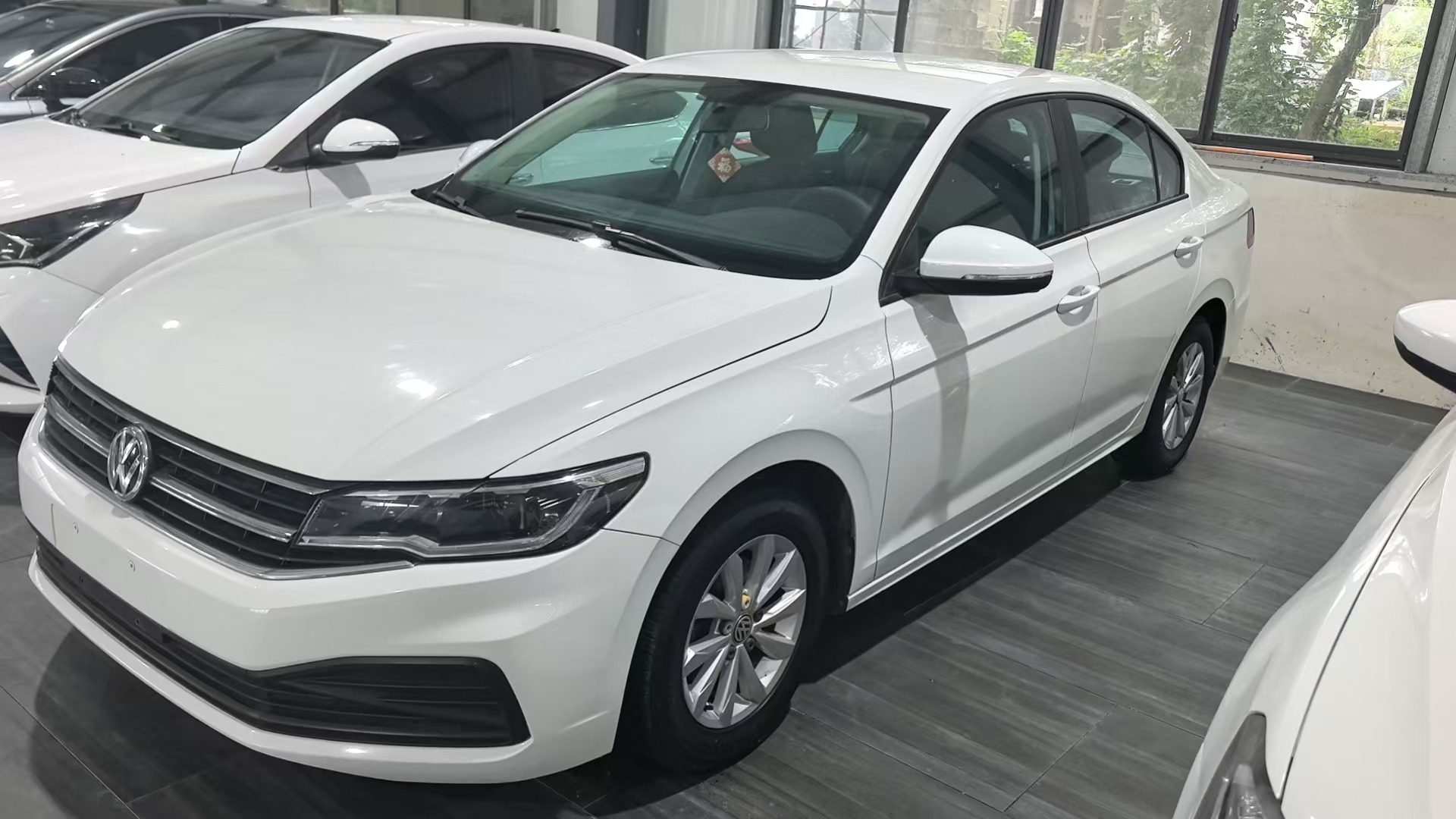
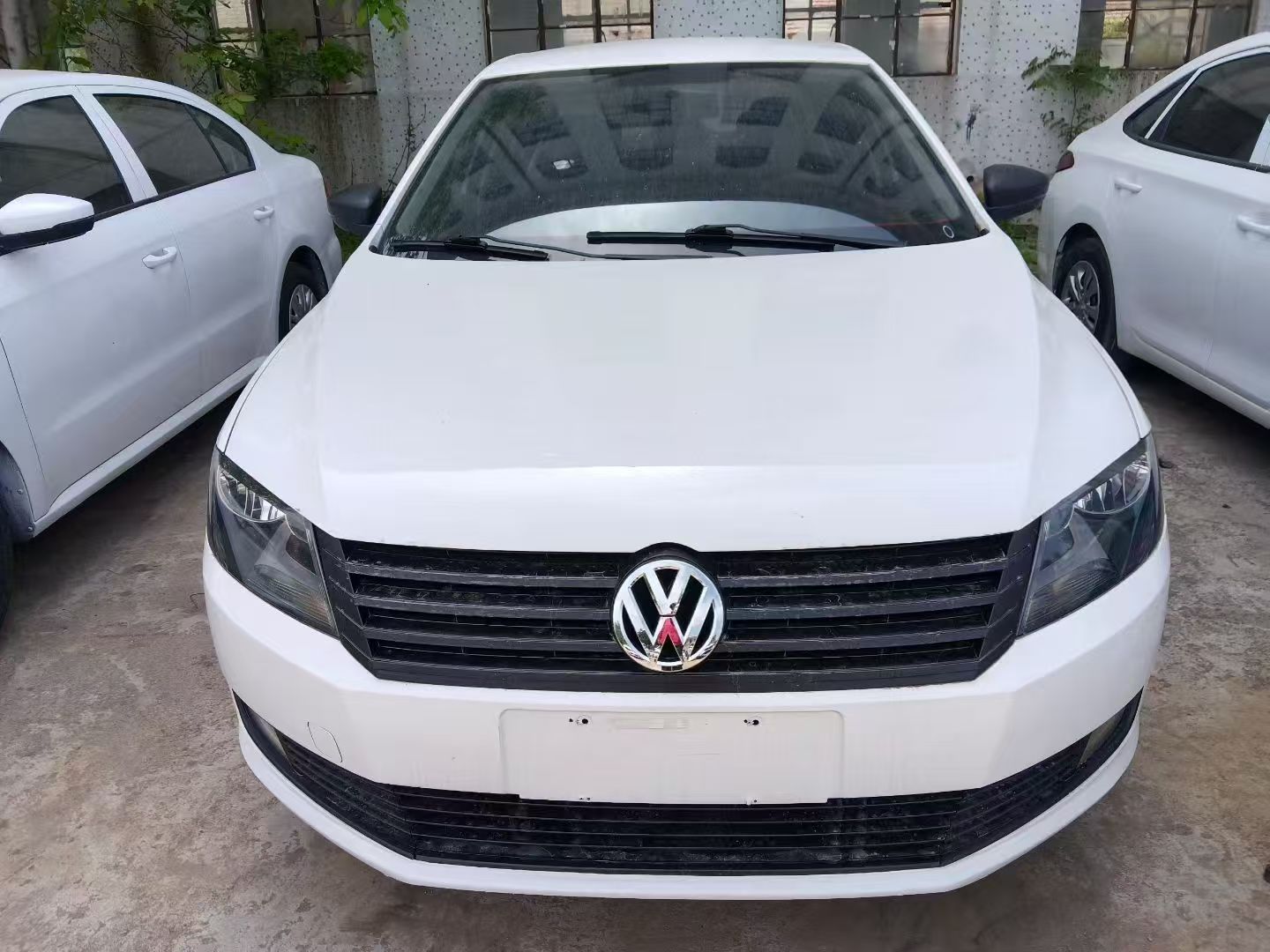
BrandVolkswagen
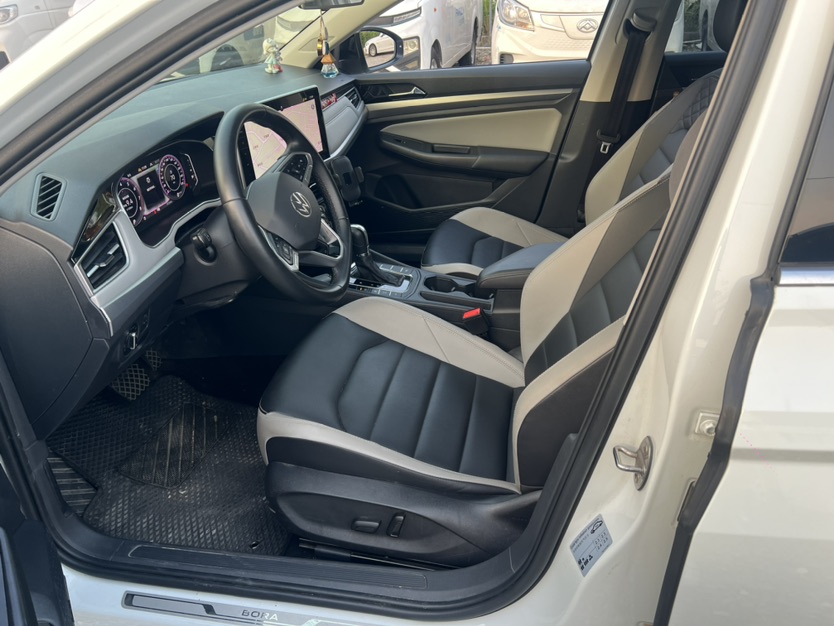
SeriesBora
Year2023
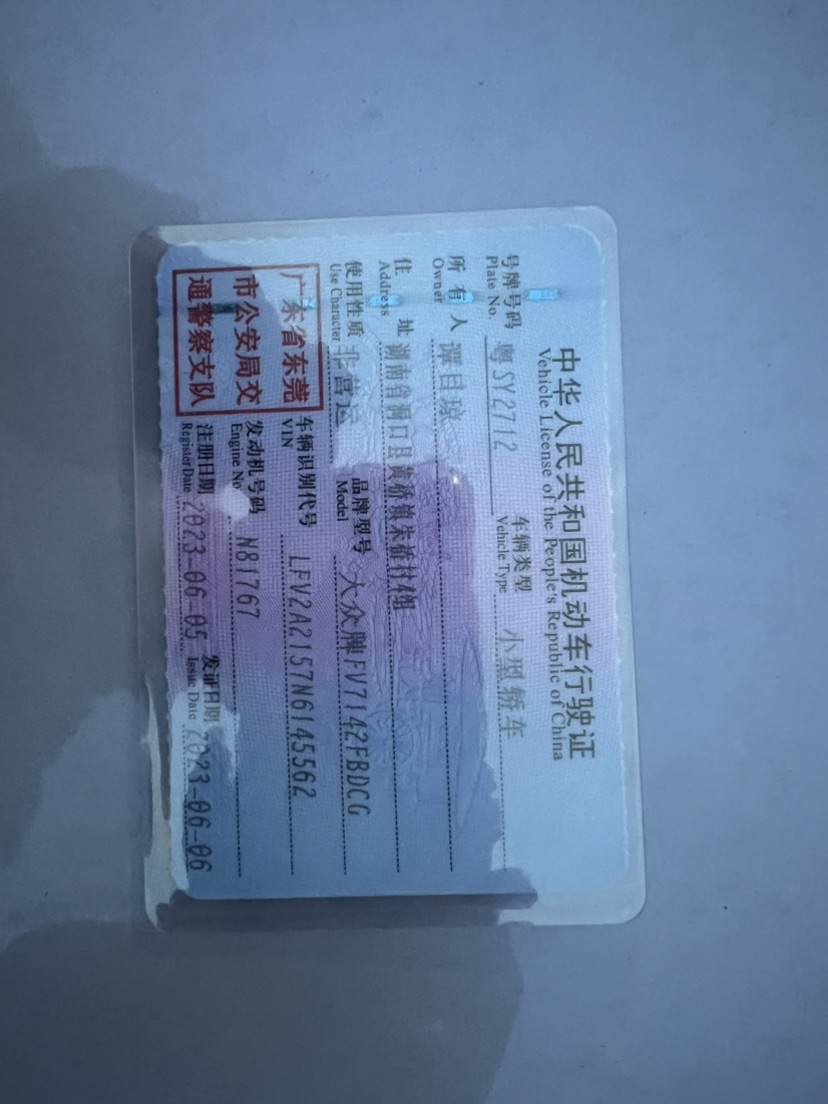
First Registration2023/06
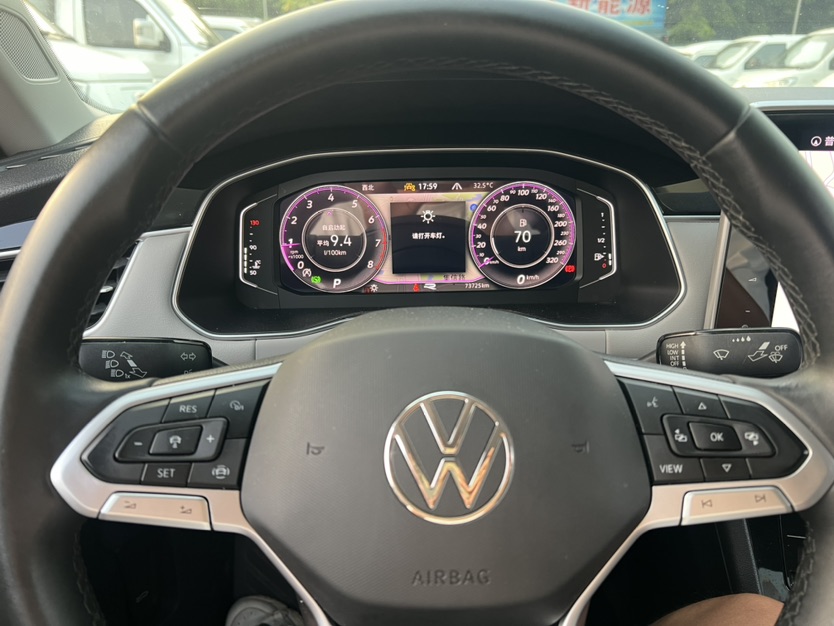
Mileage73,000km
Transfer Count1times
FuelGasoline
TransmissionDCT
Engine1.4T 150 L4
ColorWhite
Seats-

Condition Description

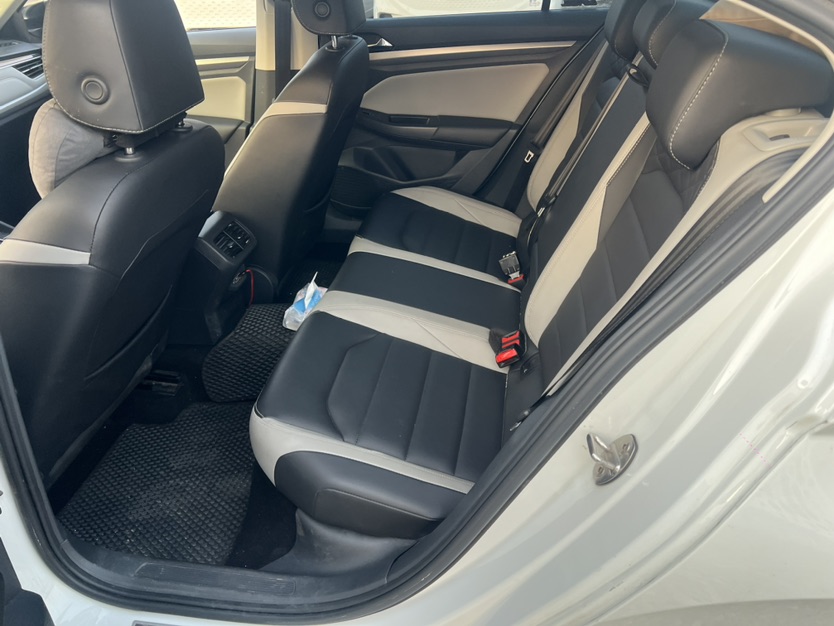
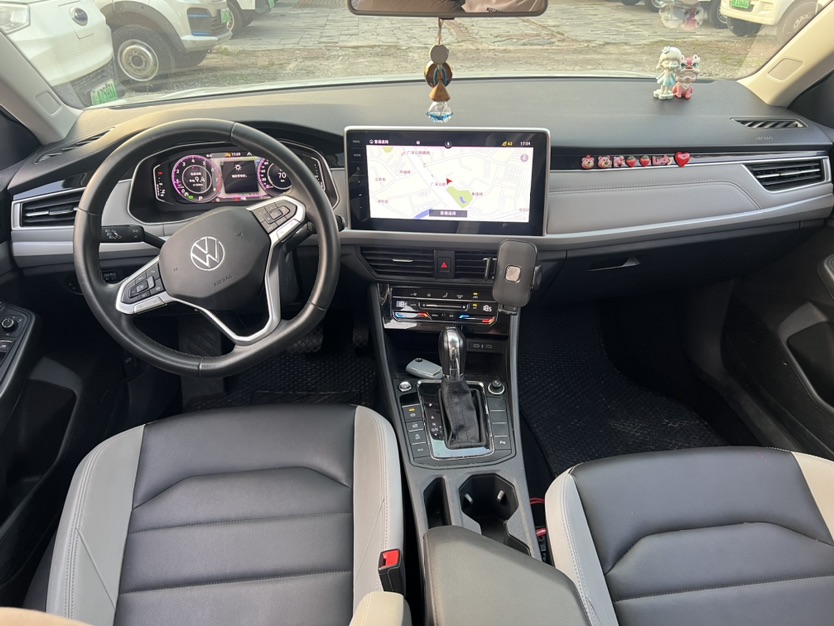
One-owner vehicle, original paint, no accidents, no flood damage, full-body paint protection film.

燃油车
轿车
自动
维保开放
事故开放
查验开放

Configuration Highlights

✓品牌: 大众
✓车系: 宝来
✓车型: 2023款 280TSI DSG尊行版
✓车身类型: 轿车
✓座位数: 5
✓排量: 1.4T
✓变速箱: 自动
✓能源类型: 燃油车
✓VIN: LFV2A2157N6145562
✓搜索关键词: 大众宝来 2023款宝来280TSIDSG尊行版

Document Information

Inspection Expiry Date2027/06
Warranty Expiry Date-
Insurance Expiry Date2027/06

Q&A

More

Should I ship my car from China in a container or by RoRo vessel?

Both are common, and the right choice depends on budget and destination: 1. Container shipping (20ft/40ft): The car is sealed inside a container, offering better protection and allowing you to load spare parts inside the car. Typical cost from Shanghai to major world ports: $1,500-$3,000 per car. Best for long distances and high-value vehicles. 2. RoRo (roll-on/roll-off): The car is driven onto the ship and secured on deck. Cheaper ($800-$1,800 to most ports) and faster to load, but exposed to weather and port handling. Not all routes offer RoRo service. Transit time examples: to the Gulf 15-25 days, to West Africa 30-45 days, to Latin America 25-40 days, to Europe 20-35 days. Ask your exporter which option serves your destination port, and always insure the shipment for full value.
Beyond the car price, what costs should I budget when importing a used car from China?

A realistic budget has several layers beyond the vehicle price. First, inland logistics in China: moving the car to the export port typically costs $300-$800. Second, export handling: inspection, customs declaration and paperwork usually add $500-$1,000. Third, ocean freight. A 20ft container to most destinations runs $1,200-$3,000 depending on route; RoRo shipping can be cheaper for driveable cars. Add marine insurance, usually 0.3%-0.5% of the car value. Fourth, destination charges: port handling, customs duties, VAT/GST and local registration fees. These vary widely; some countries charge duties of 20%-80% of the vehicle value plus an excise based on engine capacity. Finally, any compliance work: inspection certificates, modifications to meet local standards, or homologation. Ask your exporter for a full CIF quote and have a local customs broker confirm destination taxes before you commit.

Will there be detailed information on the vehicle's consumable parts (such as tire tread depth and remaining brake pad thickness)?

Yes. The inspection report includes a specific "consumable parts consumption list." We will measure the tire tread depth (in millimeters) and the remaining brake pad thickness using calipers. If the tire tread is below the legal wear limit of 1.6mm, we will note it as "recommended to replace immediately upon arrival."