

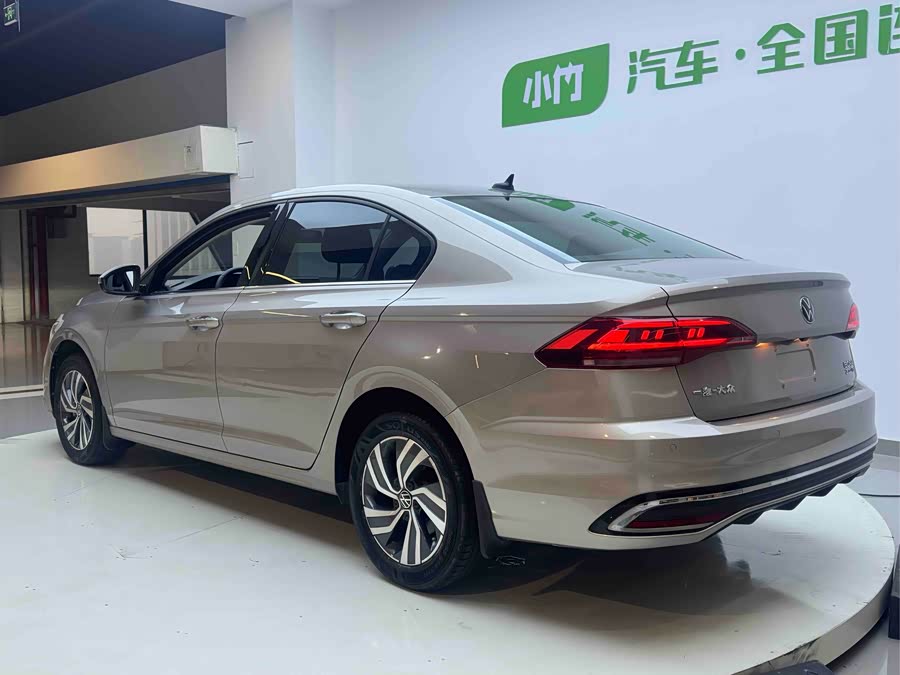
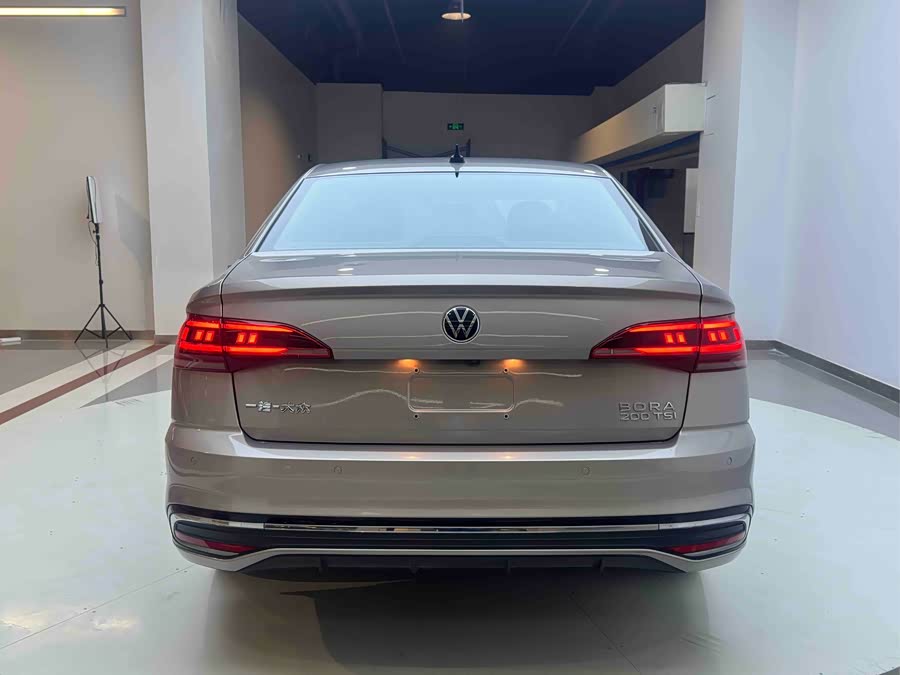
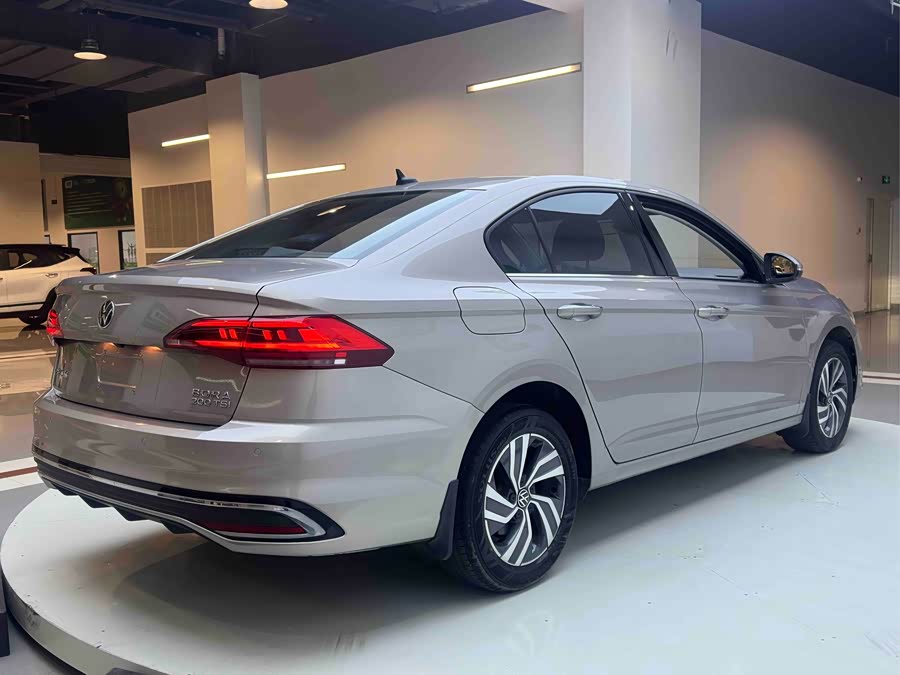
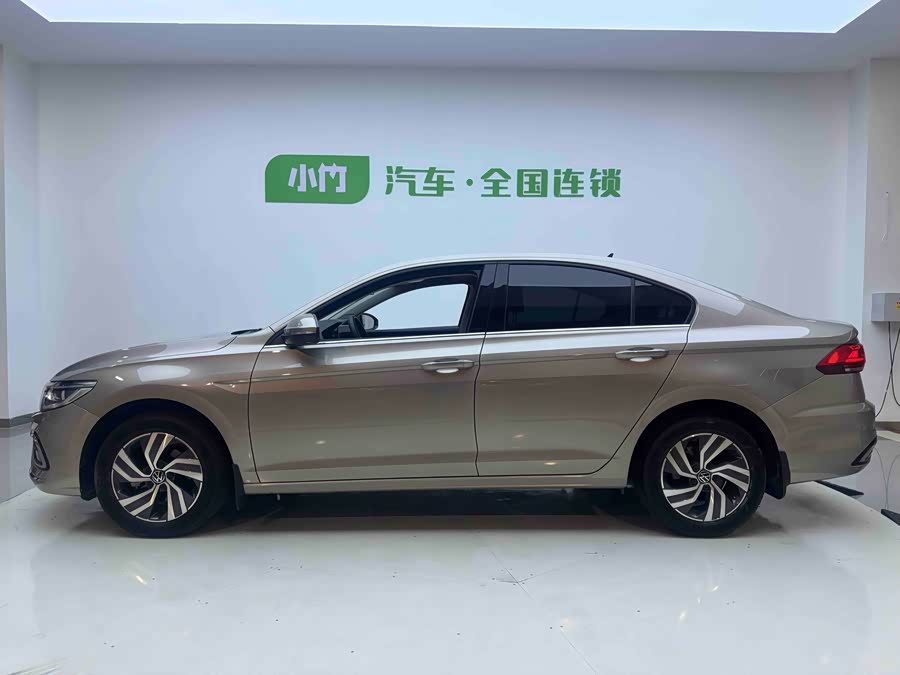
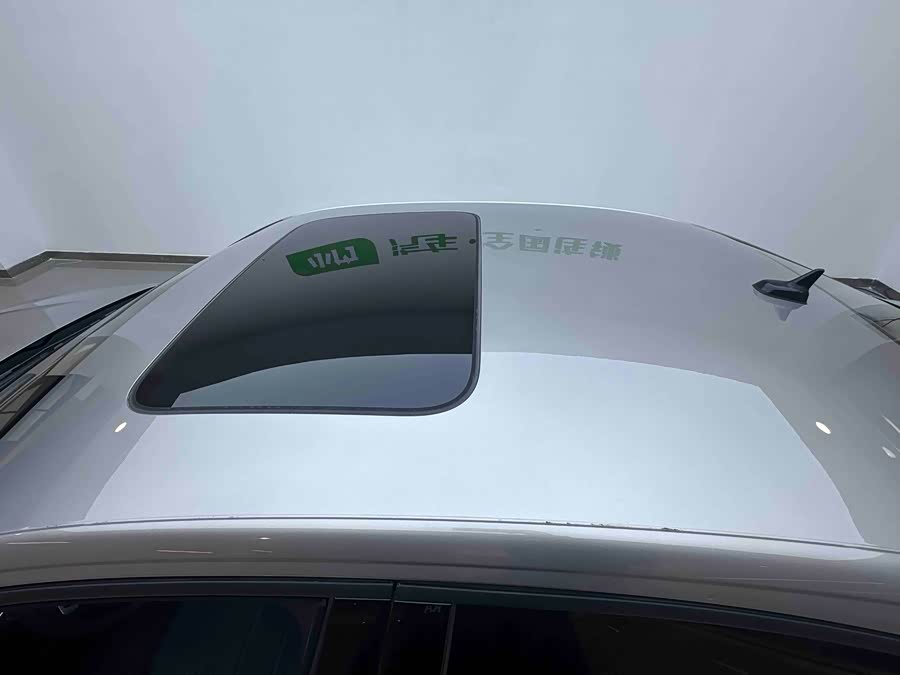
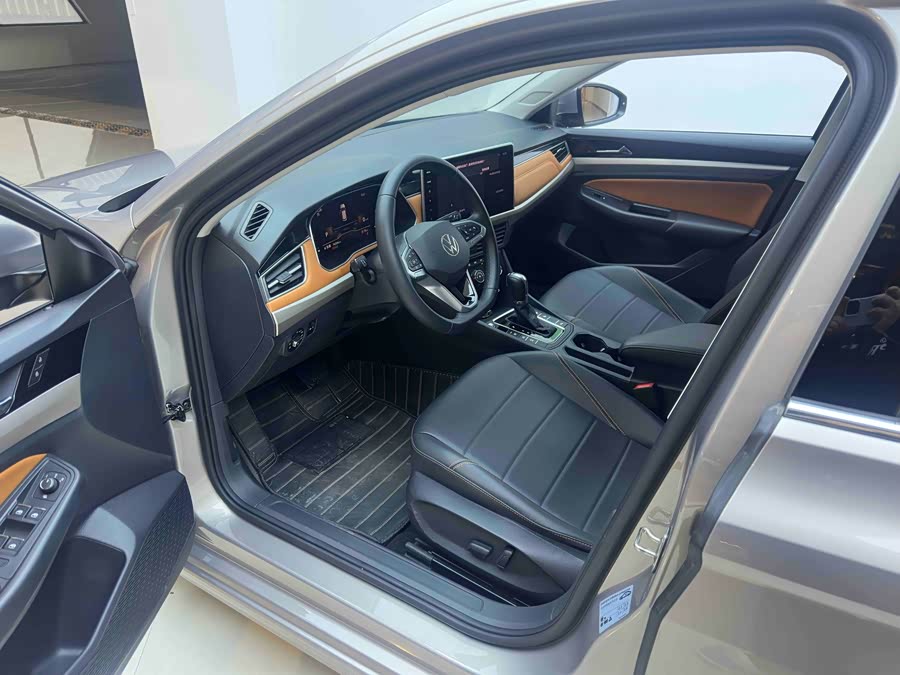
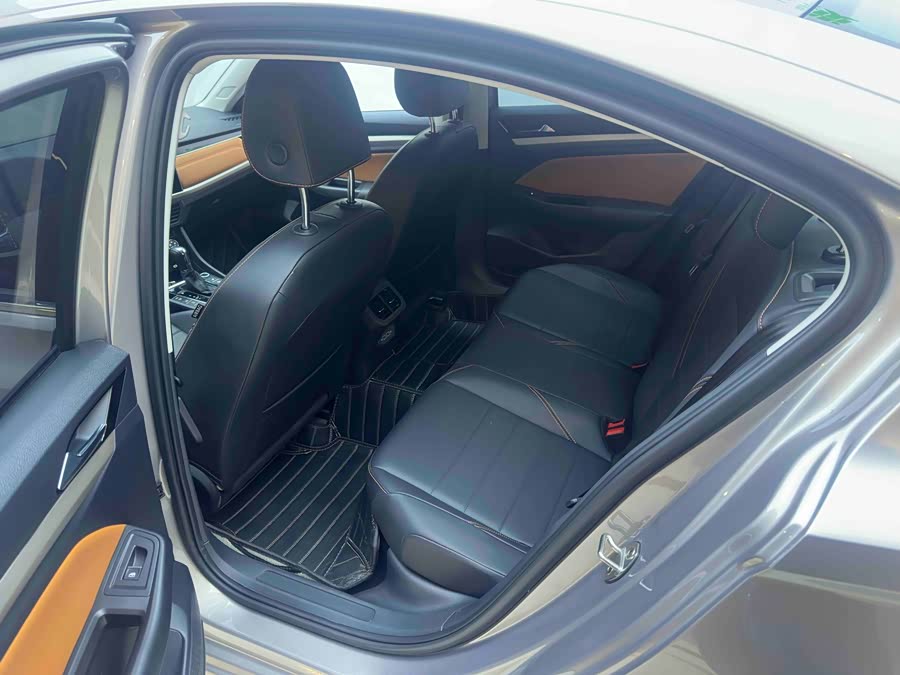
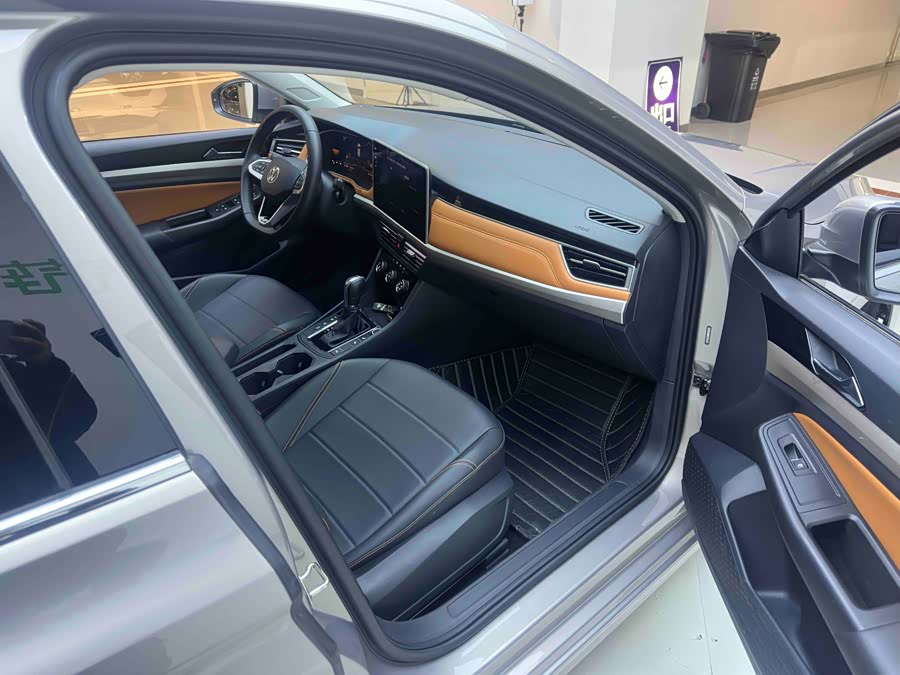
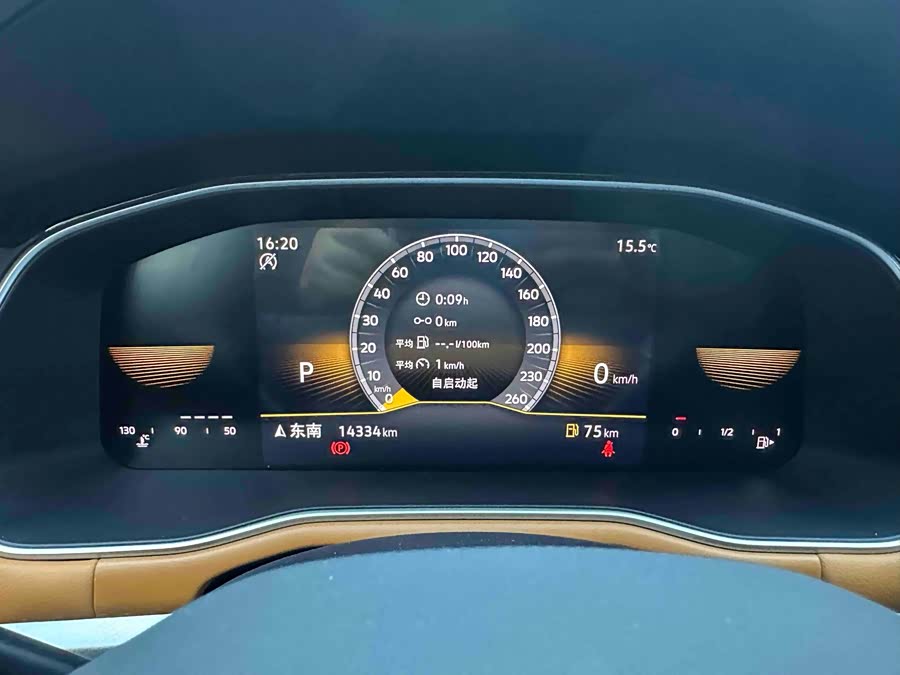
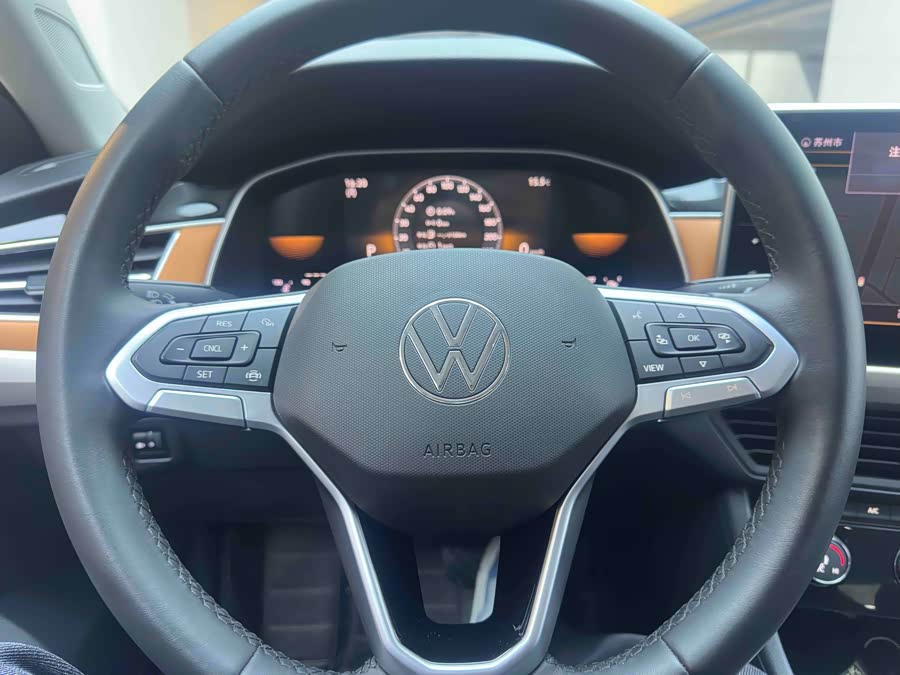
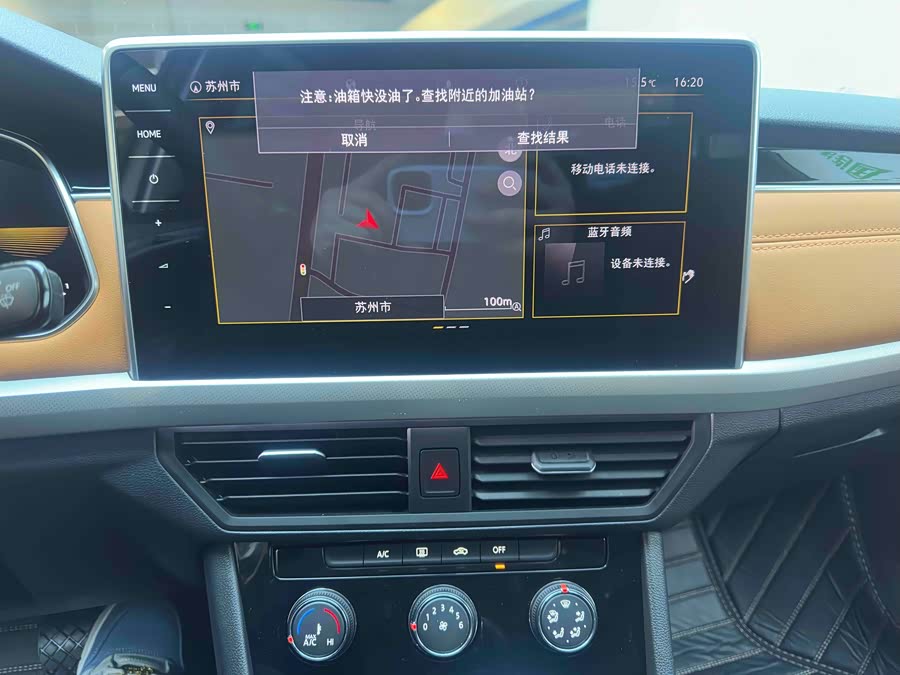
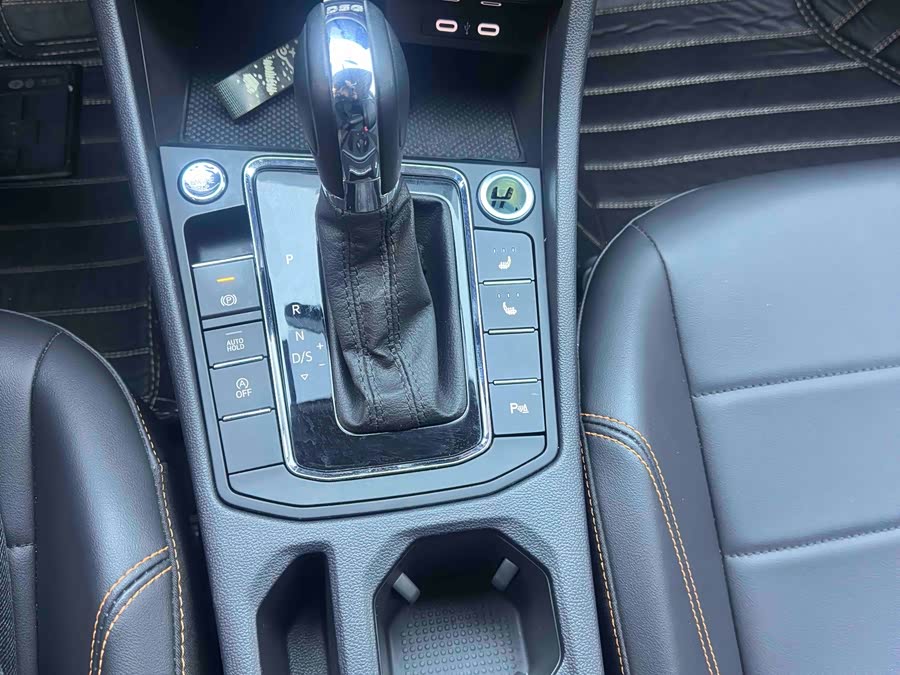



Basic Information

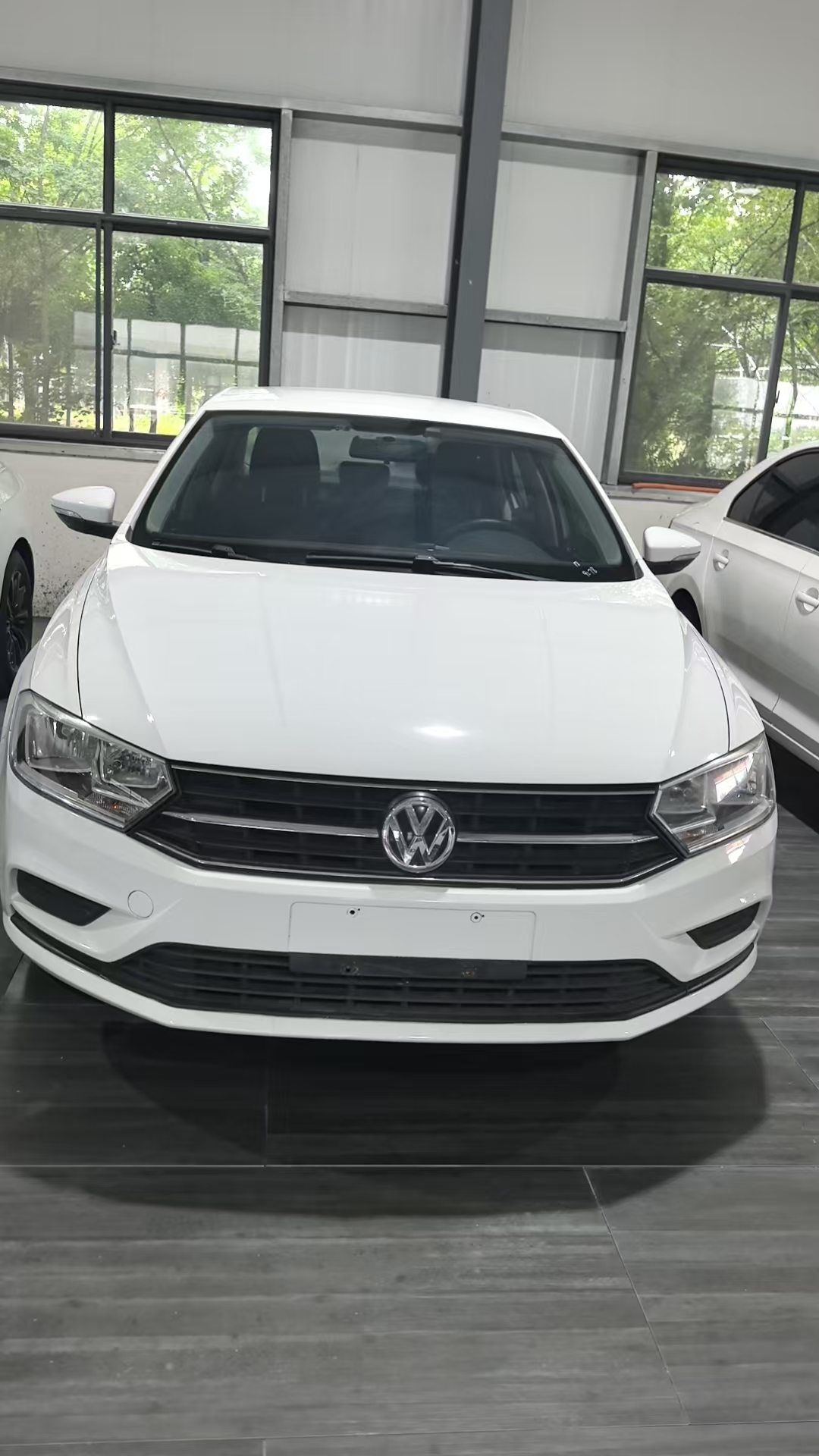
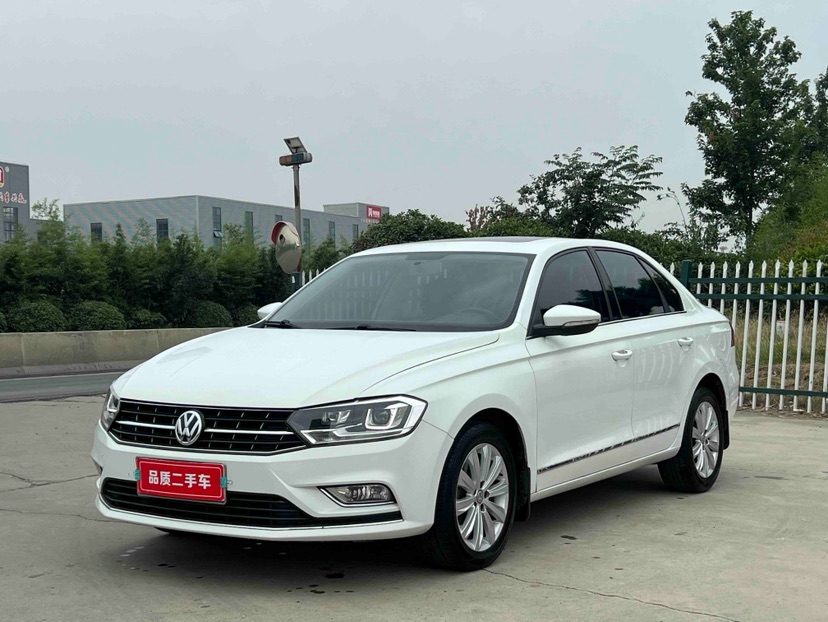
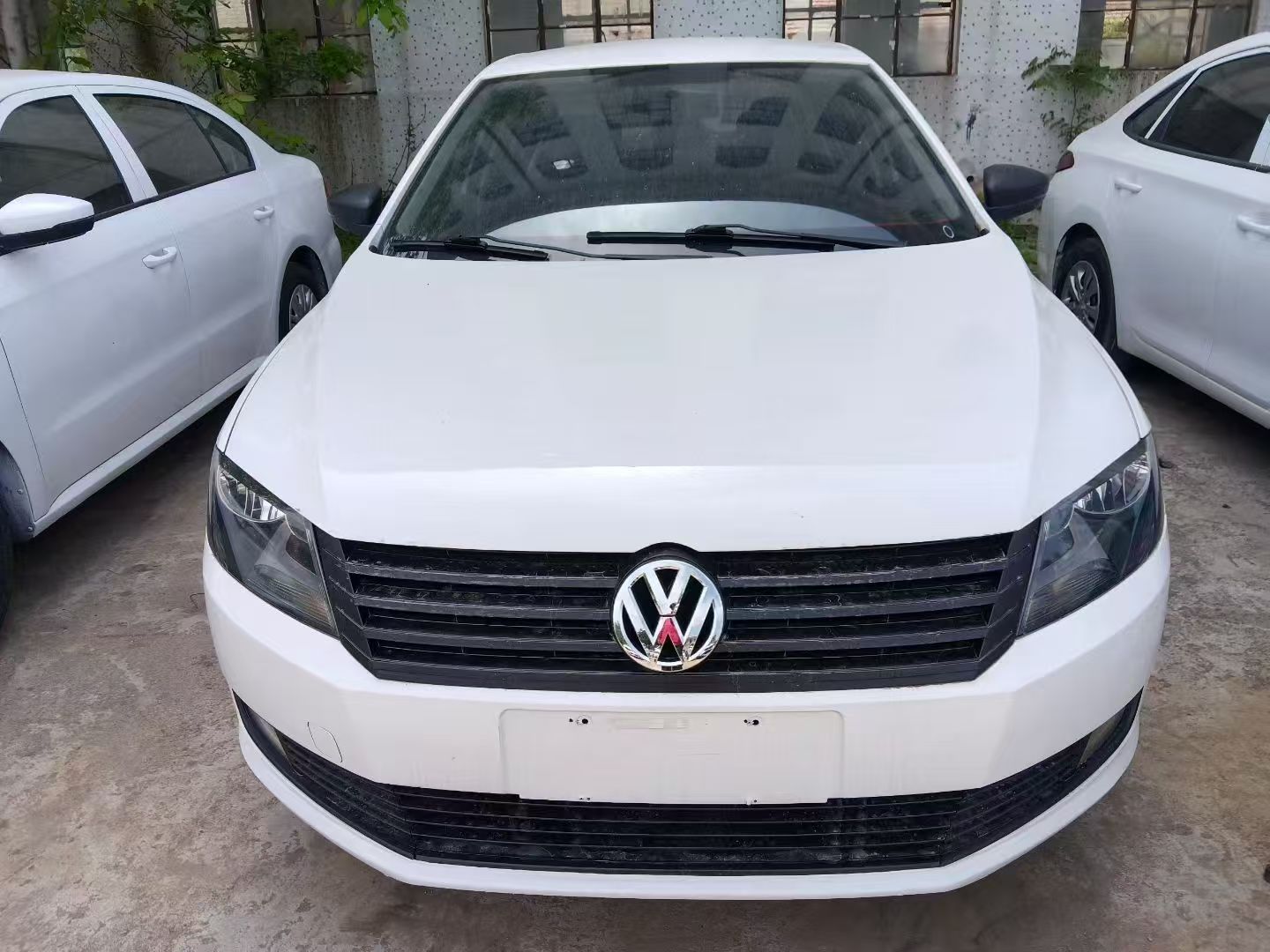
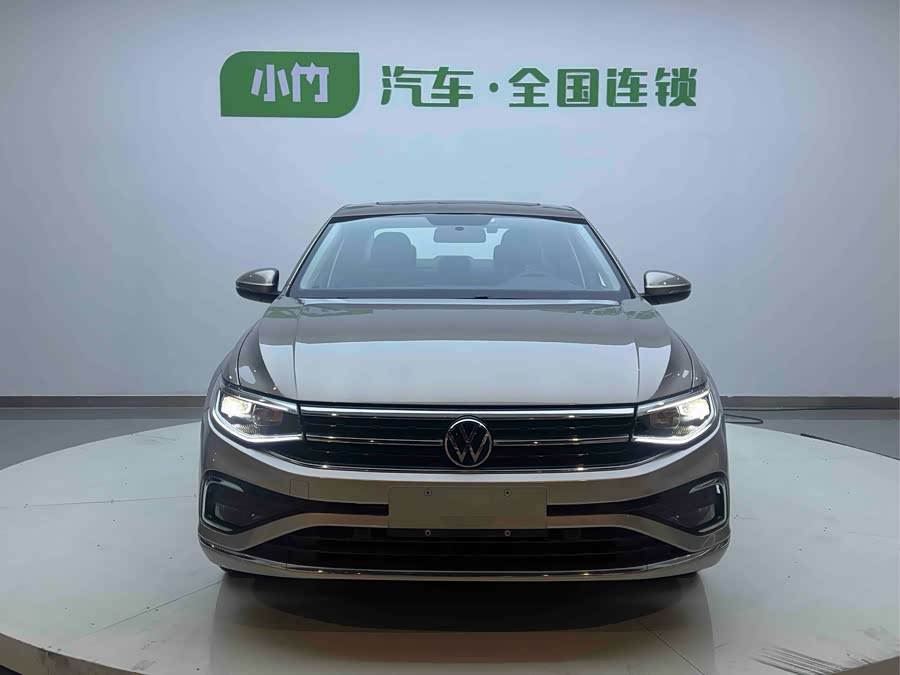
BrandVolkswagen
SeriesBora
Year2023
First Registration2023/02
Mileage14,300km
Transfer Count-
FuelGasoline
TransmissionDCT
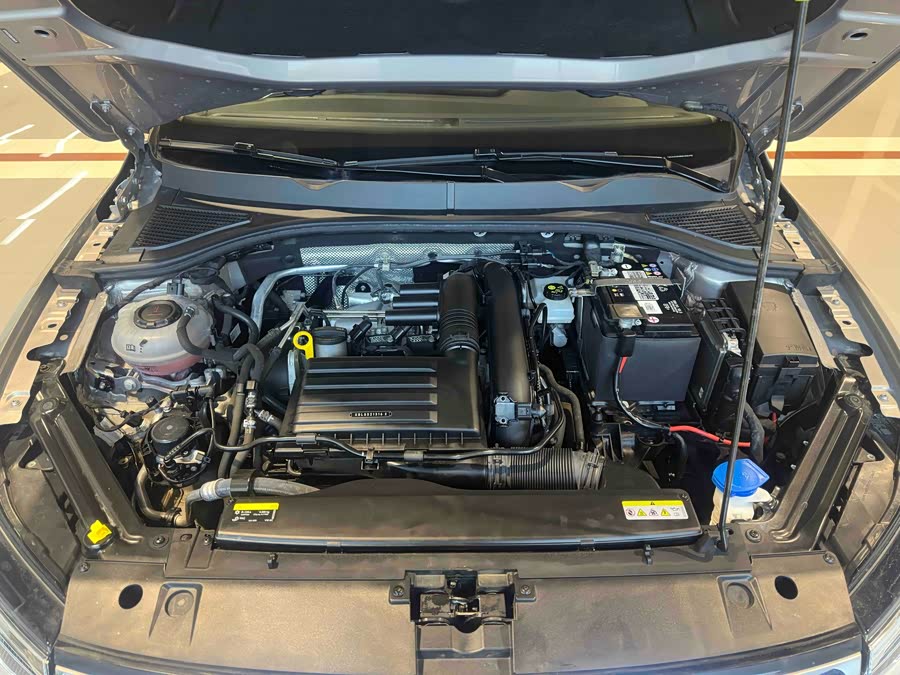
Engine1.2T 116 L4
ColorGrey
Seats-

Condition Description

very good

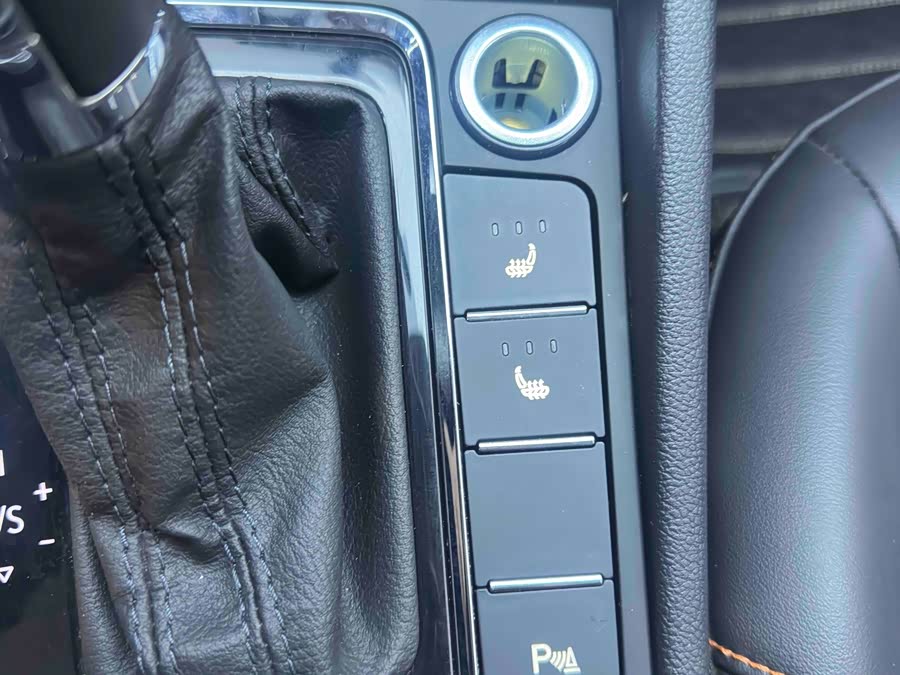
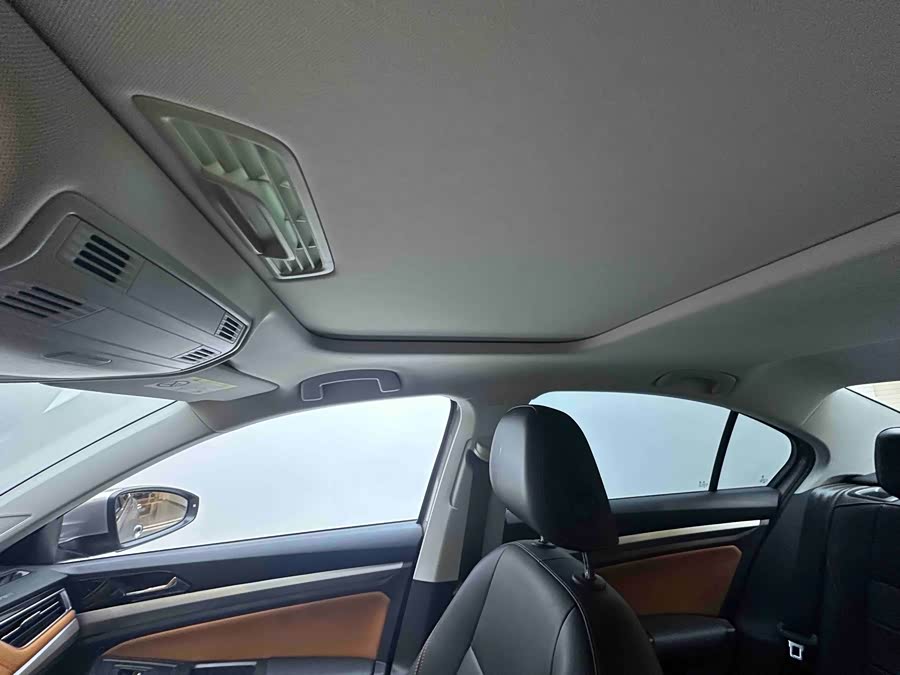
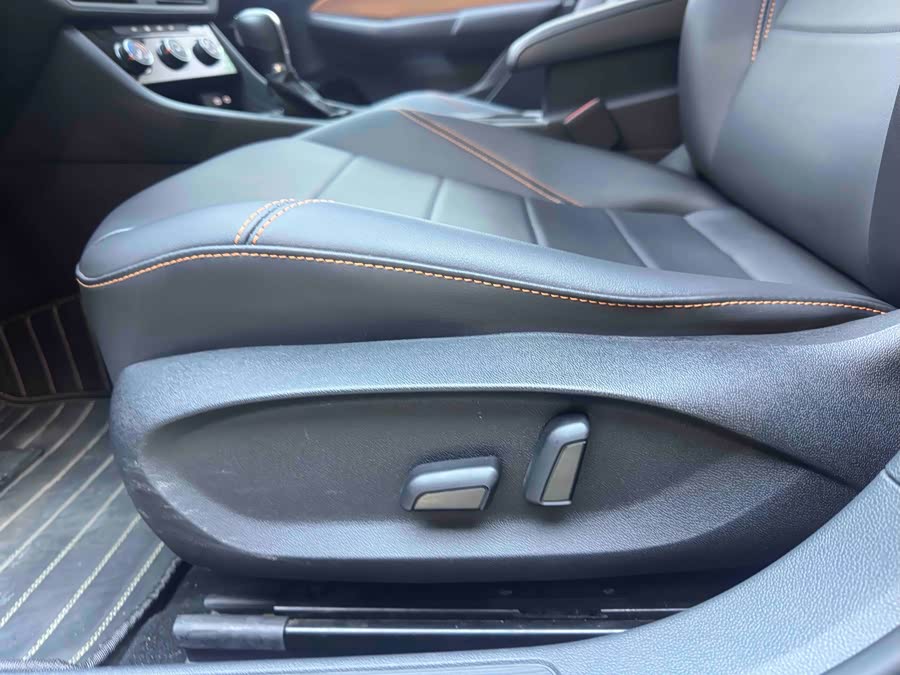
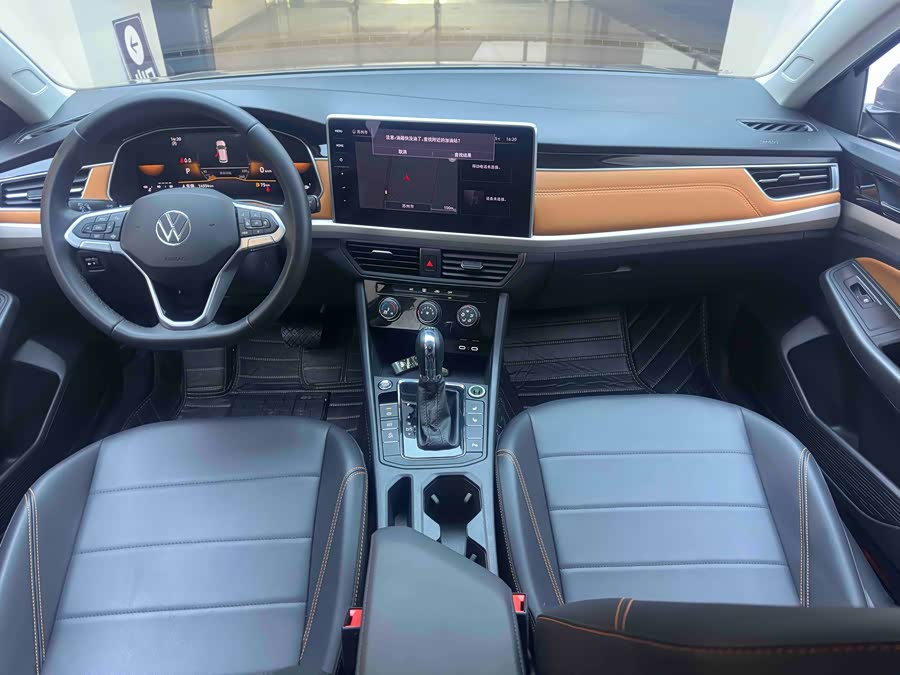
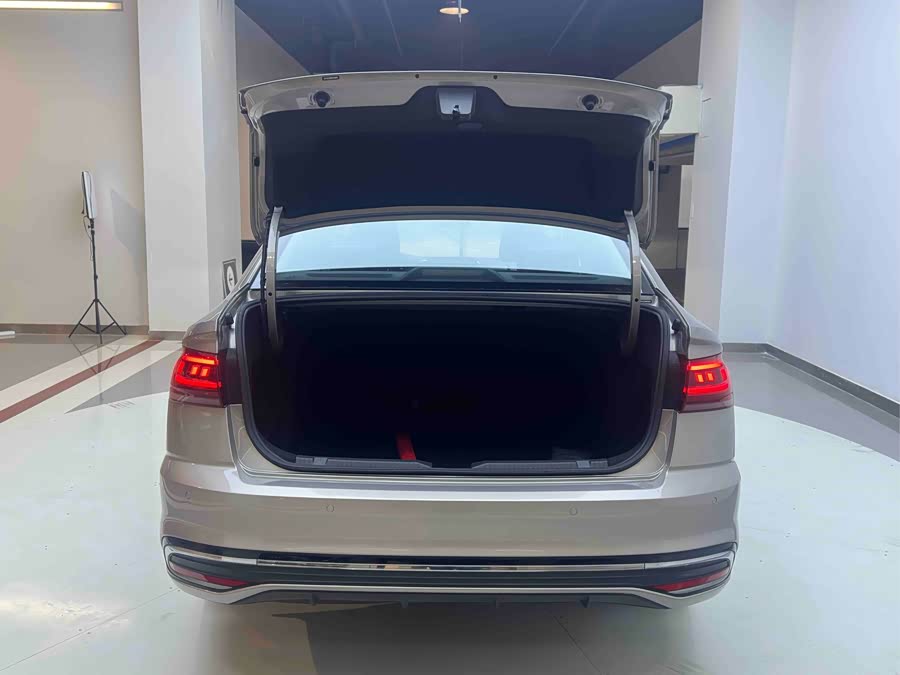
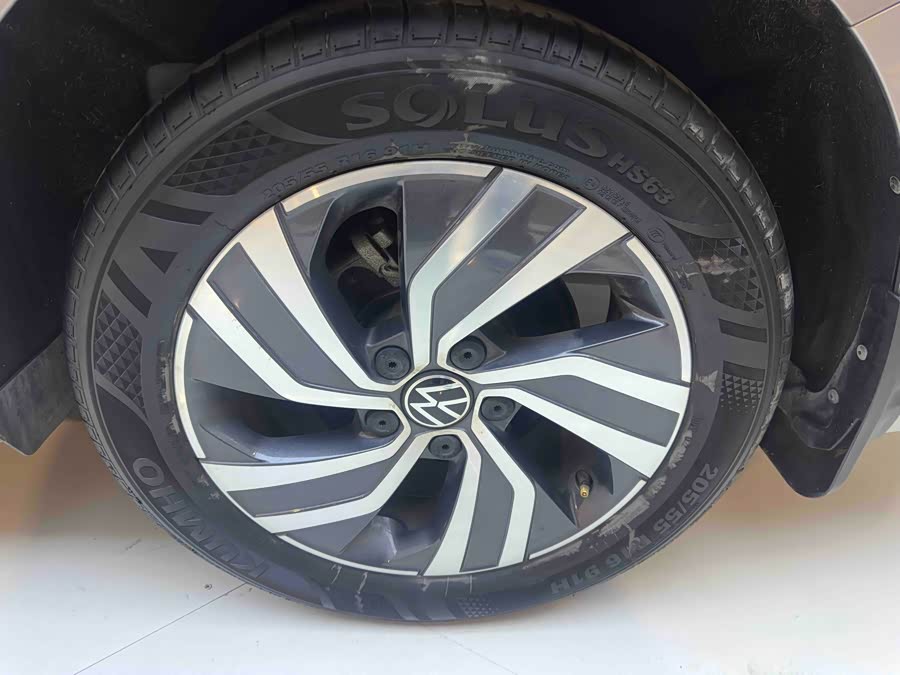
【Vehicle Identification Number】156476 【Vehicle Name】2023 Volkswagen Bora 200 Yuexing Pro 【Drive Type】2WD 【Color】Gray 【Manufacture Date】22.12 【Mileage】14,300 km 【Engine Displacement】1.2T 【Condition】Original Paint 【Keys】2 【Insurance】26.129 【Origin】Suzhou 【Additional Features】Heated Seats 【Vehicle Configuration】Additional features include heated seats, cruise control, keyless start, power driver's seat, front and rear parking sensors, multiple driving modes, reversing camera, sunroof, LED lights, rare color

0 transfers

Configuration Highlights

✓Active Safety System
✓ISOFIX Child Seat Anchors
✓Auto Hold
✓Keyless Start System
✓Digital Instrument Cluster
✓Bluetooth/Hands-free
✓Connected Car
✓Cornering Lights
✓PM2.5 Air Filter
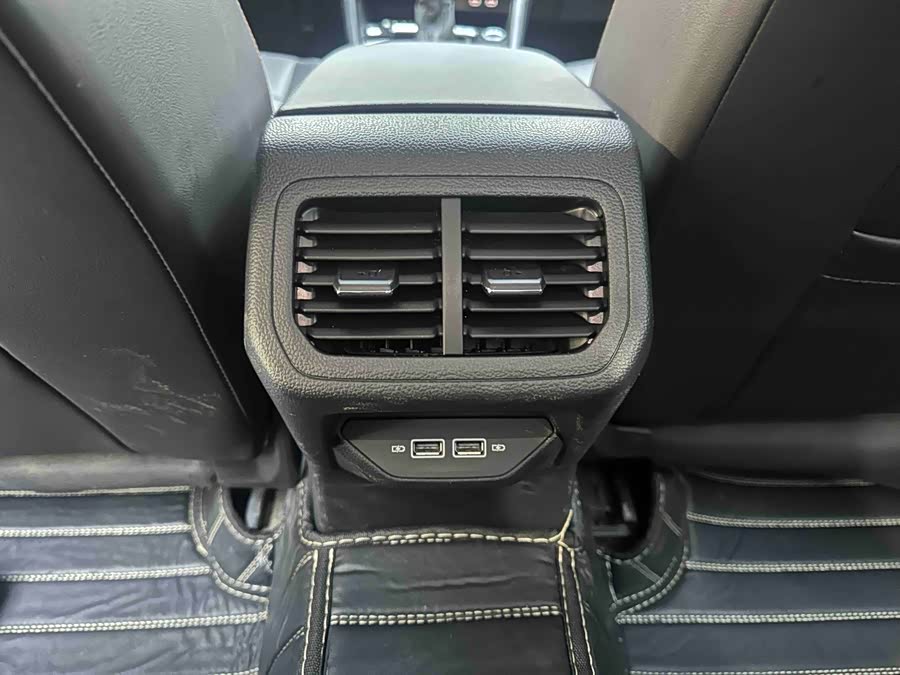
✓Rear Air Vents

Accident & Maintenance Records

Accident Record

🔗 Open Link

Maintenance Record

🔗 Open Link

Document Information

Inspection Expiry Date2027/02
Warranty Expiry Date-
Insurance Expiry Date2026/02

Q&A

More

What is the validity period of the vehicle technical inspection report that comes with the vehicle?

The inspection report only represents the physical condition of the vehicle at the moment the inspection was completed (down to the minute). Once the vehicle begins long-distance inland towing or international shipping, the report no longer guarantees the future condition due to drastic environmental changes.
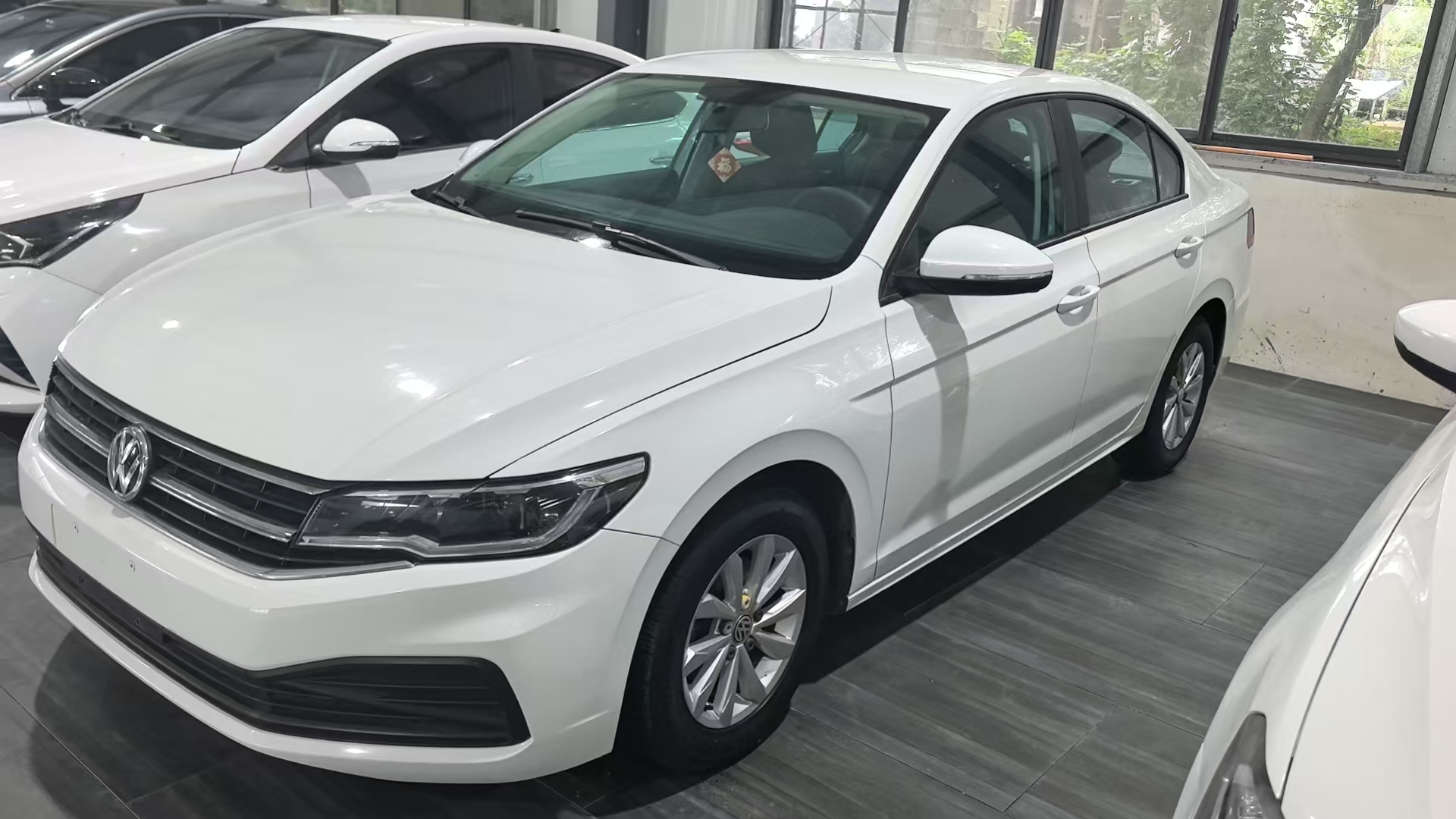
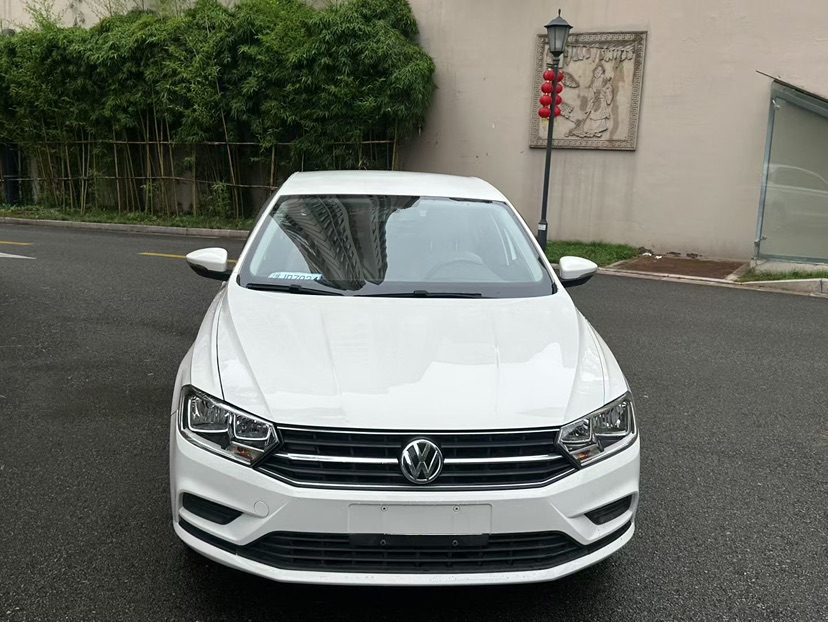
Is there specific data on paint thickness? How can we determine if it's the original factory paint?

We use a calibrated high-precision paint thickness gauge to take multiple measurements on at least 13 metal surfaces of the entire vehicle. The original paint thickness of mainstream Chinese models typically ranges from 90μm to 150μm. If any area exceeds 200μm or even reaches over 500μm, we will directly conclude that the area has undergone bodywork and filler repair.

How are the refrigerant pressure, compressor operation, and heating effect of the air conditioning system deeply tested?

The technician will start the vehicle and turn on the air conditioning system, measuring the actual temperature at the vents at the lowest and highest settings with a thermometer; at the same time, they will connect a manifold pressure gauge to check if the refrigerant pressure in the high and low pressure lines is within the normal range, determining if there is a chronic refrigerant leak.