Basic Information

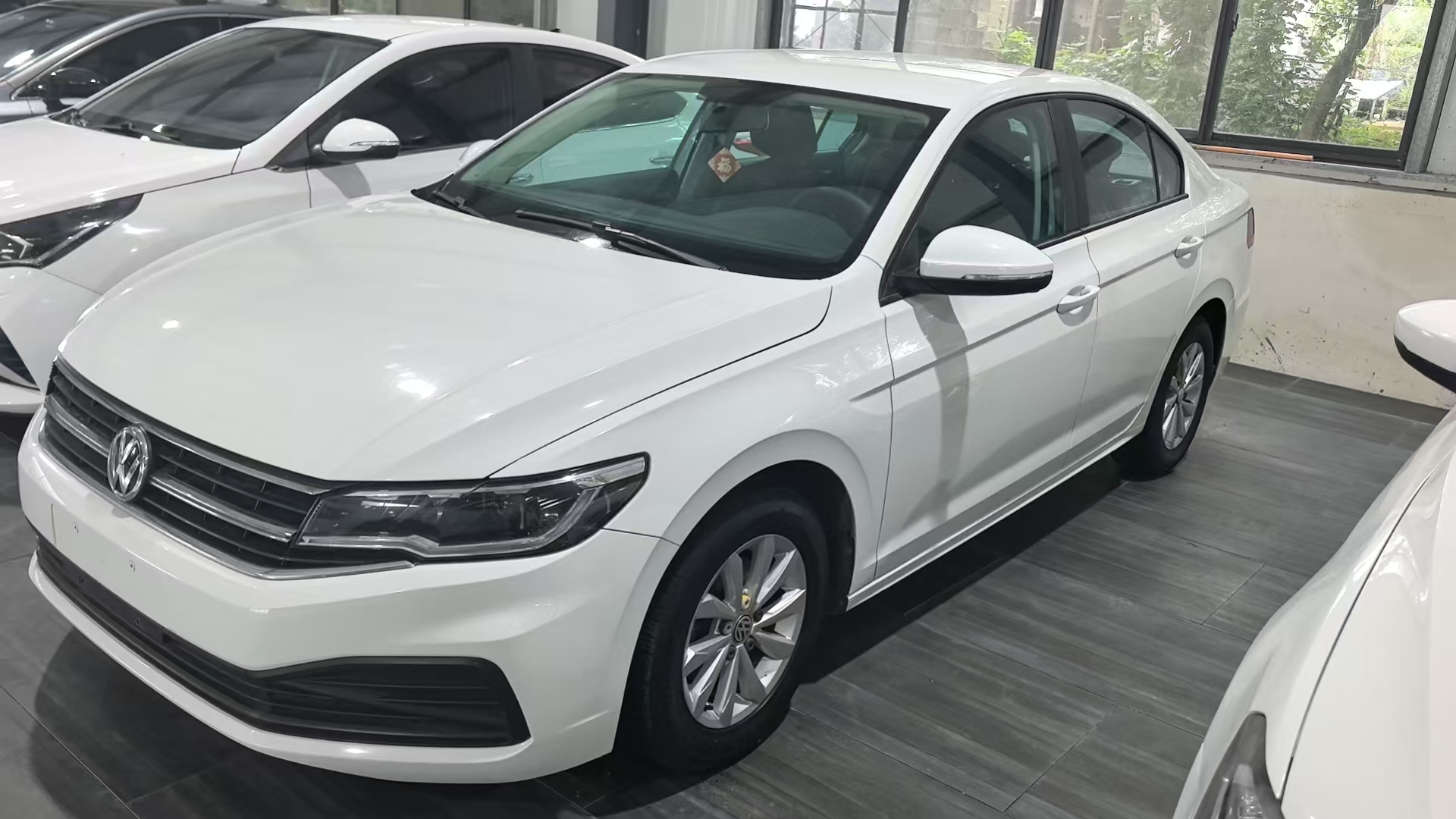
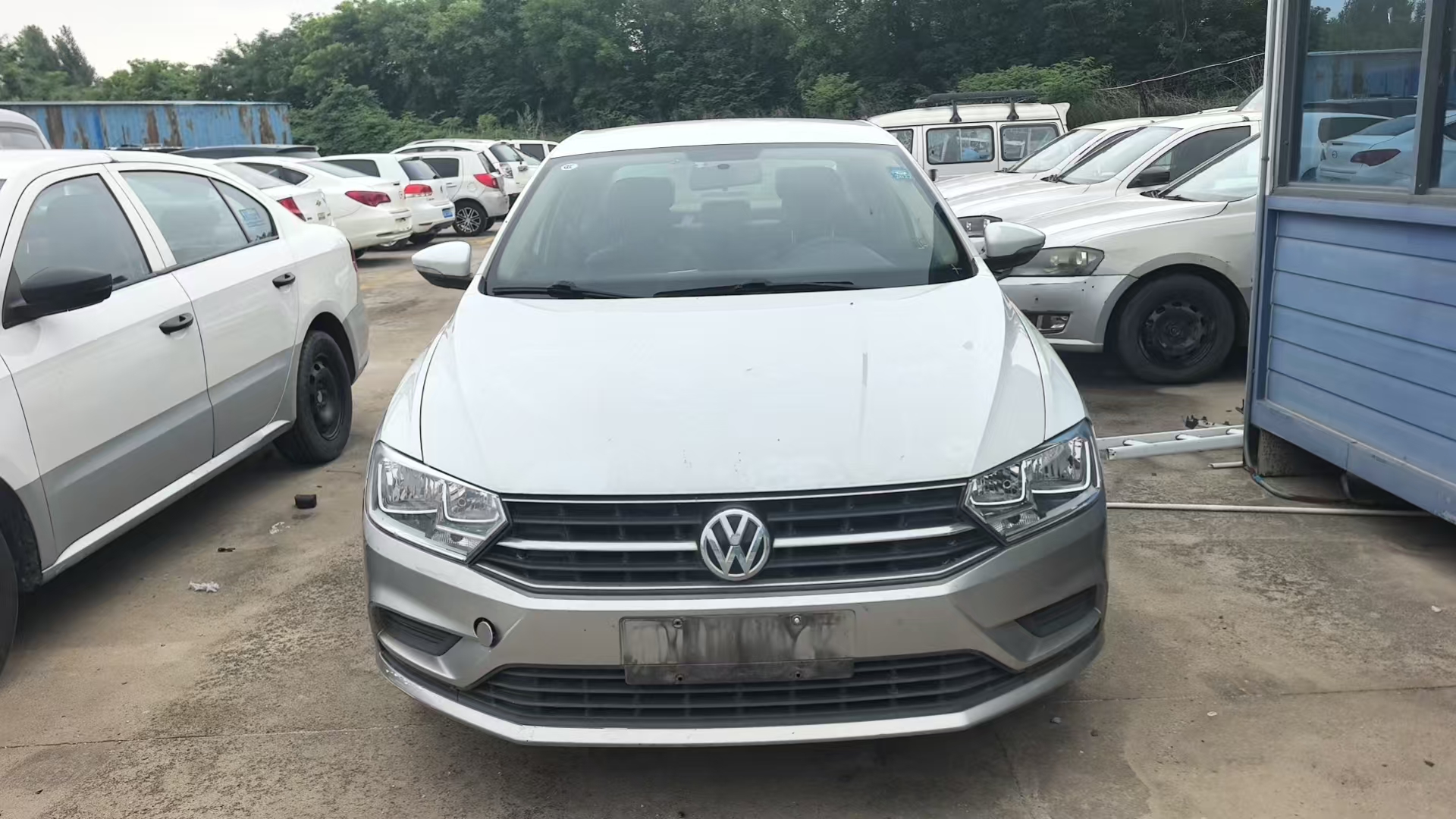
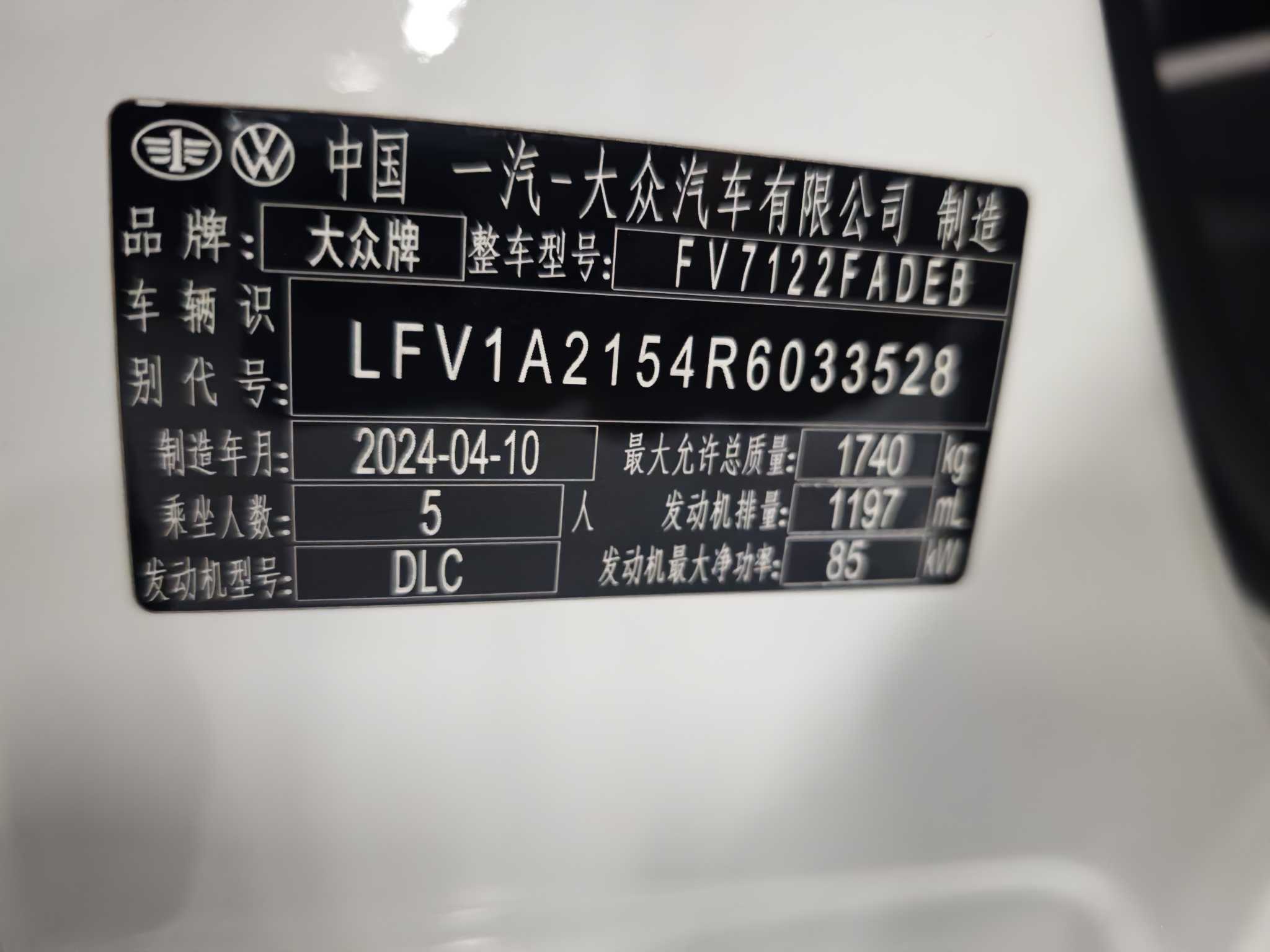
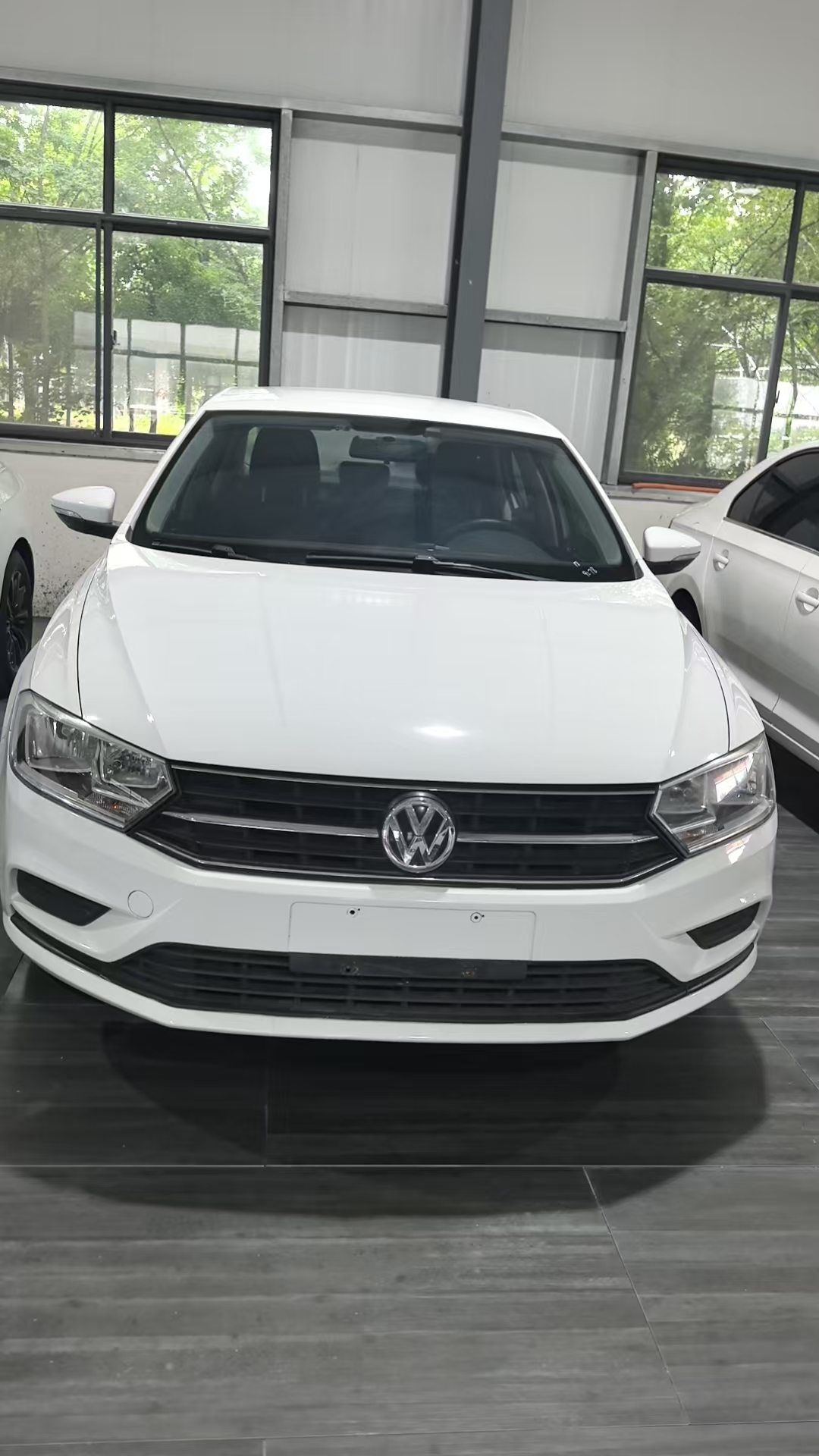
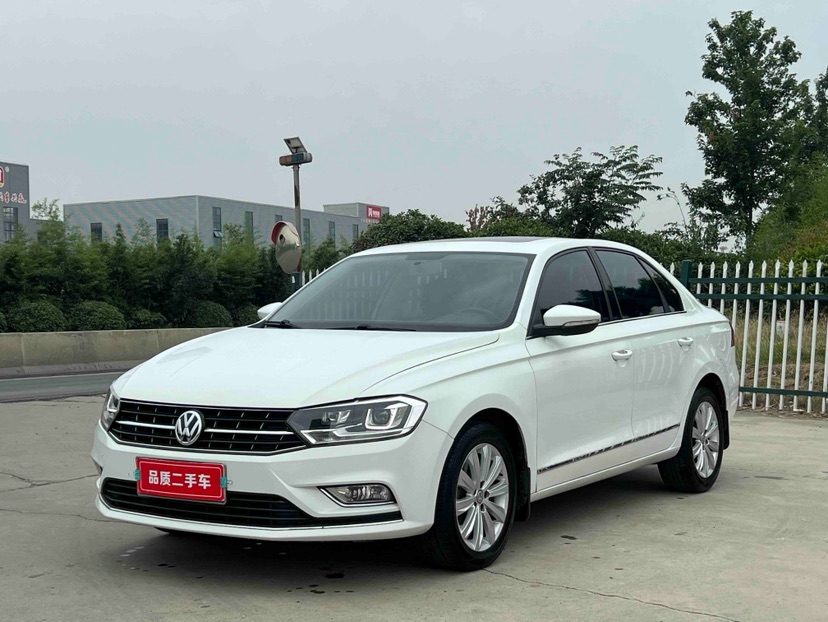
BrandVolkswagen
SeriesBora
Year2024
First Registration2024/09
Mileage4.28km
Transfer Count1times
FuelGasoline
TransmissionDCT
Engine1.2T 116 L4
ColorWhite
Seats-

Condition Description

[Vehicle Body Panels] Paint: Front and rear bumpers [Vehicle Structural Components] Intact, no damage. [Vehicle Powertrain] In good working condition, gear shifting normal. [Water Damage] None. [Fire Damage] None. Contract Notes: Company vehicle. Maintenance Recommendations: Left front and rear tires low on air (check for leaks), minor scratches and burns on the left A-pillar interior panel. Inspector: Yin Guicai

Configuration Highlights

✓Driver/Passenger Airbags
✓Front/Rear Side Airbags
✓Front/Rear Curtain Airbags
✓Tire Pressure Monitoring
✓ISOFIX Child Seat Anchors
✓ABS Anti-lock Braking
✓Electronic Brake Distribution
✓Electronic Stability Control
✓Hill Start Assist
✓Auto Hold
✓Multifunction Steering Wheel
✓Seat Material
✓Low Beam Headlights
✓Daytime Running Lights
✓Auto Headlights
✓Adjustable Headlight Height
✓Power Windows
✓Anti-pinch Windows
✓Climate Control Type
✓Start-Stop System

Q&A

More

Does the steering system have any play, unusual noises, or signs of power steering pump leakage?

During the stationary steering test, the technician will check the smoothness of the steering wheel from full left to full right, looking for any unusual noises from the steering gear; they will also inspect the hydraulic power steering pump (if present) and the seals of the steering column for any hydraulic fluid leakage.
How are the refrigerant pressure, compressor operation, and heating effect of the air conditioning system deeply tested?

The technician will start the vehicle and turn on the air conditioning system, measuring the actual temperature at the vents at the lowest and highest settings with a thermometer; at the same time, they will connect a manifold pressure gauge to check if the refrigerant pressure in the high and low pressure lines is within the normal range, determining if there is a chronic refrigerant leak.

If the customs of the destination country values the vehicle higher than your commercial invoice amount, leading to a surge in duties, who is responsible?

The customs of the destination country has the right to disregard the commercial invoice and reassess the value based on its internal database (such as the customs valuation red book). Any additional duties incurred are a result of the importing country's policy and are fully borne by the buyer (importer).