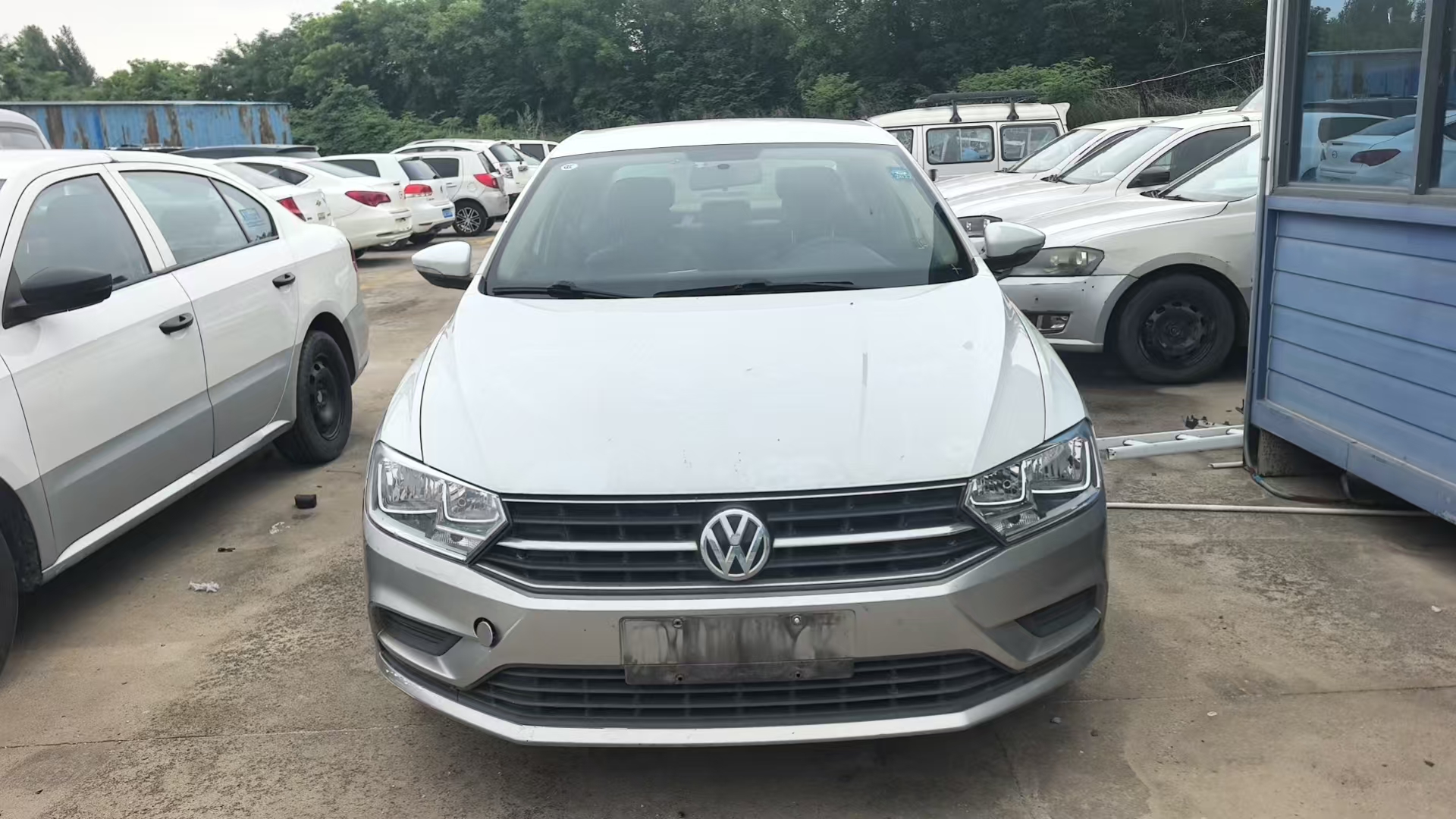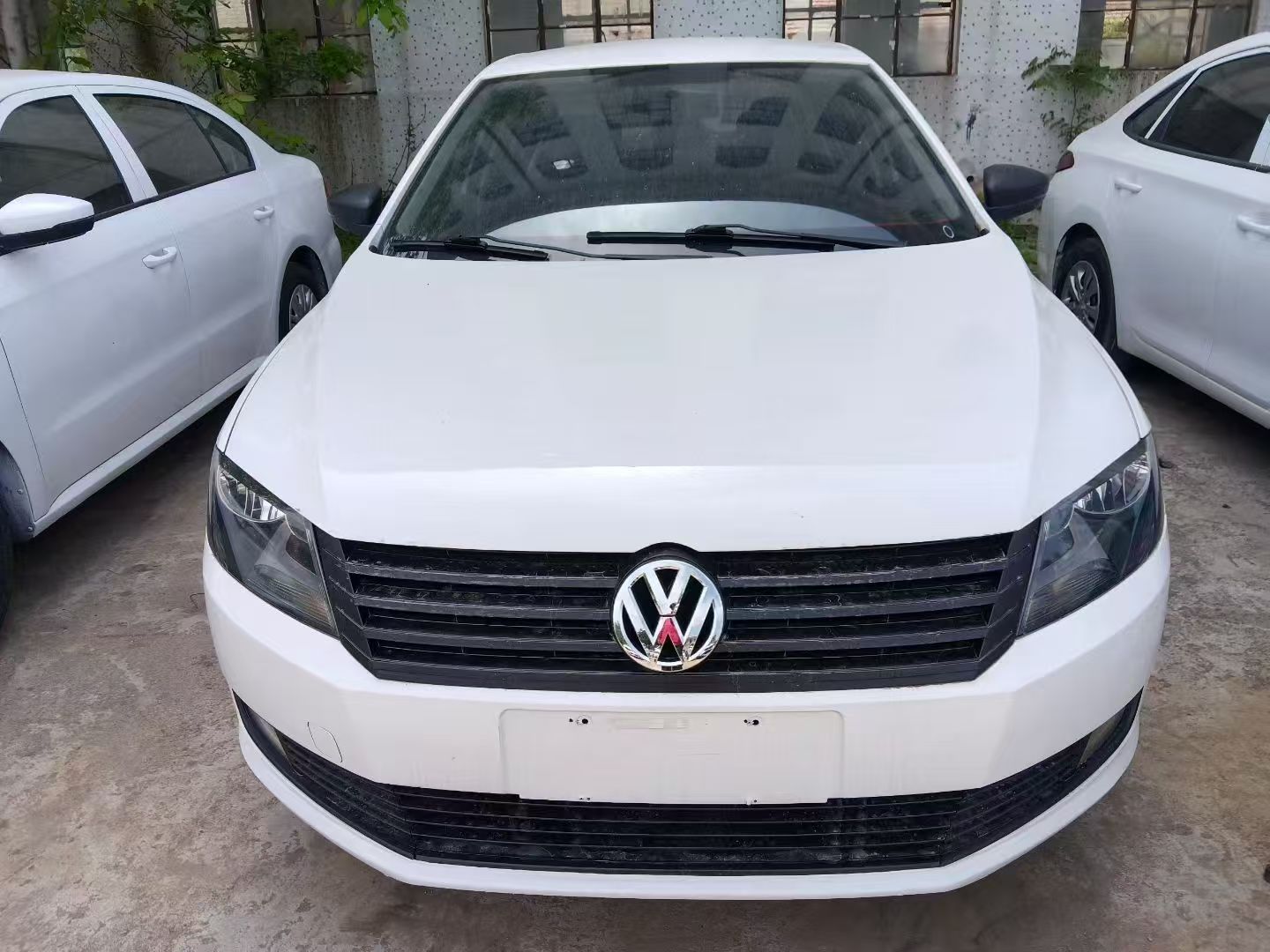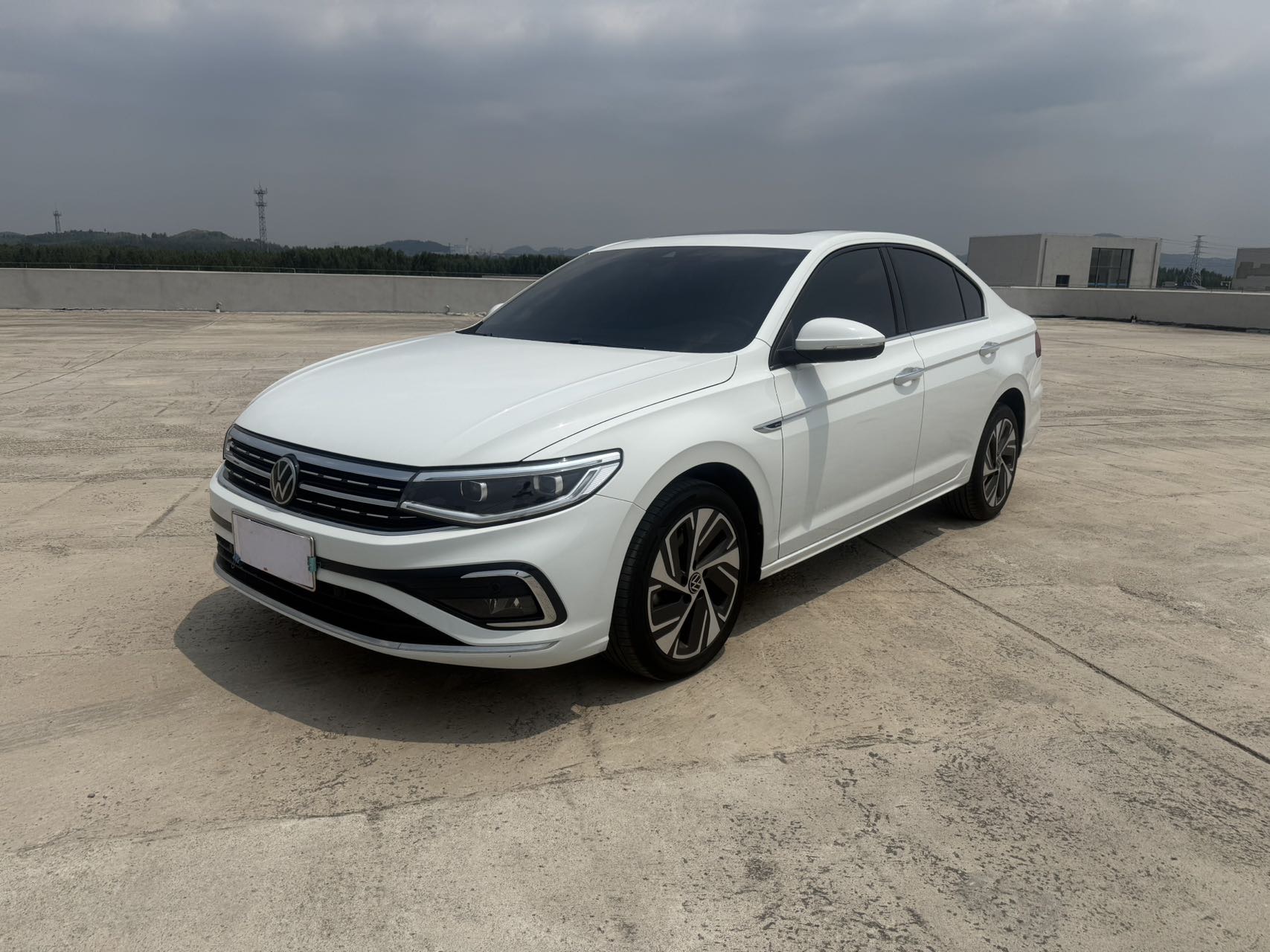
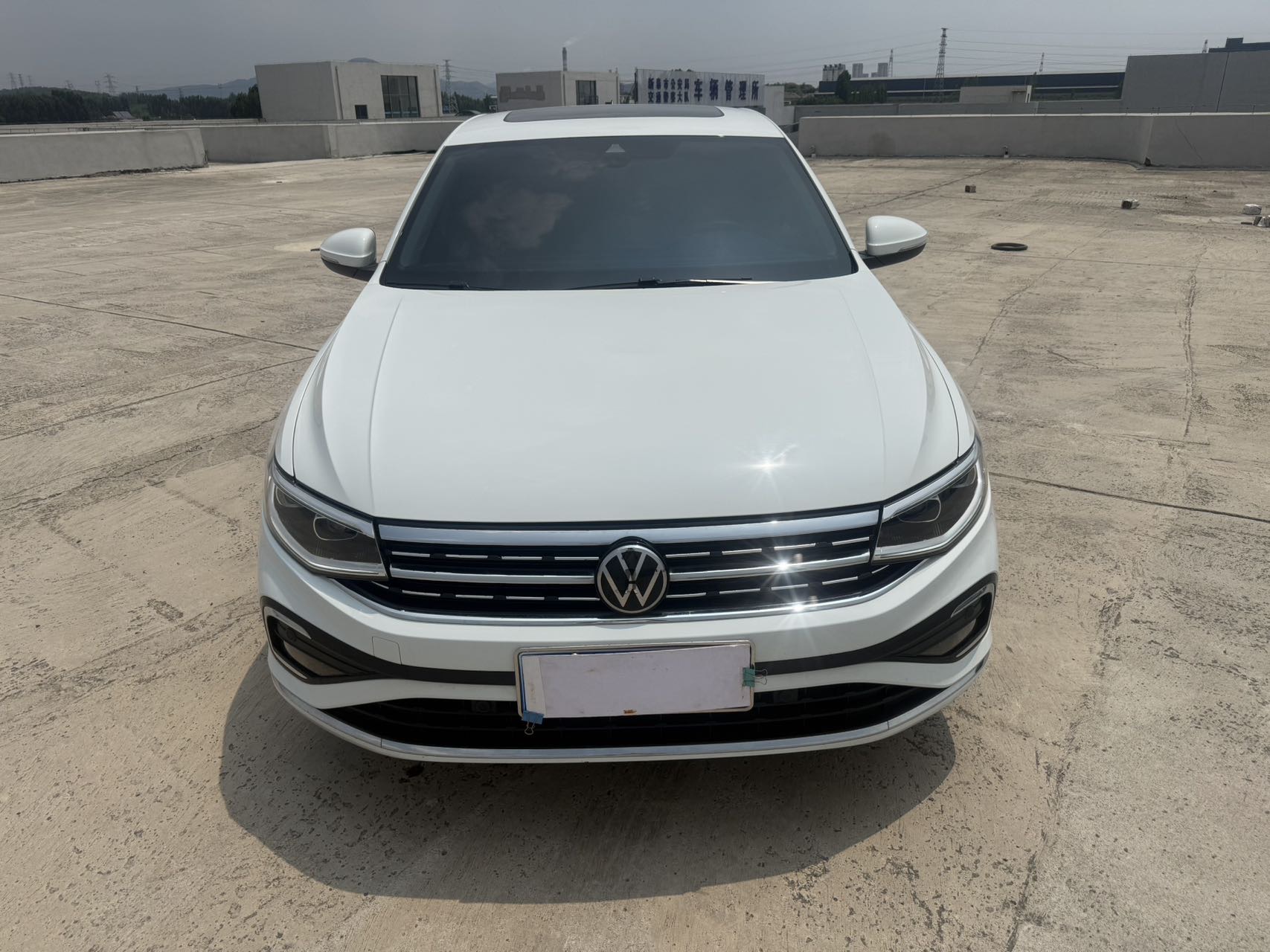
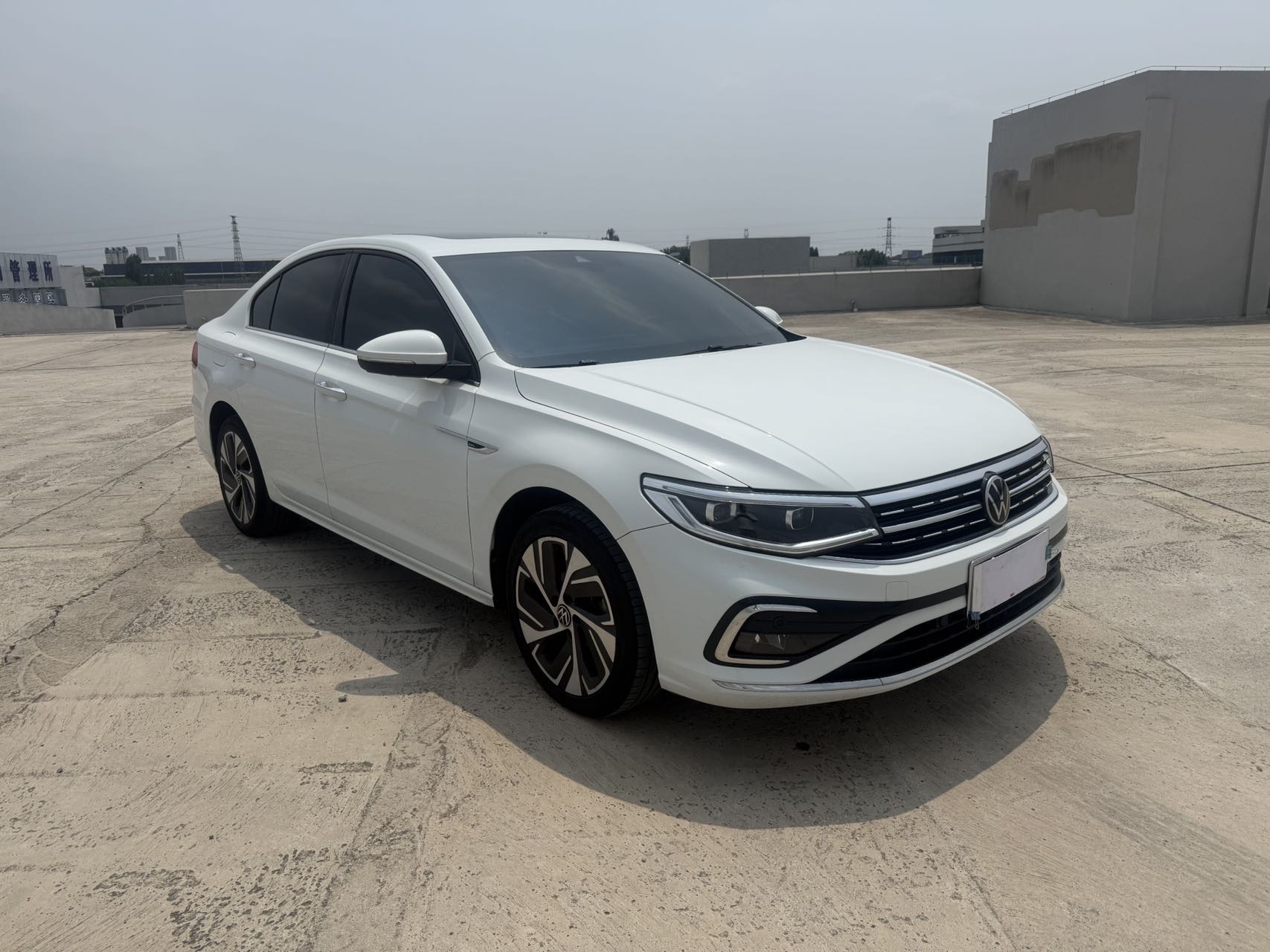
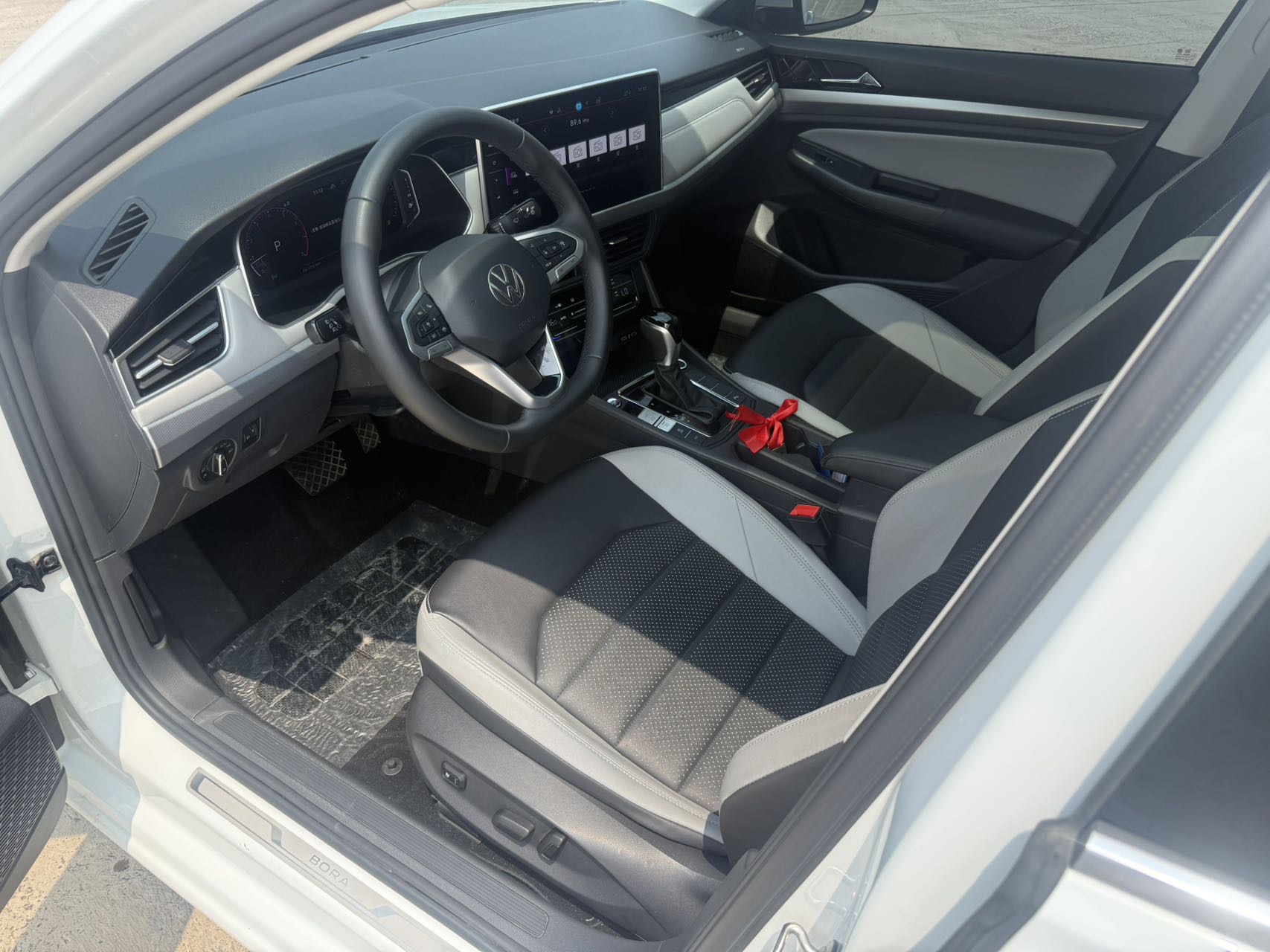
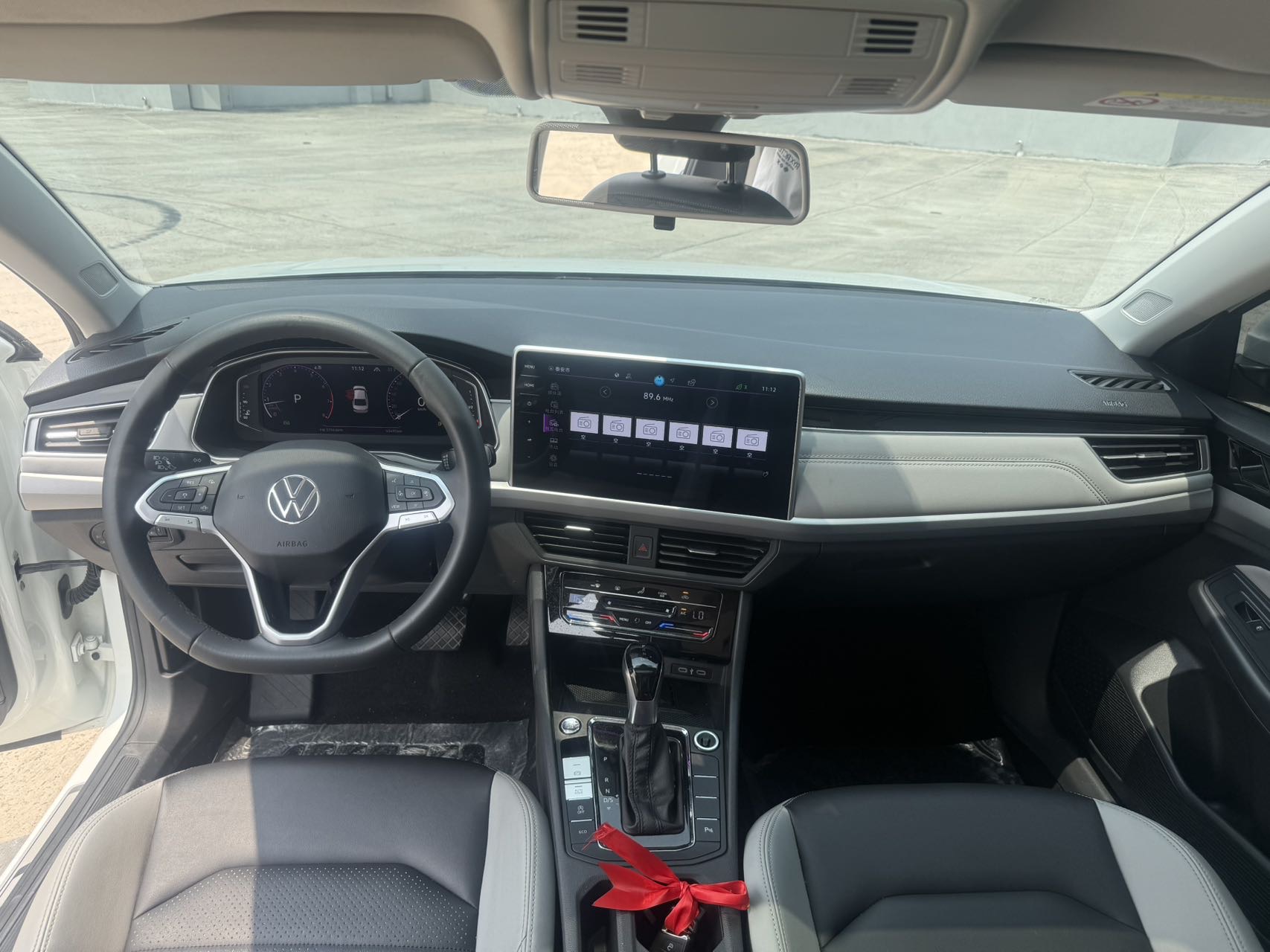
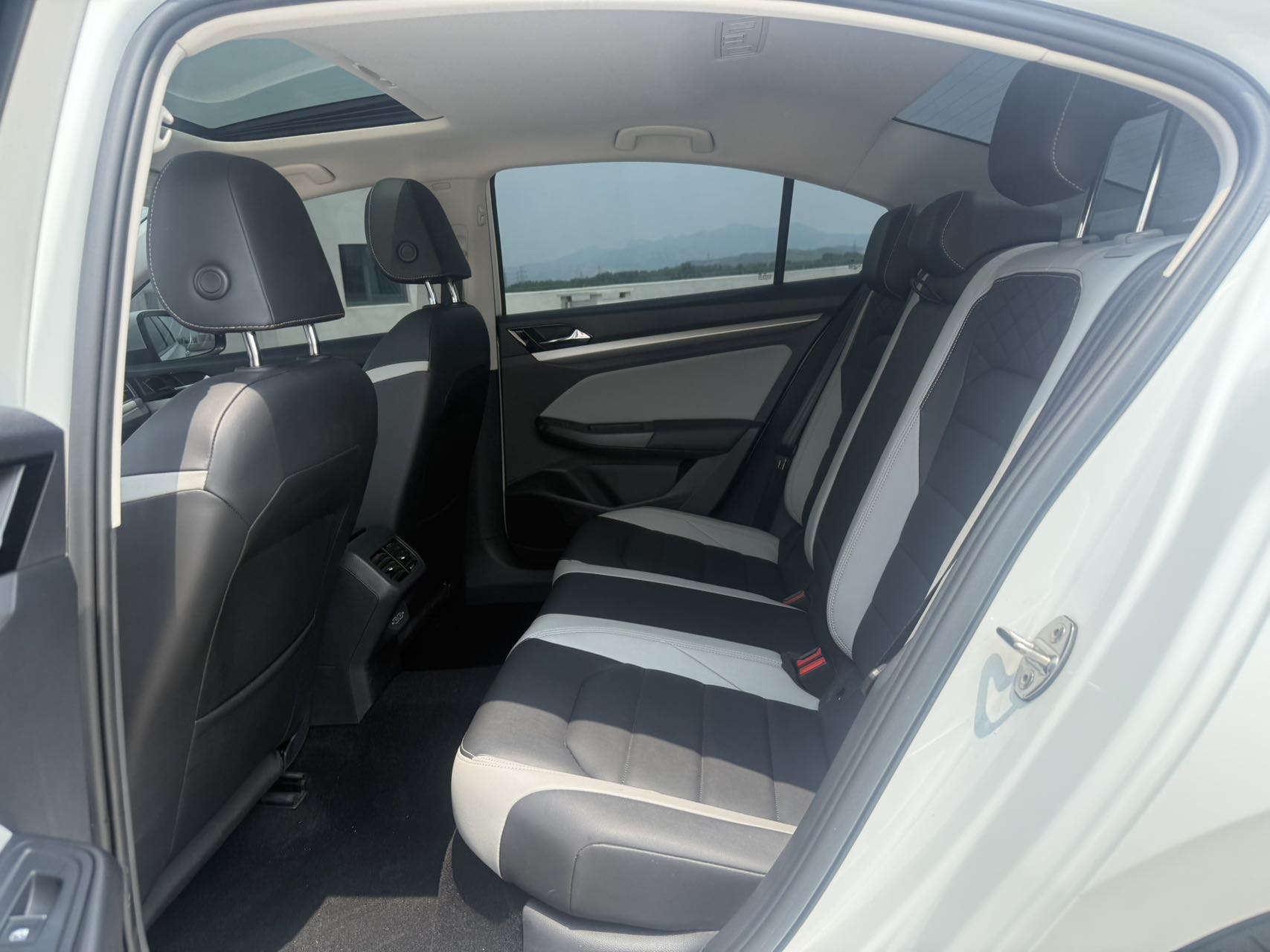
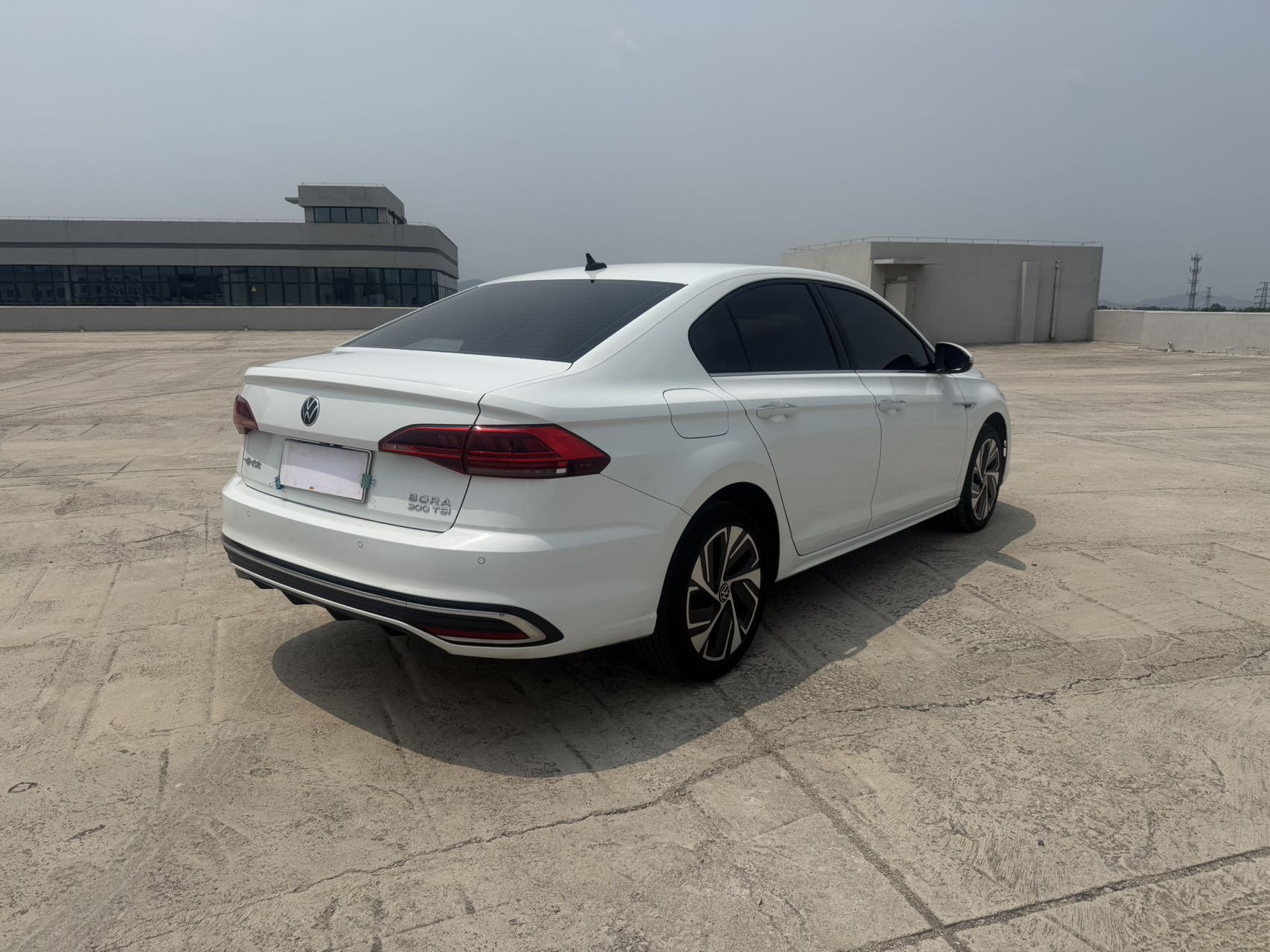
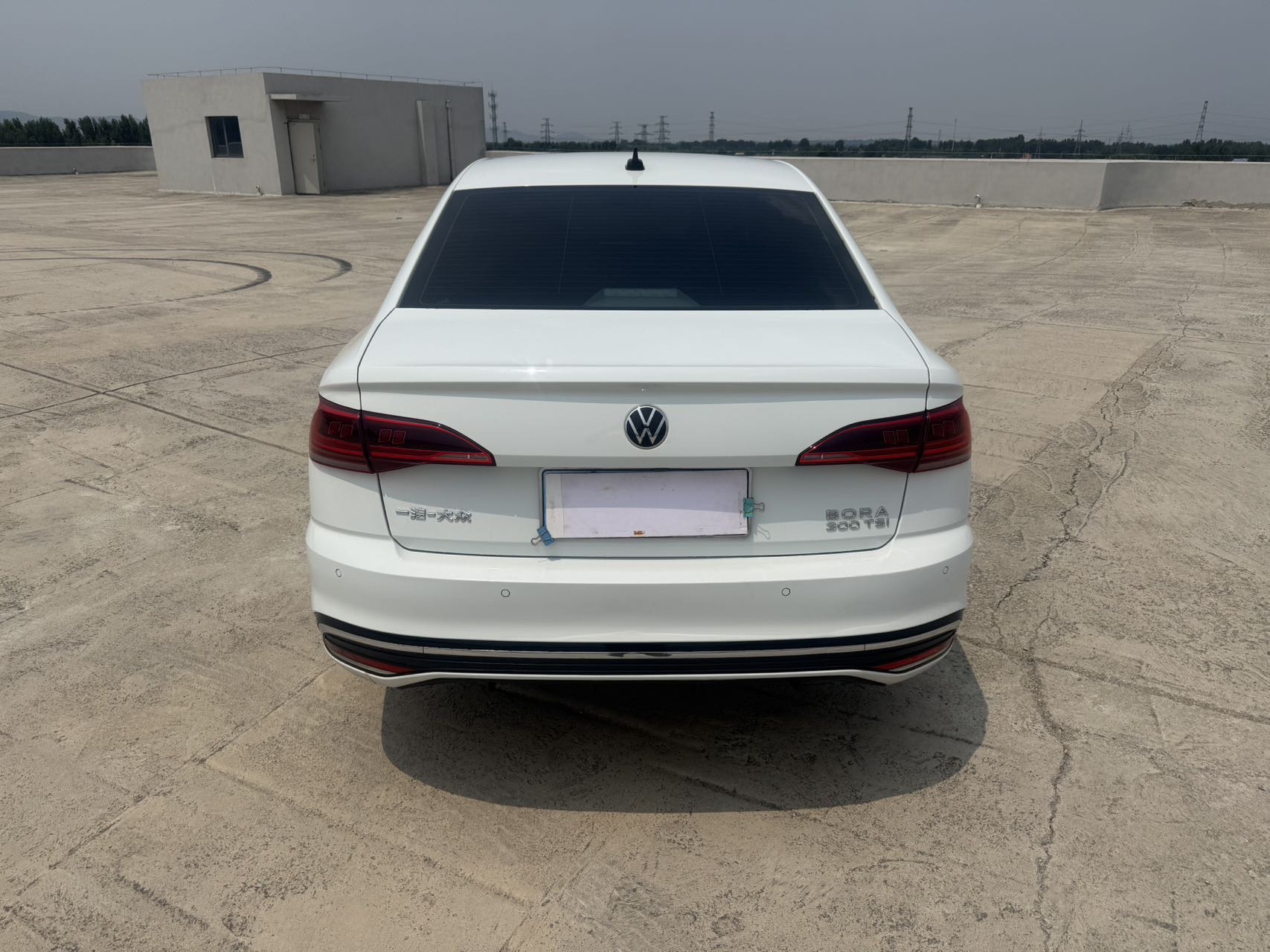
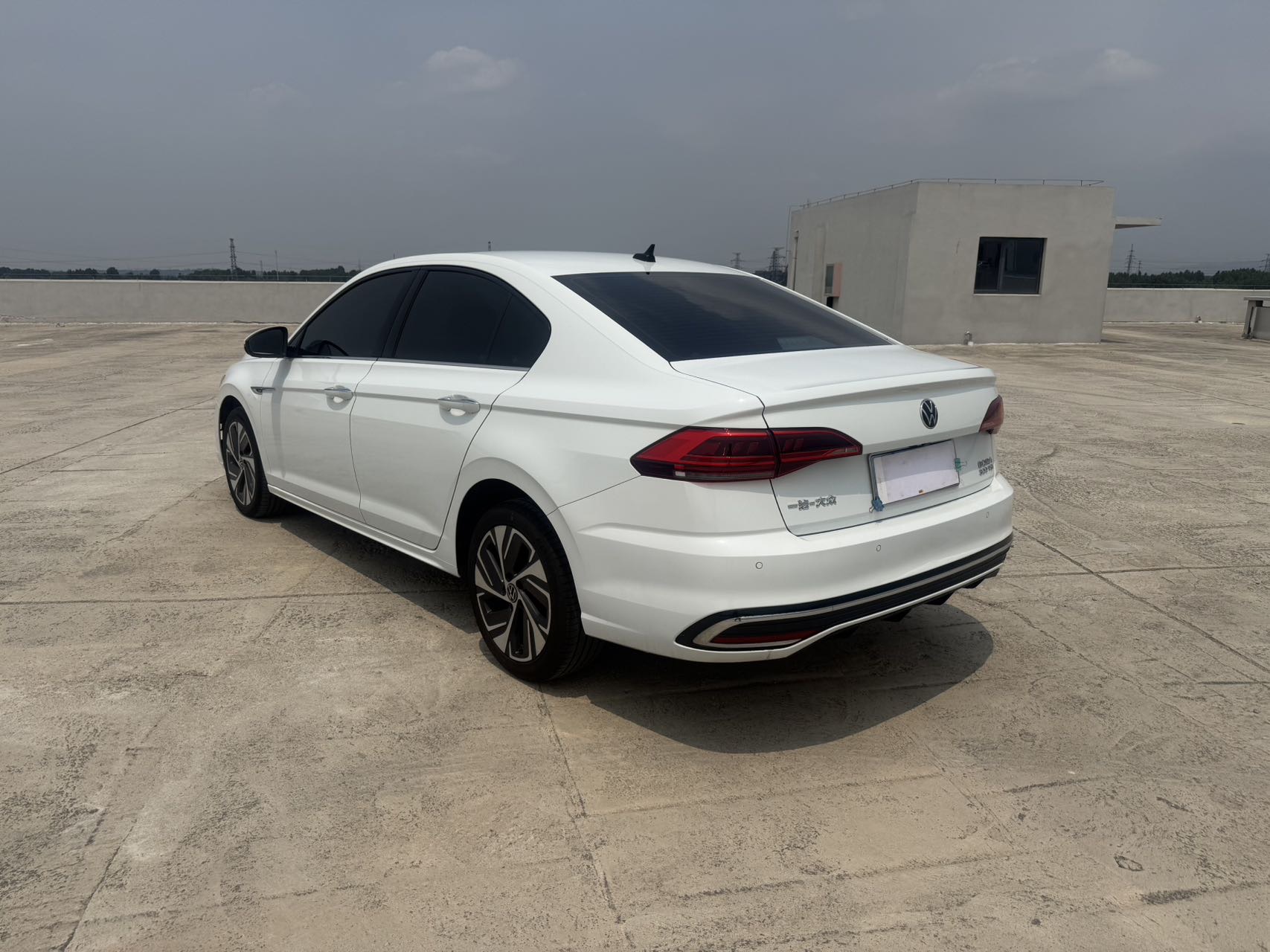
Basic Information

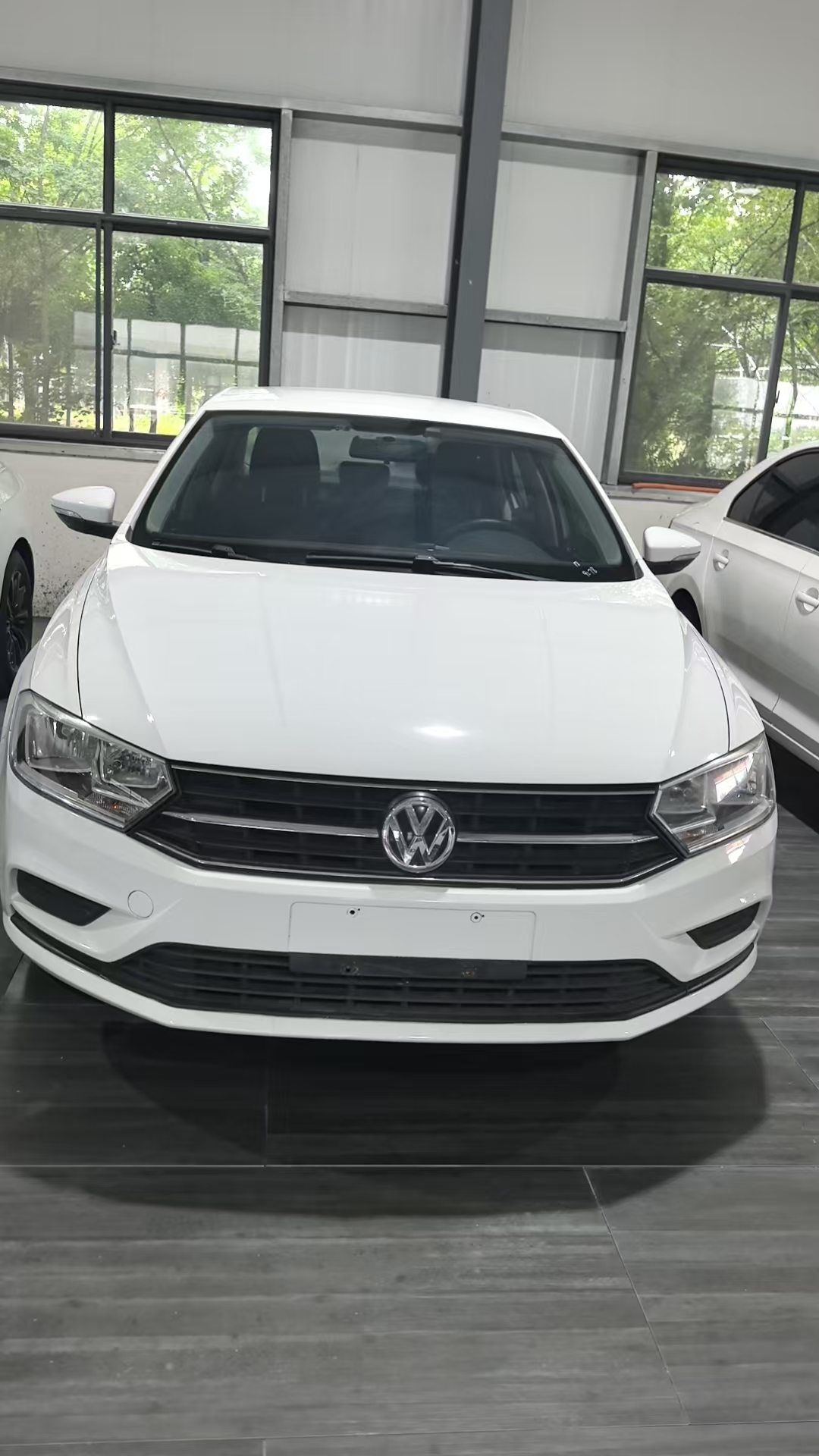
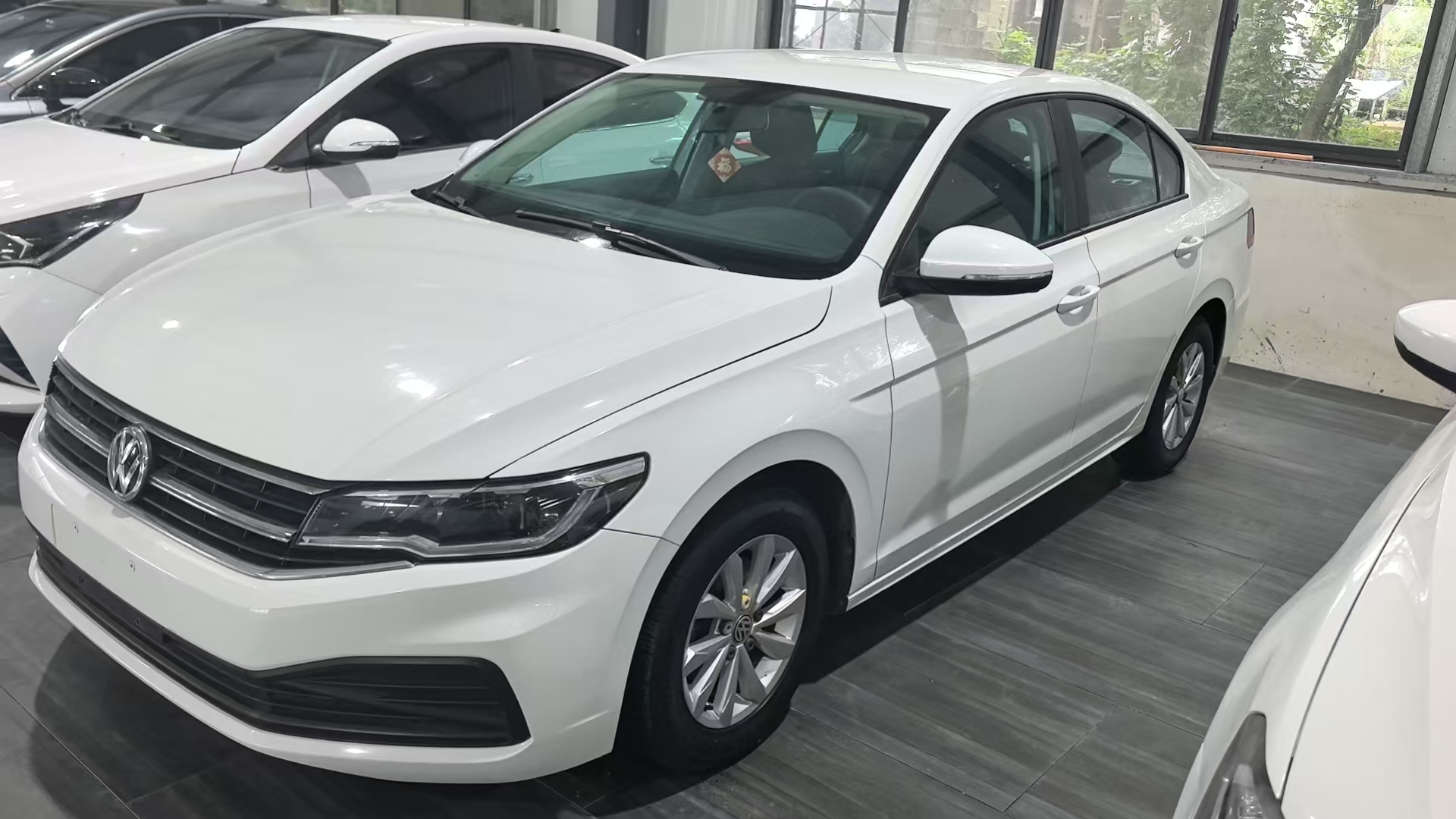
BrandVolkswagen
SeriesBora
Year2024
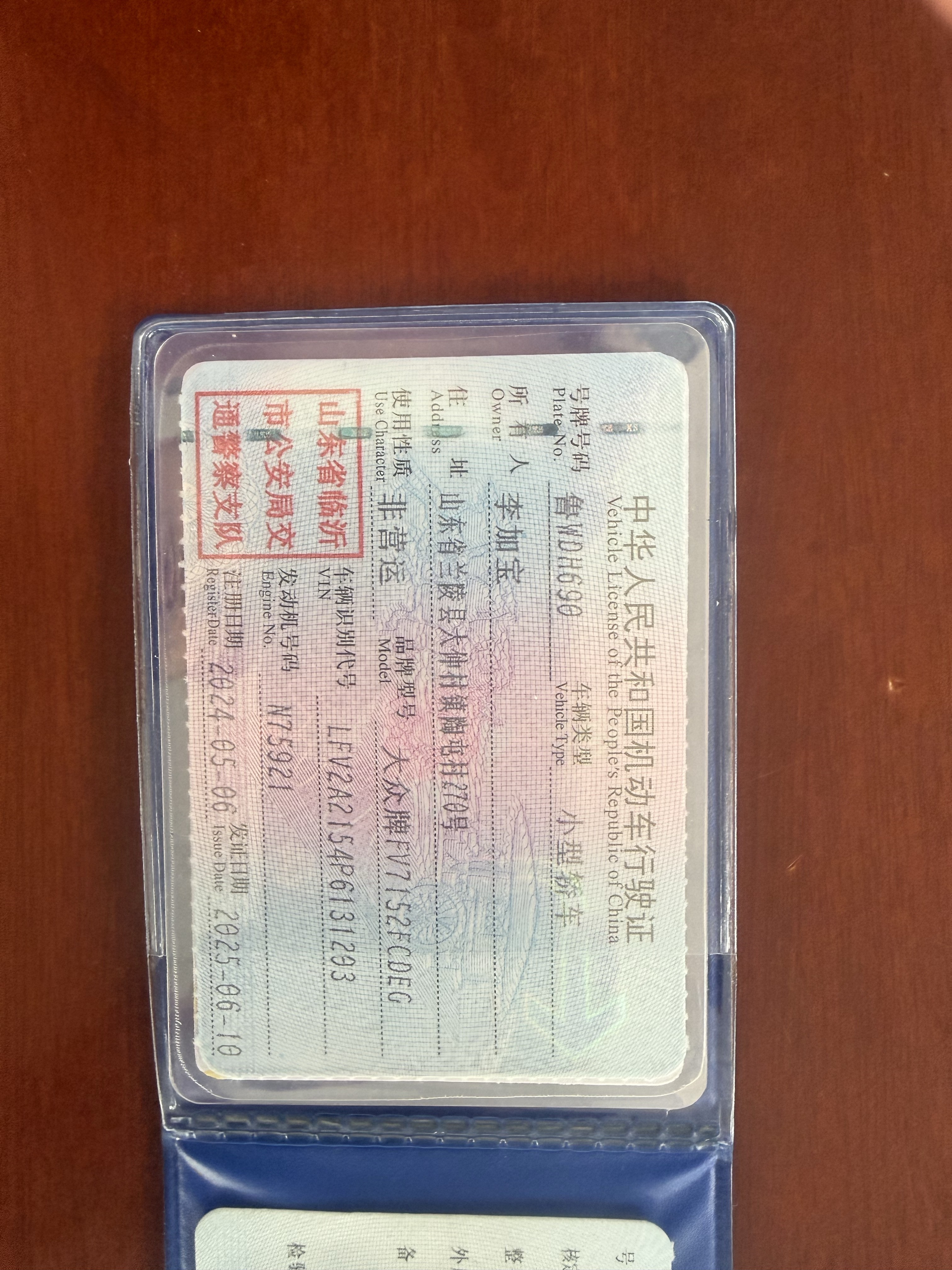
First Registration2024/05
Mileage42,000km
Transfer Count1times
FuelGasoline
TransmissionDCT
Engine1.5T 160 L4
ColorWhite
Seats-

Condition Description

燃油车
轿车
自动
维保开放
事故开放
查验开放

Configuration Highlights

✓品牌: 大众
✓车系: 宝来
✓车型: 2023款 300TSI DSG尊行版
✓车身类型: 轿车
✓座位数: 5
✓排量: 1.5T
✓变速箱: 自动
✓能源类型: 燃油车
✓VIN: LFV2A2154P6131203
✓搜索关键词: 大众宝来 2023款宝来300TSIDSG尊行版

Document Information

Inspection Expiry Date2028/05
Warranty Expiry Date-
Insurance Expiry Date2027/05

Q&A

More

What are the differences in power loss performance of used lithium iron phosphate (LFP) and ternary lithium (NMC) batteries in cold countries?

If your market is in extremely cold regions (like Russia or Northern Europe), we strongly recommend purchasing ternary lithium (NMC) models equipped with heat pump air conditioning. The range achievement rate of used LFP batteries typically plummets at minus 15 degrees, and we will alert you accordingly.
Why are the shipping costs for used electric vehicles (EVs) usually higher than for internal combustion engine vehicles (ICEs)?

Pure electric vehicles are classified as Class 9 Dangerous Goods due to their large lithium batteries, leading to strict shipping regulations. Shipping companies have high requirements for the loading position and fire isolation measures for dangerous goods, and some roll-on/roll-off ships refuse to accept used EVs. As a result, EVs often require more expensive special container shipping and incur additional handling fees for hazardous materials.

If Chinese customs determines a vehicle to be a "scrapped vehicle" and prohibits its export during inspection, will the deposit be refunded?

Chinese customs strictly prohibits the export of assembled or cut vehicles that meet mandatory scrapping standards. Since our pre-inspection is very strict, this situation is highly unlikely. However, if the vehicle is detained and returned by customs due to a policy misjudgment, we will fully refund your deposit without interest, ensuring you bear no policy risk.