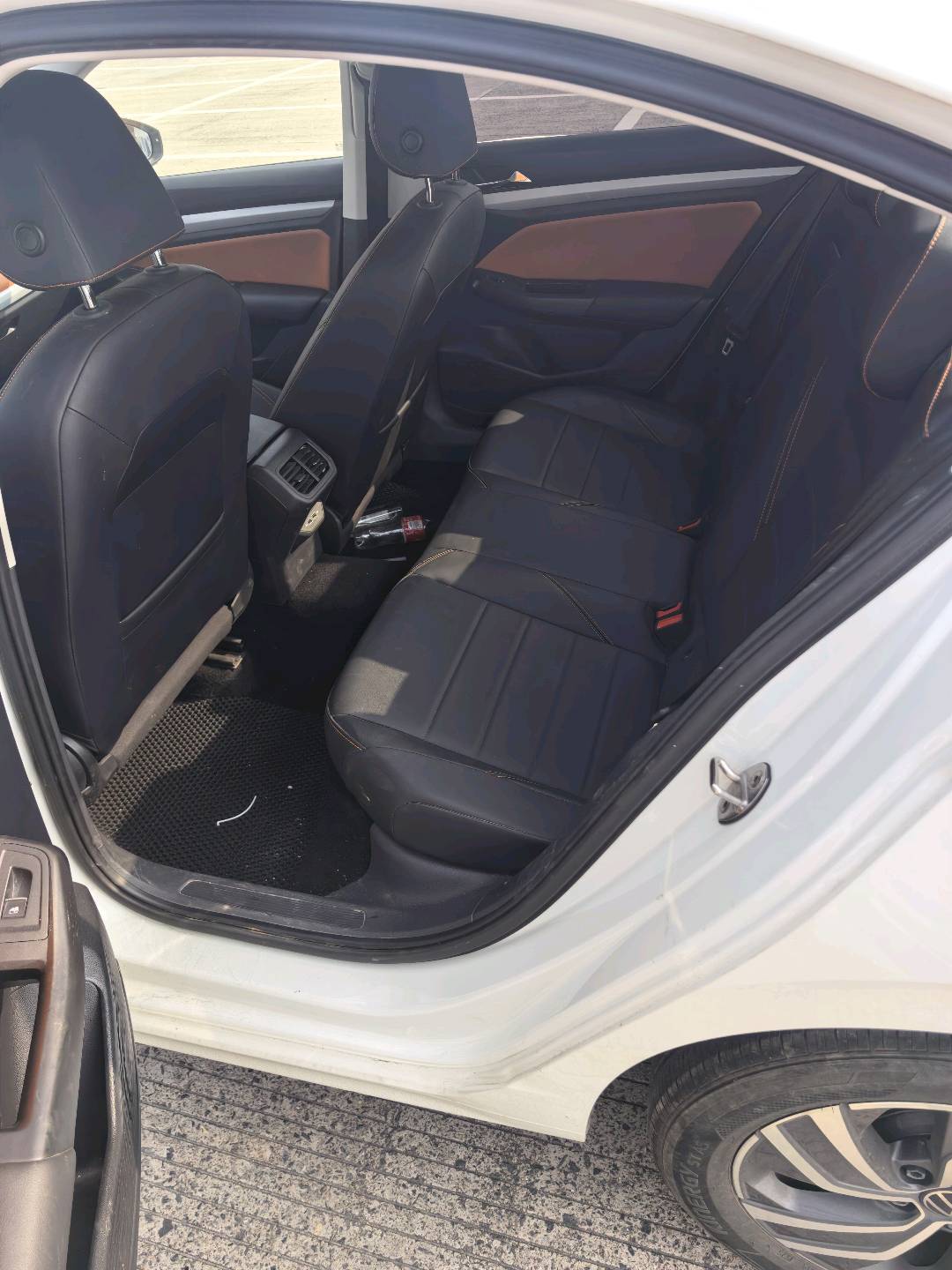
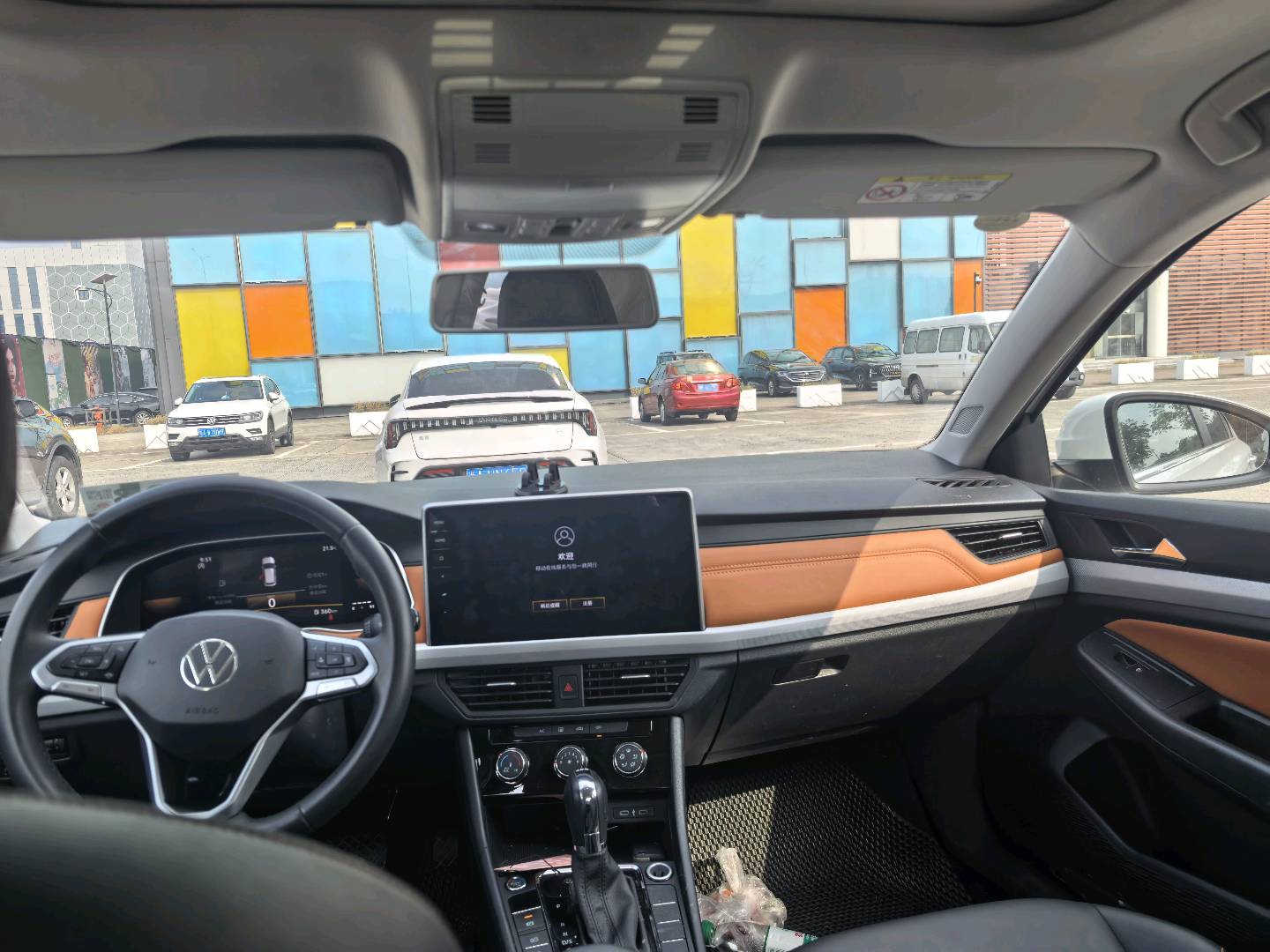
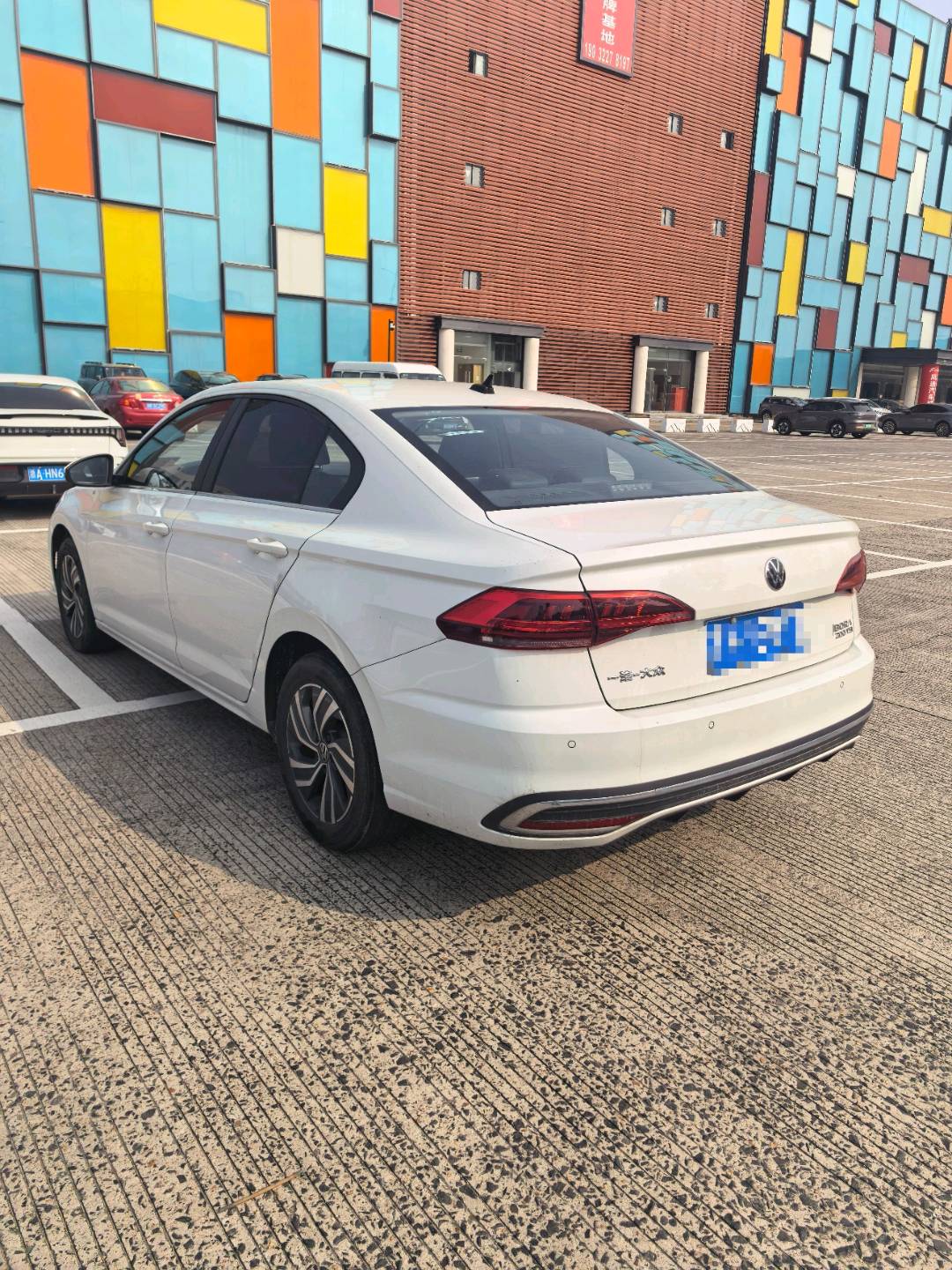
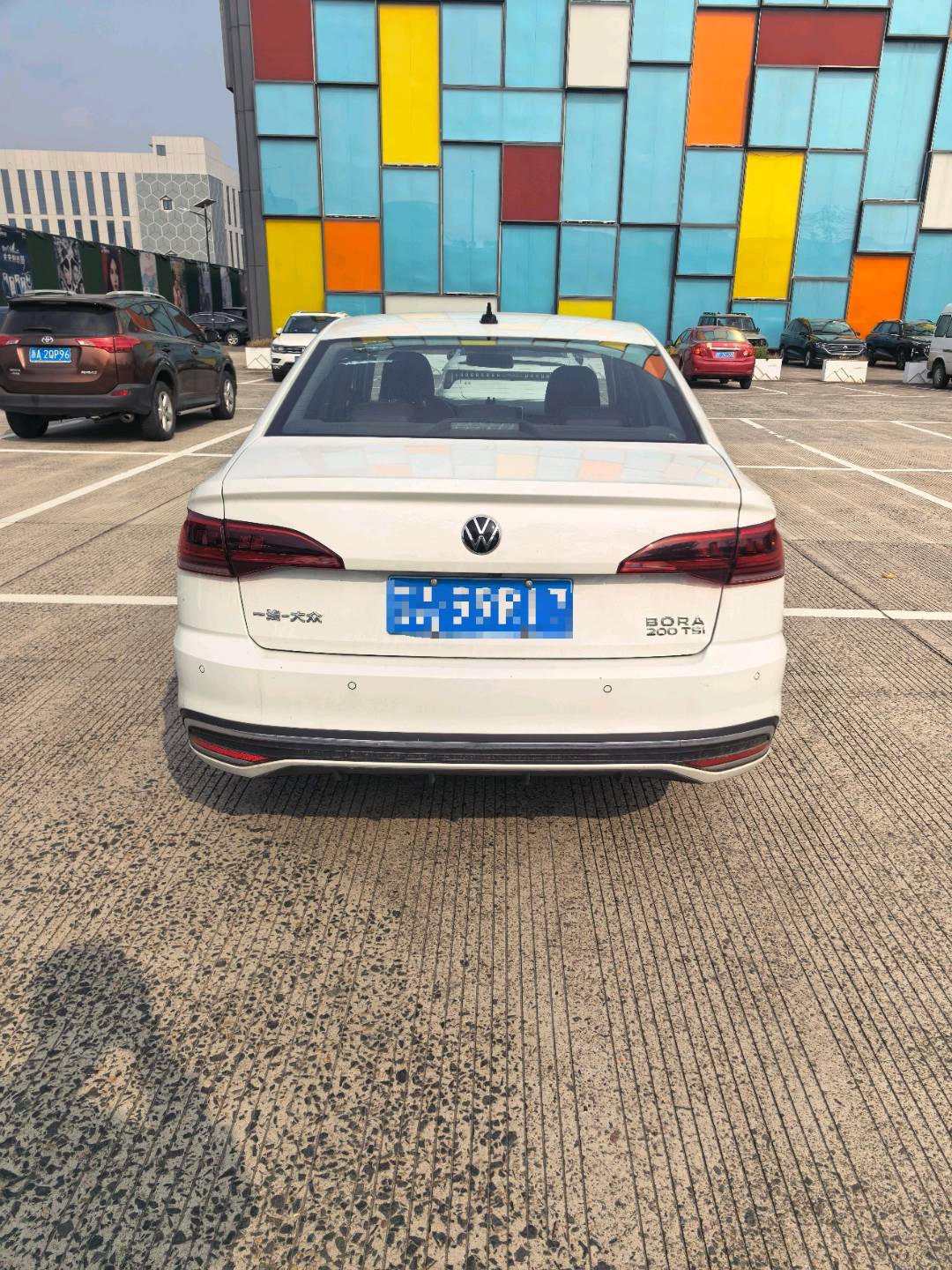



48H

Basic Information

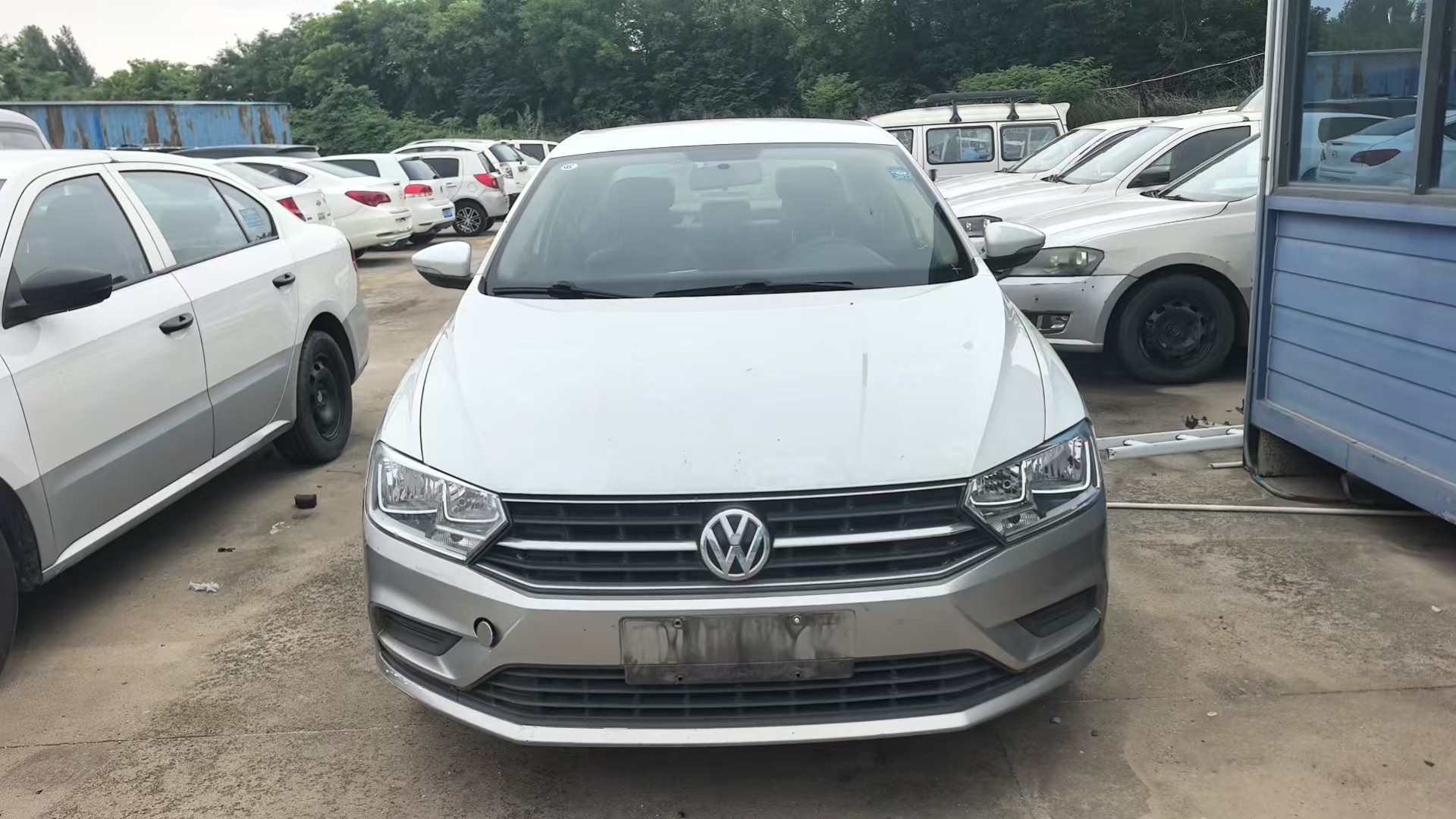
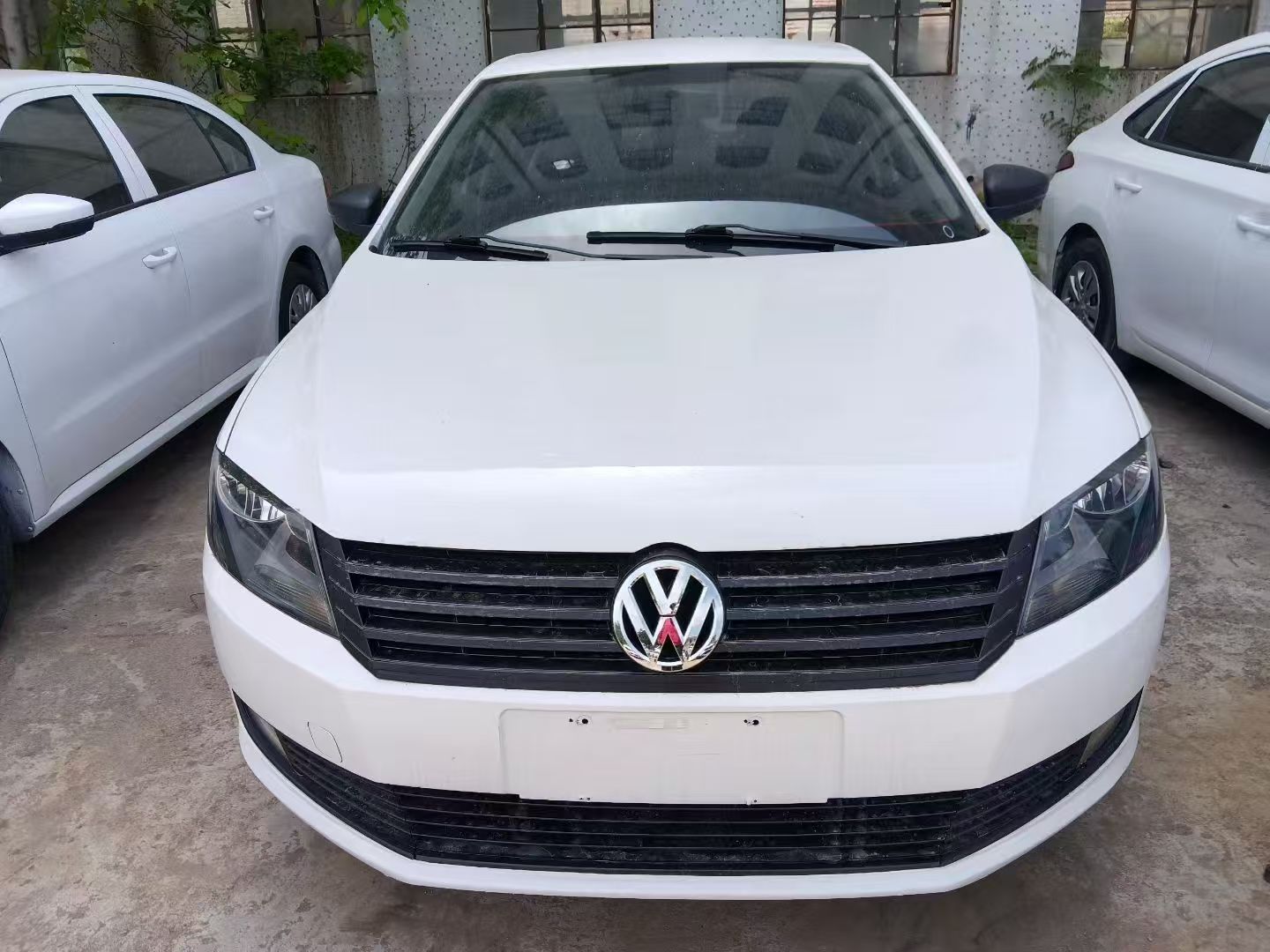
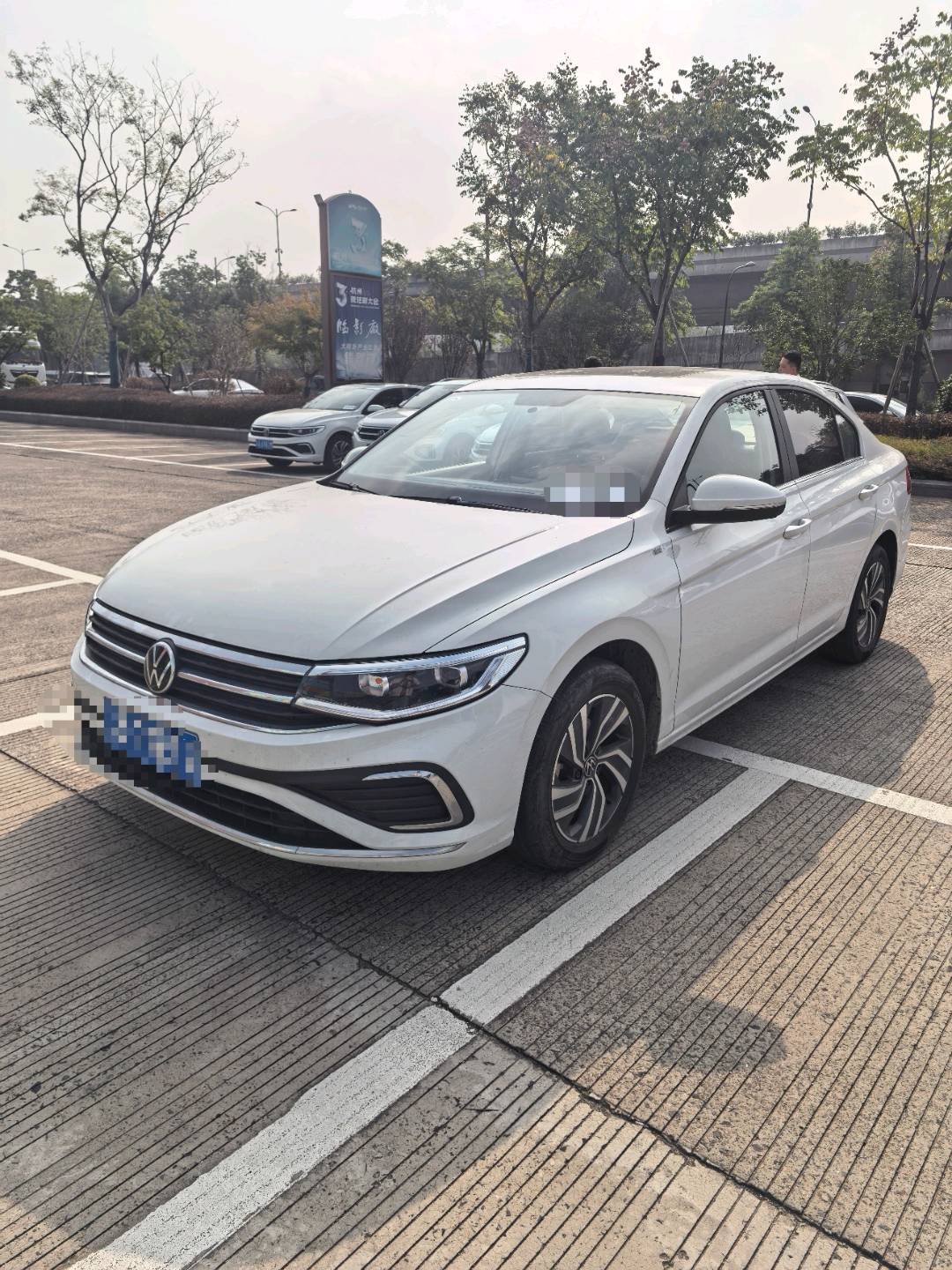
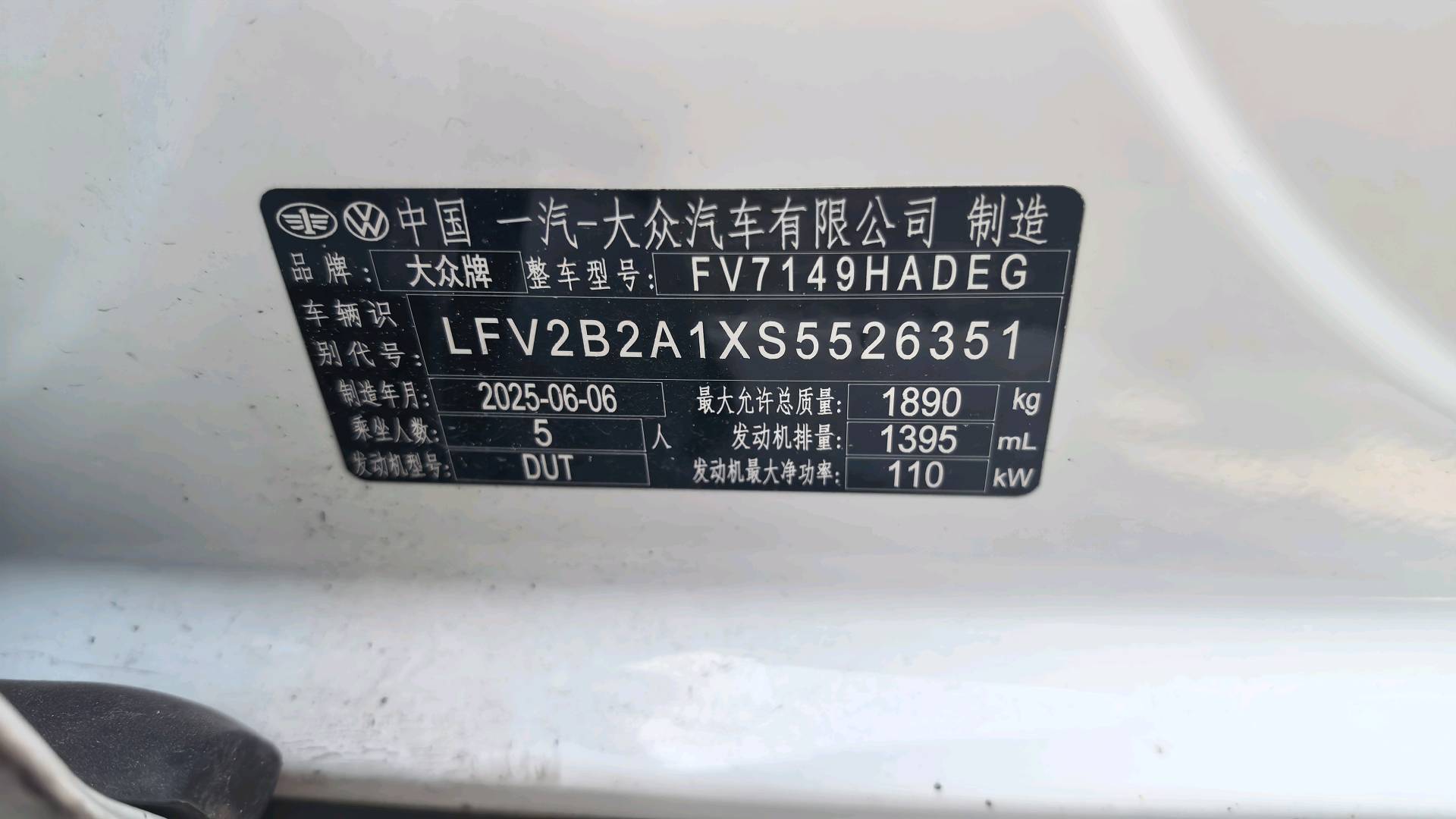
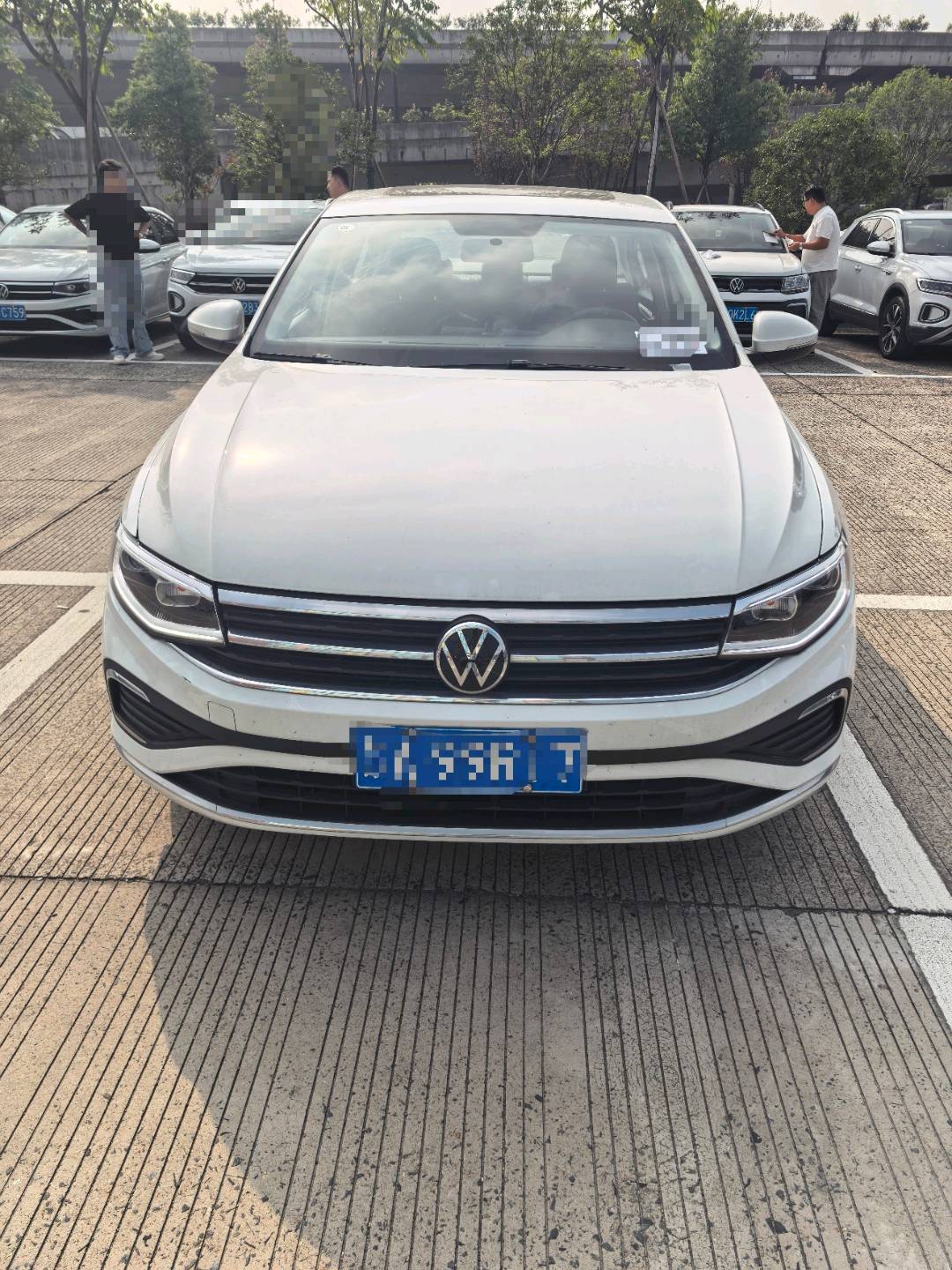
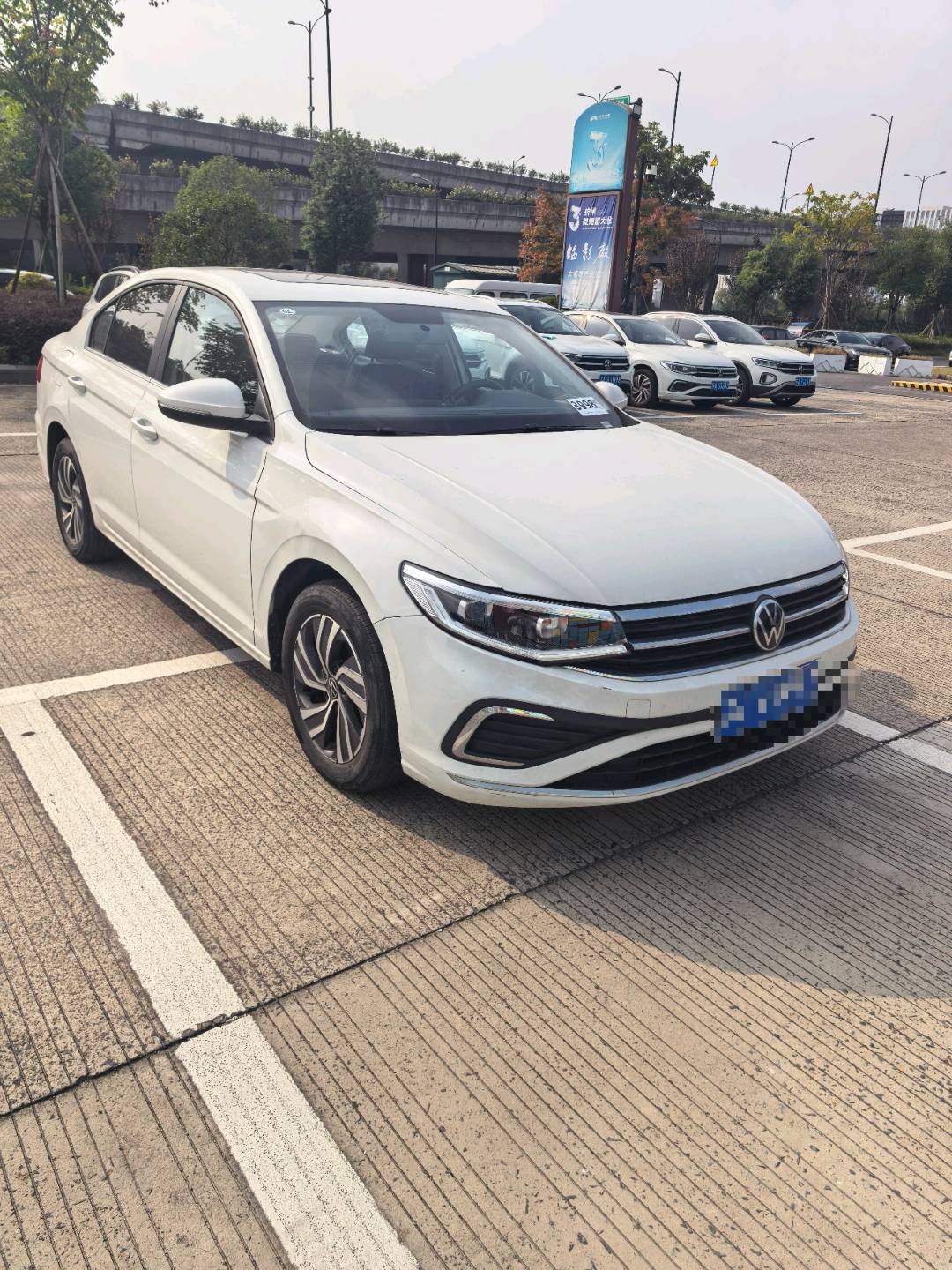
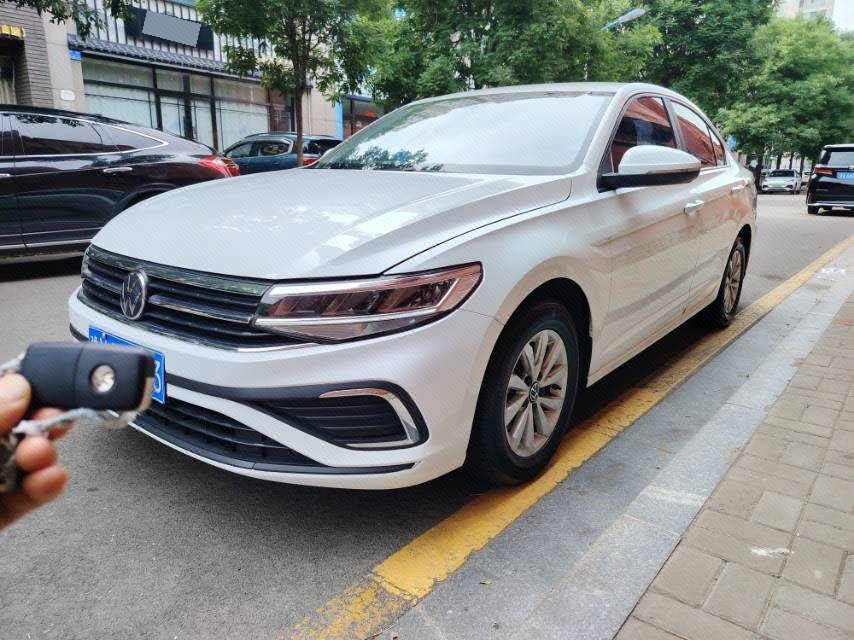
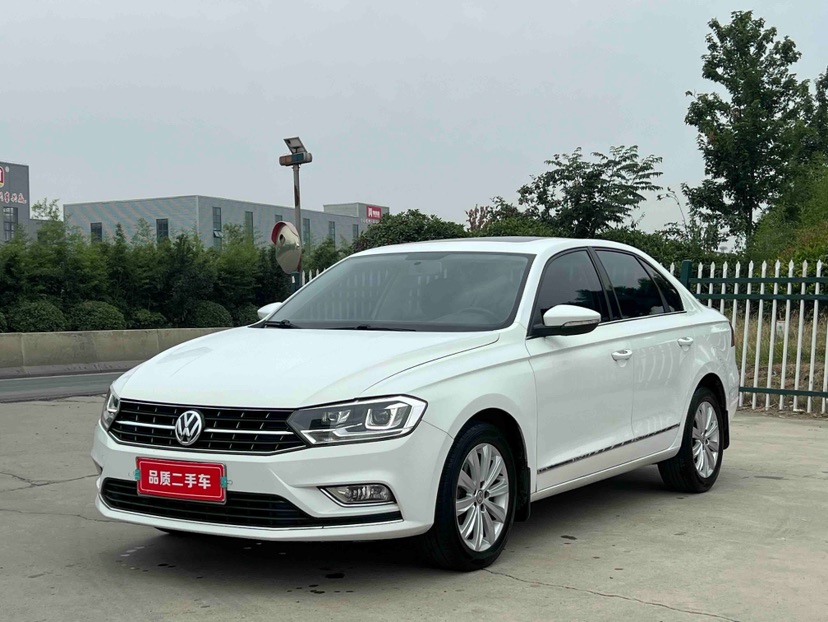
BrandVolkswagen
SeriesBora
Year2025
First Registration2025/08
Mileage41,000km
Transfer Count0times
FuelGasoline
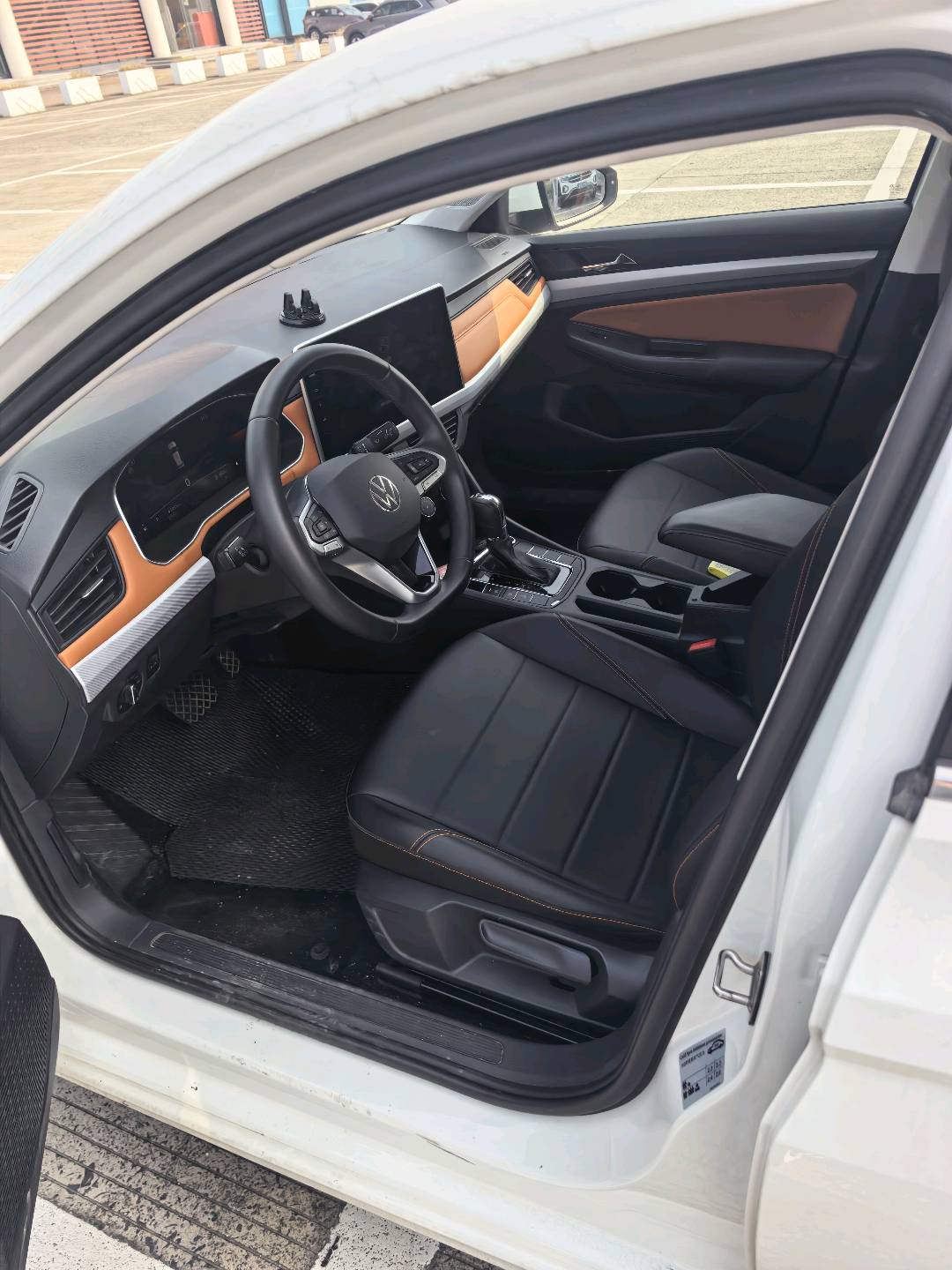
TransmissionDCT
Engine1.2T 116 L4
ColorWhite
Seats5seats

Condition Description

Average condition

Original paint, no repairs

可议价
已上架
New
Wholesale

Configuration Highlights

✓品牌: 大众
✓车系: 宝来
✓车型: 宝来 2025款 200TSI DSG悦行导航版
✓能源类型: 燃油车
✓发动机: 1.2T
✓变速箱: 7挡干式双离合
✓驱动方式: 前置前驱
✓排放标准: 国VI
✓指导价: 12.99万
✓车源编号: 12805168
✓VIN: LFV2*******526351

Document Information

Inspection Expiry Date2028/10
Warranty Expiry Date-
Insurance Expiry Date2026/10

Q&A

More

Beyond the car price, what costs should I budget when importing a used car from China?

A realistic budget has several layers beyond the vehicle price. First, inland logistics in China: moving the car to the export port typically costs $300-$800. Second, export handling: inspection, customs declaration and paperwork usually add $500-$1,000. Third, ocean freight. A 20ft container to most destinations runs $1,200-$3,000 depending on route; RoRo shipping can be cheaper for driveable cars. Add marine insurance, usually 0.3%-0.5% of the car value. Fourth, destination charges: port handling, customs duties, VAT/GST and local registration fees. These vary widely; some countries charge duties of 20%-80% of the vehicle value plus an excise based on engine capacity. Finally, any compliance work: inspection certificates, modifications to meet local standards, or homologation. Ask your exporter for a full CIF quote and have a local customs broker confirm destination taxes before you commit.
Why do used cars of the same brand, year, and configuration with complete 4S dealership records cost several hundred dollars more than those without records?

Complete records represent underlying trust and zero odometer adjustment risk. In the used car market, solid data history itself carries a high premium. The extra few hundred dollars buys you an impeccable endorsement when selling overseas.

What tools and equipment does a professional pre-shipment inspection of a used car use?

A proper inspection relies on equipment, not just eyes. The inspector should use a paint thickness gauge to measure 50-60 points across body panels; original paint is typically 80-150 microns. An OBD diagnostic scanner reads stored and pending fault codes across all control units, and for EVs it also reads battery state of health and charge cycle counts. The car must go on a lift for the underbody check: frame rails, suspension components, oil leaks and accident repair marks are only visible from below. A battery tester checks starting voltage and charging system health, and a tread depth gauge documents tire condition. Ask for the report to include raw readings and dated photos rather than a simple pass/fail summary - that is what makes it verifiable.