


48H

Basic Information

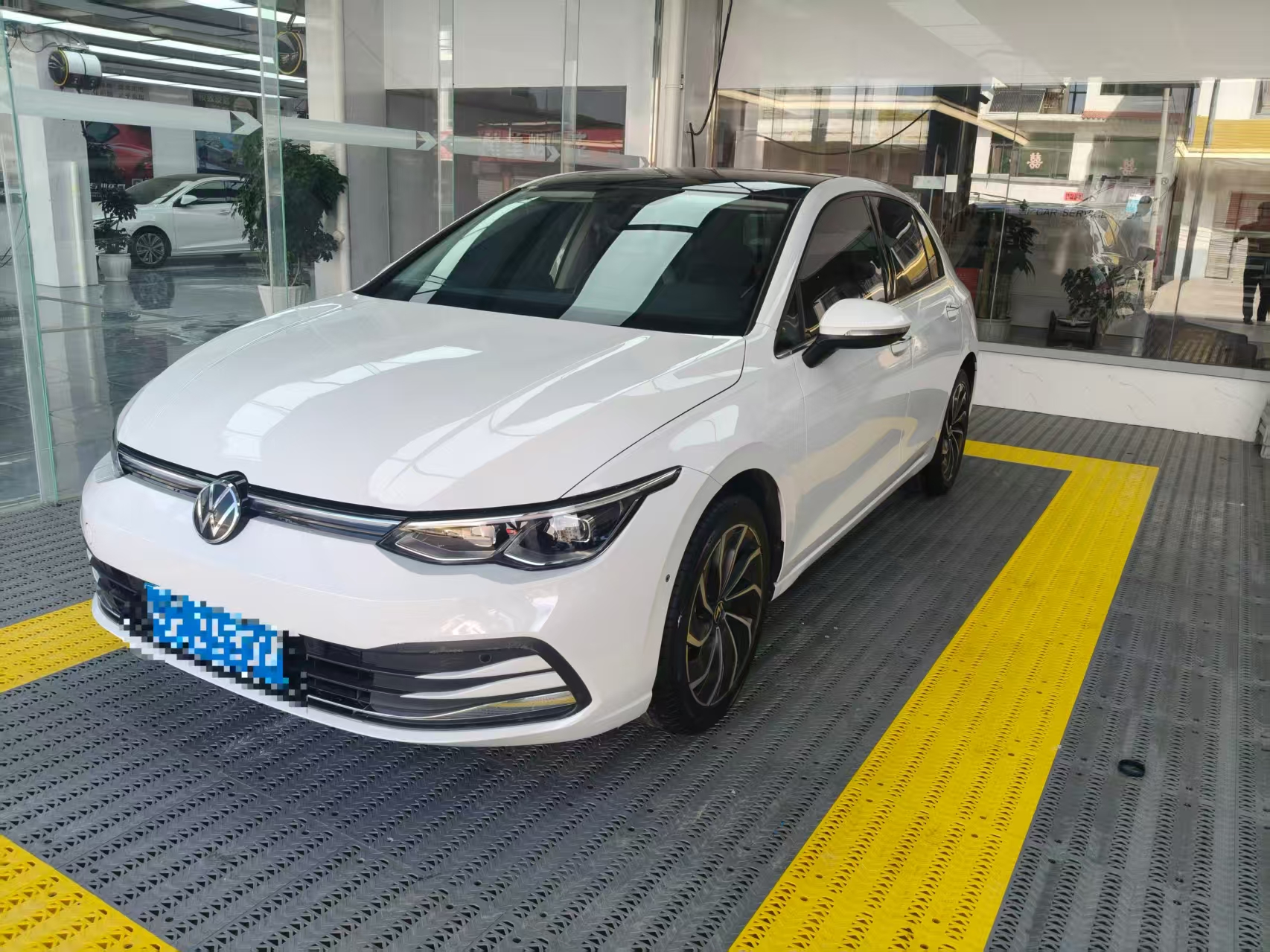
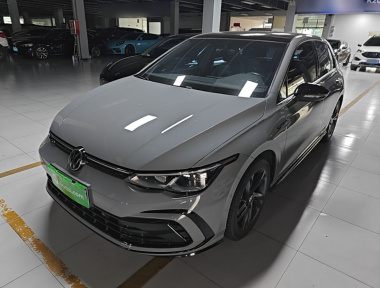
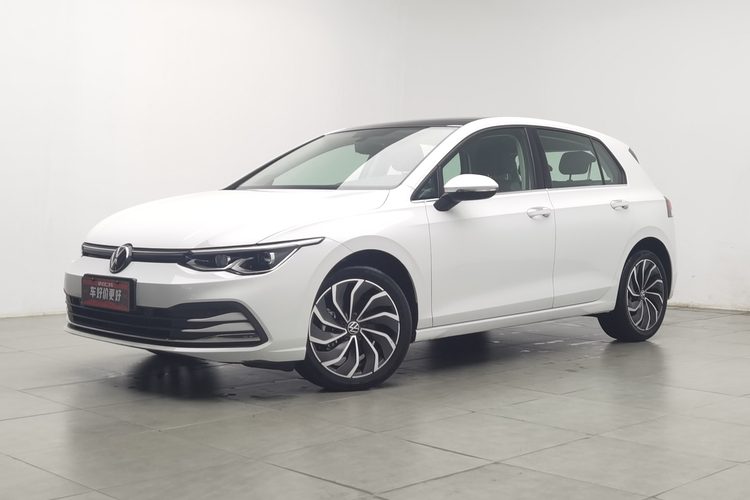
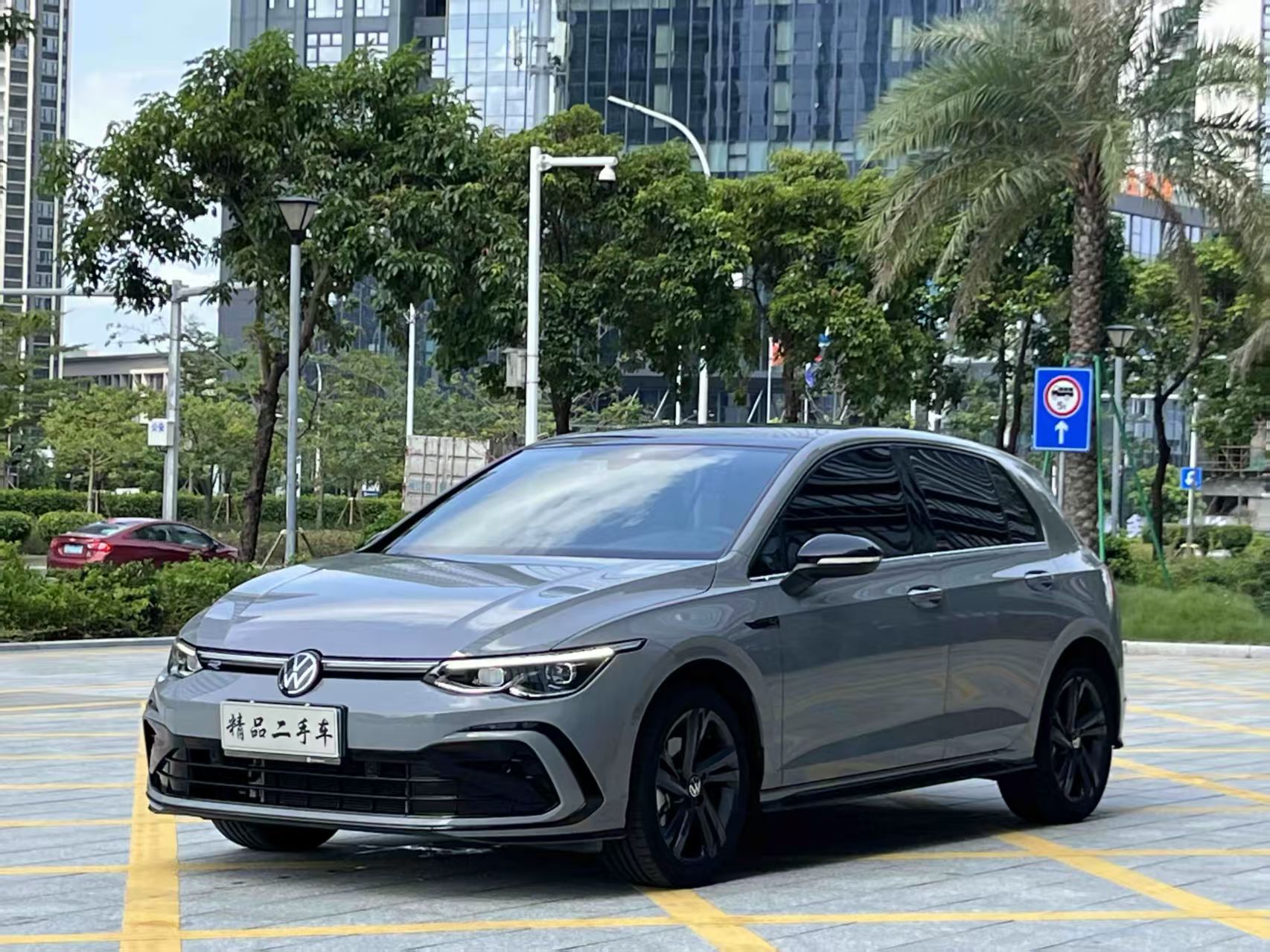
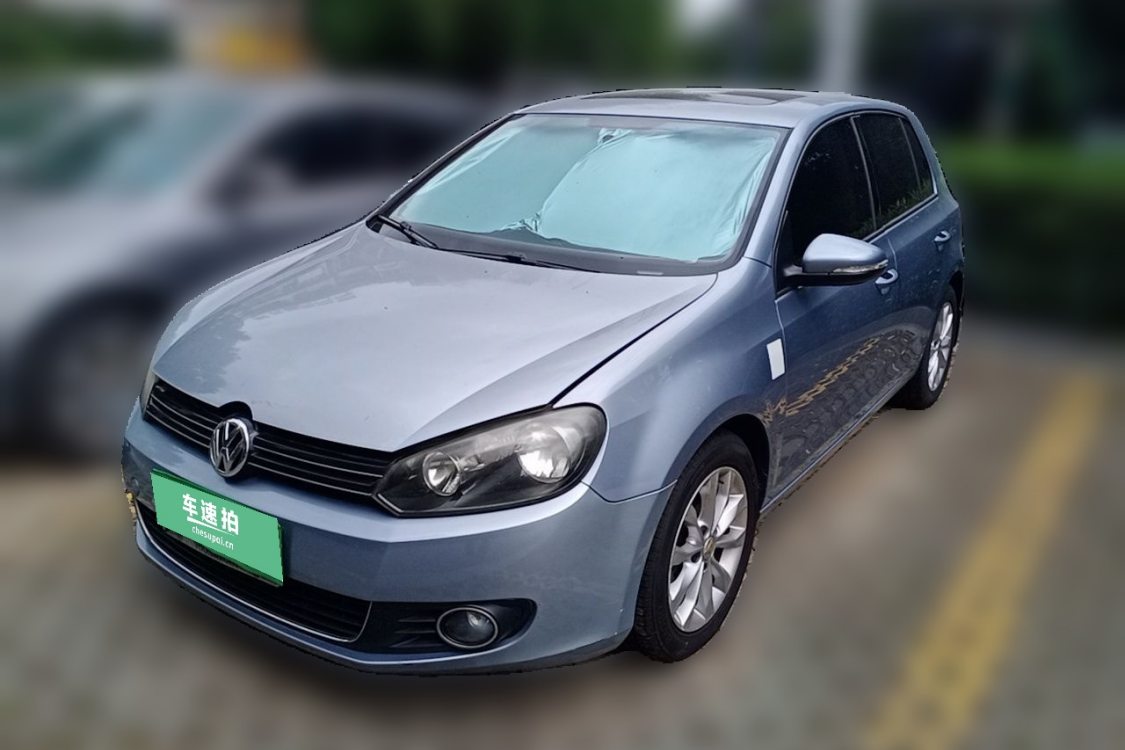
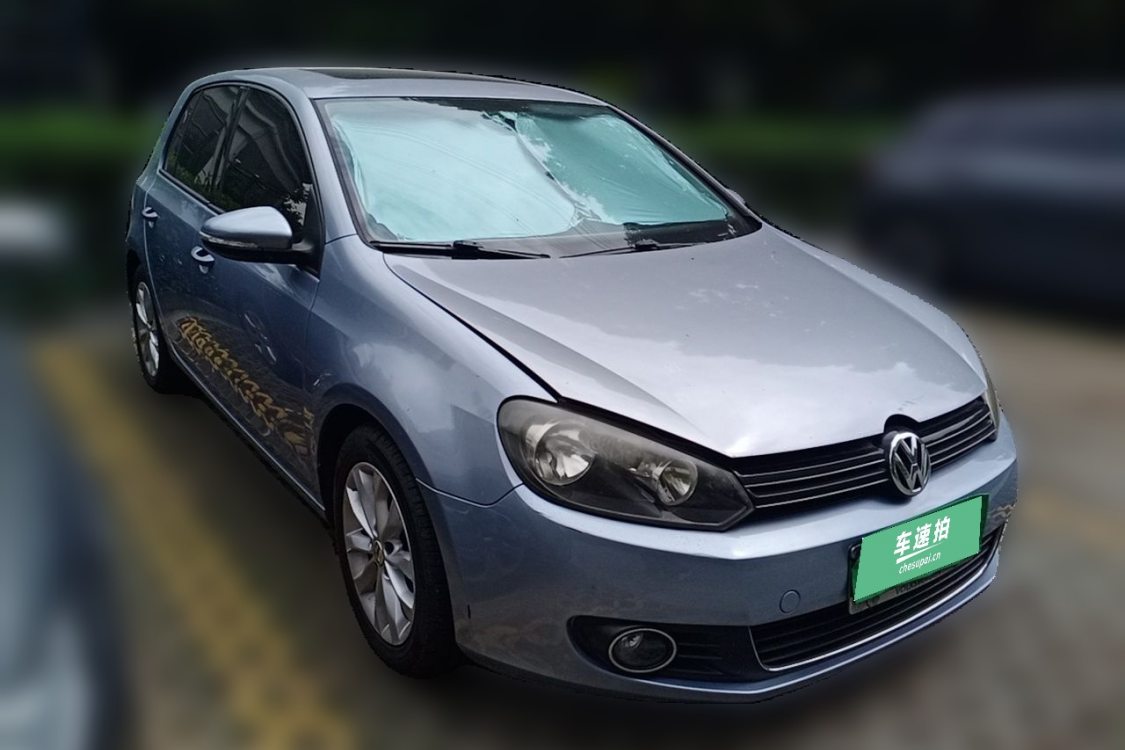
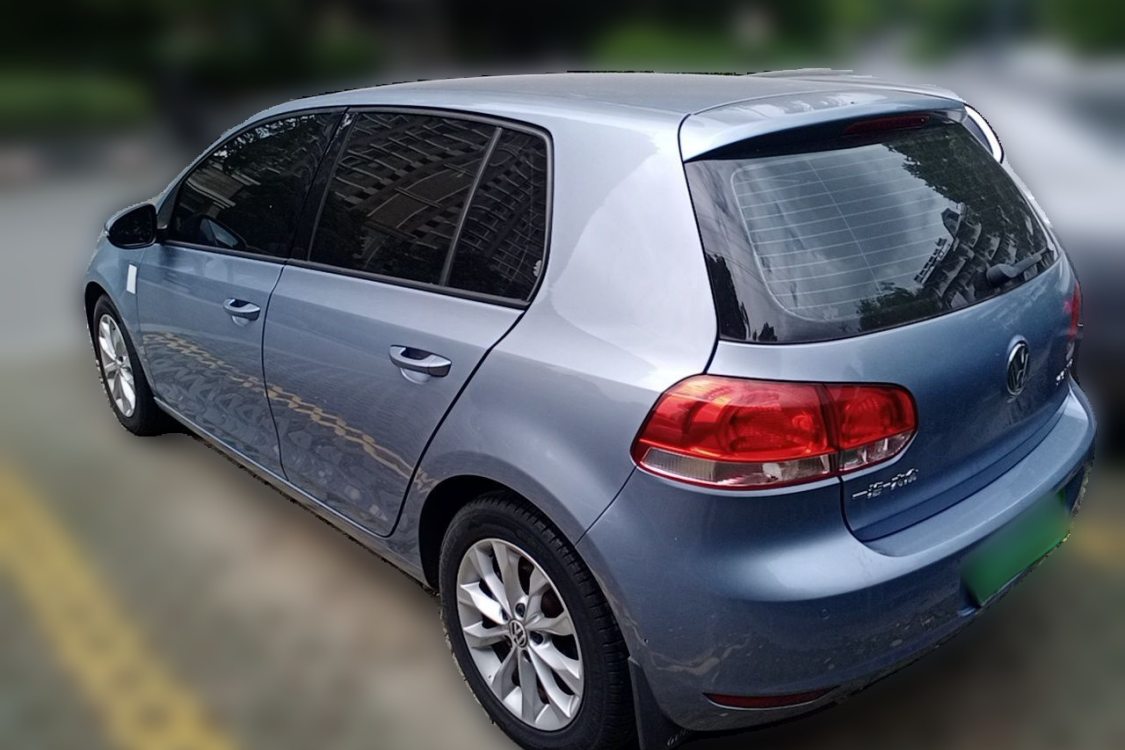
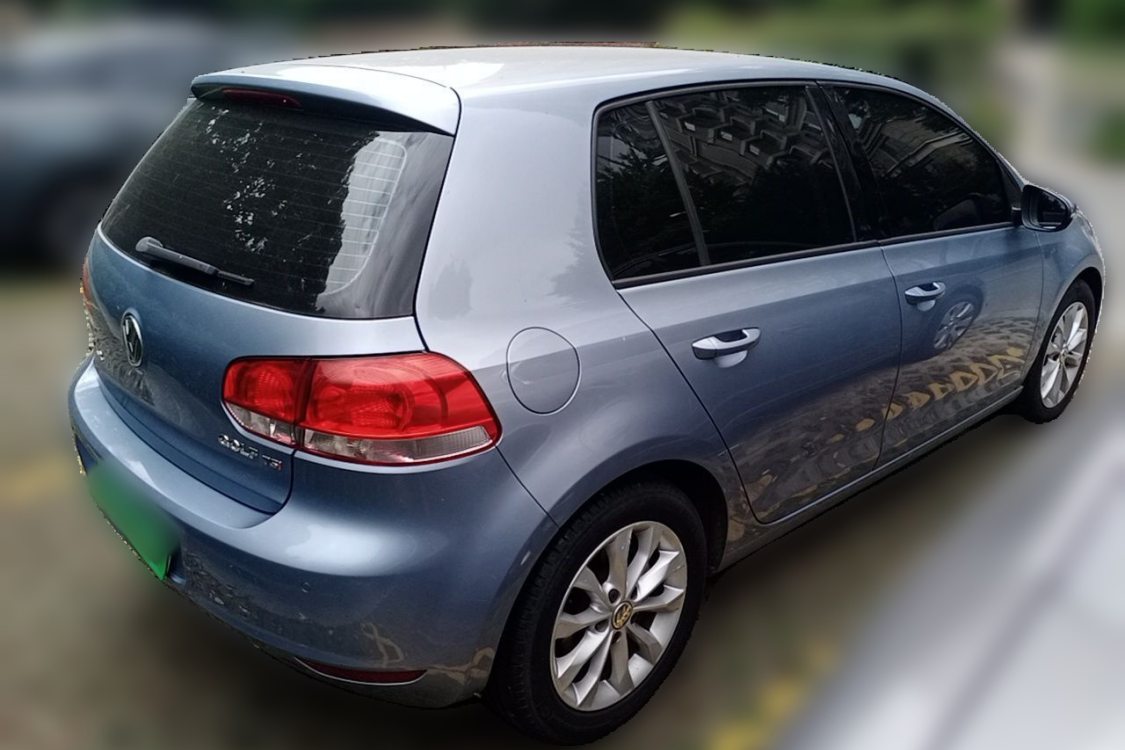
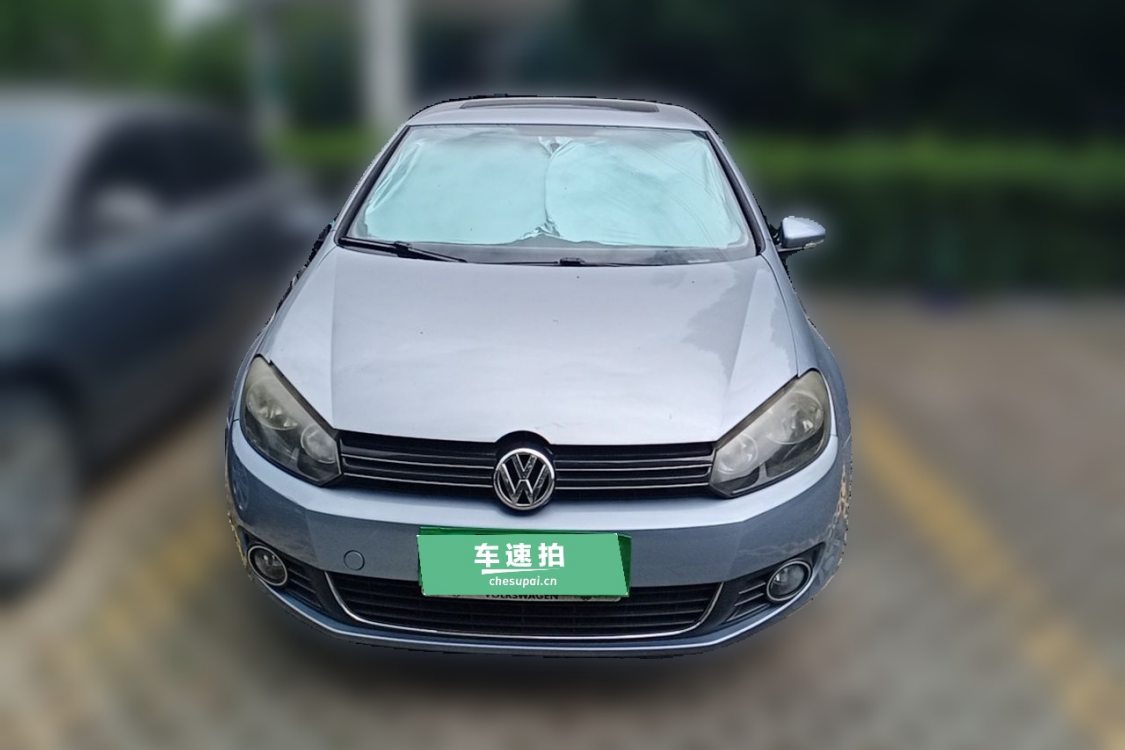
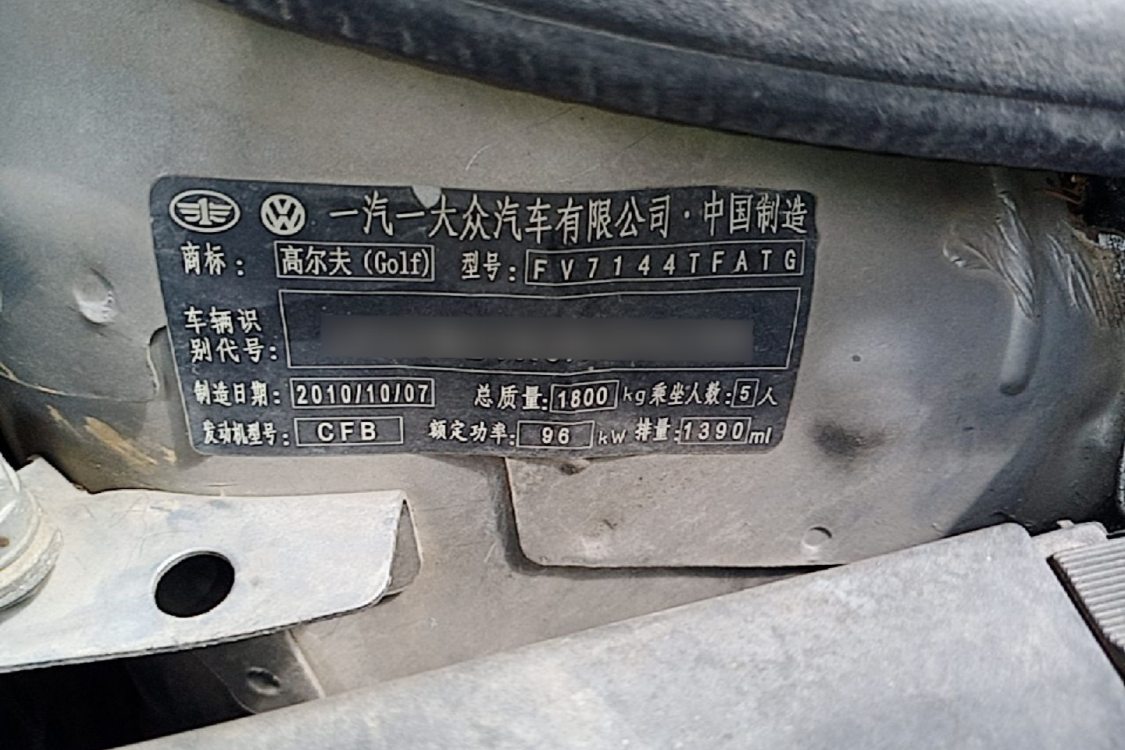
BrandVolkswagen
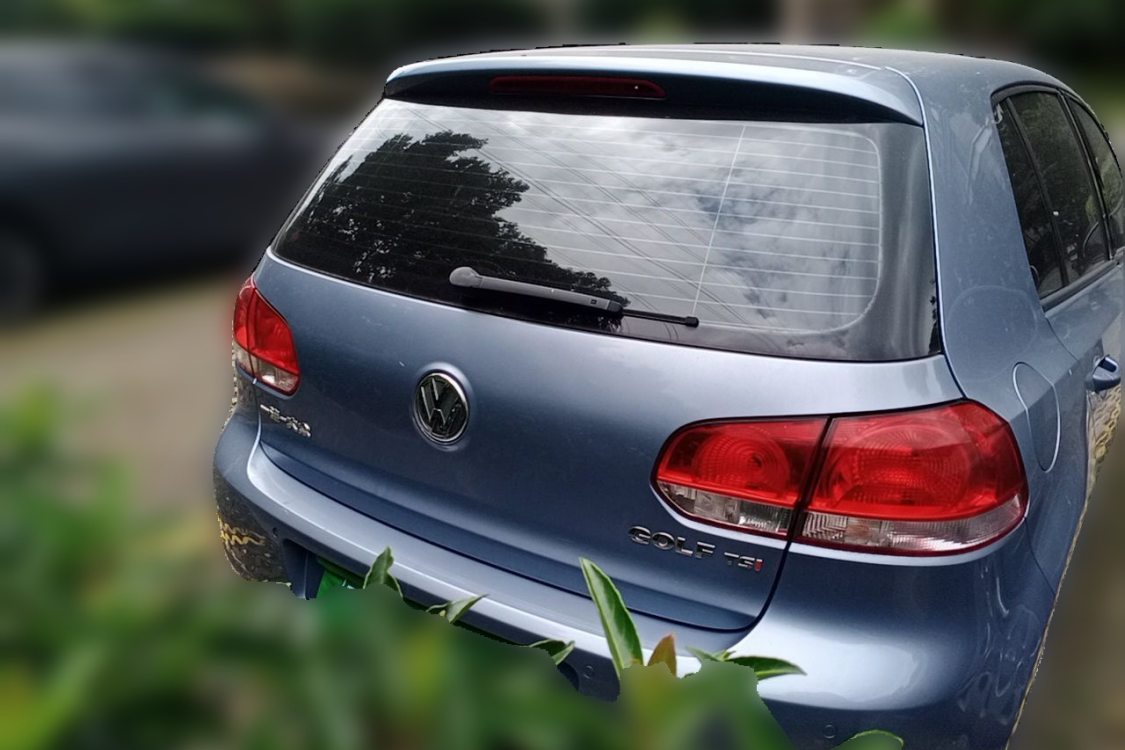
SeriesGolf
Year2010
First Registration2010/10
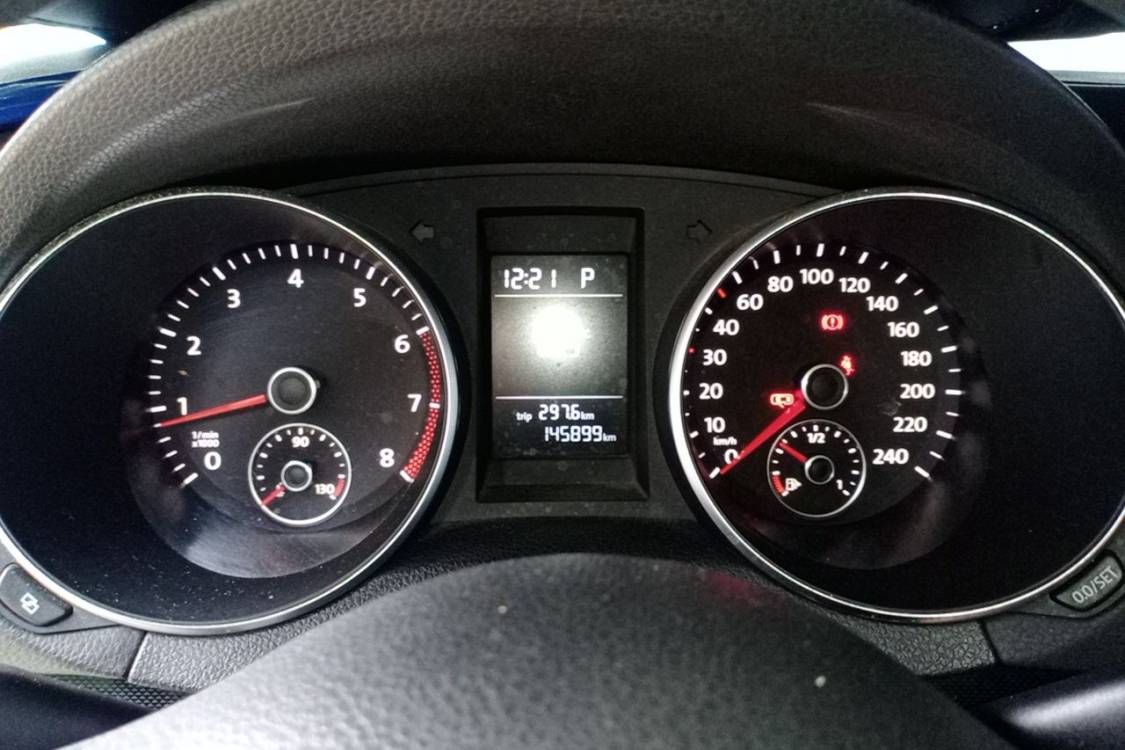
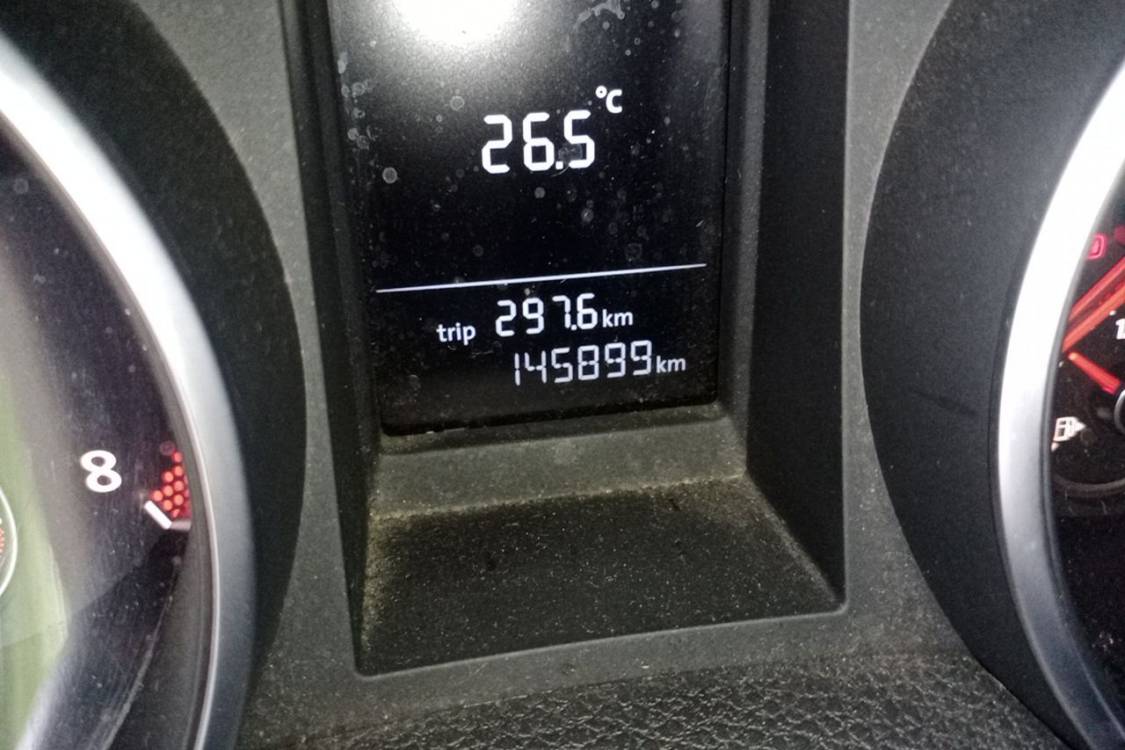
Mileage145,800km
Transfer Count-
FuelGasoline
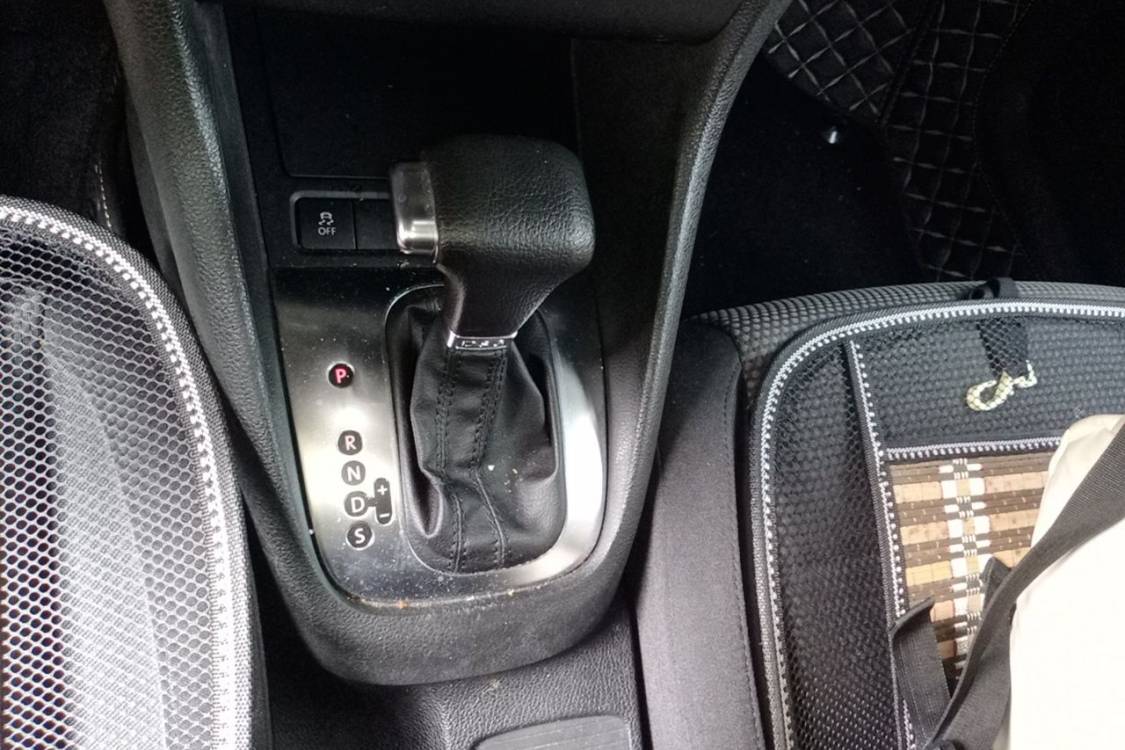
TransmissionDCT
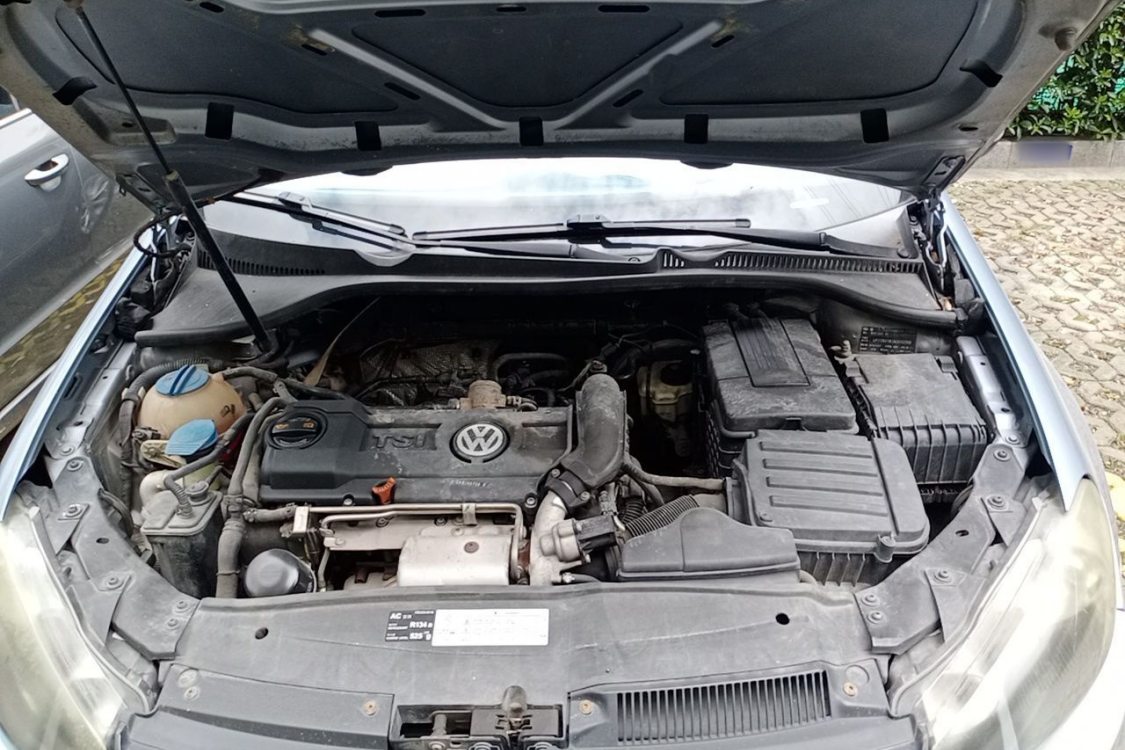
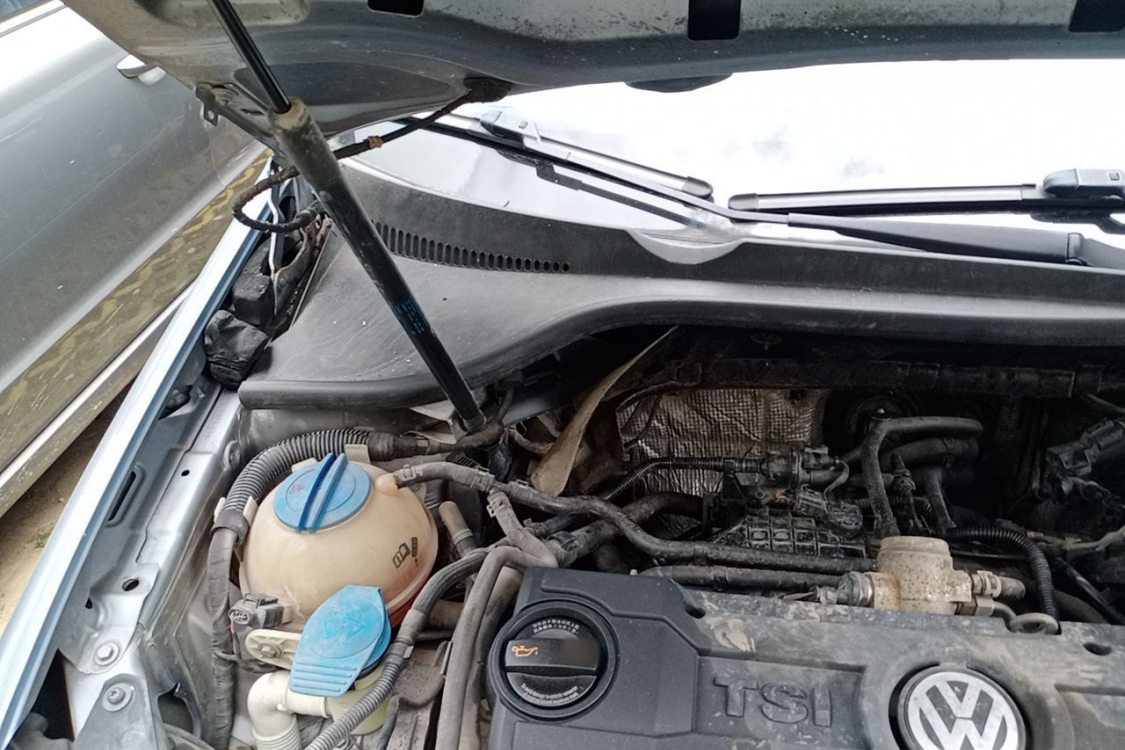
Engine1.4T 131 L4
ColorBlue
Seats-

Condition Description

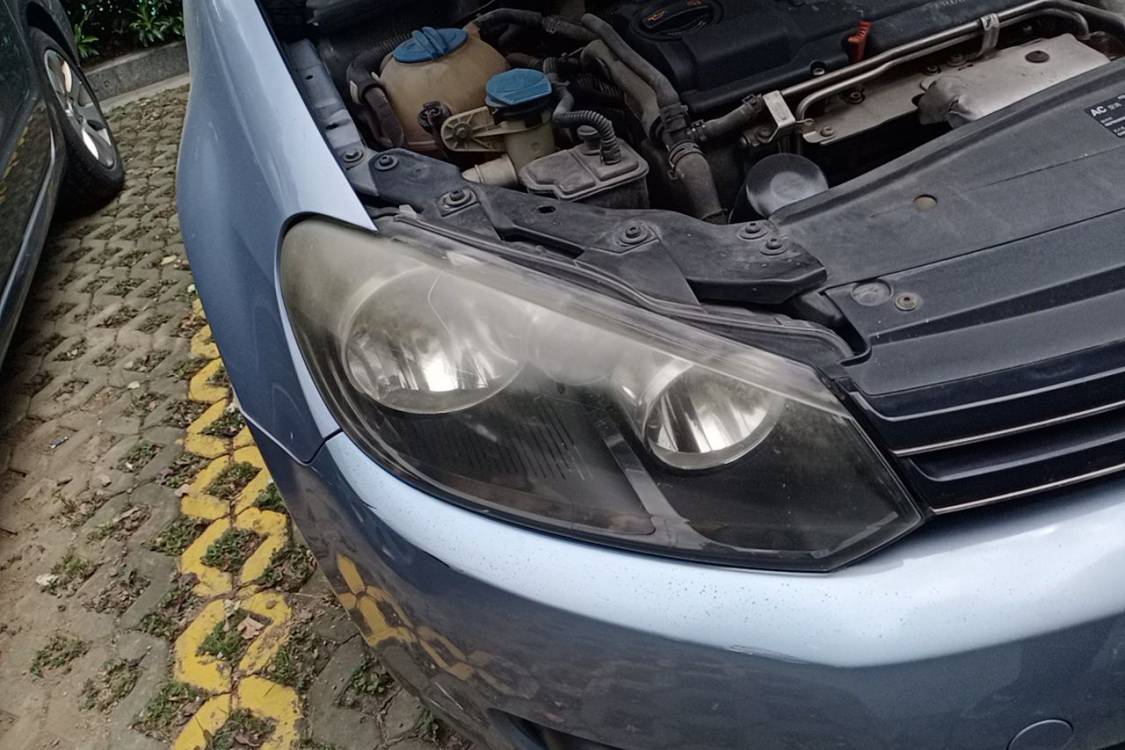
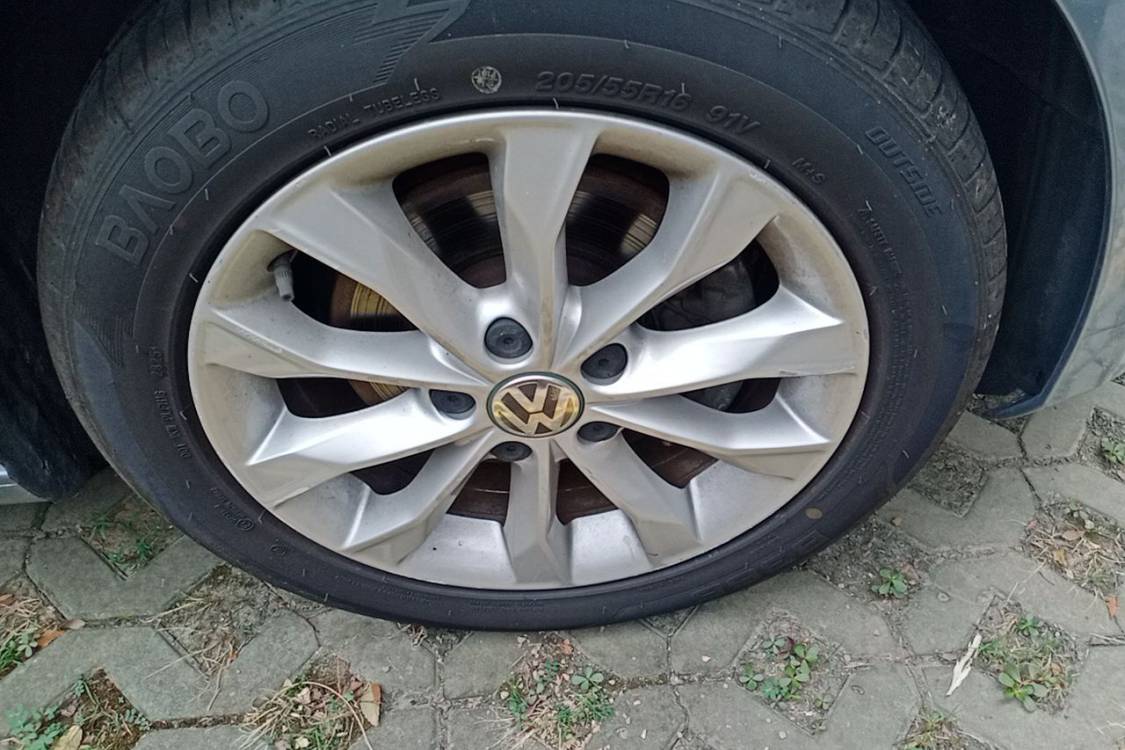
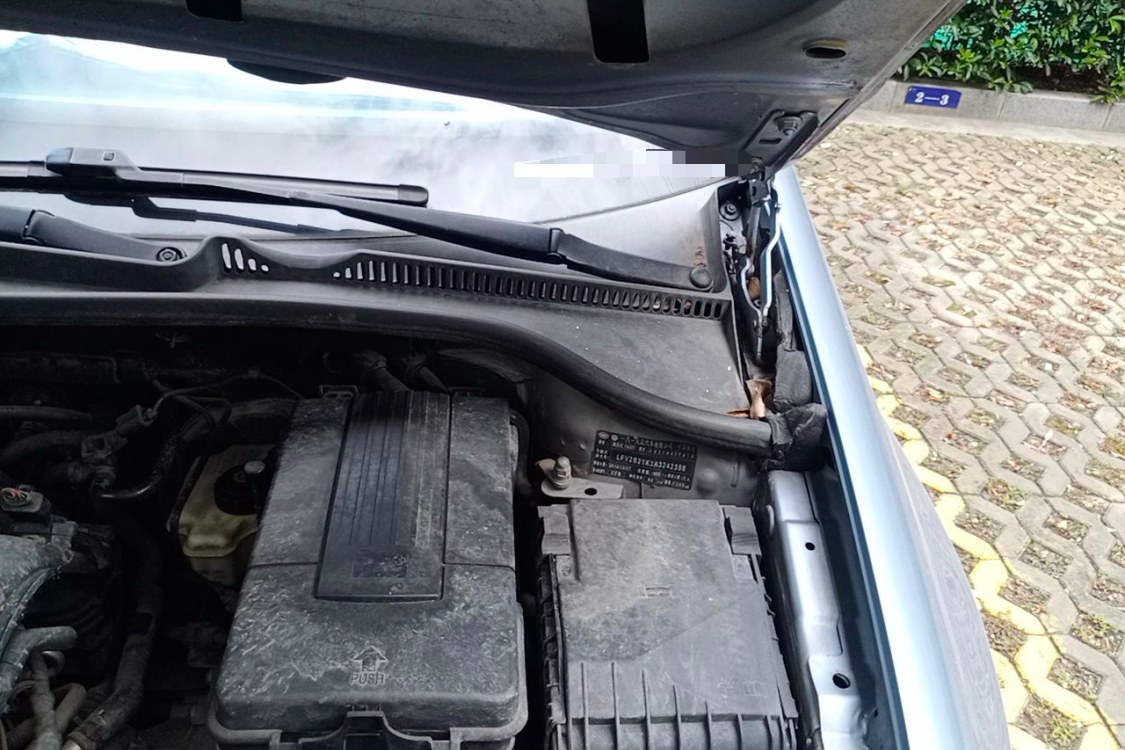
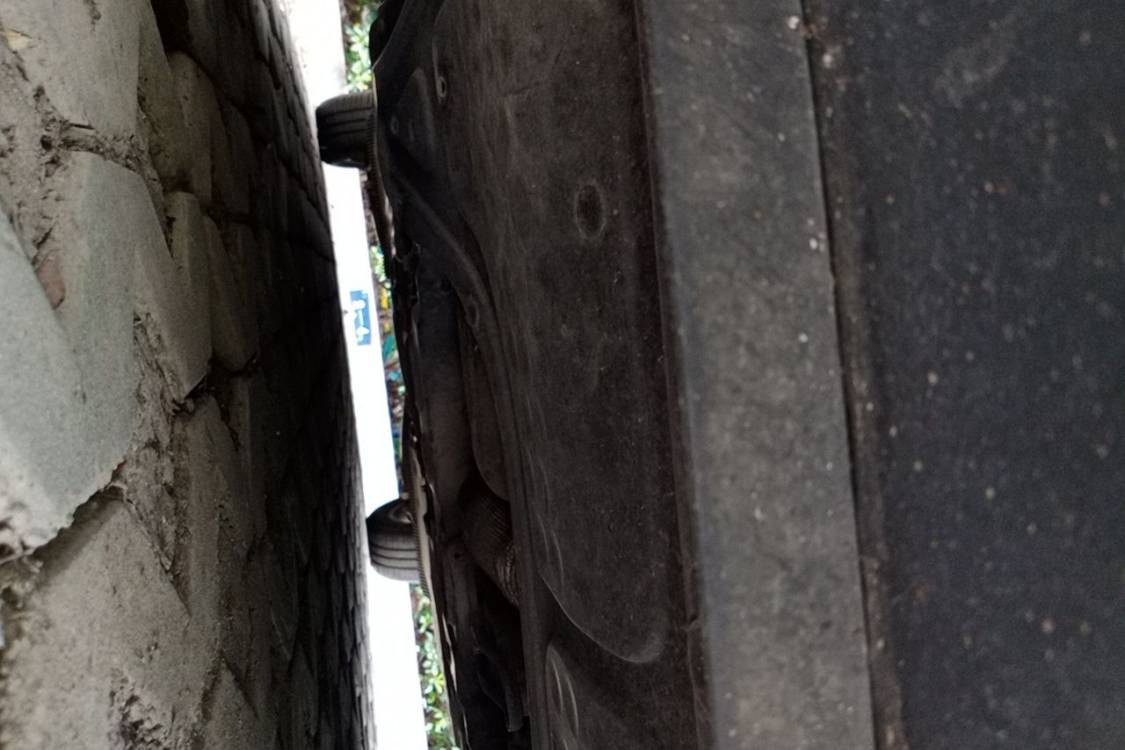
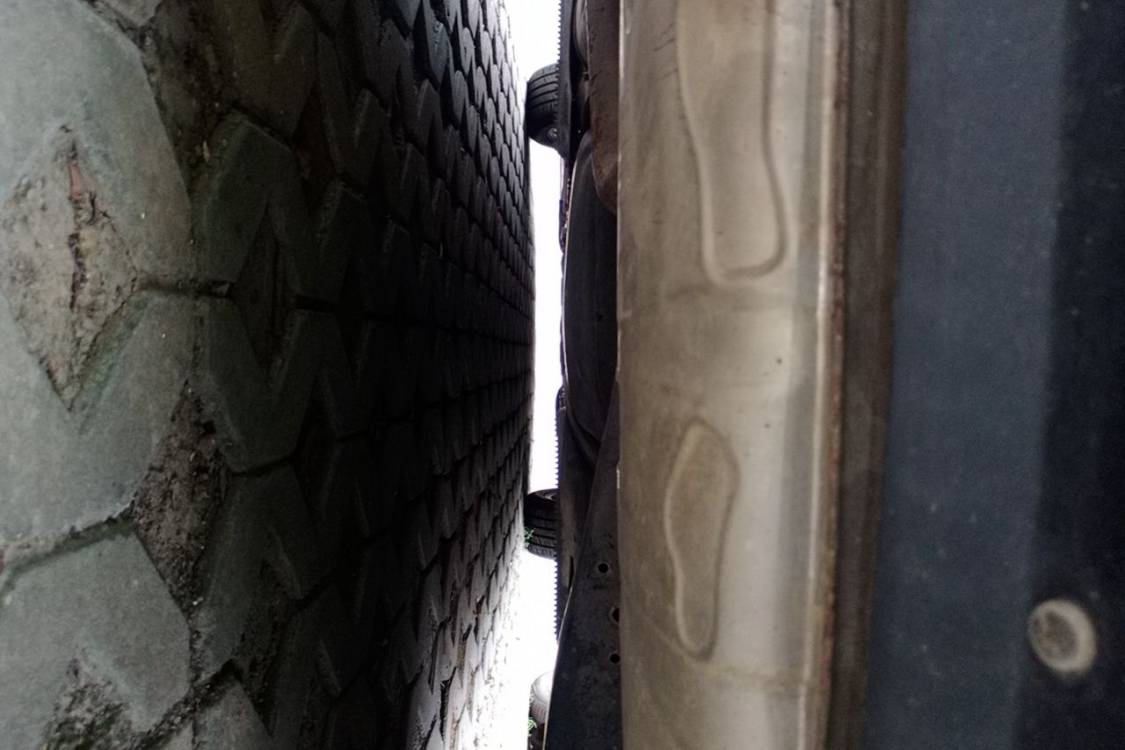
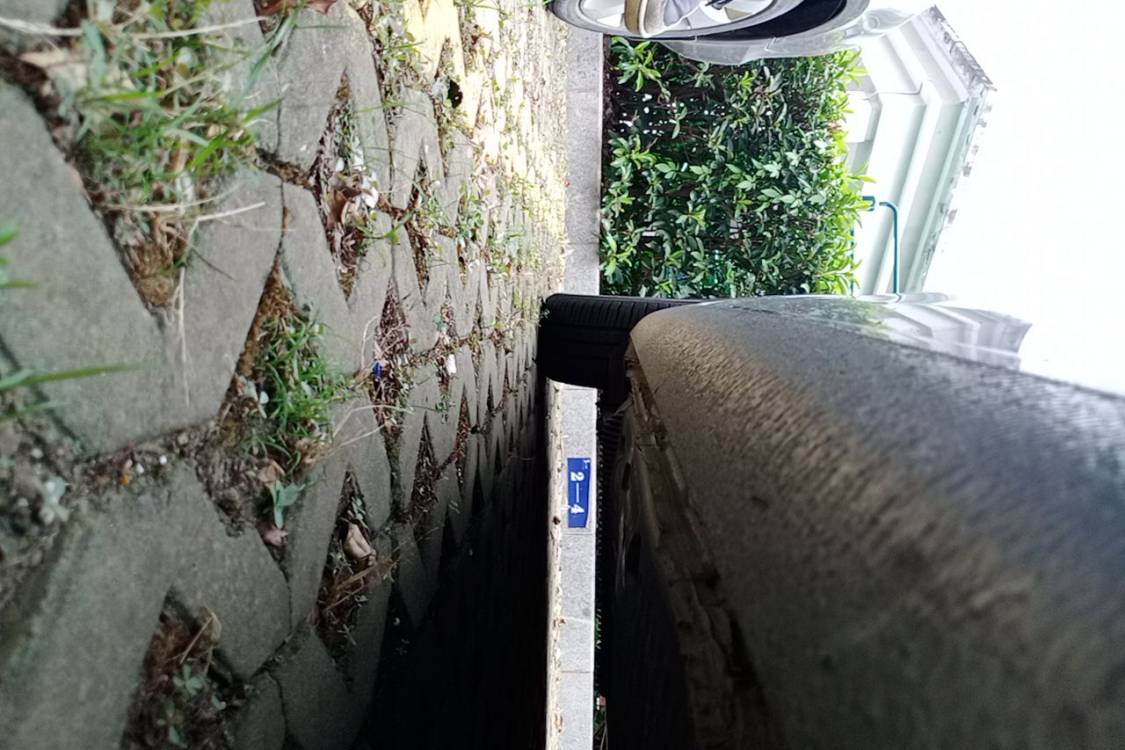
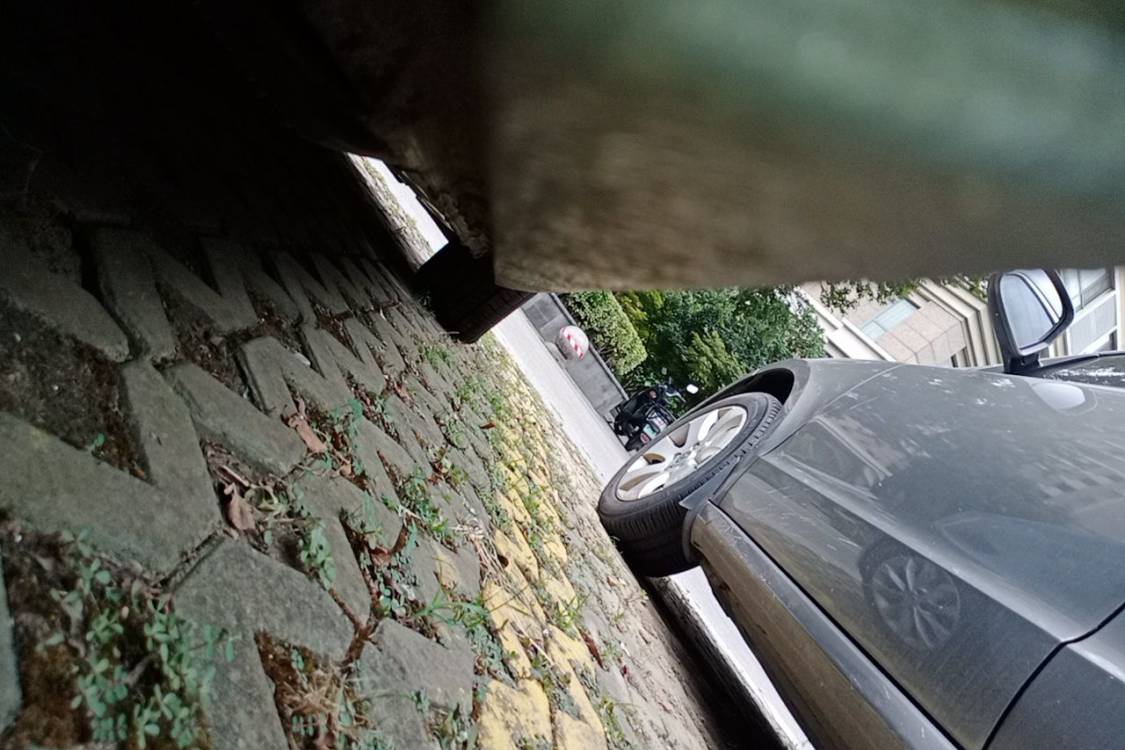
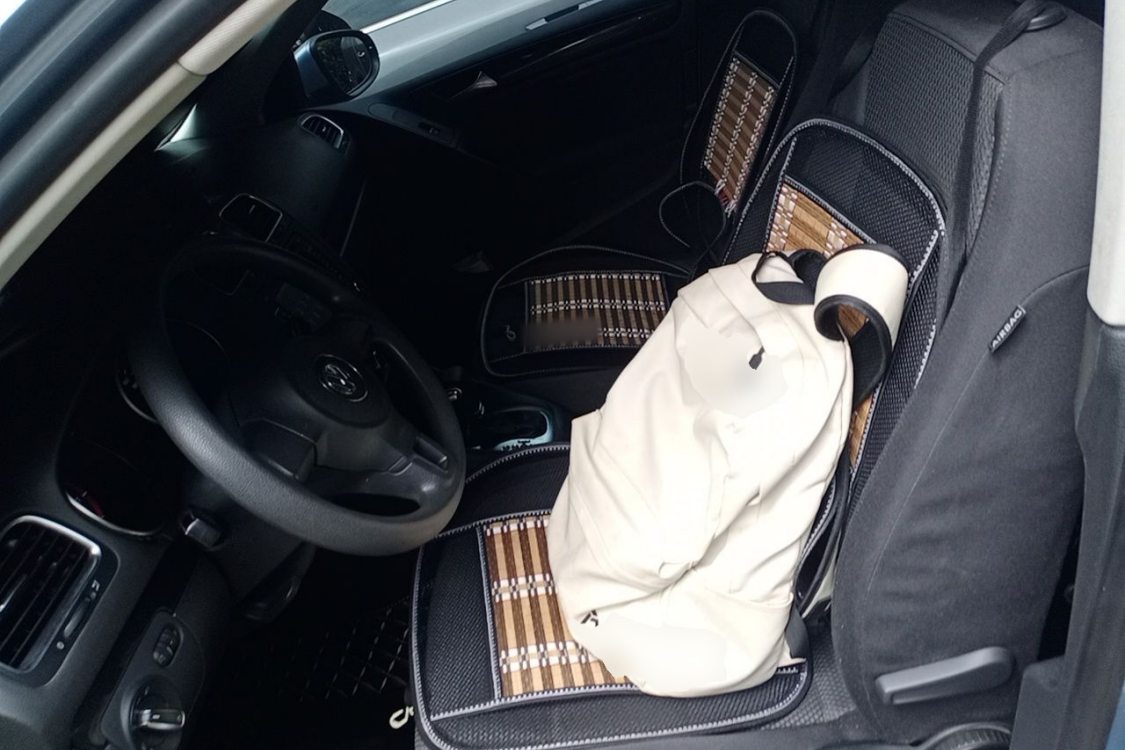
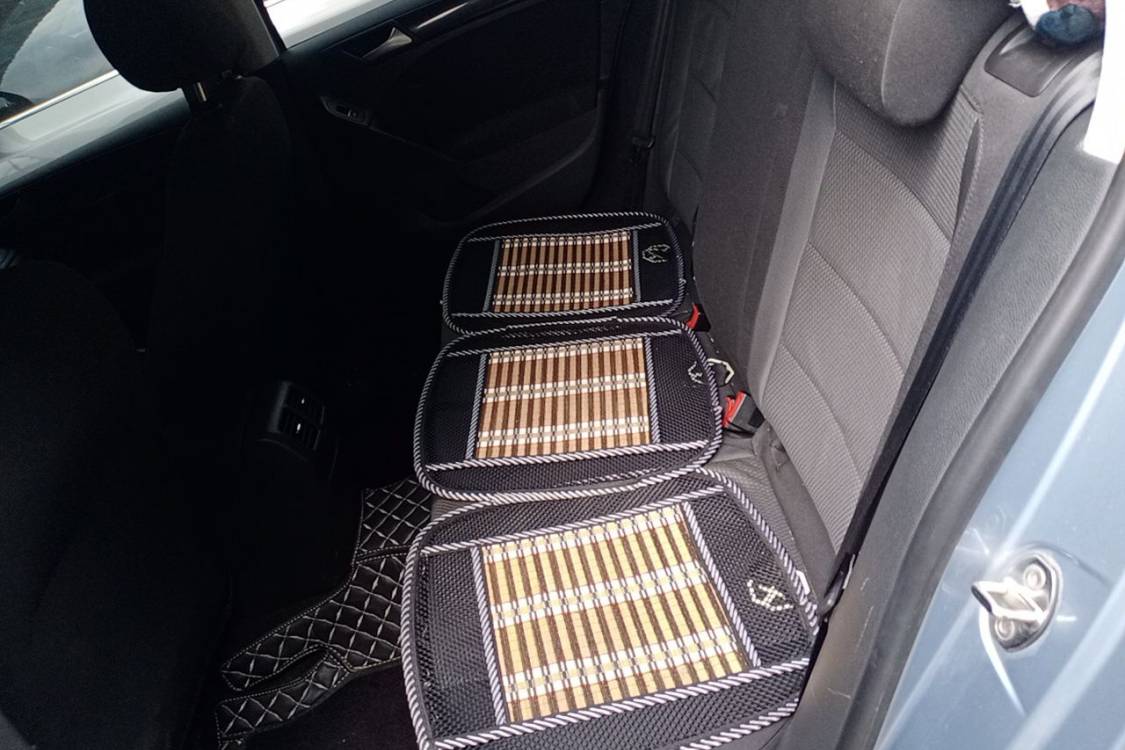
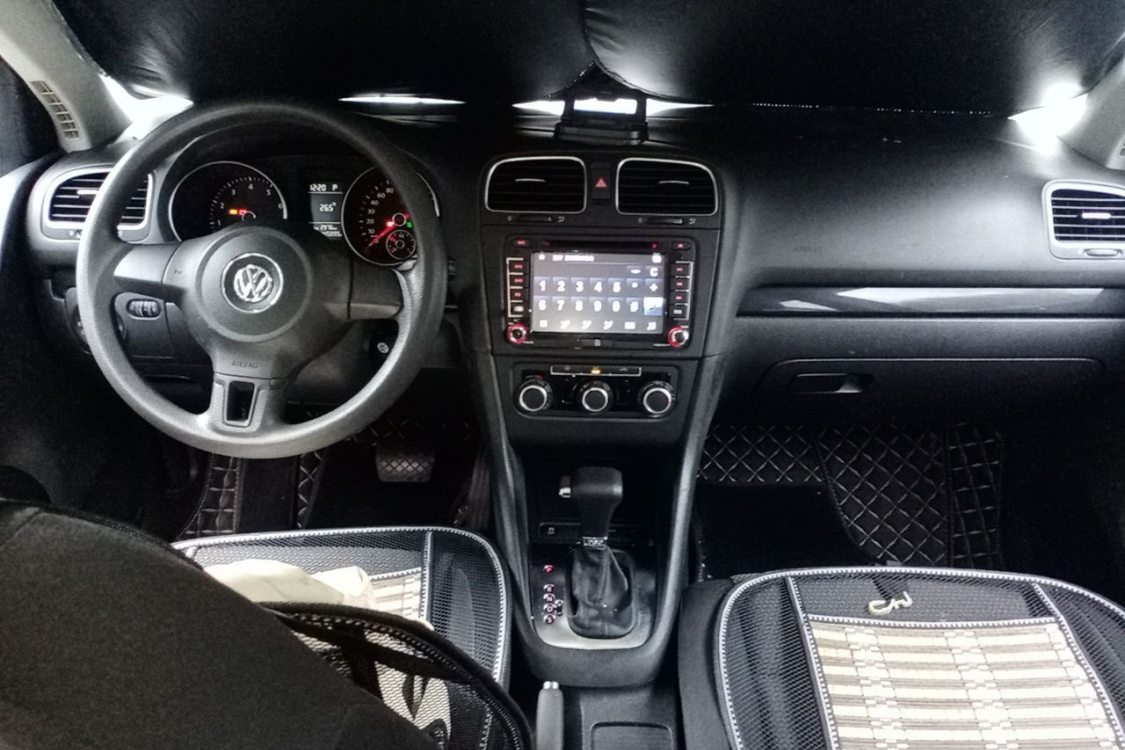
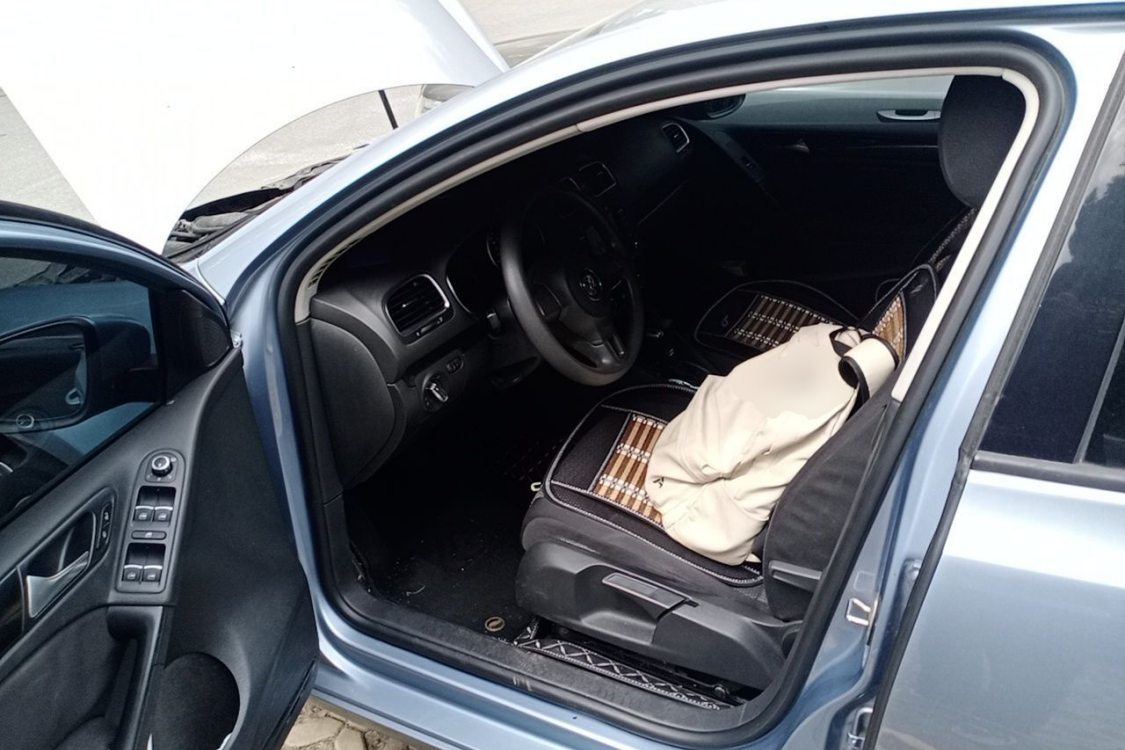
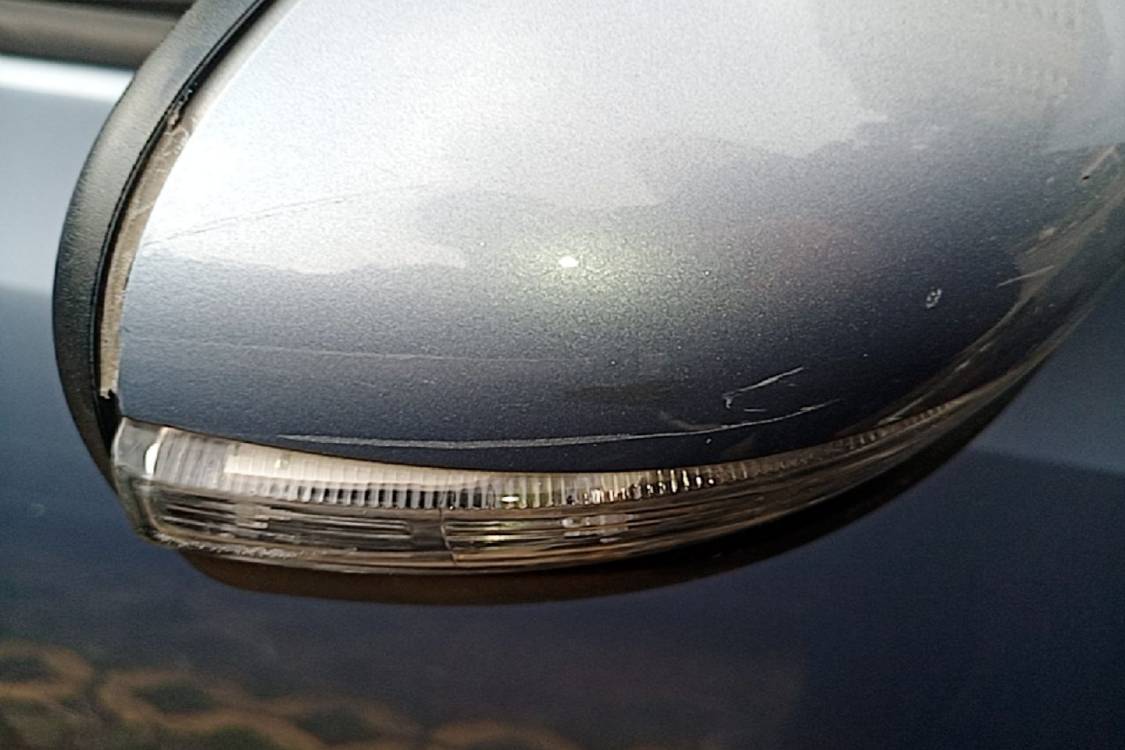
Localized body damage or repair marks present. No accident-related damage or repairs to structural or reinforcing components. Vehicle performance (including three-electric system) has degraded or is limited.

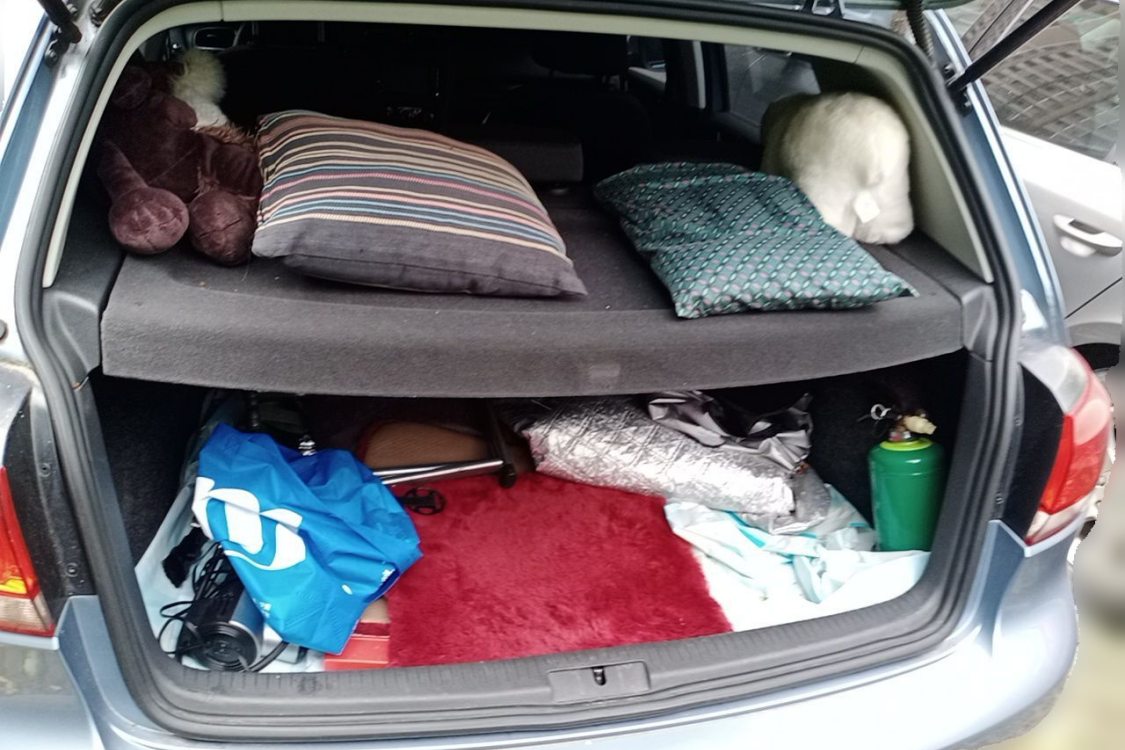
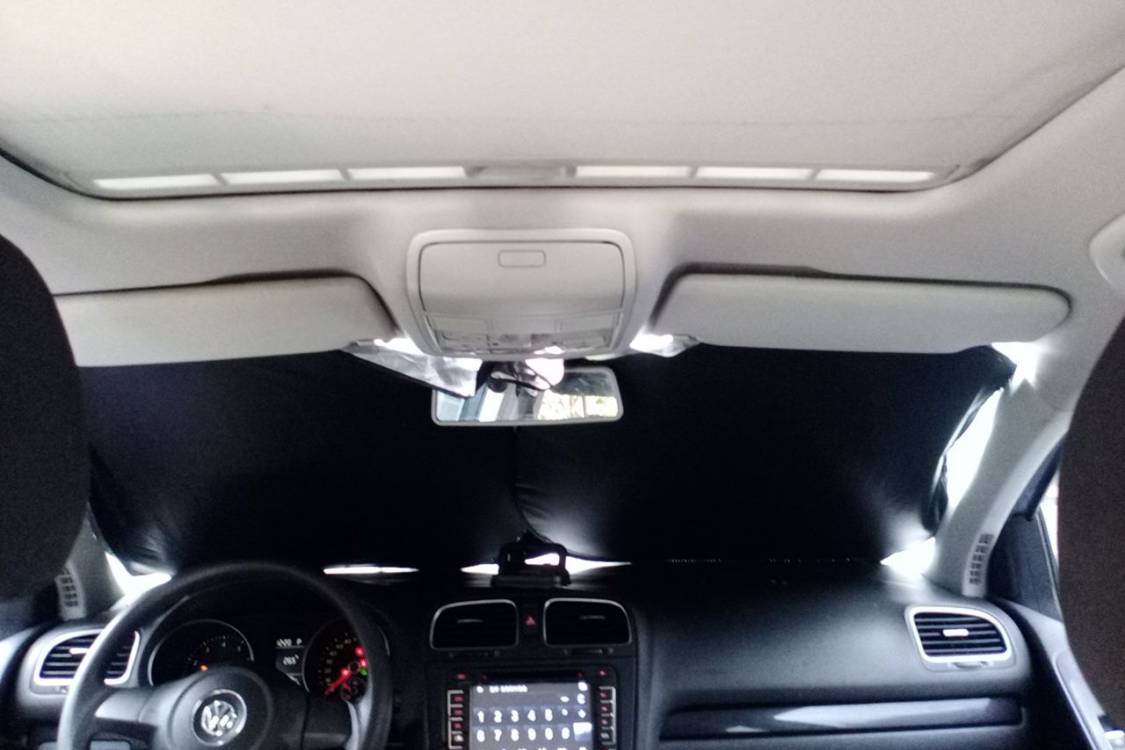
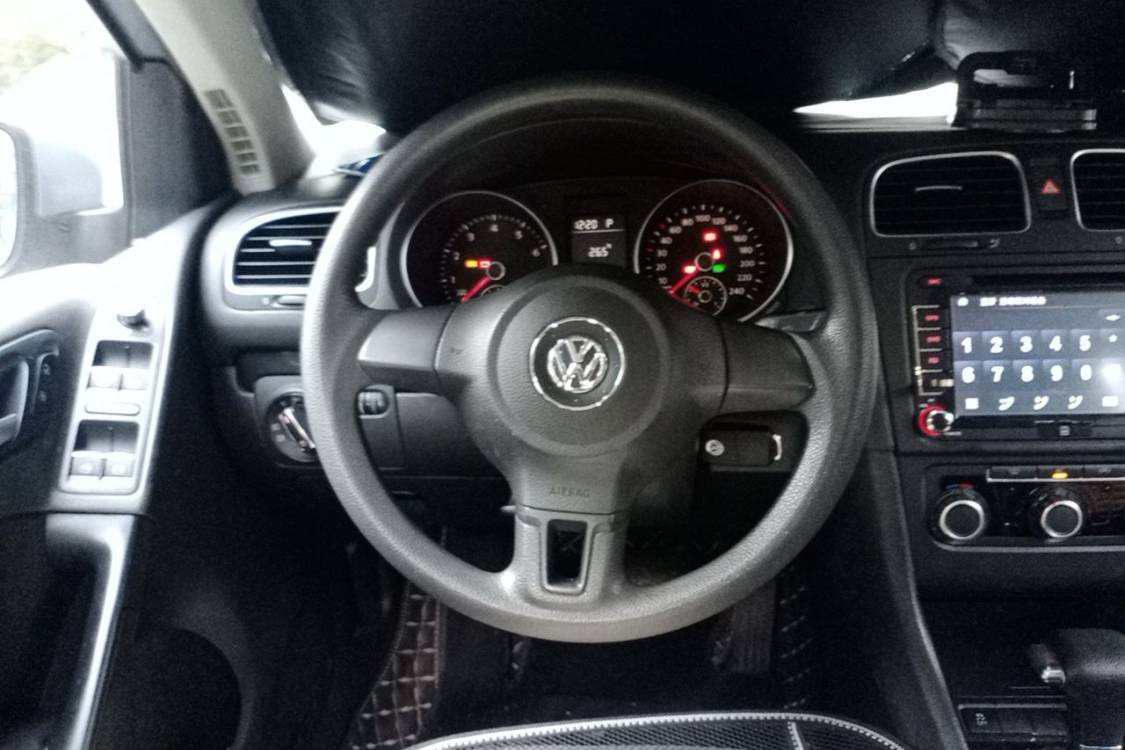
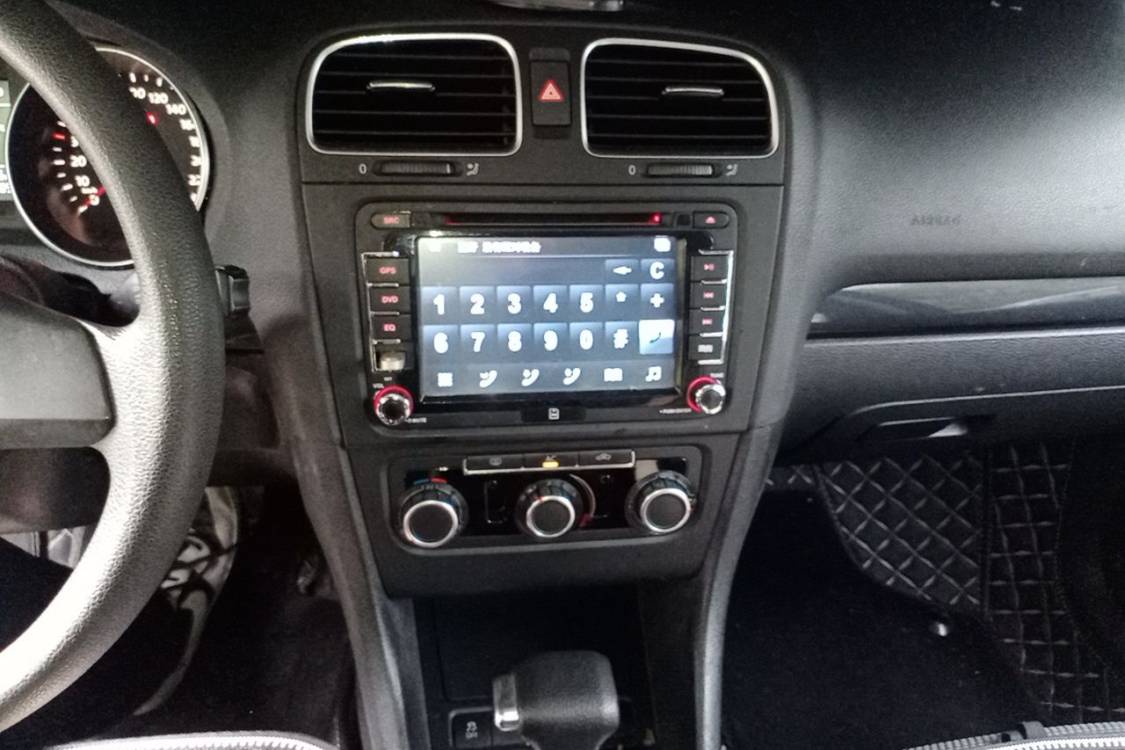
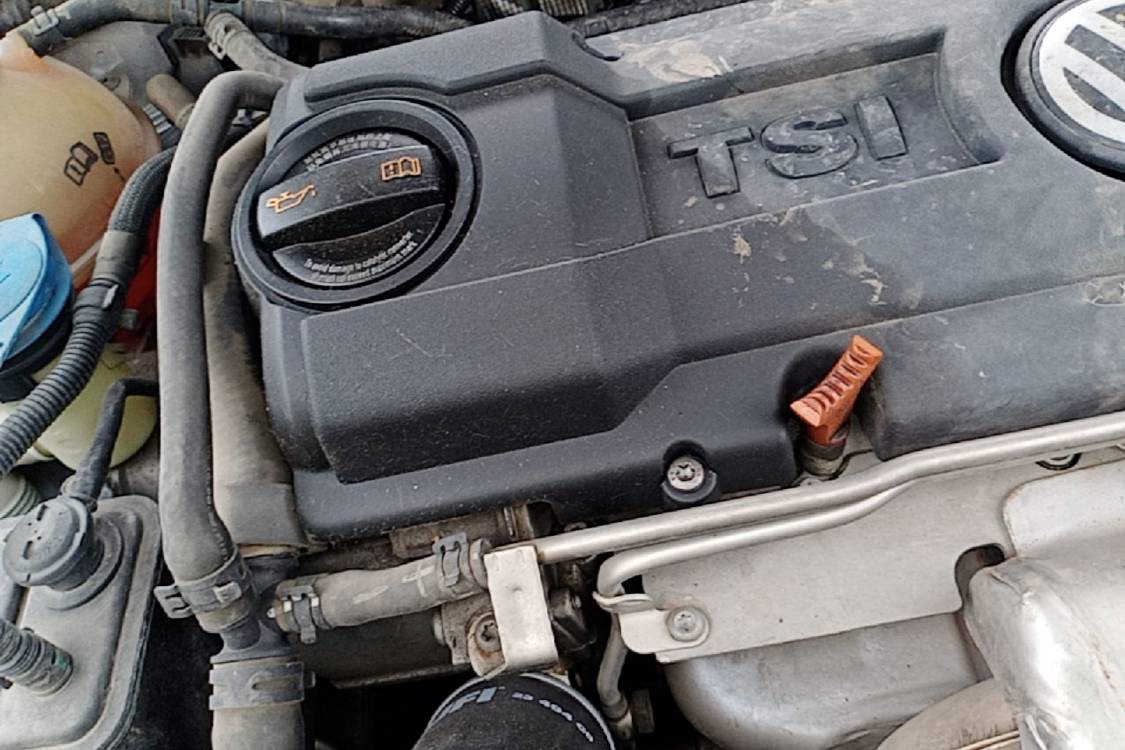
Accident inspection: no damage to main structure, reinforcing parts, or panels; hinges normal. Engine bay: oil seepage at cylinder head gasket. Exterior: none. Interior: most functions normal; airbags, seatbelts, dashboard, and instrument cluster normal; lighting system normal. Startup check: major components normal. Onboard tools: none.

电话直连
可讲价
平台物流
车主降价
零过户
新检测标准升级>
非泡水

Document Information

Inspection Expiry Date2026/10
Warranty Expiry Date-
Insurance Expiry Date2026/10

Q&A

More

If our country has a free trade agreement (FTA) with China, can you provide specific certificates of origin to reduce tariffs?

Yes. If your country (such as Chile, Peru, ASEAN countries, etc.) has signed a bilateral free trade agreement with China, our documentation center will apply to Chinese customs or the trade promotion agency for specific versions of the certificate of origin (such as Form E, Form F, etc.), which can help you legally apply for significant tariff reductions at the destination port.


Beyond the car price, what costs should I budget when importing a used car from China?

A realistic budget has several layers beyond the vehicle price. First, inland logistics in China: moving the car to the export port typically costs $300-$800. Second, export handling: inspection, customs declaration and paperwork usually add $500-$1,000. Third, ocean freight. A 20ft container to most destinations runs $1,200-$3,000 depending on route; RoRo shipping can be cheaper for driveable cars. Add marine insurance, usually 0.3%-0.5% of the car value. Fourth, destination charges: port handling, customs duties, VAT/GST and local registration fees. These vary widely; some countries charge duties of 20%-80% of the vehicle value plus an excise based on engine capacity. Finally, any compliance work: inspection certificates, modifications to meet local standards, or homologation. Ask your exporter for a full CIF quote and have a local customs broker confirm destination taxes before you commit.

Can you convert mainstream left-hand drive (LHD) cars in China to right-hand drive (RHD) and then export them?

We maintain an extremely cautious and firm denial. Some platforms may cater to such demands for orders, but converting left-hand drive to right-hand drive involves complex steering column cutting, firewall structure changes, and wiring harness reorganization. This non-factory deep modification poses significant safety risks and is very difficult to pass vehicle safety inspections in developed countries (such as Japan's earthquake test and the UK's IVA test). Out of responsibility for safety and long-term reputation, we refuse to provide any steering conversion services that damage the vehicle's underlying structure.