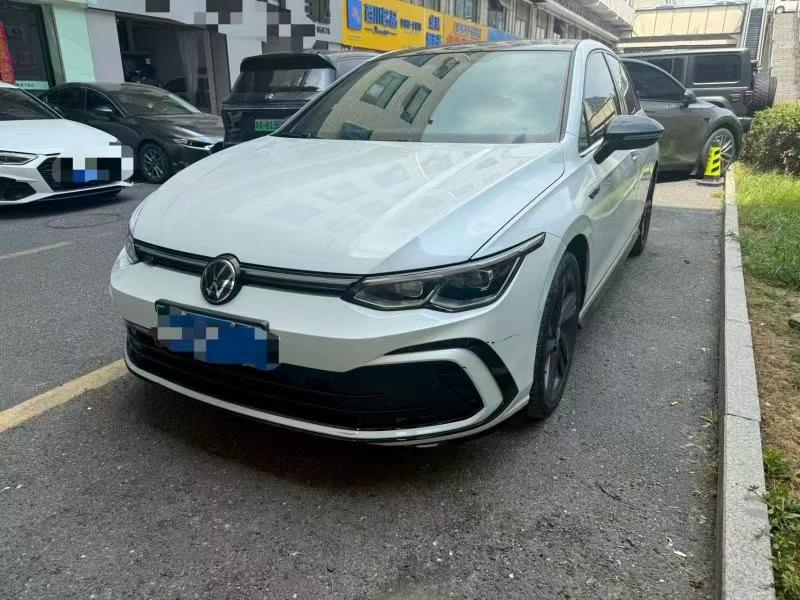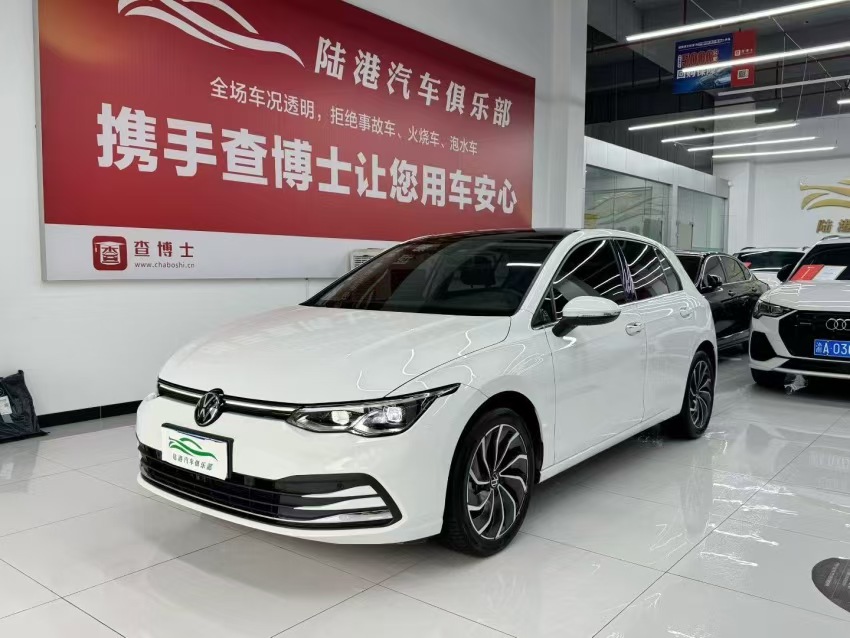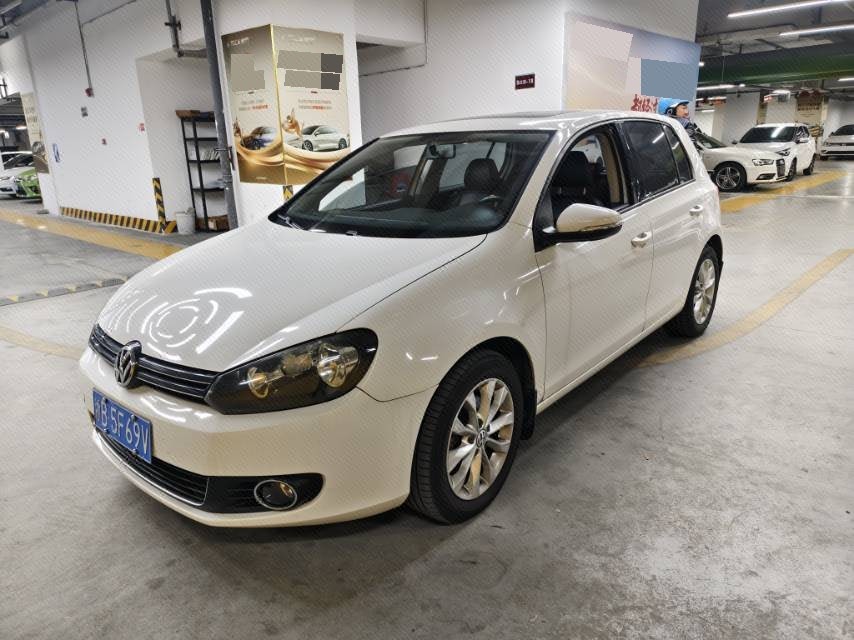
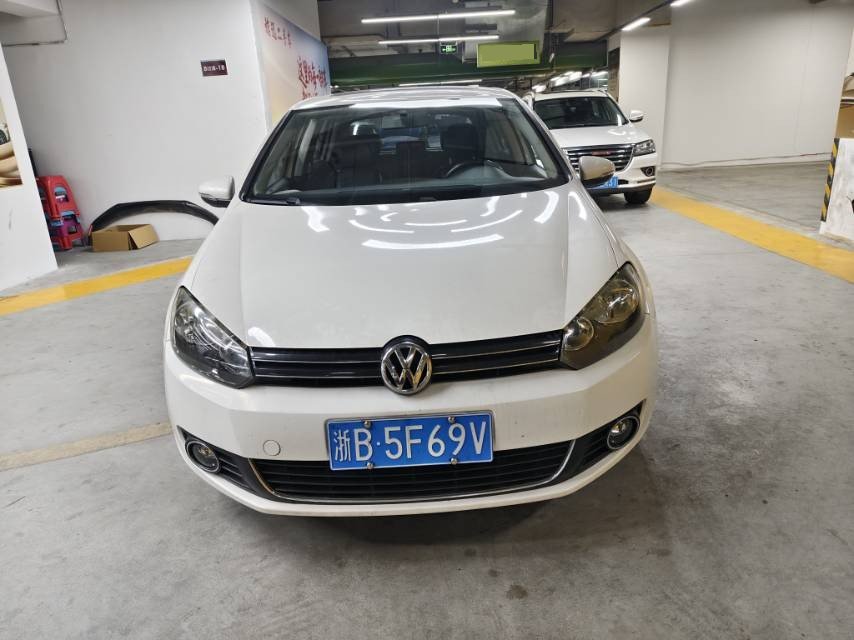
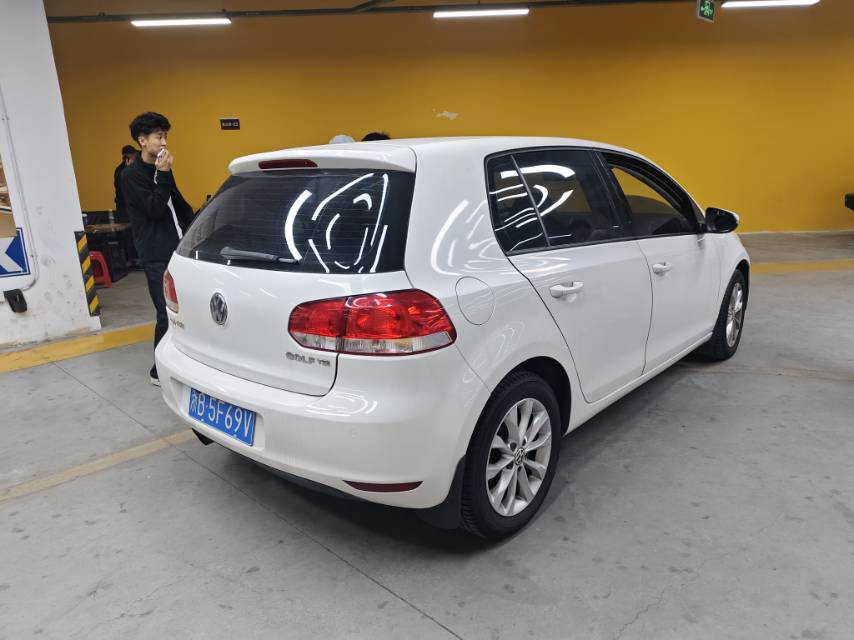
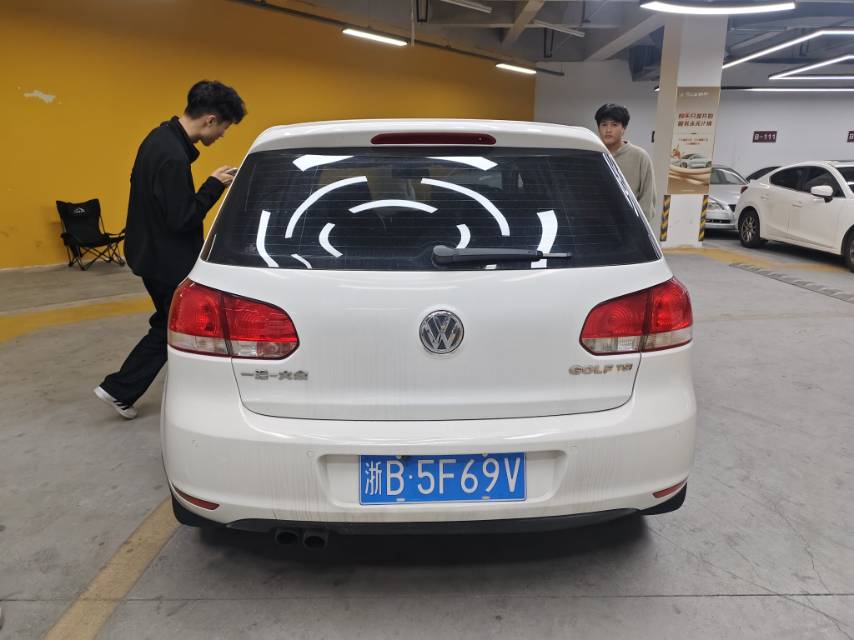
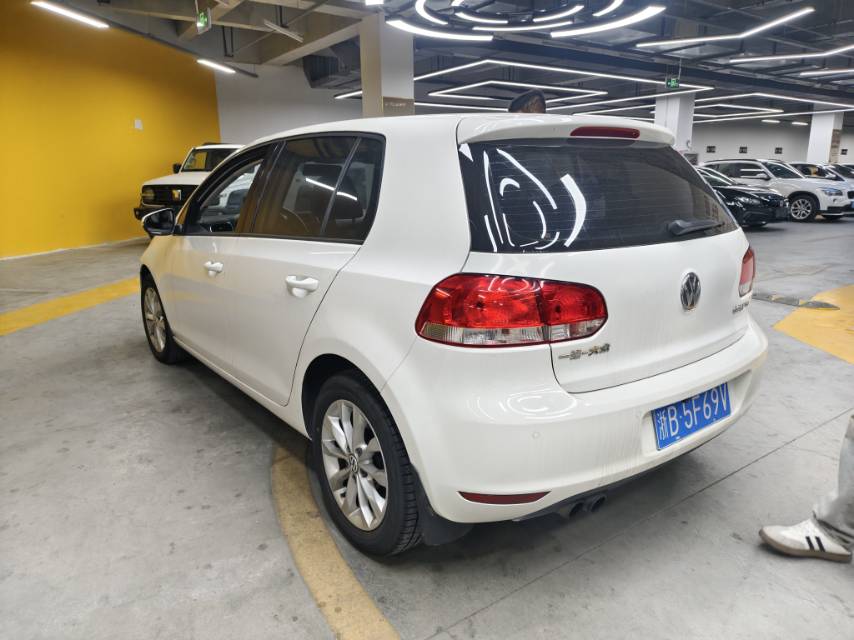



Basic Information

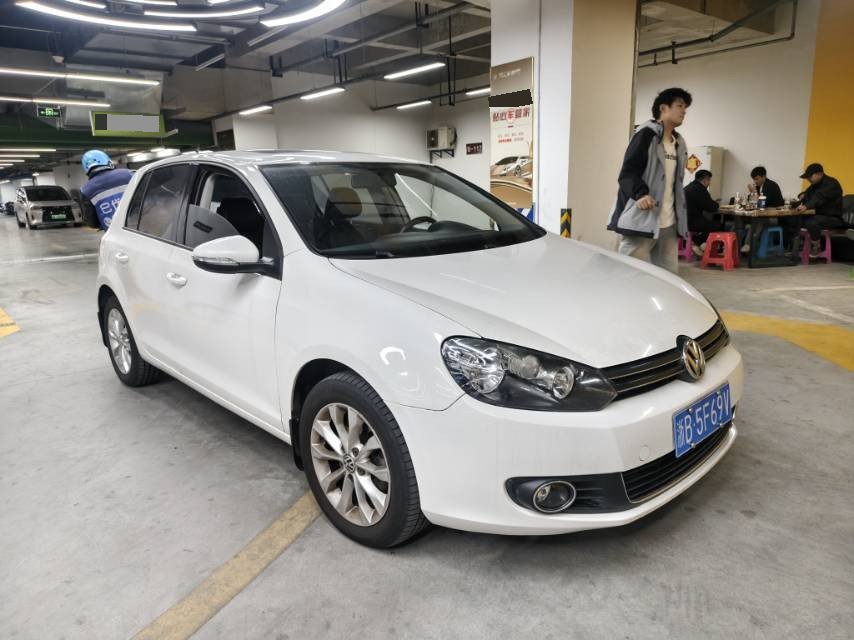
BrandVolkswagen
SeriesGolf
Year2013
First Registration2013/05
Mileage100,000km
Transfer Count0times
FuelGasoline
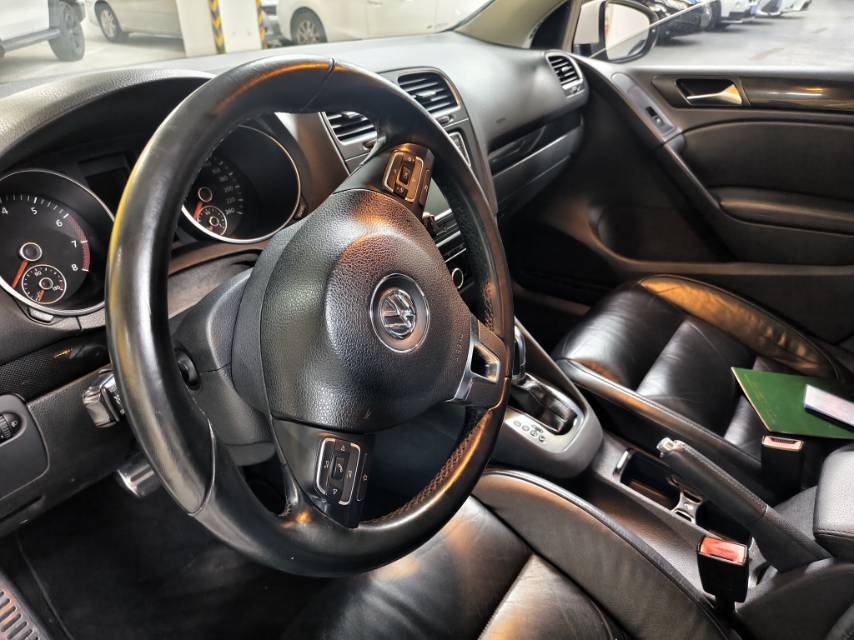
TransmissionDCT
Engine1.4T 131 L4
ColorWhite
Seats-

Condition Description

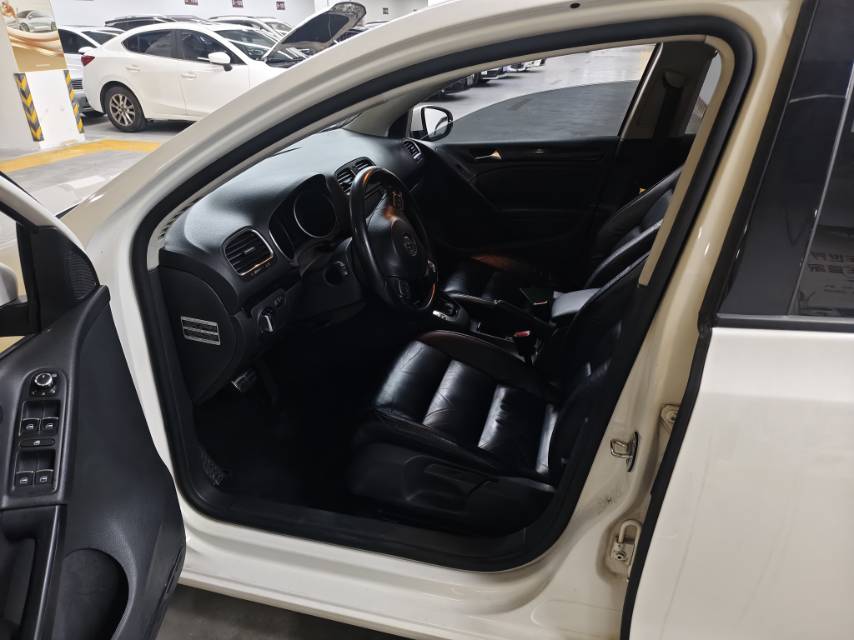
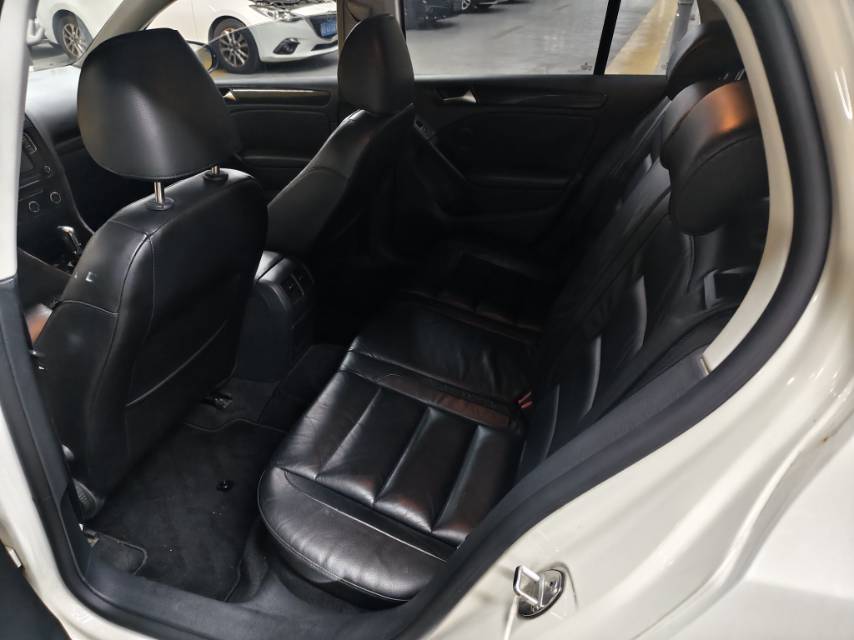
Door replaced; otherwise original. Sunroof. Has been repainted; no further investment.

Document Information

Inspection Expiry Date-
Warranty Expiry Date-
Insurance Expiry Date2027/05

Q&A

More

Will the Advanced Driver Assistance Systems (ADAS) work under overseas road conditions?

Basic perception functions (like Adaptive Cruise Control ACC, Lane Keeping Assist LKA, and Automatic Emergency Braking AEB) rely on the vehicle's local radar and cameras, and can operate normally overseas. However, advanced features that heavily depend on high-precision maps and cloud data (like Navigation on Autopilot NOA and Full Self-Driving FSD) cannot be activated overseas.


How does the buying process actually work step by step when importing a used car from China?

A typical safe flow looks like this: 1. Sourcing: you pick a car from listings; the exporter confirms availability, sends photos, video and a condition report. 2. Contract: a written sales contract stating VIN, price, included costs, inspection standards and delivery terms (FOB or CIF). 3. Deposit: usually 10–30% after you or a third party verify the car. Pay to a company account, never personal. 4. Inspection: independent pre-shipment inspection; you approve the report before shipping. 5. Balance payment: due before shipment, against copy of the bill of lading. 6. Shipping and documents: exporter sends original documents by courier; you track the vessel. 7. Arrival: your customs agent clears the car, you pay duties and collect it. Timeline: typically 3–8 weeks from deposit to arrival, depending on route. Any exporter pushing for 100% upfront payment should be treated as a red flag.

When B2B buyers make bulk purchases, can they request to combine the accessory costs and vehicle price on the same commercial invoice to reduce overall tariffs?

No, this is a serious customs violation. Complete vehicles (HS Code 8703) and auto parts (HS Code 8708, etc.) are subject to completely different import tax rates. Combining them on one invoice could lead to the invoice being returned by customs and may expose you to tax fraud accusations at the destination port.