24H

Basic Information

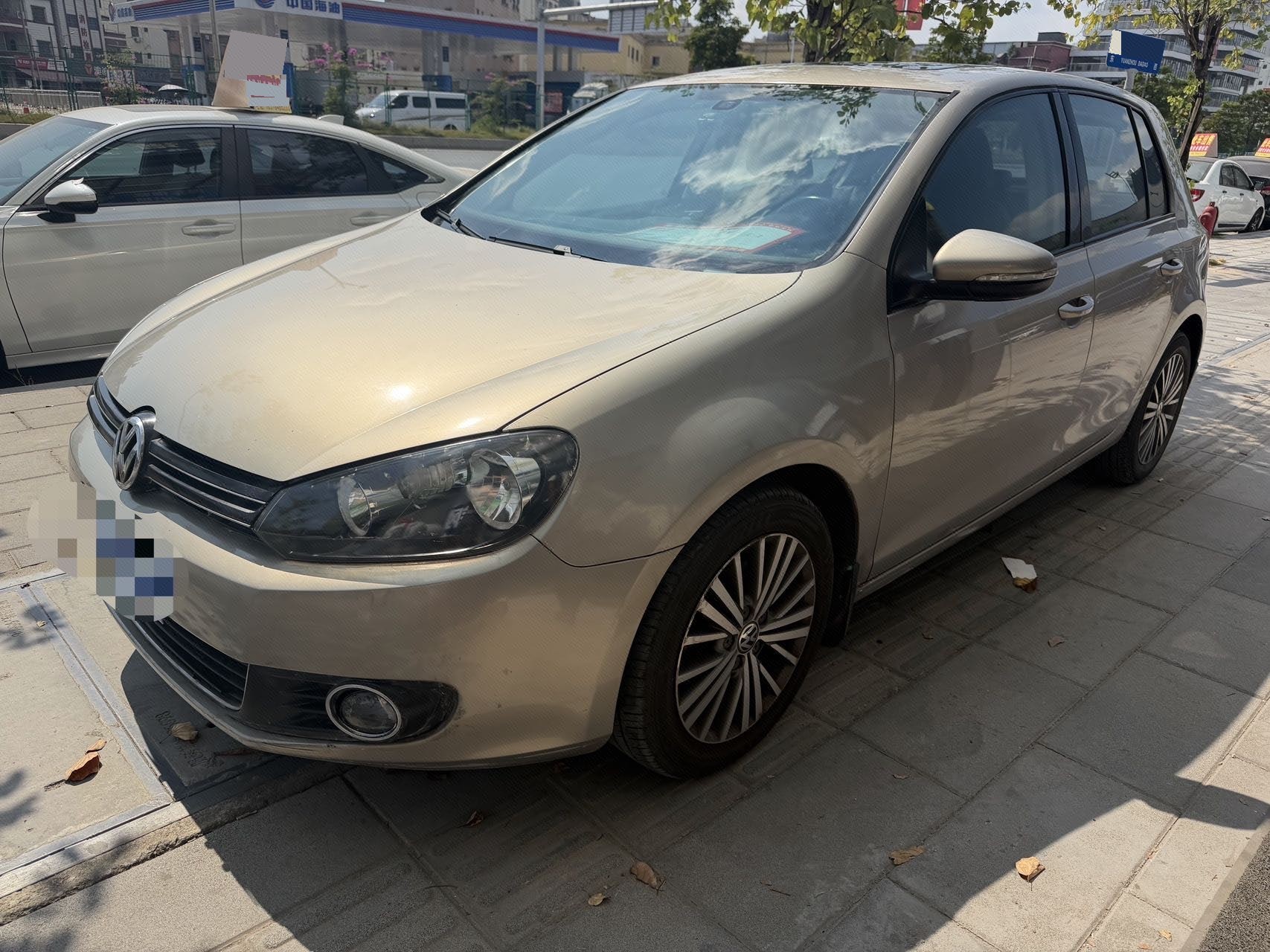
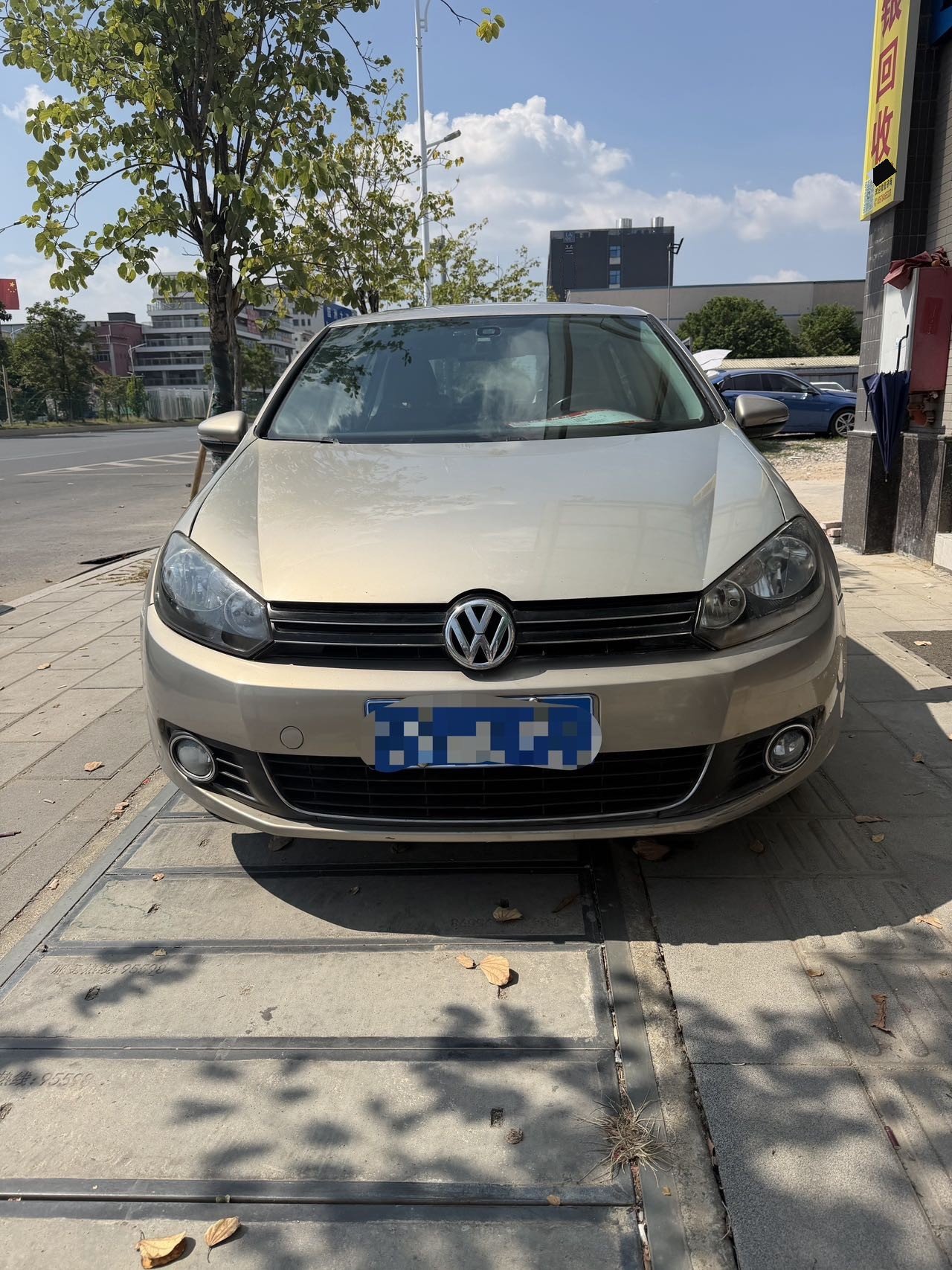
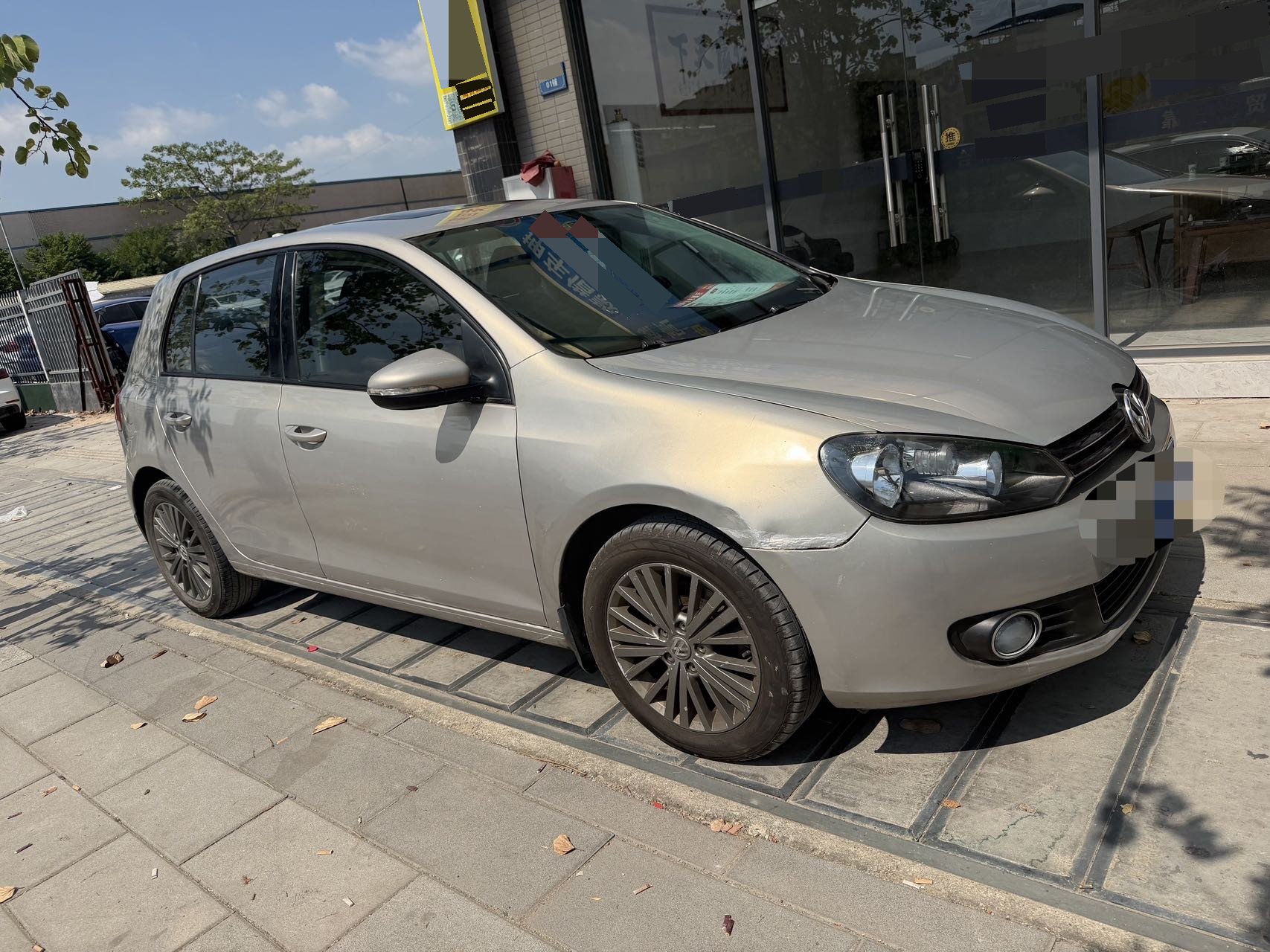
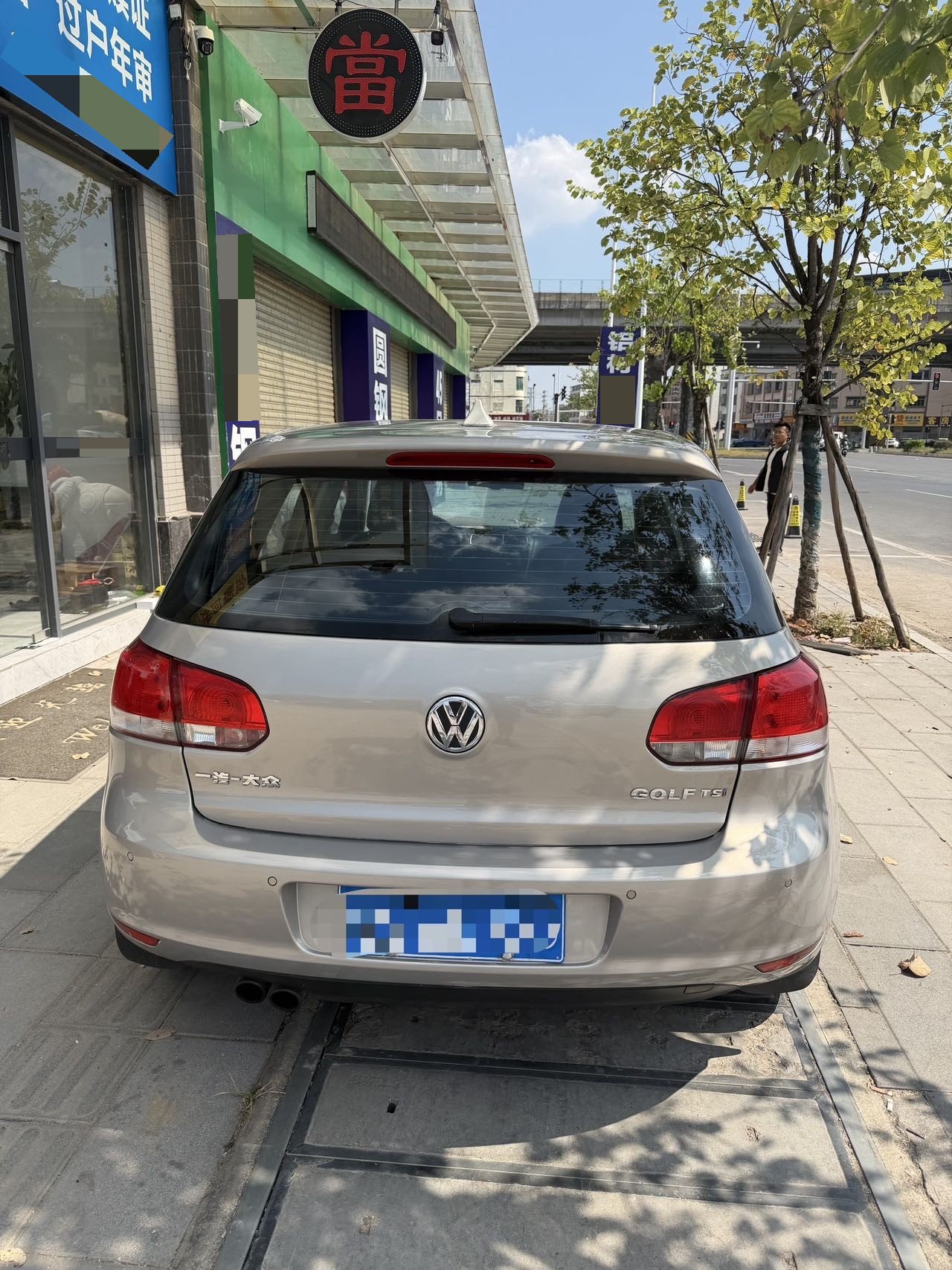
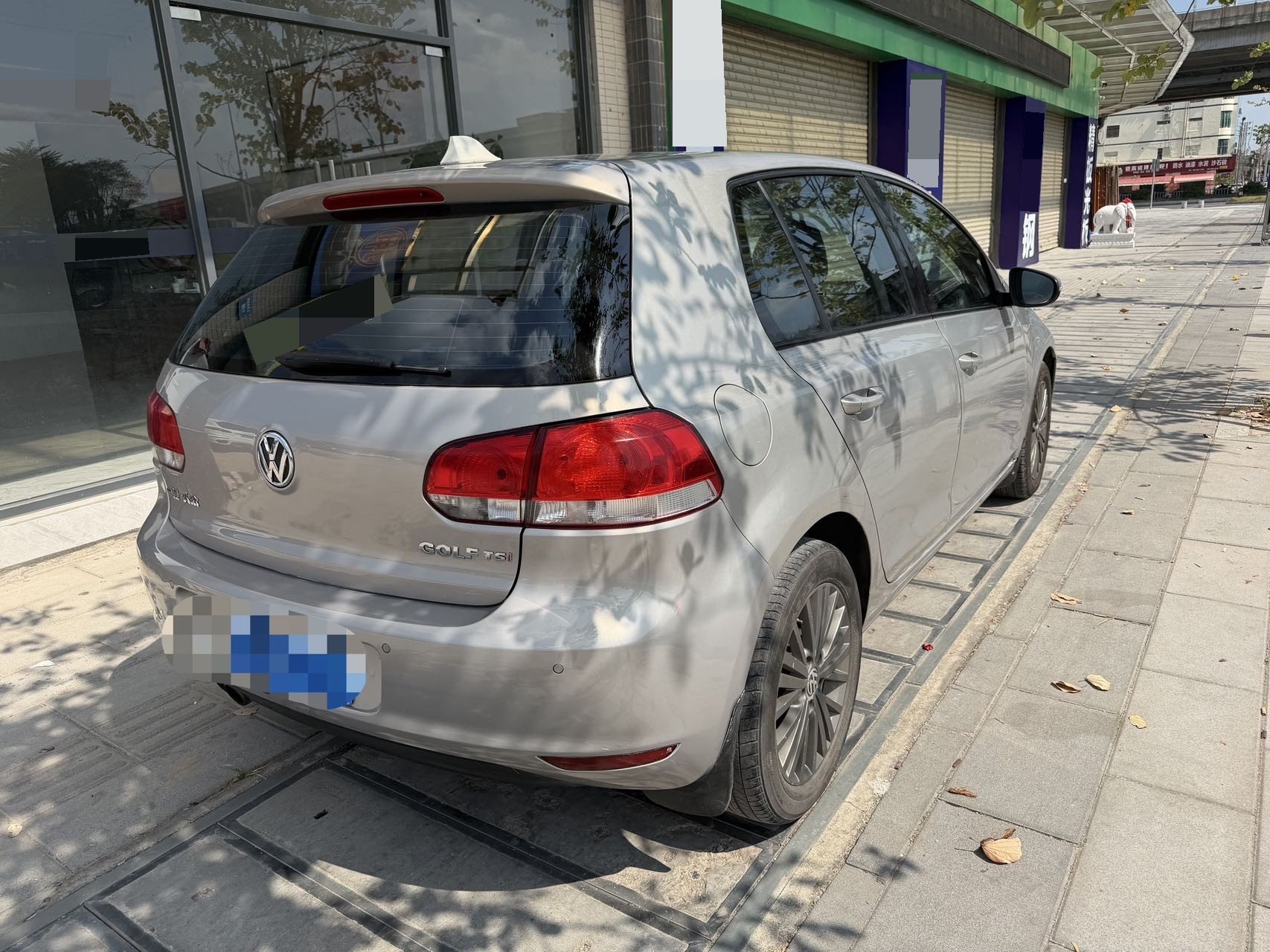
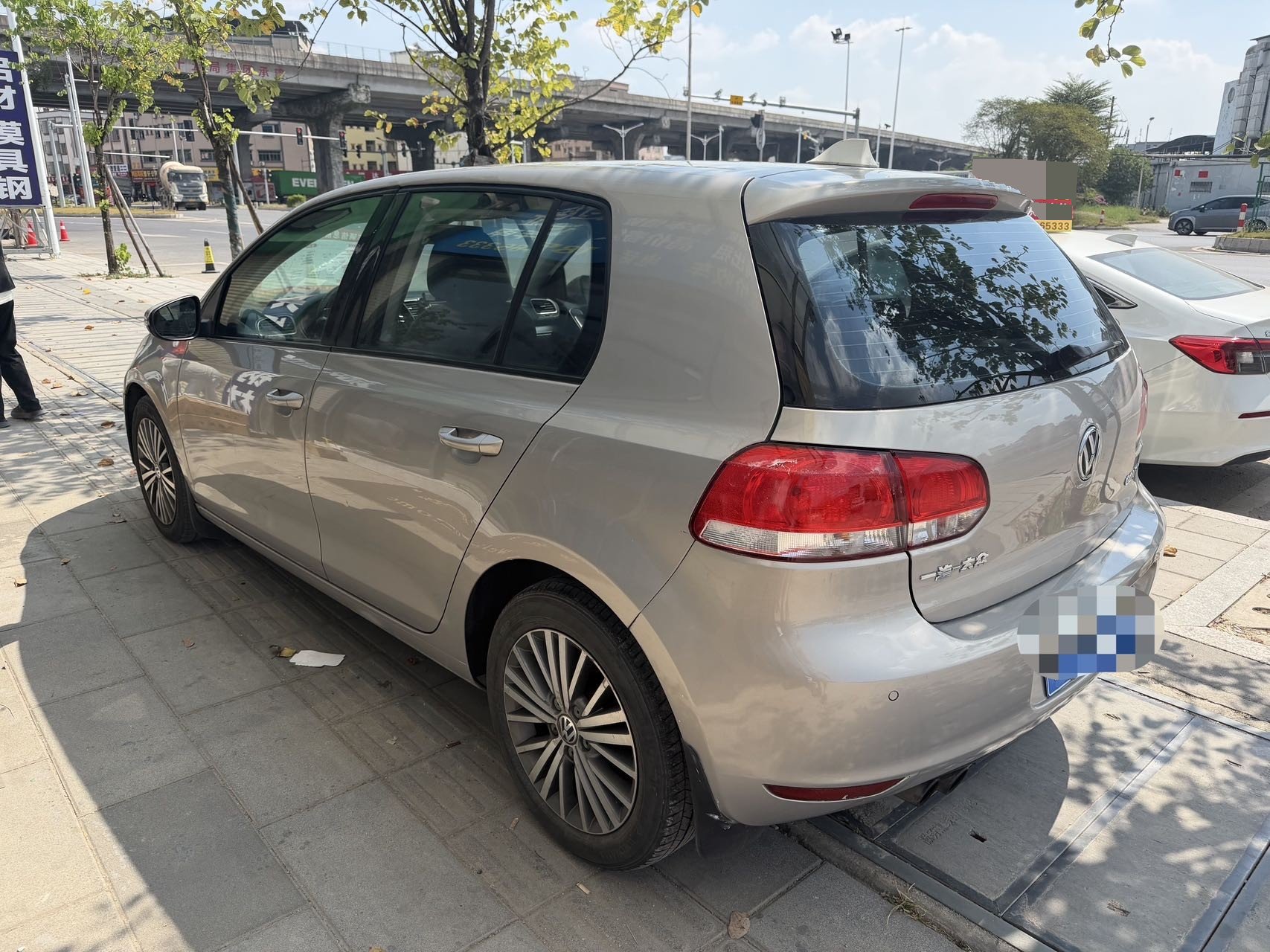
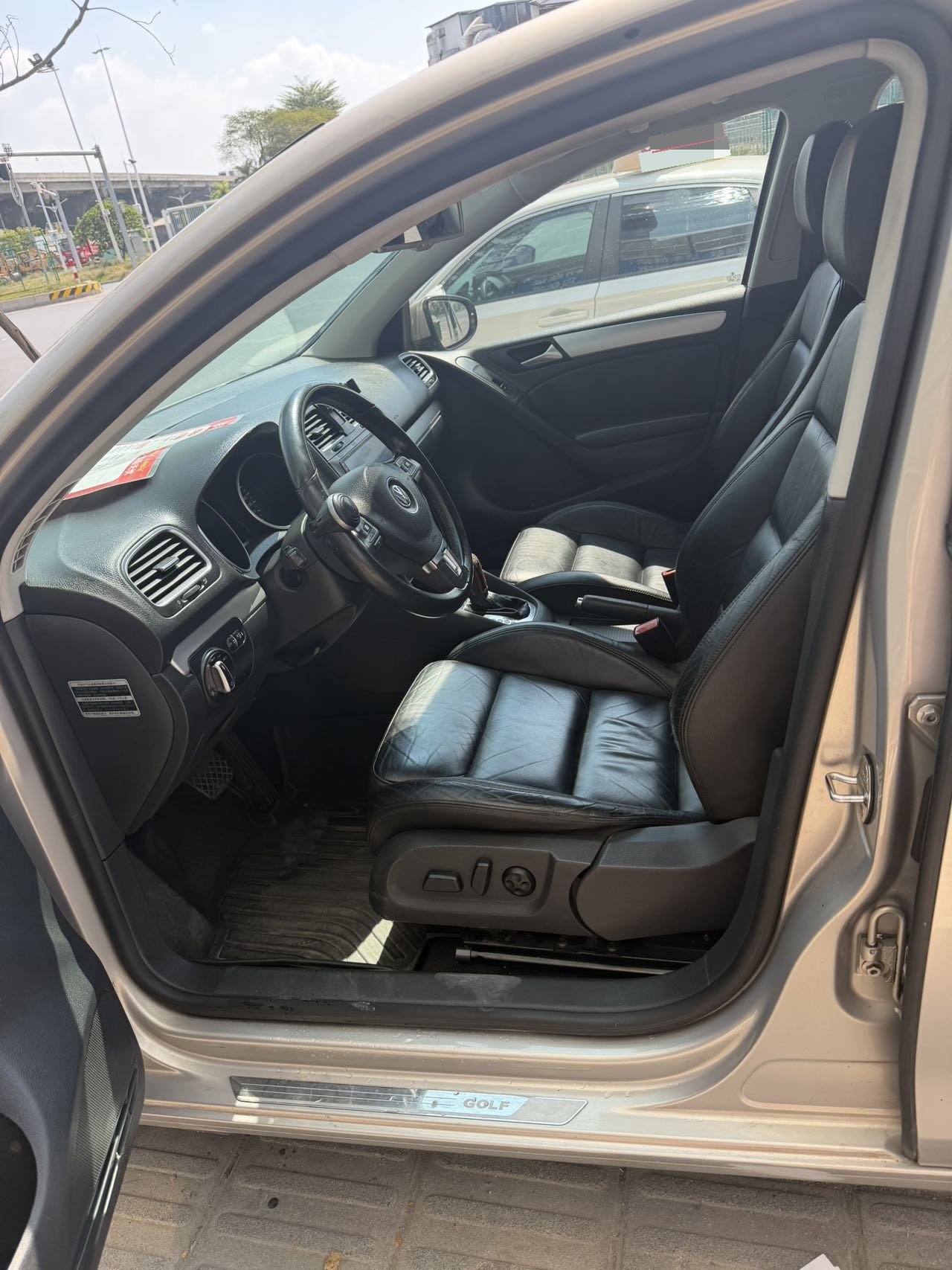
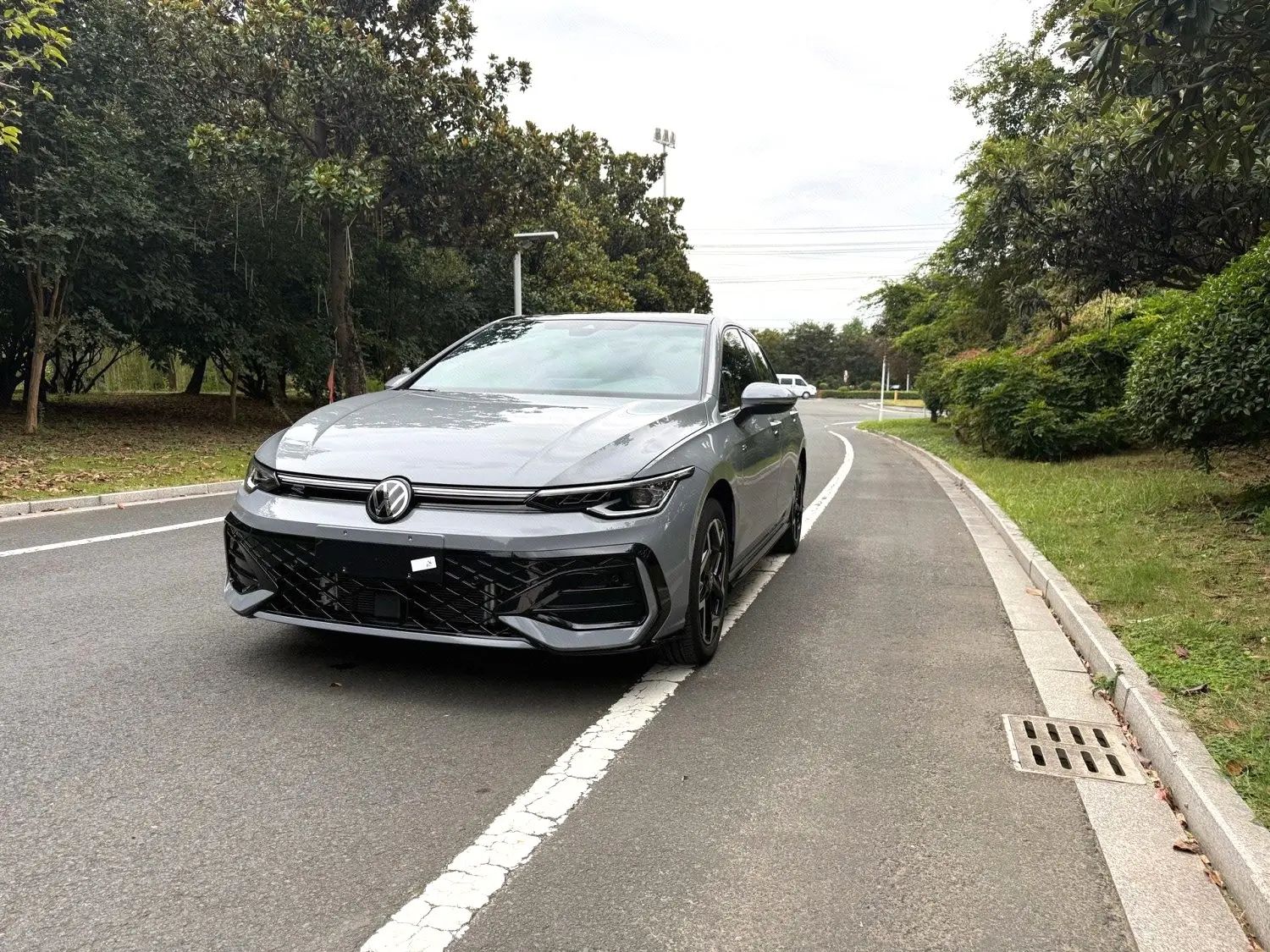
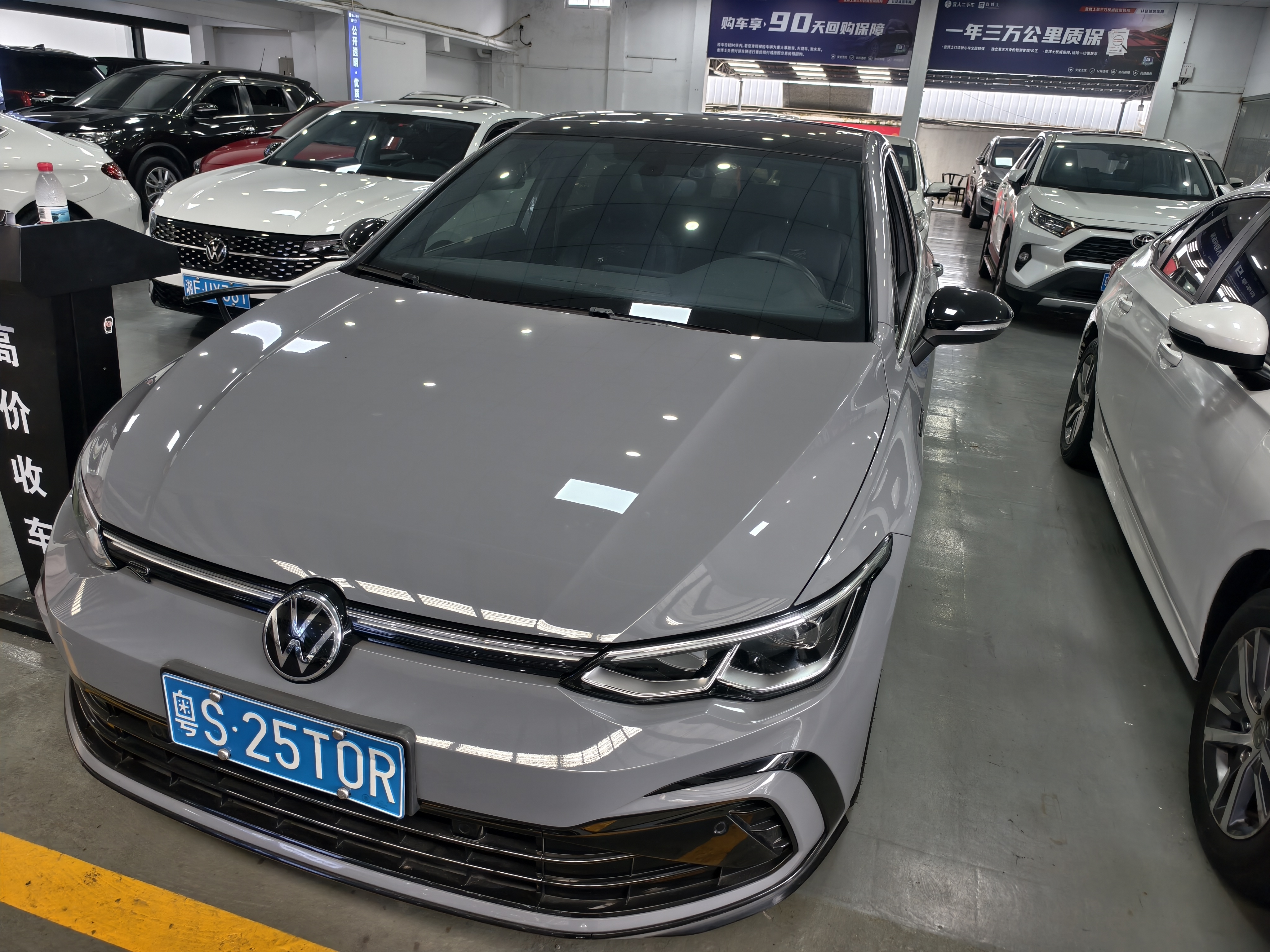
BrandVolkswagen
SeriesGolf
Year2013
First Registration2013/11
Mileage112,700km
Transfer Count0times
FuelGasoline
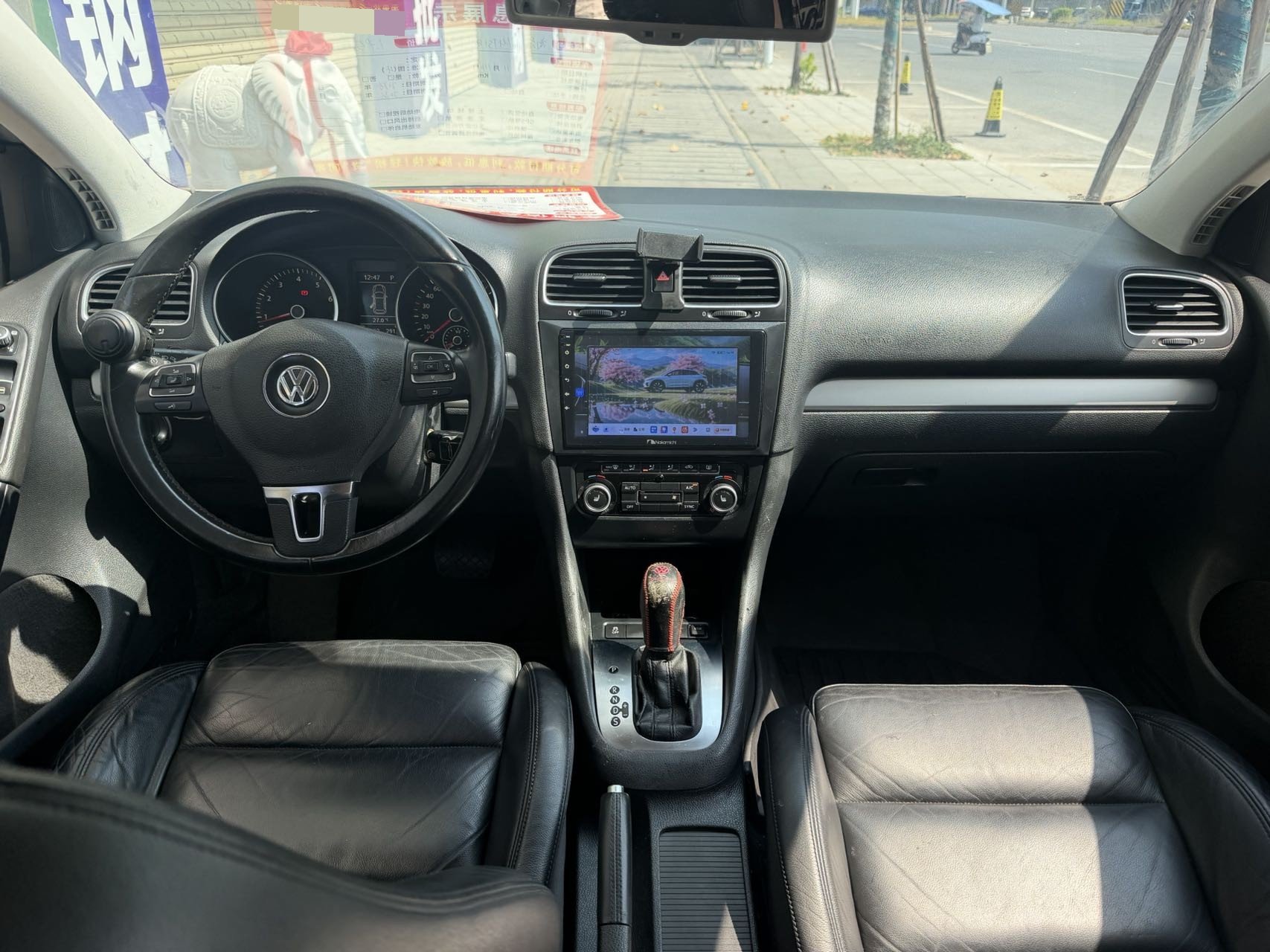
TransmissionDCT
Engine1.4T 131 L4
ColorYellow
Seats-

Condition Description

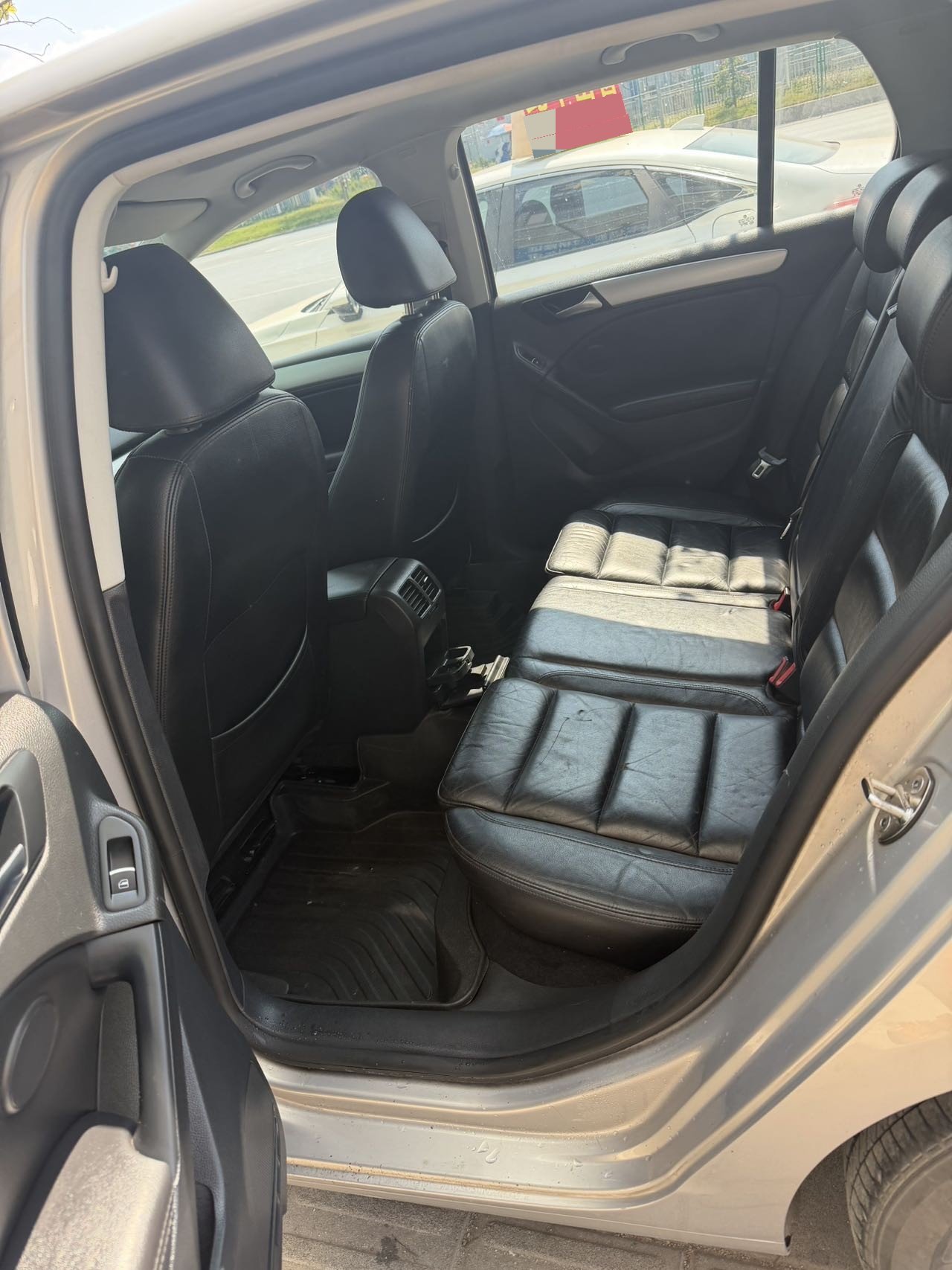
Can pass third-party inspection, original condition.

Document Information

Inspection Expiry Date-
Warranty Expiry Date-
Insurance Expiry Date2026/11

Q&A

More

How many previous owners has this car had? Does a high number of transfers indicate poor condition?

We will provide the transfer record from the vehicle registration certificate. A high number of transfers does not necessarily indicate poor condition (for example, internal transfers within a family for quota purposes), but we will consider it a risk factor and conduct a more thorough physical inspection to verify its actual condition.

For countries with strict anti-dumping laws, do the low-priced used new energy vehicles you export face the risk of being confiscated by customs on the grounds of dumping?

This is a macro policy minefield. Although used cars are rarely classified as dumping, if your single import quantity is too large and the declared price is significantly lower than local similar products, it can easily trigger an investigation by the tax bureau. We strongly recommend B2B buyers to break down shipments into smaller batches and use multiple invoices for customs clearance.

What should a purchase contract with a Chinese used-car exporter include to protect me?

A solid contract is your main protection in a cross-border deal. It should specify: 1. Vehicle identification: VIN, year, mileage, trim level, and photos of the actual car appended as an annex — not just「a 2021 Toyota」. 2. Condition guarantees: no accident, no flood or fire damage, no structural repairs, supported by a third-party inspection report referenced in the contract. 3. Price and Incoterm: total amount, currency, the named port, and whether freight and insurance are included. 4. Payment schedule: e.g., 20–30% deposit after contract signing, balance against copy of the Bill of Lading. Avoid 100% upfront. Use T/T to the company's corporate bank account only — never a personal account. 5. Timeline: inspection date, estimated loading date, and latest shipment date, with remedies if delayed. 6. Dispute clause: governing law and arbitration (CIETAC or your local chamber) rather than foreign court litigation. Ask for the contract in English (or bilingual) with the supplier's company chop. A company that refuses a written contract or pushes for full prepayment is a red flag.