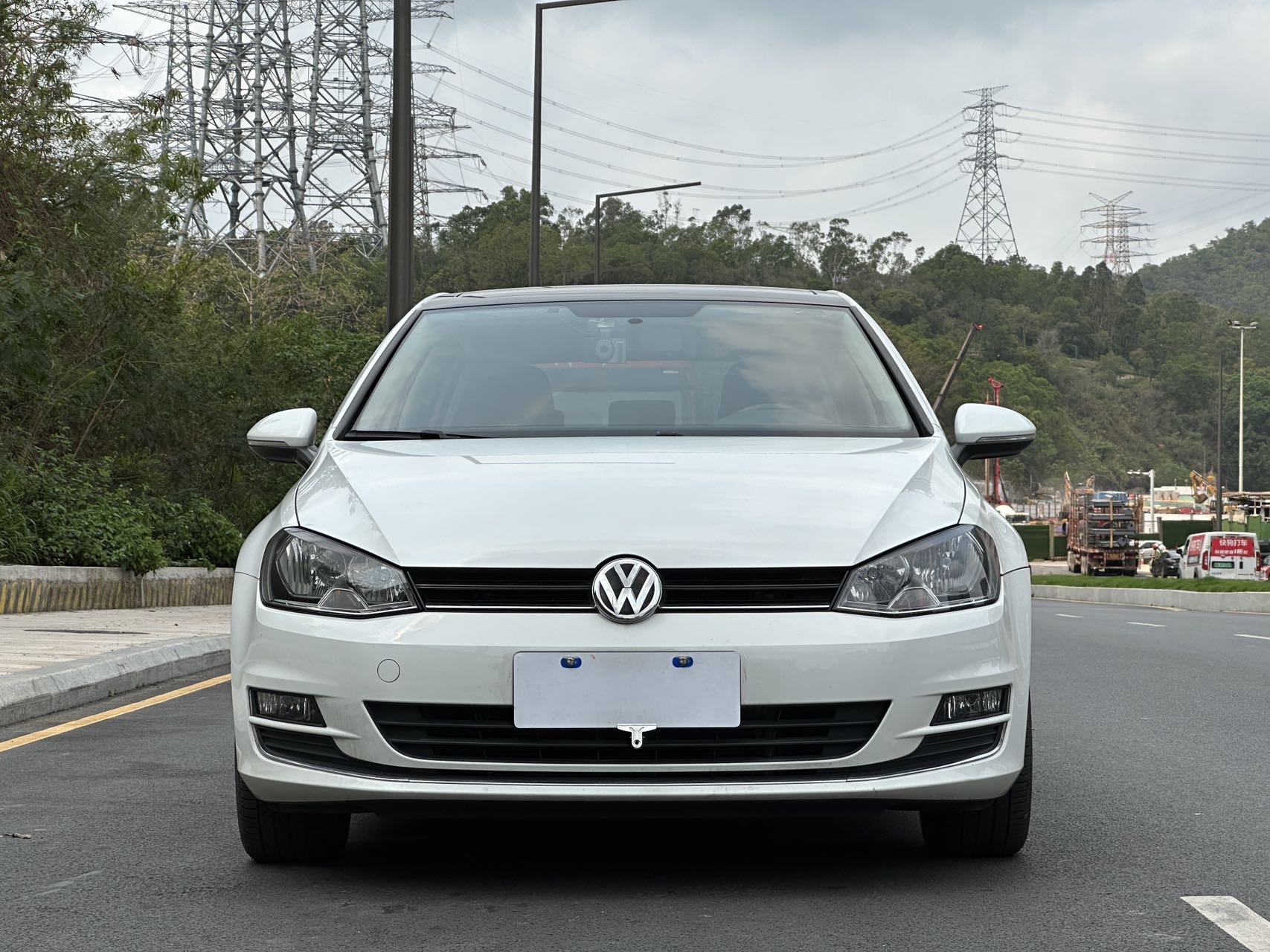
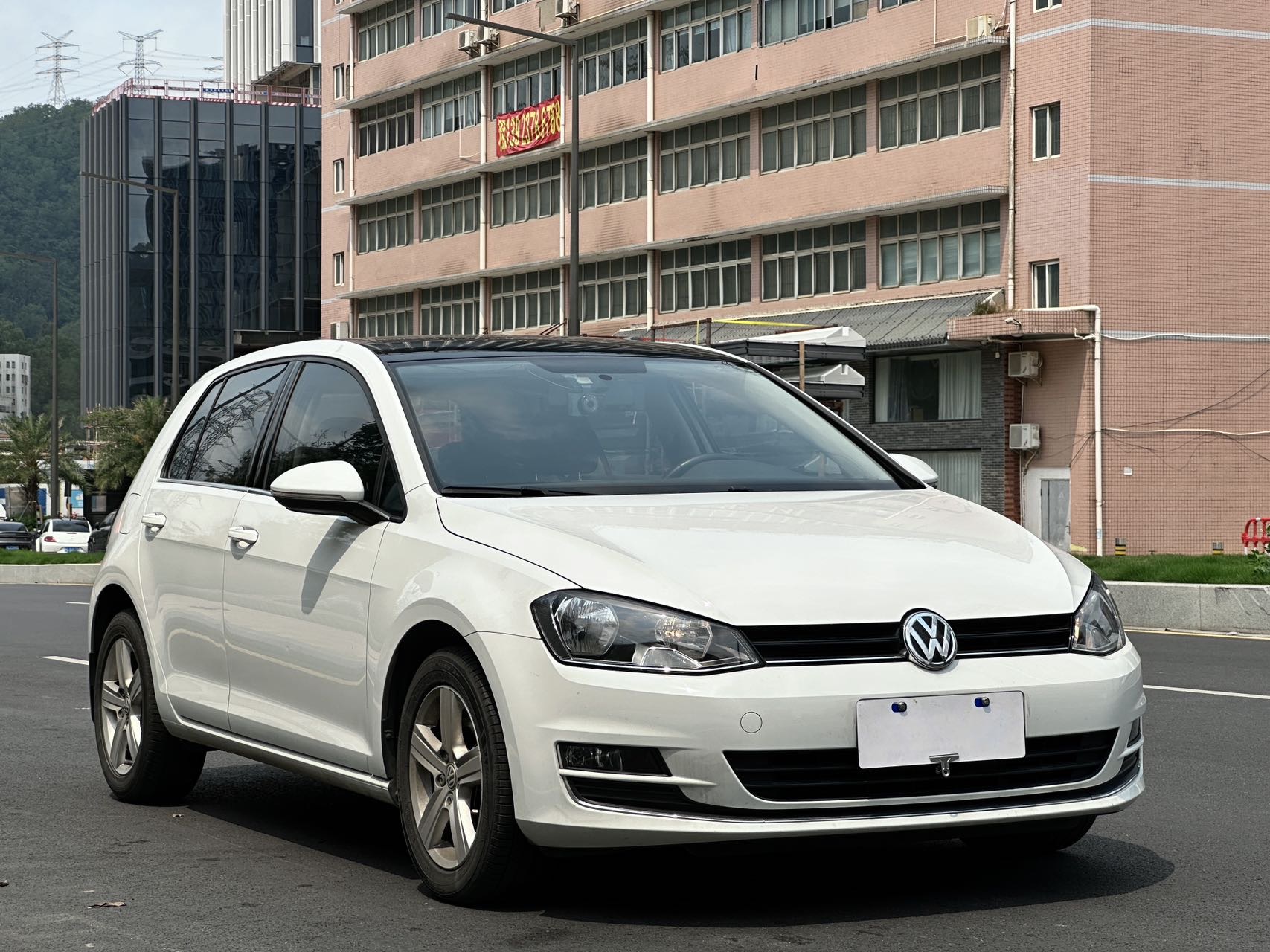
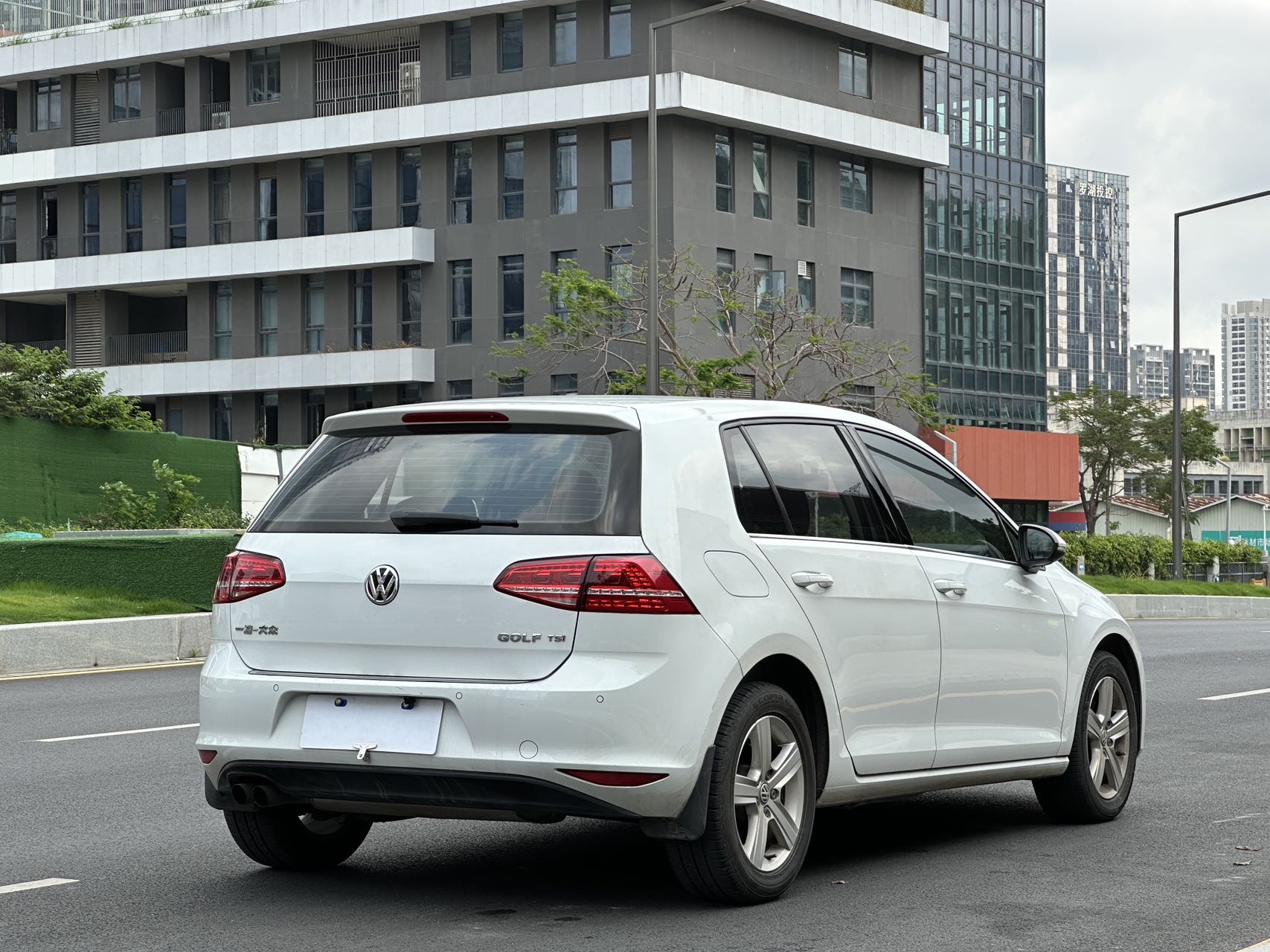
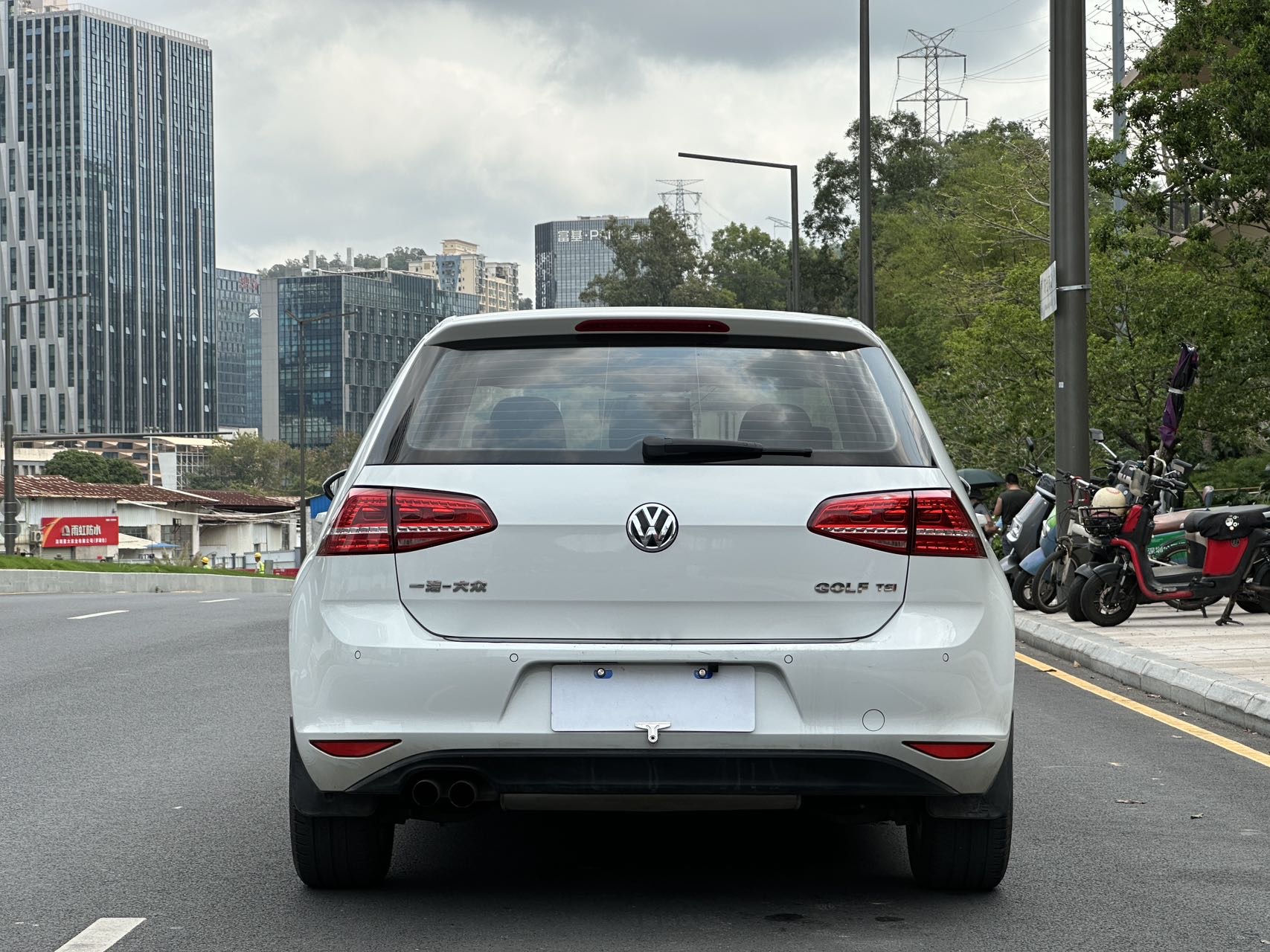
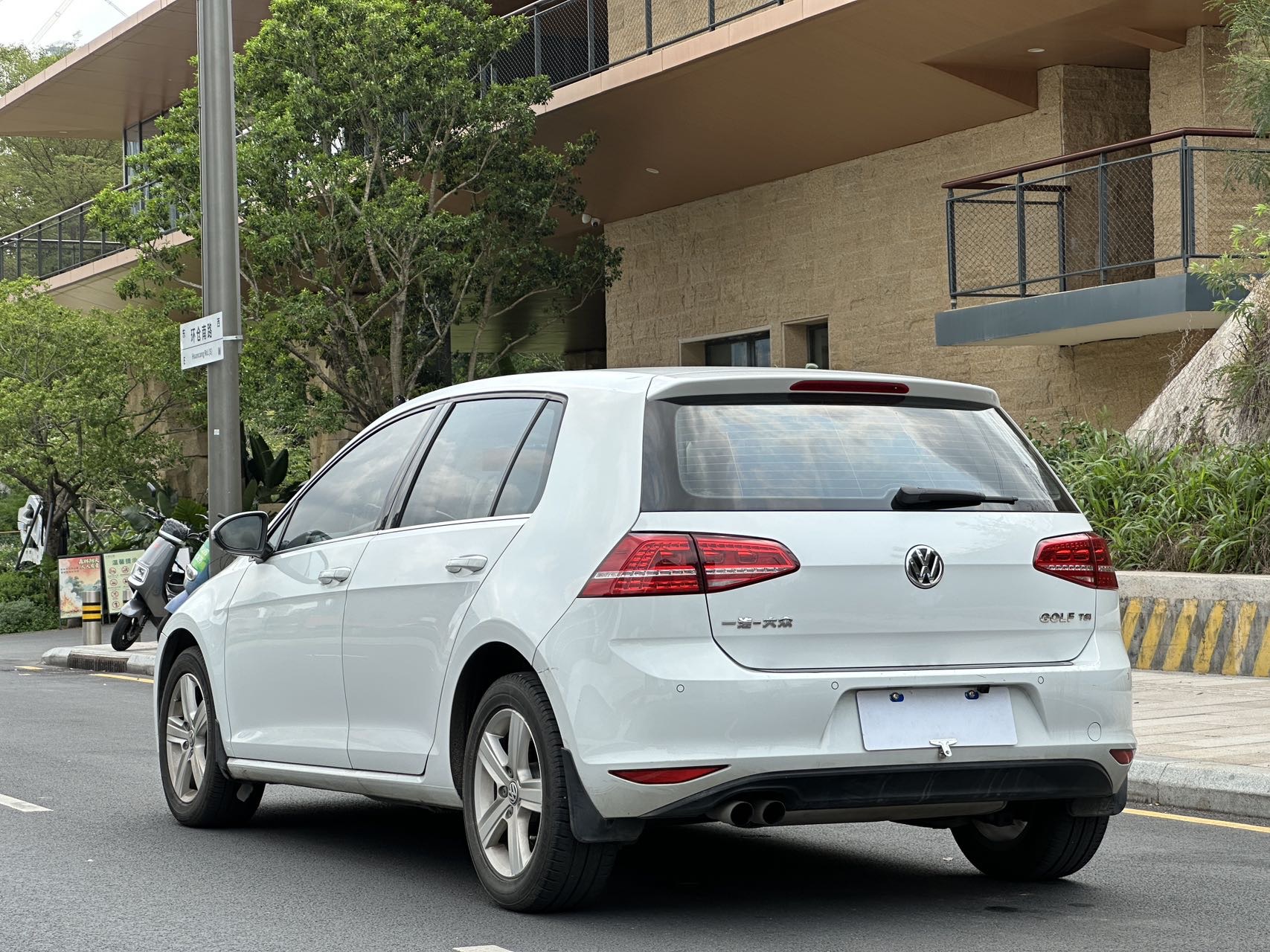
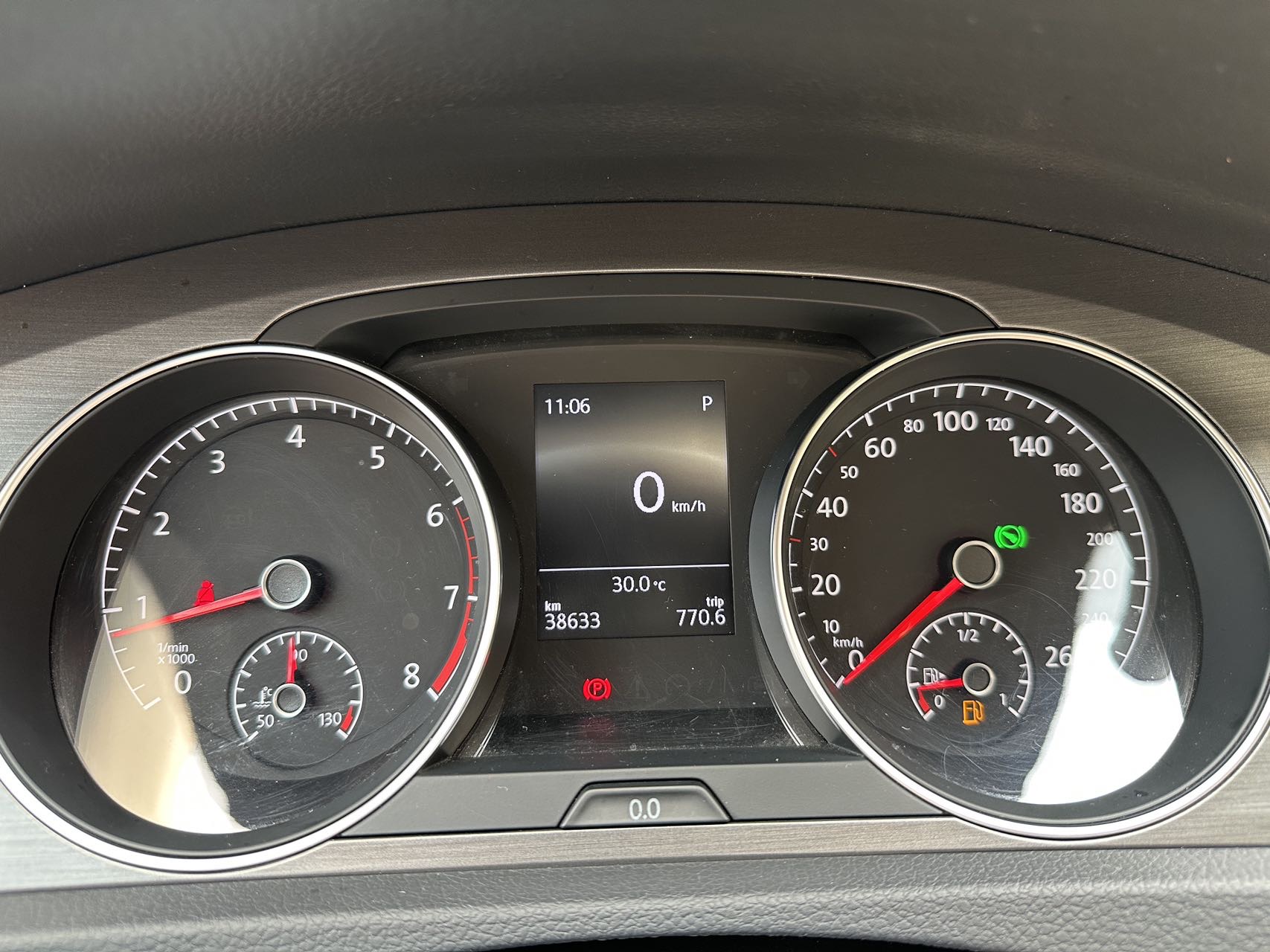
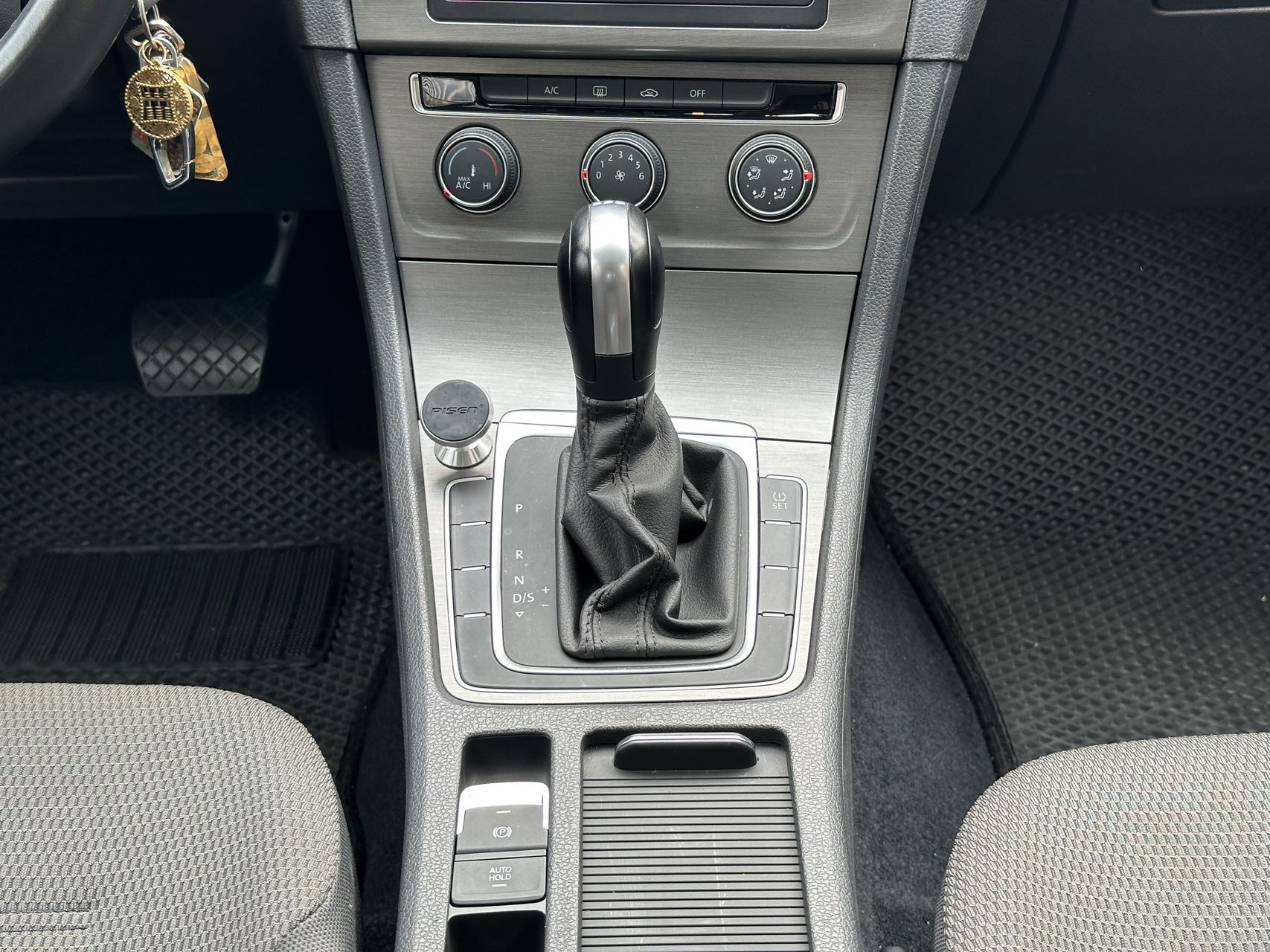
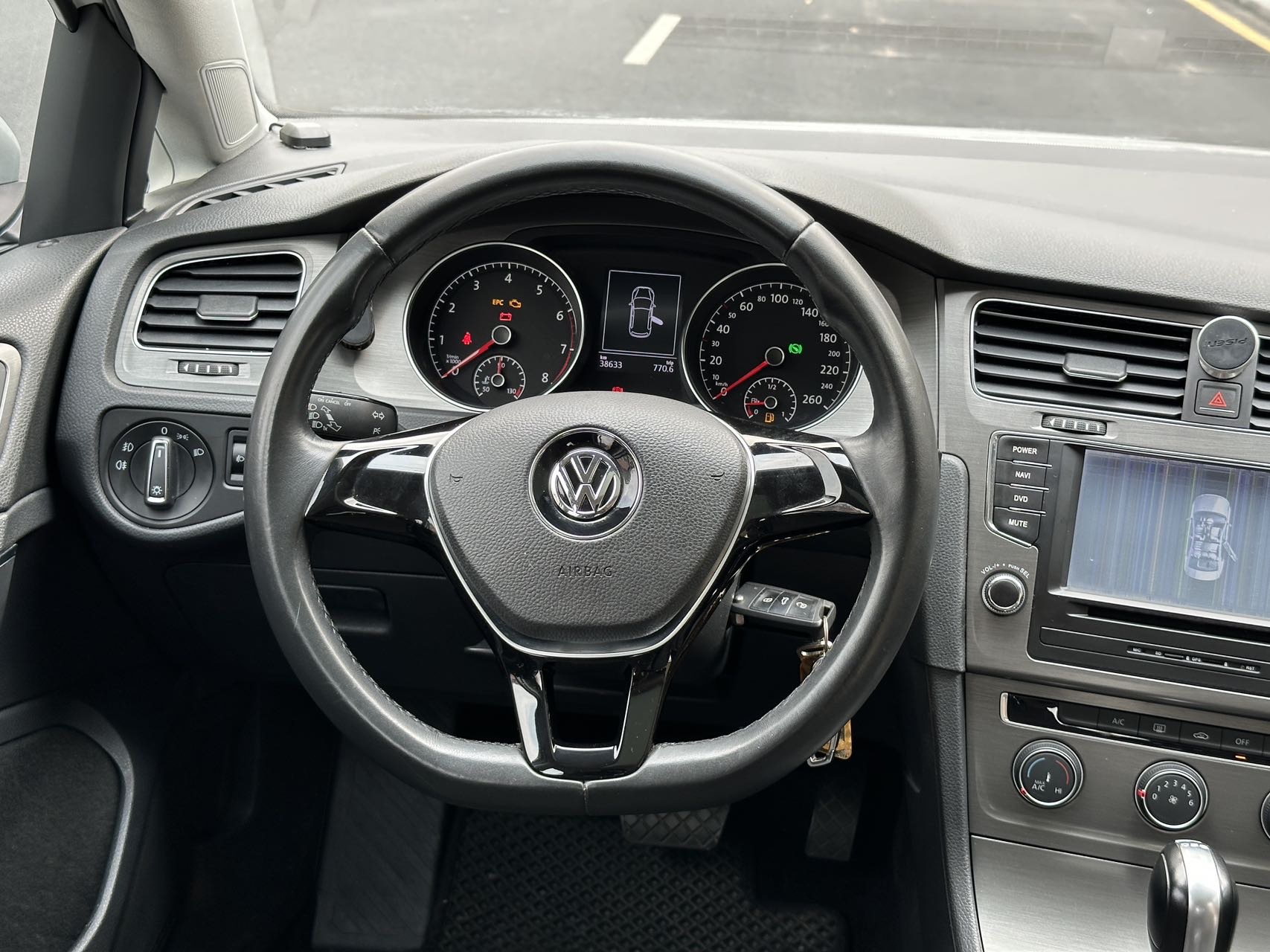
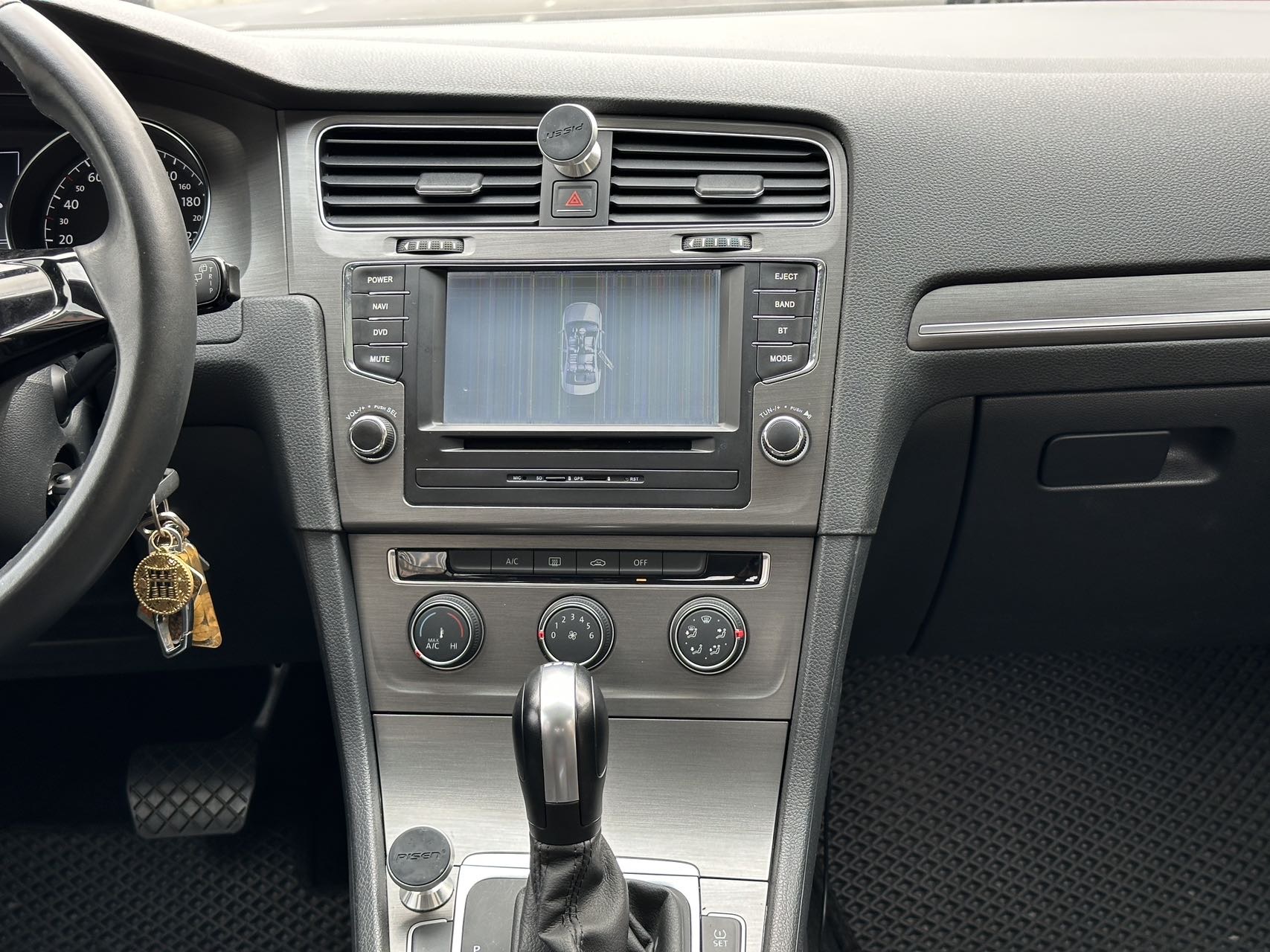
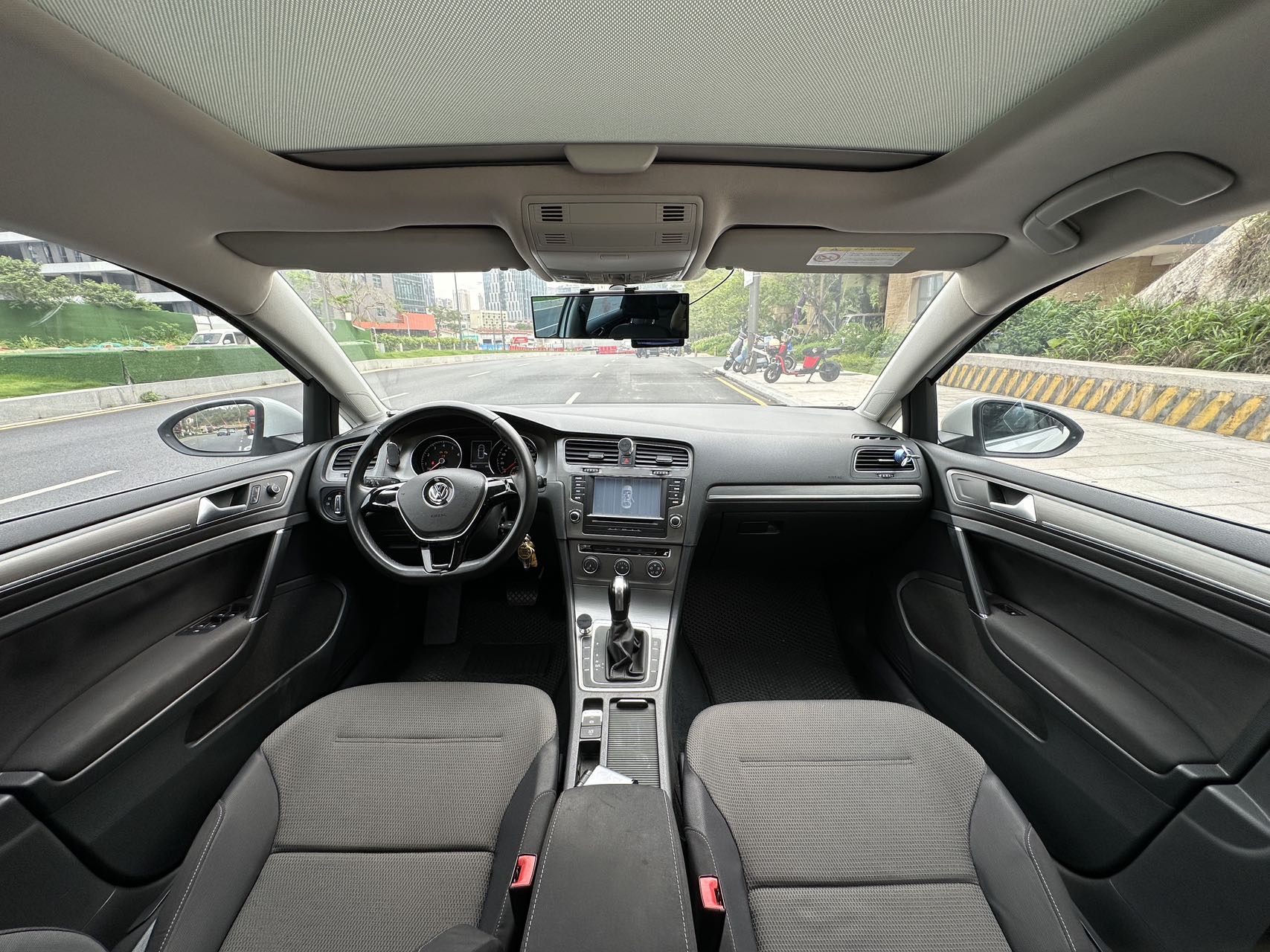
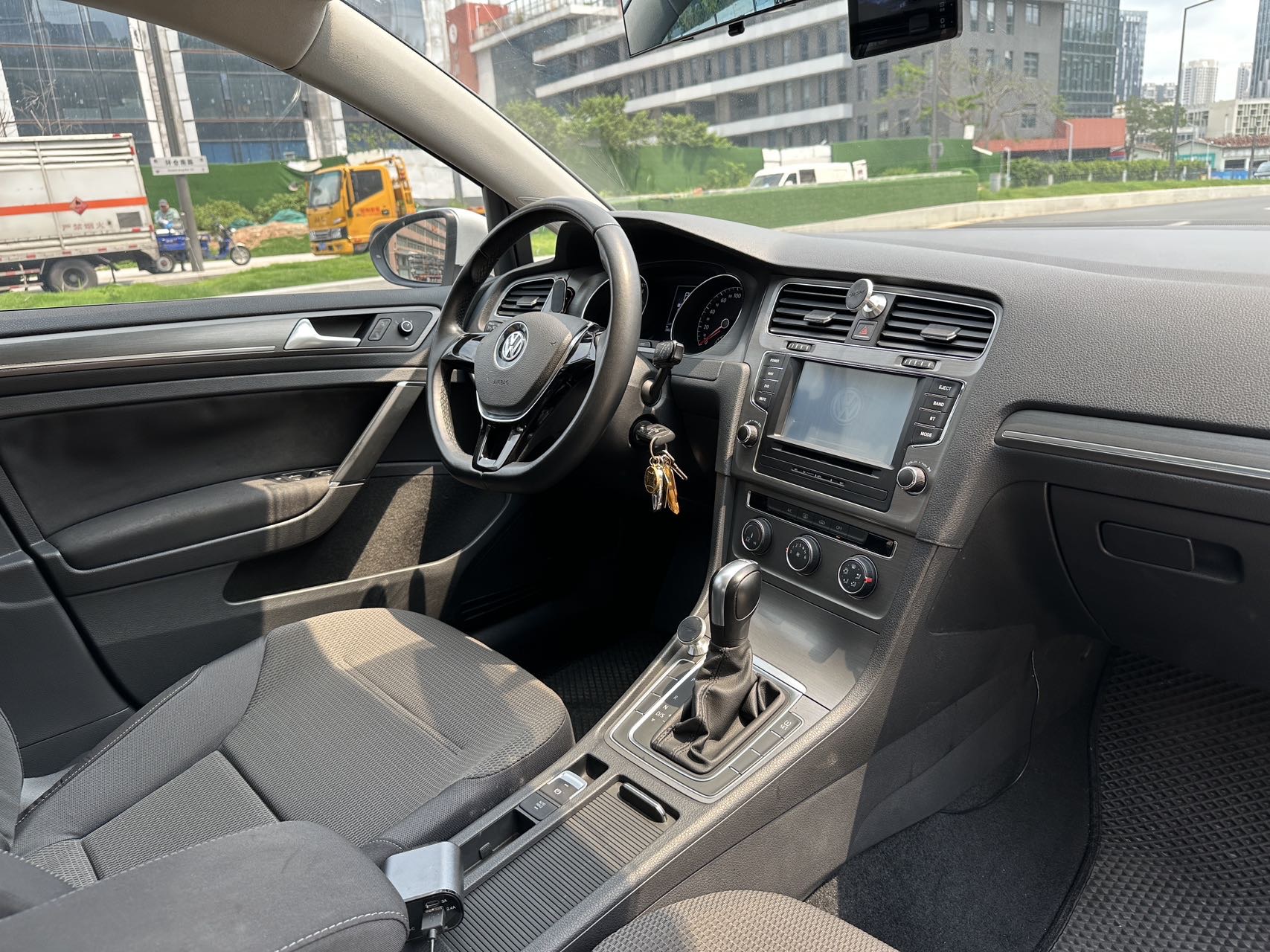
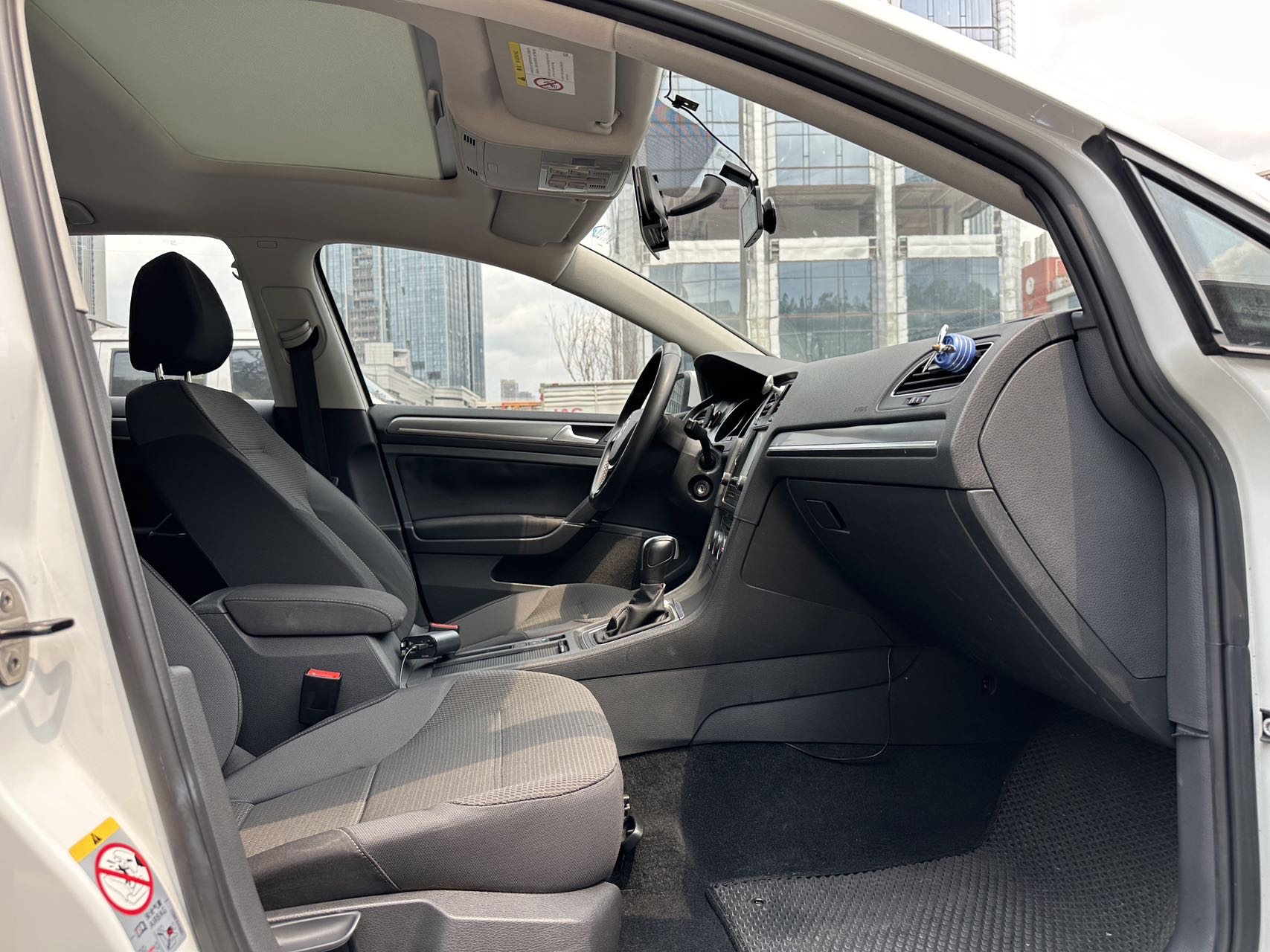
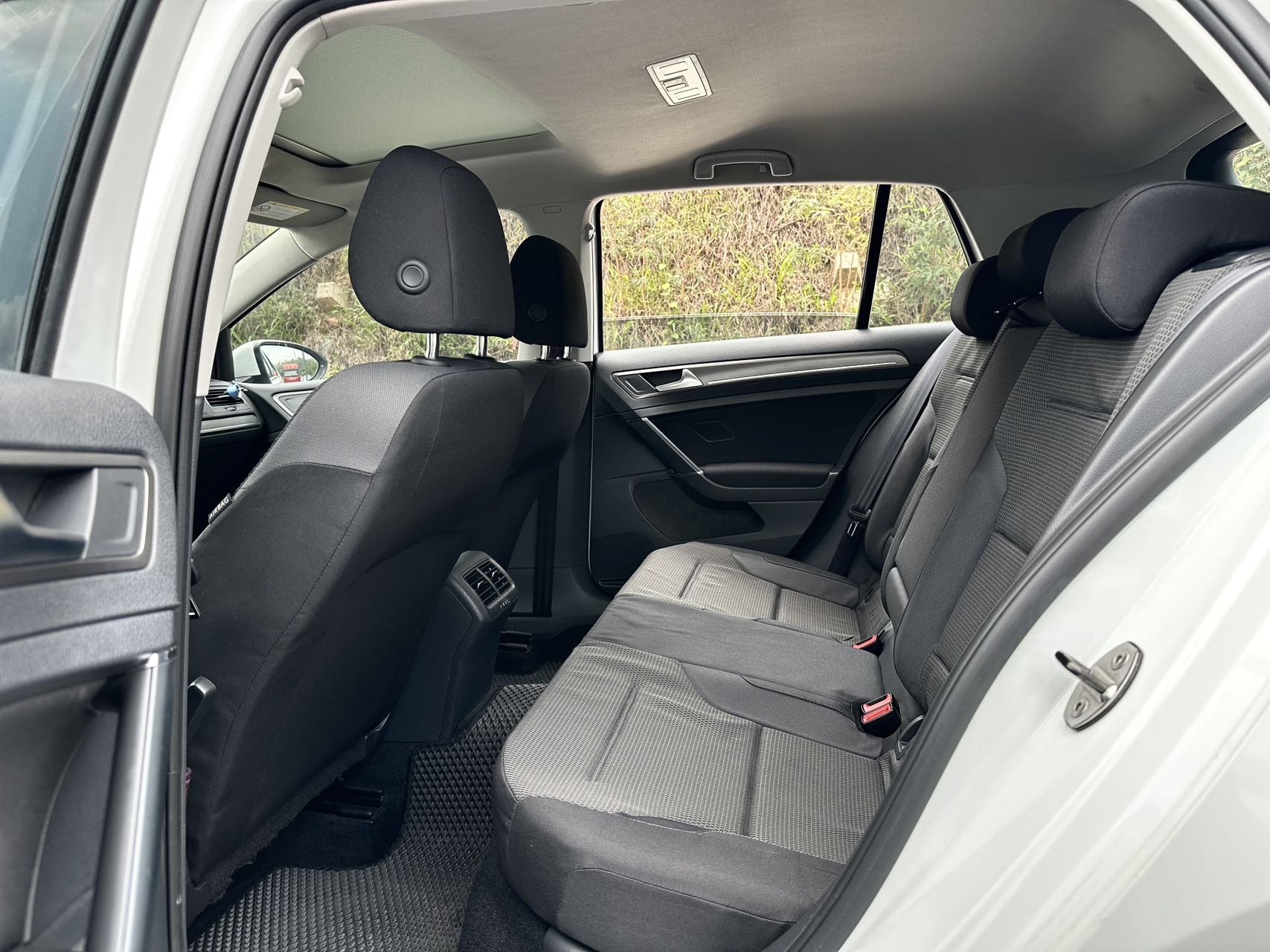
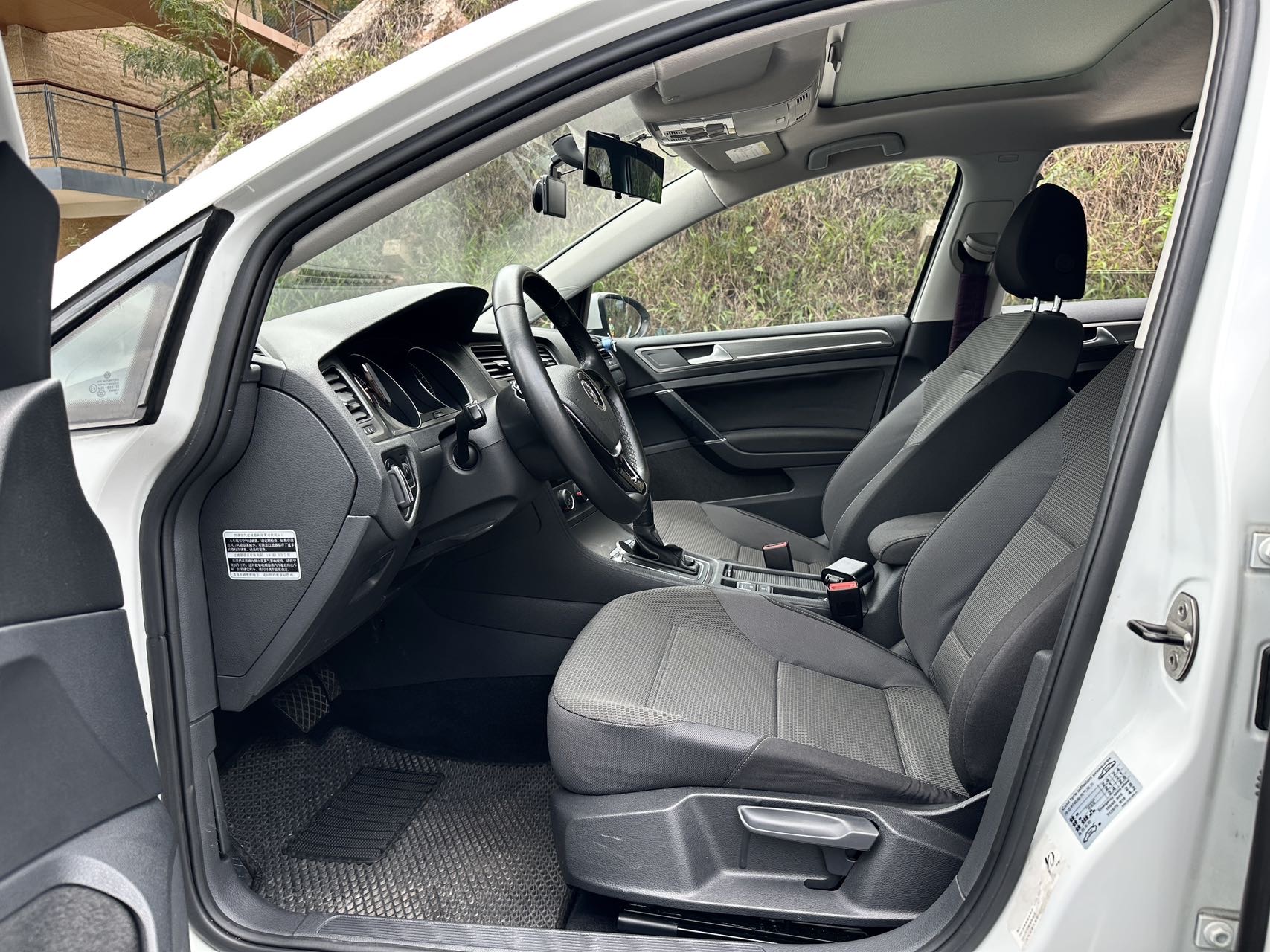
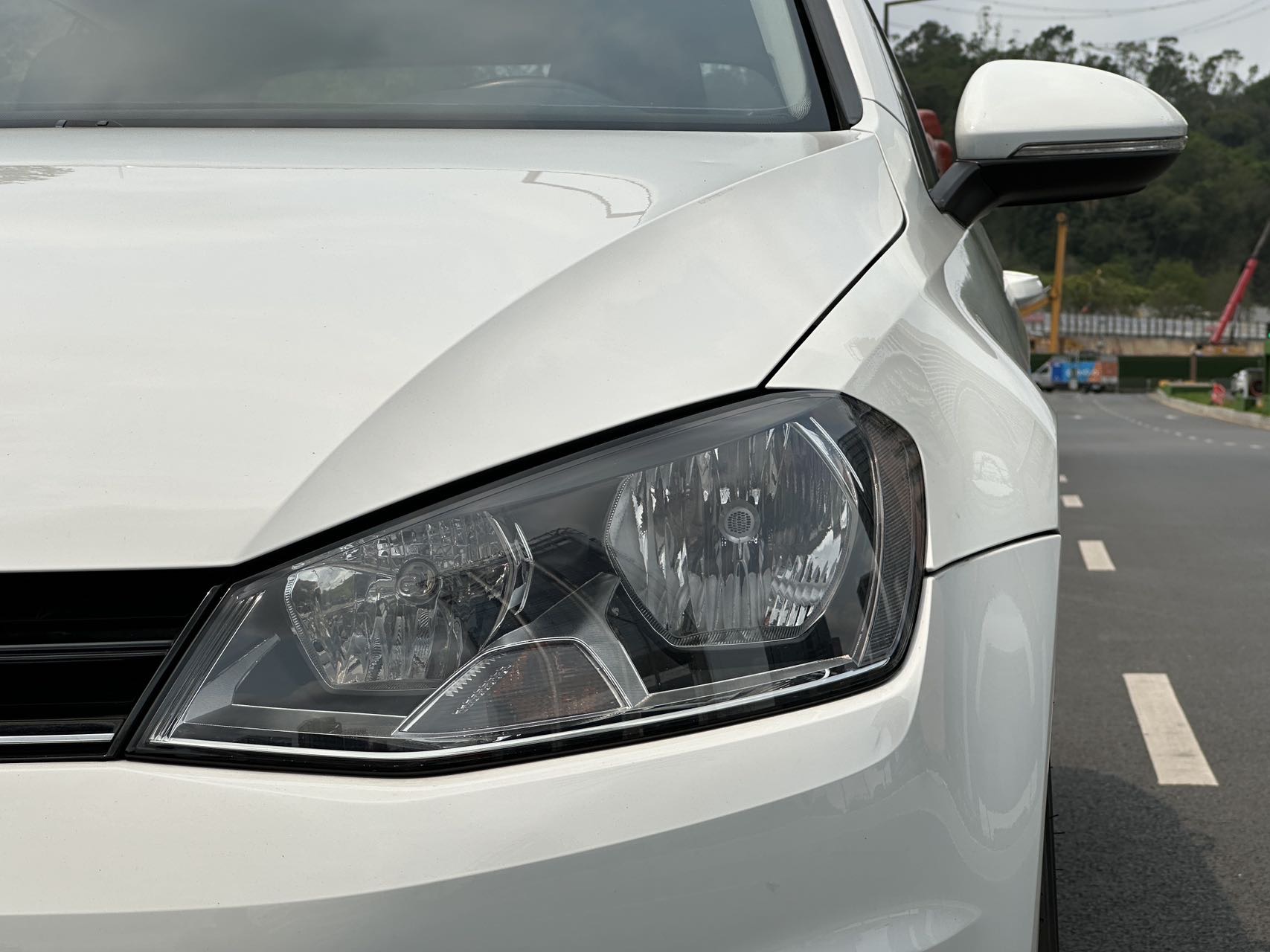
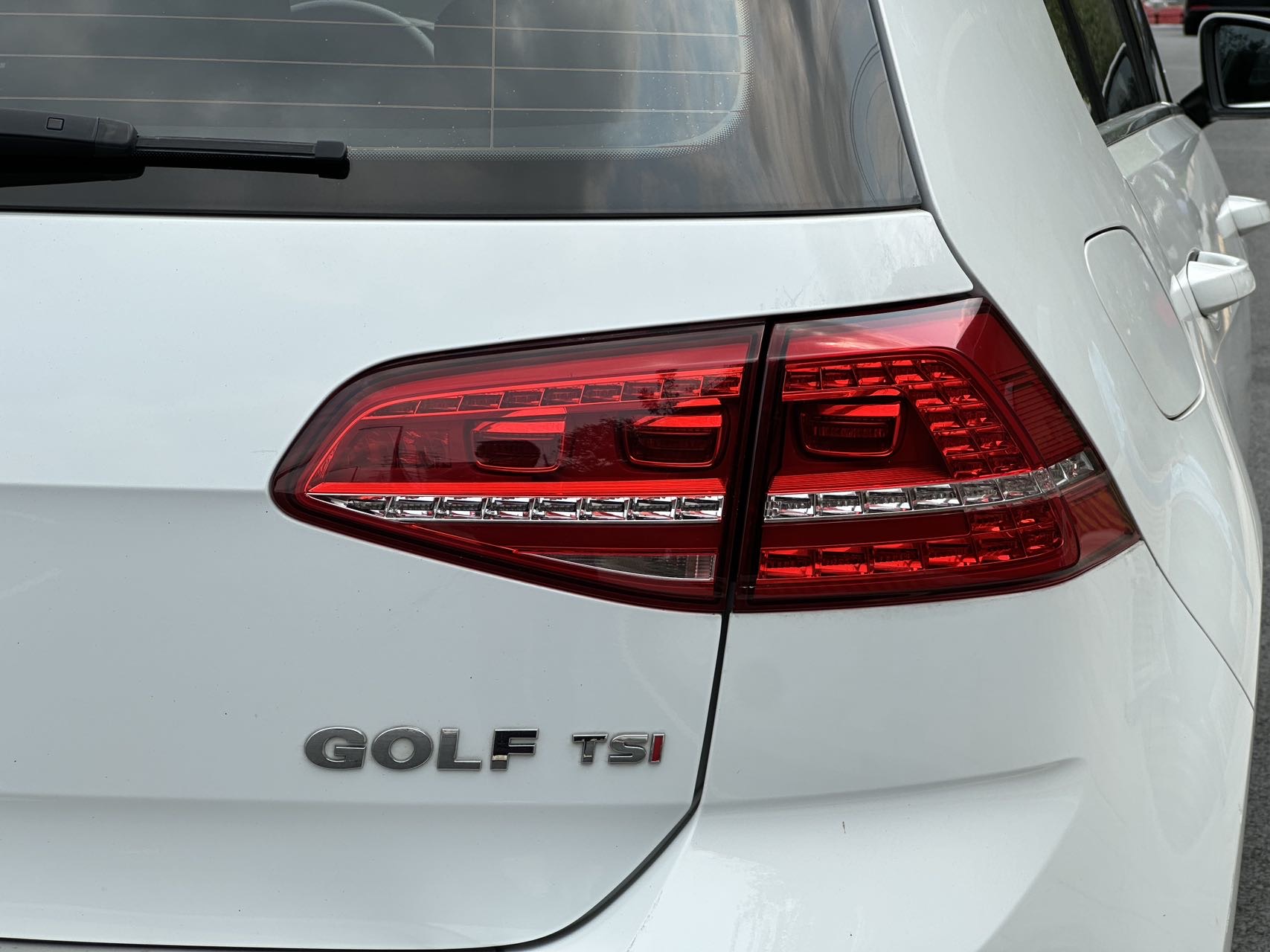
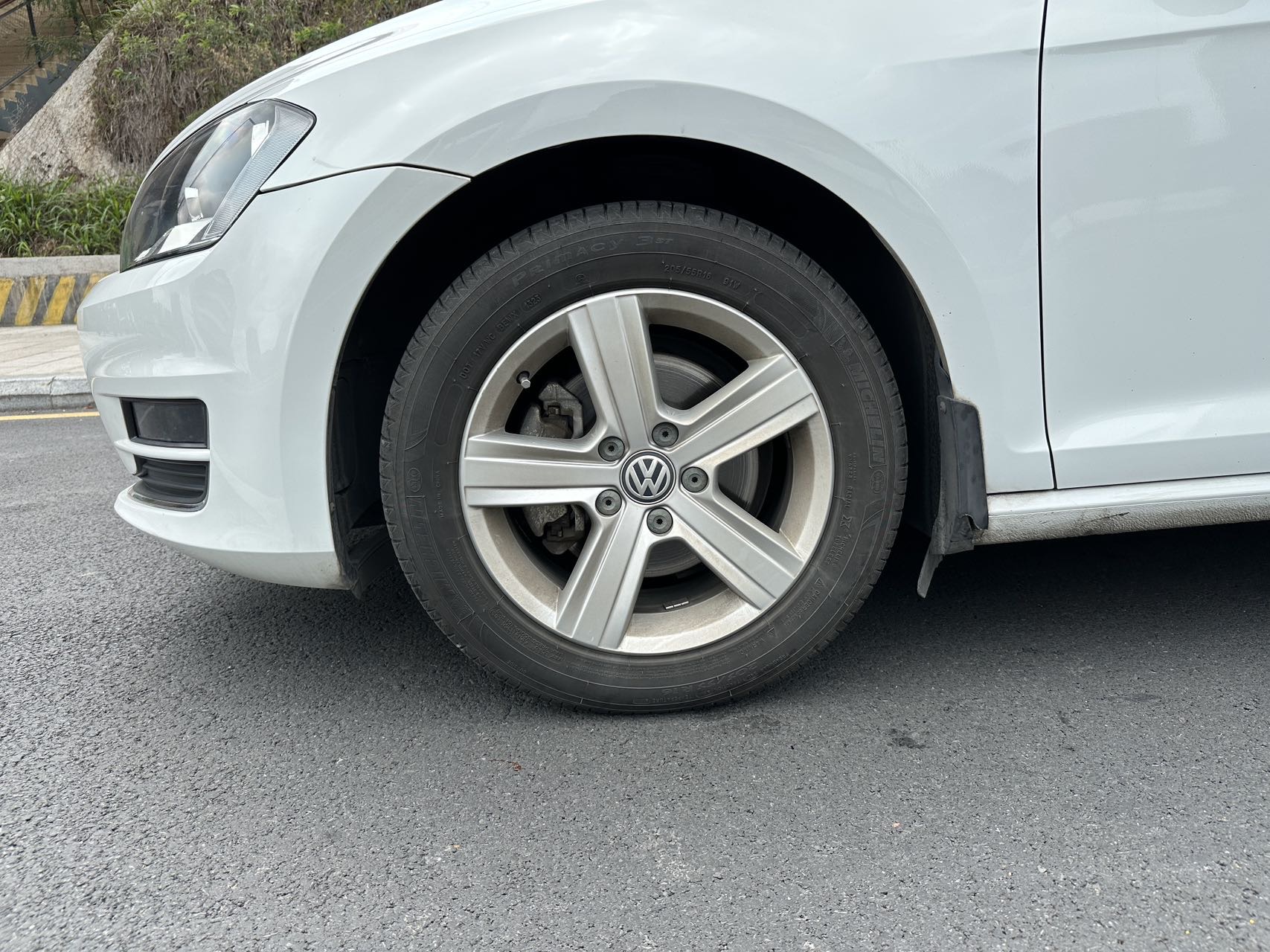
Basic Information

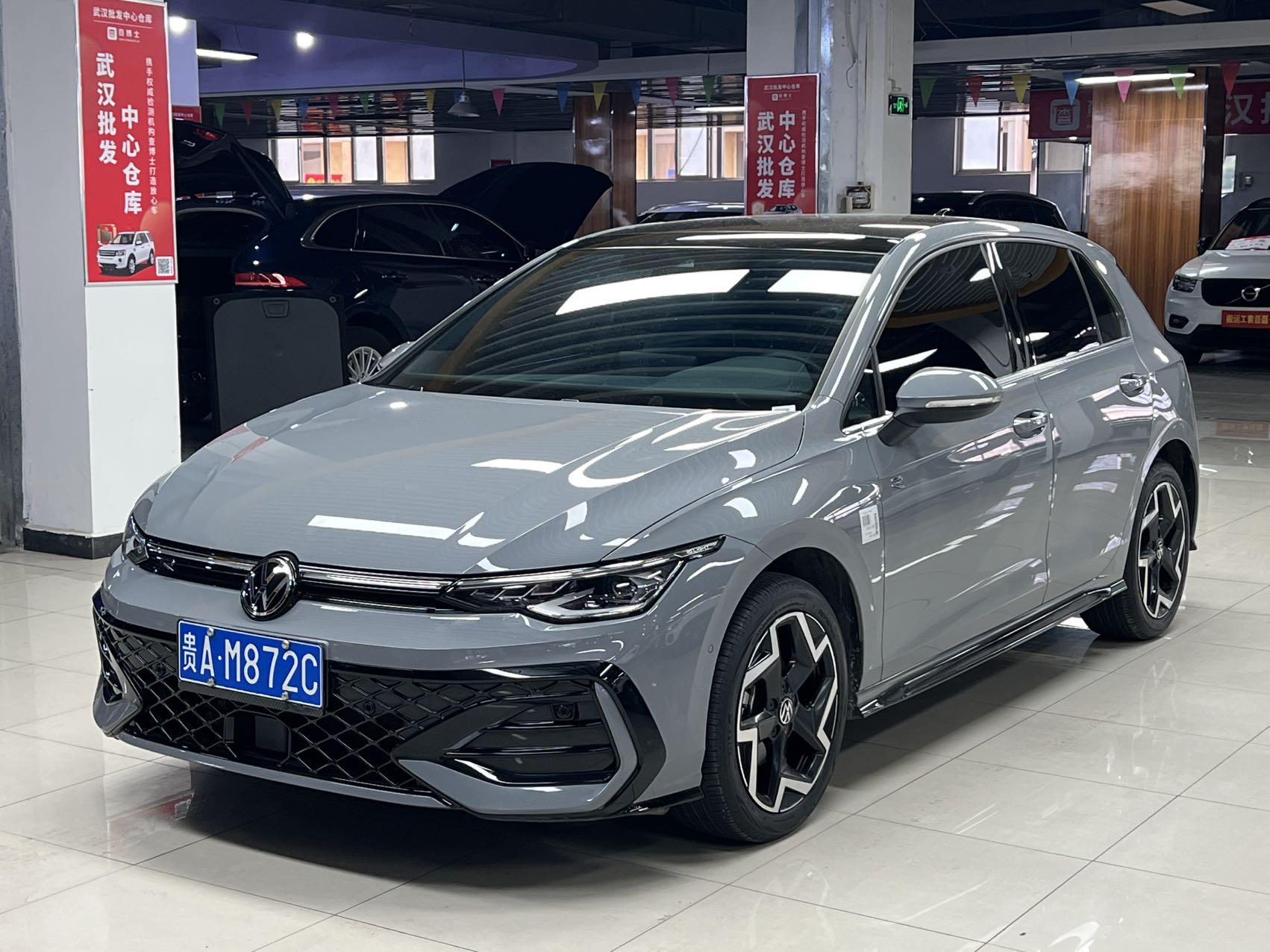
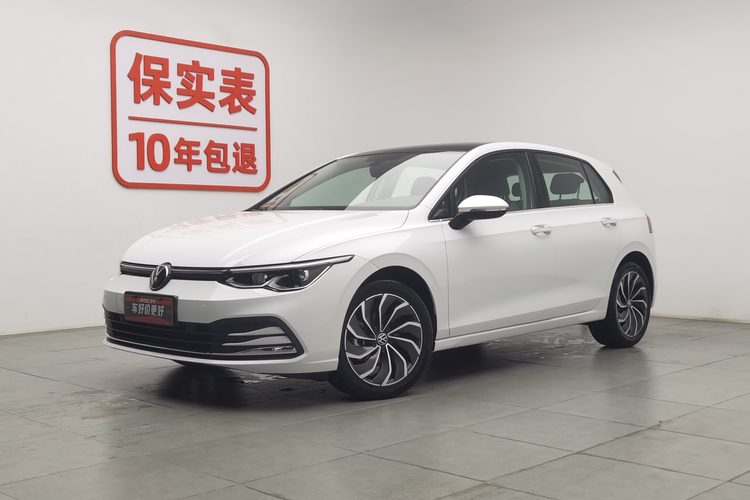
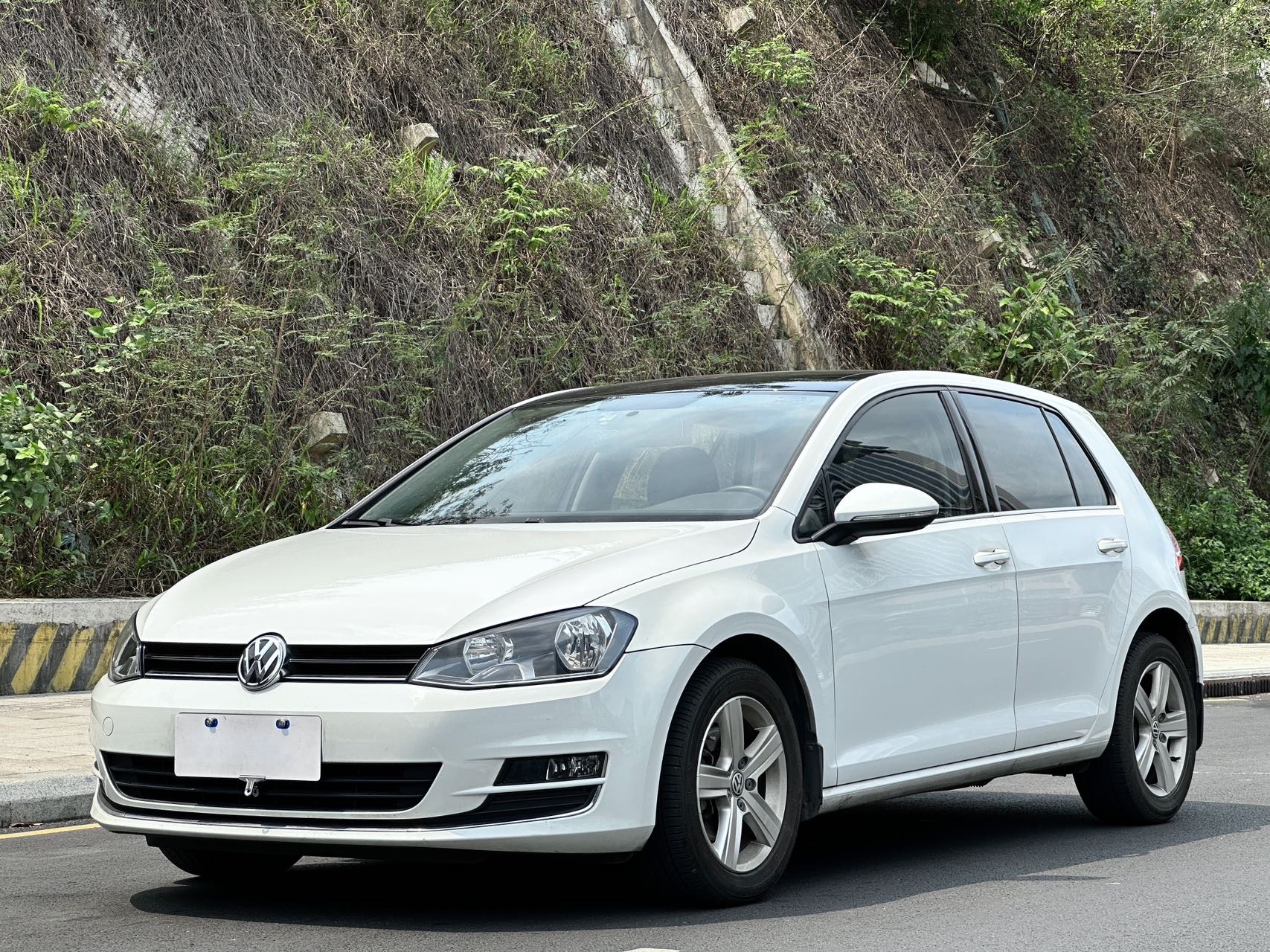
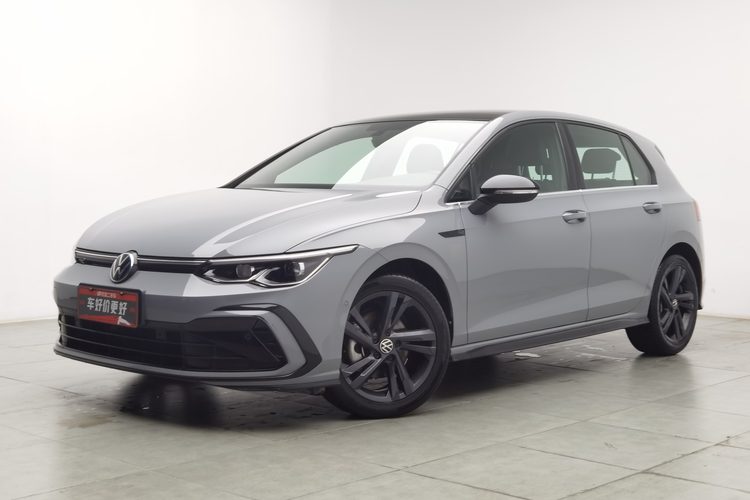
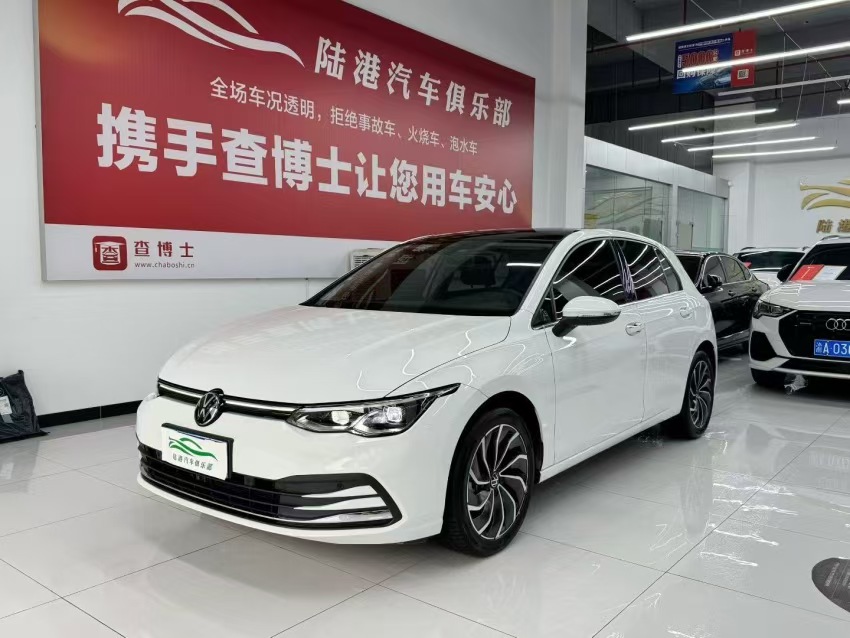
BrandVolkswagen
SeriesGolf
Year2014
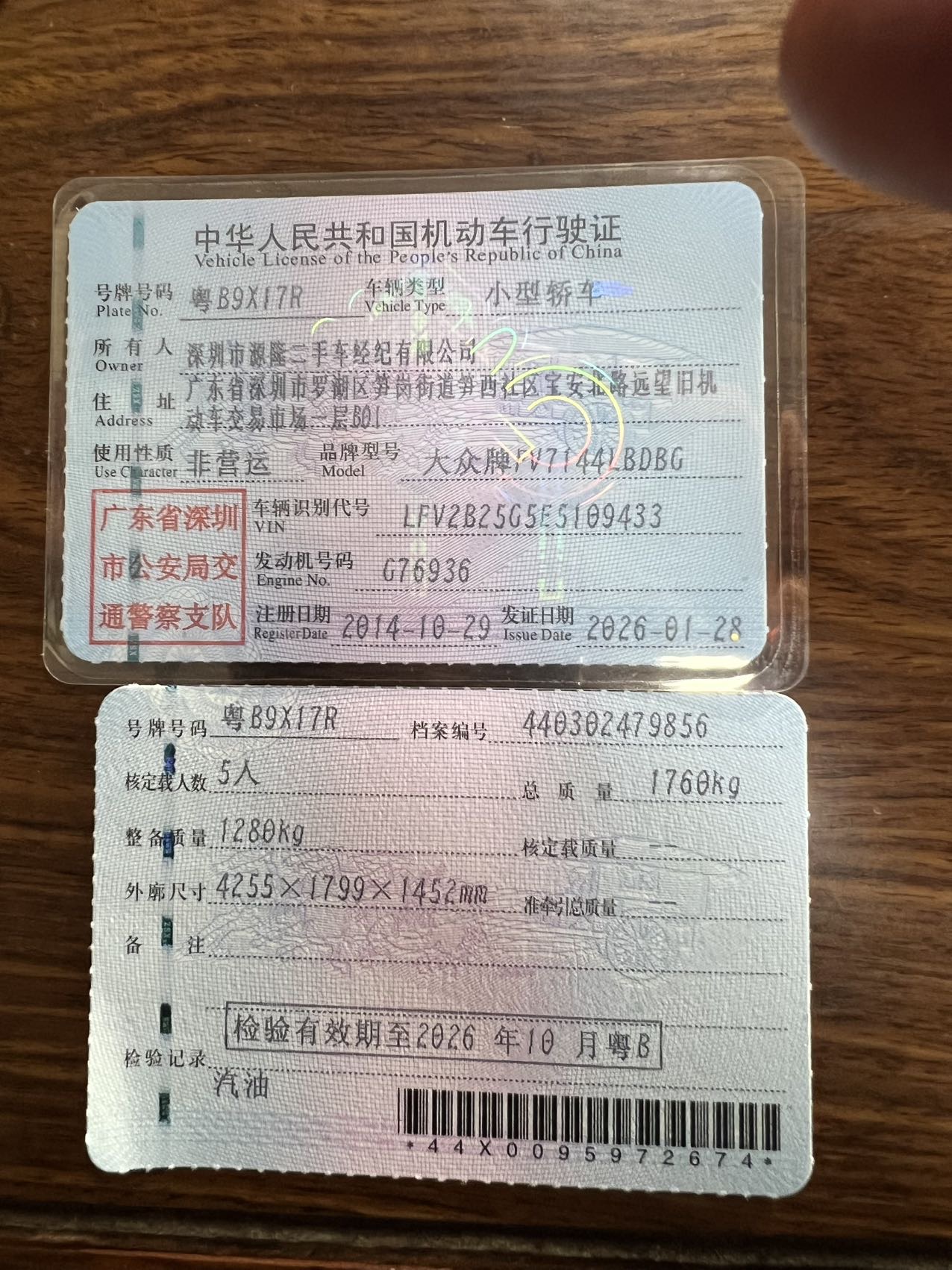
First Registration2014/10
Mileage38,000km
Transfer Count0times
FuelGasoline
TransmissionDCT
Engine1.4T 131 L4
ColorWhite
Seats-

Condition Description

General vehicle condition.

可议价
已上架

Configuration Highlights

✓品牌: 大众
✓车系: 高尔夫
✓车型: 大众 高尔夫 2015款 1.4T 双离合 TSI舒适型
✓能源类型: 燃油车
✓发动机: 1.4T
✓变速箱: 双离合
✓驱动方式: 前轮驱动
✓排放标准: 国V
✓指导价: 15.49万
✓车源编号: 12710222
✓VIN: LFV2B25G5E5109433

Document Information

Inspection Expiry Date2026/10
Warranty Expiry Date-
Insurance Expiry Date2026/10

Q&A

More

What are your assessment criteria and repair recommendations for vehicles with "slight oil seepage (non-dripping)" in the engine or transmission?

As rubber seals age, "slight oil seepage (oil stains but no dripping)" is very common in used cars and is not considered a major fault. Our recommendation is: as long as the oil level does not drop abnormally, just clean and monitor it regularly after arrival, without the need to immediately incur high costs to disassemble and replace the seals.
Can you convert mainstream left-hand drive (LHD) cars in China to right-hand drive (RHD) and then export them?

We maintain an extremely cautious and firm denial. Some platforms may cater to such demands for orders, but converting left-hand drive to right-hand drive involves complex steering column cutting, firewall structure changes, and wiring harness reorganization. This non-factory deep modification poses significant safety risks and is very difficult to pass vehicle safety inspections in developed countries (such as Japan's earthquake test and the UK's IVA test). Out of responsibility for safety and long-term reputation, we refuse to provide any steering conversion services that damage the vehicle's underlying structure.

Why are the shipping costs for used electric vehicles (EVs) usually higher than for internal combustion engine vehicles (ICEs)?

Pure electric vehicles are classified as Class 9 Dangerous Goods due to their large lithium batteries, leading to strict shipping regulations. Shipping companies have high requirements for the loading position and fire isolation measures for dangerous goods, and some roll-on/roll-off ships refuse to accept used EVs. As a result, EVs often require more expensive special container shipping and incur additional handling fees for hazardous materials.