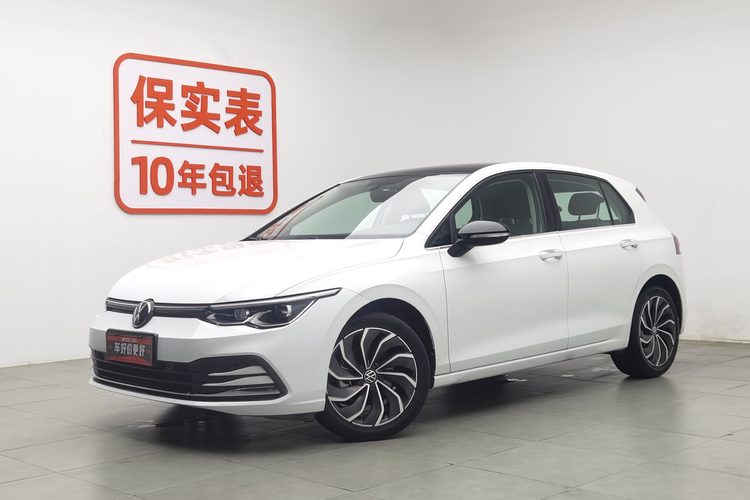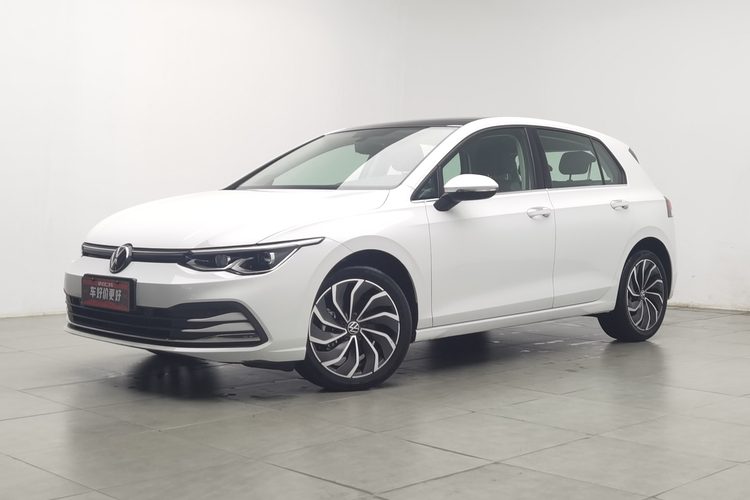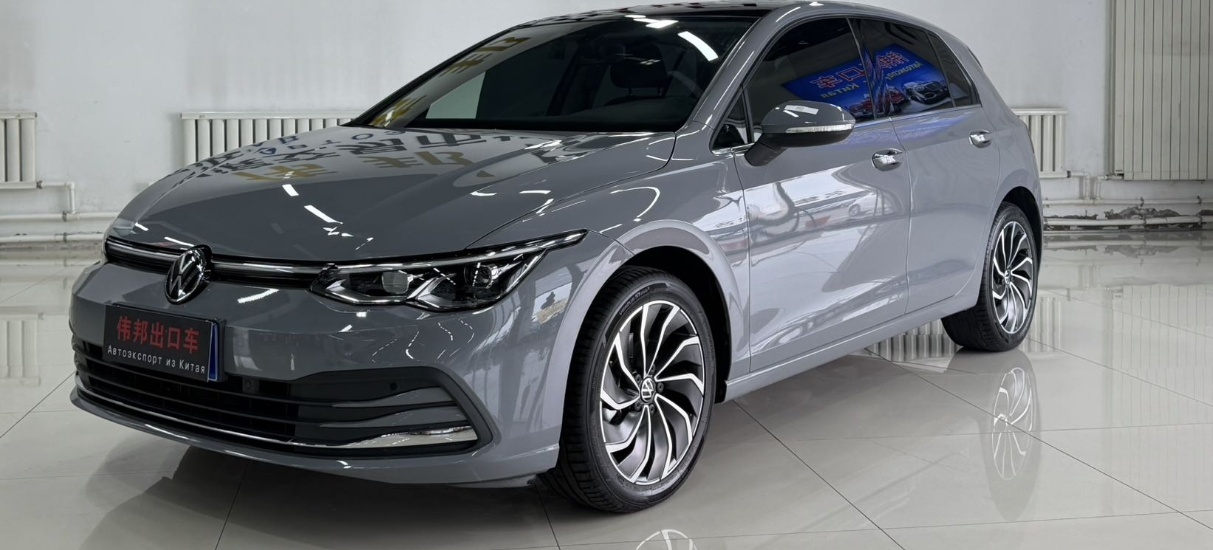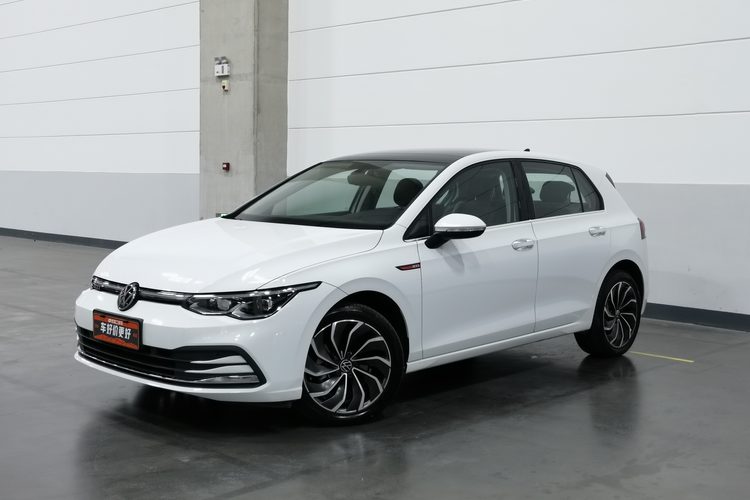



Basic Information

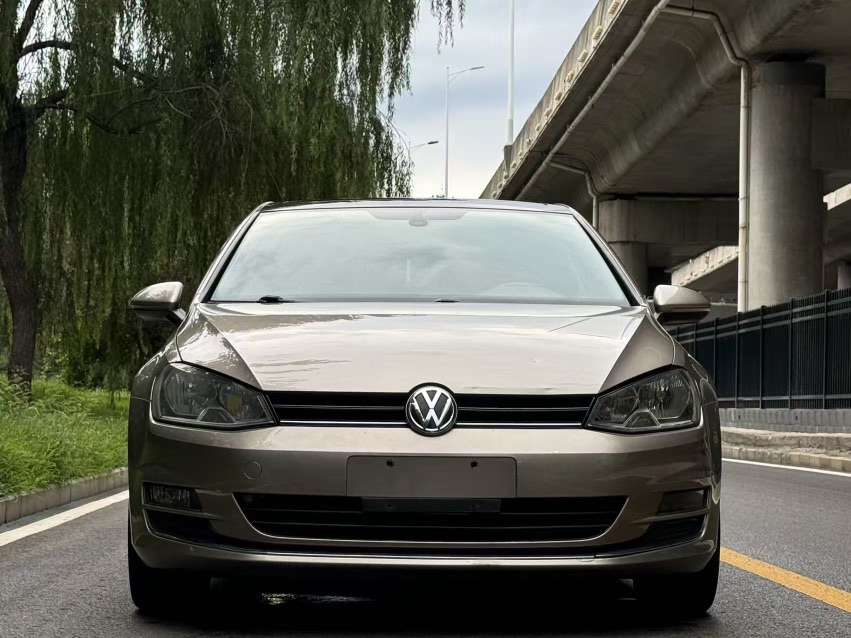
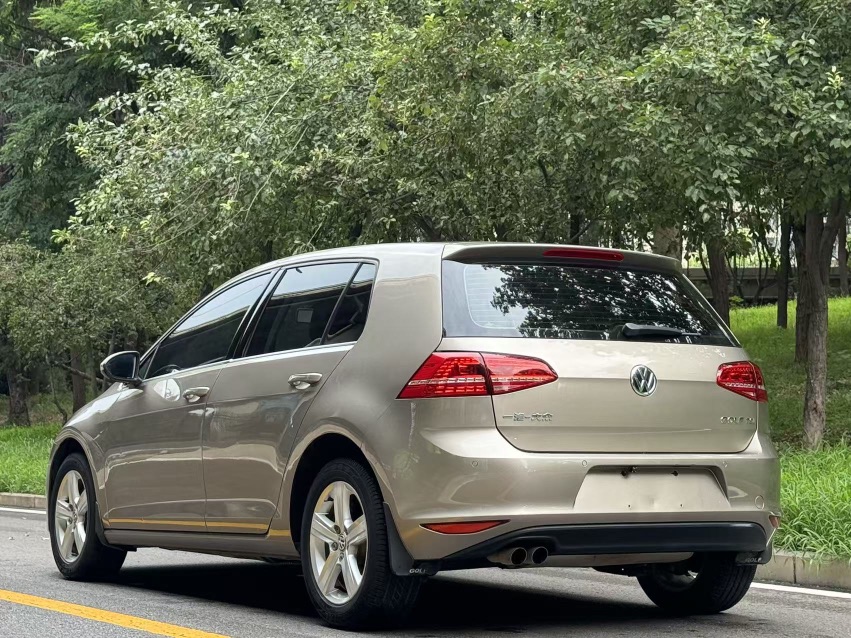
BrandVolkswagen
SeriesGolf
Year2014
First Registration2014/12
Mileage140,000km
Transfer Count1times
FuelGasoline
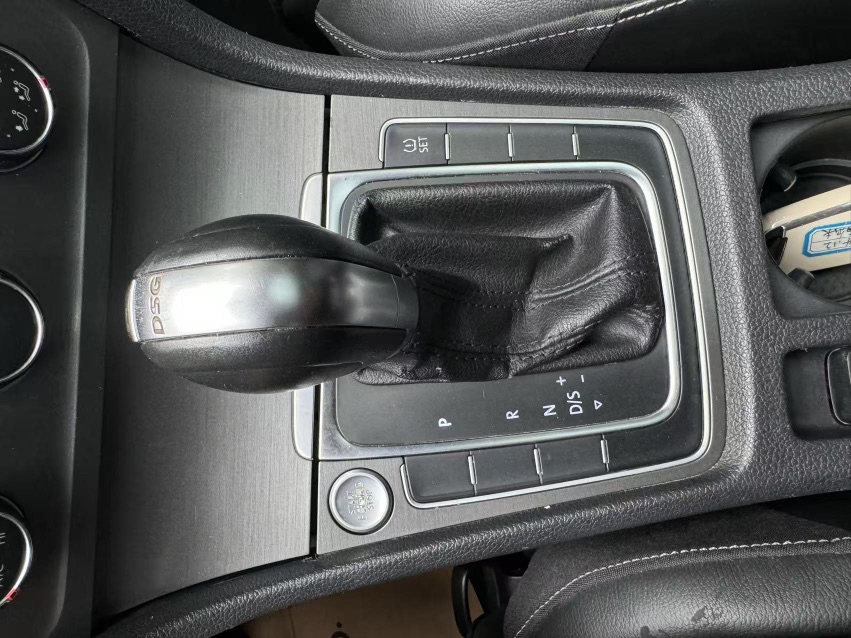
TransmissionDCT
Engine1.4T 131 L4
ColorYellow
Seats-

Condition Description

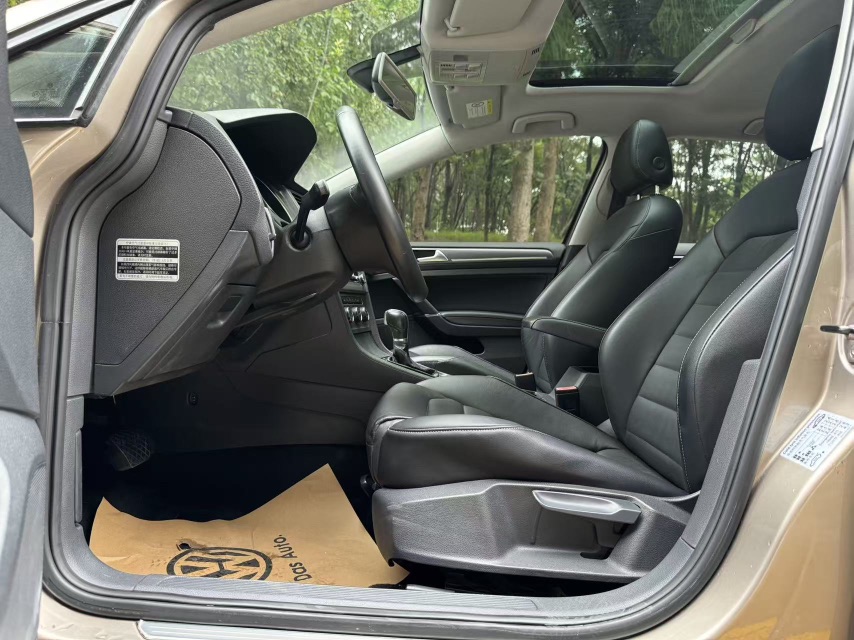
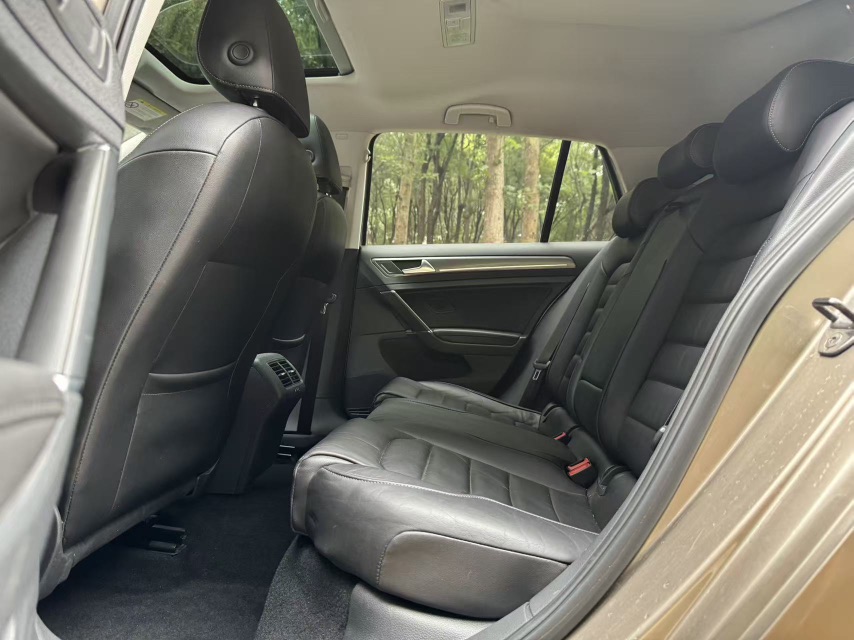
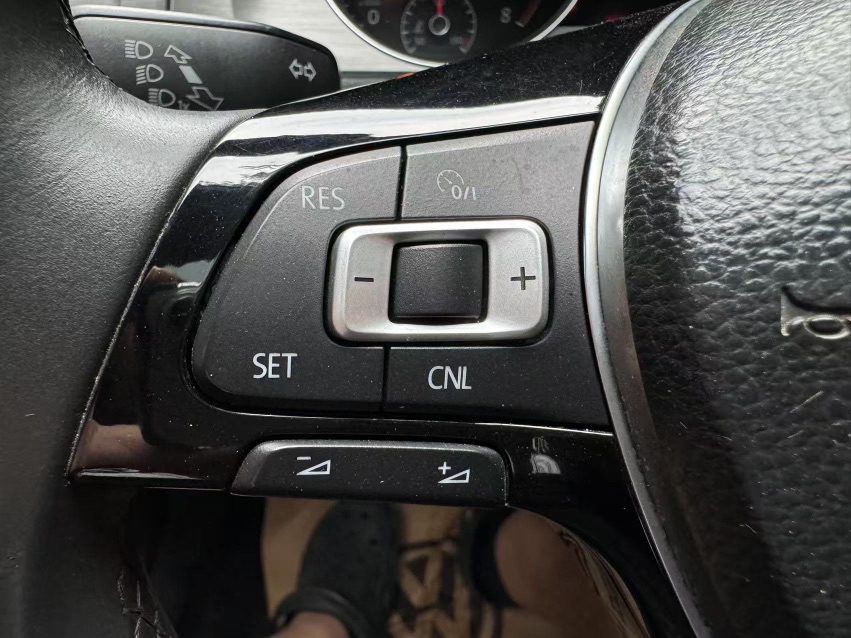
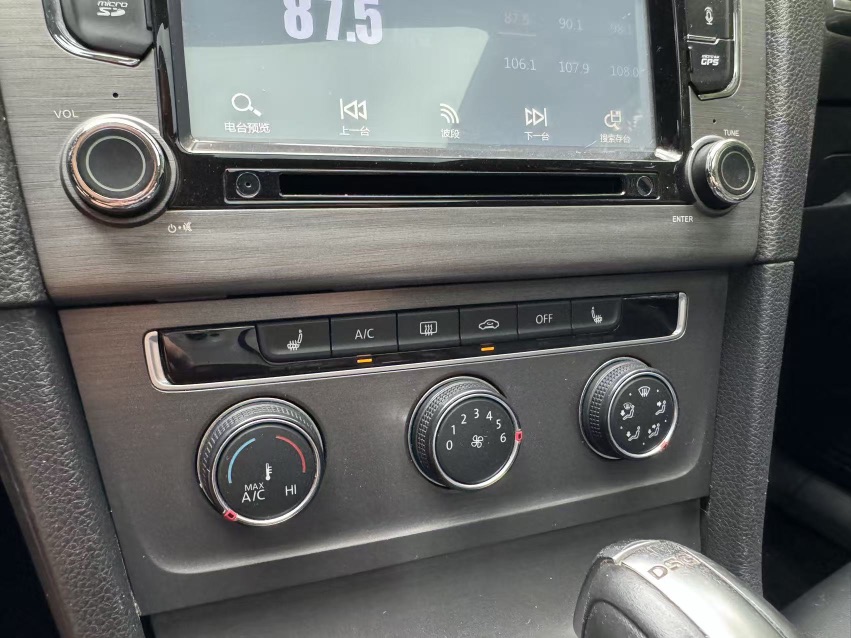
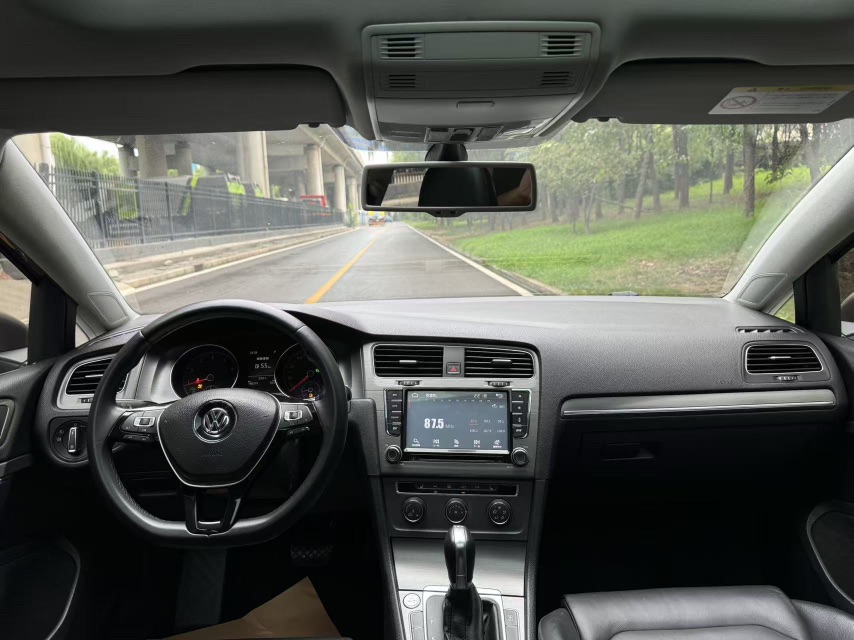
Original condition, one-owner vehicle, front seat heating, actual mileage.

燃油车
轿车
自动
维保开放
事故开放
查验开放

Configuration Highlights

✓品牌: 大众
✓车系: 高尔夫
✓车型: 2015款 1.4TSI 自动豪华型
✓车身类型: 轿车
✓座位数: 5
✓排量: 1.4T
✓变速箱: 自动
✓能源类型: 燃油车
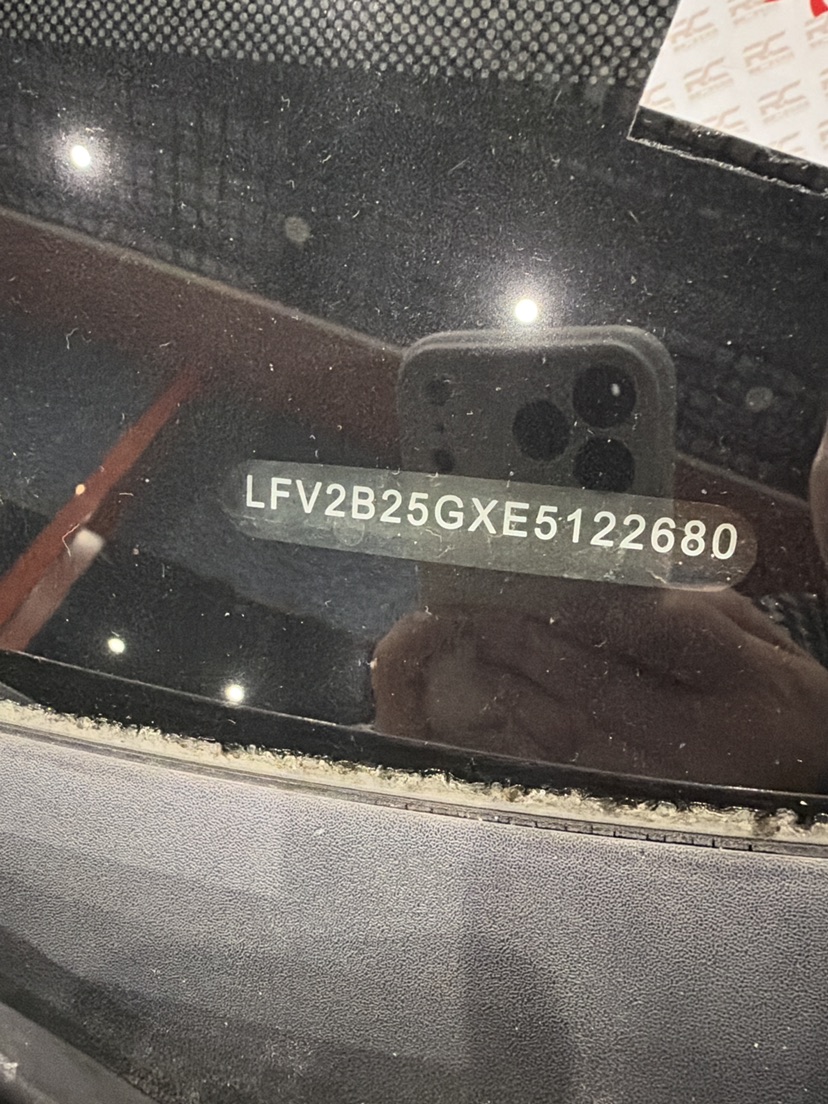
✓VIN: LFV2B25GXE5122680
✓搜索关键词: 大众高尔夫 2015款高尔夫1.4TSI自动豪华型

Document Information

Inspection Expiry Date2026/12
Warranty Expiry Date-
Insurance Expiry Date2027/12

Q&A

More

Does a used car have to be deregistered in China before export, and what proof should I receive?

Yes. Chinese regulations require every exported used car to be officially deregistered before shipment: 1. The exporter transfers the vehicle title locally and takes it off the domestic registration system, then obtains an export license for that specific vehicle. 2. You should receive the deregistration proof together with the export declaration and a copy of the export license. 3. At destination customs, these documents may be requested together with the bill of lading, commercial invoice, packing list and certificate of origin. Keep scanned copies of everything and have the originals couriered to you before the vessel arrives. If any document is missing at the destination port, clearance can be delayed for weeks while storage fees accumulate daily.


How do you prove to overseas buyers that this car has never had a major structural accident?

We do not rely on the seller's verbal assurances. We provide multi-dimensional accident-free certification by cross-referencing insurance claims records, service orders from authorized dealerships, and conducting on-site paint thickness measurements and weld point inspections of the chassis and structural components (longitudinal beams, A/B/C pillars, shock absorber mounts).

How do you detect carbon buildup and wear inside the engine using technology without deep disassembly?

We use two steps: 1. Insert a medical-grade endoscope through the spark plug hole to visually inspect cylinder wall scratches and carbon buildup on the piston top; 2. Extract an engine oil sample to check for large metal debris or emulsification (caused by coolant leakage).